NASA će u narednim danima izneti 322-stopnu raketu SLS nazad na lansirnu rampu 39B u Kennedy Space Centeru kao pripremu za misiju Artemis 2. Transport može potrajati do 12 sati i izvešće ga crawler-transporter na trasi dugoj oko 6,4 km. Ciljano lansiranje je 1. april, uz rezervne datume u aprilu; livestream će verovatno biti dostupan na NASA YouTube kanalu. Artemis 2 će biti prvi let ljudi oko Meseca od 1972. i trajaće oko deset dana.
NASA vraća SLS na rampu u Kennedyju: kako i kada pratiti transport pred misiju Artemis 2
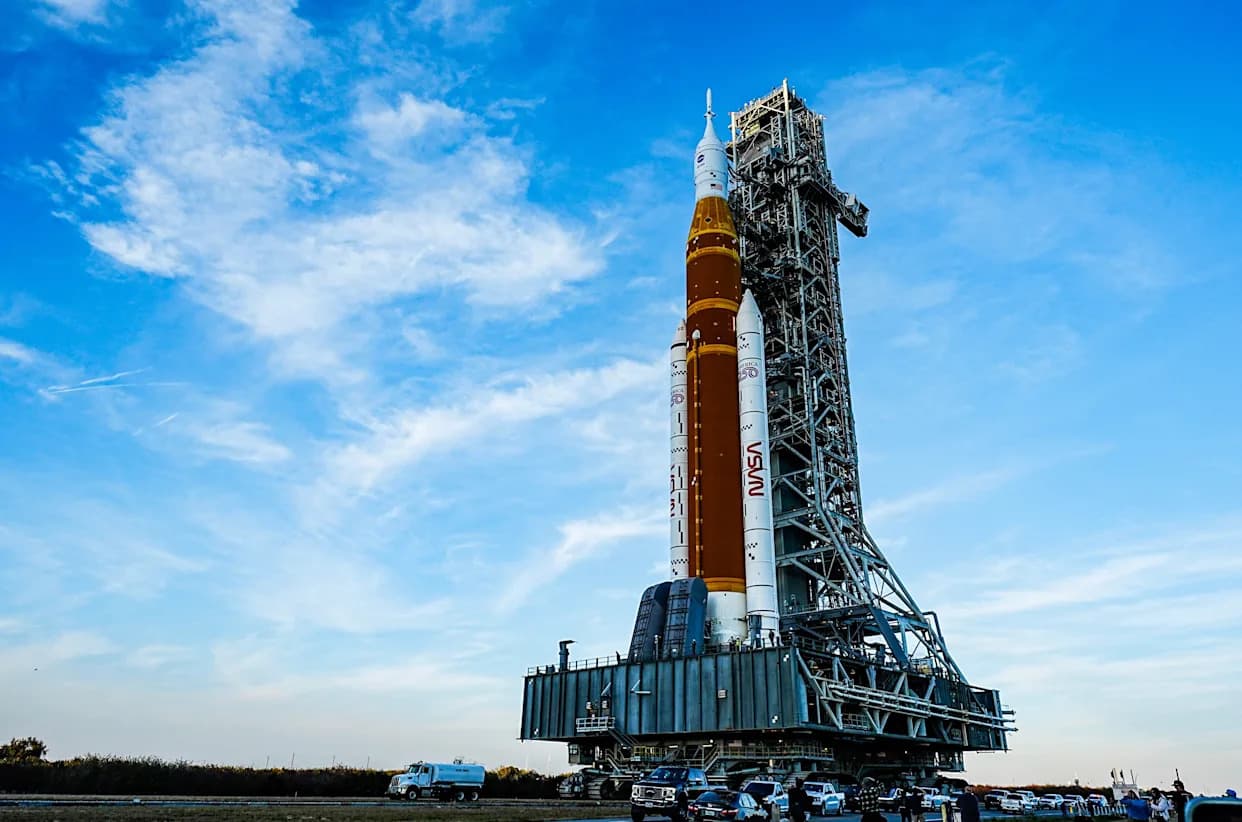
NASA to conduct Artemis rocket rollout in Florida. How to watch
Ogromna američka raketa za letove ka Mesecu uskoro će ponovo dominirati nebom Floride dok NASA priprema njeno vraćanje na lansirnu rampu kao ključnu etapu pred misiju Artemis 2.
Šta se dešava
Space Launch System (SLS) visok oko 322 stope (približno 98 metara) biće po drugi put iznet na lansirnu rampu 39B u Kennedy Space Centeru tokom 2026. godine. Raketa je ranije bila izmeštena sa rampe sredinom januara, vraćena u Vehicle Assembly Building (VAB) krajem februara radi popravki i tehničkih provera, a sada je spremna za povratak na rampu.
Razlozi i detalji transporta
Transport kompletno pristavljene rakete trajaće do 12 sati i izvesti će ga veliki transporter poznat kao crawler-transporter. Put od montažnog objekta do rampe je oko 4 milje (otprilike 6,4 km). Jedan od radova koji je zahtevao zadržavanje u VAB-u bila je zamena električnog kablovskog snopa na sistemu za prekid leta (flight termination system) glavnog stejdža.
Termin lansiranja i prenos uživo
NASA je navela ciljano lansiranje misije Artemis 2 za 1. april, uz rezervne datume u periodu 2.–6. april i 30. april u slučaju vremenskih ili drugih zastoja. Kada bude potvrđen tačan datum i vreme pomeranja rakete, NASA će pružiti direktan prenos događaja; prenos verovatno neće biti na NASA+ servisu, već na NASA-ovom YouTube kanalu.
O misiji Artemis 2
Artemis 2 je planirani desetodnevni let sa ljudskom posadom koji će Orion kapsulom proleteti oko Meseca. Misija ne uključuje sletanje, ali će posada testirati sisteme i opremu za buduće ekspedicije na površinu Meseca. Tokom leta posada će se približiti i proći približno 4.700 milja (oko 7.560 km) iza daleke strane Meseca — najdalje udaljenje ljudi u dosadašnjem svemirskom programu.
Posada i pripreme
U posadi misije nalaze se komandant Reid Wiseman, pilot Victor Glover, stručnjakinja za misiju Christina Koch i predstavnik Kanadske svemirske agencije Jeremy Hansen. Pre lansiranja astronauti će provesti približno dve nedelje u karantinu u Johnson Space Centeru u Houstonu radi smanjenja rizika od bolesti.
Šta sledi nakon Artemis 2
Naredne Artemis misije planiraju dalji napredak ka sletanju na Mesec: Artemis 3 je predviđen za 2027. (dokovanje sa komercijalnim lunar-landerima), dok se prvo moguće sletanje planira najranije tokom misije Artemis 4, oko 2028. godine.
Gde pratiti: Za najnovije informacije i livestream proverite NASA-ov zvanični YouTube kanal i objave NASA-e.

Firefly's Blue Ghost lunar lander captures its shadow on the moon's surface after completing a successful landing March 2 near a volcanic feature on the moon called Mons Latreille. The vehicle became the first of two landers manufactured by a U.S. company to reach the moon is 2025 in crucial missions to lay the groundwork for NASA to return humans to the lunar surface in the years ahead.
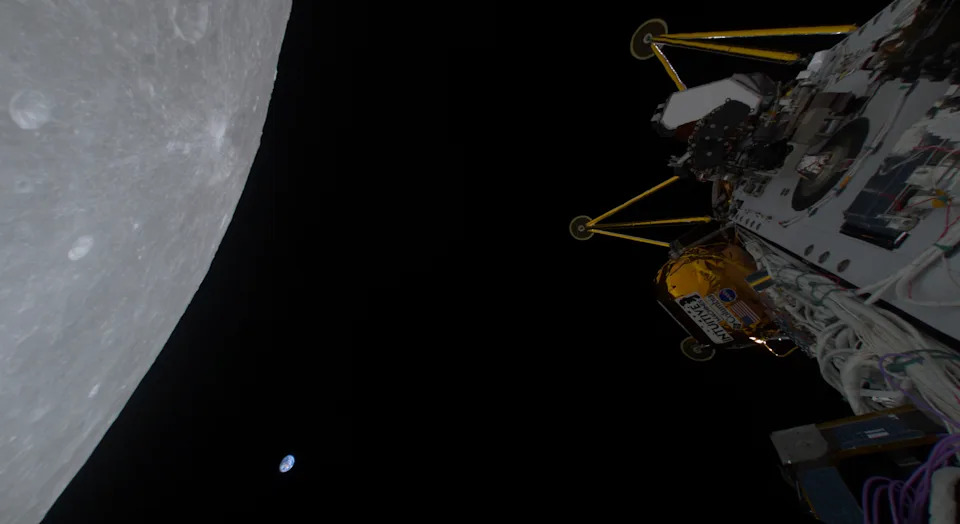
Athena, the lunar lander on Intuitive Machines' IM-2 mission, captured this image of the moon's surface with Earth seen in the distance ahead of a March 6 landing attempt. While the lander was the second U.S. vehicle to reach the moon within a week, it ultimately landed on its side, which hindered much of its mission.
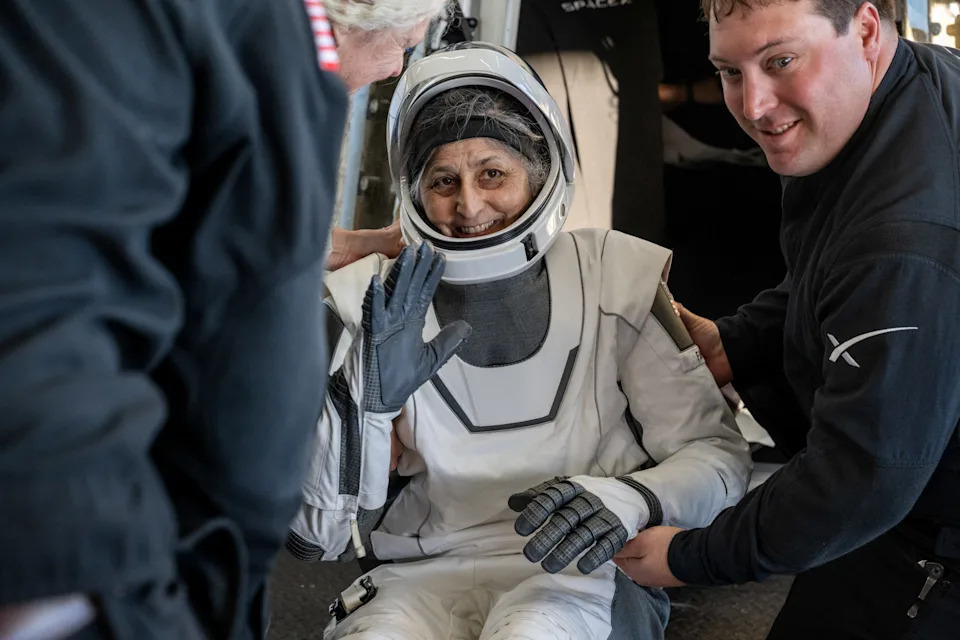
NASA astronaut Suni Williams is helped out of a SpaceX Dragon spacecraft March 18 following a return to Earth after a nine-month stay at the International Space Station. She and NASA astronaut Butch Wilmore crewed the Boeing Starliner, which had launched in June 2024 on a failed test flight that was meant to return them to Earth a few days later.
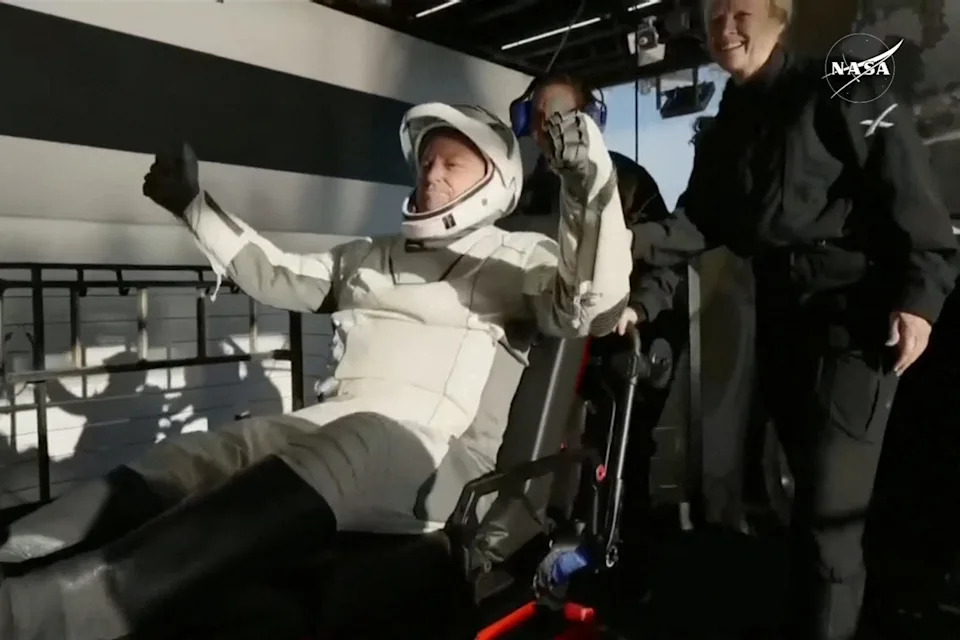
Butch Wilmore reacts after he and Suni Williams and two other astronauts splashed down March 18 in a Crew Dragon space capsule following their return to earth from the International Space Station off the coast of Florida. The astronauts' extended stay at the orbital outpost dominated the news cycle for months.
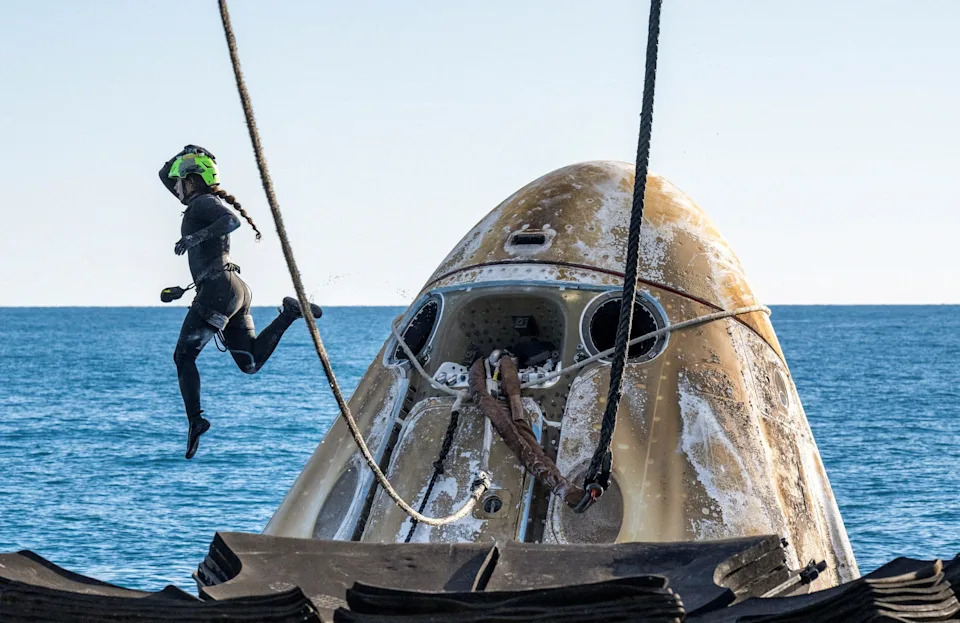
A SpaceX support team member is seen airborne while working to lift the SpaceX Dragon capsule that returned the Starliner astronauts and two others onto a recovery vehicle following its landing off the coast of Florida.

This picture shows the crew of a privately-funded mission known as Fram2, from left to right, mission specialist and medical officer Eric Philips, mission commander Chun Wang, pilot Rabea Rogge and vehicle commander Jannicke Mikkelsen on March 19, 2025 in Hawthorne, California. Launched March 31 from Florida using a SpaceX Dragon capsule, the mission became t first ever human spaceflight over the Earth's polar regions.
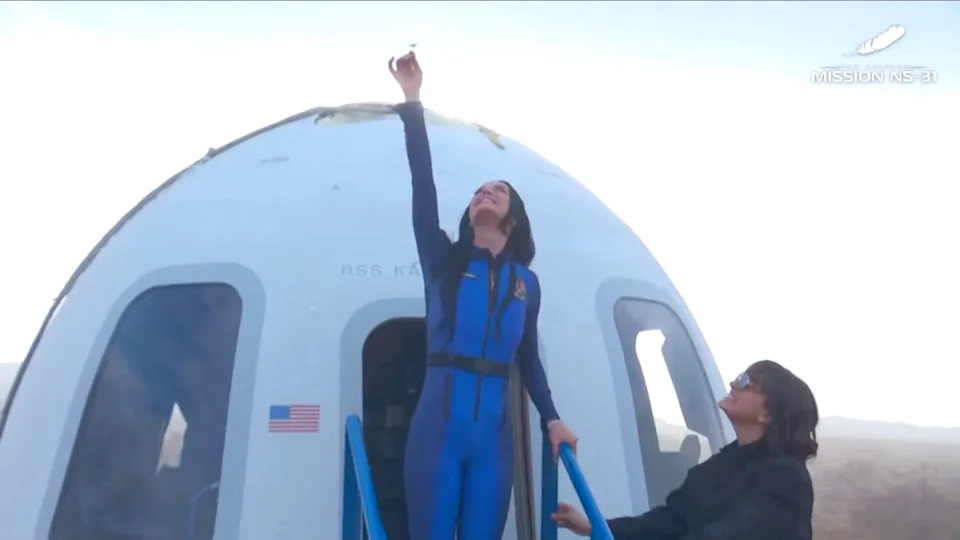
Pop musician Katy Perry emerges April 14 from Blue Origin's New Shepard capsule in West Texas following a brief flight to the edge of space. Perry was part of an all-women crew that also included broadcast journalist Gayle King that took the ride from Blue Origin's facility called Launch Site One. The high-profile launch attracted plenty of headlines and even drew some backlash from those who viewed the mission as a wasteful publicity stunt.
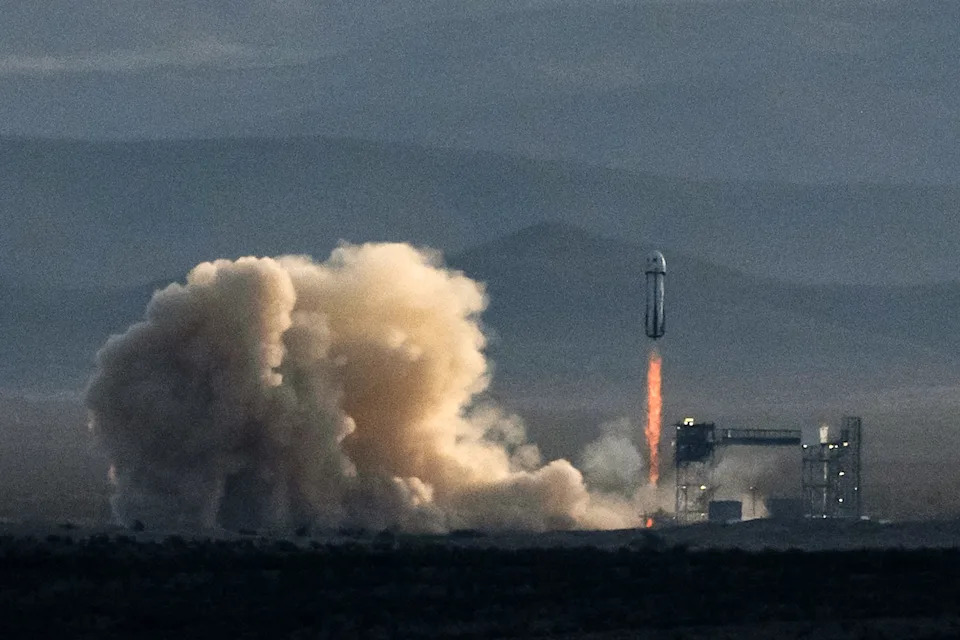
Blue Origin's New Shepard rocket carrying astronauts Aisha Bowe, Amanda Nguyen, Kerianne Flynn, Gayle King, Katy Perry, and Lauren Sanchez lifts off April 14 from Launch Site One near Van Horn, Texas. Blue Origin has since launched five more human spaceflights on the New Shepard in 2025.
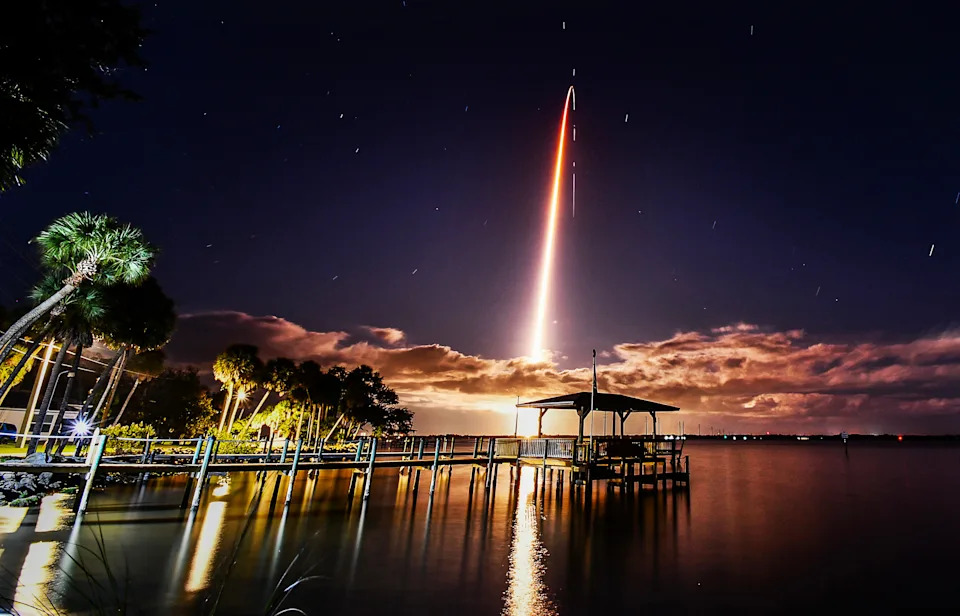
This photo depicts a United Launch Alliance Atlas V rocket carrying the latest batch of Amazon's broadband satellites on Dec. 16 to low-Earth orbit after launching from the Cape Canaveral Space Force Station in Florida. Formerly called Project Kuiper, the venture has since been renamed Amazon Leo. Since its debut April launch, Amazon Leo has deployed 180 of 3,000 satellites planned for its first constellation, which could challenge SpaceX's Starlink.
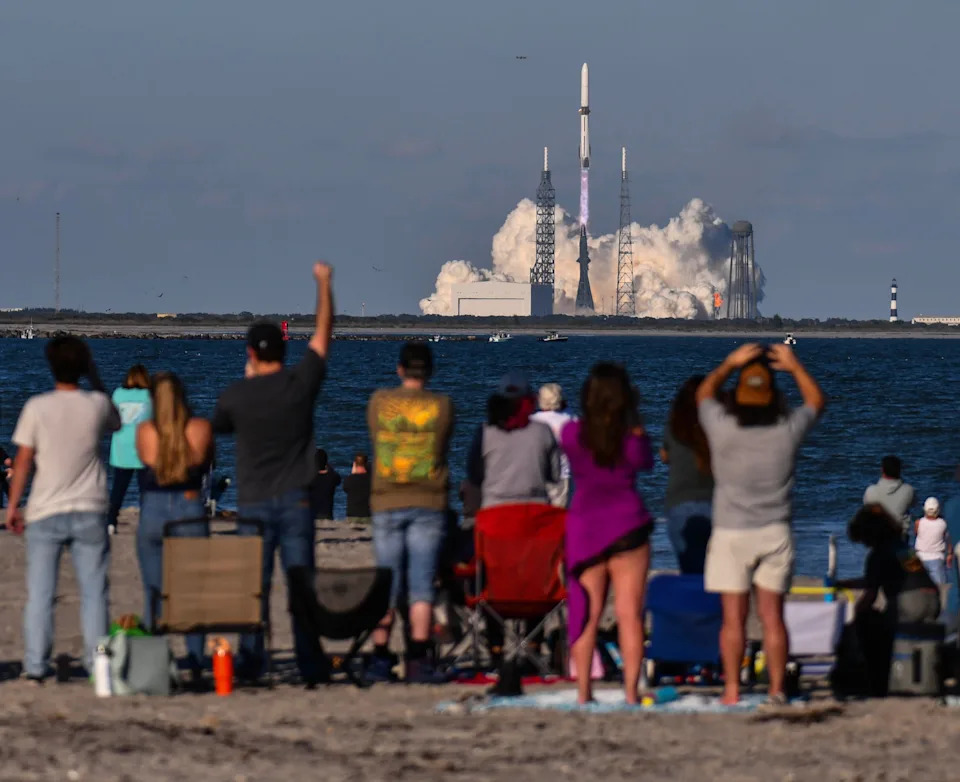
A group of Blue Origin employees with their friends and families gather on the beach in Cape Canaveral for the launch of Blue Origin's second New Glenn rocket in 2025. Following its January debut, the rocket launched for the second time Nov. 13 from Launch Complex 36 at Cape Canaveral Space Force Station, sending NASA's twin ESCAPADE spacecraft on their trek to Mars.
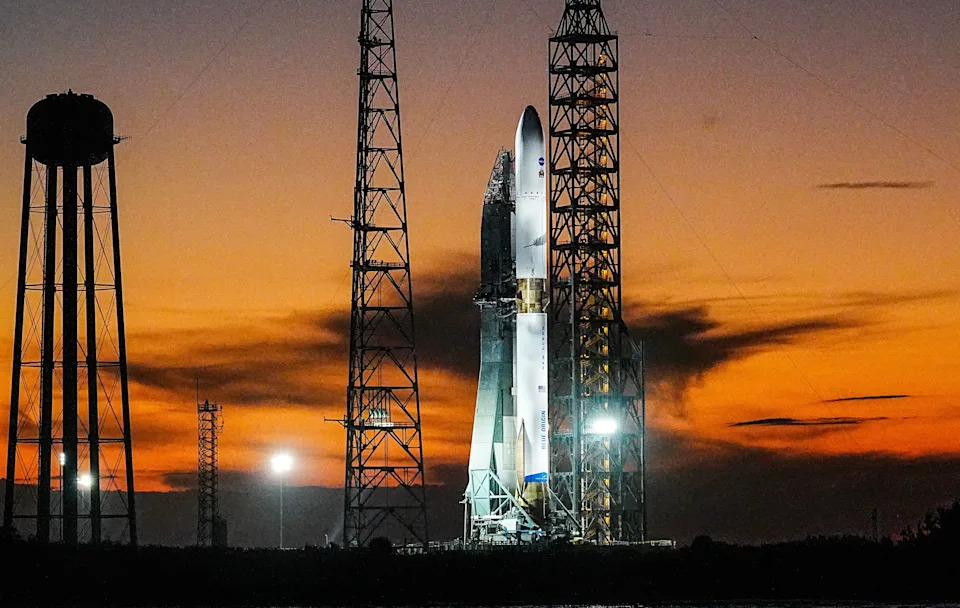
Darkness falls Nov. 9 as a Blue Origin New Glenn rocket is prepped for its second-ever launch from the Cape Canaveral Space Force Station. Blue Origin is developing the towering rocket for heavy-lift missions that could see Jeff Bezos' company compete with Elon Musk and SpaceX.
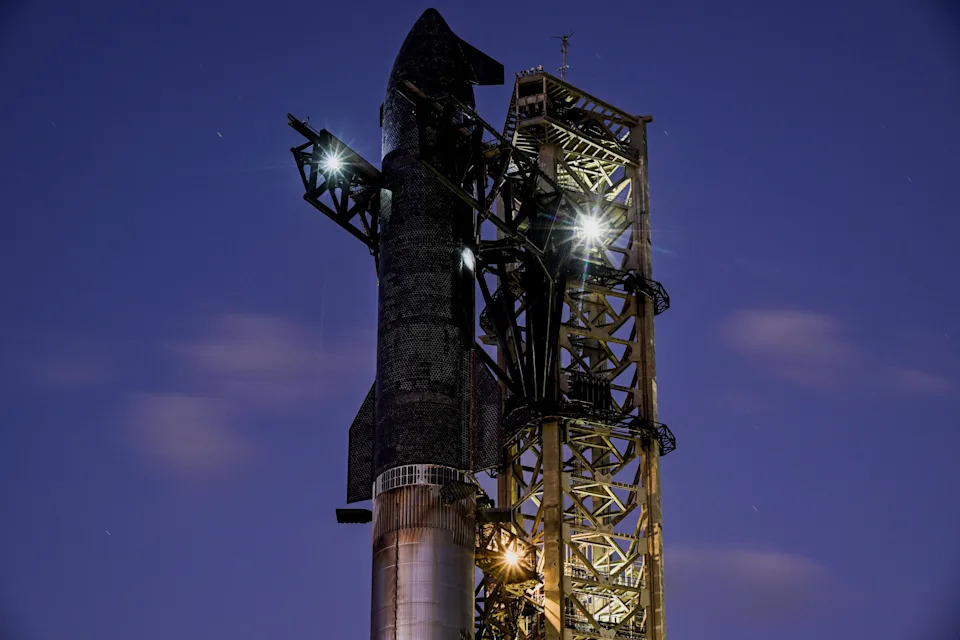
The SpaceX Starship spacecraft sits Oct. 12, 2025 atop the Super Heavy booster before sunrise as preparations continue for its 11th test flight from the company's complex in Starbase, Texas.
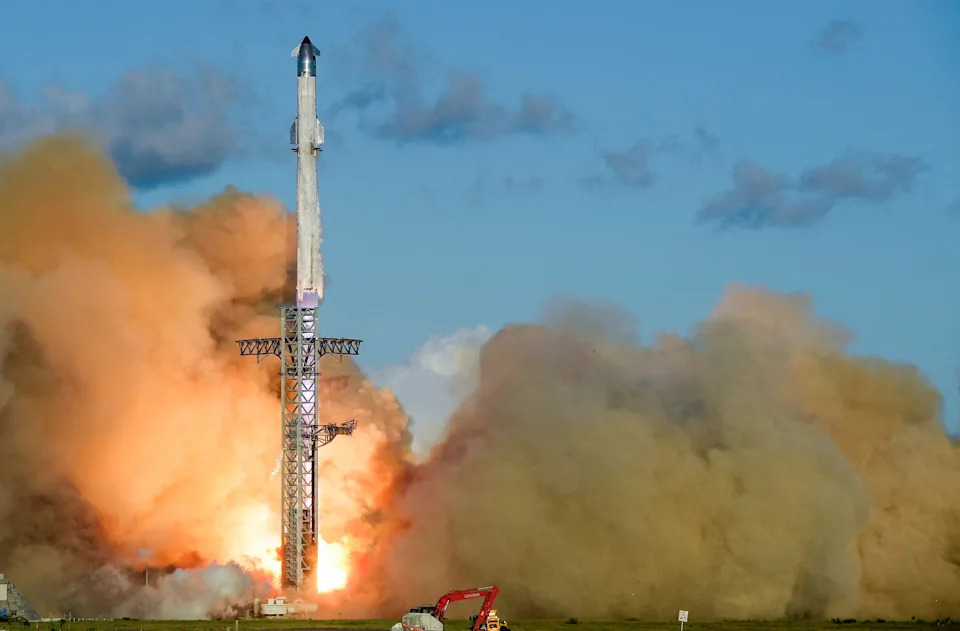
A SpaceX Super Heavy booster carrying the Starship spacecraft lifts off Oct. 13, 2025, on its 11th ever test flight at the company's launch pad in Starbase, Texas. The launch was Starship's fifth of 2025, and second consecutive successful test flight following a year that was early on marked by explosive failures. SpaceX is developing the rocket for future missions that would help NASA astronauts land on the moon and also potentially transport the first humans to Mars.
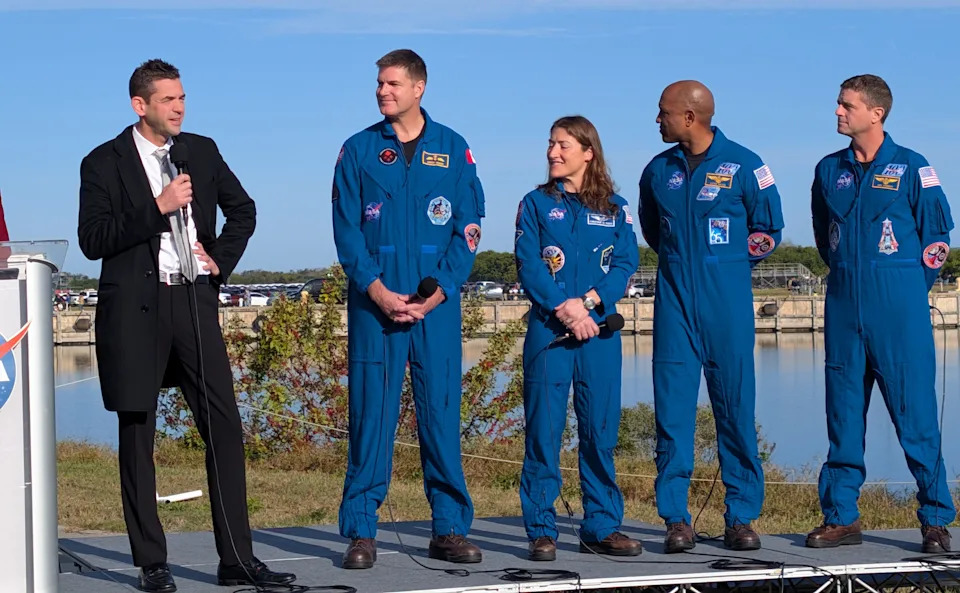
NASA Administrator Jared Isaacman stands with the Artemis II crew during an SLS rollout press briefing.
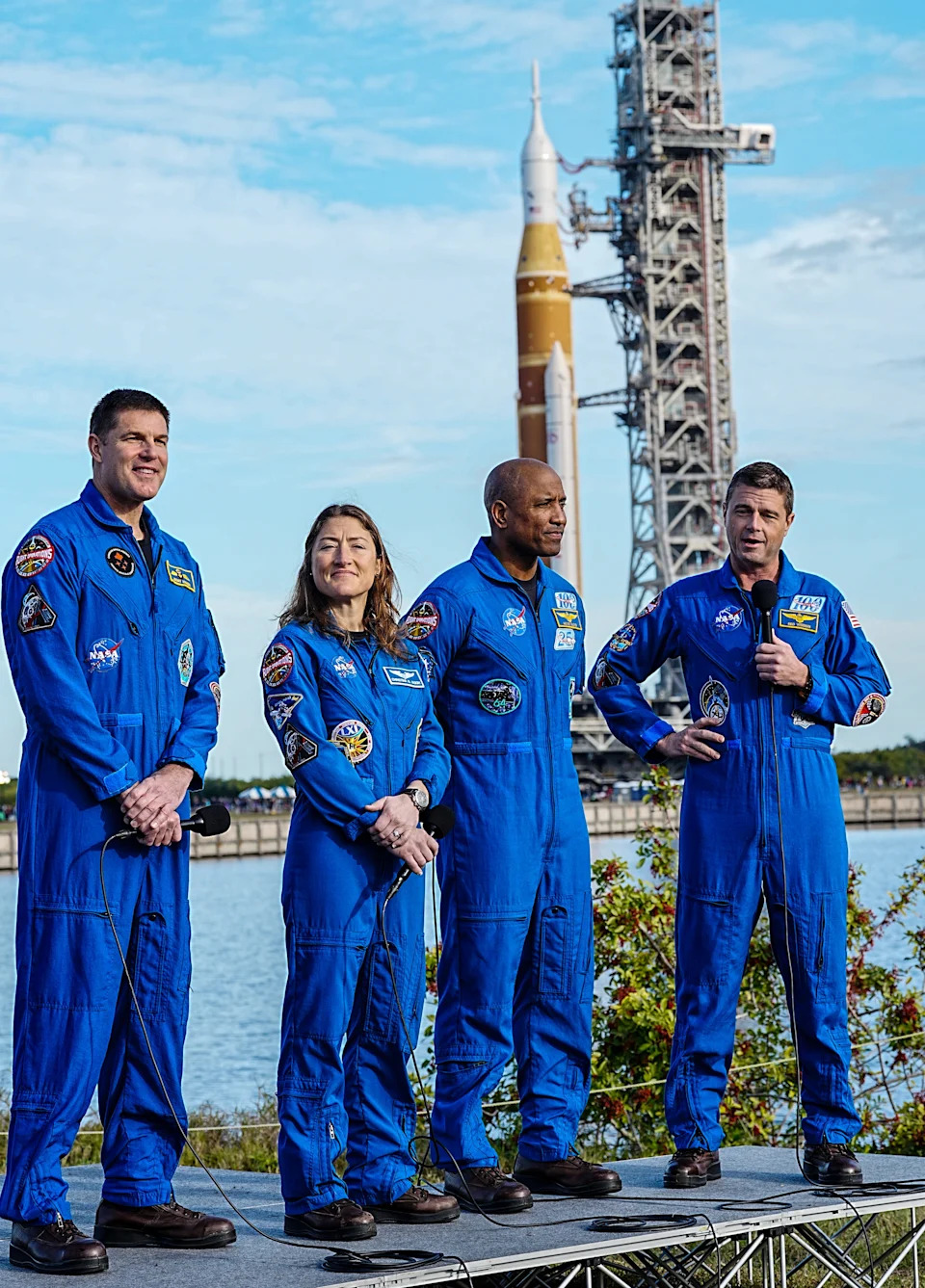
Thecrew of ArtemisII (from left: Mission Specialist Jeremy Hansen, Mission Specialist Christina Koch, Pilot Victor Glover and Commander Reid Wiseman) answer questions at a press conference as their Space Launch System rocket is transported to Pad 39B January 17, 2026. Artemis II is tentatively scheduled to launch on a mission to th Moon in early February. Craig Bailey/FLORIDA TODAY via USA TODAY NETWORK
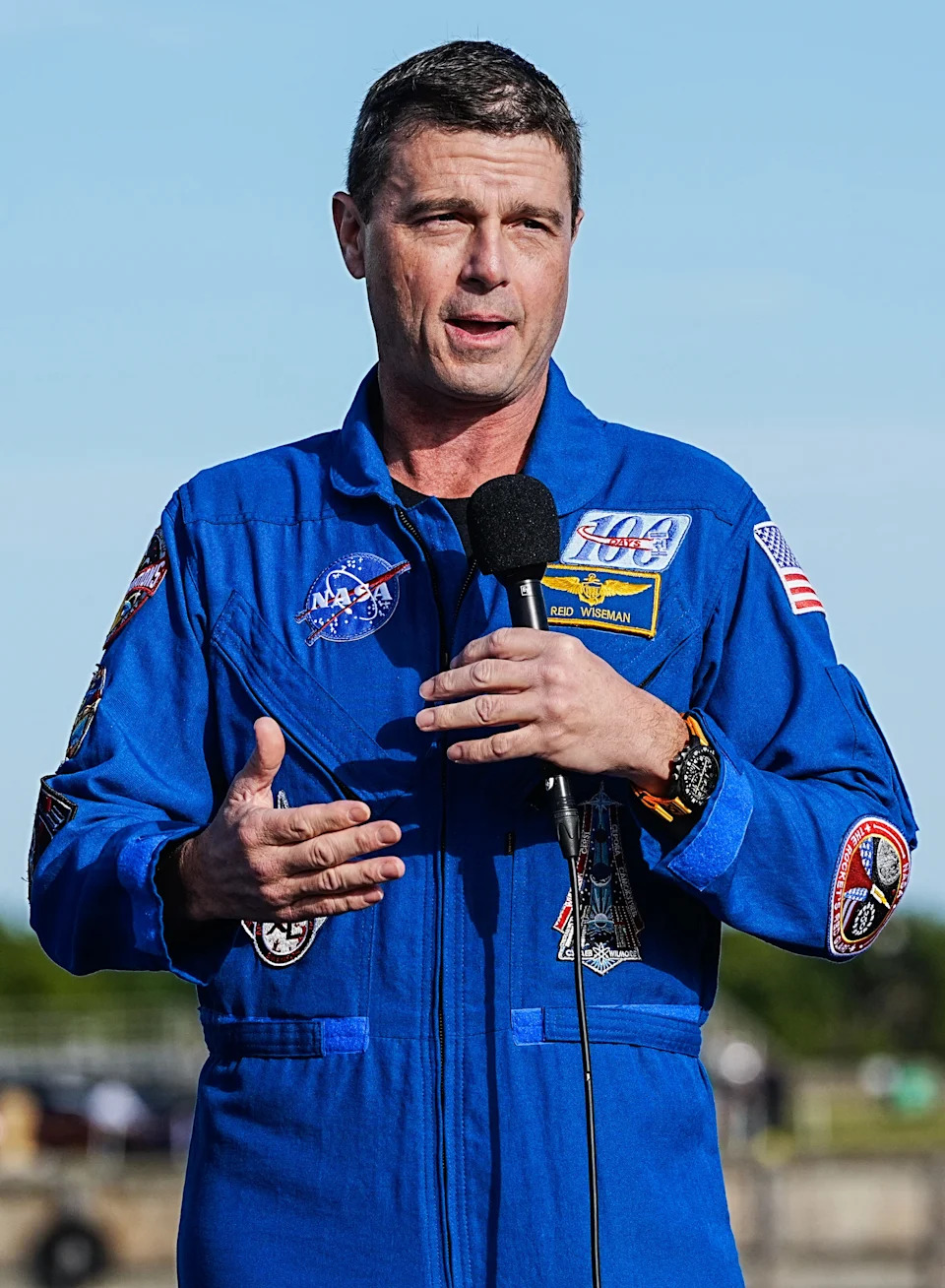
Artemis II Commander Reid Wiseman answers questions during a press conference at Kennedy Space Center, FL January 17, 2026. The Artemis II crew is tentatively scheduled to launch in early February. Craig Bailey/FLORIDA TODAY via USA TODAY NETWORK
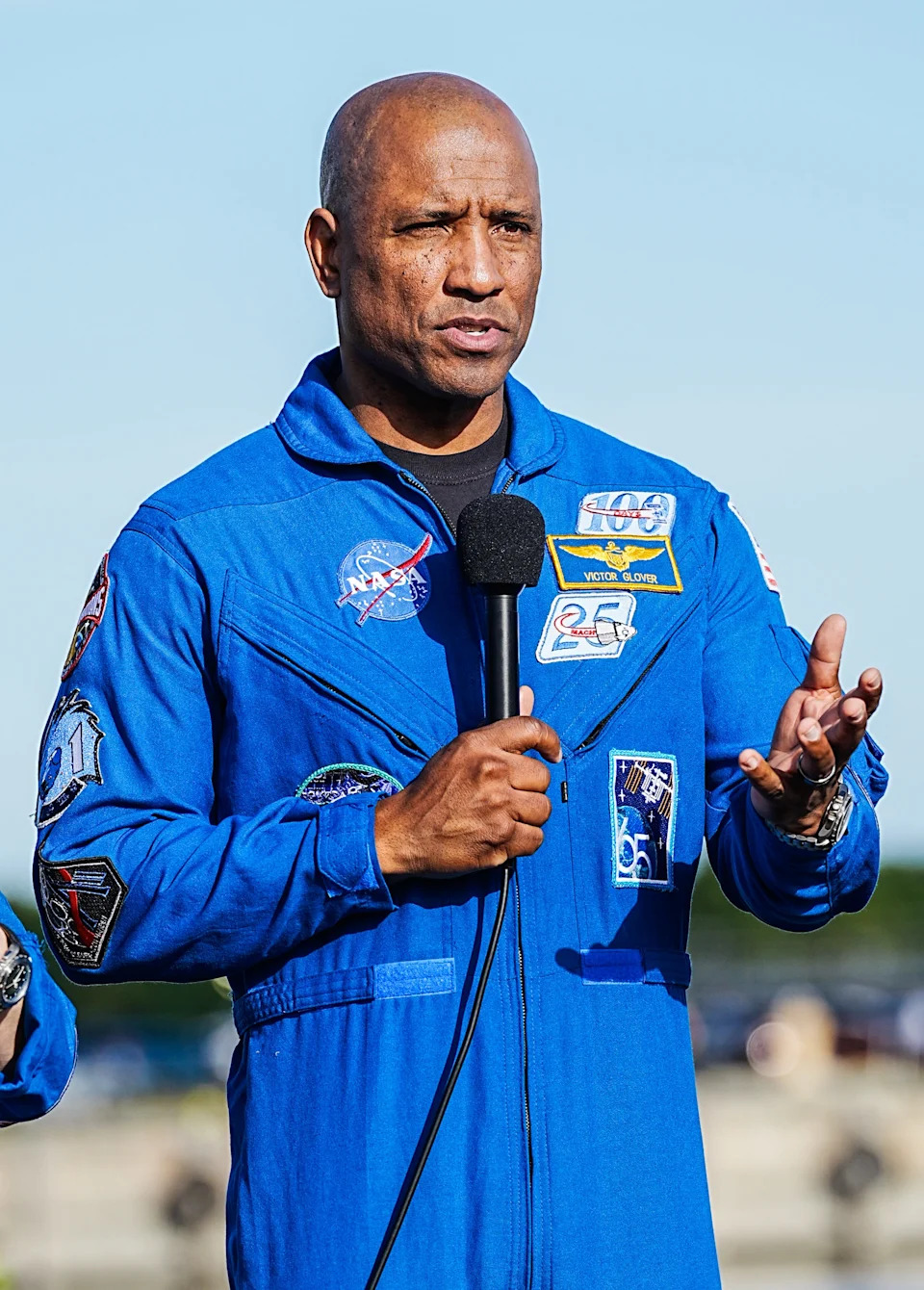
Artemis II Pilot Victor Glover answers questions during a press conference at Kennedy Space Center, FL January 17, 2026. The Artemis II crew is tentatively scheduled to launch in early February. Craig Bailey/FLORIDA TODAY via USA TODAY NETWORK
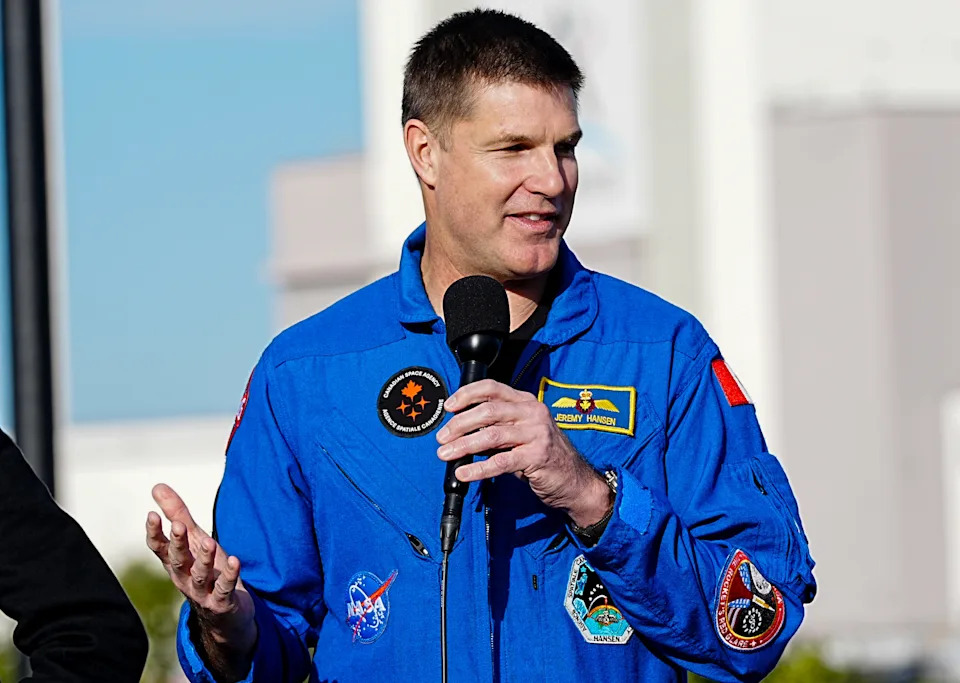
Artemis II Mission Specialist Jeremy Hansen answers questions during a press conference at Kennedy Space Center, FL January 17, 2026. The Artemis II crew is tentatively scheduled to launch in early February. Craig Bailey/FLORIDA TODAY via USA TODAY NETWORK

The Artemis II crew poses in front of an Orion simulator Jan. 23, 2026 at NASA’s Johnson Space Center in Houston.
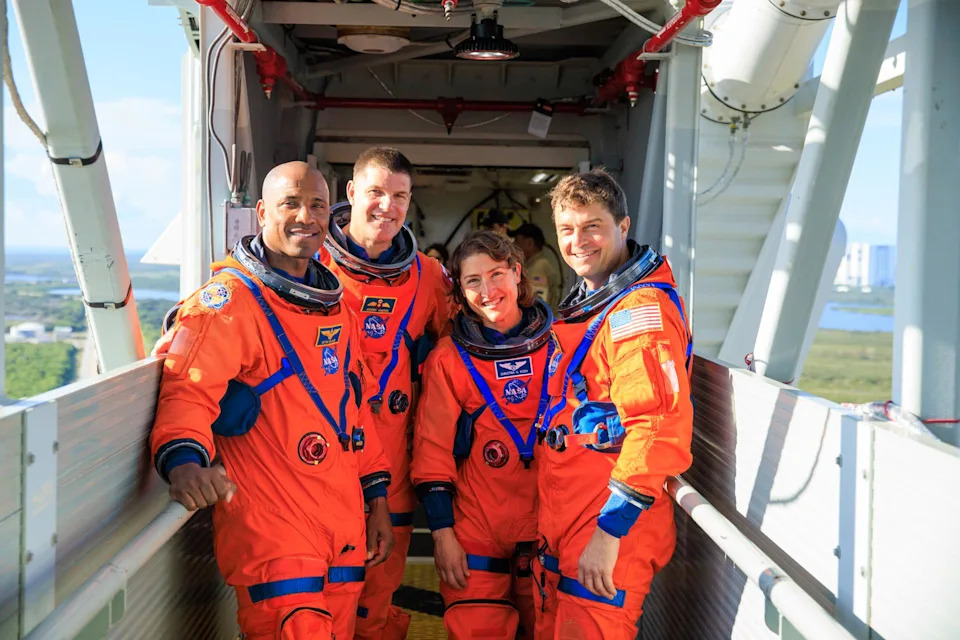
Four astronauts will venture around the Moon on Artemis II, the first crewed mission on NASA's path to establishing a long-term presence at the Moon for science and exploration through Artemis. The 10-day flight will help confirm systems and hardware needed for early human lunar exploration missions.
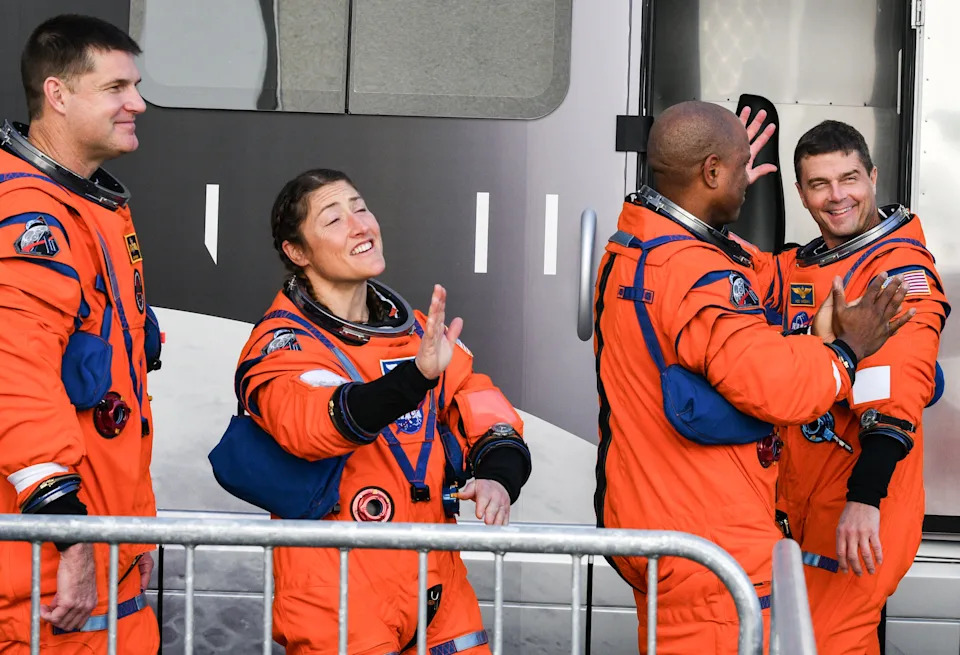
The crew of Artemis II (from left) Jeremy Hansen, Christina Koch, Victor Glover and Reid Wiseman leave crew quarters December 20, 2025 during their pre-launch rehearsal. Craig Bailey, FLORIDA TODAY via USA TODAY NETWORK

Artemis II mission specialist Christina Koch talks with spectators as the crew leaves crew quarters December 20, 2025 during their pre-launch rehearsal. Craig Bailey, FLORIDA TODAY via USA TODAY NETWORK
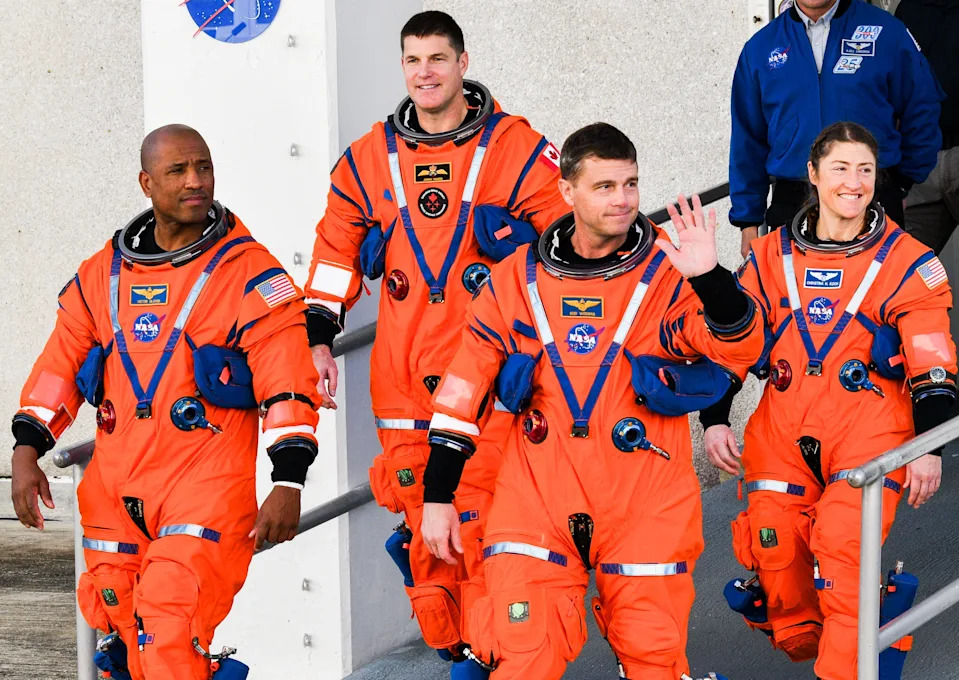
The astronauts of Artemis II (from left) Victor Glover, Jeremy Hansen, Reid Wiseman and Christina Koch leave crew quarters December 20, 2025 during their pre-launch rehearsal. Craig Bailey, FLORIDA TODAY via USA TODAY NETWORK
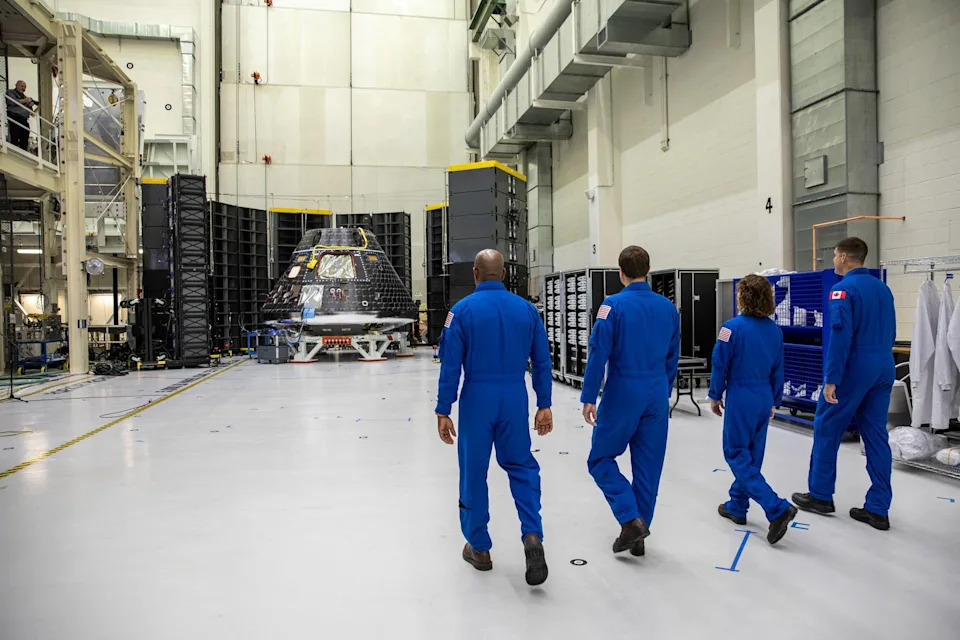
Artemis 2 crew members, shown Aug. 8, 2023 inside the Neil Armstrong Operations and Checkout Building at NASA’s Kennedy Space Center in Florida, walk toward their Orion crew module.
Pomozite nam da budemo bolji.