Online platforme kao što su Supermarket23, Cuballama, Mercatoria i Katapulk omogućavaju kubanskoj dijaspori da rodbini na Kubi pošalje teško dostupne osnovne potrepštine. Te usluge su postale ključne dok embargo, američke sankcije i unutrašnja kriza pogoršavaju nestašice i prekide struje. Sankcije protiv vojnih partnera poput GAESA pritiskaju delovanje nekih platformi, a visoki troškovi dostave produbljuju jaz između onih sa i bez pristupa dolarima.
„Kubanske Amazone”: Kako dijaspora putem aplikacija snabdeva porodice na Kubi usred krize
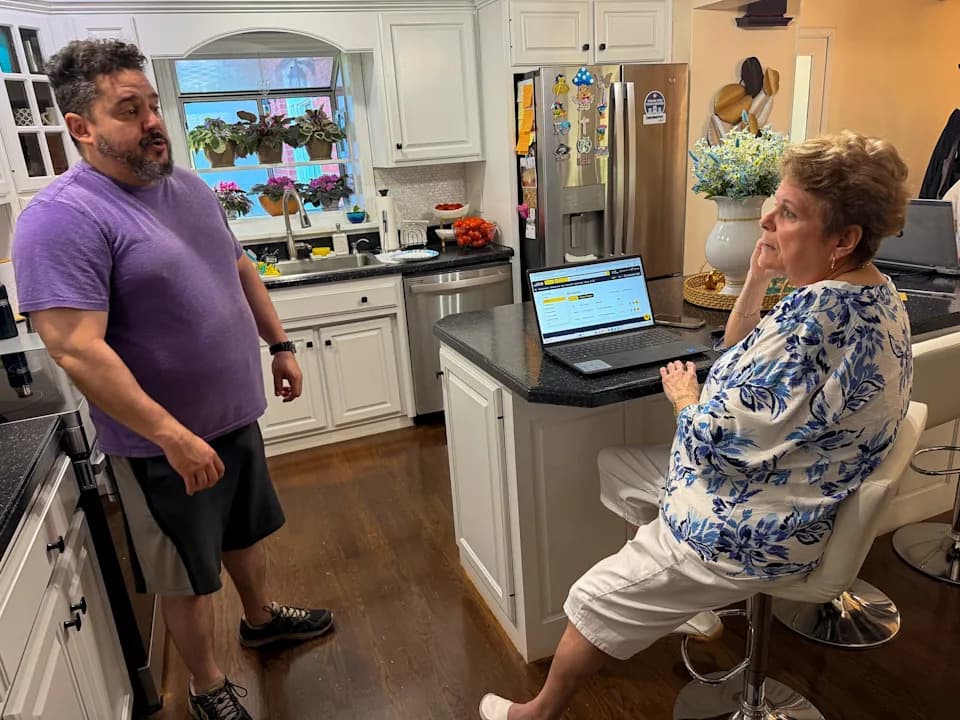
Carmen Deulofeu sits in her kitchen in Louisville with her son, Daynier Adan, and her laptop open to a website that allows her to purchase food that is delivered to relatives in Cuba.
Carmen Deulofeu iz Louisvillea u Kentakiju nekoliko je puta kliknula na laptopu i, hiljadu milja dalje u Havani, njena sestra je odjednom mogla da nahrani porodicu. Osnovne namirnice koje često nedostaju na kubanskim policama — pasulj, piletina, mleko u prahu, ulje, jaja, šećer i kafa — dostupne su na par dodira preko aplikacija i platformi kao što su Supermarket23, Cuballama, Mercatoria i Katapulk.
Kako funkcionišu „kubanske Amazone”
Ove platforme omogućavaju kubanskoj dijaspori u SAD i drugim zemljama da preko mobilnih aplikacija ili veb-sajtova iz Amerike naruče rashlađenu hranu, potrepštine ili čak solarnu rasvetu i šalju ih rodbini na ostrvu. Proces podseća na naručivanje preko poznatih servisa za dostavu: odabere se artikl, plati karticom i sistem organizuje logistiku isporuke unutar Kube.
Primer: Za približno 35 USD plus 8 USD troškova dostave porodica iz Floride može poslati četiri funte dimljene svinjetine, litar ulja i karton od 30 jaja u rashlađenoj kutiji. Ipak, to je više od četvrtine ili čak više prosečne mesečne plate većine Kubanaca — često i više.
Ko koristi, a ko ostaje bez
Za mnoge porodice s rođacima u inostranstvu ove usluge su postale „apsolutno neophodne”. Carmen Deulofeu i drugi iz dijaspore koriste platforme da pošalju hranu i higijenske potrepštine svojim bližnjima. Ali za Kubance koji nemaju kontakt s inostranstvom ili posao plaćen u dolarima, cena takvih pošiljki je nedostižna.
„Ako nemaš porodicu u SAD, ako ne radiš u turizmu, ako nemaš posao koji prima u dolarima, nema šanse da priuštiš ovu uslugu,” kaže Jorge Luis del Valle, umetnik iz Havane.
Sankcije, GAESA i zatvaranja platformi
Iako mnoge platforme pomažu građanima, one su i meta političkih i pravnih pritisaka. Neki servisi, poput Envioscuba.com, obustavili su rad nakon što su povezani skladišni kapaciteti ili partneri bili povezani sa GAESA — vojno-ekonomskim konglomeratom koji je pod američkim sankcijama. Sankcije mogu primorati kompanije da zatvore skladišta ili promene poslovni model kako bi izbegle veze sa državom.
Neki operateri, poput Katapulka, prilagodili su se tako što su zatvorili veća skladišta i konsolidovali isporuke, a drugi, kao Mercatoria, posluju iz same Kube i diversifikuju usluge u logistiku i transport. Ipak, rizik da se novac ili roba na kraju nađu u rukama državnih entiteta ostaje realan i pravno složen.
Širi uticaj i brojke
Digitalna revolucija na Kubi ubrzala je od 2018. kada je država omogućila pristup internetu na pametnim telefonima. Od 2020. više od 2,6 miliona Kubanaca je emigriralo, a dijaspora koristi aplikacije da pomaže preostalima na ostrvu. Prema analizi Kolumbija prava (Columbia Law School), izvoz za kubanske privatne MSE dosegao je 173,6 miliona USD u 2025. godini — znak rastuće, tihe ekspanzije privatnog sektora uprkos opštoj krizi.
Šta ovo znači za Kubu
Usluge dostave iz dijaspore ublažavaju posledice nestašica i dugotrajnih prekida električne energije, ali i produbljuju socijalnu nejednakost: oni s vezama i dolarima dobijaju pristup osnovnim potrepštinama, dok ostatak stanovništva sve češće ostaje bez. Istovremeno, ove kompanije otvaraju radna mesta i prikazuju efikasnost privatnog sektora, što dodatno naglašava nedostatke državnih lanaca snabdevanja.
Dok sankcije i pravne mere prete poslovnim modelima platformi, za mnoge Kubance ovo su trenutno najkonkretniji način da dobiju hranu i osnovne proizvode — pa i simbol nade u vreme duboke ekonomske i energetske krize.
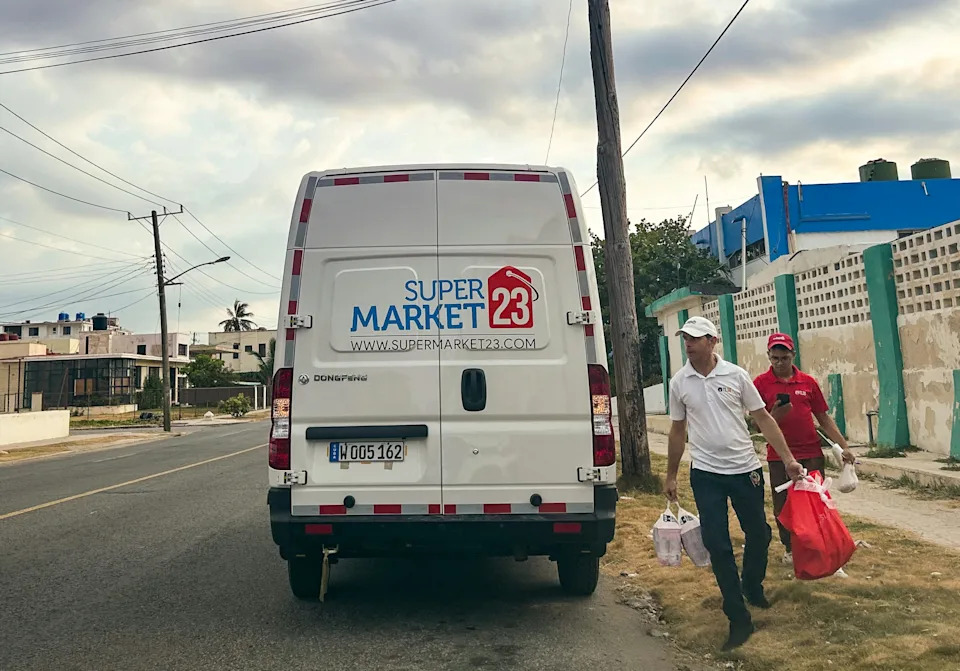
Employees of a US-based food remittance company deliver bags of food in a neighborhood of Havana on May 22, 2024. Due to the crisis, Cuban emigrants choose to send food, sacrificing the vital cash remittances that the island requires. Currently, it is possible to send food and other essential products to Cuba from several dozen online platforms, based mainly in the United States, where more than two million Cubans live, but also in Mexico, Canada, and Spain.
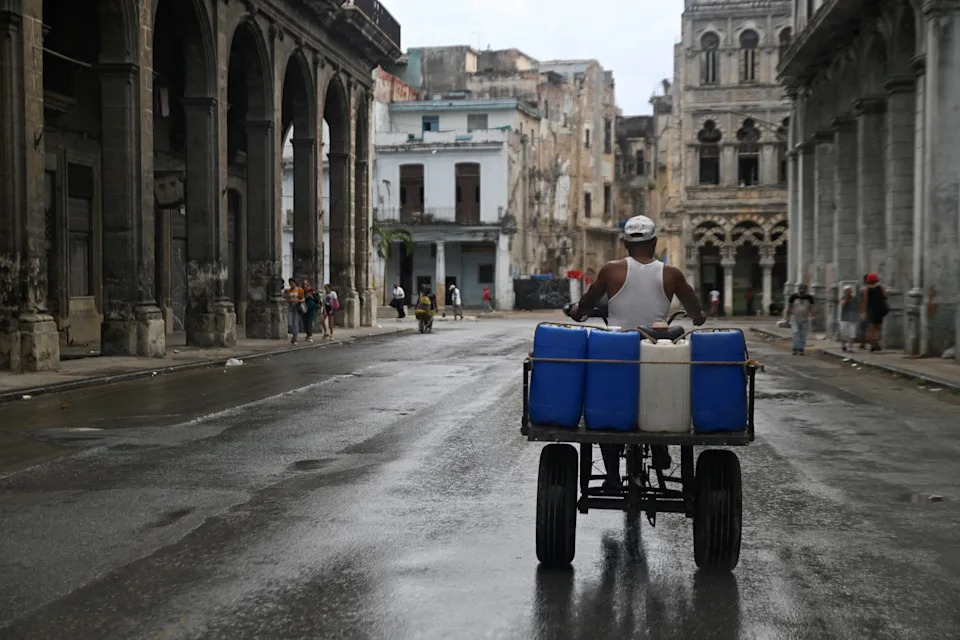
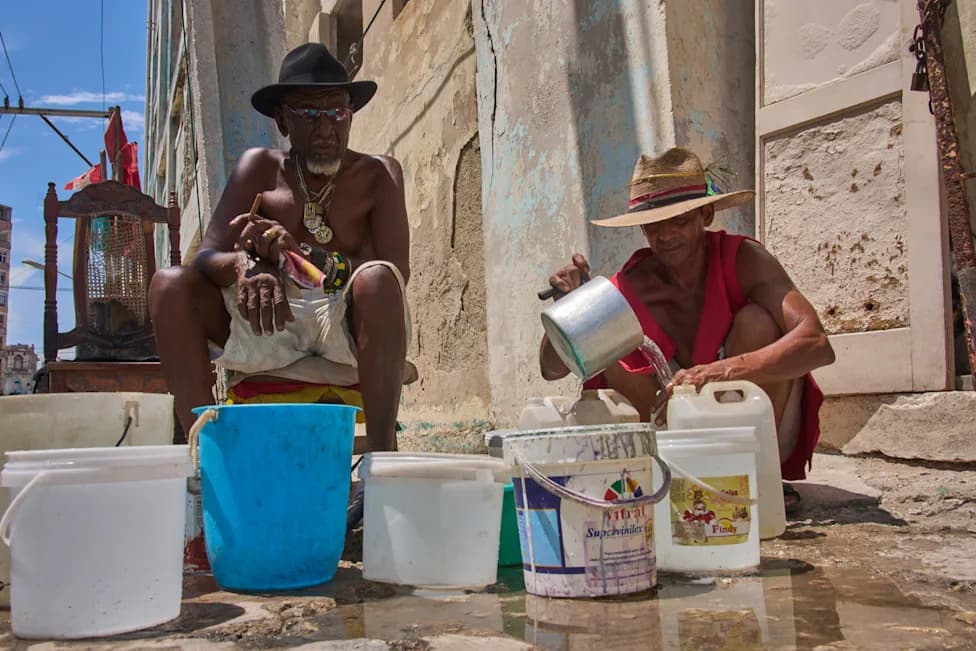
A man carries water tanks on a tricycle as Cuba reconnected its electrical grid across much of the island according to the Energy and Mines Ministry, following a nationwide blackout that left about 10 million people without electricity, in Havana, Cuba March 17, 2026. REUTERS/Norlys Perez
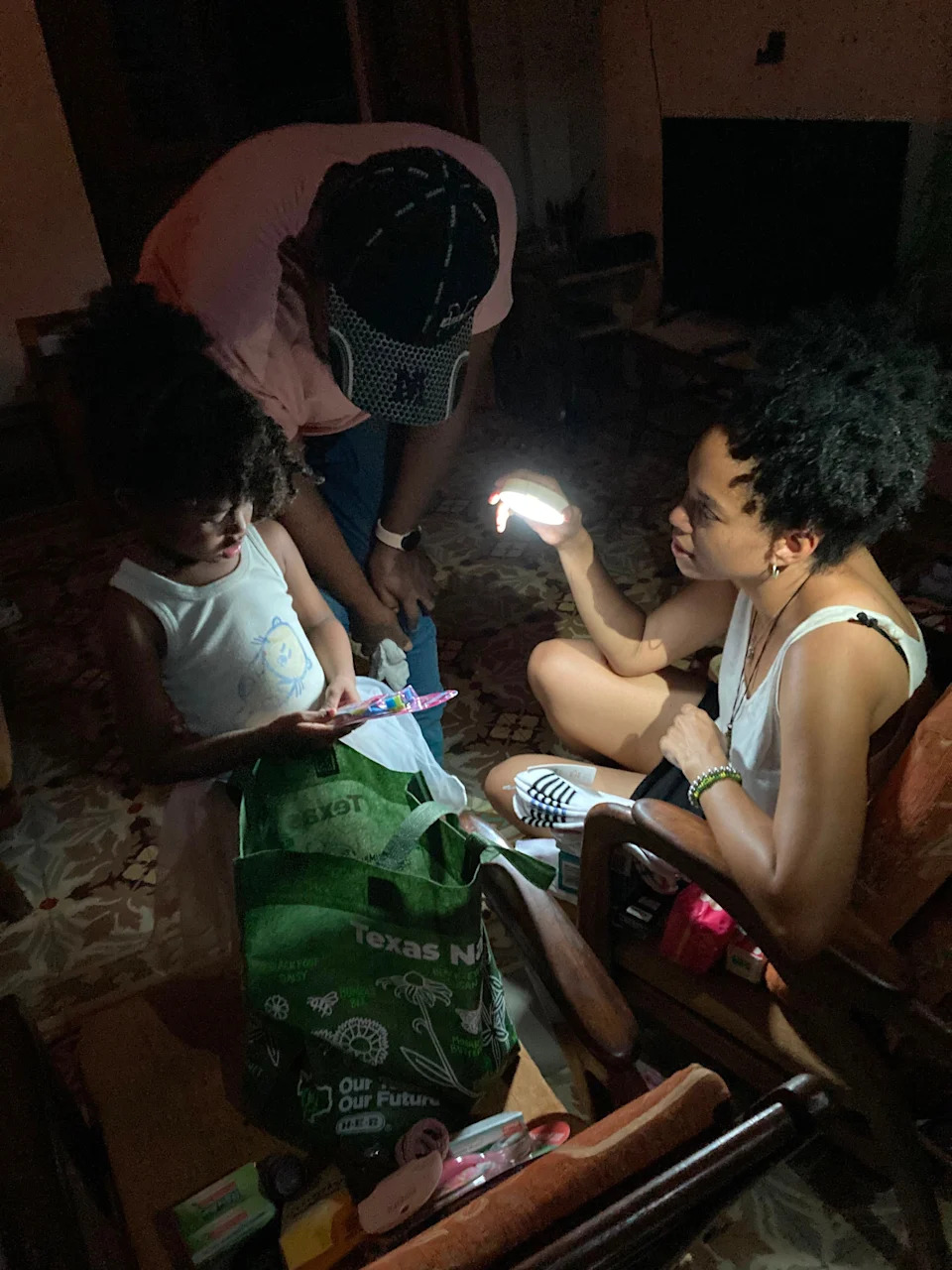
Jorge Luis del Valle, center, his wife, Danneys, and their 4-year-old daughter Emma sort through supplies during an extended blackout in their Old Havana apartment. Del Valle and his family typically endure 20-hour daily blackouts.
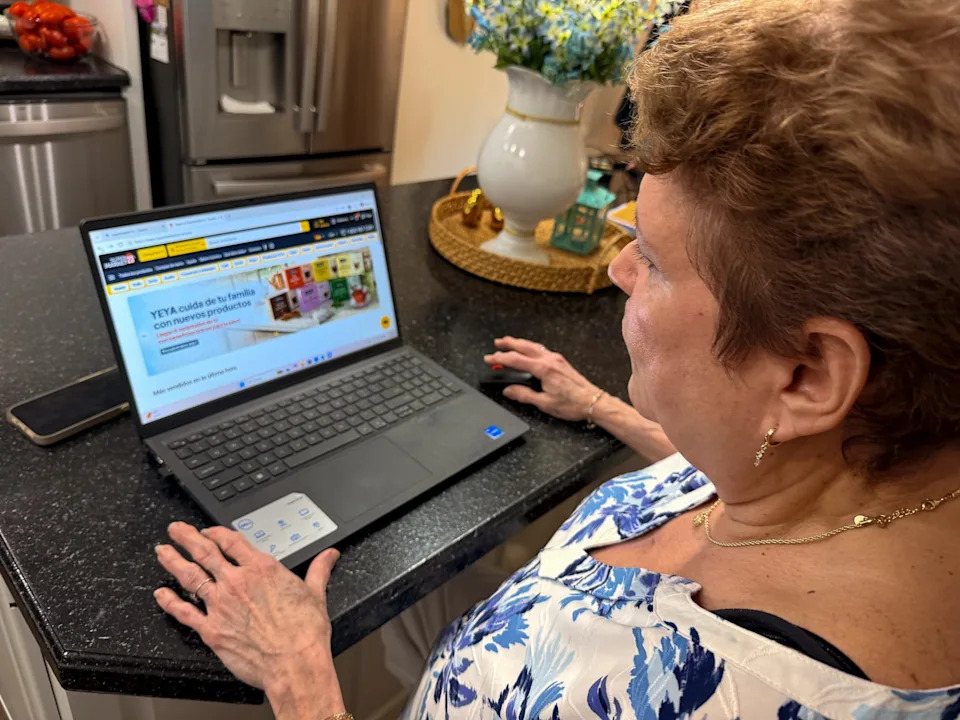
Carmen Deulofeu sits in her kitchen in Louisville with her laptop open to a website that allows her to purchase food that is delivered to relatives in Cuba.
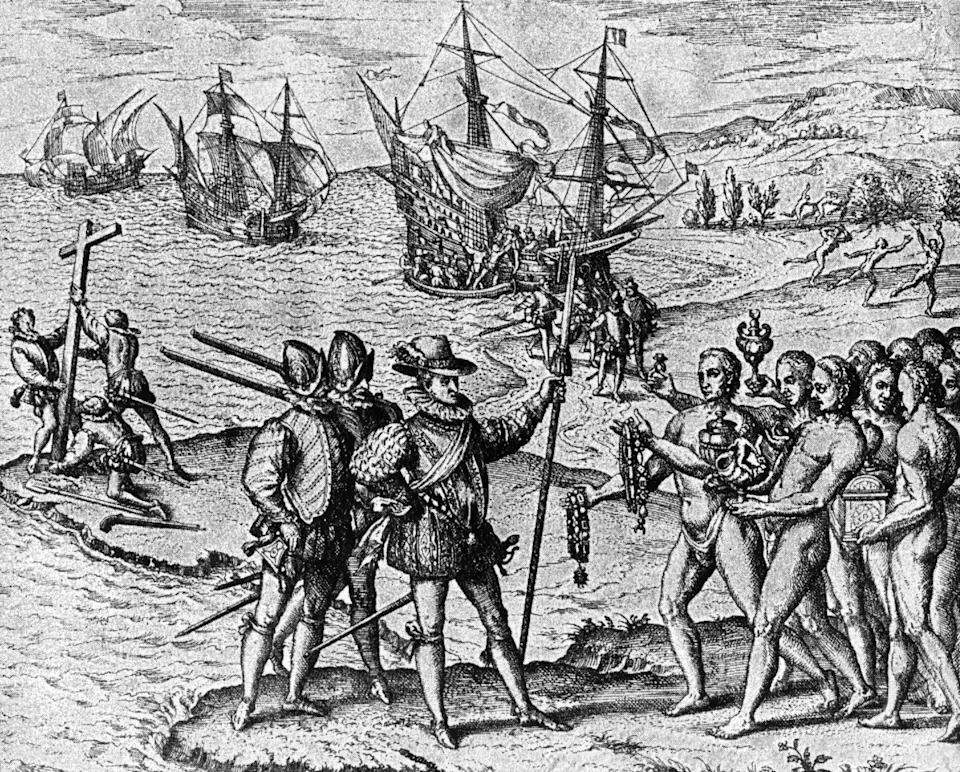
1492, Christopher Columbus lands on Watling Island, later San Salvador Island and meets the natives, while three of his shipmates erect a cross. Columbus would also claim Cuba for Spain.(Hulton Archive, Getty Images)
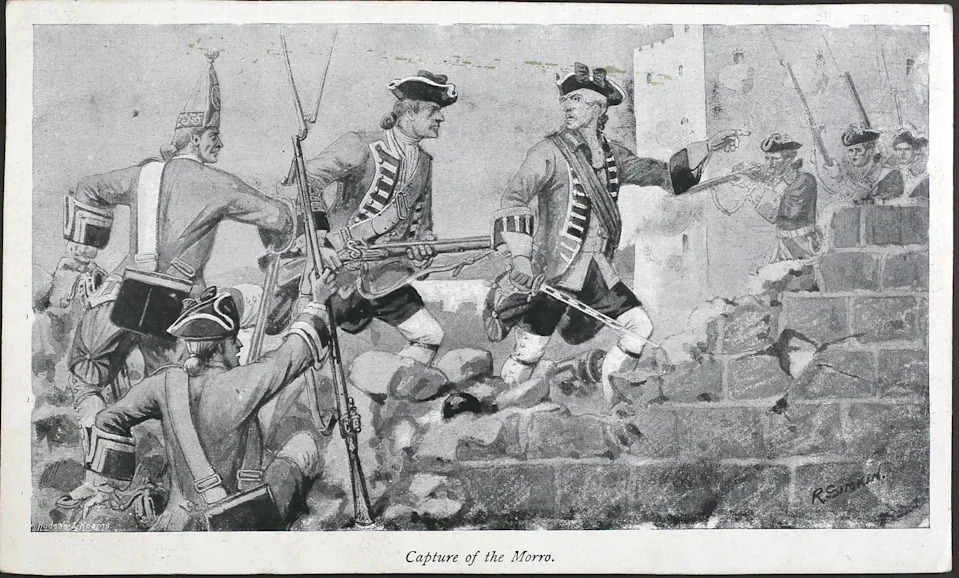
Capture of the Castillo de los Tres Reyes del Morro or Morro Castle by the 2nd Battalion of the Royal Scots, during the Siege of Havana, Cuba, in the Seven Years' War, 1762.(Hulton Archive, Getty Images)
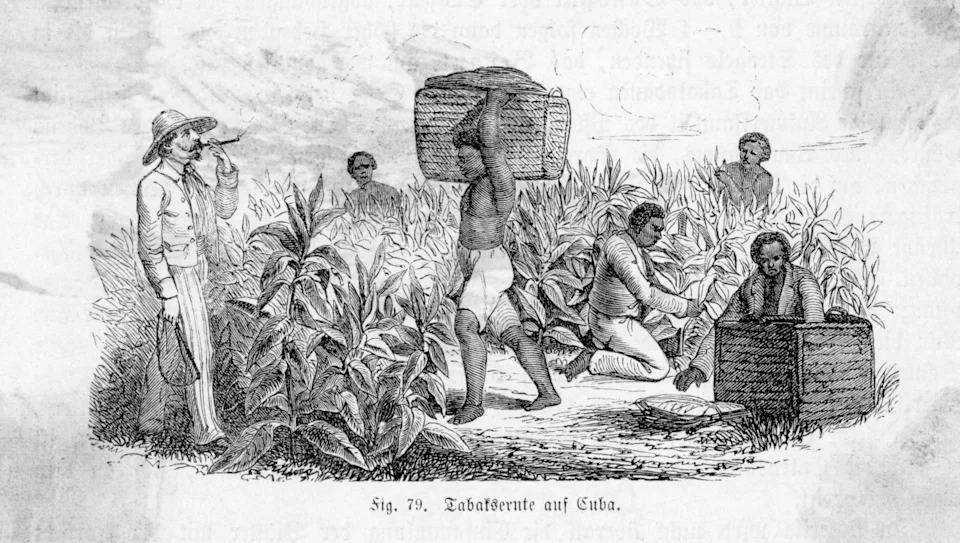
Cuba began importing slaves in 1526 and would abolish slavery in 1886.(Bettmann Archive via Getty Images)
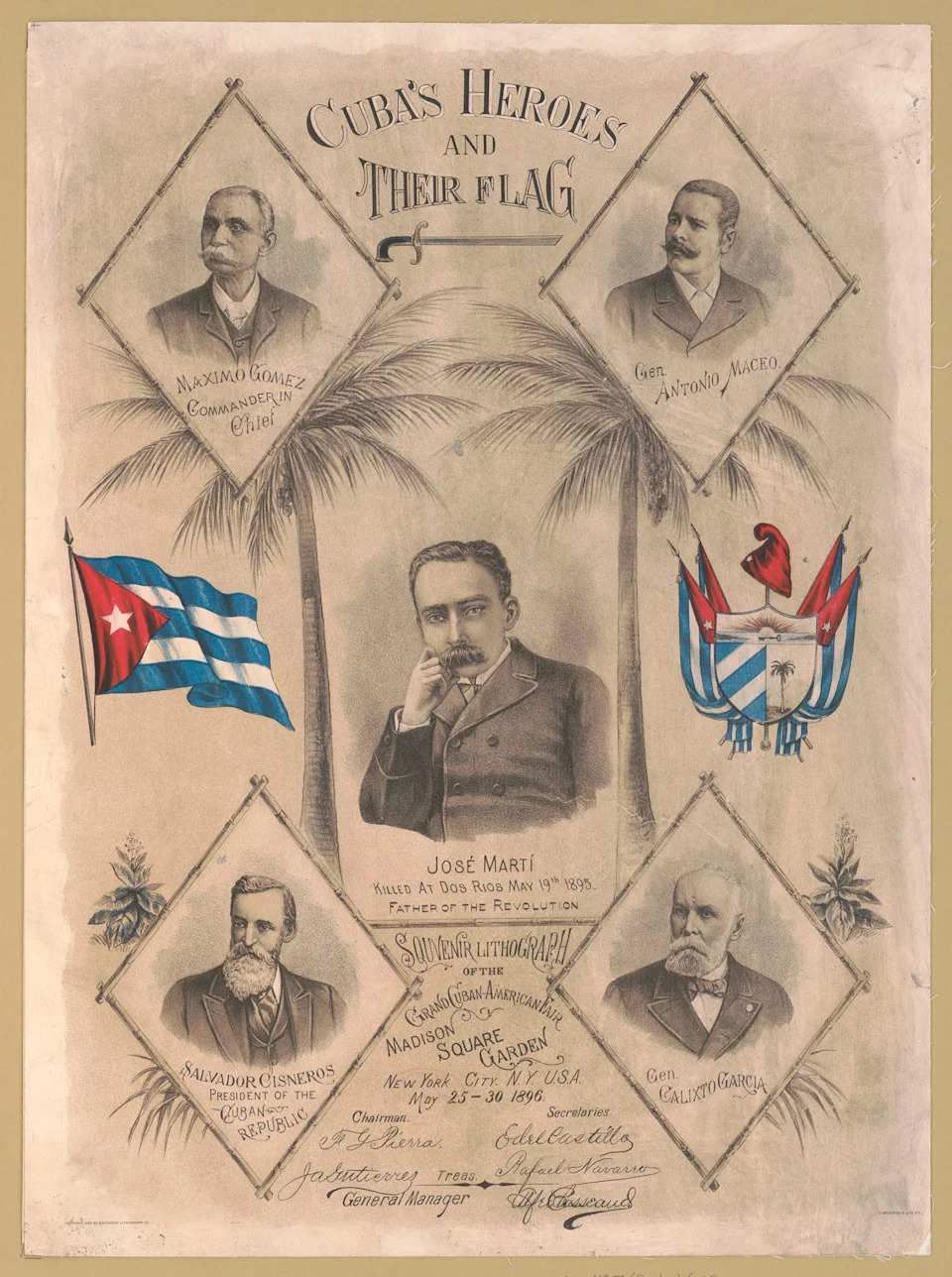
Portraits of Maximo Gomez, Gen. Antonio Maceo, JosŽ Mart’, Salvador Cisneros, and Gen. Calixto Garcia. JosŽ Mart’ was a Cuban writer, poet, and revolutionary who played a key role in the fight for CubaÕs independence from Spain in the 19th century. Born in Havana in 1853, Mart’ became involved in political activism at a young age and spent much of his life in exile due to his outspoken opposition to colonial rule. Through his essays, speeches, and poetry, he promoted ideas of freedom, unity, and Latin American identity. Mart’ was instrumental in organizing the Cuban War of Independence and founded the Cuban Revolutionary Party to support the cause. He died in battle in 1895, becoming a national hero and enduring symbol of Cuban patriotism and resistance.(Library of Congress)
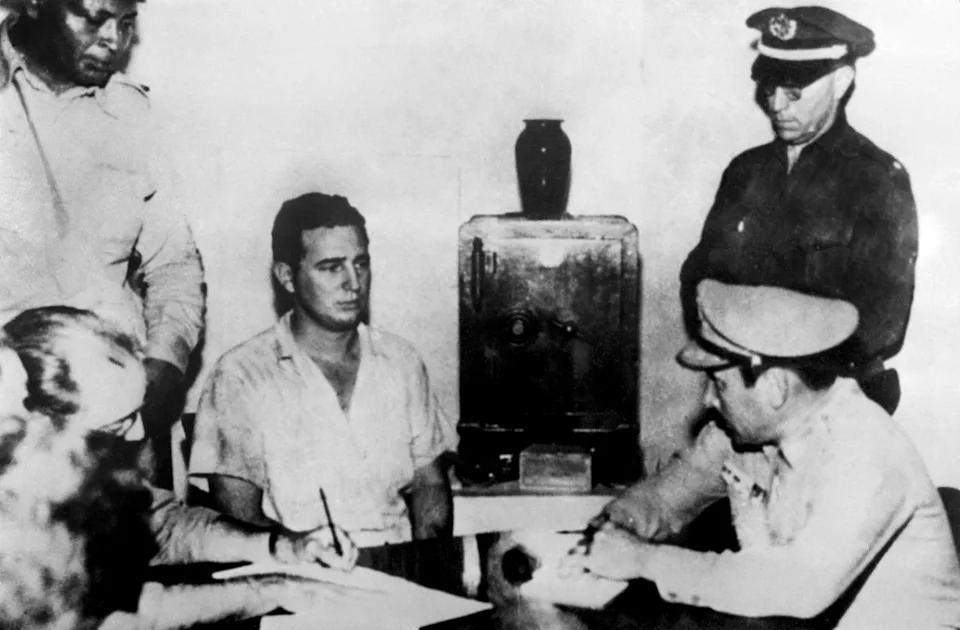
Fidel Castro (2ndL) gives his deposition to Colonel Chabiano, military chief of the Moncada Garrison, Major Jose Izquierdo, Chief of Police, Lieutenant Sama and Lavastida, Head of the Regimental Intelligence Service (SIR) of Santiago de Cuba, at the Vivac in Santiago de Cuba, July 1953, after the attack on the Moncada garrison house by the group led by Fidel Castro, 26 July 1953.(AFP via Getty Images)
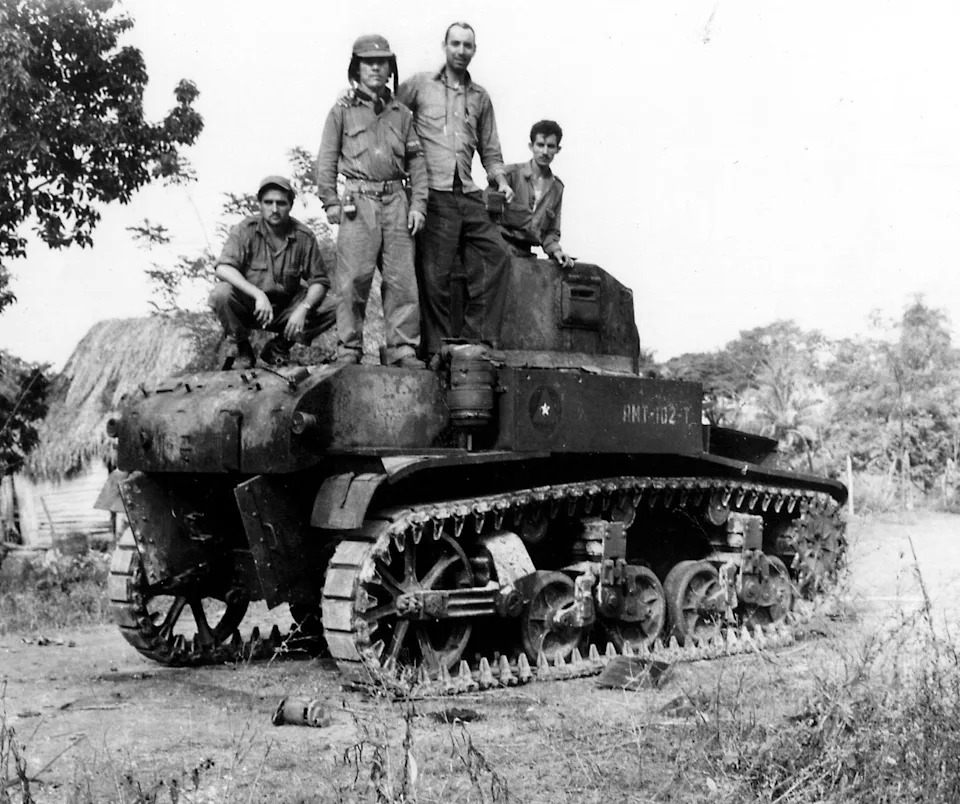
This January 1959 photo released by the Cuban historical archives shows guerrilla soldier under the command of Fidel Castro posing on a homemade APC in Cuba's Sierra Maestra. Castro launched his final attack on Havana from Sierra Madre on January 1959, and defeated Cuban dictator Fulgencio Batista. Cubans are celebrating the 40th anniversary of the success of the Revolution.(CUBAN HISTORICAL ARCHIVES/AFP via Getty Images)
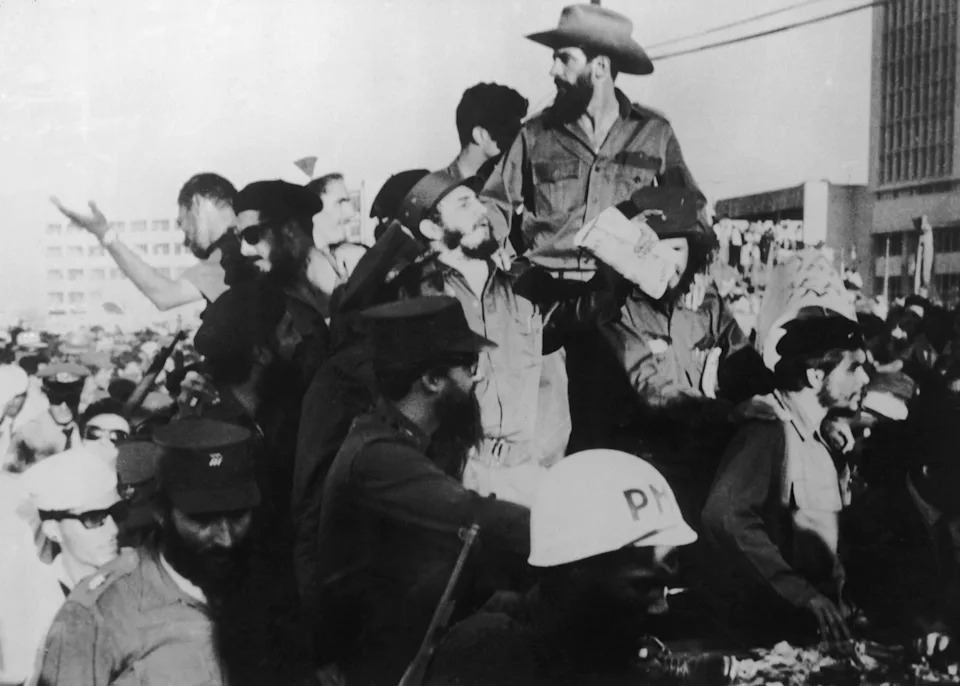
Cuban President Fidel Castro, center, arriving in Havana, Cuba, with Che Geuvara, right, and Major Camilo Cienfeugos, top, on 1st Dec. 1,1959.(Keystone, Getty Images)
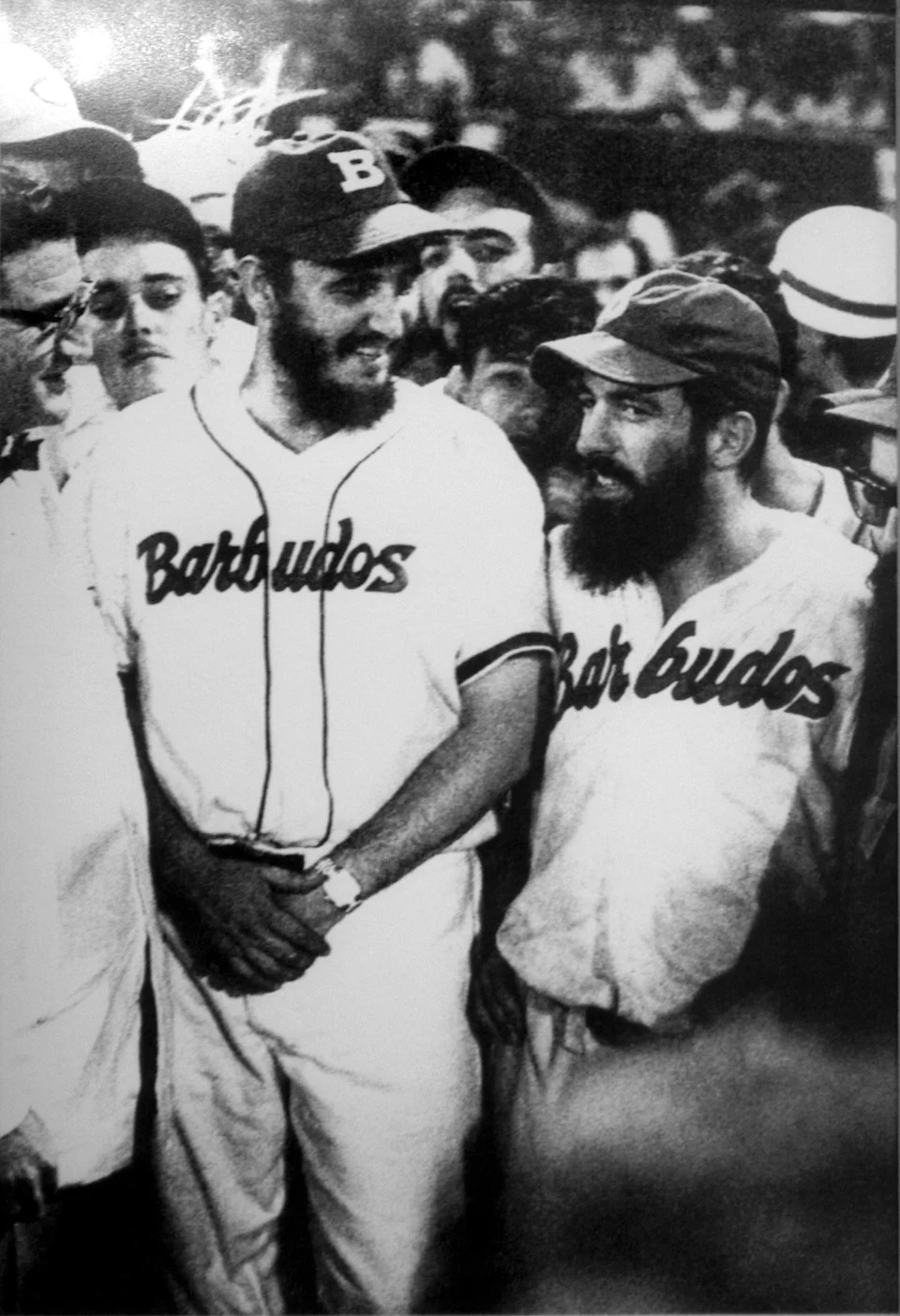
Cuban President Fidel Castro (L) and Commander Camilo Cienfuegos laugh during a baseball match between the own 'rebels' in Havana, shortly after toppling dictator Fulgencio Batista in 1959.(AFP via Getty Images)
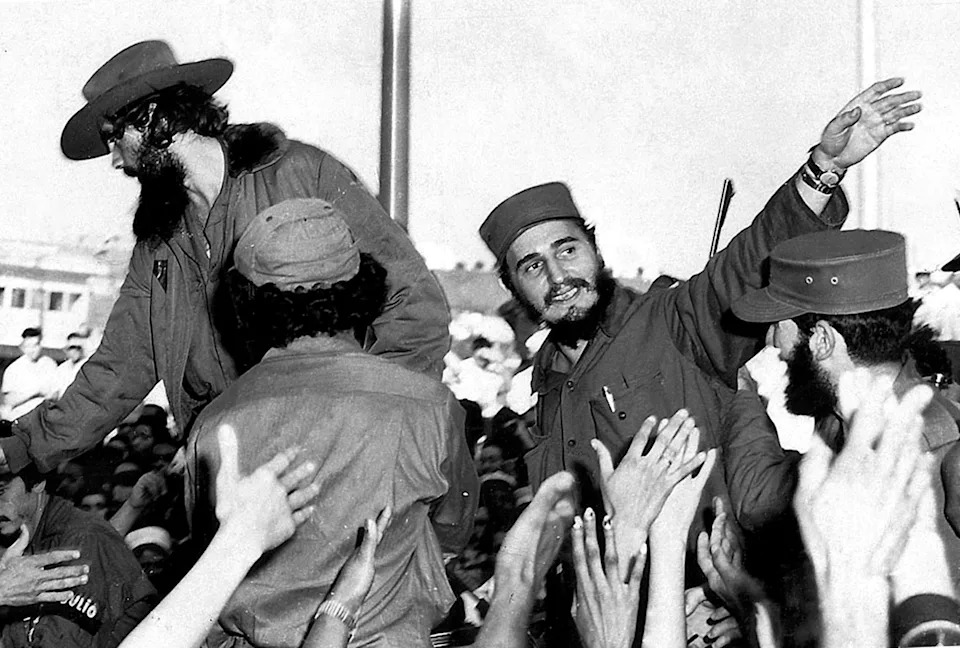
Fidel Castro (R) waves to the people in Havana in this file photo from January 8, 1959. Castro and 81 other combatants started a revolutionary war against the U.S.-backed regime of Fulgencio Batista on December 2, 1956 and over the next two years they conducted a guerrilla struggle that won increasing popular support, culminating in the revolution's triumph on January 1, 1959 when Batista finally fled the country. Castro and his troops took Havana on January 8. Cuba celebrates the 45th anniversary of the revolution on January 1, 2004.(Reuters)
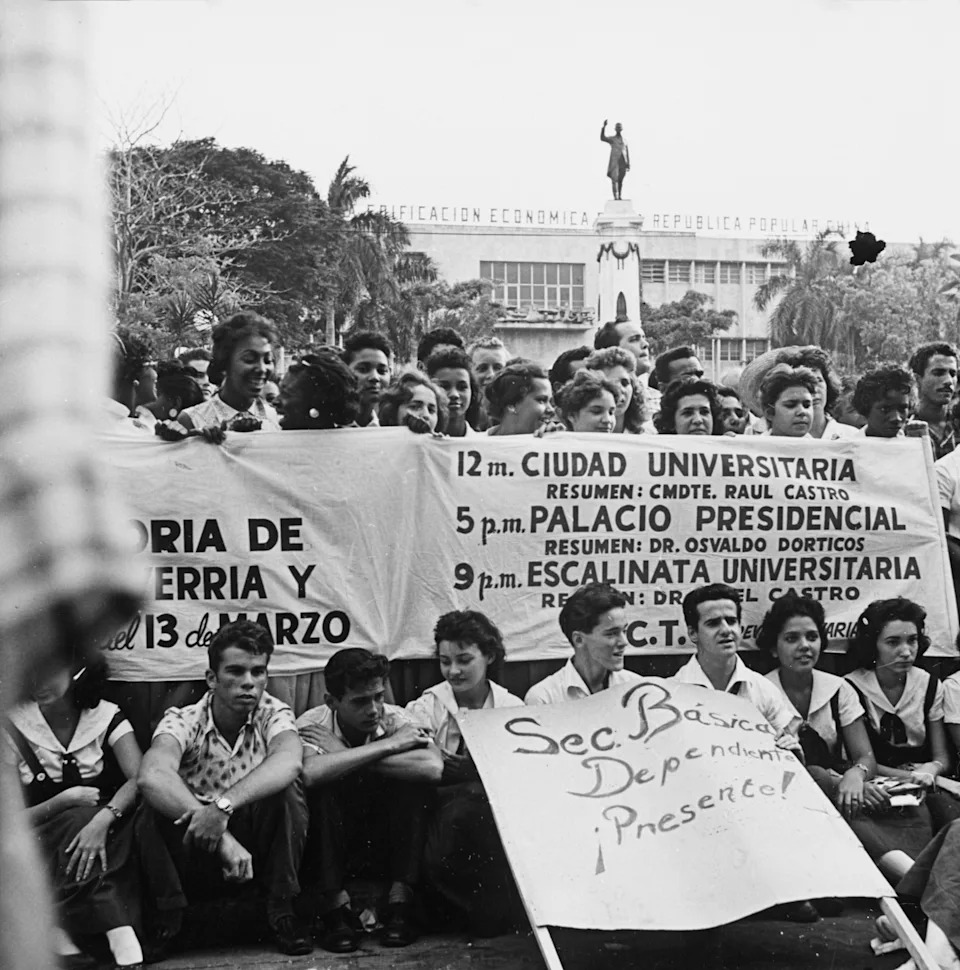
Students holding up a banner at a demonstration in Havana, Cuba, circa 1960.(Graf, Getty Images)
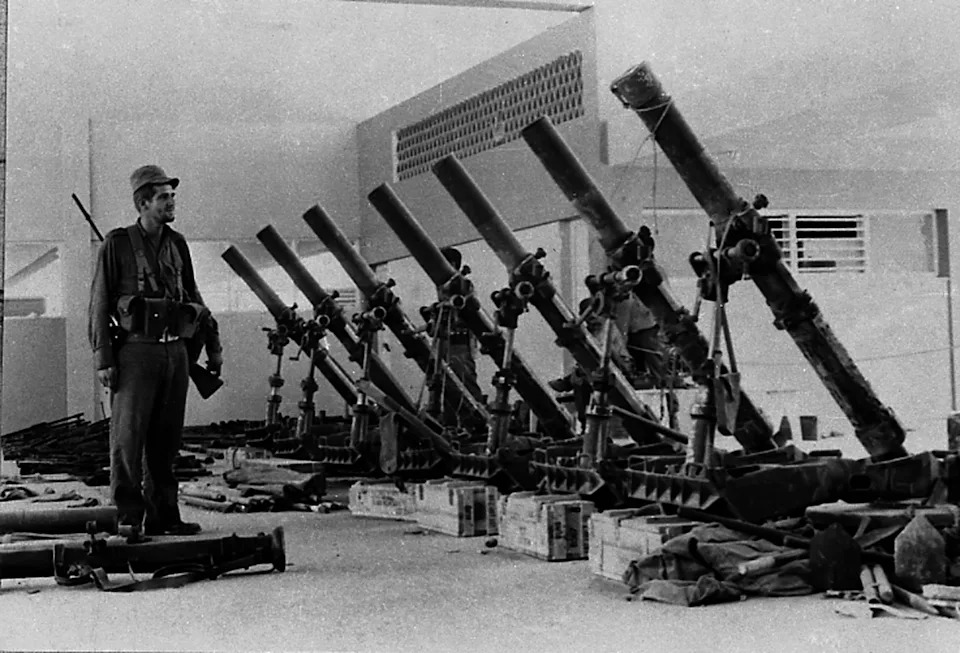
A soldier of the Cuban Armed Forces stands next to U.S.-built armaments captured after some 1,500 anti-Castro allies came ashore at Playa Giron beach during the Bay of Pigs invasion on the south coast of Cuba, in this April 1961 file photo. Forty-five years after it defeated a CIA-trained invasion force at the Bay of Pigs, Cuba still sees the U.S. as the biggest threat to its socialist society. 1,500 Cuban exiles, organized and armed by the CIA, came ashore April 1961 in an unsuccessful attempt to overthrow Fidel Castro's government. The invaders never got beyond the mosquito-infested swamps surrounding the Bay of Pigs, as Castro's fledgling revolutionary government scrambled to defend itself.(PRENSA LATINA, REUTERS)
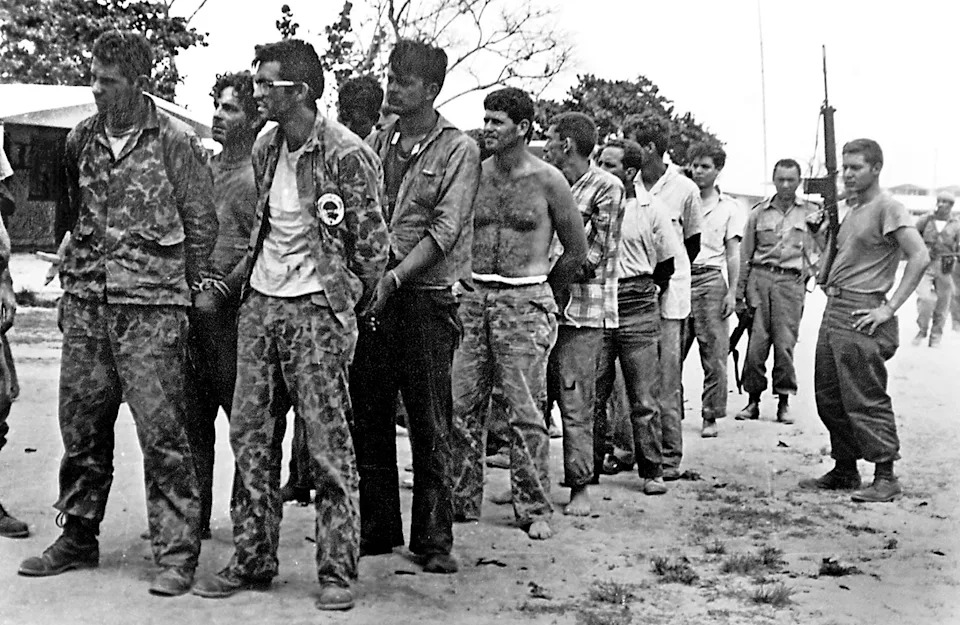
This April 1961 file photo shows a group of Cuban counter-revolutionaries, members of Assault Brigade 2506, after their capture in the Bay of Pigs, Cuba.(MIGUEL VINAS, PL/AFP via Getty Images)
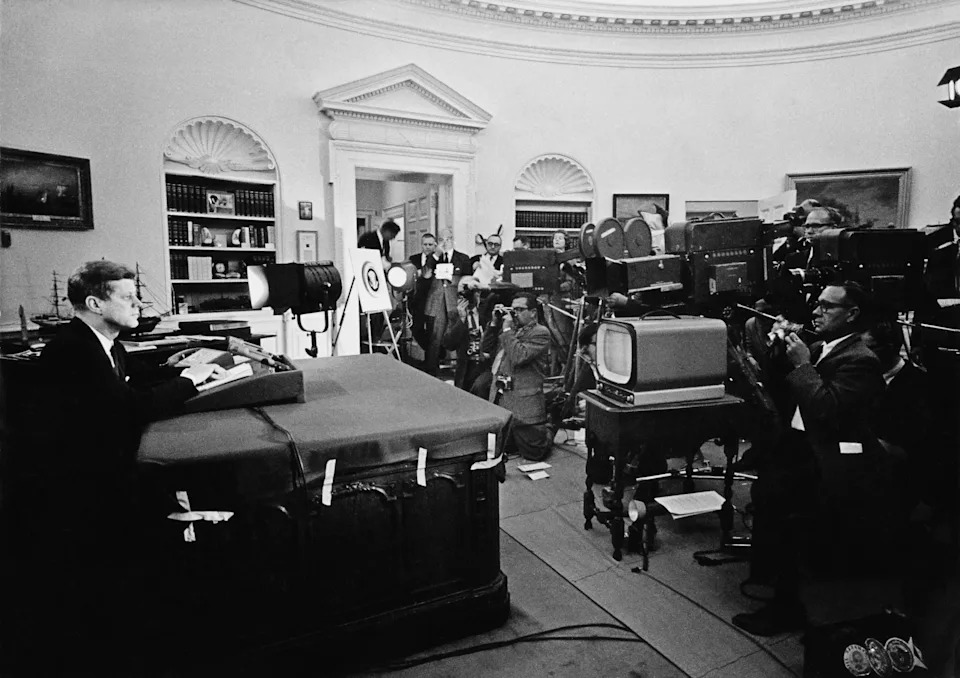
John Kennedy, American president announcing on television the strategic blockade of Cuba, and his warning to the Soviet Union about missile sanctions during the Cuban missile crisis on Oct. 22, 1962.(Keystone, Getty Images)
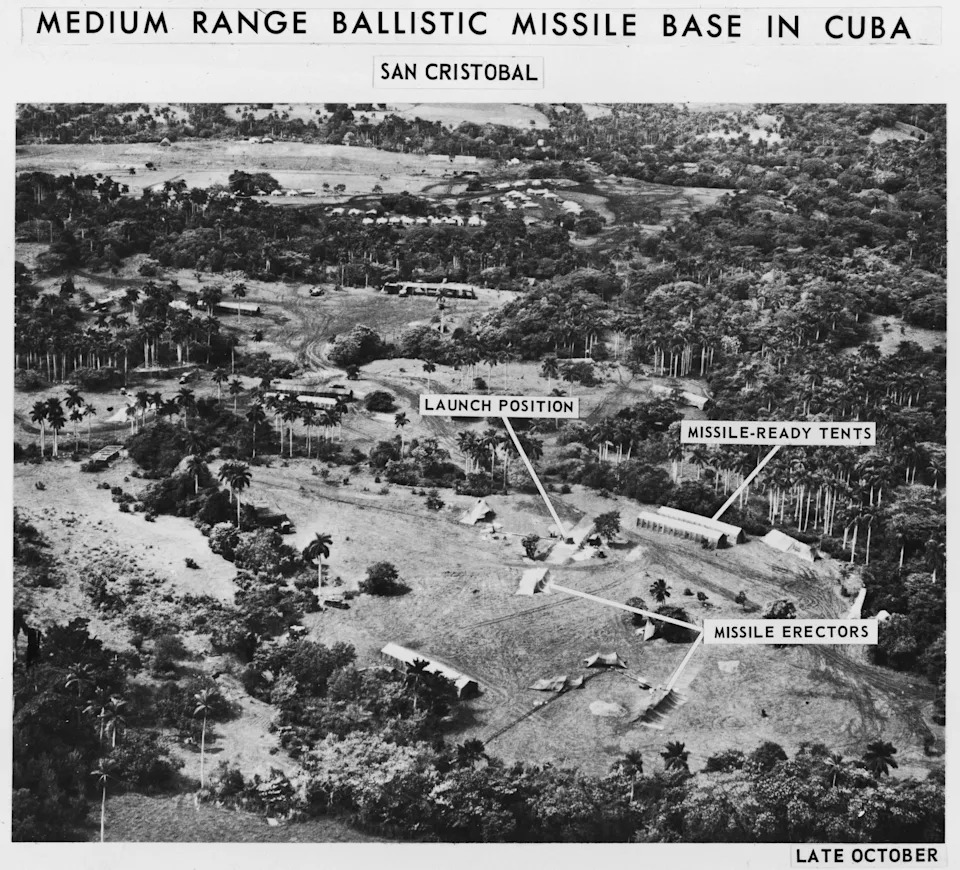
A photo of a medium range ballistic missile base in San Cristobal, Cuba, with labels detailing various parts of the base, is shown Oct. 1962. Former Russian and U.S. officials attending a conference commemorating the 40th anniversary of the missile crisis October 2002 in Cuba said that the world was closer to a nuclear conflict during the 1962 standoff between Cuba and the U.S., than governments were aware of.(Getty Images, Getty Images)
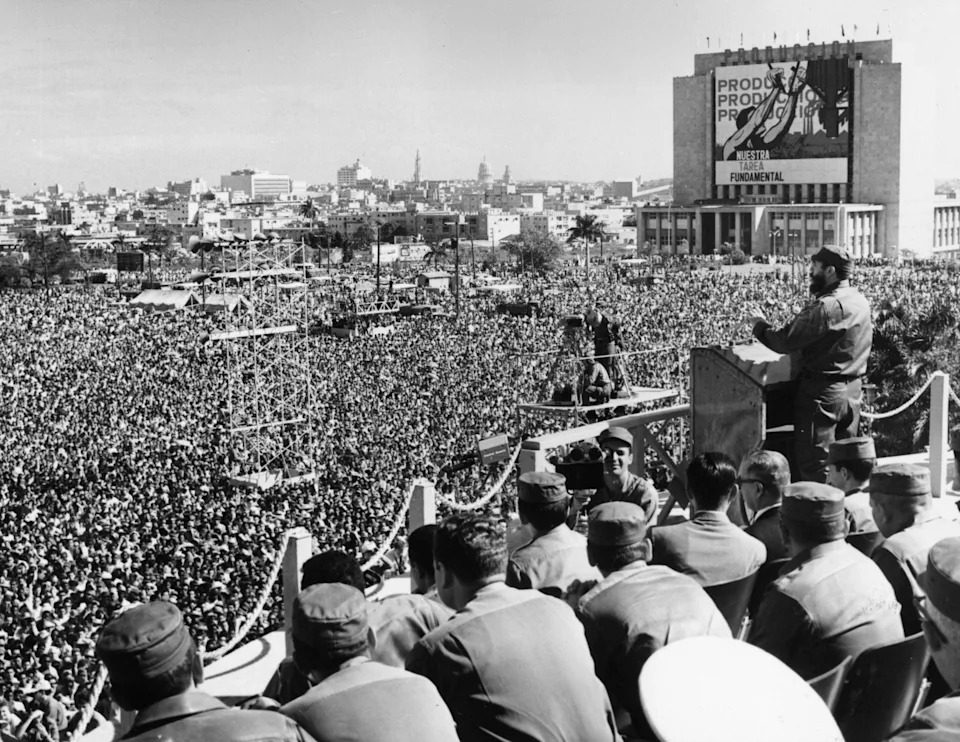
Cuban prime minister Fidel Castro making a speech in Jose Marti Revolution Square, Havana, at a military parade and rally on Jan. 12, 1965.(Keystone, Getty Images)
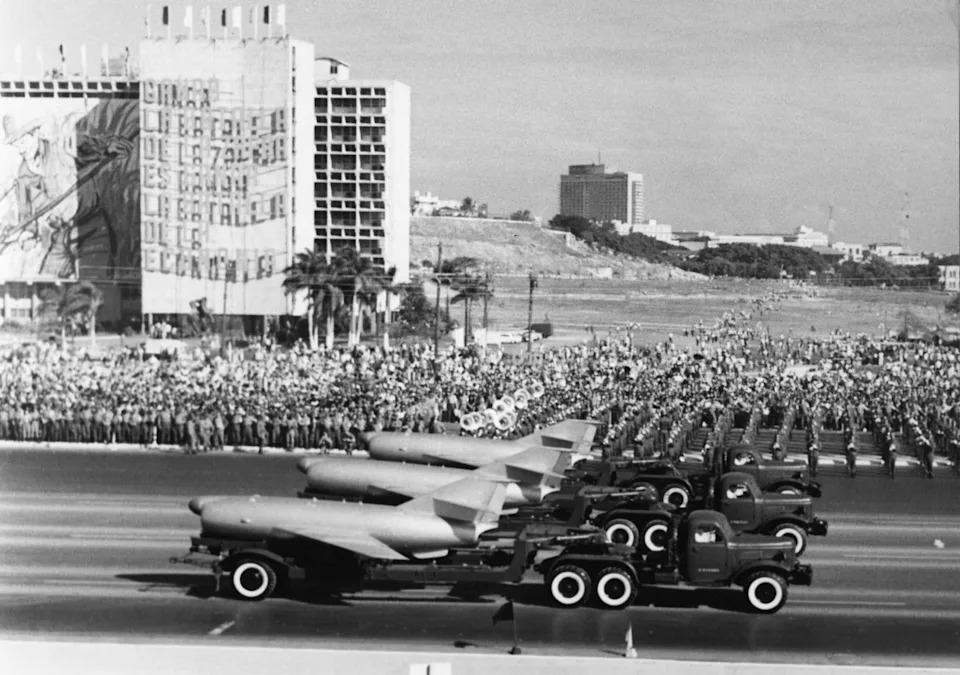
Coastal defense missiles in a military parade during celebrations of the sixth anniversary of the Cuban Revolution, Havana, Cuba on Jan. 12, 1965.(Keystone, Getty Images)
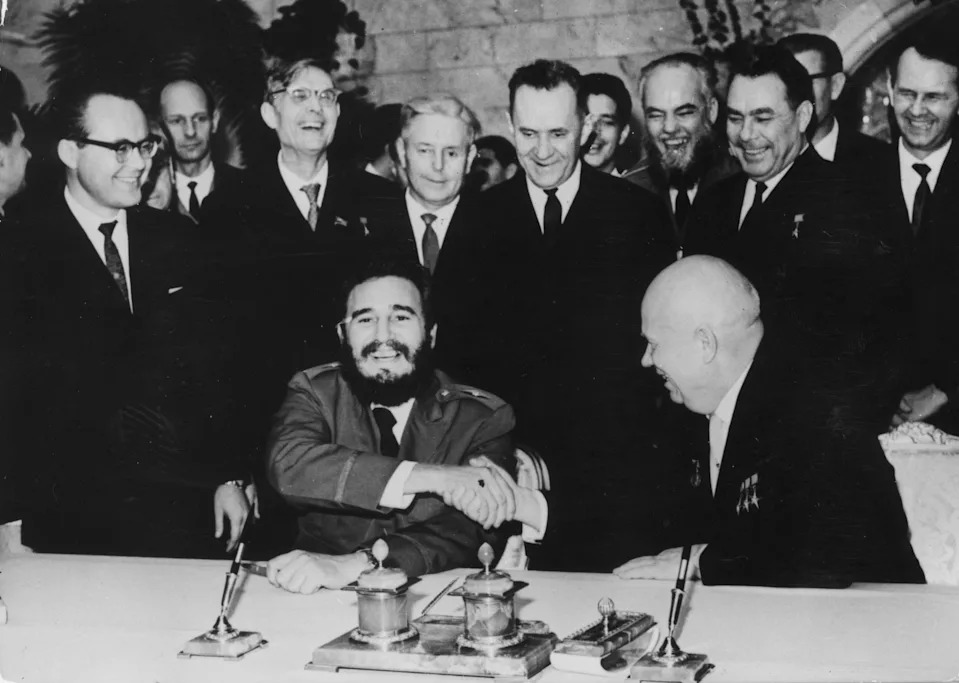
Fidel Castro, Cuban statesman and revolutionary shaking hands with Nikita Khrushchev after signing the Economic Treaty between Cuba and USSR circa 1965.(Keystone, Getty Images)
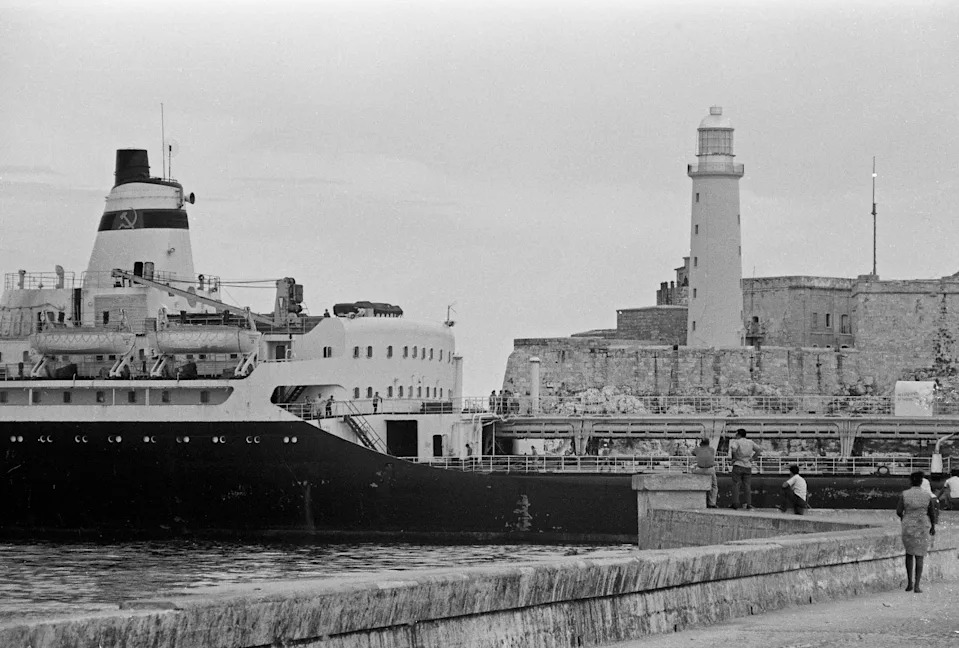
Soviet freighter enters the port of Havana to unload and load goods. The Soviet Union USSR totally supports Cuba with economic and military aid. Cuba is dependent on Soviet markets in 1972.(John van Hasselt, Corbis via Getty Images)
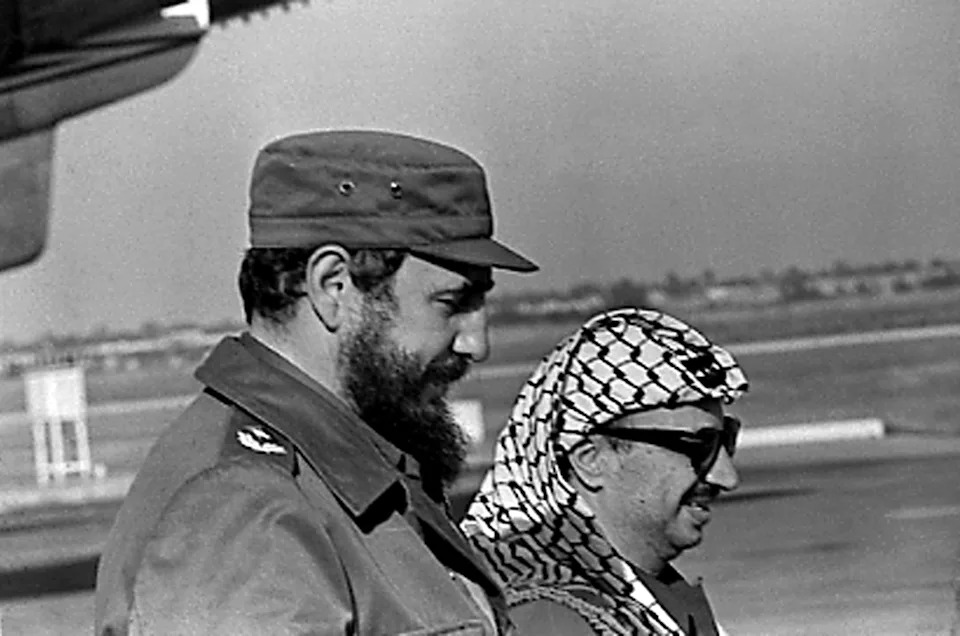
Fidel Castro and PLO leader Yasser Arafat stand together at the airport in Havana during Arafat's first visit to Cuba on Nov. 14, 1974.(PRENSA LATINA, REUTERS)
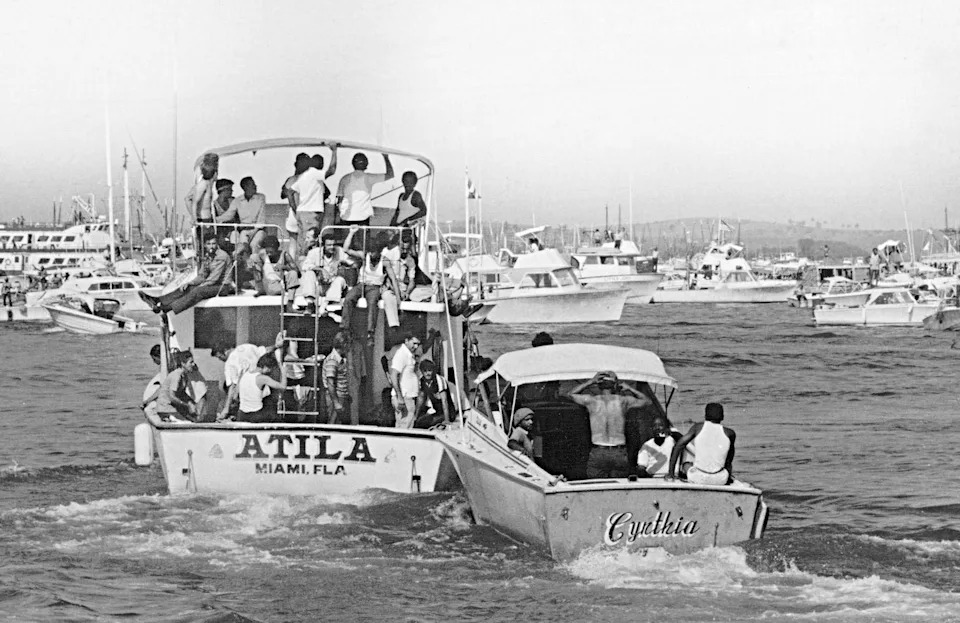
This May 1980 photo captures a pivotal moment during the Mariel boatlift, when thousands of Cubans departed from the port of Mariel bound for the United States. The mass migration, which lasted from April to October 1980, saw over 125,000 Cubans leave the island for Miami in a historic exodus. Small boats, crowded and often makeshift, filled the harbor as families sought new opportunities and freedom abroad. The image reflects both the urgency and hope of those fleeing economic hardship and political tensions, as well as the scale of one of the largest migrations in Cuban history.(ARCHIVO, AFP via Getty Images)
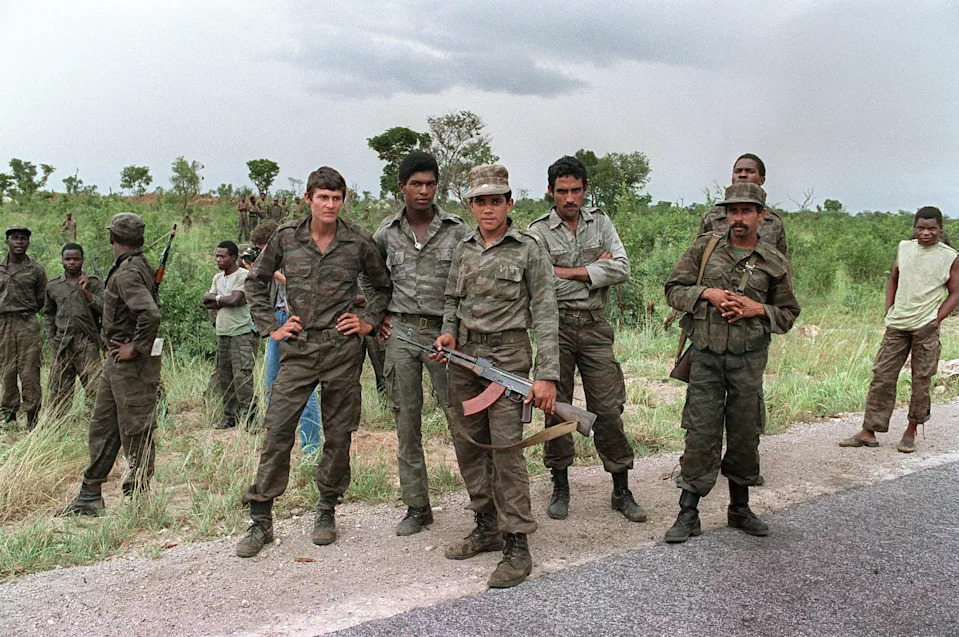
A group of Cuban soldiers helping Angolan regular army and Soviet-backed Marxist MPLA regime in Luanda, patrol on Feb. 29, 1988 near Cuito Cuanavale, southern Angola, where they are fighting against anti-Marxist and Western-backed UNITA nationalist movement. Dec. 22,1988, South Africa, Cuba and Angola signed treaties for the phased withdrawal of Cuban troops from Angola.(PASCAL GUYOT, AFP via Getty Images)
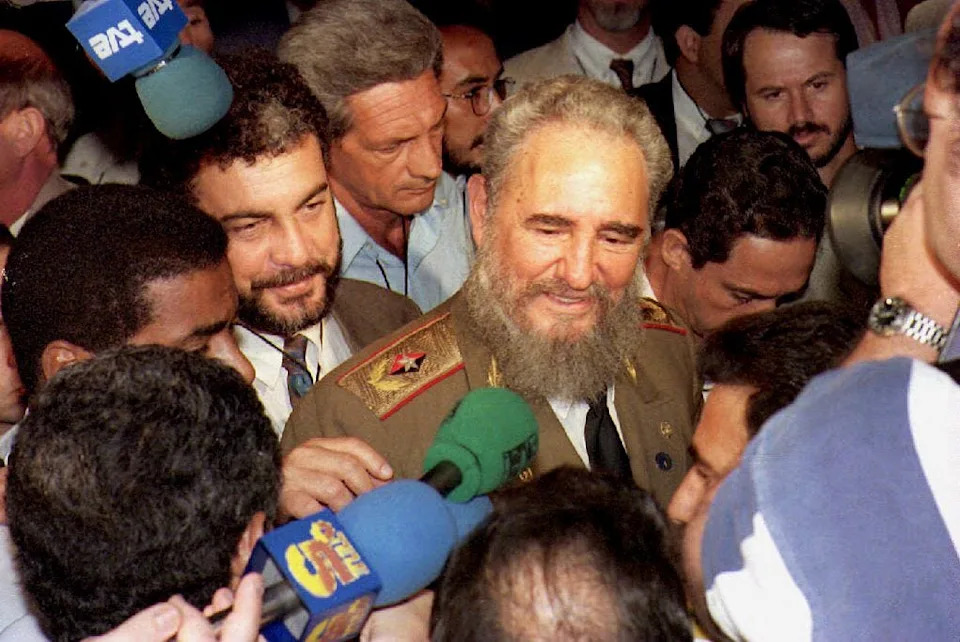
Cuban leader Fidel Castro is surrounded by reporters late July 15, 1993 as he arrives at the Othon Hotel in Salvador de Bahia, Brazil after attending the official reception for heads of state participating in the third Ibero-American Summit. Castro urged Ibero-American leaders to support a lift of the 30-year U.S.-imposed embargo against Cuba.(AFP via Getty Images)
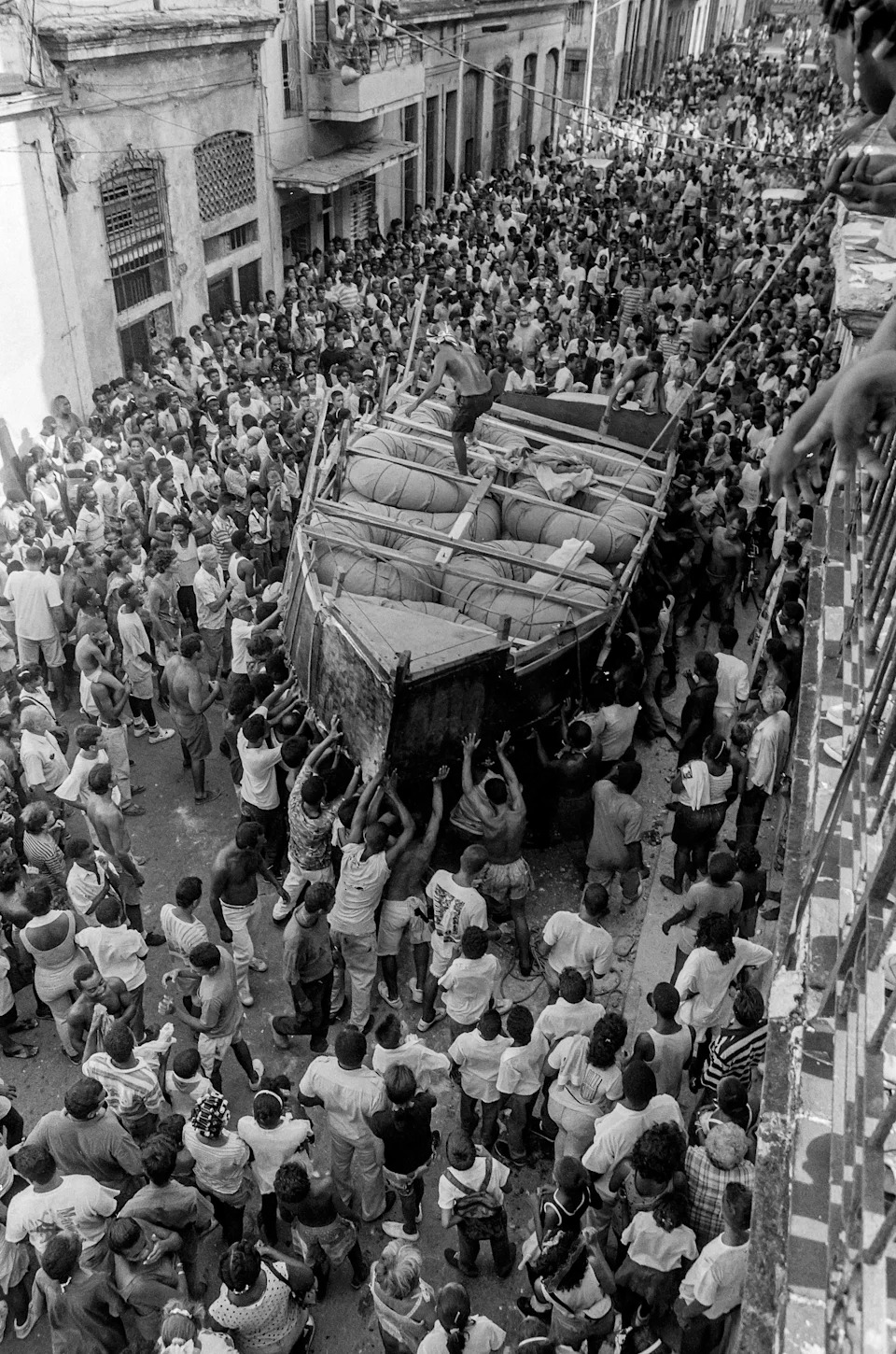
Hundreds of Cubans watch as a makeshift boat is carried by would-be emigrants through the city to launch into the Straits of Florida towards the US, on the last day of the 1994 Cuban Exodus in Havana, Sept. 13, 1994. Between Aug. 12 and Sept. 13, some 31,000 Cubans were detained at sea by U.S. ships. It was the largest exodus since the 1980 Mariel boatlift that brought 120,000 Cubans to Miami.(REUTERS)
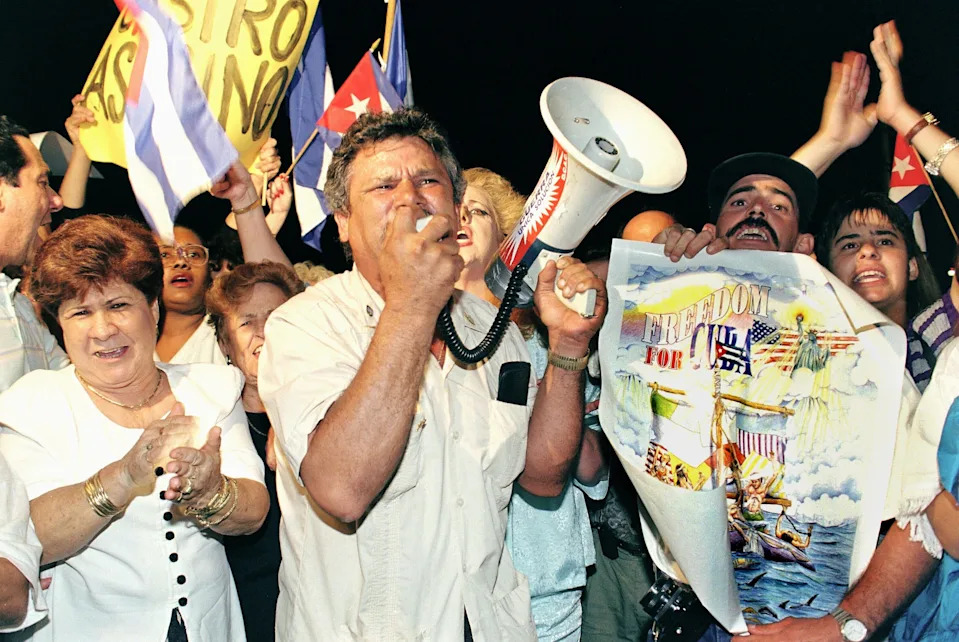
Hundreds of Cuban-Americans flocked to Opa-Locka Airport in northwest Miami on Feb. 24, 1996 for a rally after hearing that two "Brothers to the Rescue" planes were shot down by Cuban fighter jets over international waters near Cuba. "Brothers to the Rescue" is a Miami-based group dominated by Cuban exiles opposed to Castro that trolls the waters between Florida and Cuba looking for small boats of Cuban refugees and also drops political leaflets over Cuba.(RHONA WISE, AFP via Getty Images)
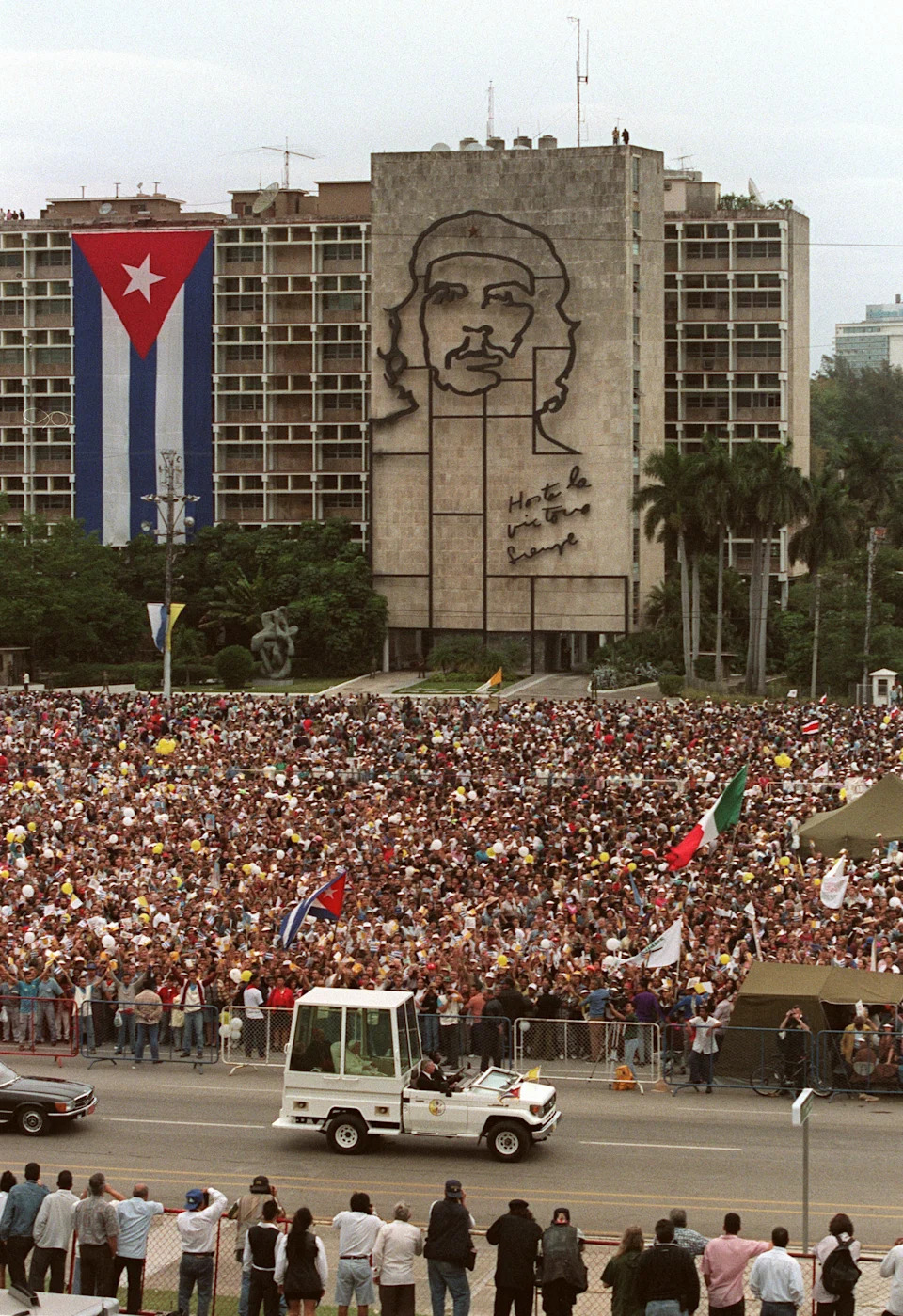
Pope John Paul II riding in the popemobile, passes a sculpture of Cuban revolutionary leader Ernesto Che Guevara as he arrives at the Plaza de la Revolution in Havana to celebrate mass at the end of his historic five-day visit to Cuba on Jan. 25, 1998. The pontiff visited Cuba from 21 to 26 January. It was his 81st International Pastoral visit.(ADALBERTO ROQUE, AFP via Getty Images)
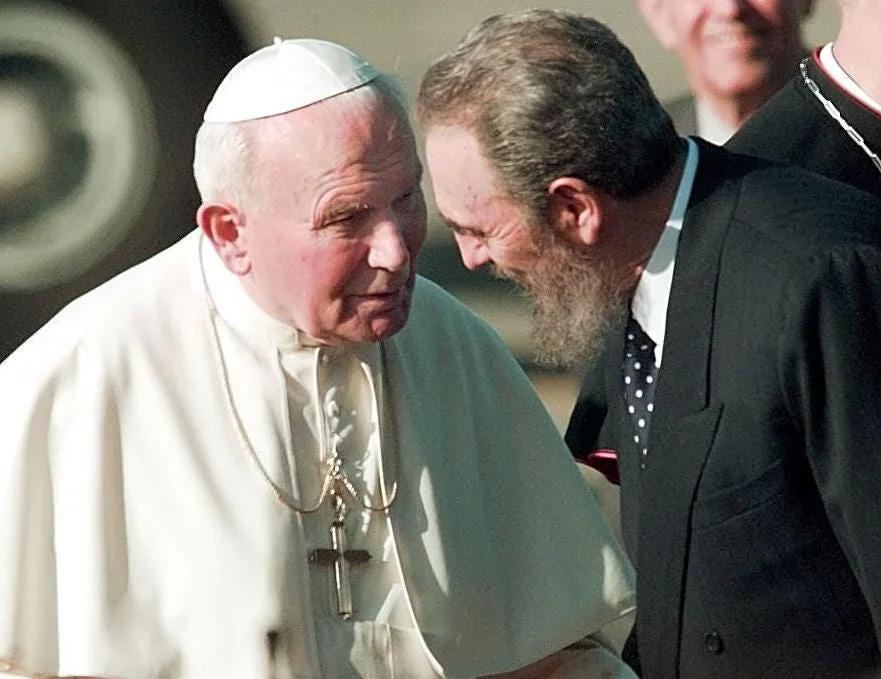
Cuban President Fidel Castro listens to Pope John Paul II as they walk on the tarmac of the Jose Marti International Airport in Havana Jan. 21, 1998, moments after the Pope arrived for a five-day four city tour of Cuba.(MICHEL GANGNE, AFP via Getty Images)
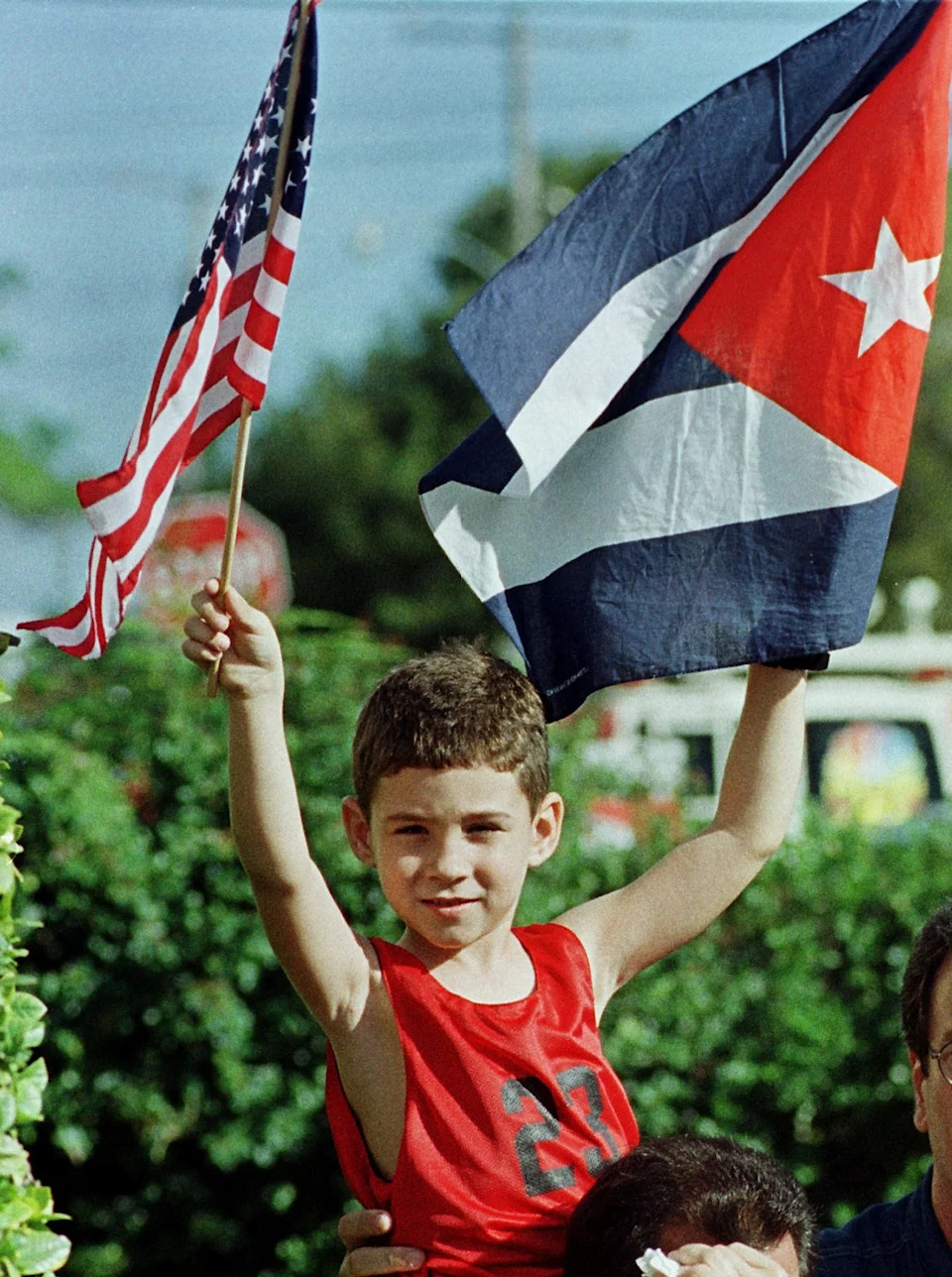
Elian Gonzalez became an international figure in 1999 when, at just five years old, he was found clinging to an inner tube off the coast of Florida after his mother and others died attempting to cross the Florida Straits from Cuba. His survival sparked a highly publicized custody and political dispute between relatives in Miami and his father in Cuba. The case drew intense media attention and highlighted tensions between Cuban exiles and the Cuban government, as well as debates over immigration and family rights. In 2000, after months of legal battles, Elian was returned to his father in Cuba, where he grew up largely out of the public spotlight.(RHONA WISE, AFP via Getty Images)
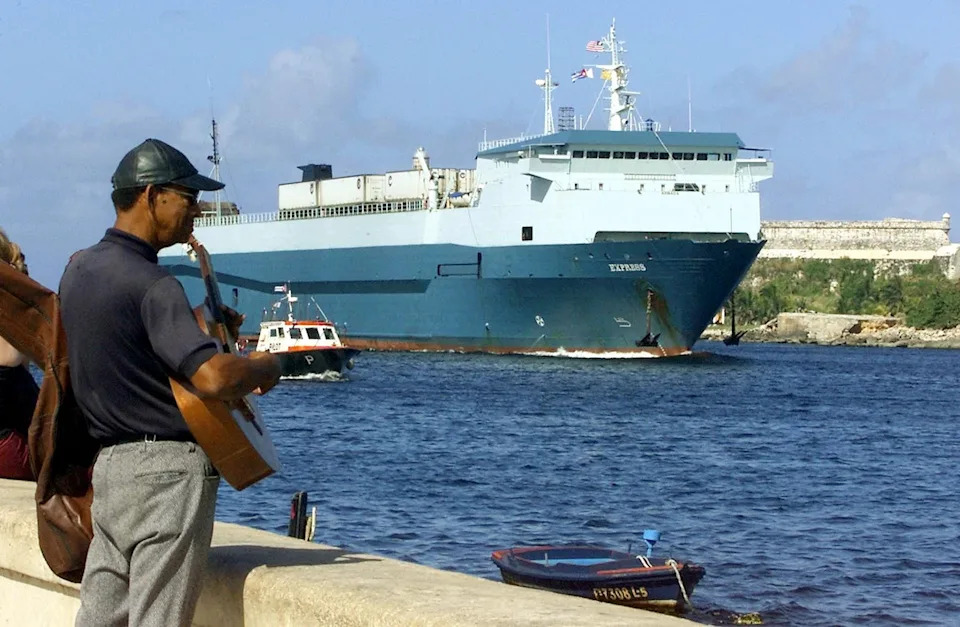
A Havana street musician plays in the Cuban capital's Malecon as the Express container ship arrives on Dec. 16 2001 with 20 containers of frozen chicken, worth about 300,000 USD, shipped from Gulfport, Mississippi. This is the first shipment of US food sold to Cuba since the US imposed a trade embargo four decades ago, and it is part of a deal aimed at helping the communist nation recover from the ravages of Hurricane Michelle which hit in November. The Express was expected to be followed by the Mexican-flagged Ikan Mazatlan, carrying 24,000 tons of corn, valued at 2.2 million USD, from New Orleans, Mississippi. Further shipments were expected in the coming days as part of Cuba's purchase of emergency food supplies including 50,000 tons of wheat, 12,500 tons of rice, 12,000 tons of soybeans and 5,000 tons of soy oil.(ADALBERTO ROQUE, AFP via Getty Images)
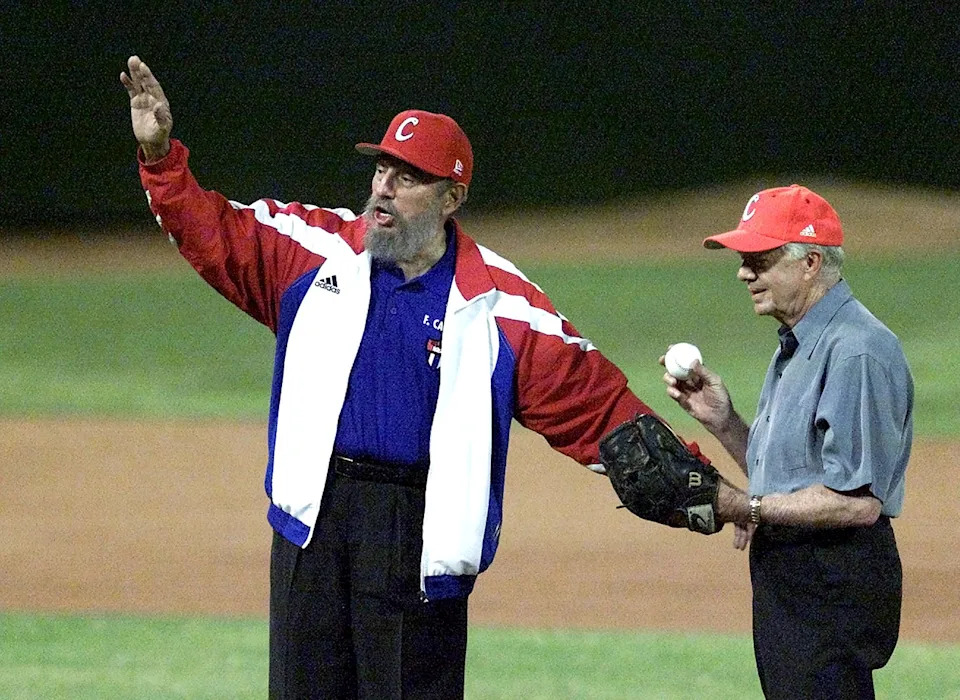
Cuban President Fidel Castro calls for time as former US president Jimmy Carter prepares to throw the first pitch in a baseball game on May 14, 2002 in Havana. Carter made a bold push for democratic opening in communist Cuba, urging Castro to let the UN human rights chief visit and calling attention to an unprecedented dissident bid for political change.(ADALBERTO ROQUE, AFP via Getty Images)
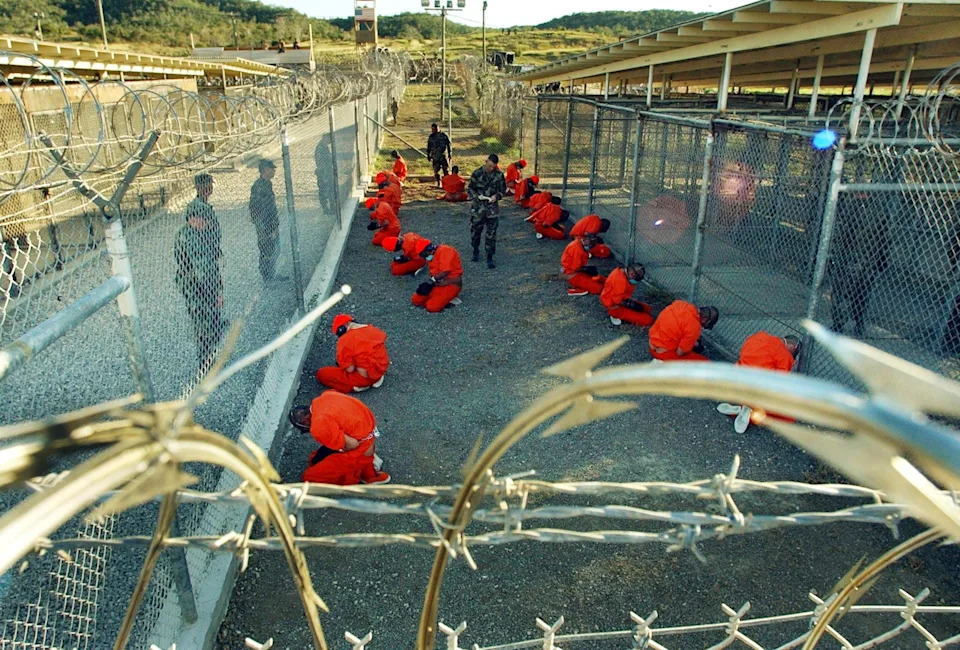
In this photo released Jan. 18, 2002 by the Department of Defense, Al-Qaeda and Taliban detainees in orange jumpsuits sit in a holding area under the surveillance of US military police at Camp X-Ray at Naval Base Guantanamo Bay, Cuba, during in-processing to the temporary detention facility Jan. 11, 2002. The detainees, captured in Afghanistan during Operation Enduring Freedom, are given a basic physical exam by a doctor, to include a chest x-ray blood samples drawn to assess their health.(DOD / US NAVY/AFP via Getty Images)
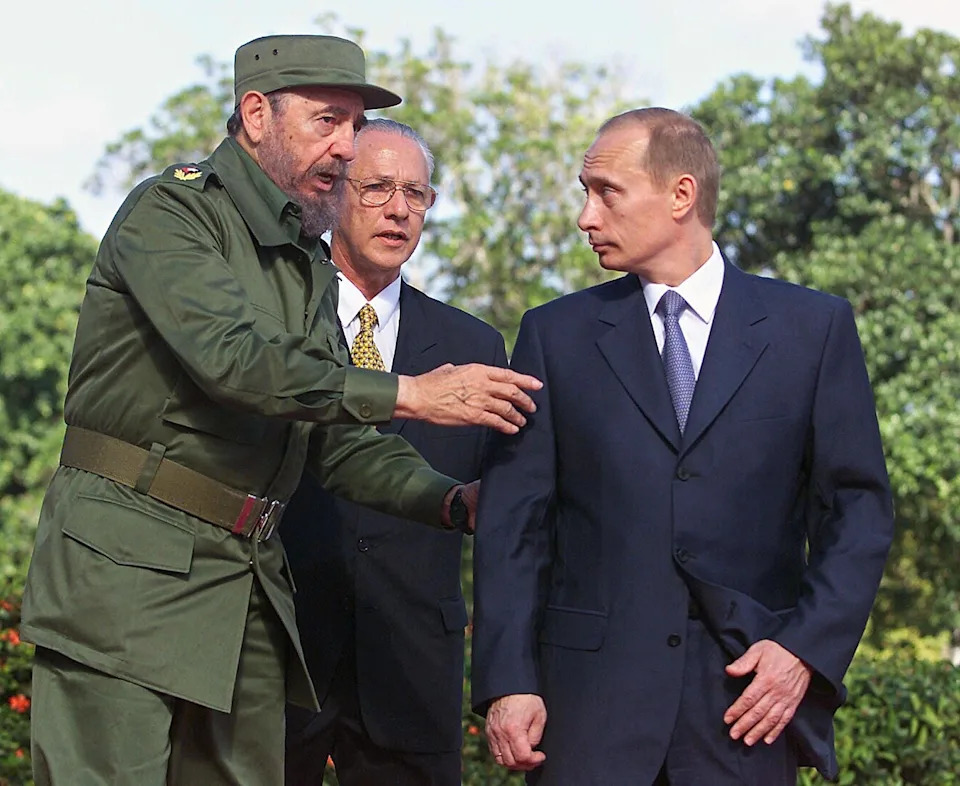
Cuban President Fidel Castro talks with his Russian colleague Vladimir Putin during the official welcoming ceremony on Dec. 14, 2000 in Havana, Cuba for a four-day visit. It is the first time that a Russian leader has visited Cuba since Mikhail Gorbachev came to the island in 1989 before the collapse of the Soviet Union.(ADALBERTO ROQUE, AFP via Getty Images)
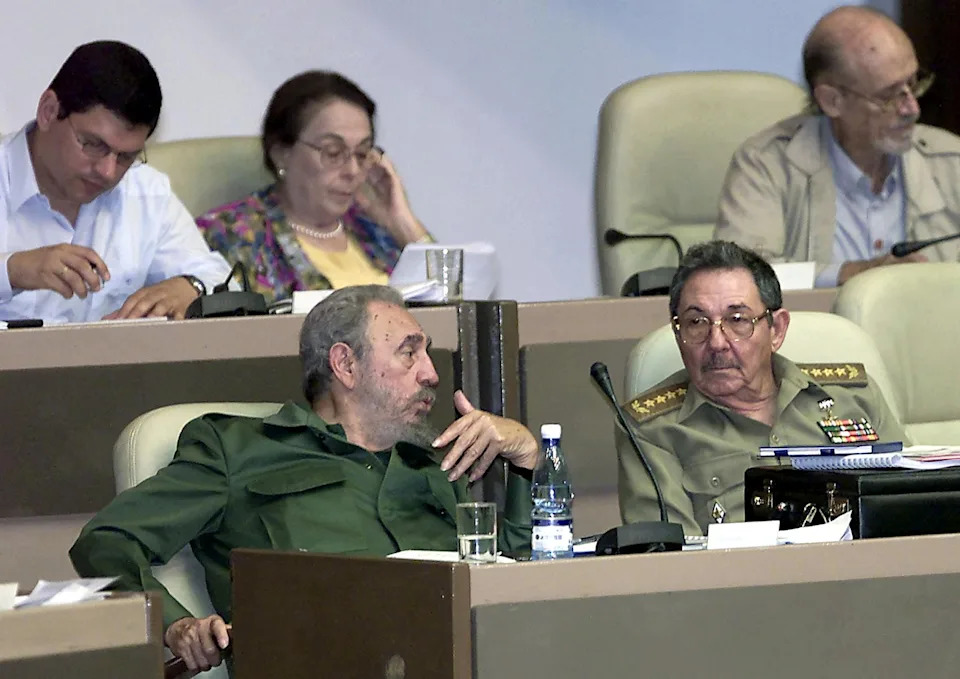
Cuban President Fidel Castro (L front) talks with his brother Raul Castro (R front), the chief of Cuban Armed Forces, during a special session of the National Assembly on June 24, 2002, in Havana. The two-day session is expected to conclude by making socialism an inalienable part of the Cuban constitution. President Castro called for the session after more than 99 percent of Cubans last week supported the idea in a "referendum" which voters were not given the option of rejecting.(NIURKA BARROSO, AFP via Getty Images)
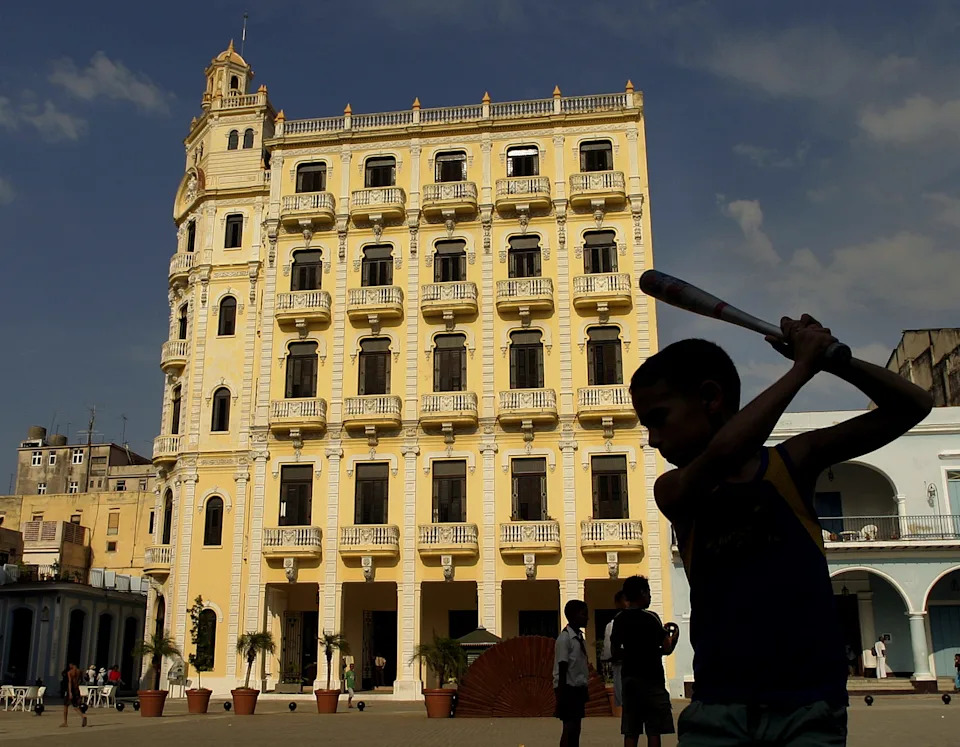
A Cuban boy plays baseball in the center of Old Havana in this picture taken April 22, 2004. Baseball is the national sport in Cuba and is followed with a passion. Despite the lack of available equipment, children make do with anything they can find to play the game, on streets, lots or fields.(Juan Carlos Ulate, REUTERS)
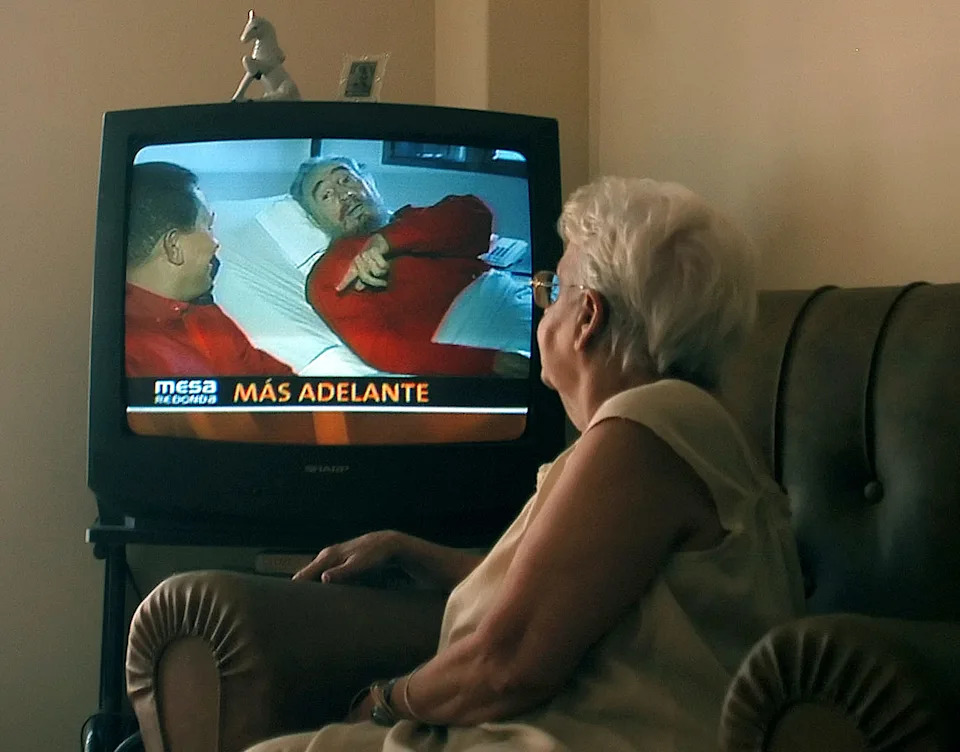
A senior Cuban citizen watches a video released by the state-owned Cuban television on Aug. 14, 2006 showing Cuban leader Fidel Castro recovering from surgery in his hospital bed in Havana with his Venezuelan Counterpart Hugo Chavez at his bedside. Chavez flew to Cuba specially to meet him for his 80th anniversary, celebrated Sunday. It was Castro's first appearance on video since the July 31 announcement saying the Cuban leader Castro had undergone intestinal surgery and that he had ceded power to his younger brother, Raul, the defense minister.(ADALBERTO ROQUE, AFP via Getty Images)
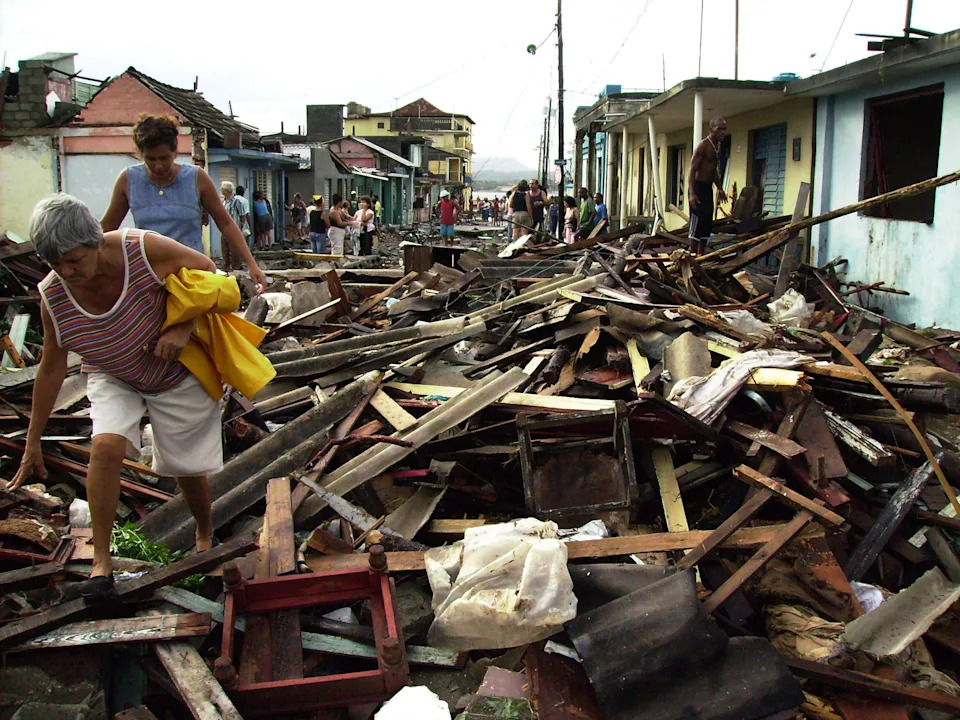
People make their way over the wreckage left on the streets by Hurricane Ike in Baracoa, on Sept. 8, 2008. Cuba raised its hurricane alert level to maximum for the capital Havana as deadly hurricane Ike raged westward across the island towards the city of 2.2 million people, Cuban state television announced.(AFP via Getty Images)
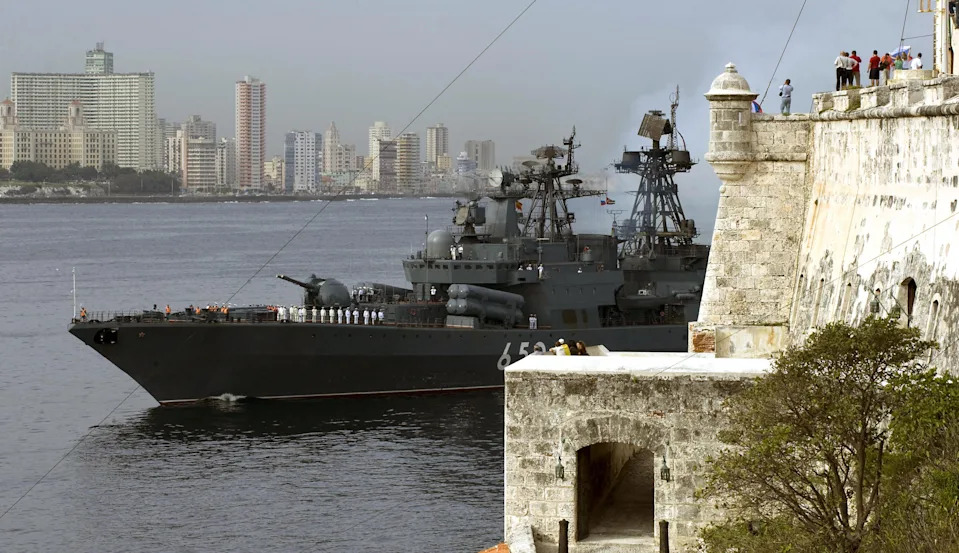
The Russian Admiral Chabanenko destroyer arrives at Havana's harbor, on Dec. 19, 2008. A group of Russian warships arrived in Cuba on Friday, the first such visit to the Soviet-era ally since the end of the Cold War, an AFP journalist reported. Part of a tour of Latin America, the five-day visit close to US waters is seen as a response to Washington's own moves in areas Russia deems within its sphere of influence, including in the Black Sea.(ADALBERTO ROQUE, AFP via Getty Images)
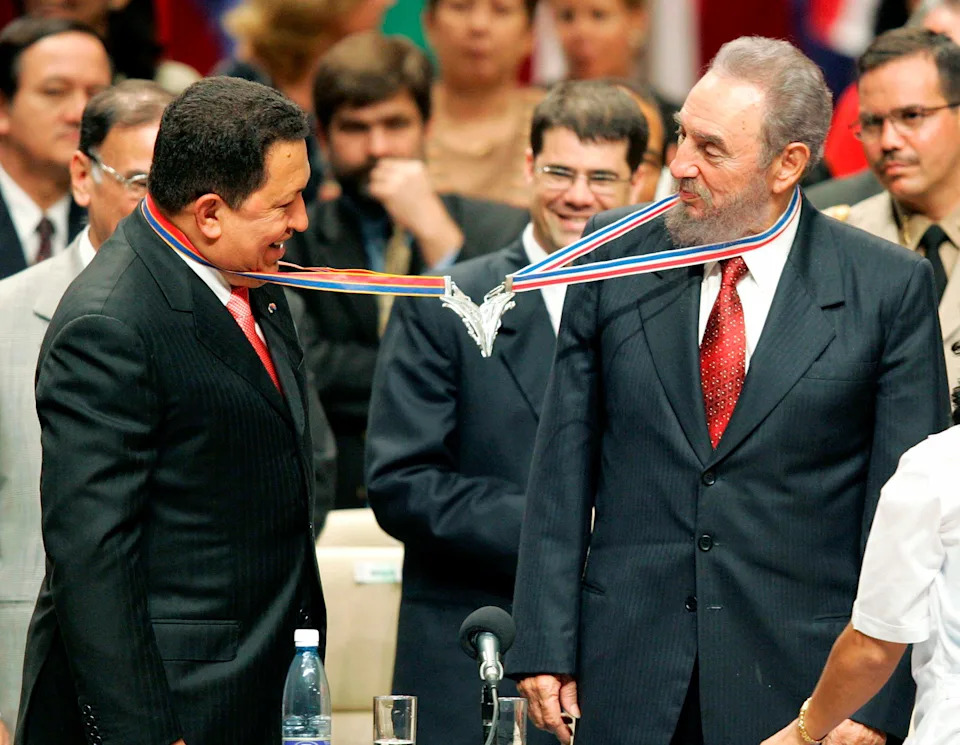
Venezuela's President Hugo Chavez (L) and his Cuban counterpart Fidel Castro joke after joining their medallions, given by medical graduates, at Havana's Karl Marx theatre, in this Aug. 20, 2005 file photo. Ailing Cuban leader Castro said on February 19, 2008 that he will not return to lead the country as president or commander-in-chief, retiring as head of state 49 years after he seized power in an armed revolution.(Claudia Daut, REUTERS)
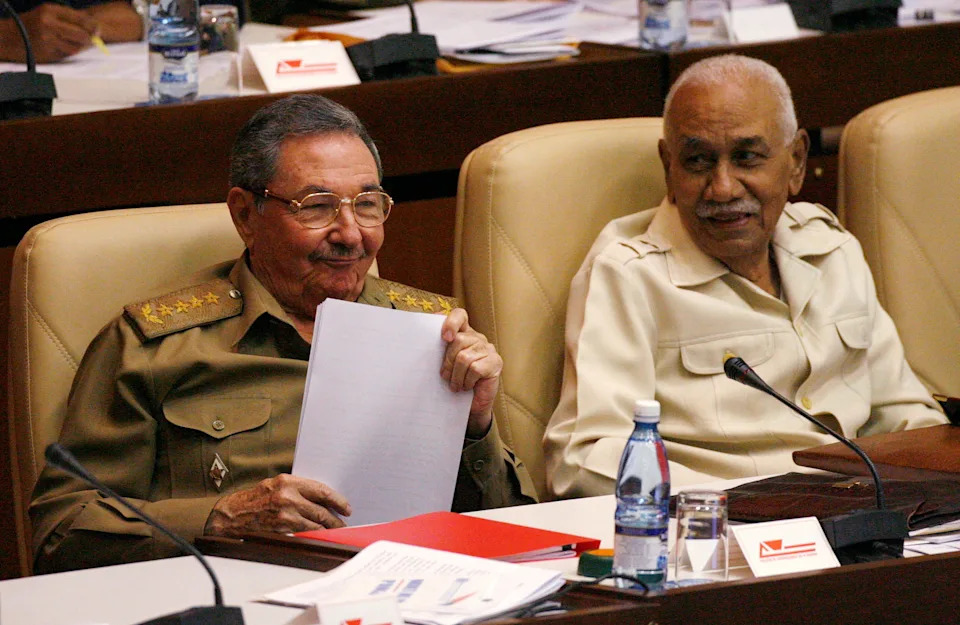
Cuba's acting President Raul Castro (L) and Cuba's Vice President and veteran guerrilla commander Juan Almeida attend a session of the National Assembly in Havana in this Dec. 29, 2007 file photo. Ailing Cuban leader Fidel Castro said on Feb. 19, 2008 that he will not return to lead the country, retiring as head of state 49 years after he seized power in an armed revolution. Half a century later, the old guard of the Cuban revolution is still hanging in there and likely to remain influential in the political hierarchy for some time.(Claudia Daut, REUTERS)
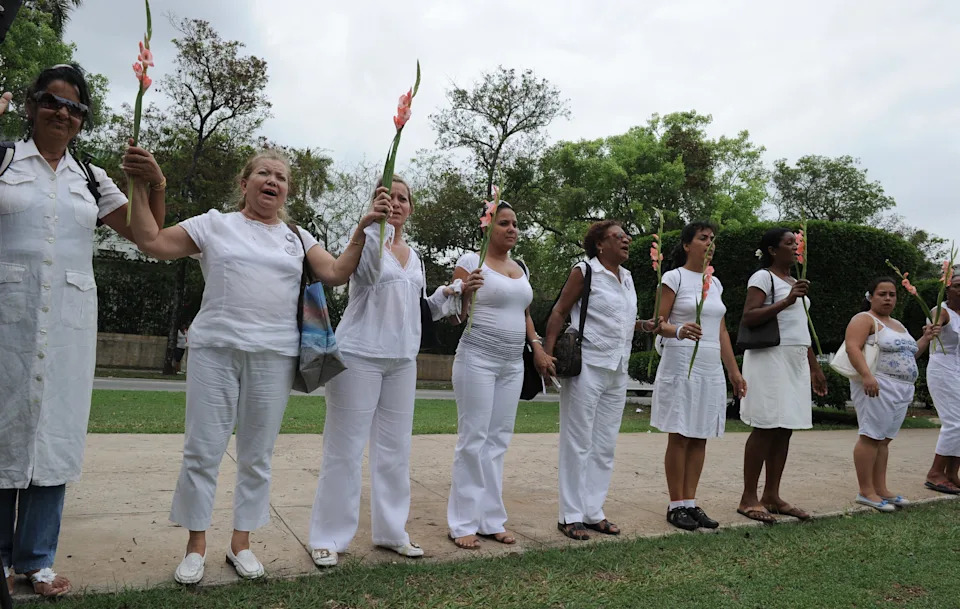
Cuban Ladies in White leader Laura Pollan (2nd-L) and other members shout slogans in front of the church of Santa Rita church on 5th Avenue, on May 2, 2010, in Havana. The Cuban government and Cardinal Jaime Ortega arrived to a solution to authorize the peaceful march of the Ladies in White, an opposition organization demanding the release of their imprisoned relatives.(ADALBERTO ROQUE, AFP via Getty Images)
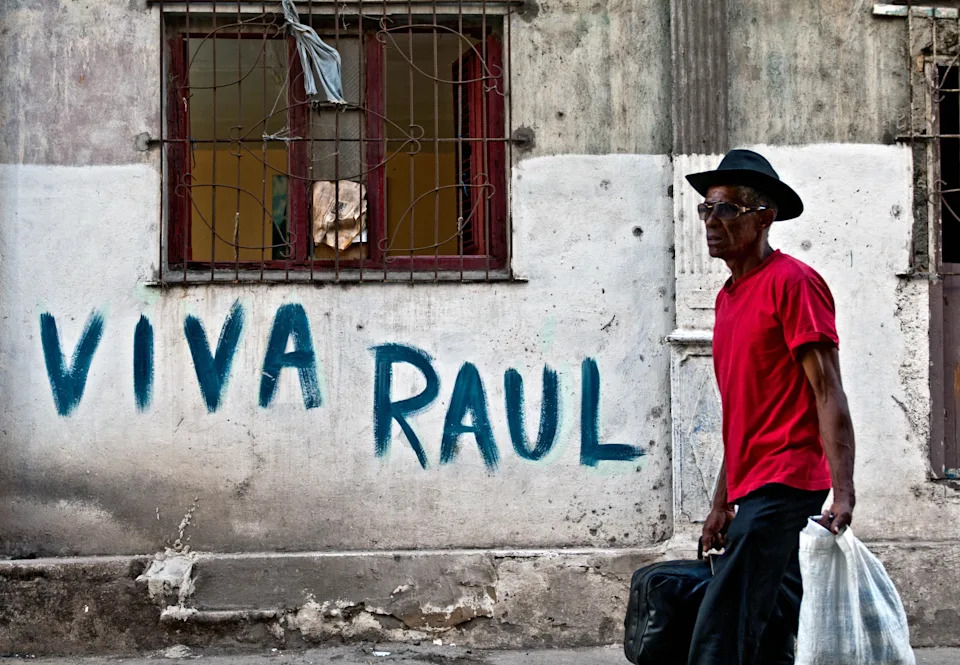
A Cuban man carries a bag of food past a wall reading "Long live Raul" on July 12, 2011 in Havana. Farmers and urban private workers were the ones that earned the most in 2010 in Cuba, as their corresponding sectors grow due to Cuban President Raul Castro's reforms, informed Tuesday an official source.(AFP via Getty Images)
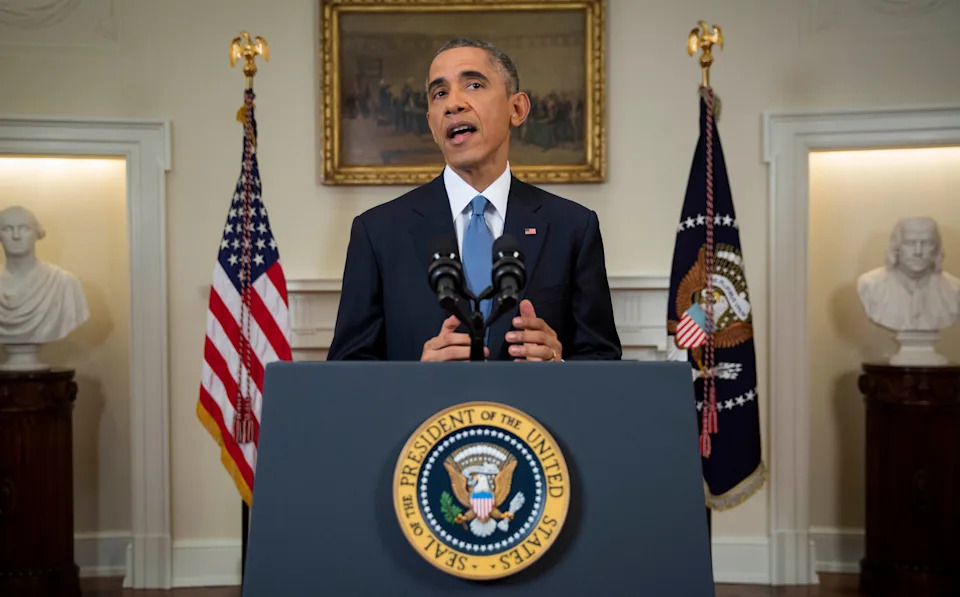
President Barack Obama speaks to the nation about normalizing diplomatic relations the Cuba in the Cabinet Room of the White House on December 17, 2014 in Washington, DC. Obama announced plans to restore diplomatic relations with Cuba, over 50 years after they were severed in January 1961. In a prisoner exchange, U.S. contractor Alan Gross was freed after being held in Cuba since 2009 and sent to Cuba three Cuban spies who had imprisoned in the U.S. since 2001.(Pool photo by Doug Mills via Getty Images)
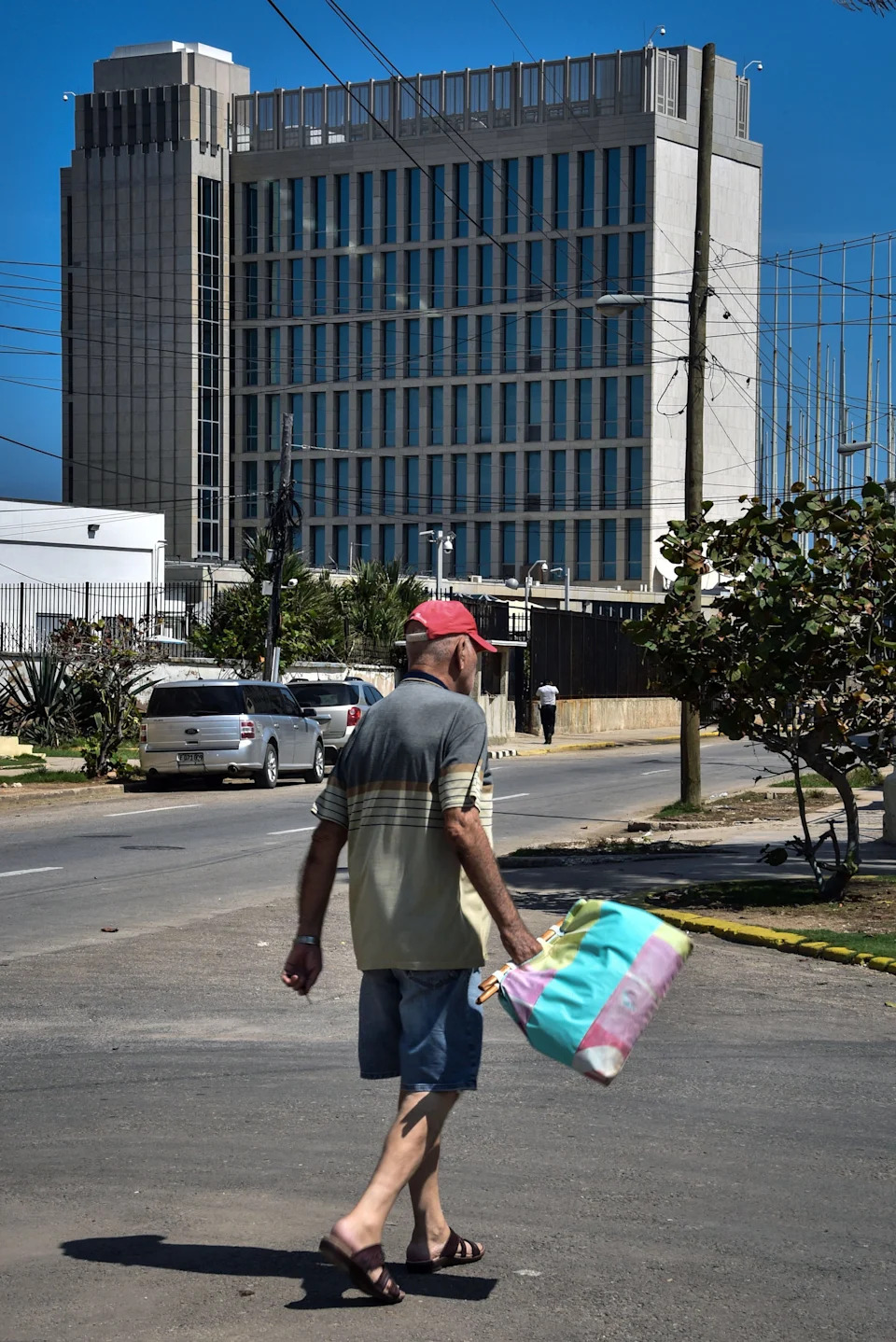
A man walks along an empty street, that used to be packed with Cubans queueing to apply for a visa at the US Embassy (back), in Havana on Oct. 26, 2017.
In response to a series of mysterious health attacks to their diplomats, US has withdrawn more than half the personnel from its embassy in Cuba and ordered the expulsion of 15 Cuban diplomats in the United States. US relations with Havana were only fully restored in 2015 -- after a half-century Cold War breakdown -- and have deteriorated since President Donald Trump took office in January. Many Cubans whose income depended on the US' embassy influx of public to get their visas have been affected.(AFP via Getty Images)
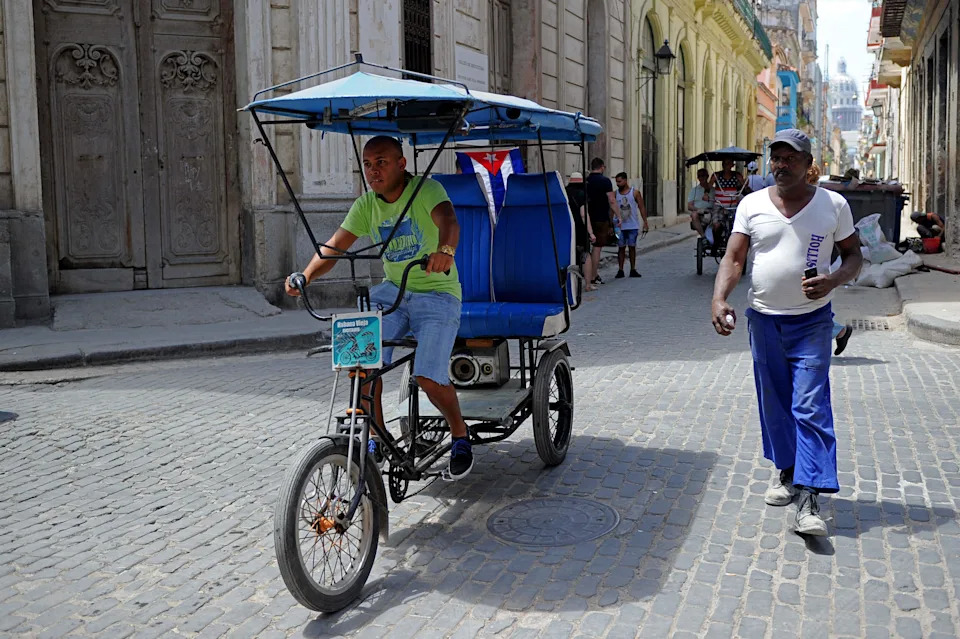
A bicitaxi rides looking for clients along a street of Havana, on March 28, 2018. Cuba's entrepreneurs have flourished since 2011 President Raul Castro's economic reforms and are now hoping improvements will come ahead amid Castro's successor. "Cuentapropistas" and their employees represent 12% --some 580,000-- of the country's work force.(YAMIL LAGE, AFP via Getty Images)
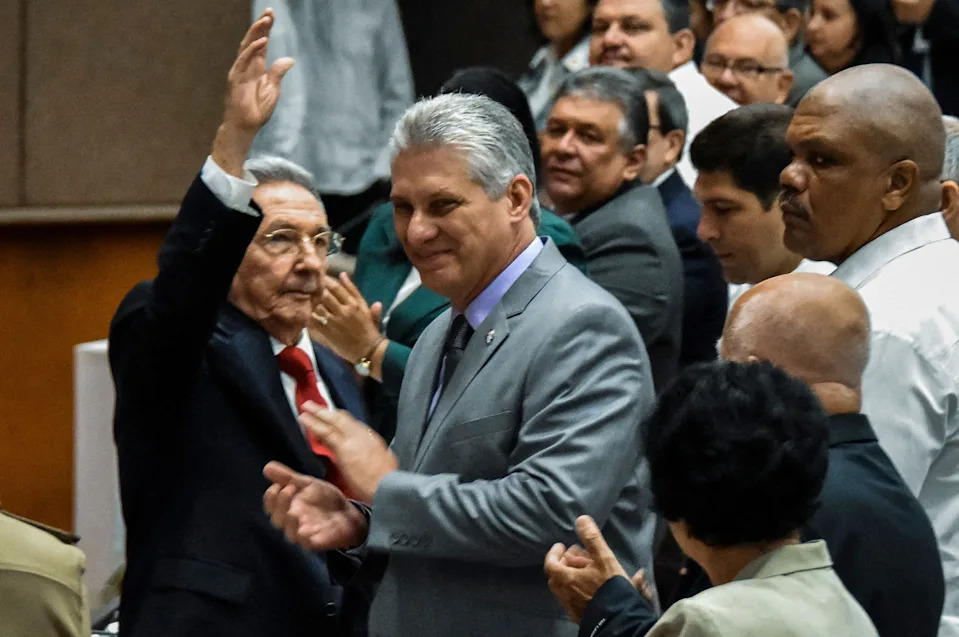
Cuban President Raul Castro (L) waves next to First Vice-President Miguel Diaz-Canel (C) during a National Assembly session that will select Cuba's Council of State ahead of the naming of a new president, in Havana on April 18, 2018. Cuban President Raul Castro steps down Thursday, passing the baton to a new generation in a transition that brings to a close the Castro brothers' six-decade grip on power. The 86-year-old has been in power since 2006, when he took over after illness sidelined his brother Fidel, who seized power in the 1959 revolution.(AFP via Getty Images)
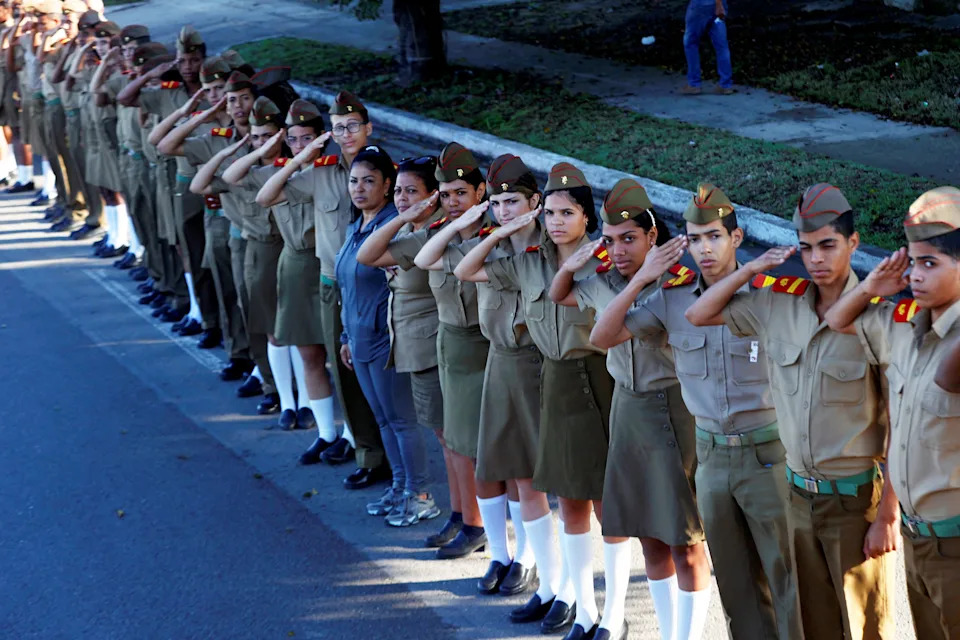
Cubans bid farewell to the funeral procession carrying the remains of the 32 Cuban soldiers who died during the US incursion to capture Venezuelan leader Nicolas Maduro, at the Boyeros Avenue in Havana on Jan. 15, 2026. The capture by US forces of Venezuelan leader Nicolas Maduro on January 3, 2026, and the killing in the operation of 32 Cubans assigned to protect him represent a major blow for the island's revered intelligence services, experts say.(Pool photo by Ernesto Mastrascusa, AFP via Getty Images)
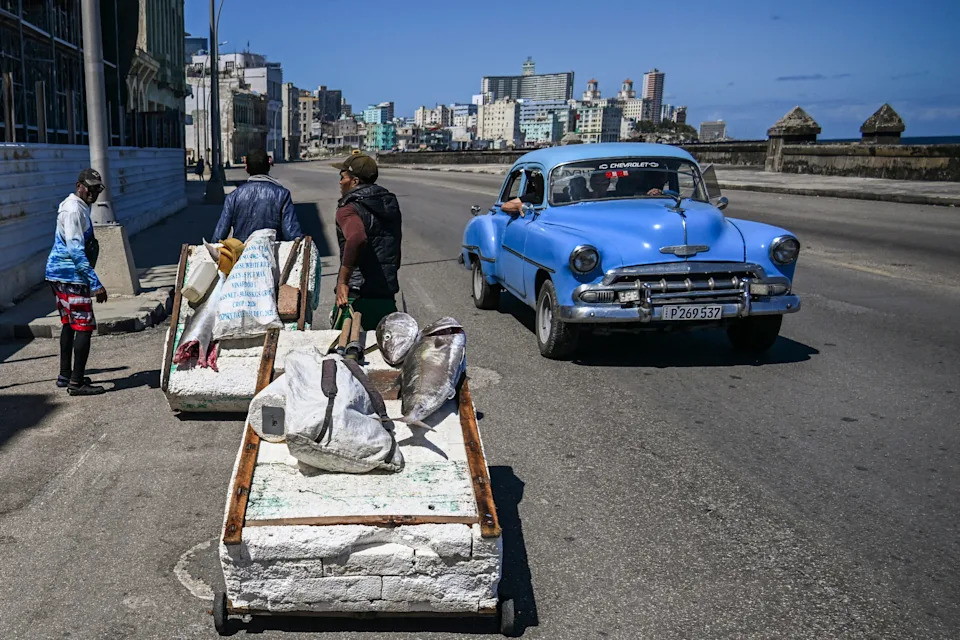
Fishermen return from fishing on a makeshift raft in Havana during a national blackout on March 22, 2026. Cuban authorities scrambled on March 22 to restore power to the island after the second nationwide blackout in less than a week, as the grid struggles due to an aging infrastructure and a US oil blockade.(YAMIL LAGE, AFP via Getty Images)
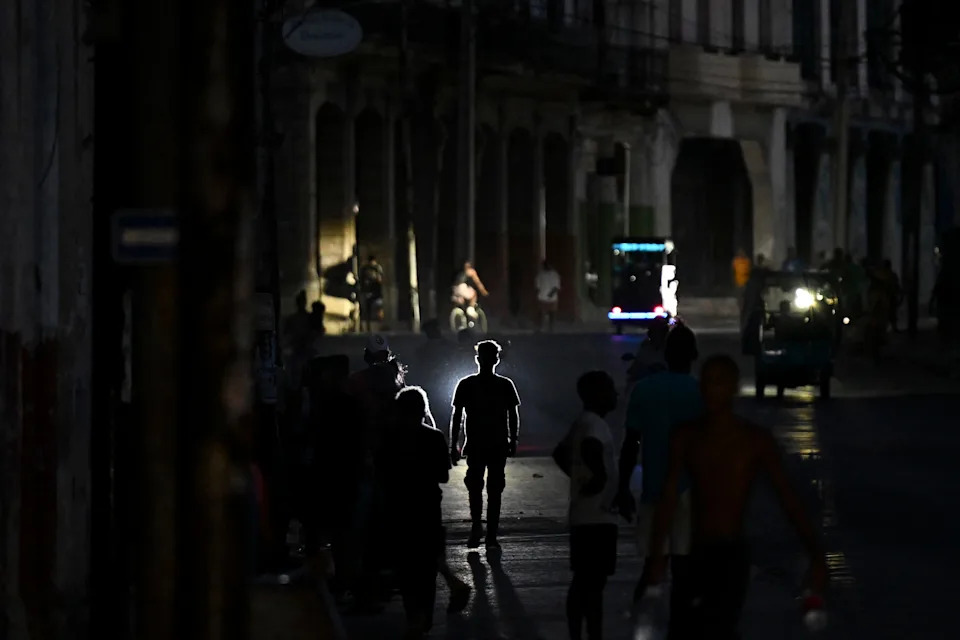
People walk on a street during a blackout in Havana on May 13, 2026. Cuba blamed the United States for the "particularly tense" situation in its power grid on May 13, 2026, which has been plagued by prolonged blackouts, while Washington once again offered $100 million in aid to the island.(YAMIL LAGE, AFP via Getty Images)
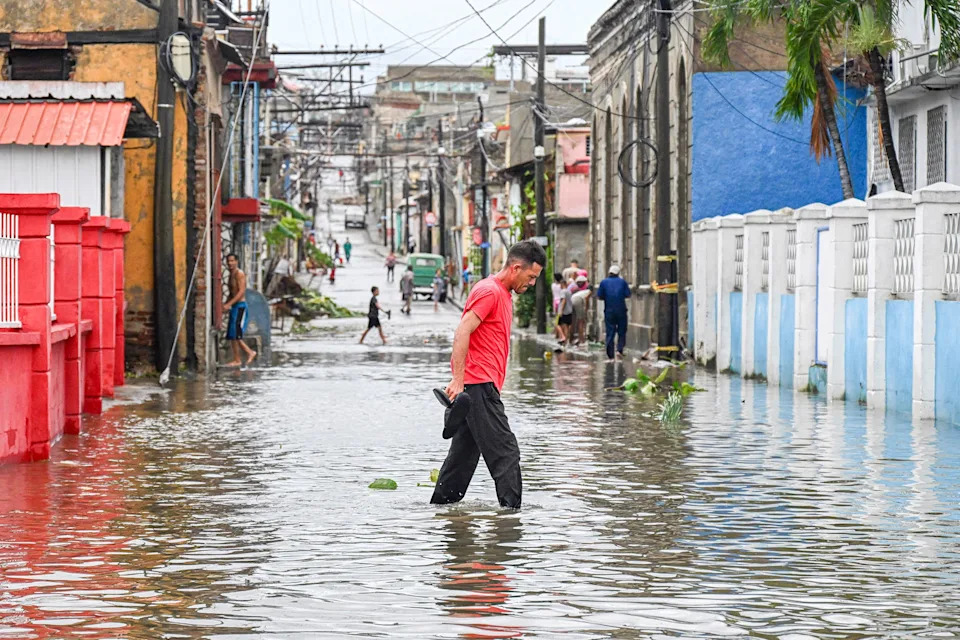
A man walks through a flooded street in a neighborhood affected by Hurricane Melissa in Santiago de Cuba on Oct. 29, 2025. A powerful Hurricane Melissa made landfall in eastern Cuba on Wednesday, causing damage and flooding to homes and streets in Santiago de Cuba province, an AFP team on the ground reported.(YAMIL LAGE, AFP via Getty Images)
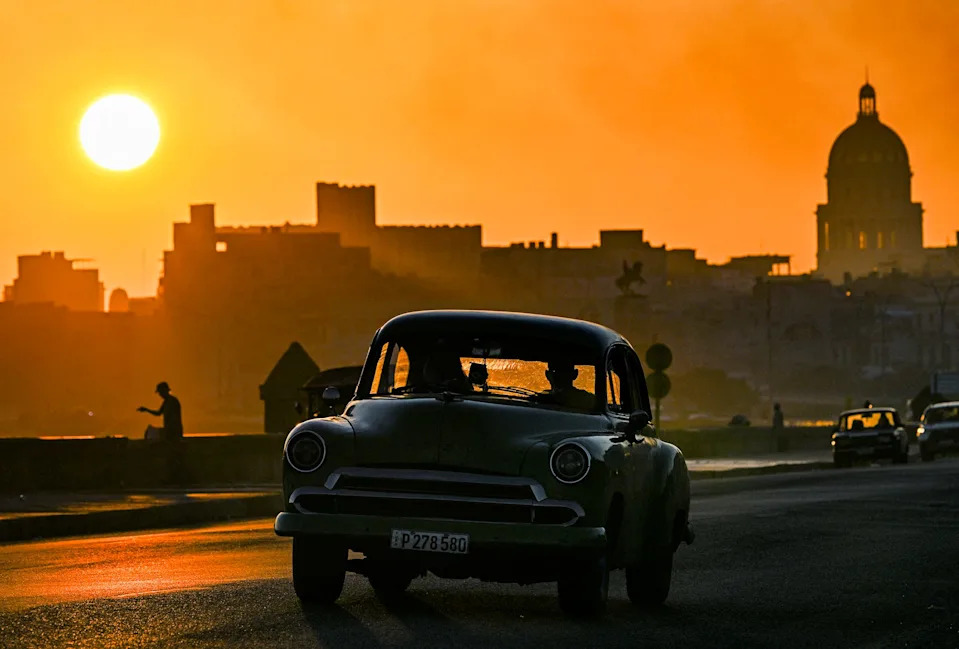
An old car drives along Havana's Malecon at dawn on Jan. 26, 2026,(YAMIL LAGE, AFP via Getty Images)
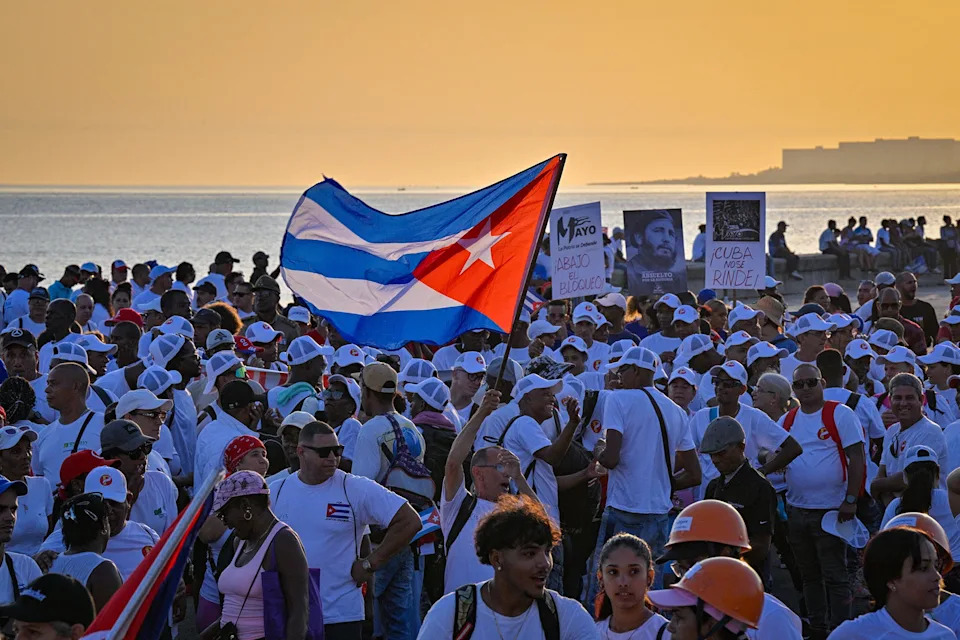
People march along Havana's waterfront to mark International Workers' Day at the Anti-Imperialist Platform in front of the US Embassy in Havana on May 1, 2026.(ADALBERTO ROQUE, AFP via Getty Images)
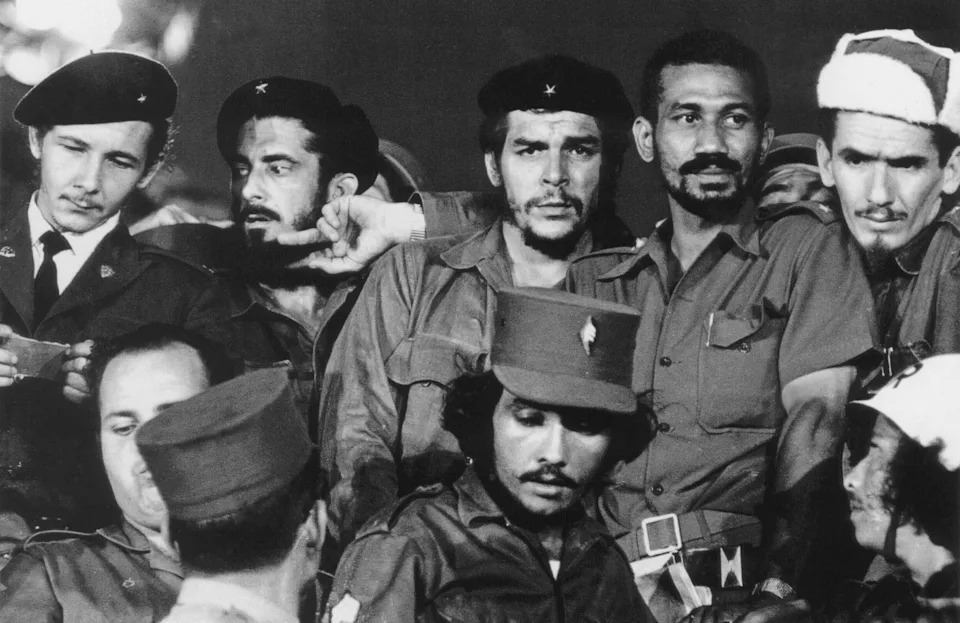
The federal government's moves toindict former Cuban President Raúl Castrowill ramp up pressurefor regime changein Cuba and could be a prelude to a U.S. military operation, just as the Trump administrationsent troops into Venezuela in Januaryto capture indicted Venezuelan PresidentNicolás Maduro.The possible charges are related to a 30-year-old case that involved the Cuban government shooting down two planes operated by a humanitarian group in 1996.Look back at Castro's history amid escalating tensions, starting here in 1959. The photograph shows Commanders Raul Castro, from left, Antonio Nunez Jimenez, Ernesto "Che" Guevara, Juan Almeida and Ramiro Valdes in Havana during the first year of the Cuban revolution.(-, BOHEMIA/AFP via Getty Images)
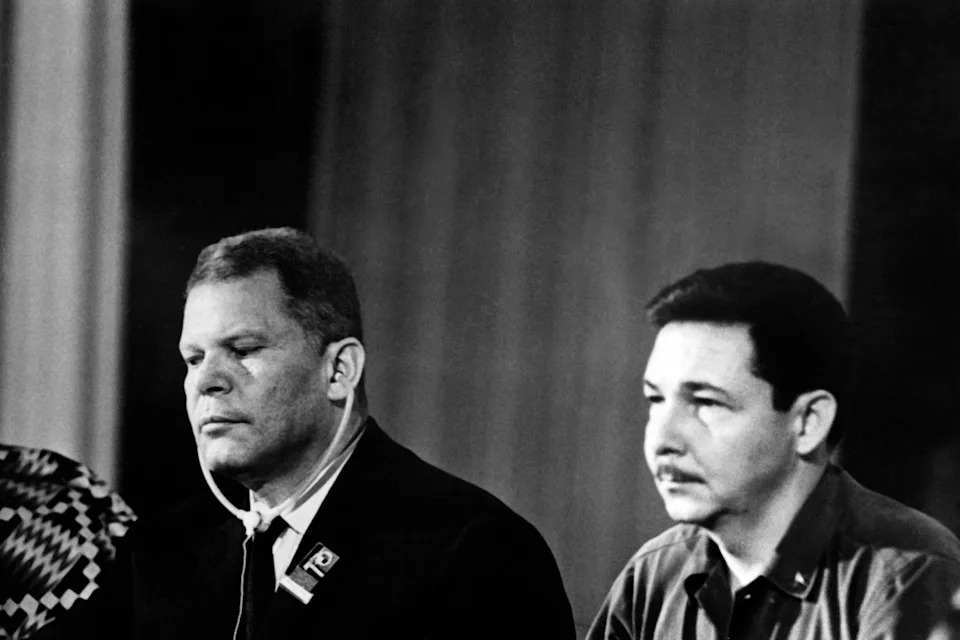
Secretary General Youssef El-Sebai (L) and Raul Castro (R) attending the Organization of Solidarity with the People of Asia, Africa and Latin America (OSPAAAL), succeeding to the Tricontinental Conference in Havana, Jan.1966.(AFP via Getty Images)
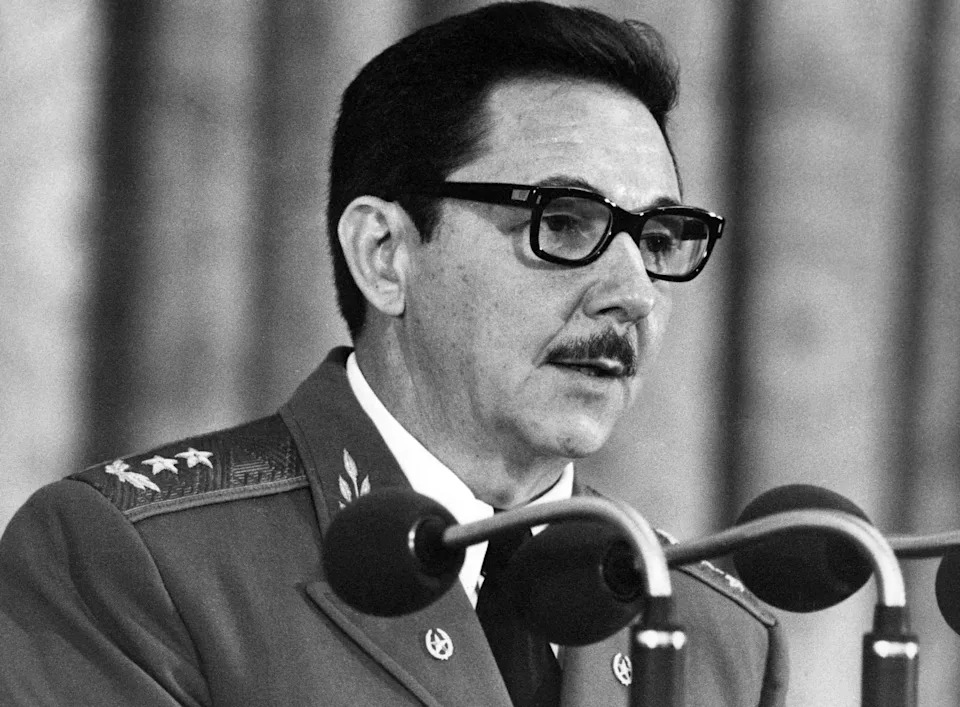
An undated picture shows Raul Castro, brother of Cuban leader Fidel Castro and Defense minister, delivering a speech in Havana circa 1970.(PRENSA LATINA/AFP via Getty Images)
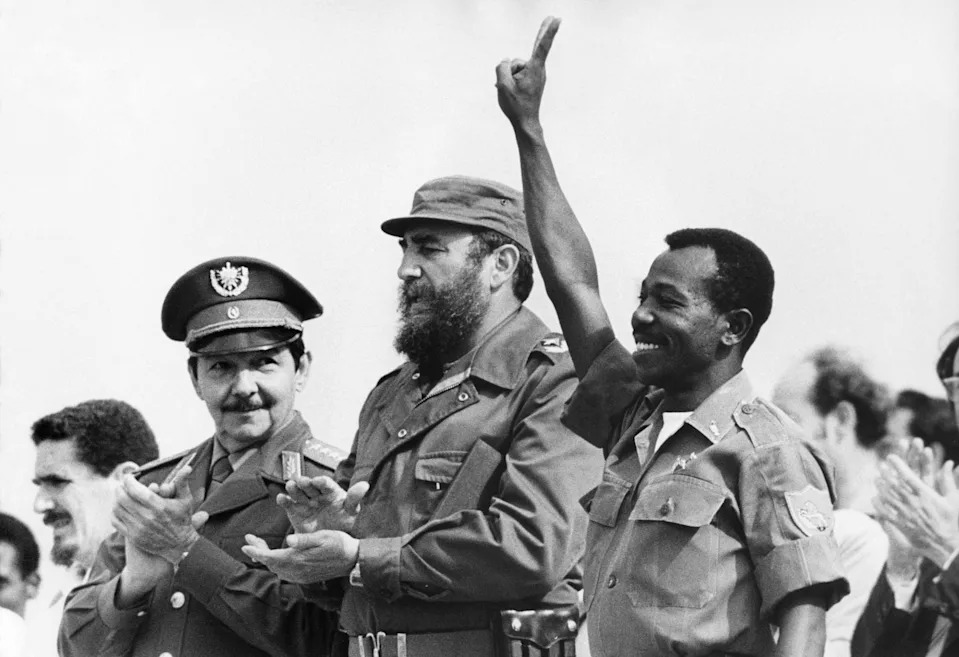
Ethiopian President Lieutenant Colonel Mengistu Haile Mariam (R) makes V sign as he stands with Fidel Castro (C) and Raul Castro (L) during an official visit in La Havana, Cuba on April 25, 1975. Mengistu took part in the attempted coup against Haile Selassie in 1960 and in 1977 after a further coup he became indisputed ruler of his country. He was overthrown in 1991 by the Ethiopian People's Democratic Front.(PRENSA LATINA/AFP via Getty Images)
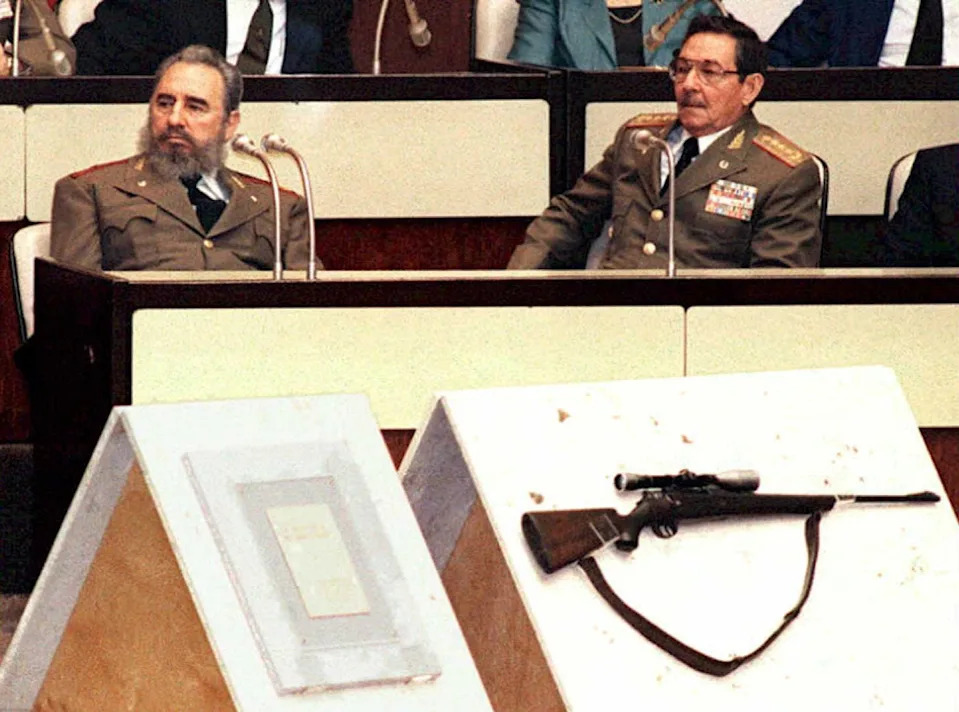
Cuban President Fidel Castro (L) and his brother Minister of Defense Raul Castro attend and extraordinary session of the Cuban Parliament on Feb. 24, 1995 in Havana on the 100th anniversary of the start of the war of independence from Spain in 1895. The rifle is the one used by Fidel Castro when hed led Cuban guerrillas to power in 1959.(AFP via Getty Images)
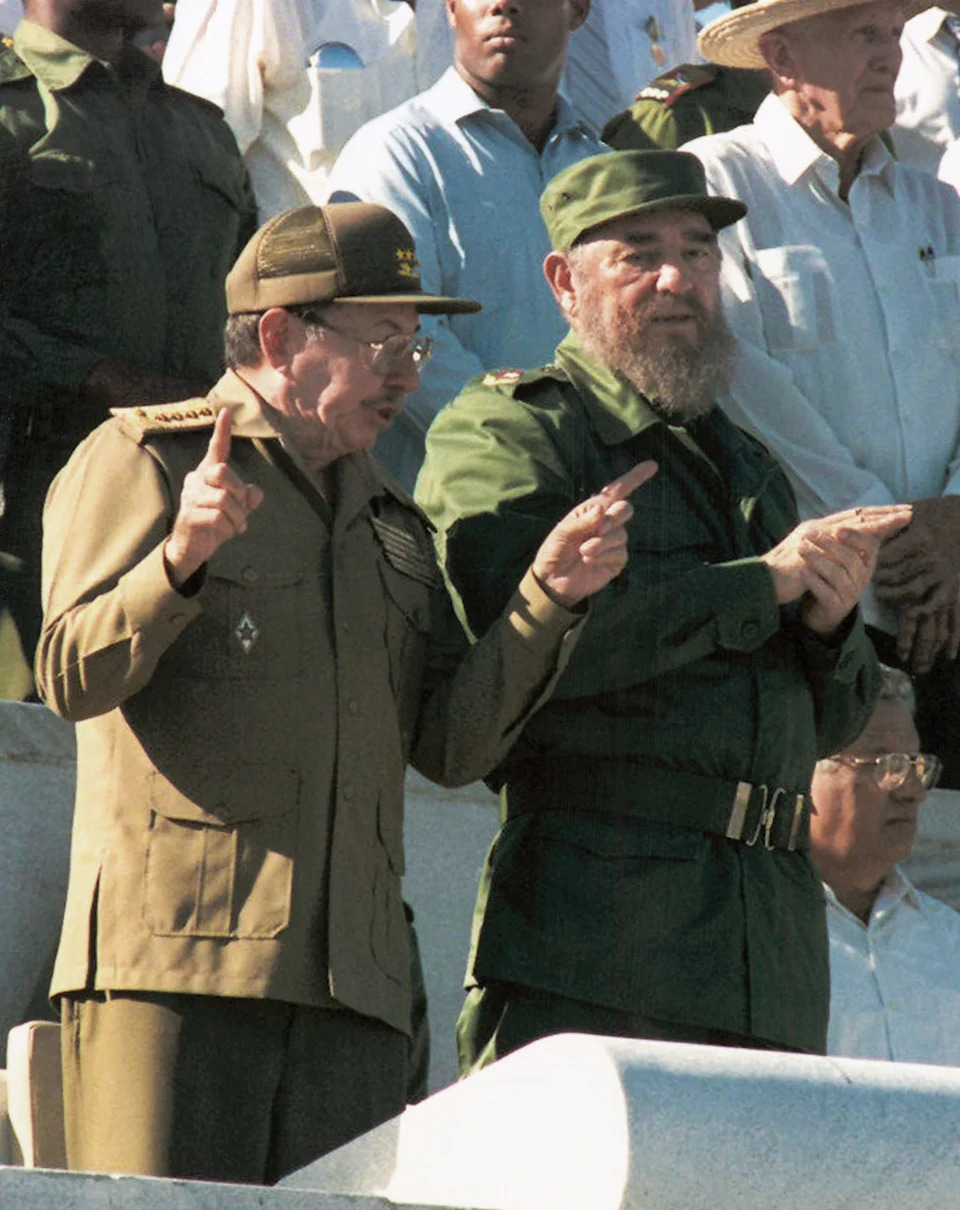
Cuban Defense Minister Raul Castro (L) talks with his brother Cuban President Fidel Castro (R) while watching a military parade on Dec. 2, 1996 marking the 40th anniversary of the creation of the Revolutionary Armed Forces(FAR) in Havana, Cuba.(ADALBERTO ROQUE, AFP via Getty Images)
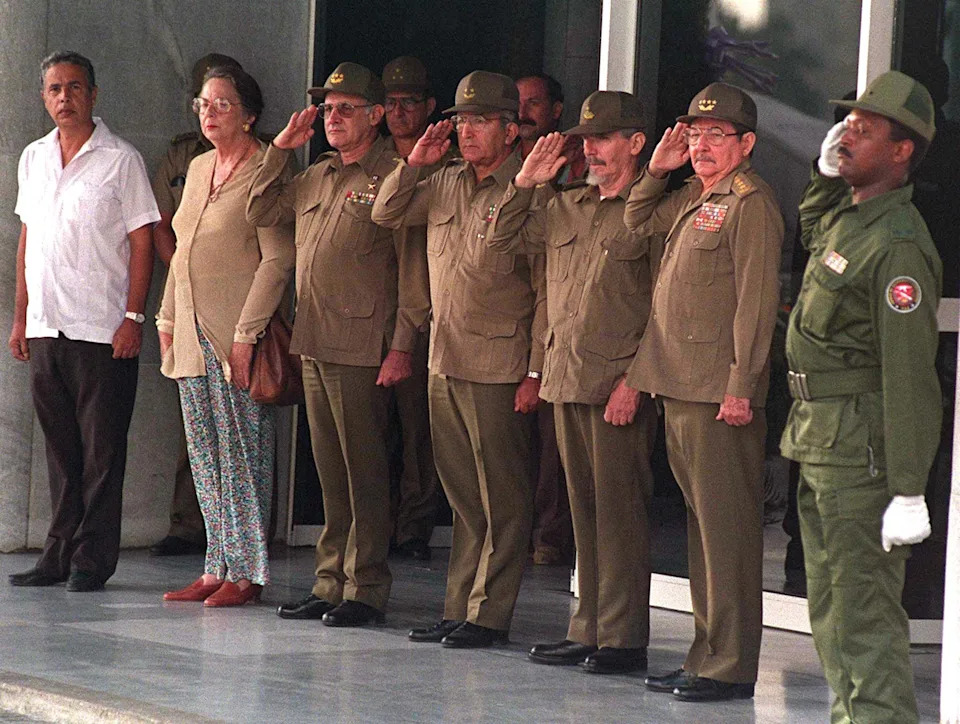
Cuban Defense Minister Raul Castro (2ndR), brother of leader Fidel Castro, Com. Ramiro Valdes (3rdR), Gen. Ulises Rosales del Toro(C) and Gen. Abelardo Colome Ibarra (3rdL) salute the funeral cortege of Argentine-born Cuban revolutionary hero Ernesto "Che" Guevara on Oct. 14, 1997 during a solemn ceremony in Havana as the cortege leaves for the town of Santa Clara. The Che and six of his comrades killed with him by the Bolivian army in 1967, will be laid to rest permanently at a new mausoleum complex. Guevara and his troops liberated Santa Clara in December 1958 from US-backed Batista's forces.(ADALBERTO ROQUE, AFP via Getty Images)
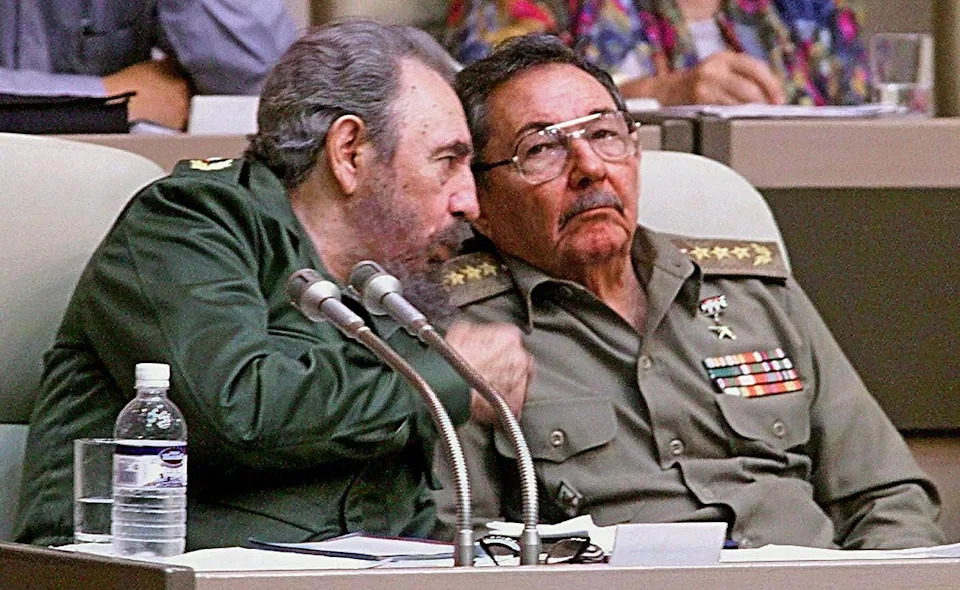
Picture taken Dec. 20, 1999, in Havana of Cuban President Fidel Castro (L) speaking with his brother ad Armed Forces Minister Raul Castro during the IV Working Session of the National Assembly. A spokesman of Cuban President Fidel Castro read on Cuban National TV a document signed by him, July 31, 2006, by which he delegates power to his brother Raul Castro. Fidel Castro underwent surgery shortly after coming back from Mercosur?s Summit in Cordoba, Argentina. "I do delegate, provisionally, my duties as first secretary of the Central Committee of the Communist Party in Cuba, to the second secretary, comrade Raul Castro Ruz," Castro said.(ADALBERTO ROQUE, AFP via Getty Images)
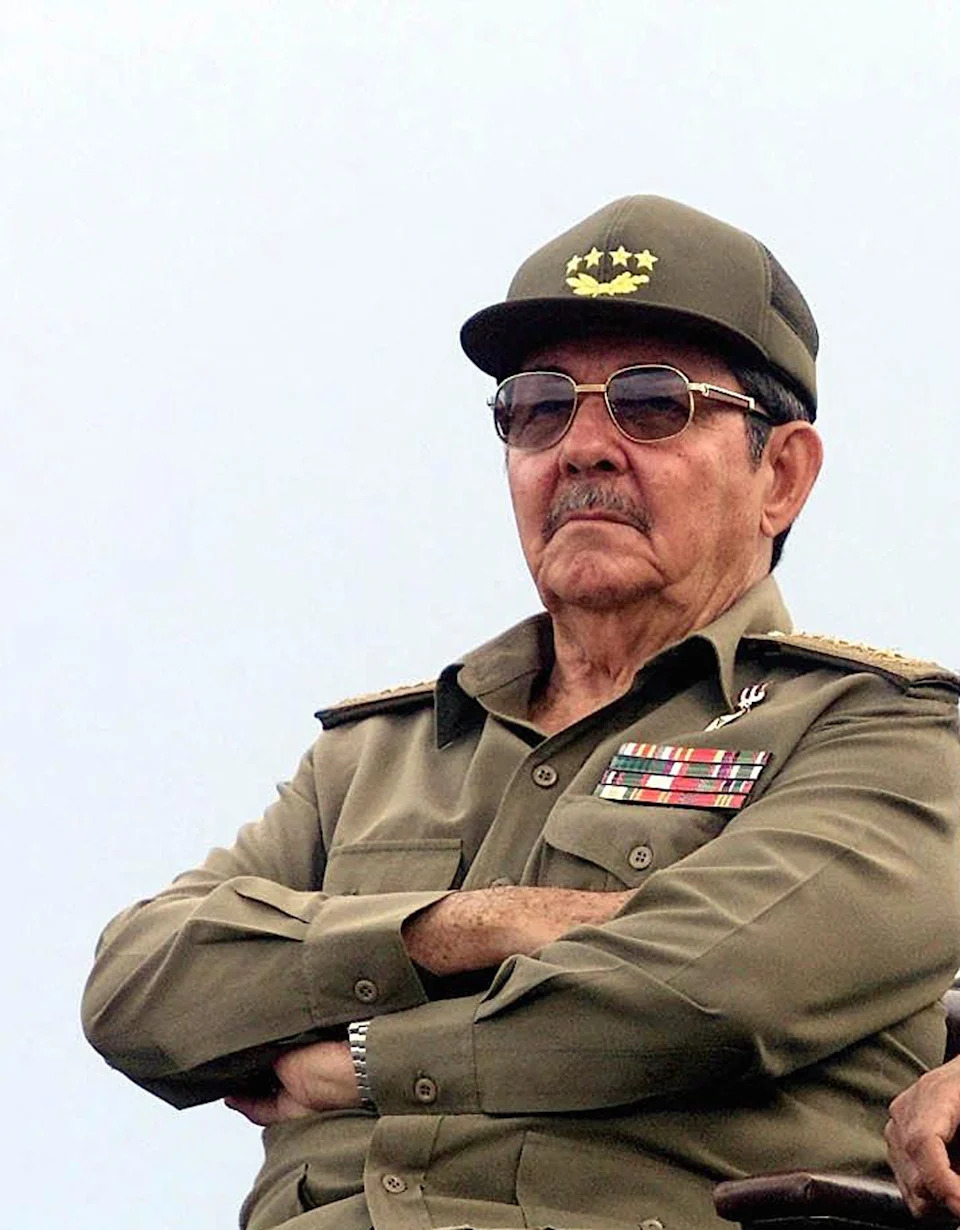
Raul Castro during a ceremony in Mexico Oct. 8, 1999.(ADALBERTO ROQUE, AFP via Getty Images)
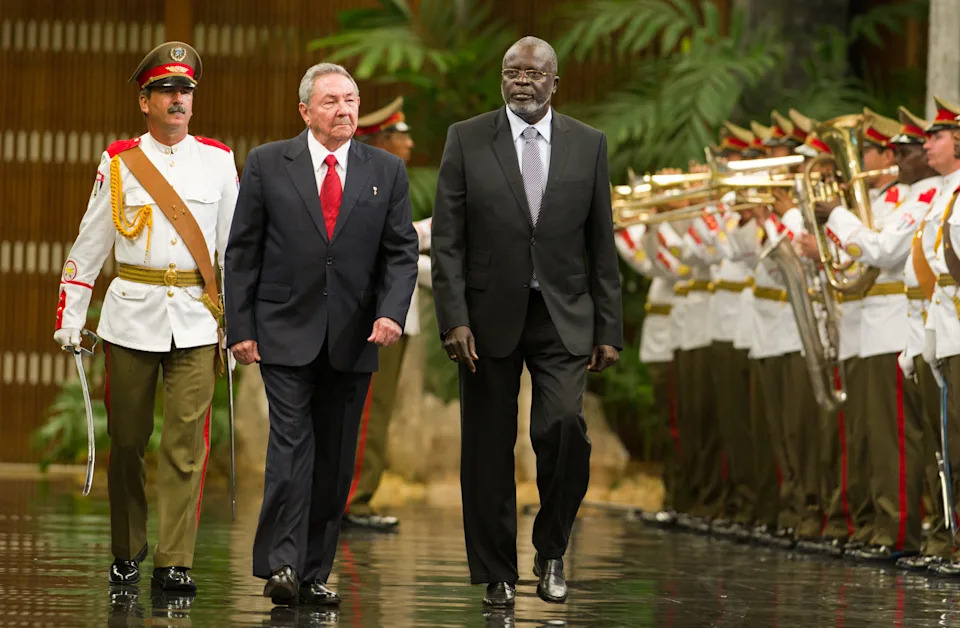
Cuban President Raul Castro and his counterpart from Guinea Bissau, Malam Bacai Sanha (R) arrive at the welcoming ceremony at Revolution Palace in Havana, on Aug. 30, 2010. Bacai Sanha is in Cuba in a official visit.(ADALBERTO ROQUE, AFP via Getty Images)
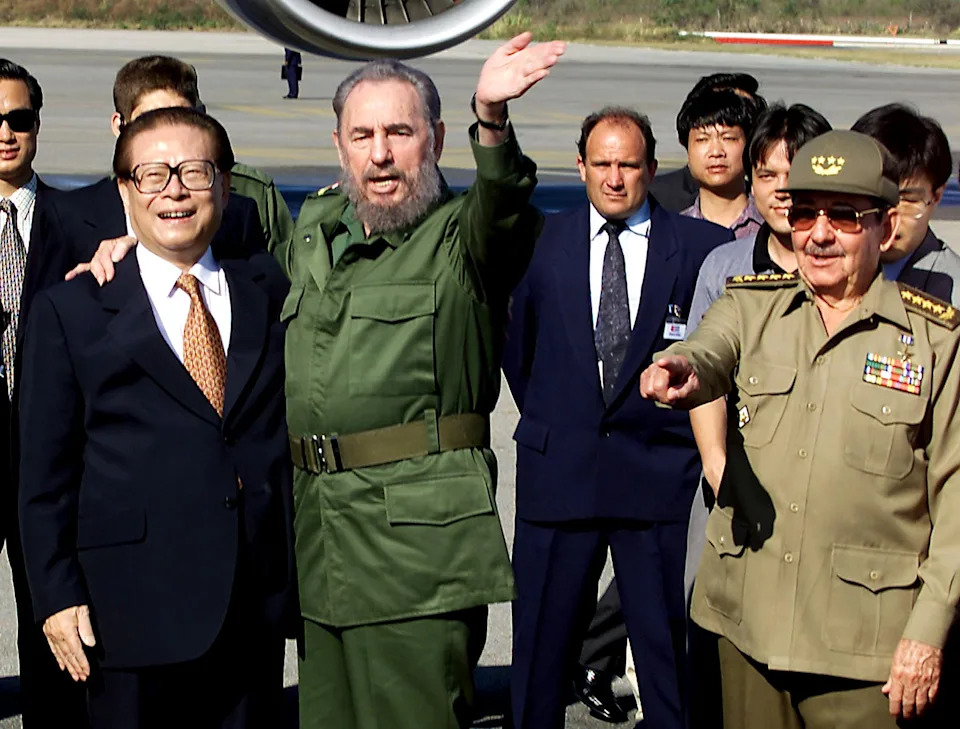
Cuban President Fidel Castro (C) waves as he embraces Chinese President Jiang Zemin (L) as he and his brother, Raul Castro (R) bid Jiang farewell on April 15, 2001 at the Varadero airport in Matanzas, Cuba. Jiang was on a three day visit to the island nation as part of a Latin American tour and will continue on to Venezuela.(ADALBERTO ROQUE, AFP via Getty Images)
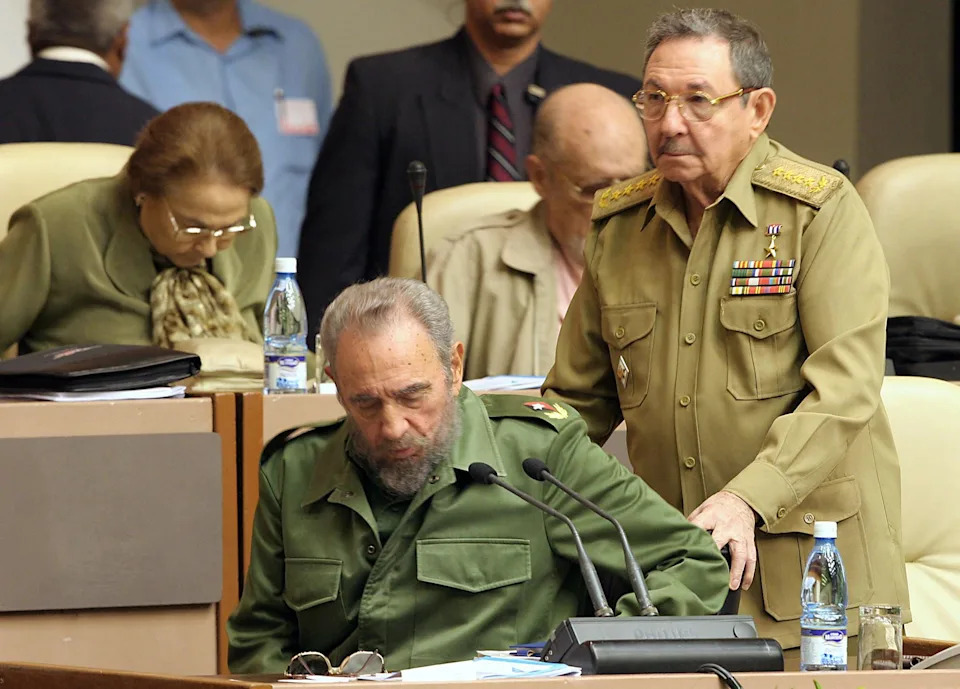
Cuban President Fidel Castro (L) is assisted to seat down by his brother Raul Castro, Minister of the Armed Forces on Dec. 23, 2004 in Havana. Fidel and Raul Castro attended the closing session of the year of the Cuban Parliament. Fidel Castro, who is recovering from a fall he suffered on 21st October during a massive rally, arrived walking unassisted to the ceremony.(ADALBERTO ROQUE, AFP via Getty Images)
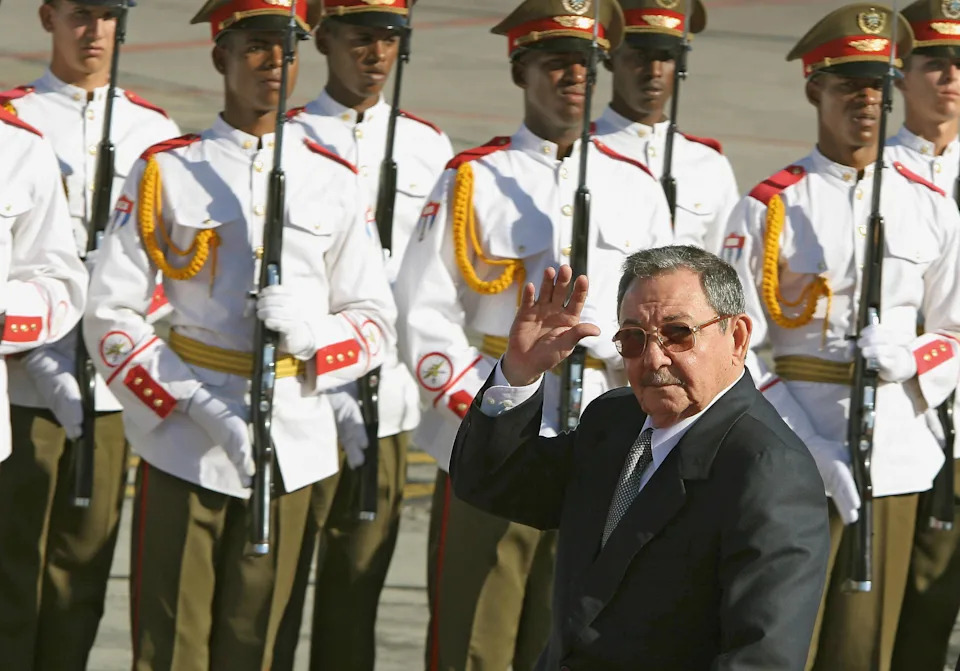
Cuban Army Minister Raul Castro waves during the ceremony to welcome Malaysia's Prime Minister Dato' Seri Abdullah Ahmad Radawi, in Havana on Nov. 24, 2004. Malaysia's Prime Minister is in a three-day state visit to Cuba.(ADALBERTO ROQUE, AFP via Getty Images)
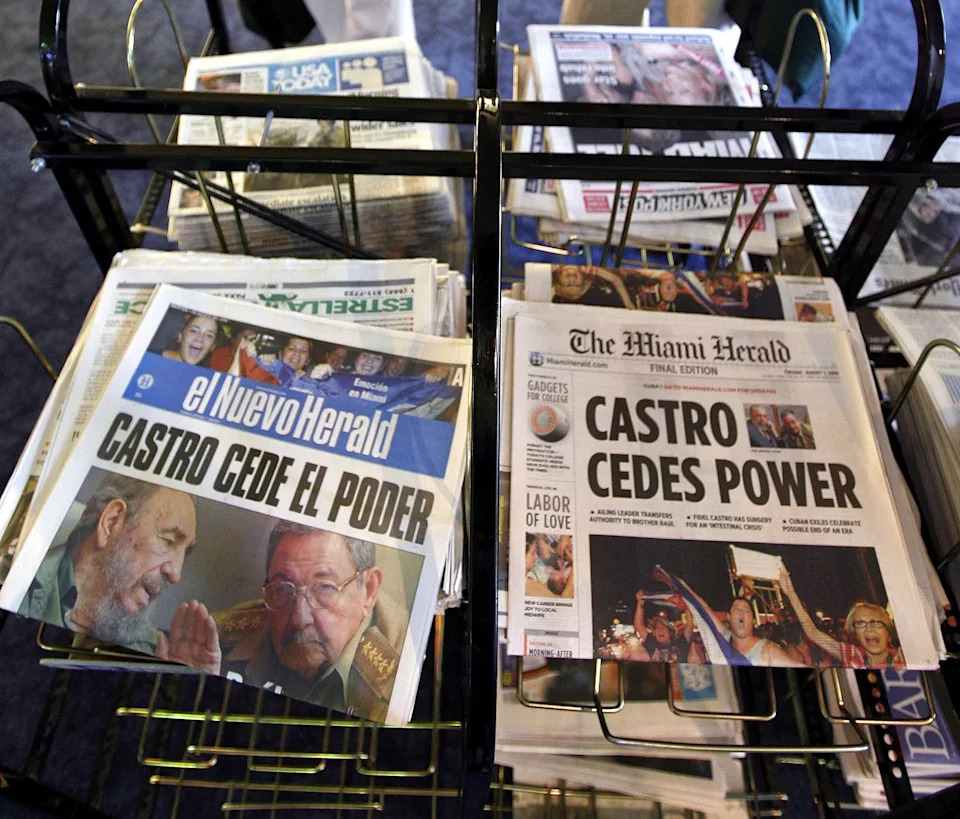
Headlines from the Miami Herald and its Spanish-language edition, El Nuevo Herald, display the news about Fidel Castro at Miami Internationl Airport Aug.1, 2006 in Miami, Fla. Cuban Americans were celebrating the news that Fidel Castro had turned over power to his younger brother, Raul Castro, while he undergoes medical treatment for intestinal bleeding.(Chip Somodevilla, Getty Images)
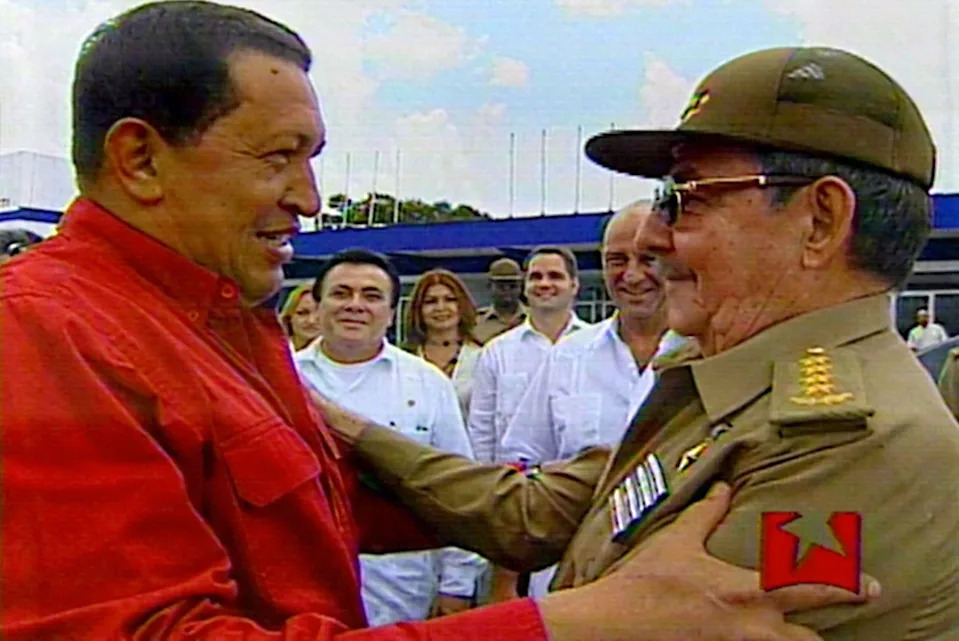
TV grab of a video released Aug. 14, 2006 by the state-owned Cuban television showing Venezuelan President Hugo Chavez (L) being welcomed upon his arrival 13 August at Havana's international airport by Raul Castro, brother of Cuban President Fidel Castro. Cuban television showed video Monday of Fidel Castro, following two weeks of speculation over the ailing communist strongman who said he still faces a long and possibly risky recovery from surgery.(CUBAN TELEVISION/AFP via Getty Images)
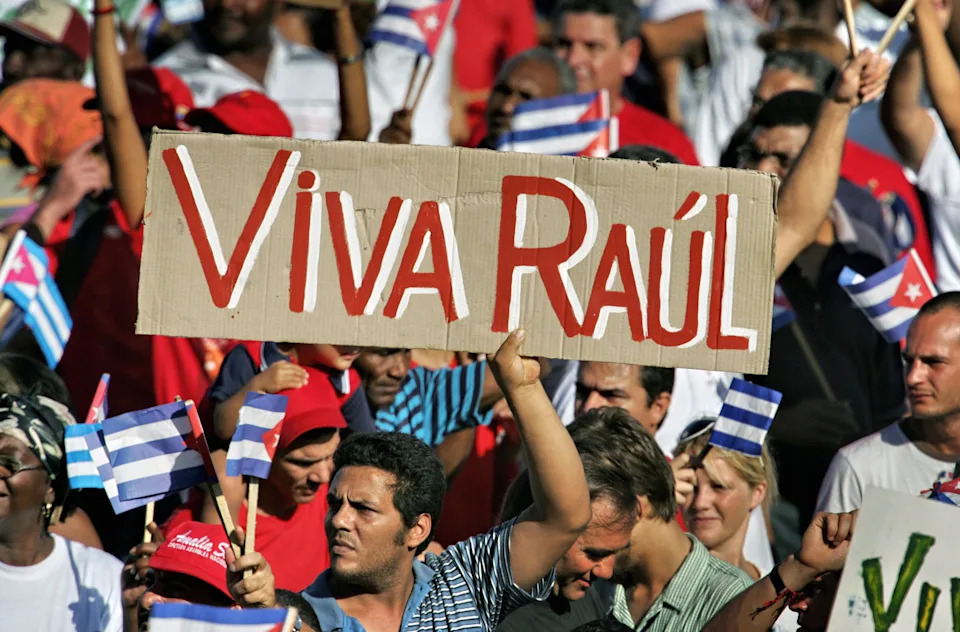
A Cuban holds a sign cheering acting President Raul Castro on Dec. 2, 2006 at Revolution Square in Havana, during a military parade celebrating President Fidel Castro's 80th birthday and the 50th anniversary of the Cuban Revolution. Raul Castro, in a shift from the tack of his ailing brother Fidel Castro, pushed for negotiations with the United States to end decades of tense ties. Fidel Castro missed the military parade, sitting out almost a full week of events in his honor and fueling new uncertainty about his health and Cuba's future.(ADALBERTO ROQUE, AFP via Getty Images)
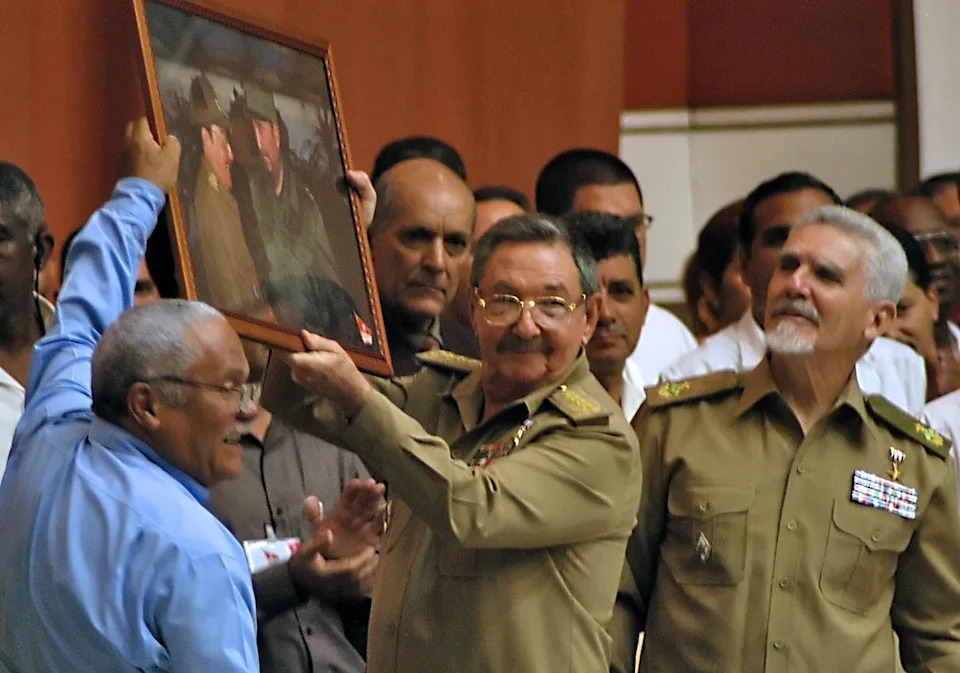
Cuba's acting leader Raul Castro (C) holds a picture of him with his brother President Fidel Castro next to Pedro Ross (L) and Commander Ramiro Valdez Menendez on Sept. 27, 2006 during the closing ceremony of the XIX Workers Central Union of Cuba (CTC) Congress in Havana.(AFP via Getty Images)
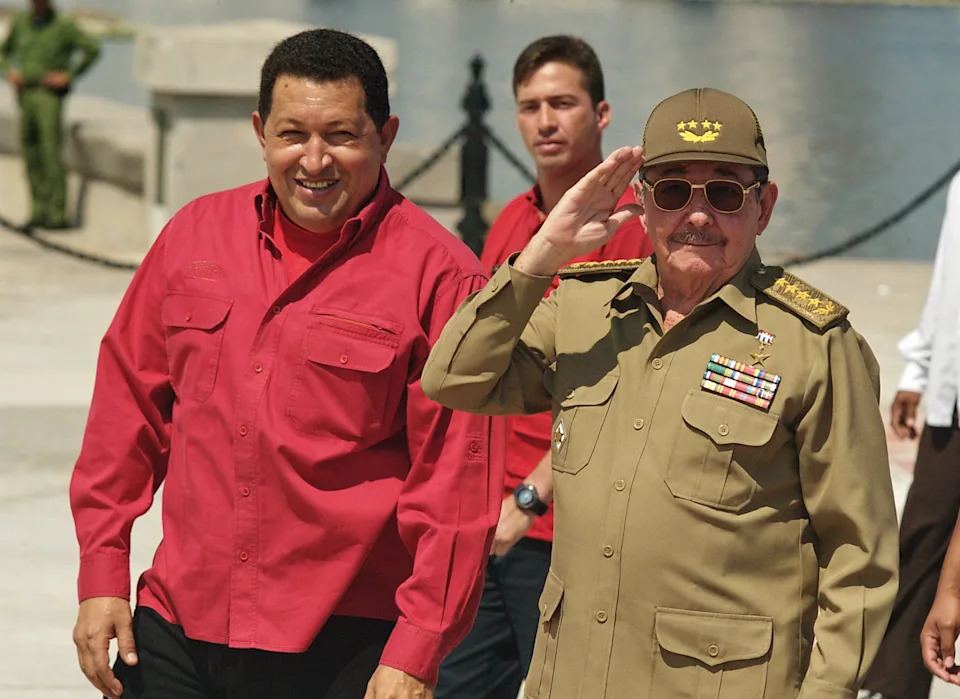
Acting Cuban leader Raul Castro (R) salutes next to Venezuela's President Hugo Chavez after laying a wreath of flowers next to a statue of Latin American independence-era hero Francisco de Miranda, in Havana on June 13th, 2007. Chavez arrived in Havana on Tuesday in a surprise visit, and it was not announced how long he was to stay. Chavez spent six hours talking with Fidel Castro after arriving Tuesday, Cuban media reported.(ADALBERTO ROQUE, AFP via Getty Images)
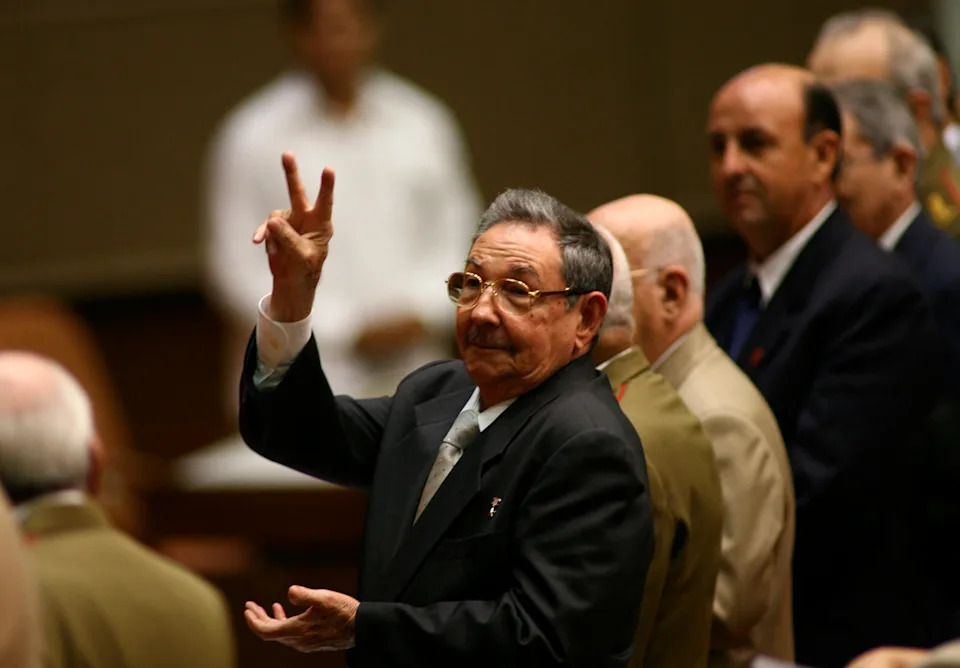
Raul Castro, who has been running Cuba since his brother Fidel was sidelined by illness 19 months ago, gestures during a meeting of the National Assembly in Havana Feb. 24, 2008. Cuba's National Assembly met on Sunday to name a successor to Fidel Castro.(REUTERS)
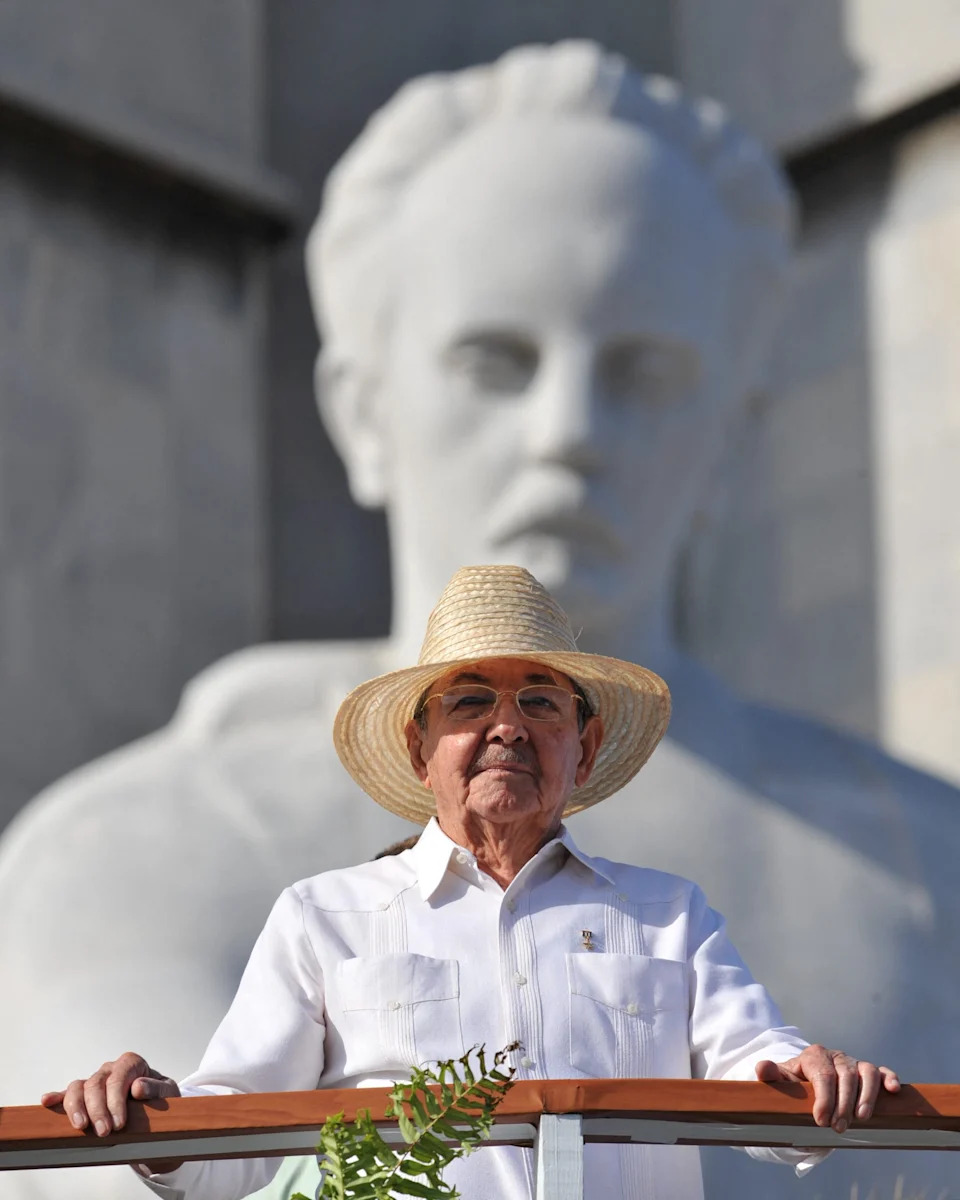
Cuban President Raul Castro watches the Mayday parade May 1, 2009 in Havana.(ADALBERTO ROQUE, AFP via Getty Images)
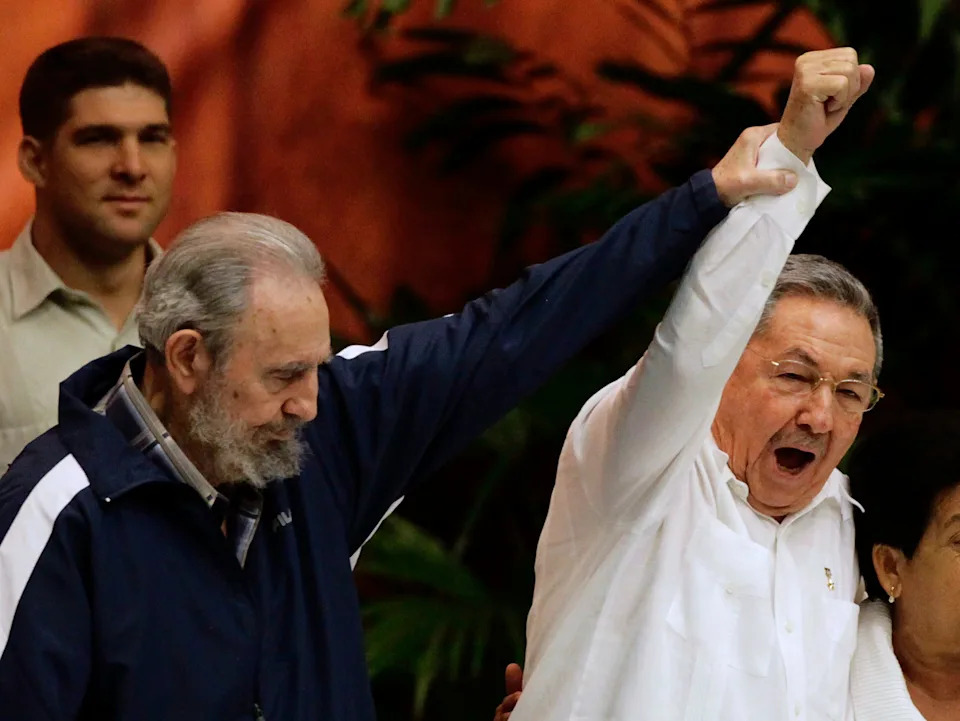
Former Cuban leader Fidel Castro (L) holds up the arm of his brother, Cuba's President Raul Castro, during the closing ceremony of the sixth Cuban Communist Party (PCC) congress in Havana April 19, 2011. Cuba's Communist Party chose the old guard to oversee a new economic course for the Caribbean island on Tuesday, selecting President Raul Castro and First Vice President Jose Machado Ventura to lead the country's highest political body. The choice of Castro, who replaces his older brother Fidel Castro as first secretary of the ruling party's Central Committee, was expected.(Desmond Boylan, REUTERS)
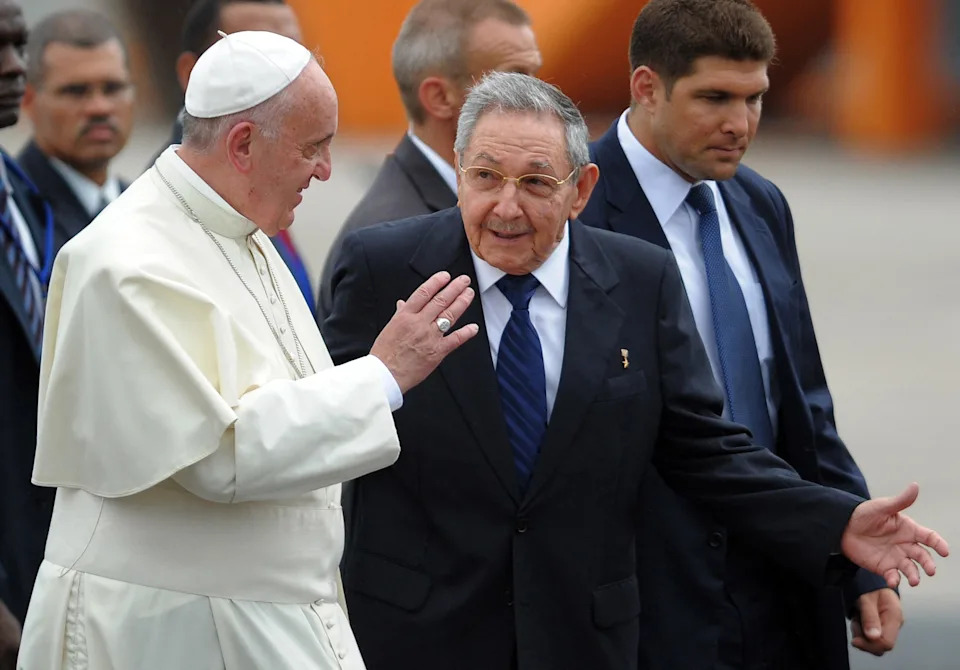
Pope Francis speaks Cuban President Raul Castro upon landing at Havana's international airport on Sept. 19, 2015, on the first leg of a high-profile trip that will also take him to the United States.(YAMIL LAGE, AFP via Getty Images)
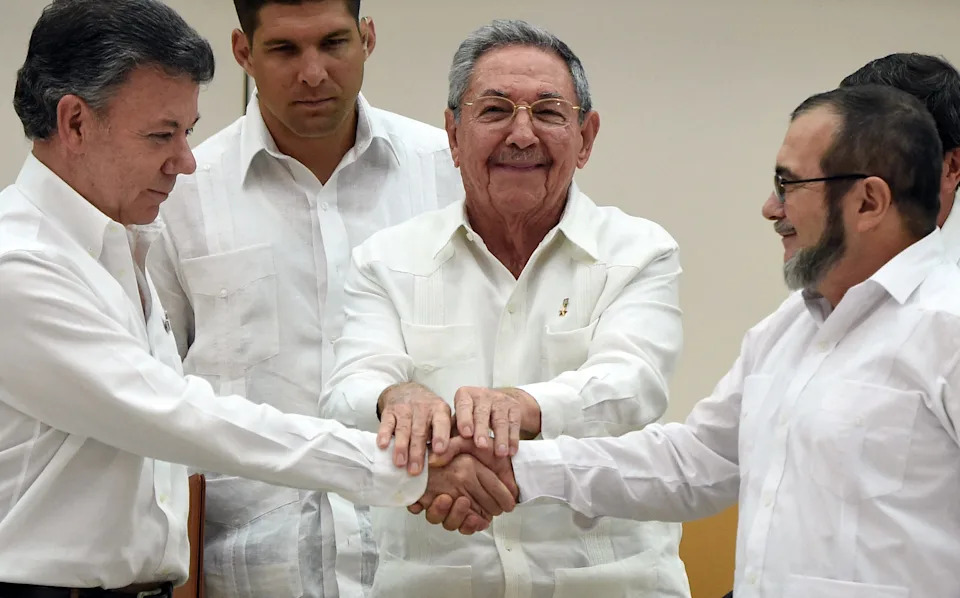
Colombian President Juan Manuel Santos (L) and the head of the FARC guerrilla Timoleon Jimenez, aka Timochenko (R), shake hands as Cuban President Raul Castro (C) holds their hands during a meeting in Havana on Sept. 23, 2015. The Colombian government and FARC rebels announced a key breakthrough in their nearly three-year peace talks Wednesday with the signing of a deal on justice for crimes committed during the five-decade conflict. The deal includes the creation of special courts and a broad amnesty, though this will not cover "crimes against humanity, serious war crimes" and other offenses including kidnappings, extrajudicial executions and sexual abuse, said officials from Cuba and Norway, the guarantors in the talks.(LUIS ACOSTA, AFP via Getty Images)
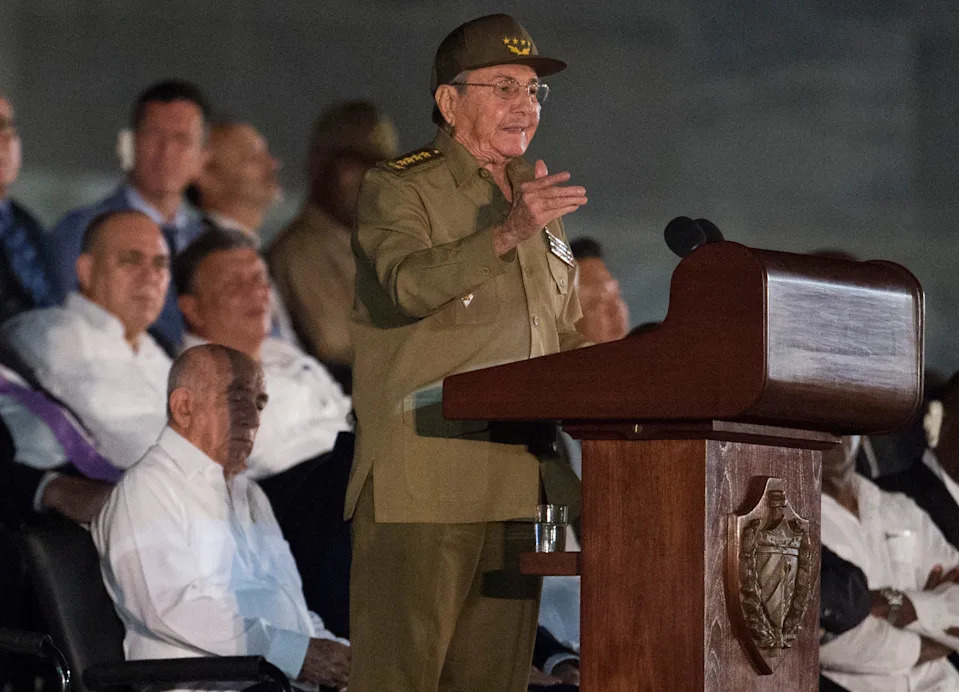
Cuban President Raul Castro addresses a massive rally on Revolution Square in Havana on Nov. 29, 2016 in honor of late leader Fidel Castro. Fidel Castro -- who ruled from 1959 until an illness forced him to hand power to his brother Raul in 2006 -- died Friday at age 90.(JUAN BARRETO, AFP via Getty Images)
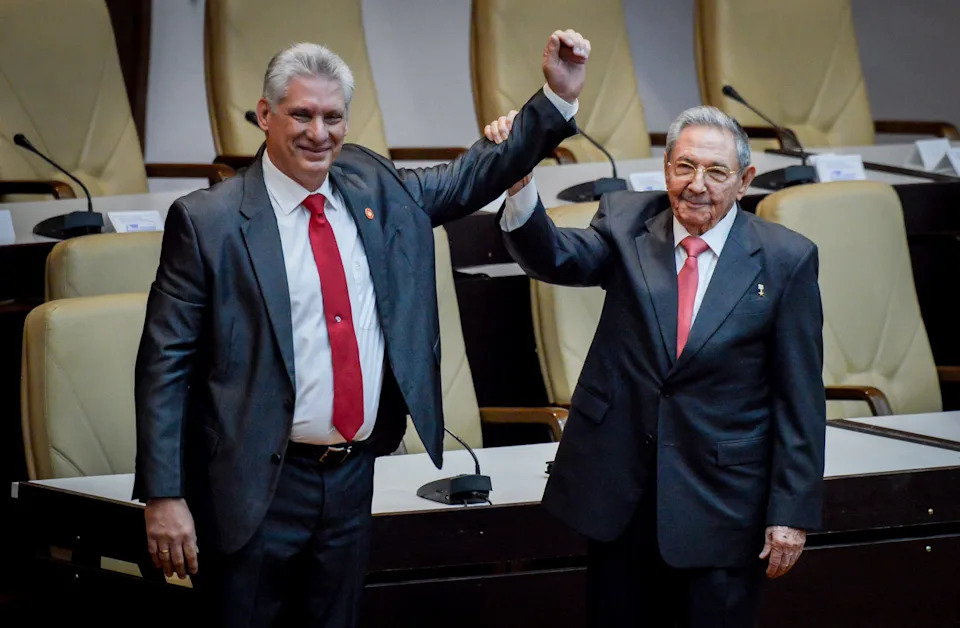
Outgoing Cuban President Raul Castro raises the arm of Cuba's new President Miguel Diaz-Canel after he was formally named by the National Assembly, in Havana on April 19, 2018. Miguel Diaz-Canel succeeds Raul Castro -- a historic handover ending six decades of rule by the Castro brothers. The 57-year-old Diaz-Canel, who was the only candidate for the presidency, was elected to a five-year term with 603 out of 604 possible votes in the National Assembly.(ADALBERTO ROQUE, AFP via Getty Images)
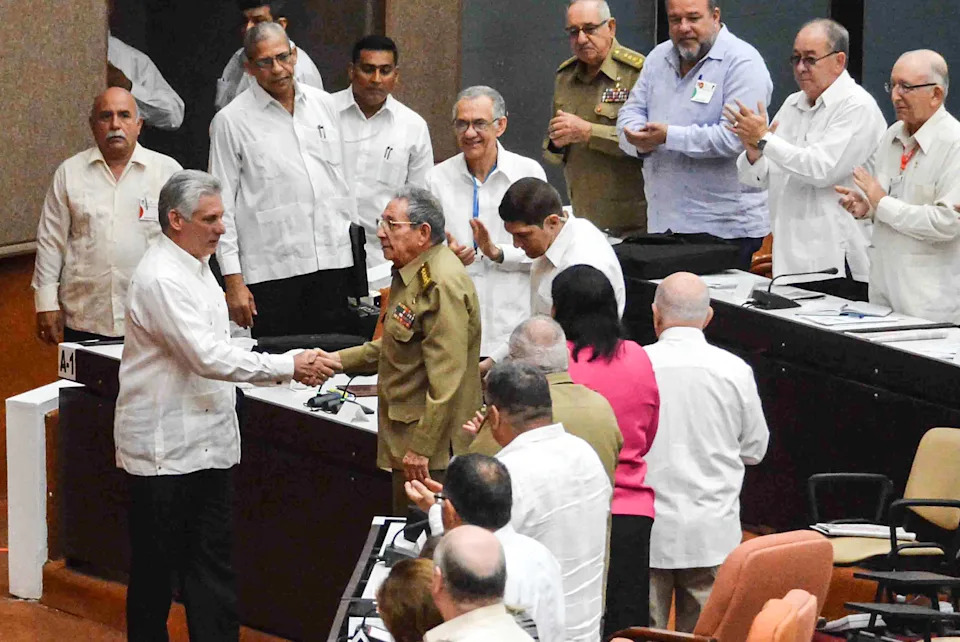
Cuban President Miguel Diaz Canel shakes hands with former President Raul Castro at the start of the first extraordinary session of the IX legislature of the Cuban Parliament at the Convention Palace in Havana, on June 2, 2018.(AFP via Getty Images)
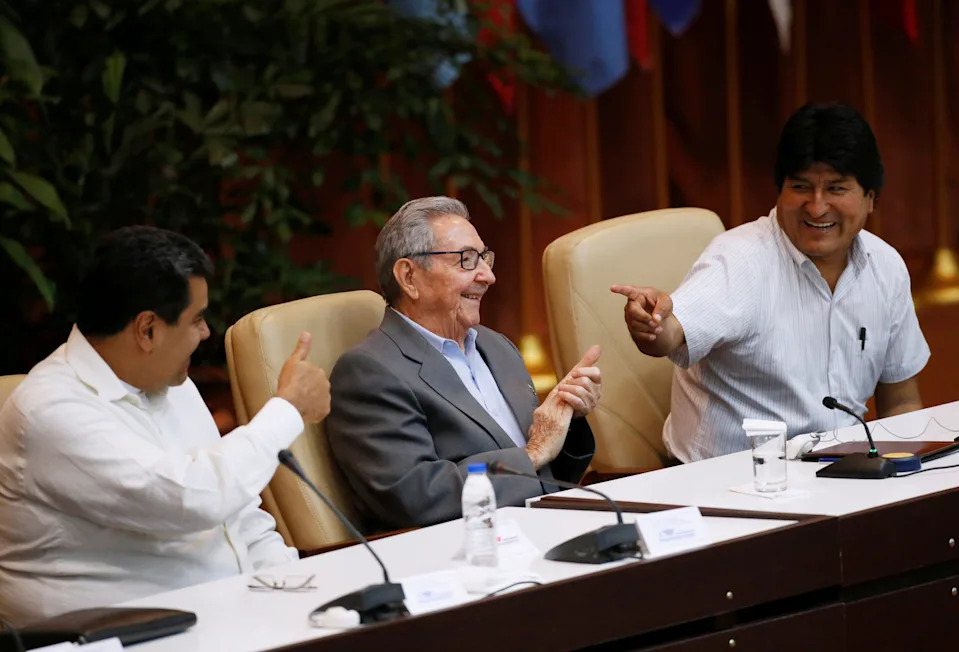
Venezuela's President Nicolas Maduro (L) and his Bolivian counterpart Evo Morales (R) gesture as Cuba's former President Raul Castro applauds during the Sao Paulo Forum, in Havana, Cuba on July 17, 2018.(REUTERS)
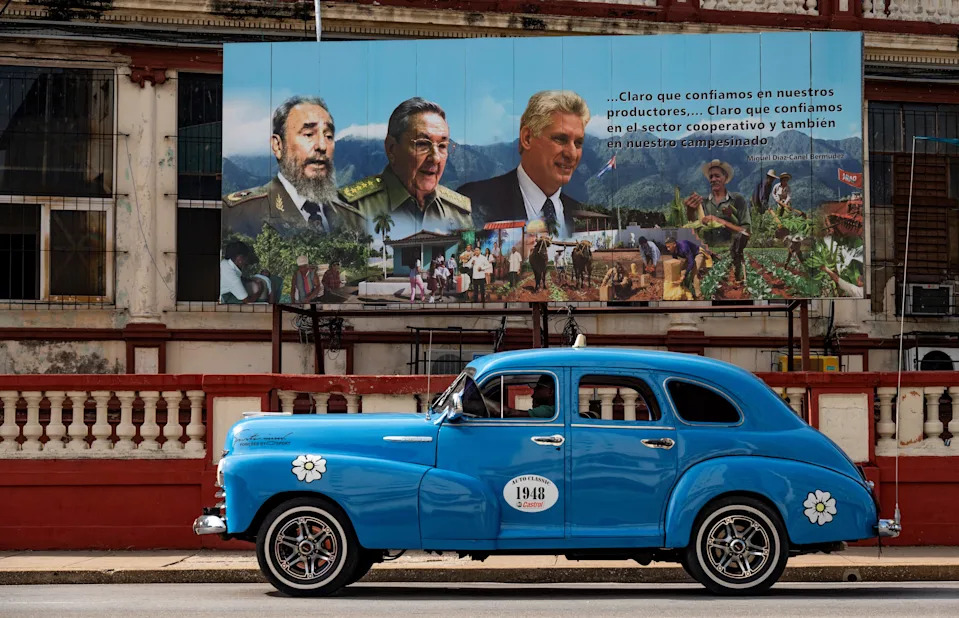
An old American car passes near a poster of Cuban late leader Fidel Castro, Former President Raul Castro and current President Miguel Diaz-Canel in Havana, on Aug. 17, 2023.(YAMIL LAGE, AFP via Getty Images)
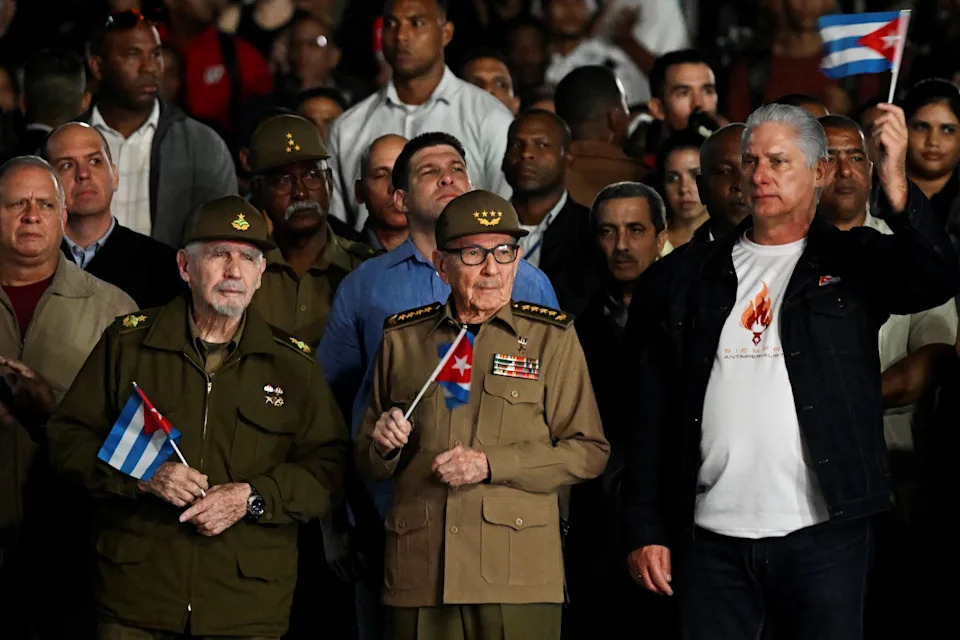
Commander Ramiro Valdez (L), former Cuban President Raul Castro (C), and Cuban President Miguel Diaz-Canel (R) wave Cuban flags as they take part in the Torchlight March on the 172nd anniversary of the birth of Cuban national hero Jose Marti in Havana on Jan. 27, 2025.(YAMIL LAGE, AFP via Getty Images)
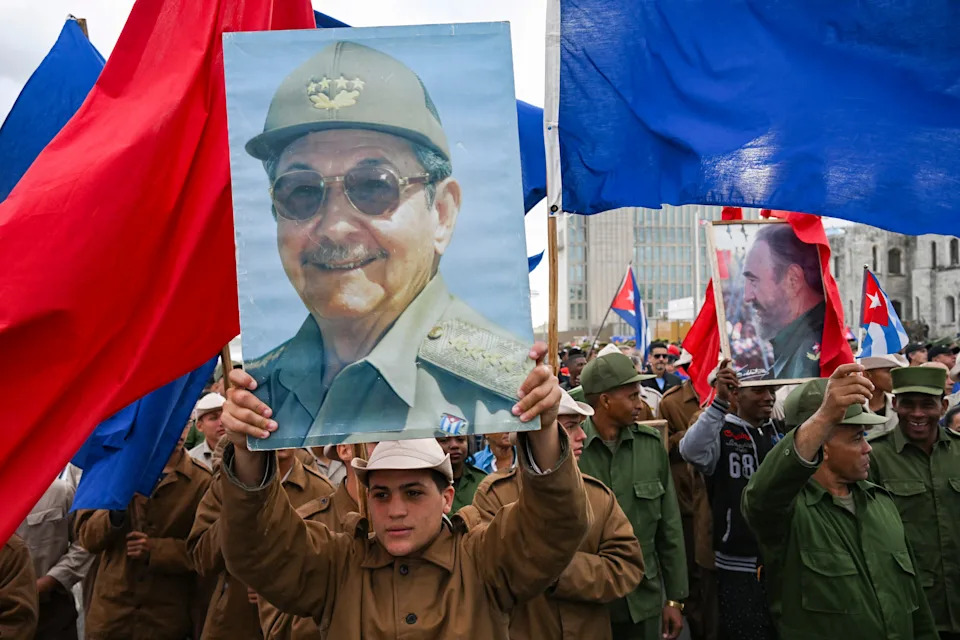
Members of the armed forces hold images of former Cuban president Raul Castro and the late Cuban leader Fidel Castro during an "Anti-Imperialist" protest in front of the US Embassy against the US incursion in Venezuela, where 32 Cuban soldiers lost their lives, in Havana on January 16, 2026. The capture by US forces of Venezuelan leader Nicolas Maduro on Jan. 3, 2026, and the killing in the operation of 32 Cubans assigned to protect him represent a major blow for the island's revered intelligence services, experts say.(YAMIL LAGE, AFP via Getty Images)
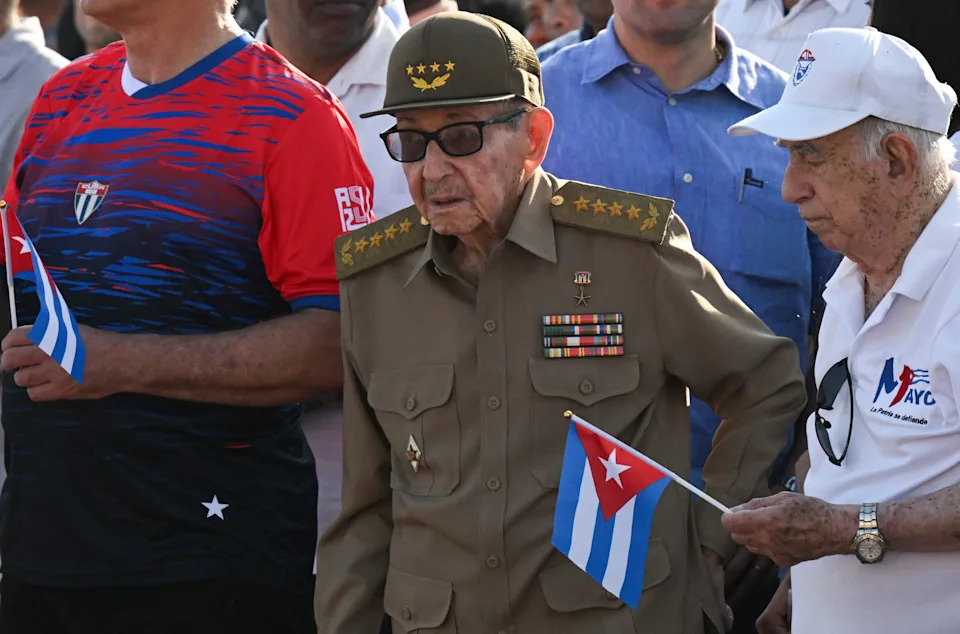
Cuba's former President Raul Castro (C) and former Vice-President Jose Ramon Machado Ventura (R) attend a May Day rally marking International Workers' Day in Havana on May 1, 2026.(YAMIL LAGE, AFP via Getty Images)
Pomozite nam da budemo bolji.