Rubin Opservatorija u Čileu pokrenula je desetogodišnji projekat Legacy Survey of Space and Time koji će snimati nebo svakih nekoliko noći i stvarati najopsežniji vizuelni zapis svemira. Kamera od 3.200 megapiksela snima oblasti jednake oko 45 punih meseca po snimku, a sistem upozorenja već je izdao milione notifikacija. Među prvim rezultatima su >11.000 novih asteroida (uključujući 33 bliska Zemlji i ~380 TNO), a očekuju se stotine supernova, milioni galaksija i novi uvidi u tamnu materiju i energiju.
Rubin Opservatorija Pokreće Desetogodišnju Misiju — Počinje Najveći „Film“ Svemira
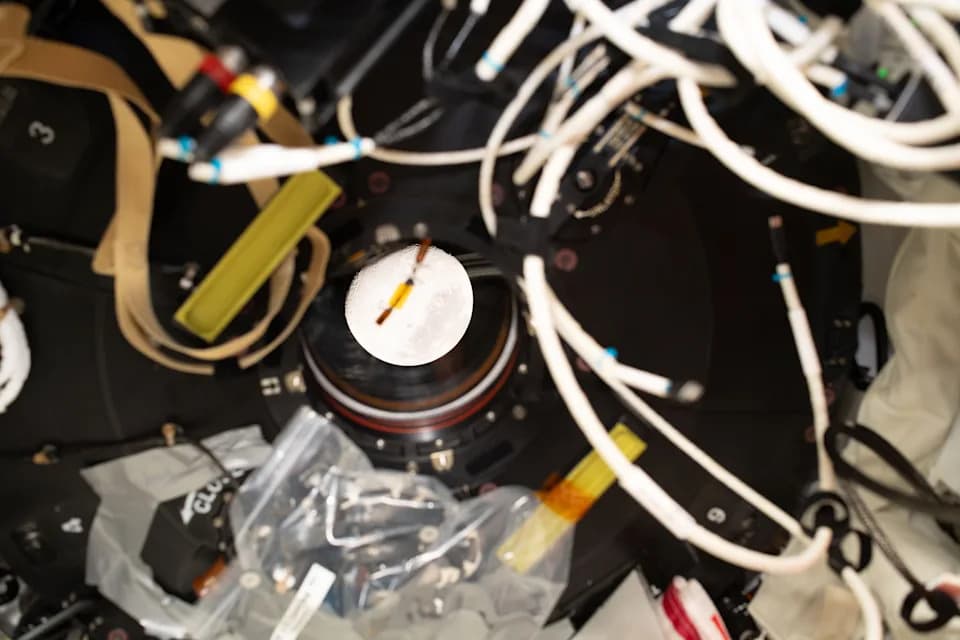
NASA released thousands of new photos taken during the Artemis II mission around the moon. The astronauts selected for the mission thoroughly documented the 10-day voyage, which included an April 6 lunar flyby as they traveled more than a quarter-million miles from Earth.(Provided by NASA)
Vera C. Rubin Observatory, smeštena u severnom Čileu i pod zajedničkom upravom Nacionalne fondacije za nauku (NSF) i Ministarstva energetike SAD (DOE), zvanično je započela svoju glavnu, desetogodišnju kampanju posmatranja svemira. Cilj je stvoriti najopsežniji vizuelni zapis kosmosa ikada — projekat poznat kao Legacy Survey of Space and Time (LSST).
Šta će Rubin raditi?
Opservatorija koristi posebno dizajniran veliki teleskop opremljen kamerom veličine automobila, kapaciteta 3.200 megapiksela. Svaki snimak pokriva oblast na nebu jednaku približno 45 punih meseca. LSST će skenirati gotovo celo južno nebo svakih nekoliko noći i proizvoditi hiljade slika dnevno, spajajući ih u vremensku sekvencu — svojevrsni „filmski zapis“ promena u svemiru.
Šta se očekuje da bude otkriveno?
Očekuju se stotine novih supernova, milioni udaljenih galaksija, hiljade do sada neprimećenih asteroida i stotina trans-Neptunskih objekata. Projekat takođe može pružiti važne podatke koji će pomoći u razumevanju misteriozne tamne materije i tamne energije — ključnih nepoznanica savremene kosmologije.
„Kroz nastojanje da razumemo enigmatične pojave tamne energije i tamne materije, ne posmatramo samo zvezde; težimo da shvatimo osnovne zakone koji upravljaju našim postojanjem,“ izjavio je Darío Gil, zamenik sekretara za nauku pri Ministarstvu energetike SAD.
Već prvi rezultati
Pre nego što uđe u punu operativu, Rubin je već poslao milione upozorenja (alerts) koja se automatski distribuiraju naučnim timovima i softverima za brzo otkrivanje i klasifikaciju promena na nebu. Među prvim većim otkrićima su više od 11.000 prethodno nepoznatih asteroida, uključujući 33 objekta bliska Zemlji i približno 380 trans-Neptunskih objekata. Kamera je takođe pomogla u identifikaciji ogromnog asteroida koji je potvrđen kao najbrže rotirajući veliki asteroid poznat nauci.
Impresivni snimci
U junu je Rubin objavio mozaik-snimak nazvan „ocean zvezda” — široku scenu kroz koju se vidi Mlečni put i milioni višebojenih zvezda na pozadini udaljenih galaksija. Takvi snimci biće višestruko analizirani kako bi naučnici pratili promene tokom naredne decenije.
Rubinova baza podataka i sistem upozorenja omogućiće brzo usmeravanje drugih teleskopa za detaljnija posmatranja, što čini ovaj projekat važnim resursom za globalnu astronomska zajednicu.
Izvor: USA TODAY (izveštava Eric Lagatta). Tekst prilagođen i dopunjen za srpsko govorno područje.
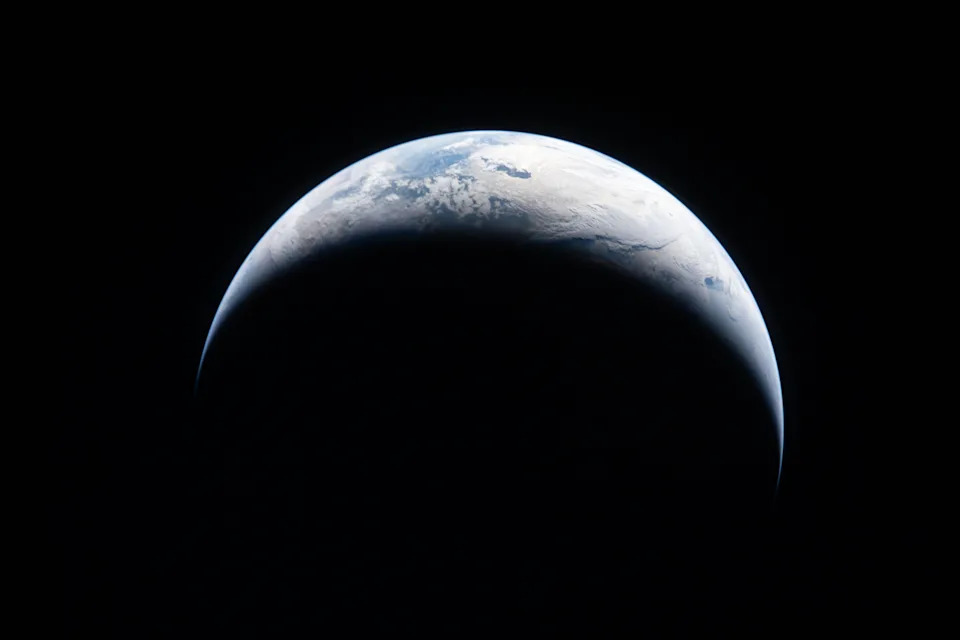
NASA released thousands of new photos taken during the Artemis II mission around the moon. The astronauts selected for the mission thoroughly documented the 10-day voyage, which included an April 6 lunar flyby as they traveled more than a quarter-million miles from Earth.(Provided by NASA)
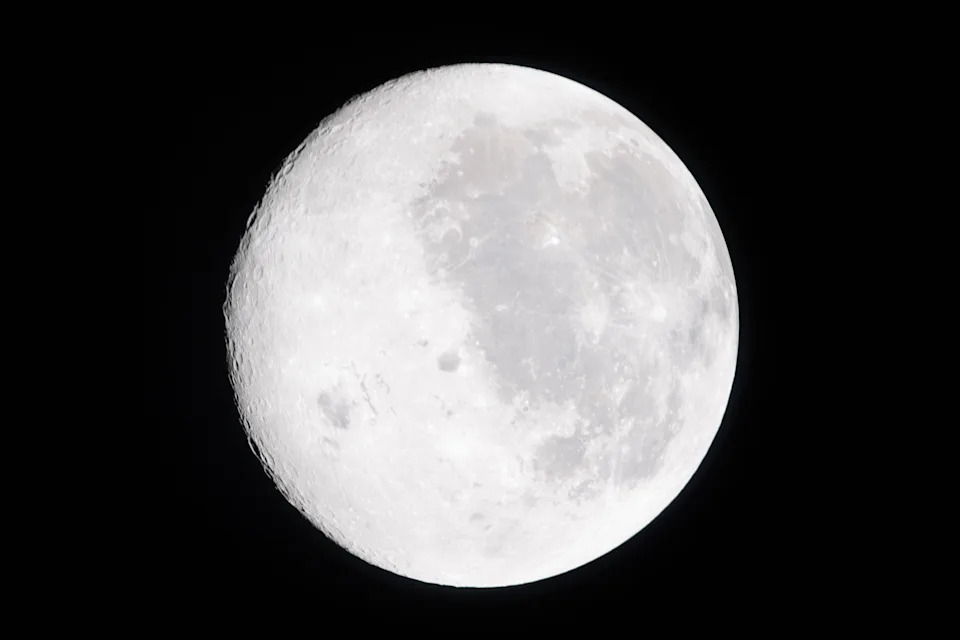
NASA released thousands of new photos taken during the Artemis II mission around the moon. The astronauts selected for the mission thoroughly documented the 10-day voyage, which included an April 6 lunar flyby as they traveled more than a quarter-million miles from Earth.(Provided by NASA)
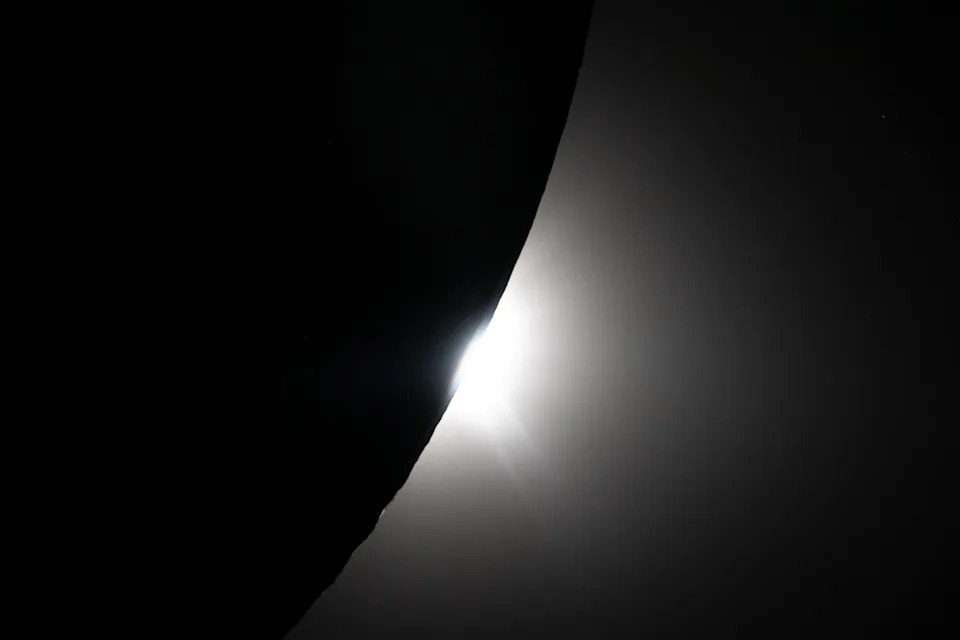
NASA released thousands of new photos taken during the Artemis II mission around the moon. The astronauts selected for the mission thoroughly documented the 10-day voyage, which included an April 6 lunar flyby as they traveled more than a quarter-million miles from Earth.(Provided by NASA)
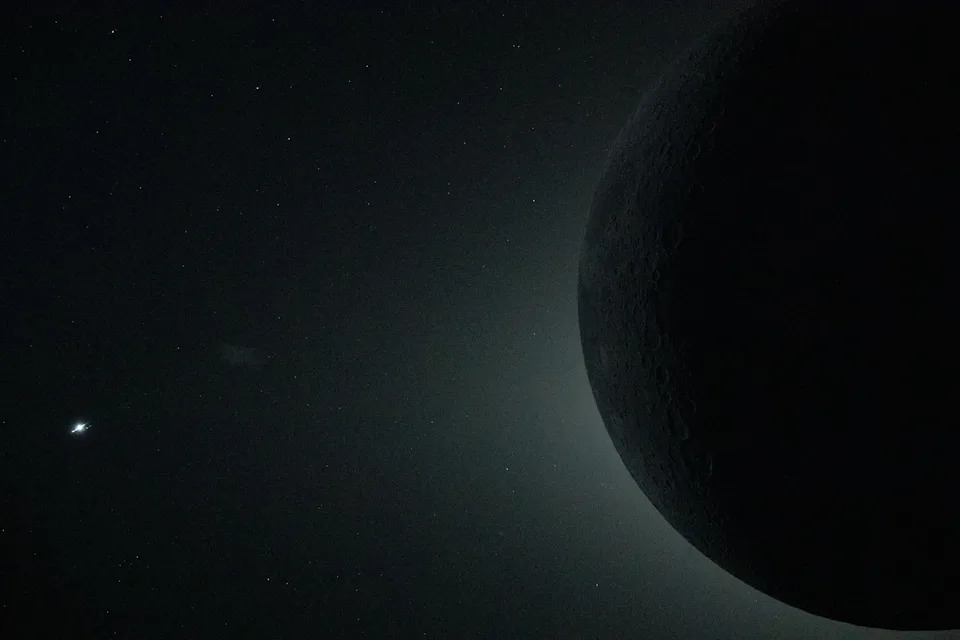
NASA released thousands of new photos taken during the Artemis II mission around the moon. The astronauts selected for the mission thoroughly documented the 10-day voyage, which included an April 6 lunar flyby as they traveled more than a quarter-million miles from Earth.(Provided by NASA)
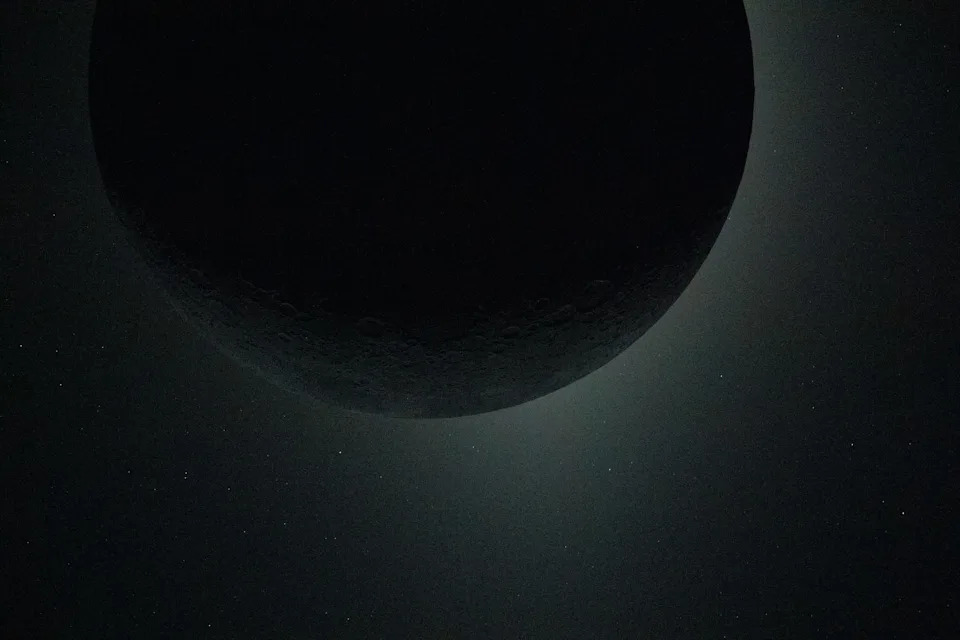
NASA released thousands of new photos taken during the Artemis II mission around the moon. The astronauts selected for the mission thoroughly documented the 10-day voyage, which included an April 6 lunar flyby as they traveled more than a quarter-million miles from Earth.(Provided by NASA)
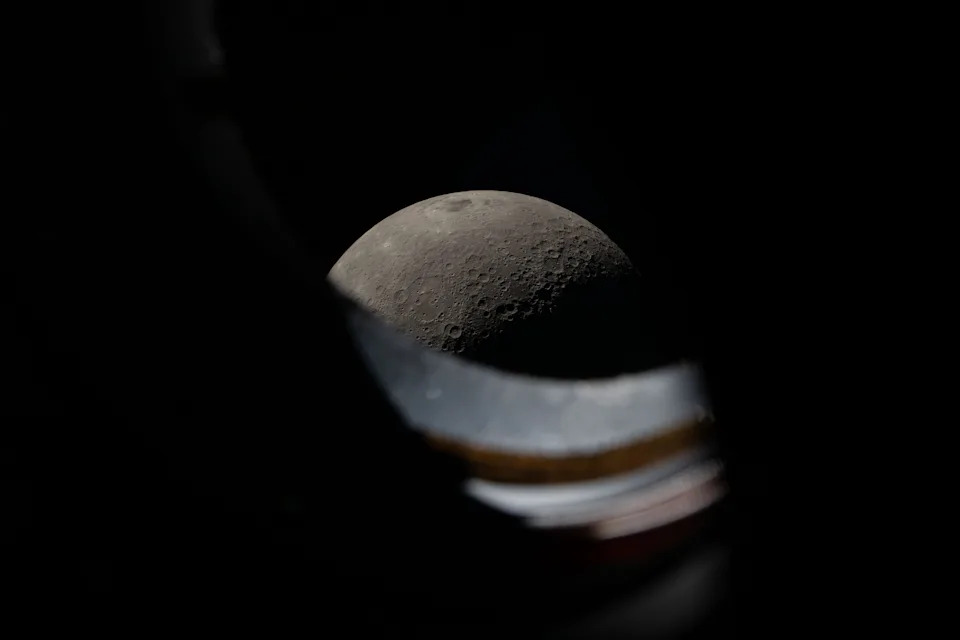
NASA released thousands of new photos taken during the Artemis II mission around the moon. The astronauts selected for the mission thoroughly documented the 10-day voyage, which included an April 6 lunar flyby as they traveled more than a quarter-million miles from Earth.(Provided by NASA)
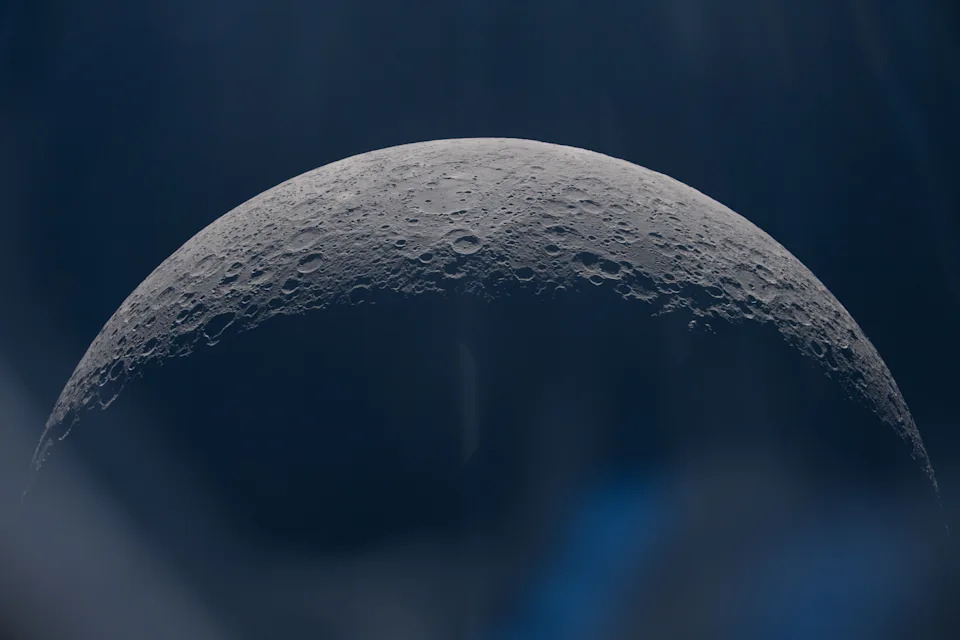
NASA released thousands of new photos taken during the Artemis II mission around the moon. The astronauts selected for the mission thoroughly documented the 10-day voyage, which included an April 6 lunar flyby as they traveled more than a quarter-million miles from Earth.(Provided by NASA)
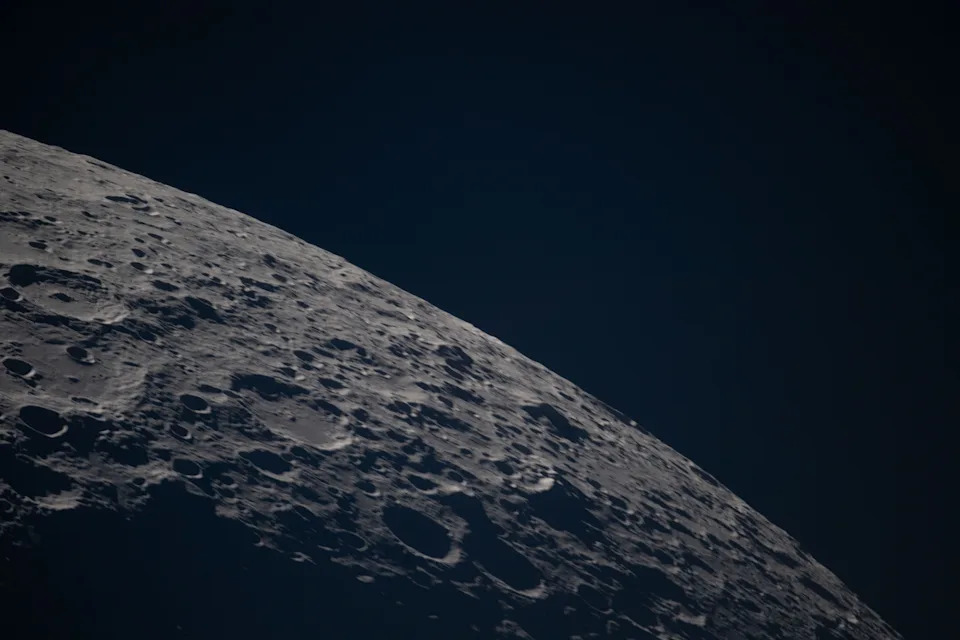
NASA released thousands of new photos taken during the Artemis II mission around the moon. The astronauts selected for the mission thoroughly documented the 10-day voyage, which included an April 6 lunar flyby as they traveled more than a quarter-million miles from Earth.(Provided by NASA)
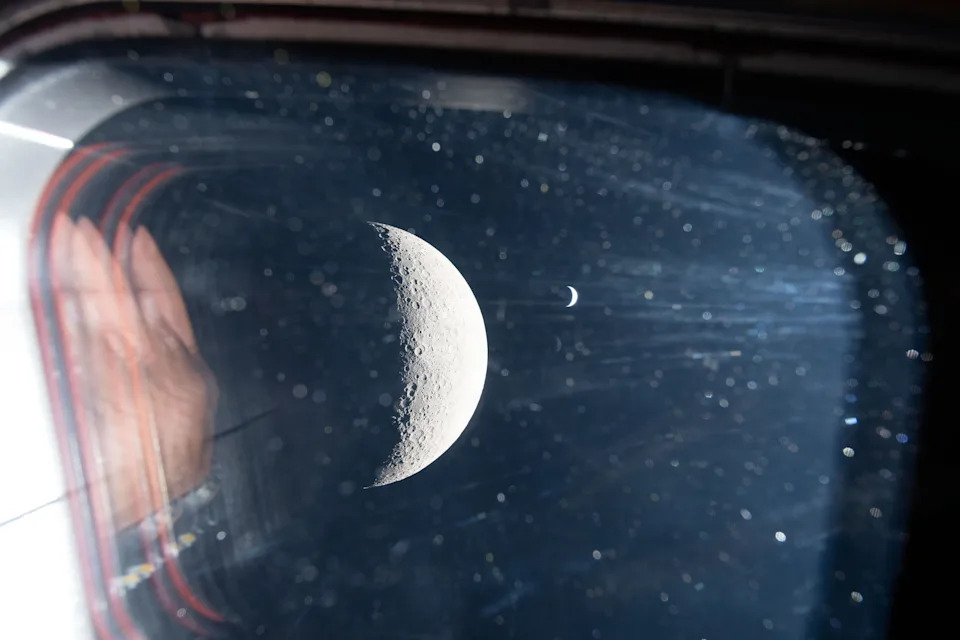
NASA released thousands of new photos taken during the Artemis II mission around the moon. The astronauts selected for the mission thoroughly documented the 10-day voyage, which included an April 6 lunar flyby as they traveled more than a quarter-million miles from Earth.(Provided by NASA)
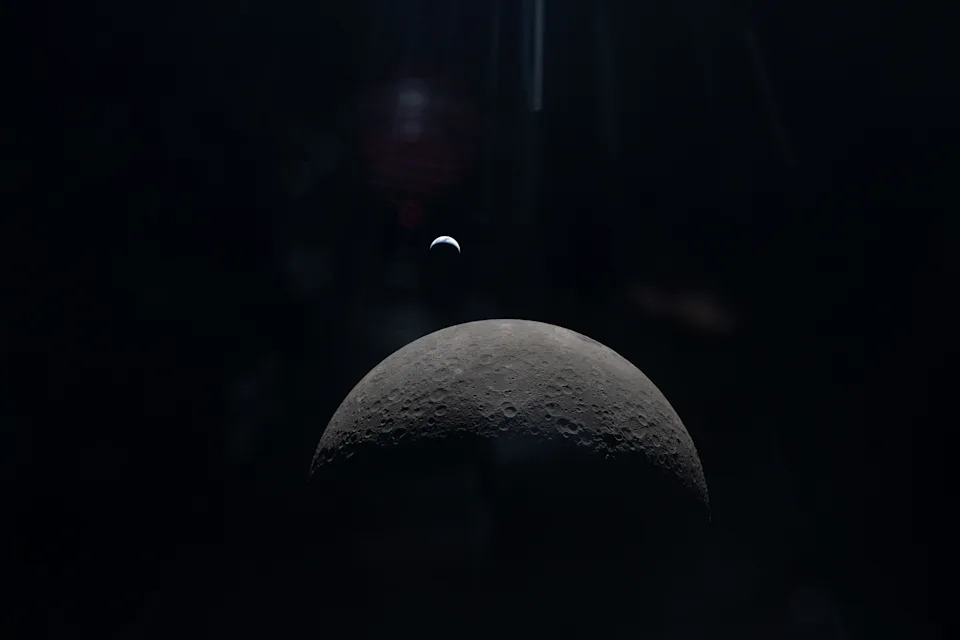
NASA released thousands of new photos taken during the Artemis II mission around the moon. The astronauts selected for the mission thoroughly documented the 10-day voyage, which included an April 6 lunar flyby as they traveled more than a quarter-million miles from Earth.(Provided by NASA)
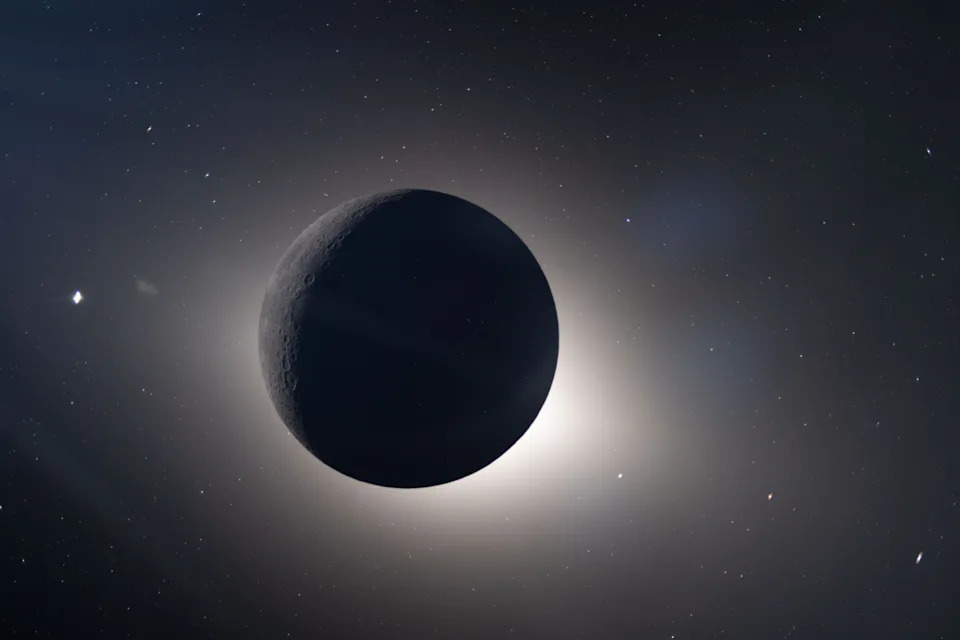
NASA released thousands of new photos taken during the Artemis II mission around the moon. The astronauts selected for the mission thoroughly documented the 10-day voyage, which included an April 6 lunar flyby as they traveled more than a quarter-million miles from Earth.(Provided by NASA)
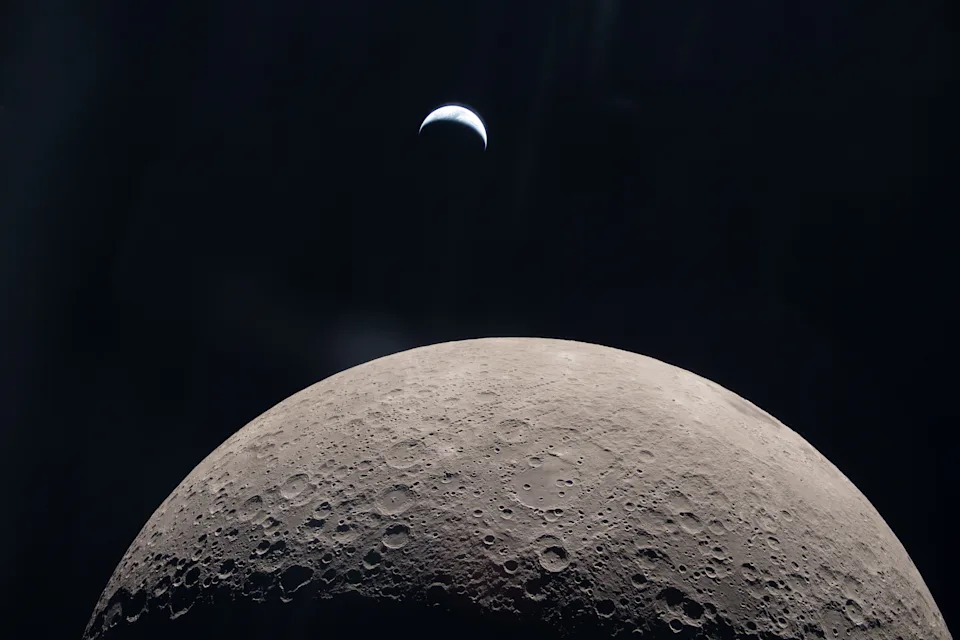
NASA released thousands of new photos taken during the Artemis II mission around the moon. The astronauts selected for the mission thoroughly documented the 10-day voyage, which included an April 6 lunar flyby as they traveled more than a quarter-million miles from Earth.(Provided by NASA)
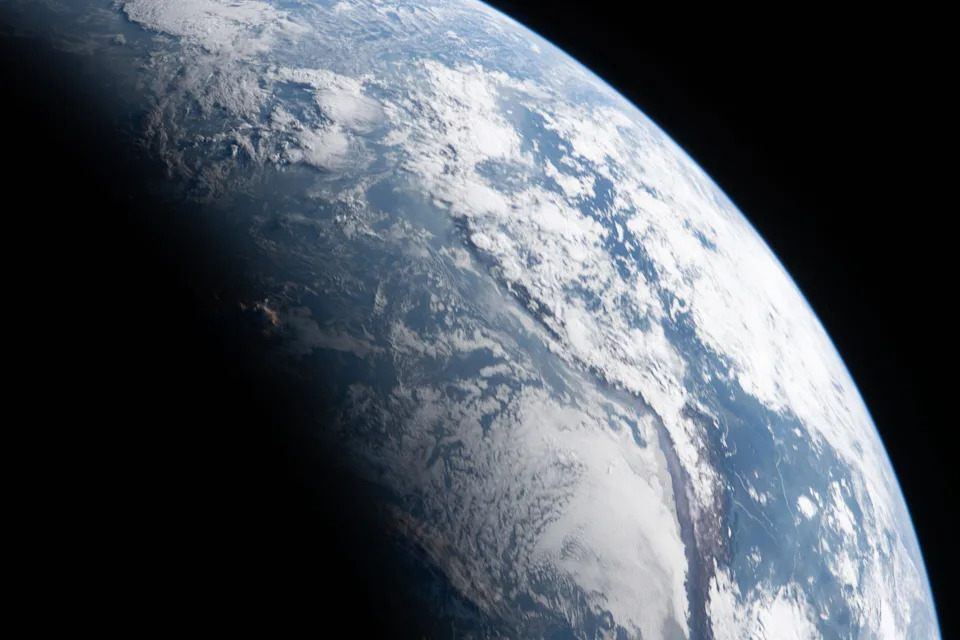
NASA released thousands of new photos taken during the Artemis II mission around the moon. The astronauts selected for the mission thoroughly documented the 10-day voyage, which included an April 6 lunar flyby as they traveled more than a quarter-million miles from Earth.(Provided by NASA)
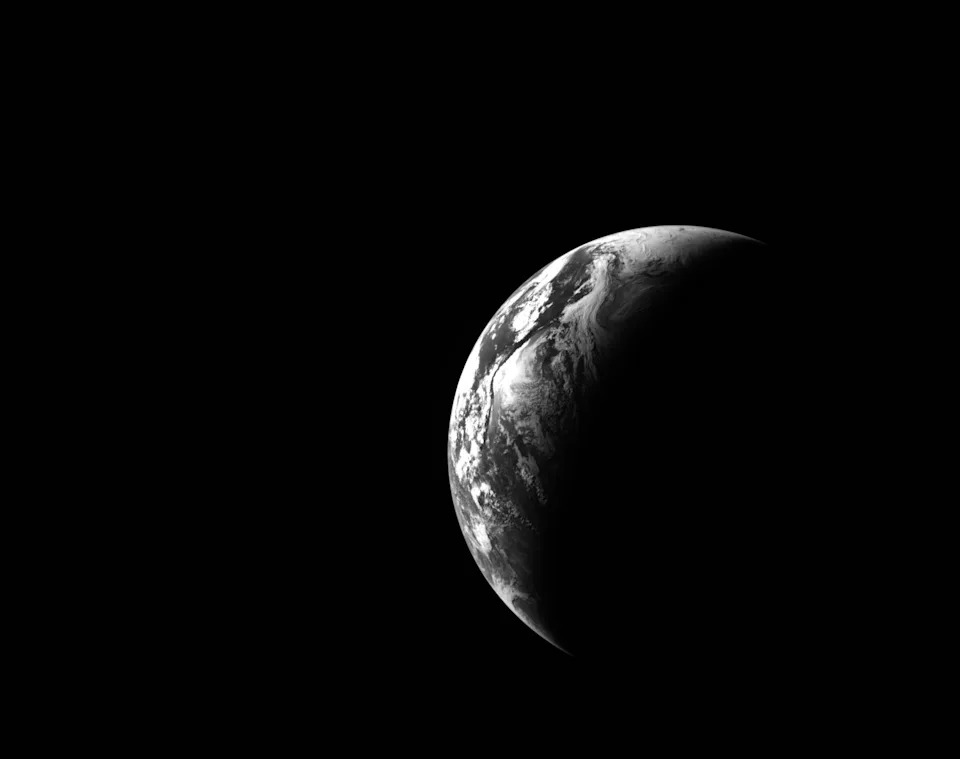
NASA released thousands of new photos taken during the Artemis II mission around the moon. The astronauts selected for the mission thoroughly documented the 10-day voyage, which included an April 6 lunar flyby as they traveled more than a quarter-million miles from Earth.(Provided by NASA)
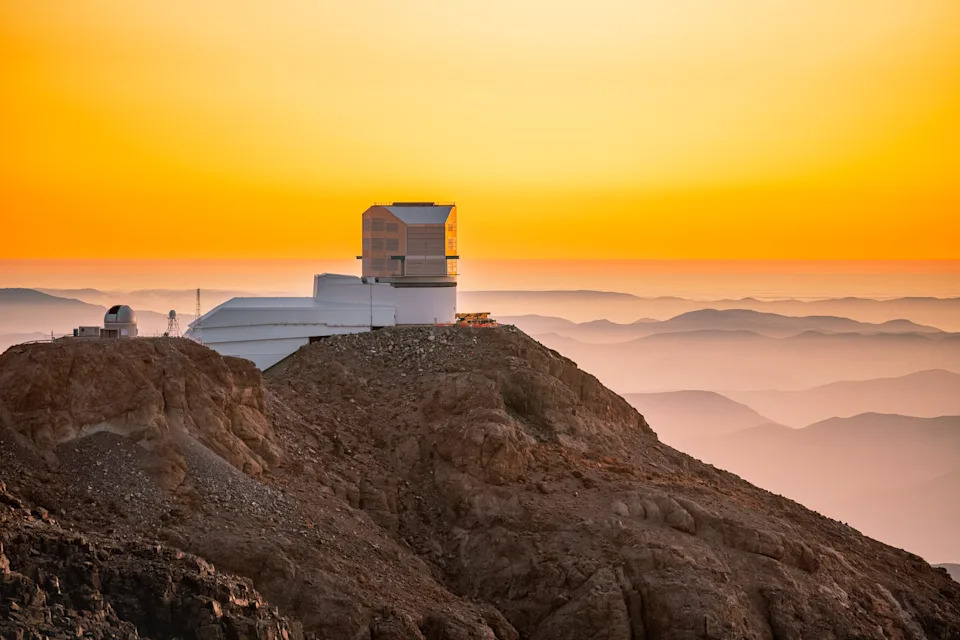
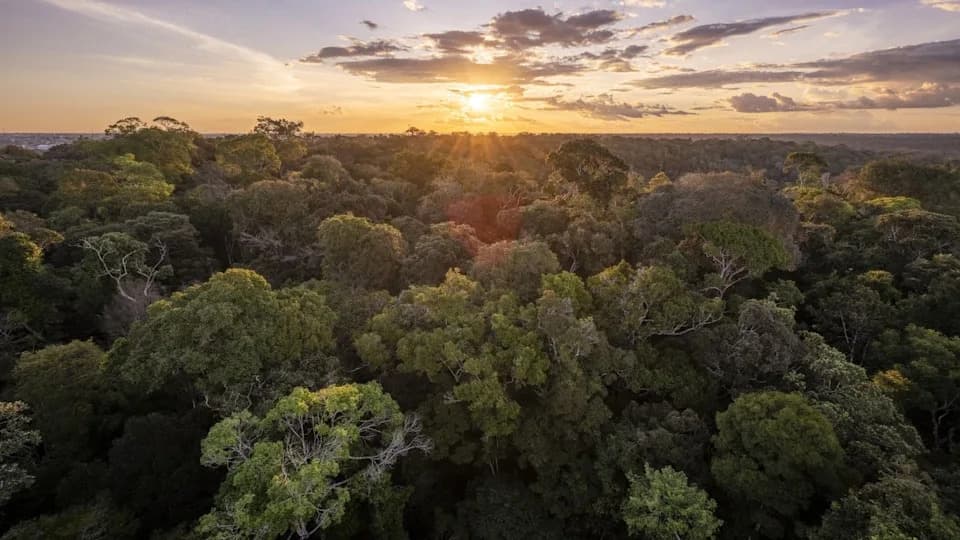
Sunset at Rubin Observatory on Cerro Pachón in Chile.
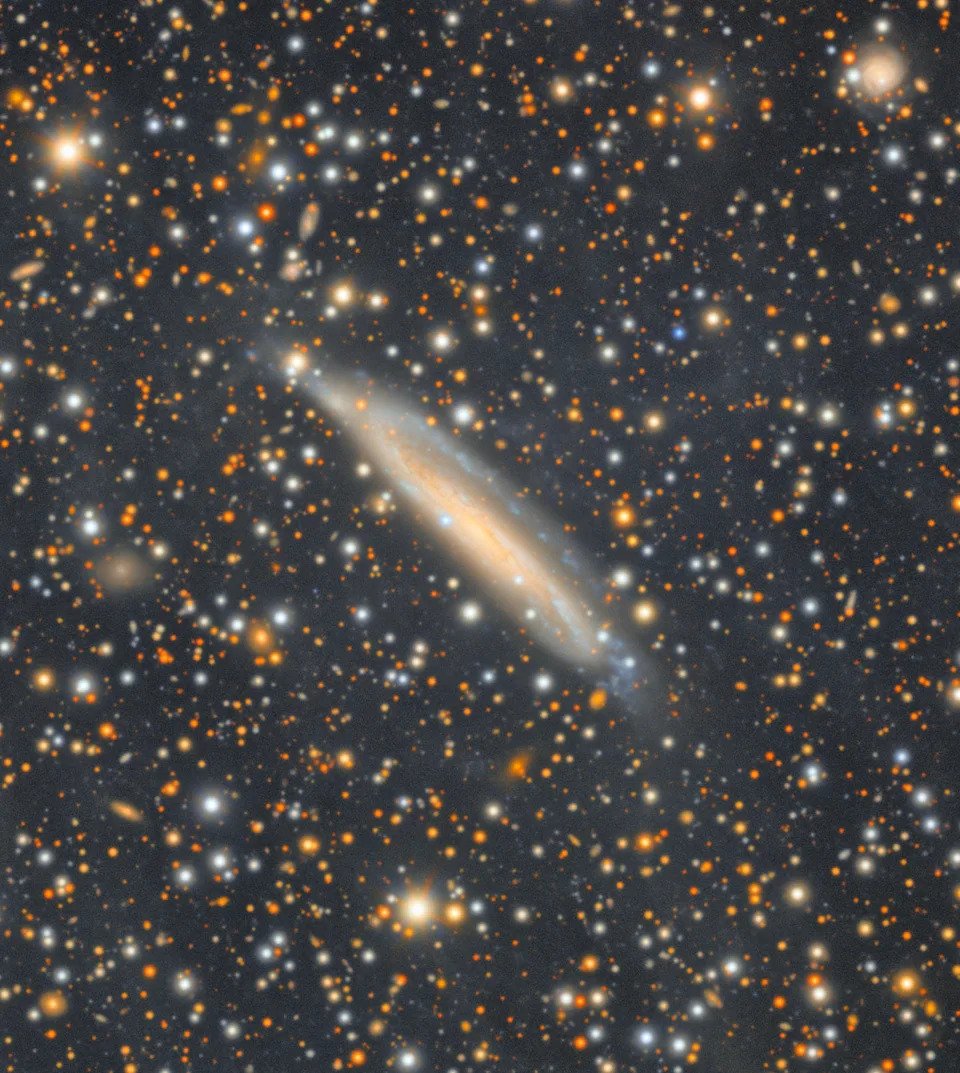
This is a section from a larger image the Vera C. Rubin Observatory captured referred to as the "ocean of stars." The view shows millions of multi-colored stars against a backdrop of galaxies close to the Milky Way’s plane, the crowded disk of the galaxy.(NSF–DOE Vera C. Rubin Observatory/NOIRLab/SLAC/AURA)
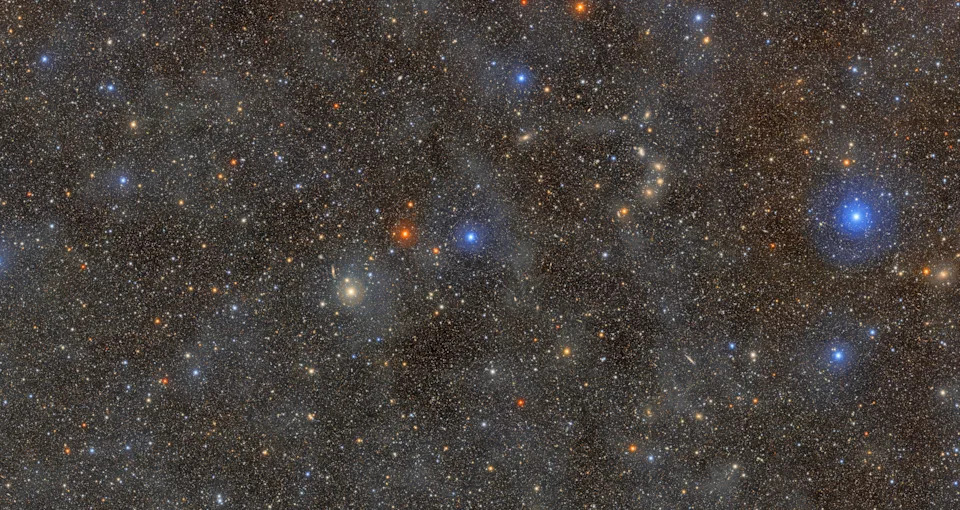
A field of stars in the constellation Lupus showcases the unprecedented view of the universe that the Vera C. Rubin Observatory provides. Rubin combines a wide view of the sky with the ability to detect extremely faint objects, revealing details of the cosmos across an enormous range of scales.(NSF–DOE Rubin Observatory/NOIRLab/SLAC/AURA)
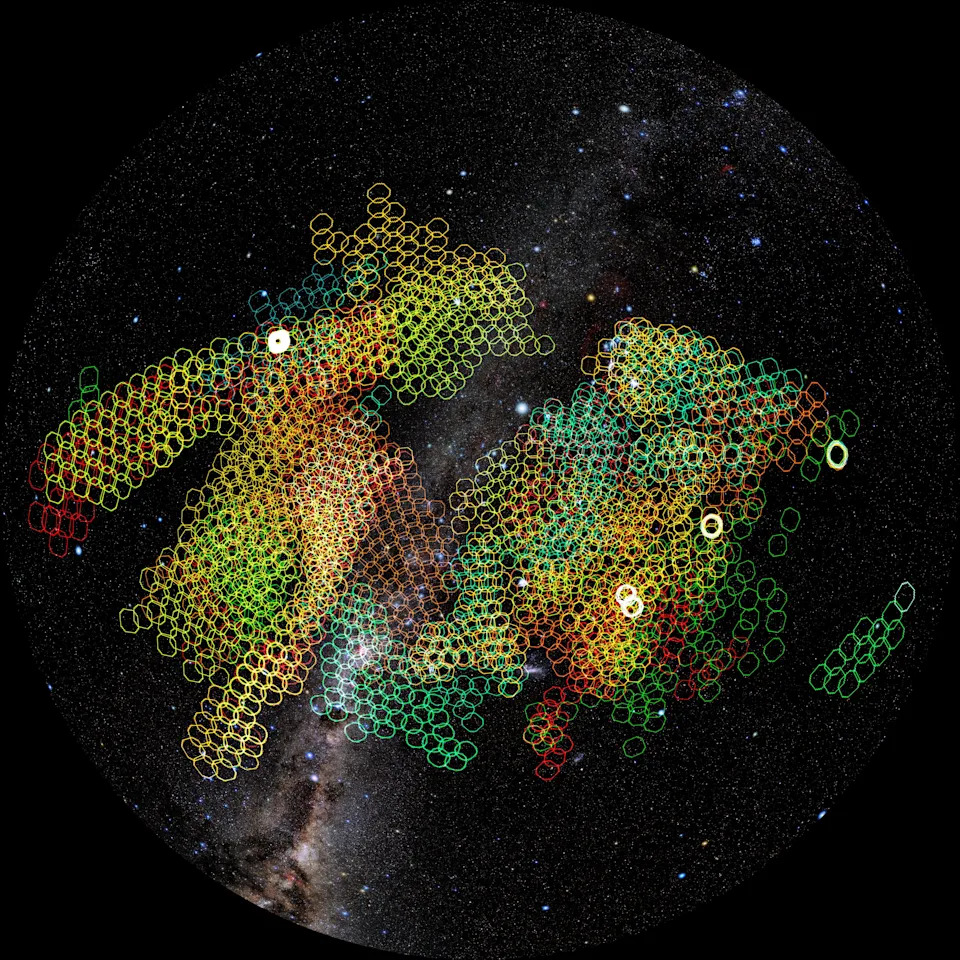
This map represents how much sky the Rubin Observatory can map in one week, with he color of the tile representing the filter used for each exposure as the Observatory rapidly builds a multicolor map of the universe.(NSF–DOE Rubin Observatory/NOIRLab/SLAC/AURA)
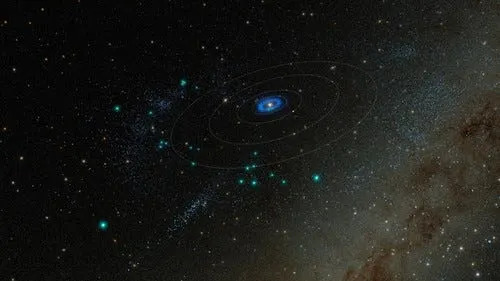
A model of the Solar System showing the roughly 380 trans-Neptunian objects (objects orbiting beyond Neptune) discovered using observations taken during Rubin’s early optimization surveys in summer 2025.(NSF–DOE Vera C. Rubin Observatory/NOIRLab/SLAC/AURA/R. Proctor)
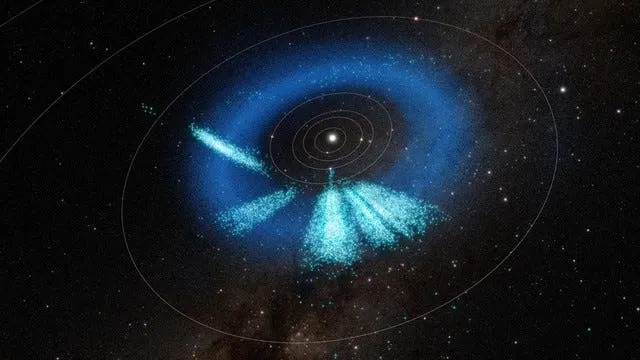
A model of the inner Solar System showing the asteroids discovered by Rubin in light teal. Known asteroids are dark blue. The model shows almost 12,700 asteroids that were discovered with Rubin over the span of a year and a half.(NSF–DOE Vera C. Rubin Observatory/NOIRLab/SLAC/AURA/R. Proctor)
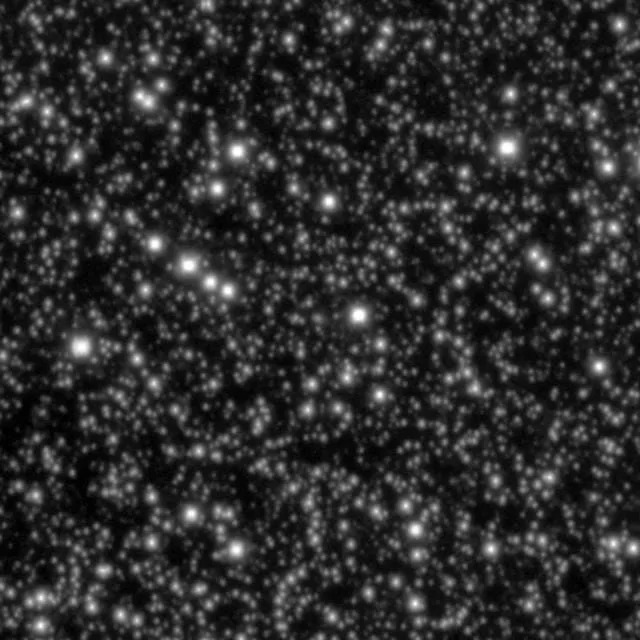
This image shows comet 3I/ATLAS, the third interstellar object ever discovered, on June 21, 2025 — ten days before its official discovery was announced.(NSF–DOE Vera C. Rubin Observatory/NOIRLab/SLAC/AURA; Image Processing: C. Chandler (University of Washington), M. Zamani & D. de Martin (NSF NOIRLab))
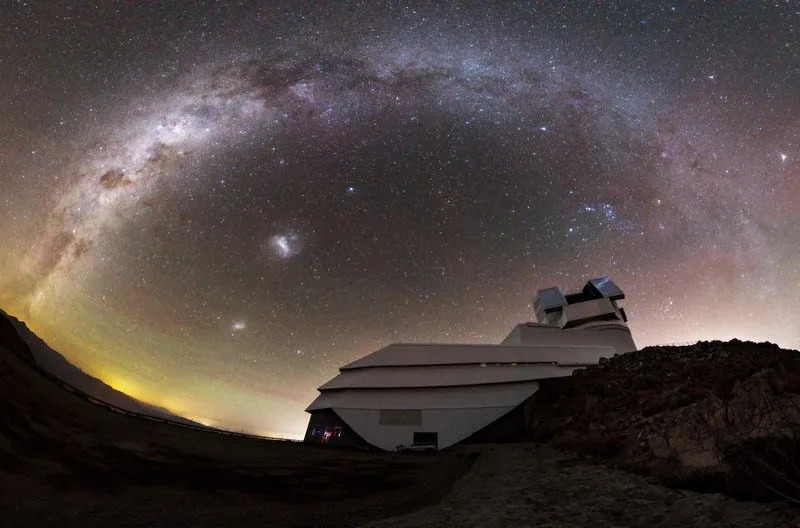
In this photo captured in February 2026, the Rubin Observatory observes the Chilean night sky above Cerro Pachón beneath the dazzling view of our home galaxy, the Milky Way.(NSF–DOE Rubin Observatory/NOIRLab/SLAC/AURA/P. Lago)
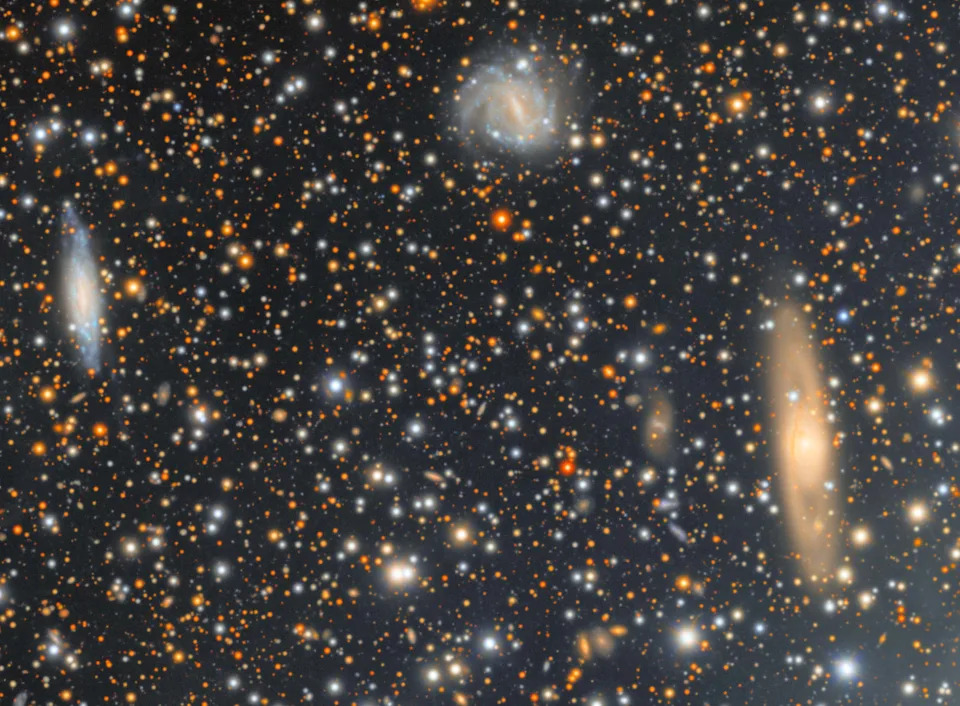
This is a section from a larger image the Vera C. Rubin Observatory captured referred to as the "ocean of stars." The view shows millions of multi-colored stars against a backdrop of galaxies close to the Milky Way’s plane, the crowded disk of the galaxy.(NSF–DOE Vera C. Rubin Observatory/NOIRLab/SLAC/AURA)
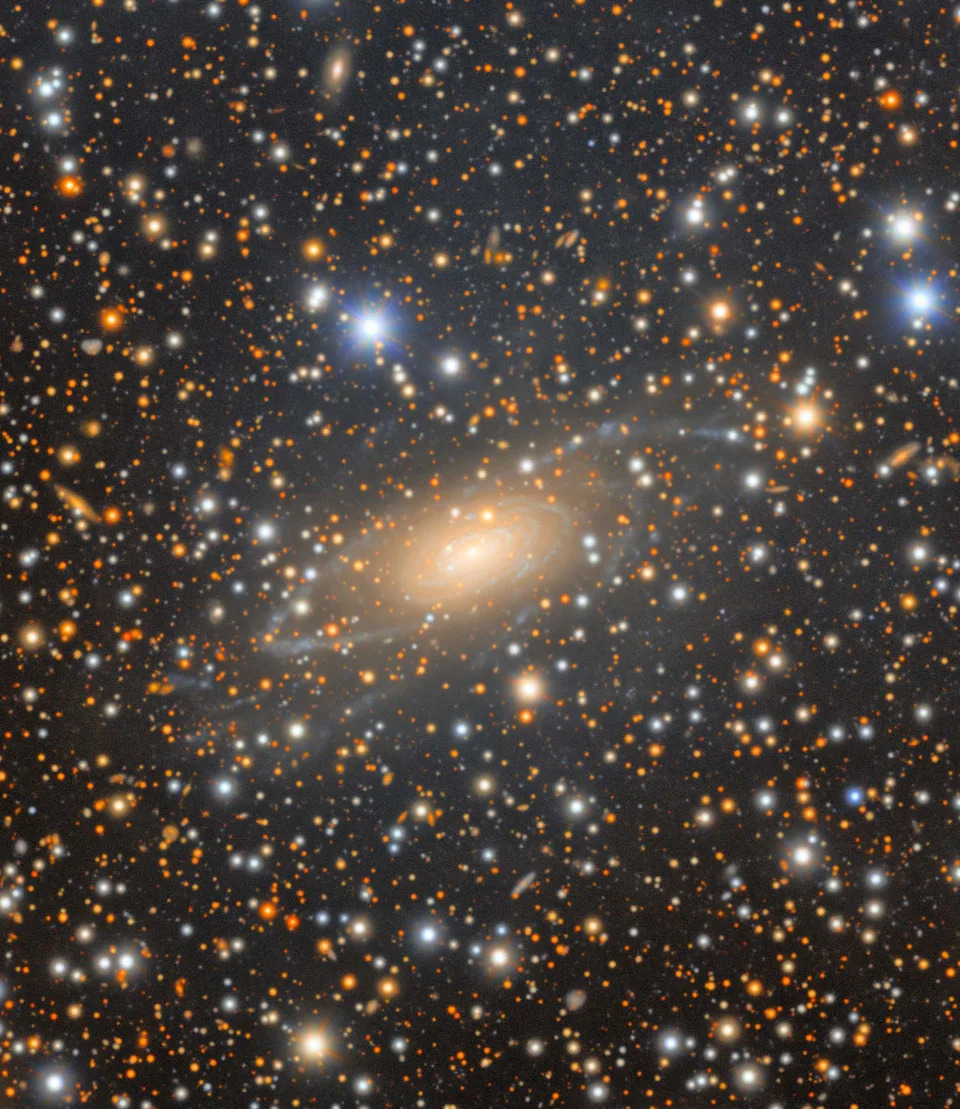
This is a section from a larger image the Vera C. Rubin Observatory captured referred to as the "ocean of stars." The view shows millions of multi-colored stars against a backdrop of galaxies close to the Milky Way’s plane, the crowded disk of the galaxy.(NSF–DOE Vera C. Rubin Observatory/NOIRLab/SLAC/AURA)
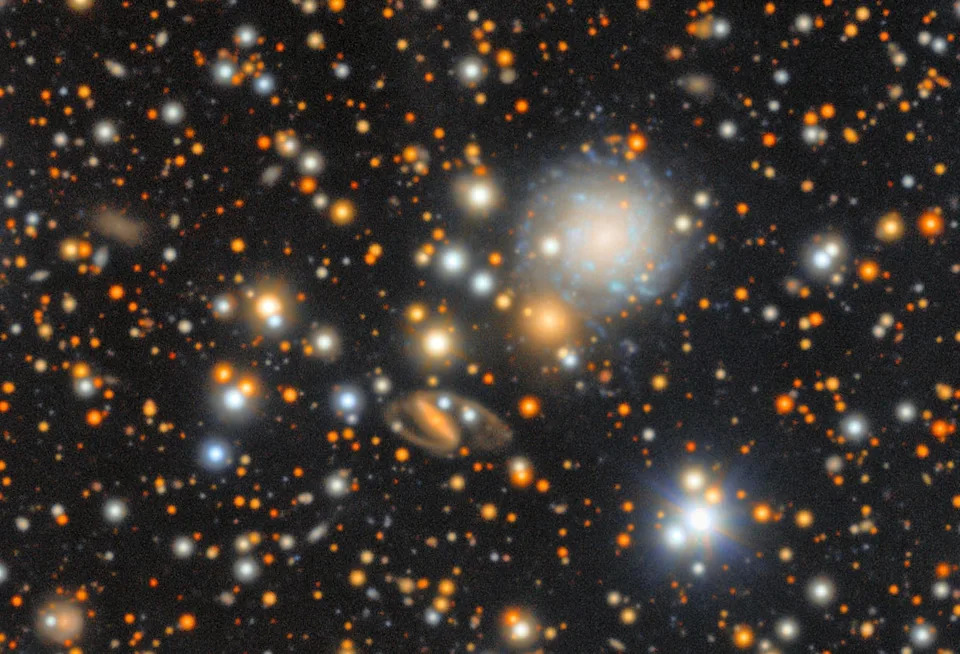
This is a section from a larger image the Vera C. Rubin Observatory captured referred to as the "ocean of stars." The view shows millions of multi-colored stars against a backdrop of galaxies close to the Milky Way’s plane, the crowded disk of the galaxy.(NSF–DOE Vera C. Rubin Observatory/NOIRLab/SLAC/AURA)
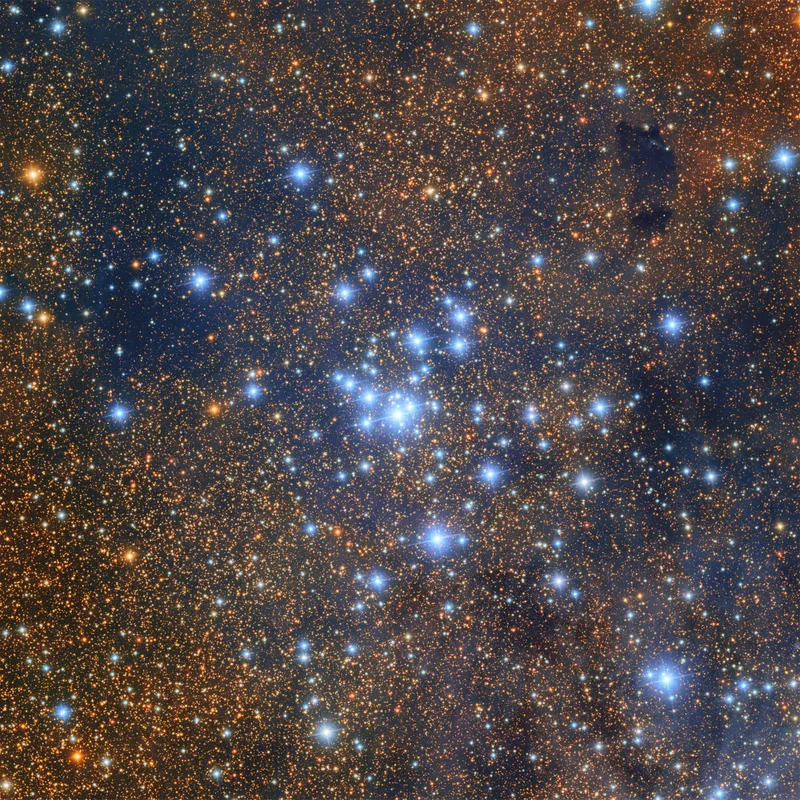
The open star cluster Messier 21 as imaged by NSF–DOE Vera C. Rubin Observatory. Located near the Trifid Nebula, Messier 21 is relatively young and tightly packed with small, dim stars.(RubinObs/NOIRLab/SLAC/NSF/DOE/AURA)
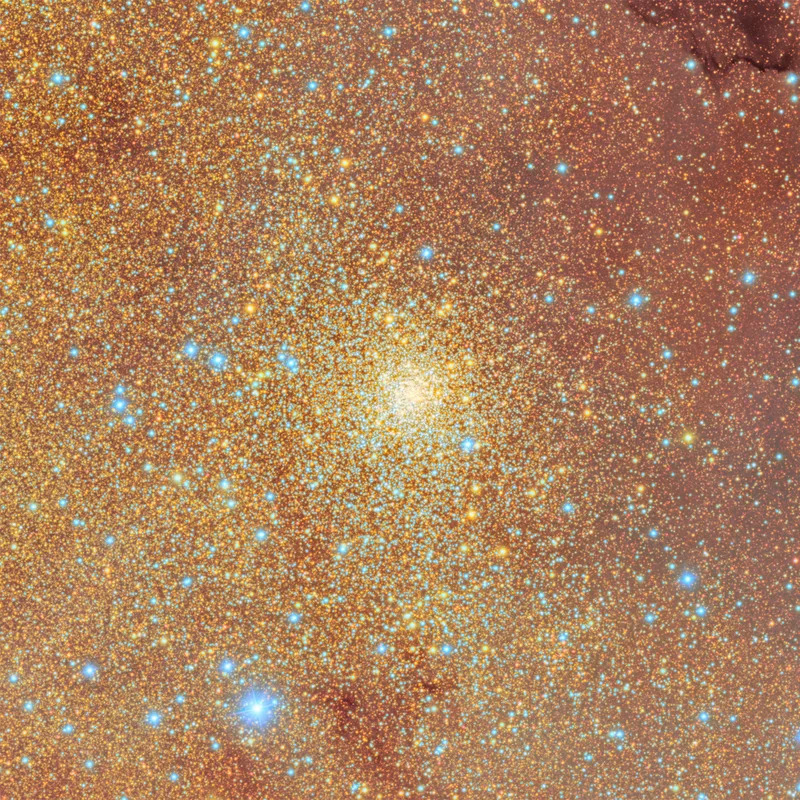
Globular cluster NGC 6544 as imaged by NSF–DOE Vera C. Rubin Observatory. This tightly packed globular cluster is home to tens of thousands of stars.(RubinObs/NOIRLab/SLAC/NSF/DOE/AURA)
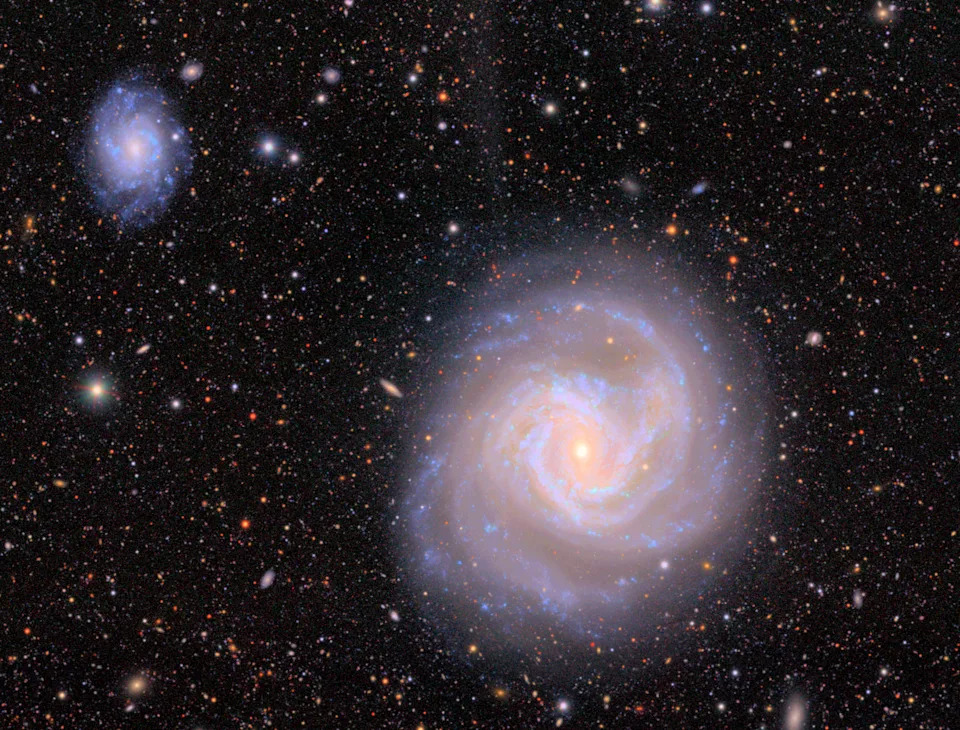
The multi-colored tracks of asteroids flash on and off in this image of two spiral galaxies within the Virgo Cluster. Each of these tracks represents a moving asteroid detected by NSF–DOE Vera C. Rubin Observatory in its first few nights of observations.(NSF–DOE Vera C. Rubin Observatory)
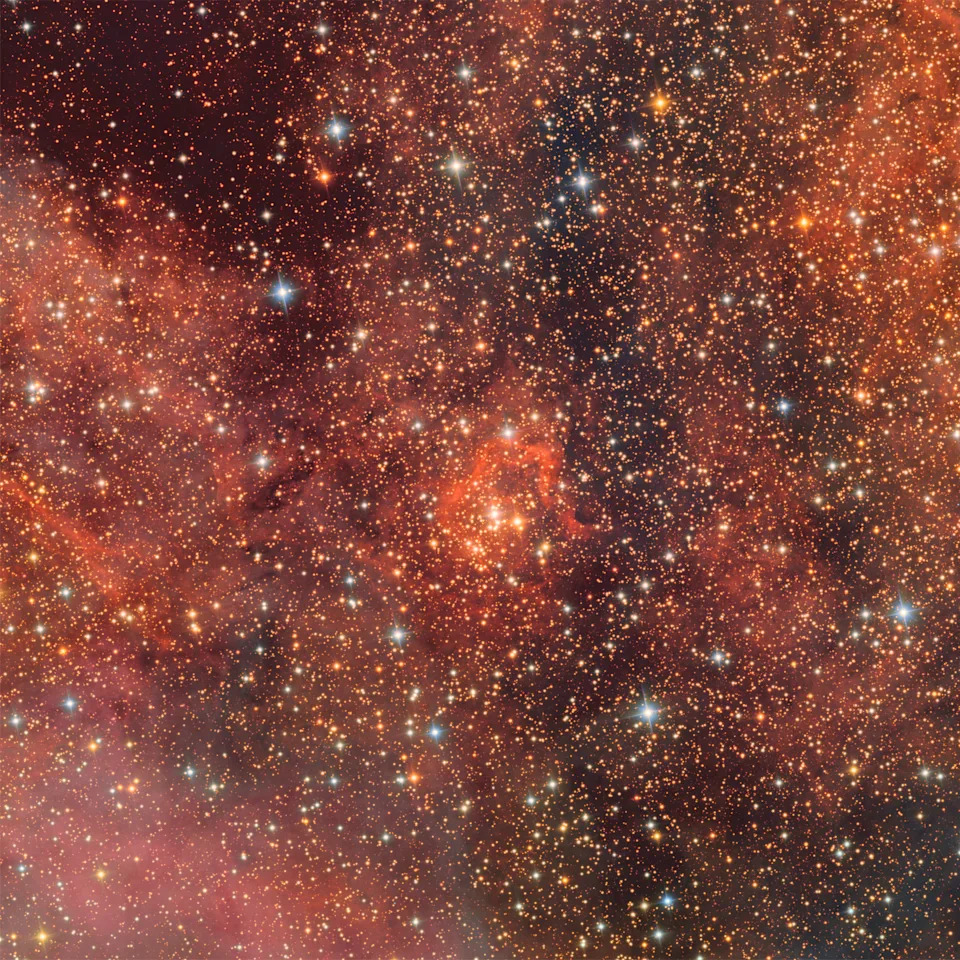
The open star cluster Bochum 14 as imaged by NSF–DOE Vera C. Rubin Observatory.(NSF–DOE Vera C. Rubin Observatory)

Aerial view of Vera C. Rubin Observatory located in Chile, taken Jan. 24, 2024. Surrounded by desert-like mountains and under the blue skies of northern Chile, the Vera C. Rubin Observatory will revolutionize the study of the universe when it incorporates the largest digital camera ever built in the world. (Photo by) (Photo by JAVIER TORRES/AFP via Getty Images)(Javier Torres/AFP via Getty Images)
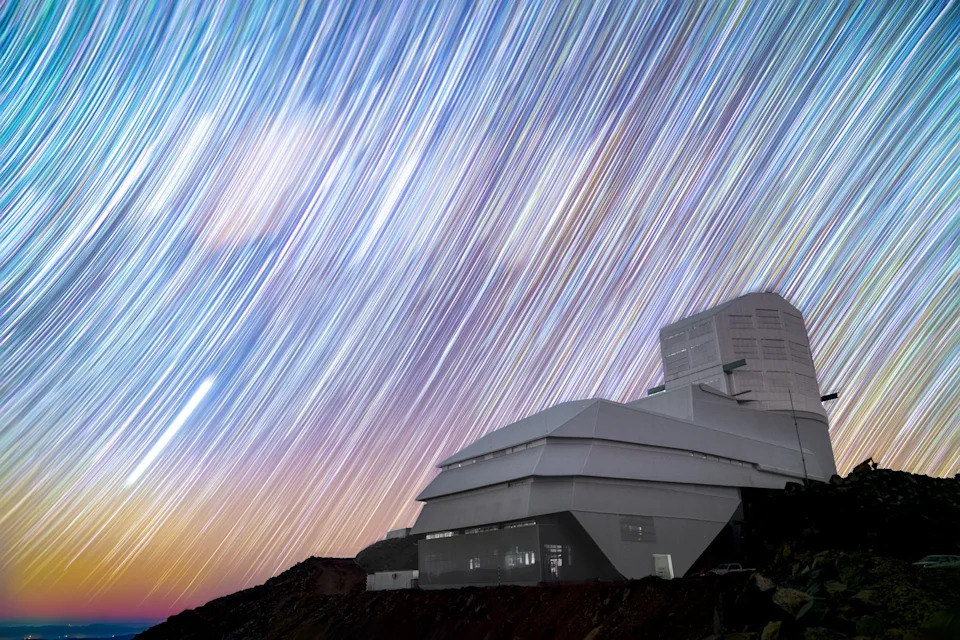
Rubin Observatory stands on Cerro Pachón in Chile against a sky full of star trails in this long exposure night sky image.(Hernan Stockebrand, RubinObs/NOIRLab/SLAC/NSF/DOE/AURA)
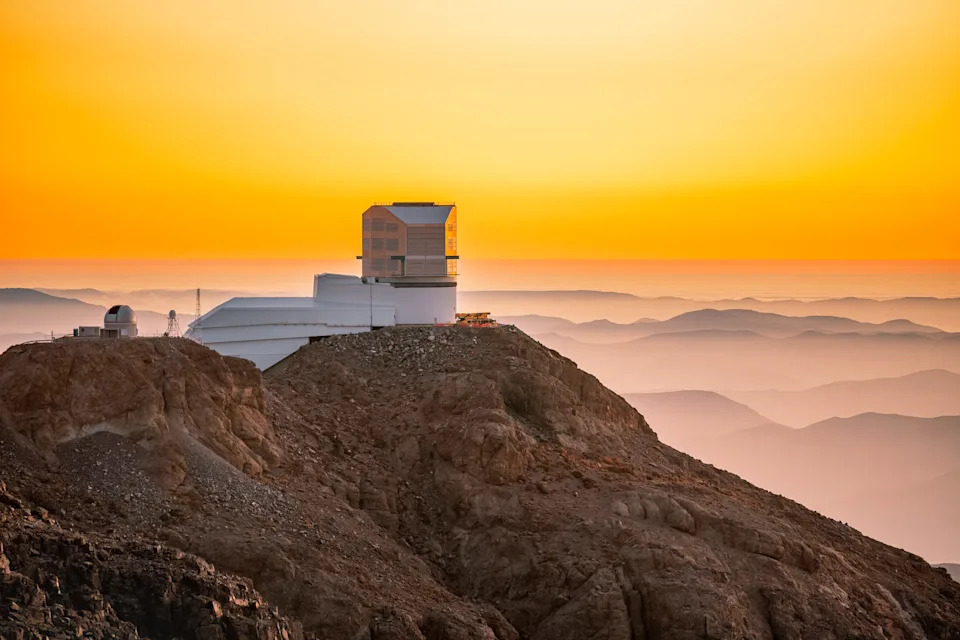
Sunset at Rubin Observatory on Cerro Pachón in Chile.(Petr Horalek, RubinObs/NOIRLab/SLAC/NSF/DOE/AURA)
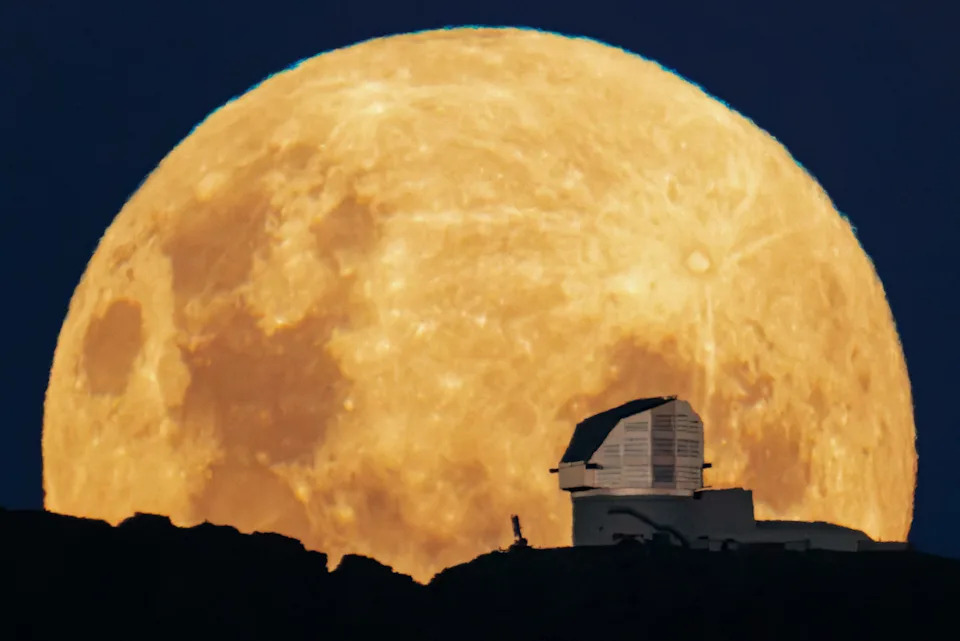
NSF–DOE Vera C. Rubin Observatory atop Cerro Pachón in Chile is outlined against the full Moon rising above the horizon. A trick of perspective has enlarged the Moon beyond the size we’d naturally see it on Earth. Rubin Observatory will begin science operations in late 2025.(Hernan Stockebrand, RubinObs/NOIRLab/SLAC/NSF/DOE/AURA)
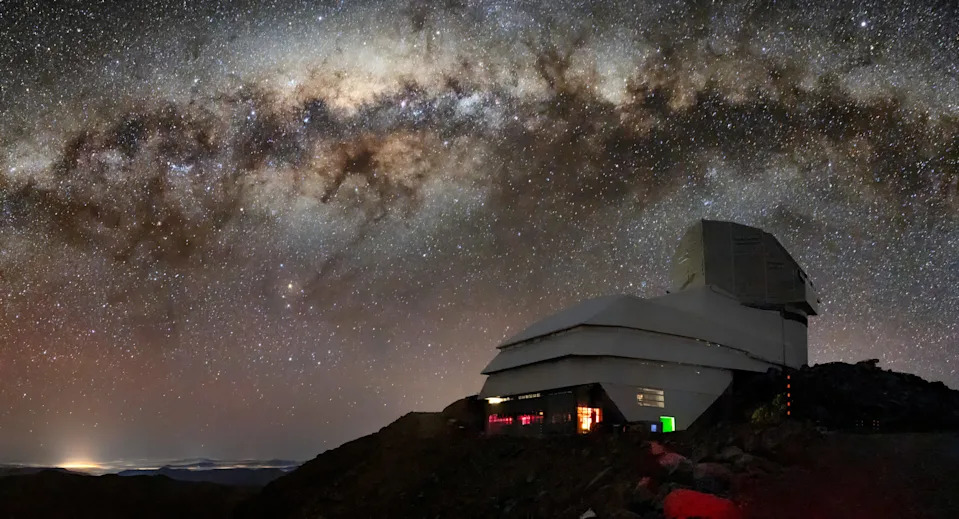
This image captures not only Vera C. Rubin Observatory, but one of the celestial specimens Rubin Observatory will observe when it comes online: the Milky Way. The bright halo of gas and stars on the left side of the image highlights the very center of the Milky Way galaxy. The dark path that cuts through this center is known as the Great Rift, because it gives the appearance that the Milky Way has been split in half, right through its center and along its radial arms.(B. Quint, Rubin Observatory/NSF/AURA)
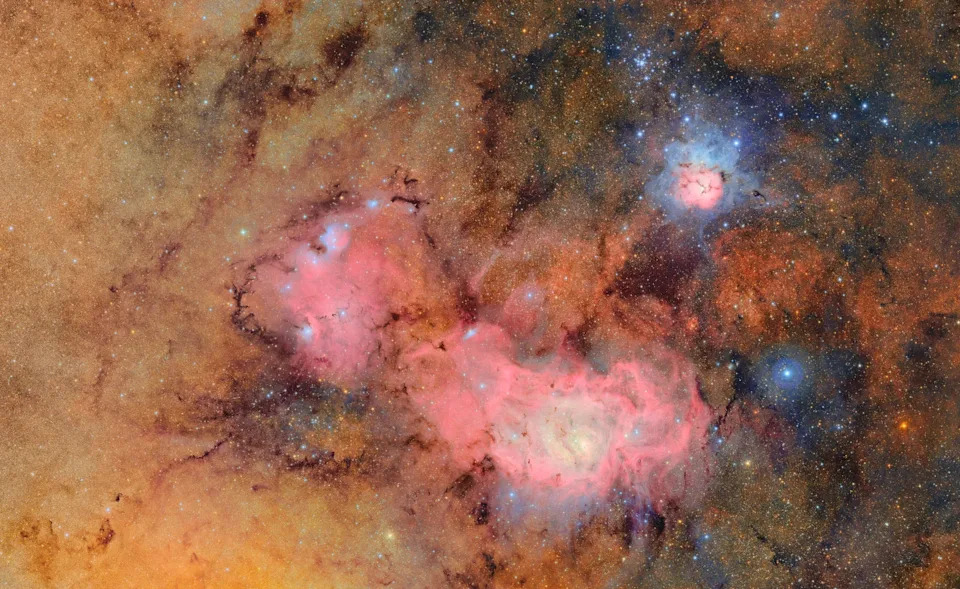
This image combines 678 separate images taken by NSF–DOE Vera C. Rubin Observatory in just over seven hours of observing time. Combining many images in this way clearly reveals otherwise faint or invisible details, such as the clouds of gas and dust that comprise the Trifid nebula (top) and the Lagoon nebula, which are several thousand light-years away from Earth.(NSF–DOE Vera C. Rubin Observatory)
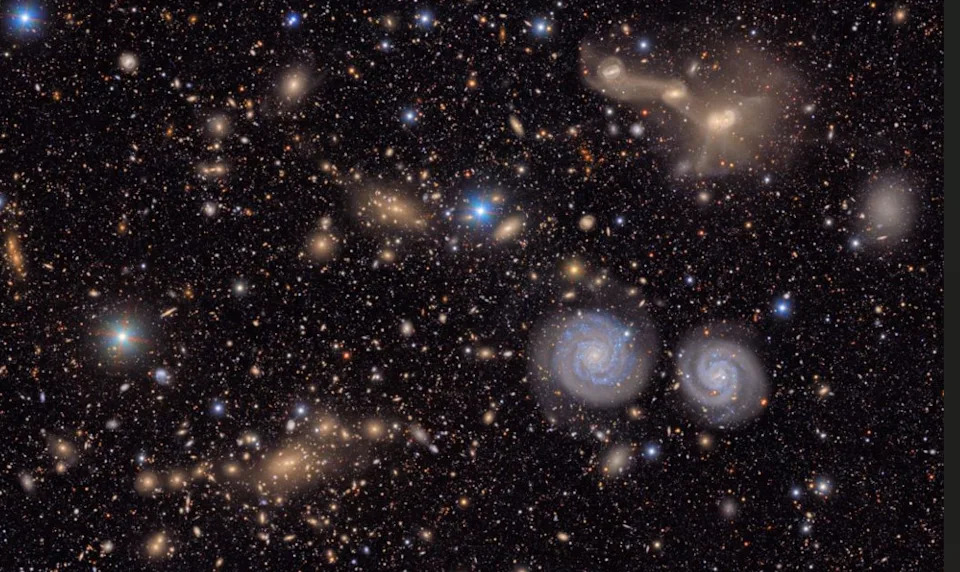
This image captures a small section of NSF–DOE Vera C. Rubin Observatory’s view of the Virgo Cluster, offering a vivid glimpse of the variety in the cosmos. Visible are two prominent spiral galaxies, three merging galaxies, galaxy groups both near and distant, stars within our own Milky Way, and much more.(NSF–DOE Vera C. Rubin Observatory)
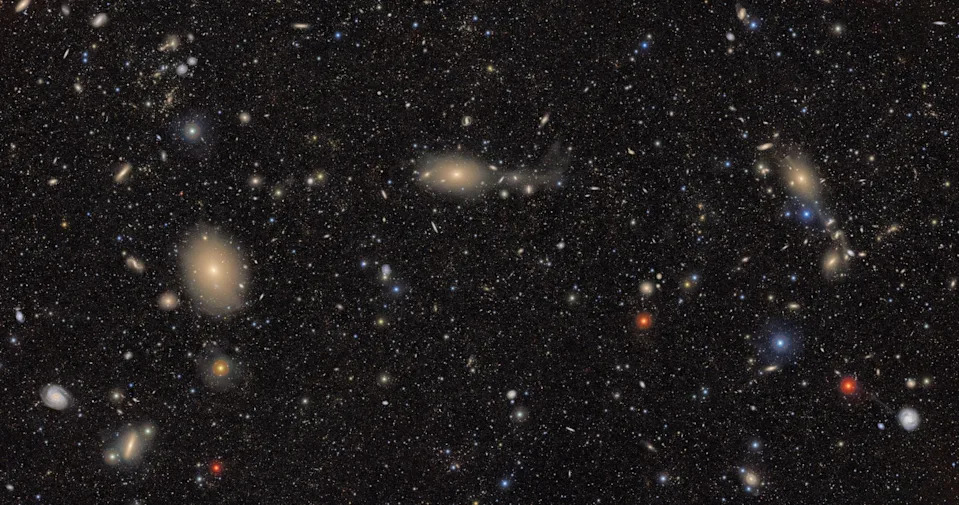
Made from over 1100 images captured by NSF-DOE Vera C. Rubin Observatory, this image contains an immense variety of objects. This includes about 10 million galaxies, roughly .05% of the approximately 20 billion galaxies Rubin Observatory will capture in the next decade.(NSF–DOE Vera C. Rubin Observatory)
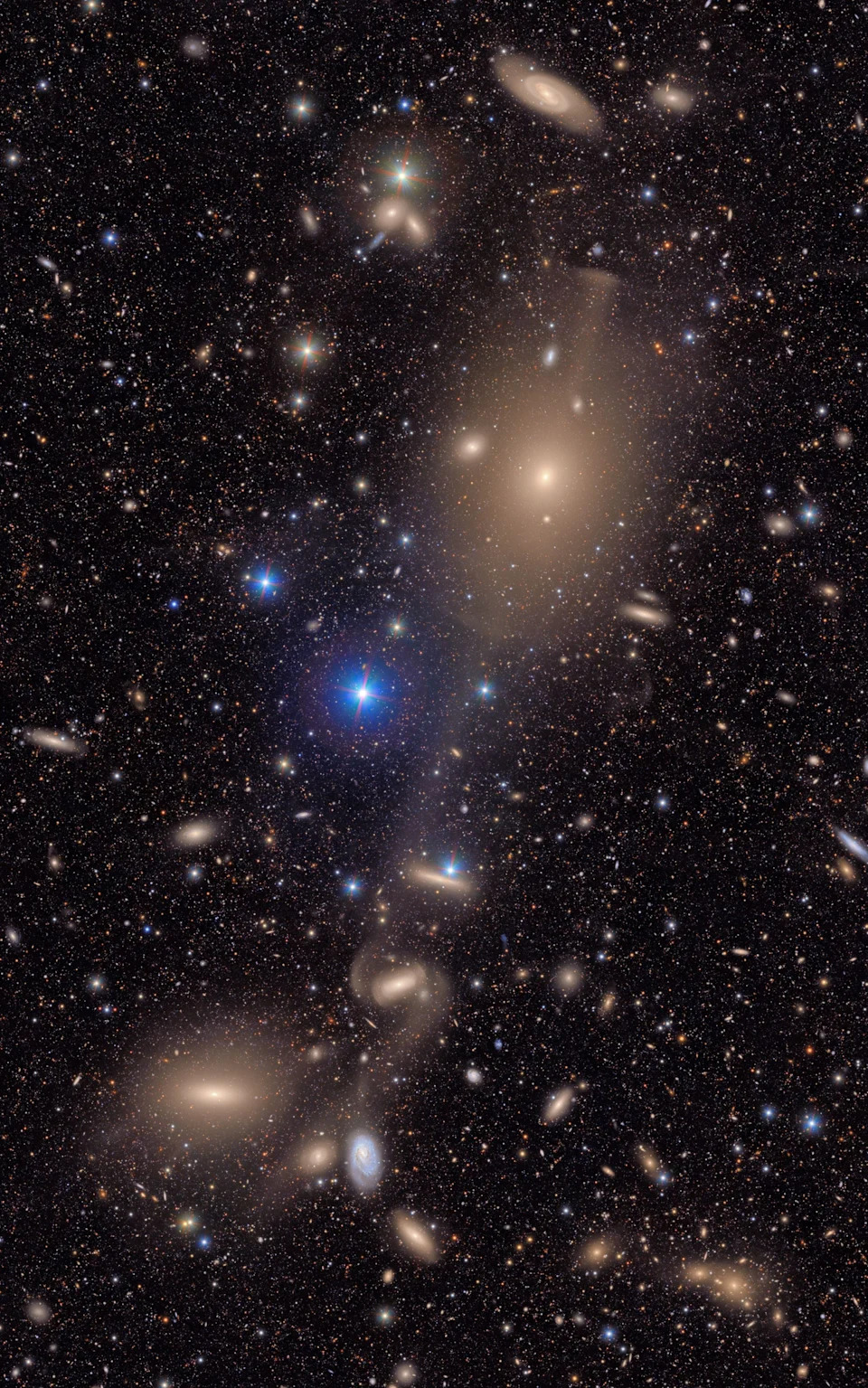
This image captures a small section of NSF–DOE Vera C. Rubin Observatory’s view of the Virgo Cluster, revealing both the grand scale and the faint details of this dynamic region of the cosmos. Bright stars from our own Milky Way shine in the foreground, while a sea of distant reddish galaxies speckle the background.(NSF–DOE Vera C. Rubin Observatory)
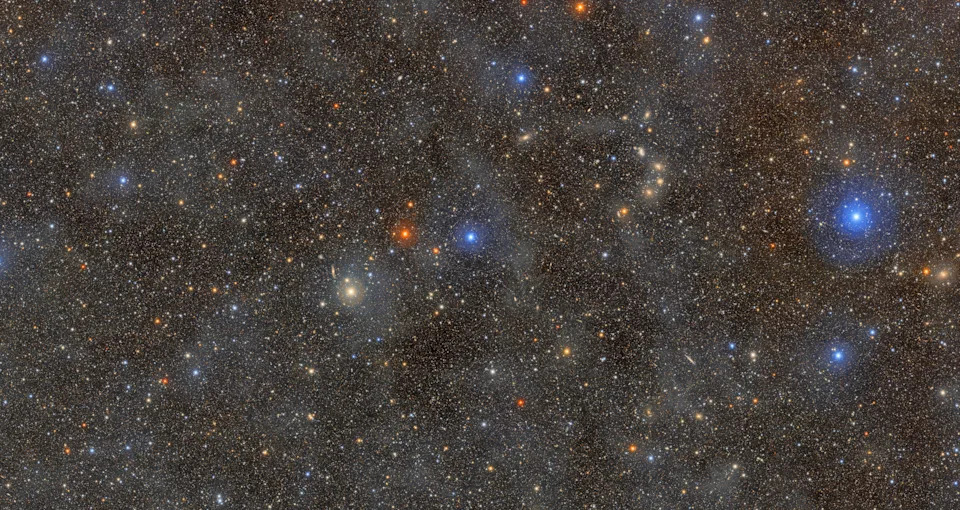
A field of stars in the constellation Lupus showcases the unprecedented view of the universe that the Vera C. Rubin Observatory provides. Rubin combines a wide view of the sky with the ability to detect extremely faint objects, revealing details of the cosmos across an enormous range of scales.
Pomozite nam da budemo bolji.