Anil Menon, 49-godišnji lekar i astronaut NASA-e, poletiće 14. jula na Soyuz MS-29 sa Bajkonura prema ISS-u i time postaje prvi Amerikanac u svemiru od misije Artemis II. Posada (Menon, Pyotr Dubrov, Anna Kikina) provesti će oko osam meseci na stanici radeći naučna istraživanja i održavanje, s povratkom planiranim za april 2027. Lansiranje i dokovanje prate se uživo preko NASA+, Amazon Prime i YouTube.
Anil Menon Kreće Na ISS — Prvi Amerikanac U Svemiru Od Misije Artemis II
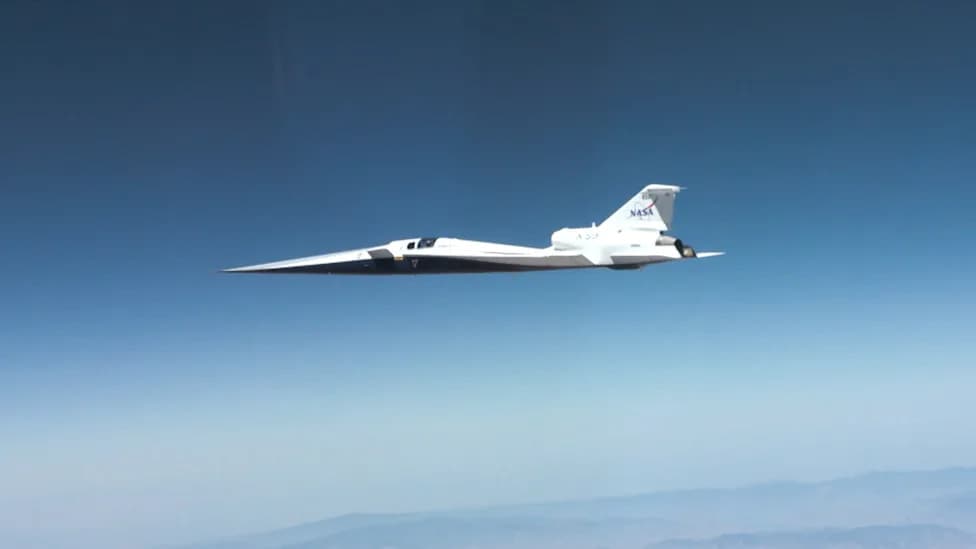
NASA's X-59 supersonic aircraft reaches supersonic speeds for the first time June 5 during a test flight in California.(NASA/Lori Losey)
Više od tri meseca nije bilo Amerikanca koji je poletao u svemir — to će se uskoro promeniti. NASA-ov astronaut Anil Menon sprema se za lansiranje ka Međunarodnoj svemirskoj stanici (ISS) zajedno sa dvoje ruskih kosmonauta.
Kada i gde
Prema planu, Menon će poleteti 14. jula u 10:47 po istočnom vremenu (ET) na letelici Soyuz MS-29 sa kosmodroma Bajkonur u Kazahstanu. NASA će prenos lansiranja započeti u 9:45 ET — dostupan na aplikaciji NASA+, kao i preko Amazon Prime i YouTube.
Zaštitni podaci o misiji
Posada: Anil Menon (NASA), Pyotr Dubrov i Anna Kikina (Roskosmos). Planiran boravak na ISS-u je oko osam meseci, sa povratkom na Zemlju predviđenim za april 2027. Ako lansiranje prođe po planu, Soyuz bi se trebao dokovati oko 13:56 ET, a otvaranje prolaza između letelice i stanice oko 15:55 ET.
Ko je Anil Menon?
Anil Menon (49) je po struci lekar urgentne medicine. Rođen je u Minneapolisu kao sin ukrajinskih i indijskih imigranata. Izabran je za astronauta i počeo obuku 2021. Pre dolaska u astronautsku službu radio je kao letački hirurg za SpaceX i NASA-u.
Porodične i profesionalne napomene
Menonova supruga, Anna Menon, bila je deo NASA-ine klase astronauta iz septembra 2025. godine i već je letela u svemir kao članica privatne misije Polaris Dawn u septembru 2024., kojom je komandovao Jared Isaacman.
Šta će raditi na ISS-u
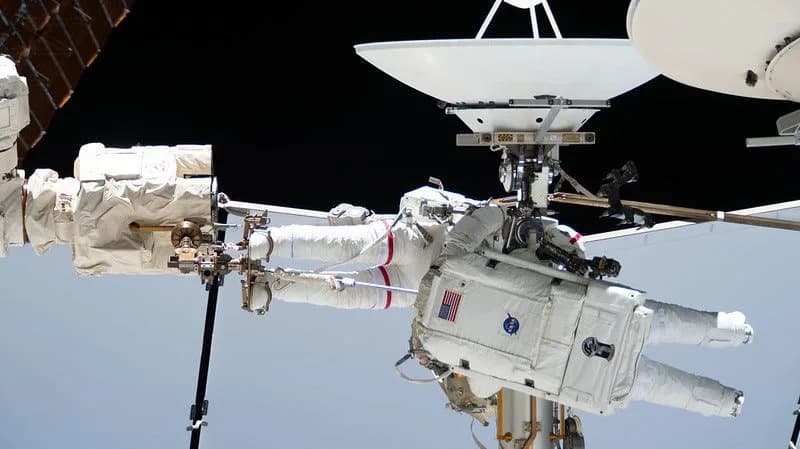
Tokom boravka na stanici posada će izvoditi naučna istraživanja u mikrogravitaciji, obavljati redovno održavanje i podržavati operacije stanice kao deo međunarodne saradnje. ISS je u niskoj orbiti oko 260 milja iznad Zemlje i više od 25 godina služi kao laboratorija i multilateralna platforma za istraživanja.
Ko je trenutno na stanici
Trenutna posada Ekspedicije 74 broji sedam članova. Među njima su NASA-ov astronaut Chris Williams i ruski kosmonauti Sergey Mikaev i Sergey Kud-Sverchkov, koji su prethodno stigli Soyuzom MS-28. Takođe su na stanici članovi misije Crew-12: Jessica Meir, Jack Hathaway, Sophie Adenot (ESA) i Andrey Fedyaev (Roskosmos).
Kako pratiti lansiranje i dokovanje
NASA nudi direktan prenos događaja: početak prenosa je u 9:45 ET, lansiranje u 10:47 ET, dokovanje oko 13:56 ET i otvaranje prolaza oko 15:55 ET. Prenos je besplatan na NASA+, Amazon Prime i YouTube.
Zašto je ovo važno: Menon će postati prvi Amerikanac koji je poletao u svemir od završetka misije Artemis II u aprilu — događaja koji je ponovno vraćanje ljudi u blizinu Meseca i označio novi korak u svemirskim programima.
Za više informacija i ažuriranja pratite zvanične kanale NASA-e i Roskosmosa.
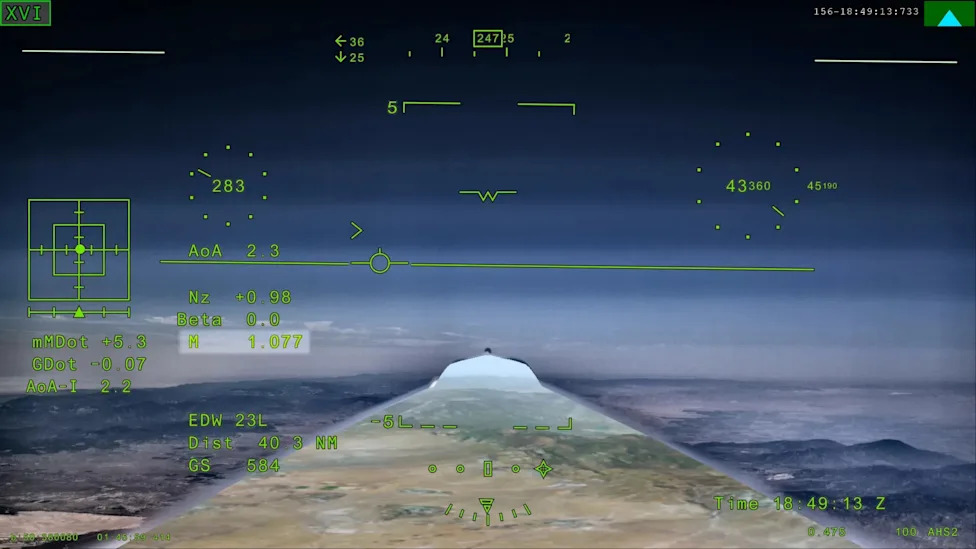
NASA’s X-59 eXternal Vision System shows Mach 1.077 on Friday, June 5, 2026, marking the aircraft’s first time reaching supersonic speed in support of NASA’s Quesst mission. The moment represents a milestone for the aircraft as it transitions to include test flights faster than the speed of sound.(Provided by NASA)
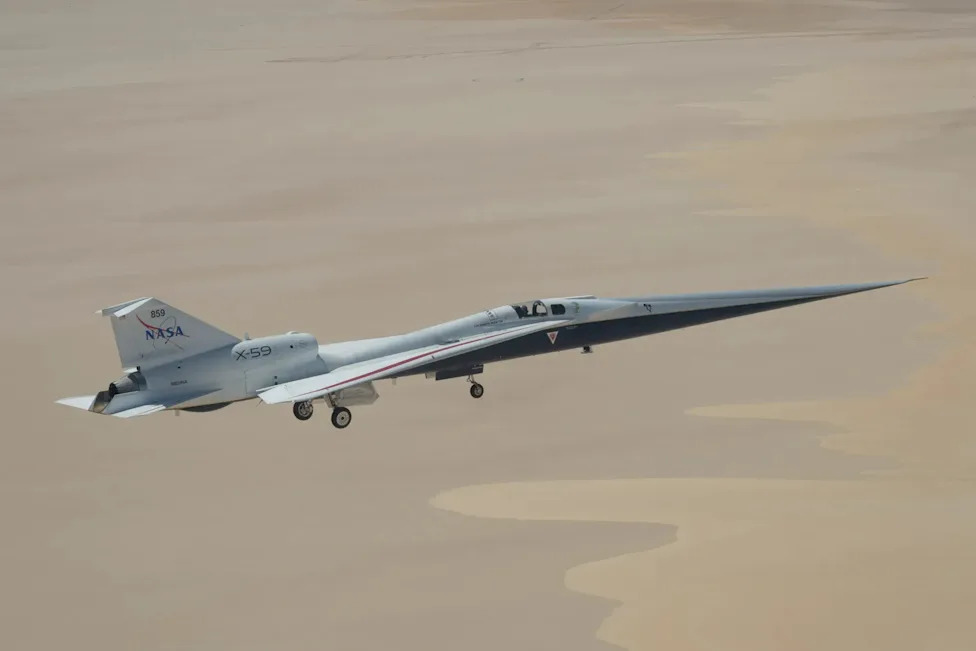
NASA’s X-59 quiet supersonic research aircraft flies over Rogers Dry Lake near NASA’s Armstrong Flight Research Center in Edwards, California, on Tuesday, May 12, 2026.(NASA/Jim Ross)
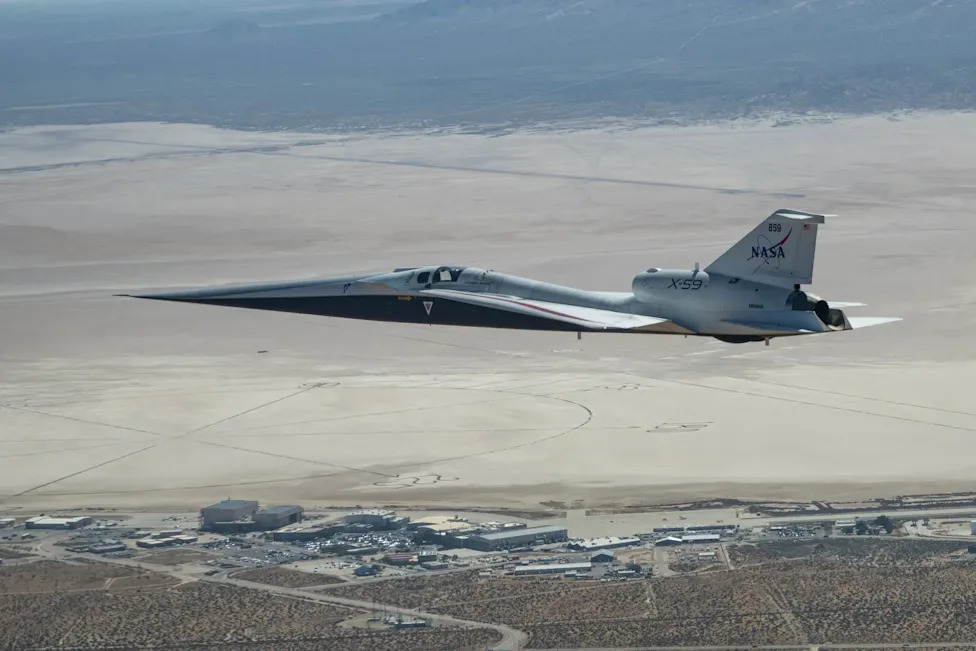
NASA’s X-59 quiet supersonic research aircraft flies above NASA’s Armstrong Flight Research Center in Edwards, California, on April 28, 2026.(NASA/Jim Ross)
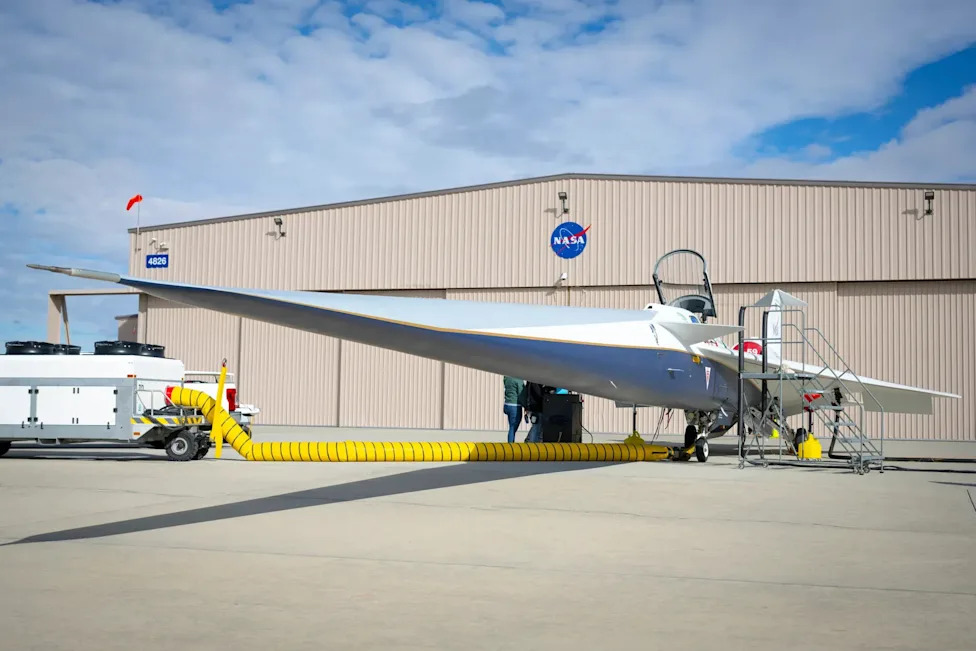
NASA’s X-59 quiet supersonic airplane sits parked in front of its new hangar home at the agency’s Armstrong Flight Research Center in California. The facility originally was constructed in 1968 and for nearly 60 years has hosted a number of research aircraft and programs.(NASA/Christopher LC Clark)
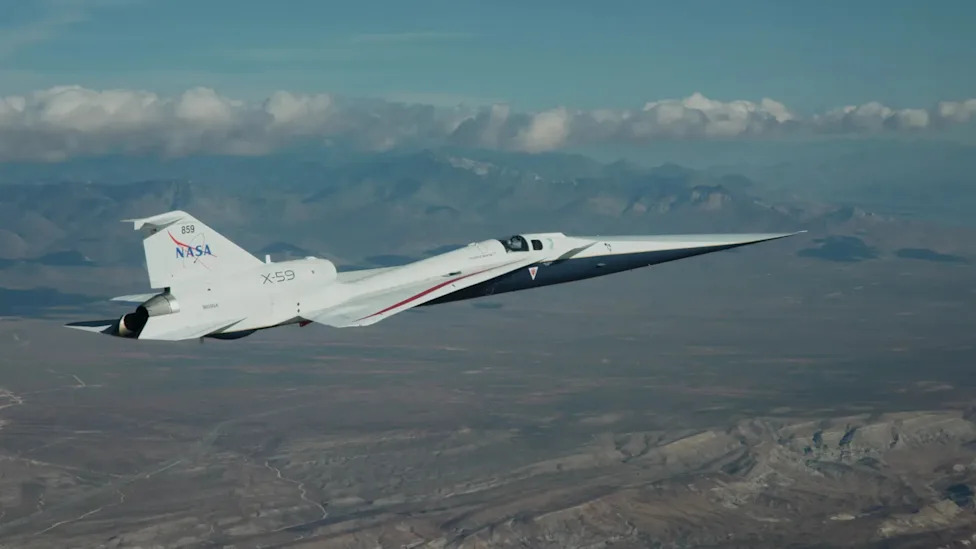
NASA’s X-59 quiet supersonic research aircraft flies over the Mojave Desert in California in this April 14, 2026, image.(Provided by NASA)
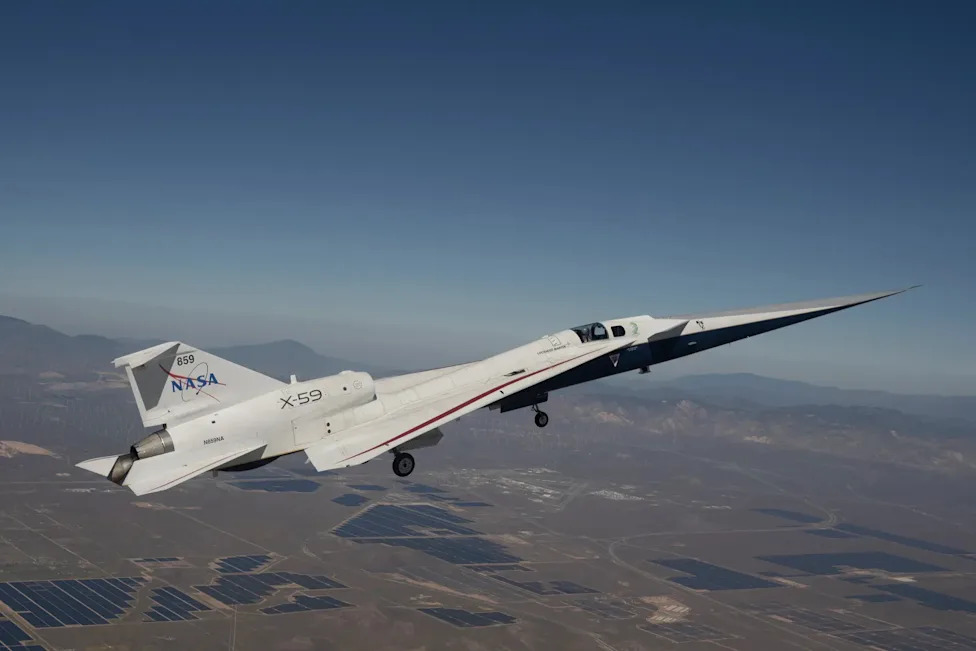
NASA’s quiet supersonic X-59 aircraft flew its second flight on March 20, 2026, near NASA’s Armstrong Flight Research Center in Edwards, California.(NASA/Jim Ross)
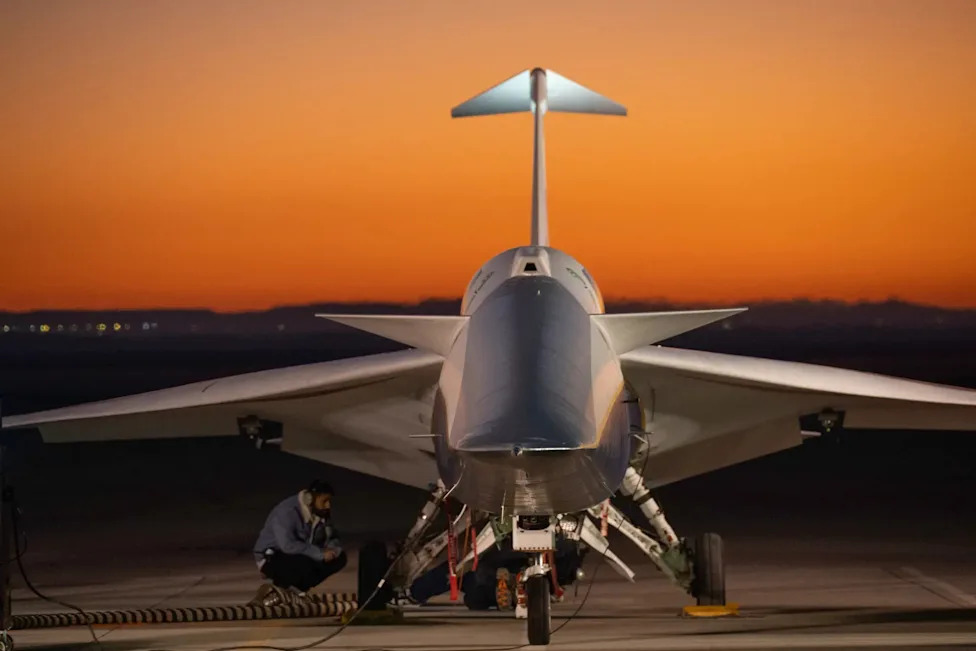
As its team prepared for second flight, NASA’s X-59 quiet supersonic aircraft underwent engine run testing on Thursday, March 12, at NASA’s Armstrong Flight Research Center in Edwards, California.(NASA/Jim Ross)
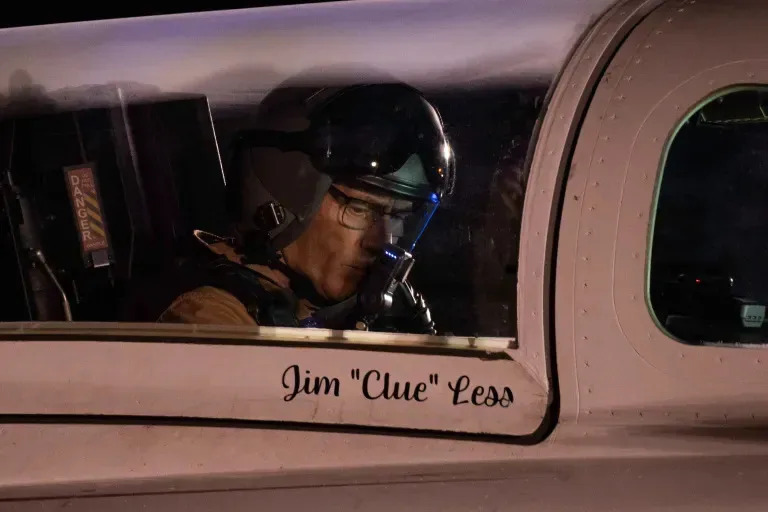
NASA test pilot Jim “Clue” Less took the X-59 through its engine run test on Thursday, March 12, at NASA’s Armstrong Flight Research Center in Edwards, California. Less will pilot the aircraft for its second flight.(NASA/Jim Ross)
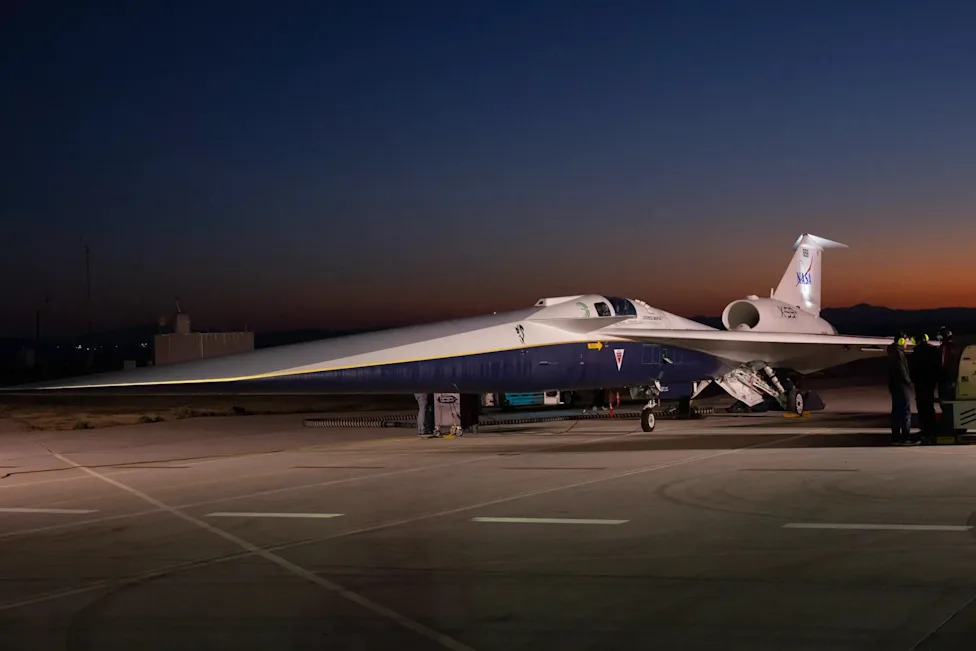
As its team prepared for second flight, NASA’s X-59 quiet supersonic aircraft underwent engine run testing on Thursday, March 12, 2026, at NASA’s Armstrong Flight Research Center in Edwards, California.(Provided by NASA)
Lunar Selfie
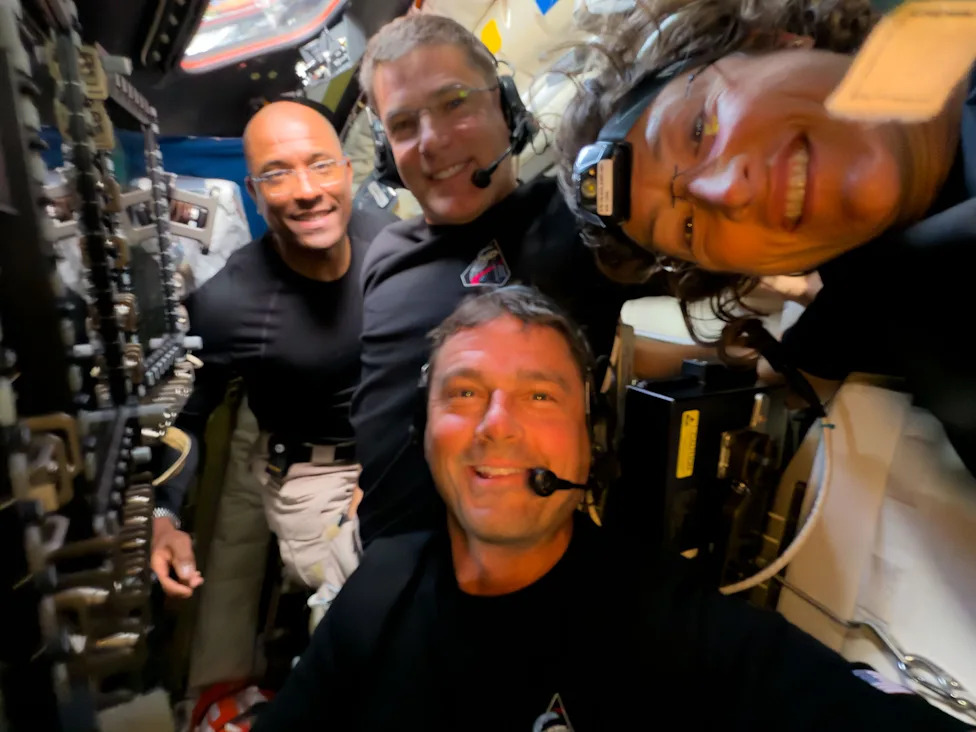
Midway through their lunar observation period, the Artemis II crew members, seen here (From left to right: Victor Glover, Jeremy Hansen, Reid Wiseman, and Christina Koch), pause to turn the camera around for a selfie inside the Orion spacecraft.(NASA)
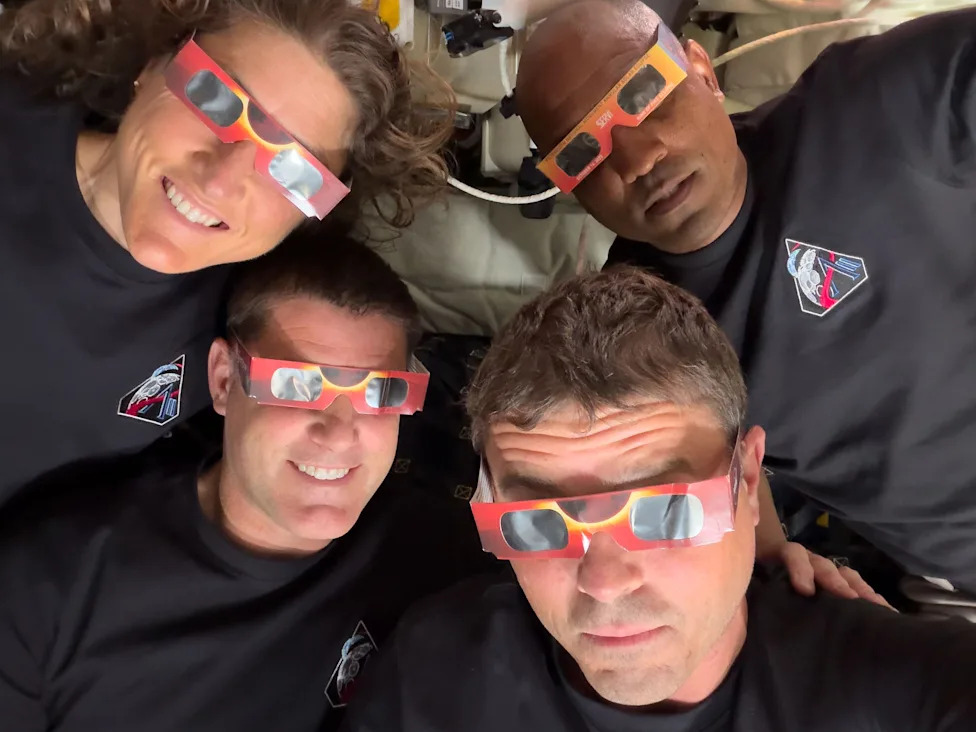
Eclipse Safety First
The Artemis II crew – Mission Specialist Christina Koch (top left), Mission Specialist Jeremy Hansen (bottom left), Commander Reid Wiseman (bottom right), and Pilot Victor Glover (top right) – uses eclipse viewers, identical to what NASA produced for the 2023 annular eclipse and 2024 total solar eclipse, to protect their eyes at key moments during the solar eclipse they experienced during their lunar flyby. This was the first use of eclipse glasses at the Moon to safely view a solar eclipse.(NASA)
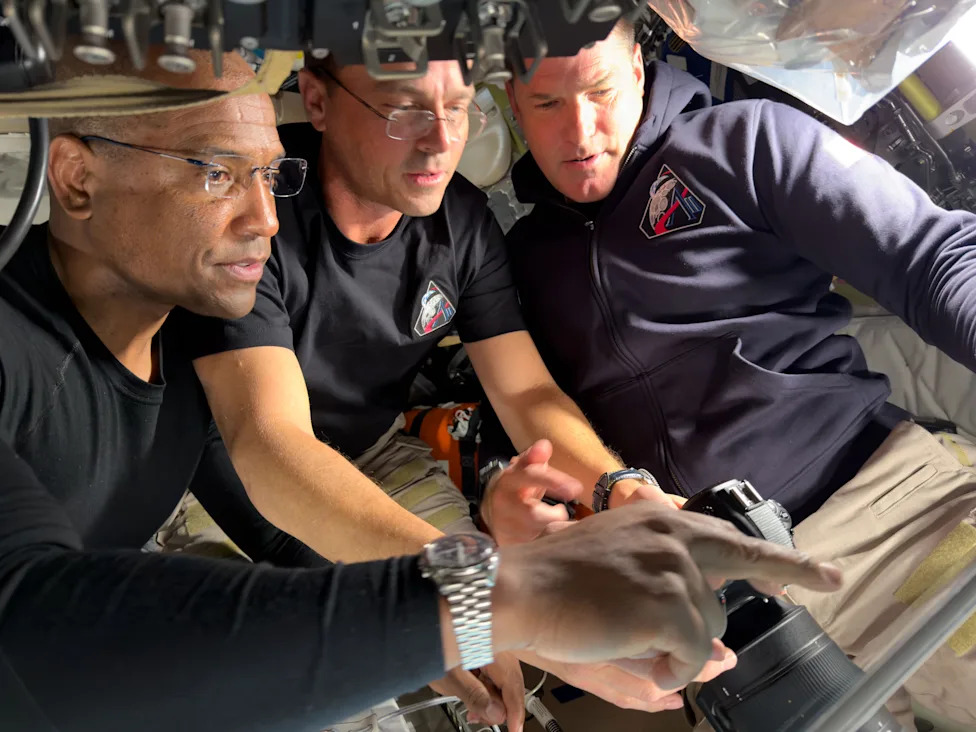
Final Flyby Preparations
Artemis II Pilot Victor Glover (Left), Commander Reid Wiseman (Center), and Mission Specialist Jeremy Hansen (Right) prepare for their journey around the far side of the Moon by configuring their camera equipment shortly before beginning their lunar flyby observations.(NASA)
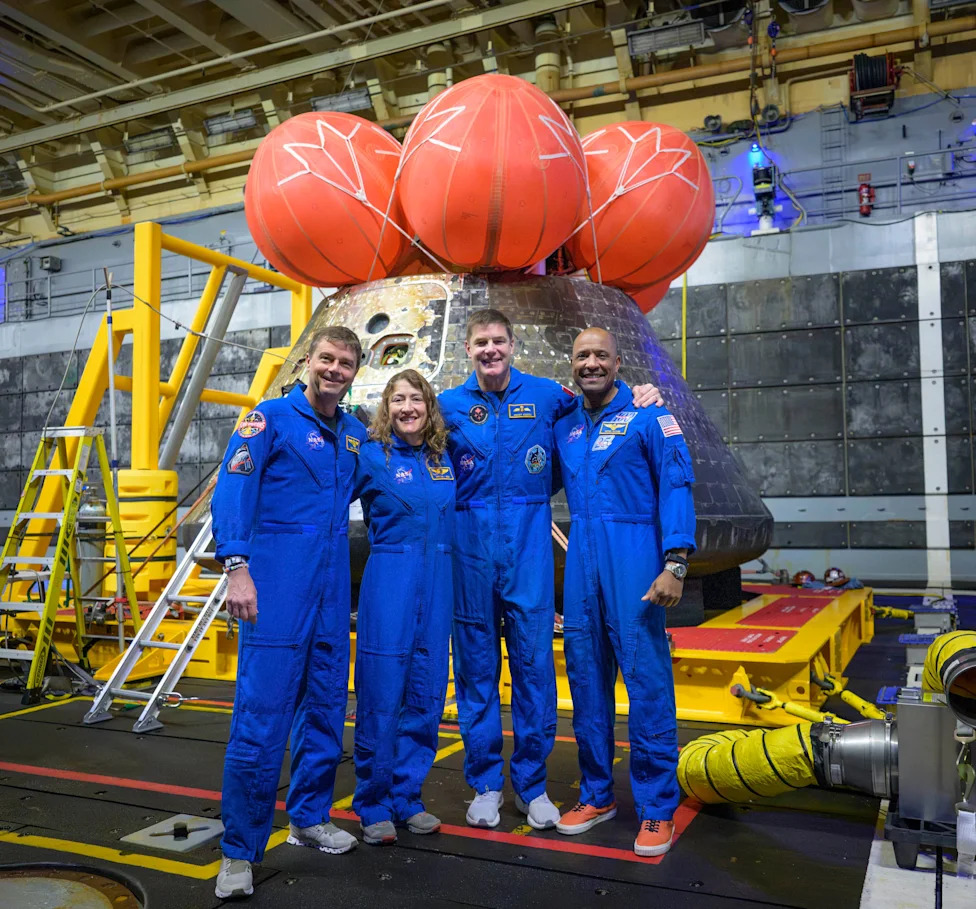
NASA astronauts Reid Wiseman, commander; left, Christina Koch, mission specialist; CSA (Canadian Space Agency) astronaut Jeremy Hansen, mission specialist; and NASA astronaut Victor Glover, Artemis II pilot, right, pose for a group photo after viewing the Orion spacecraft in the well deck of USS John P. Murtha, on April 11, 2026, in the Pacific Ocean off the coast of California. The quartet splashed down Friday, April 10 at 5:07 p.m. PDT (8:07p.m. EDT).(Bill Ingalls, NASA via Getty Images)
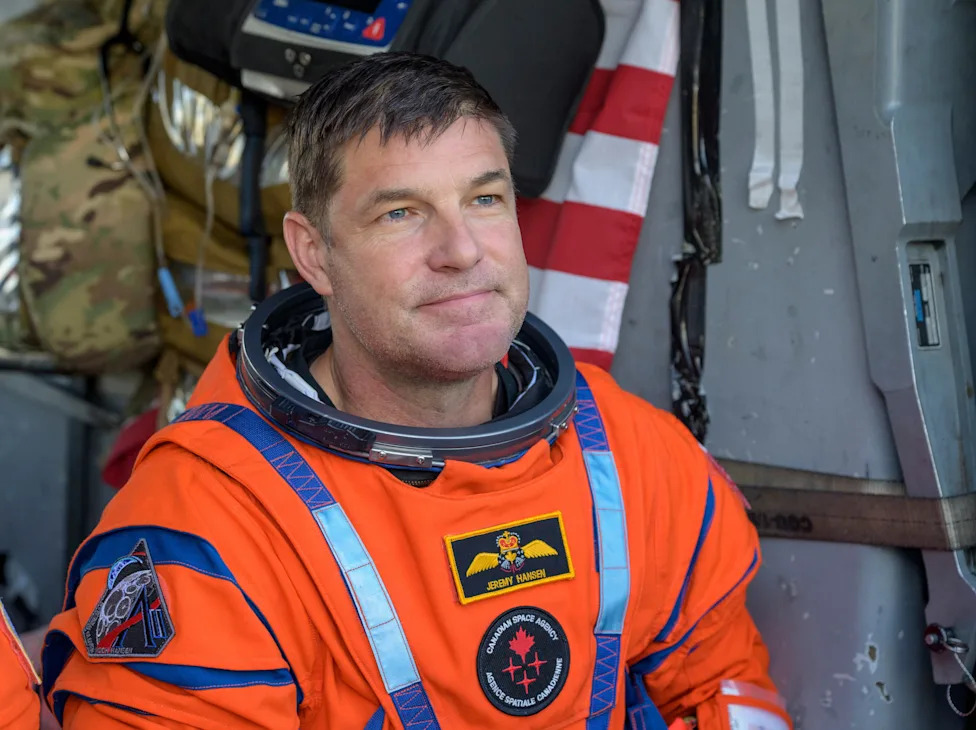
CSA (Canadian Space Agency) astronaut Jeremy Hansen, Artemis II mission specialist is seen sitting in a Navy MH-60 Seahawk from Helicopter Sea Combat Squadron (HSC) 23 on the flight deck of USS John P. Murtha after he and fellow crewmates NASA Astronauts Reid Wiseman, Victor Glover, and Christina Koch, were extracted from their Orion spacecraft after splashdown, Friday, April 10, 2026, in the Pacific Ocean off the coast of California. NASA's Artemis II mission took the quartet on a nearly 10-day journey around the Moon and back to Earth. Following a splashdown at 5:07 p.m. PDT (8:07 p.m. EDT), NASA, U.S. Navy, and U.S. Air Force teams are working to bring the Orion spacecraft aboard the recovery ship.(Bill Ingalls, NASA via Getty Images)
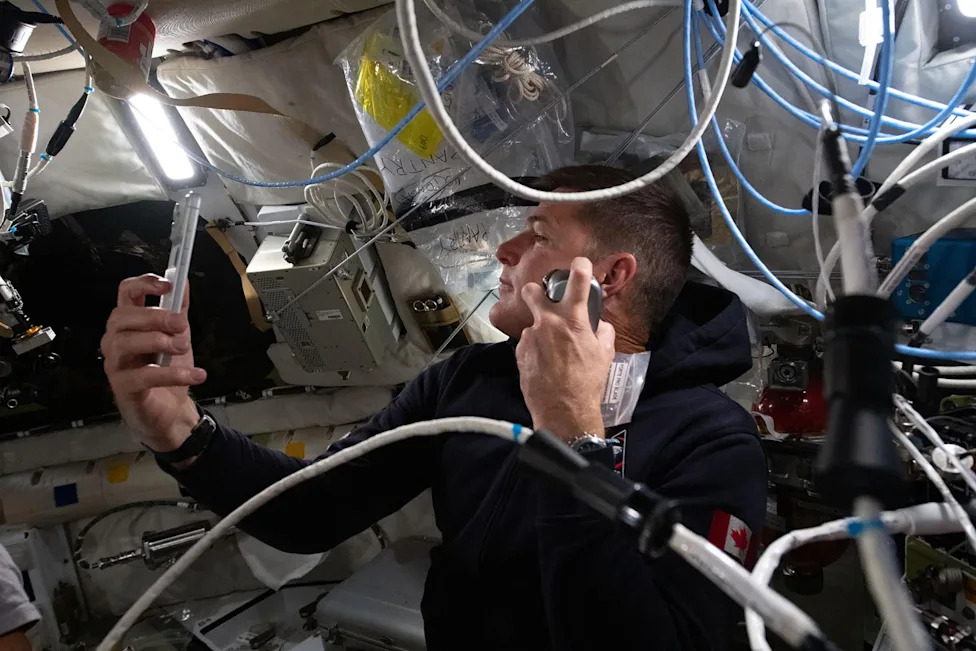
This handout image released by NASA shows Artemis II mission specialist and CSA (Canadian Space Agency) astronaut Jeremy Hansen shaving inside the Orion spacecraft during Flight Day 5 and ahead of the crew's lunar flyby on April 6, 2026. The Artemis astronauts entered the final phase of their run-up to a lunar loop on April 6, a tipping point of sorts that means the Moon's gravity is now having a stronger pull on the spacecraft than Earth's. The Orion capsule will now whip around the Moon, setting the crew up to travel farther from our home planet than any human before.(NASA/AFP via Getty Images)
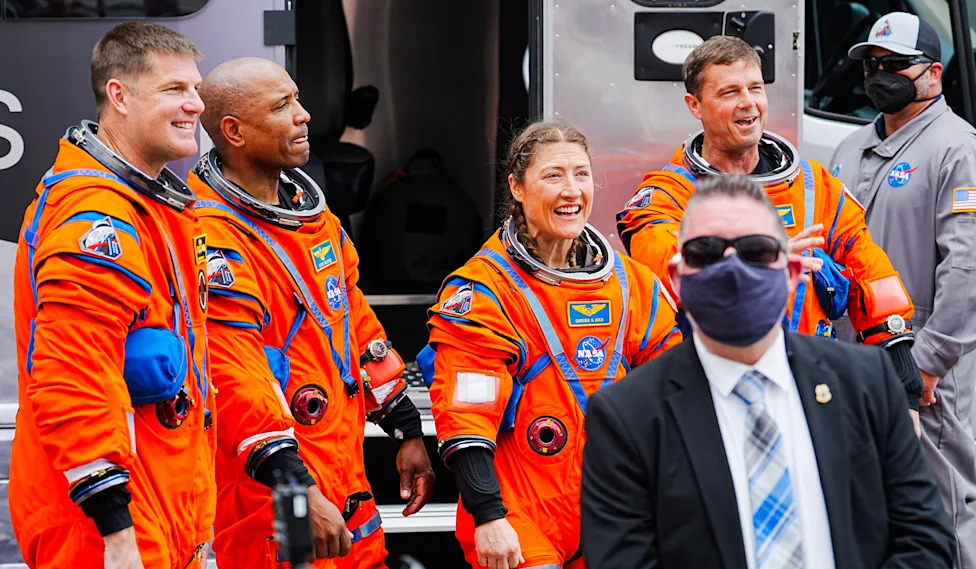
The Artemis II astronauts (from left) Mission Specialist Jeremy Hansen, Pilot Victor Glover, Commander Reid Wiseman and Mission Specialist Christina Koch leave crew quarters at Kennedy Space Center, FL April 1, 2026 headed to Pad 39B for launch on an 10-day rendezvous with the Moon. Craig Bailey, FLORIDA TODAY via USA TODAY NETWORK(Craig Bailey, FLORIDA TODAY)
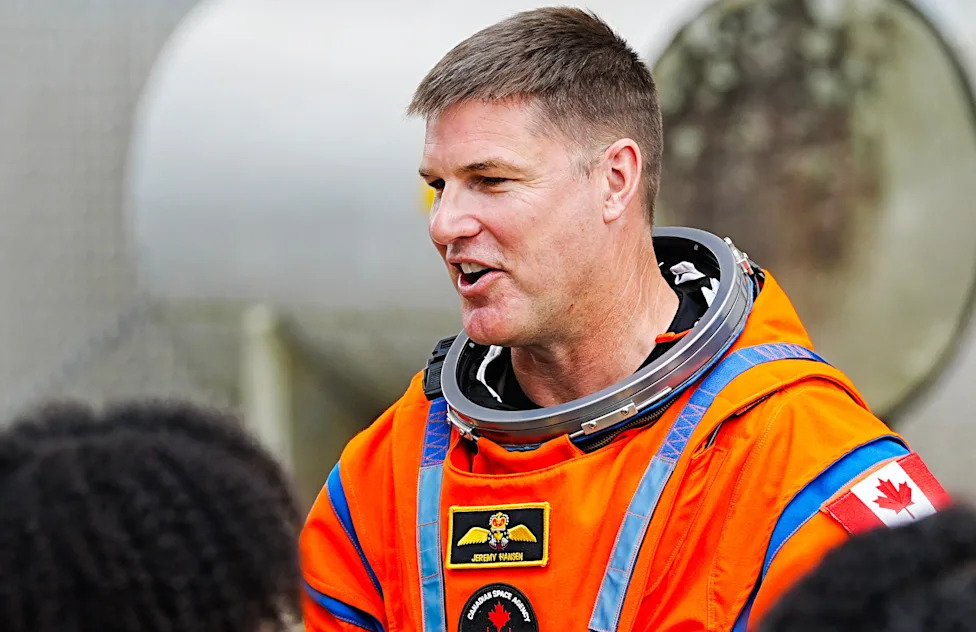
Artemis II Mission Specialist Jeremy Hansen talks with family as the crew leaves crew quarters at Kennedy Space Center, FL April 1, 2026. They’re headed to Pad 39B for launch on an 10-day rendezvous with the Moon. Craig Bailey, FLORIDA TODAY via USA TODAY NETWORK(Craig Bailey, FLORIDA TODAY)
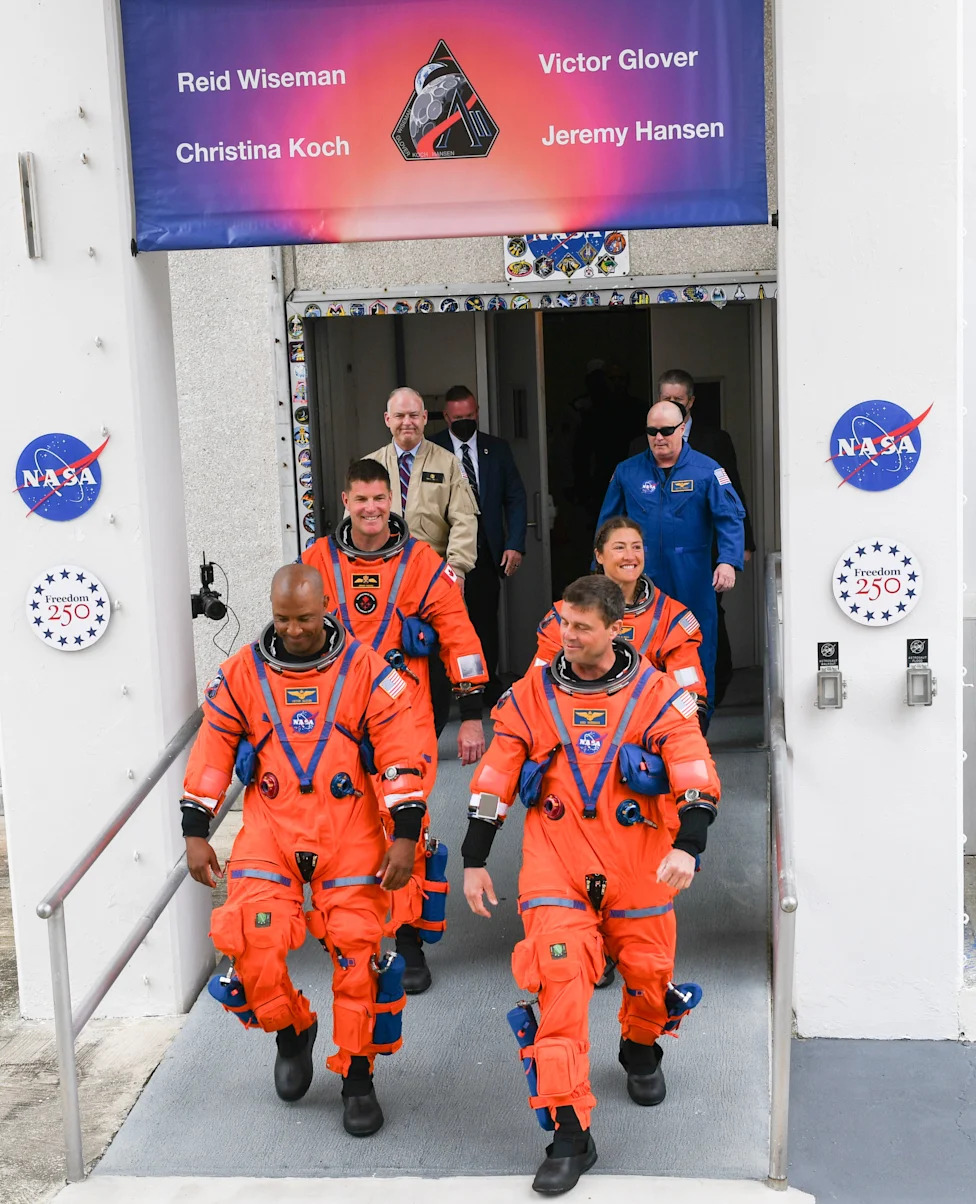
The Artemis II astronauts leave crew quarters at Kennedy Space Center, FL April 1, 2026 headed to Pad 39B for launch on an 10-day rendezvous with the Moon. Craig Bailey, FLORIDA TODAY via USA TODAY NETWORK(Craig Bailey, FLORIDA TODAY)
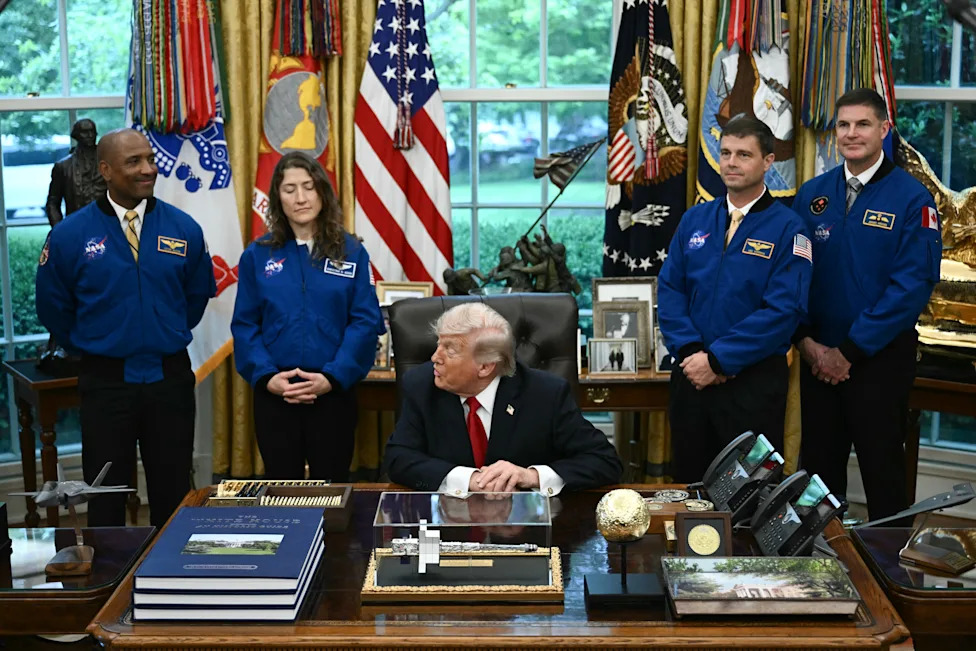
US President Donald Trump welcomes Artemis II astronauts Victor Glover (L), Christina Koch (2nd L), Reid Wiseman (2nd R) and Jeremy Hansen (R) in the Oval Office at the White House in Washington, DC, on April 29, 2026.(BRENDAN SMIALOWSKI, AFP via Getty Images)
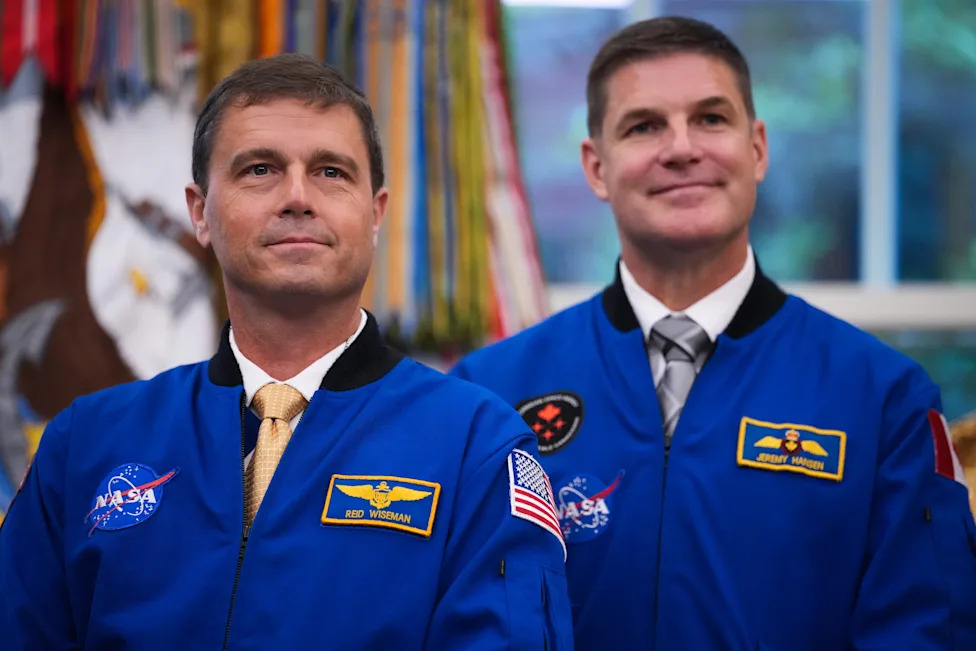
Commander Reid Wiseman (L) and mission specialist Jeremy Hansen of CSA (Canadian Space Agency) look on during a meeting with U.S. President Donald Trump in the Oval Office of the White House on April 29, 2026 in Washington, DC.(Andrew Harnik, Getty Images)
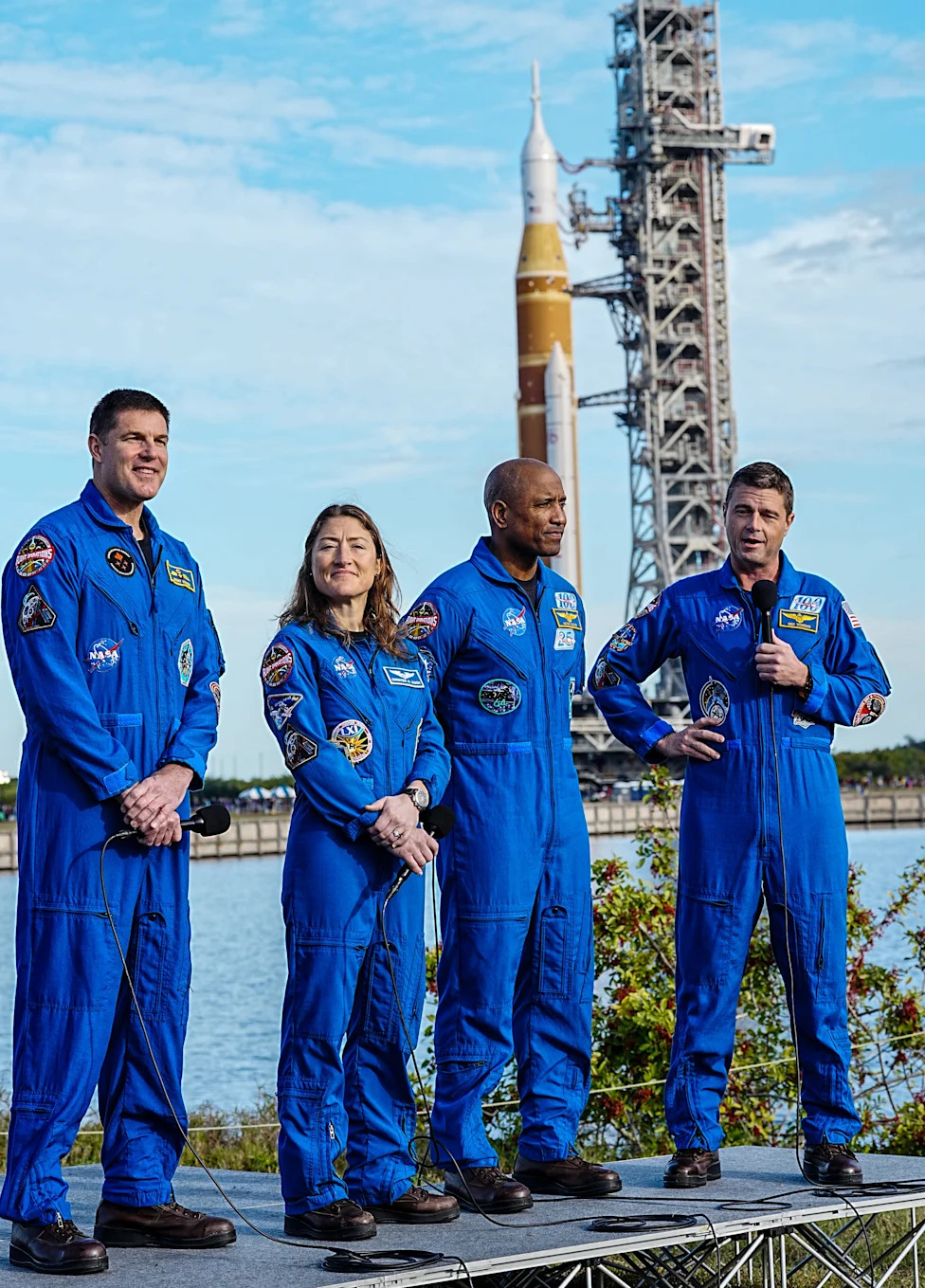
The crew of Artemis II (from left: Mission Specialist Jeremy Hansen, Mission Specialist Christina Koch, Pilot Victor Glover and Commander Reid Wiseman) answer questions at a press conference as their Space Launch System rocket is transported to Pad 39B January 17, 2026. Artemis II is tentatively scheduled to launch on a mission to th Moon in early February. Craig Bailey/FLORIDA TODAY via USA TODAY NETWORK(Craig Bailey/FLORIDA TODAY)
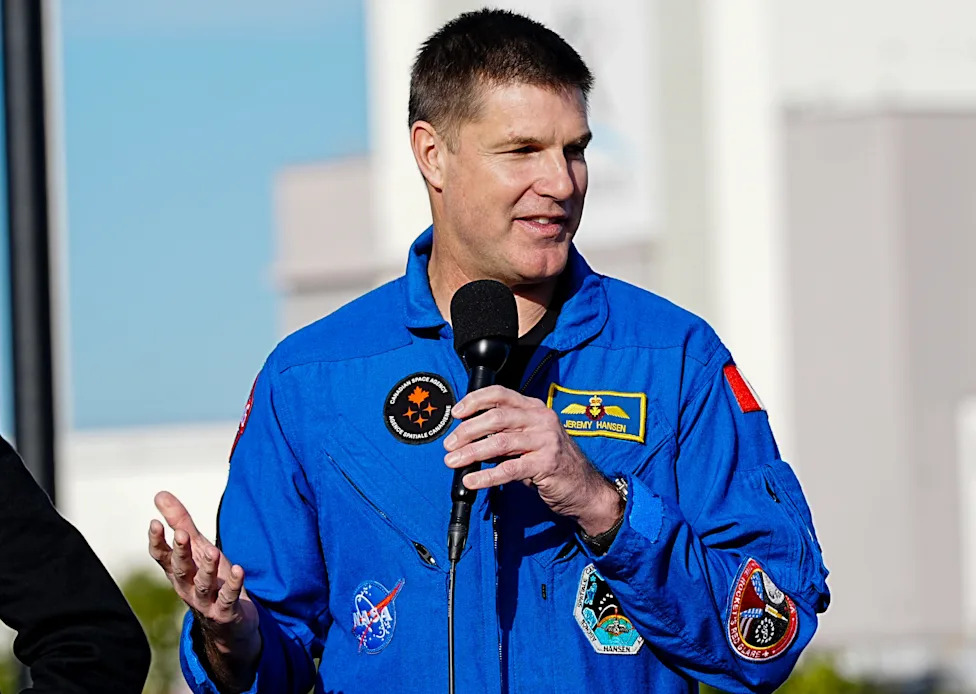
Artemis II Mission Specialist Jeremy Hansen answers questions during a press conference at Kennedy Space Center, FL January 17, 2026. The Artemis II crew is tentatively scheduled to launch in early February. Craig Bailey/FLORIDA TODAY via USA TODAY NETWORK(Craig Bailey/FLORIDA TODAY)
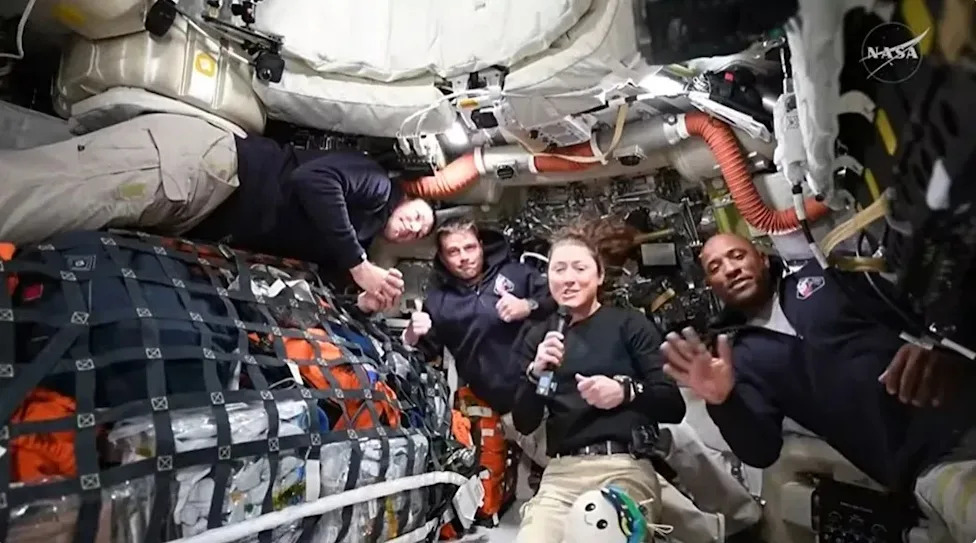
Artemis II crew members Jeremy Hansen, Reid Wiseman, Christina Koch, and Victor Glover answer questions from reporters during the first downlink event of their mission.(Provided by NASA)
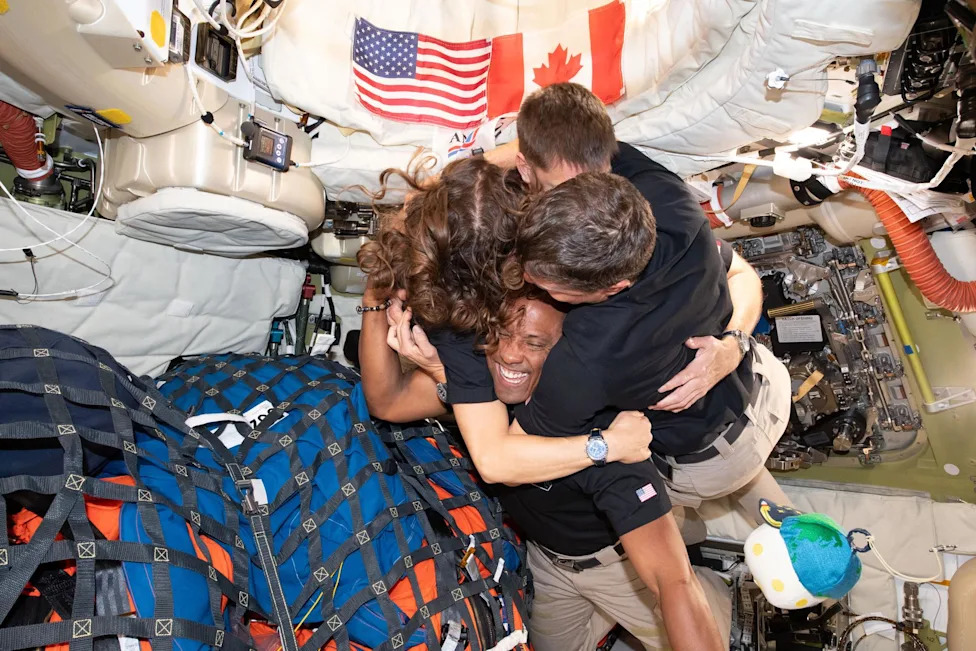
The crew members of Artemis II embrace following the historic lunar flyby April 6, during which the astronauts flew farther from Earth than anyone in human history while seeing sights of the moon's far side never seen in person.(Provided by NASA)
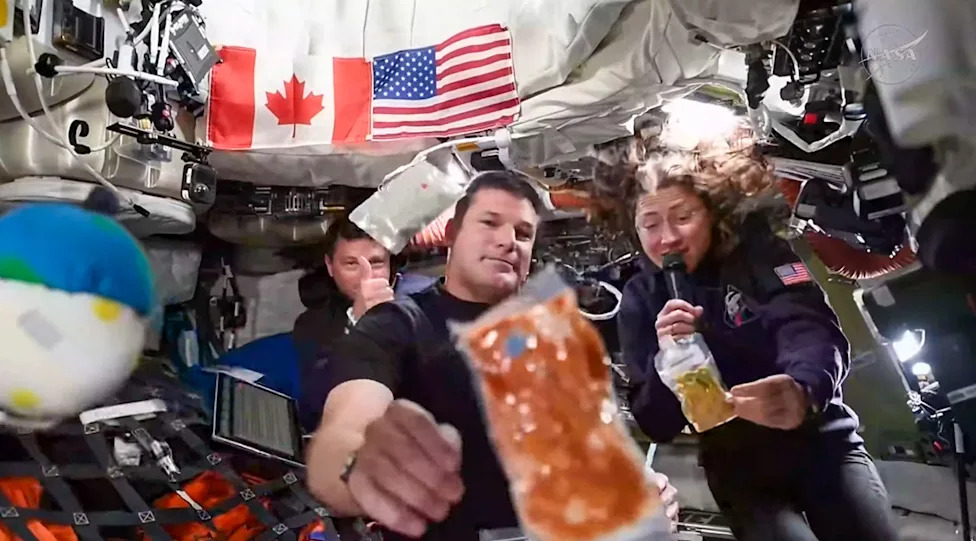
This screengrab taken from a NASA livestream shows Artemis II mission astronauts (L-R) NASA's commander Reid Wiseman, Canadian Space Agency's mission specialist Jeremy Hansen and NASA's mission specialist Christina Koch during a brief demonstration of the food they eat in space to respond a question during a "VIP call" with Canadian children inside the Orion spacecraft while on their way to the Moon on April 4, 2026. The four astronauts for the Artemis II mission were gearing up April 4 for their long-anticipated lunar flyby, including reviewing the surface features they must analyze and photograph during their time circling the Moon.(NASA, AFP via Getty Images)
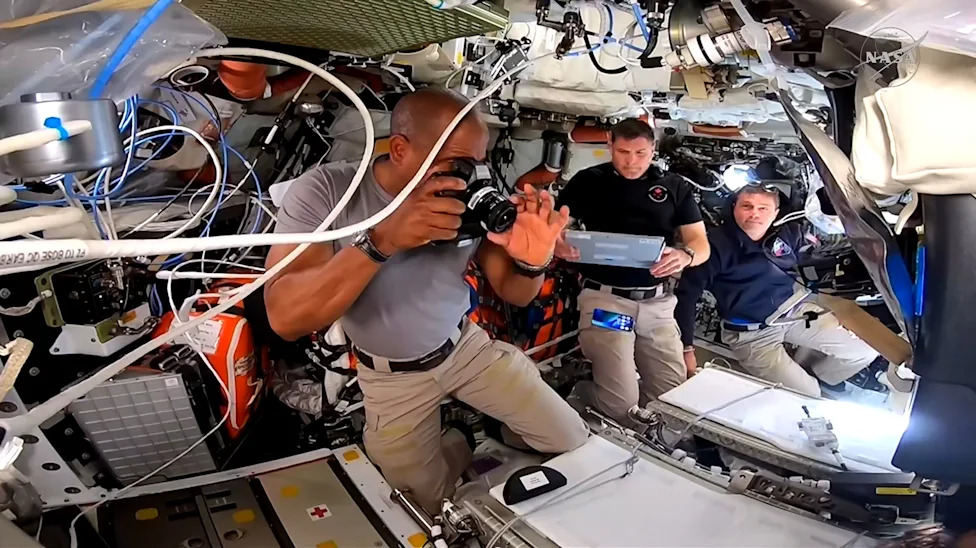
Victor Glover, Jeremy Hansen, and Reid Wiseman work together inside the Orion spacecraft on their way to the moon.(Provided by NASA)
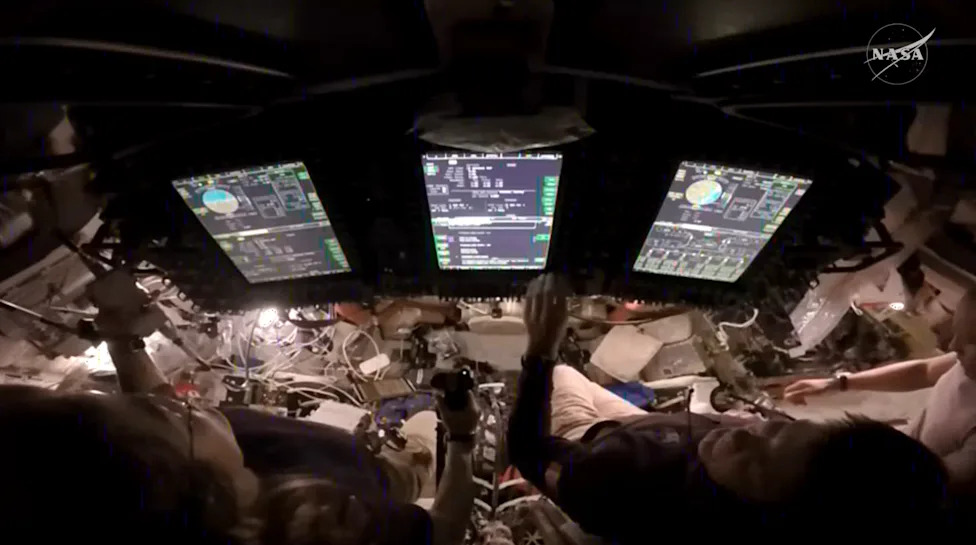
NASA astronaut Christina Koch, left, takes control of the Orion spacecraft during a manual piloting test of the Artemis II mission. To her right is CSA (Canadian Space Agency) astronaut Jeremy Hansen and NASA astronaut Victor Glover.(Provided by NASA)
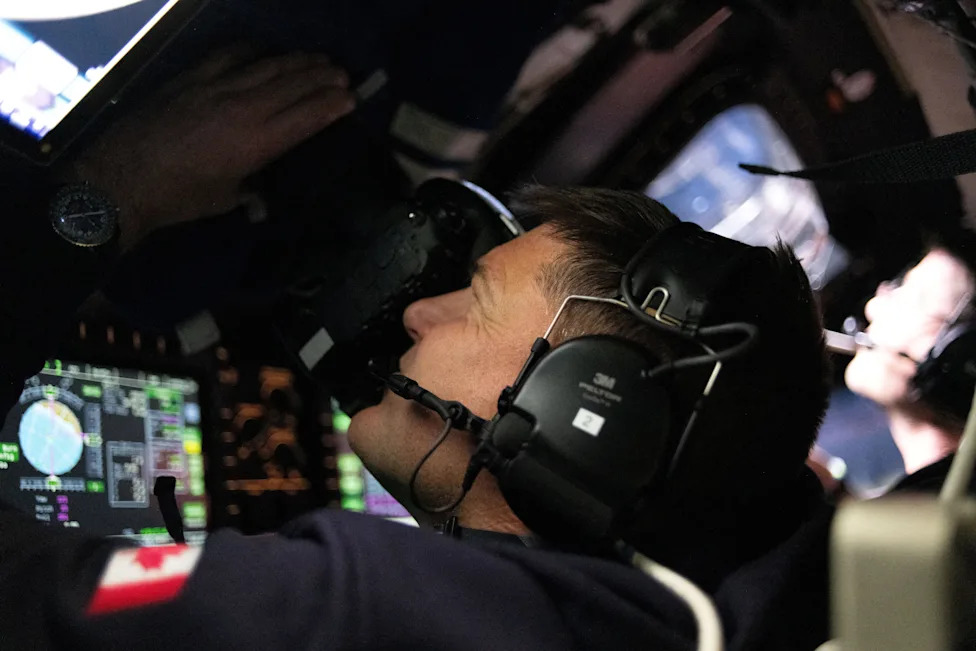
Canadian Space Agency (CSA) astronaut and Artemis II Mission Specialist Jeremy Hansen takes photographs through the Orion spacecraft's window during the Artemis II crew’s flyby of the Moon April 6, 2026.(NASA/Handout via Reuters)
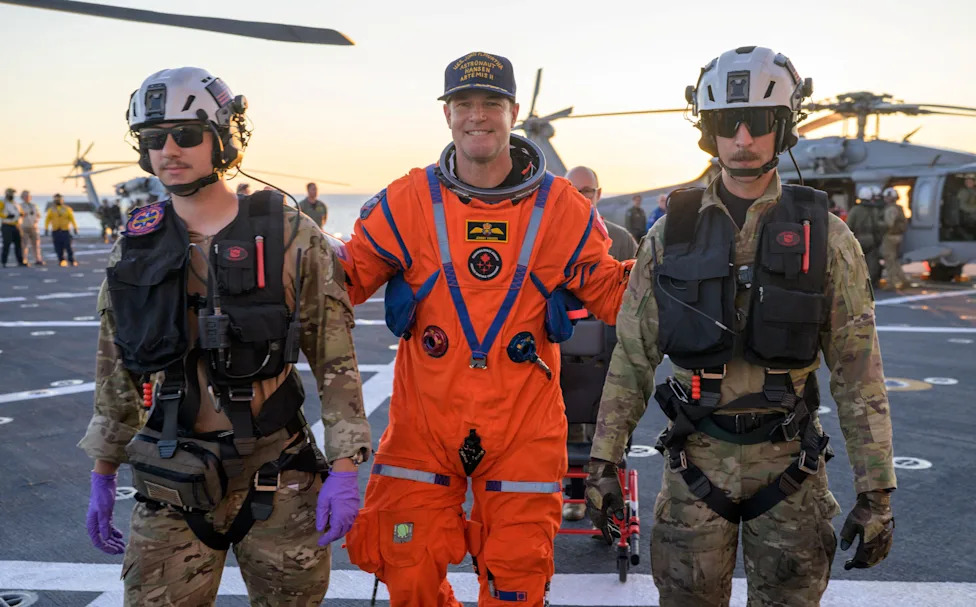
CSA (Canadian Space Agency) astronaut Jeremy Hansen, Artemis II mission specialist, is assisted off the flight deck after arriving aboard USS John P. Murtha after he and fellow crewmates were extracted from their Orion spacecraft after splashdown, in the Pacific Ocean off the coast of California, U.S. April 10, 2026.(NASA/Bill Ingalls, via Reuters)
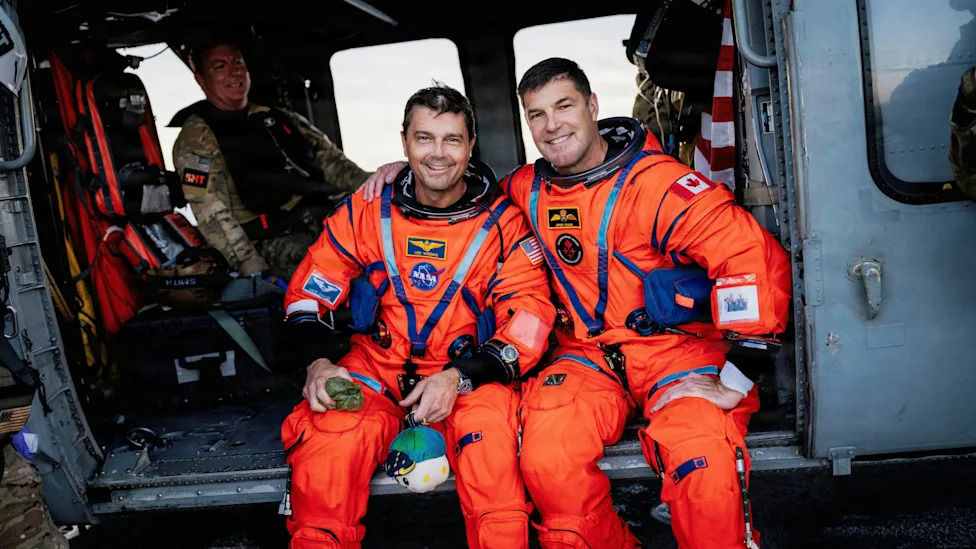
NASA astronaut Reid Wiseman and Canadian Space Agency (CSA) astronaut Jeremy Hansen pose for a photo in an U.S. Navy MH-60S Seahawk on the flight deck of the U.S. Navy's USS John P. Murtha after returning from their Artemis II Moon flyby mission's Orion capsule, which splashed down in the Pacific Ocean off the coast of California, U.S. April 10, 2026.(U.S. Navy/Mass Communication Specialist 2nd Class August Clawson/Handout via Reuters)
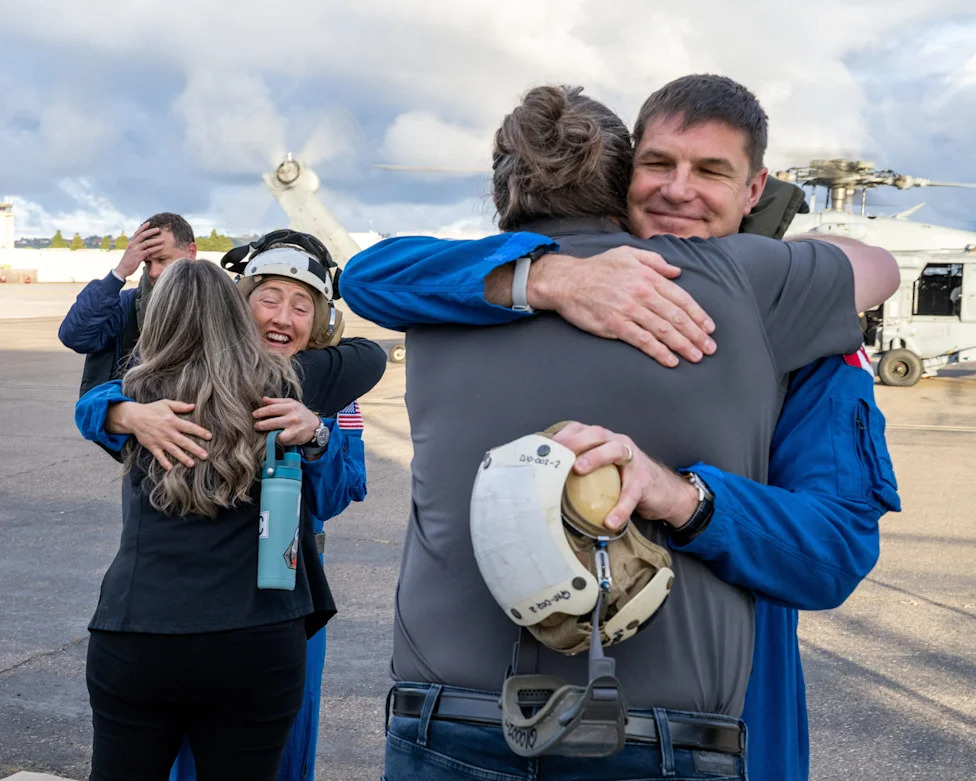
Artemis II NASA astronaut Christina Koch and Canadian Space Agency (CSA) astronaut Jeremy Hansen greet NASA team members after being flown the day after their splashdown to Naval Air Station North Island in San Diego, California, U.S. April 11, 2026. NASA’s Artemis II mission took four astronauts on a nearly ten day journey around the Moon and back to Earth.(NASA/Keegan Barber, via Reuters)
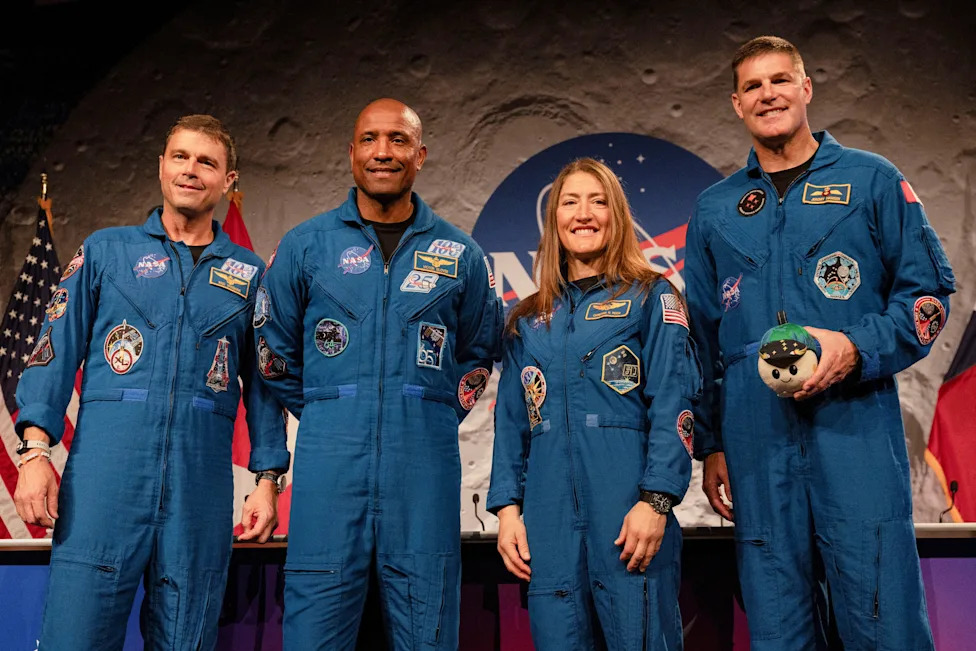
The four-member crew of the Artemis II Moon mission's Orion capsule, Reid Wiseman, Victor Glover, Christina Koch and Jeremy Hansen, pose for a picture during a press conference at NASA's Johnson Space Centre in Houston, Texas, U.S. April 16, 2026.(Lexi Parra/Reuters)
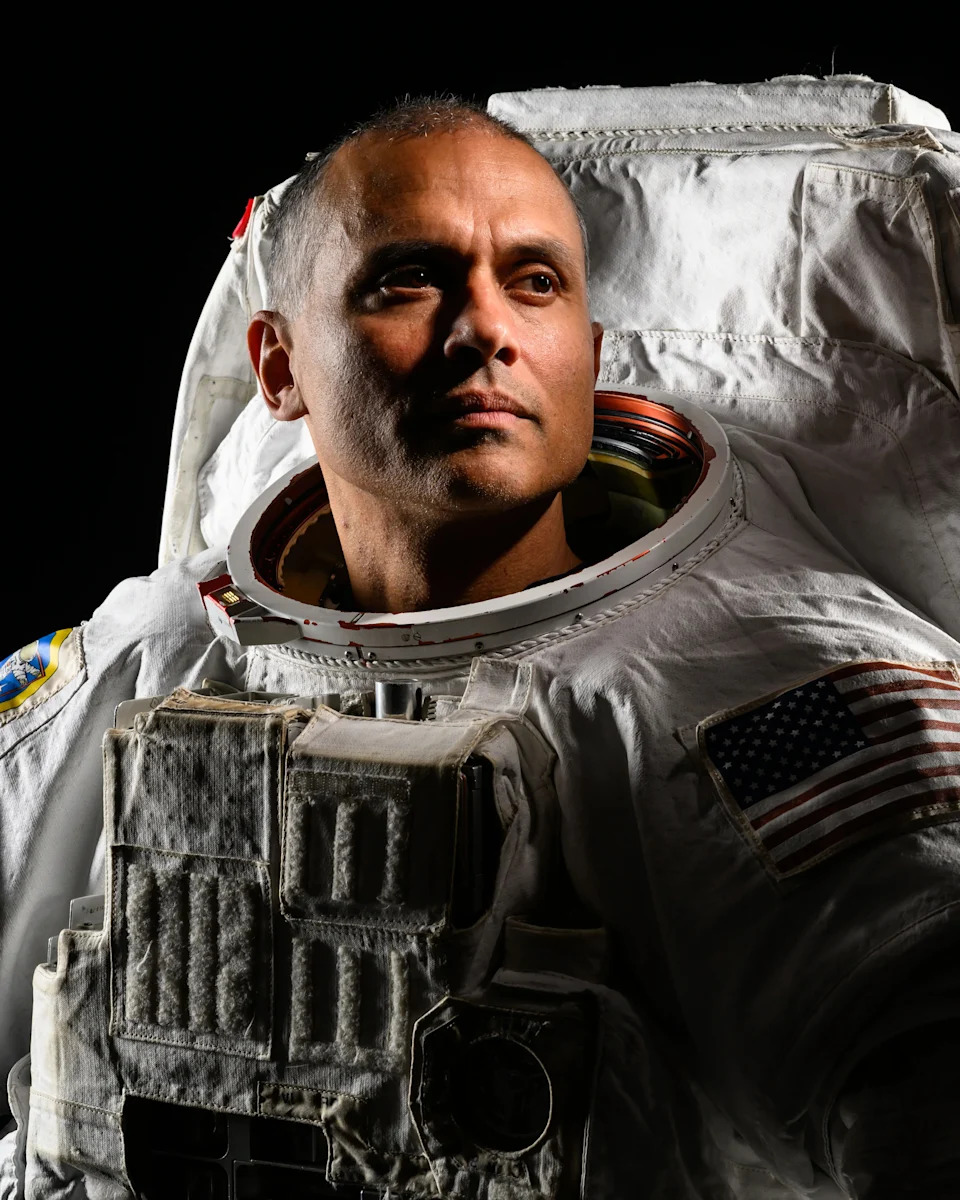
NASA astronaut Anil Menon poses in a spacesuit for a portrait at NASA’s Johnson Space Center in Houston, Texas on Jan. 8, 2026.
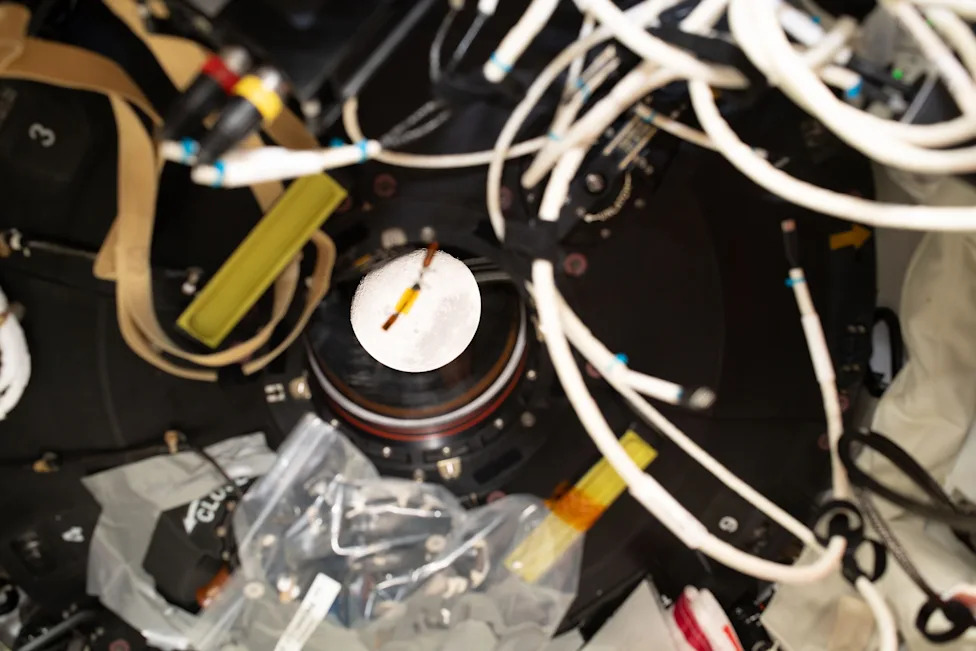
NASA released thousands of new photos taken during the Artemis II mission around the moon. The astronauts selected for the mission thoroughly documented the 10-day voyage, which included an April 6 lunar flyby as they traveled more than a quarter-million miles from Earth.(Provided by NASA)
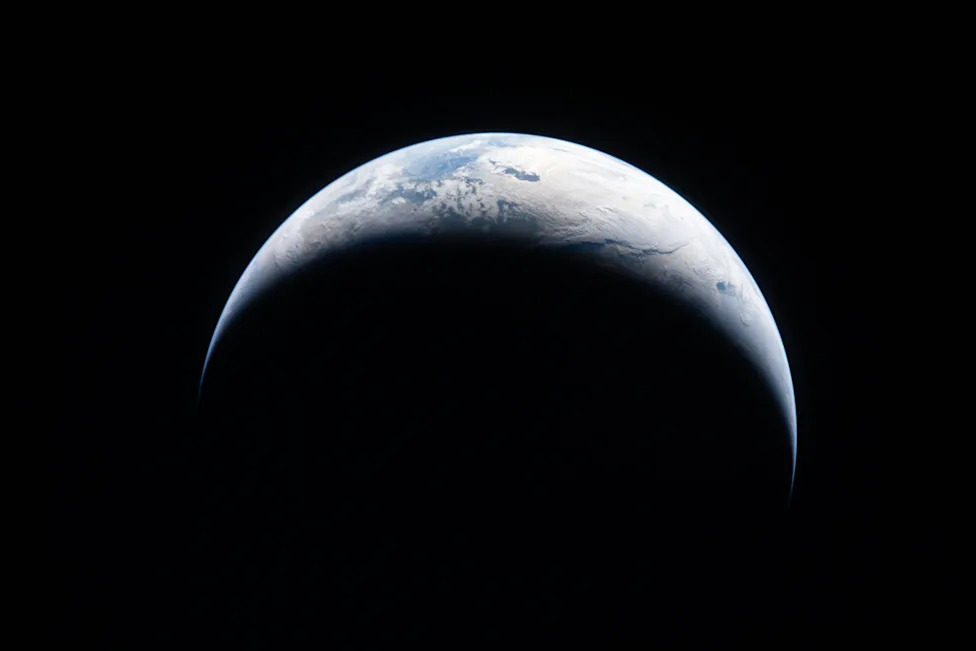
NASA released thousands of new photos taken during the Artemis II mission around the moon. The astronauts selected for the mission thoroughly documented the 10-day voyage, which included an April 6 lunar flyby as they traveled more than a quarter-million miles from Earth.(Provided by NASA)
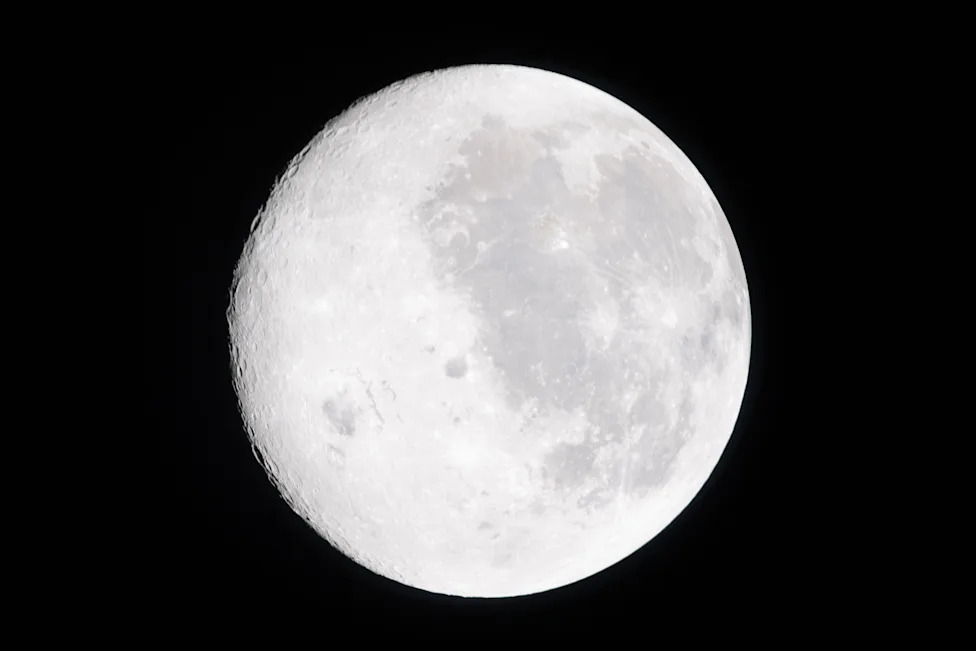
NASA released thousands of new photos taken during the Artemis II mission around the moon. The astronauts selected for the mission thoroughly documented the 10-day voyage, which included an April 6 lunar flyby as they traveled more than a quarter-million miles from Earth.(Provided by NASA)
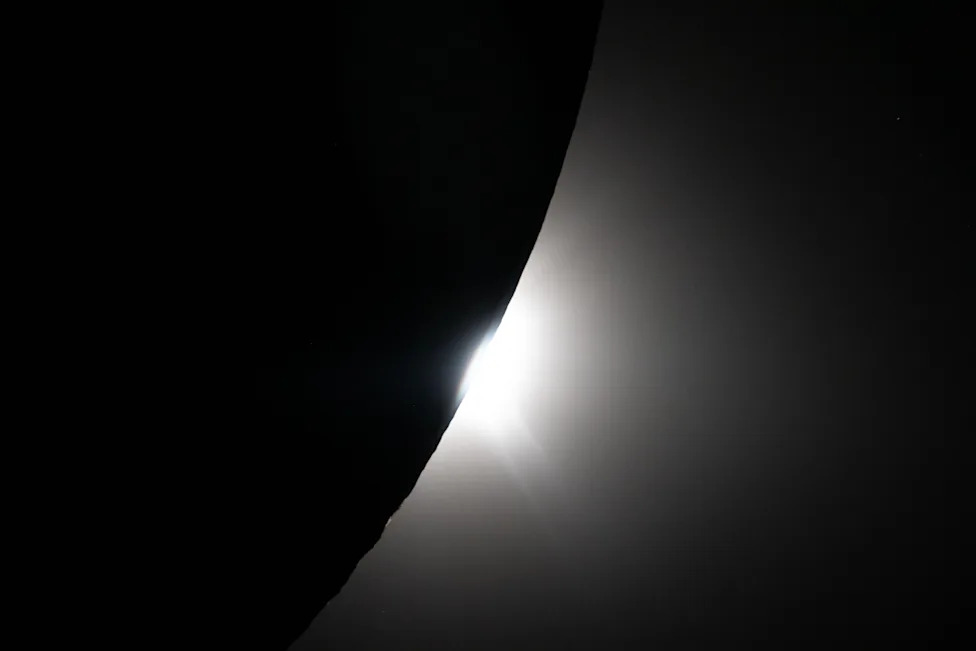
NASA released thousands of new photos taken during the Artemis II mission around the moon. The astronauts selected for the mission thoroughly documented the 10-day voyage, which included an April 6 lunar flyby as they traveled more than a quarter-million miles from Earth.(Provided by NASA)
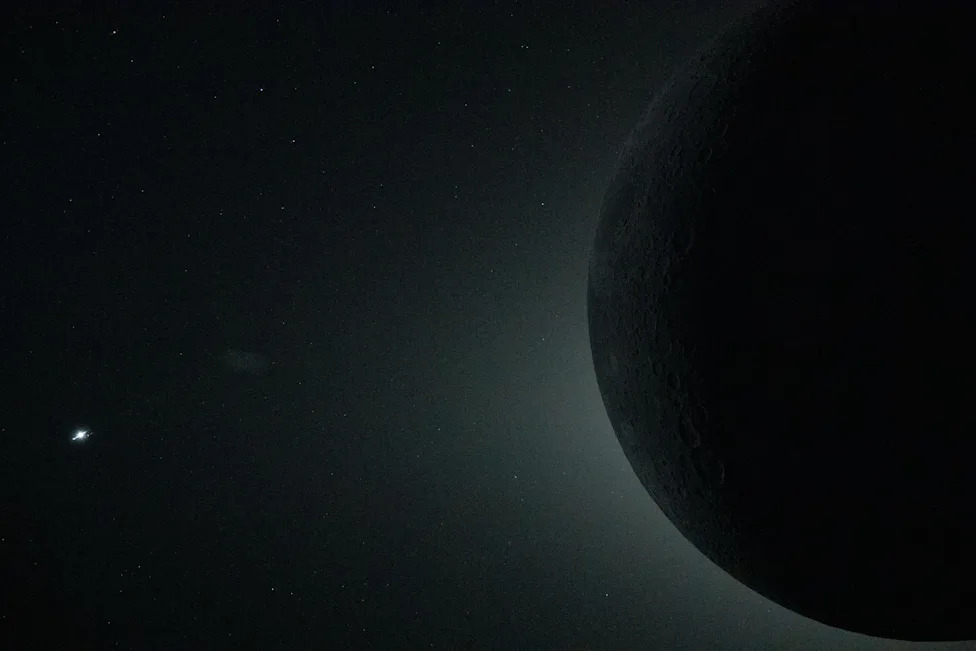
NASA released thousands of new photos taken during the Artemis II mission around the moon. The astronauts selected for the mission thoroughly documented the 10-day voyage, which included an April 6 lunar flyby as they traveled more than a quarter-million miles from Earth.(Provided by NASA)
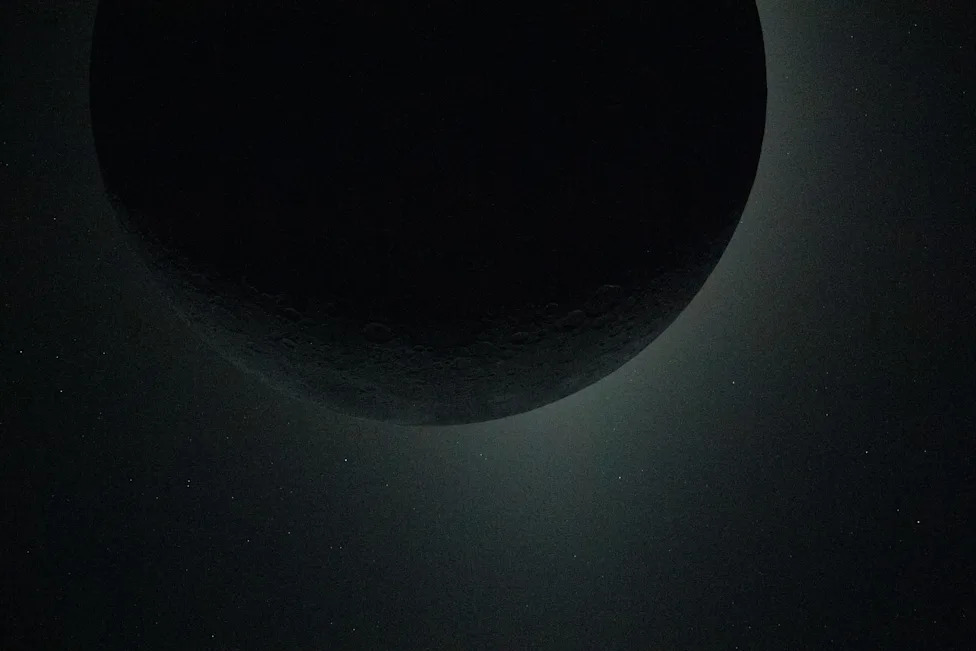
NASA released thousands of new photos taken during the Artemis II mission around the moon. The astronauts selected for the mission thoroughly documented the 10-day voyage, which included an April 6 lunar flyby as they traveled more than a quarter-million miles from Earth.(Provided by NASA)
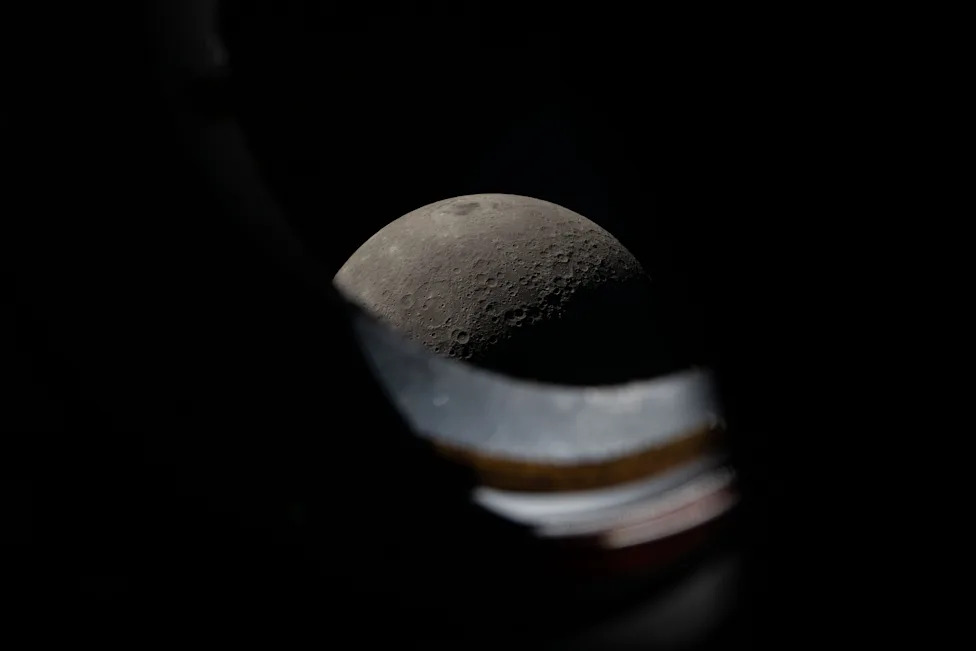
NASA released thousands of new photos taken during the Artemis II mission around the moon. The astronauts selected for the mission thoroughly documented the 10-day voyage, which included an April 6 lunar flyby as they traveled more than a quarter-million miles from Earth.(Provided by NASA)
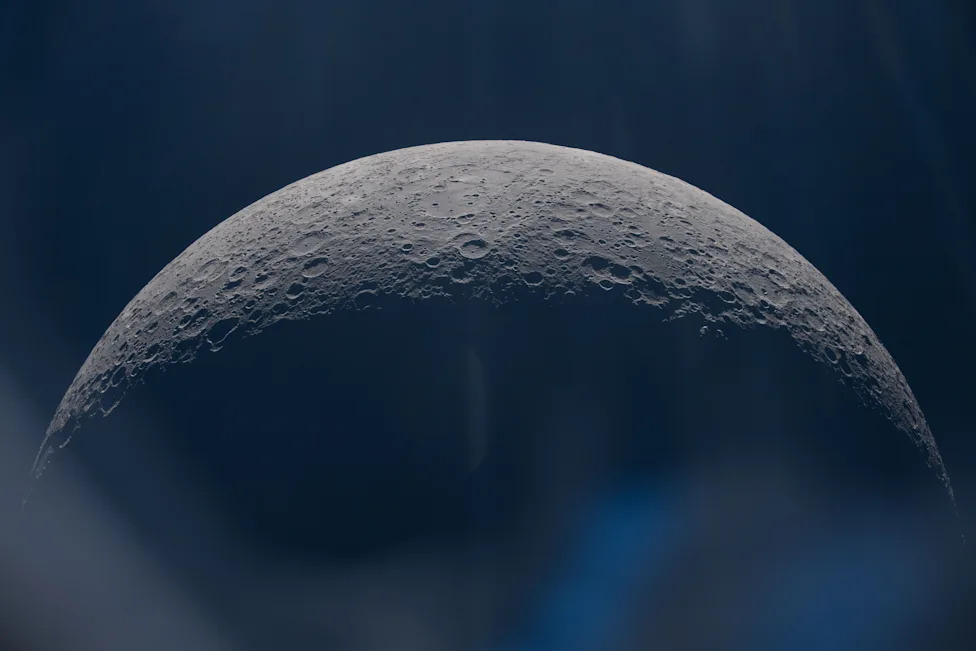
NASA released thousands of new photos taken during the Artemis II mission around the moon. The astronauts selected for the mission thoroughly documented the 10-day voyage, which included an April 6 lunar flyby as they traveled more than a quarter-million miles from Earth.(Provided by NASA)
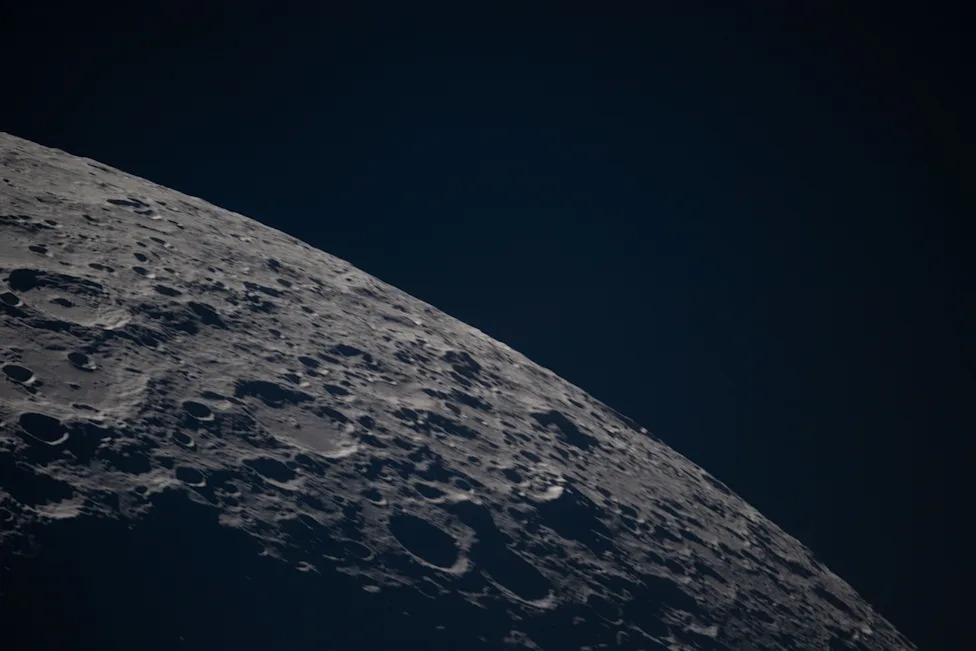
NASA released thousands of new photos taken during the Artemis II mission around the moon. The astronauts selected for the mission thoroughly documented the 10-day voyage, which included an April 6 lunar flyby as they traveled more than a quarter-million miles from Earth.(Provided by NASA)
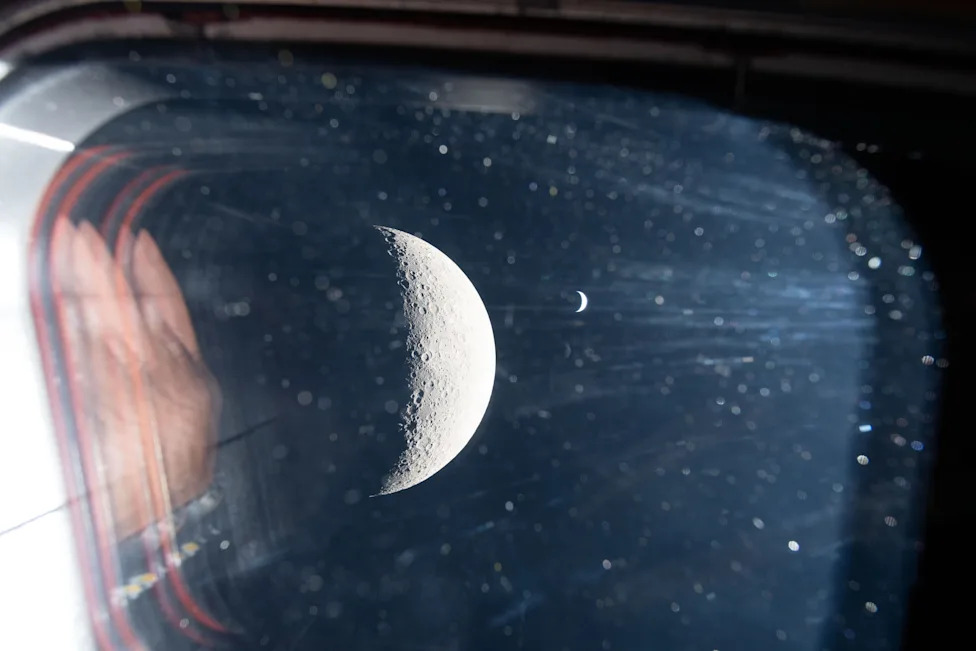
NASA released thousands of new photos taken during the Artemis II mission around the moon. The astronauts selected for the mission thoroughly documented the 10-day voyage, which included an April 6 lunar flyby as they traveled more than a quarter-million miles from Earth.(Provided by NASA)
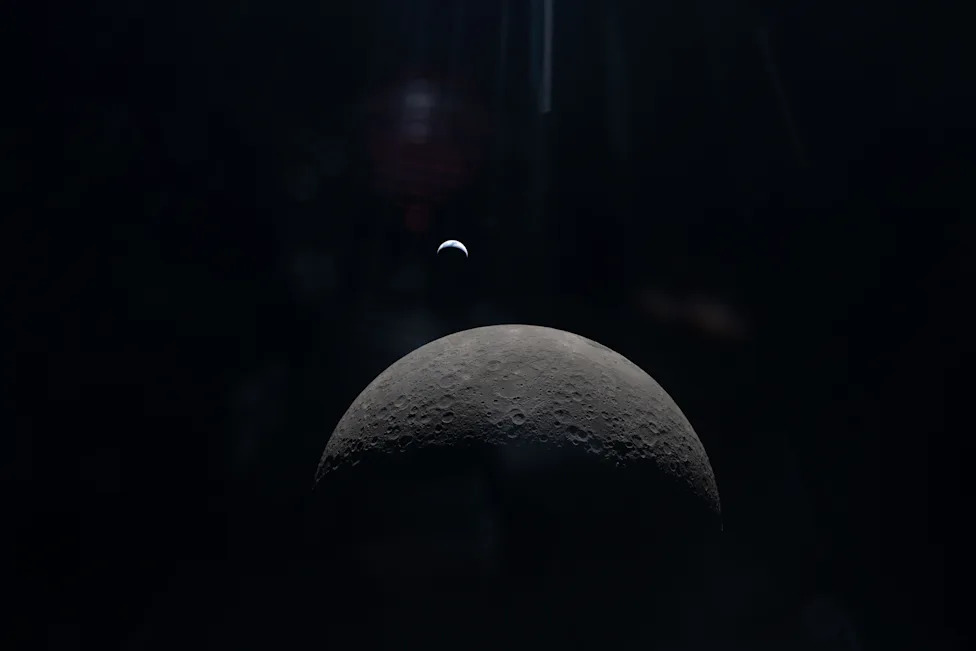
NASA released thousands of new photos taken during the Artemis II mission around the moon. The astronauts selected for the mission thoroughly documented the 10-day voyage, which included an April 6 lunar flyby as they traveled more than a quarter-million miles from Earth.(Provided by NASA)
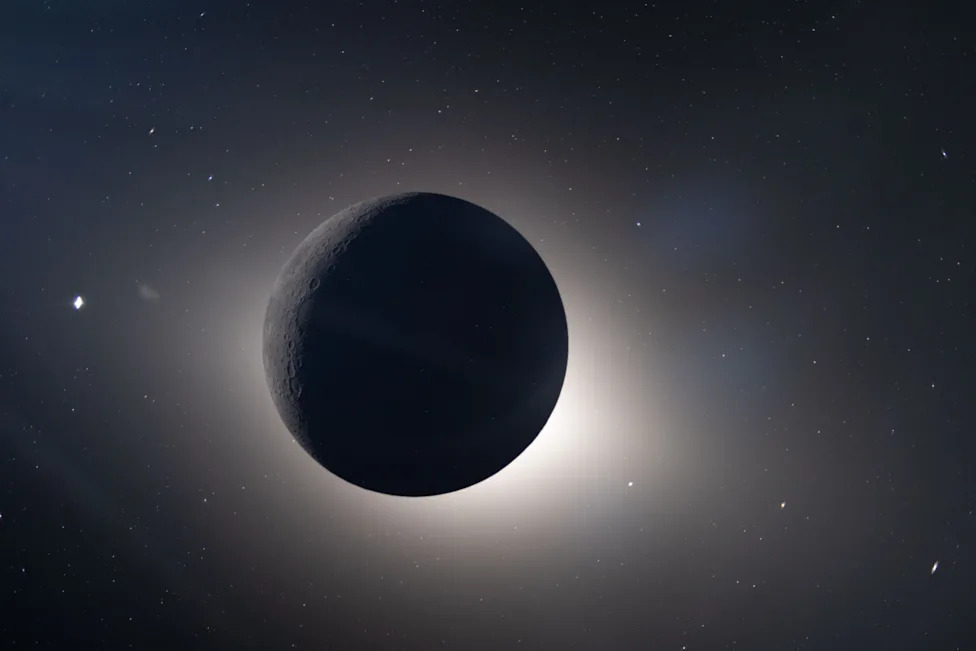
NASA released thousands of new photos taken during the Artemis II mission around the moon. The astronauts selected for the mission thoroughly documented the 10-day voyage, which included an April 6 lunar flyby as they traveled more than a quarter-million miles from Earth.(Provided by NASA)
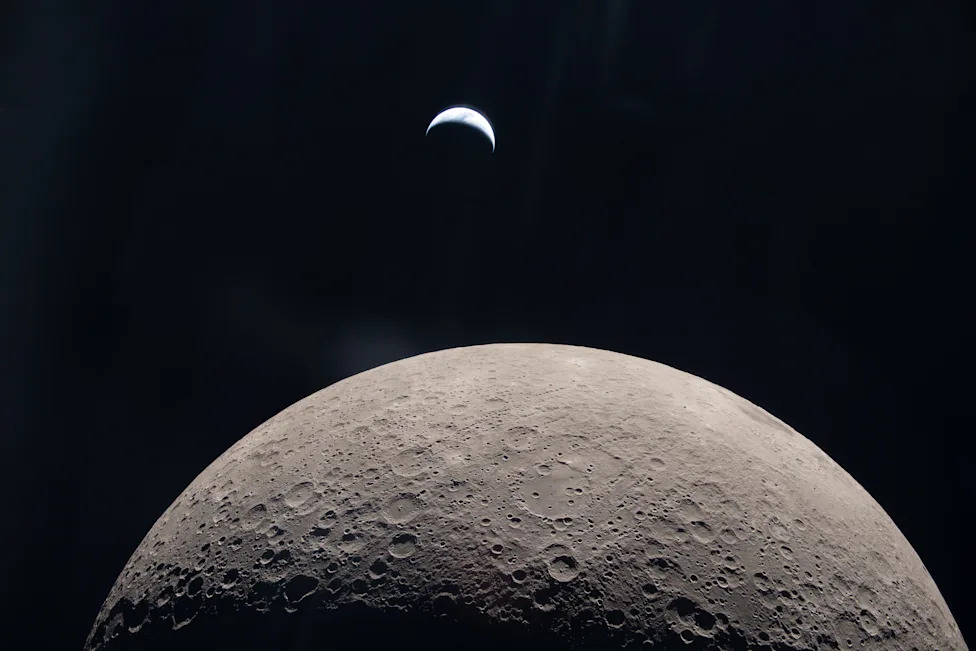
NASA released thousands of new photos taken during the Artemis II mission around the moon. The astronauts selected for the mission thoroughly documented the 10-day voyage, which included an April 6 lunar flyby as they traveled more than a quarter-million miles from Earth.(Provided by NASA)
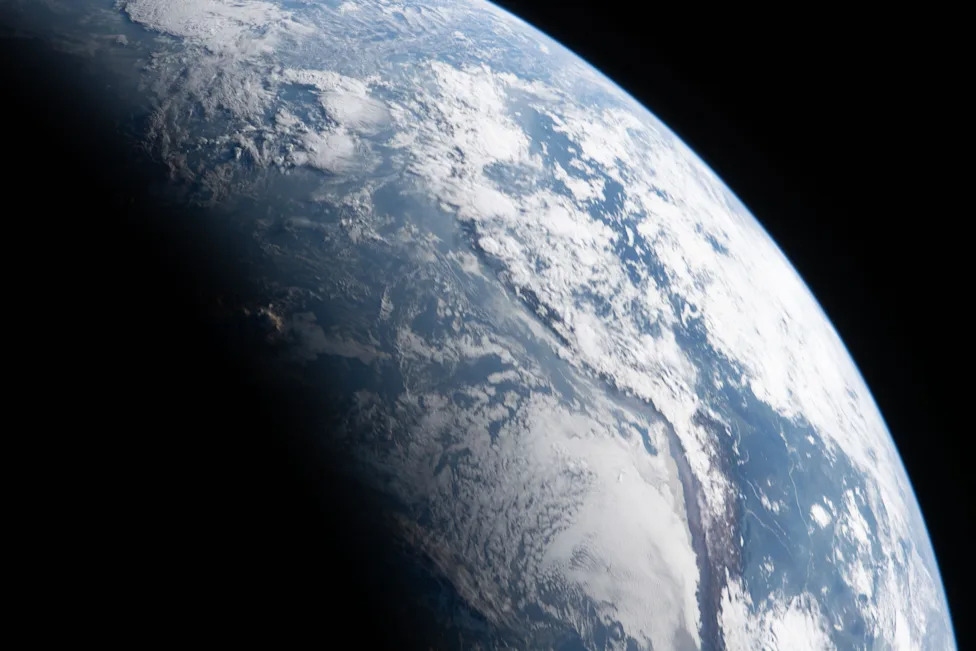
NASA released thousands of new photos taken during the Artemis II mission around the moon. The astronauts selected for the mission thoroughly documented the 10-day voyage, which included an April 6 lunar flyby as they traveled more than a quarter-million miles from Earth.(Provided by NASA)
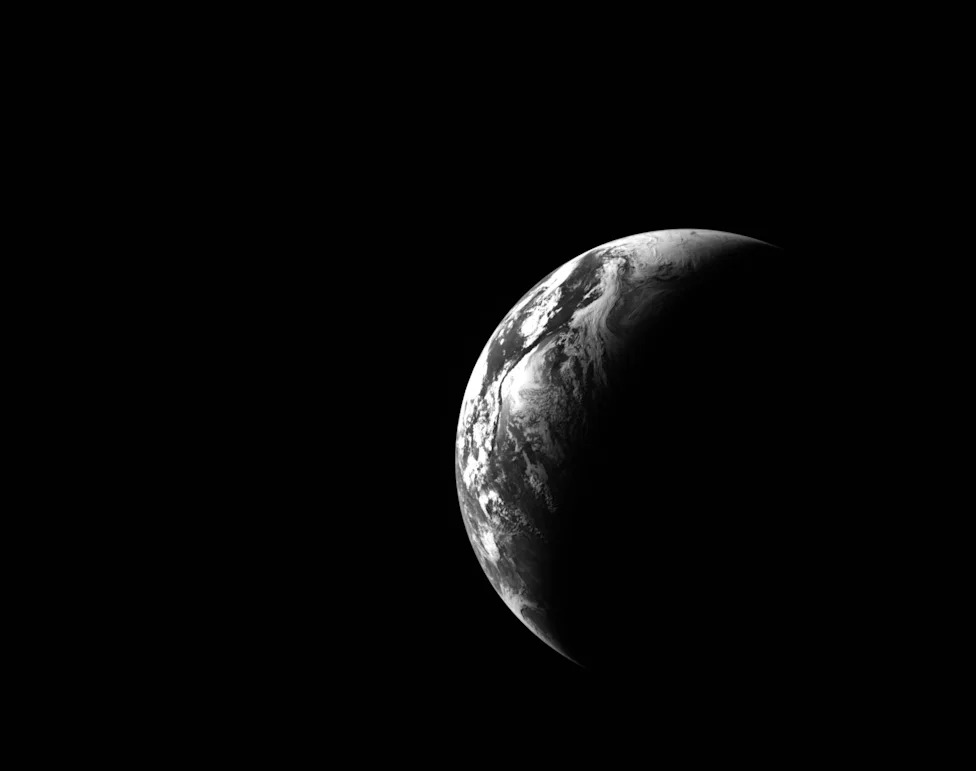
NASA released thousands of new photos taken during the Artemis II mission around the moon. The astronauts selected for the mission thoroughly documented the 10-day voyage, which included an April 6 lunar flyby as they traveled more than a quarter-million miles from Earth.(Provided by NASA)
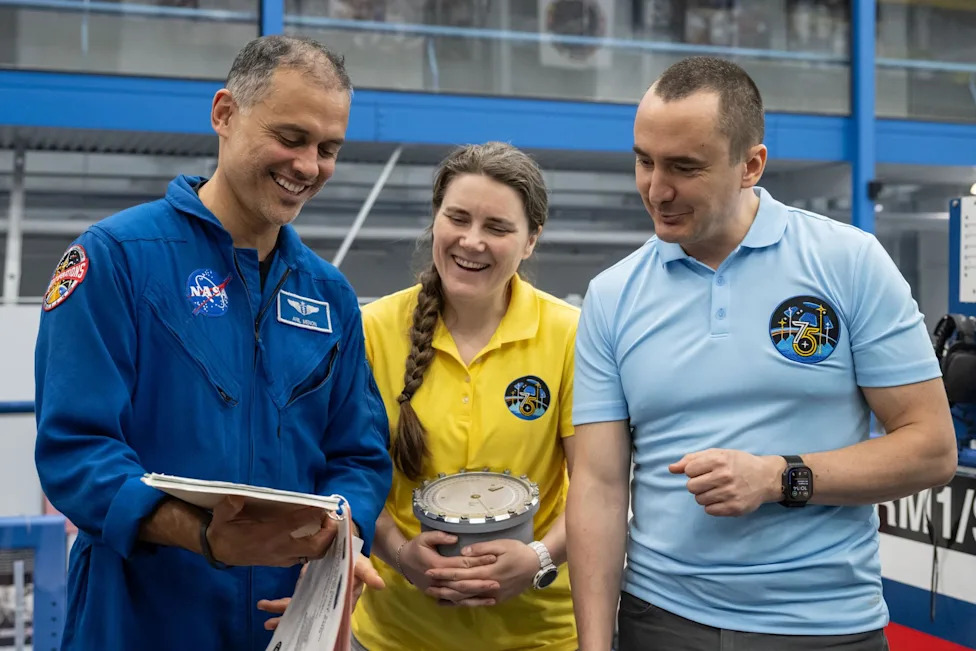
From left, NASA astronaut Anil Menon and Roscosmos cosmonauts Anna Kikina and Pyotr Dubrov participate in a training session at Johnson Space Center in Houston, Texas, ahead of their upcoming mission to the International Space Station.(Provided by NASA/Josh Valcarcel)
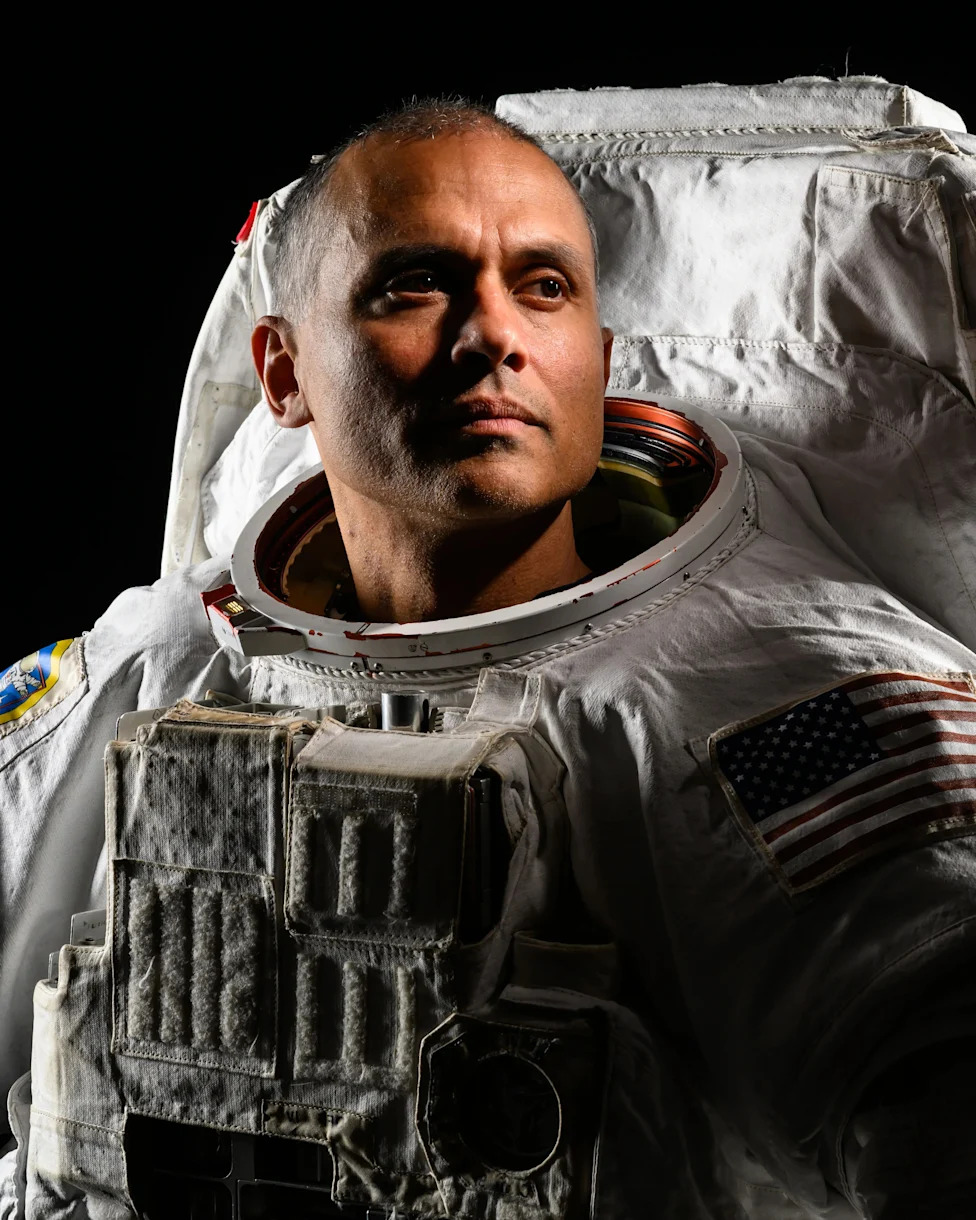
NASA astronaut Anil Menon poses in a spacesuit for a portrait at NASA’s Johnson Space Center in Houston, Texas on Jan. 8, 2026.(Provided by NASA/Robert Markowitz)
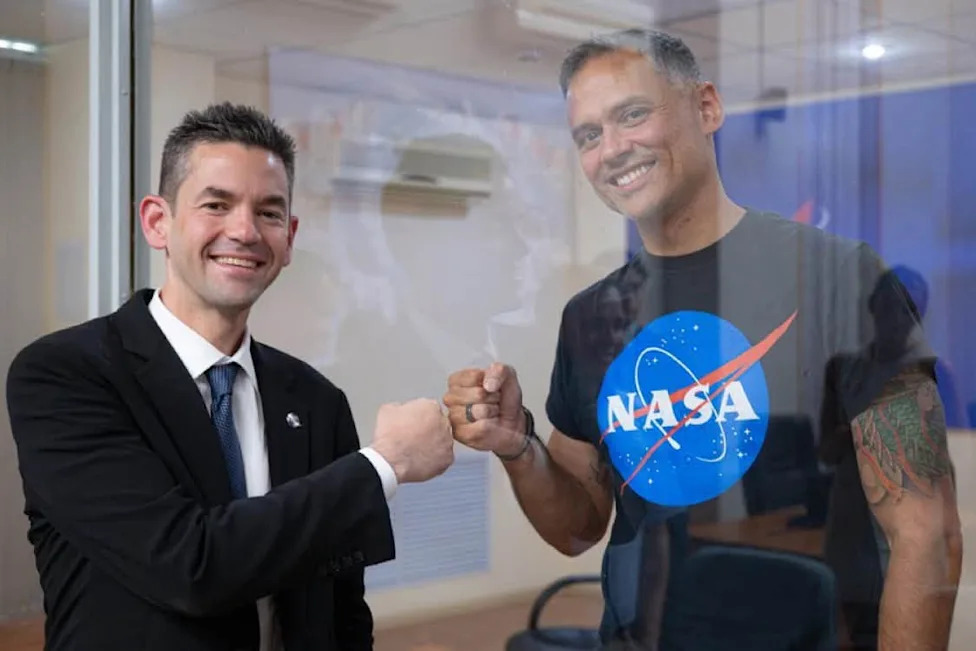
Astronaut Anil Menon fist bumps NASA Administrator Jared Isaacman while in quarantine ahead of a July 14 launch to the International Space Station.(Provided by NASA)
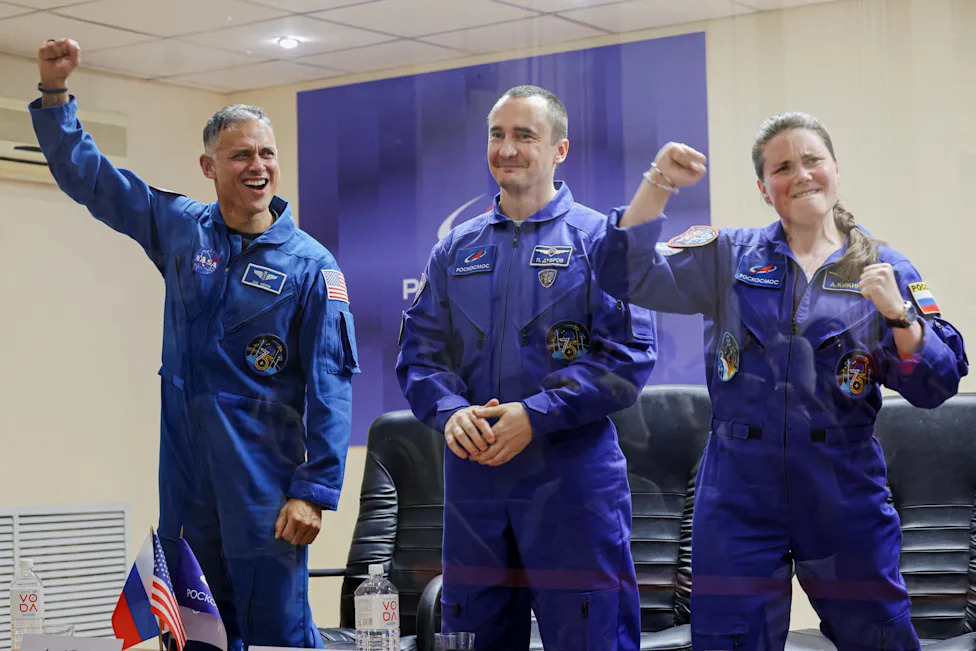
NASA astronaut Anil Menon, and Roscosmos cosmonauts Pyotr Dubrov and Anna Kikina pose for a photograph following a July 13 press conference ahead of the Soyuz MS-29 expedition to the International Space Station, at the Baikonur Cosmodrome, Kazakhstan.(Pavel Mikheyev/Reuters)
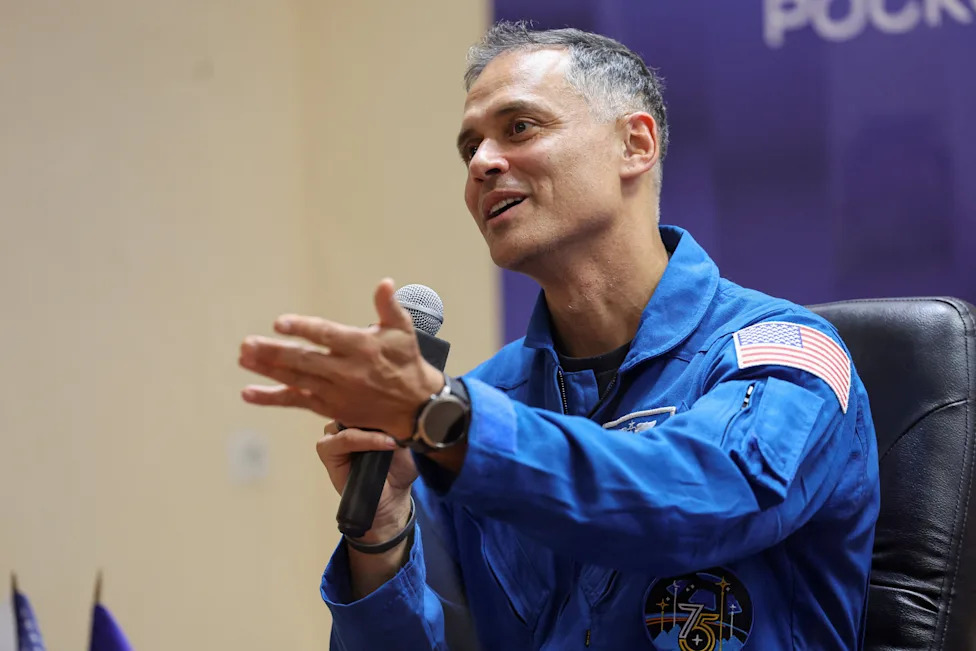
NASA astronaut Anil Menon attends a July 13 press conference ahead of the Soyuz MS-29 expedition to the International Space Station.(Pavel Mikheyev/Reuters)
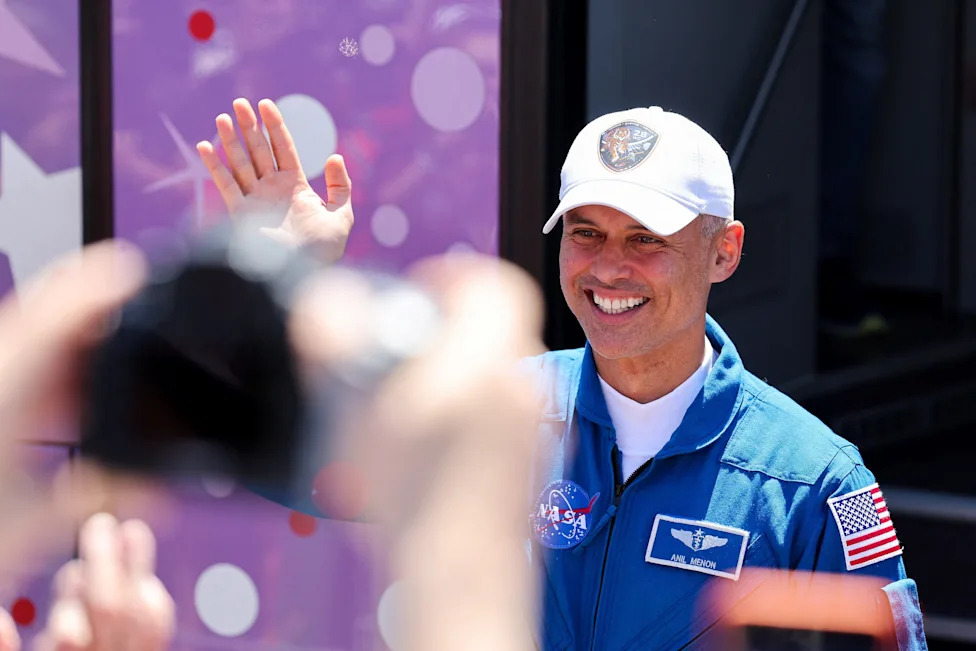
NASA astronaut Anil Menon waves July 14 before boarding a bus heading for a pre-launch preparations ahead of the expedition to the International Space Station at the Baikonur Cosmodrome, in Baikonur, Kazakhstan.(Pavel Mikheyev/Reuters)
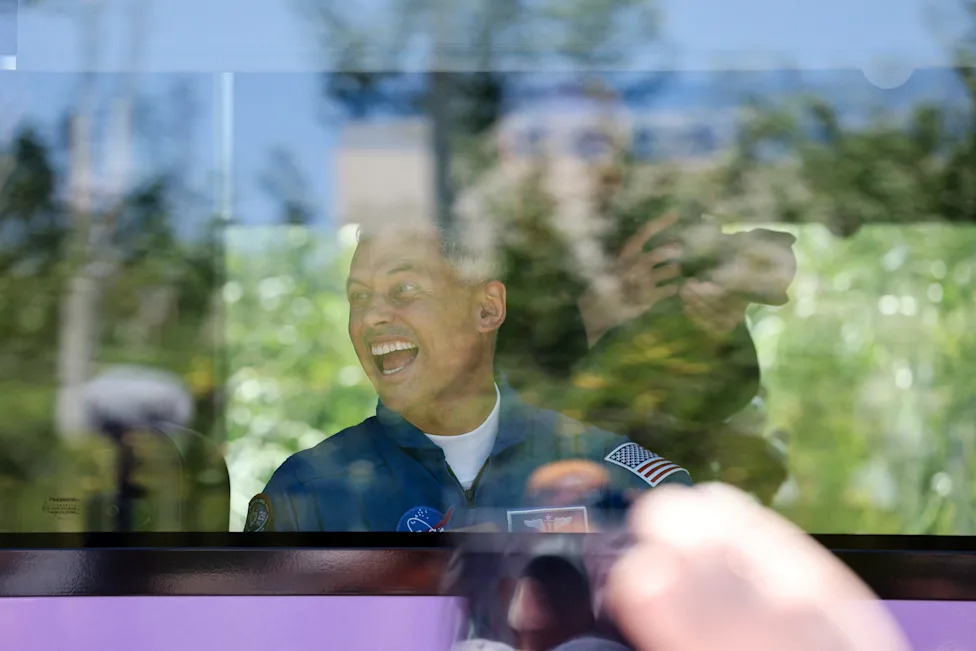
NASA astronaut Anil Menon reacts in a bus heading for a pre-launch preparations July 14 ahead of the expedition to the International Space Station (ISS) at the Baikonur Cosmodrome, in Baikonur, Kazakhstan.(Pavel Mikheyev/Reuters)
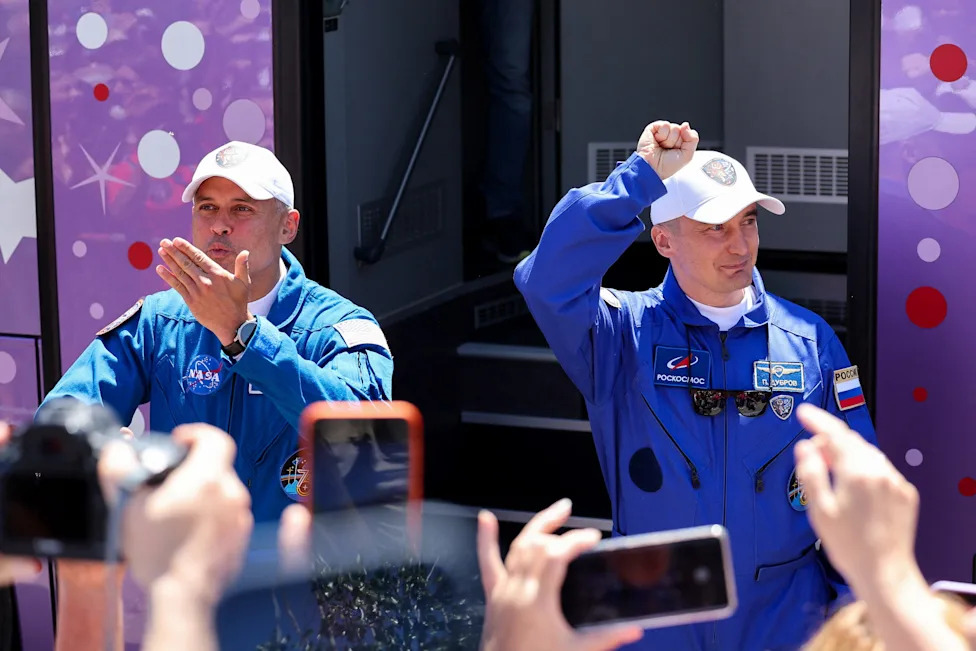
NASA astronaut Anil Menon and Roscosmos cosmonaut Pyotr Dubrov gesture before boarding a bus July 14 for pre-launch preparations ahead of the expedition to the International Space Station (ISS) at the Baikonur Cosmodrome, in Baikonur, Kazakhstan.(Pavel Mikheyev/Reuters)
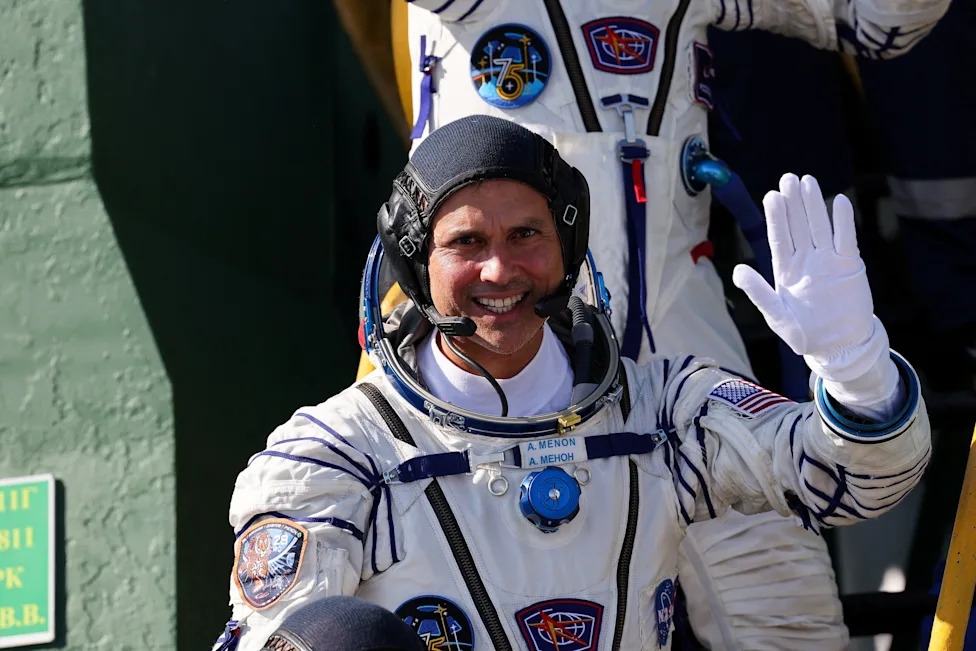
The International Space Station (ISS) crew member NASA astronaut Anil Menon waves July 14 as he boards the Soyuz MS-29 spacecraft for launch at the Baikonur cosmodrome in Kazakhstan.(Pavel Mikheyev/Reuters)
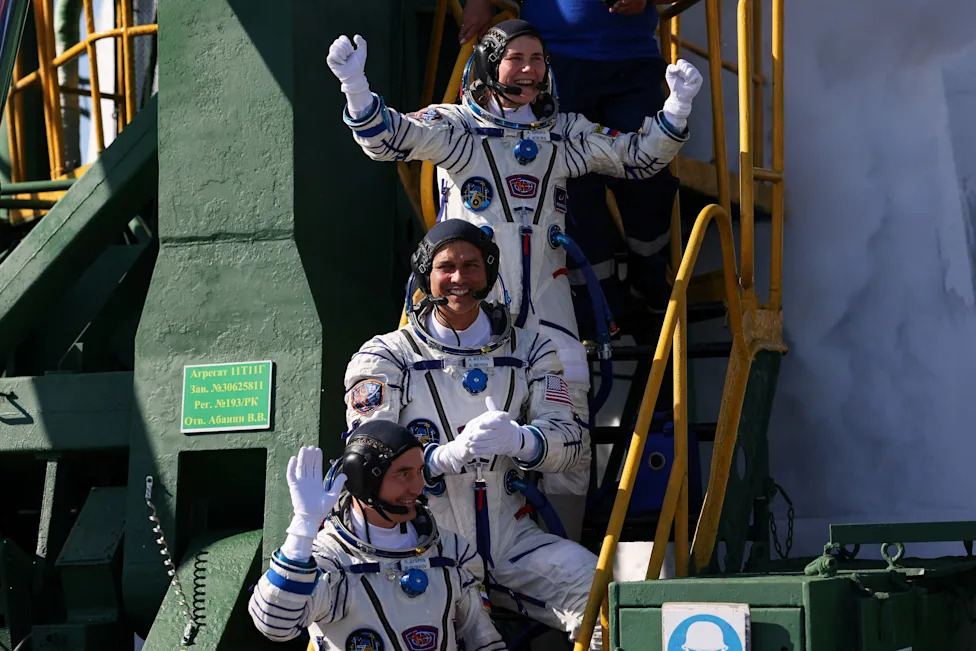
NASA astronaut Anil Menon and Roscosmos cosmonauts Pyotr Dubrov and Anna Kikina, gesture as they board the Soyuz MS-29 spacecraft for a July 14 launch at the Baikonur cosmodrome in Kazakhstan. The crew are heading for an eight-month stay at the International Space Station.(Pavel Mikheyev/Reuters)
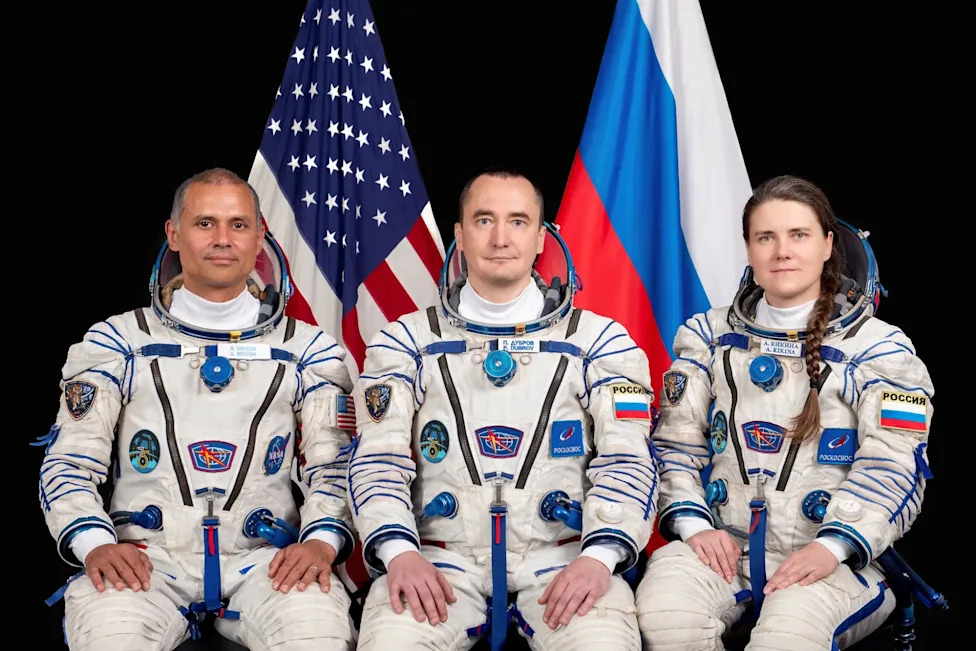
NASA astronaut Anil Menon and Roscosmos cosmonauts Pyotr Dubrov and Anna Kikina, Soyuz MS-29 prime crew members, pose for a portrait at the Gagarin Cosmonaut Training Center in Russia.(Provided by GCTC via NASA)
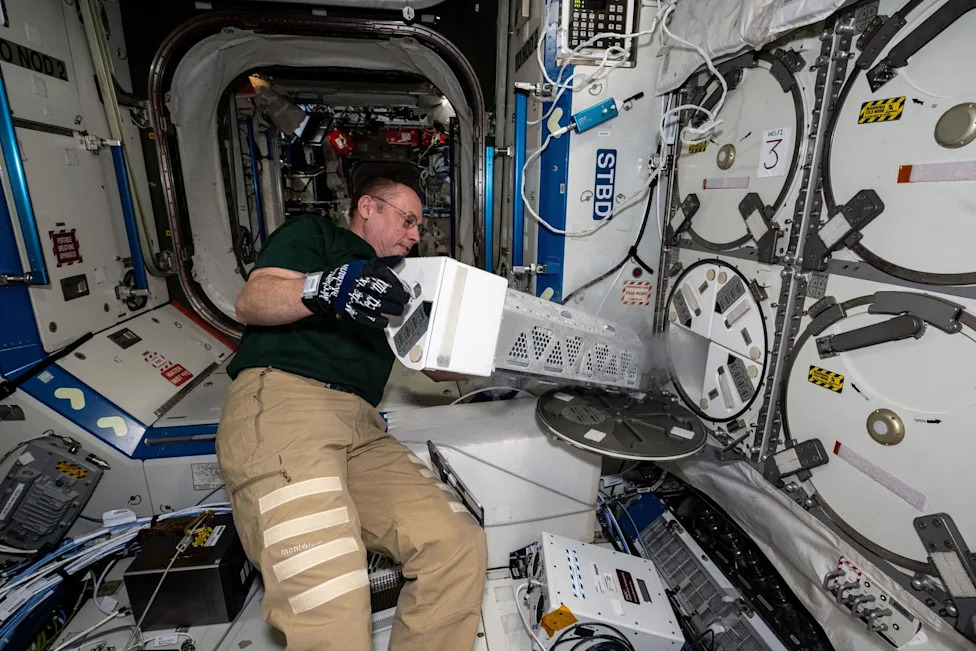
NASA astronaut Mike Fincke inserts a cryogenic storage unit containing research samples into a science freezer for preservation and later analysis on the International Space Station.(NASA)
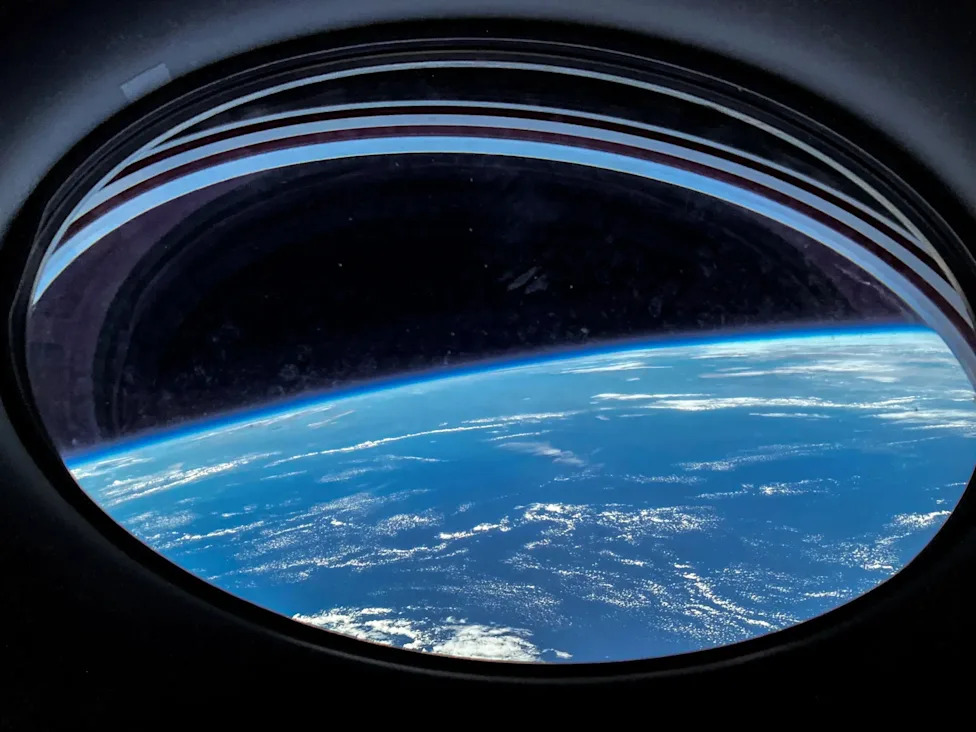
This view of Earth was captured from a window on a SpaceX Dragon spacecraft as it approached the International Space Station.(SpaceX via NASA)
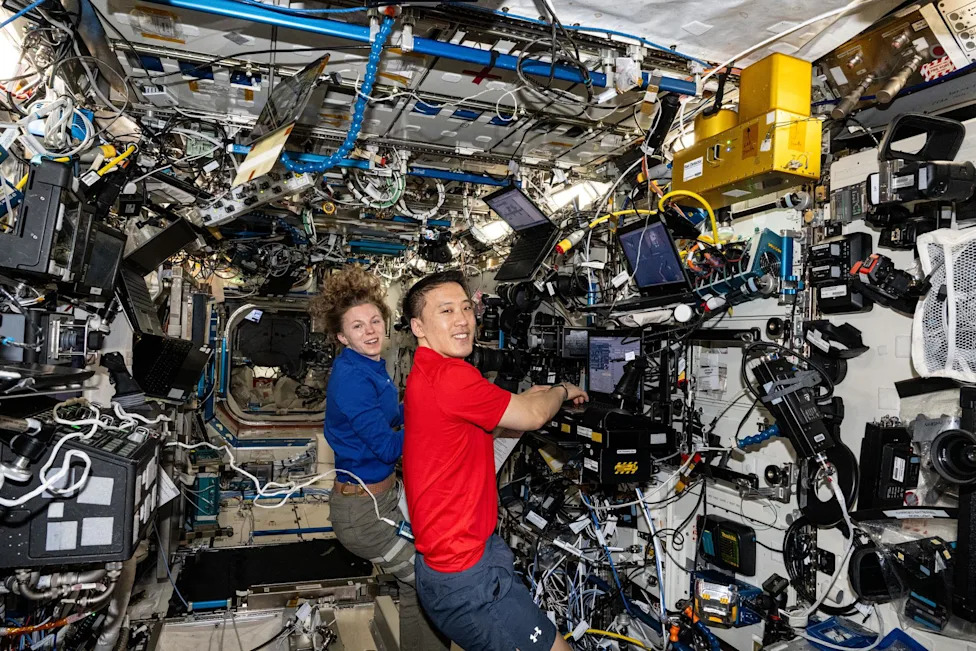
NASA astronauts Zena Cardman and Jonny Kim practice using a robotic arm on the Destiny laboratory module’s robotics workstation on the International Space Station. Kim used the device in September to capture Northrop Grumman’s Cygnus XL cargo craft as it arrived at the outpost.(NASA)
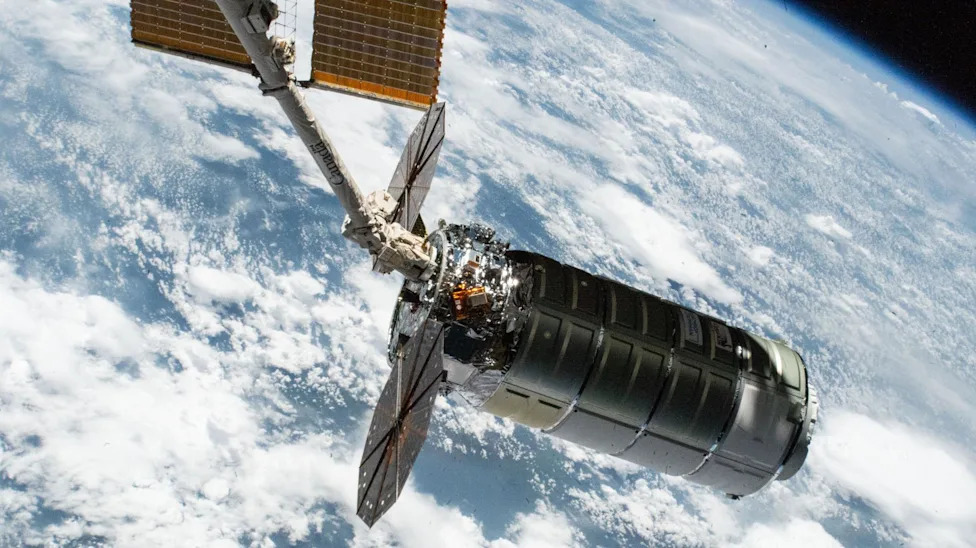
Northrop Grumman’s Cygnus XL cargo craft, carrying over 11,000 pounds of new science and supplies for the Expedition 73 crew, is pictured in the grips of the International Space Station’s Canadarm2 robotic arm following its capture.(NASA)
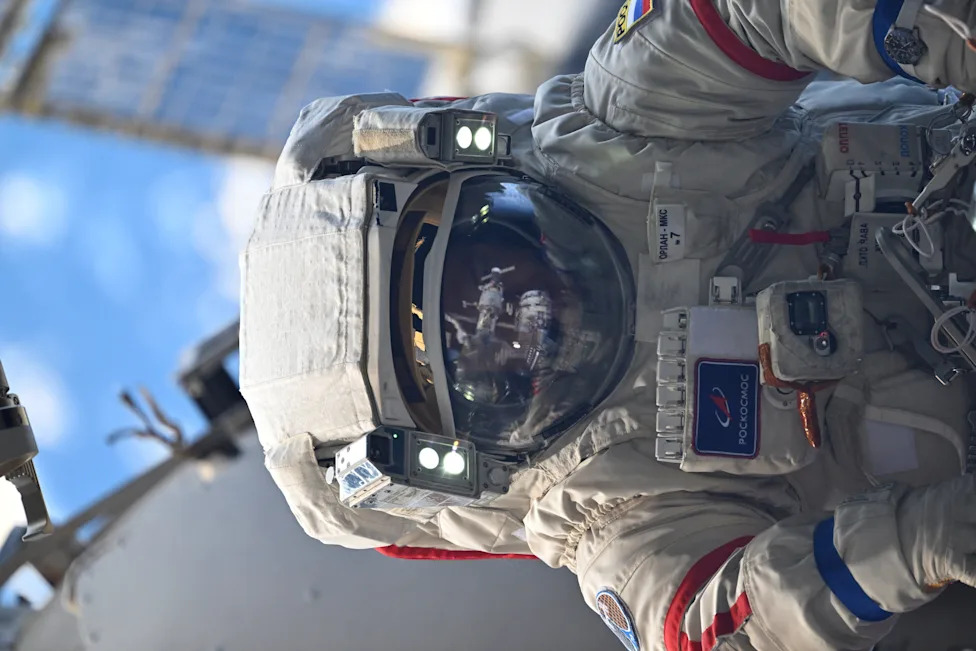
Roscosmos cosmonaut Sergey Ryzhikov conducts a spacewalk Oct. 16 outside the International Space Station.(Oleg Platonov/Roscosmos/Handout via Reuters)
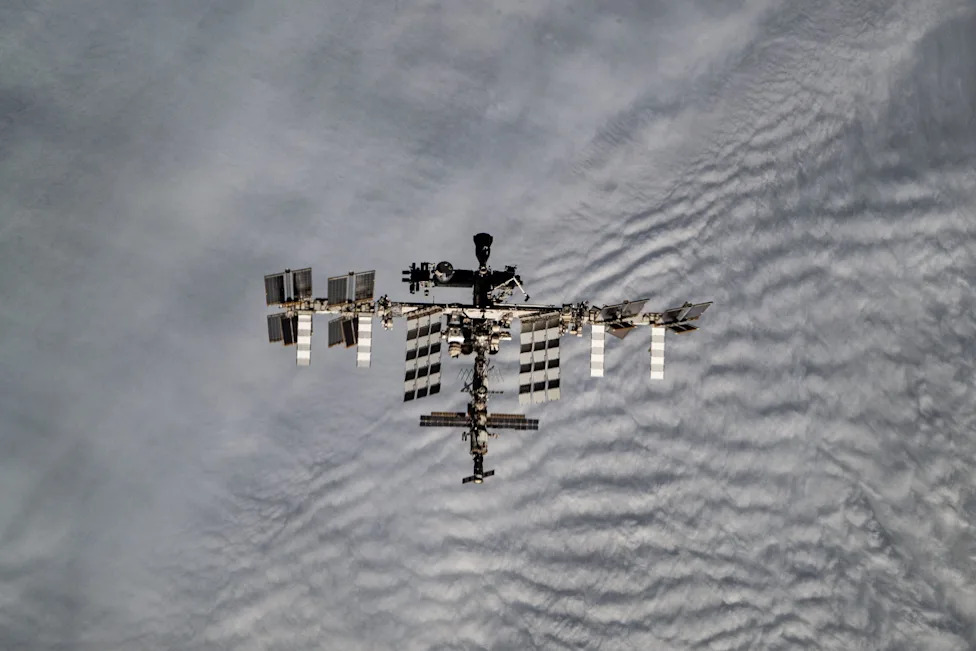
The International Space Station is seen from the Crew 8 SpaceX Dragon during undocking in October 2024.(Provided by NASA / USA TODAY NETWORK via Imagn Images)
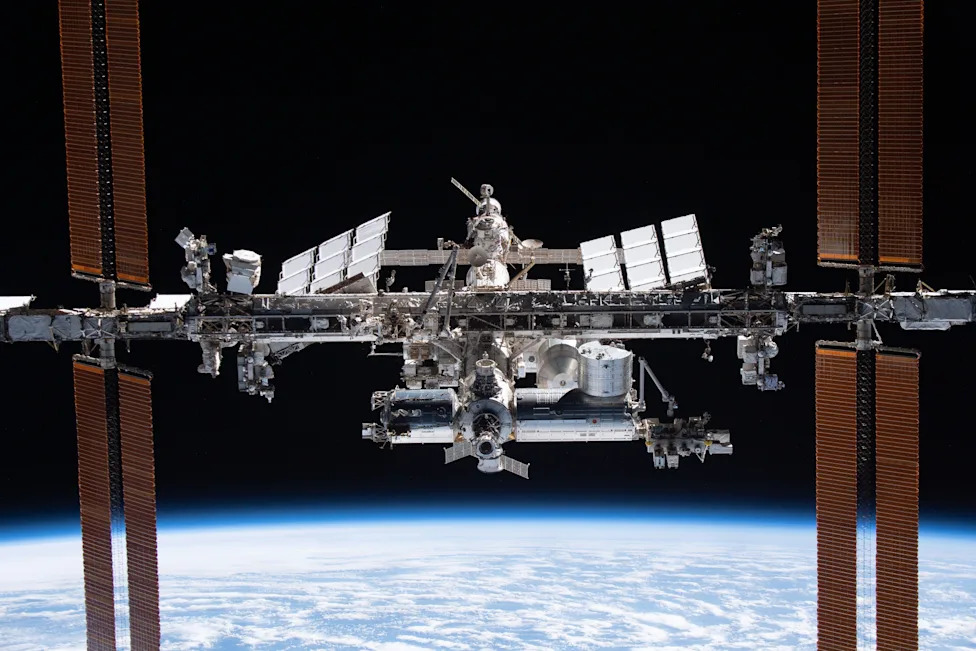
The International Space Station as seen in Nov. 2021 from astronauts aboard a SpaceX Dragon.(Provided by NASA/Thomas Pesquet/ USA TODAY NETWORK via Imagn Images)
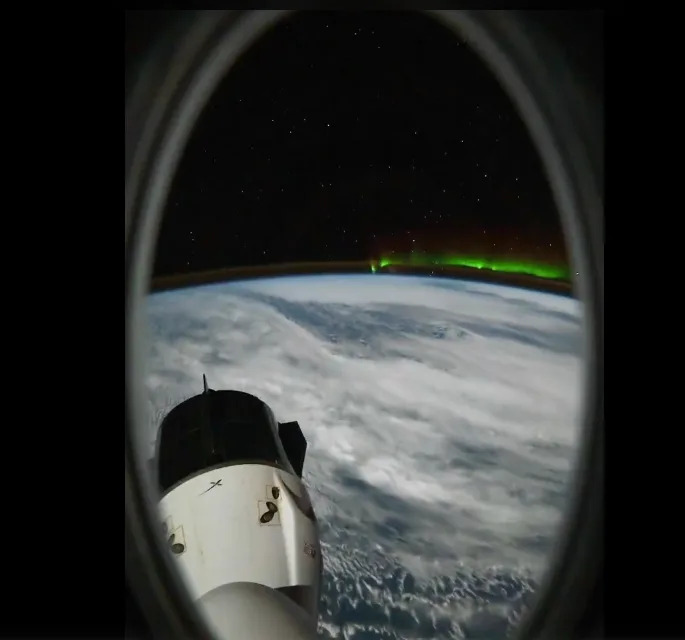
This still from a video captured by NASA astronaut Zena Cardman, a member of Crew-11, from the International Space Station shows auroras above the South Pacific Ocean. Cardman took the footage from a SpaceX Dragon capsule that was docked at the time.(Zena Cardman/NASA)
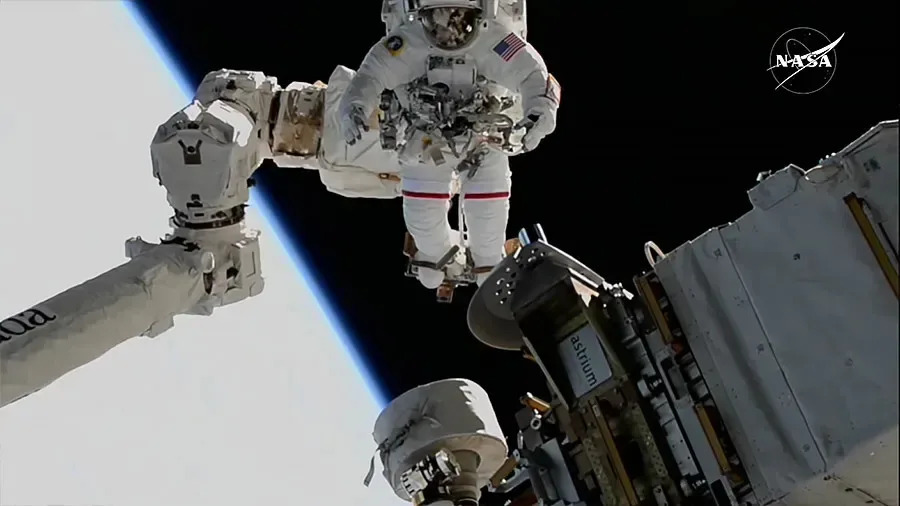
NASA astronaut and Expedition 72 Commander Suni Williams is pictured Thursday, Jan. 30 during her second spacewalk of the month. In this photo, Williams is attached to the tip of the Canadarm2 robotic arm as the International Space Station orbits 260 miles above Earth.(NASA)
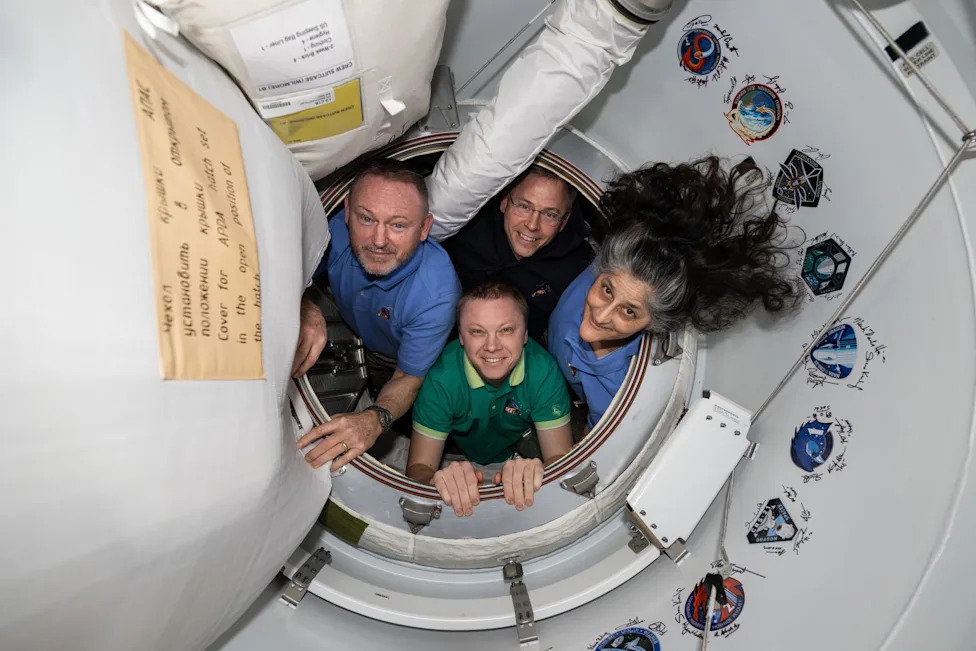
NASA’s SpaceX Crew-9 members pose together for a portrait inside the vestibule between the International Space Station and the SpaceX Dragon crew spacecraft. Clockwise from left, are NASA astronauts Butch Wilmore, Nick Hague, and Suni Williams, and Roscosmos cosmonaut Aleksandr Gorbunov.(NASA)
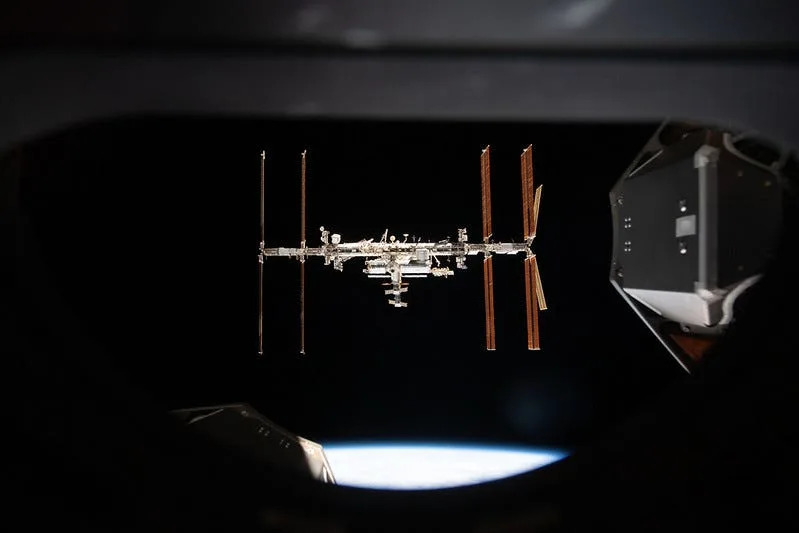
The International Space Station is pictured from inside a window aboard the SpaceX Crew Dragon Endeavour during a fly around of the orbiting lab that took place following its undocking from the Harmony module’s space-facing port on Nov. 8, 2021.(Provided by NASA)
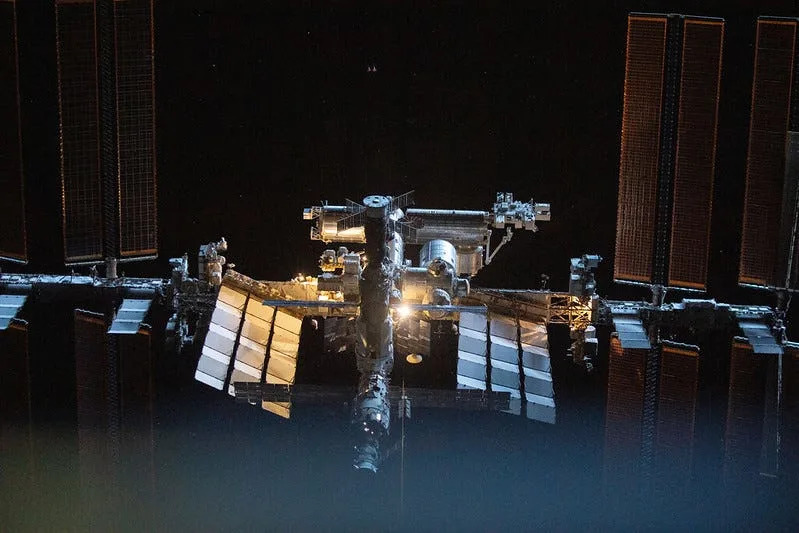
The International Space Station is pictured from the SpaceX Crew Dragon Endeavour during a fly around of the orbiting lab that took place following its undocking from the Harmony module’s space-facing port on Nov. 8, 2021.(Provided by NASA)
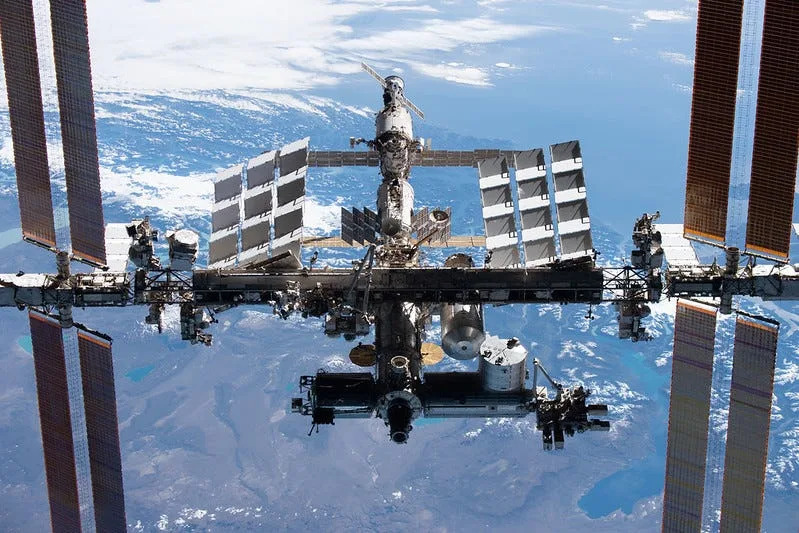
The International Space Station is pictured from the SpaceX Crew Dragon Endeavour during a fly around of the orbiting lab that took place following its undocking from the Harmony module’s space-facing port on Nov. 8, 2021.(Provided by NASA)
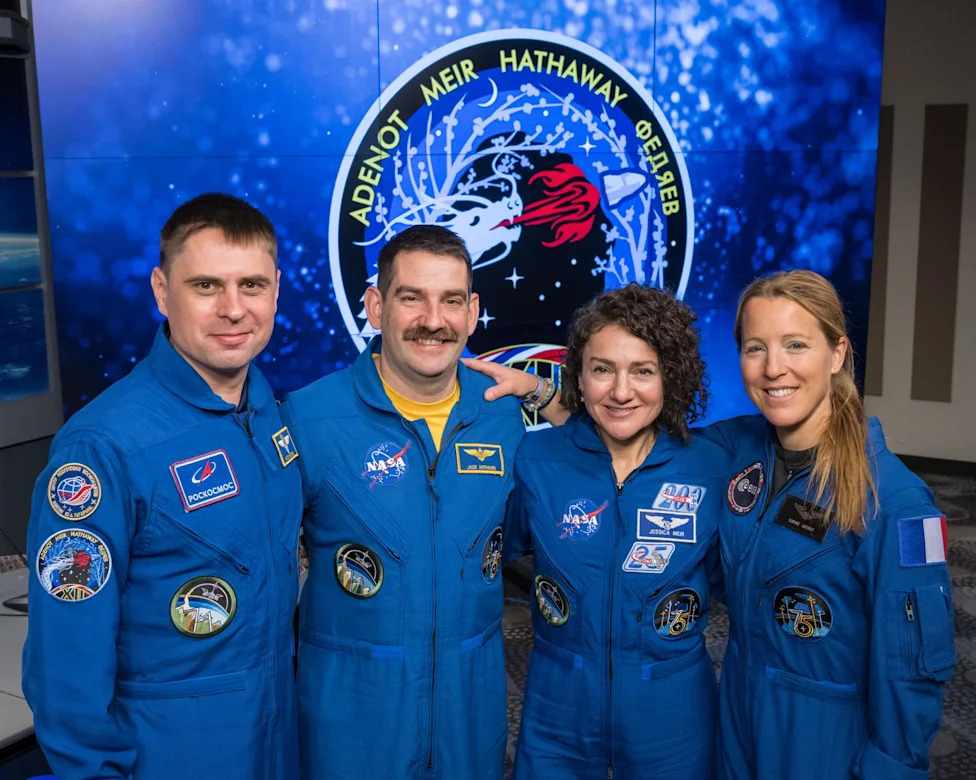
The four crew members representing NASA’s SpaceX Crew-12 mission to the International Space Station pose for a portrait at the Johnson Space Center in Houston, Texas. From left are, Roscosmos cosmonaut and Mission Specialist Andrey Fedyaev, NASA astronauts Jack Hathaway and Jessica Meir, Crew-12 Pilot and Commander respectively, and ESA (European Space Agency) astronaut and Mission Specialist Sophie Adenot.(NASA/James Blair)
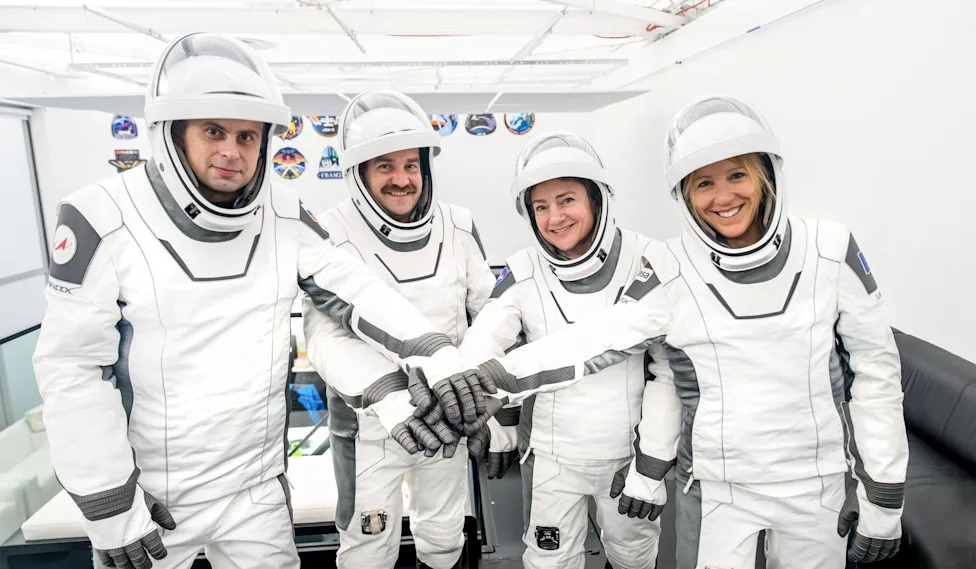
The four members of NASA’s SpaceX Crew-12 mission to the International Space Station pose together for a crew portrait in their pressure suits at SpaceX headquarters in Hawthorne, California. From left are, Roscosmos cosmonaut and Mission Specialist Andrey Fedyaev, NASA astronauts Jack Hathaway and Jessica Meir, Pilot and Commander respectively, and ESA (European Space Agency) astronaut and Mission Specialist Sophie Adenot.(Provided by SpaceX)
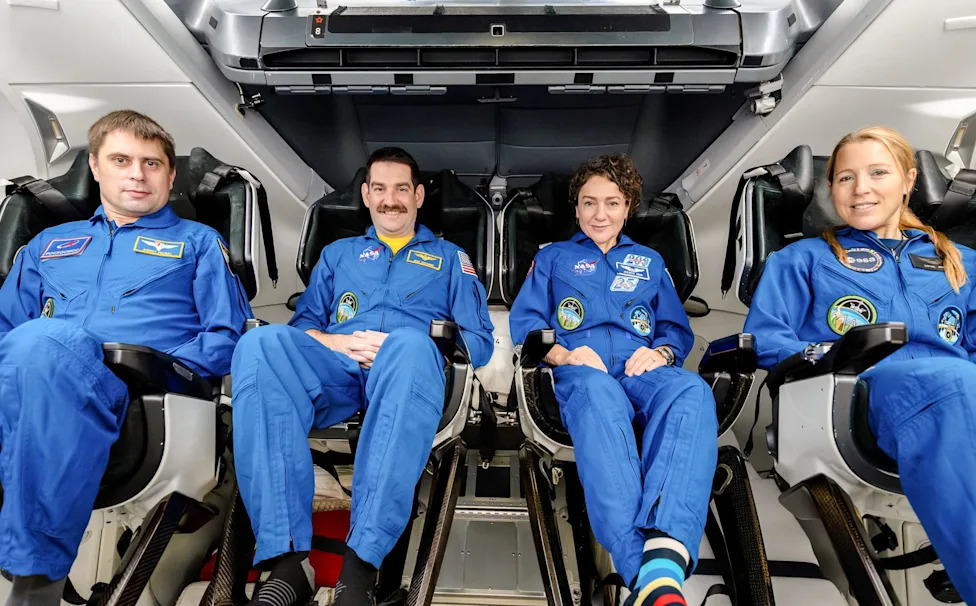
The four members of NASA’s SpaceX Crew-12 mission to the International Space Station pose together for a crew portrait inside a SpaceX Dragon spacecraft. From left are, Roscosmos cosmonaut Andrey Fedyaev, NASA astronauts Jack Hathaway and Jessica Meir, and ESA (European Space Agency) astronaut Sophie Adenot.(Provided by SpaceX)
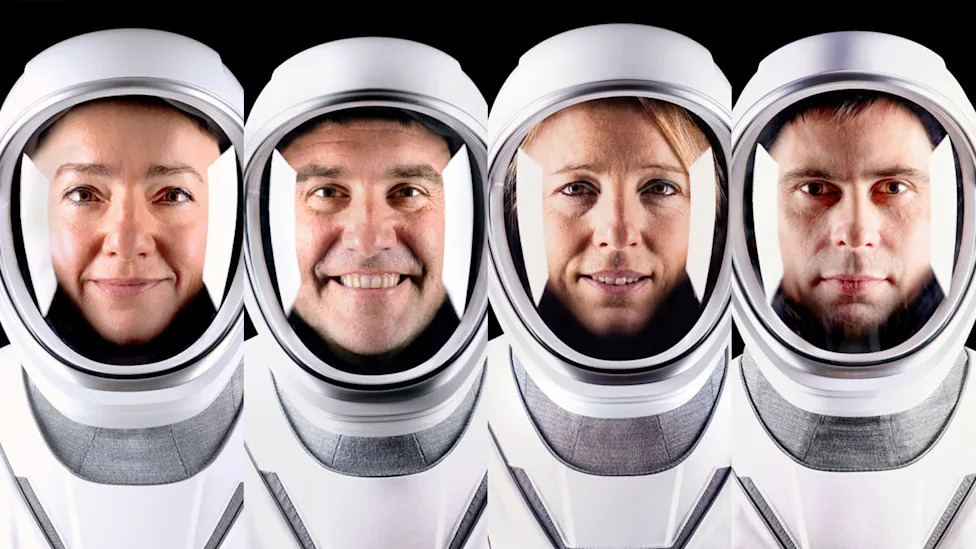
From left to right, NASA astronauts Jessica Meir, Jack Hathaway, ESA (European Space Agency) astronaut Sophie Adenot, and Roscosmos cosmonaut Andrey Fedyaev are NASA’s SpaceX Crew-12 launching to the International Space Station in February.(Provided by SpaceX)
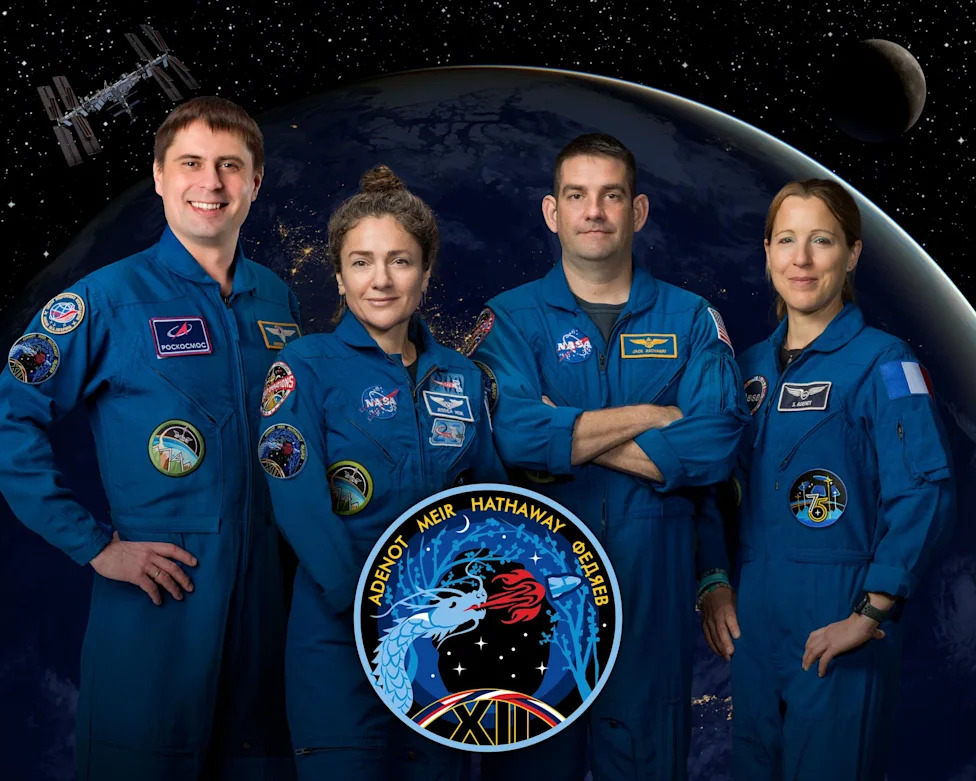
The four members of NASA’s SpaceX Crew-12 mission to the International Space Station pose together for an official crew portrait. From left are, Roscosmos cosmonaut and Mission Specialist Andrey Fedyaev, NASA astronauts Jessica Meir and Jack Hathaway, Commander and Pilot respectively, and ESA (European Space Agency) astronaut and Mission Specialist Sophie Adenot.(Provided by NASA)
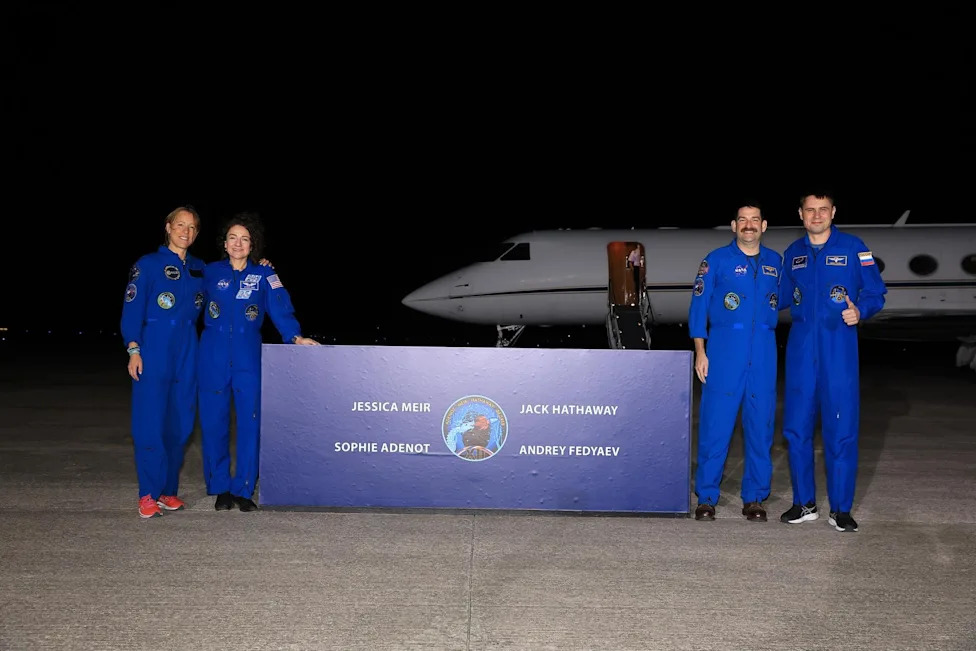
Crew members of NASA’s SpaceX Crew-12 mission, from left to right, ESA (European Space Agency) astronaut Sophie Adenot, NASA astronauts Jessica Meir and Jack Hathaway, and Roscosmos cosmonaut Andrey Fedyaev arrive Friday, Feb. 6, 2026, at the Launch and Landing Facility at the agency’s Kennedy Space Center in Florida. The Crew-12 mission is slated to launch to the International Space Station aboard SpaceX’s Dragon spacecraft atop company’s Falcon 9 rocket from Cape Canaveral Space Force Station’s Space Launch Complex 40 at 6:01 a.m. EST on Wednesday, Feb. 11.(NASA/Kim Shiflett)
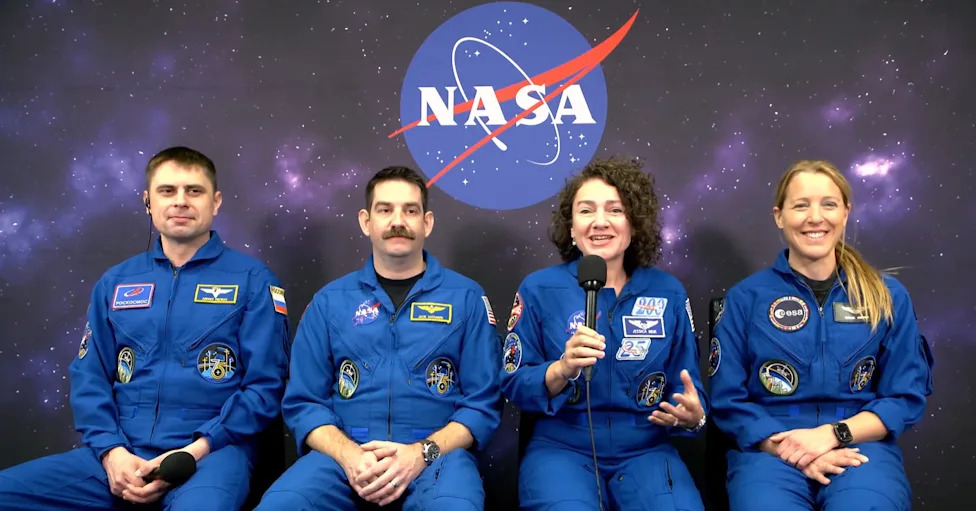
Crew members of NASA’s SpaceX Crew-12 mission, from left to right, Roscosmos cosmonaut Andrey Fedyaev, NASA astronauts Jack Hathaway and Jessica Meir, and ESA (European Space Agency) astronaut Sophie Adenot, participate in a news conference from Astronaut Crew Quarters inside the Neil A. Armstrong Operations and Checkout Building at the agency’s Kennedy Space Center in Florida on Sunday, Feb. 8, 2026.(Provided by NASA)
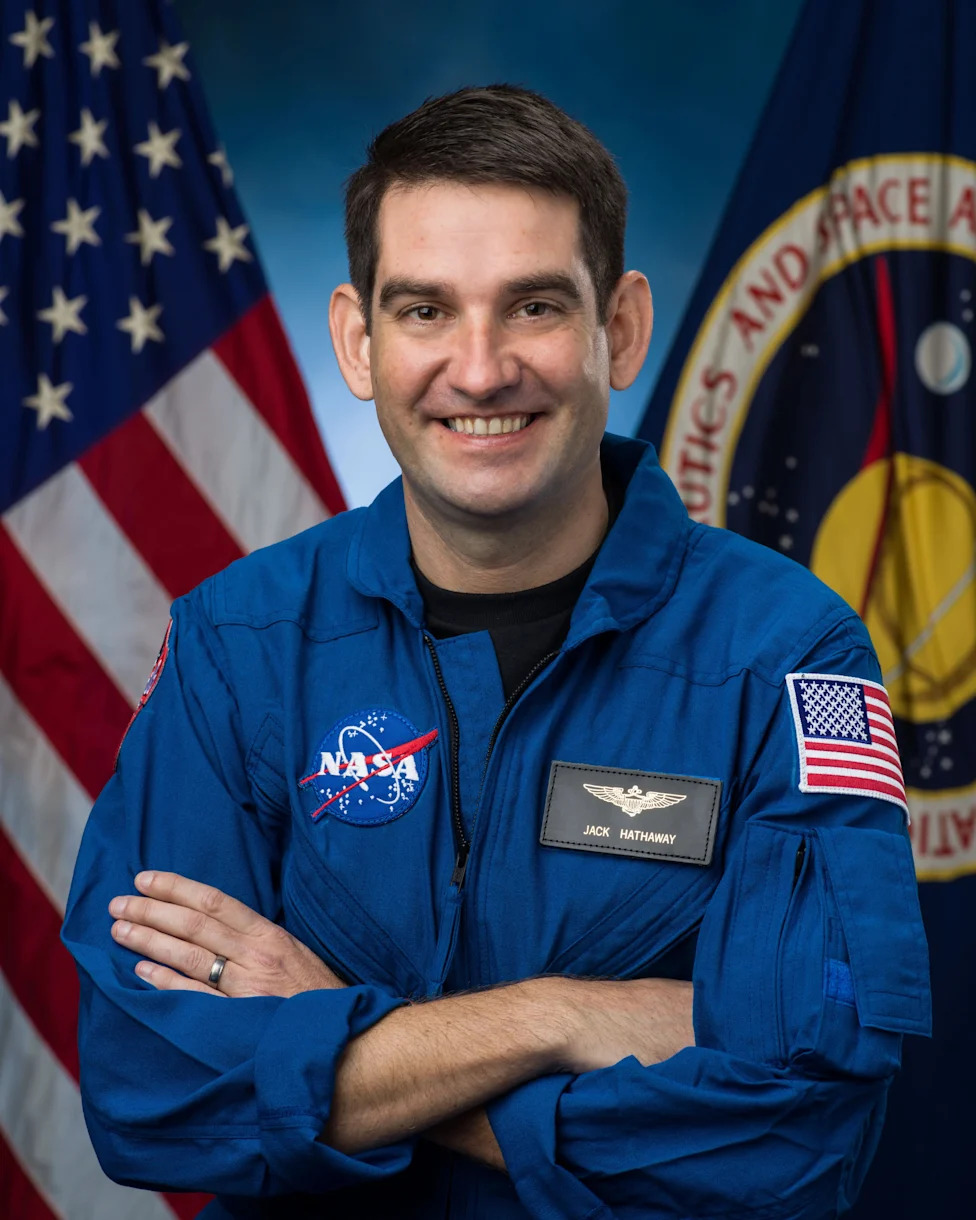
Pilot Jack Hathaway, a Navy pilot from Connecticut who is making his first spaceflight after he was selected as part of the 2021 NASA astronaut class.(Provided by NASA)
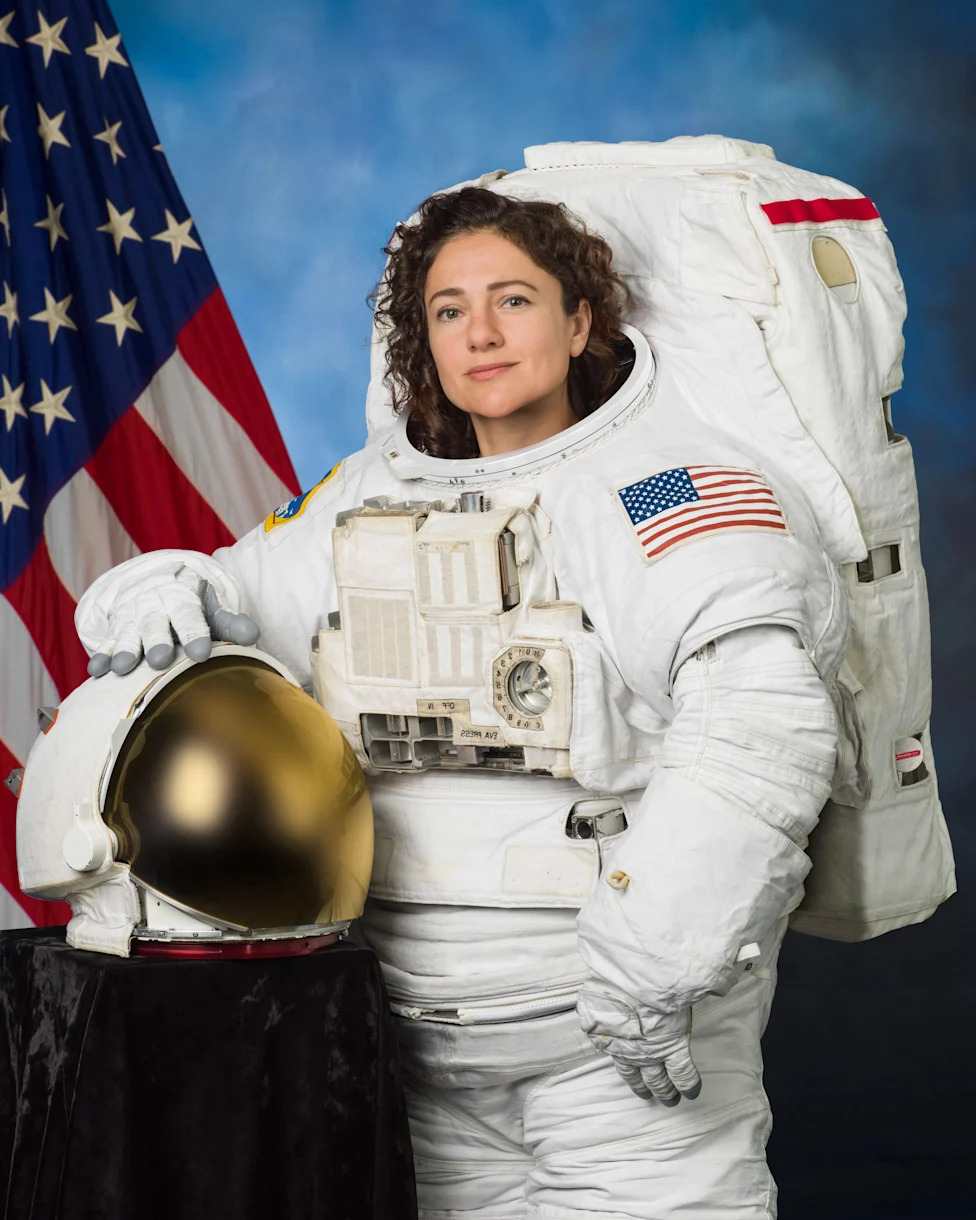
Mission commander Jessica Meir, a marine biologist from Maine who was selected as a NASA astronaut in 2013 and is making her second trip to the space station.(Provided by NASA)
Pomozite nam da budemo bolji.