Ikonična fotografija "Earthrise" nastala tokom misije Apollo 8 1968. ostala je simbol pogleda na Zemlju iz svemira. Više od pola veka kasnije, posada Artemis II podelila je nove impresivne snimke, uključujući zalazeću Zemlju snimljenu 6. aprila sa Orion kapsule. Artemis II je dostigla oko 252.756 milja (≈406.000 km) udaljenosti od Zemlje i prešla ukupno približno 694.481 milja (≈1.118.000 km) tokom desetodnevne misije koja se završila sletanjem u Tihi okean. Misija služi kao priprema za buduća sletanja u okviru Artemis programa (Artemis 3 i Artemis 4).
Dva Pogleda Na Plavu Tačku: 'Earthrise' Iz Apollo 8 I Nova Fotografija Sa Artemis II
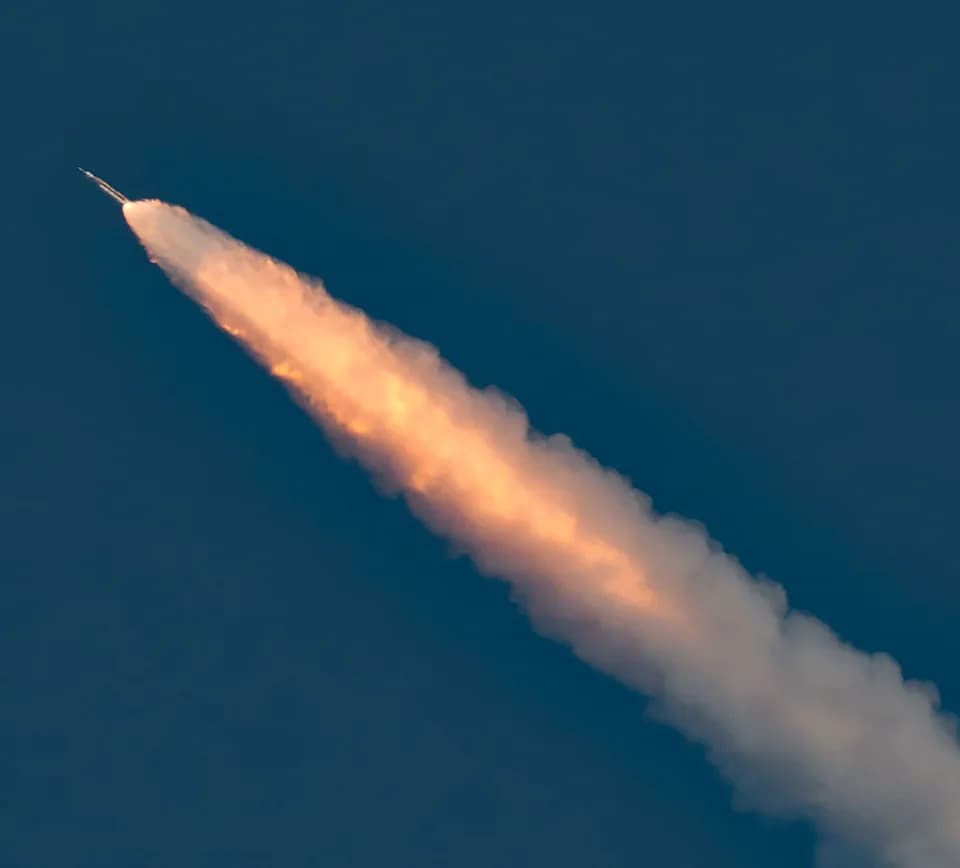
The Artemis II mission launches April 1 from the Kennedy Space Center in Cape Canaveral, Florida. The four-person crew aboard the Orion spacecraft hitched a ride to orbit atop NASA's giant 322-foot Space Launch System rocket. Launching atop 8.8 million pounds of thrust, the SLS is the most powerful rocket NASA ever launched, about 17% more powerful than the iconic Saturn V rocket used during the Apollo era.
Jedna od najupečatljivijih fotografija naše "male plave planete" nastala je 1968. tokom misije Apollo 8 i postala je simbol ranih ljudskih pogleda na Zemlju iz svemira. Više od pola veka kasnije, posada misije Artemis II podelila je svoje impresivne snimke — među njima i fotografiju Zemlje koja zalazi, snimljenu 6. aprila sa kabine svemirskog broda Orion.
Ikonična fotografija Apollo 8
Tokom istorijske orbite oko Meseca, astronaut Bill Anders napravio je čuvenu fotografiju poznatu kao "Earthrise" — snimak Zemljinog izlaska iznad mesečevog horizonta, koji je obišao svet i postao jedan od simbola Apolo programa. Apollo program je završio seriju misija 1972. godine, a poslednja misija sa posadom, Apollo 17, sletela je u okean 19. decembra 1972.
Artemis II: novi snimci i rekordna udaljenost
Artemis II, koja je poletela 1. aprila, imala je posadu u sastavu: Reid Wiseman, Victor Glover, Christina Koch (NASA) i Jeremy Hansen (Kanadska svemirska agencija). Tokom misije posada je zabeležila više fotografija Zemlje, uključujući snimak zalazeće Zemlje 6. aprila sa Orion kapsule.
Prema podacima NASA-e, posada Artemisa II otputovala je dalje od Zemlje nego bilo koji ljudi pre njih — do udaljenosti od približno 252.756 milja (oko 406.000 km). Tokom desetodnevne misije prešli su ukupno oko 694.481 milja (približno 1.118.000 km), a misija je završena sletanjem u Tihi okean u blizini San Dijega.
Kako se Artemis II uklapa u planove za povratak na Mesec
Poput Apollo 8, Artemis II služi kao probna i demonstraciona misija pre ambicioznijih pokušaja sletanja na Mesec. Nakon Apola 8, NASA je sprovela još dve misije (Apollo 9 i 10) pre istorijskog sletanja Apolla 11 iz 1969. godine; na sličan način Artemis II treba da pripremi teren za naredne misije Artemis programa.
NASA je ranije planirala da direktno nakon Artemis II sledi naredna misija sa sletanjem, ali krajem februara su najavljena prilagođavanja plana. Prema trenutnim planovima, misija poznata kao Artemis 3 ciljana je za 2027. godinu, a Artemis 4 je planiran za 2028. Tokom jedne od narednih misija astronauti u Orion kapsuli treba da se sretnu i dokuju sa bar jednim od lunarnih landera koje razvijaju kompanije poput Blue Origin i SpaceX.
Napomena: Sve brojke su preuzete iz izveštaja NASA-e i javno objavljenih informacija o misijama. Neke datumske ili programske promene mogu nastupiti kako se program razvija.
Autorski krediti: Originalni tekst je objavio USA TODAY; prevedeno i prerađeno za srpsko govorno područje.
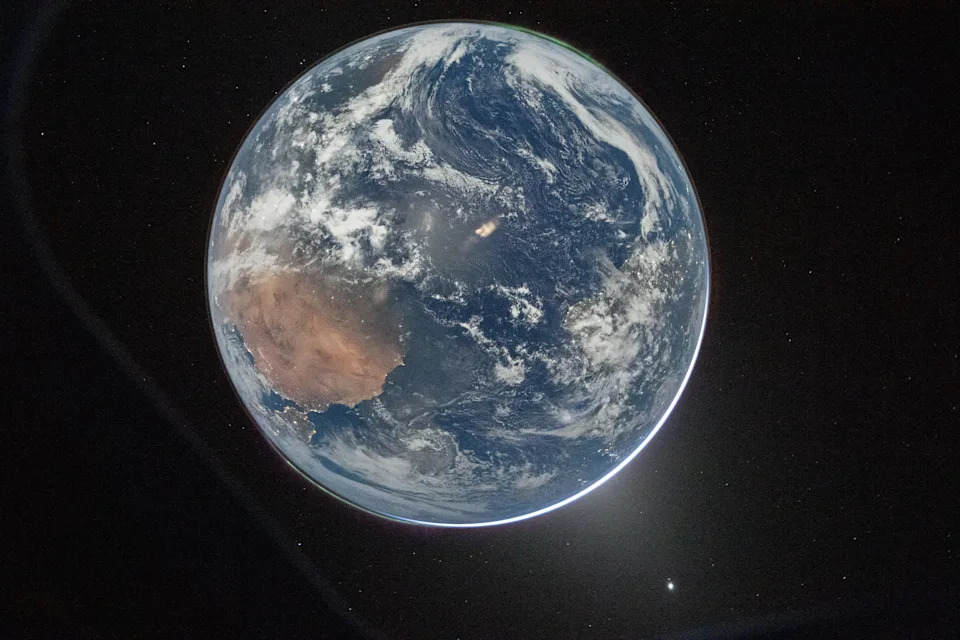
Artemis II Commander Reid Wiseman of NASA took this stunning photograph of Earth from the Orion spacecraft's window on April 2. The image is reminiscent of the iconic "blue marble" image captured during the Apollo 17 mission in 1972.
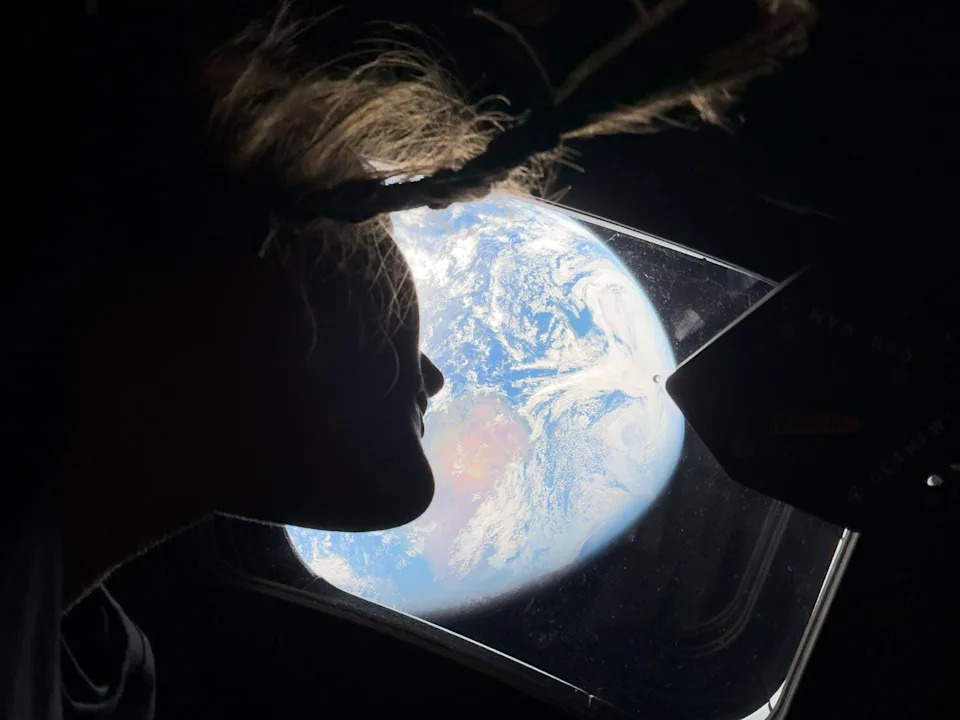
NASA astronaut Christina Koch, a mission specialist on Artemis II, gazes out the windows of the Orion vehicle back at Earth as she and the crew head toward the moon. Koch, who already holds several NASA records from her first spaceflight in 2019 to the International Space Station, became the first woman to fly on a lunar mission.
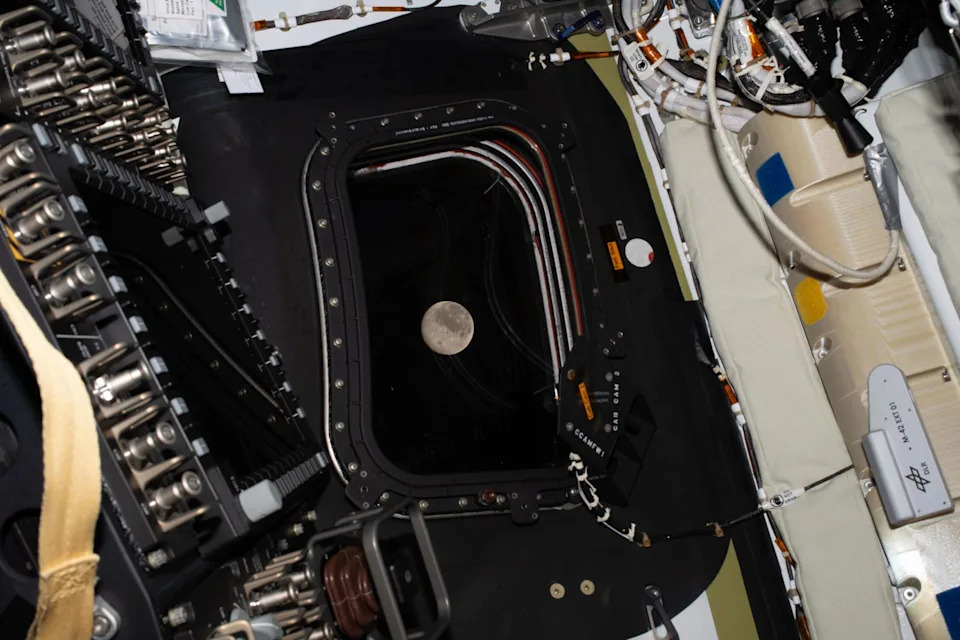
Before going to sleep April 5, the Artemis II crew snapped one more photo of the moon, as it drew close in the window of the Orion spacecraft. Shortly after, the astronauts entered the lunar sphere of influence, where the pull of the moon's gravity became stronger than Earth's.
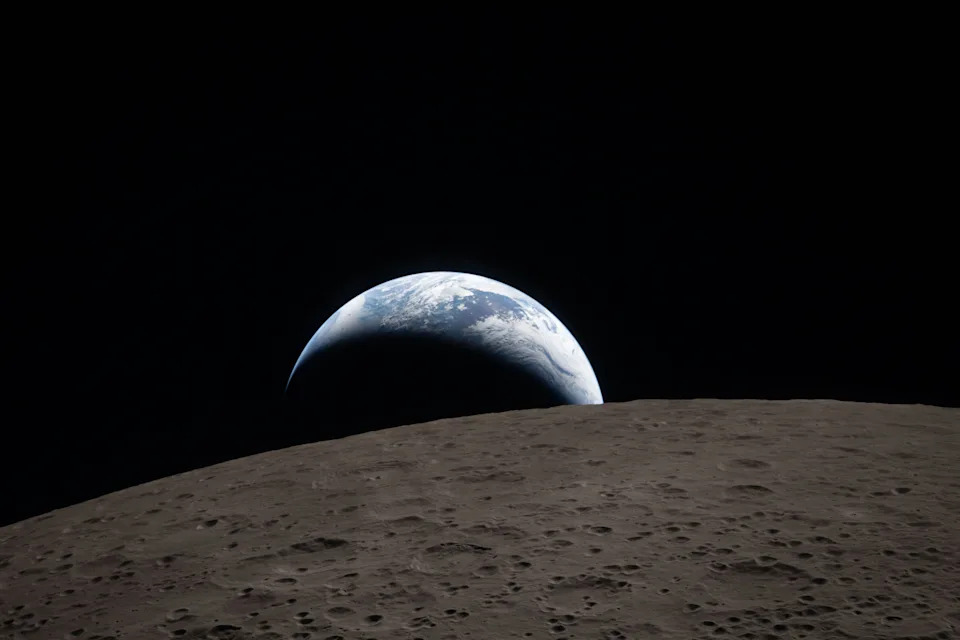
The crew of Artemis II captured a breathtaking image of a celestial event known as an "Earthset," in which the Earth dropped below the lunar horizon. The image is reminiscent of the iconic "Earthrise" photo that NASA astronaut Bill Anders captured in 1968 during the Apollo 8 mission that showed our planet rising on the lunar horizon.
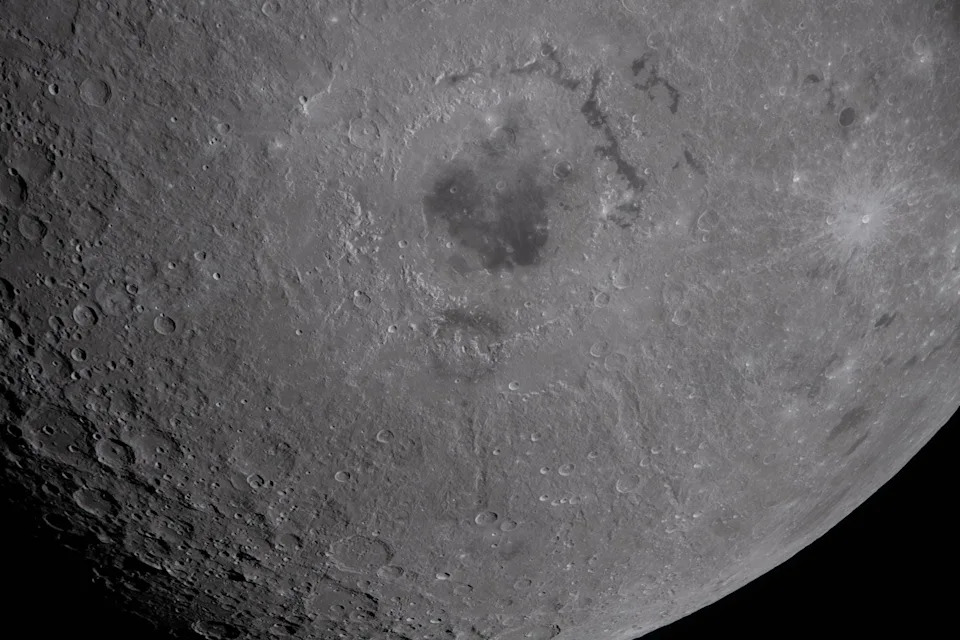
Of the impact craters, ancient lava flows and other lunar features the Artemis II astronauts observed during an April 6 flyby, a crater known as the Orientale basin was perhaps the most prominent. Spanning nearly 600 miles, the 3.8 billion year old crater (seen in the upper center of this photo) had never been seen with the naked eye prior to the mission.
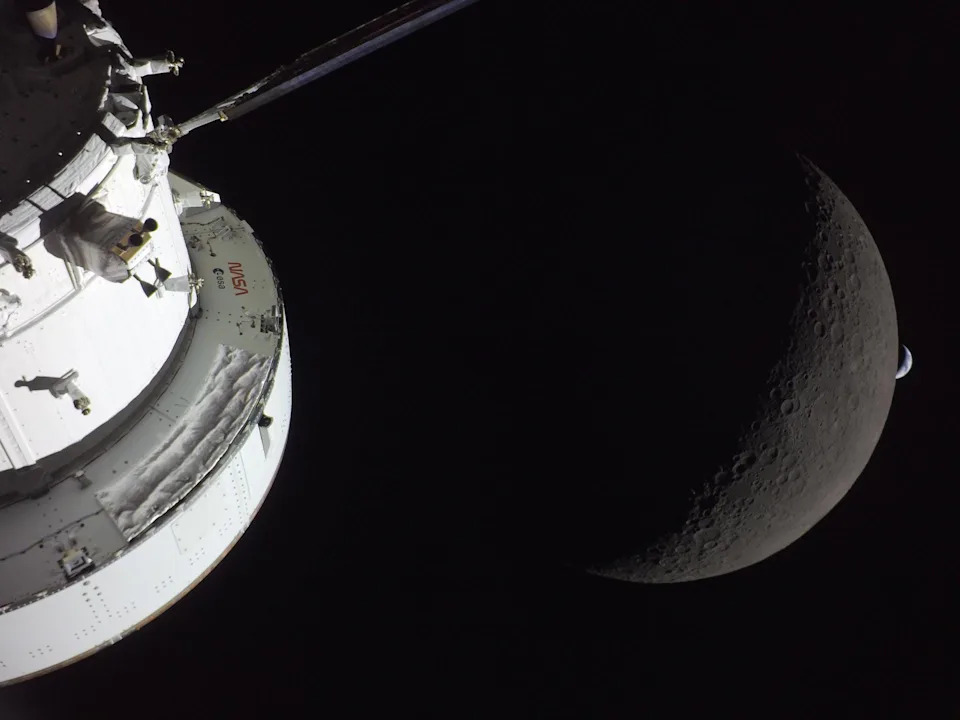
The Orion spacecraft the Artemis II astronauts were aboard is captured in the same frame as both the moon and Earth in this photo captured about four hours into the historic April 6 flyby.
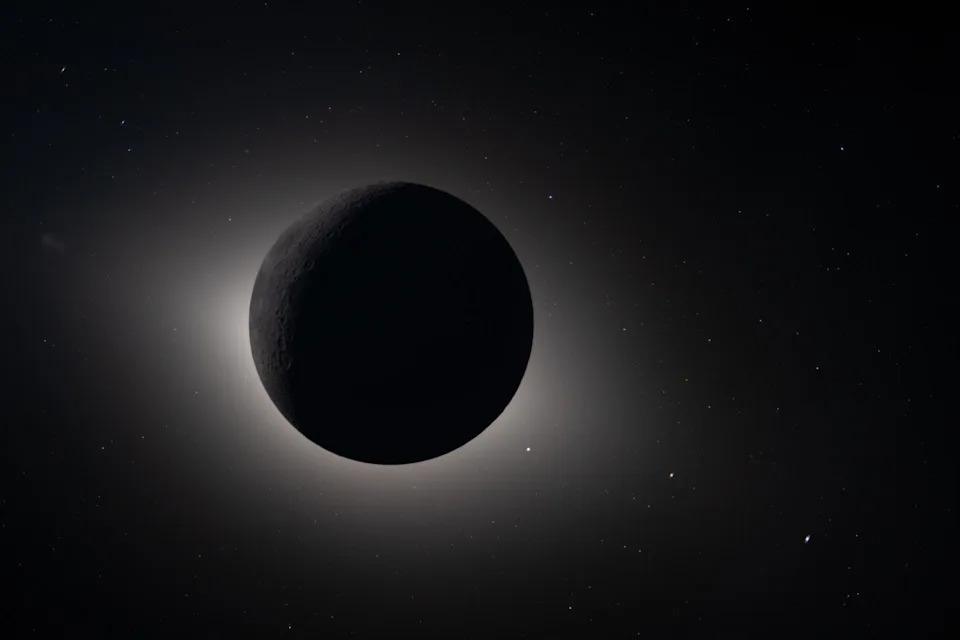
This image shows the moon fully eclipsing the sun from the vantage of the Orion spacecraft, not unlike what millions of people witnessed in April 2024 from Earth. From the crew’s perspective, the moon appeared large enough to completely block the sun, creating nearly 54 minutes of totality and revealing our star's elusive outermost layer, known as the corona.
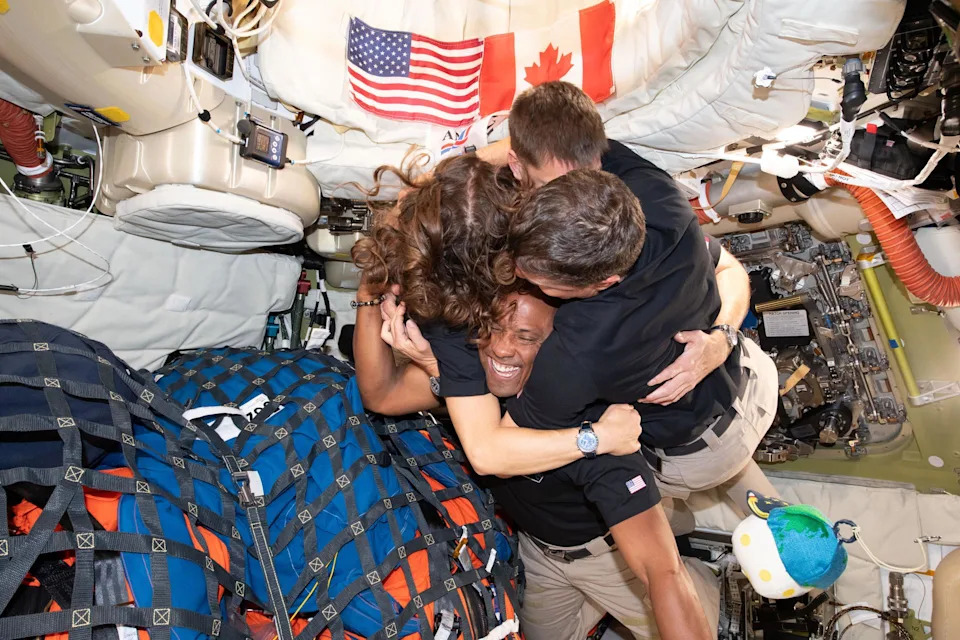
The crew members of Artemis II embrace following the historic lunar flyby April 6, during which the astronauts flew farther from Earth than anyone in human history while seeing sights of the moon's far side never seen in person.
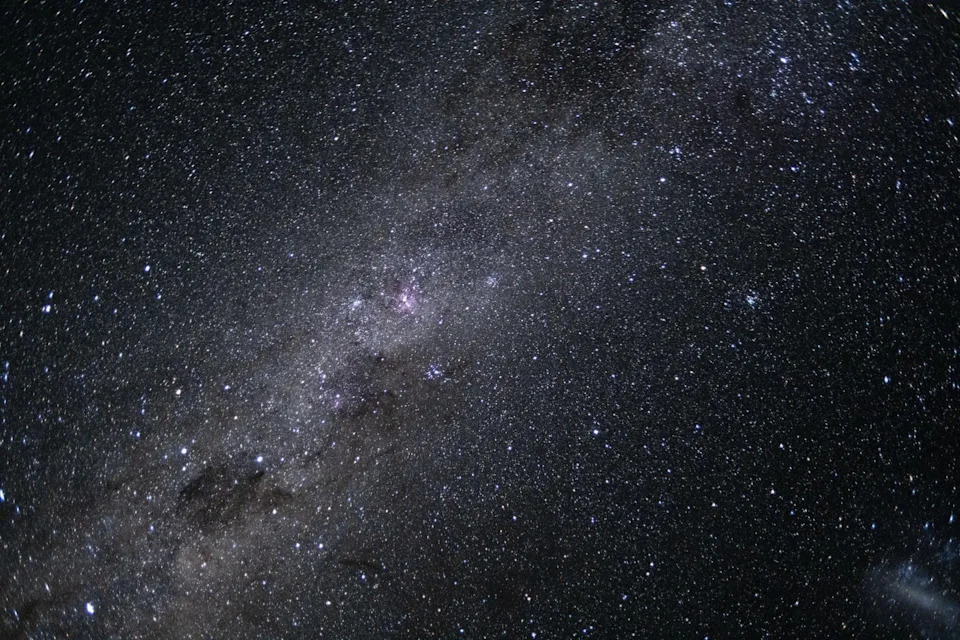
The Artemis II crew captured this breathtaking photo of our galaxy, the Milky Way. Spanning more than 100,000 light-years, Earth is located along one of the galaxy’s spiral arms, about halfway from the center.
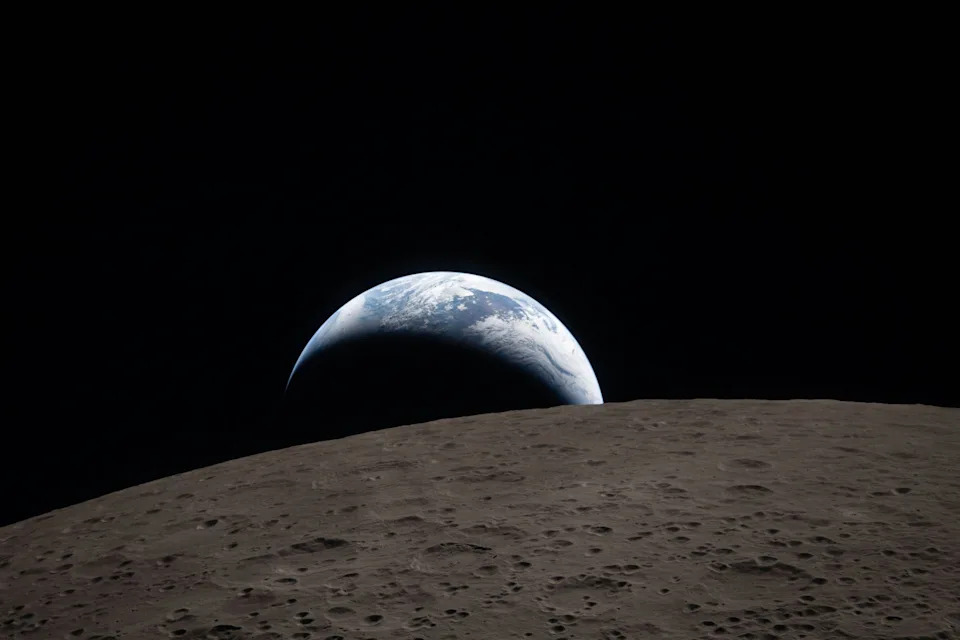
Earthset. The Artemis II crew captured this view of an Earthset on April 6, 2026, as they flew around the moon. The image is reminiscent of the iconic Earthrise image taken by astronaut Bill Anders 58 years earlier as the Apollo 8 crew flew around the moon. The Apollo 8 mission was the first crewed spacecraft to circumnavigate the moon. The Artemis II crew broke records for the farthest distance traveled from Earth — reaching a maximum distance of 252,756 miles from Earth during their journey. At their closest point, the Artemis II crew was within about 4,070 miles from the lunar surface.
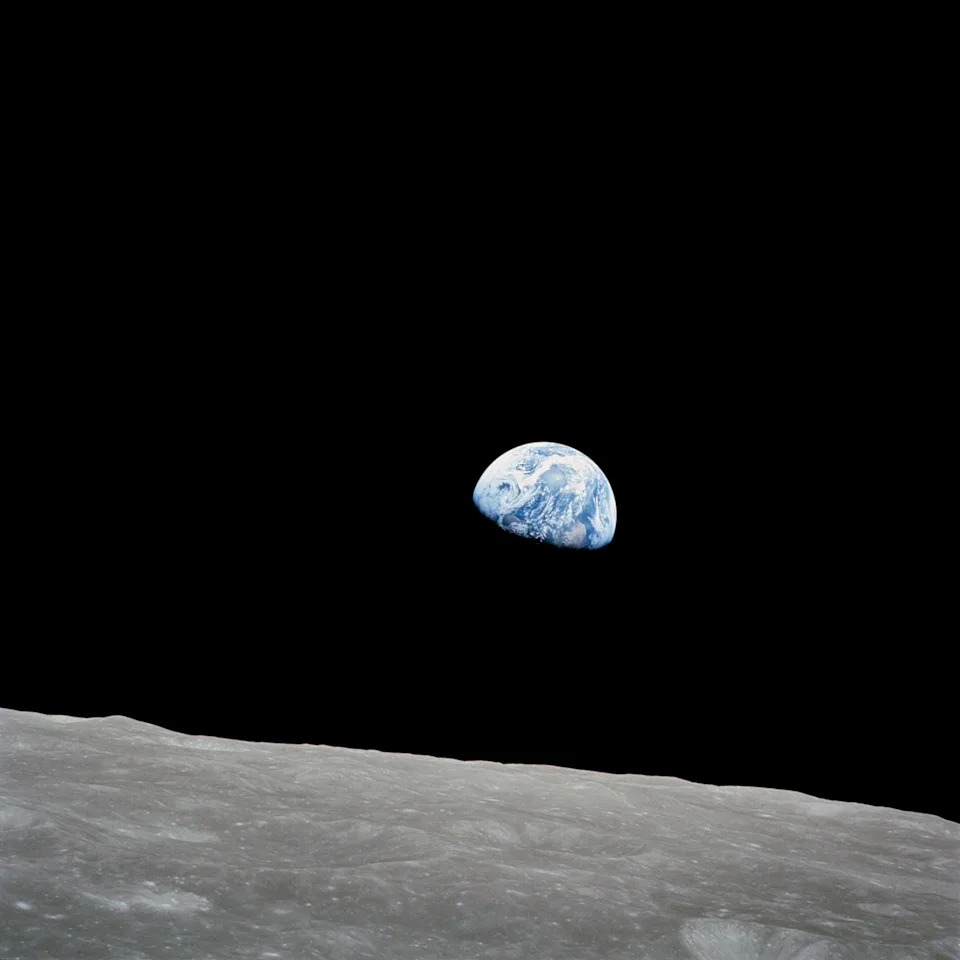
William Anders took the iconic “Earthrise” photo while in lunar orbit on Dec. 24, 1968.
Pomozite nam da budemo bolji.