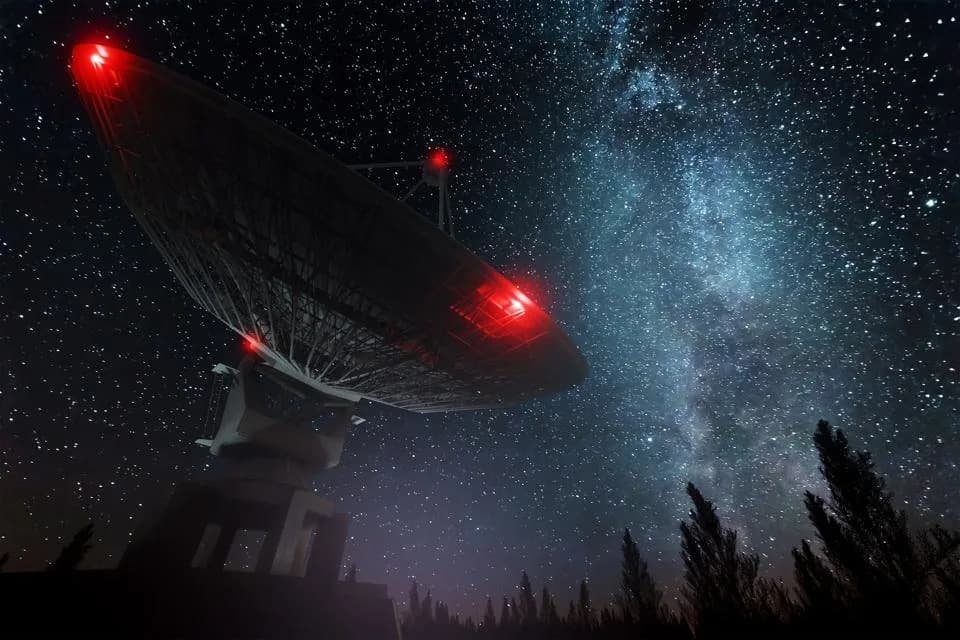
Međunarodna akademija astronautike iz Pariza ažurirala je protokole za obaveštavanje javnosti u slučaju otkrića inteligentnog vanzemaljskog života. Novi pravilnik, izrađen uz doprinos više od 350 istraživača, naglašava naučnu rigoroznost, transparentnost i zaštitu naučnika u eri društvenih mreža i deepfakeova. Preporuke uključuju strogu verifikaciju, koordinaciju sa UN i formiranje multidisciplinarnog komiteta za post-detekciju.
Kako bi nas obavestili ako otkriju vanzemaljce? Novi protokoli Akademije astronautike
What happens if we discover extraterrestrials? Scientists have a plan
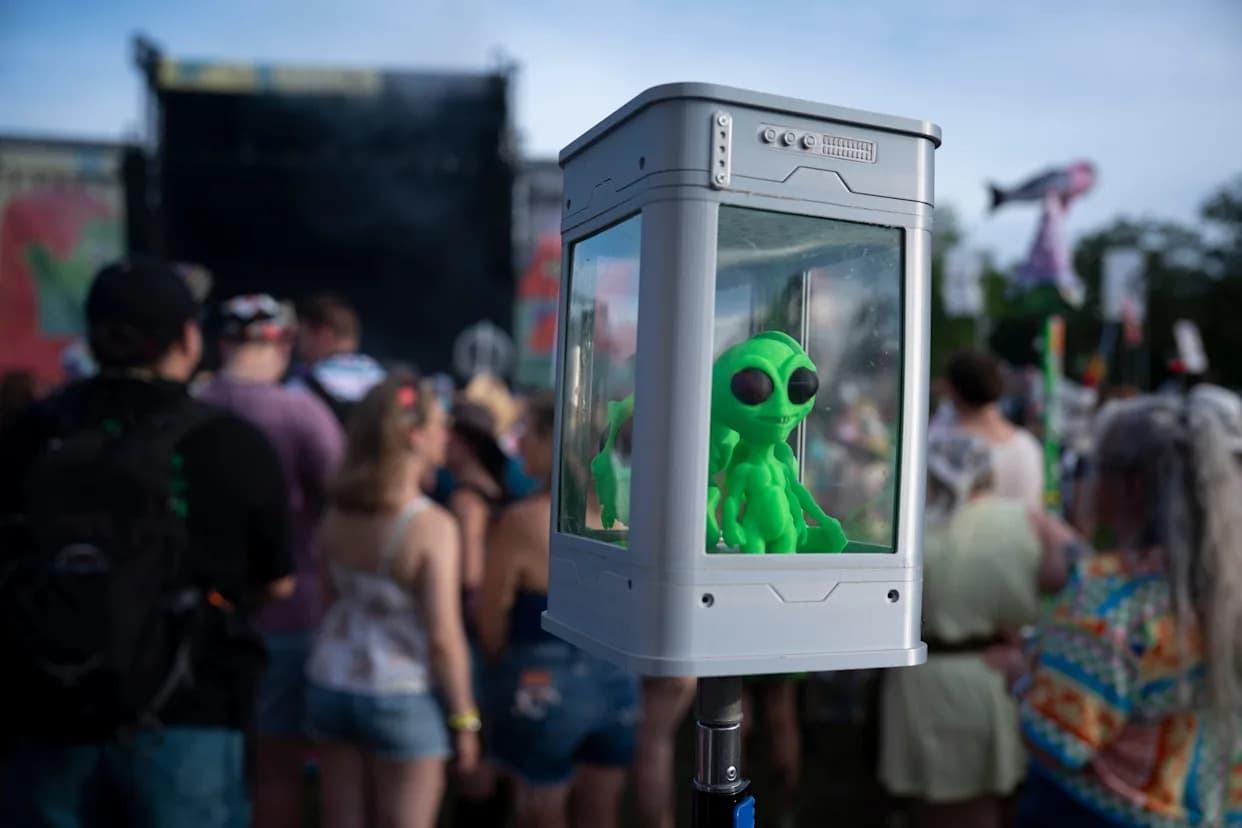
Decenijama nas fasciniraju slike "malih zelenih ljudi" u letećim tanjirima. I dok pop-kultura i teorije zavere hrane maštu, postoji i stvaran, međunarodno dogovoren okvir koji opisuje kako naučnici treba da potvrde i objave otkriće inteligentnog vanzemaljskog života — a sada je taj okvir ažuriran.
Međunarodna akademija astronautike (International Academy of Astronautics), sa sedištem u Parizu, prvi put posle više od 15 godina temeljno je revidirala svoje preporuke za obaveštavanje javnosti u slučaju otkrića vanzemaljskog života. Osnovni principi datiraju iz 1985. godine, protokoli su prvi put usvojeni 1989. godine, a poslednja veća revizija bila je 2010. godine.
Zašto su izmene bile potrebne?
Novo doba donelo je izazove koje raniji protokoli nisu morali da rešavaju: brzo širenje informacija preko društvenih mreža, manipulacije pomoću veštačke inteligencije i deepfake tehnologija, kao i 24-časovni medijski ciklus. Zbog toga su ažuriranja fokusirana na naučnu rigoroznost, transparentnost i zaštitu aktera koji prijavljuju potencijalna otkrića.
Glavne preporuke ažuriranih protokola
- Rigorozna verifikacija: Pre nego što se šira javnost obavesti, deteckcija mora proći strogu proveru i verifikaciju unutar naučne zajednice.
- Transparentna komunikacija: Informacije treba prvo podeliti sa relevantnim stručnim krugovima i međunarodnim telima, uključujući Ujedinjene nacije, pre javne objave.
- Zaštita naučnika: Uvođenje mera za zaštitu istraživača od online uznemiravanja, pretnji i dezinformacija.
- Post-detekcioni tim: Formiranje multidisciplinarnog komiteta koji će savetovati o dugoročnim društvenim, etičkim i bezbednosnim posledicama.
- Prepoznavanje novih technosignatures: Nisu u pitanju samo radio-signali — danas se prepoznaju i drugi tragovi tehnološke aktivnosti koji mogu ukazivati na vanzemaljsko poreklo.
- Bez jednostranih odgovora: Preporučuje se izbegavanje samostalnih reakcija bez međunarodnog konsenzusa i stručnog saveta.
"U eri deepfakeova, automatizovanih dezinformacija i trenutne globalne povezanosti, neverifikovane tvrdnje mogu izazvati zabunu ili paniku," rekao je astrofizičar Michael Garrett, predsednik komiteta Akademije za potragu za vanzemaljskom inteligencijom. "Ovi novi protokoli usmeravaju SETI naučnike da održavaju najviše standarde dokaza pre nego što objave vest svetu."
Širi kontekst i javni interes
Revizija dolazi u trenutku pojačanog javnog interesa: u SAD su javna saslušanja i objave o neidentifikovanim anomalnim pojavama (UAP) podstakli rasprave, dok popularna kultura (npr. filmovi) ponovno pokreće teme 'disclosure'-a i vladinih zataškavanja. Akademija naglašava da su smirena, profesionalna i koordinisana komunikacija ključne kako bi se izbegle panika i pogrešne interpretacije.
Smernice su preporučujućeg karaktera i nisu pravno obavezujuće, ali pružaju jasan etički i praktični okvir za naučne timove i institucije — posebno u vremenu kada jedna tvrdnja može za nekoliko sati obići svet.
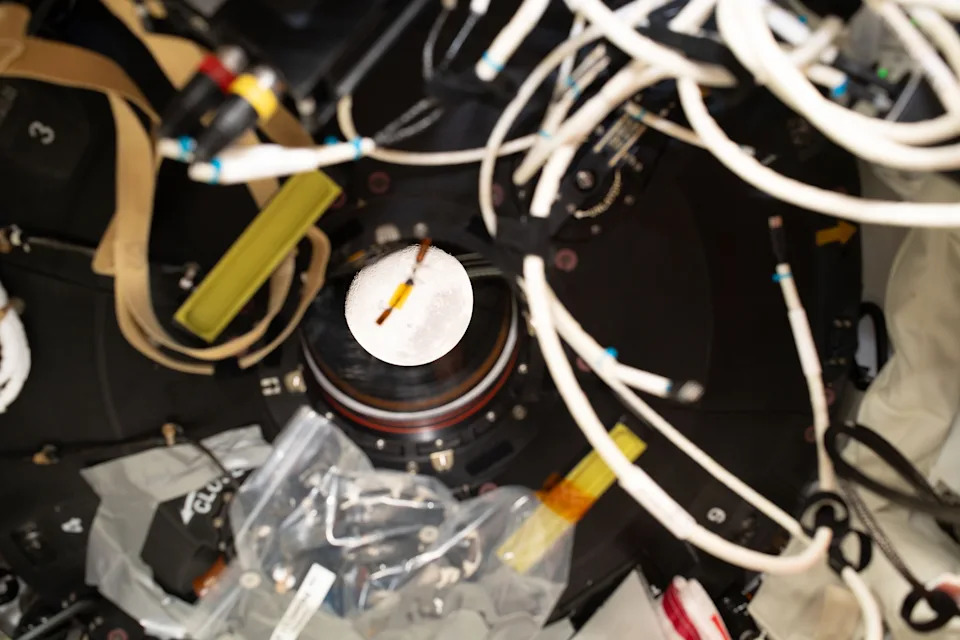
NASA released thousands of new photos taken during the Artemis II mission around the moon. The astronauts selected for the mission thoroughly documented the 10-day voyage, which included an April 6 lunar flyby as they traveled more than a quarter-million miles from Earth.(Provided by NASA)
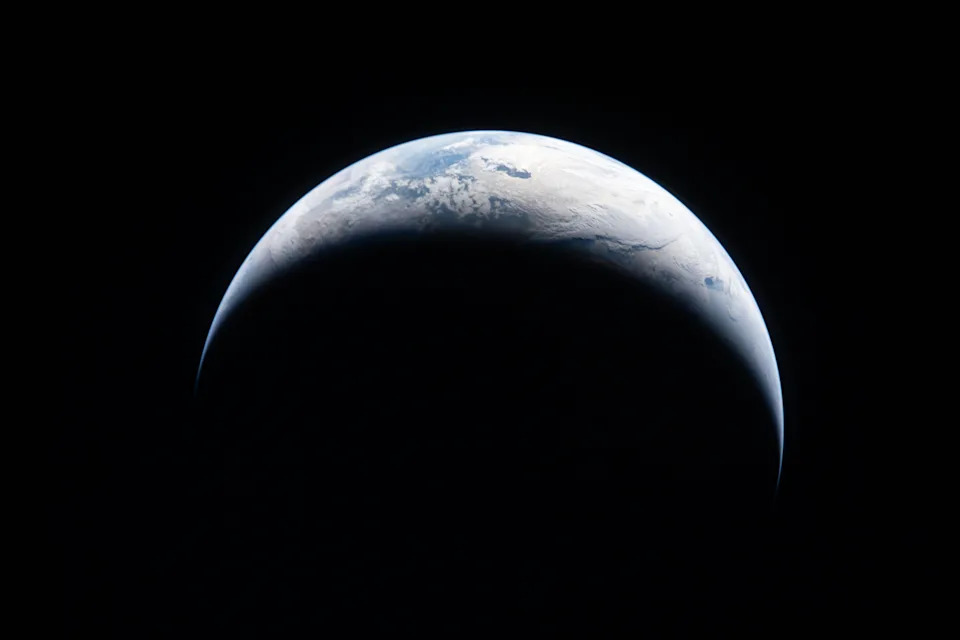
NASA released thousands of new photos taken during the Artemis II mission around the moon. The astronauts selected for the mission thoroughly documented the 10-day voyage, which included an April 6 lunar flyby as they traveled more than a quarter-million miles from Earth.(Provided by NASA)
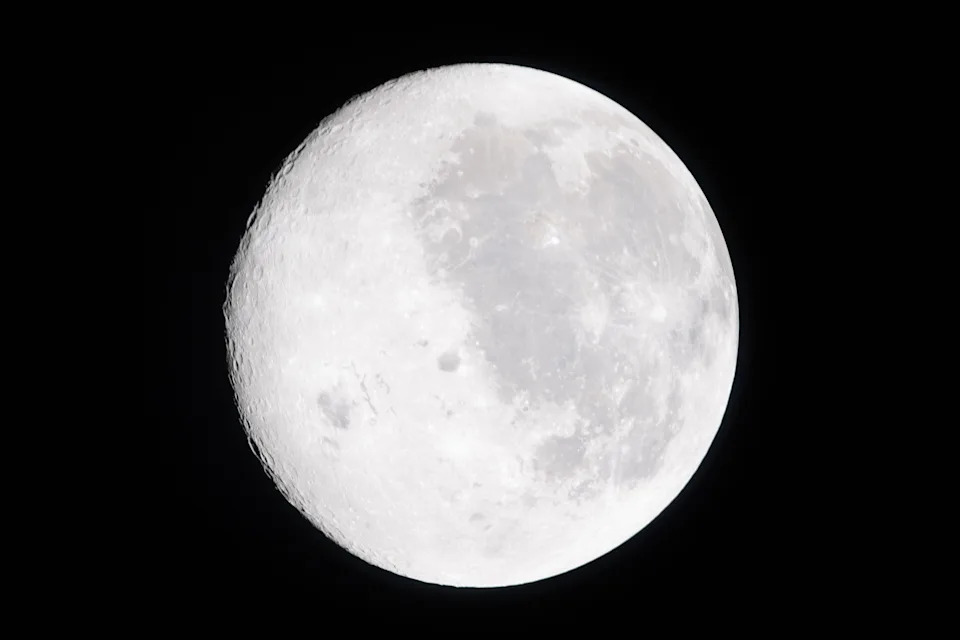
NASA released thousands of new photos taken during the Artemis II mission around the moon. The astronauts selected for the mission thoroughly documented the 10-day voyage, which included an April 6 lunar flyby as they traveled more than a quarter-million miles from Earth.(Provided by NASA)
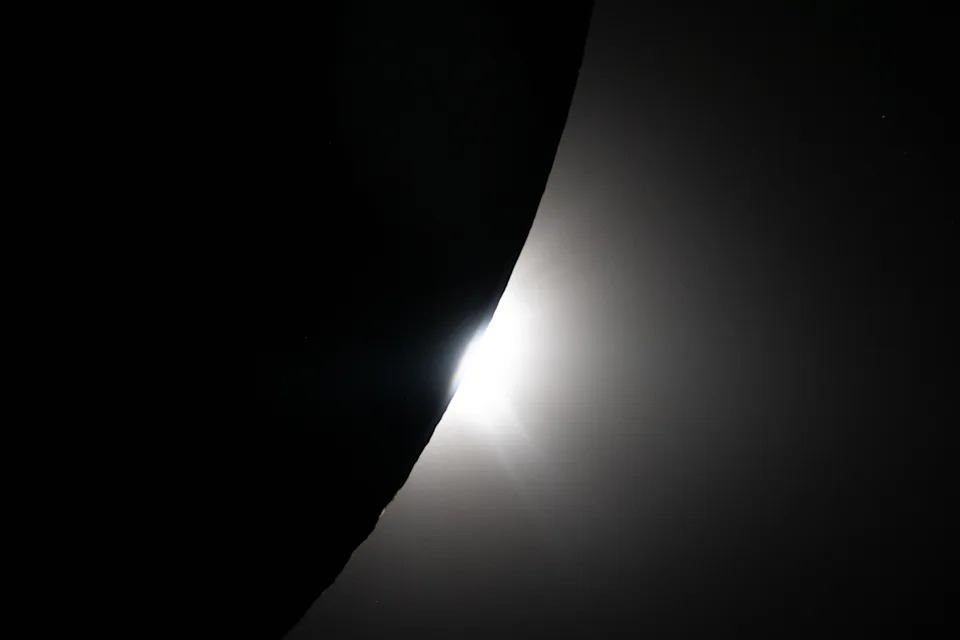
NASA released thousands of new photos taken during the Artemis II mission around the moon. The astronauts selected for the mission thoroughly documented the 10-day voyage, which included an April 6 lunar flyby as they traveled more than a quarter-million miles from Earth.(Provided by NASA)
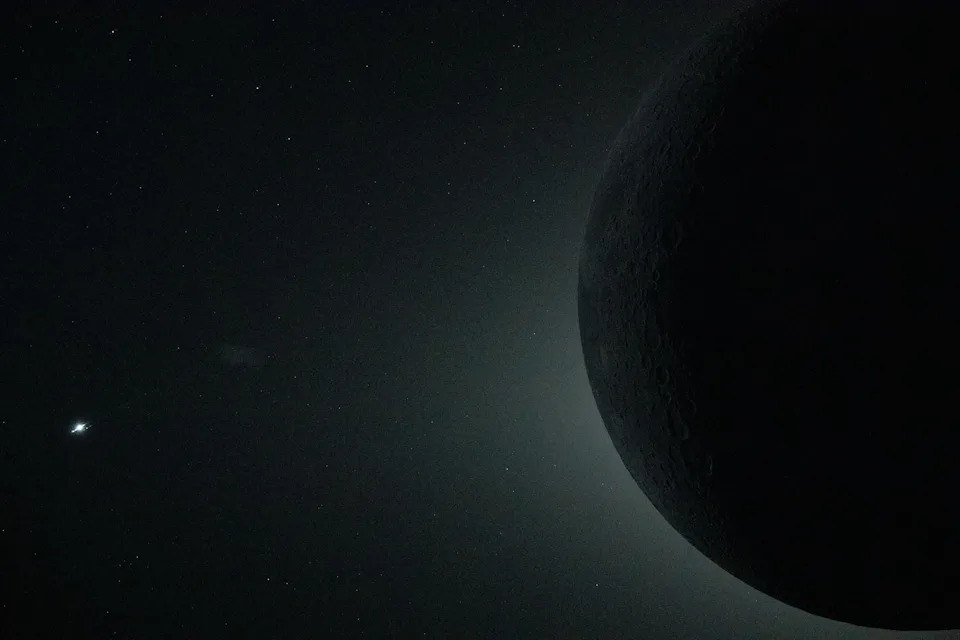
NASA released thousands of new photos taken during the Artemis II mission around the moon. The astronauts selected for the mission thoroughly documented the 10-day voyage, which included an April 6 lunar flyby as they traveled more than a quarter-million miles from Earth.(Provided by NASA)
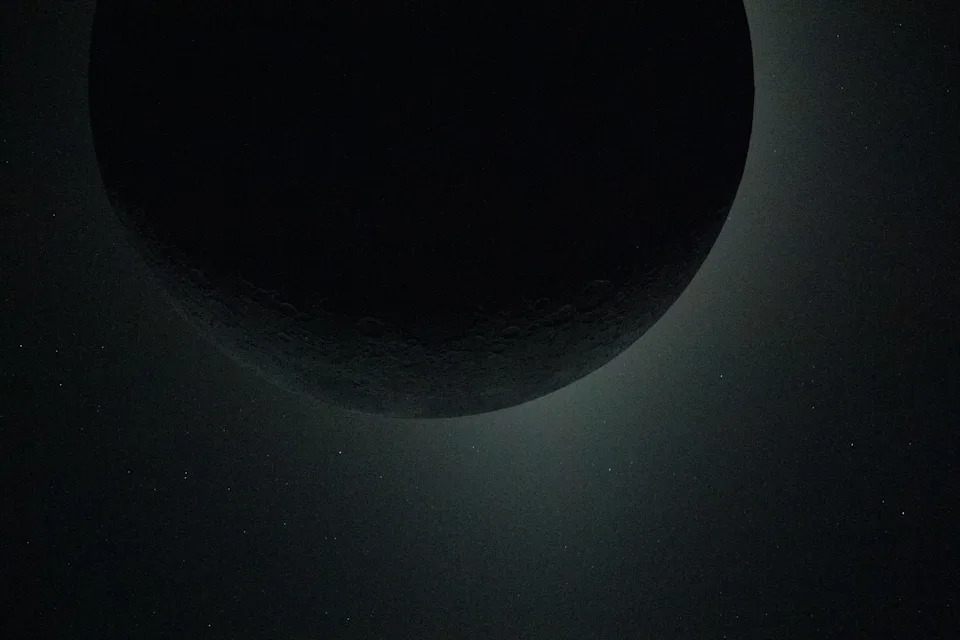
NASA released thousands of new photos taken during the Artemis II mission around the moon. The astronauts selected for the mission thoroughly documented the 10-day voyage, which included an April 6 lunar flyby as they traveled more than a quarter-million miles from Earth.(Provided by NASA)
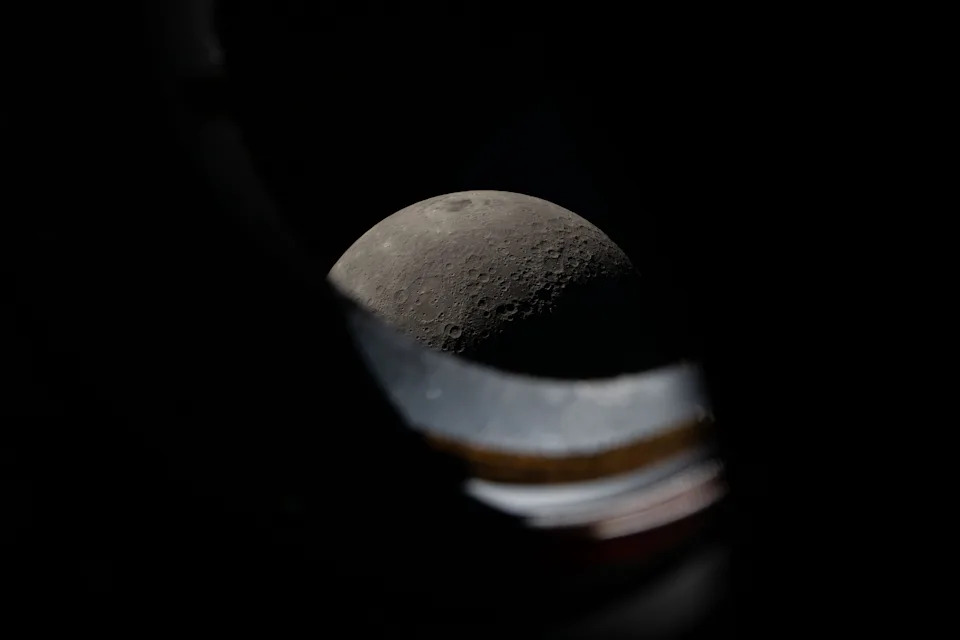
NASA released thousands of new photos taken during the Artemis II mission around the moon. The astronauts selected for the mission thoroughly documented the 10-day voyage, which included an April 6 lunar flyby as they traveled more than a quarter-million miles from Earth.(Provided by NASA)
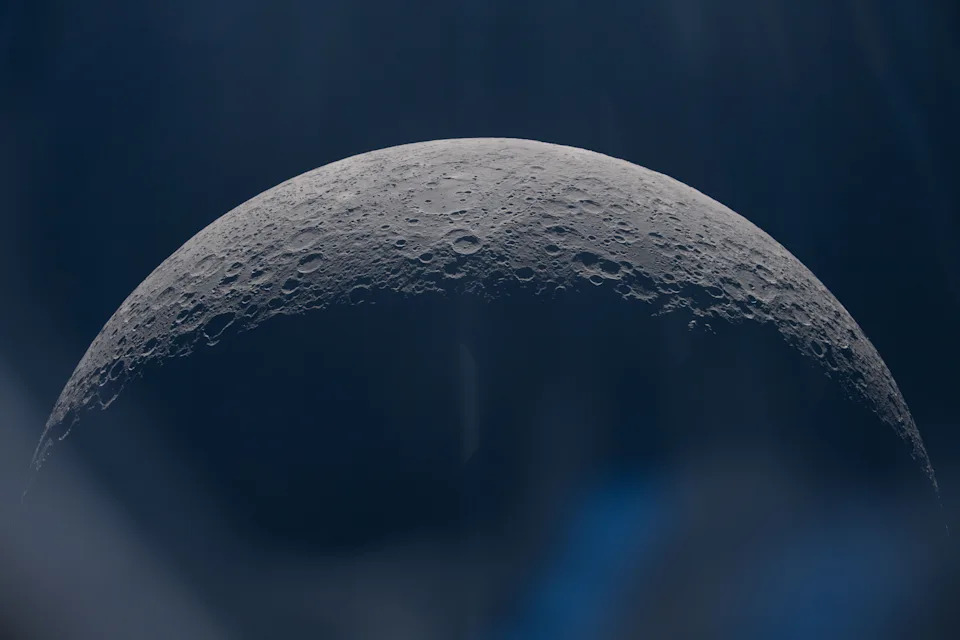
NASA released thousands of new photos taken during the Artemis II mission around the moon. The astronauts selected for the mission thoroughly documented the 10-day voyage, which included an April 6 lunar flyby as they traveled more than a quarter-million miles from Earth.(Provided by NASA)
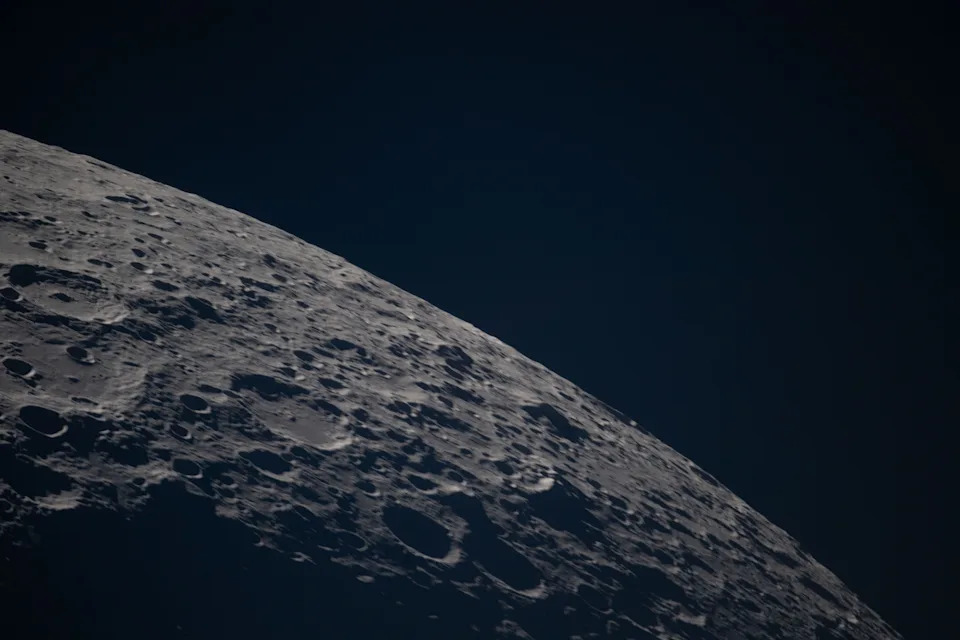
NASA released thousands of new photos taken during the Artemis II mission around the moon. The astronauts selected for the mission thoroughly documented the 10-day voyage, which included an April 6 lunar flyby as they traveled more than a quarter-million miles from Earth.(Provided by NASA)
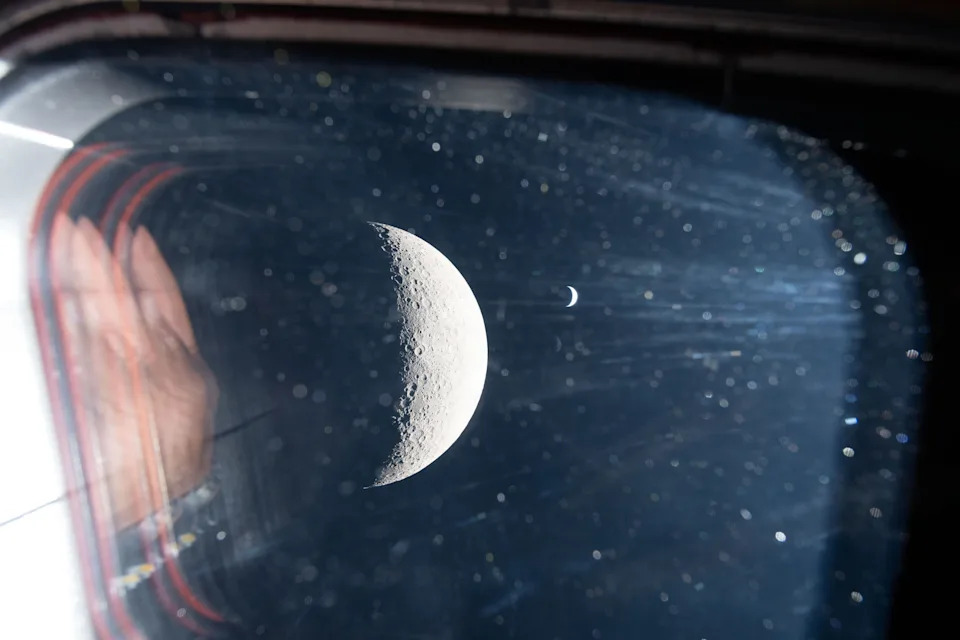
NASA released thousands of new photos taken during the Artemis II mission around the moon. The astronauts selected for the mission thoroughly documented the 10-day voyage, which included an April 6 lunar flyby as they traveled more than a quarter-million miles from Earth.(Provided by NASA)
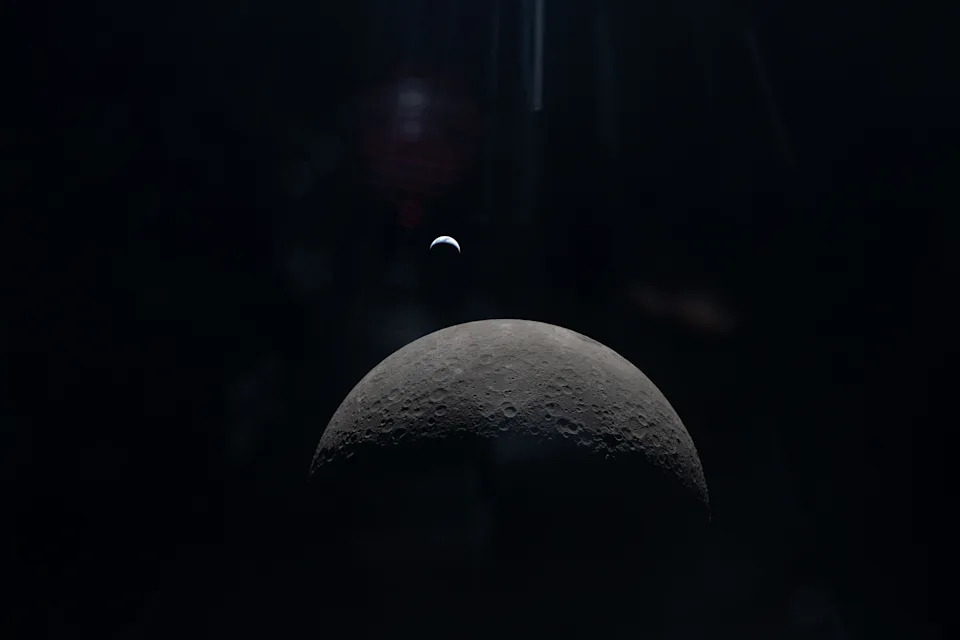
NASA released thousands of new photos taken during the Artemis II mission around the moon. The astronauts selected for the mission thoroughly documented the 10-day voyage, which included an April 6 lunar flyby as they traveled more than a quarter-million miles from Earth.(Provided by NASA)
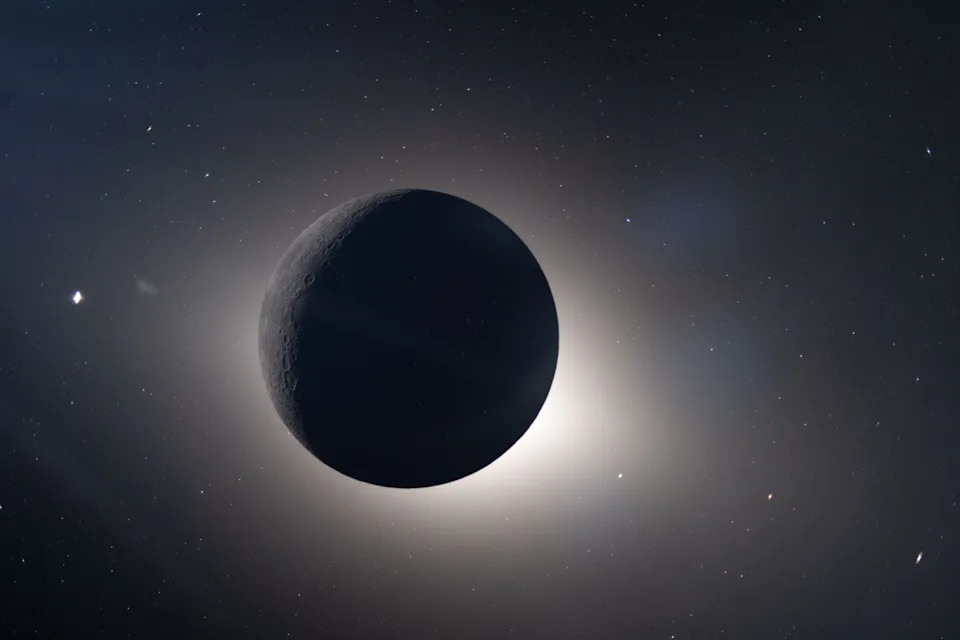
NASA released thousands of new photos taken during the Artemis II mission around the moon. The astronauts selected for the mission thoroughly documented the 10-day voyage, which included an April 6 lunar flyby as they traveled more than a quarter-million miles from Earth.(Provided by NASA)
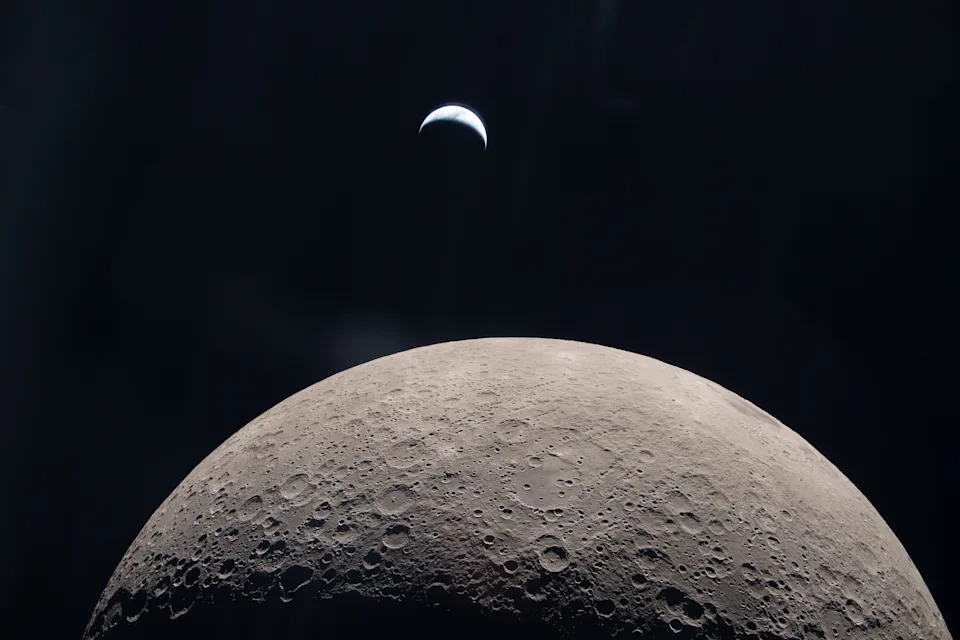
NASA released thousands of new photos taken during the Artemis II mission around the moon. The astronauts selected for the mission thoroughly documented the 10-day voyage, which included an April 6 lunar flyby as they traveled more than a quarter-million miles from Earth.(Provided by NASA)
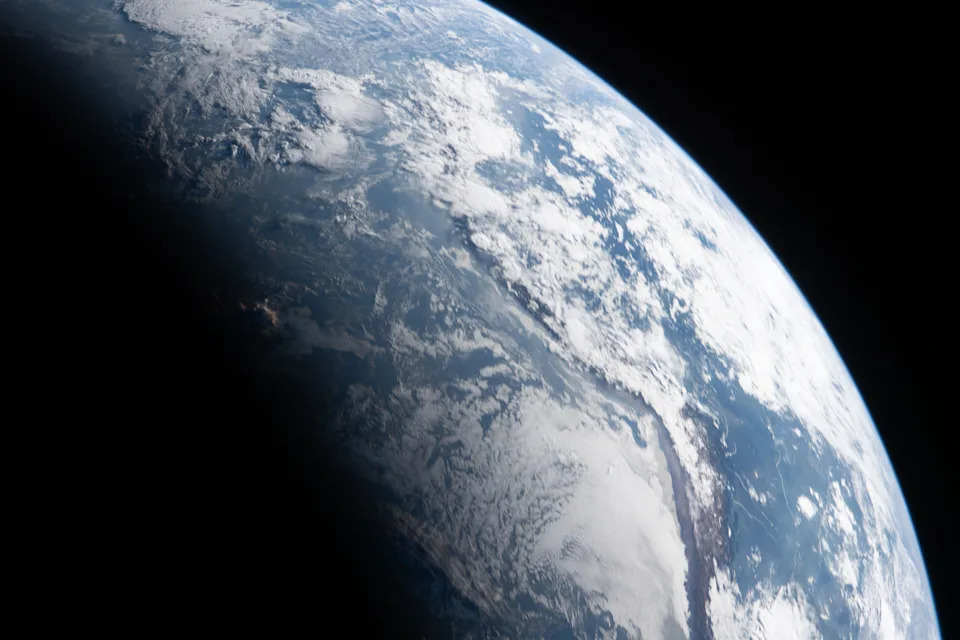
NASA released thousands of new photos taken during the Artemis II mission around the moon. The astronauts selected for the mission thoroughly documented the 10-day voyage, which included an April 6 lunar flyby as they traveled more than a quarter-million miles from Earth.(Provided by NASA)
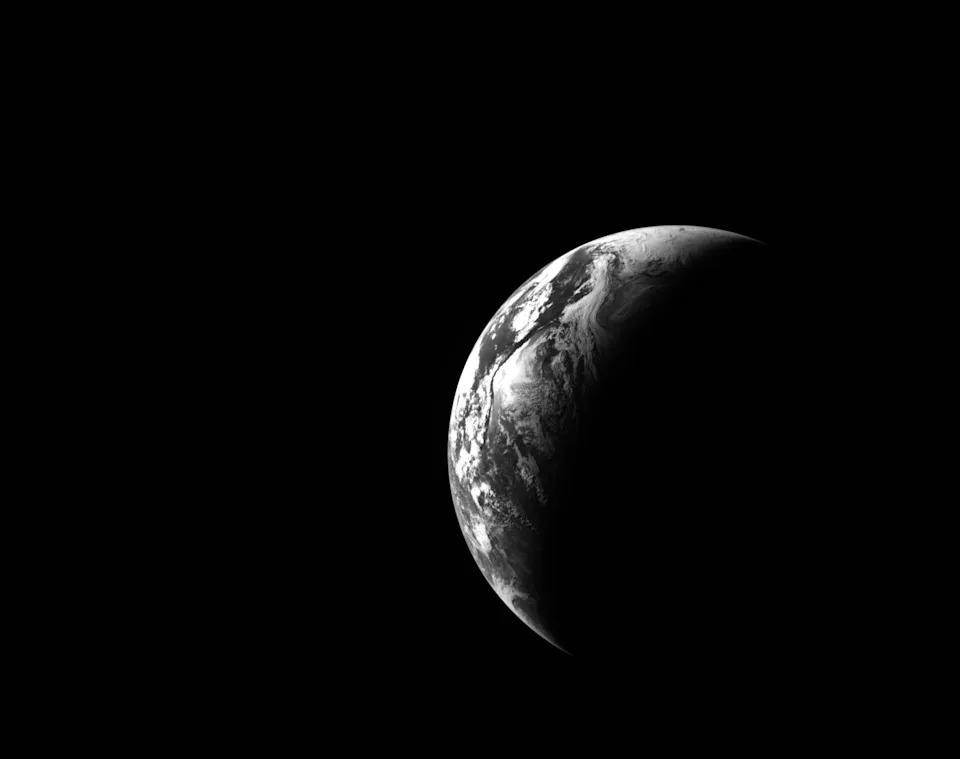
NASA released thousands of new photos taken during the Artemis II mission around the moon. The astronauts selected for the mission thoroughly documented the 10-day voyage, which included an April 6 lunar flyby as they traveled more than a quarter-million miles from Earth.(Provided by NASA)
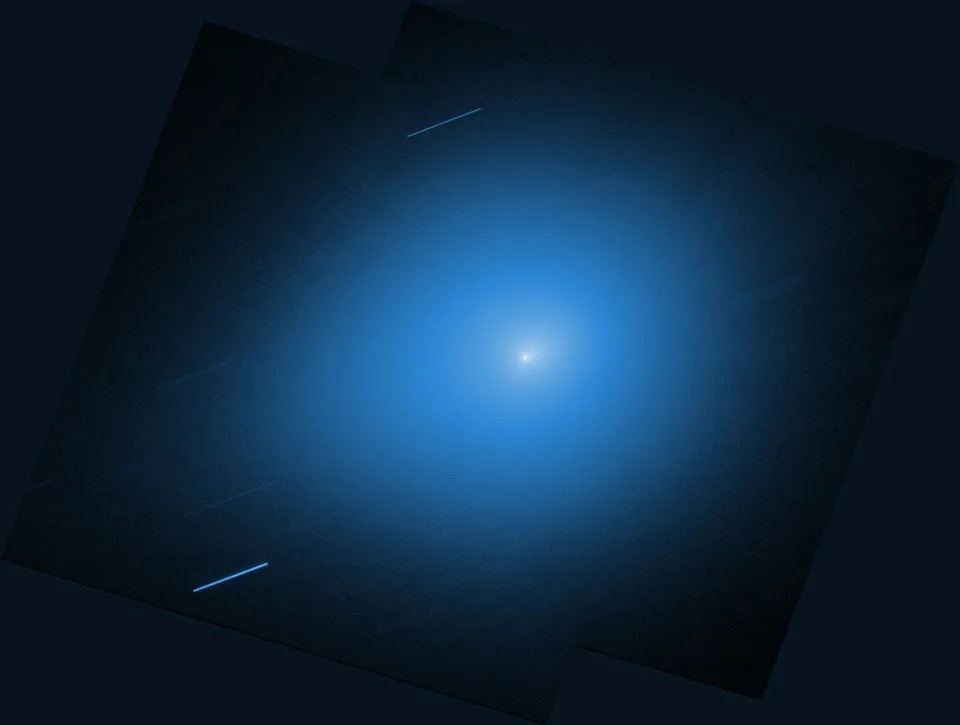
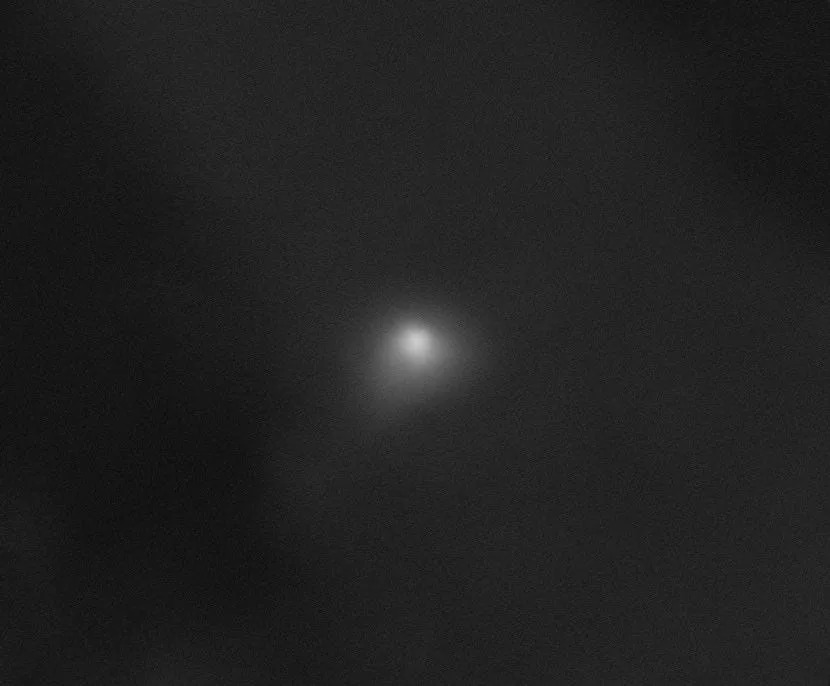
NASA’s Hubble Space Telescope last observed come 3I/ATLAS on Nov. 30, about four months after Hubble's first look at the interstellar comet. 3I/ATLAS became one of the biggest cosmic stories of the year when astronomers deemed it to be the third-ever discovered interstellar object in our solar system originating from an entirely different part of the galaxy.(ASA, ESA, STScI, D. Jewitt (UCLA), M.-T. Hui (Shanghai Astronomical Observatory). Image Processing: J. DePasquale (STScI))
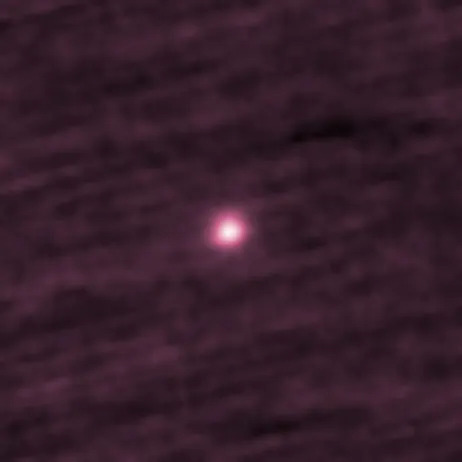
The High Resolution Imaging Science Experiment (HiRISE) camera aboard NASA’s Mars Reconnaissance Orbiter captured this image of interstellar comet 3I/ATLAS on Oct. 2, 2025. At the time it was imaged, the comet was about 19 million miles from the spacecraft. The comet didn't come nearly as close to Earth, when it reached a distance of 170 million miles from our planet on Dec. 19.(NASA/JPL-Caltech/University of Arizona)
This image shows the 3I/ATLAS interstellar comet as a bright, fuzzy orb in the center. Traveling through our solar system at 130,000 miles per hour, 3I/ATLAS was made visible by using a series of colorized stacked images from Sept. 11-25, using the Heliocentric Imager-1 (H1) instrument, a visible-light imager on the STEREO-A (Solar Terrestrial Relations Observatory) spacecraft. The colorization was applied to differentiate the image from other observing spacecraft images.(NASA/Lowell Observatory/Qicheng Zhang)
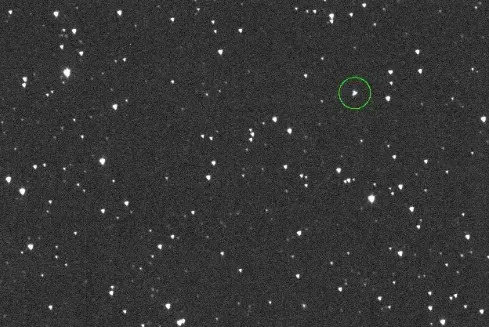
Because it's big enough to be deemed a "city killer," asteroid 2024 YR4 became a source of alarm due to the uncommonly high risk it had of colliding with Earth on Dec. 22, 2032. For a time, it was the only object among more than 37,000 known large space rocks with any chance of hitting Earth anytime soon – with its probability of impact even rising to a record level of 3.1%.That began to change in late February as more precise observations allowed scientists to effectively winnow down the asteroid's odds of impact to a number so low, it might as well be zero.(NASA Asteroid Watch)
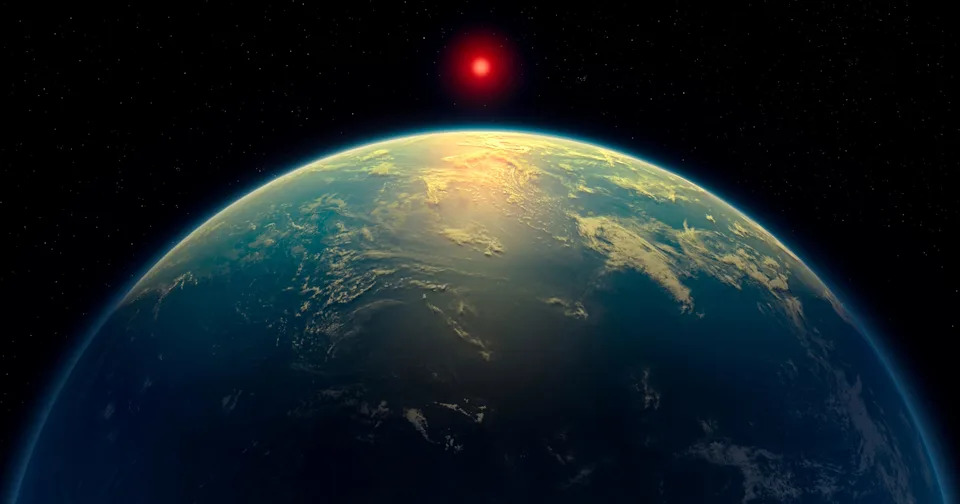
An exoplanet known as K2-18b achieved a degree of fame in April when a team of astronomers claimed to have found in its atmosphere "the strongest evidence yet" that life exists anywhere else besides Earth. Other scientists have since cast doubt on the findings – putting a damper on the notion that humanity finally had proof that we aren't alone in the cosmos.(A. Smith, N. Madhusudhan/University of Cambridge/Handout via Reuters)
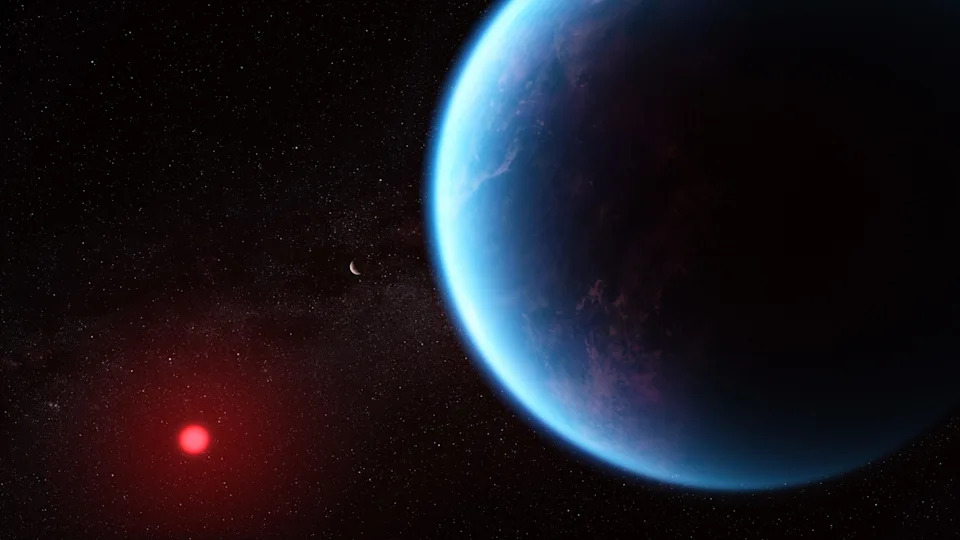
This artist's concept shows what exoplanet K2-18b could look like based on scientific data. NASA's James Webb Space Telescope has observed K2-18b, an exoplanet 8.6 times as massive as Earth, revealing conditions that could support life on the exoplanet.(Illustration: NASA, CSA, ESA, J. Olmsted (STScI), Science: N. Madhusudhan (Cambridge University))
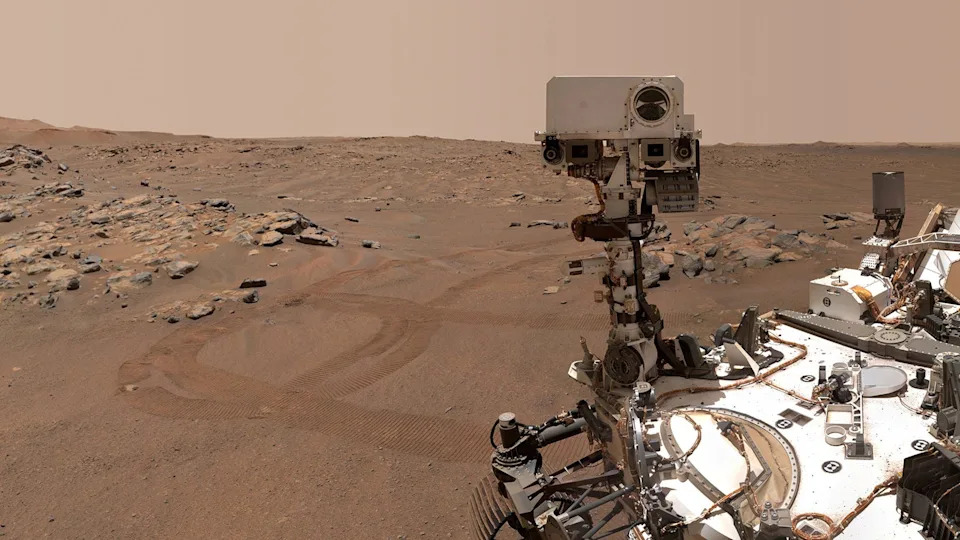
NASA’s Perseverance Mars rover is seen in a "selfie" that it took over on Sept. 10, 2021. Perseverance rover, along with Curiosity, is one of the agency's two car-sized robots exploring the Martian surface for signs that the planet was once habitable. And in September, NASA officials confirmed that one of the rovers’ finds contained a potential biosignature.(NASA/JPL-CALTECH/MSSS via Reuters)
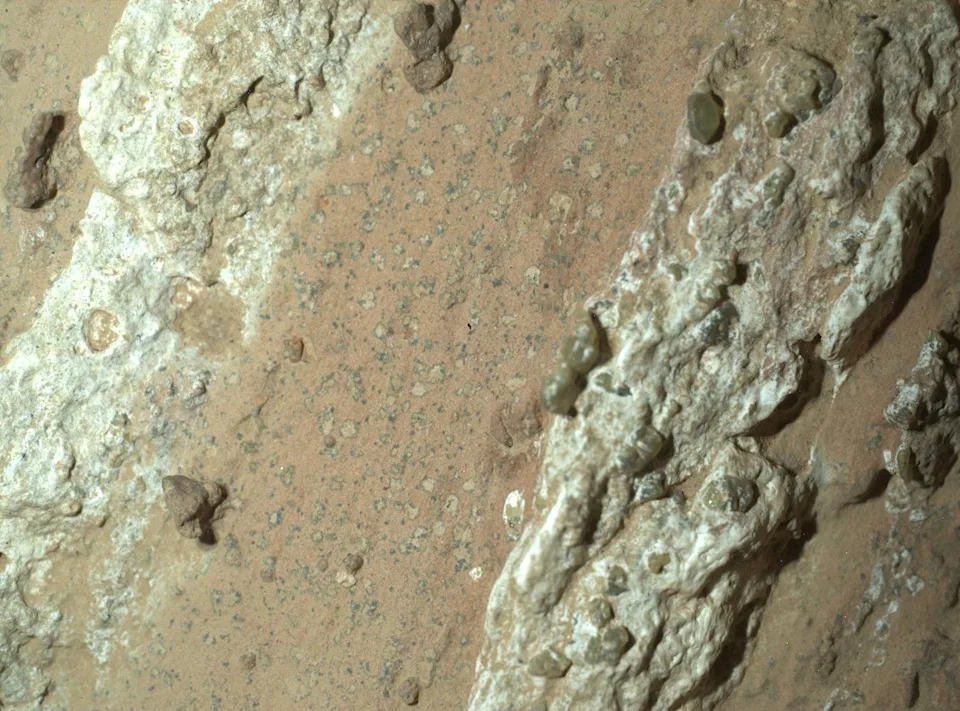
A reddish rock nicknamed "Cheyava Falls", with features resembling leopard spots was discovered by NASA's Perseverance rover in Mars’ Jezero Crater in July 2024, in this handout photograph released on September 10, 2025.(NASA/JPL-Caltech/MSSS, via REUTERS)
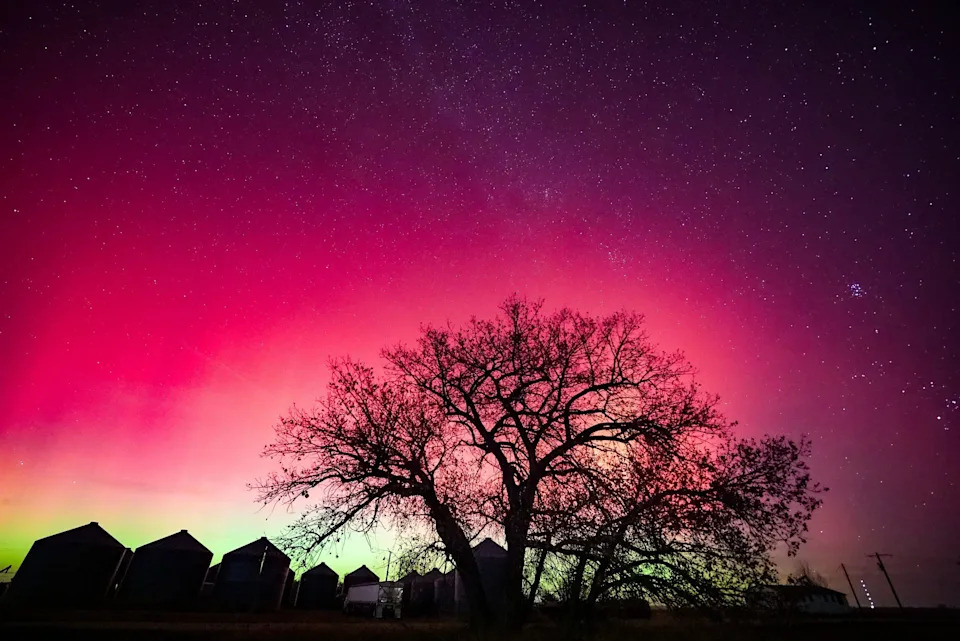
The northern lights, also known as the aurora borealis, light up the night sky Nov. 11 east of Denver, Colorado. A powerful geomagnetic solar storm in November blasted Earth and created the conditions necessary to reveal the auroras much further south in the United States than is typical.(Trevor Hughes/USA TODAY)
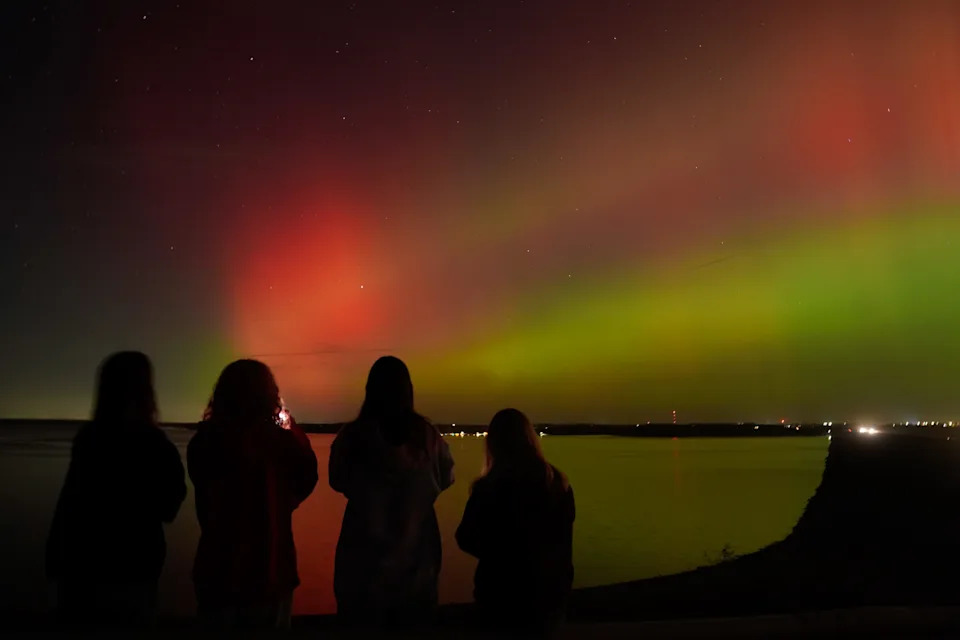
A group of friends take photos of the northern lights Nov. 11 as they appear over Clinton Lake in Lawrence, Kansas. After NOAA's Space Weather Prediction Center issued a "severe" geomagnetic storm watch in November, many people in the Northern Hemisphere, which includes the U.S., had an extraordinary opportunity to gaze upon some breathtaking red and green auroras in their own backyard.(Evert Nelson/The Capital-Journal)
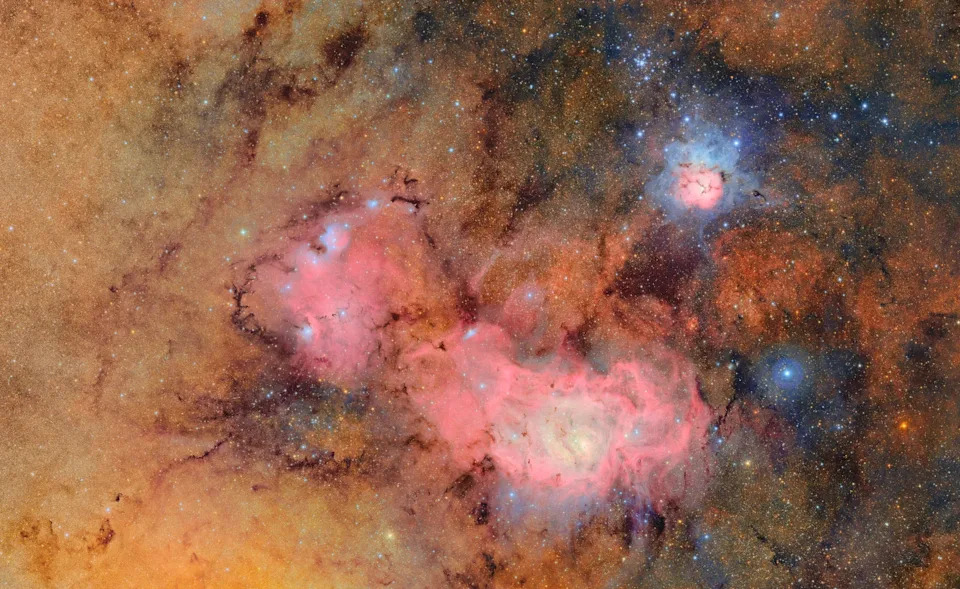
In June, the state-of-the-art Vera C. Rubin ground telescope in Chile unveiled its first stunning images of the cosmos. This particular image combines 678 separate images taken by the observatory in just over seven hours of observing time. Combining many images in this way clearly reveals otherwise faint or invisible details, such as the clouds of gas and dust that comprise the Trifid nebula (top) and the Lagoon nebula, which are several thousand light-years away from Earth.(NSF–DOE Vera C. Rubin Observatory)
Pomozite nam da budemo bolji.