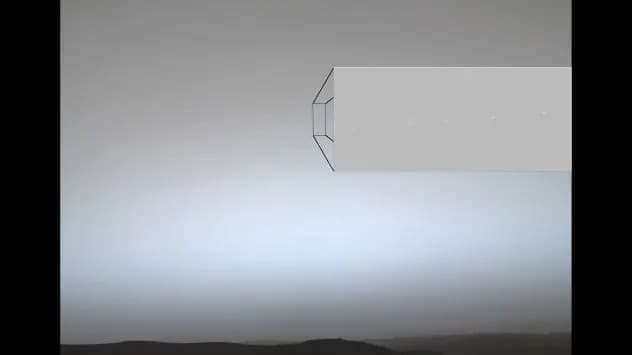
NASA-in svemirski brod Psyche je u maju izveo bliski prolaz pored Marsa i snimio retke fotografije koje su objavljene 17. jula nakon detaljne obrade. Prelet je poslužio i kao gravitacioni asist koji je ubrzao letelicu i uštedeo gorivo na putu ka metalnom asteroidu Psyche. Misija, lansirana u oktobru 2023., cilja dolazak do asteroida do kraja 2029. godine.
Retke fotografije Marsa: NASA-in brod Psyche snimio planetu tokom gravitacionog preleta
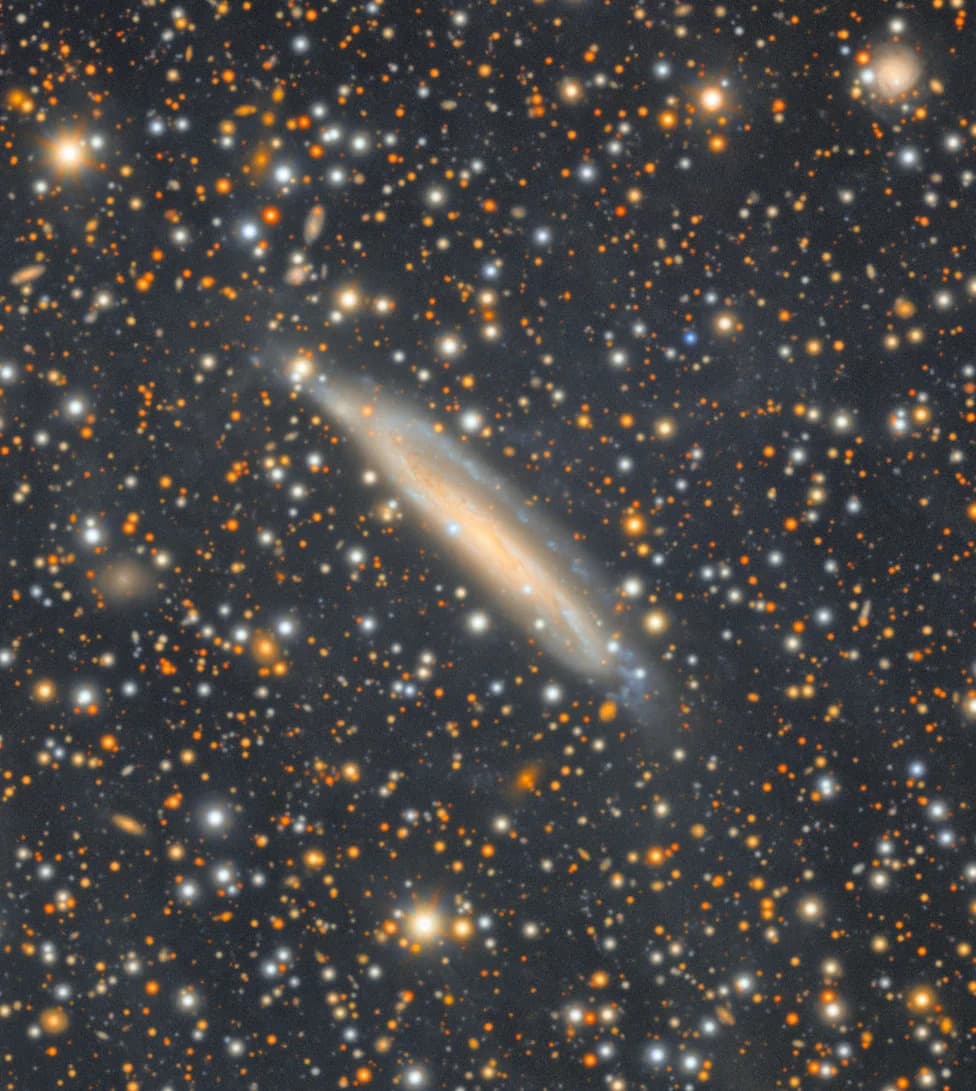
This is a section from a larger image the Vera C. Rubin Observatory captured referred to as the "ocean of stars." The view shows millions of multi-colored stars against a backdrop of galaxies close to the Milky Way’s plane, the crowded disk of the galaxy.(NSF–DOE Vera C. Rubin Observatory/NOIRLab/SLAC/AURA)
Svemirski brod NASA-e Psyche, na putu ka metalnom asteroidu istog imena, u maju je izveo bliski prolaz pored Marsa i snimio neobične, retko viđene prizore crvene planete. NASA je 17. jula objavila obrađene fotografije i time-lapse video nakon nedelja preuzimanja i analize podataka.
Većina snimaka Marsa obično prikazuje prepoznatljivi crvenkasti disk i rđavo obojenu površinu. Međutim, slike koje je snimio Psyche daju novi, neobičan pogled na planetu zahvaljujući drugačijoj geometriji osvetljenja i uglu posmatranja tokom preleta.
Zašto je ovaj prelet značajan?
Psyche je pri najbližem pristupu prošao na udaljenosti od oko 2.800 milja (približno 4.500 km) od površine Marsa. U trenutku susreta letelica se kretala brzinom od oko 12.333 milje na sat (≈ 19.840 km/h). Pored snimanja, tim NASA-e iskoristio je prolaz za gravitacioni asist — manevar sličan katapultu koji je ubrzao letelicu i pomogao da se uštedi gorivo dok je fina podešavanja putanje bila neophodna.
Cilj misije
Psyche je lansiran u oktobru 2023. i putuje na šestogodišnjem putovanju dugom oko 2,2 milijarde milja (≈ 3,5 milijardi km) ka glavnom asteroidalnom pojasu između Marsa i Jupitera. Krajnja destinacija je metalni asteroid Psyche — objekt koji naučnici žele da prouče jer bi mogao da ponudi uvid u sastav i procese slične onima u jezgru Zemlje. Planirani dolazak do asteroida predviđen je do kraja 2029. godine.
Obrada i izjava
Fotografije su snimljene tokom svemirskog susreta u maju, a NASA i tim sa Jet Propulsion Laboratory su nedeljama preuzimali, analizirali i obrađivali podatke pre javnog objavljivanja. "Rezultati nude retko viđene prizore crvene planete," rekao je Jim Bell, vođa tima za instrument imidžiranja misije Psyche sa Arizona State University u Tempeu.
Osim fotografija, NASA je objavila i time-lapse video koji prikazuje prilaz i udaljavanje Psyche od Marsa, što dodatno ilustruje dinamiku preleta i promene u pogledu na planetu.
Šta to znači za misiju?
Gravitacioni asist je omogućio dodatno ubrzanje bez dodatne potrošnje pogonskog goriva, što timu daje veću fleksibilnost u planiranju ostatka puta do asteroida. Ovaj manevar je tipičan za međplanetarne misije koje koriste gravitacione poljane planeta kako bi prilagodile brzinu i kurs uz minimalnu upotrebu propelenta.
Autor izvorne reportaže
Originalni tekst napisao je Eric Lagatta za USA TODAY (Space Connect). Kontakt: elagatta@usatodayco.com.
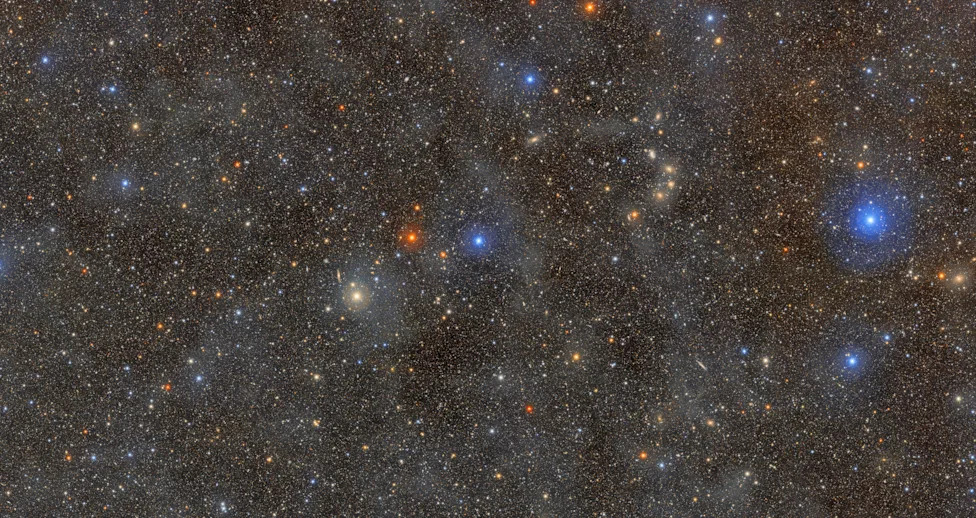
A field of stars in the constellation Lupus showcases the unprecedented view of the universe that the Vera C. Rubin Observatory provides. Rubin combines a wide view of the sky with the ability to detect extremely faint objects, revealing details of the cosmos across an enormous range of scales.(NSF–DOE Rubin Observatory/NOIRLab/SLAC/AURA)
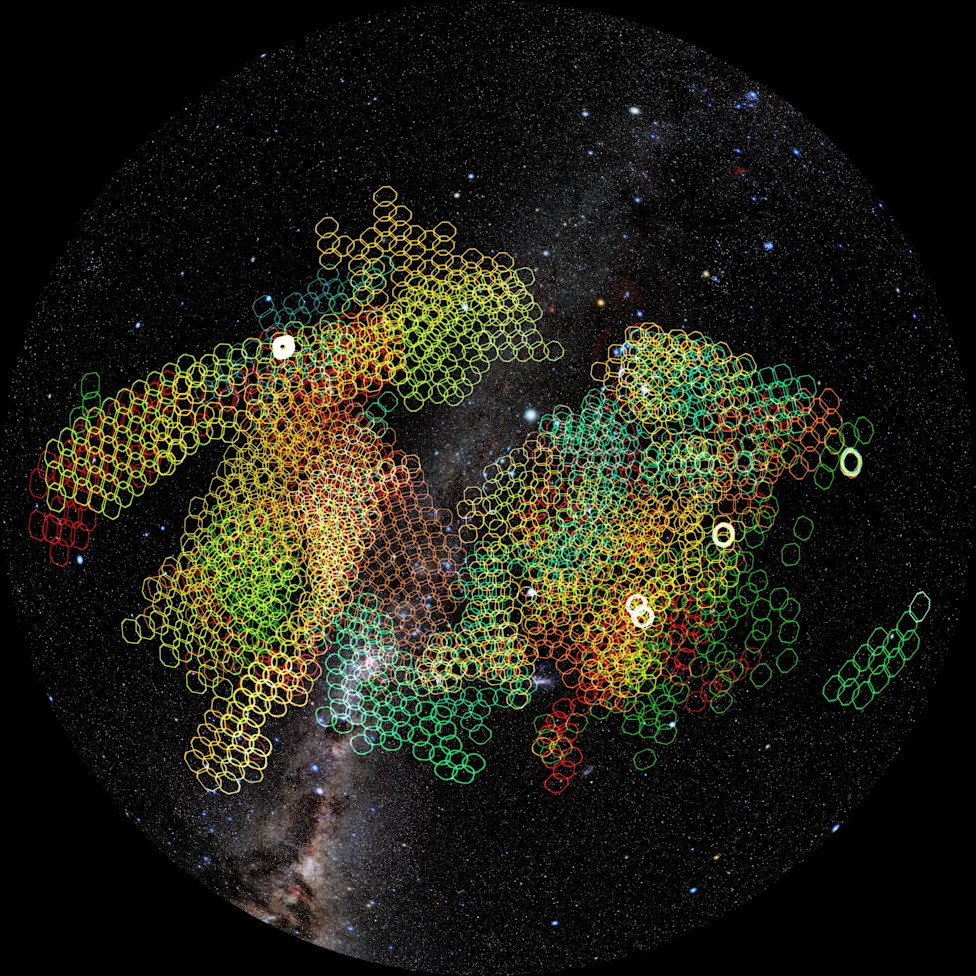
This map represents how much sky the Rubin Observatory can map in one week, with he color of the tile representing the filter used for each exposure as the Observatory rapidly builds a multicolor map of the universe.(NSF–DOE Rubin Observatory/NOIRLab/SLAC/AURA)
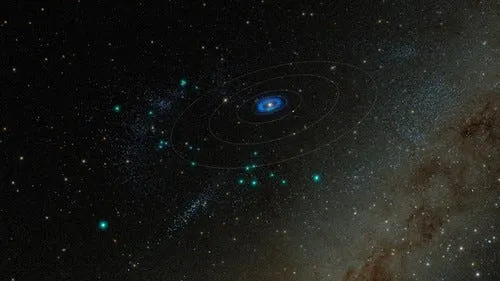
A model of the Solar System showing the roughly 380 trans-Neptunian objects (objects orbiting beyond Neptune) discovered using observations taken during Rubin’s early optimization surveys in summer 2025.(NSF–DOE Vera C. Rubin Observatory/NOIRLab/SLAC/AURA/R. Proctor)
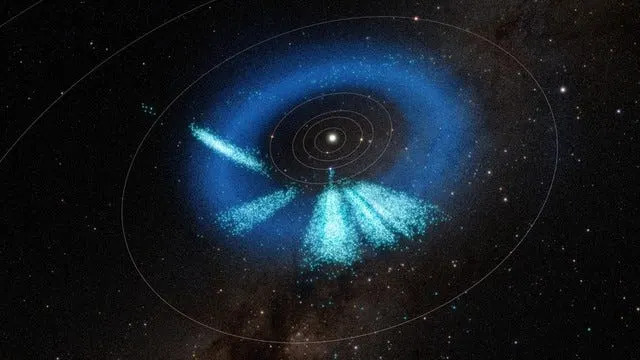
A model of the inner Solar System showing the asteroids discovered by Rubin in light teal. Known asteroids are dark blue. The model shows almost 12,700 asteroids that were discovered with Rubin over the span of a year and a half.(NSF–DOE Vera C. Rubin Observatory/NOIRLab/SLAC/AURA/R. Proctor)
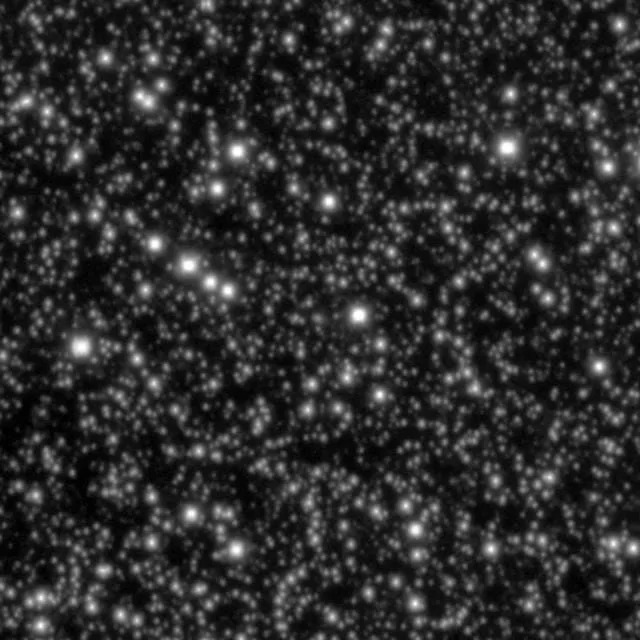
This image shows comet 3I/ATLAS, the third interstellar object ever discovered, on June 21, 2025 — ten days before its official discovery was announced.(NSF–DOE Vera C. Rubin Observatory/NOIRLab/SLAC/AURA; Image Processing: C. Chandler (University of Washington), M. Zamani & D. de Martin (NSF NOIRLab))
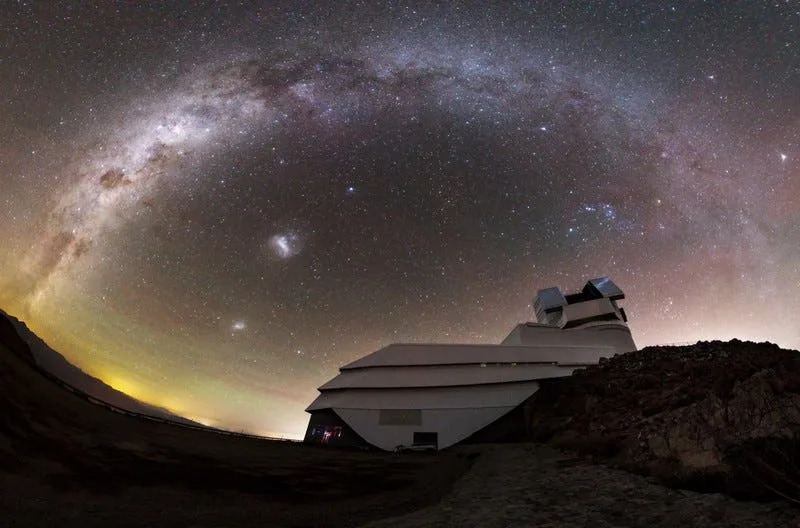
In this photo captured in February 2026, the Rubin Observatory observes the Chilean night sky above Cerro Pachón beneath the dazzling view of our home galaxy, the Milky Way.(NSF–DOE Rubin Observatory/NOIRLab/SLAC/AURA/P. Lago)
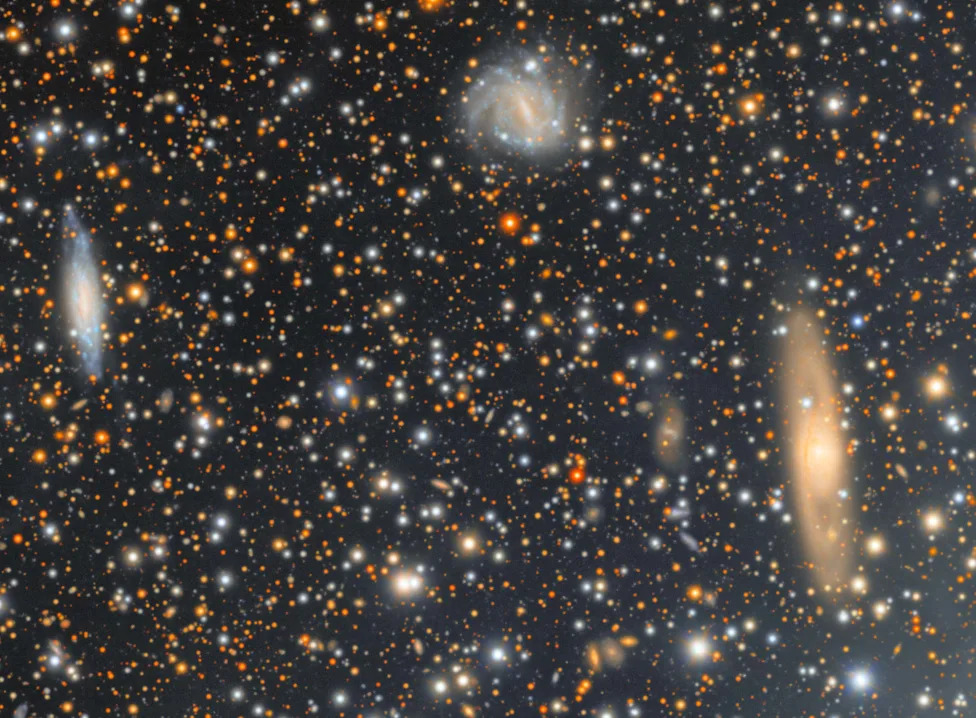
This is a section from a larger image the Vera C. Rubin Observatory captured referred to as the "ocean of stars." The view shows millions of multi-colored stars against a backdrop of galaxies close to the Milky Way’s plane, the crowded disk of the galaxy.(NSF–DOE Vera C. Rubin Observatory/NOIRLab/SLAC/AURA)
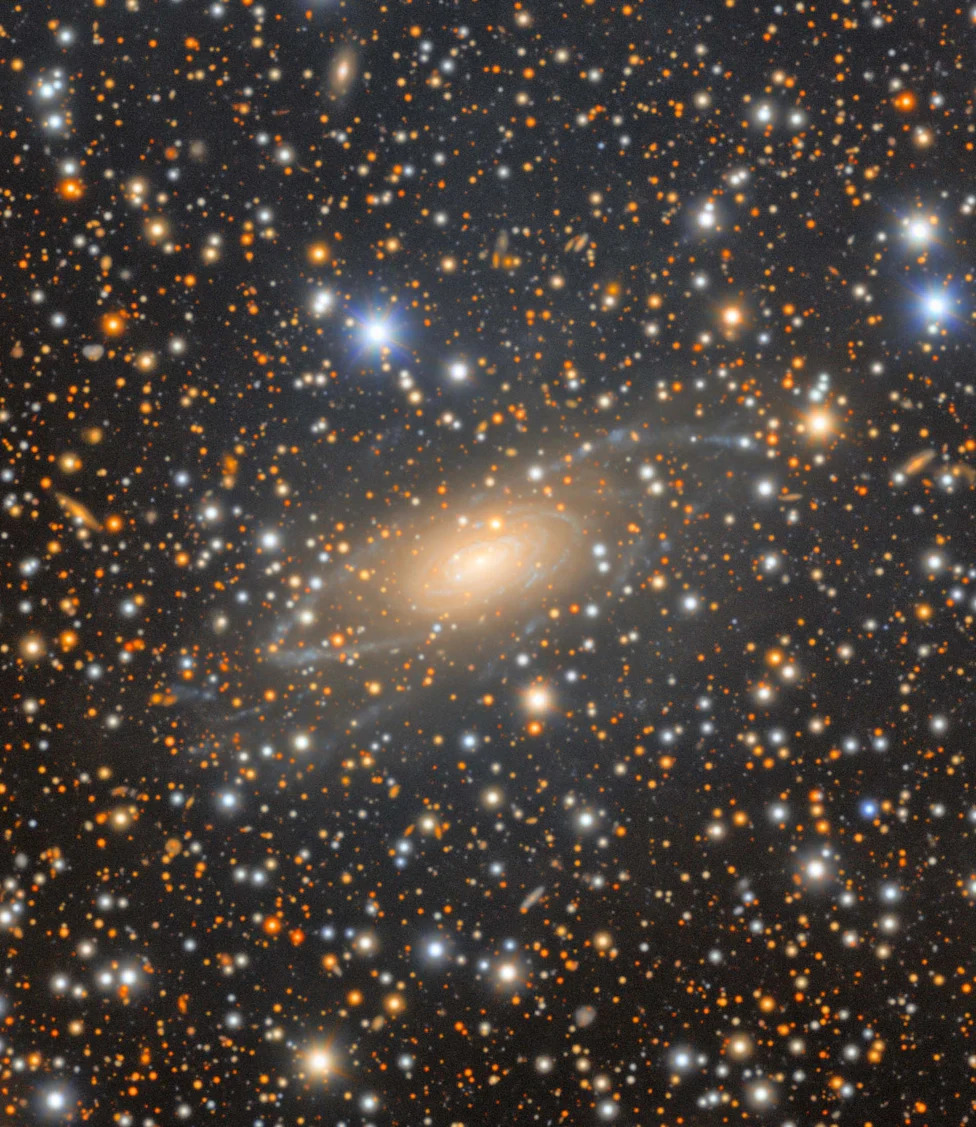
This is a section from a larger image the Vera C. Rubin Observatory captured referred to as the "ocean of stars." The view shows millions of multi-colored stars against a backdrop of galaxies close to the Milky Way’s plane, the crowded disk of the galaxy.(NSF–DOE Vera C. Rubin Observatory/NOIRLab/SLAC/AURA)
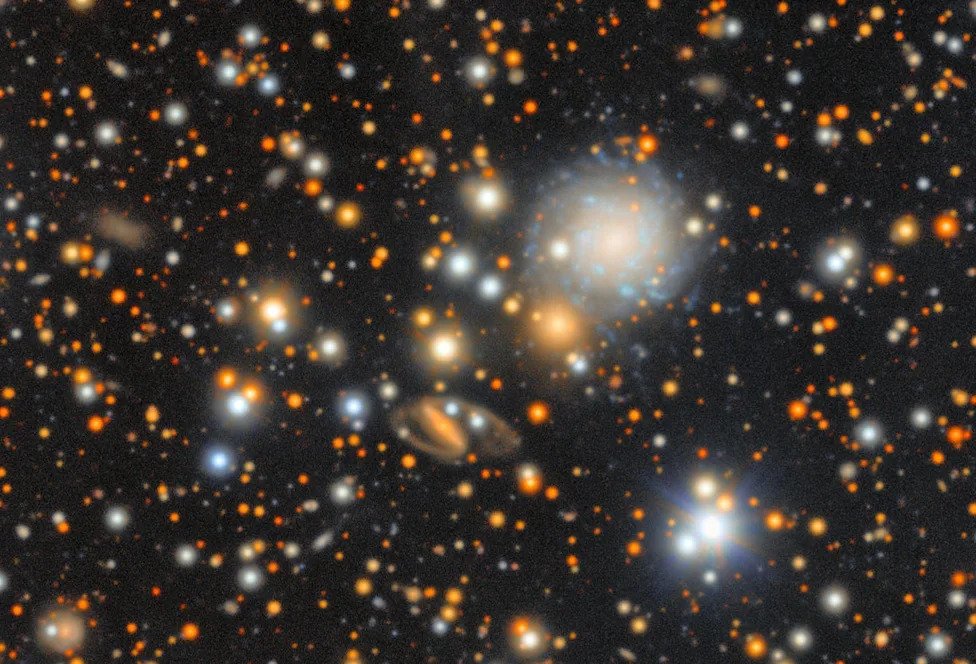
This is a section from a larger image the Vera C. Rubin Observatory captured referred to as the "ocean of stars." The view shows millions of multi-colored stars against a backdrop of galaxies close to the Milky Way’s plane, the crowded disk of the galaxy.(NSF–DOE Vera C. Rubin Observatory/NOIRLab/SLAC/AURA)
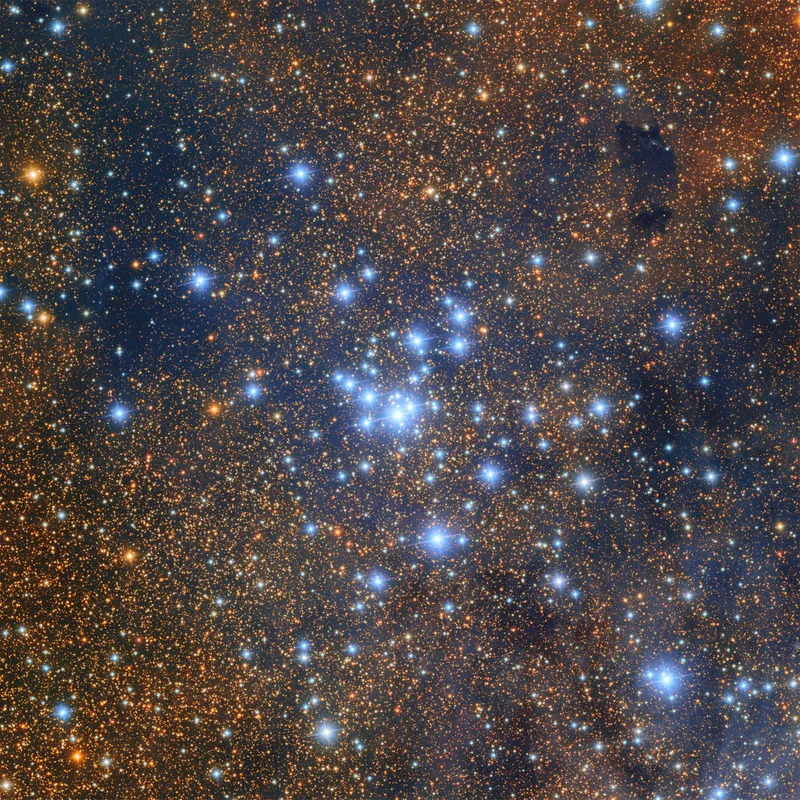
The open star cluster Messier 21 as imaged by NSF–DOE Vera C. Rubin Observatory. Located near the Trifid Nebula, Messier 21 is relatively young and tightly packed with small, dim stars.(RubinObs/NOIRLab/SLAC/NSF/DOE/AURA)
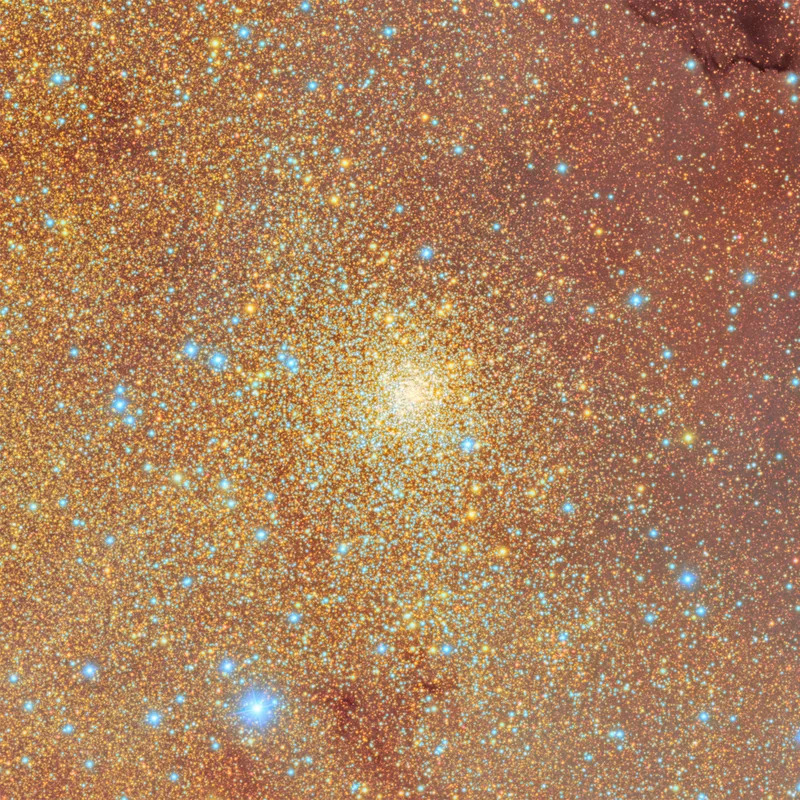
Globular cluster NGC 6544 as imaged by NSF–DOE Vera C. Rubin Observatory. This tightly packed globular cluster is home to tens of thousands of stars.(RubinObs/NOIRLab/SLAC/NSF/DOE/AURA)
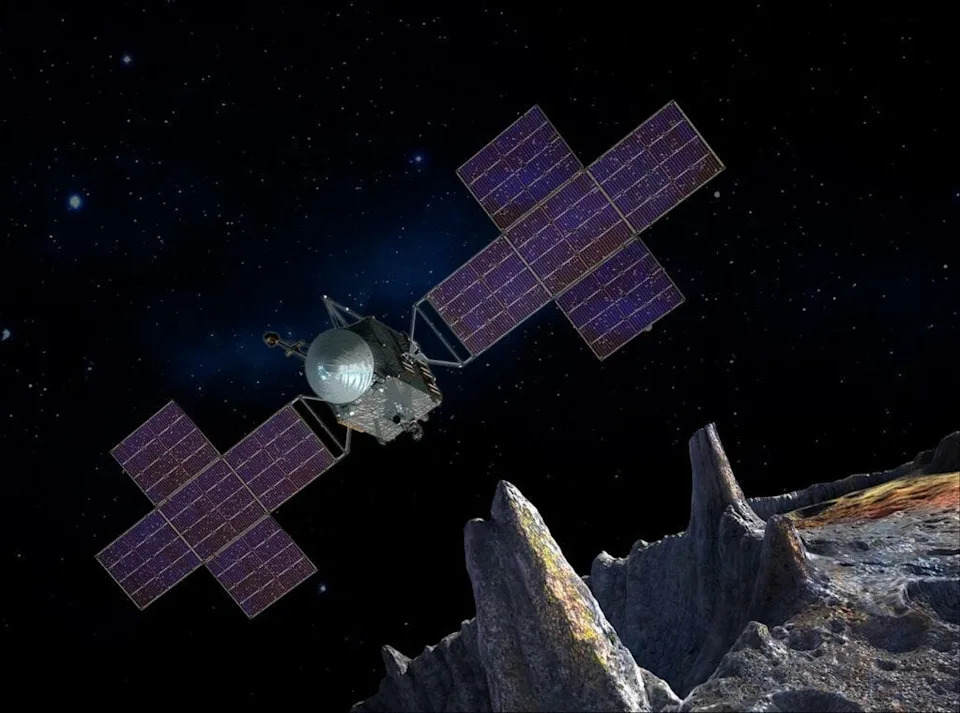
Artist's concept illustration depicting the spacecraft of NASA's Psyche mission near the targeted metal asteroid Psyche.
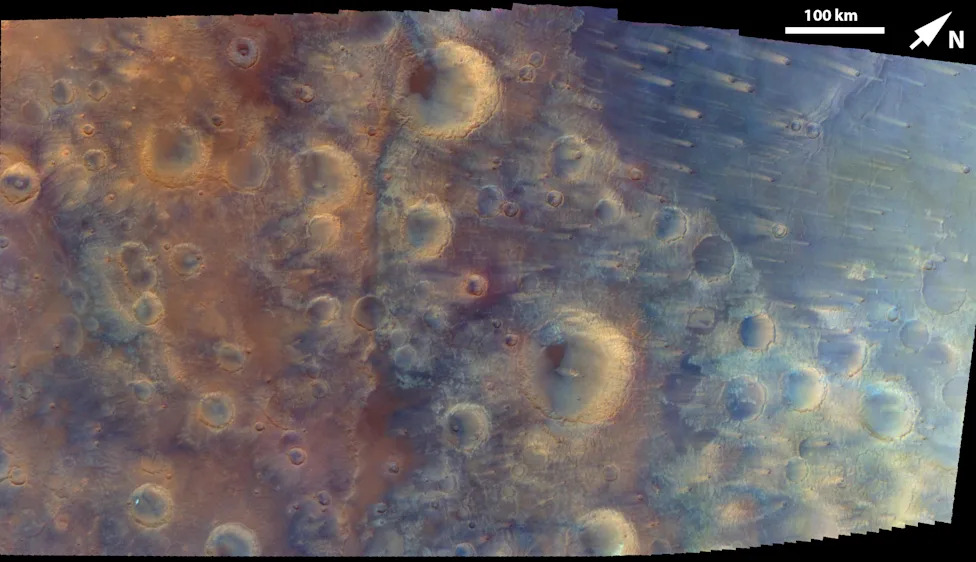
This is an enhanced-color mosaic created from four individual images acquired on May 15, 2026, during Psyche's flyby of Mars. The spacecraft's suite of instruments helped reveal craters, ridges, wind streaks and volcanic plains materials over the southern highlands of Mars.(NASA/JPL-Caltech/ASU)
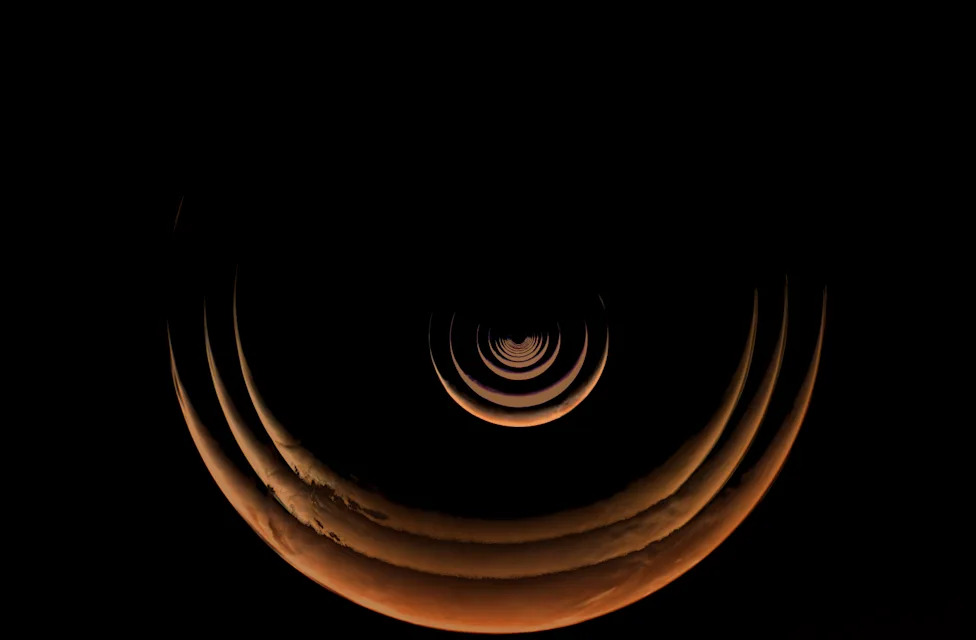
This composite of images taken by NASA’s Psyche mission shows crescent of Mars grow as the spacecraft approached the planet for a gravity assist from May 2 to May 15, 2026.(NASA/JPL-Caltech/ASU)
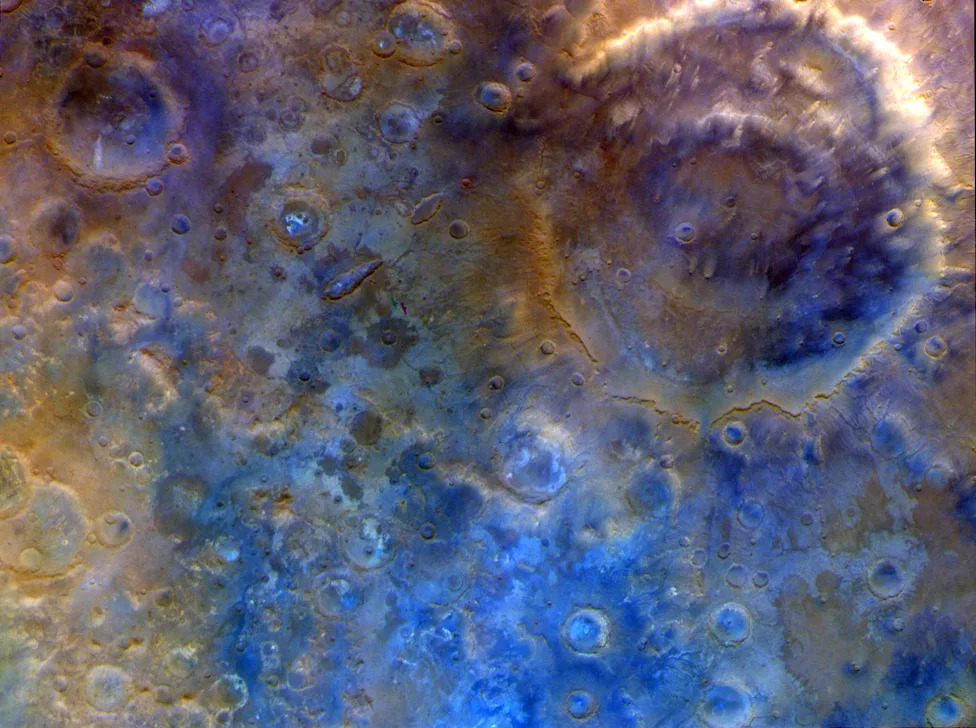
The Psyche spacecraft captured this enhanced-color view on May 15 of the large double-ring crater known as Huygens and the surrounding heavily cratered southern highlands. NASA says the various colors are likely due to differences in the composition of dust, sand and bedrock in this ancient terrain.(NASA/JPL-Caltech/ASU)
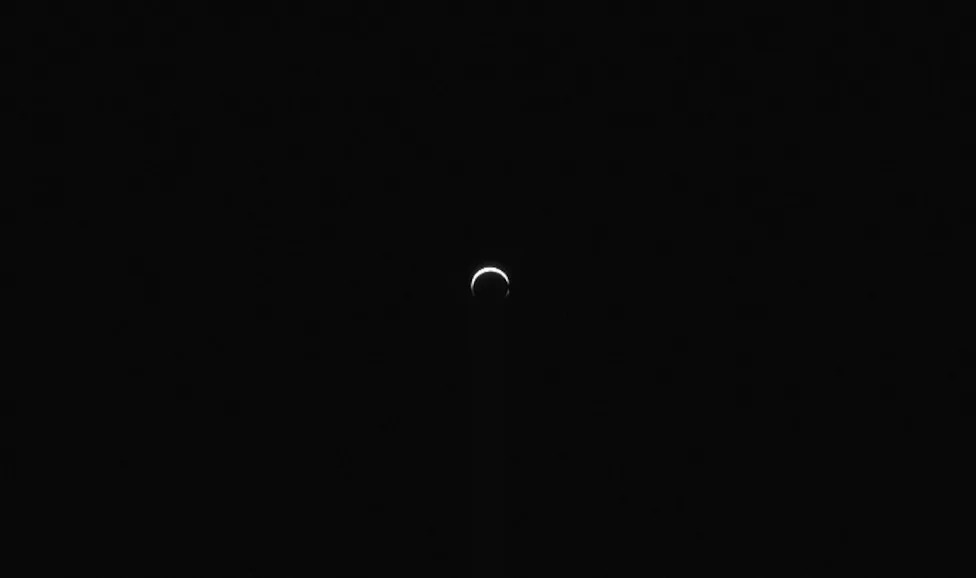
This image of Mars was captured by NASA’s Psyche mission on May 3, 2026, about 3 million miles from the planet as the spacecraft approaches for a gravity assist on May 15. Sunlight is reflected and scattered by dust in the Martian atmosphere, creating an extended crescent around the planet.(NASA/JPL-Caltech/ASU)
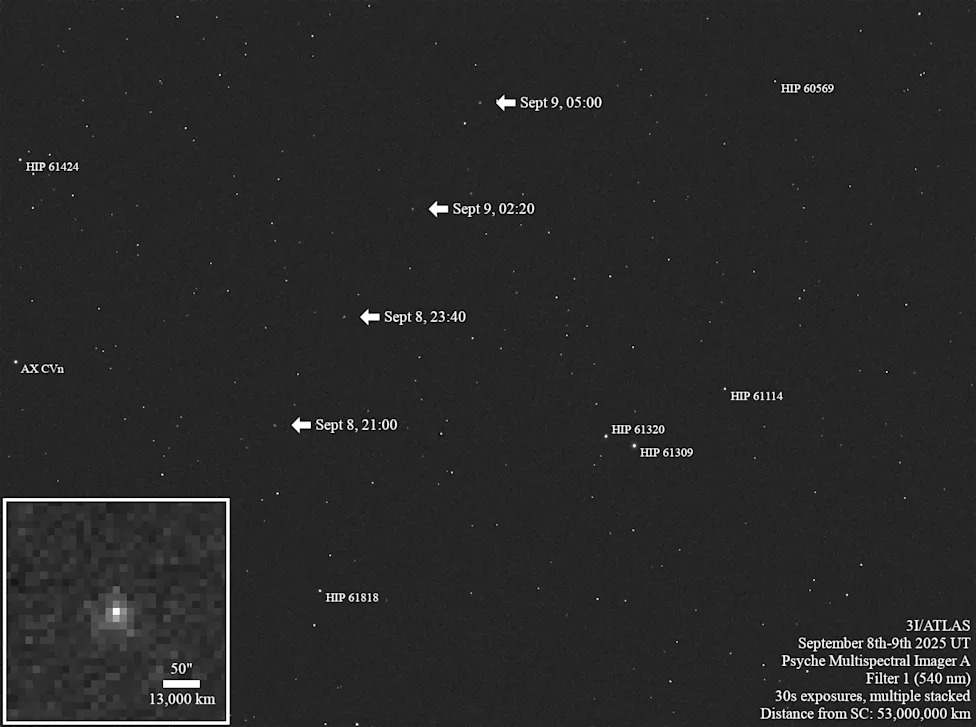
NASA’s Psyche mission acquired four observations of interstellar comet 3I/ATLAS over the course of eight hours on Sept. 8 and 9, 2025, when the comet was about 33 million miles from the spacecraft. The data, captured by Psyche’s multispectral imager, is helping astronomers both refine the trajectory of 3I/ATLAS and learn more about the faint coma, or cloud of gas, surrounding its nucleus.(NASA/JPL-Caltech/ASU)
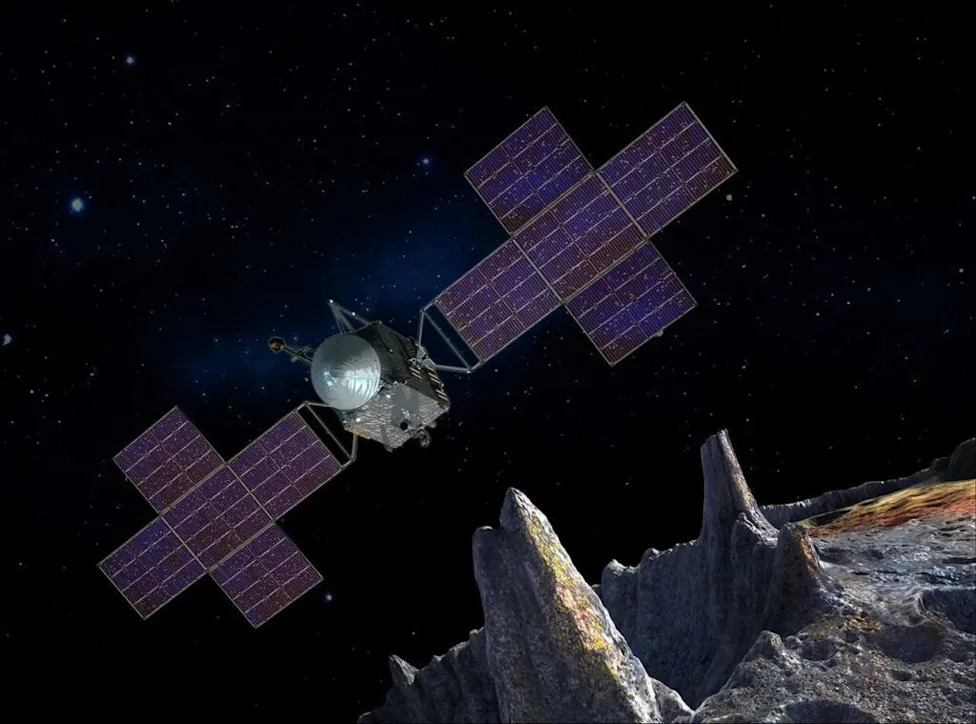
Artist's concept illustration depicting the spacecraft of NASA's Psyche mission near the targeted metal asteroid Psyche.(Provided By NASA)
Pomozite nam da budemo bolji.