Artemis II je u aprilu vratio četiri astronauta i ponovo probudio interes za svemir, ali većina lansiranja u SAD danas je bez posade i postala je rutinska. FAA predviđa skoro 4.300 lansiranja u fiskalnom periodu 2026–2036, dok SpaceX dominira sa Falcon 9 i razvija Starship. Rast industrije podstiču komercijalni sateliti, svemirski turizam i državne ambicije, ali izazovi uključuju zagušenje svemirskih luka i ekološke i sigurnosne debate.
Rakete Gotovo Svakog Dana: Zašto SAD Očekuju Eksploziju Lansiranja
Rockets launch almost every day in the US. Here's why even more are ahead
U aprilu je misija Artemis II vratila na Zemlju četiri astronauta nakon desetodnevne posete oko Meseca i ponovo probudila javni interes za letove s posadom. Ipak, većina lansiranja u SAD danas je bez ljudi i postala je gotovo svakodnevnica – pokretač ove promene su komercijalne kompanije, novi zahtevi za satelitima i ambiciozni programi poput NASA-inog Artemis programa.
Rast komercijalnih lansiranja
Federalna avio-administracija (FAA) u julu je objavila svoju desetogodišnju prognozu: gotovo 4.300 lansiranja u fiskalnim godinama 2026–2036, uz godišnji porast sa ~200 na više od 500 lansiranja godišnje. Taj skok odražava prelazak dela svemirskih aktivnosti iz državnih agencija u ruke komercijalnih provajdera i rast potražnje za mesnim i globalnim satelitskim uslugama.
Ko pokreće tržište
SpaceX je najistaknutiji igrač: Falcon 9 je najaktivnija raketa na svetu, koristi se za Starlink, komercijalne i vojne poslove, kao i prevoz posada. SpaceX takođe razvija Starship — najveći nosač na svetu (više od 400 stopa) — koji je do sada imao više testnih letova iz Teksasa i koji je ključan za dublje misije ka Mesecu i Marsu.
Gde se lansira — rekordi i kapaciteti
Vandenberg Space Force Base u Kaliforniji je 2025. imao rekordnih 71 lansiranje zahvaljujući najviše Falcon 9 letova; u julu 2026. baza je premašila 50 lansiranja pre nego što je prošla godina završila. Florida (Kennedy Space Center i Cape Canaveral) je 2025. zabeležila rekordnih 109 lansiranja, dok je 2026. tempo donekle prilagođen zbog priprema za probne letove Starship-a na lansirnom kompleksu 39A.
Novi igrači i tehnički izazovi
Osim SpaceX-a, pojavljuju se i drugi provajderi: Blue Origin radi na New Glennu, iako je doživeo eksploziju na rampi krajem maja; kompanija sada planira dodatnu rampu (36B). Rocket Lab odlaže debi svoje Neutron rakete, ali već sklapa ugovore; Firefly Aerospace produžio je partnerstvo sa Lockheed Martinom za Alpha lansiranja; United Launch Alliance nastavlja sa Atlas V dok rešava probleme sa novim Vulcanom.
Regulative, infrastruktura i ekološka pitanja
Administracija je pokrenula inicijative za deregulaciju koje bi olakšale izdavanje licenci komercijalnim provajderima; Ministarstvo saobraćaja je predložilo izuzetke u nekim ekološkim procedurama, dok kritičari upozoravaju na rizike po životnu sredinu i javnu bezbednost. Zbog ograničenog broja svemirskih luka i rastuće gužve, Ministarstvo unutrašnjih poslova razmatra konverziju nekorišćenih offshore platformi u lansirne rampe kako bi se smanjilo zagušenje priobalnih zona.
„To zapravo nije tako luda ideja kako bi vam se moglo učiniti. Ponestaje nam prostora i mesta sa kojih možemo da letimo,“ rekao je George Nield, bivši zvaničnik FAA koji je nadgledao komercijalni svemirski transport.
Šta to znači za javnost i industriju
Više lansiranja donosi veću dostupnost satelitskih usluga, brži razvoj svemirskog turizma i nove poslovne prilike, ali postavlja i pitanja bezbednosti, buke, zagađenja i upravljanja prostorom za lansiranje. Kako se lansiranja ubrzavaju, balans između inovacija i javnog interesa postaće ključna tema.
Autor: Eric Lagatta, Space Connect reporter za USA TODAY Network. Kontakt: elagatta@usatodayco.com
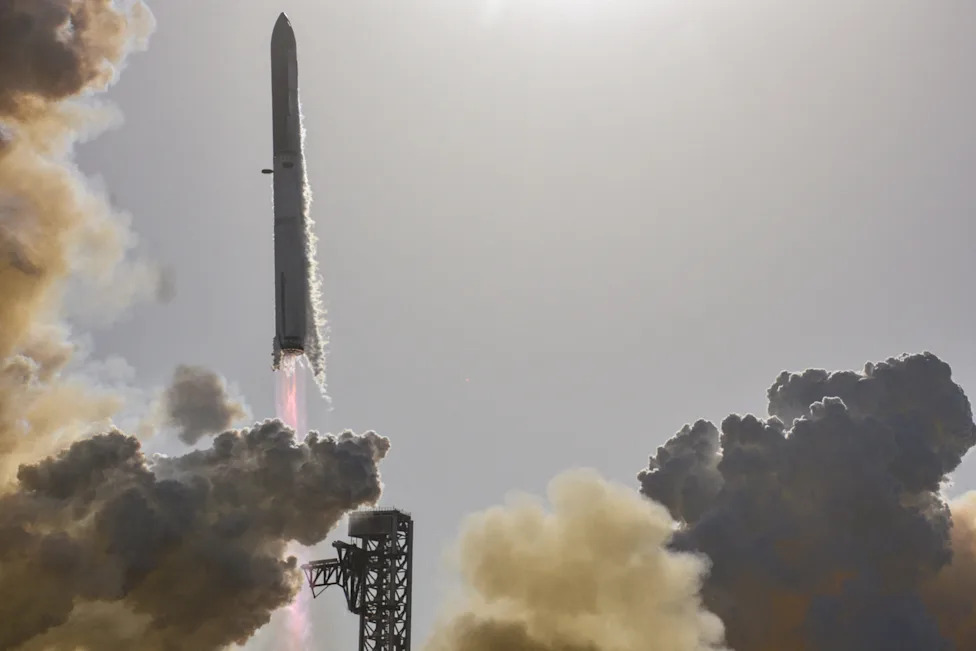
Starship launches July 24 from SpaceX's Starbase company town and headquarters in South Texas. The mission represented the 13th flight test for the 407-foot-tall rocket, the largest in the world, as Elon Musk's company readies it for missions to the moon and Mars.(Steve Nesius/Reuters)
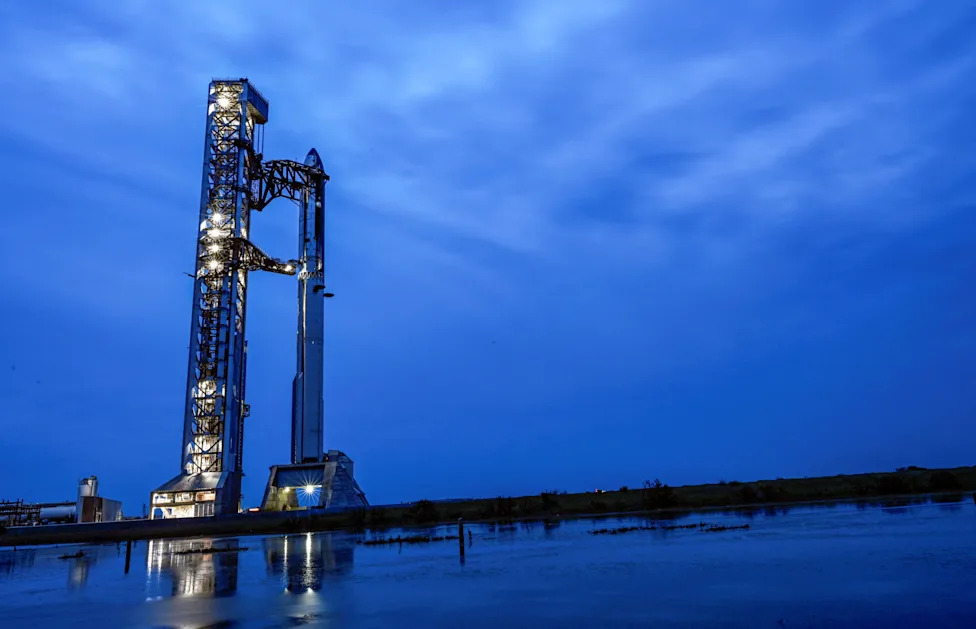
The Starship spacecraft and the Super Heavy v3 booster stand at Pad 2 before sunrise as preparations continue for the second attempt to launch its 13th test flight in Starbase, Texas, U.S., July 23, 2026.(Steve Nesius/Reuters)
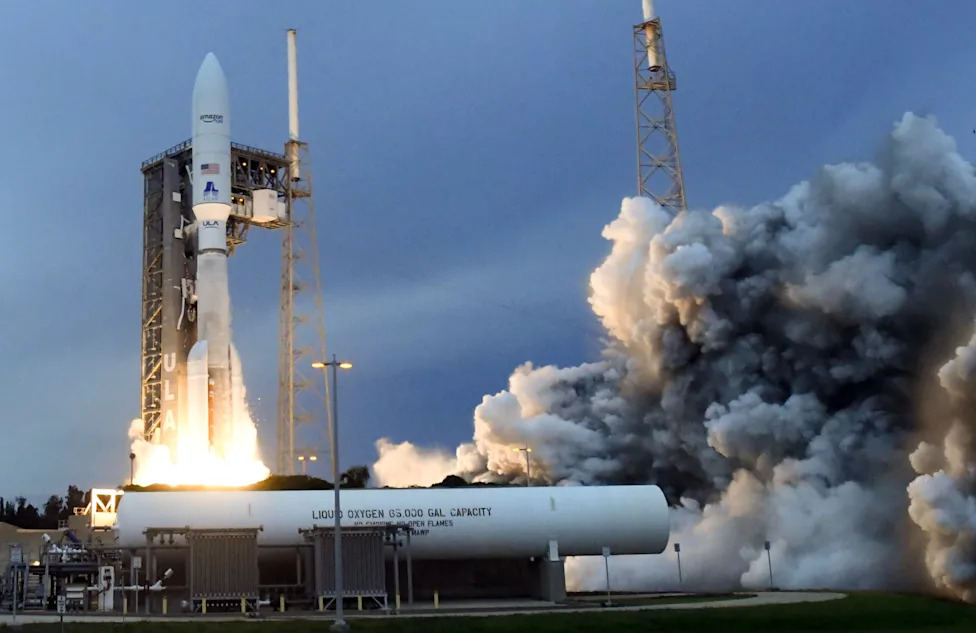
A United Launch Alliance Atlas V rocket lifts off from Cape Canaveral Space Force Station May 29, 2026. The rocket is carrying 29 Amazon Leo internet satellites. Craig Bailey, FLORIDA TODAY via USA TODAY NETWORK(Craig Bailey, FLORIDA TODAY)
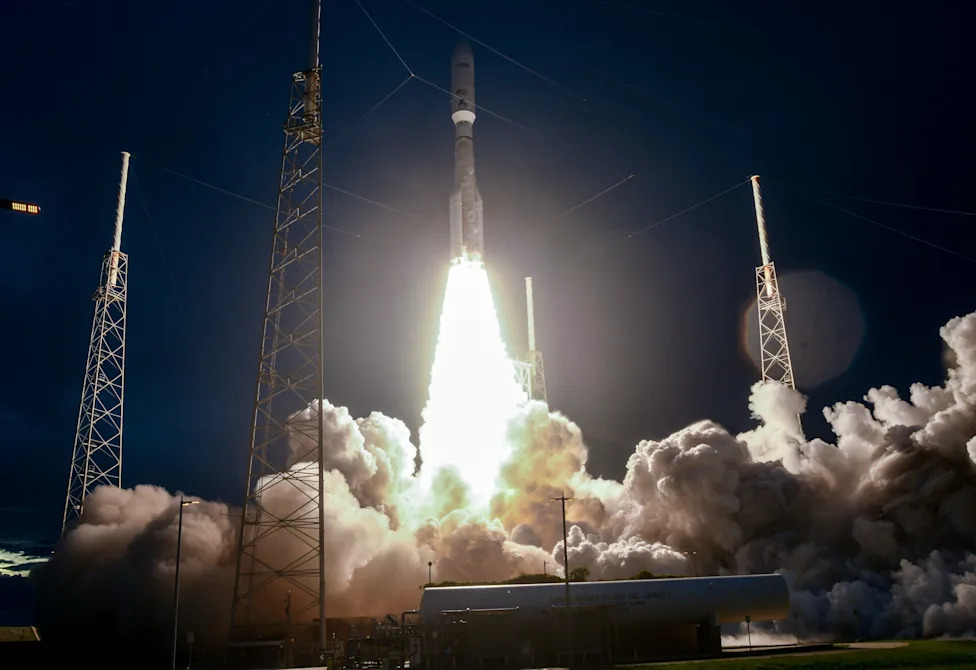
A United Launch Alliance Atlas V rocket lifts off from Cape Canaveral Space Force Station May 29, 2026. The rocket is carrying 29 Amazon Leo internet satellites. Craig Bailey, FLORIDA TODAY via USA TODAY NETWORK(Craig Bailey, FLORIDA TODAY)
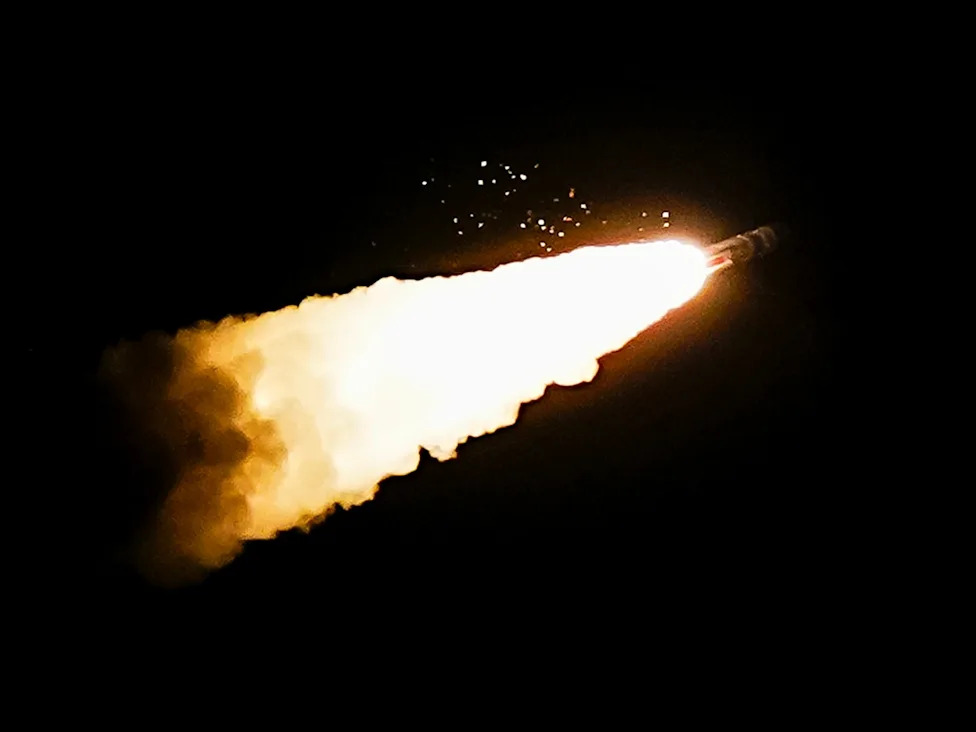
Sparks fly from a United Launch Alliance Vulcan rocket after liftoff from Cape Canaveral Space Force Station February 12, 2026. The rocket carries a payload for the Space Force. Craig Bailey/FLORIDA TODAY via USA TODAY NETWORK(Craig Bailey/FLORIDA TODAY)
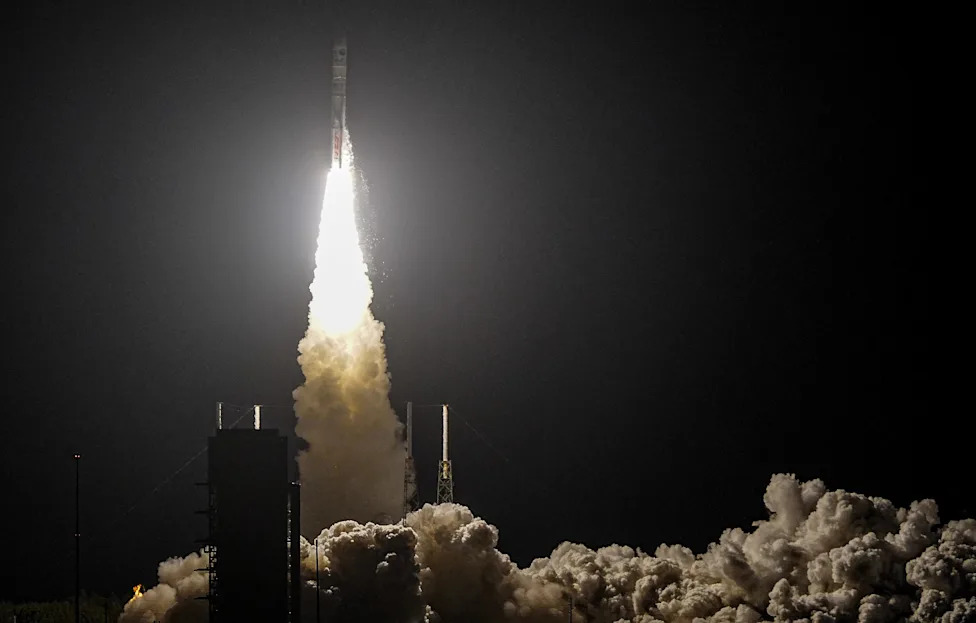
A United Launch Alliance Vulcan rocket lifts off from Cape Canaveral Space Force Station February 12, 2026. The rocket carries a payload for the US Space Force. Craig Bailey/FLORIDA TODAY via USA TODAY NETWORK(Craig Bailey/FLORIDA TODAY)
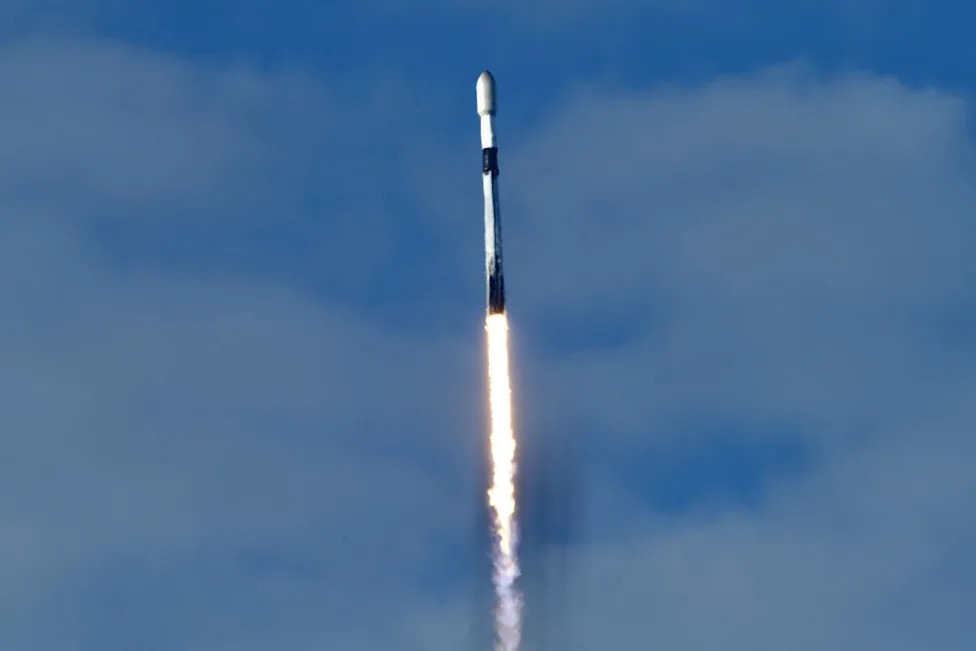
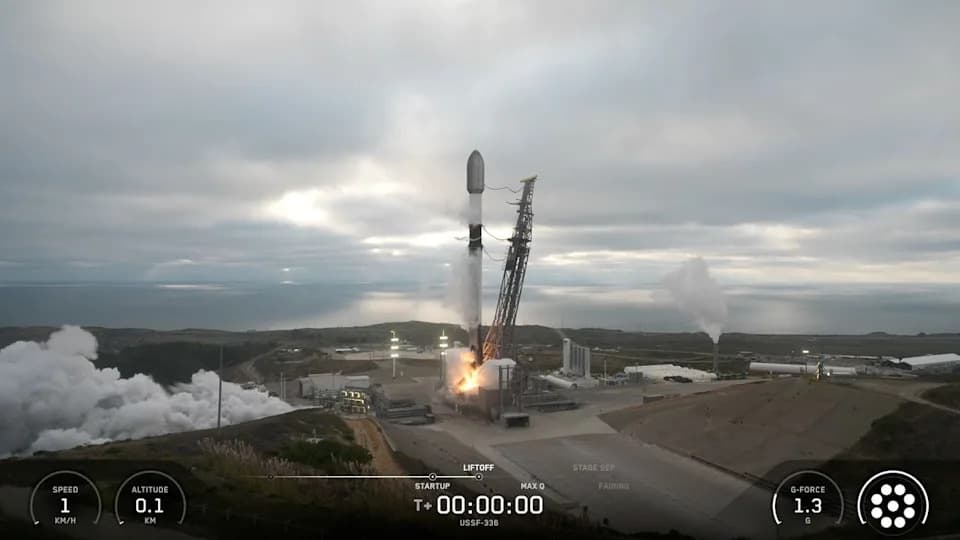
A SpaceX Falcon 9 rocket launches July 21 from the Vandenberg Space Force Base on a Starlink satellite deployment mission. The flight marked the 50th launch of 2026 in California.(Provided by the Vandenberg Space Force Base)
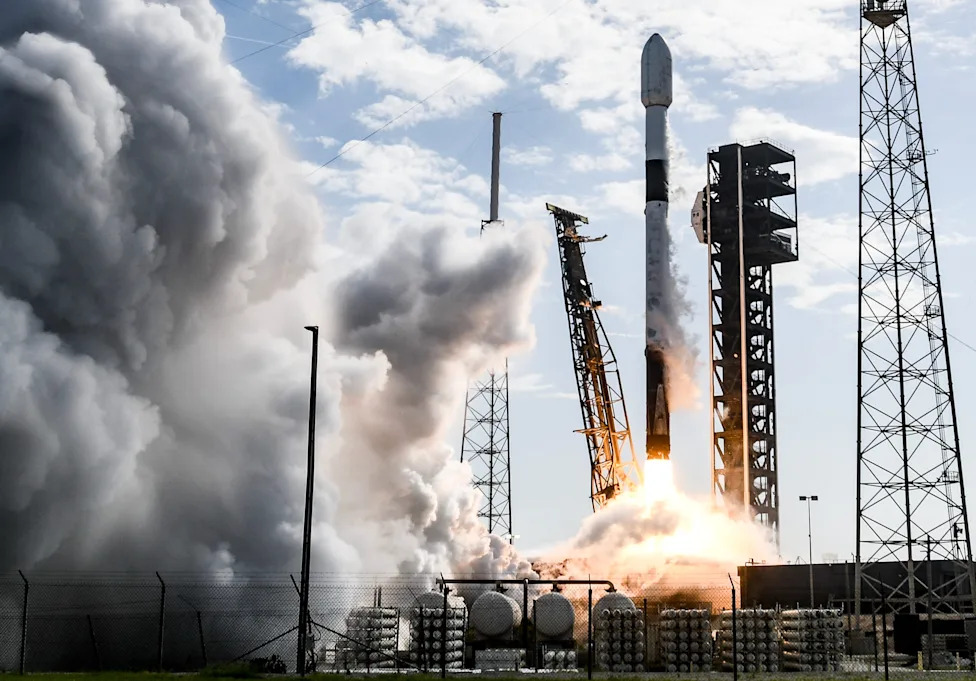
A SpaceX Falcon 9 rocket lifts off July 21 from the Cape Canaveral Space Force Station in Florida carrying Northrop Grumman’s MRV-MEP satellite, designed to service other satellites while in orbit.(Craig Bailey/USA TODAY Network)
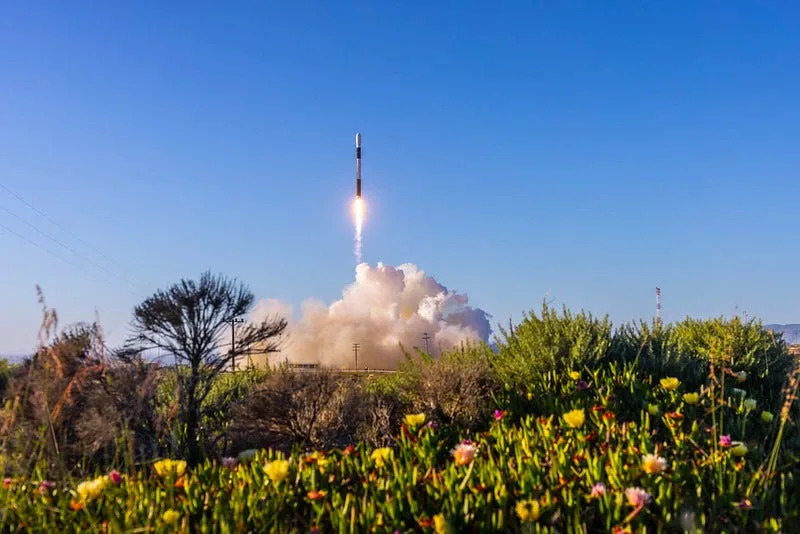
Standing nearly 100 feet tall, Firefly Aerospace's Alpha rocket lifts off Wednesday, March 11 at the Vandenberg Space Force Base in California. The successful launch was the rocket's first since an April 2025 mishap.(Trevor Mahlmann/Firefly Aerospace)
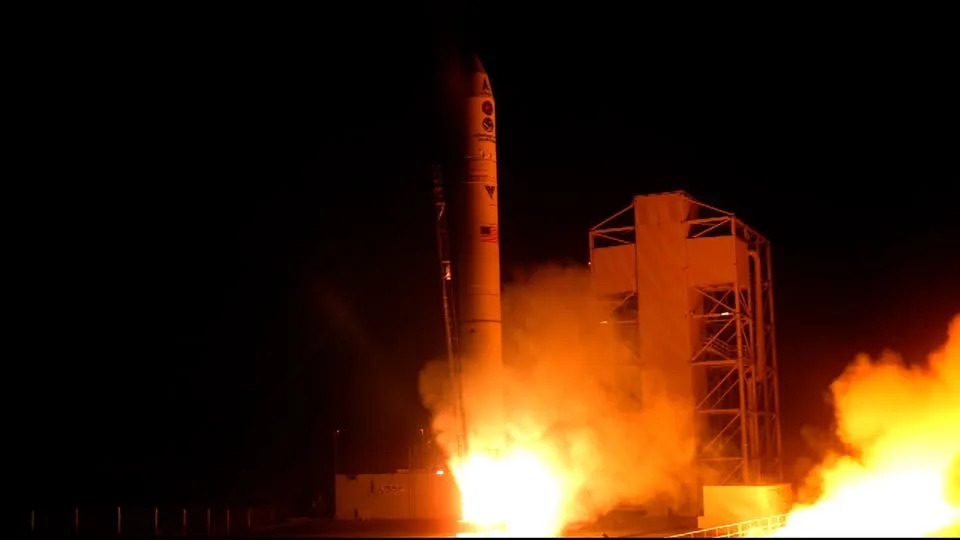
Northrop Grumman's Minotaur IV rocket launches April 7 from the Vandenberg Space Force Base.(Provided by the Vandenberg Space Force Base)
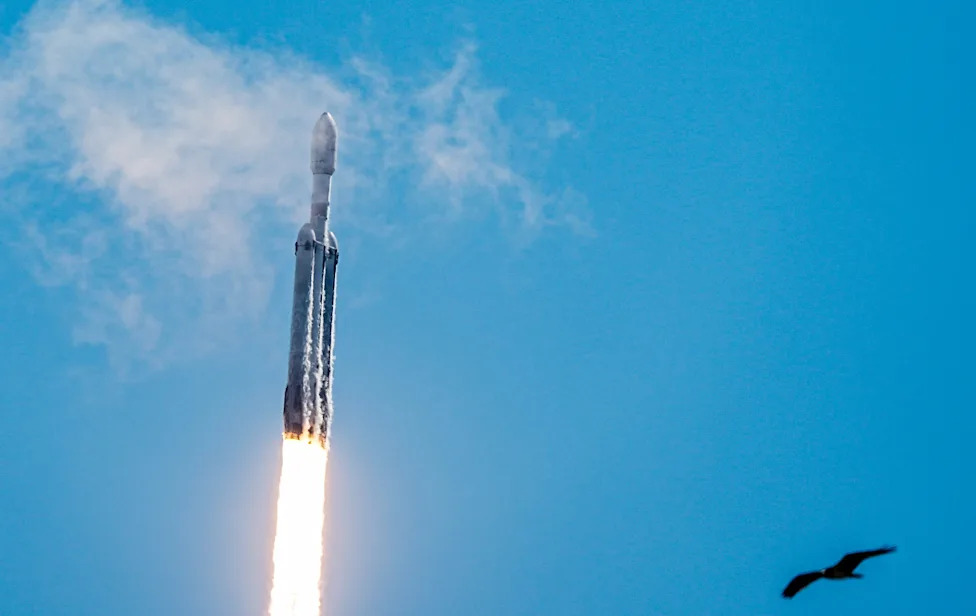
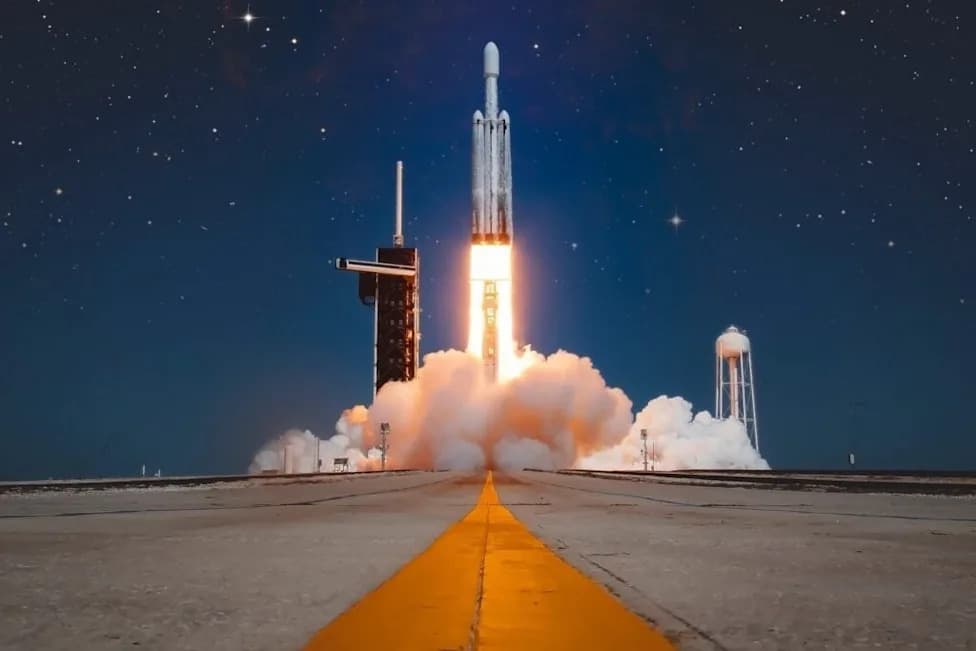
A SpaceX Falcon Heavy rocket lifts off from Kennedy Space Center, FL, April 29, 2026. The rocket is carrying the ViaSat-3 F3 satellite. Craig Bailey, FLORIDA TODAY via USA TODAY NETWORK(Craig Bailey, FLORIDA TODAY)
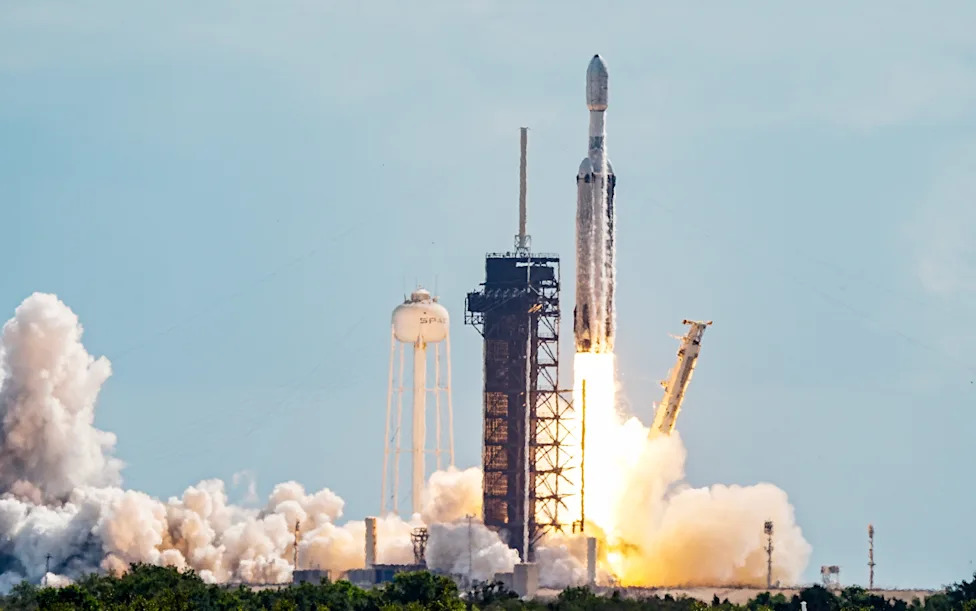
A SpaceX Falcon Heavy rocket lifts off from Kennedy Space Center, FL, April 29, 2026. The rocket is carrying the ViaSat-3 F3 satellite. Craig Bailey, FLORIDA TODAY via USA TODAY NETWORK(Craig Bailey, FLORIDA TODAY)
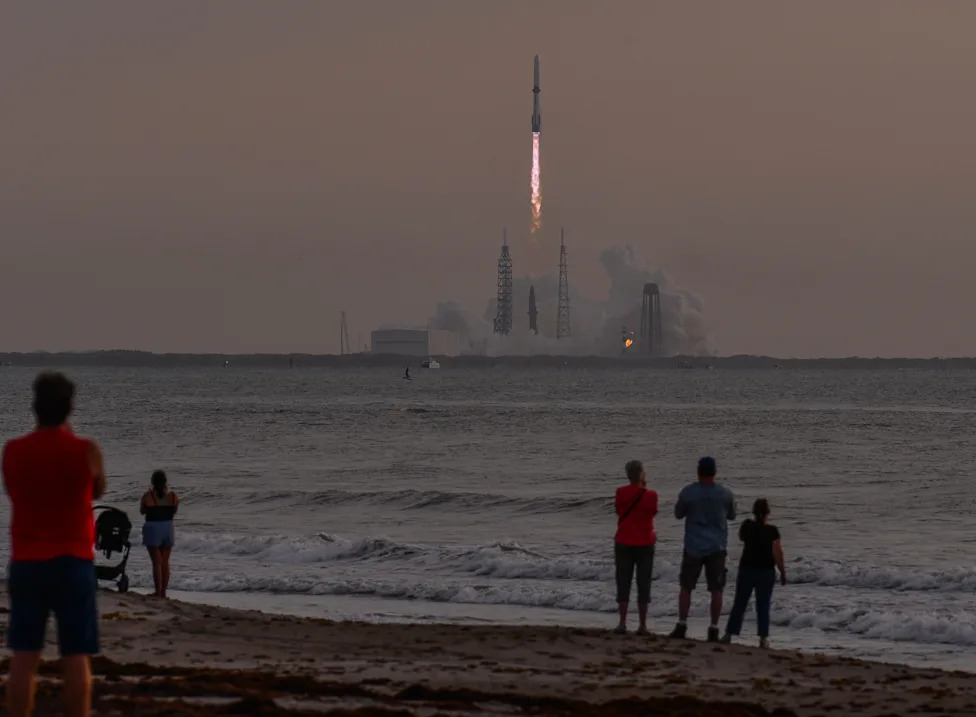
Blue Origin launches its New Glenn rocket Sunday, April 19 from Launch Complex 36 at Cape Canaveral Space Force Station in Florida.(Malcolm Denemark, USA TODAY Network)
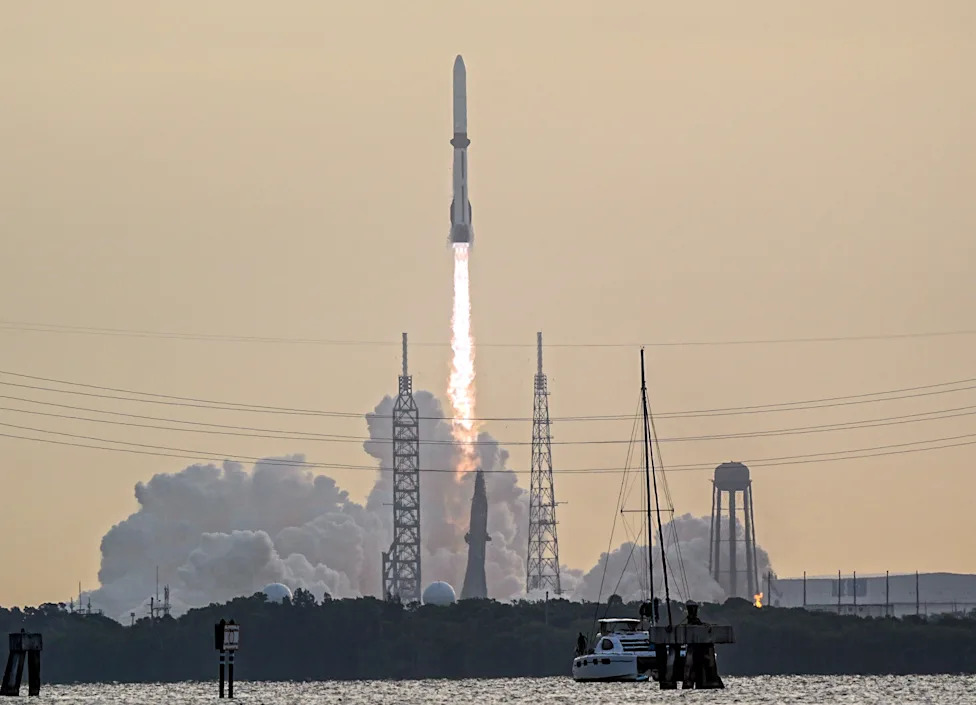
Blue Origin’s New Glenn rocket lifts off April 19 from the Cape Canaveral Space Force Station carrying the BlueBird 7 satellite for AST SpaceMobile.(Craig Bailey/FLORIDA TODAY / USA TODAY Network)
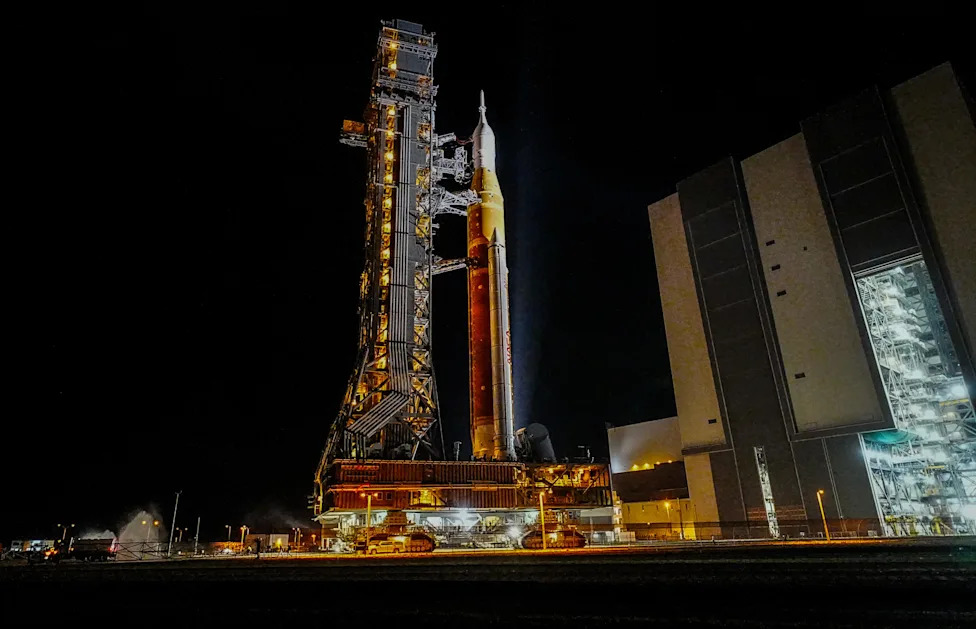
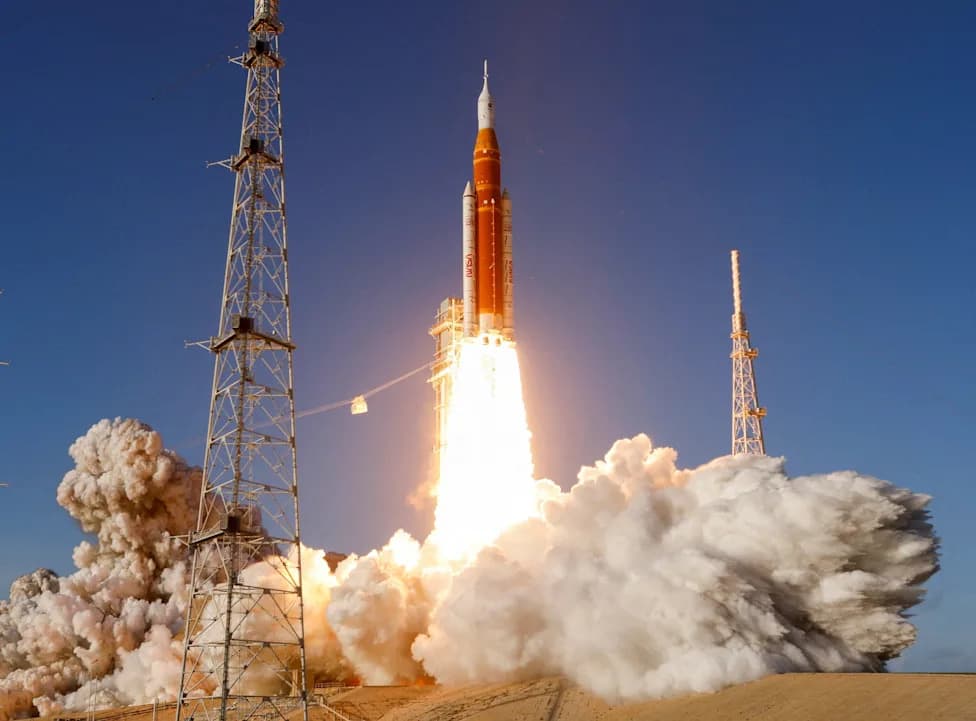
NASA's Space Launch System rocket begins its journey from the Vehicle Assembly Building to Launch Pad 39B at the Kennedy Space Center ahead of an April 1 launch of the Artemis II mission sending a crew of four astronauts around the moon.(Craig Bailey/FLORIDA TODAY / USA TODAY Network)
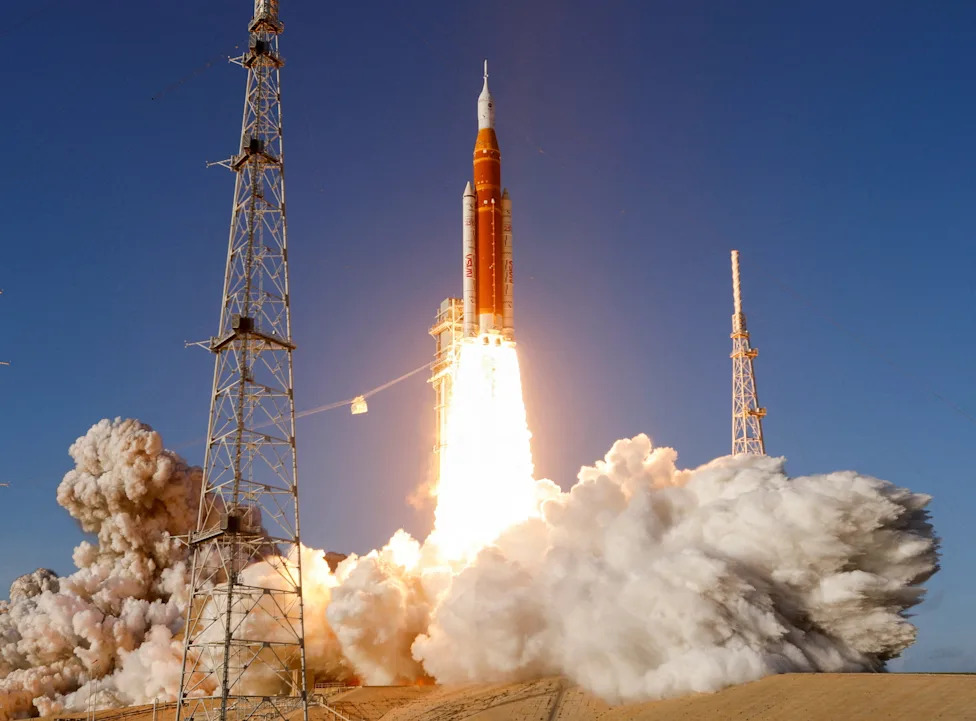
NASA's Artemis II mission to fly by the moon, comprising of the Space Launch System (SLS) rocket with the Orion crew capsule, lifts off from the Kennedy Space Center in Cape Canaveral, Florida, U.S., April 1, 2026.(Joe Skipper/Reuters)
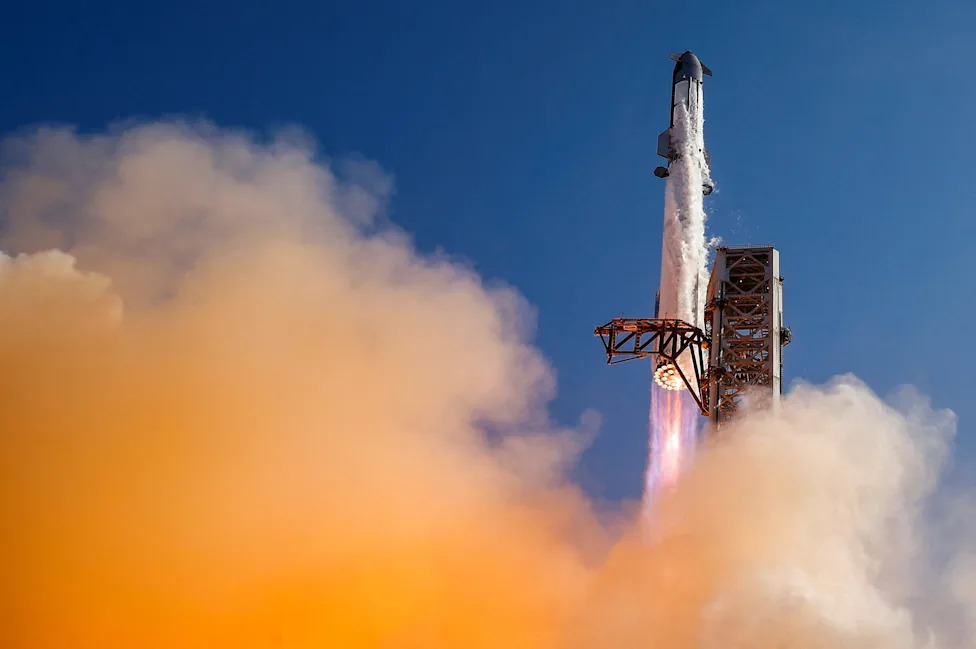
Starship launches July 24 from SpaceX's Starbase company town and headquarters in South Texas. The mission represented the 13th flight test for the 407-foot-tall rocket, the largest in the world, as Elon Musk's company readies it for missions to the moon and Mars.(Steve Nesius/Reuters)
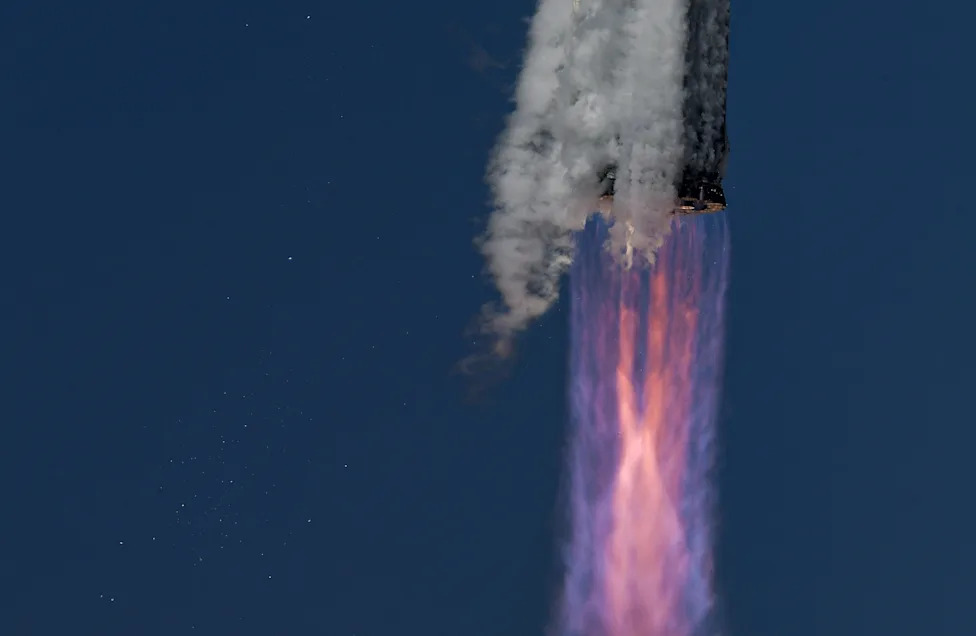
Starship launches July 24 from SpaceX's Starbase company town and headquarters in South Texas. The mission represented the 13th flight test for the 407-foot-tall rocket, the largest in the world, as Elon Musk's company readies it for missions to the moon and Mars.(Steve Nesius/Reuters)
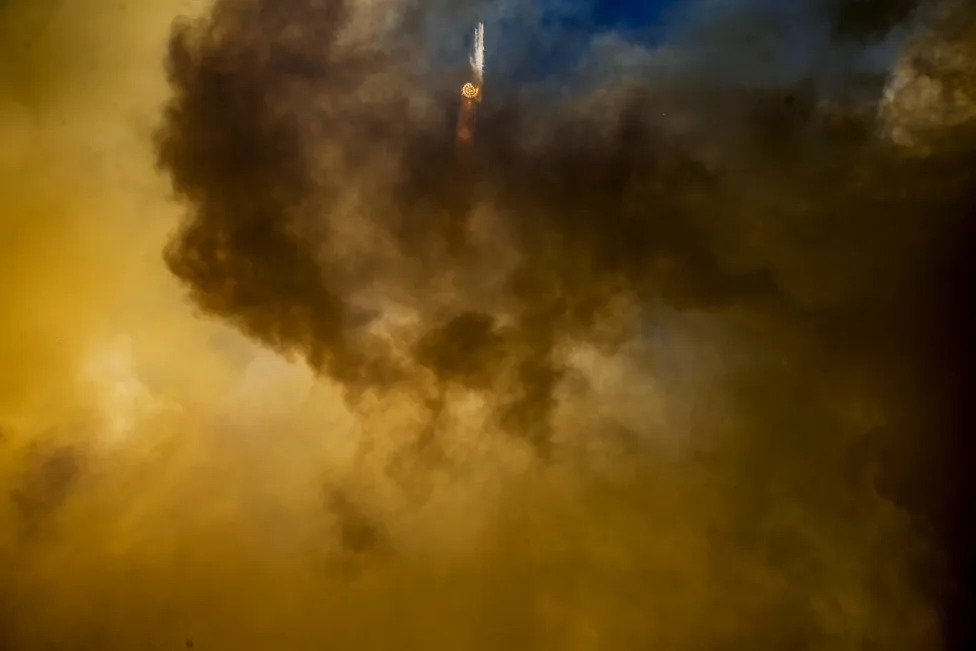
Smoke and dust fill the air as the SpaceX Starship and Super Heavy v3 Booster lift off on its 13th test flight from the SpaceX launch complex in Starbase, Texas, U.S., July 24, 2026.(Steve Nesius/Reuters)
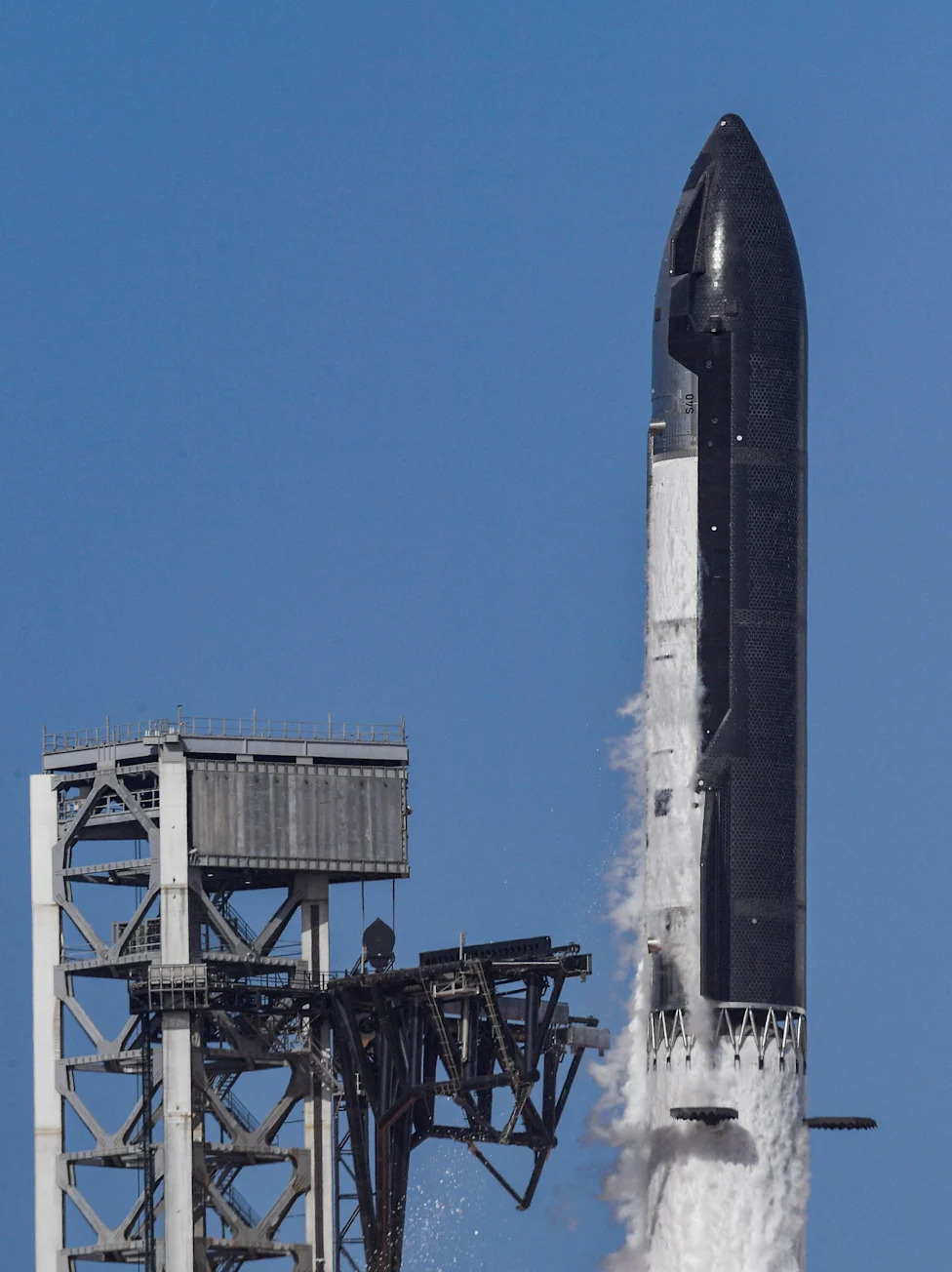
Starship launches July 24 from SpaceX's Starbase company town and headquarters in South Texas. The mission represented the 13th flight test for the 407-foot-tall rocket, the largest in the world, as Elon Musk's company readies it for missions to the moon and Mars.(Steve Nesius/Reuters)
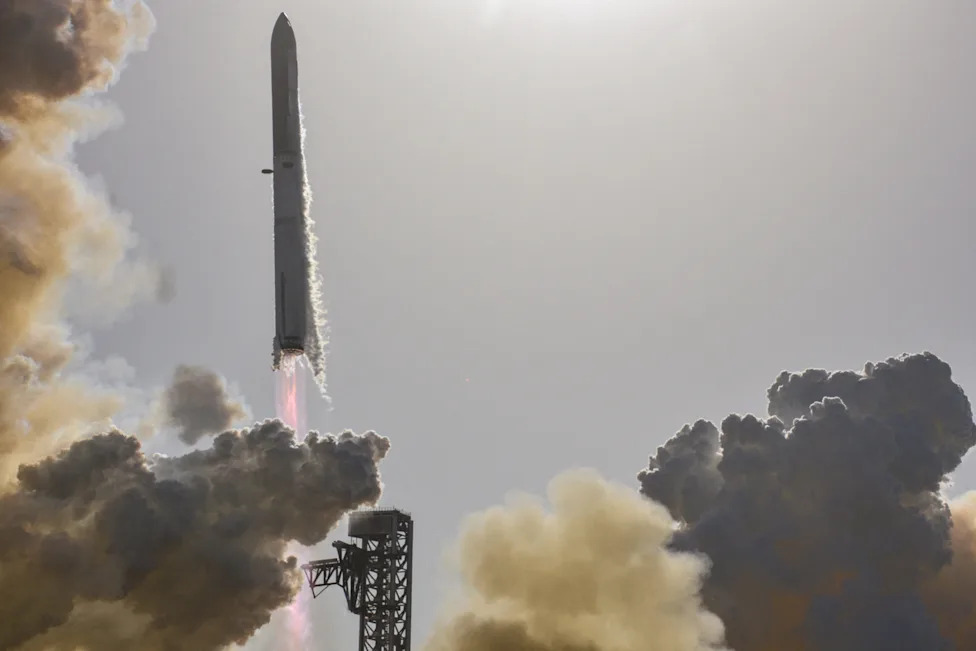
Starship launches July 24 from SpaceX's Starbase company town and headquarters in South Texas. The mission represented the 13th flight test for the 407-foot-tall rocket, the largest in the world, as Elon Musk's company readies it for missions to the moon and Mars.(Steve Nesius/Reuters)
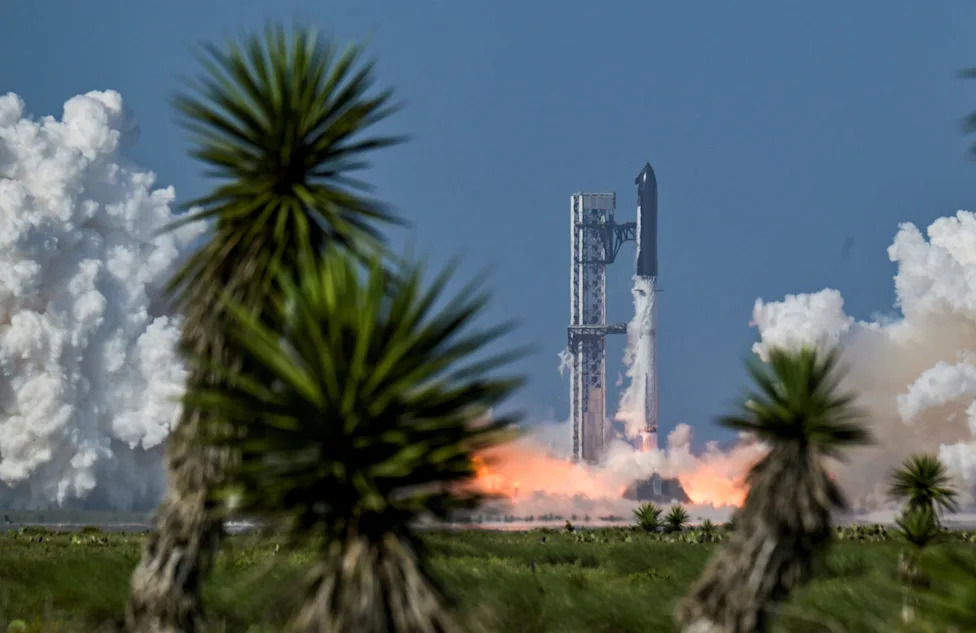
Starship launches July 24 from SpaceX's Starbase company town and headquarters in South Texas. The mission represented the 13th flight test for the 407-foot-tall rocket, the largest in the world, as Elon Musk's company readies it for missions to the moon and Mars.(Steve Nesius/Reuters)
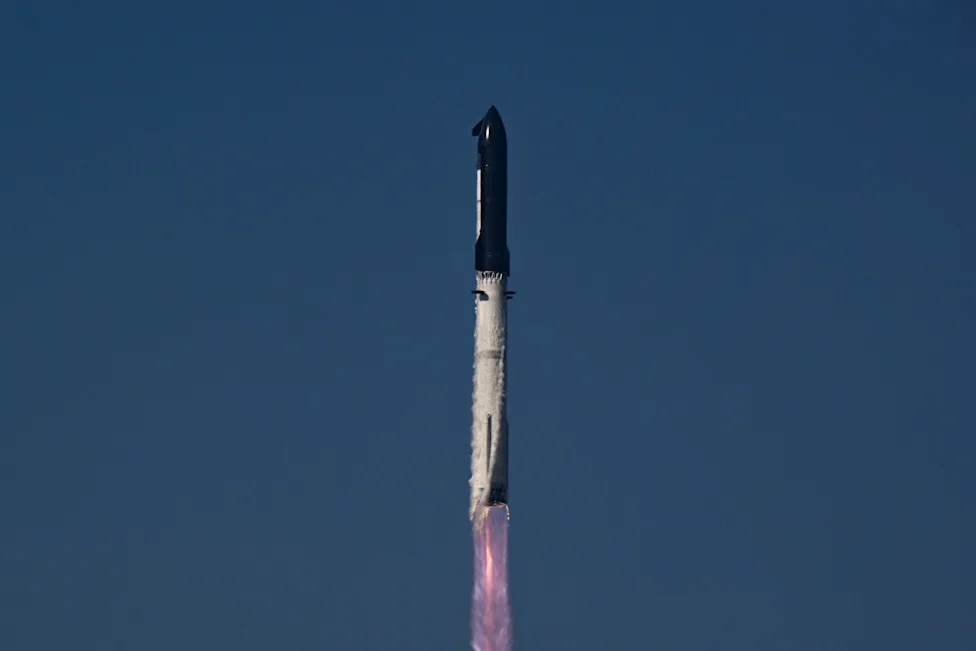
Starship launches July 24 from SpaceX's Starbase company town and headquarters in South Texas. The mission represented the 13th flight test for the 407-foot-tall rocket, the largest in the world, as Elon Musk's company readies it for missions to the moon and Mars.(Steve Nesius/Reuters)
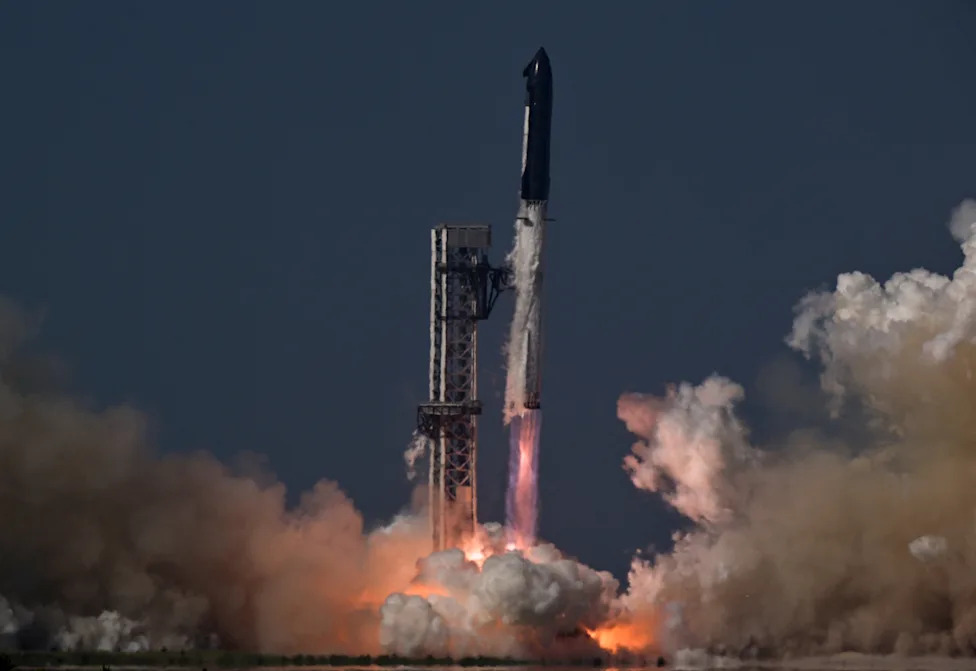
Starship launches July 24 from SpaceX's Starbase company town and headquarters in South Texas. The mission represented the 13th flight test for the 407-foot-tall rocket, the largest in the world, as Elon Musk's company readies it for missions to the moon and Mars.(Steve Nesius/Reuters)
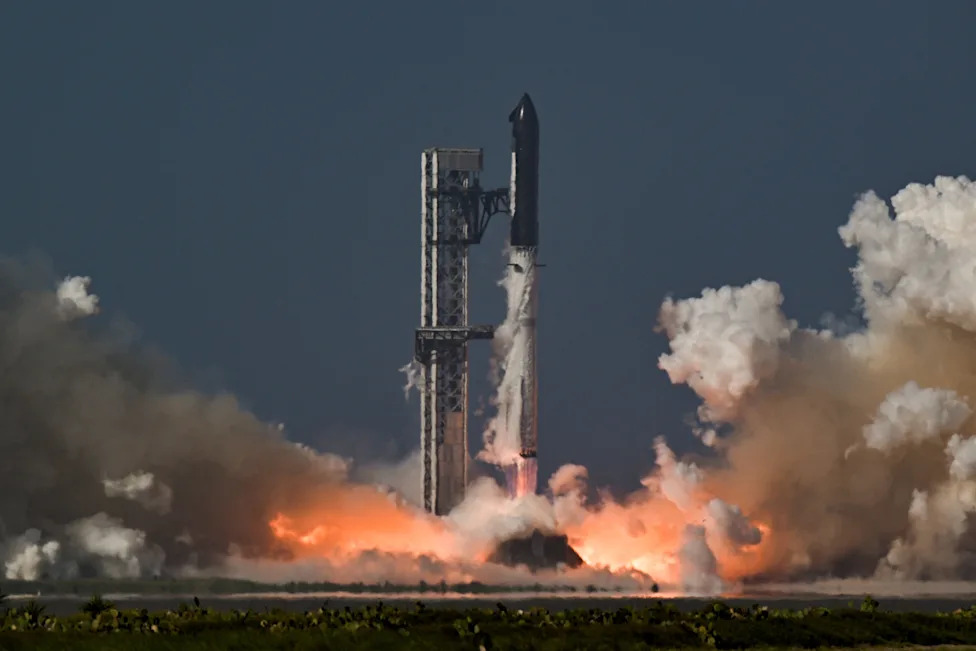
Starship launches July 24 from SpaceX's Starbase company town and headquarters in South Texas. The mission represented the 13th flight test for the 407-foot-tall rocket, the largest in the world, as Elon Musk's company readies it for missions to the moon and Mars.(Steve Nesius/Reuters)
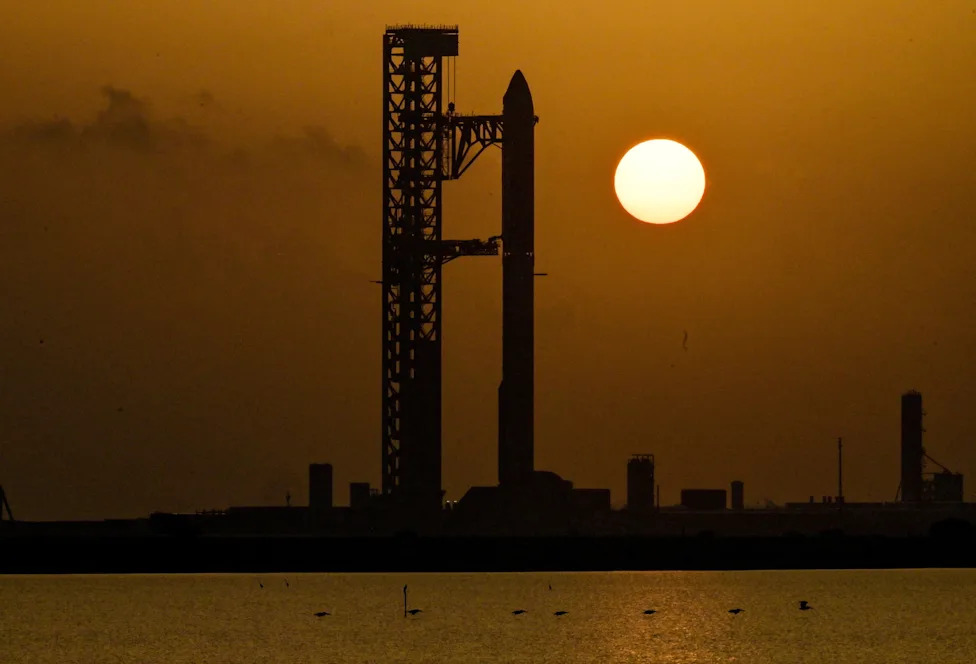
A fully-stacked Starship is vertical on the launch pad July 24 at Starbase in South Texas at sunrise as preparations continue to launch its 13th test flight.(Steve Nesius/Reuters)
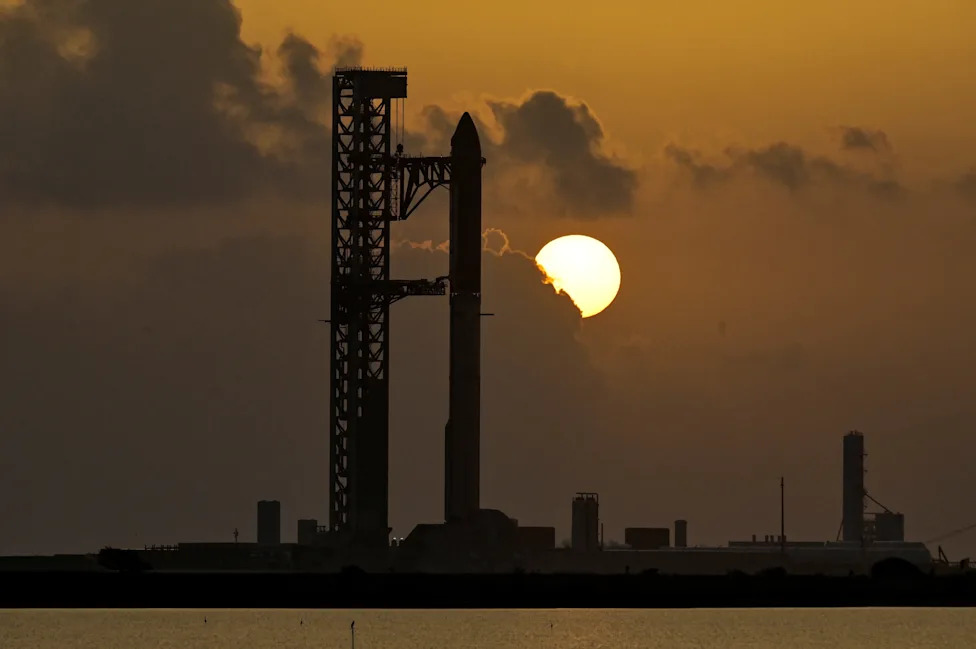
A fully-stacked Starship is vertical on the launch pad July 24 at Starbase in South Texas at sunrise as preparations continue to launch its 13th test flight.(Steve Nesius/Reuters)
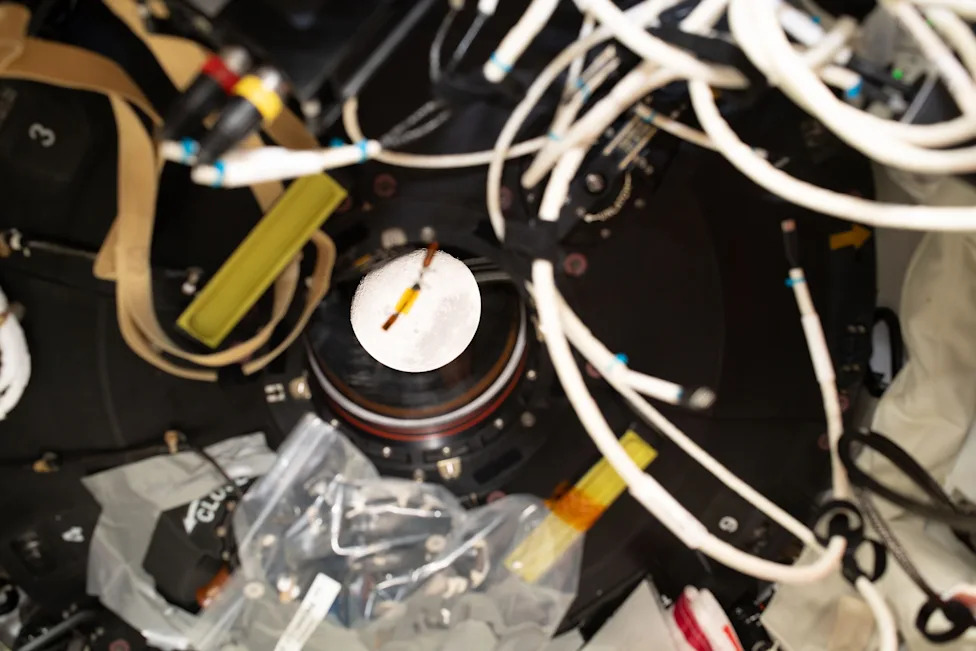
NASA released thousands of new photos taken during the Artemis II mission around the moon. The astronauts selected for the mission thoroughly documented the 10-day voyage, which included an April 6 lunar flyby as they traveled more than a quarter-million miles from Earth.(Provided by NASA)
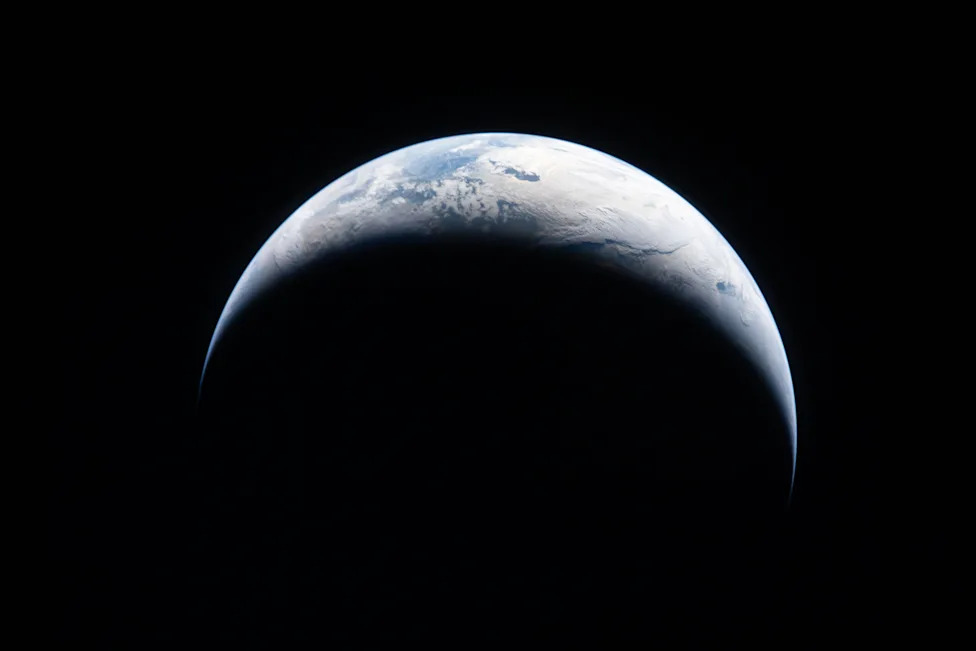
NASA released thousands of new photos taken during the Artemis II mission around the moon. The astronauts selected for the mission thoroughly documented the 10-day voyage, which included an April 6 lunar flyby as they traveled more than a quarter-million miles from Earth.(Provided by NASA)
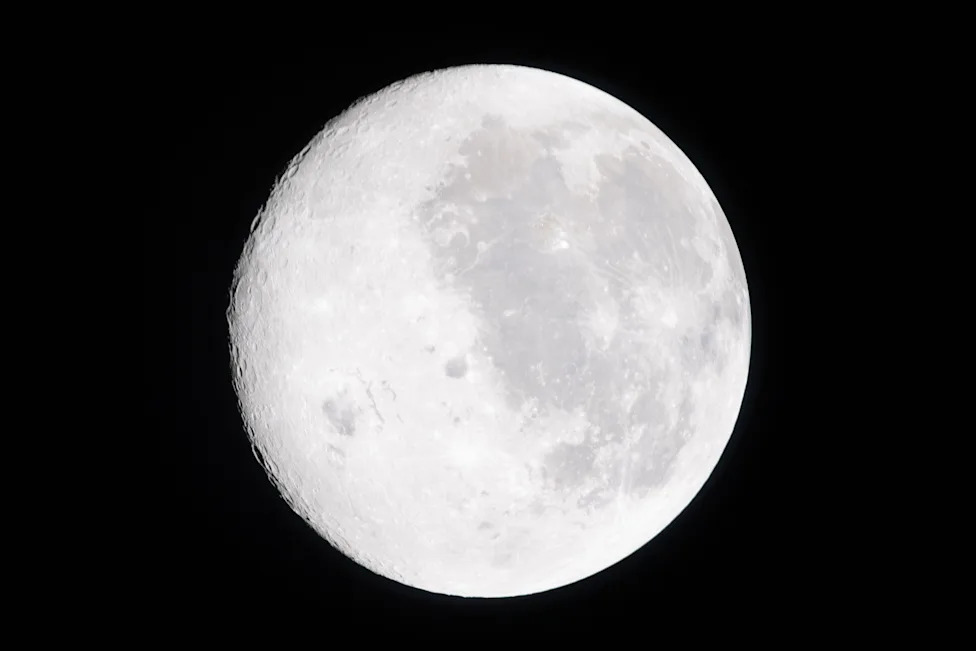
NASA released thousands of new photos taken during the Artemis II mission around the moon. The astronauts selected for the mission thoroughly documented the 10-day voyage, which included an April 6 lunar flyby as they traveled more than a quarter-million miles from Earth.(Provided by NASA)
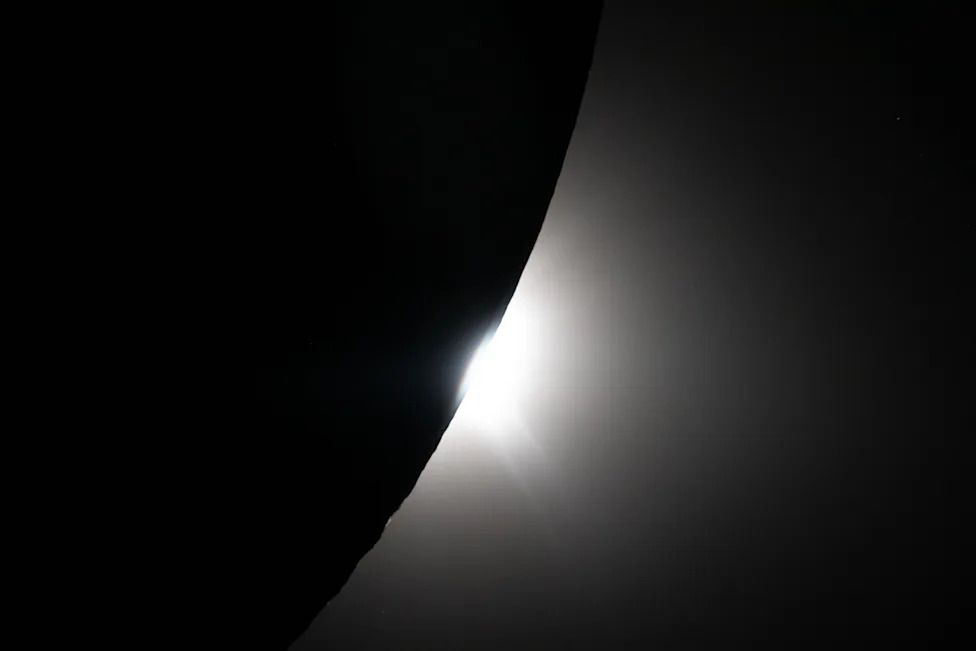
NASA released thousands of new photos taken during the Artemis II mission around the moon. The astronauts selected for the mission thoroughly documented the 10-day voyage, which included an April 6 lunar flyby as they traveled more than a quarter-million miles from Earth.(Provided by NASA)
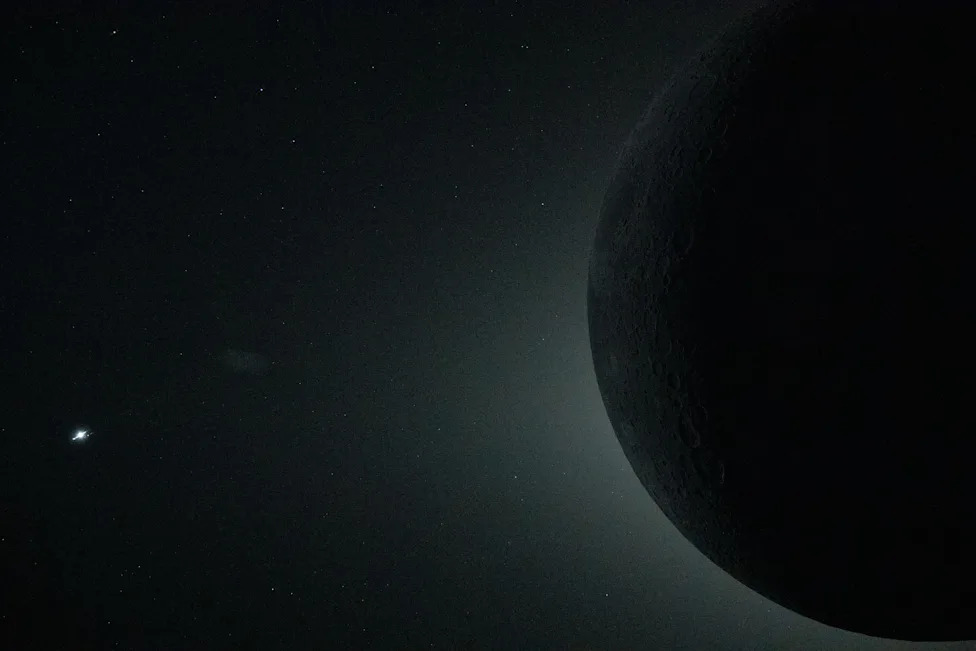
NASA released thousands of new photos taken during the Artemis II mission around the moon. The astronauts selected for the mission thoroughly documented the 10-day voyage, which included an April 6 lunar flyby as they traveled more than a quarter-million miles from Earth.(Provided by NASA)
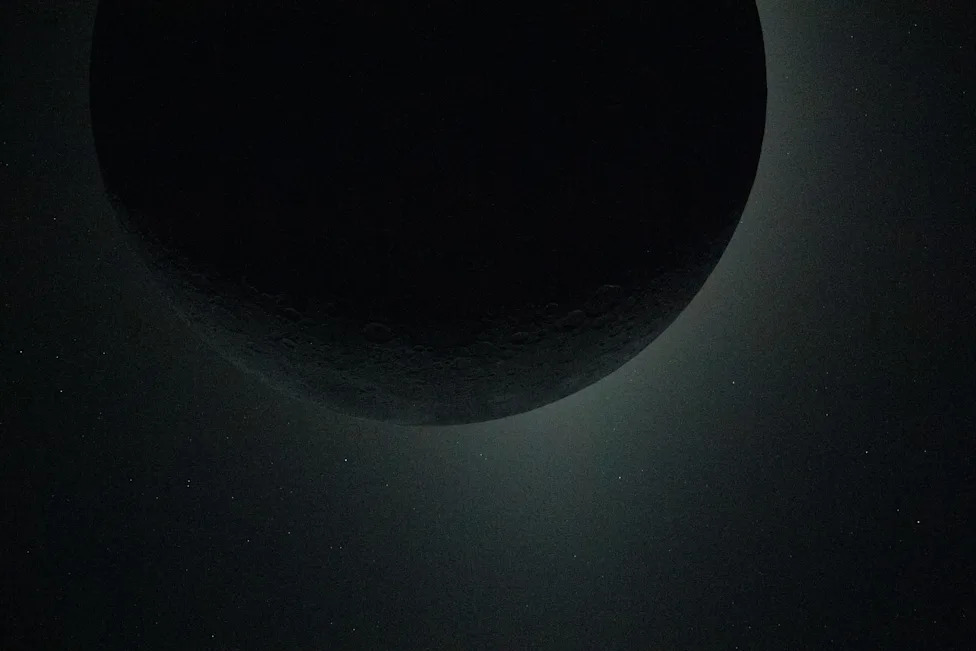
NASA released thousands of new photos taken during the Artemis II mission around the moon. The astronauts selected for the mission thoroughly documented the 10-day voyage, which included an April 6 lunar flyby as they traveled more than a quarter-million miles from Earth.(Provided by NASA)
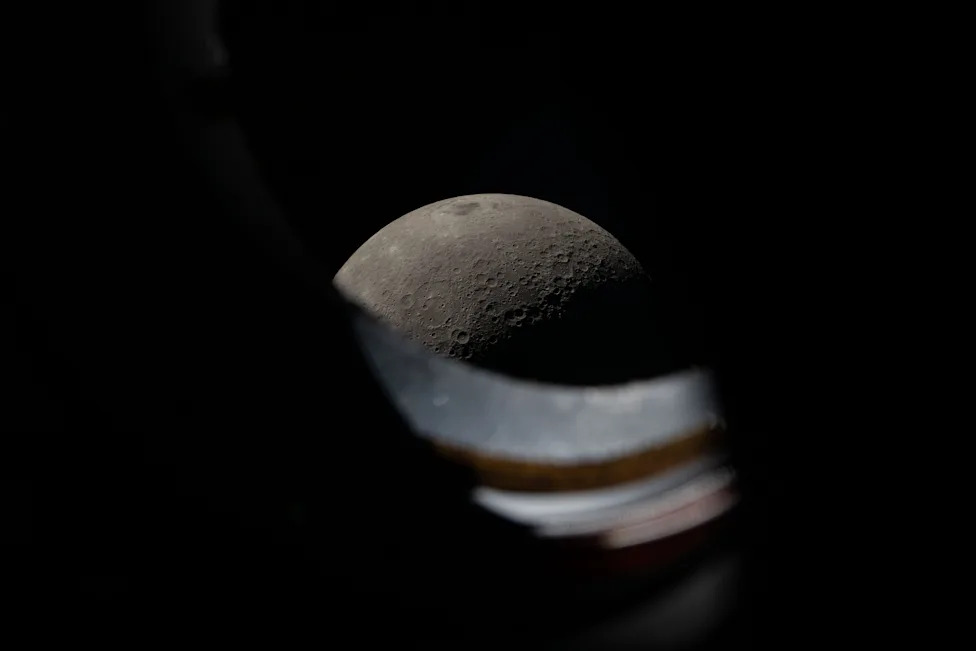
NASA released thousands of new photos taken during the Artemis II mission around the moon. The astronauts selected for the mission thoroughly documented the 10-day voyage, which included an April 6 lunar flyby as they traveled more than a quarter-million miles from Earth.(Provided by NASA)
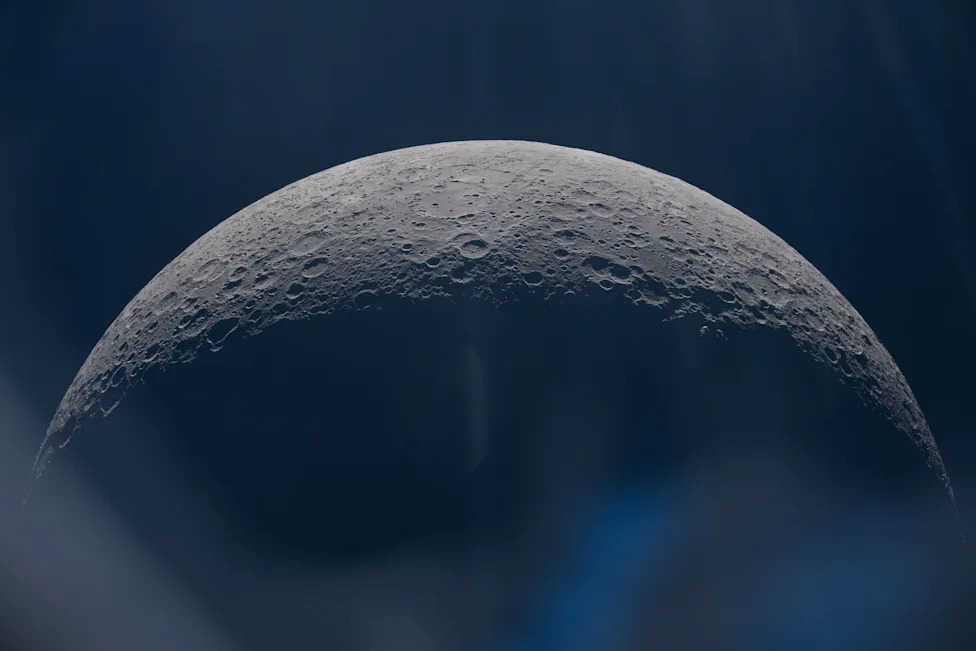
NASA released thousands of new photos taken during the Artemis II mission around the moon. The astronauts selected for the mission thoroughly documented the 10-day voyage, which included an April 6 lunar flyby as they traveled more than a quarter-million miles from Earth.(Provided by NASA)
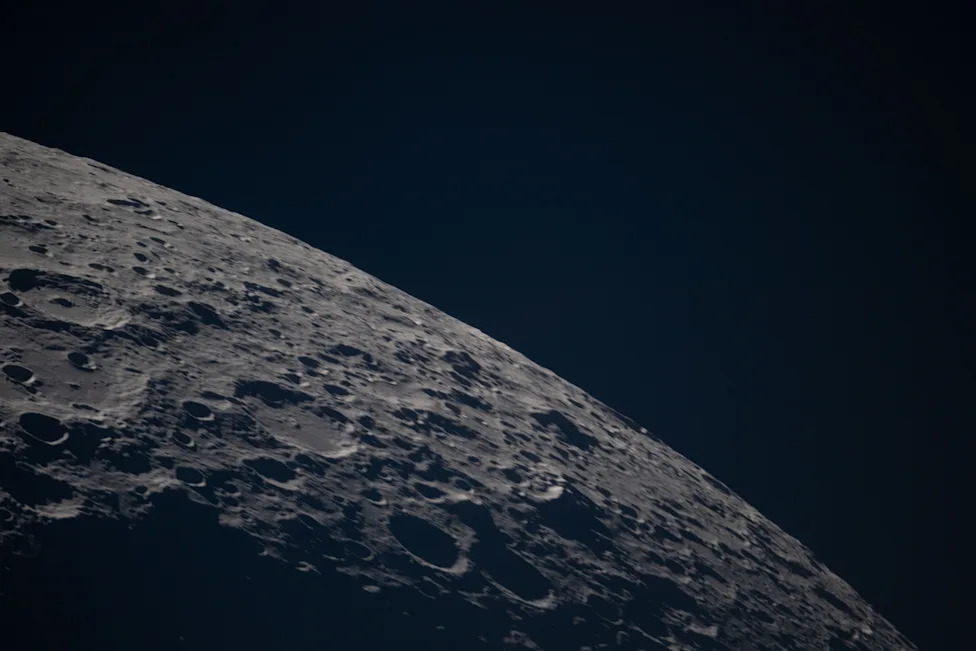
NASA released thousands of new photos taken during the Artemis II mission around the moon. The astronauts selected for the mission thoroughly documented the 10-day voyage, which included an April 6 lunar flyby as they traveled more than a quarter-million miles from Earth.(Provided by NASA)
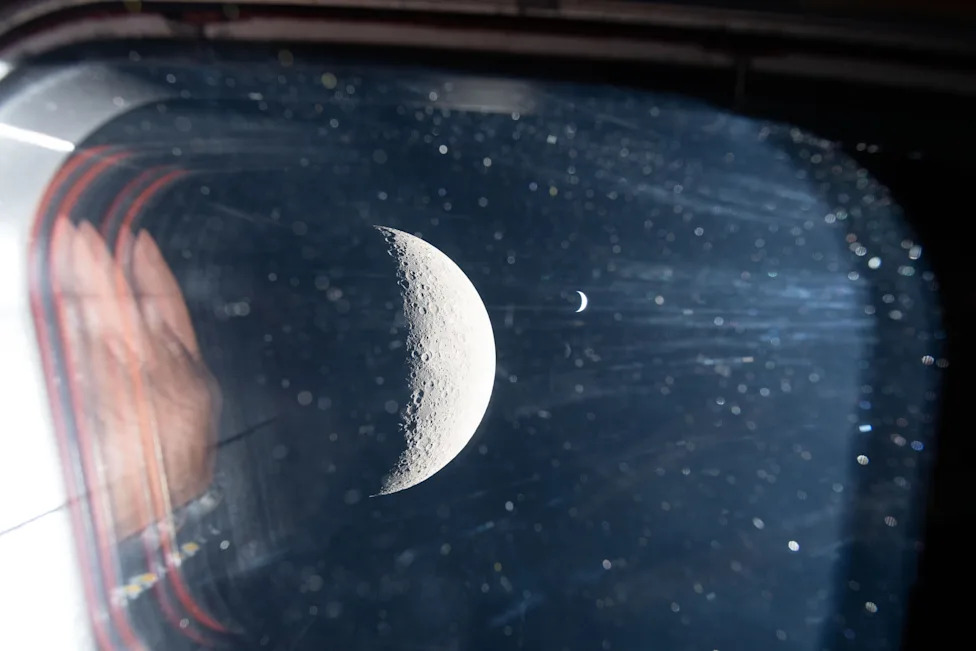
NASA released thousands of new photos taken during the Artemis II mission around the moon. The astronauts selected for the mission thoroughly documented the 10-day voyage, which included an April 6 lunar flyby as they traveled more than a quarter-million miles from Earth.(Provided by NASA)
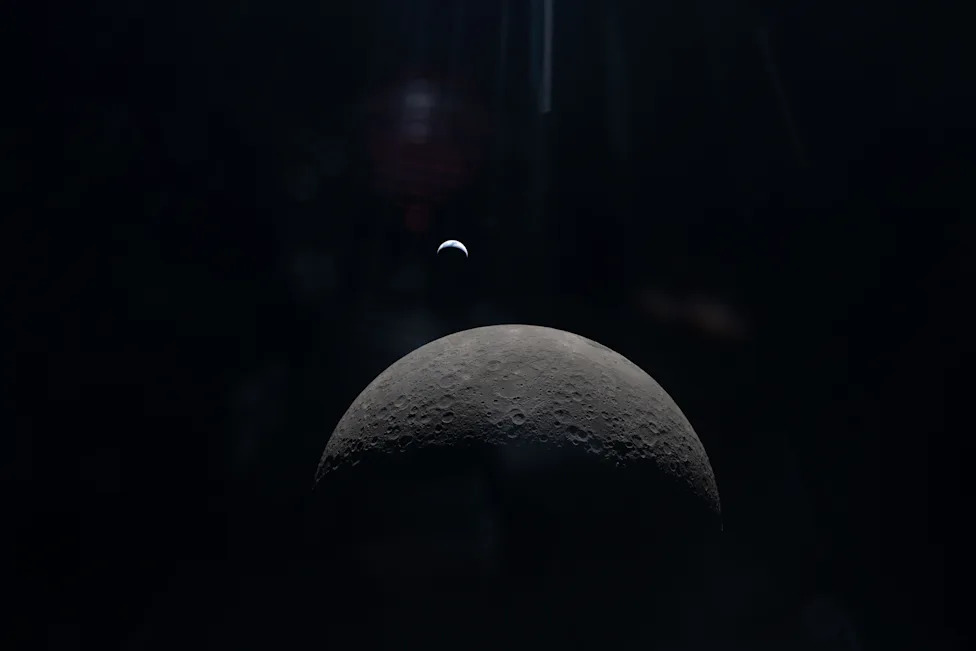
NASA released thousands of new photos taken during the Artemis II mission around the moon. The astronauts selected for the mission thoroughly documented the 10-day voyage, which included an April 6 lunar flyby as they traveled more than a quarter-million miles from Earth.(Provided by NASA)
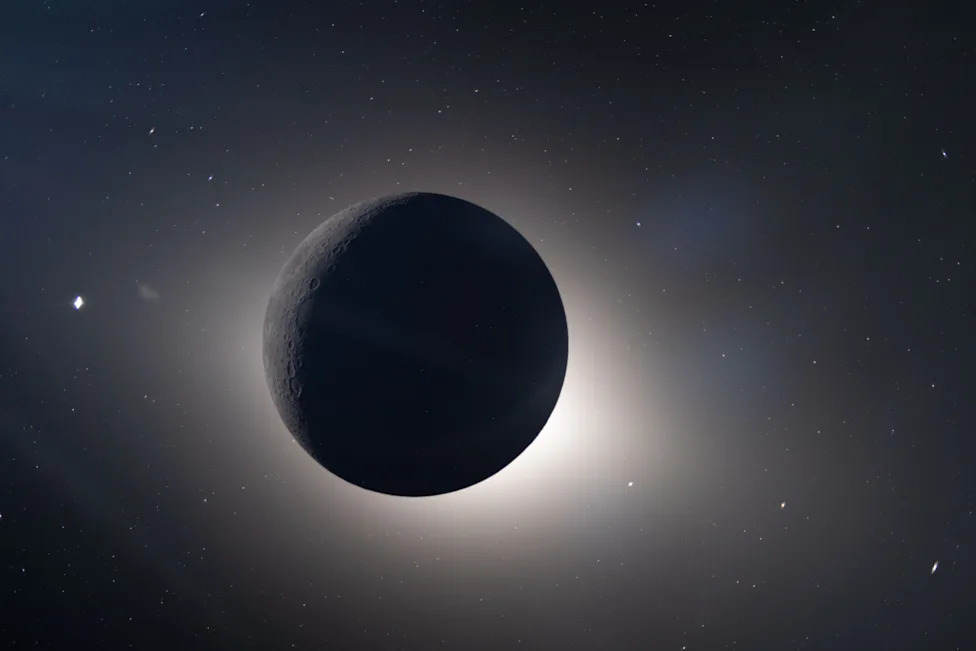
NASA released thousands of new photos taken during the Artemis II mission around the moon. The astronauts selected for the mission thoroughly documented the 10-day voyage, which included an April 6 lunar flyby as they traveled more than a quarter-million miles from Earth.(Provided by NASA)
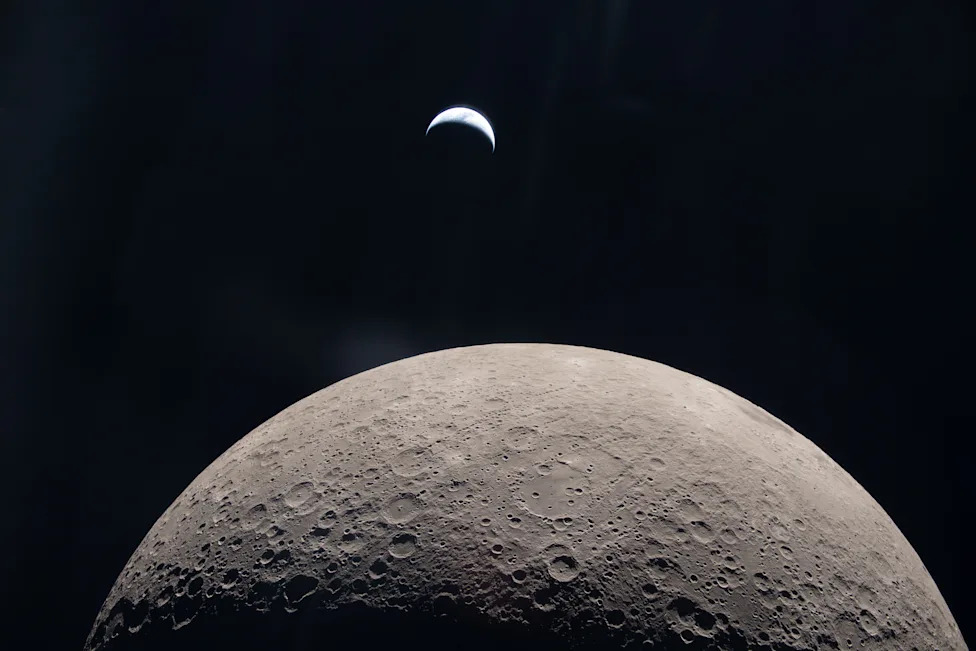
NASA released thousands of new photos taken during the Artemis II mission around the moon. The astronauts selected for the mission thoroughly documented the 10-day voyage, which included an April 6 lunar flyby as they traveled more than a quarter-million miles from Earth.(Provided by NASA)
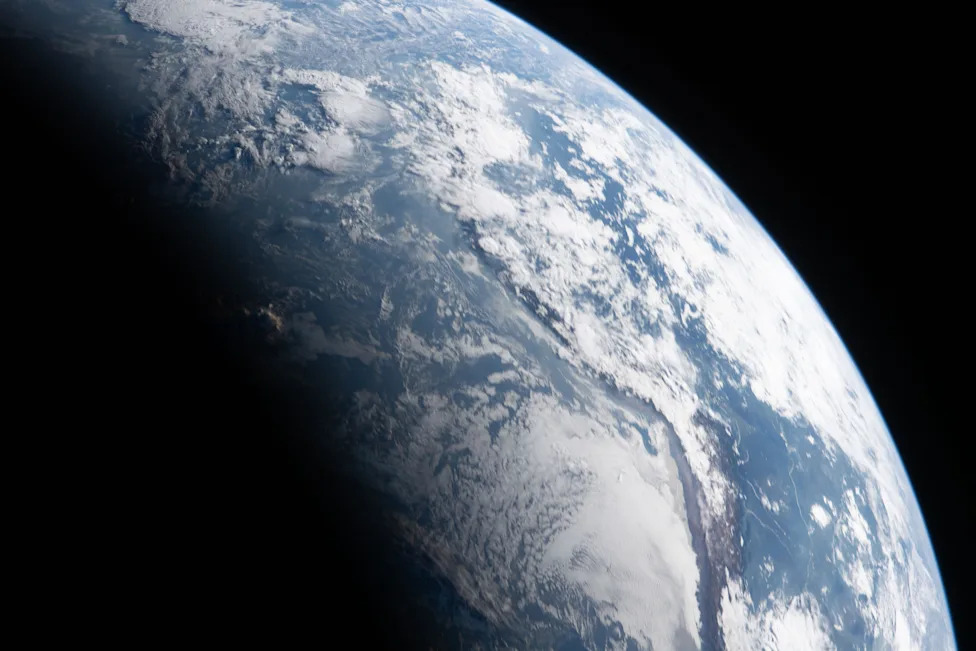
NASA released thousands of new photos taken during the Artemis II mission around the moon. The astronauts selected for the mission thoroughly documented the 10-day voyage, which included an April 6 lunar flyby as they traveled more than a quarter-million miles from Earth.(Provided by NASA)

NASA released thousands of new photos taken during the Artemis II mission around the moon. The astronauts selected for the mission thoroughly documented the 10-day voyage, which included an April 6 lunar flyby as they traveled more than a quarter-million miles from Earth.(Provided by NASA)
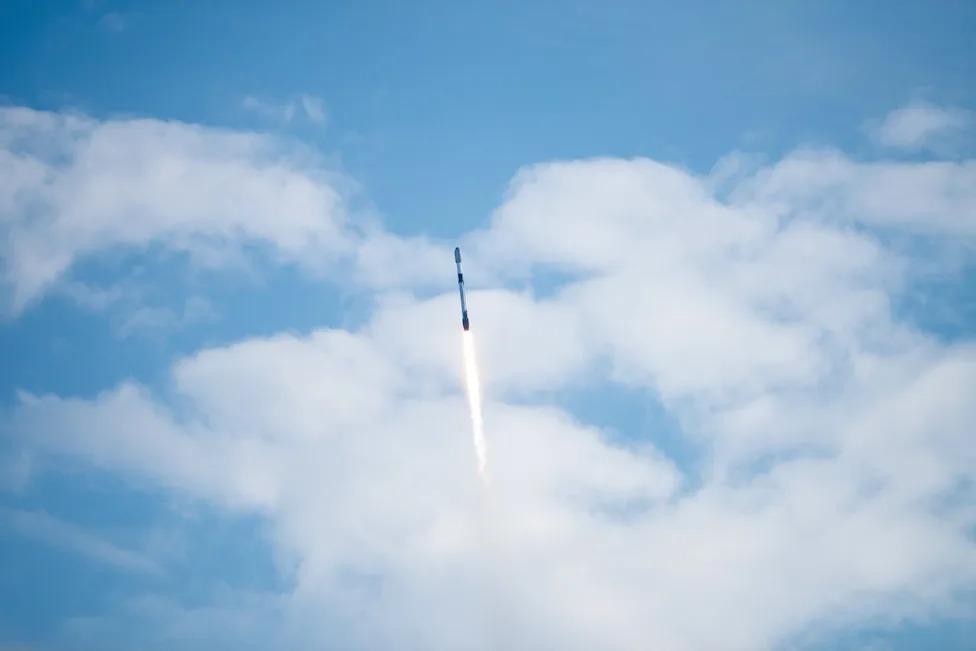
A Falcon 9 rocket launches July 13 on a mission to deliver SpaceX's Starlink satellites to its constellation in low-Earth orbit.(Provided by the Vandenberg Space Force Base)
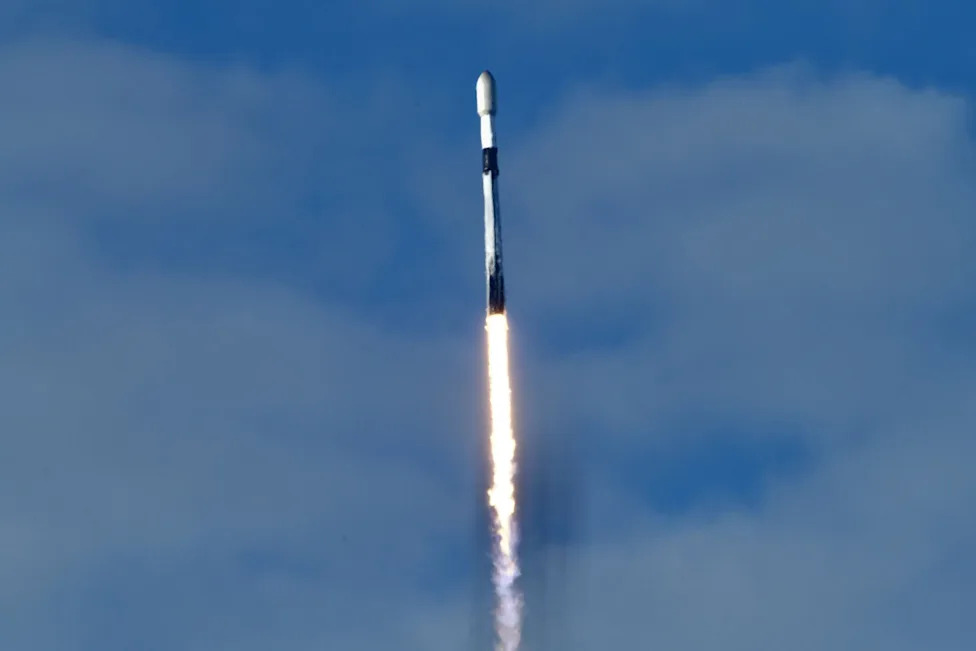
A SpaceX Falcon 9 rocket launches July 21 from the Vandenberg Space Force Base on a Starlink satellite deployment mission. The flight marked the 50th launch of 2026 in California.(Provided by the Vandenberg Space Force Base)
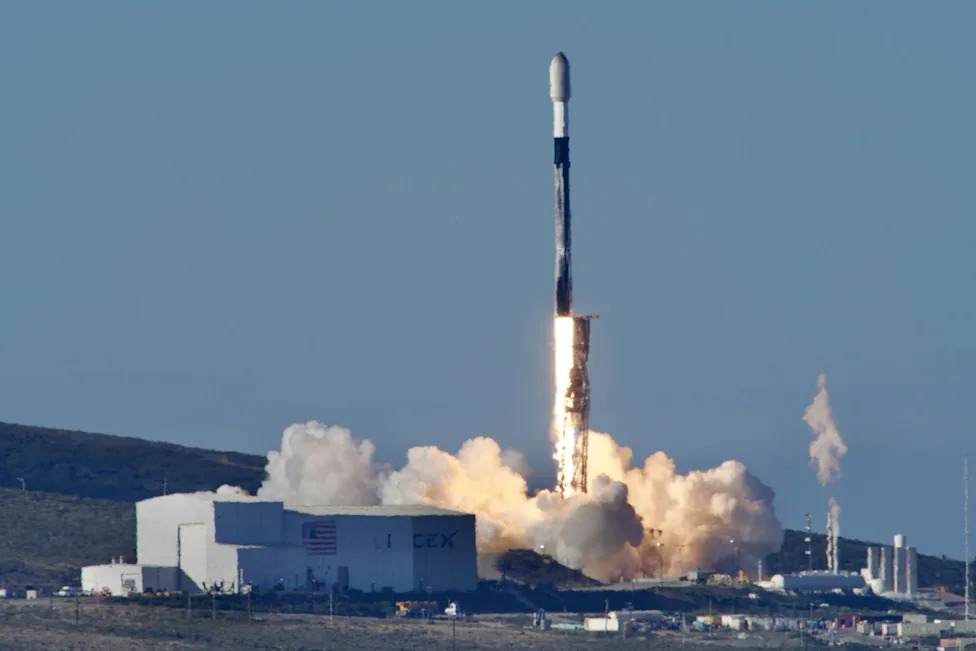
A SpaceX Falcon 9 rocket launches July 21 from the Vandenberg Space Force Base on a Starlink satellite deployment mission. The flight marked the 50th launch of 2026 in California.(Provided by the Vandenberg Space Force Base)
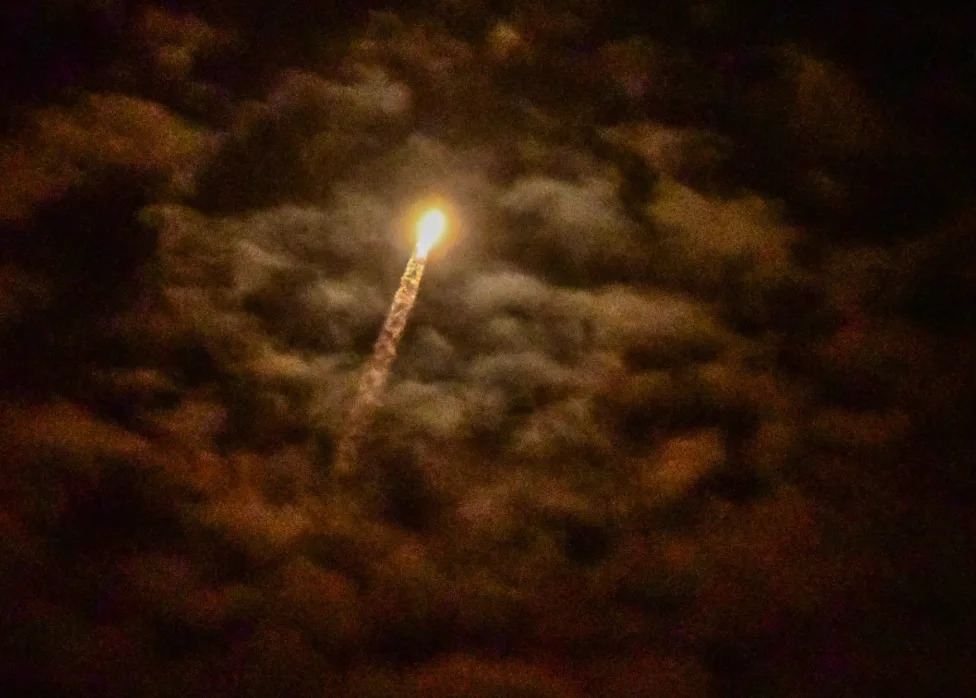
Launch of a SpaceX Falcon 9 rocket carrying 29 Starlink satellites into low-Earth orbit. Launch was at 5:10 a.m. on Tuesday, July 14 from Launch Complex 40 at Cape Canaveral Space Force Station in Florida.(Malcolm Denemark/USA TODAY Network)
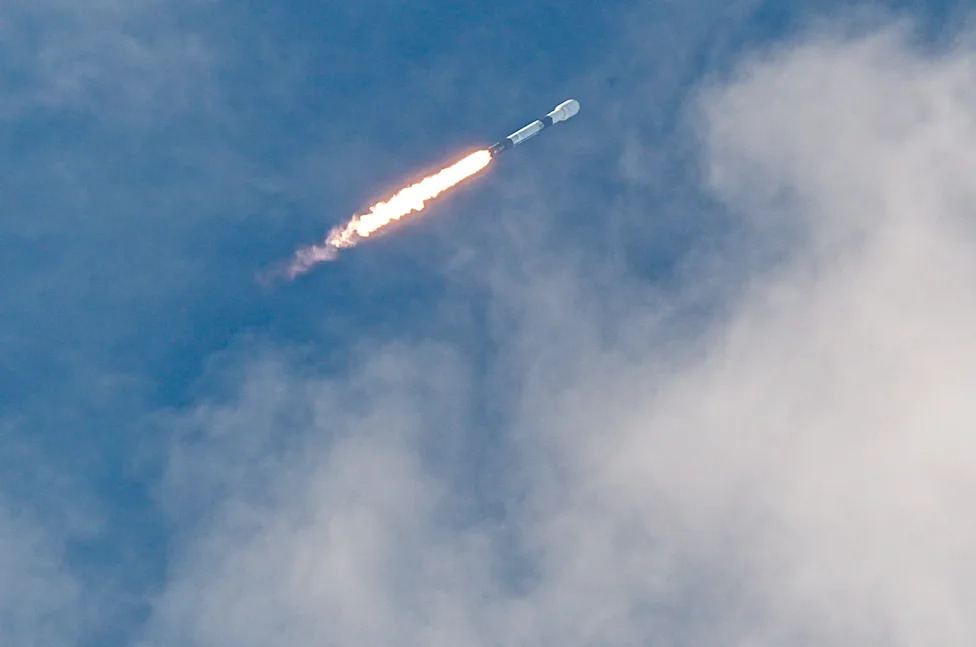
A SpaceX Falcon 9 rocket lifts off from Cape Canaveral Space Force Station July 21, 2026, carrying Northrop Grumman’s MRV-MEP satellite, designed to service other satellites while in orbit.(Craig Bailey/USA TODAY Network)
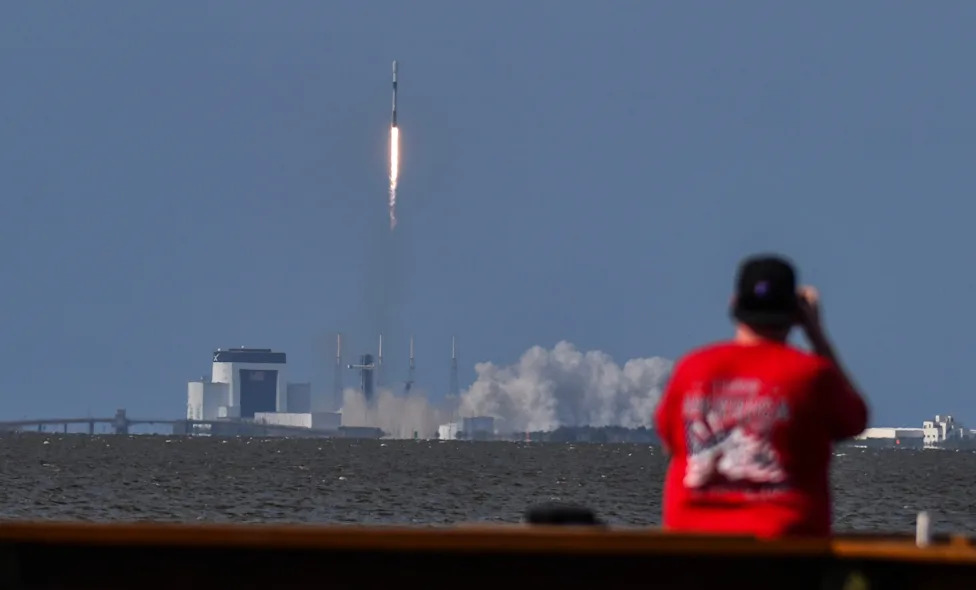
A spectator watches in Florida as a SpaceX Falcon 9 rocket lifts off from the Cape Canaveral Space Force Station.(Malcolm Denemark/USA TODAY Network)
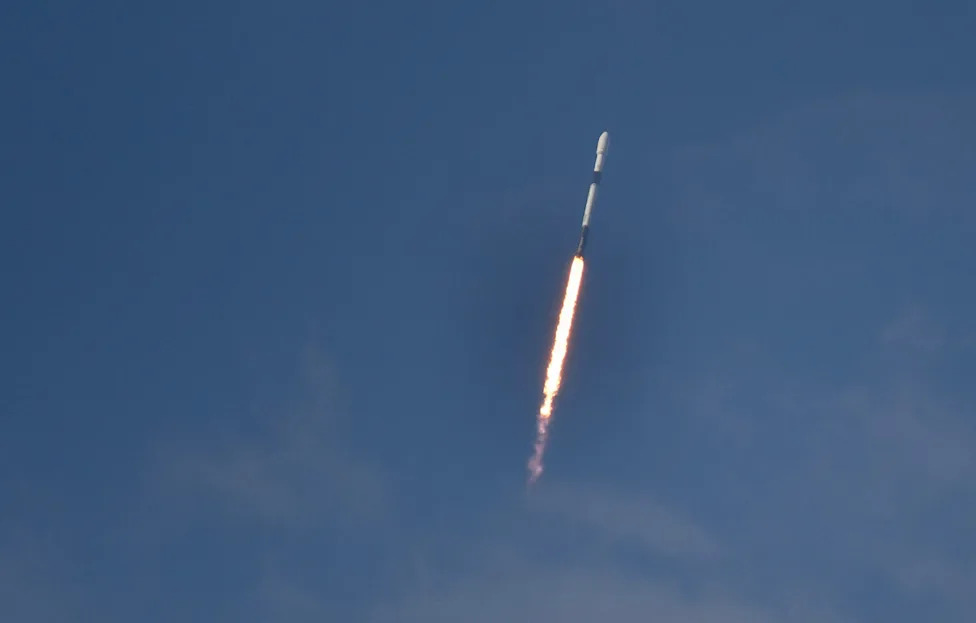
Launch of a SpaceX Falcon 9 rocket with Northrop Grumman's Mission Robotic Vehicle and Mission Extension Pod jetpacks. Launch was at 5:15 p.m. Tuesday, July 21 from Launch Complex 40 at Cape Canaveral Space Force Station in Florida.(Malcolm Denemark/USA TODAY Network)
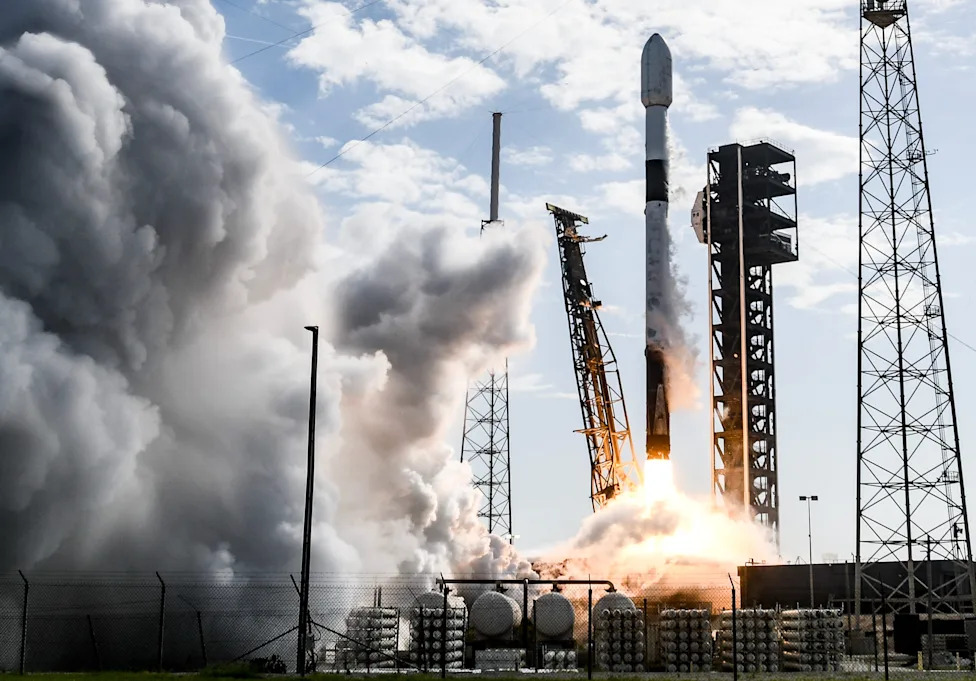
A SpaceX Falcon 9 rocket lifts off July 21 from the Cape Canaveral Space Force Station in Florida carrying Northrop Grumman’s MRV-MEP satellite, designed to service other satellites while in orbit.(Craig Bailey/USA TODAY Network)
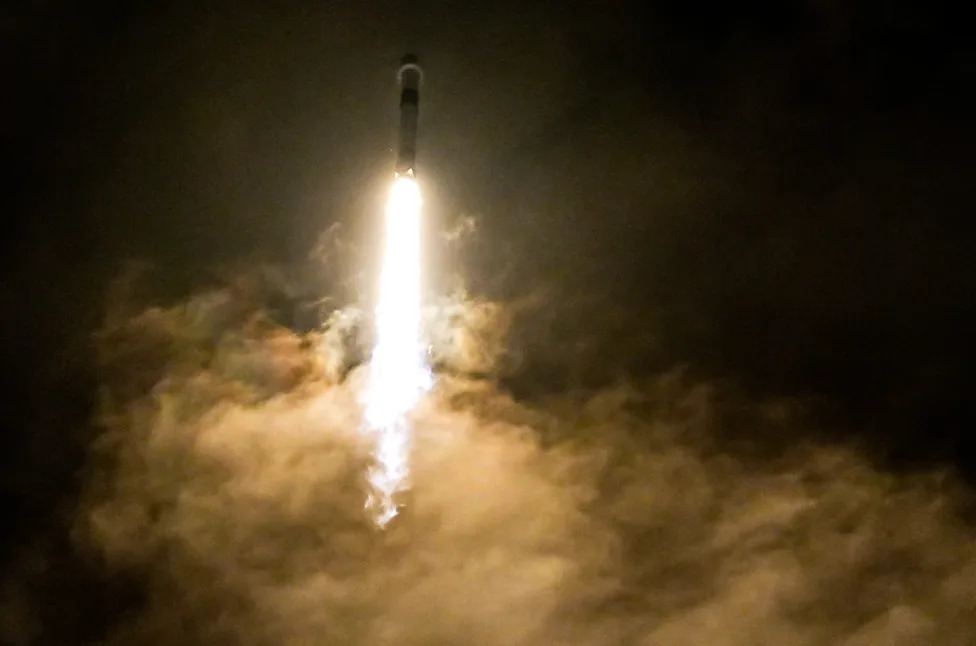
A SpaceX Falcon 9 rocket lifts off July 30 from the Cape Canaveral Space Force Station in Florida.(Craig Bailey/USA TODAY Network)
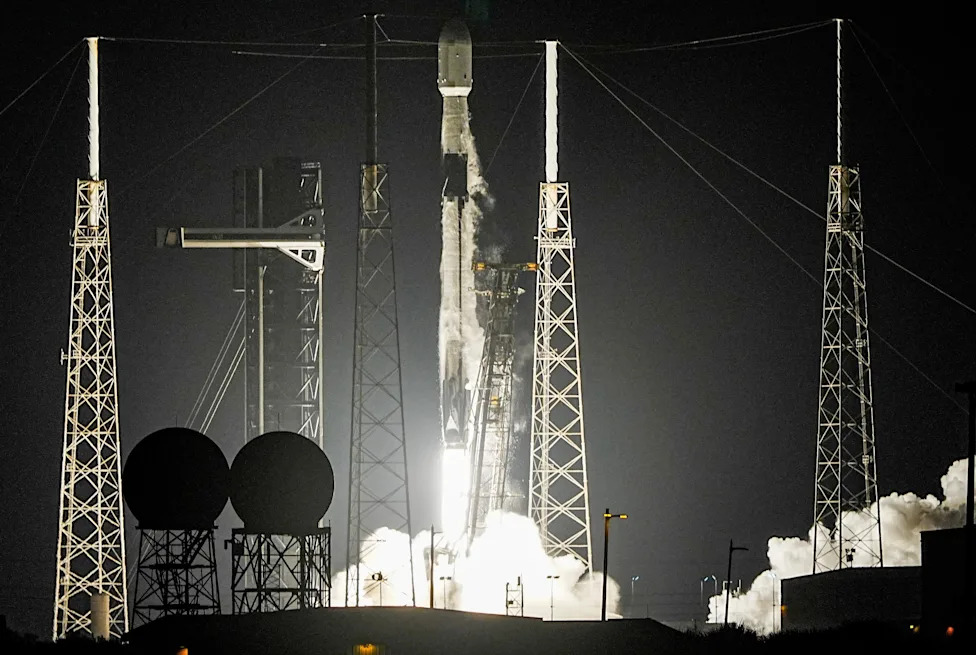
A SpaceX Falcon 9 rocket lifts off July 30 from the Cape Canaveral Space Force Station in Florida.(Craig Bailey/USA TODAY Network)
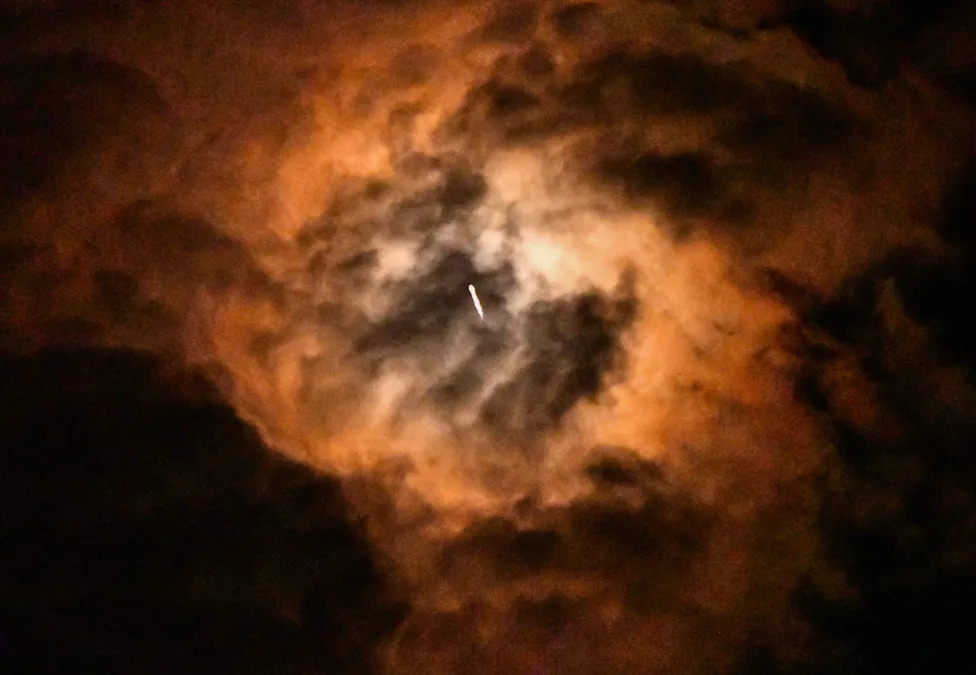
The July 30 launch of a SpaceX Falcon 9 rocket carrying a national security payload designed, built and operated by the National Reconnaissance Organization from the Cape Canaveral Space Force Station in Florida.(Malcolm Denemark/USA TODAY Network)
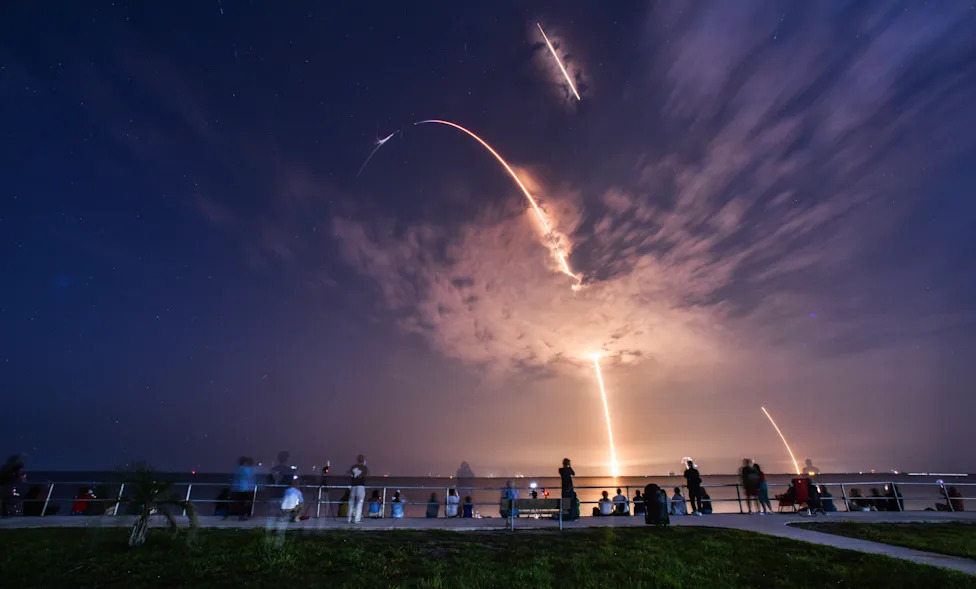
Spectators at Kennedy Point Park in Titusville watch the launch and booster landing of a SpaceX Falcon 9 rocket on July 30 carrying a national security payload designed, built and operated by the National Reconnaissance Organization. Liftoff took place from Launch Complex 40 at Cape Canaveral Space Force Station in Florida.(Malcolm Denemark/USA TODAY Network)
Pomozite nam da budemo bolji.