NASA poziva javnost da pošalje svoja imena za misiju Artemis 2, čije je lansiranje planirano između februara i aprila sa Floride. Uneta imena biće digitalno sačuvana na SD kartici unutar Orion kapsule koja će obleteti Mesec na desetodnevnom letu. Misija testira ključne sisteme za buduća sletanja i podržava ambicije za stalnu lunarnu bazu na Južnom polu i buduće misije ka Marsu.
Pošaljite svoje ime oko Meseca — Kako da učestvujete u misiji NASA Artemis 2
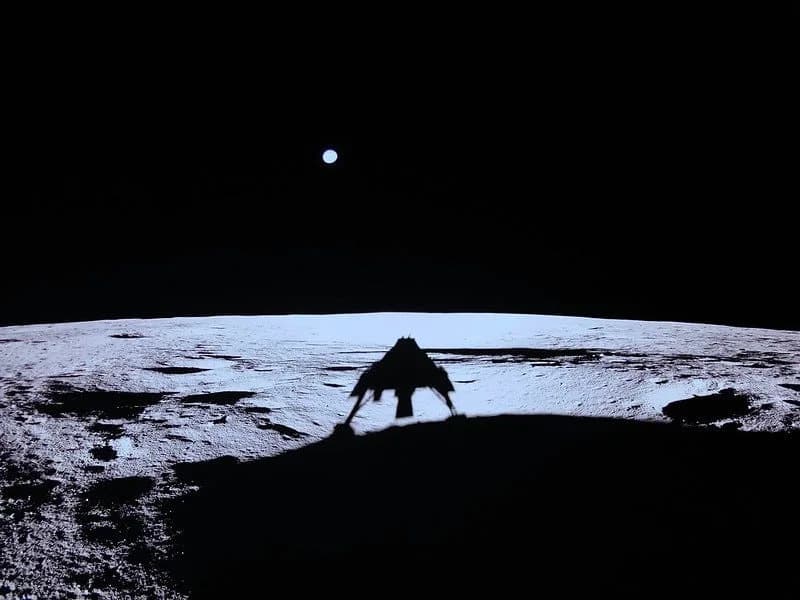
Firefly's Blue Ghost lunar lander captures its shadow on the moon's surface after completing a successful landing March 2 near a volcanic feature on the moon called Mons Latreille. The vehicle became the first of two landers manufactured by a U.S. company to reach the moon is 2025 in crucial missions to lay the groundwork for NASA to return humans to the lunar surface in the years ahead.
Četiri astronauta uskoro će poleteti oko Meseca, a vi možete biti "međ njima" — barem simbolično. NASA poziva javnost da pošalje svoja imena na misiju Artemis 2, čije je lansiranje planirano u prozoru između februara i aprila sa Floride.
Kako da pošaljete ime
NASA je postavila zvaničnu veb-stranicu na kojoj možete uneti svoje ime i željeni PIN. Nakon toga sistem generiše virtuelnu ukrcajnicu koju možete sačuvati — ona prikazuje uneseno ime, osnovne informacije o misiji i QR kod koji vodi do NASA-inog virtuelnog gost programa za ažuriranja o Artemis 2.
Po NASA-inim informacijama, prikupljena imena biće digitalno upisana na SD karticu koja će biti smeštena unutar Orion kapsule tokom leta.
Šta misija testira i zašto je važna
Artemis 2 je drugi let u okviru NASA-inog Artemisa i predstavlja ključni test sistema i opreme pre planiranog sletanja na Mesec u okviru kasnijih misija (Artemis 3 i dalje). Misija će trajati oko 10 dana: posada neće sletati na površinu Meseca, već će obleteti Mesec i testirati svemirske sisteme u uslovima bliskim budućim ekspedicijama.
Orionov modul, koji je razvila kompanija Lockheed Martin, trebalo bi da se udalji približno 4.700 milja (~7.600 km) iza tamne strane Meseca — najdalje gde su ljudi ikada bili pre povratka na Zemlju.
Tehnički okvir
Početni impuls pri lansiranju obezbediće gigant Space Launch System (SLS), raketa koju je NASA nedavno predstavila. Space Launch System bi mogao da poleti već 6. februara iz Kennedy Space Centra na Floridi, u zavisnosti od operativnih provera i vremenskih uslova.
Posada
Posadu Artemis 2 čine: Reid Wiseman, Victor Glover, Christina Koch (sredstva: prva žena dodeljena NASA-inom lunarnom letu) i Jeremy Hansen iz Kanadske svemirske agencije (koji bi postao prvi Kanađanin tako blizu Meseca).
Širi kontekst
Program Artemis je ambiciozna kampanja NASA-e da ponovo pošalje ljude na Mesec, uspostavi trajno prisustvo (posebno u regionu južnog pola Meseca) i koristi lunarne resurse kao odskočnu dasku za buduće posade na Mars. Led na južnom polu mogao bi se koristiti za proizvodnju pitke vode, kiseonika i goriva.
Artemis 1, besposadna proba Orion kapsule, lansirana je 16. novembra 2022. godine i postavila je osnovu za naredne posade misije.
Kako pratiti misiju
Ako želite da pratite ažuriranja, prijavite se putem NASA-inog virtuelnog gosta koristeći QR kod sa virtuelne ukrcajnice ili posetite zvaničnu NASA veb-stranicu za Artemis 2. Prema objavi na društvenoj mreži X, više od 1,5 miliona ljudi se već prijavilo.
Izvor: USA TODAY (izvještaj Erica Lagatta) — tekst je adaptiran i jezički obrađen za srpsko govorno područje.
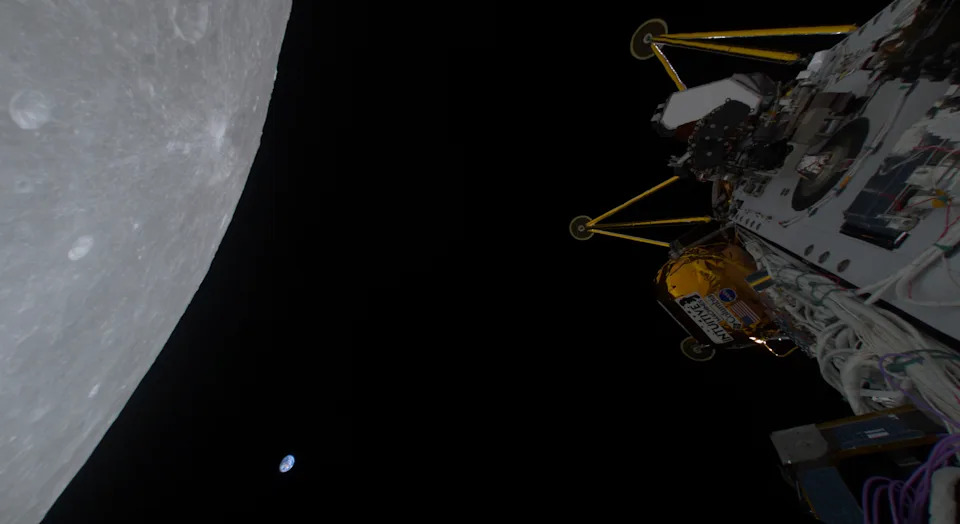
Athena, the lunar lander on Intuitive Machines' IM-2 mission, captured this image of the moon's surface with Earth seen in the distance ahead of a March 6 landing attempt. While the lander was the second U.S. vehicle to reach the moon within a week, it ultimately landed on its side, which hindered much of its mission.
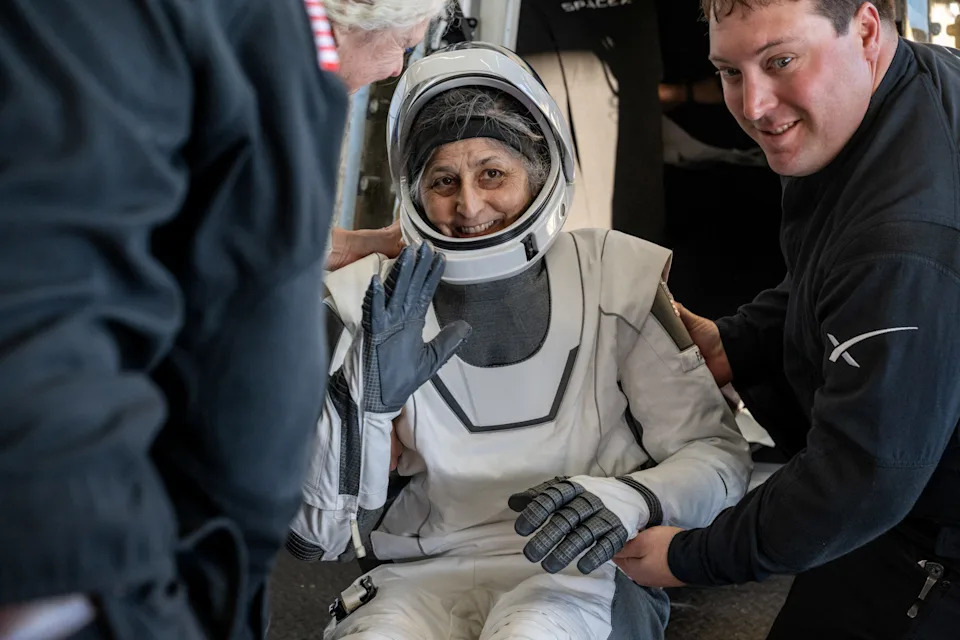
NASA astronaut Suni Williams is helped out of a SpaceX Dragon spacecraft March 18 following a return to Earth after a nine-month stay at the International Space Station. She and NASA astronaut Butch Wilmore crewed the Boeing Starliner, which had launched in June 2024 on a failed test flight that was meant to return them to Earth a few days later.
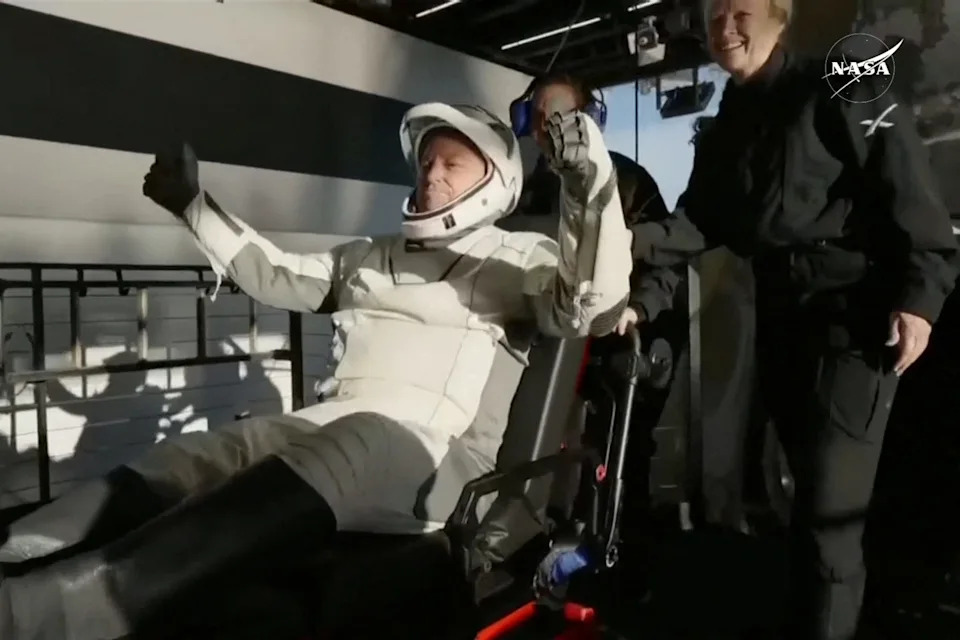
Butch Wilmore reacts after he and Suni Williams and two other astronauts splashed down March 18 in a Crew Dragon space capsule following their return to earth from the International Space Station off the coast of Florida. The astronauts' extended stay at the orbital outpost dominated the news cycle for months.
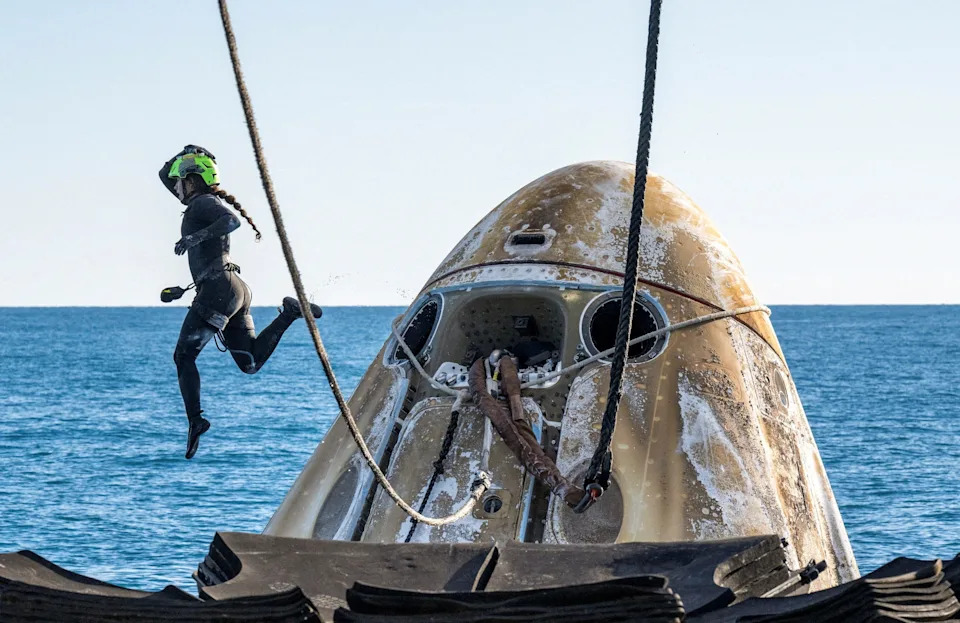
A SpaceX support team member is seen airborne while working to lift the SpaceX Dragon capsule that returned the Starliner astronauts and two others onto a recovery vehicle following its landing off the coast of Florida.

This picture shows the crew of a privately-funded mission known as Fram2, from left to right, mission specialist and medical officer Eric Philips, mission commander Chun Wang, pilot Rabea Rogge and vehicle commander Jannicke Mikkelsen on March 19, 2025 in Hawthorne, California. Launched March 31 from Florida using a SpaceX Dragon capsule, the mission became t first ever human spaceflight over the Earth's polar regions.
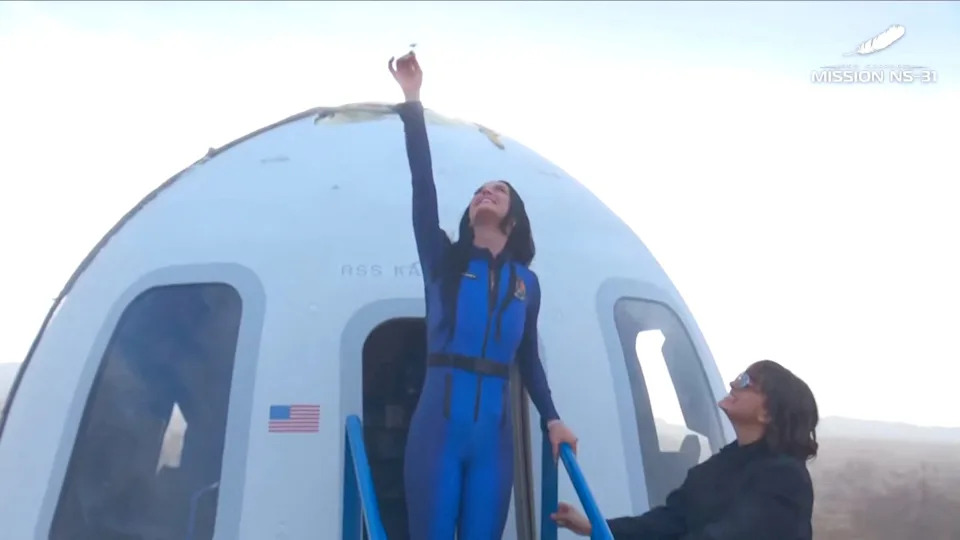
Pop musician Katy Perry emerges April 14 from Blue Origin's New Shepard capsule in West Texas following a brief flight to the edge of space. Perry was part of an all-women crew that also included broadcast journalist Gayle King that took the ride from Blue Origin's facility called Launch Site One. The high-profile launch attracted plenty of headlines and even drew some backlash from those who viewed the mission as a wasteful publicity stunt.
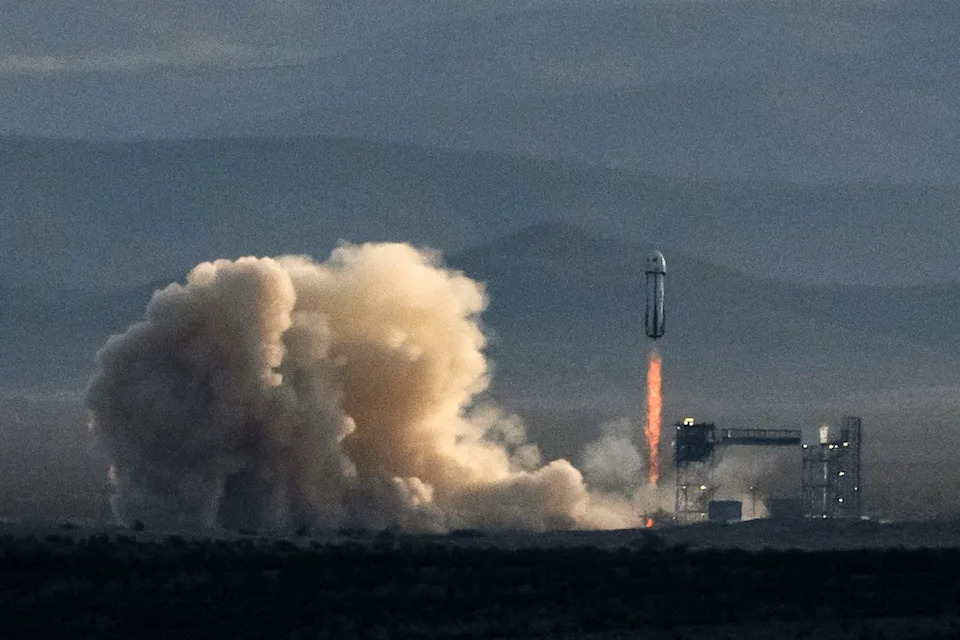
Blue Origin's New Shepard rocket carrying astronauts Aisha Bowe, Amanda Nguyen, Kerianne Flynn, Gayle King, Katy Perry, and Lauren Sanchez lifts off April 14 from Launch Site One near Van Horn, Texas. Blue Origin has since launched five more human spaceflights on the New Shepard in 2025.
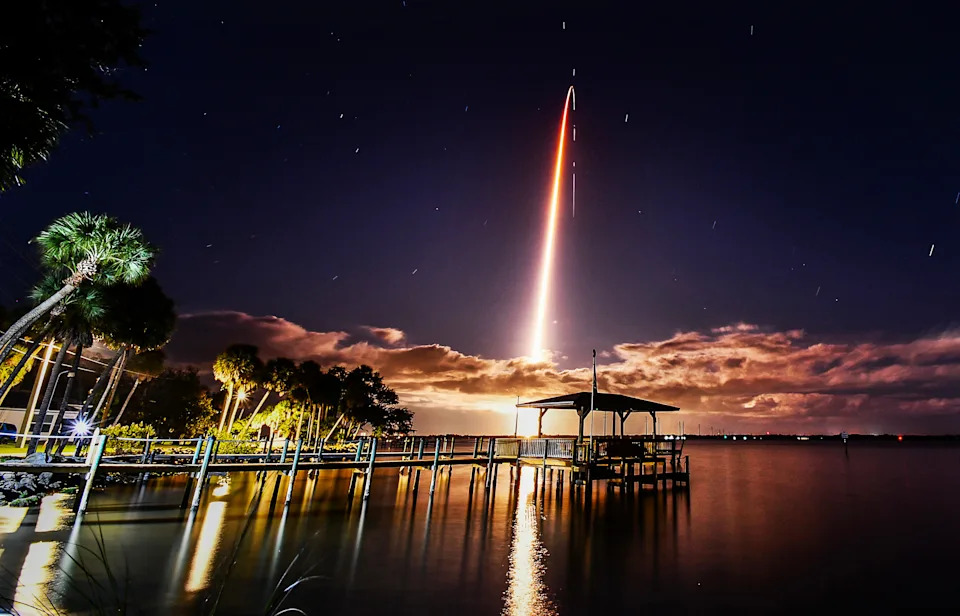
This photo depicts a United Launch Alliance Atlas V rocket carrying the latest batch of Amazon's broadband satellites on Dec. 16 to low-Earth orbit after launching from the Cape Canaveral Space Force Station in Florida. Formerly called Project Kuiper, the venture has since been renamed Amazon Leo. Since its debut April launch, Amazon Leo has deployed 180 of 3,000 satellites planned for its first constellation, which could challenge SpaceX's Starlink.
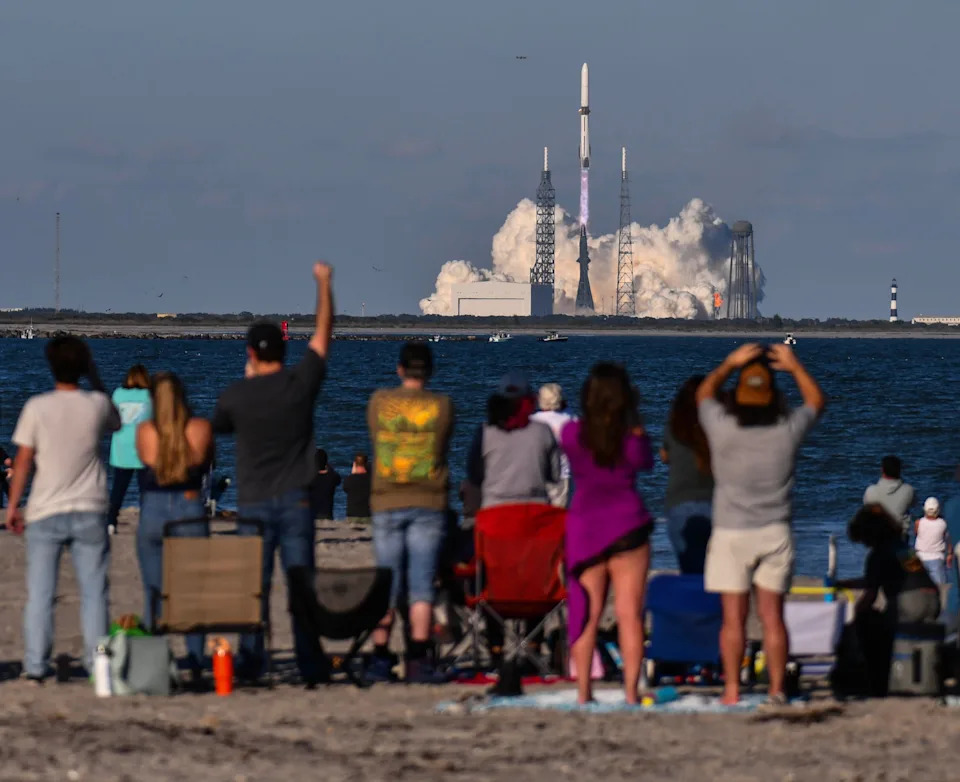
A group of Blue Origin employees with their friends and families gather on the beach in Cape Canaveral for the launch of Blue Origin's second New Glenn rocket in 2025. Following its January debut, the rocket launched for the second time Nov. 13 from Launch Complex 36 at Cape Canaveral Space Force Station, sending NASA's twin ESCAPADE spacecraft on their trek to Mars.
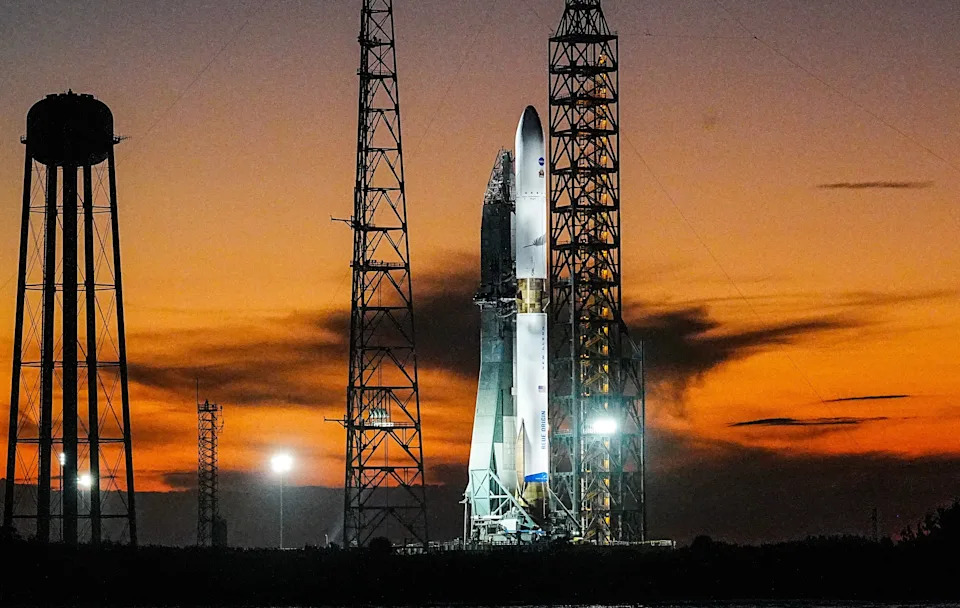
Darkness falls Nov. 9 as a Blue Origin New Glenn rocket is prepped for its second-ever launch from the Cape Canaveral Space Force Station. Blue Origin is developing the towering rocket for heavy-lift missions that could see Jeff Bezos' company compete with Elon Musk and SpaceX.
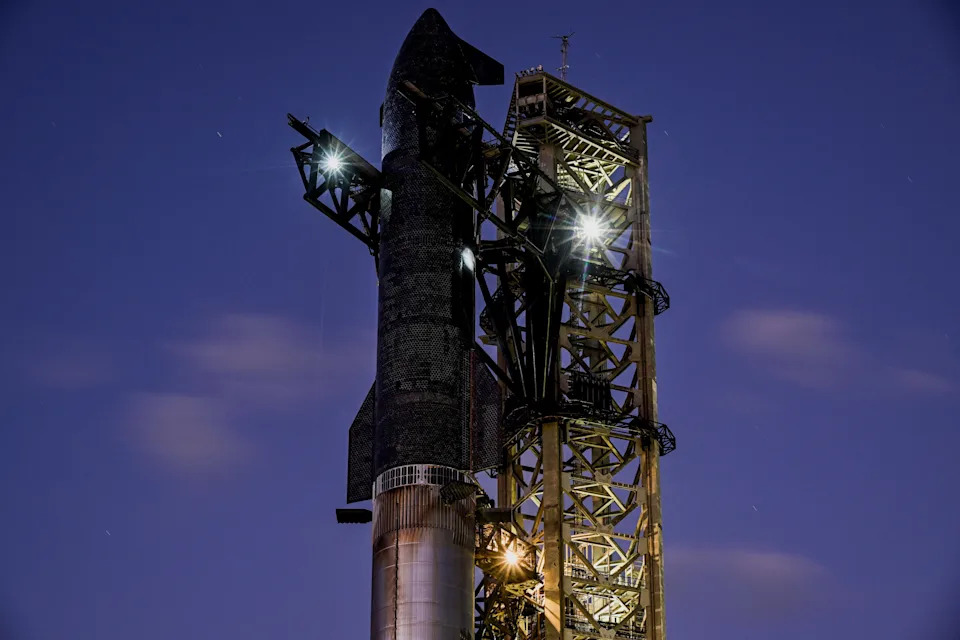
The SpaceX Starship spacecraft sits Oct. 12, 2025 atop the Super Heavy booster before sunrise as preparations continue for its 11th test flight from the company's complex in Starbase, Texas.
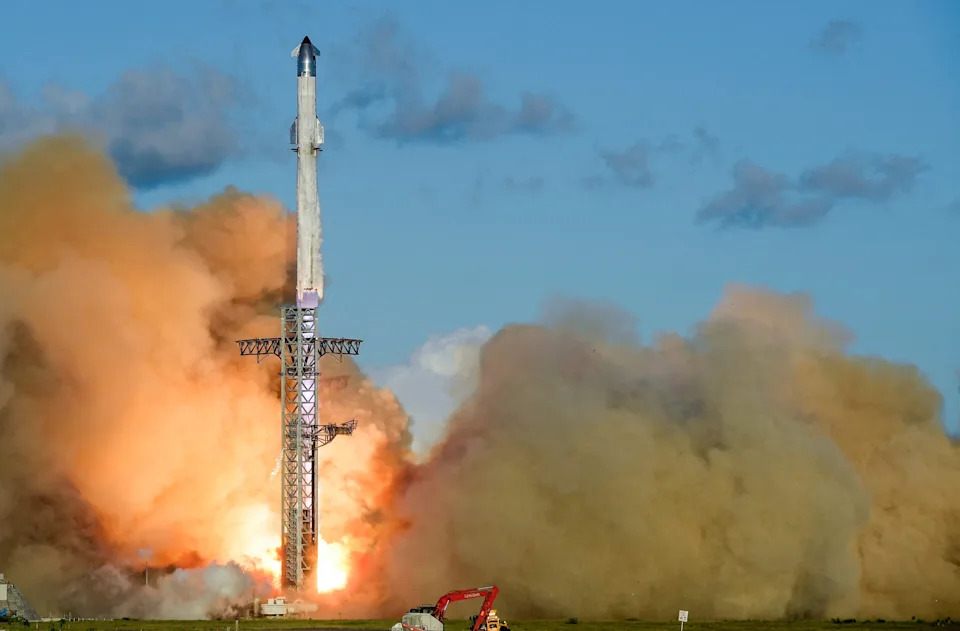
A SpaceX Super Heavy booster carrying the Starship spacecraft lifts off Oct. 13, 2025, on its 11th ever test flight at the company's launch pad in Starbase, Texas. The launch was Starship's fifth of 2025, and second consecutive successful test flight following a year that was early on marked by explosive failures. SpaceX is developing the rocket for future missions that would help NASA astronauts land on the moon and also potentially transport the first humans to Mars.
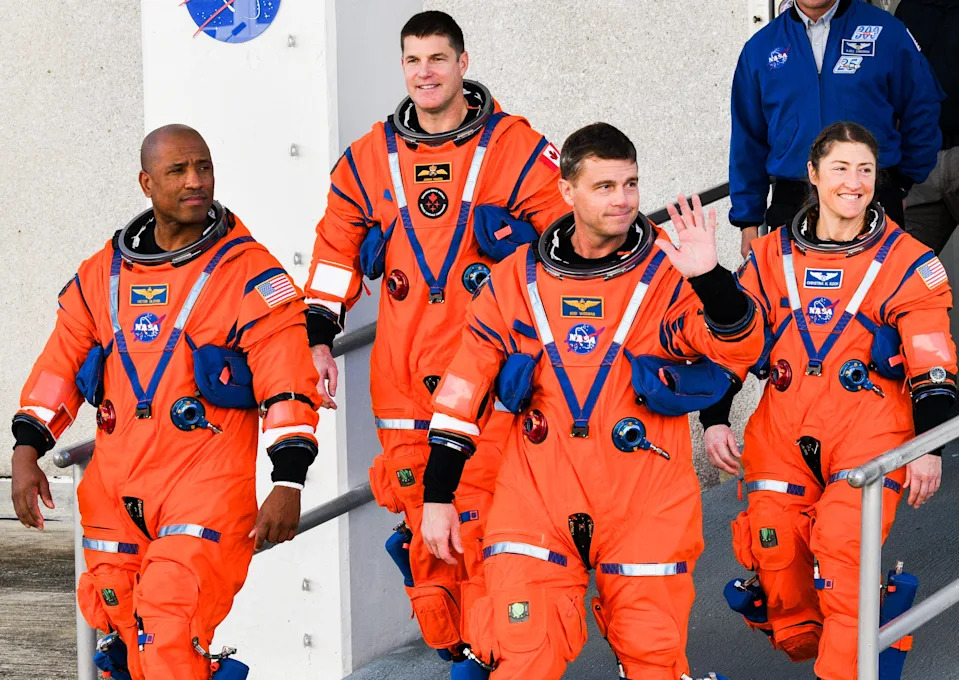
The astronauts of Artemis II (from left) Victor Glover, Jeremy Hansen, Reid Wiseman and Christina Koch leave crew quarters December 20, 2025 during their pre-launch rehearsal. Craig Bailey, FLORIDA TODAY via USA TODAY NETWORK
Pomozite nam da budemo bolji.