Starship je podstakao kineske kopije: nekoliko kineskih državnih i privatnih projekata predstavljeno je sa dizajnima koji podsećaju na SpaceX‑ov Starship, uključujući Xingzhou‑1. Ipak, razvoj funkcionalnih, ponovo upotrebljivih velikih raketa je složen i zahteva vreme — Long March 9 i mnogi startapi verovatno neće leteti pre 2030‑ih. SpaceX i dalje testira Starship; Verzija 3 je ciljana za 2026. i nosi potencijal orbitalnog dopunjavanja goriva.
Starship Je Inspirisao Kineske Klonove: Koja Preduzeća Prate Put SpaceX‑a?
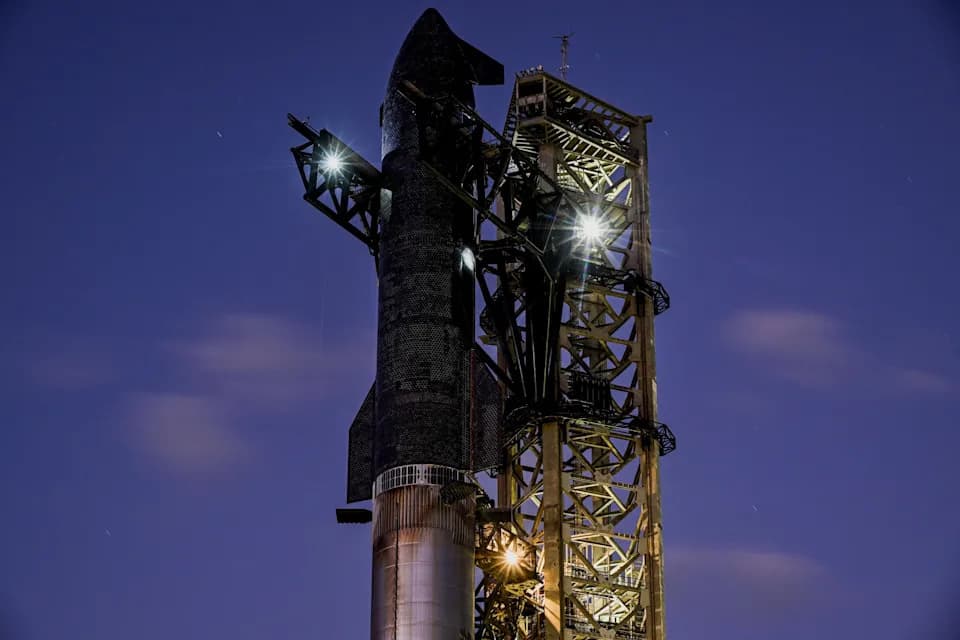
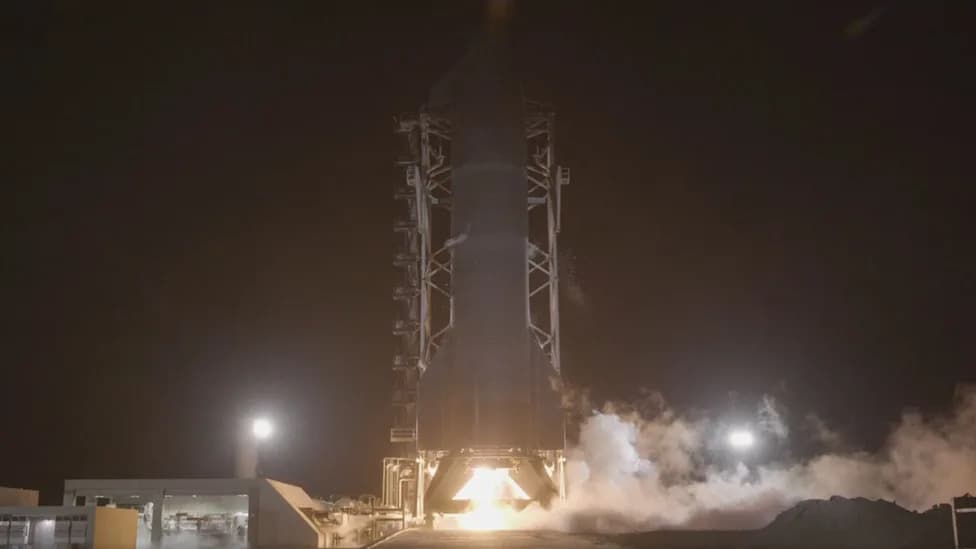
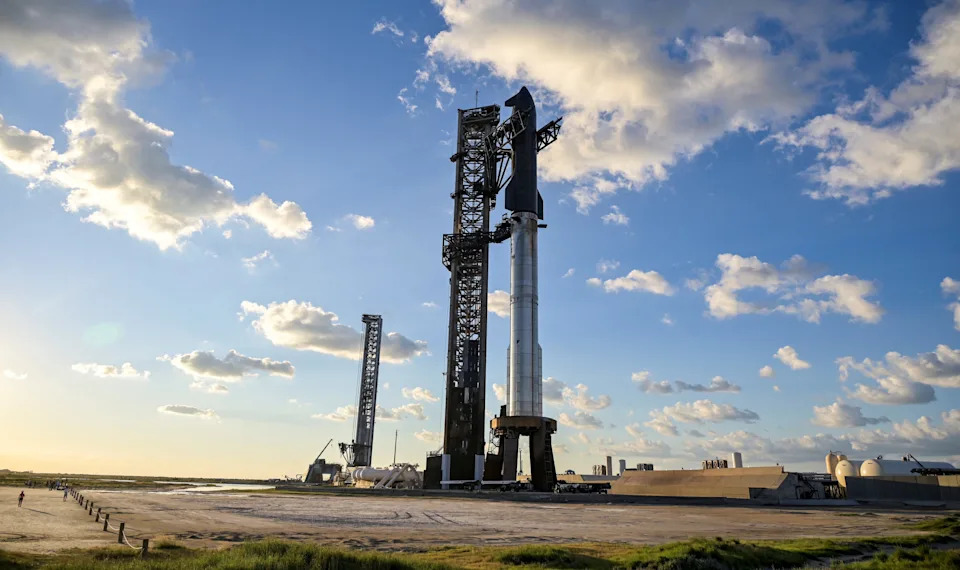
The SpaceX Starship spacecraft sits Oct. 12, 2025 atop the Super Heavy booster before sunrise as preparations continue for its 11th test flight from the company's complex in Starbase, Texas.
SpaceX‑ov Starship — ambiciozni svemirski brod dizajniran za letove ka Mesecu i Marsu — podstakao je talas sličnih koncepata u Kini, od državnih programa do privatnih startupa. Inspiracija dizajnom SpaceX‑a naročito se vidi u predlozima za potpuno ponovnu upotrebu i u idejama o hvatanju vraćajućih potisnika.
Šta je Starship?
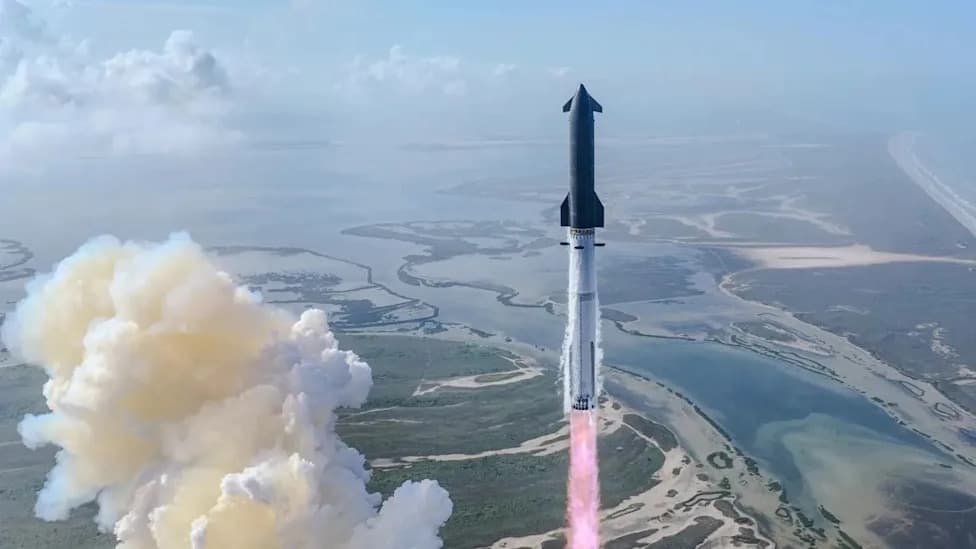
Starship u punom sklopu dostiže više od 400 stopa (oko 120 metara) i smatra se najvećim lansirnim sistemom na svetu. Verzija koju je SpaceX ranije testirao (ponekad opisivana kao V2) sastojala se od donje faze Super Heavy (oko 232 stope) i gornje faze Starship (oko 171 stopa), u kojoj bi bili posada i teret.
Tehnički ciljevi i izazovi
SpaceX razvija Starship kao potpuno ponovo upotrebljiv sistem. Kompanija teži mogućnosti dopunjavanja goriva u orbiti — ključnoj sposobnosti za misije na Mars. Do sada je Starship imao više testnih letova koji nisu dostigli orbitu, dok je booster uspešno vraćen u tri navrata. Sledeći prototip, često nazivan Verzija 3 (V3), cilja se za 2026. godinu i mogao bi biti prvi koji će pokušati orbitalno dopunjavanje goriva.
Kineski odgovori i kopije
Mediji koji prate svemirske programe beleže da su kineske državne agencije i startapi u poslednje vreme sve više okrenuti konceptima sličnim Starshipu.
Xingzhou‑1: Državni portal China.com je u decembru 2025. prikazao koncept kompanije Beijing Leading Rocket Technology nazvan "Xingzhou‑1" (doslovno "Starship‑1"), sa renderima koji podsećaju na Starship i tvrdnjom da je dizajn potpuno ponovo upotrebljiv. Novinar Andrew Jones je upozorio da je projekat u vrlo ranoj fazi i da je za sada pretežno konceptualan.
Primeri privatnih firmi uključuju:
- Cosmoleap — najavio je planove za potpuno ponovo upotrebljivu raketu i ideju hvatanja potisnika nazad na lansirnoj rampi.
- Astronstone — otvoreno je rekao da se „usaglašava“ sa tehničkim pristupom koji je popularizovao SpaceX, pa čak planira toranj sa mehanizmom za hvatanje (tzv. "chopstick" dizajn).
Realnost vremena i ograničenja
Ipak, razvoj ovakvih velikih, pouzdanih vozila je dug i skup proces. Kineska teška raketa Long March 9 ima jednu verziju predviđenu za ponovnu upotrebu, ali njen prvi let se uglavnom navodi kao planiran oko 2033. godine. Mnogi privatni kineski projekti su i dalje u ranoj fazi razvoja i verovatno zaostaju za napretkom koji je SpaceX već ostvario u tehnologiji raketnog upravljanja i brzom iteriranju prototipova.
NASA, ugovori i neizvesnosti
NASA je javno izrazila zabrinutost zbog kašnjenja u rasporedu Starshipa u kontekstu misija za sletanje na Mesec (Artemis). U oktobru je tadašnji vršilac dužnosti administratora, Sean Duffy, najavio da će agencija razmotriti i alternative ukoliko je potrebno. Neki izveštaji o promenama na vrhu NASA‑e pojavili su se kasnije, ali nisu sve tvrdnje nezavisno potvrđene u trenutku objave ovog teksta.
Zaključak
Starship ostaje jedan od najambicioznijih svemirskih projekata, a njegov dizajn sigurno je uticao na globalnu scenu. Kina pokazuje jasnu zainteresovanost za slične koncepte — od državnih programa do komercijalnih startupa — ali će realizacija funkcionalnih, ponovo upotrebljivih mega‑raketa verovatno zahtevati godine dodatnog inženjerskog rada i testiranja.
Autor: Eric Lagatta / USA TODAY (izvorni tekst)
Uredio: prevod i adaptacija za srpsko govorno područje
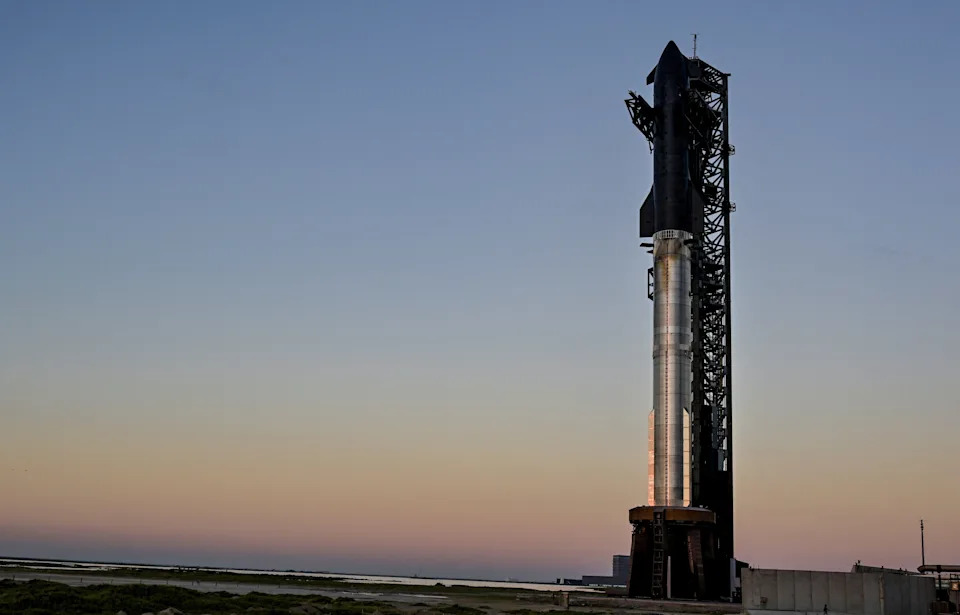
The SpaceX Starship spacecraft sits Oct. 12, 2025 atop the Super Heavy booster before sunrise as preparations continue for its 11th test flight from the company's complex in Starbase, Texas.
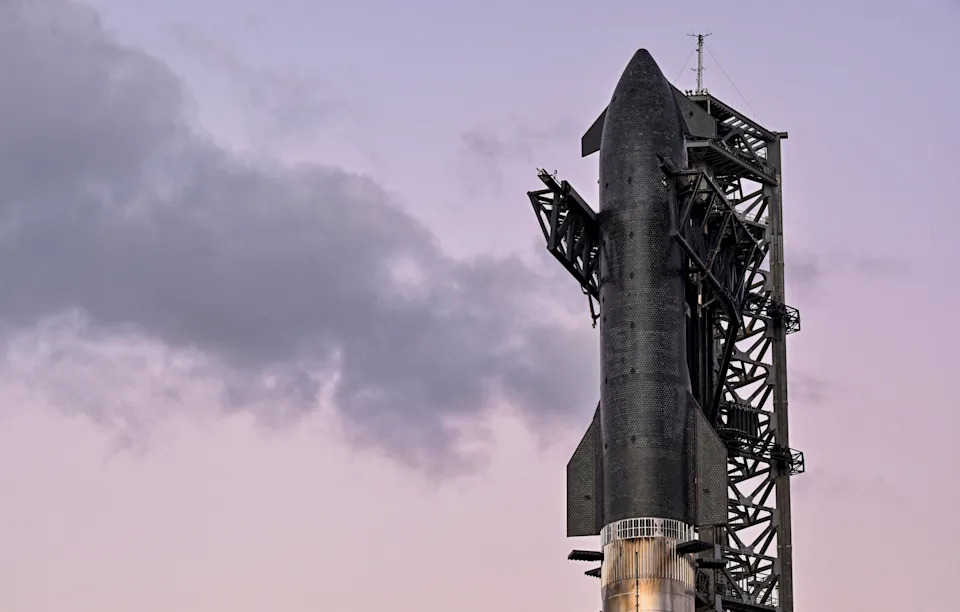
The SpaceX Starship spacecraft is hoisted Oct. 11, 2025 along the launch tower for stacking atop the Super Heavy booster in preparation for its 11th test flight from the company's complex in Starbase, Texas.
The SpaceX Starship spacecraft sits Oct. 12, 2025 atop the Super Heavy booster before sunrise as preparations continue for its 11th test flight from the company's complex in Starbase, Texas.
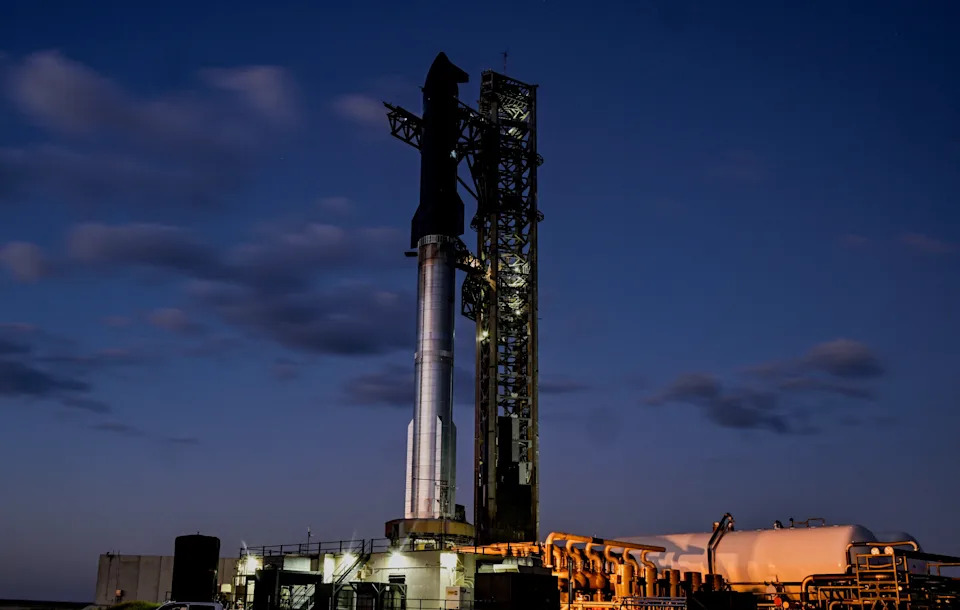
The SpaceX Starship spacecraft sits Oct. 12, 2025 atop the Super Heavy booster before sunrise as preparations continue for its 11th test flight from the company's complex in Starbase, Texas.
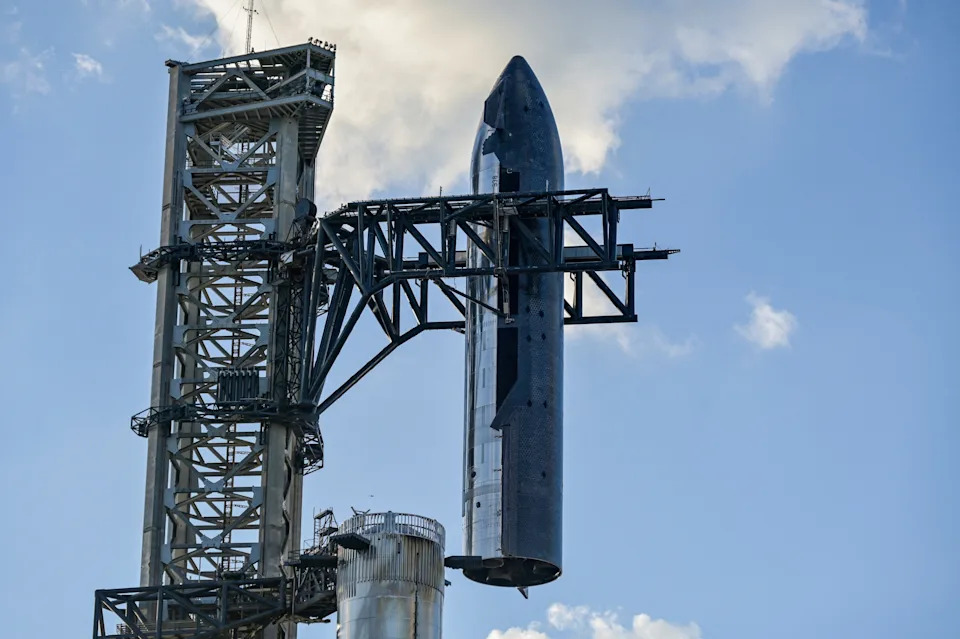
The SpaceX Starship spacecraft is hoisted Oct. 11, 2025 along the launch tower for stacking atop the Super Heavy booster in preparation for its 11th test flight from the company's complex in Starbase, Texas.
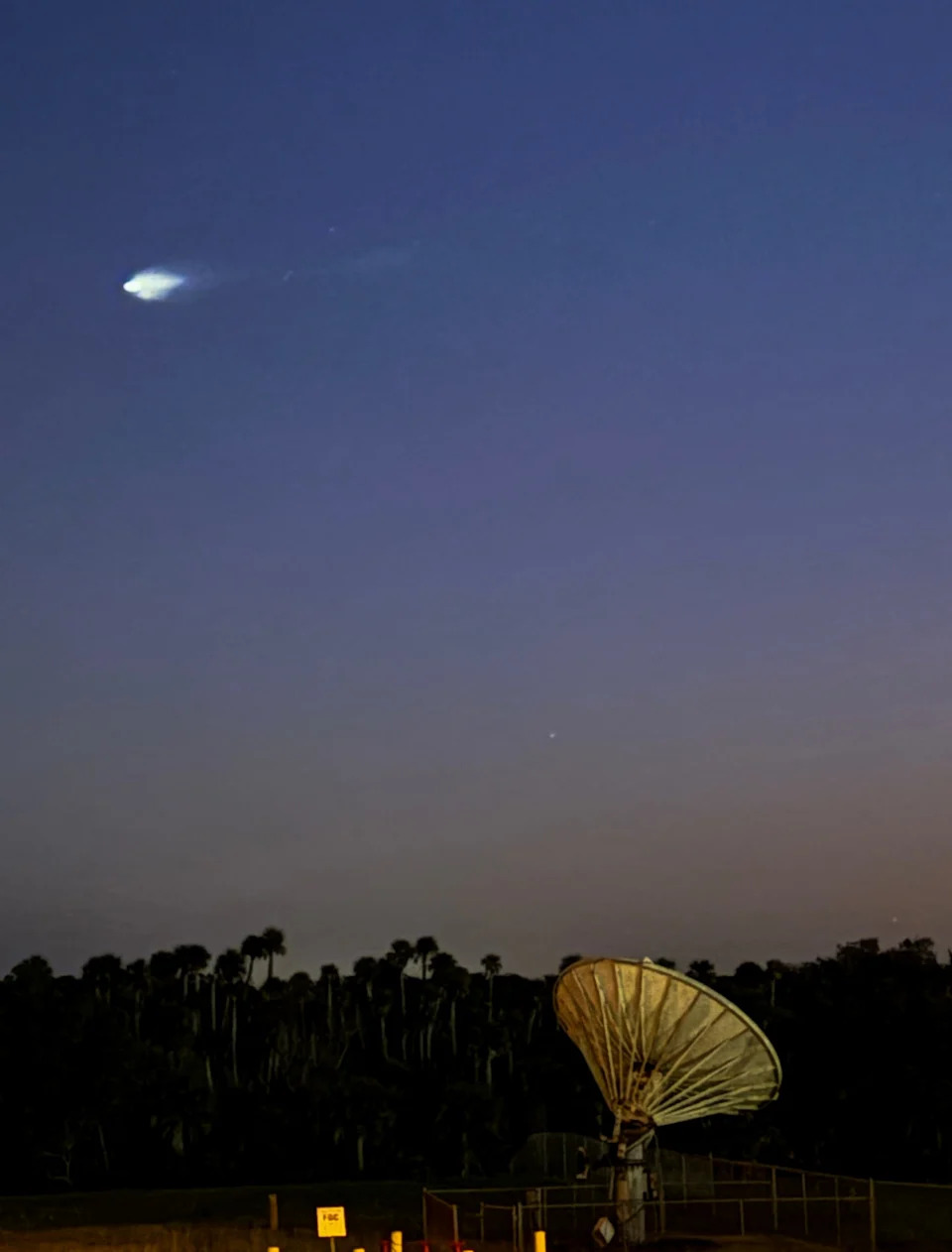
SpaceX’s 11th Starship test flight lights up the skies over Brevard as seen from the Kennedy Space Center October 13, 2025. Craig Bailey, FLORIDA TODAY via USA TODAY NETWORK
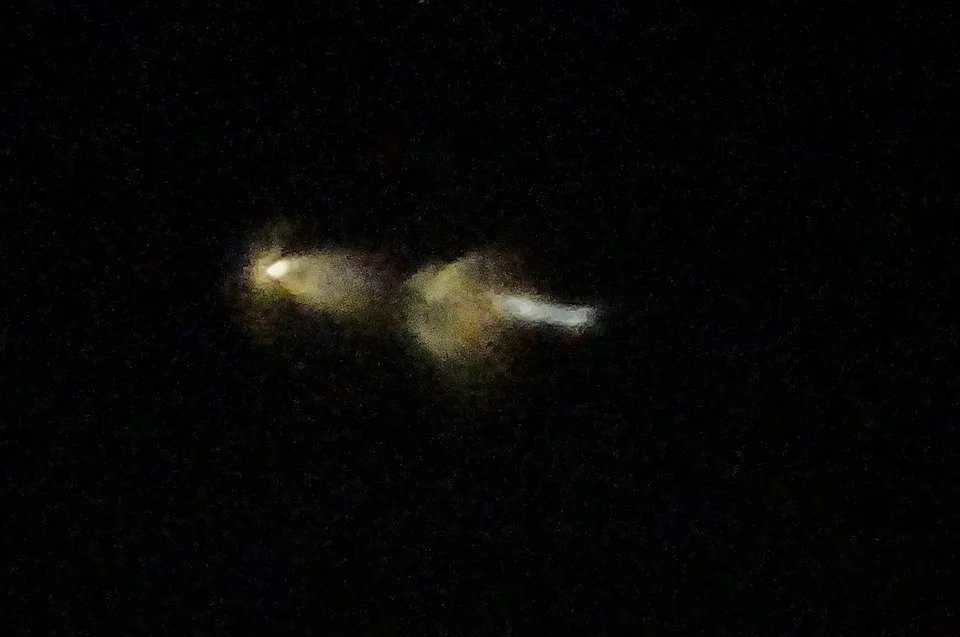
SpaceX’s 11th Starship test flight lights up the skies over Brevard as seen from the Kennedy Space Center October 13, 2025. Craig Bailey, FLORIDA TODAY via USA TODAY NETWORK
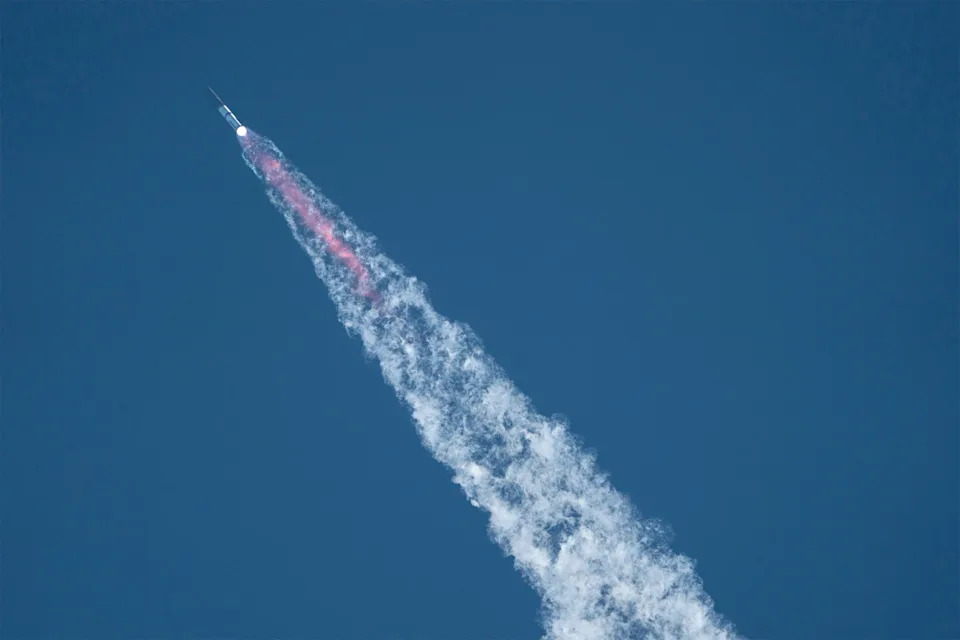
SpaceX's Starship rocket launches Oct. 13 during the 11th test flight, as seen from South Padre Island in Texas.
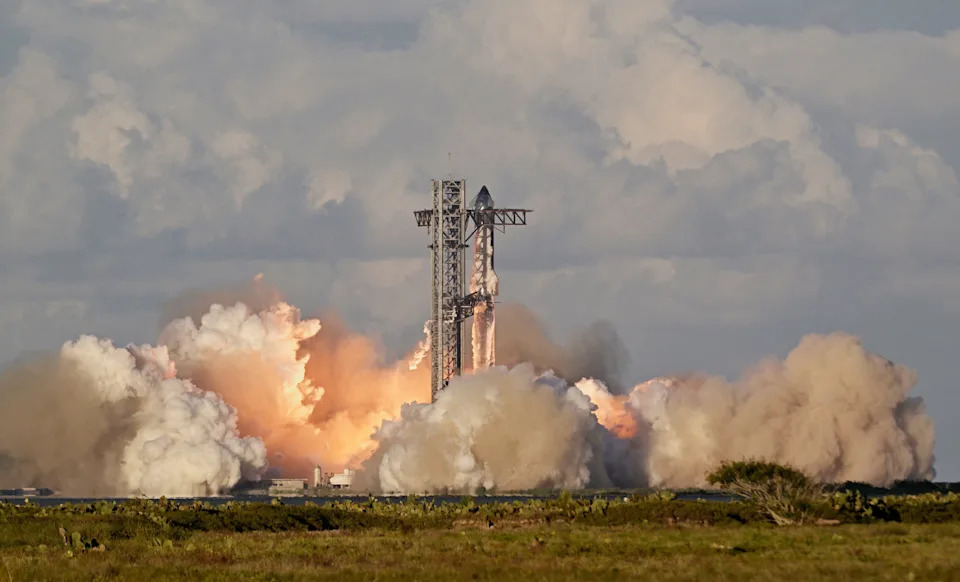
A SpaceX Super Heavy booster carrying the Starship spacecraft lifts off October 13, 2025 on its 11th test flight at the company's launch pad in Starbase, Texas.
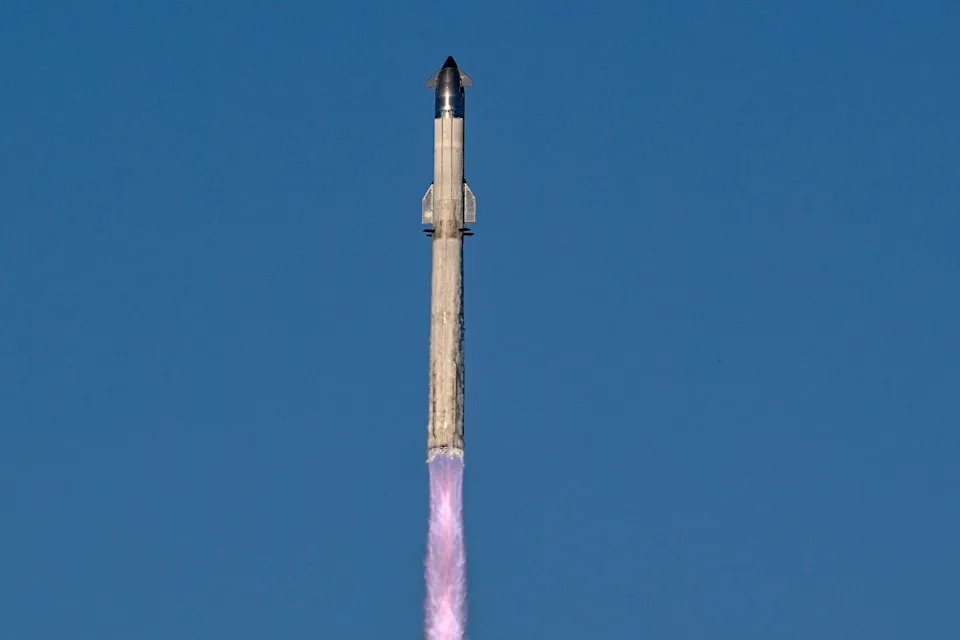
A SpaceX Super Heavy booster carrying the Starship spacecraft lifts off October 13, 2025 on its 11th test flight at the company's launch pad in Starbase, Texas.
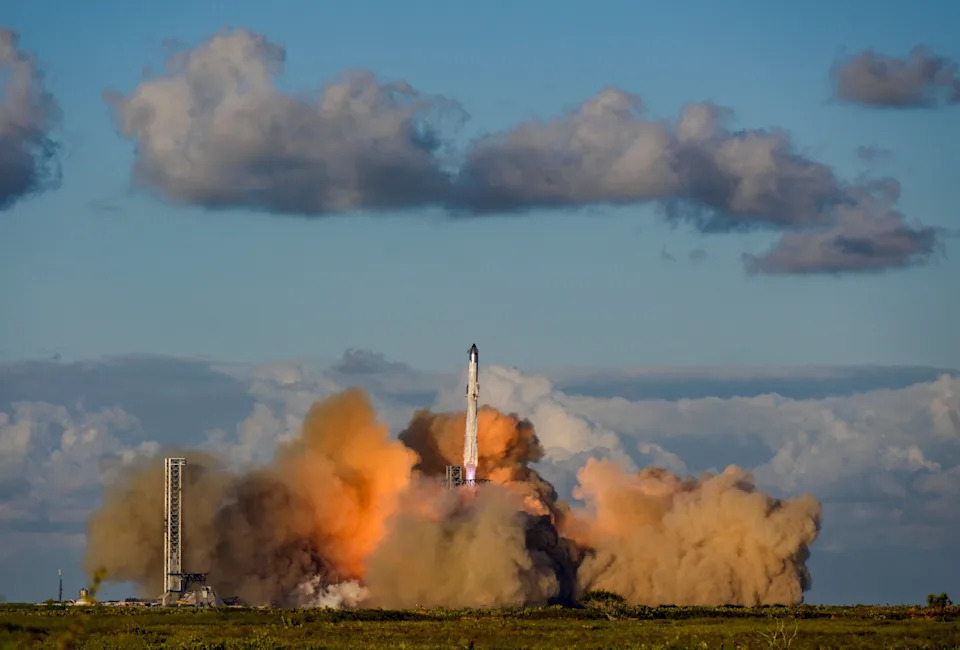
A SpaceX Super Heavy booster carrying the Starship spacecraft lifts off October 13, 2025 on its 11th test flight at the company's launch pad in Starbase, Texas.
A SpaceX Super Heavy booster carrying the Starship spacecraft lifts off October 13, 2025 on its 11th test flight at the company's launch pad in Starbase, Texas.
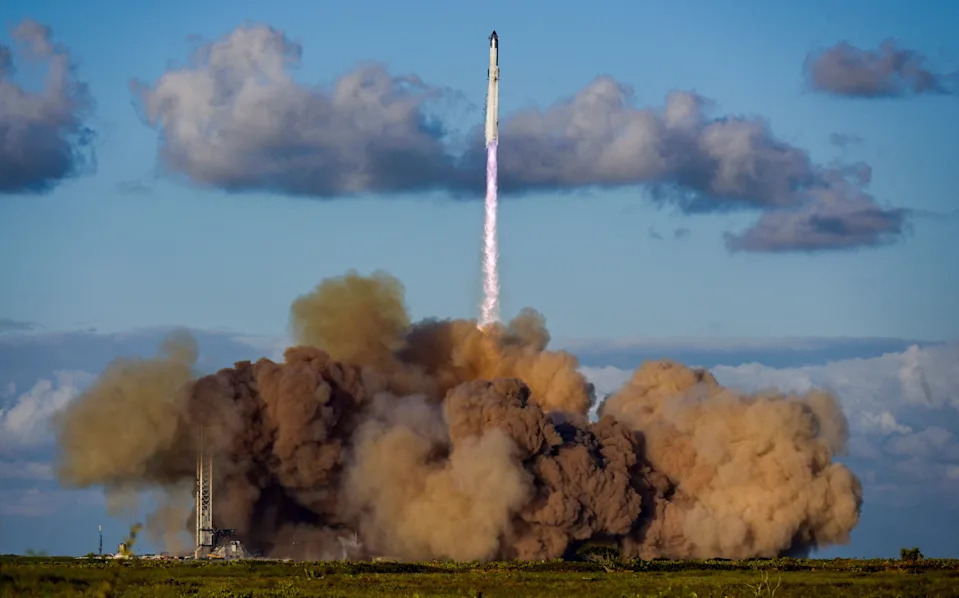
A SpaceX Super Heavy booster carrying the Starship spacecraft lifts off October 13, 2025 on its 11th test flight at the company's launch pad in Starbase, Texas.
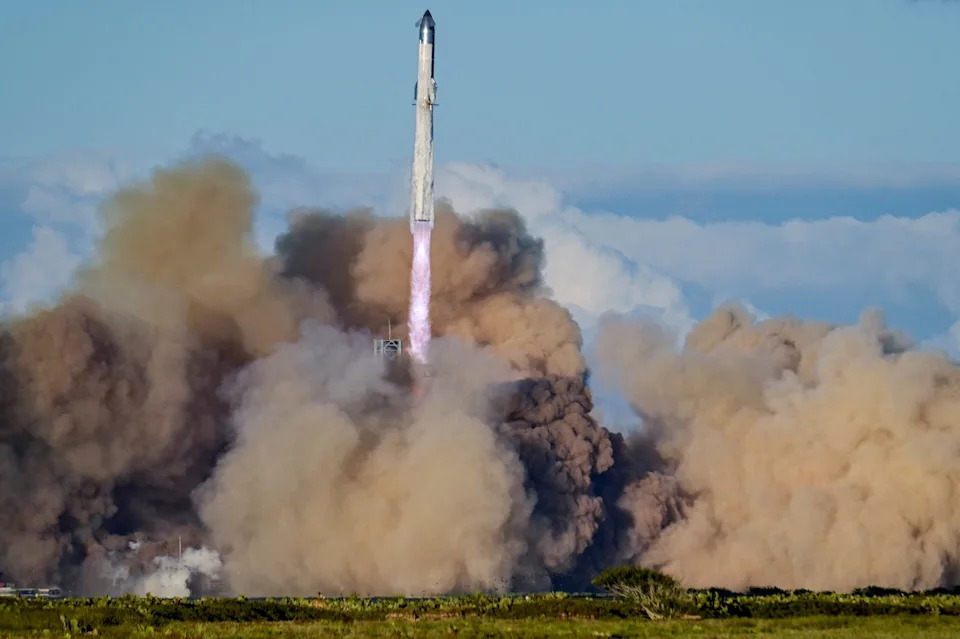
A SpaceX Super Heavy booster carrying the Starship spacecraft lifts off October 13, 2025 on its 11th test flight at the company's launch pad in Starbase, Texas.
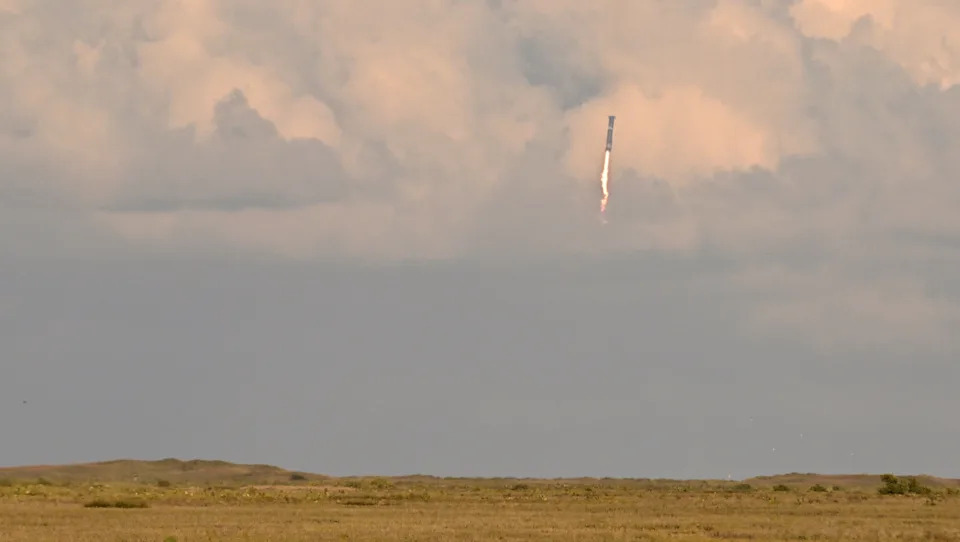
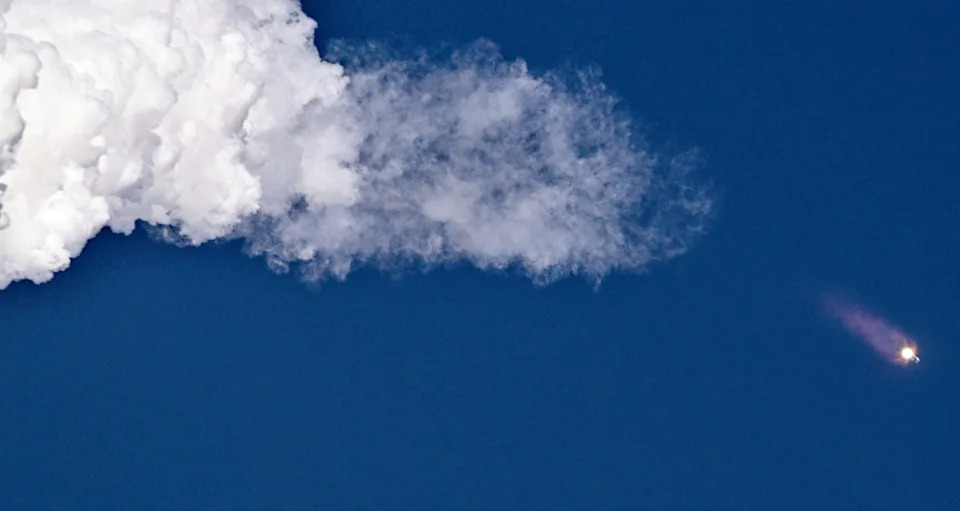
A SpaceX Super Heavy booster splashes down in the Gulf of Mexico, renamed by the U.S. government as the Gulf of America, after launching the SpaceX Starship spacecraft October 13, 2025 on its 11th test flight at the company's launch pad in Starbase, Texas.
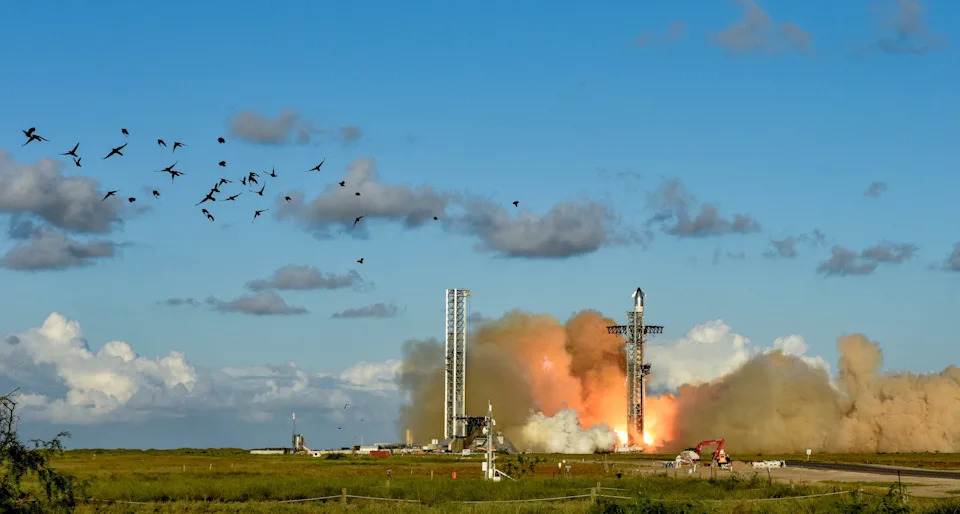
A SpaceX Super Heavy booster carrying the Starship spacecraft lifts off October 13, 2025 on its 11th test flight at the company's launch pad in Starbase, Texas.
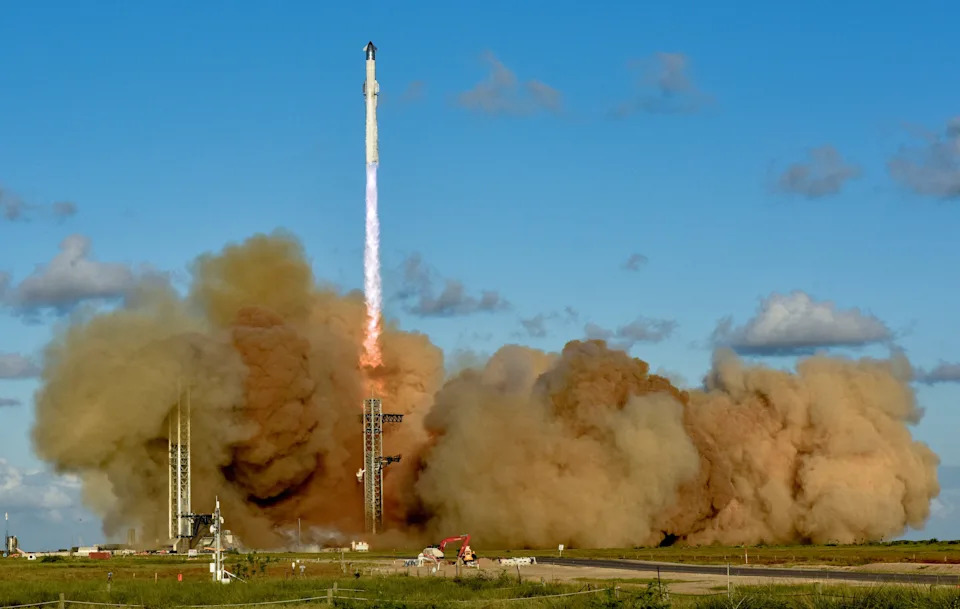
A SpaceX Super Heavy booster carrying the Starship spacecraft lifts off October 13, 2025 on its 11th test flight at the company's launch pad in Starbase, Texas.
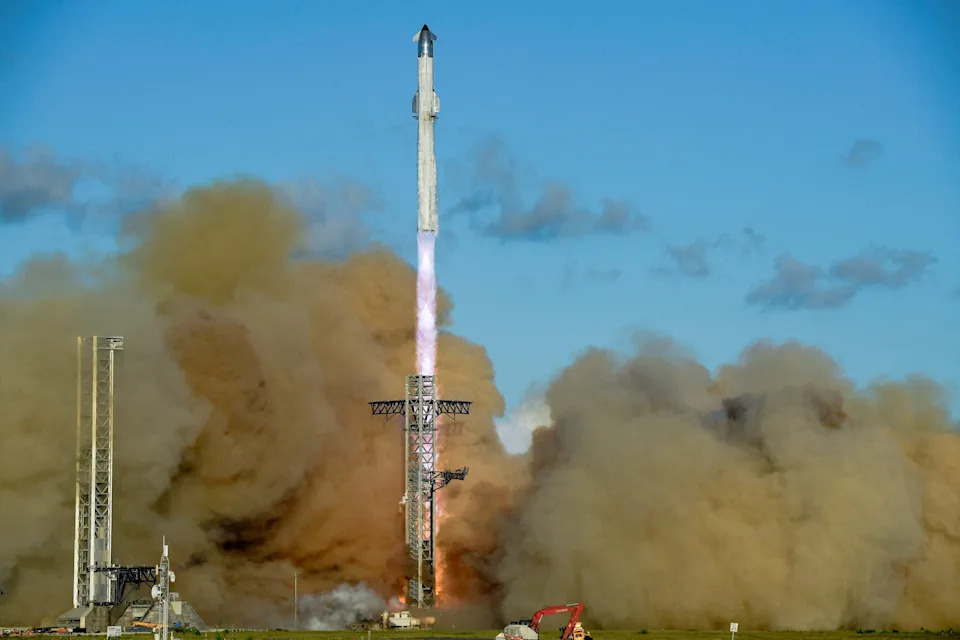
A SpaceX Super Heavy booster carrying the Starship spacecraft lifts off October 13, 2025 on its 11th test flight at the company's launch pad in Starbase, Texas.
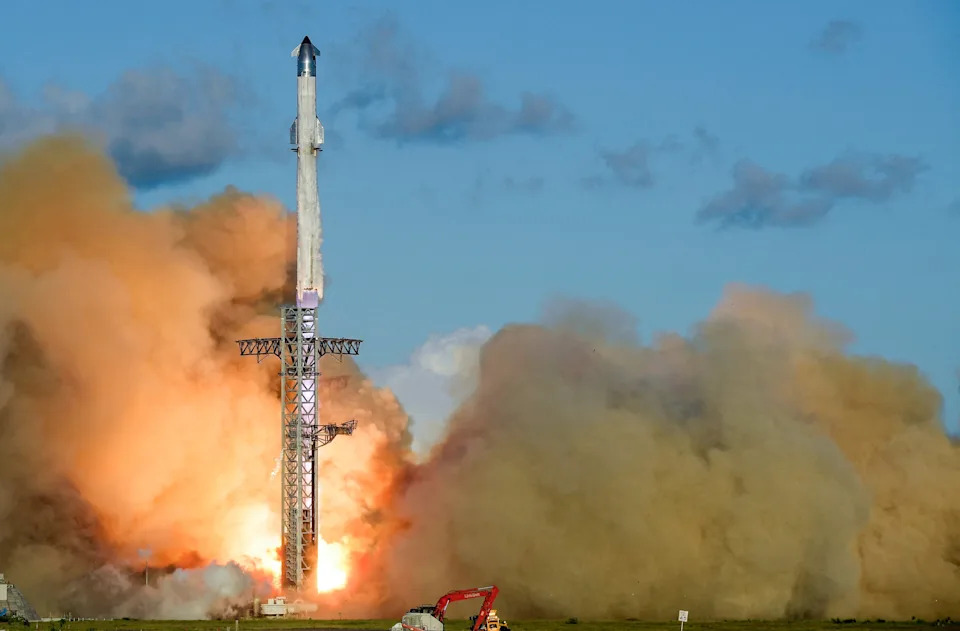
A SpaceX Super Heavy booster carrying the Starship spacecraft lifts off October 13, 2025 on its 11th test flight at the company's launch pad in Starbase, Texas.
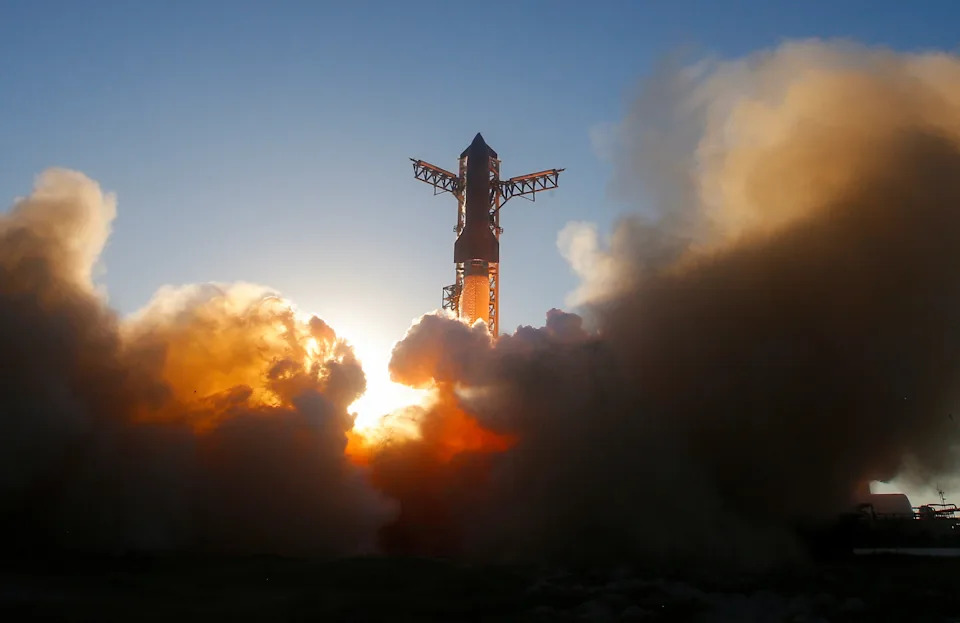
A SpaceX Super Heavy booster carrying the Starship spacecraft lifts off October 13, 2025 on its 11th test flight at the company's launch pad in Starbase, Texas.
Firefly's Blue Ghost lunar lander captures its shadow on the moon's surface after completing a successful landing March 2 near a volcanic feature on the moon called Mons Latreille. The vehicle became the first of two landers manufactured by a U.S. company to reach the moon is 2025 in crucial missions to lay the groundwork for NASA to return humans to the lunar surface in the years ahead.
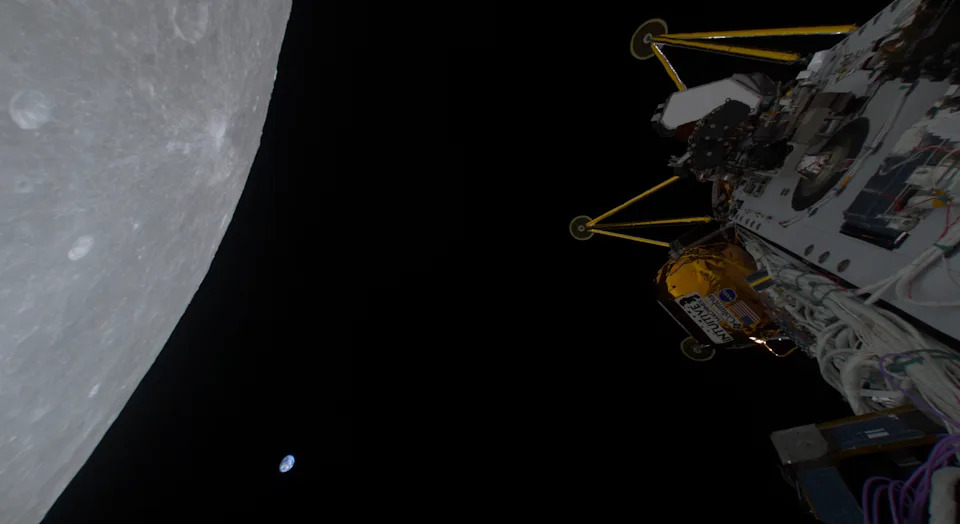
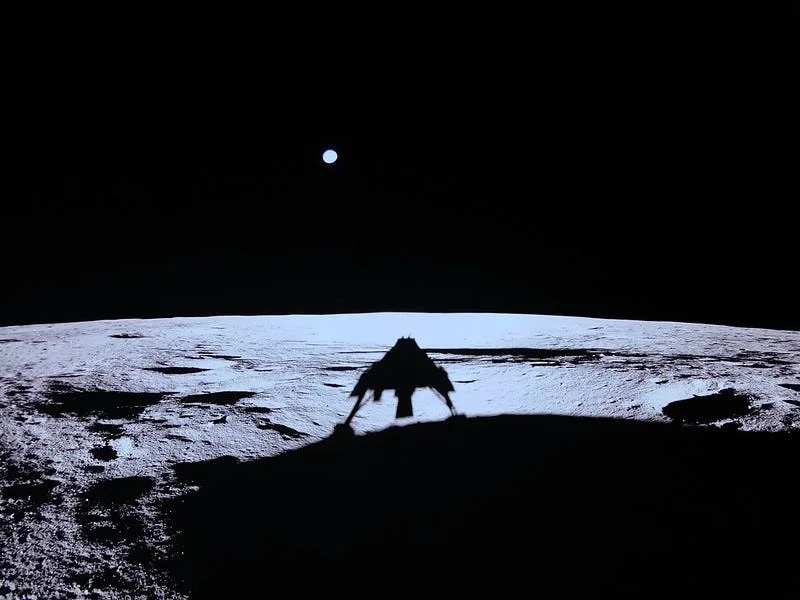
Athena, the lunar lander on Intuitive Machines' IM-2 mission, captured this image of the moon's surface with Earth seen in the distance ahead of a March 6 landing attempt. While the lander was the second U.S. vehicle to reach the moon within a week, it ultimately landed on its side, which hindered much of its mission.
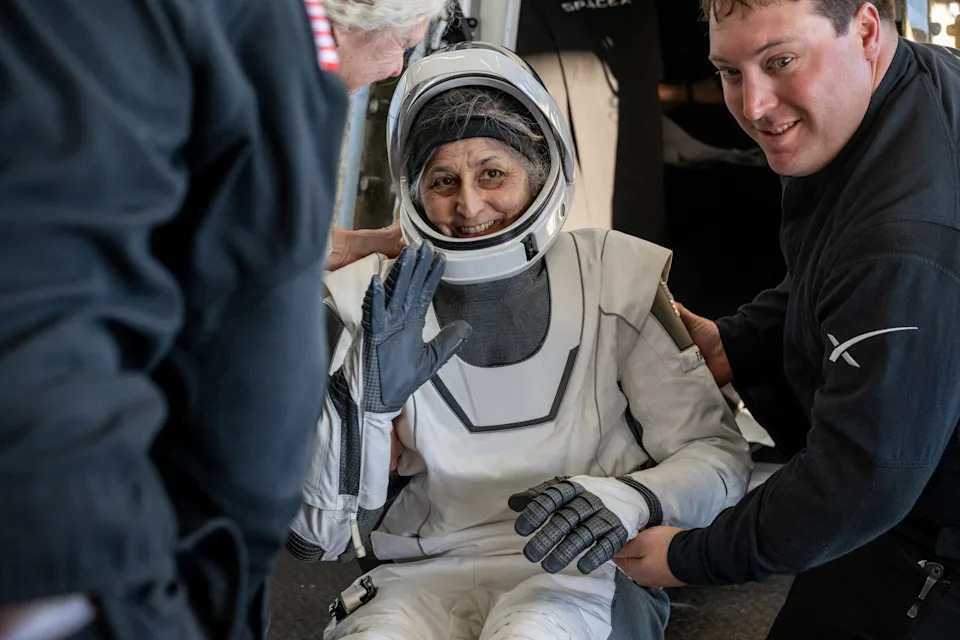
NASA astronaut Suni Williams is helped out of a SpaceX Dragon spacecraft March 18 following a return to Earth after a nine-month stay at the International Space Station. She and NASA astronaut Butch Wilmore crewed the Boeing Starliner, which had launched in June 2024 on a failed test flight that was meant to return them to Earth a few days later.
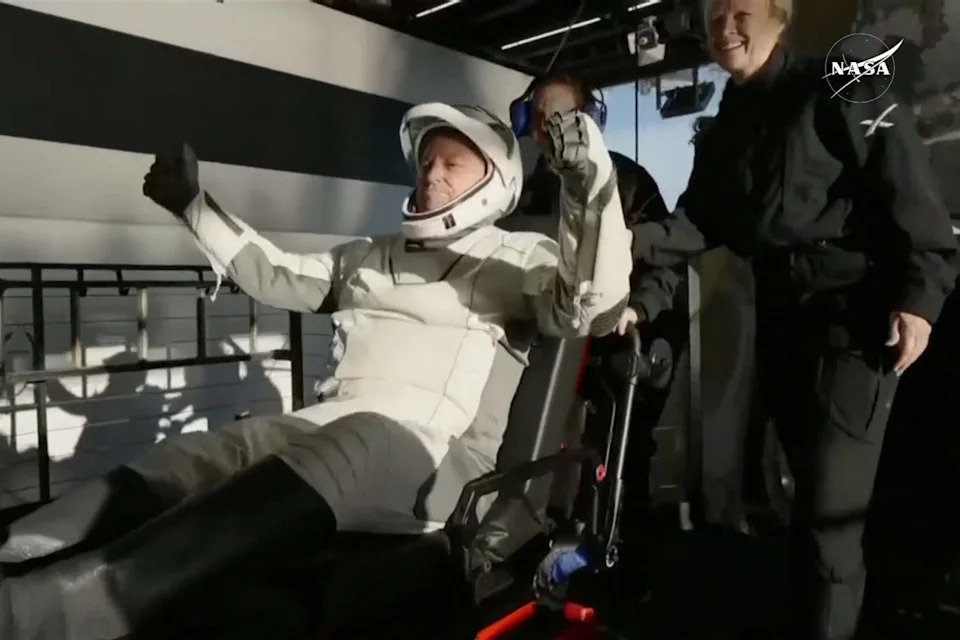
Butch Wilmore reacts after he and Suni Williams and two other astronauts splashed down March 18 in a Crew Dragon space capsule following their return to earth from the International Space Station off the coast of Florida. The astronauts' extended stay at the orbital outpost dominated the news cycle for months.
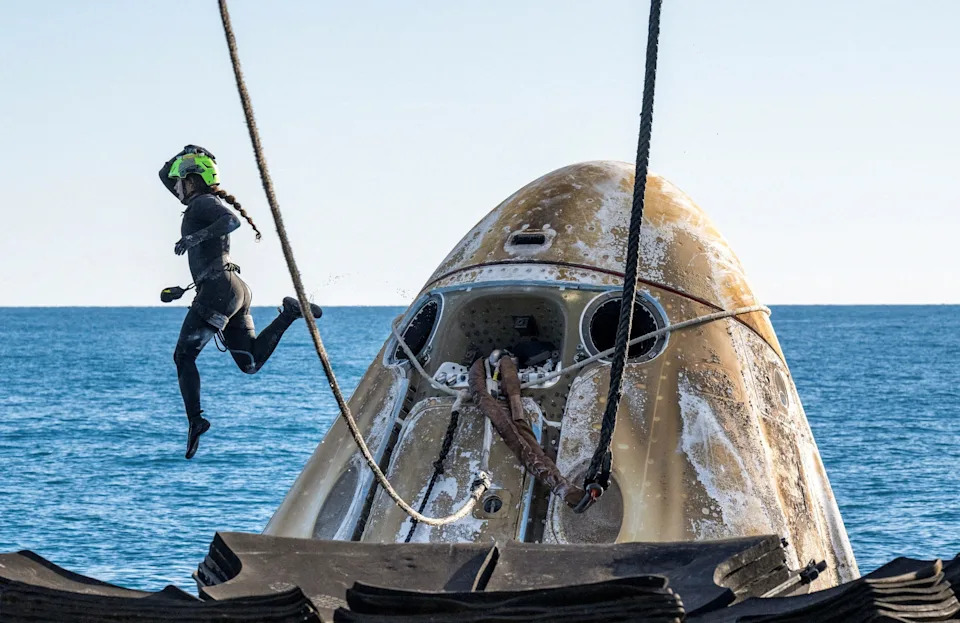
A SpaceX support team member is seen airborne while working to lift the SpaceX Dragon capsule that returned the Starliner astronauts and two others onto a recovery vehicle following its landing off the coast of Florida.

This picture shows the crew of a privately-funded mission known as Fram2, from left to right, mission specialist and medical officer Eric Philips, mission commander Chun Wang, pilot Rabea Rogge and vehicle commander Jannicke Mikkelsen on March 19, 2025 in Hawthorne, California. Launched March 31 from Florida using a SpaceX Dragon capsule, the mission became t first ever human spaceflight over the Earth's polar regions.
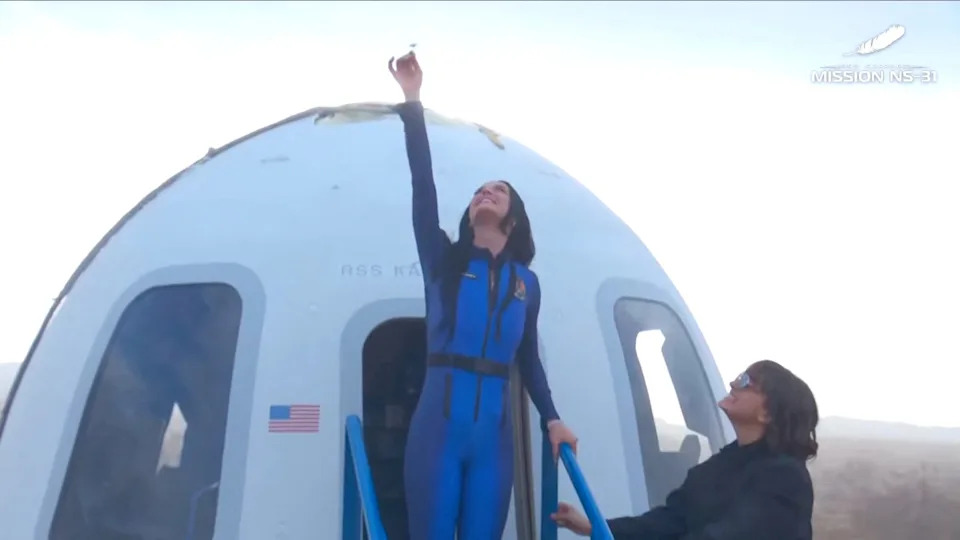
Pop musician Katy Perry emerges April 14 from Blue Origin's New Shepard capsule in West Texas following a brief flight to the edge of space. Perry was part of an all-women crew that also included broadcast journalist Gayle King that took the ride from Blue Origin's facility called Launch Site One. The high-profile launch attracted plenty of headlines and even drew some backlash from those who viewed the mission as a wasteful publicity stunt.
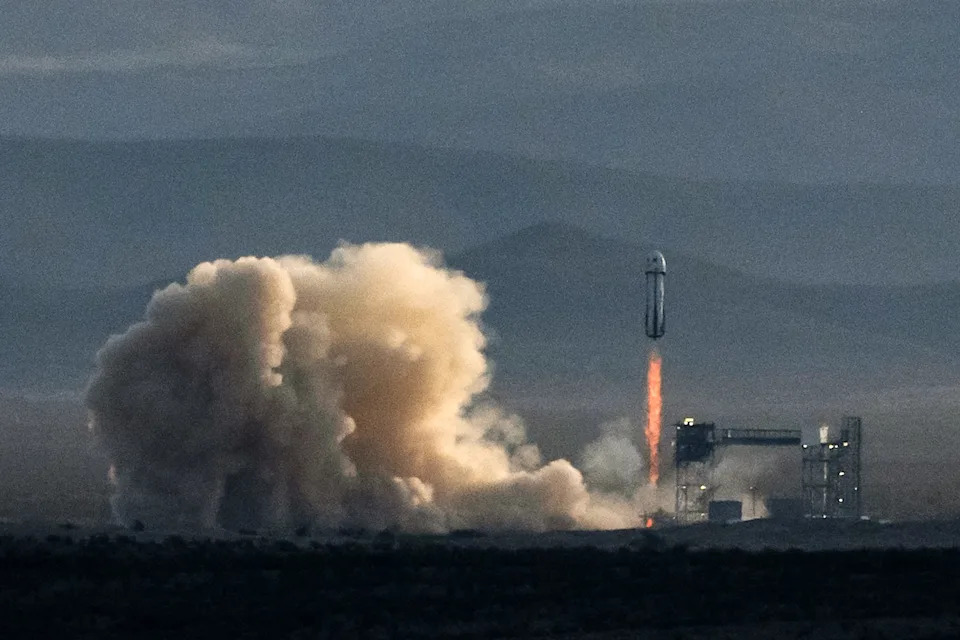
Blue Origin's New Shepard rocket carrying astronauts Aisha Bowe, Amanda Nguyen, Kerianne Flynn, Gayle King, Katy Perry, and Lauren Sanchez lifts off April 14 from Launch Site One near Van Horn, Texas. Blue Origin has since launched five more human spaceflights on the New Shepard in 2025.
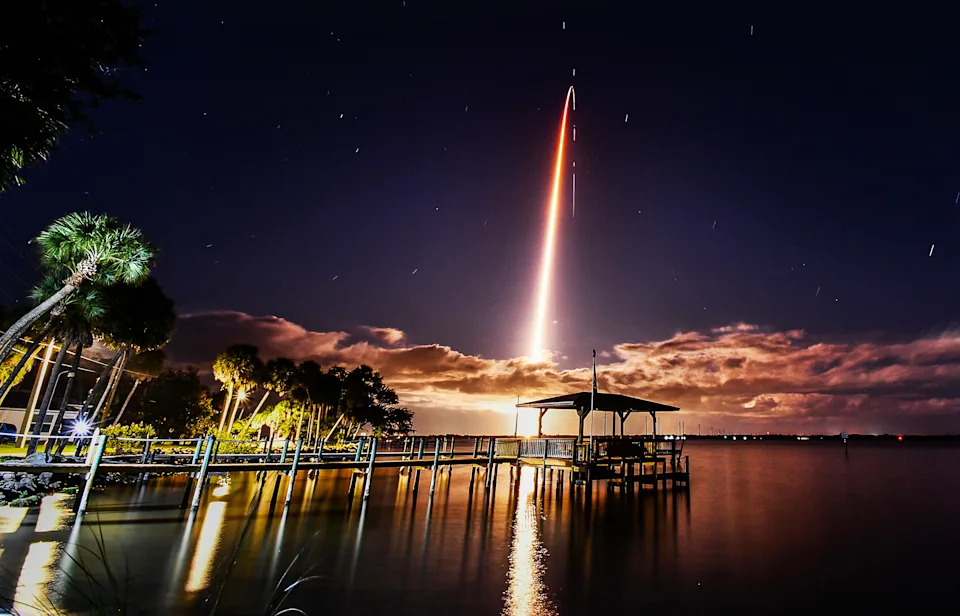
This photo depicts a United Launch Alliance Atlas V rocket carrying the latest batch of Amazon's broadband satellites on Dec. 16 to low-Earth orbit after launching from the Cape Canaveral Space Force Station in Florida. Formerly called Project Kuiper, the venture has since been renamed Amazon Leo. Since its debut April launch, Amazon Leo has deployed 180 of 3,000 satellites planned for its first constellation, which could challenge SpaceX's Starlink.
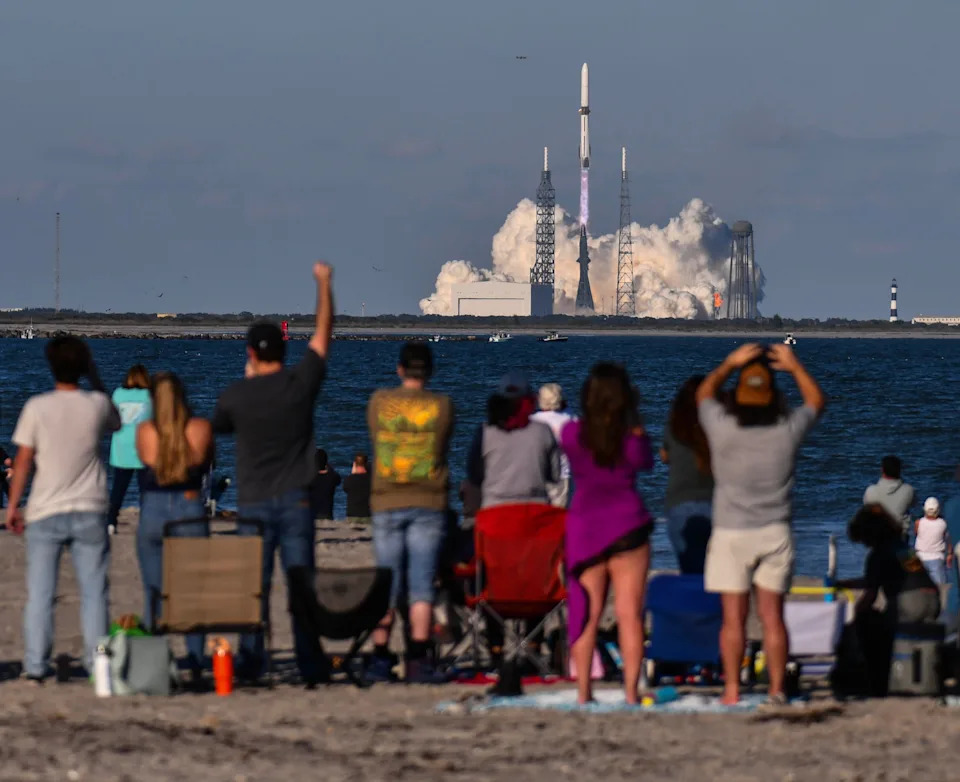
A group of Blue Origin employees with their friends and families gather on the beach in Cape Canaveral for the launch of Blue Origin's second New Glenn rocket in 2025. Following its January debut, the rocket launched for the second time Nov. 13 from Launch Complex 36 at Cape Canaveral Space Force Station, sending NASA's twin ESCAPADE spacecraft on their trek to Mars.
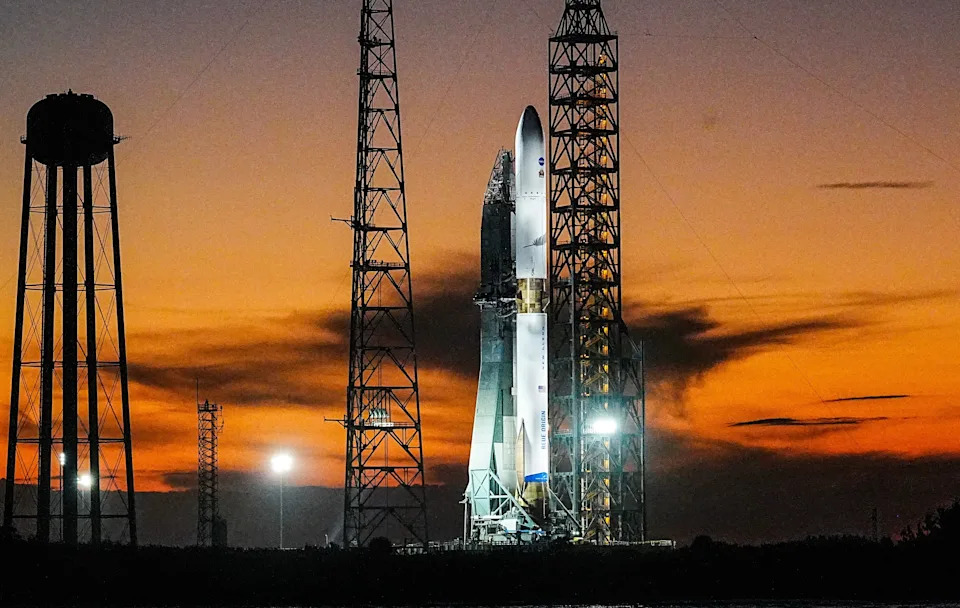
Darkness falls Nov. 9 as a Blue Origin New Glenn rocket is prepped for its second-ever launch from the Cape Canaveral Space Force Station. Blue Origin is developing the towering rocket for heavy-lift missions that could see Jeff Bezos' company compete with Elon Musk and SpaceX.
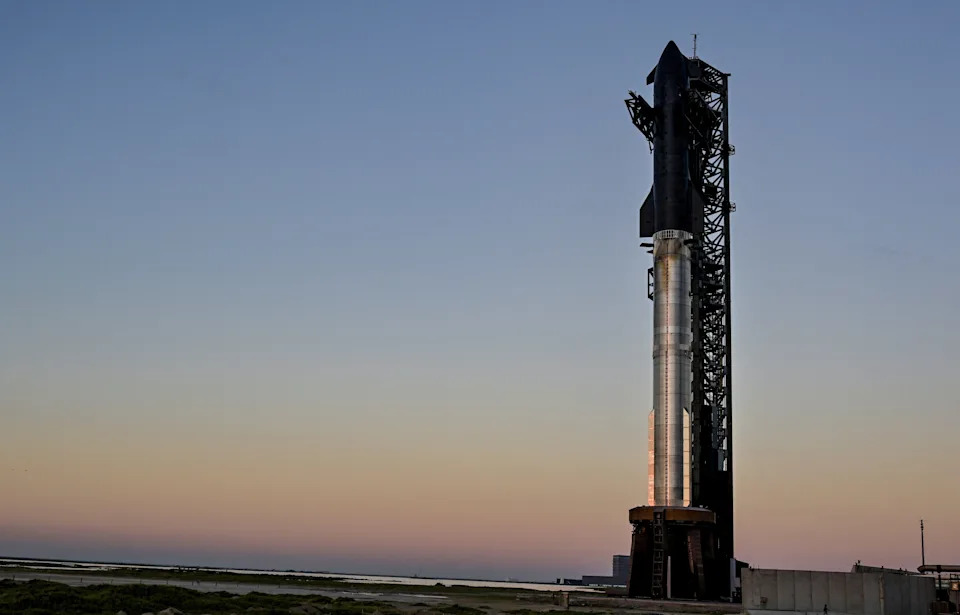
The SpaceX Starship spacecraft sits Oct. 12, 2025 atop the Super Heavy booster before sunrise as preparations continue for its 11th test flight from the company's complex in Starbase, Texas.
Pomozite nam da budemo bolji.