Juice, orbiter Evropske svemirske agencije, snimio je interstelarni komet 3I/ATLAS 6. novembra 2025. sa oko 41 milion milja udaljenosti; slika prikazuje razvijenu komu i dugačak rep. Komet je potvrđen kao treći objekat izvan Sunčevog sistema i prvi put je uočen u julu 2025. pri brzini od oko 137.000 milja na sat. 3I/ATLAS je prošao na oko 170 miliona milja od Zemlje 19. decembra 2025. i može se posmatrati do proleća 2026.
Juice Snimio 3I/ATLAS — Nova Fotografija Interstelarnog Kometa
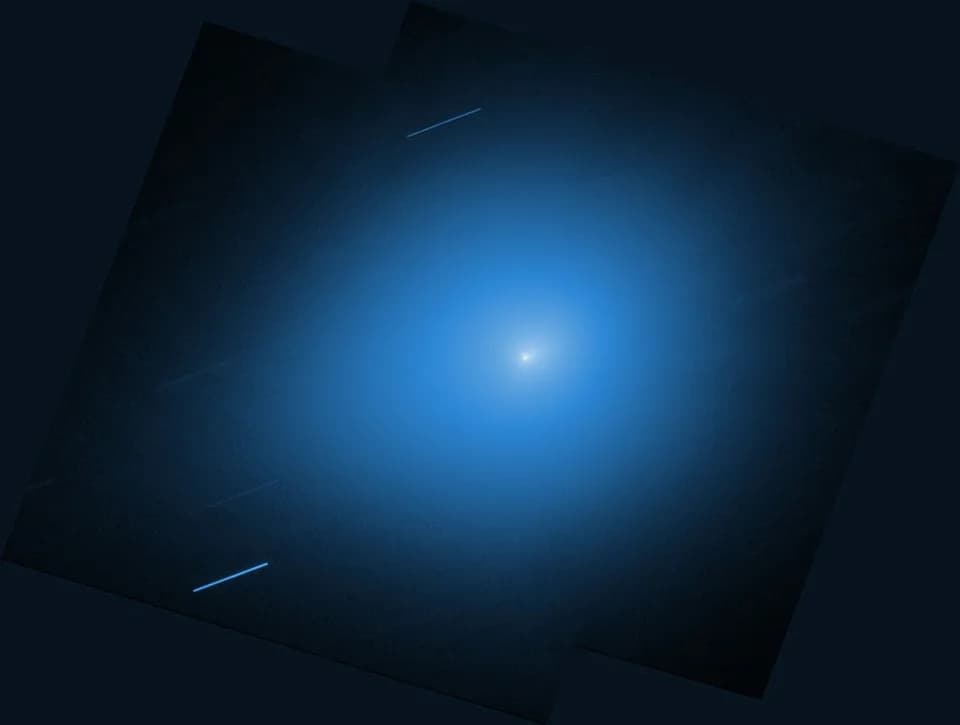
NASA’s Hubble Space Telescope last observed come 3I/ATLAS on Nov. 30, about four months after Hubble's first look at the interstellar comet. 3I/ATLAS became one of the biggest cosmic stories of the year when astronomers deemed it to be the third-ever discovered interstellar object in our solar system originating from an entirely different part of the galaxy.
Interstelarni komet 3I/ATLAS ponovo je zabeležen na novoj fotografiji koju je napravio orbiter Evropske svemirske agencije Juice tokom novembra 2025. Slika, snimljena kamerom JANUS 6. novembra, prikazuje komet sa jasno vidljivom komom i dugim repom dok izbacuje gas i prašinu sa udaljenosti od oko 41 milion milja.
Šta je poznato o 3I/ATLAS-u
Objekat je prvi put uočen u julu 2025. teleskopom u Čileu koji je deo sistema ATLAS, a brzina mu je bila oko 137.000 milja na sat. NASA je potvrdila da je 3I/ATLAS treći poznati objekat koji potiče izvan našeg Sunčevog sistema. Njegova hiperbolična putanja ukazuje na međuzvezdano poreklo, a dolazak iz pravca sazvežđa Strelca sugeriše da je pre milijardi godina bio izbačen u međuzvezdani prostor.
Posmatranja iz svemira
Juice je posmatrao komet između 2. i 25. novembra 2025. Agencija je saopštila da je komet bio u "veoma aktivnom stanju" nakon periheliona (najbliži prilaz Suncu) 30. oktobra. Fotografije i podaci koje je Juice zabeležio preneti su na Zemlju sa zakašnjenjem jer se letelica nalazila na suprotnoj strani Sunca.
Slika objavljena krajem februara jedna je od otprilike 120 snimaka zabeleženih JANUS kamerom u različitim talasnim dužinama. Prethodno je ESA u decembru objavila snimak iz navigacione kamere, dok su i drugi instrumenti na brodu dokumentovali aktivnost kometa. Takođe, NASA je 19. novembra objavila zbir novih, do tada neviđenih snimaka koji su otkrili dodatne karakteristike objekta.
Bezbednost i dalja posmatranja
Komet nije predstavljao opasnost za Zemlju — približio se na oko 170 miliona milja 19. decembra 2025, što je skoro dvostruka udaljenost Zemlja–Sunce. Kako se komet udaljava iz našeg Sunčevog sistema, očekuje se da će biti vidljiv u jutarnjem nebu do proleća 2026. čak i malim teleskopima.
Gde pratiti
Lokaciju i putanju kometa možete pratiti kroz NASA-inu online simulaciju Eyes on the Solar System, kao i u katalogu Jet Propulsion Laboratory (JPL). Naučnici i misije širom sveta koriste ove podatke da bi proučili materiju nastalu oko druge zvezde i bolje razumeli proces formiranja planeta u drugim sistemima.
Napomena: Teorije o vanzemaljskom poreklu objekta brzo su demantovane od strane naučnika i NASA-e; dostupni podaci ukazuju na prirodne karakteristike kometa.
Autor originalne vesti: USA TODAY / izveštavao Eric Lagatta
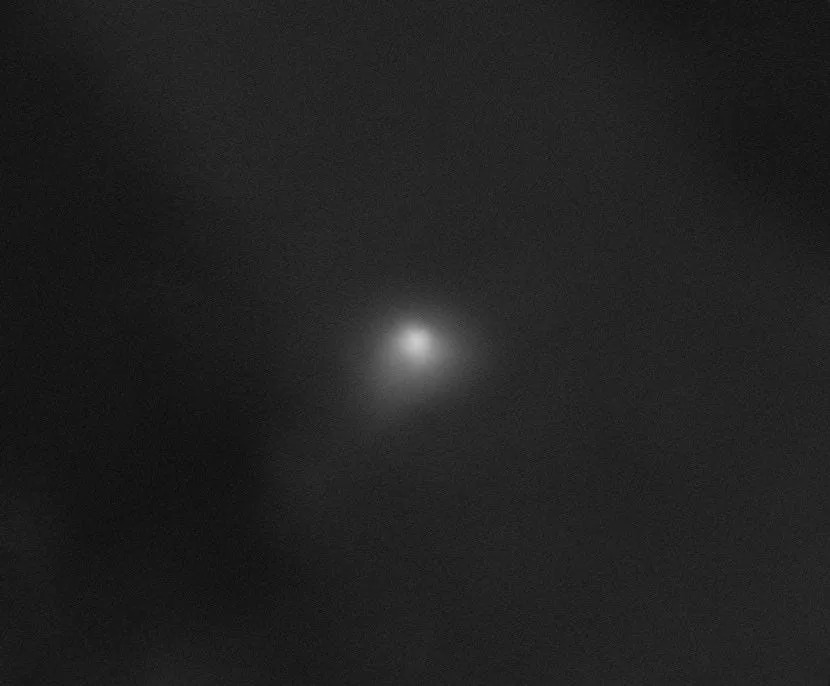
The High Resolution Imaging Science Experiment (HiRISE) camera aboard NASA’s Mars Reconnaissance Orbiter captured this image of interstellar comet 3I/ATLAS on Oct. 2, 2025. At the time it was imaged, the comet was about 19 million miles from the spacecraft. The comet didn't come nearly as close to Earth, when it reached a distance of 170 million miles from our planet on Dec. 19.
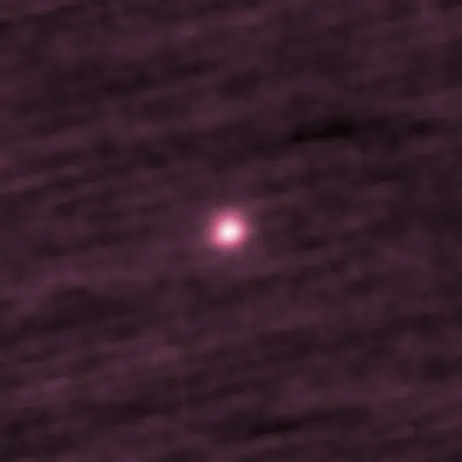
This image shows the 3I/ATLAS interstellar comet as a bright, fuzzy orb in the center. Traveling through our solar system at 130,000 miles per hour, 3I/ATLAS was made visible by using a series of colorized stacked images from Sept. 11-25, using the Heliocentric Imager-1 (H1) instrument, a visible-light imager on the STEREO-A (Solar Terrestrial Relations Observatory) spacecraft. The colorization was applied to differentiate the image from other observing spacecraft images.
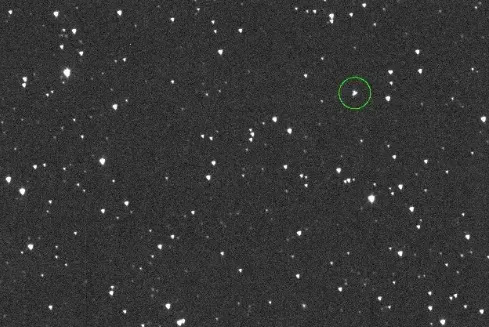
Because it's big enough to be deemed a "city killer," asteroid 2024 YR4 became a source of alarm due to the uncommonly high risk it had of colliding with Earth on Dec. 22, 2032. For a time, it was the only object among more than 37,000 known large space rocks with any chance of hitting Earth anytime soon – with its probability of impact even rising to a record level of 3.1%.That began to change in late February as more precise observations allowed scientists to effectively winnow down the asteroid's odds of impact to a number so low, it might as well be zero.
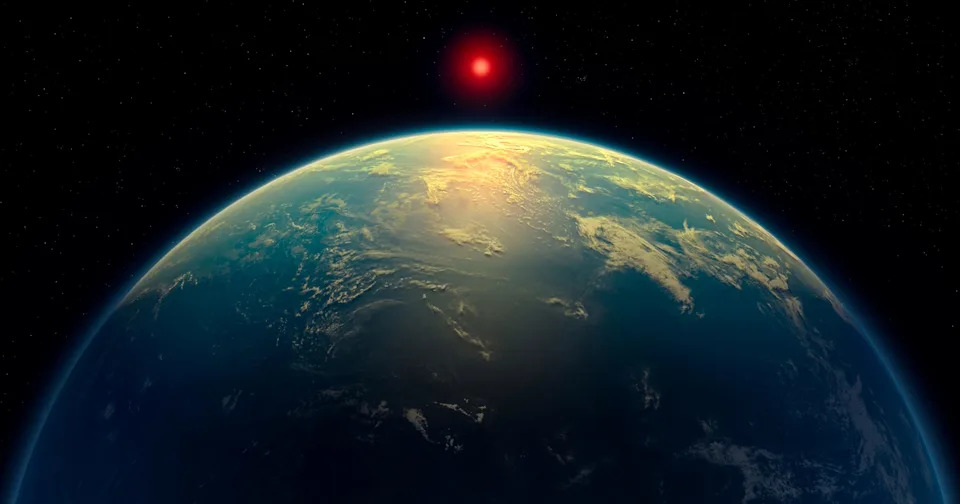
An exoplanet known as K2-18b achieved a degree of fame in April when a team of astronomers claimed to have found in its atmosphere "the strongest evidence yet" that life exists anywhere else besides Earth. Other scientists have since cast doubt on the findings – putting a damper on the notion that humanity finally had proof that we aren't alone in the cosmos.
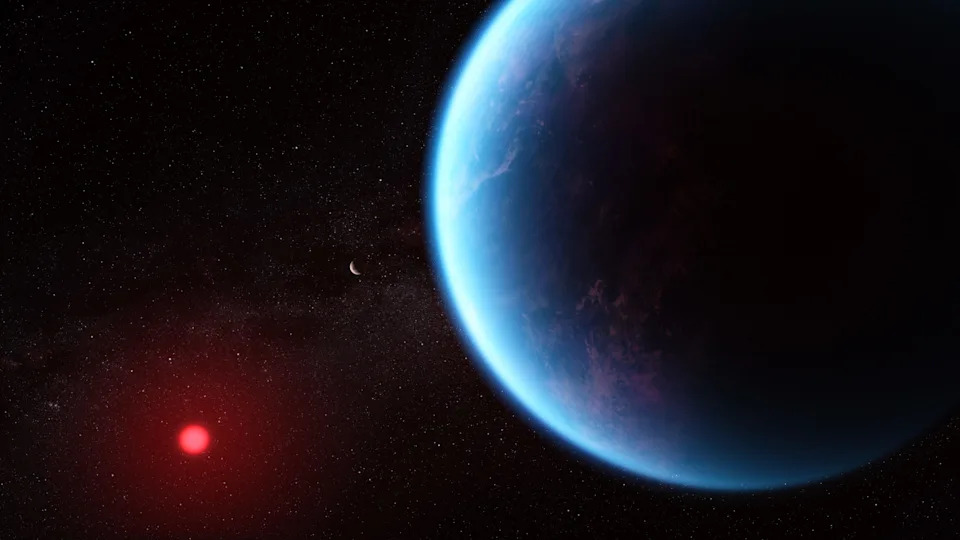
This artist's concept shows what exoplanet K2-18b could look like based on scientific data. NASA's James Webb Space Telescope has observed K2-18b, an exoplanet 8.6 times as massive as Earth, revealing conditions that could support life on the exoplanet.
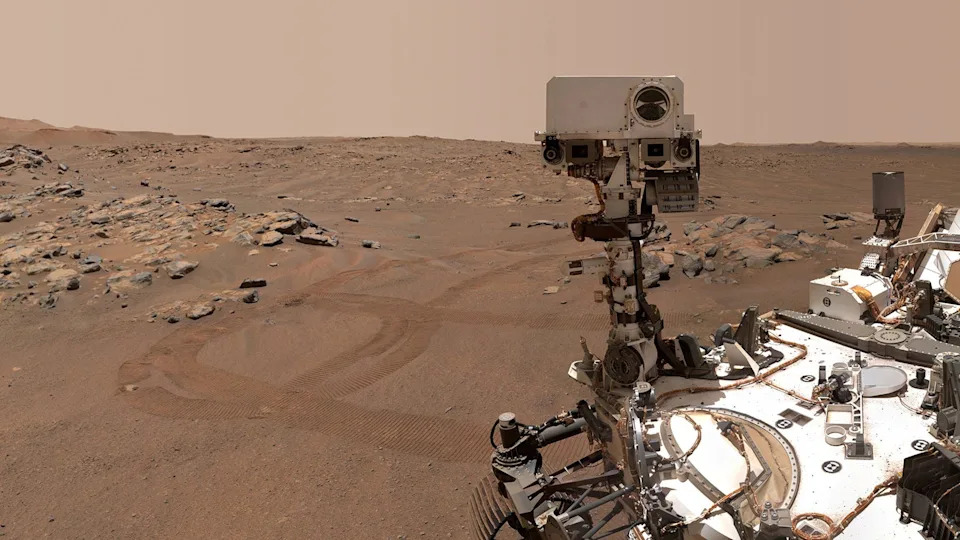
NASA’s Perseverance Mars rover is seen in a "selfie" that it took over on Sept. 10, 2021. Perseverance rover, along with Curiosity, is one of the agency's two car-sized robots exploring the Martian surface for signs that the planet was once habitable. And in September, NASA officials confirmed that one of the rovers’ finds contained a potential biosignature.
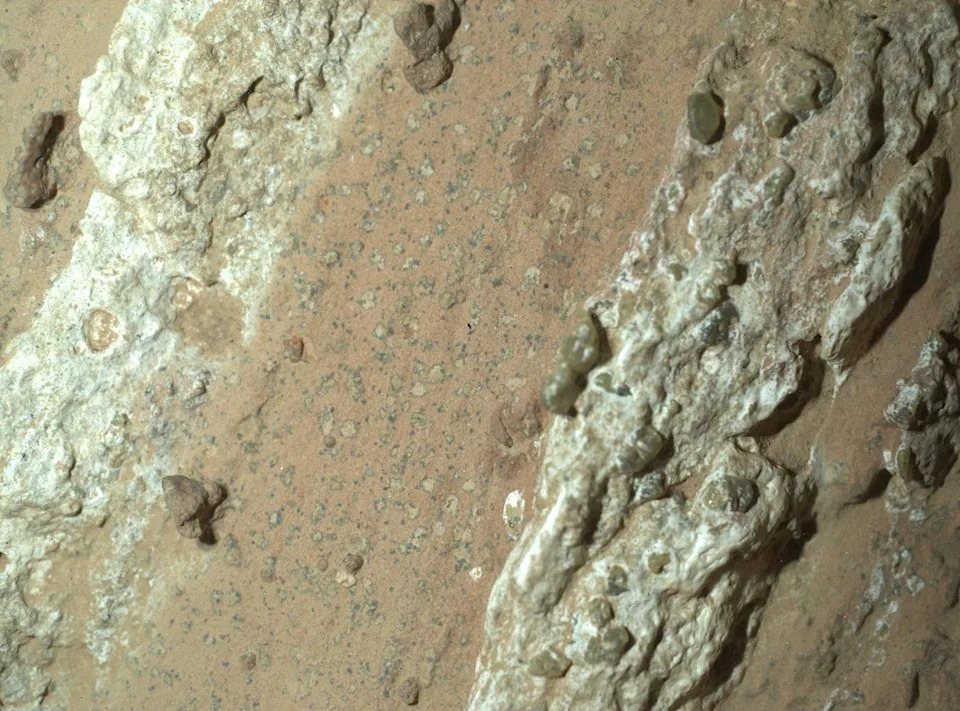
A reddish rock nicknamed "Cheyava Falls", with features resembling leopard spots was discovered by NASA's Perseverance rover in Mars’ Jezero Crater in July 2024, in this handout photograph released on September 10, 2025.
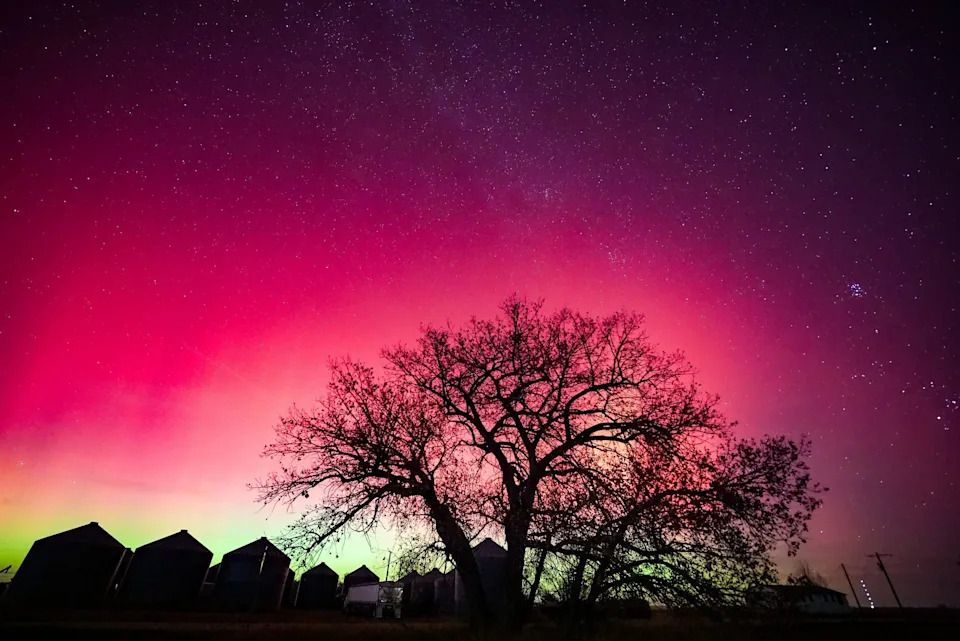
The northern lights, also known as the aurora borealis, light up the night sky Nov. 11 east of Denver, Colorado. A powerful geomagnetic solar storm in November blasted Earth and created the conditions necessary to reveal the auroras much further south in the United States than is typical.
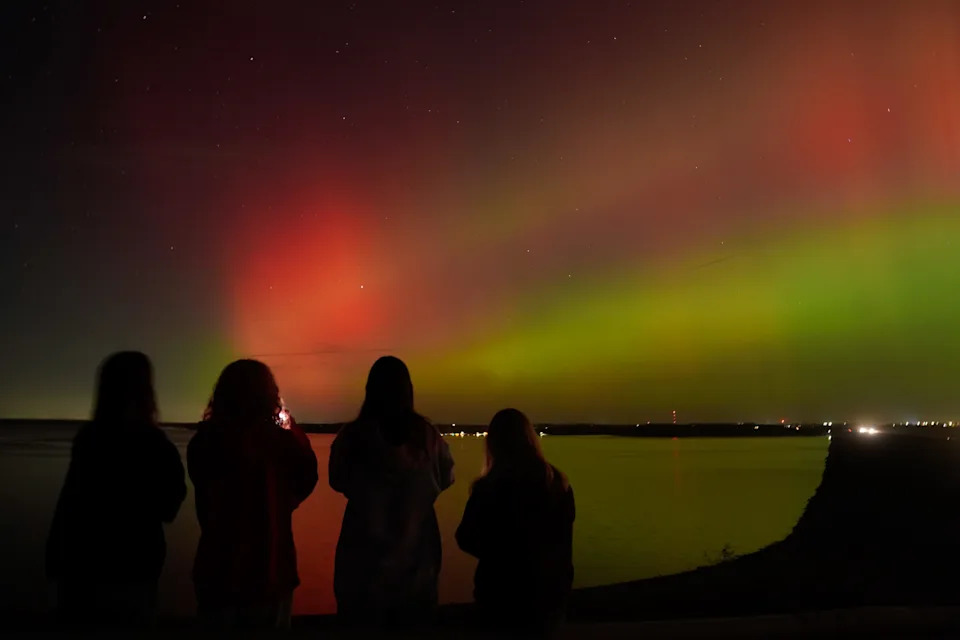
A group of friends take photos of the northern lights Nov. 11 as they appear over Clinton Lake in Lawrence, Kansas. After NOAA's Space Weather Prediction Center issued a "severe" geomagnetic storm watch in November, many people in the Northern Hemisphere, which includes the U.S., had an extraordinary opportunity to gaze upon some breathtaking red and green auroras in their own backyard.
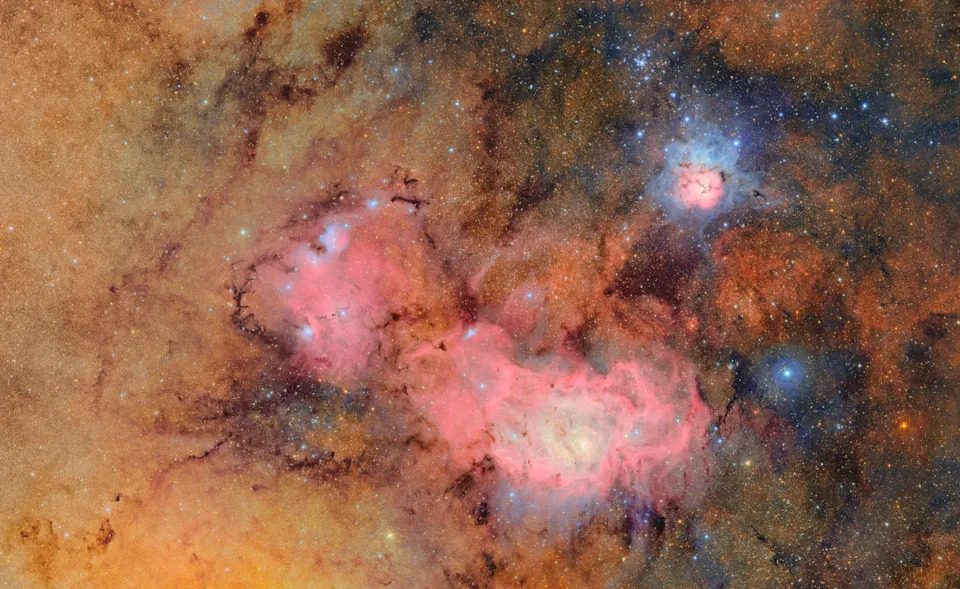
In June, the state-of-the-art Vera C. Rubin ground telescope in Chile unveiled its first stunning images of the cosmos. This particular image combines 678 separate images taken by the observatory in just over seven hours of observing time. Combining many images in this way clearly reveals otherwise faint or invisible details, such as the clouds of gas and dust that comprise the Trifid nebula (top) and the Lagoon nebula, which are several thousand light-years away from Earth.
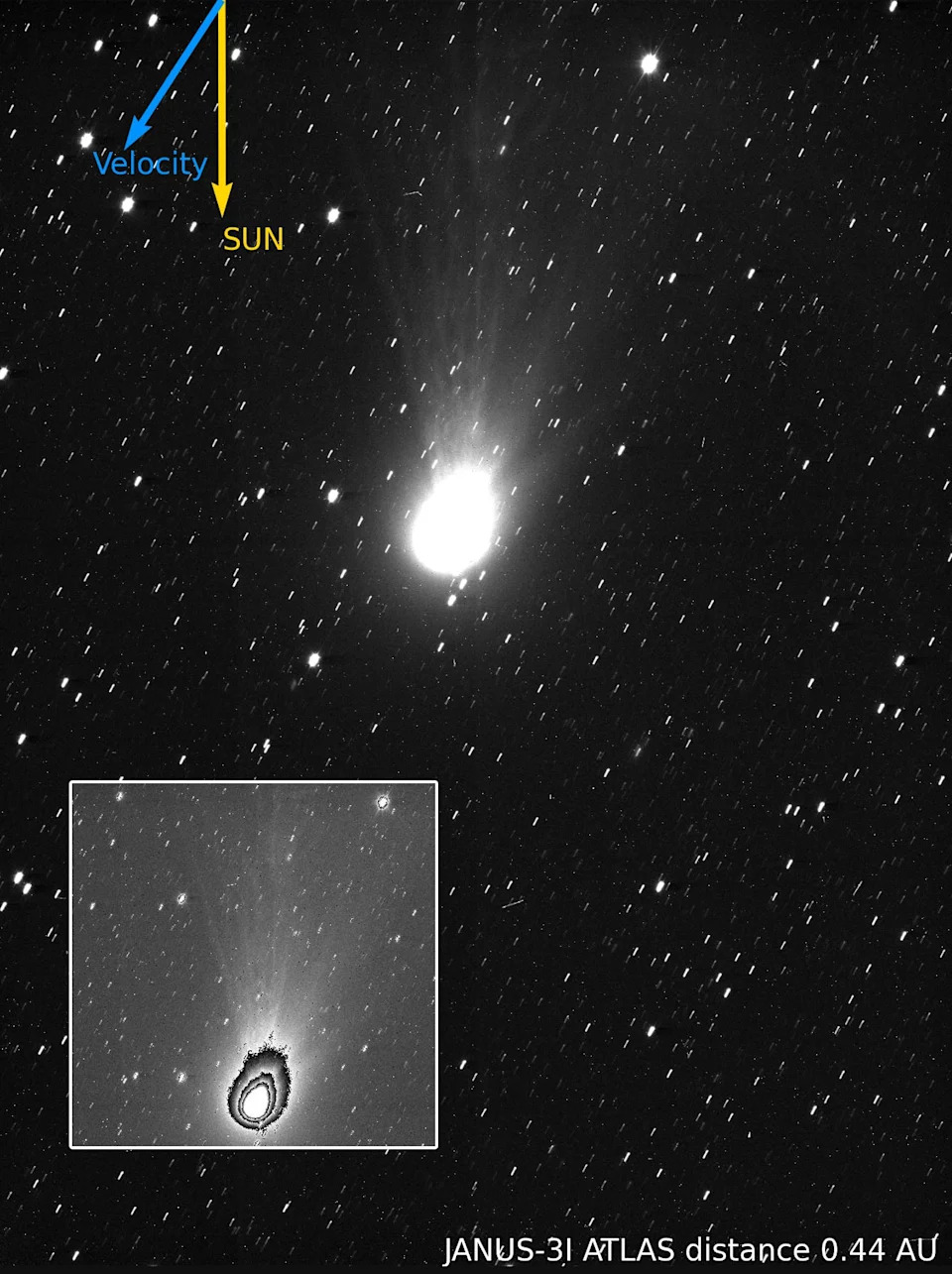
This striking image from the science camera on ESA’s Jupiter Icy Moons Explorer (Juice) shows interstellar comet 3I/ATLAS spewing dust and gas.
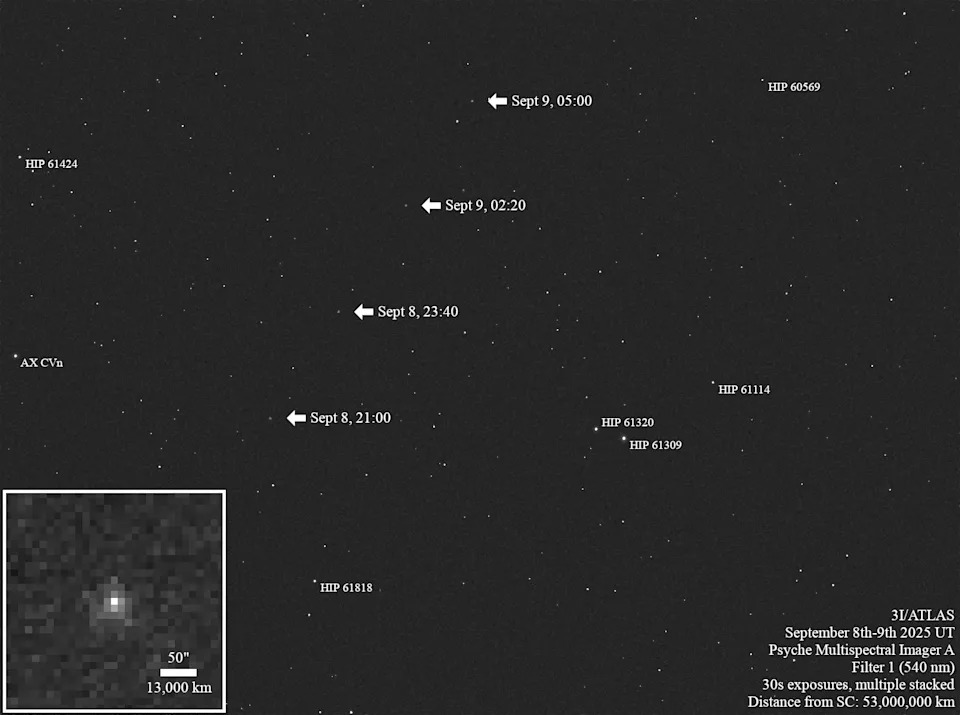
NASA’s Psyche mission acquired four observations of interstellar comet 3I/ATLAS over the course of eight hours on Sept. 8 and 9, 2025, when the comet was about 33 million miles from the spacecraft. The data, captured by Psyche’s multispectral imager, is helping astronomers both refine the trajectory of 3I/ATLAS and learn more about the faint coma, or cloud of gas, surrounding its nucleus.
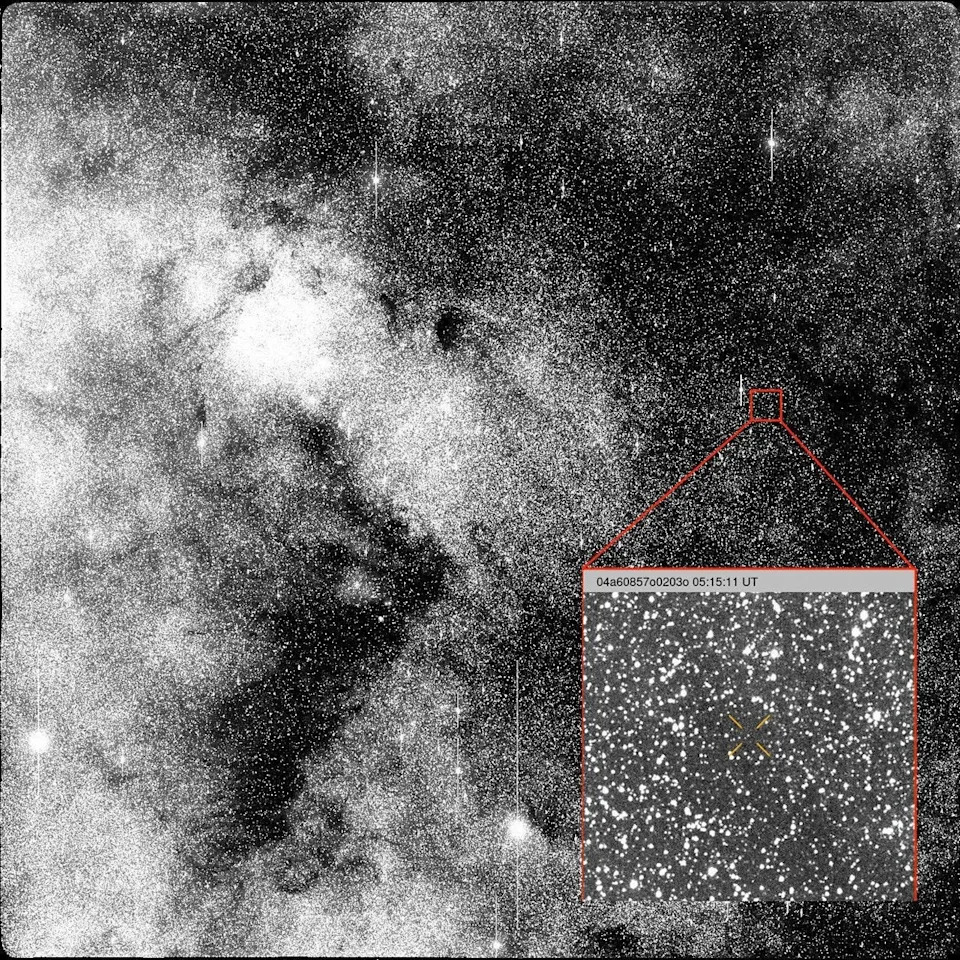
This image shows the observation of comet 3I/ATLAS when it was discovered on July 1, 2025. The NASA-funded ATLAS survey telescope in Chile first reported that the comet originated from interstellar space.
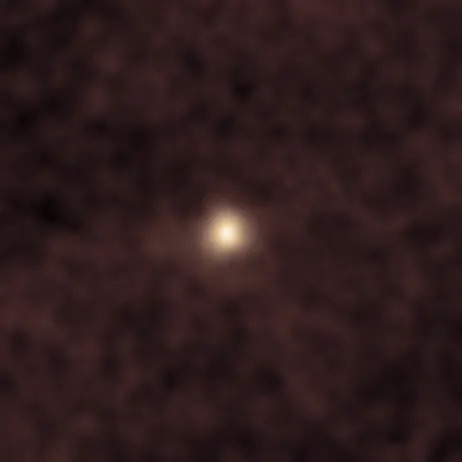
A faint image of comet 3I/ATLAS as observed by ESA/NASA’s SOHO mission between Oct. 15-26, 2025. The comet appears as a slight brightening in the center of the image.
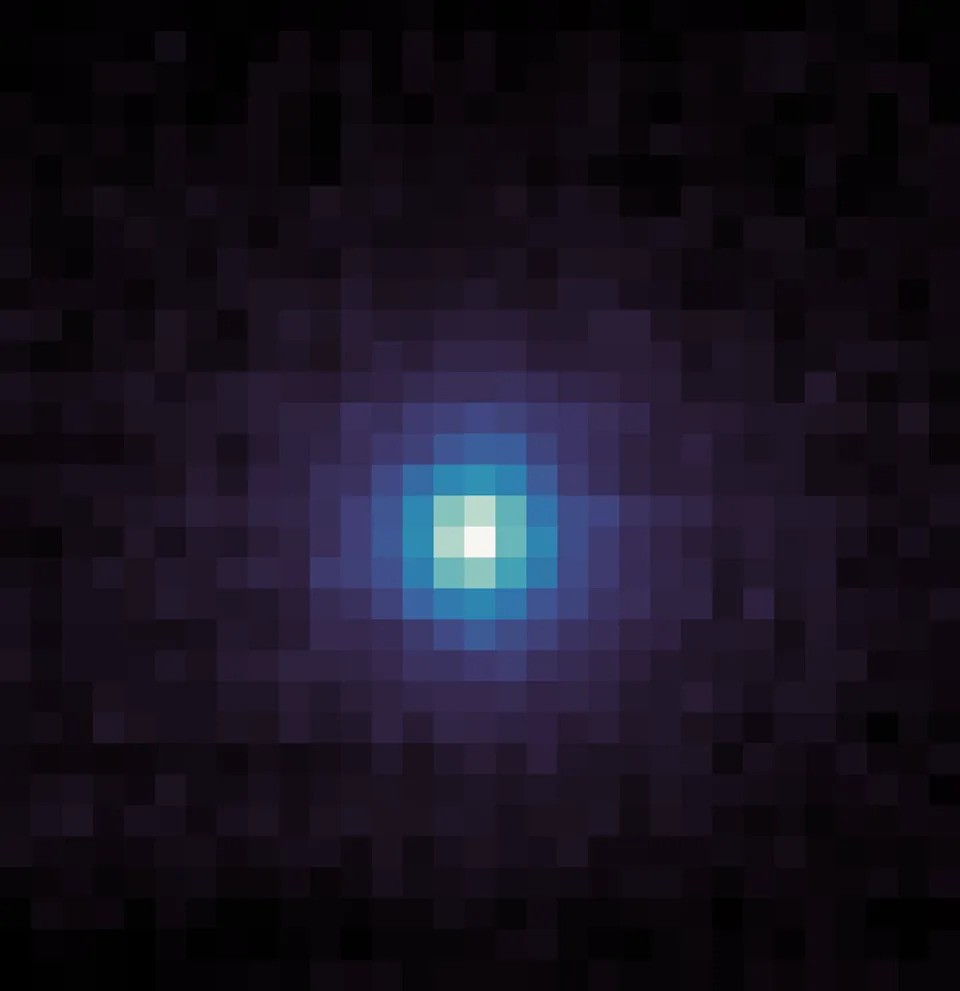
This image shows the halo of gas and dust, or coma, surrounding comet 3I/ATLAS, the third interstellar object ever detected by astronomers as it passes through our solar system. The image was taken on Oct. 9, 2025, by an instrument onboard NASA's MAVEN spacecraft, which has been studying Mars from its orbit since 2014. The instrument, the Imaging Ultraviolet Spectrograph, takes pictures in the ultraviolet part of the spectrum to reveal the chemical composition of objects.
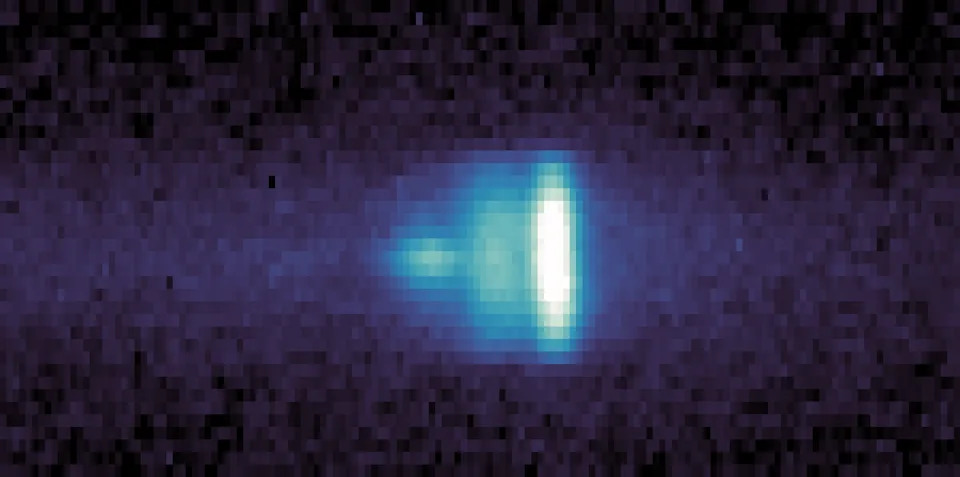
An ultraviolet image composite of the hydrogen atoms surrounding comet 3I/ATLAS, the third interstellar object ever detected by astronomers, as it passes through our solar system. This image was taken on Sept. 28, just days before the comet’s closest approach to Mars - by an instrument on NASA's MAVEN spacecraft, which has been studying Mars from orbit since 2014.
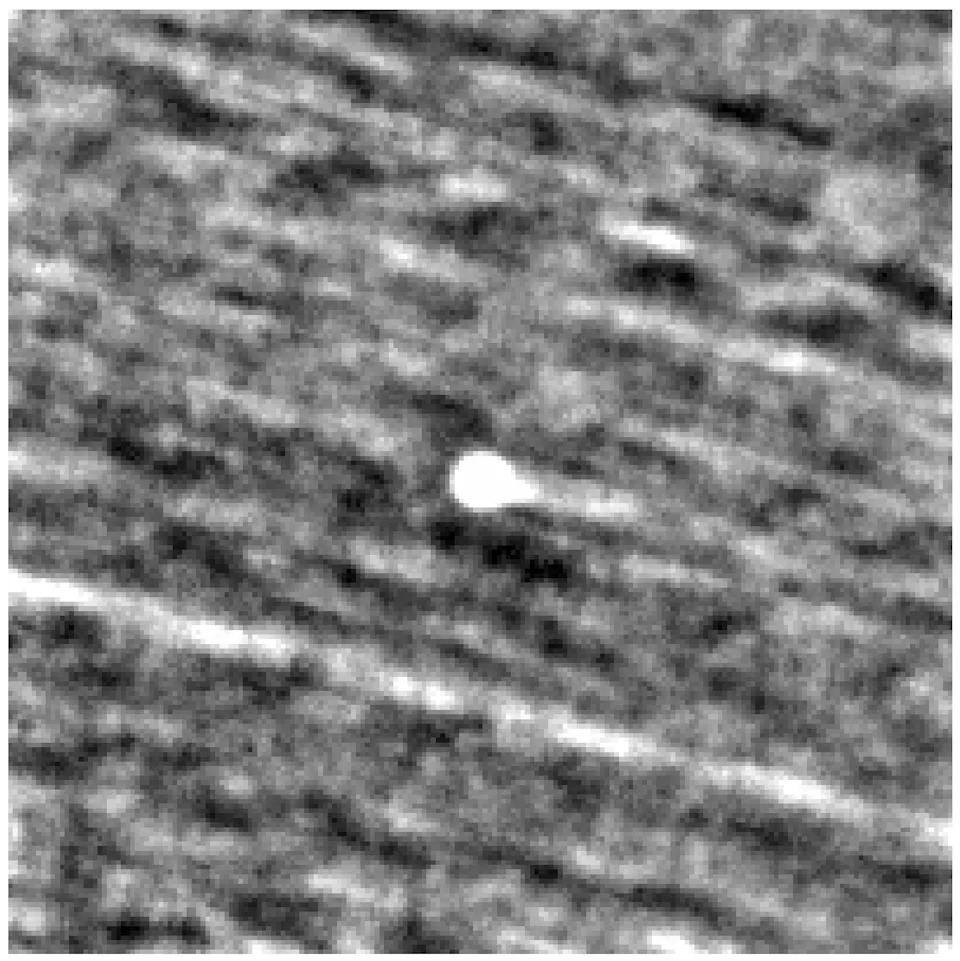
Comet 3I/ATLAS appears as a bright object near the center of this image, made from combining observations from NASA’s PUNCH mission taken from Sept. 20 to Oct. 3, 2025, when the comet was about 231 million to 235 million miles from Earth. Its tail appears as a short elongation to the right. Stars appear as streaks in the background.
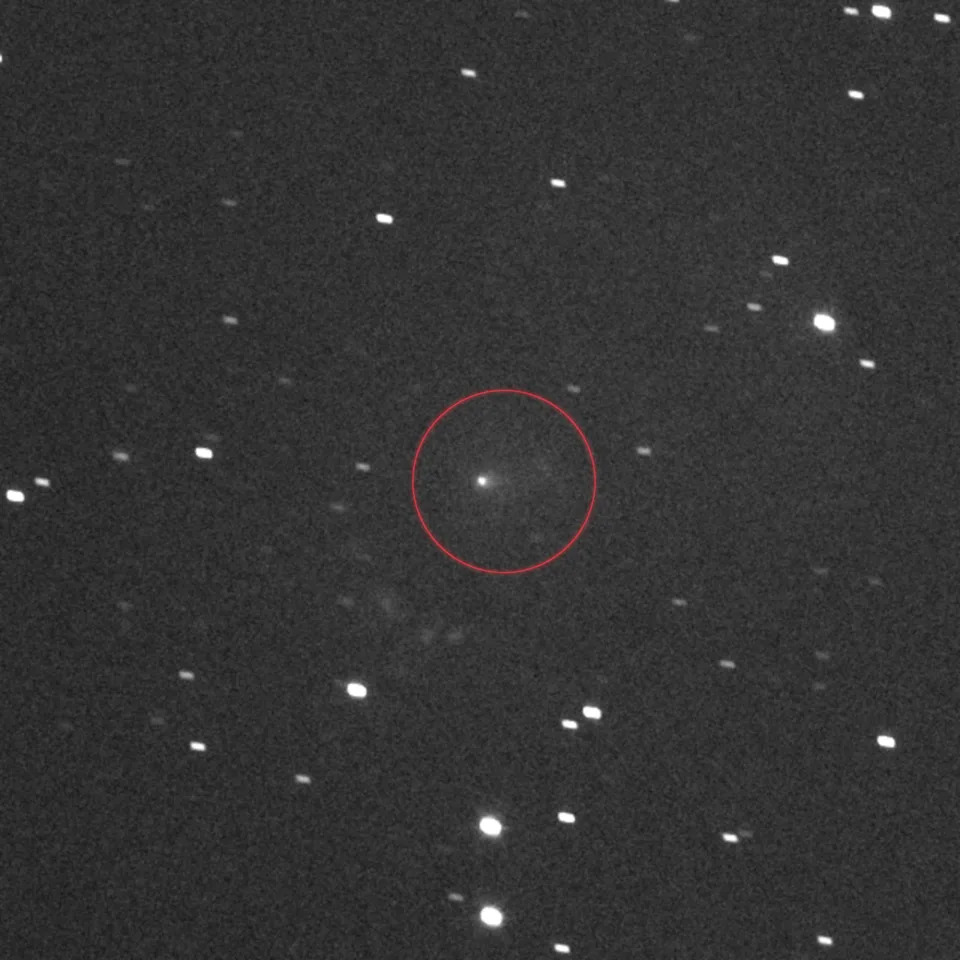
The interstellar comet 3I/ATLAS, circled in the center, as seen by the L’LORRI panchromatic, or black-and-white, imager on NASA’s Lucy spacecraft. This image was made by stacking a series of images taken on Sept. 16, as the comet was zooming toward Mars. Lucy was 240 million miles away from 3I/ATLAS at the time making its way to explore eight asteroids that share an orbit with Jupiter.
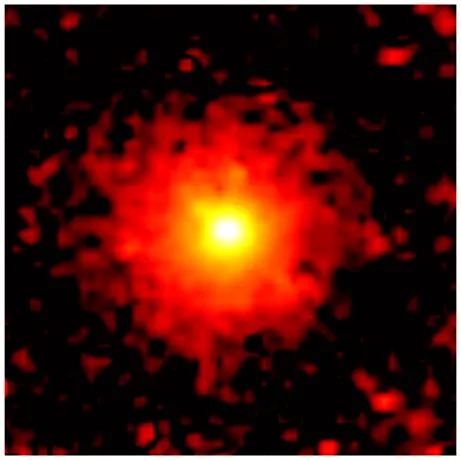
NASA’s SPHEREx space telescope observed interstellar comet 3I/ATLAS from Aug. 7 to Aug. 15.
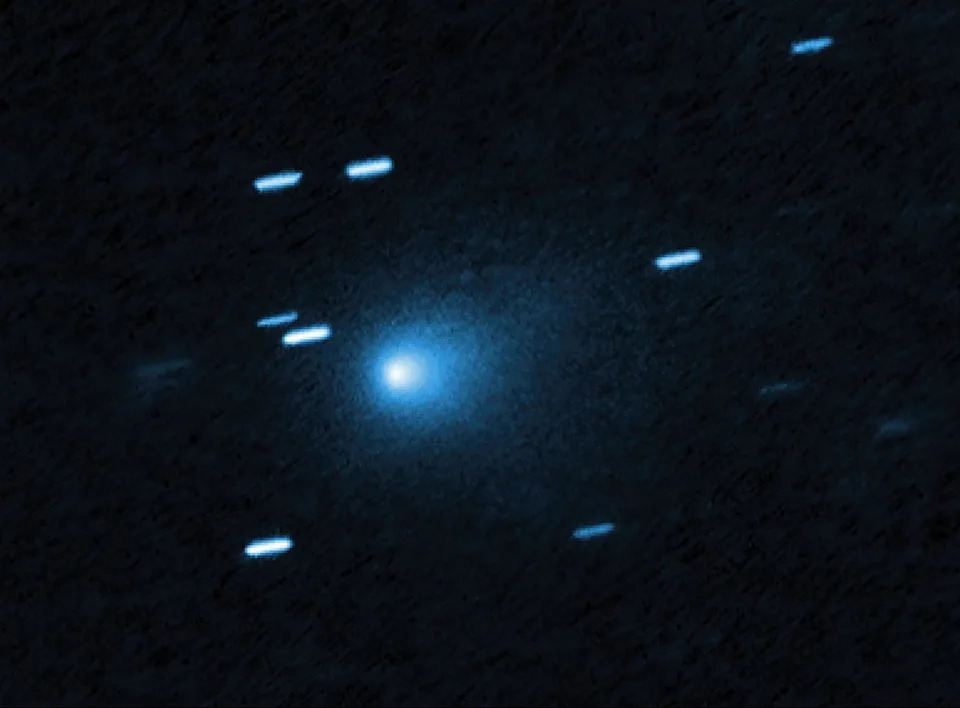
Hubble captured this image of the interstellar comet 3I/ATLAS on July 21, 2025, when the comet was 277 million miles from Earth. Hubble shows that the comet has a teardrop-shaped cocoon of dust coming off its solid, icy nucleus.
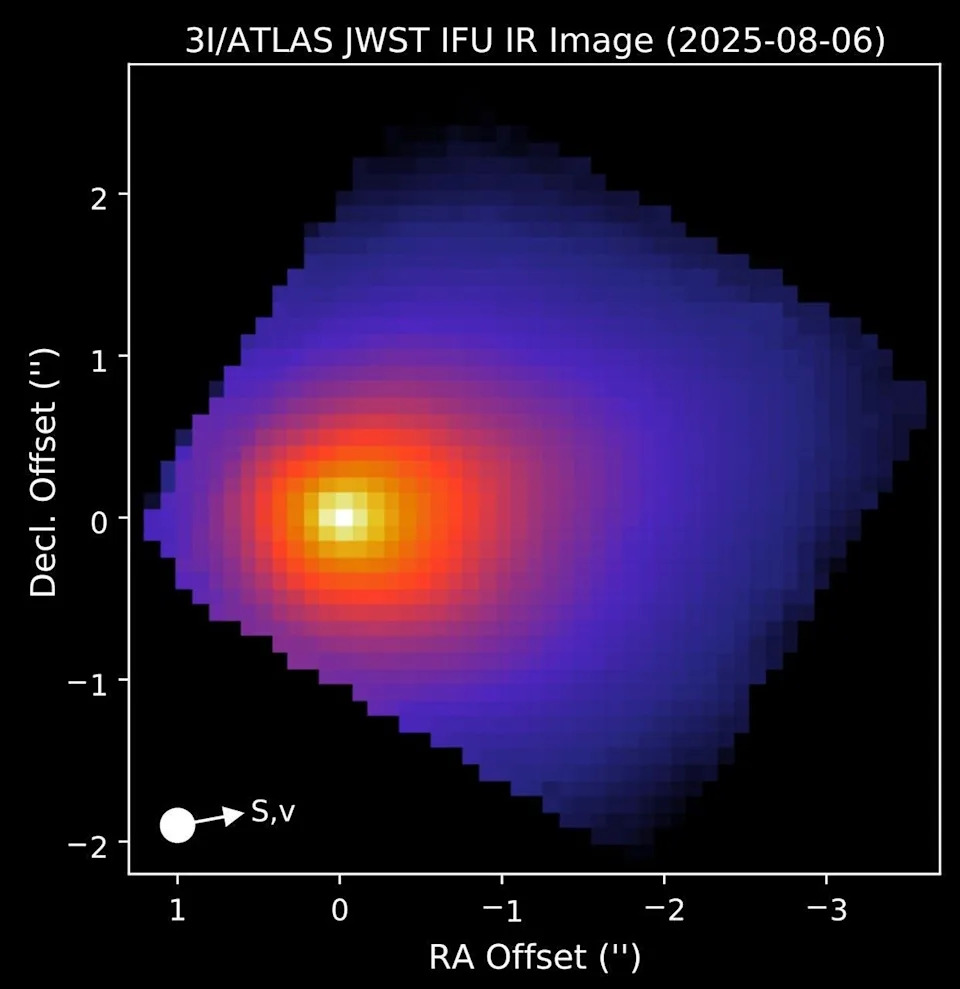
NASA’s James Webb Space Telescope observed interstellar comet 3I/ATLAS Aug. 6, with its Near-Infrared Spectrograph instrument
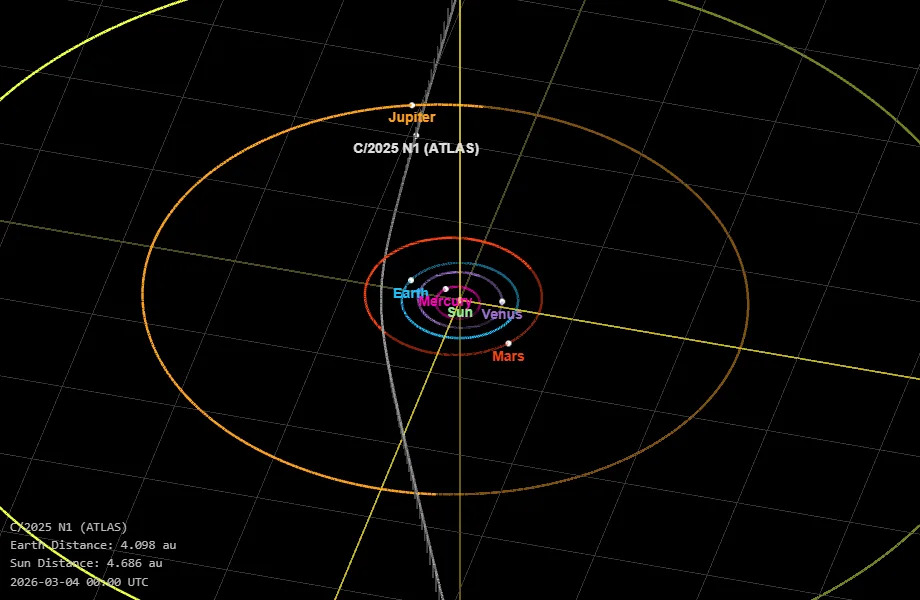
Here's a look at 3I/ATLAS's location in Earth's solar system as of March 4, 2026.
Pomozite nam da budemo bolji.