Fotografije snimljene tokom sedmosatnog preleta Artemis II 6. aprila prikazuju dalju stranu Meseca izbliza. Na njima je jasno vidljiv Mare Orientale (oko 600 milja / ≈965 km) i dokumentovani su udarni krat eri, lava tokovi i šest bljeskova udara meteora. Posmatran je i ogromni South Pole–Aitken (≈1.600 milja / ≈2.575 km), a posada je doživela 53-minutnu solarnu eklipsu i fenomen Earthrise.
NASA Objavila Fotografije Dalje Strane Meseca: Mare Orientale I South Pole–Aitken U Novím Detaljima
NASA je objavila fotografije koje su astronauti misije Artemis II snimili tokom sedmosatnog preleta oko Meseca 6. aprila, prikazujući delove njegove dalje strane viđene izbliza od strane ljudi po prvi put.
Šta pokazuju snimci?
Na snimcima je u potpunosti vidljiv Mare Orientale — prstenasti bazen prečnika oko 600 milja (≈965 km) — koji je nastao usled silovite sudarne pre milijardi godina i kasnije je delimično prekriven lavom. Fotografije takođe dokumentuju brojne udarne kratere, drevne lavine tokove i pukotine na površini Meseca.
Posada je zabeležila šest bljeskova udara meteora na zamračenoj strani Meseca, kao i razlike u teksturi terena: glatkiji predeo unutar kratera Vavilov i mnogo grublja, neravna okolina oko njega.
Veliki udarni bazen i naučni značaj
Astronauti su posmatrali i masivni bazen South Pole–Aitken, širok oko 1.600 milja (≈2.575 km), koji je najveći poznati udarni krater u Sunčevom sistemu. Podaci i snimci sa ove misije mogu pomoći naučnicima da bolje razumeju geološku istoriju Meseca, njegove vulkanske procese i istoriju udara meteora.
Retki kosmički prizori
Tokom preleta posada je doživela retku, približno 53-minutnu solarnu eklipsu dok su bili iza Meseca, a potom su zabeležili i fenomen Earthrise — ponovni prikaz Zemlje kako izranja iznad mesečevog horizonta.
Očekuje se da će letelica Artemis II sleteti i biti pokupljena u vodama kod obale San Dijega u petak u 17:07 po lokalnom vremenu. Pogledajte galeriju priloženih fotografija za više snimaka sa istorijskog preleta.
Napomena: Vremenski podaci i brojke preneti su prema izvorima misije i NASA-inim objavama.
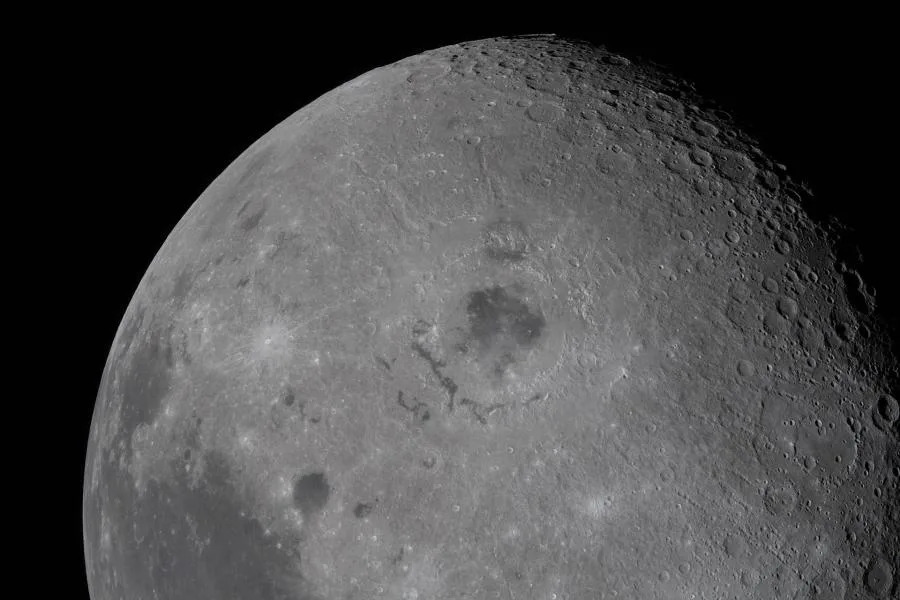
Orientale basin is visible in the center, with a black patch of ancient lava in the center that punched through the Moon’s crust in an eruption billions of years ago (NASA).
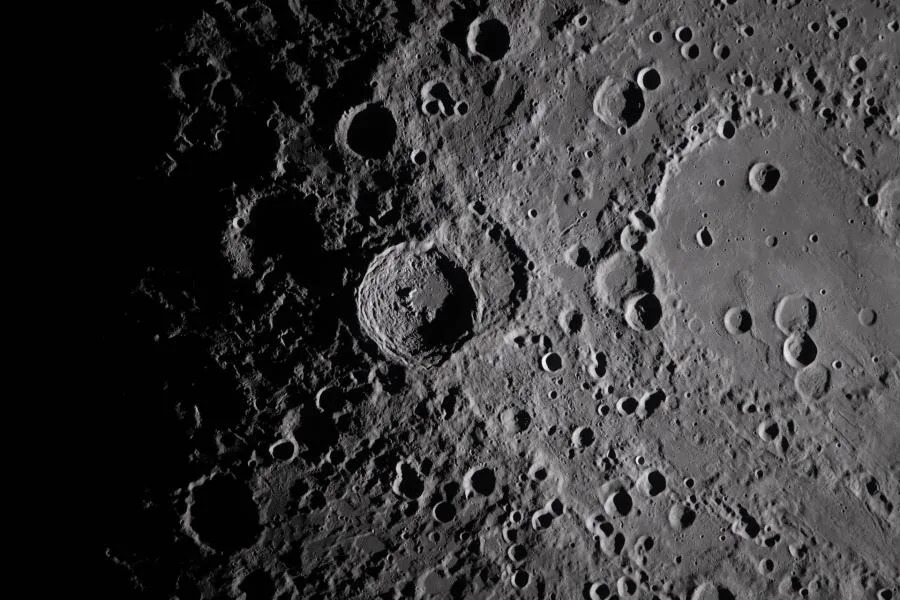
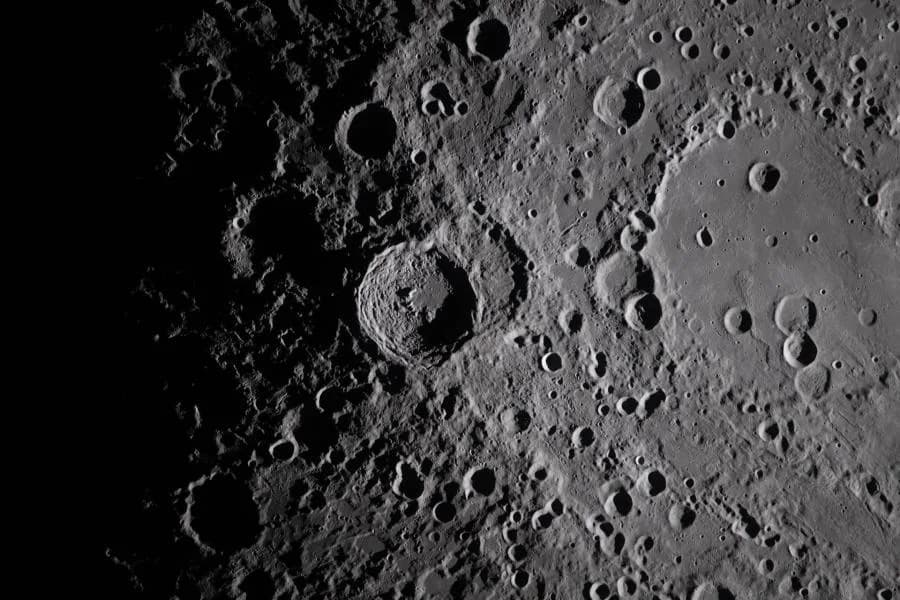
A close-up view taken by the Artemis II crew of Vavilov Crater. The right portion of the image shows the transition from smooth material within an inner ring of mountains to more rugged terrain around the rim (NASA).
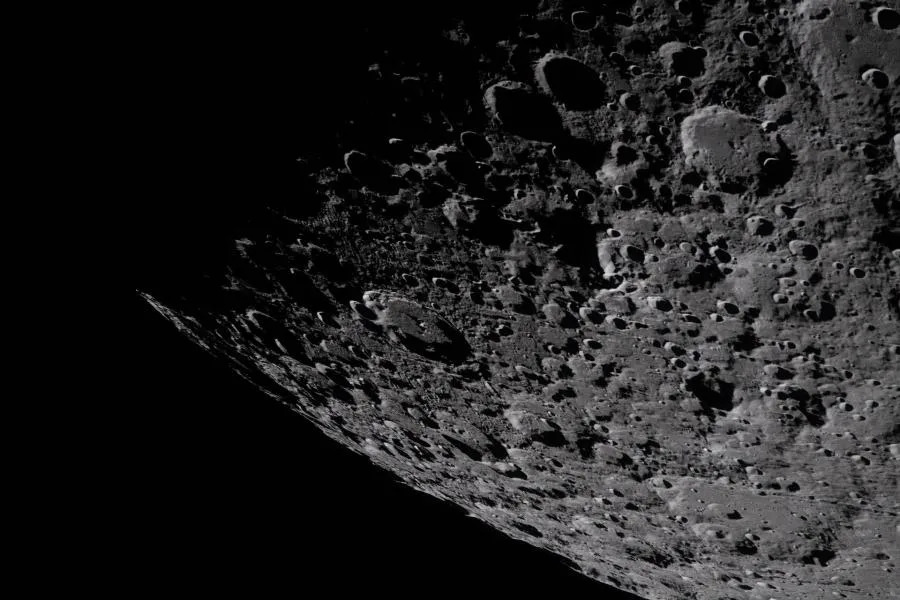
The South Pole-Aitken basin is the largest and oldest basin on the Moon, providing a glimpse into an ancient geologic history built up over billions of years (NASA).
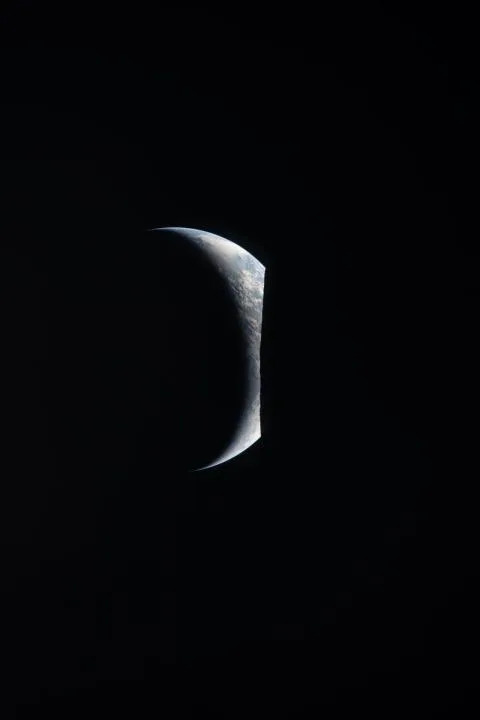
Earthrise reveals a striking alignment of Earth and Moon, with the Moon in the top foreground and the Earth below (NASA).
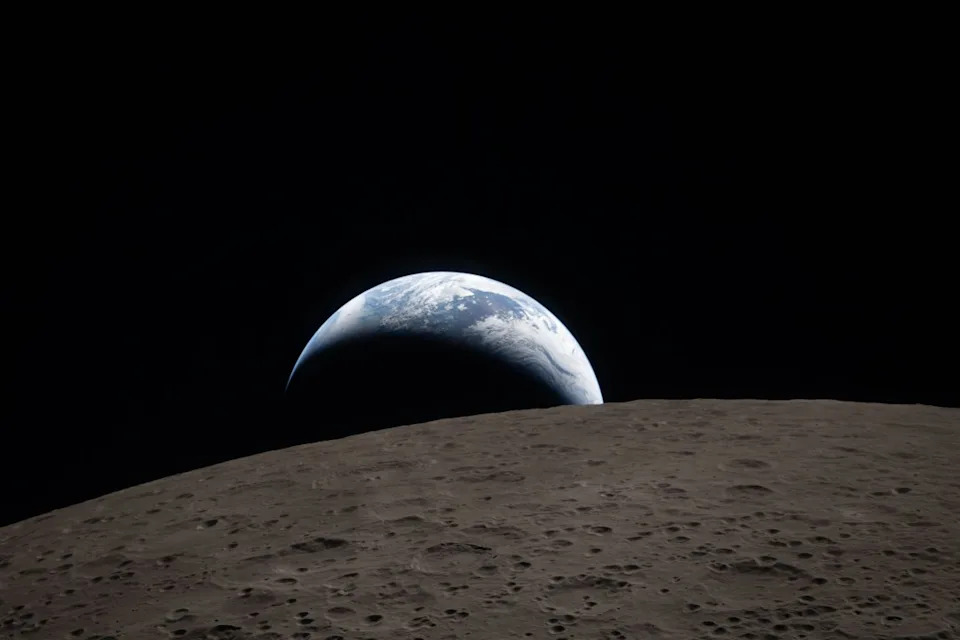
Earthset captured through the Orion spacecraft window at 6:41 p.m. EDT during the Artemis II crew’s flyby of the Moon (NASA).
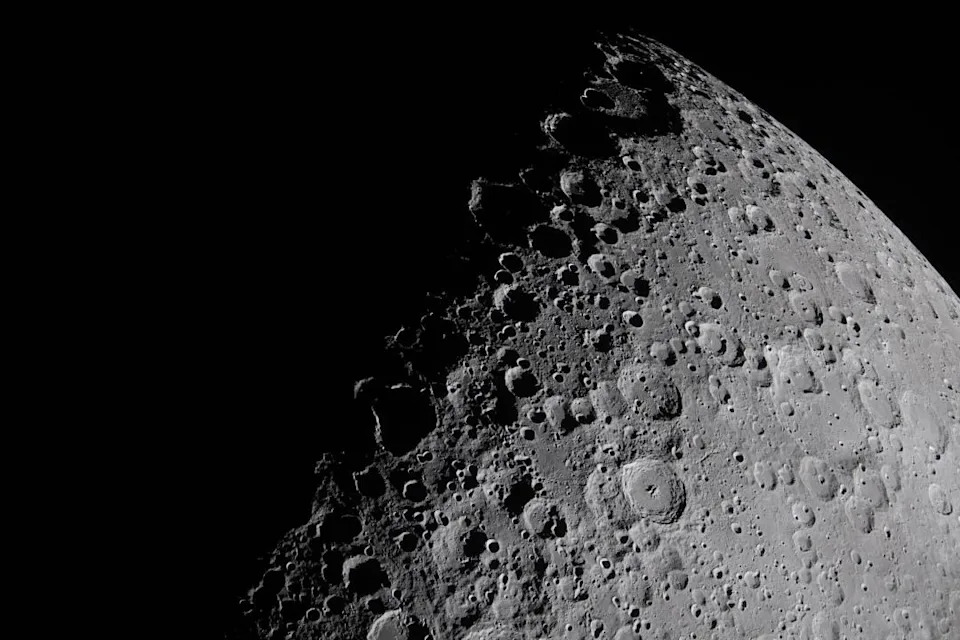
The Artemis II crew captures a portion of the Moon coming into view along the terminator – the boundary between lunar day and night (NASA).
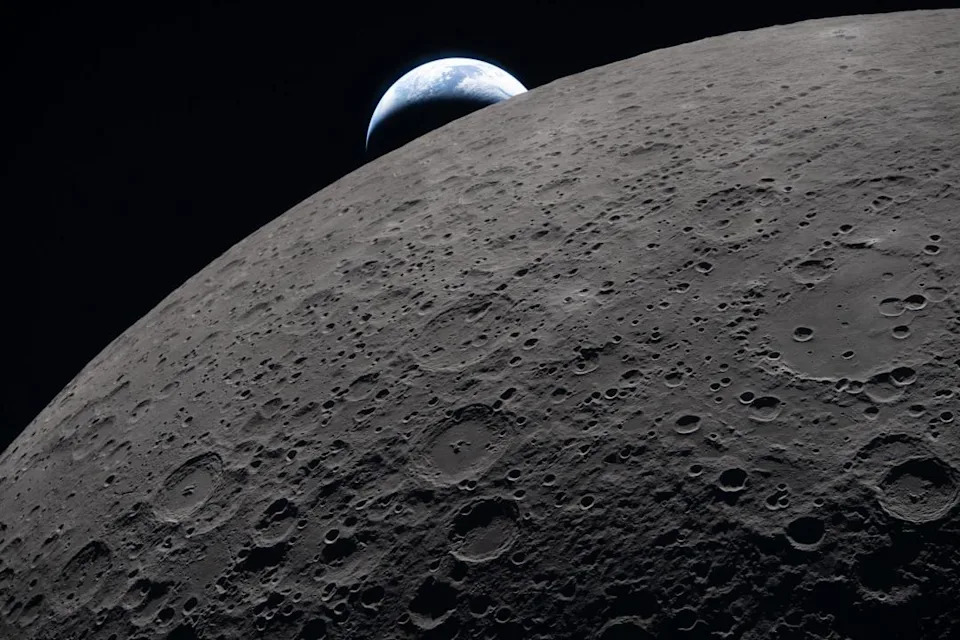
The lunar surface fills the frame in sharp detail, as seen during the Artemis II lunar flyby, while a distant Earth sets in the background. This image was captured at 6:41 p.m. EDT, on April 6, 2026, just three minutes before the Orion spacecraft and its crew went behind the Moon and lost contact with Earth for 40 minutes before emerging on the other side (NASA).
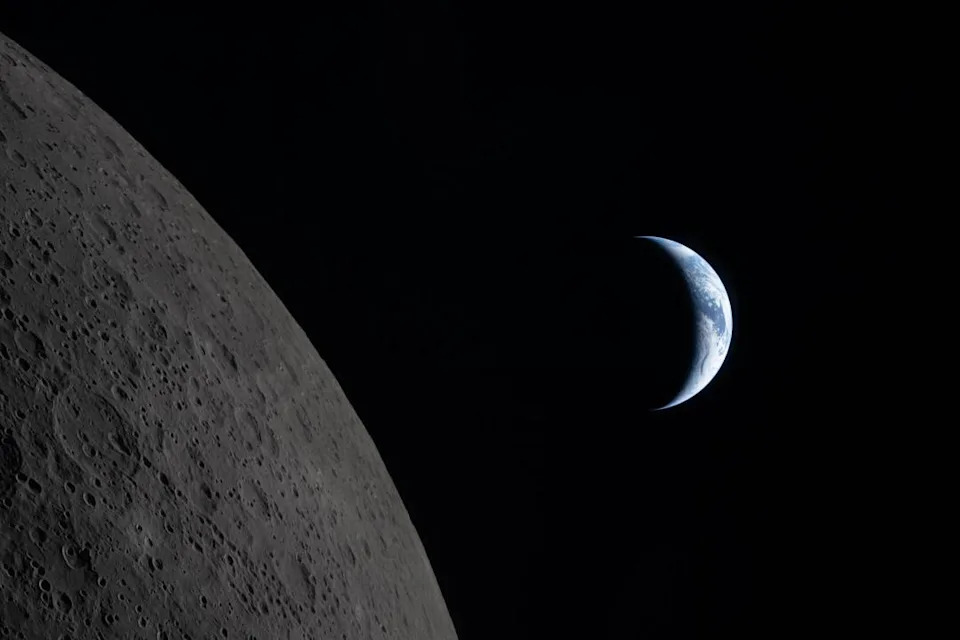
Our planet draws closer to passing behind the Moon in this image captured by the Artemis II crew during their lunar flyby, about six minutes before Earthset (NASA).
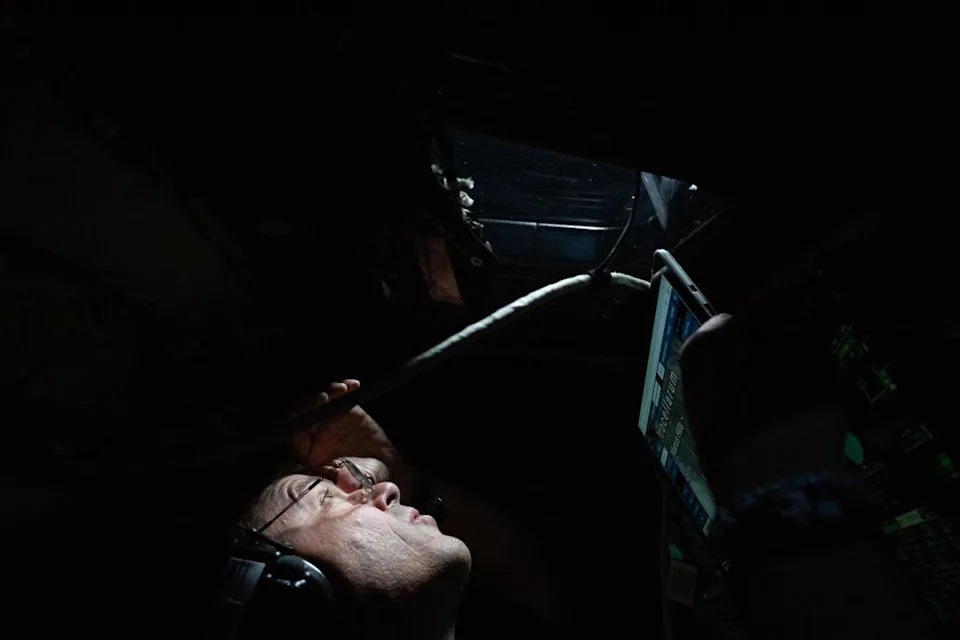
Artemis II Commander Reid Wiseman peers out the window of the Orion spacecraft just as his first lunar observation period of the day begins (NASA).
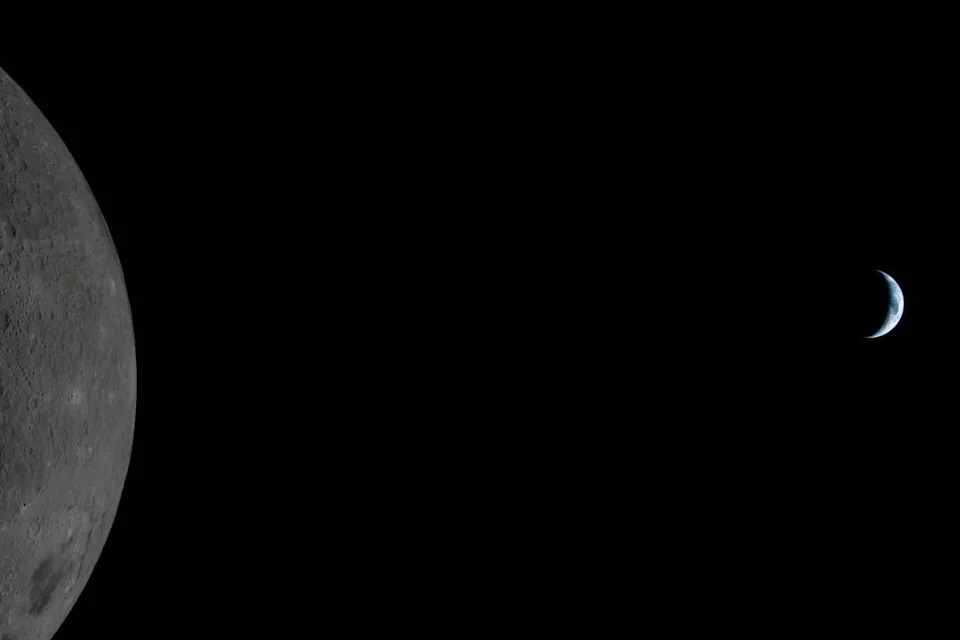
Taken 36 minutes before Earthset, our home planet is visible in the blackness of space off the limb of the illuminated Moon. Earth is in a crescent phase, with sunlight coming from the right. Orientale mare basin, with its dark floor of cooled lava and outer rings of mountains, covers nearly the lower third of the imaged lunar surface (NASA).
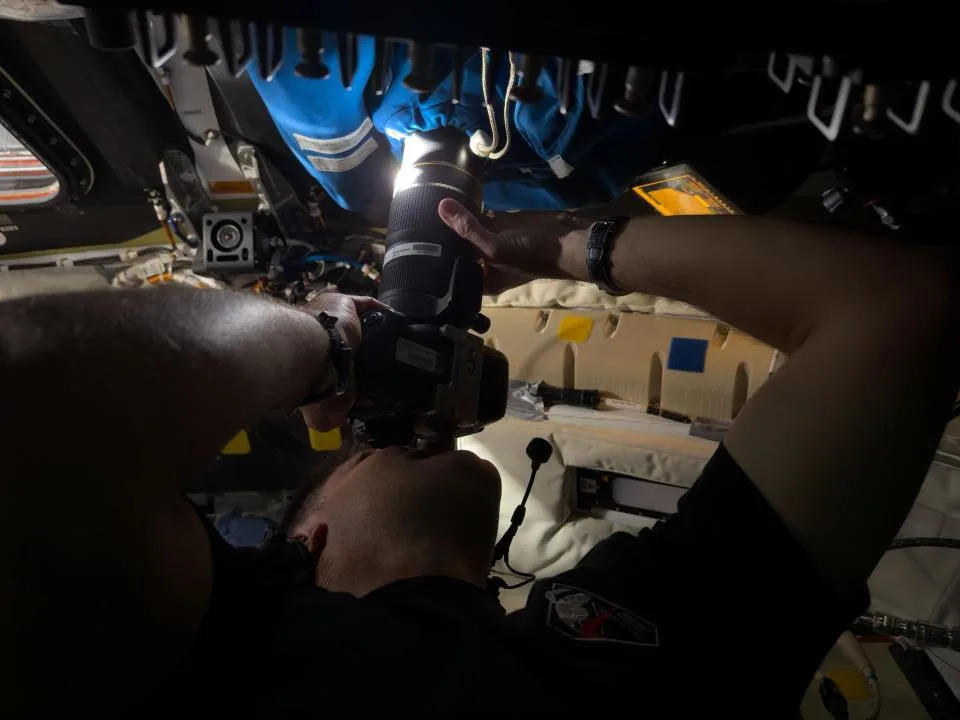
Astronaut Jeremy Hansen captures an image through the camera shroud covering window 2 of the Orion spacecraft. The camera shroud, essentially a curtain with a hole for the lens to pass through, is used to prevent light from the cabin from reflecting on the windowpanes (NASA).
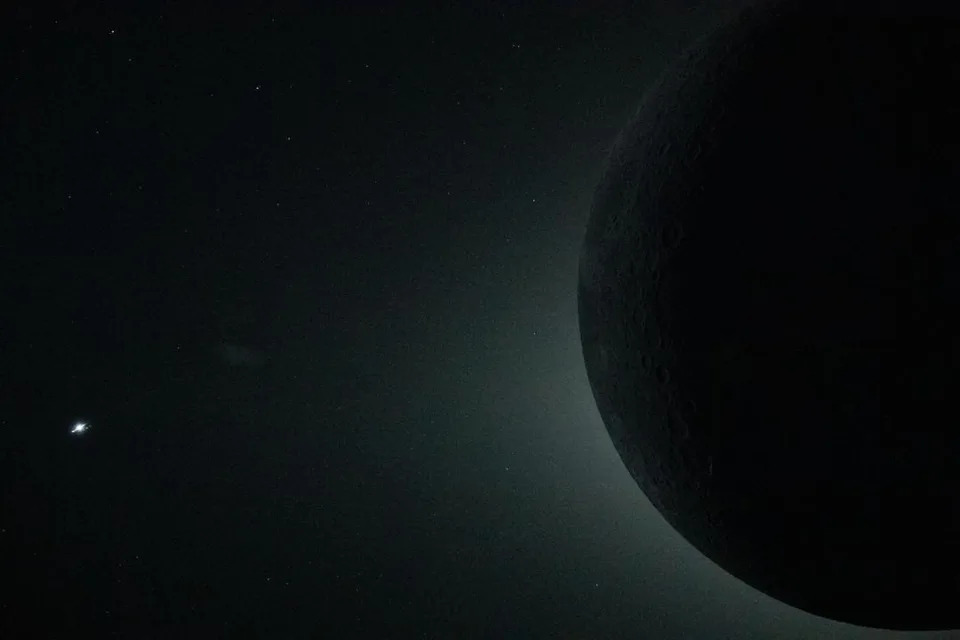
A close-up view from the Orion spacecraft during the Artemis II crew’s lunar flyby on April 6, 2026, captures a total solar eclipse, with only part of the Moon visible in the frame as it fully obscures the Sun. Although the full lunar disk extends beyond the image, the Sun’s faint corona remains visible as a soft halo of light around the Moon’s edge (NASA).
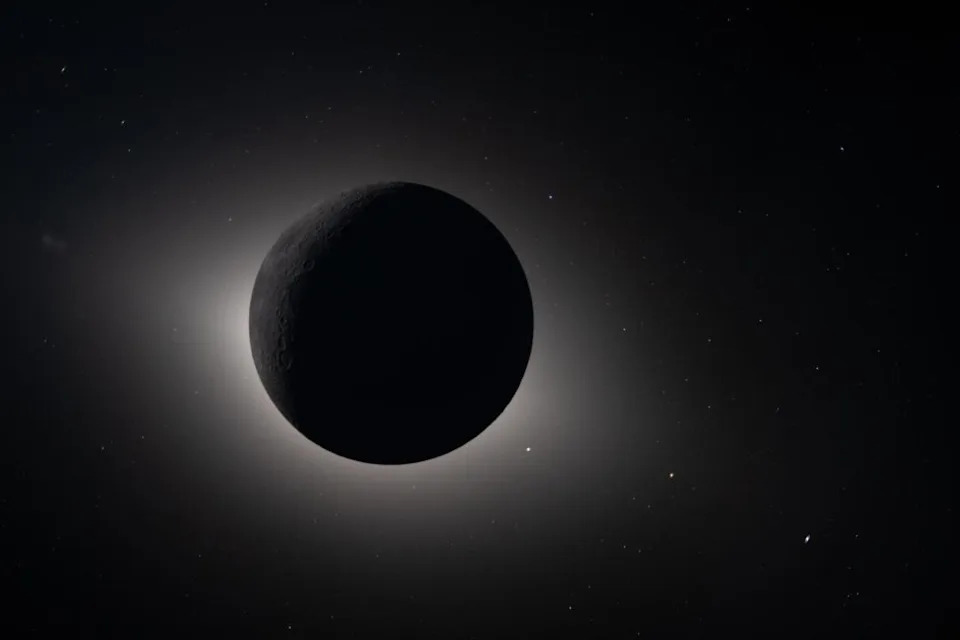
The faint glow of the nearside of the Moon is visible in this image, having been illuminated by light reflected off the Earth (NASA).
Pomozite nam da budemo bolji.