Chris Williams, astronaut NASA na ISS-u, 27. aprila je snimio svetleće fragmente koji su se raspadali u gornjim slojevima atmosfere iznad Zapadne Afrike. Prizor je zabeležen dok je Williams pratio dolazak teretnog broda Progress 95 i podeljen je na društvenim mrežama 30. aprila. On smatra da je reč o orbitalnom otpadu ili raspadajućem satelitu, a snimci služe praćenju sigurnosti i ponašanja svemirskog otpada.
Pravi svetlosni spektakl: Astronaut NASA snimio vatrene ostatke ispod ISS
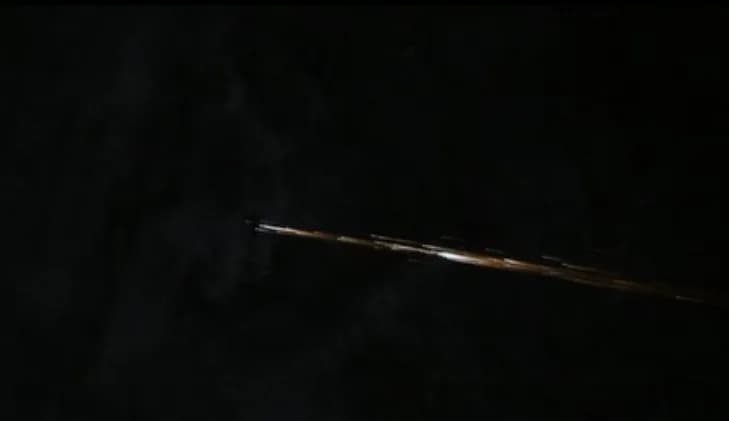
NASA astronaut spots fiery debris from ISS. 'Quite a light show!'
Astronaut NASA Chris Williams zabeležio je upečatljiv prizor – svetleće fragmente koji su se raspadali dok su prolazili kroz gornje slojeve Zemljine atmosfere ispod Međunarodne svemirske stanice (ISS).
Williams, koji je stigao na orbitalnu stanicu u novembru zajedno sa dvoje ruskih kosmonauta, tokom svoje misije postao je poznat po impresivnim fotografijama neba i Zemljinih pejzaža. U februaru je, na primer, fotografisao proslave Lunarne nove godine dok je ISS preletao iznad Kine.
Krajem aprila, dok je iz kupole ISS-a pratio dolazak ruskog teretnog broda Progress 95, Williams je 27. aprila uočio neočekivani prizor: ispod stanice je iznad Zapadne Afrike goreo sjajan objekat koji se raspolavljao i ostavljao tragove svetlosti.
Šta je zabeleženo
Williams je 30. aprila podelio video i fotografije na društvenim mrežama i naveo da sumnja da je reč o orbitalnom otpadu ili fragmentima satelita koji se raspadaju prilikom ulaska u atmosferu. Snimci pokazuju niz svetlih, brzo pomičnih tačaka koje se razlažu prilikom sagorevanja u višim slojevima atmosfere.
"Bio je to pravi spektakl svetla!" — rekao je Williams.
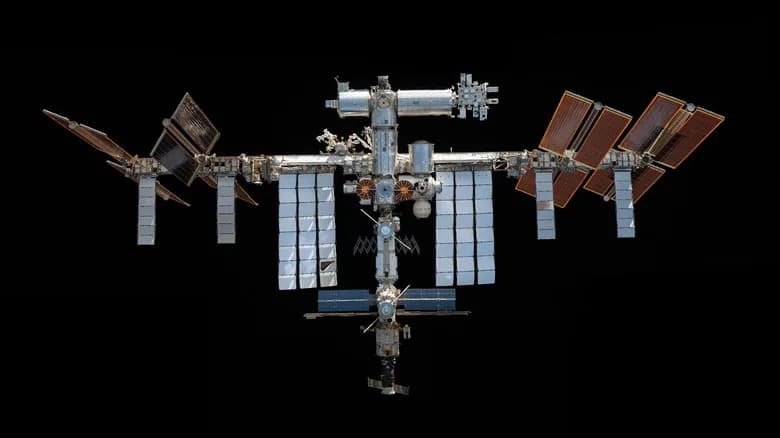
Međunarodna svemirska stanica više od 25 godina boravi u niskoj Zemljinoj orbiti, na visini od oko 260 milja (približno 420 km). Tokom svog postojanja, ISS je služio kao laboratorija za istraživanja u mikrogravitaciji i platforma za međunarodnu saradnju između svemirskih agencija kao što su NASA, Roscosmos, Evropska svemirska agencija (ESA), JAXA i Kanada (CSA).
Prema podacima NASA, više od 290 ljudi iz 26 zemalja posetilo je stanicu, od kojih je oko 170 astronauta iz Sjedinjenih Država.
Moguća objašnjenja i značaj
Snimci poput ovih pomažu naučnicima i operaterima da prate ponašanje orbitalnog otpada i raspada satelita pri ulasku u atmosferu. Identifikacija izvora pomaže u proceni potencijalnih rizika za funkcionalne satelite i samu svemirsku stanicu.
Williamsovi snimci su primer kako posmatranja sa same stanice mogu doprineti većem razumevanju događaja u Zemljinoj atmosferi i upravljanju sve većim problemom svemirskog otpada.
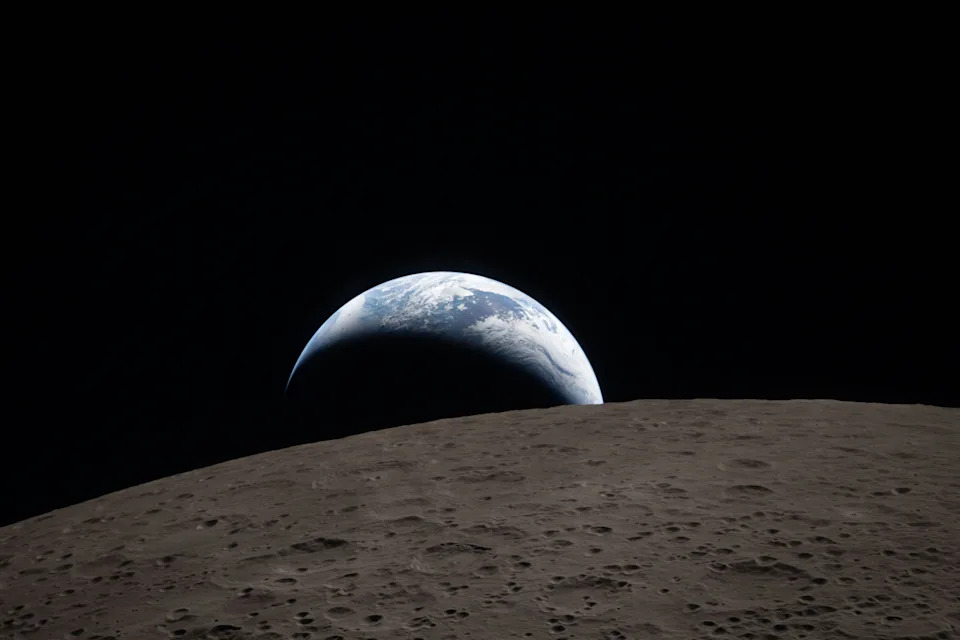
The crew of Artemis II captured a breathtaking image of a celestial event known as an "Earthset," in which the Earth dropped below the lunar horizon. The image is reminiscent of the iconic "Earthrise" photo that NASA astronaut Bill Anders captured in 1968 during the Apollo 8 mission that showed our planet rising on the lunar horizon.
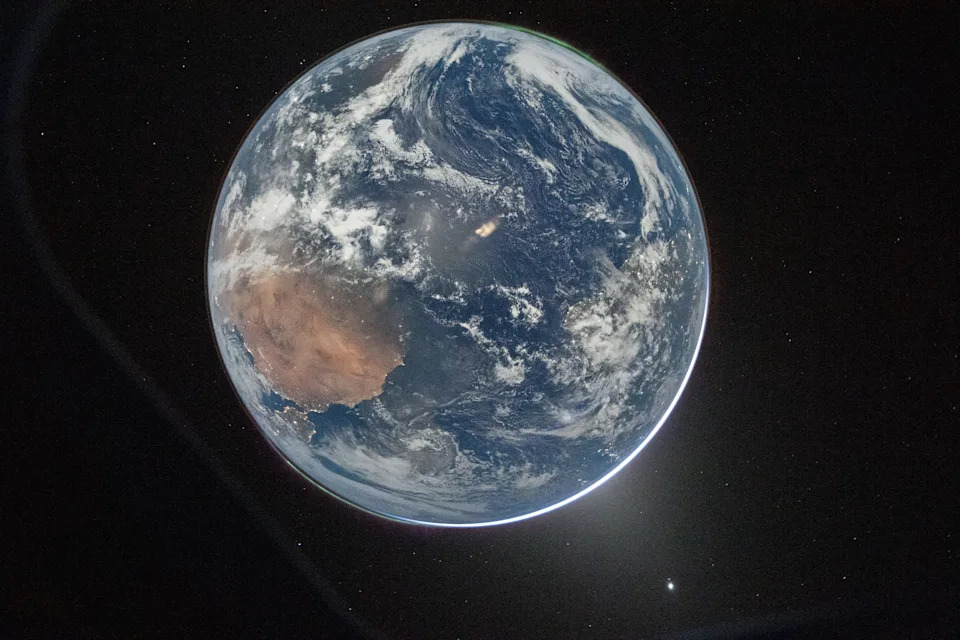
Artemis II Commander Reid Wiseman of NASA took this stunning photograph of Earth from the Orion spacecraft's window on April 2. The image is reminiscent of the iconic "blue marble" image captured during the Apollo 17 mission in 1972.
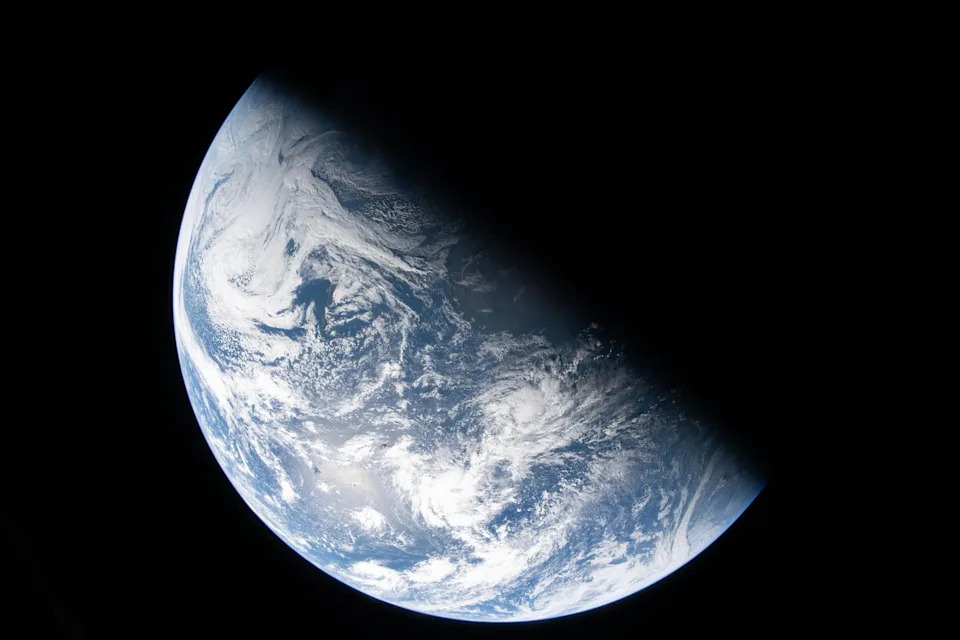
In this new image from the Artemis II crew, NASA explains that what is depicted is the "divide between night and day, known as the terminator, cutting across Earth."
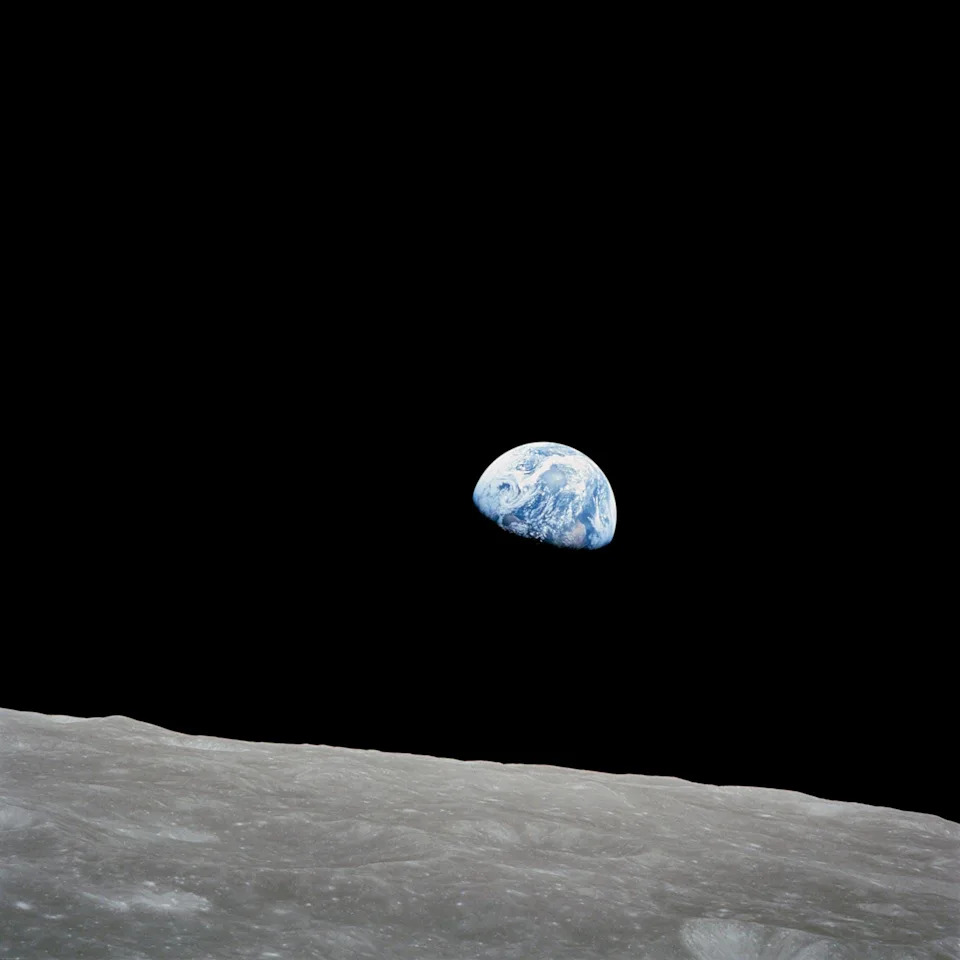
William Anders, a NASA astronaut on the historic Apollo 8 mission around the moon, took the iconic “Earthrise” photo while in lunar orbit on Dec. 24, 1968.
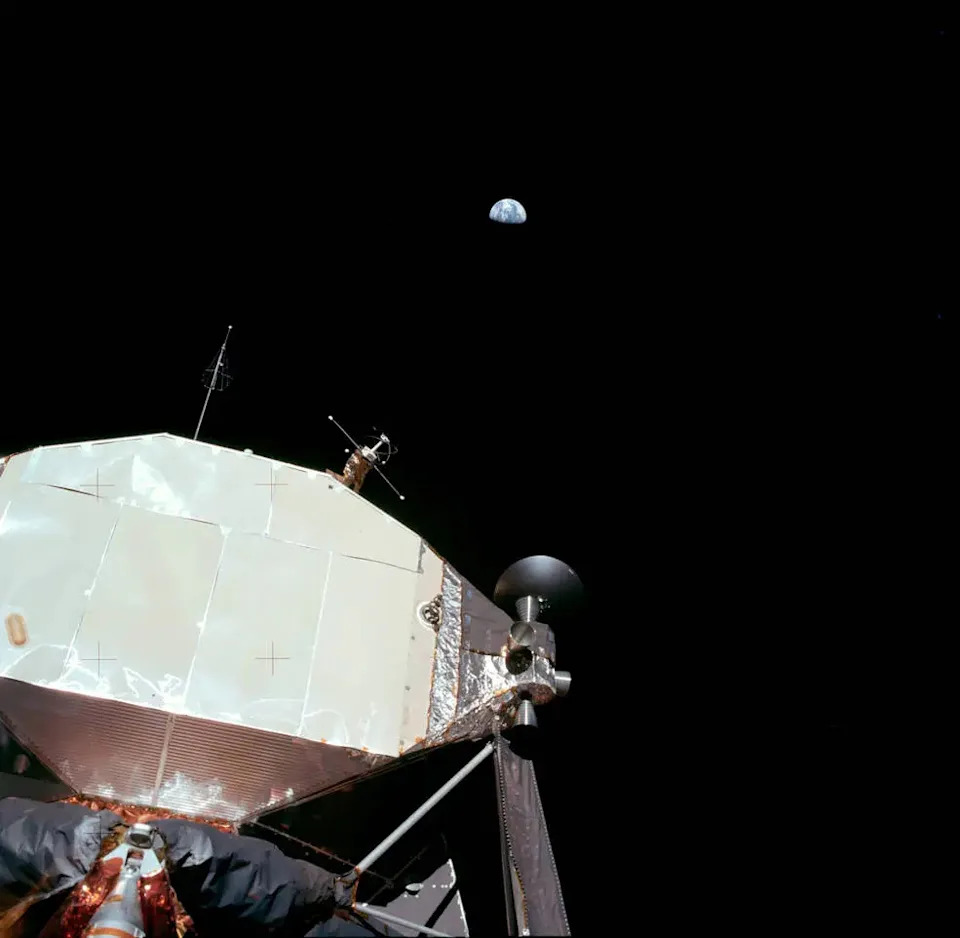
The first photograph of the Earth taken by an astronaut standing on the lunar surface, taken during the Apollo 11 Moon landing in 1969.
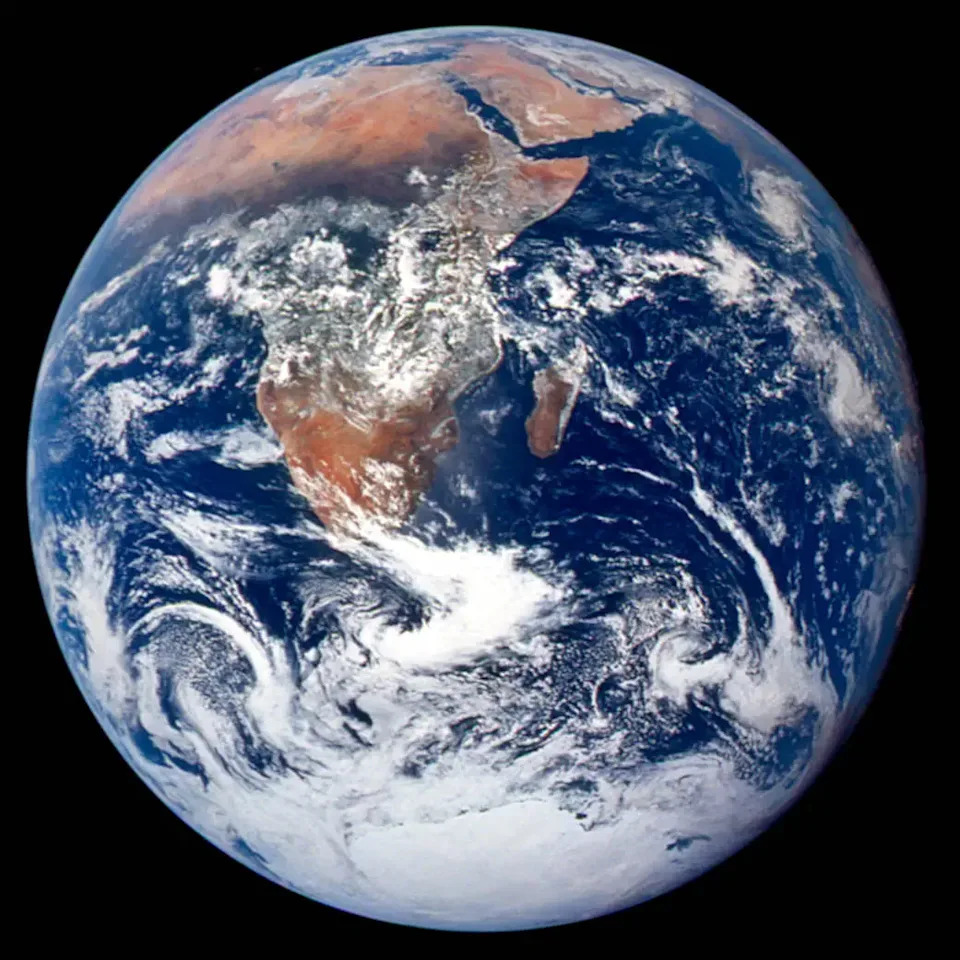
One of the most well-known photographs of Earth, the "blue marble" image was taken by the crew of the final Apollo mission (Apollo 17) as the crew made its way to the moon in 1972.
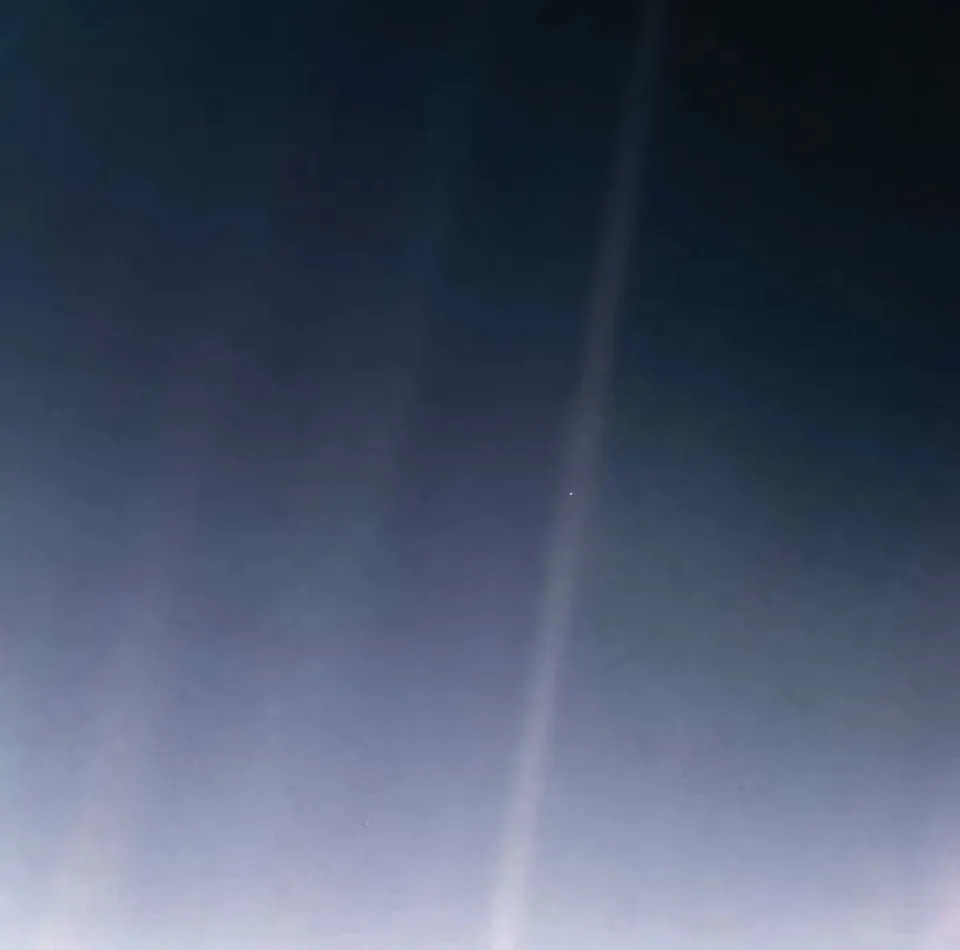
Voyager 1's 1990 photo of Earth, widely referred to as the "pale blue dot," was taken at a distance of 3.7 billion miles from the sun, making it the first photo taken beyond all the planets in our solar system. This image was created in 2020 or the 30th anniversary of the iconic picture using modern image-processing software and techniques to revisit the well-known Voyager view.
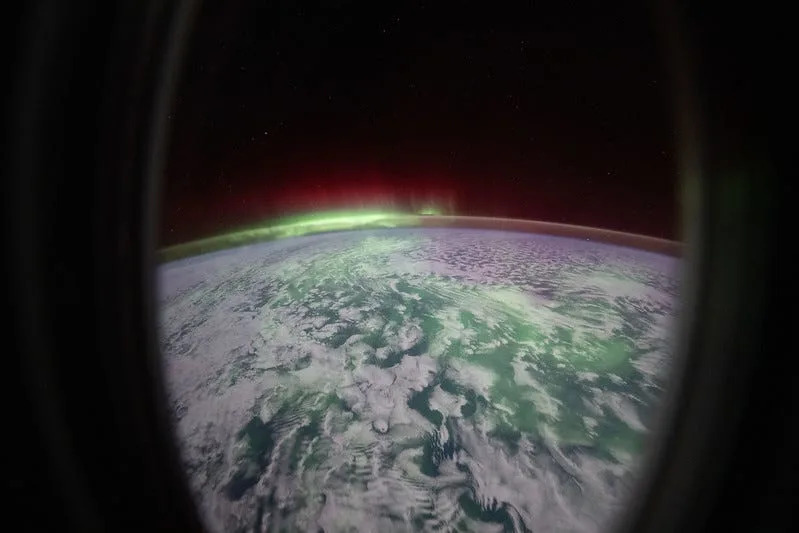
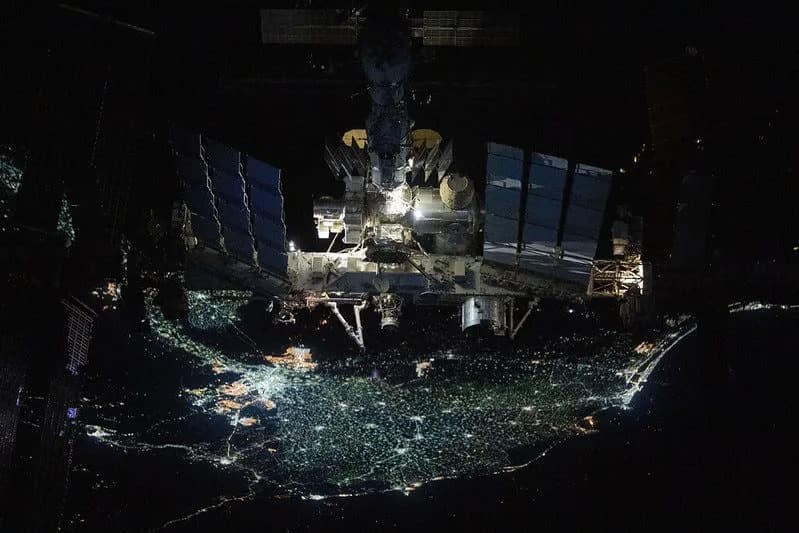
Because the International Space Station orbits so close to Earth's atmosphere (about 250 miles high,) the outpost and the astronauts who have lived aboard it have been the source of plenty of spectacular photos of our planet for 25 years. This recent photo, taken April 6, 2026, shows auroras glowing over the Indian Ocean.
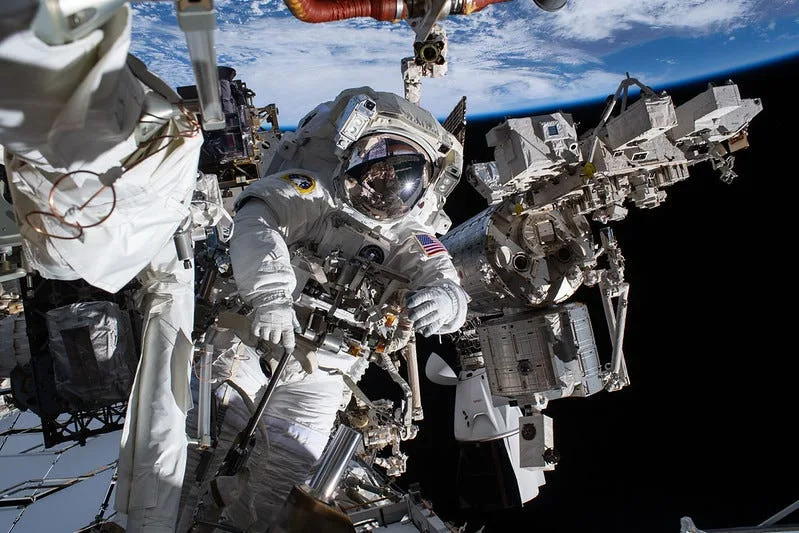
NASA astronaut Chris Williams is pictured outside the International Space Station during a March 18, 2026 spacewalk with Earth in the background.
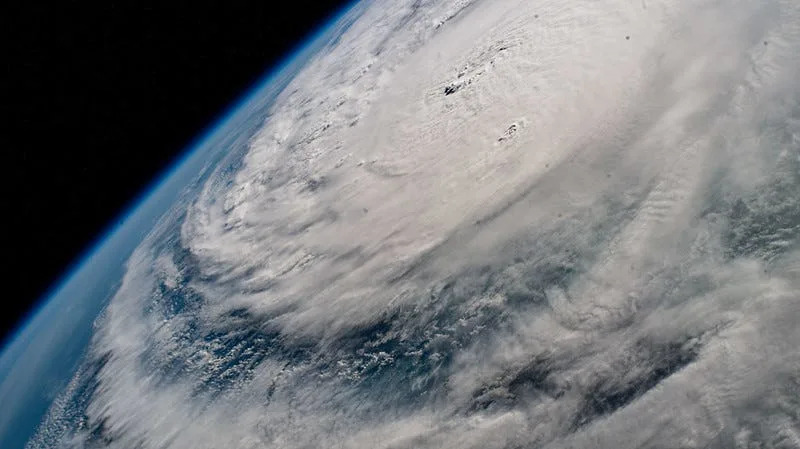
The devastating Hurricane Milton, a Category 4 storm at the time of this photograph, is pictured Oct. 8, 2024 in the Gulf of Mexico (renamed the Gulf of America) off the coast of Yucatan Peninsula from the International Space Station as it orbited 257 miles above.
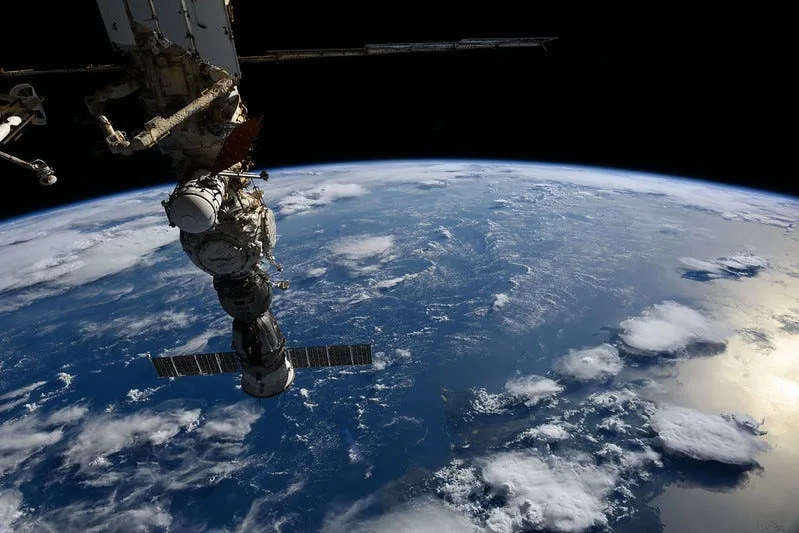
The Soyuz MS-27 crew spacecraft is pictured Sept. 14, 2025 docked to the International Space Station's Prichal module as the orbital outpost soared 257 miles above a gleaming blue Atlantic Ocean, north of the Dominican Republic.
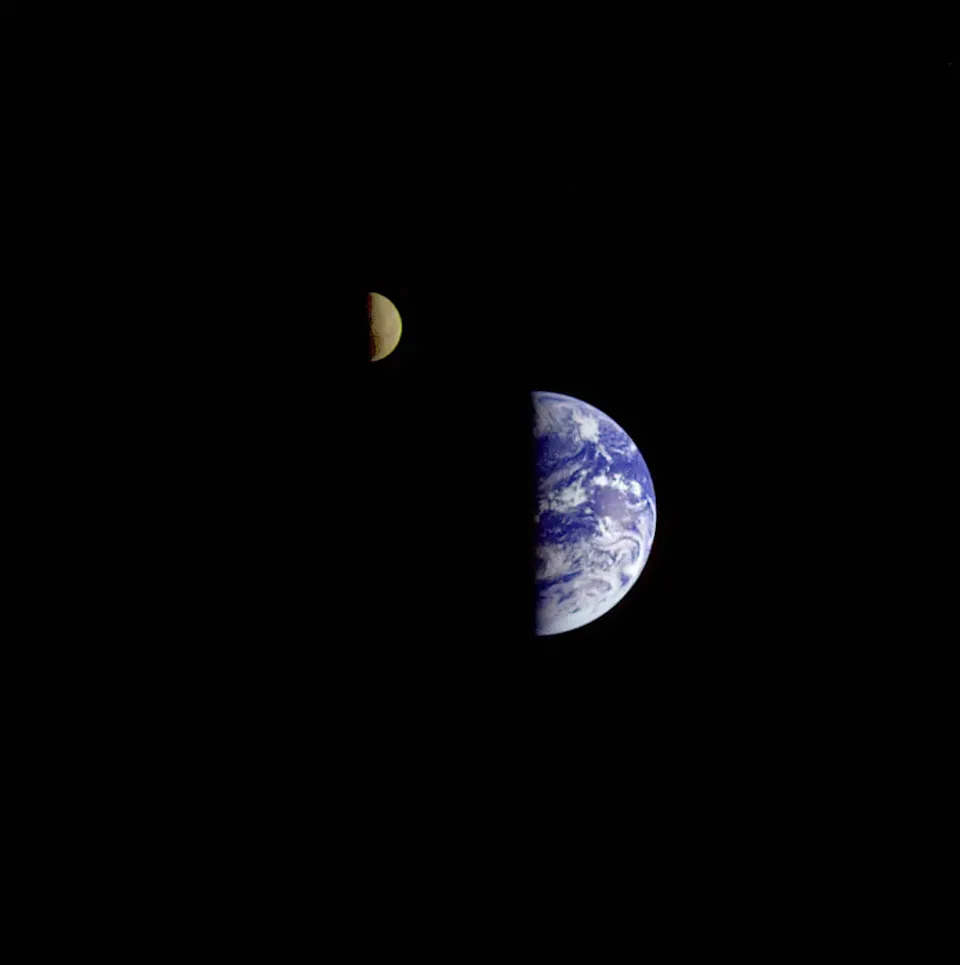
On December 16, 1992, eight days after its encounter with Earth, the Galileo spacecraft looked back from a distance of about 3.9 million miles to capture this remarkable view of the moon in orbit about Earth.
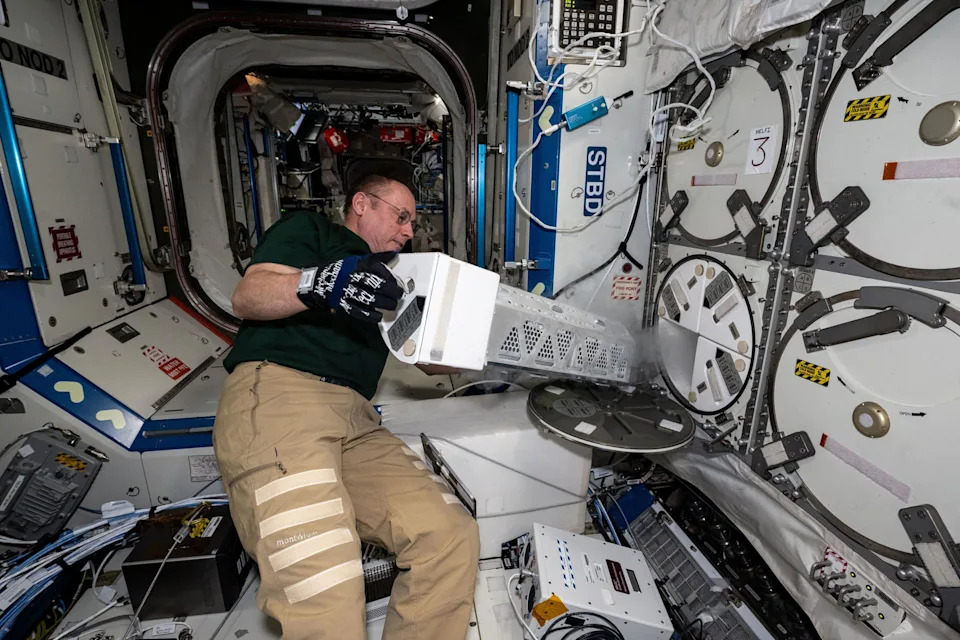
NASA astronaut Mike Fincke inserts a cryogenic storage unit containing research samples into a science freezer for preservation and later analysis on the International Space Station.
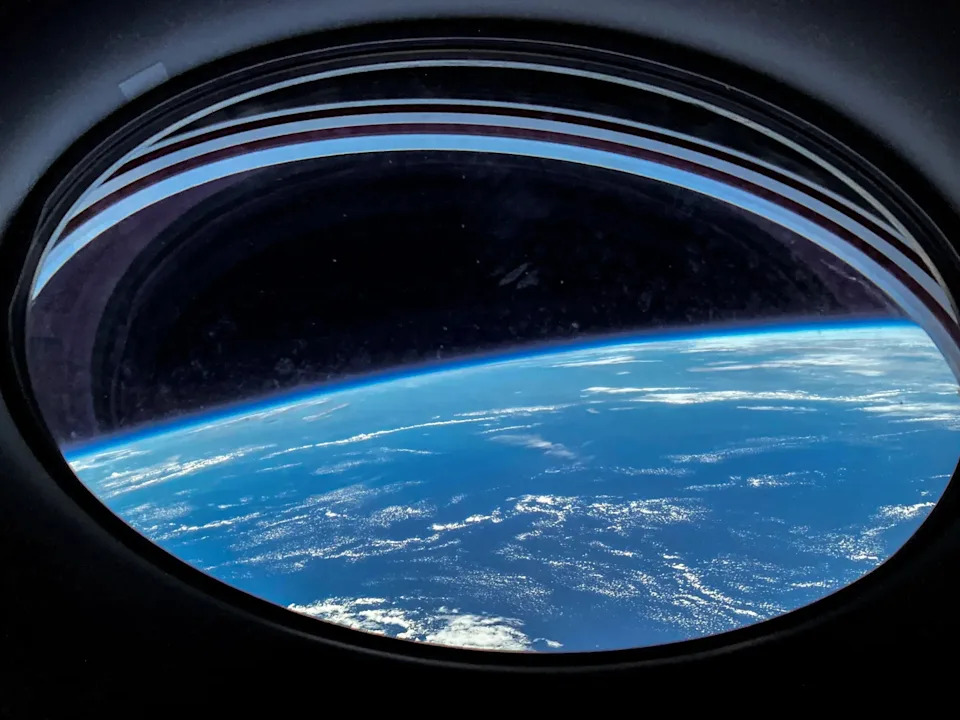
This view of Earth was captured from a window on a SpaceX Dragon spacecraft as it approached the International Space Station.
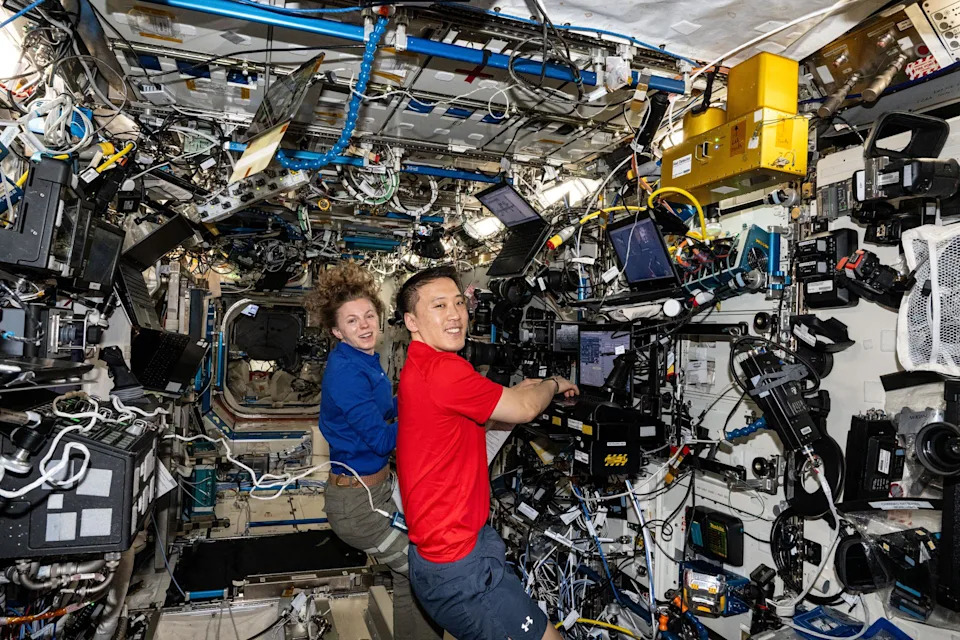
NASA astronauts Zena Cardman and Jonny Kim practice using a robotic arm on the Destiny laboratory module’s robotics workstation on the International Space Station. Kim used the device in September to capture Northrop Grumman’s Cygnus XL cargo craft as it arrived at the outpost.
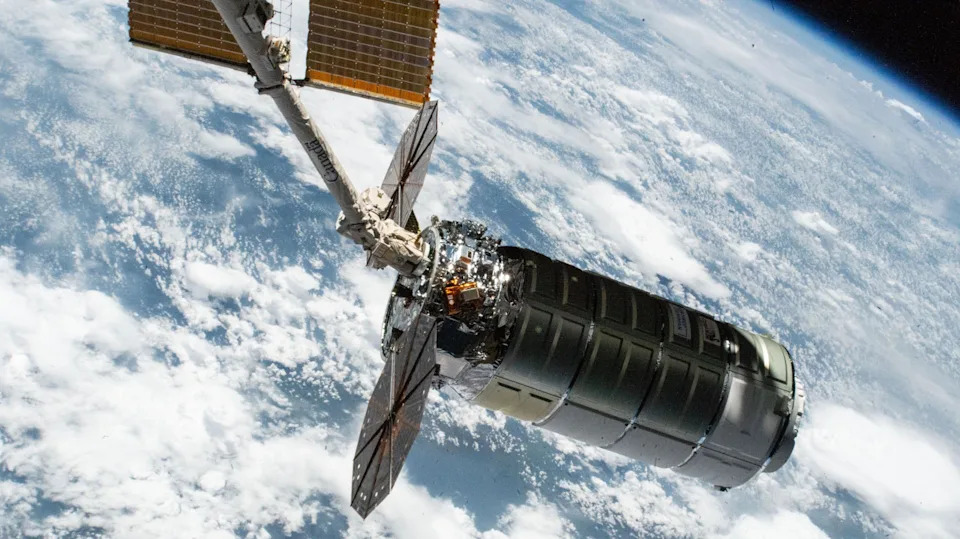
Northrop Grumman’s Cygnus XL cargo craft, carrying over 11,000 pounds of new science and supplies for the Expedition 73 crew, is pictured in the grips of the International Space Station’s Canadarm2 robotic arm following its capture.
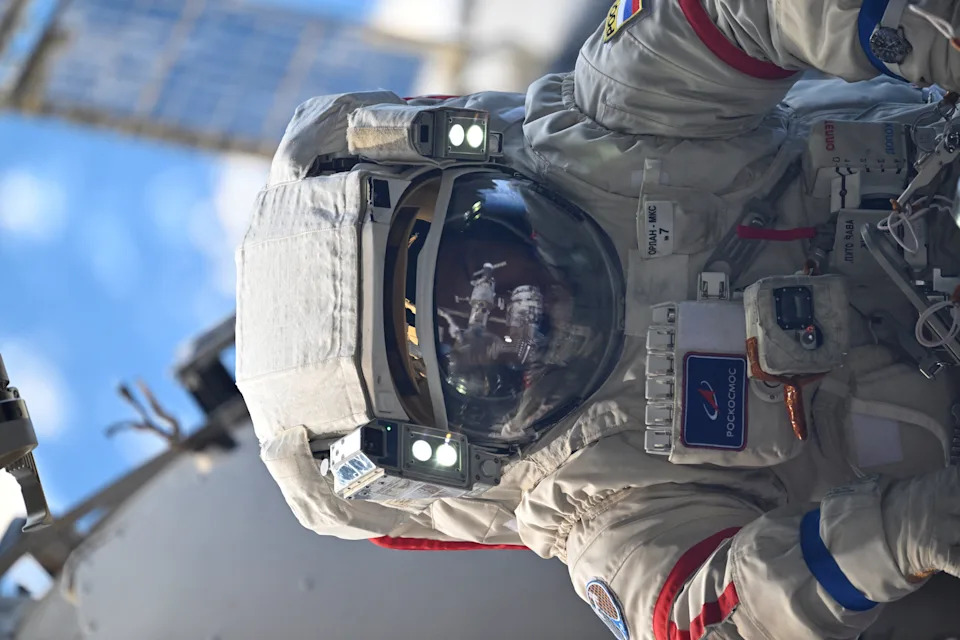
Roscosmos cosmonaut Sergey Ryzhikov conducts a spacewalk Oct. 16 outside the International Space Station.
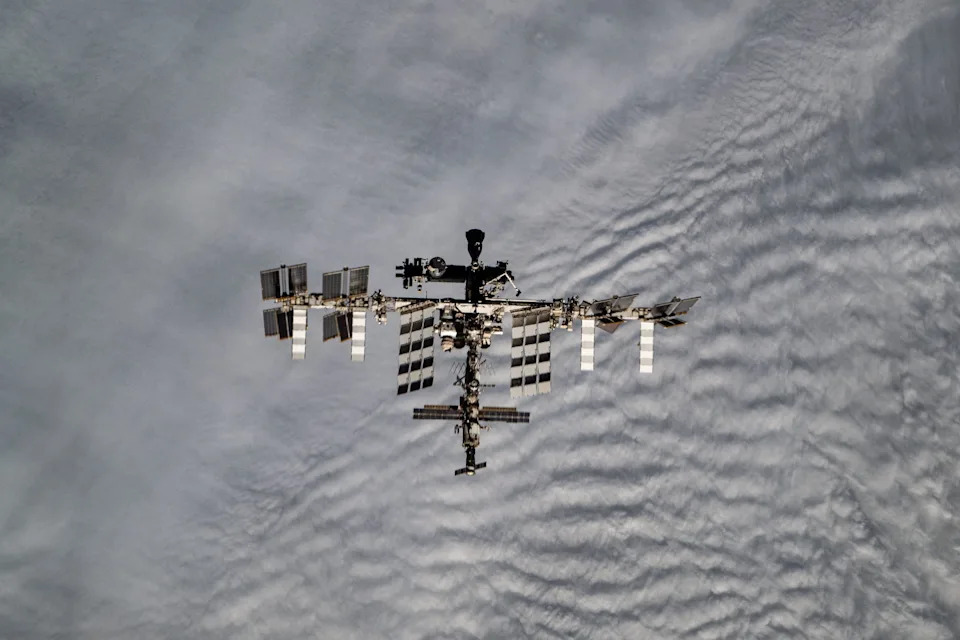
The International Space Station is seen from the Crew 8 SpaceX Dragon during undocking in October 2024.
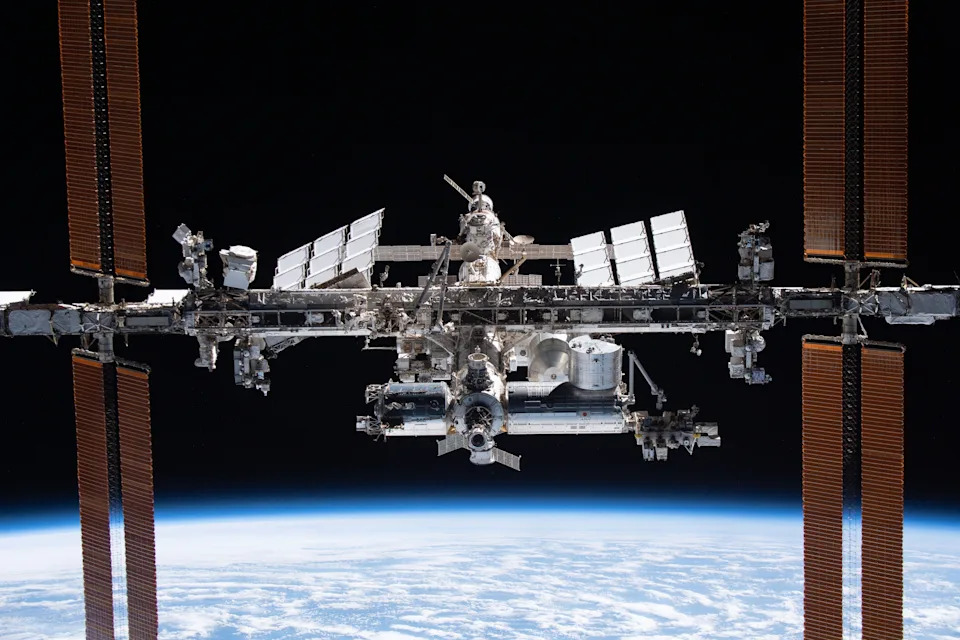
The International Space Station as seen in Nov. 2021 from astronauts aboard a SpaceX Dragon.
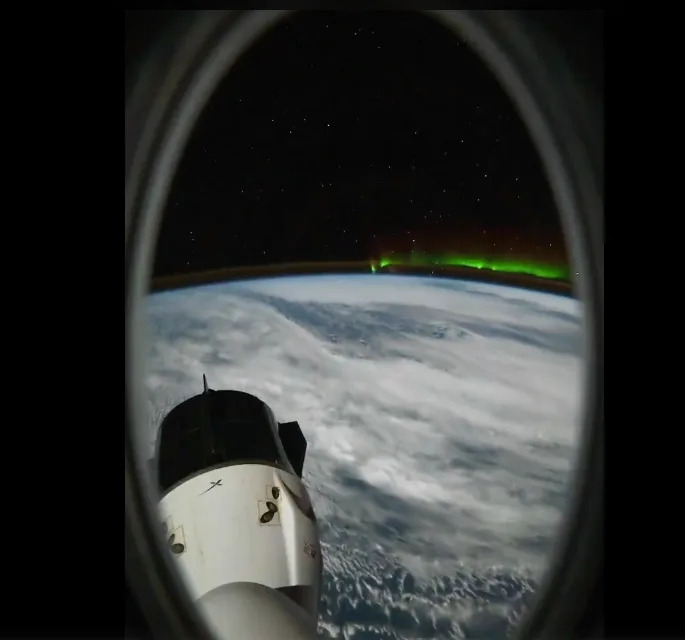
This still from a video captured by NASA astronaut Zena Cardman, a member of Crew-11, from the International Space Station shows auroras above the South Pacific Ocean. Cardman took the footage from a SpaceX Dragon capsule that was docked at the time.
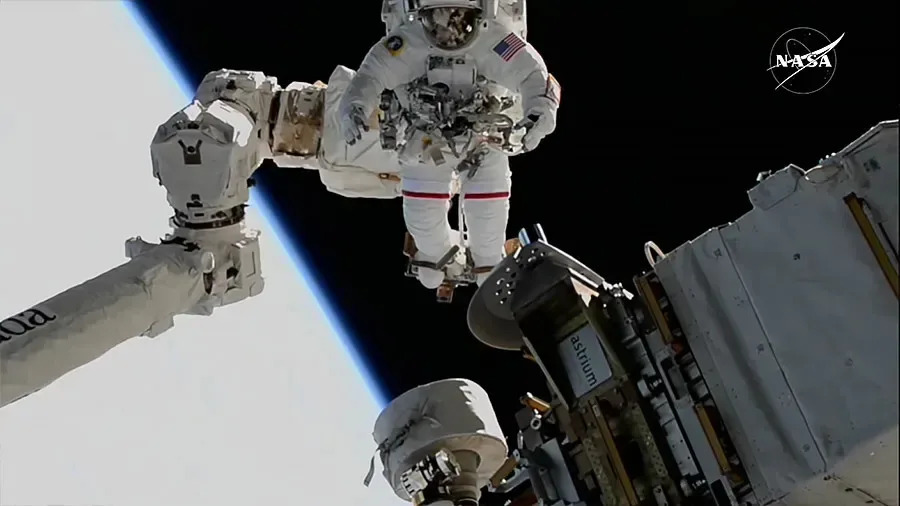
NASA astronaut and Expedition 72 Commander Suni Williams is pictured Thursday, Jan. 30 during her second spacewalk of the month. In this photo, Williams is attached to the tip of the Canadarm2 robotic arm as the International Space Station orbits 260 miles above Earth.
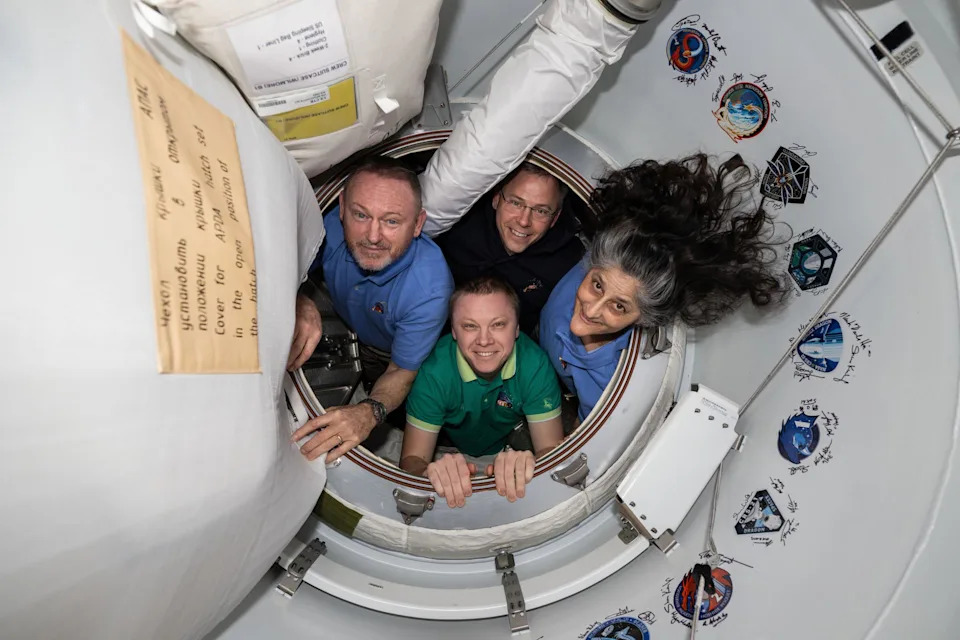
NASA’s SpaceX Crew-9 members pose together for a portrait inside the vestibule between the International Space Station and the SpaceX Dragon crew spacecraft. Clockwise from left, are NASA astronauts Butch Wilmore, Nick Hague, and Suni Williams, and Roscosmos cosmonaut Aleksandr Gorbunov.
Pomozite nam da budemo bolji.