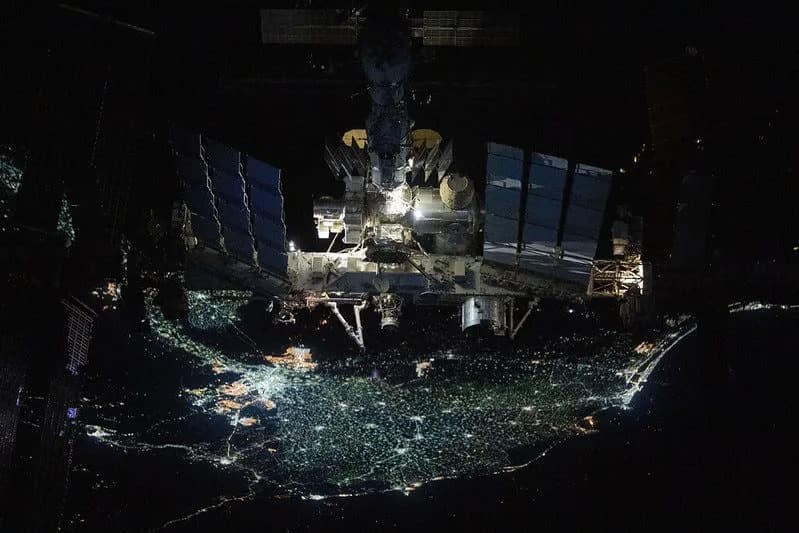
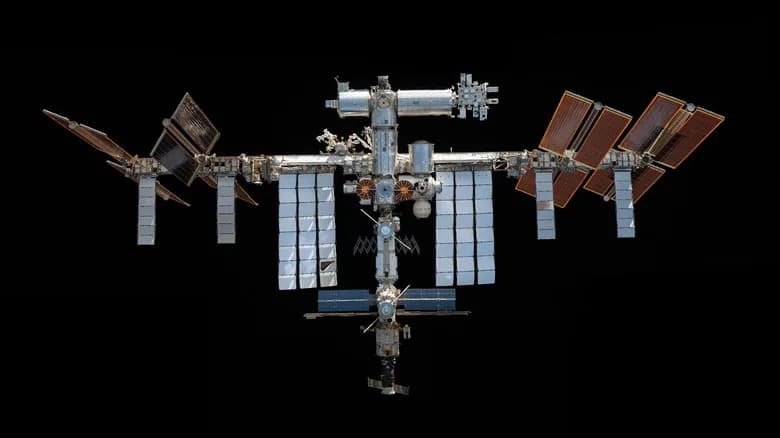
Međunarodna svemirska stanica (ISS) kruži oko Zemlje svakih ~90 minuta i često se vidi sa Zemljine površine kao sjajna tačka, naročito nekoliko sati pre izlaska i nakon zalaska Sunca. Nalazi se na oko 260 milja (~420 km) visine i kreće se brzinom od oko 17.500 mph (~28.200 km/h). Koristite aplikacije kao što je NASA "Spot the Station" ili ESA-ine tragače da dobijete tačna vremena i pravac pojave; golim okom je obično jasno vidljiva, a dvogledi ili teleskop otkrivaju dodatne detalje.
Gde i kada gledati ISS: Kako uočiti Međunarodnu svemirsku stanicu sa Zemlje
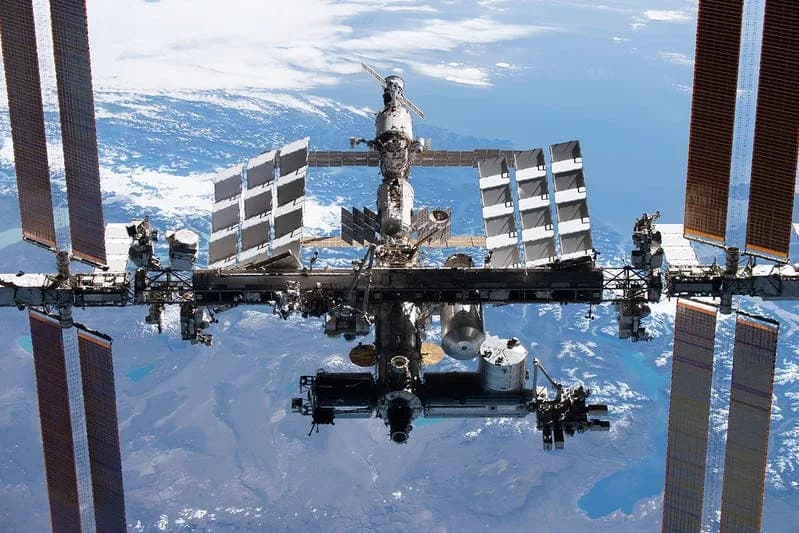
International Space Station often visible from Earth. How to spot it
Međunarodna svemirska stanica (ISS) dugo je prepoznatljiv simbol ljudskog prisustva u svemiru i već više od 25 godina služi kao orbitálna laboratorija za istraživanja u mikrogravitaciji. Iako većina nas ne može da je poseti uživo, ISS se često može videti sa Zemlje kao sjajna tačka koja preleće nebo.
Osnovne činjenice
ISS kruži oko Zemlje otprilike jednom u 90 minuta, što znači oko 16 prolaza dnevno. Nalazi se na visini od približno 260 milja (~420 km) i kreće se brzinom od oko 17.500 milja na sat (~28.200 km/h). Partnerstvo za upravljanje stanicom čine NASA, Roscosmos, Evropska svemirska agencija (ESA), JAXA i kanadska agencija (CSA).
Kako i kada je najbolje uočiti
Najpovoljnije vreme za posmatranje je nekoliko sati pre izlaska i nekoliko sati nakon zalaska Sunca. ISS ne emituje sopstveno svetlo, već reflektuje Sunčevu svetlost — zbog velikih solarnih panela može biti veoma sjajna, ponekad čak i sjajnija od planete Venere. Tokom prolaska izgleda kao čvrsta, konstantno svetleća tačka koja se brzo kreće preko neba i obično se čini da putuje od zapada prema istoku.
Praktični saveti
- Obezbedite neometan pogled na otvoreno nebo bez zgrada ili drveća u pravcu pojavljivanja.
- Posmatranje je najbolje u sumrak ili zoru — tada je nebo dovoljno tamno da se refleksija vidi, a station još uvek osvetljena Suncem.
- Dvogledi ili mali teleskopi mogu otkriti detalje poput solarnih panela i modularne strukture, ali golim okom će ISS biti jasno vidljiv kao sjajna tačka.
Aplikacije i alati za praćenje
Koristite pouzdane alate za najtačnija obaveštenja o prolascima:
- NASA-ina aplikacija "Spot the Station" šalje notifikacije za vašu lokaciju i daje vreme i pravac pojave.
- ESA-ini onlajn tragači takođe prikazuju trenutnu poziciju, putanju poslednjih 90 minuta i predviđenu putanju narednih 90 minuta.
- Planetary Society i drugi servisi nude dodatne podatke i procene učestalosti prolazaka za vašu geografsku širinu.
Ko je trenutno u svemiru
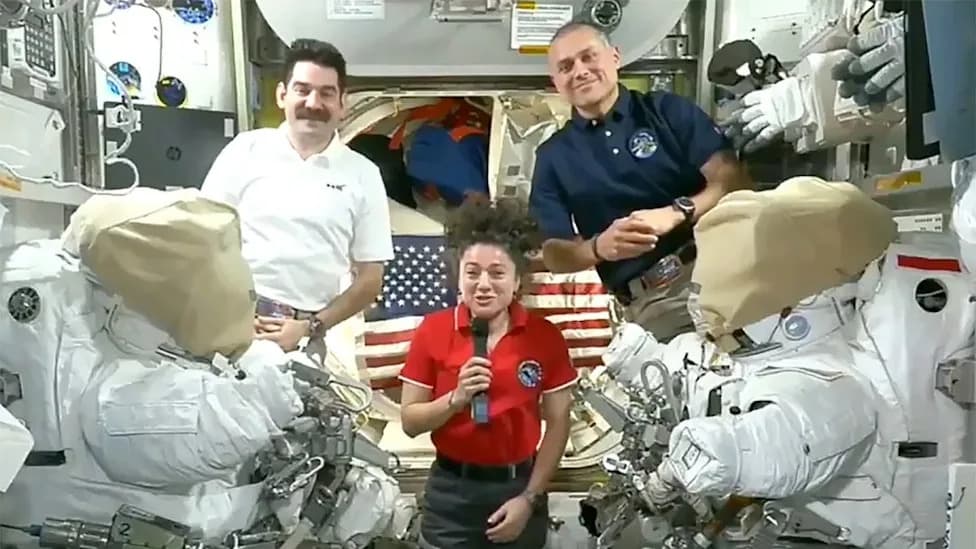
Na ISS je u okviru ekspedicije 74 trenutno sedam članova posade. Među njima su četiri člana koji su stigli sa misijom Crew-12 sredinom februara: NASA astronauti Jessica Meir i Jack Hathaway, astronautkinja ESA Sophie Adenot i ruski kosmonaut Andrey Fedyaev. Pored njih, na stanicu su krajem novembra stigli NASA astronaut Chris Williams i ruski kosmonauti Sergey Mikaev i Sergey Kud-Sverchkov (Soyuz MS-28).
Zaključak
ISS ostaje lako dostupan i atraktivan cilj za posmatranje na nebu — dovoljno je imati aplikaciju ili onlajn tragač i čist pogled na horizont. Pre nego što stara orbitalna platforma bude u budućnosti povučena i eventualno deorbitirana, verovatno ćete imati još mnogo prilika da je vidite kako prolazi iznad vas.
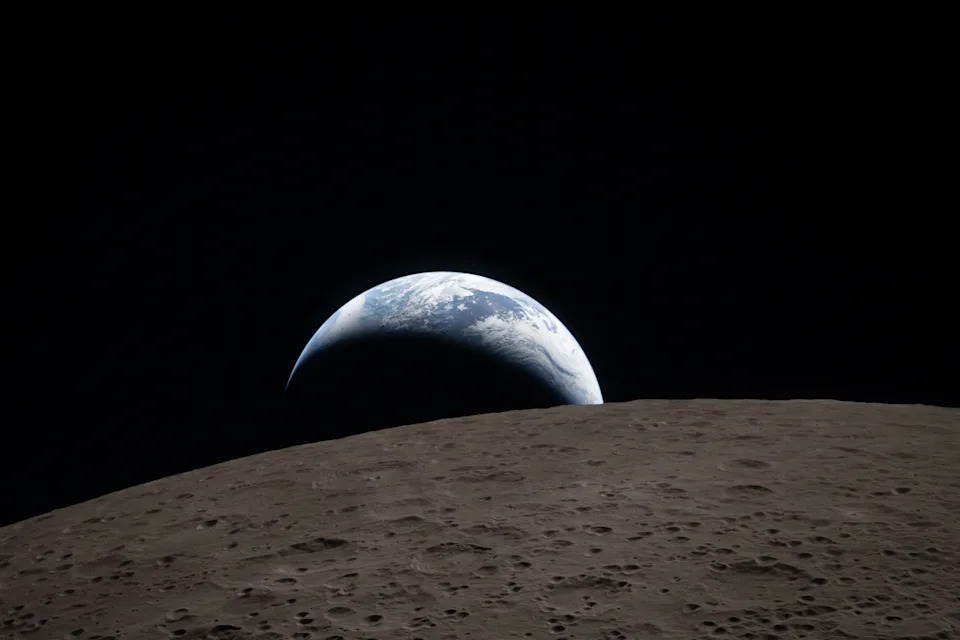
The crew of Artemis II captured a breathtaking image of a celestial event known as an "Earthset," in which the Earth dropped below the lunar horizon. The image is reminiscent of the iconic "Earthrise" photo that NASA astronaut Bill Anders captured in 1968 during the Apollo 8 mission that showed our planet rising on the lunar horizon.
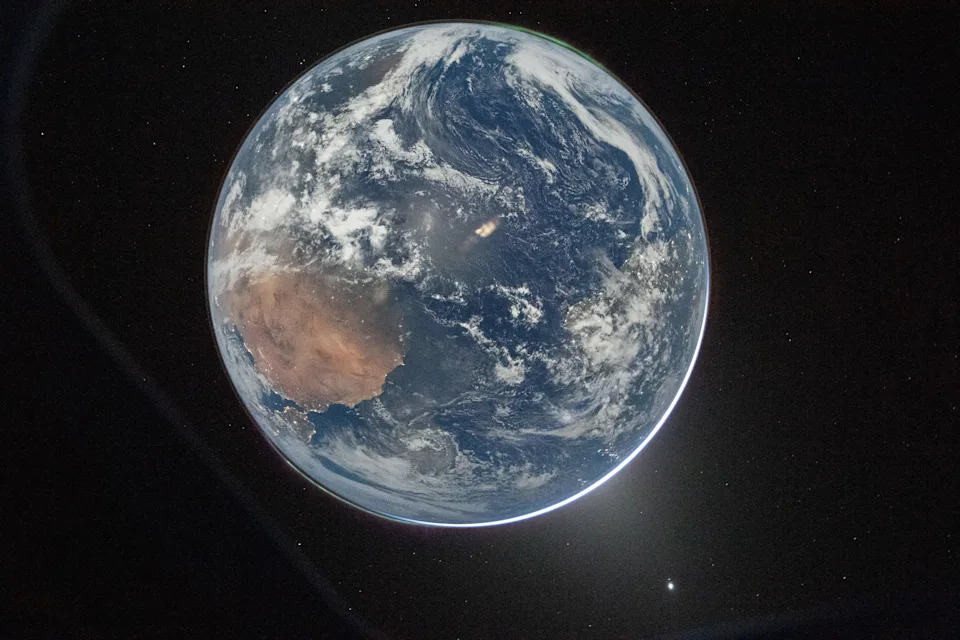
Artemis II Commander Reid Wiseman of NASA took this stunning photograph of Earth from the Orion spacecraft's window on April 2. The image is reminiscent of the iconic "blue marble" image captured during the Apollo 17 mission in 1972.
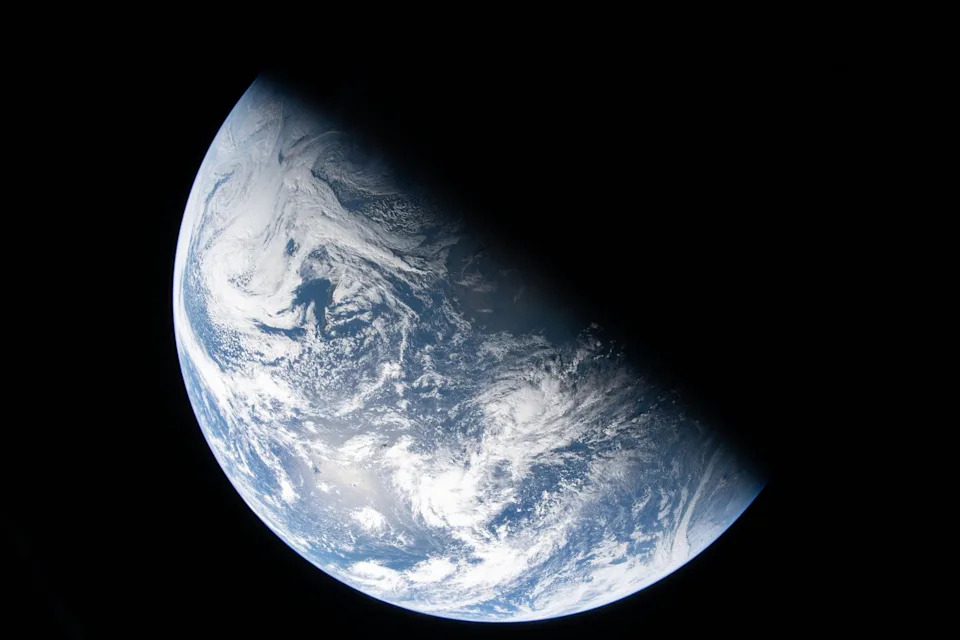
In this new image from the Artemis II crew, NASA explains that what is depicted is the "divide between night and day, known as the terminator, cutting across Earth."
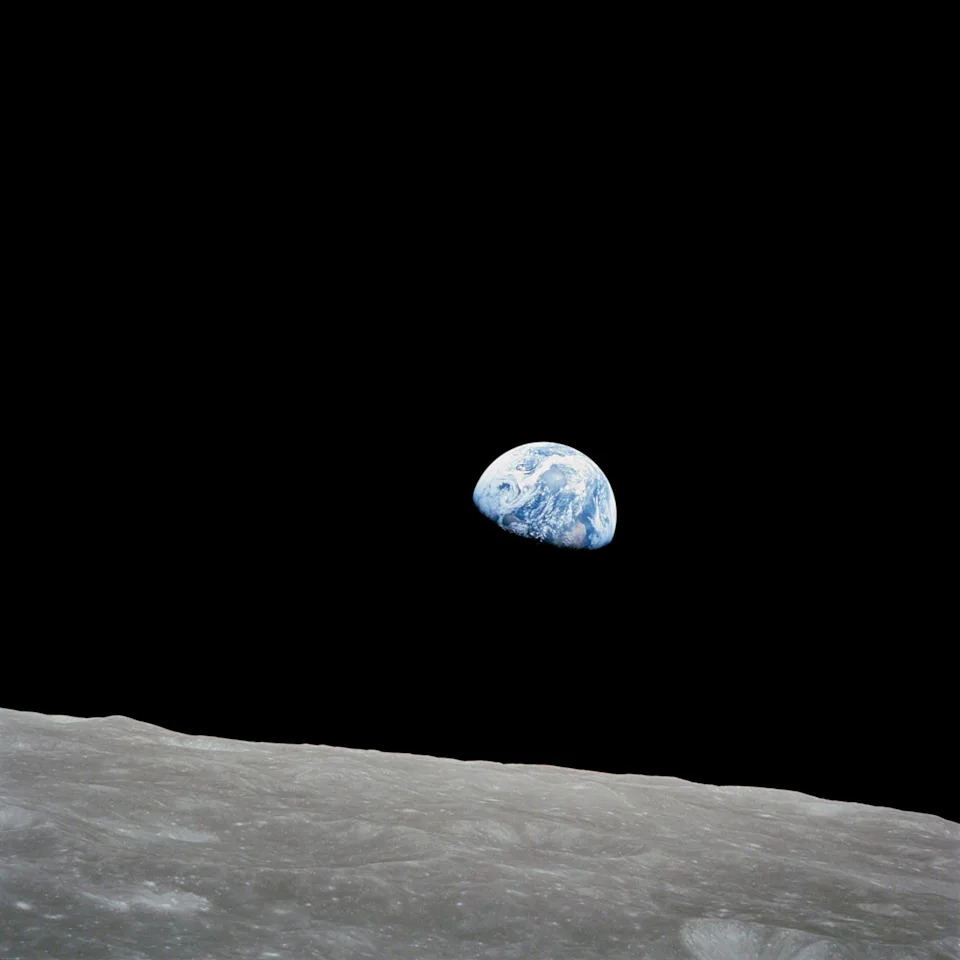
William Anders, a NASA astronaut on the historic Apollo 8 mission around the moon, took the iconic “Earthrise” photo while in lunar orbit on Dec. 24, 1968.
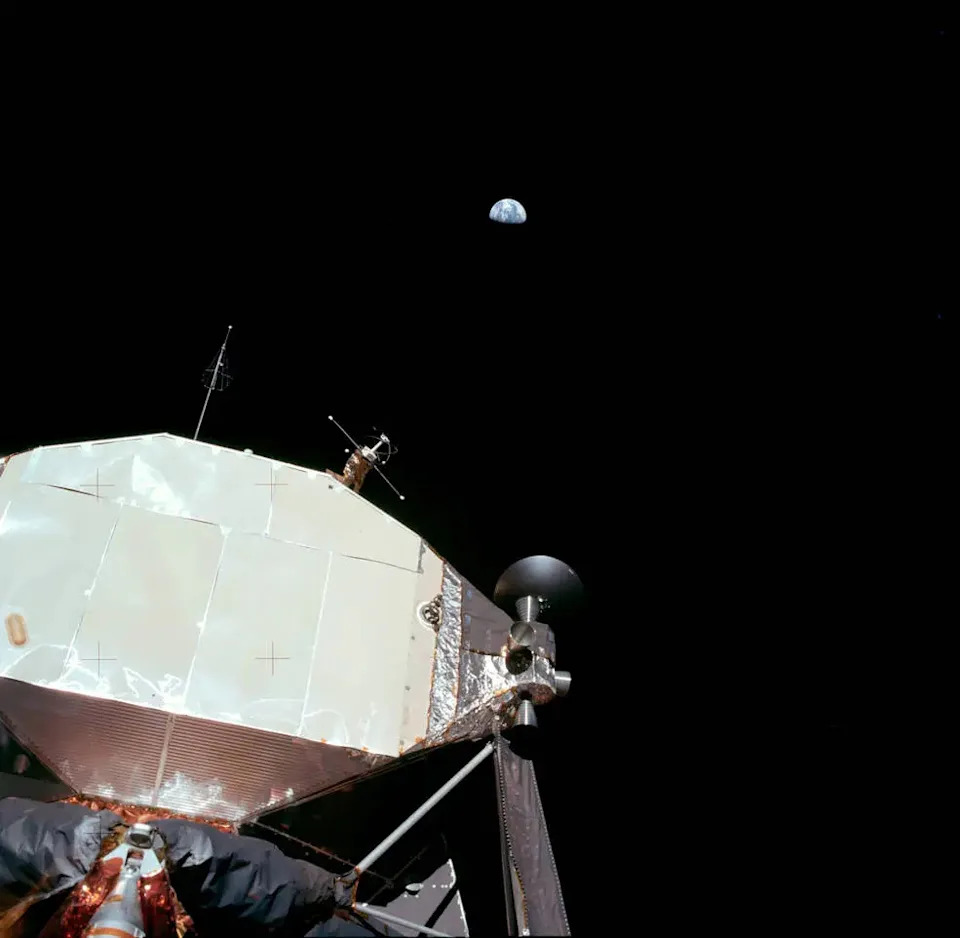
The first photograph of the Earth taken by an astronaut standing on the lunar surface, taken during the Apollo 11 Moon landing in 1969.
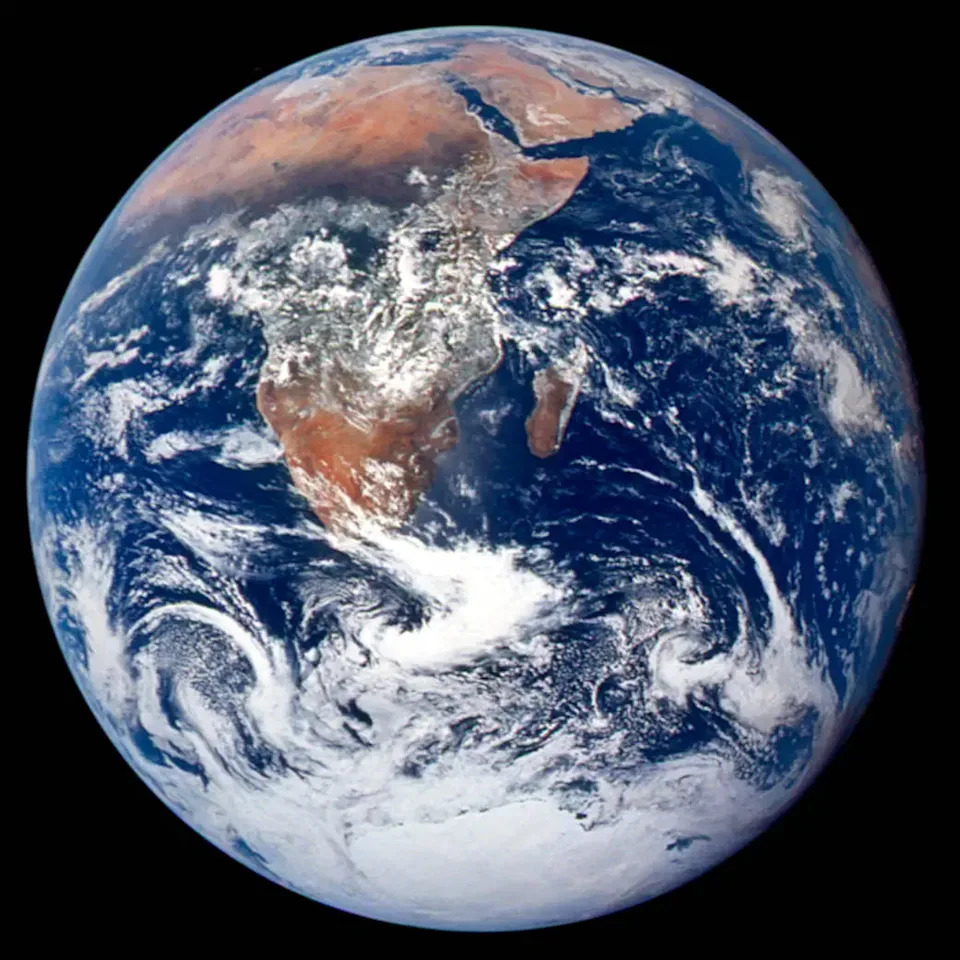
One of the most well-known photographs of Earth, the "blue marble" image was taken by the crew of the final Apollo mission (Apollo 17) as the crew made its way to the moon in 1972.
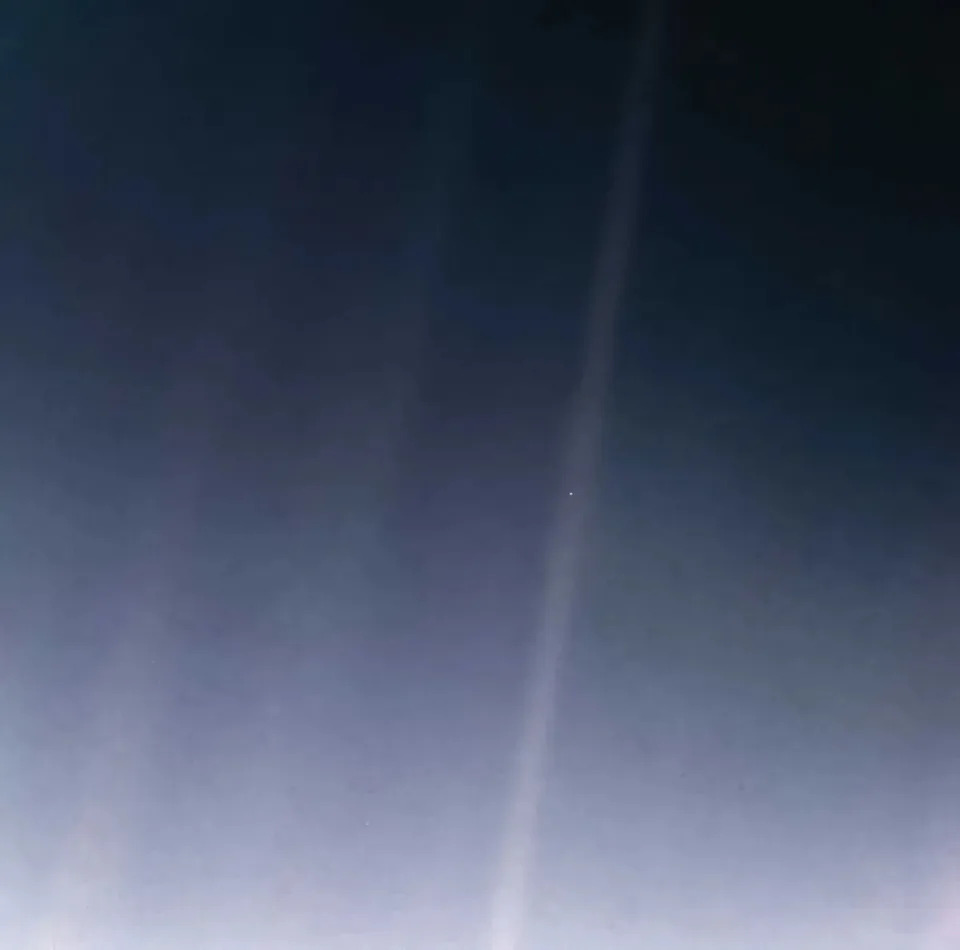
Voyager 1's 1990 photo of Earth, widely referred to as the "pale blue dot," was taken at a distance of 3.7 billion miles from the sun, making it the first photo taken beyond all the planets in our solar system. This image was created in 2020 or the 30th anniversary of the iconic picture using modern image-processing software and techniques to revisit the well-known Voyager view.
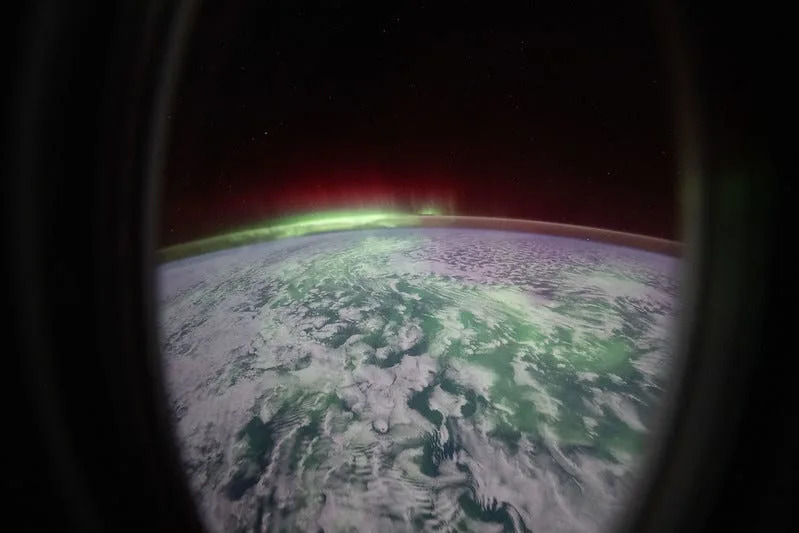
Because the International Space Station orbits so close to Earth's atmosphere (about 250 miles high,) the outpost and the astronauts who have lived aboard it have been the source of plenty of spectacular photos of our planet for 25 years. This recent photo, taken April 6, 2026, shows auroras glowing over the Indian Ocean.
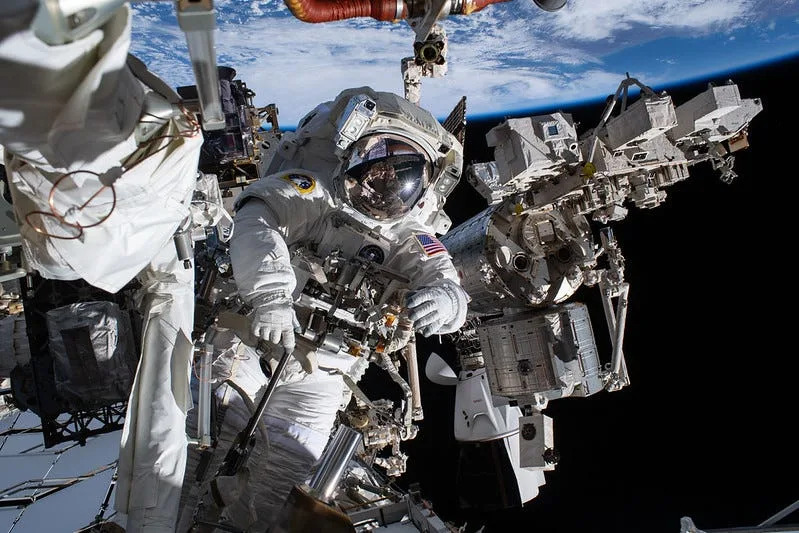
NASA astronaut Chris Williams is pictured outside the International Space Station during a March 18, 2026 spacewalk with Earth in the background.
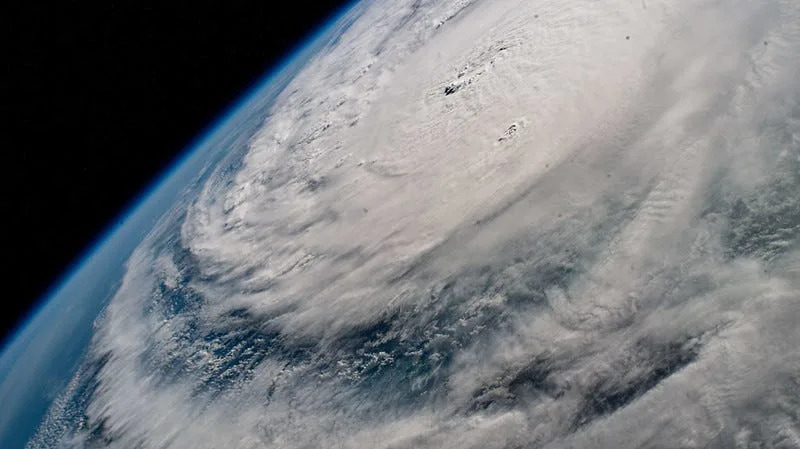
The devastating Hurricane Milton, a Category 4 storm at the time of this photograph, is pictured Oct. 8, 2024 in the Gulf of Mexico (renamed the Gulf of America) off the coast of Yucatan Peninsula from the International Space Station as it orbited 257 miles above.
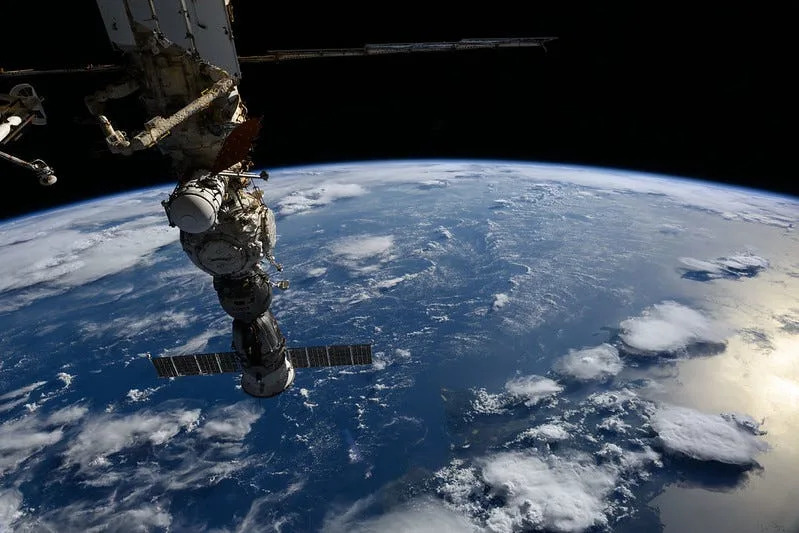
The Soyuz MS-27 crew spacecraft is pictured Sept. 14, 2025 docked to the International Space Station's Prichal module as the orbital outpost soared 257 miles above a gleaming blue Atlantic Ocean, north of the Dominican Republic.
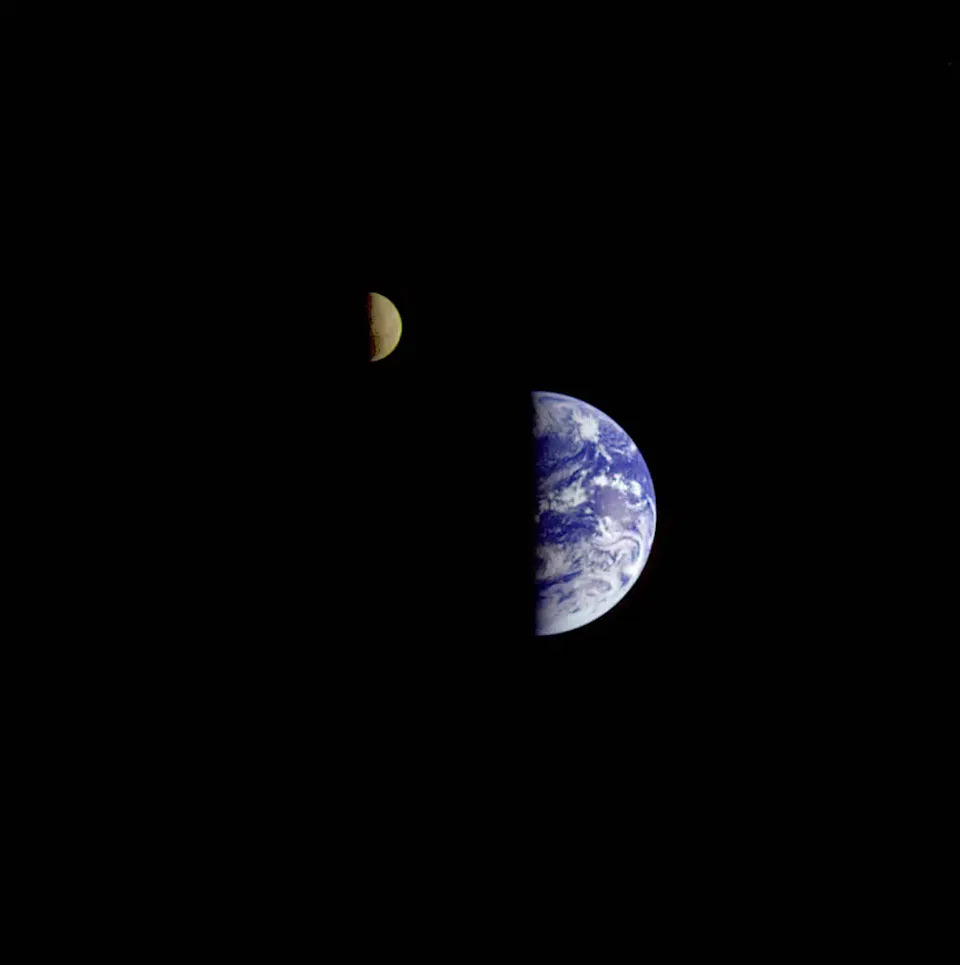
On December 16, 1992, eight days after its encounter with Earth, the Galileo spacecraft looked back from a distance of about 3.9 million miles to capture this remarkable view of the moon in orbit about Earth.
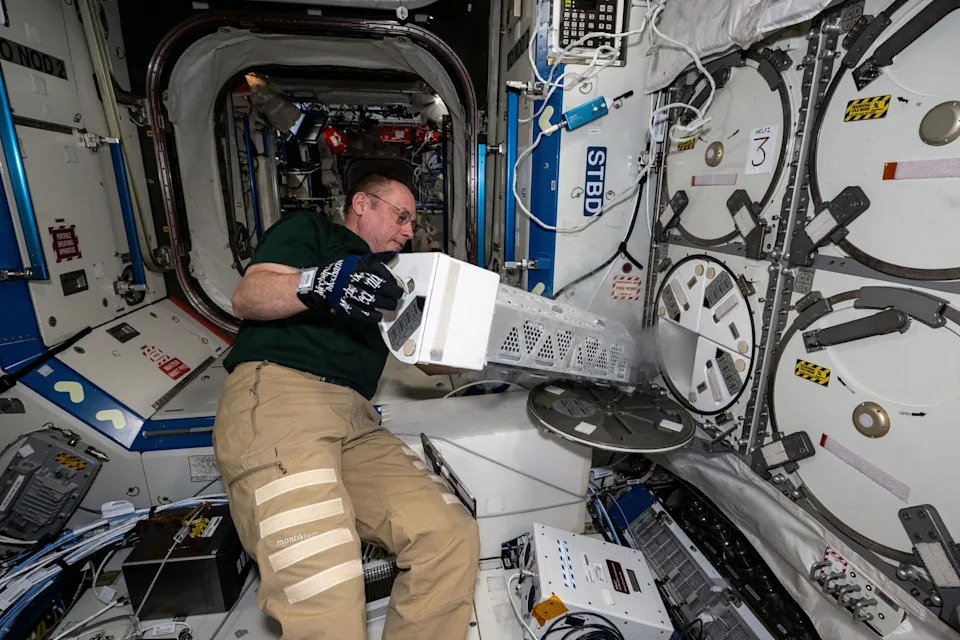
NASA astronaut Mike Fincke inserts a cryogenic storage unit containing research samples into a science freezer for preservation and later analysis on the International Space Station.
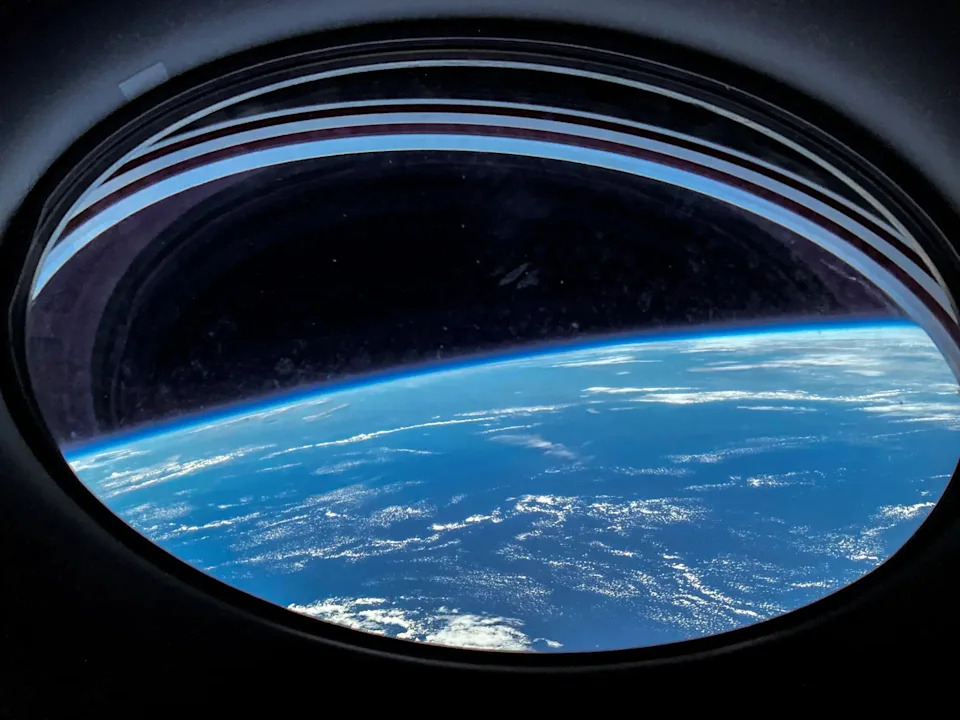
This view of Earth was captured from a window on a SpaceX Dragon spacecraft as it approached the International Space Station.
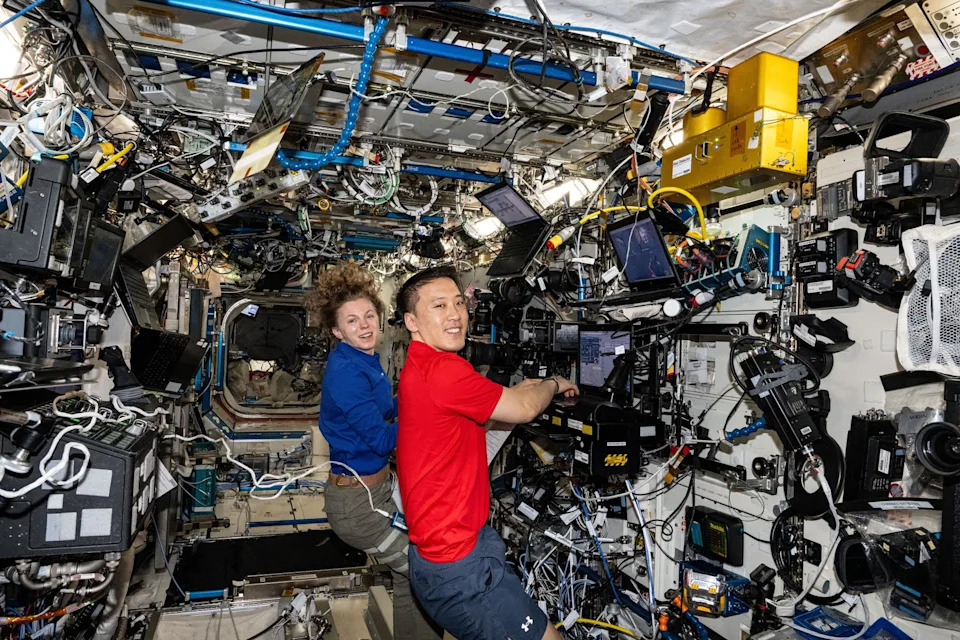
NASA astronauts Zena Cardman and Jonny Kim practice using a robotic arm on the Destiny laboratory module’s robotics workstation on the International Space Station. Kim used the device in September to capture Northrop Grumman’s Cygnus XL cargo craft as it arrived at the outpost.
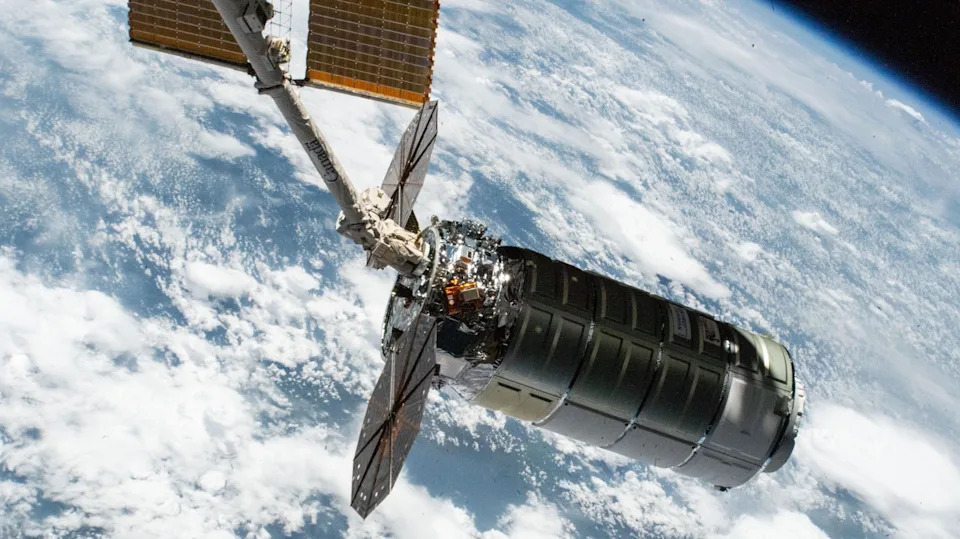
Northrop Grumman’s Cygnus XL cargo craft, carrying over 11,000 pounds of new science and supplies for the Expedition 73 crew, is pictured in the grips of the International Space Station’s Canadarm2 robotic arm following its capture.
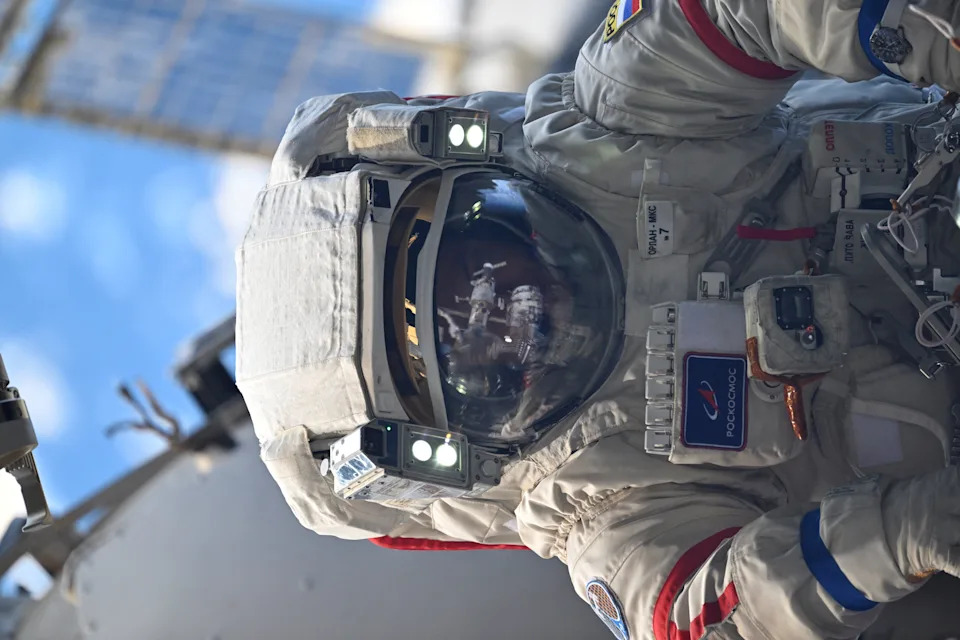
Roscosmos cosmonaut Sergey Ryzhikov conducts a spacewalk Oct. 16 outside the International Space Station.
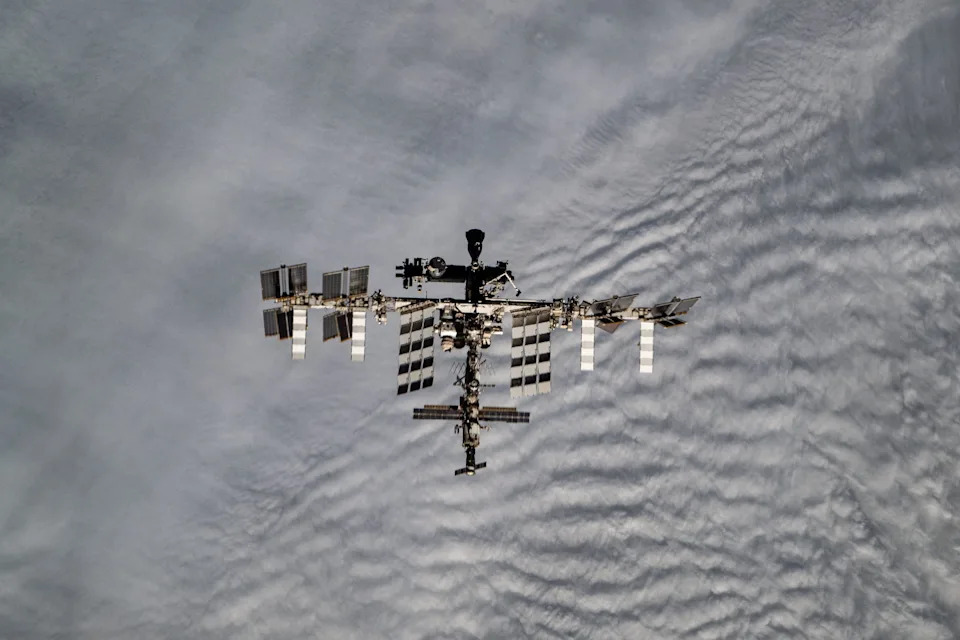
The International Space Station is seen from the Crew 8 SpaceX Dragon during undocking in October 2024.
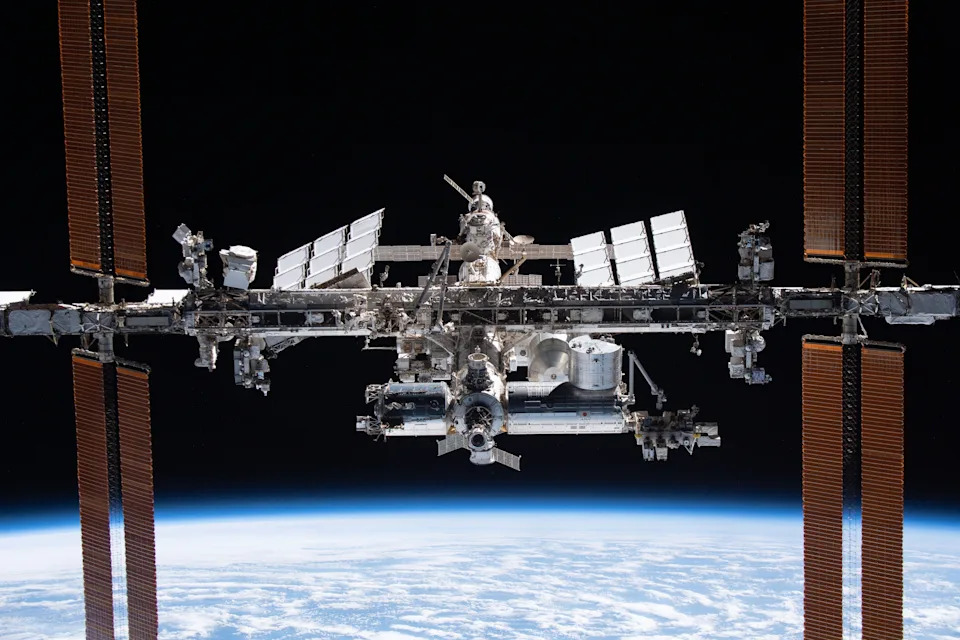
The International Space Station as seen in Nov. 2021 from astronauts aboard a SpaceX Dragon.
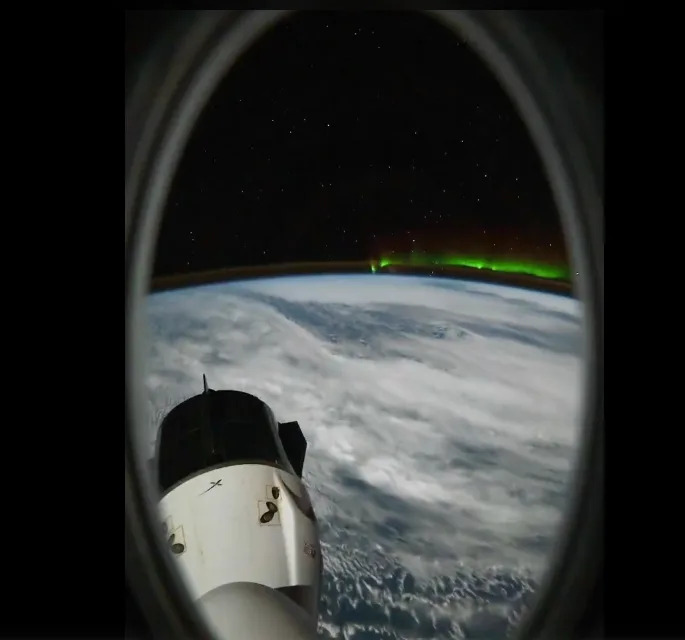
This still from a video captured by NASA astronaut Zena Cardman, a member of Crew-11, from the International Space Station shows auroras above the South Pacific Ocean. Cardman took the footage from a SpaceX Dragon capsule that was docked at the time.
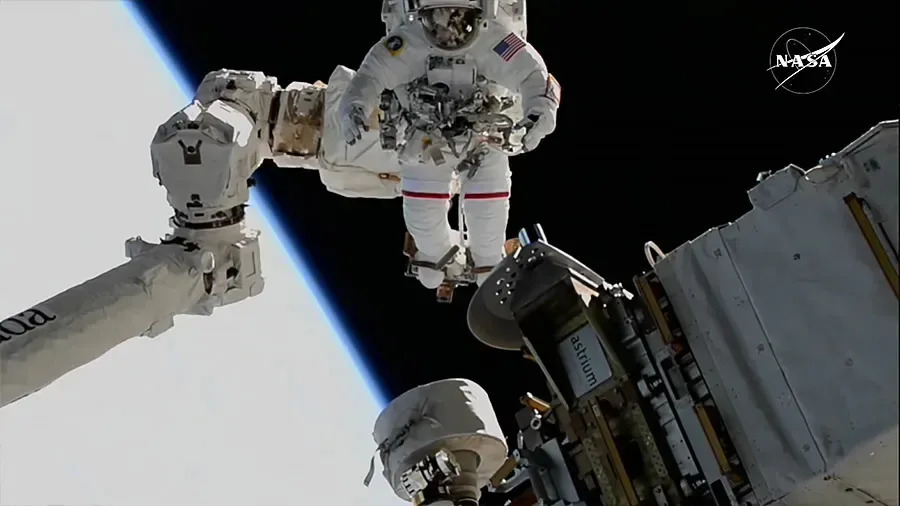
NASA astronaut and Expedition 72 Commander Suni Williams is pictured Thursday, Jan. 30 during her second spacewalk of the month. In this photo, Williams is attached to the tip of the Canadarm2 robotic arm as the International Space Station orbits 260 miles above Earth.
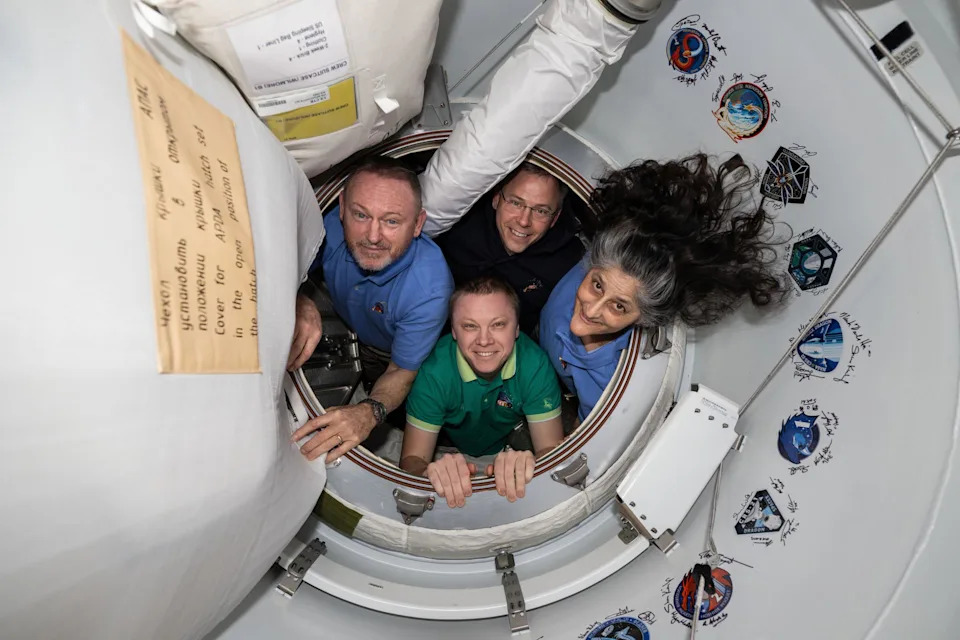
NASA’s SpaceX Crew-9 members pose together for a portrait inside the vestibule between the International Space Station and the SpaceX Dragon crew spacecraft. Clockwise from left, are NASA astronauts Butch Wilmore, Nick Hague, and Suni Williams, and Roscosmos cosmonaut Aleksandr Gorbunov.
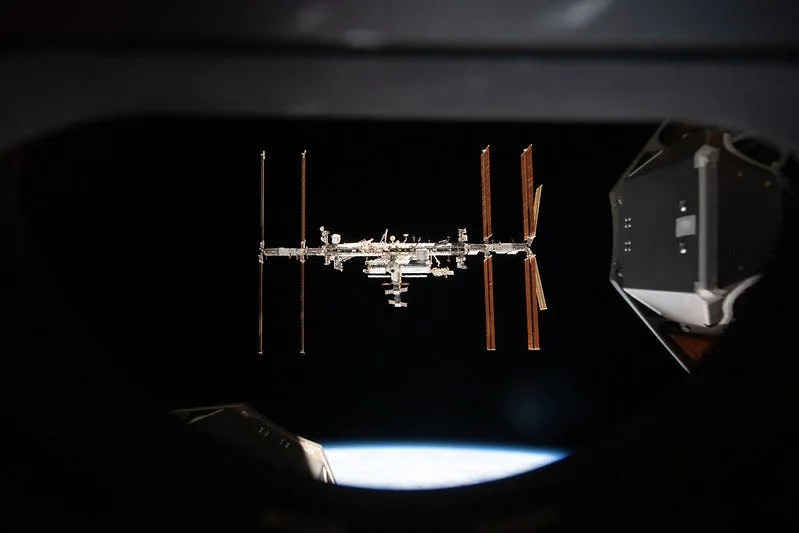
The International Space Station is pictured from inside a window aboard the SpaceX Crew Dragon Endeavour during a fly around of the orbiting lab that took place following its undocking from the Harmony module’s space-facing port on Nov. 8, 2021.
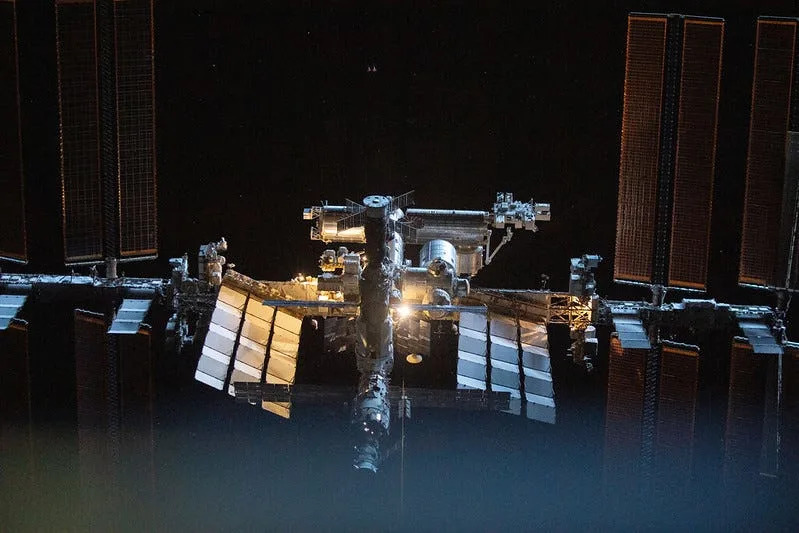
The International Space Station is pictured from the SpaceX Crew Dragon Endeavour during a fly around of the orbiting lab that took place following its undocking from the Harmony module’s space-facing port on Nov. 8, 2021.
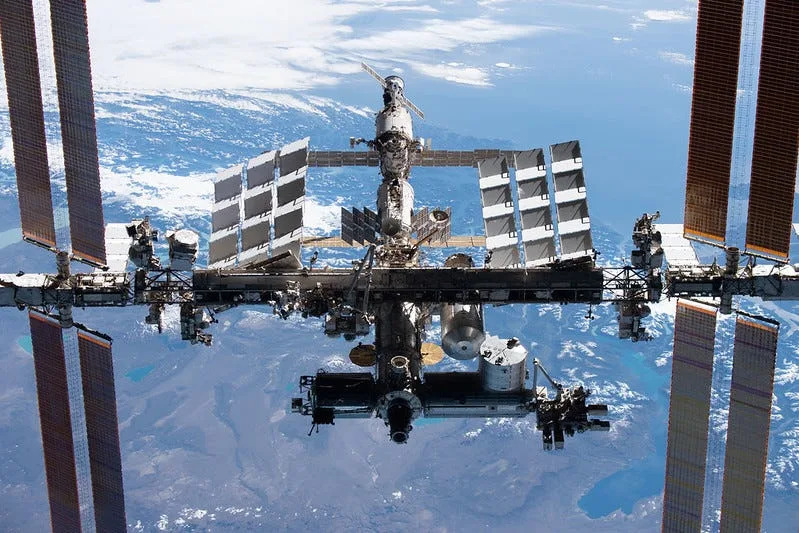
The International Space Station is pictured from the SpaceX Crew Dragon Endeavour during a fly around of the orbiting lab that took place following its undocking from the Harmony module’s space-facing port on Nov. 8, 2021.
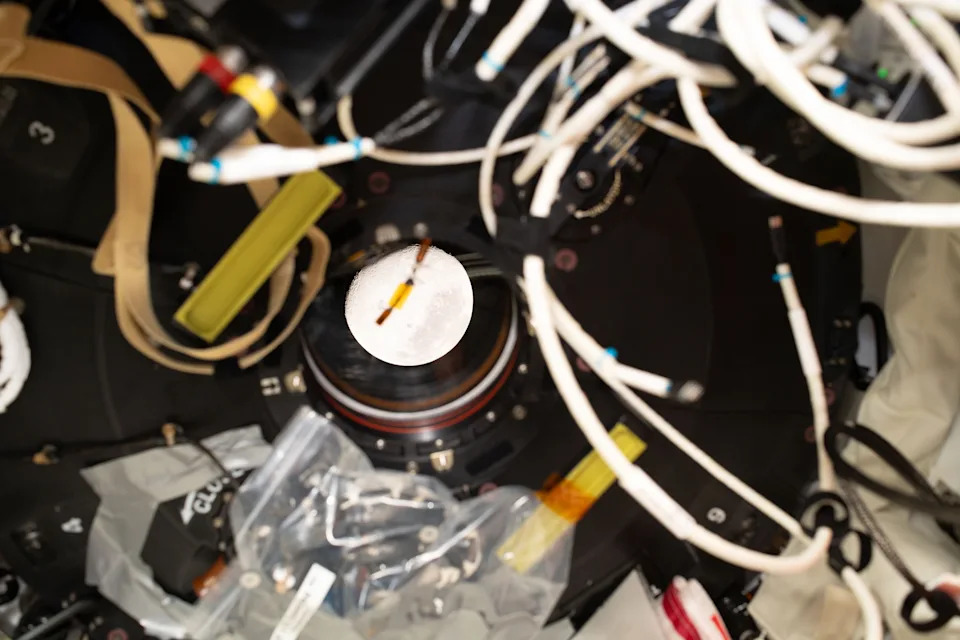
NASA released thousands of new photos taken during the Artemis II mission around the moon. The astronauts selected for the mission thoroughly documented the 10-day voyage, which included an April 6 lunar flyby as they traveled more than a quarter-million miles from Earth.
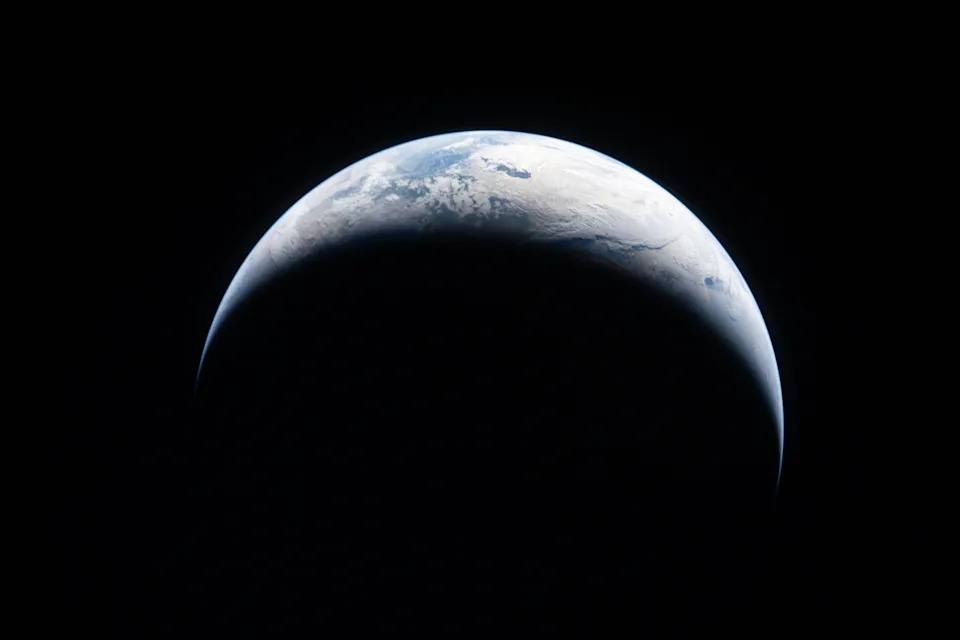
NASA released thousands of new photos taken during the Artemis II mission around the moon. The astronauts selected for the mission thoroughly documented the 10-day voyage, which included an April 6 lunar flyby as they traveled more than a quarter-million miles from Earth.
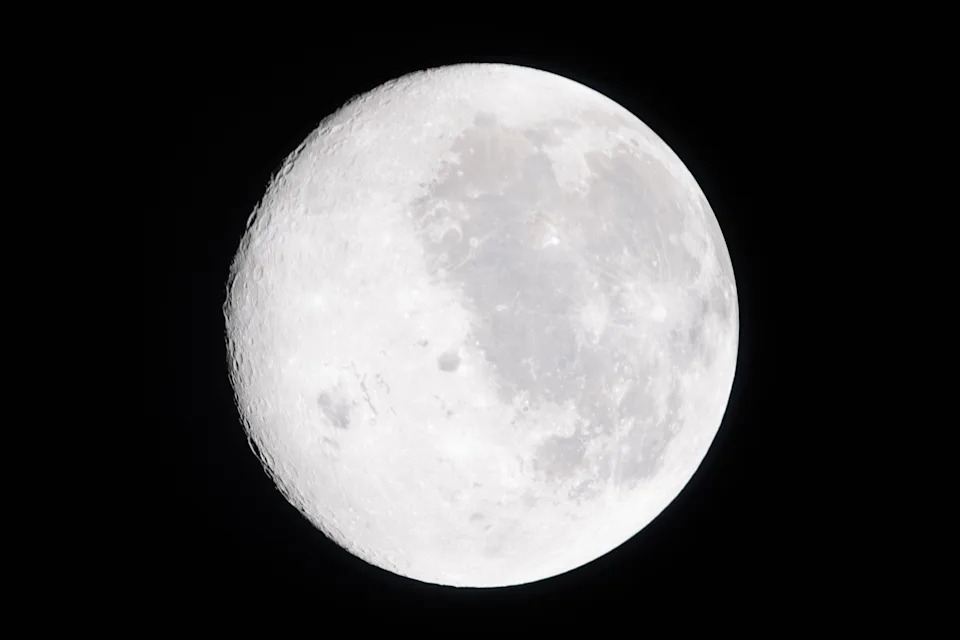
NASA released thousands of new photos taken during the Artemis II mission around the moon. The astronauts selected for the mission thoroughly documented the 10-day voyage, which included an April 6 lunar flyby as they traveled more than a quarter-million miles from Earth.
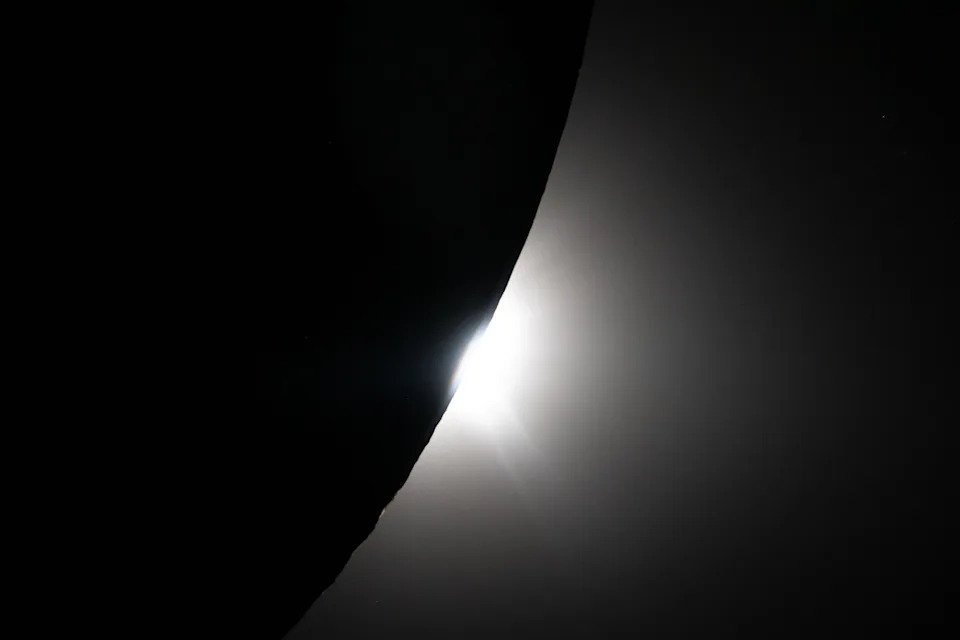
NASA released thousands of new photos taken during the Artemis II mission around the moon. The astronauts selected for the mission thoroughly documented the 10-day voyage, which included an April 6 lunar flyby as they traveled more than a quarter-million miles from Earth.
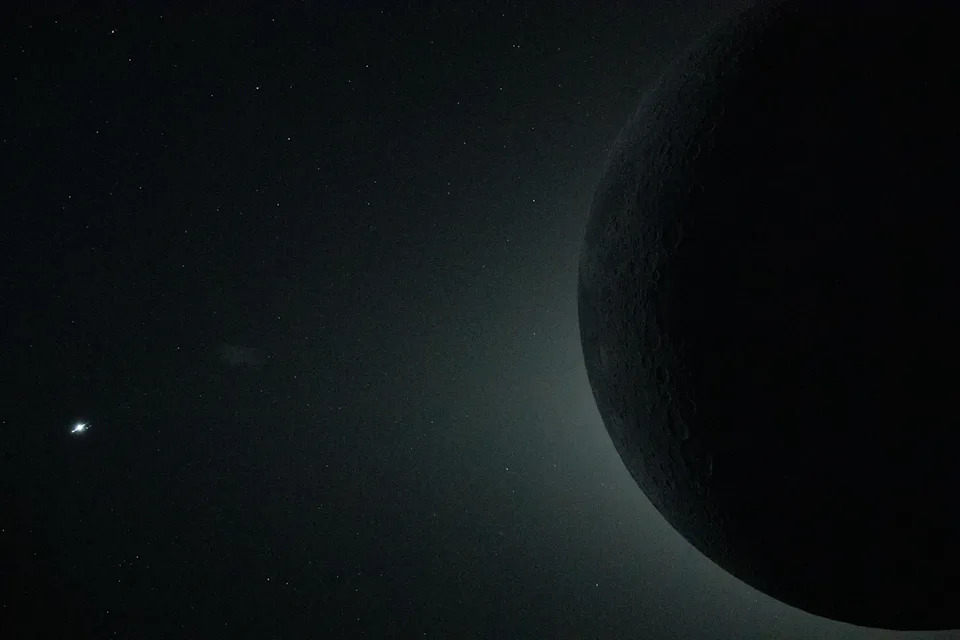
NASA released thousands of new photos taken during the Artemis II mission around the moon. The astronauts selected for the mission thoroughly documented the 10-day voyage, which included an April 6 lunar flyby as they traveled more than a quarter-million miles from Earth.
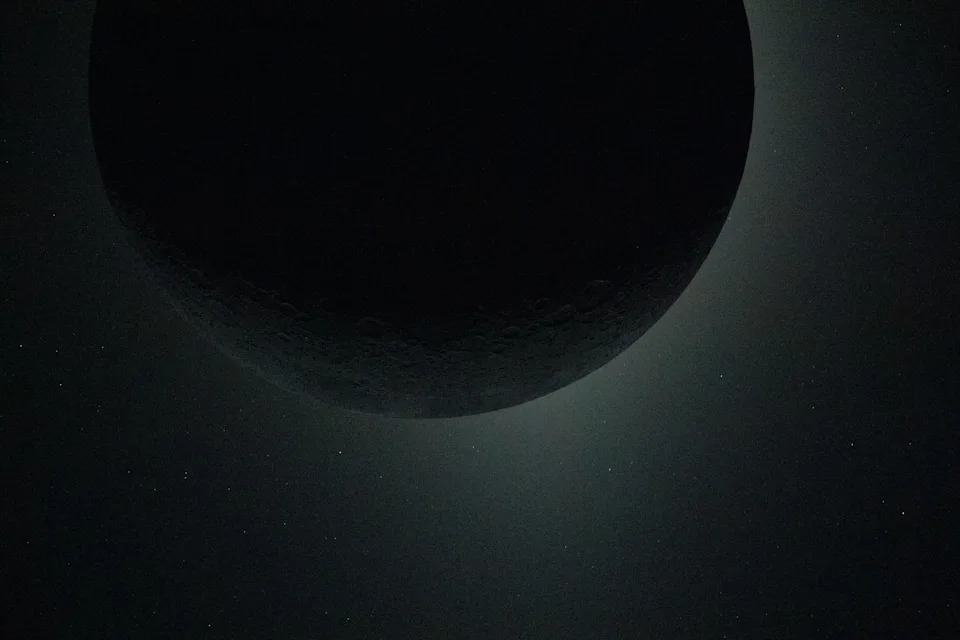
NASA released thousands of new photos taken during the Artemis II mission around the moon. The astronauts selected for the mission thoroughly documented the 10-day voyage, which included an April 6 lunar flyby as they traveled more than a quarter-million miles from Earth.
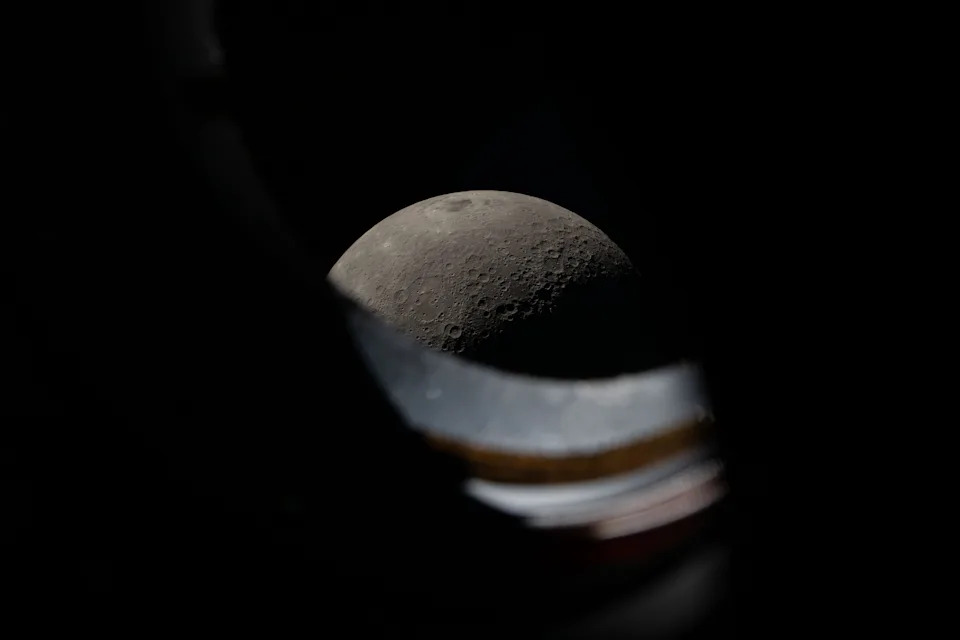
NASA released thousands of new photos taken during the Artemis II mission around the moon. The astronauts selected for the mission thoroughly documented the 10-day voyage, which included an April 6 lunar flyby as they traveled more than a quarter-million miles from Earth.
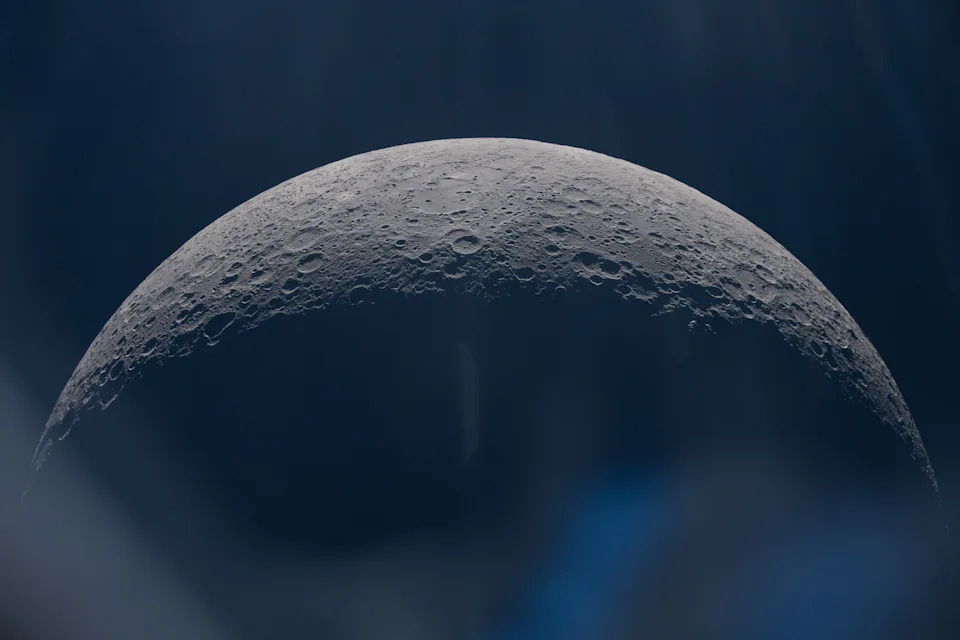
NASA released thousands of new photos taken during the Artemis II mission around the moon. The astronauts selected for the mission thoroughly documented the 10-day voyage, which included an April 6 lunar flyby as they traveled more than a quarter-million miles from Earth.
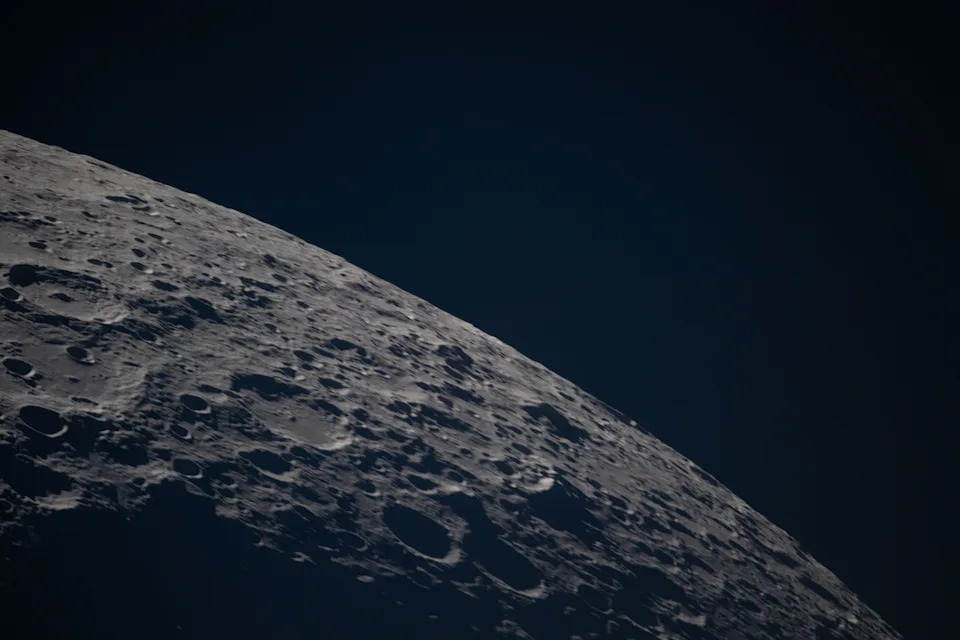
NASA released thousands of new photos taken during the Artemis II mission around the moon. The astronauts selected for the mission thoroughly documented the 10-day voyage, which included an April 6 lunar flyby as they traveled more than a quarter-million miles from Earth.
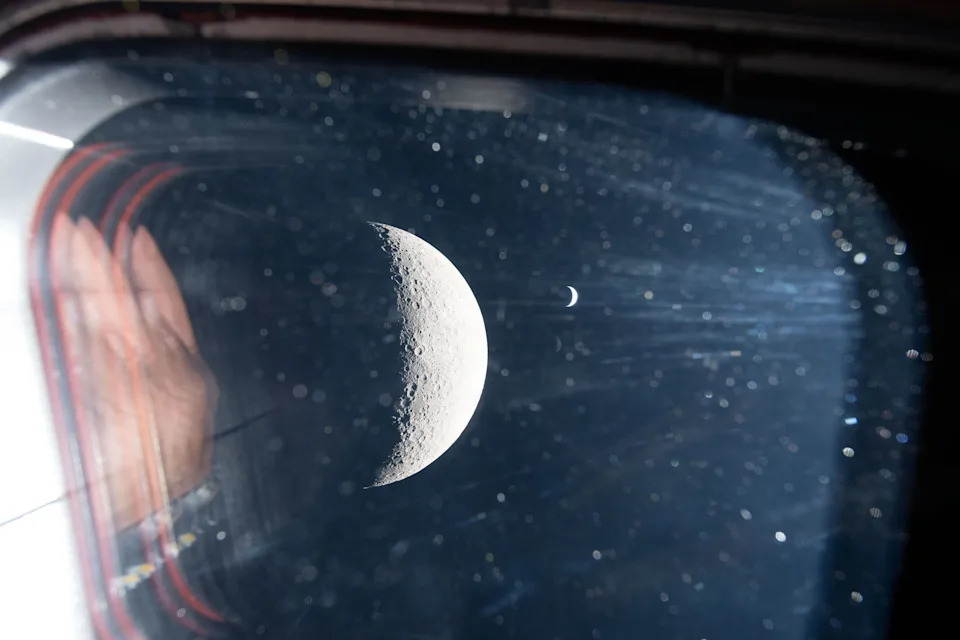
NASA released thousands of new photos taken during the Artemis II mission around the moon. The astronauts selected for the mission thoroughly documented the 10-day voyage, which included an April 6 lunar flyby as they traveled more than a quarter-million miles from Earth.
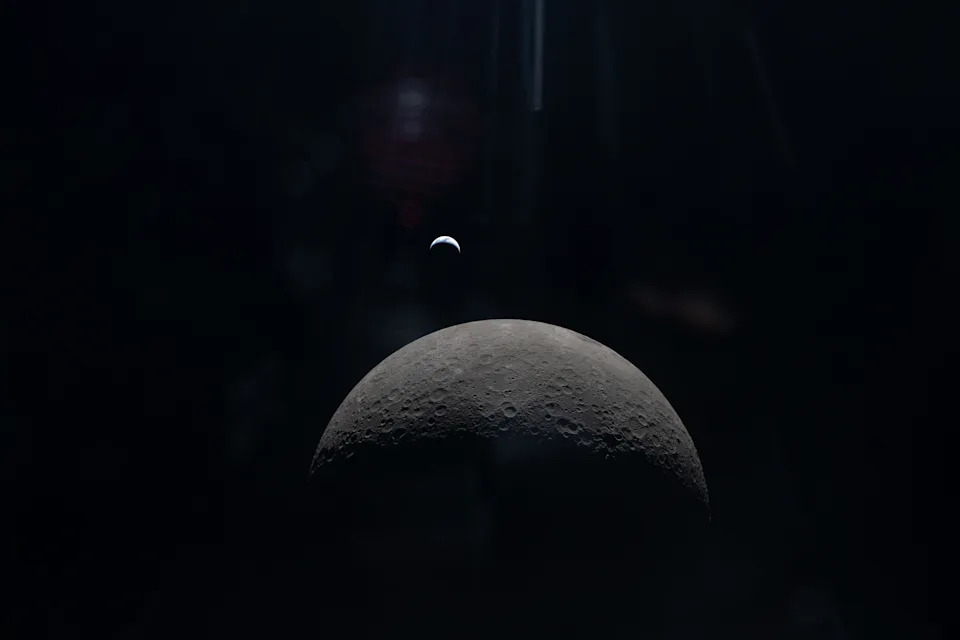
NASA released thousands of new photos taken during the Artemis II mission around the moon. The astronauts selected for the mission thoroughly documented the 10-day voyage, which included an April 6 lunar flyby as they traveled more than a quarter-million miles from Earth.
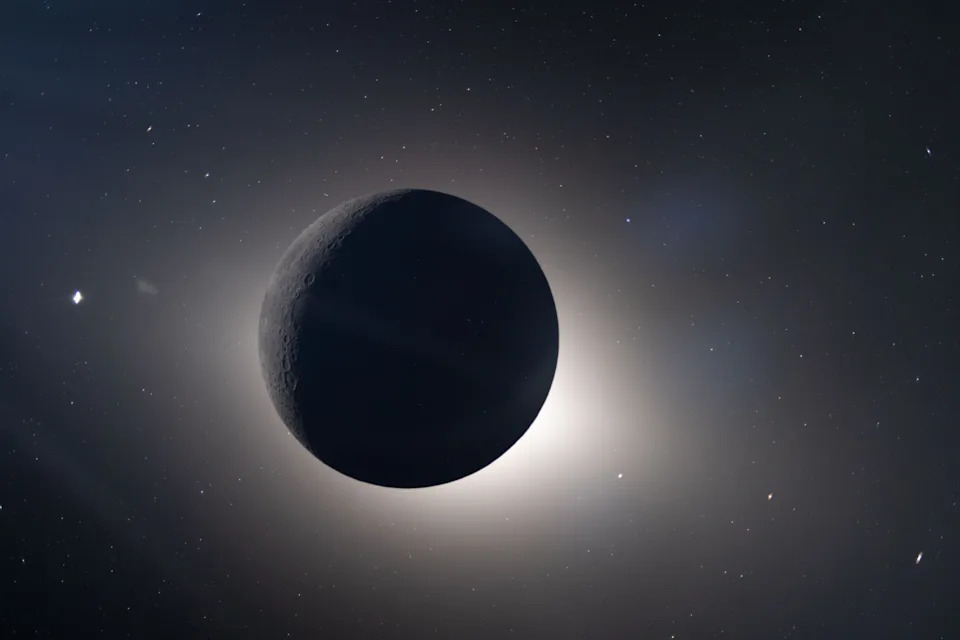
NASA released thousands of new photos taken during the Artemis II mission around the moon. The astronauts selected for the mission thoroughly documented the 10-day voyage, which included an April 6 lunar flyby as they traveled more than a quarter-million miles from Earth.
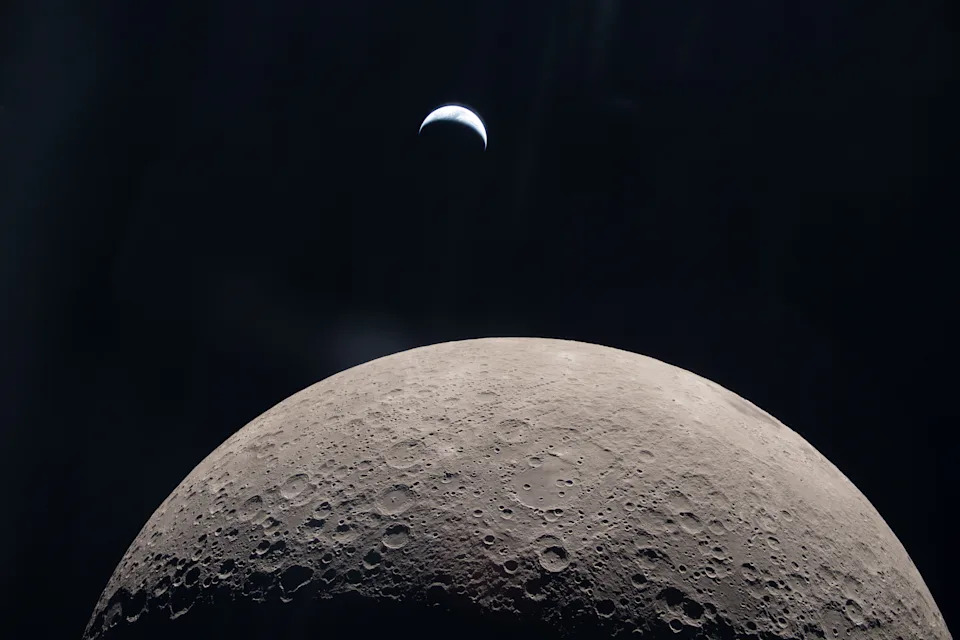
NASA released thousands of new photos taken during the Artemis II mission around the moon. The astronauts selected for the mission thoroughly documented the 10-day voyage, which included an April 6 lunar flyby as they traveled more than a quarter-million miles from Earth.
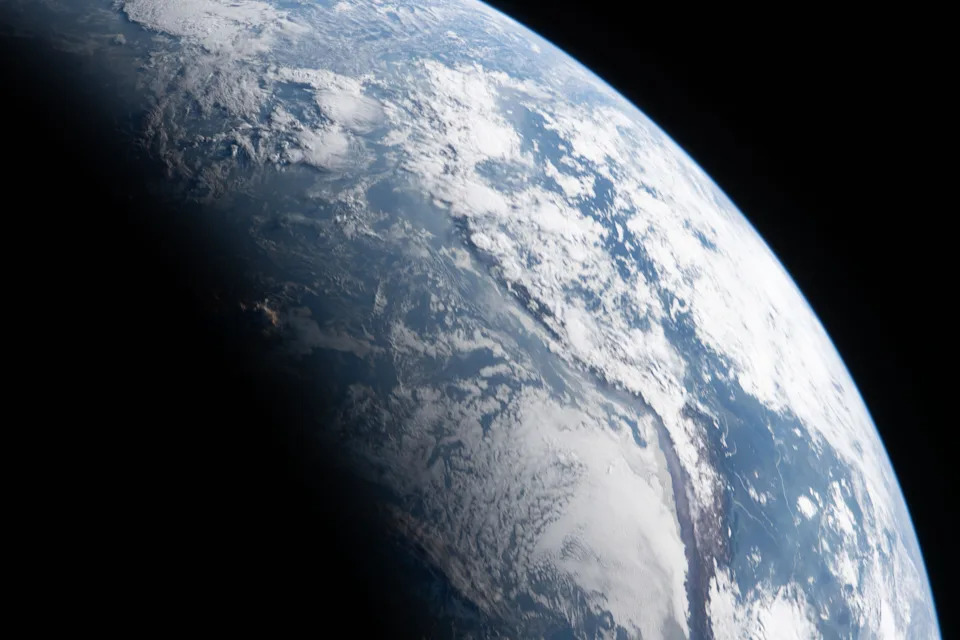
NASA released thousands of new photos taken during the Artemis II mission around the moon. The astronauts selected for the mission thoroughly documented the 10-day voyage, which included an April 6 lunar flyby as they traveled more than a quarter-million miles from Earth.
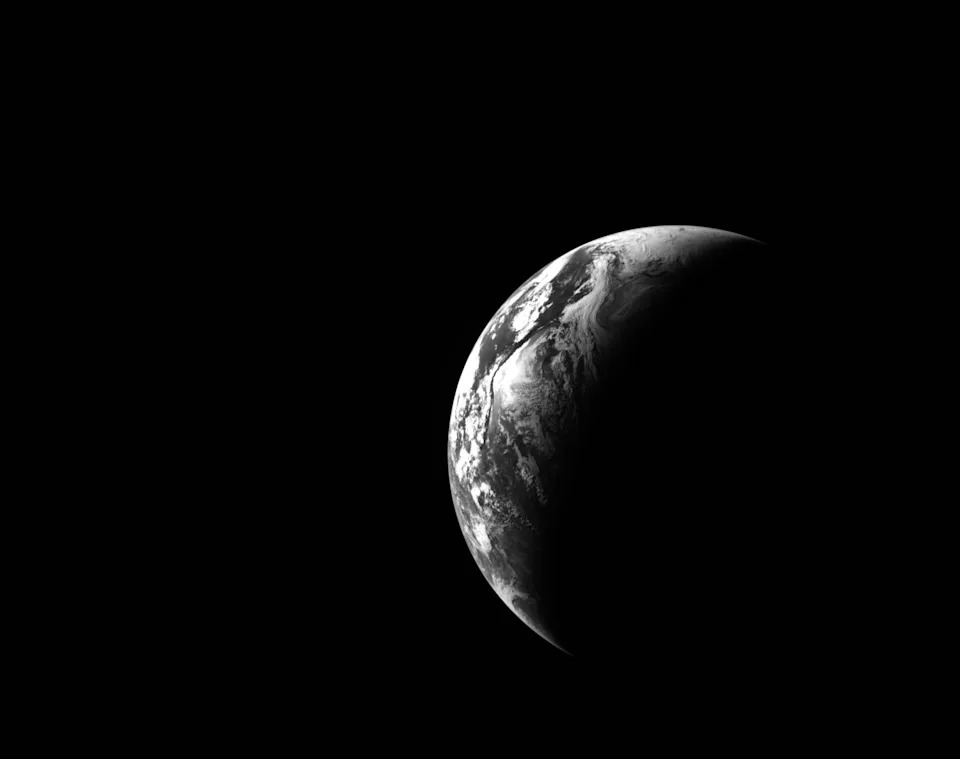
NASA released thousands of new photos taken during the Artemis II mission around the moon. The astronauts selected for the mission thoroughly documented the 10-day voyage, which included an April 6 lunar flyby as they traveled more than a quarter-million miles from Earth.
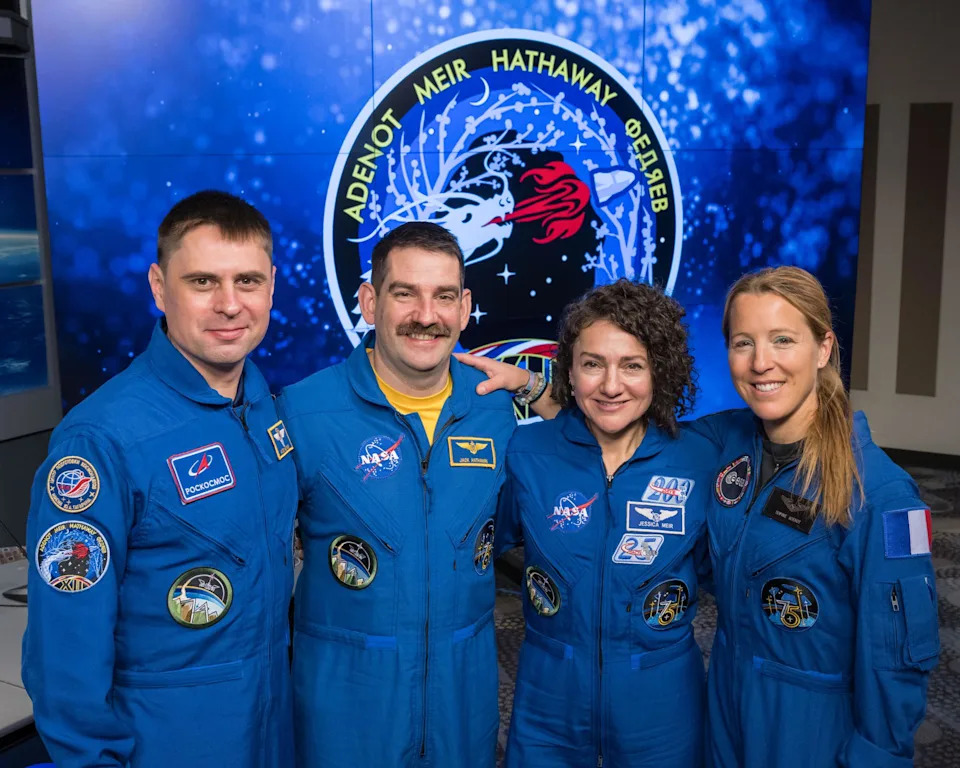
The four crew members representing NASA’s SpaceX Crew-12 mission to the International Space Station pose for a portrait at the Johnson Space Center in Houston, Texas. From left are, Roscosmos cosmonaut and Mission Specialist Andrey Fedyaev, NASA astronauts Jack Hathaway and Jessica Meir, Crew-12 Pilot and Commander respectively, and ESA (European Space Agency) astronaut and Mission Specialist Sophie Adenot.
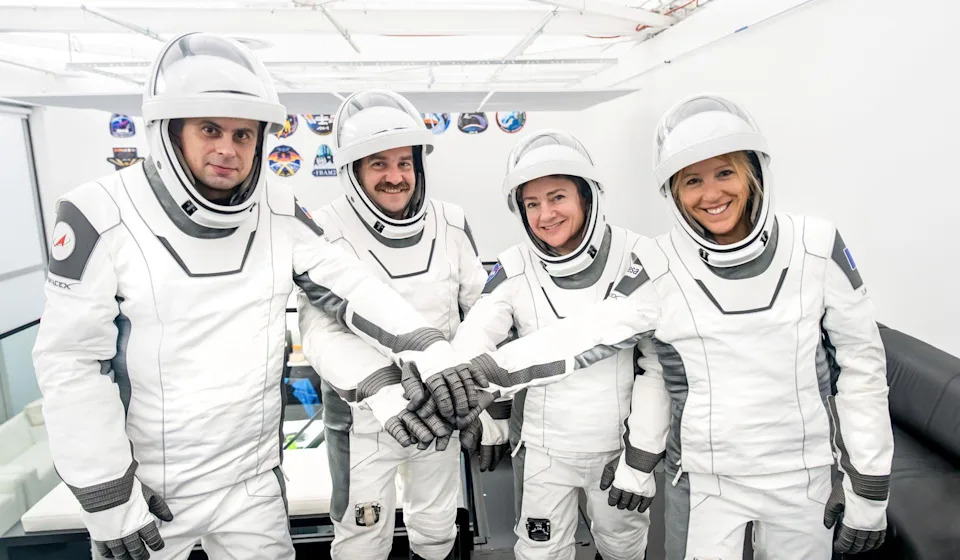
The four members of NASA’s SpaceX Crew-12 mission to the International Space Station pose together for a crew portrait in their pressure suits at SpaceX headquarters in Hawthorne, California. From left are, Roscosmos cosmonaut and Mission Specialist Andrey Fedyaev, NASA astronauts Jack Hathaway and Jessica Meir, Pilot and Commander respectively, and ESA (European Space Agency) astronaut and Mission Specialist Sophie Adenot.
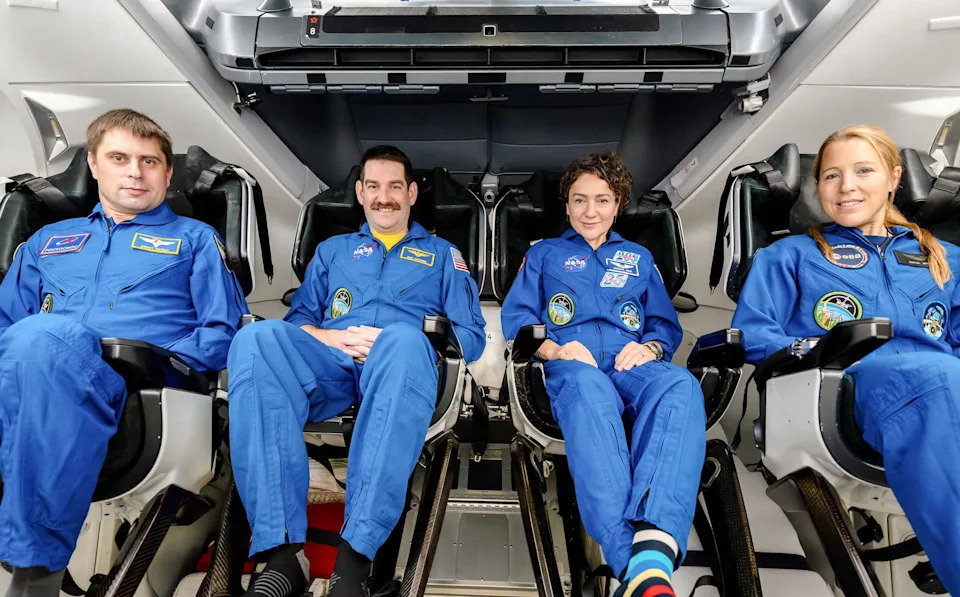
The four members of NASA’s SpaceX Crew-12 mission to the International Space Station pose together for a crew portrait inside a SpaceX Dragon spacecraft. From left are, Roscosmos cosmonaut Andrey Fedyaev, NASA astronauts Jack Hathaway and Jessica Meir, and ESA (European Space Agency) astronaut Sophie Adenot.
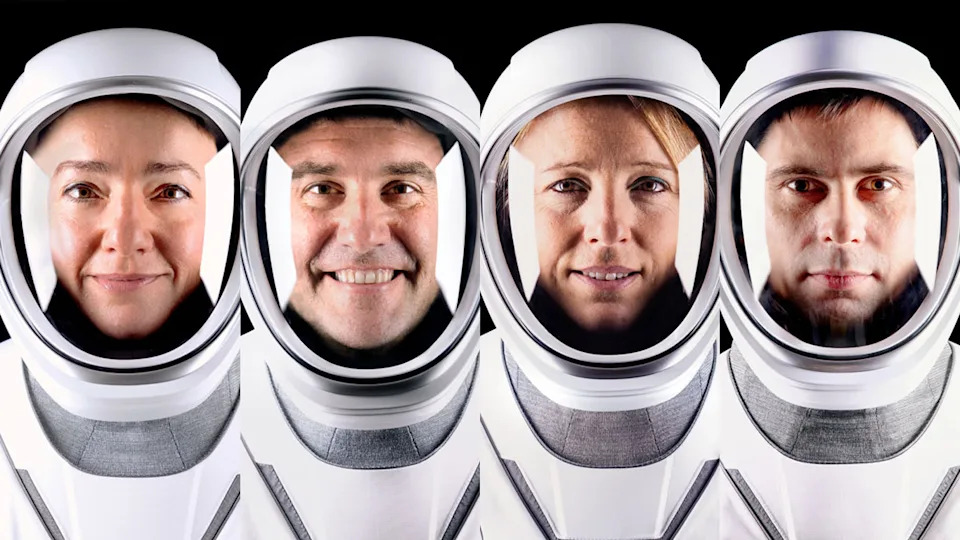
From left to right, NASA astronauts Jessica Meir, Jack Hathaway, ESA (European Space Agency) astronaut Sophie Adenot, and Roscosmos cosmonaut Andrey Fedyaev are NASA’s SpaceX Crew-12 launching to the International Space Station in February.
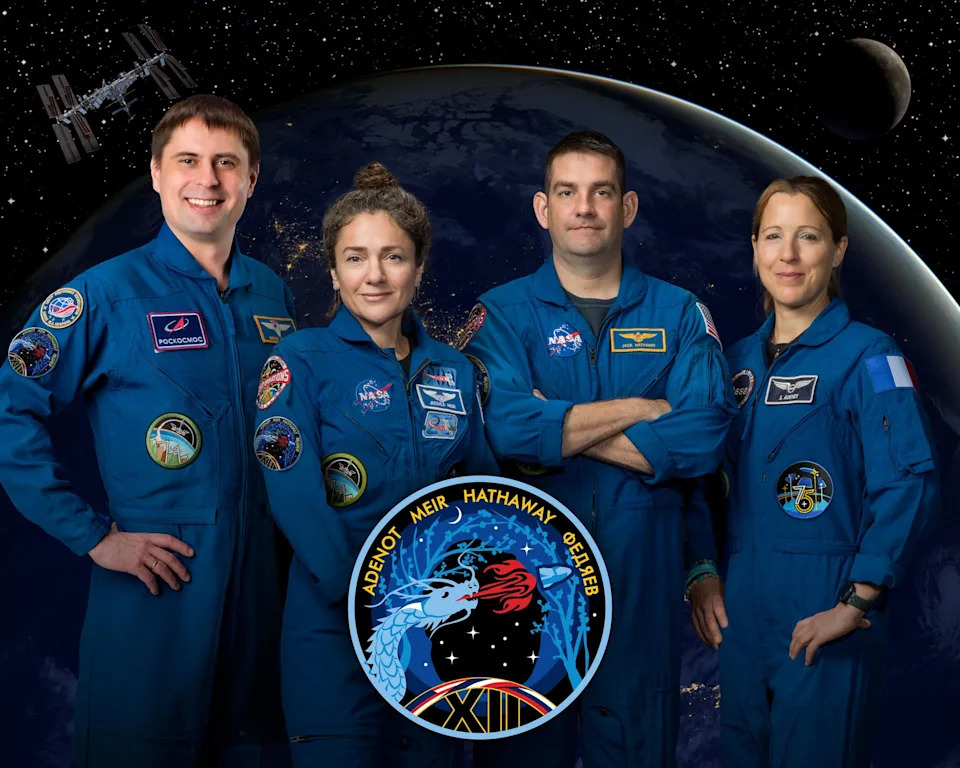
The four members of NASA’s SpaceX Crew-12 mission to the International Space Station pose together for an official crew portrait. From left are, Roscosmos cosmonaut and Mission Specialist Andrey Fedyaev, NASA astronauts Jessica Meir and Jack Hathaway, Commander and Pilot respectively, and ESA (European Space Agency) astronaut and Mission Specialist Sophie Adenot.
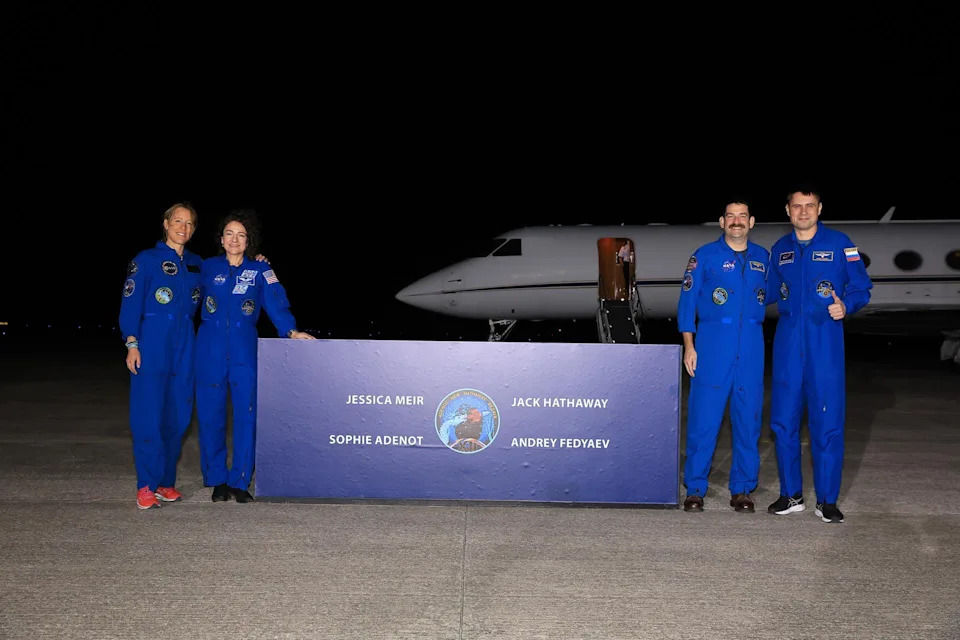
Crew members of NASA’s SpaceX Crew-12 mission, from left to right, ESA (European Space Agency) astronaut Sophie Adenot, NASA astronauts Jessica Meir and Jack Hathaway, and Roscosmos cosmonaut Andrey Fedyaev arrive Friday, Feb. 6, 2026, at the Launch and Landing Facility at the agency’s Kennedy Space Center in Florida. The Crew-12 mission is slated to launch to the International Space Station aboard SpaceX’s Dragon spacecraft atop company’s Falcon 9 rocket from Cape Canaveral Space Force Station’s Space Launch Complex 40 at 6:01 a.m. EST on Wednesday, Feb. 11.
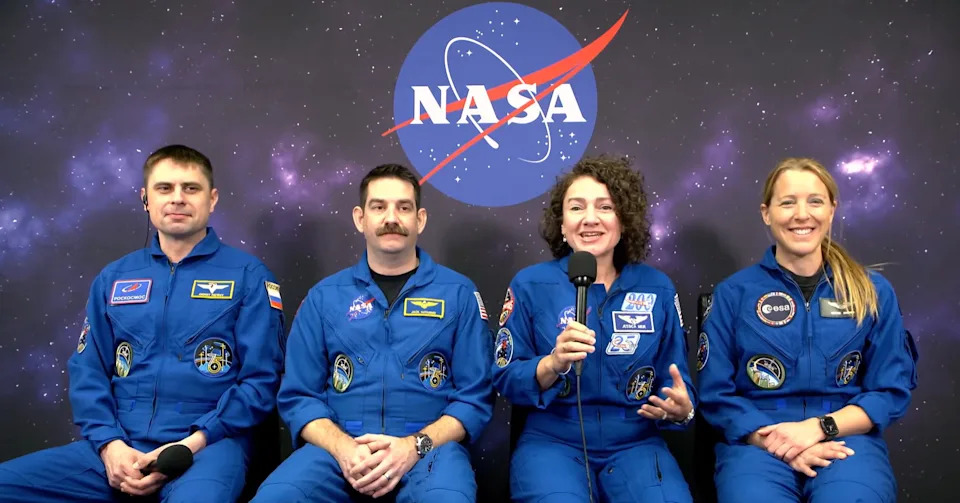
Crew members of NASA’s SpaceX Crew-12 mission, from left to right, Roscosmos cosmonaut Andrey Fedyaev, NASA astronauts Jack Hathaway and Jessica Meir, and ESA (European Space Agency) astronaut Sophie Adenot, participate in a news conference from Astronaut Crew Quarters inside the Neil A. Armstrong Operations and Checkout Building at the agency’s Kennedy Space Center in Florida on Sunday, Feb. 8, 2026.
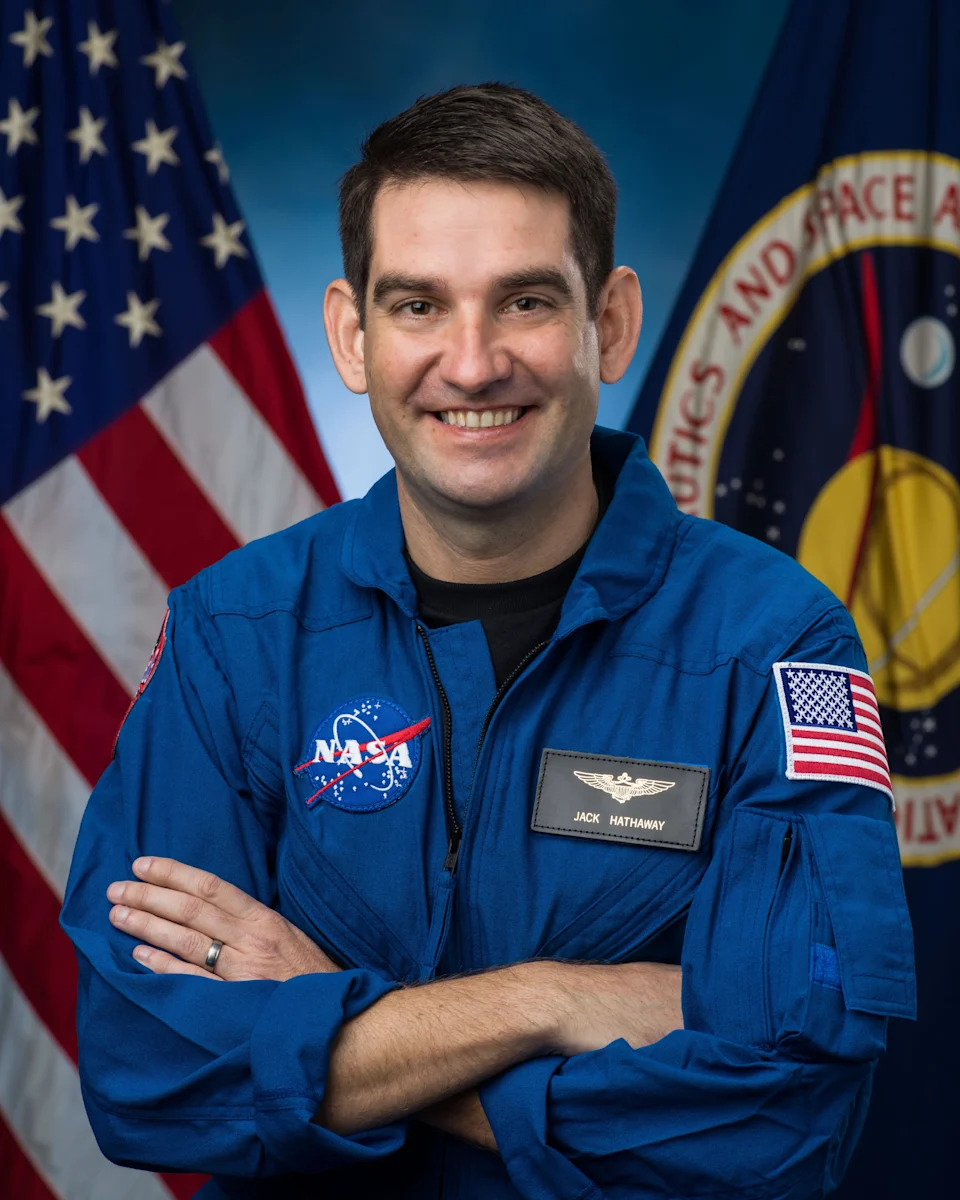
Pilot Jack Hathaway, a Navy pilot from Connecticut who is making his first spaceflight after he was selected as part of the 2021 NASA astronaut class.
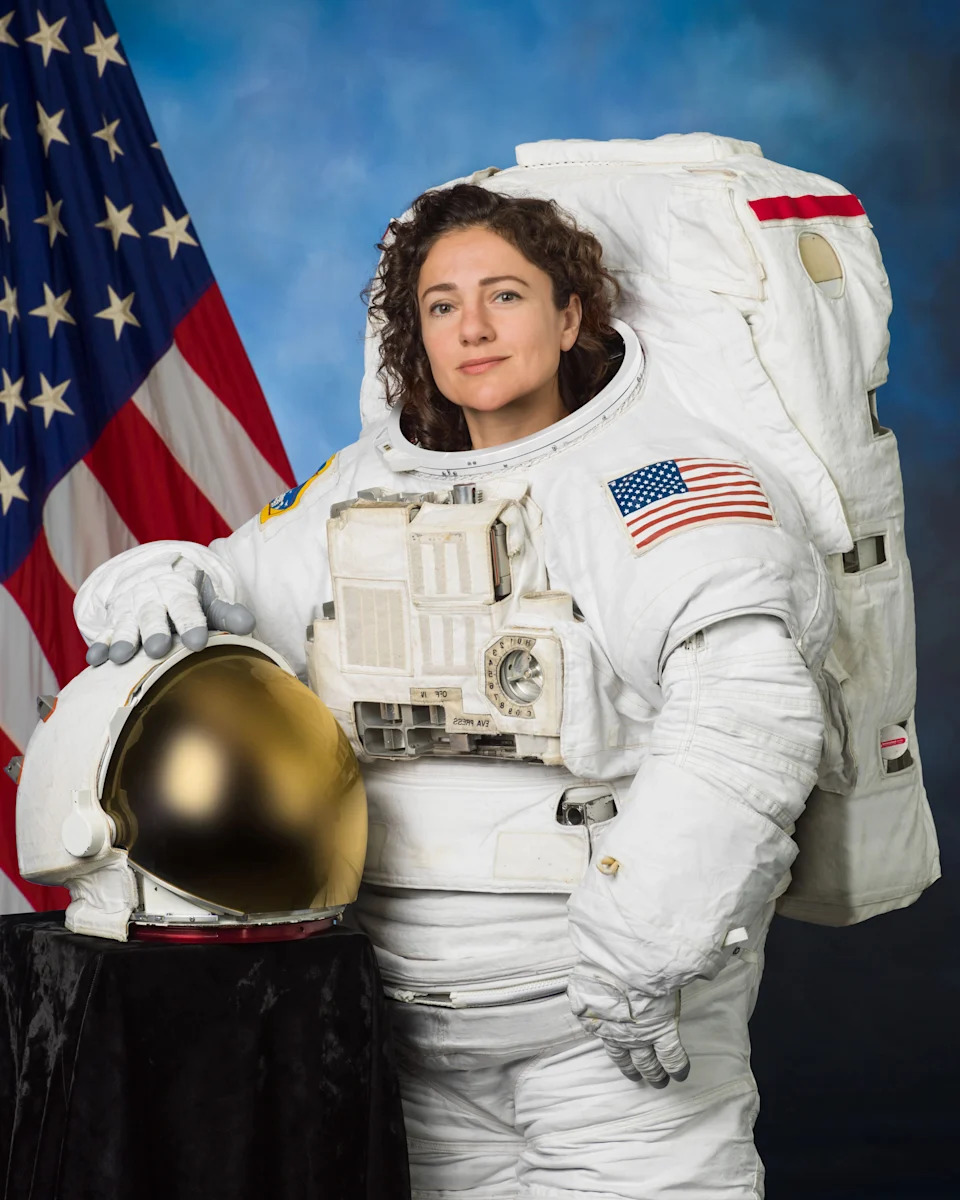
Mission commander Jessica Meir, a marine biologist from Maine who was selected as a NASA astronaut in 2013 and is making her second trip to the space station.
Pomozite nam da budemo bolji.