Replika kabine posade Blue Moon landera visine oko 4,6 m stigla je u Johnson Space Center u Houstonu i biće korišćena za obuku astronauta i simulacije pred Artemis misije. Model omogućava testiranje procedura izlaska na Mesec, dokovanja i prikupljanje povratnih informacija o dizajnu landera. Blue Origin i SpaceX konkurišu da obezbede landere za planirane misije između 2026. i 2028. godine, dok NASA širi program robotskih sletanja kako bi pripremila teren za povratak ljudi na Mesec.
Replika kabine Blue Moon stigla u Houston — astronauti počinju obuke za Artemis misije
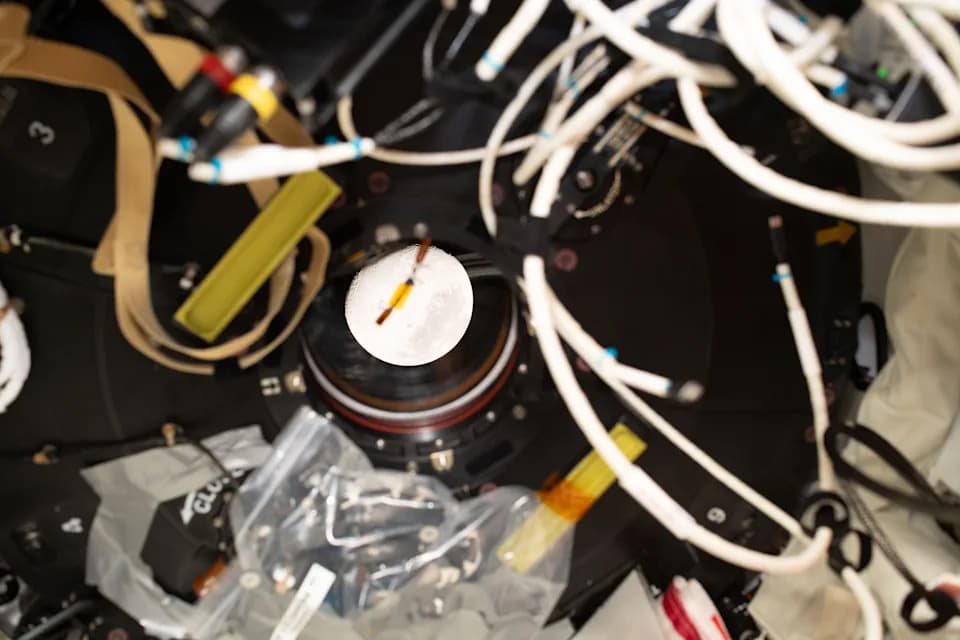
NASA released thousands of new photos taken during the Artemis II mission around the moon. The astronauts selected for the mission thoroughly documented the 10-day voyage, which included an April 6 lunar flyby as they traveled more than a quarter-million miles from Earth.
Replika kabine posade landera Blue Originovog Blue Moon visine 15 stopa (oko 4,6 m) stigla je u Johnson Space Center u Houstonu i biće korišćena za obuku astronauta i simulacije pred naredne Artemis misije, saopštila je NASA.
Model u punoj veličini predstavlja donji deo planiranog landera visokog oko 52 stope (15,8 m) i omogućava pristup unutrašnjosti i spoljašnjosti radi praktičnih provera procedura, proba izlaska na površinu i testiranja ergonomije kabine. Replika je opremljena spoljašnjom merdevinom sličnom onoj koju bi astronauti koristili prilikom izlaska na lunarnu površinu.
Zašto je replika važna
NASA i Blue Origin će koristiti repliku za:
- Trenažne simulacije za posade i osoblje podrške;
- Provere dokumenata i procedura dokovanja i transfera iz Orion kapsule;
- Prikupljanje povratnih informacija o dizajnu koje mogu uticati na dalji razvoj landera.
„Trenažna kabina će takođe služiti da pruži povratne informacije timu Blue Origina dok se lander dalje razvija i kako se planiranje misije bude menjalo,“ navodi NASA u saopštenju.
Kontekst misija Artemis
U aprilu je NASA izvela misiju Artemis II — let sa posadom koji je obišao Mesec bez sletanja. Sledeća faza uključuje Artemis III, koja predviđa testiranje dokovanja lunarnih landera u orbiti (planirano za 2027), a zatim ciljano sletanje ljudi na Mesec u narednim Artemis misijama, uključujući planirani ljudski povratak na površinu u okviru Artemis IV oko 2028. godine (kalendar misija je podložan promenama).
SpaceX i Blue Origin rade na sopstvenim rešenjima: SpaceX je dobio ugovor za varijantu Starshipa (Human Landing System), dok Blue Origin razvija marku svog Blue Moon landera (Mark 2 za kasnije verzije, uz planove za bezposadnu Mark 1 varijantu kao putopisni/putanjući let 2026. godine prema južnom polu Meseca).
Širi planovi i robotika
Blue Origin planira da pošalje nebesposadnu Mark 1 varijantu Blue Moona na južni pol Meseca 2026. godine kao putnički (pathfinder) let. NASA istovremeno planira znatno povećanje broja nebesposadnih misija koje će transportovati teret i naučnu opremu kroz program Commercial Lunar Payload Services (CLPS), s desetinama landiranja planiranih u narednim godinama.
Ove robotske misije služe kao priprema za sletanja ljudi i prikupljanje podataka koji će pomoći u dugoročnim planovima istraživanja Meseca i budućim misijama ka Marsu.
Više o izvoru: Tekst je na osnovu izveštaja USA TODAY i saopštenja NASA.
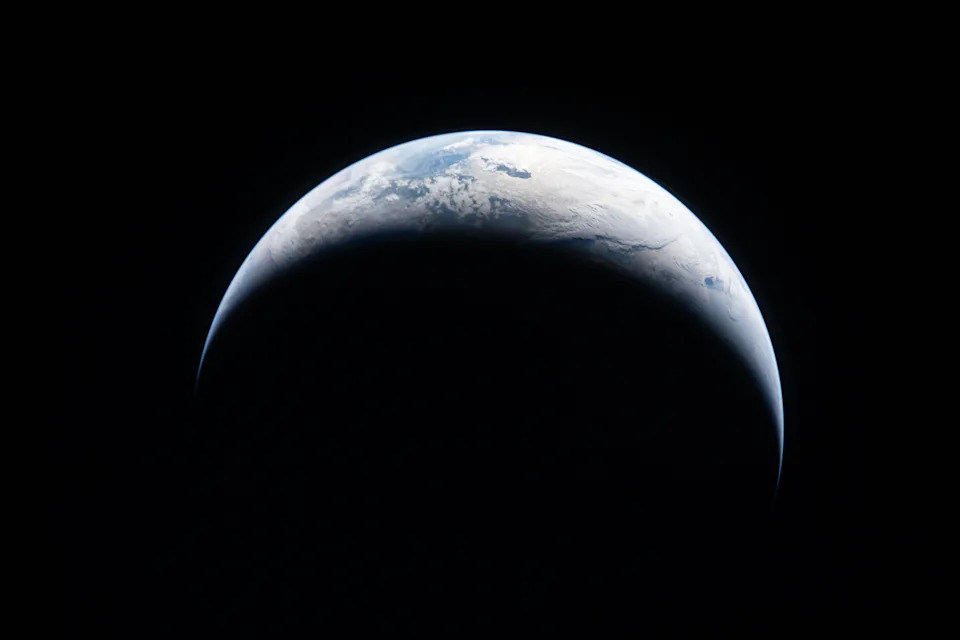
NASA released thousands of new photos taken during the Artemis II mission around the moon. The astronauts selected for the mission thoroughly documented the 10-day voyage, which included an April 6 lunar flyby as they traveled more than a quarter-million miles from Earth.
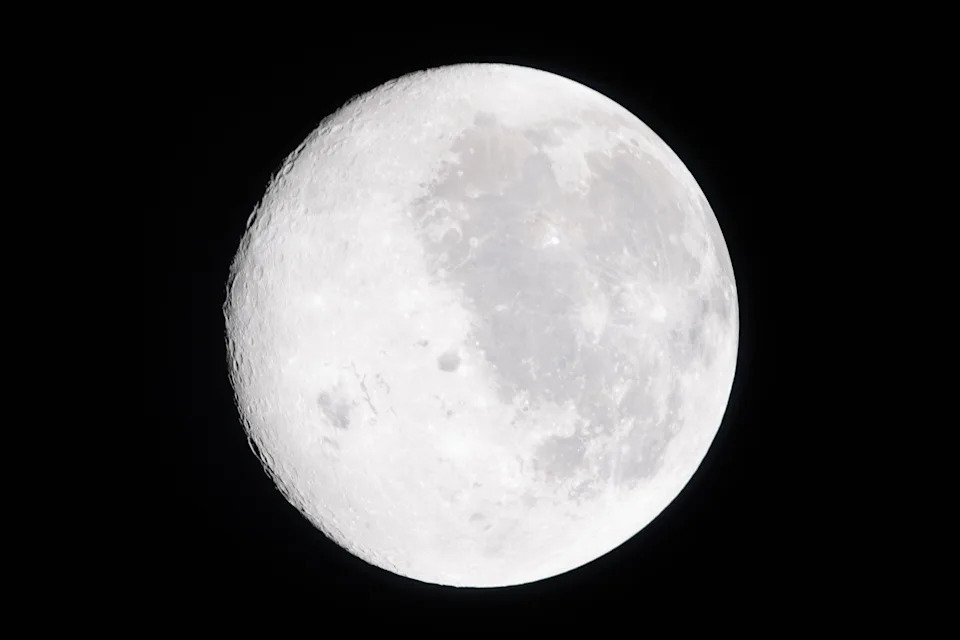
NASA released thousands of new photos taken during the Artemis II mission around the moon. The astronauts selected for the mission thoroughly documented the 10-day voyage, which included an April 6 lunar flyby as they traveled more than a quarter-million miles from Earth.
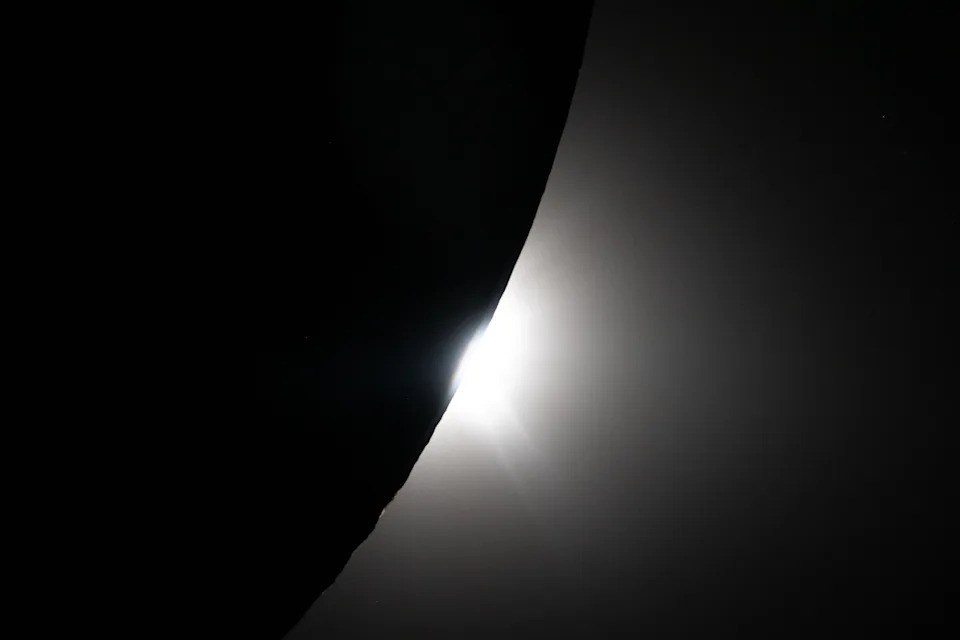
NASA released thousands of new photos taken during the Artemis II mission around the moon. The astronauts selected for the mission thoroughly documented the 10-day voyage, which included an April 6 lunar flyby as they traveled more than a quarter-million miles from Earth.
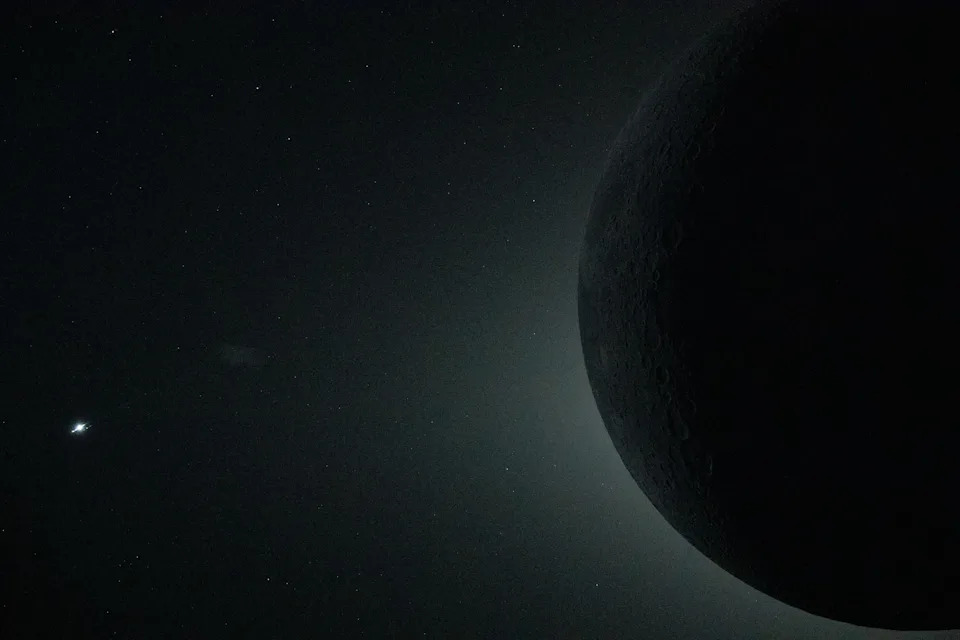
NASA released thousands of new photos taken during the Artemis II mission around the moon. The astronauts selected for the mission thoroughly documented the 10-day voyage, which included an April 6 lunar flyby as they traveled more than a quarter-million miles from Earth.
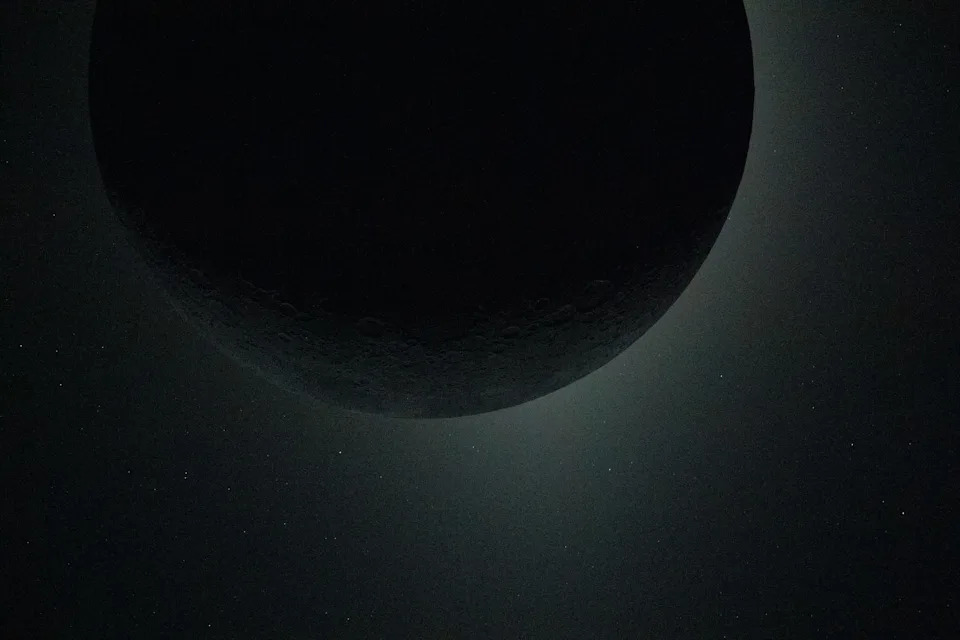
NASA released thousands of new photos taken during the Artemis II mission around the moon. The astronauts selected for the mission thoroughly documented the 10-day voyage, which included an April 6 lunar flyby as they traveled more than a quarter-million miles from Earth.
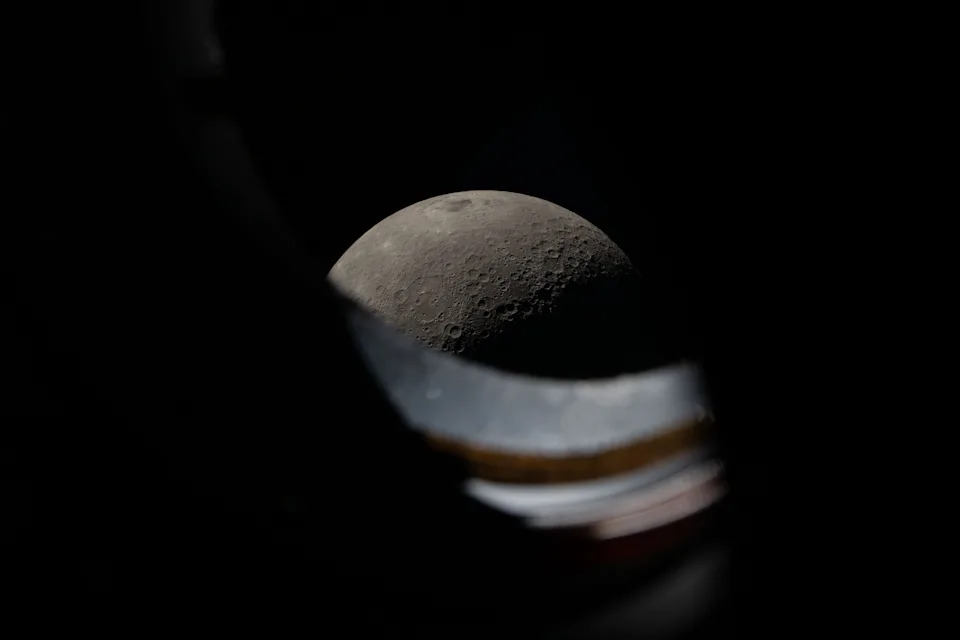
NASA released thousands of new photos taken during the Artemis II mission around the moon. The astronauts selected for the mission thoroughly documented the 10-day voyage, which included an April 6 lunar flyby as they traveled more than a quarter-million miles from Earth.
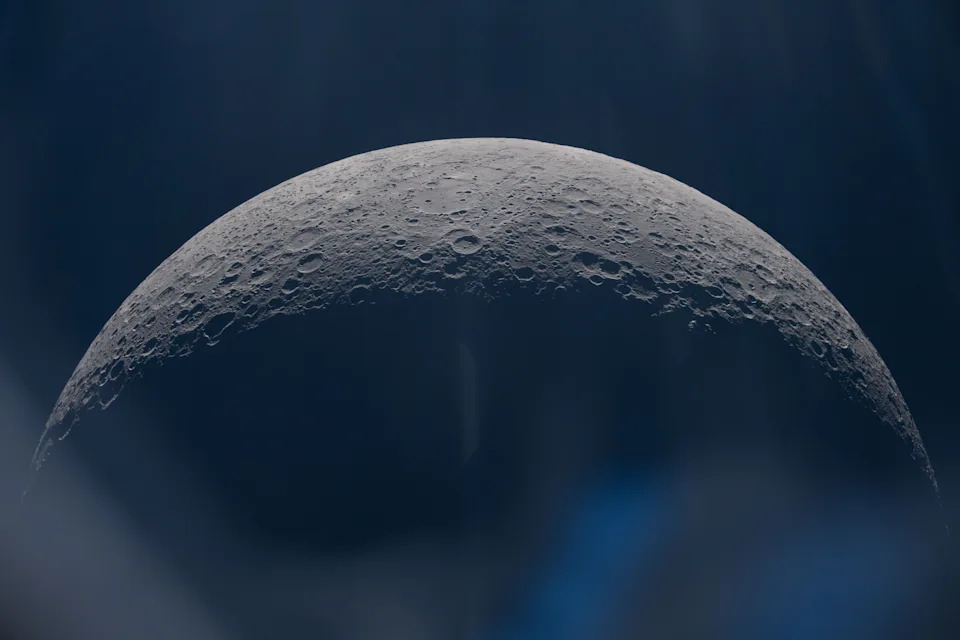
NASA released thousands of new photos taken during the Artemis II mission around the moon. The astronauts selected for the mission thoroughly documented the 10-day voyage, which included an April 6 lunar flyby as they traveled more than a quarter-million miles from Earth.
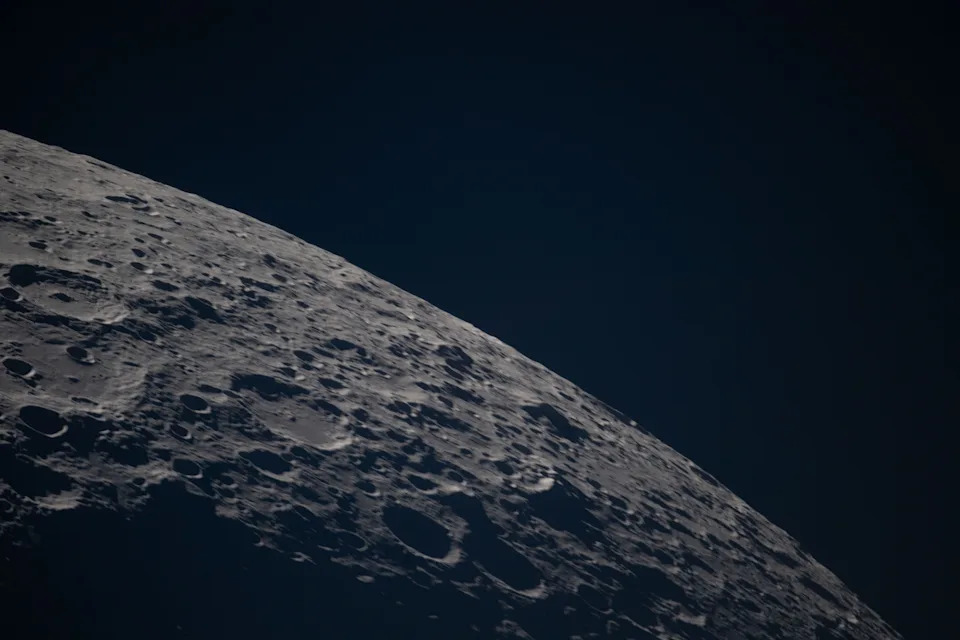
NASA released thousands of new photos taken during the Artemis II mission around the moon. The astronauts selected for the mission thoroughly documented the 10-day voyage, which included an April 6 lunar flyby as they traveled more than a quarter-million miles from Earth.
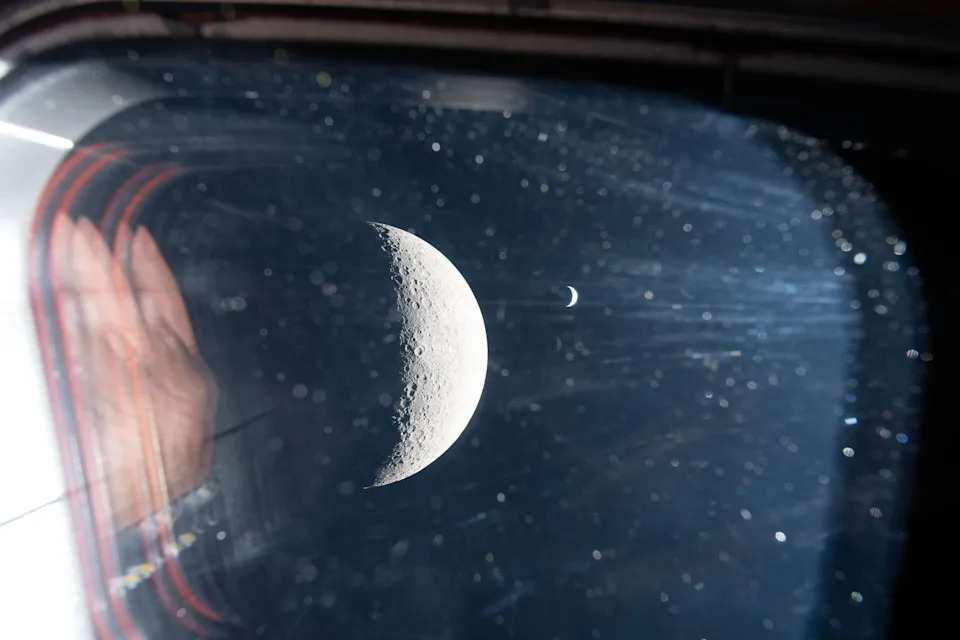
NASA released thousands of new photos taken during the Artemis II mission around the moon. The astronauts selected for the mission thoroughly documented the 10-day voyage, which included an April 6 lunar flyby as they traveled more than a quarter-million miles from Earth.
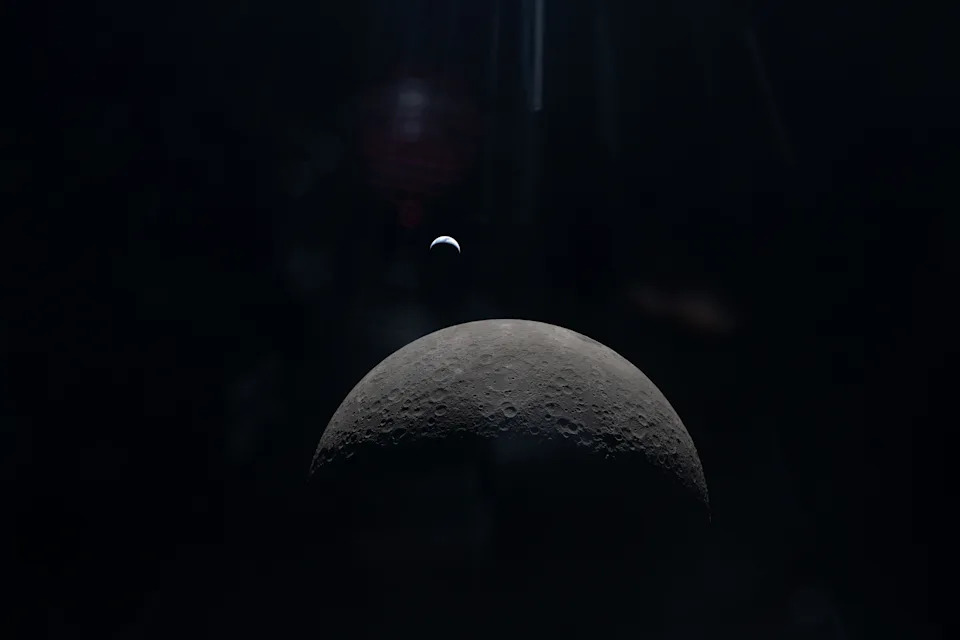
NASA released thousands of new photos taken during the Artemis II mission around the moon. The astronauts selected for the mission thoroughly documented the 10-day voyage, which included an April 6 lunar flyby as they traveled more than a quarter-million miles from Earth.
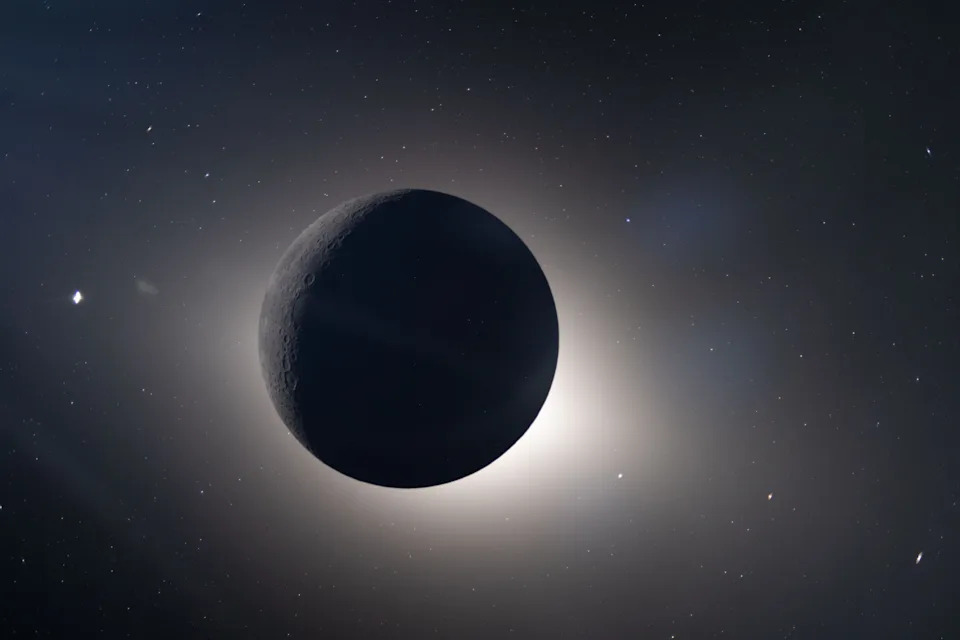
NASA released thousands of new photos taken during the Artemis II mission around the moon. The astronauts selected for the mission thoroughly documented the 10-day voyage, which included an April 6 lunar flyby as they traveled more than a quarter-million miles from Earth.
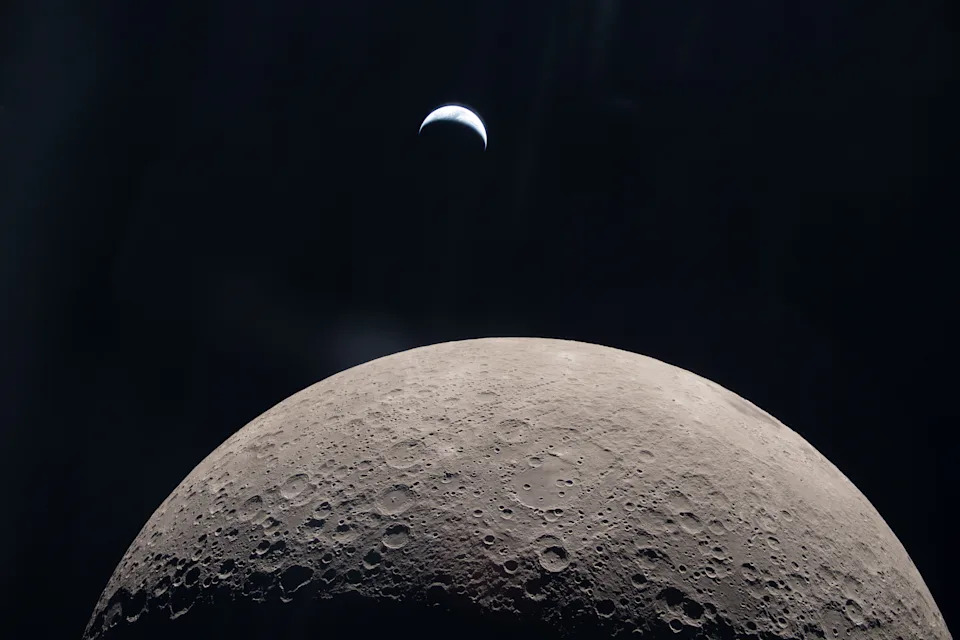
NASA released thousands of new photos taken during the Artemis II mission around the moon. The astronauts selected for the mission thoroughly documented the 10-day voyage, which included an April 6 lunar flyby as they traveled more than a quarter-million miles from Earth.
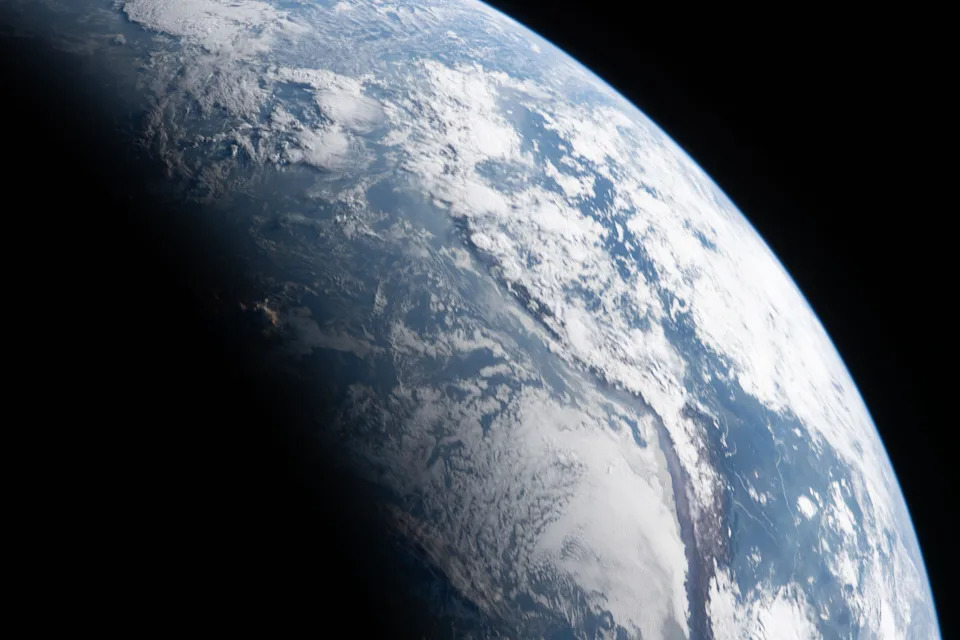
NASA released thousands of new photos taken during the Artemis II mission around the moon. The astronauts selected for the mission thoroughly documented the 10-day voyage, which included an April 6 lunar flyby as they traveled more than a quarter-million miles from Earth.
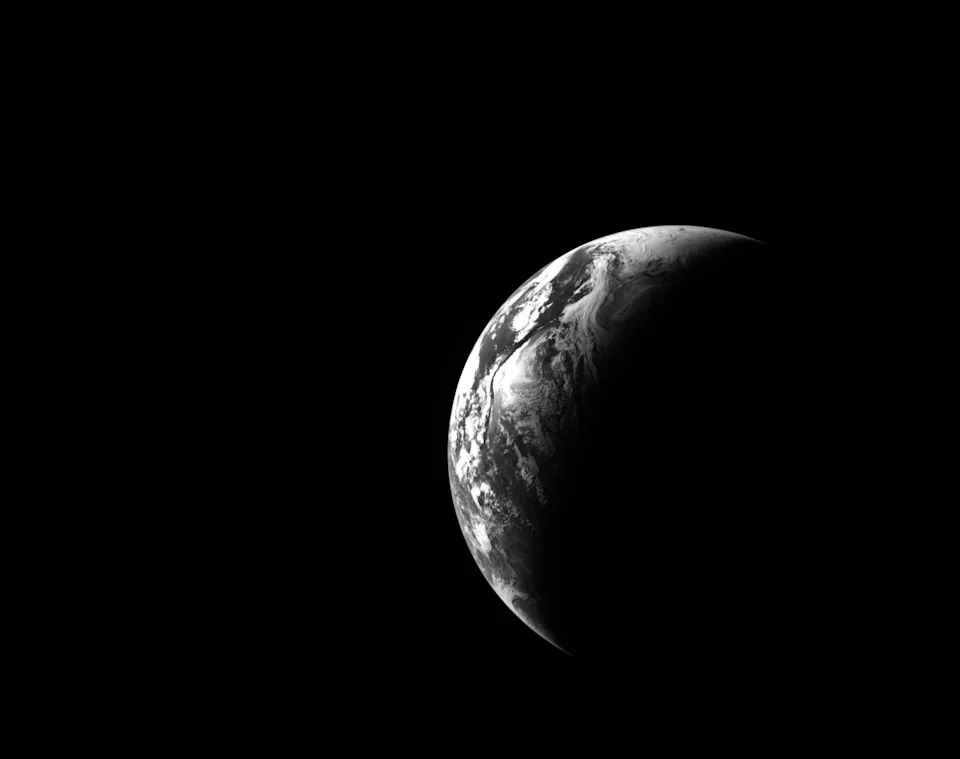
NASA released thousands of new photos taken during the Artemis II mission around the moon. The astronauts selected for the mission thoroughly documented the 10-day voyage, which included an April 6 lunar flyby as they traveled more than a quarter-million miles from Earth.
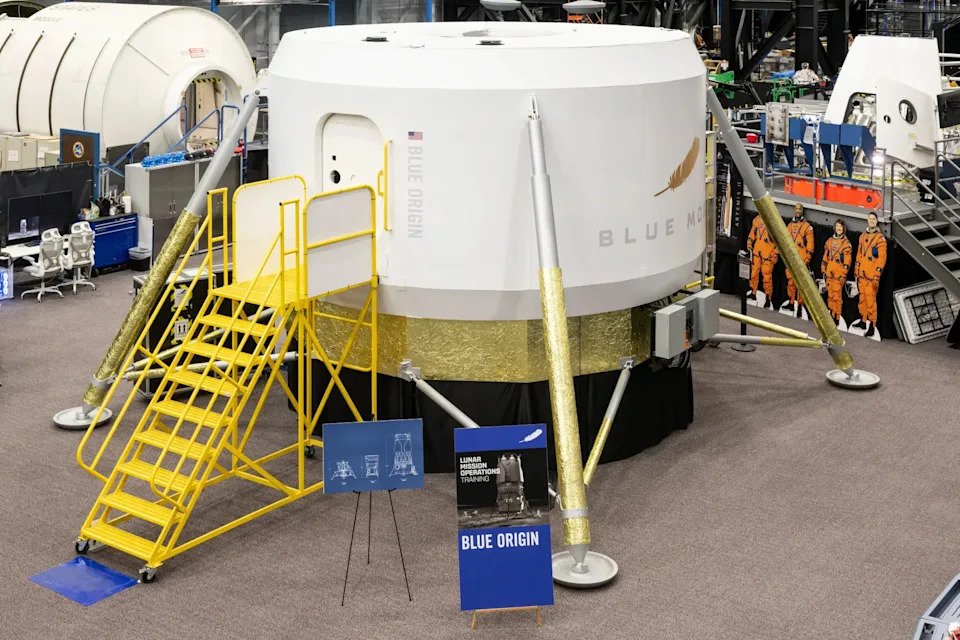
Located in Space Vehicle Mockup Facility at NASA’s Johnson Space Center, the full-scale prototype of the crew cabin of Blue Origin’s Blue Moon Mark 2 crew lander is over 15 feet tall.
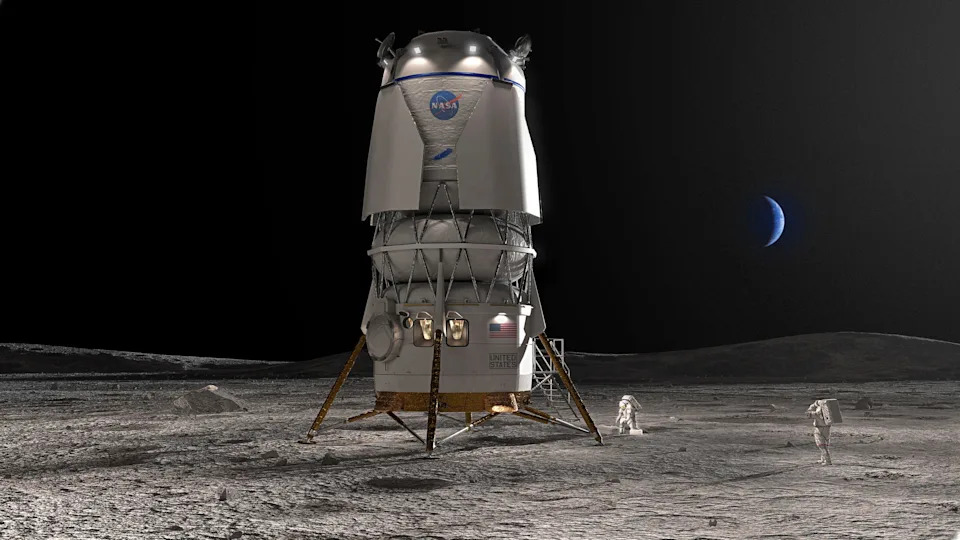
An artist's illustration depicts Blue Origin's Blue Moon Mark 2 human lunar lander on the surface of the moon.
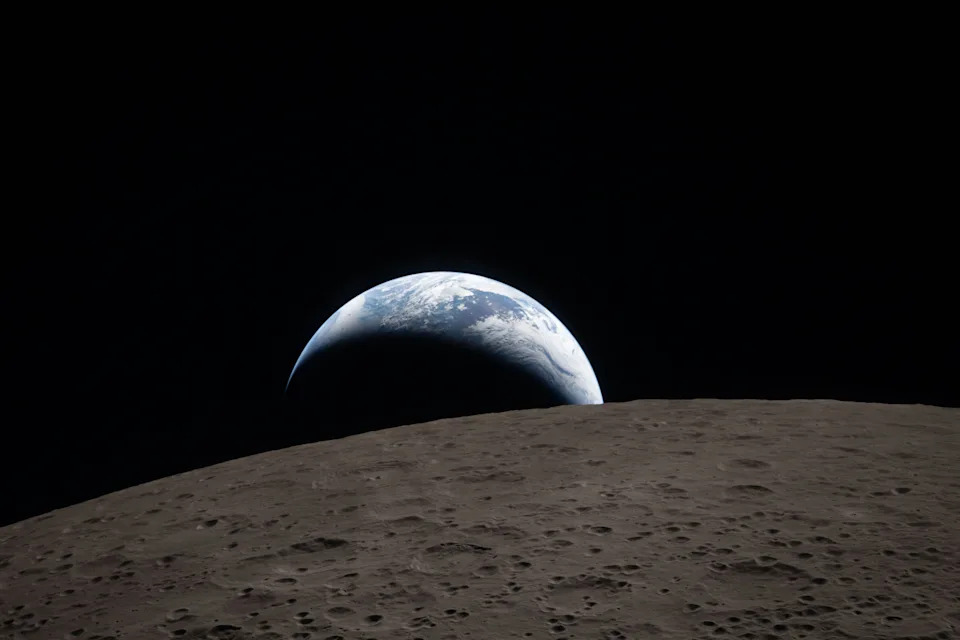
The crew of Artemis II captured a breathtaking image of a celestial event known as an "Earthset," in which the Earth dropped below the lunar horizon. The image is reminiscent of the iconic "Earthrise" photo that NASA astronaut Bill Anders captured in 1968 during the Apollo 8 mission that showed our planet rising on the lunar horizon.
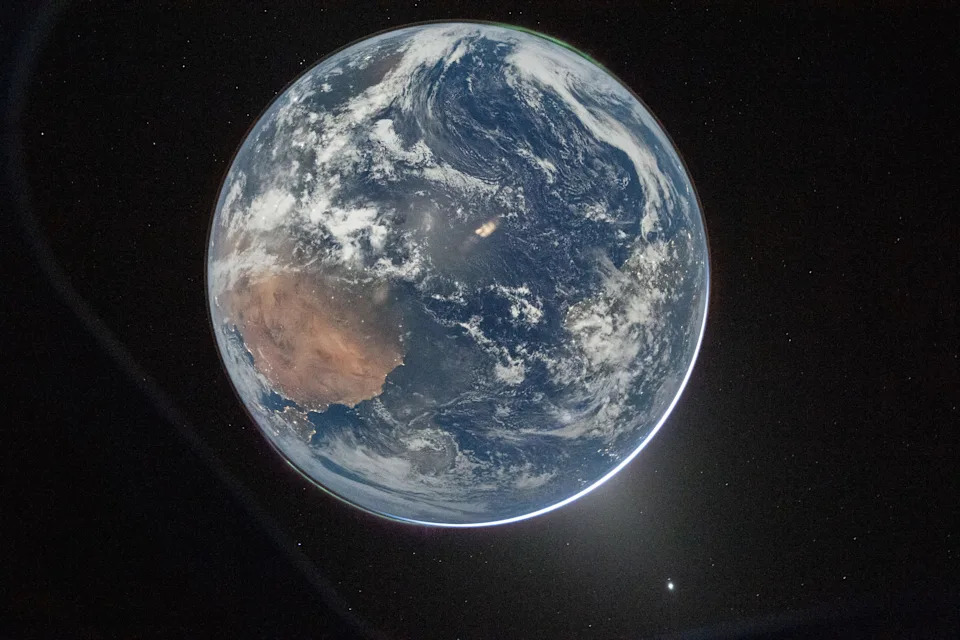
Artemis II Commander Reid Wiseman of NASA took this stunning photograph of Earth from the Orion spacecraft's window on April 2. The image is reminiscent of the iconic "blue marble" image captured during the Apollo 17 mission in 1972.
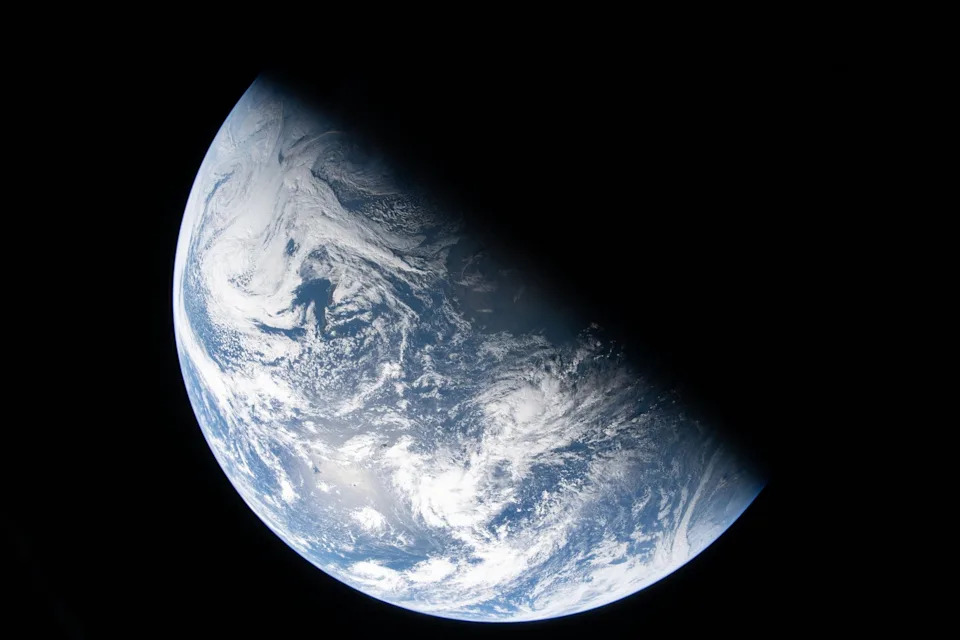
In this new image from the Artemis II crew, NASA explains that what is depicted is the "divide between night and day, known as the terminator, cutting across Earth."
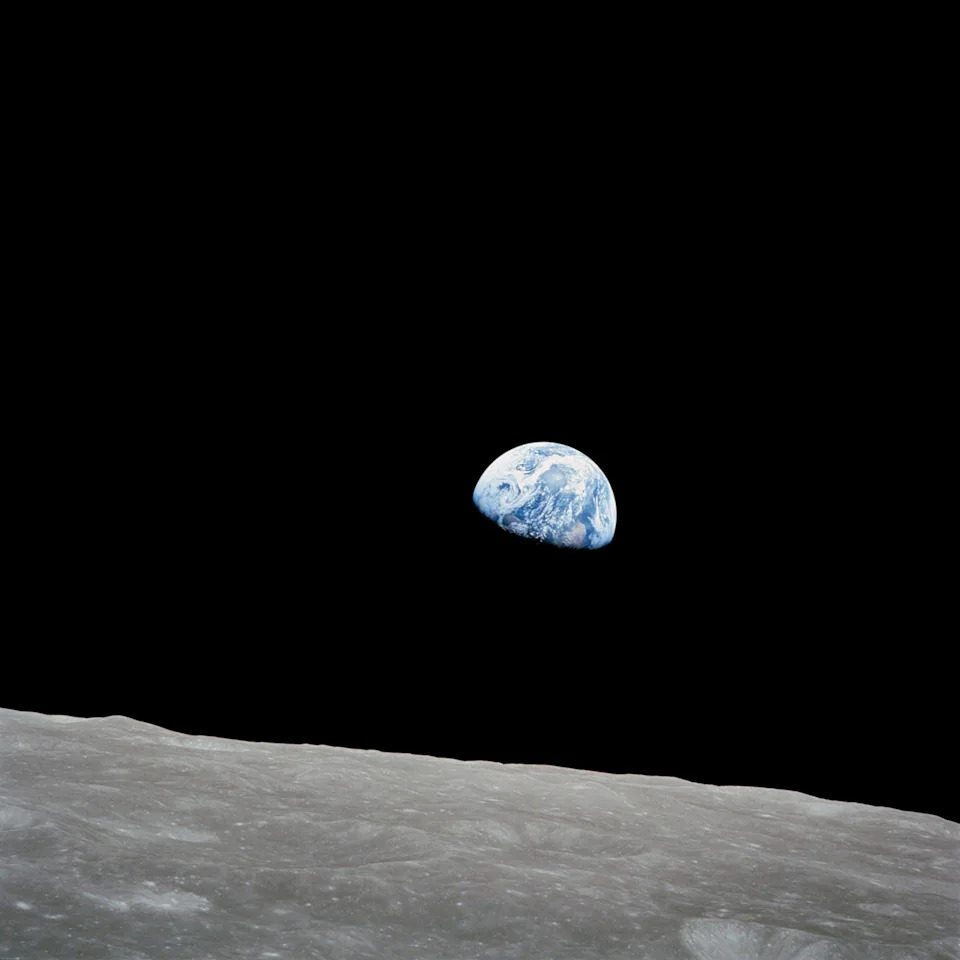
William Anders, a NASA astronaut on the historic Apollo 8 mission around the moon, took the iconic “Earthrise” photo while in lunar orbit on Dec. 24, 1968.
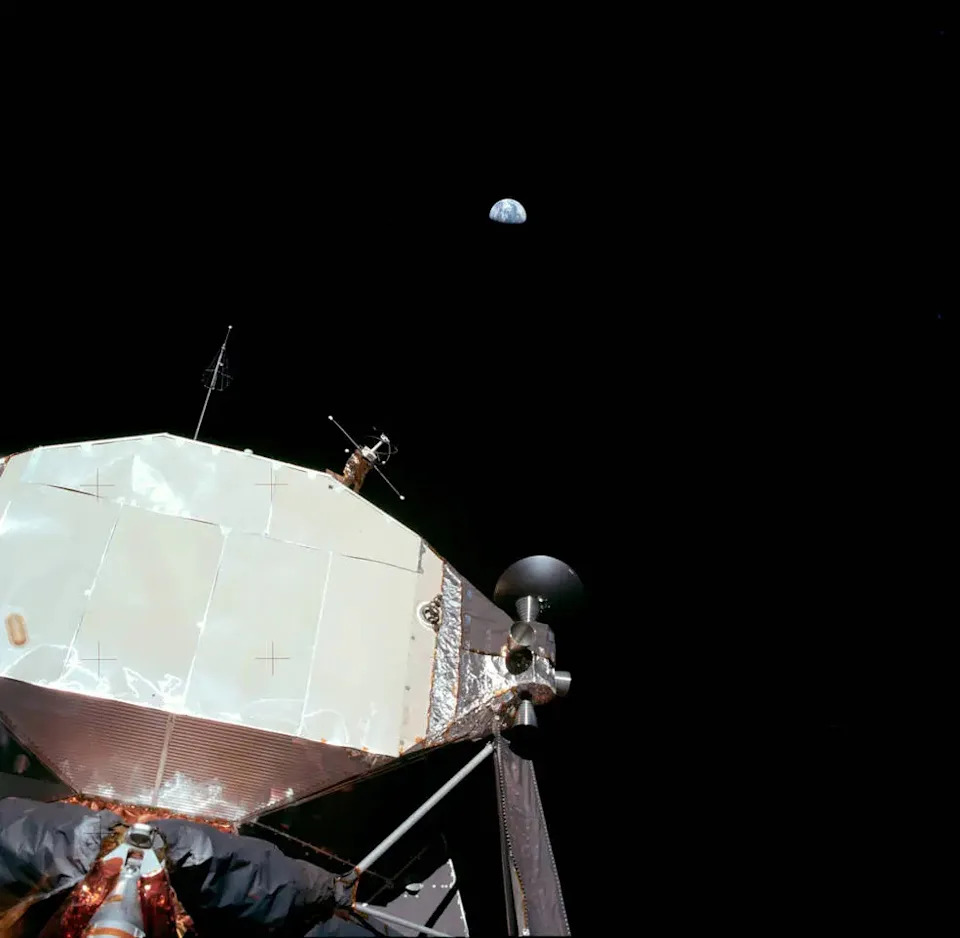
The first photograph of the Earth taken by an astronaut standing on the lunar surface, taken during the Apollo 11 Moon landing in 1969.

One of the most well-known photographs of Earth, the "blue marble" image was taken by the crew of the final Apollo mission (Apollo 17) as the crew made its way to the moon in 1972.
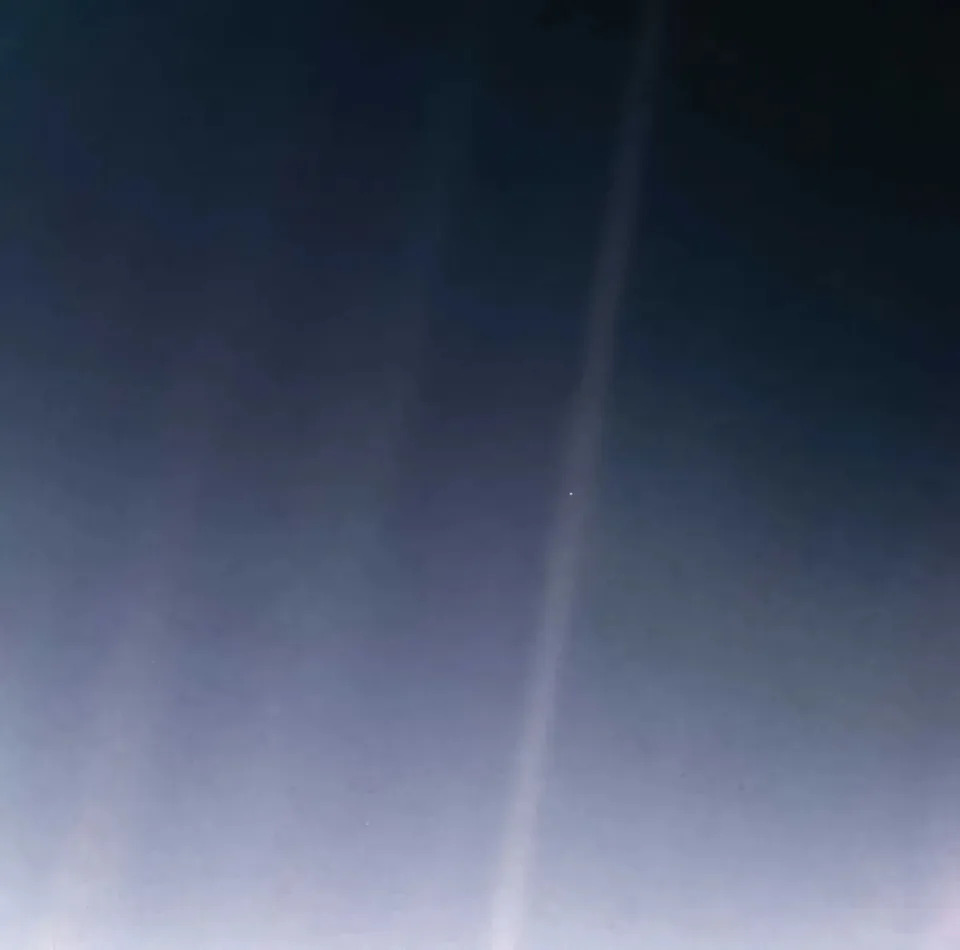
Voyager 1's 1990 photo of Earth, widely referred to as the "pale blue dot," was taken at a distance of 3.7 billion miles from the sun, making it the first photo taken beyond all the planets in our solar system. This image was created in 2020 or the 30th anniversary of the iconic picture using modern image-processing software and techniques to revisit the well-known Voyager view.
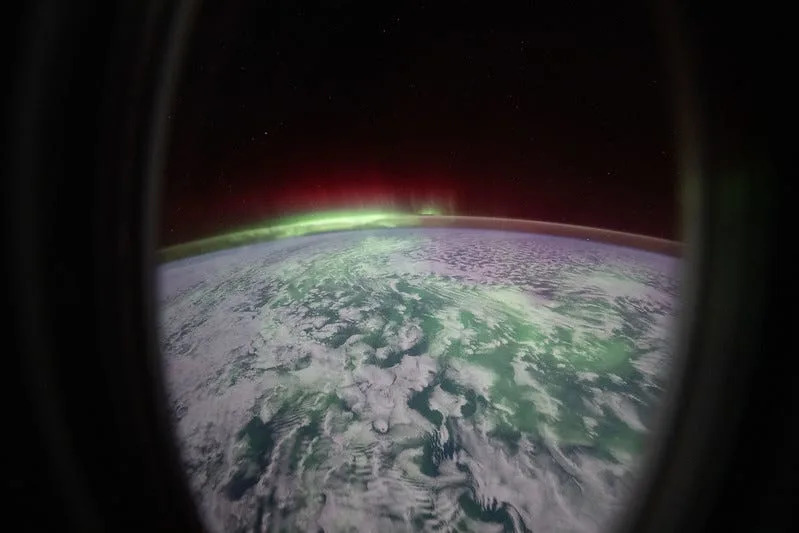
Because the International Space Station orbits so close to Earth's atmosphere (about 250 miles high,) the outpost and the astronauts who have lived aboard it have been the source of plenty of spectacular photos of our planet for 25 years. This recent photo, taken April 6, 2026, shows auroras glowing over the Indian Ocean.
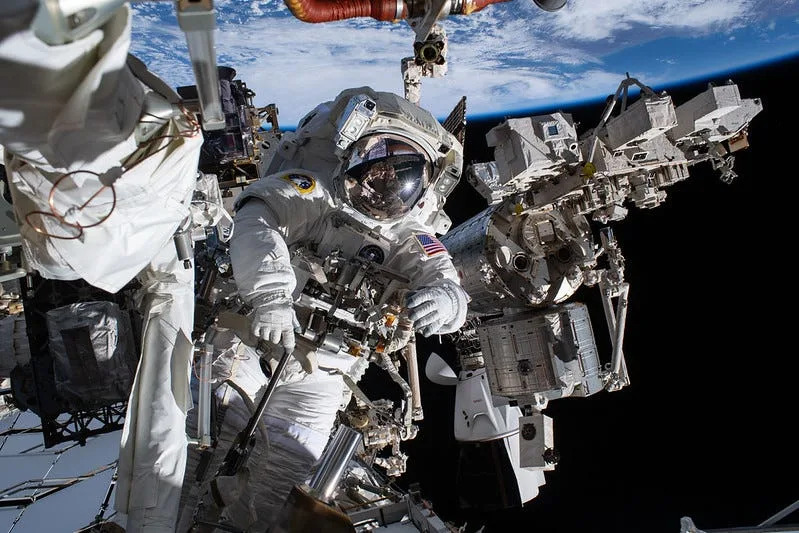
NASA astronaut Chris Williams is pictured outside the International Space Station during a March 18, 2026 spacewalk with Earth in the background.

The devastating Hurricane Milton, a Category 4 storm at the time of this photograph, is pictured Oct. 8, 2024 in the Gulf of Mexico (renamed the Gulf of America) off the coast of Yucatan Peninsula from the International Space Station as it orbited 257 miles above.
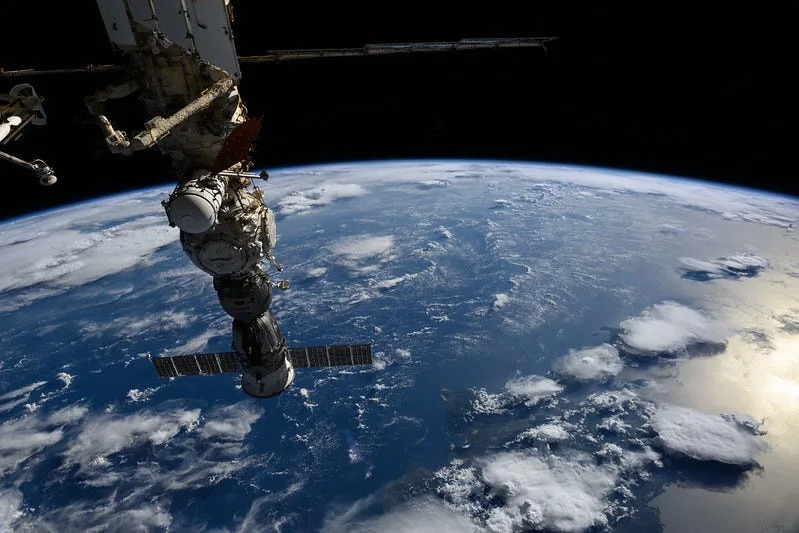
The Soyuz MS-27 crew spacecraft is pictured Sept. 14, 2025 docked to the International Space Station's Prichal module as the orbital outpost soared 257 miles above a gleaming blue Atlantic Ocean, north of the Dominican Republic.
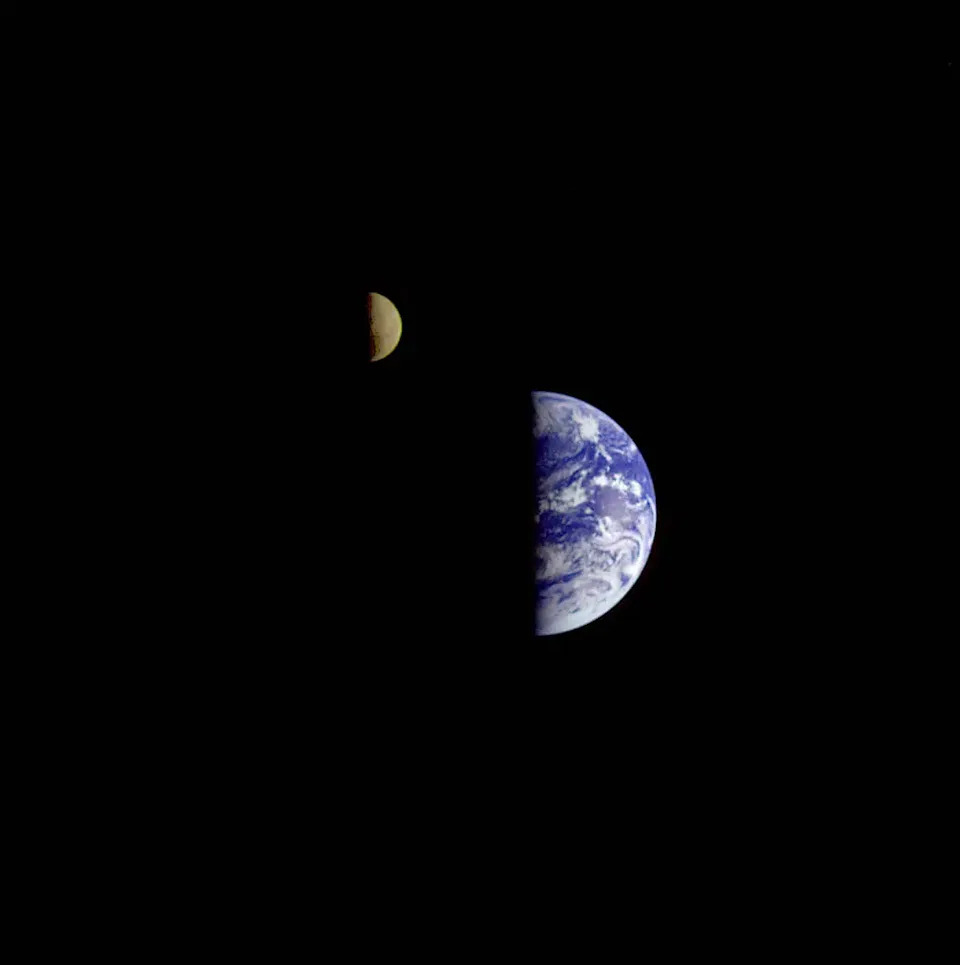
On December 16, 1992, eight days after its encounter with Earth, the Galileo spacecraft looked back from a distance of about 3.9 million miles to capture this remarkable view of the moon in orbit about Earth.
Pomozite nam da budemo bolji.