NASA i komercijalni partneri ubrzano rade na izgradnji nastanjive baze na južnom polu Meseca, projektovane kroz tri faze i procenjene vrednosti oko 20 milijardi dolara. Ključne probe uključuju Artemis II (april), koji je testirao SLS i Orion, i planirani Artemis III (2027), koji će testirati dokovanje i interoperabilnost sa komercijalnim lunarnim letelicama. Zvanično ažuriranje o napretku biće predstavljeno 30. juna, a prenos počinje u 14:30 ET na NASA YouTube kanalu.
NASA Sprema Novo Ažuriranje o Planovima za Nastanjivu Bazu na Mesecu
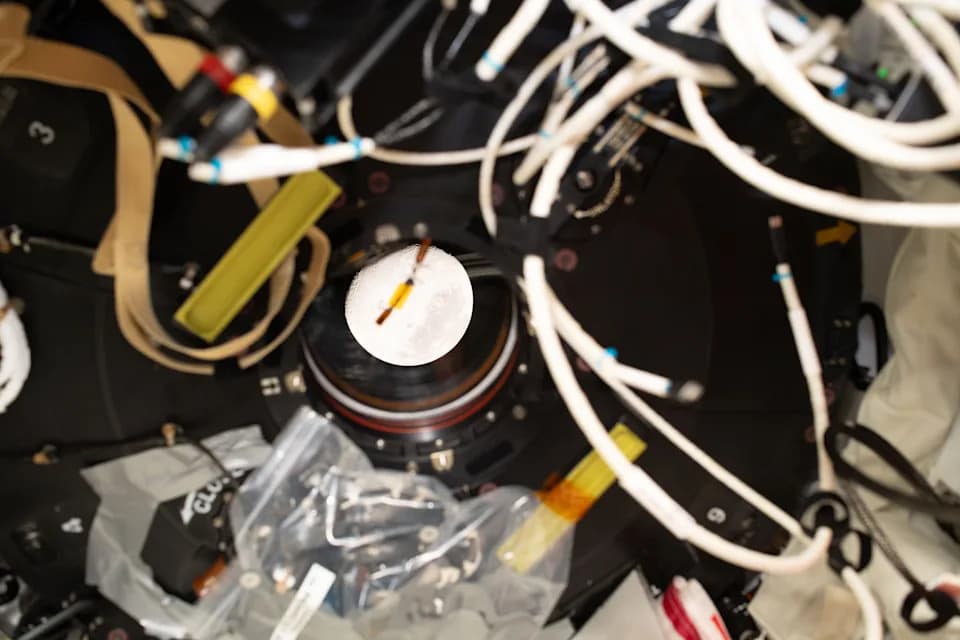
NASA released thousands of new photos taken during the Artemis II mission around the moon. The astronauts selected for the mission thoroughly documented the 10-day voyage, which included an April 6 lunar flyby as they traveled more than a quarter-million miles from Earth.(Provided by NASA)
NASA i njeni komercijalni partneri intenzivno rade na pretvaranju ambicioznog projekta nastanjive baze na Mesecu u stvarnost. Agencija će 30. juna predstaviti novo javno ažuriranje o napretku tog programa, nekoliko nedelja nakon objave posade za narednu Artemis misiju.
Šta je najavljeno
Rukovodioci NASA ranije su istakli nameru da izgrade mesečevu bazu procenjenu na oko 20 milijardi dolara, usmerenu na uglavnom neistraženi južni pol Meseca. Plan predviđa realizaciju u tri faze tokom kojih će kombinovane bezposadne i posadne misije dostavljati vozila, opremu i infrastrukturu na površinu Meseca.
Ciljevi baze
Baza bi, kada bude funkcionalna, omogućila astronautima da žive i rade na Mesecu na duže staze, dok istovremeno omogućava detaljnija naučna istraživanja i sticanje znanja neophodnih za buduće misije ka Marsu.
Ko će govoriti
Na brifingu su najavljeni zvaničnici NASA i menadžeri programa koji će predstaviti napredak i sledeće korake u uspostavljanju „održivog ljudskog prisustva i proširenih naučnih i komercijalnih aktivnosti na lunarnom površini“.
Praktične informacije
NASA će prenos konferencije uživo počevši od 14:30 po istočnom vremenu (ET) u utorak, 30. juna. Prenos će biti dostupan na zvaničnom YouTube kanalu agencije.
Artemis misije i sledeći koraci
U aprilu su četiri astronauta učestvovala u misiji Artemis II, obletela Mesec i vratila se na Zemlju bez sletanja — ključni test rakete Space Launch System (SLS) i kapsule Orion. NASA je takođe imenovala posadu za Artemis III: komandant Randy Bresnik (NASA), pilot Luca Parmitano (ESA), i misijski specijalisti Frank Rubio i Andre Douglas (oba NASA). Prema najavama, Artemis III (planiran za 2027.) ima za cilj dodatne testove, uključujući ispitivanje dokovanja i interoperabilnosti sa komercijalnim lunarnim letelicama koje razvijaju kompanije poput SpaceX-a i Blue Origin-a.
Ovi testovi služe kao priprema za naredne misije koje treba da omoguće prvo ljudsko sletanje i održivo prisustvo na Mesecu posle više decenija – potencijalno već od misije Artemis IV i nadalje.
Napomena: Rasporedi i tehnički zahtevi misija mogu se menjati zbog razvoja tehnologije i logističkih potreba.
Zašto je ovo važno
Mesec predstavlja izuzetno vredan cilј za nauku i buduće ljudske misije u Sunčevom sistemu: geološki je očuvan kroz milijarde godina i može poslužiti kao odskočna daska za istraživanje Marsa i dalje destinacije.
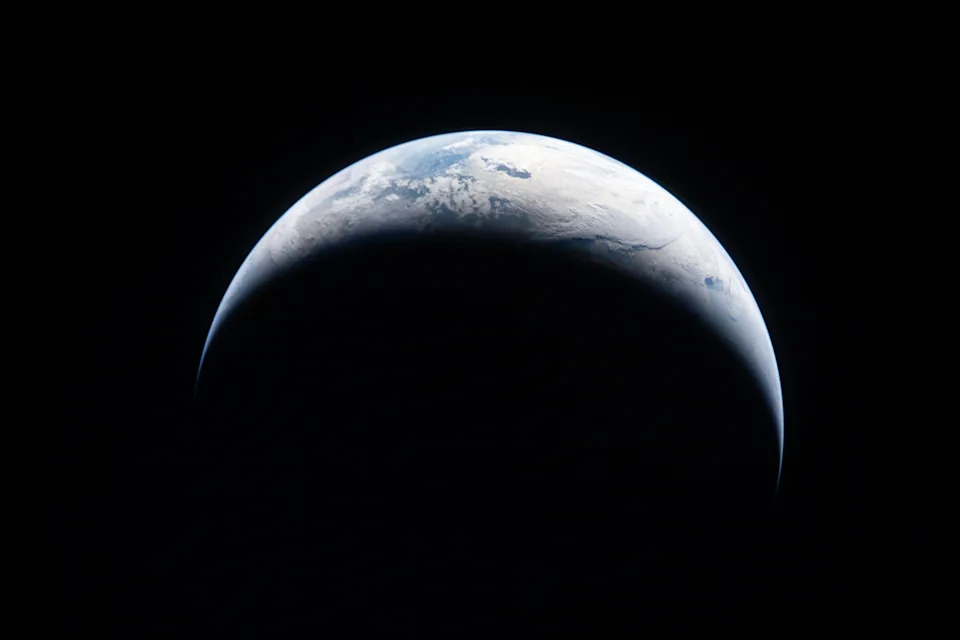
NASA released thousands of new photos taken during the Artemis II mission around the moon. The astronauts selected for the mission thoroughly documented the 10-day voyage, which included an April 6 lunar flyby as they traveled more than a quarter-million miles from Earth.(Provided by NASA)
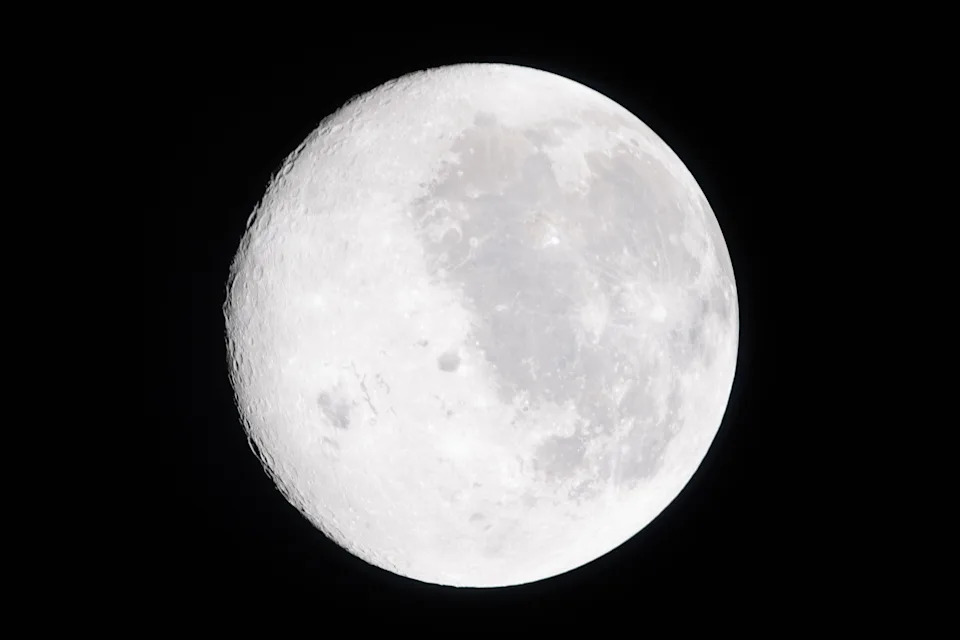
NASA released thousands of new photos taken during the Artemis II mission around the moon. The astronauts selected for the mission thoroughly documented the 10-day voyage, which included an April 6 lunar flyby as they traveled more than a quarter-million miles from Earth.(Provided by NASA)
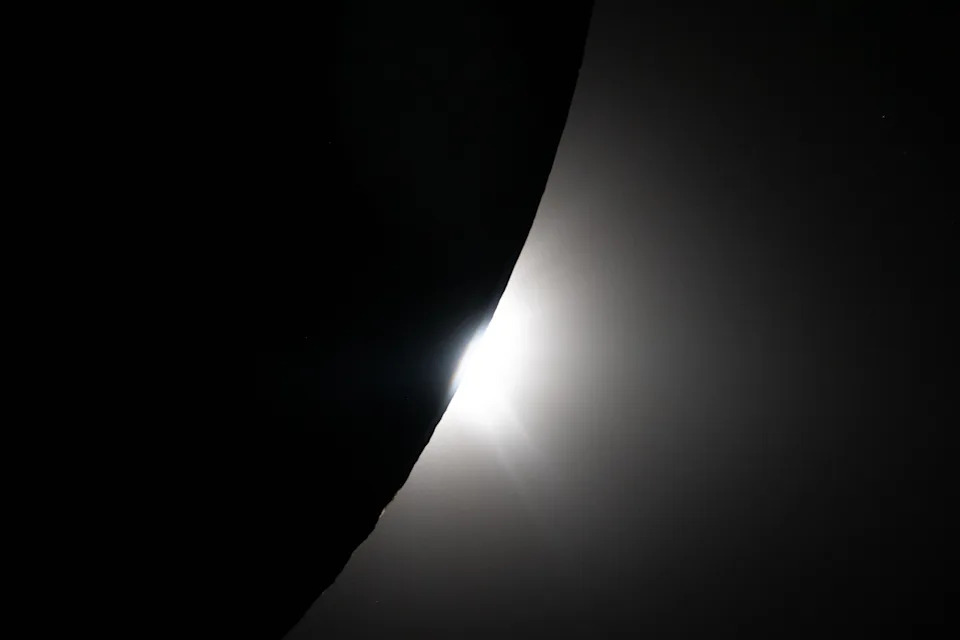
NASA released thousands of new photos taken during the Artemis II mission around the moon. The astronauts selected for the mission thoroughly documented the 10-day voyage, which included an April 6 lunar flyby as they traveled more than a quarter-million miles from Earth.(Provided by NASA)
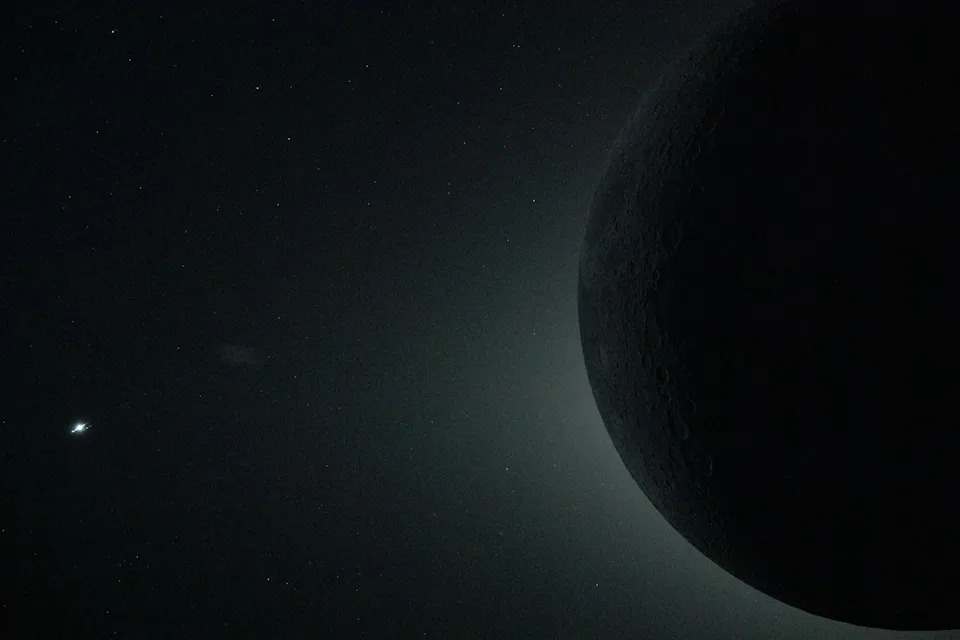
NASA released thousands of new photos taken during the Artemis II mission around the moon. The astronauts selected for the mission thoroughly documented the 10-day voyage, which included an April 6 lunar flyby as they traveled more than a quarter-million miles from Earth.(Provided by NASA)
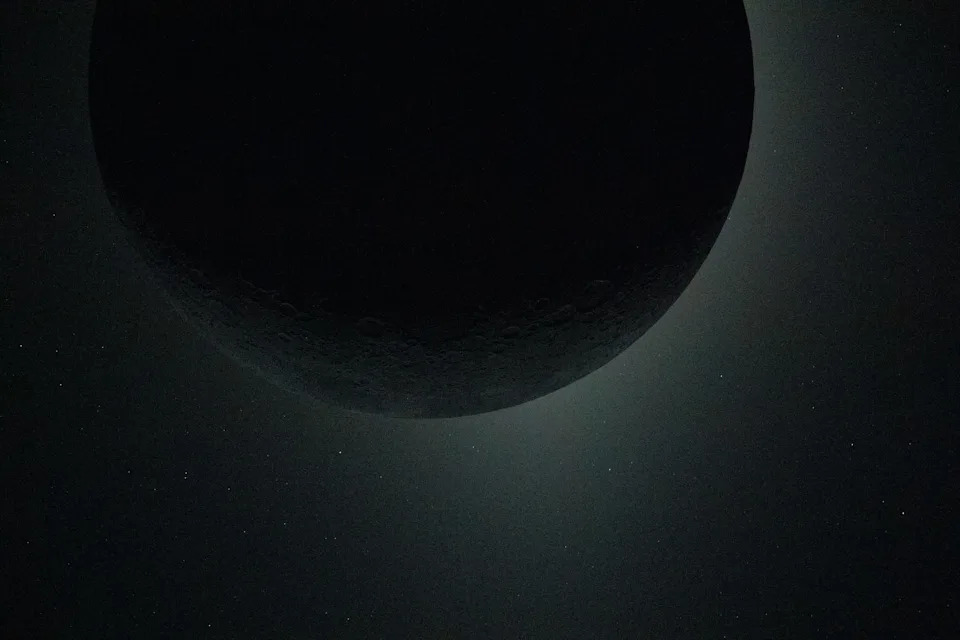
NASA released thousands of new photos taken during the Artemis II mission around the moon. The astronauts selected for the mission thoroughly documented the 10-day voyage, which included an April 6 lunar flyby as they traveled more than a quarter-million miles from Earth.(Provided by NASA)
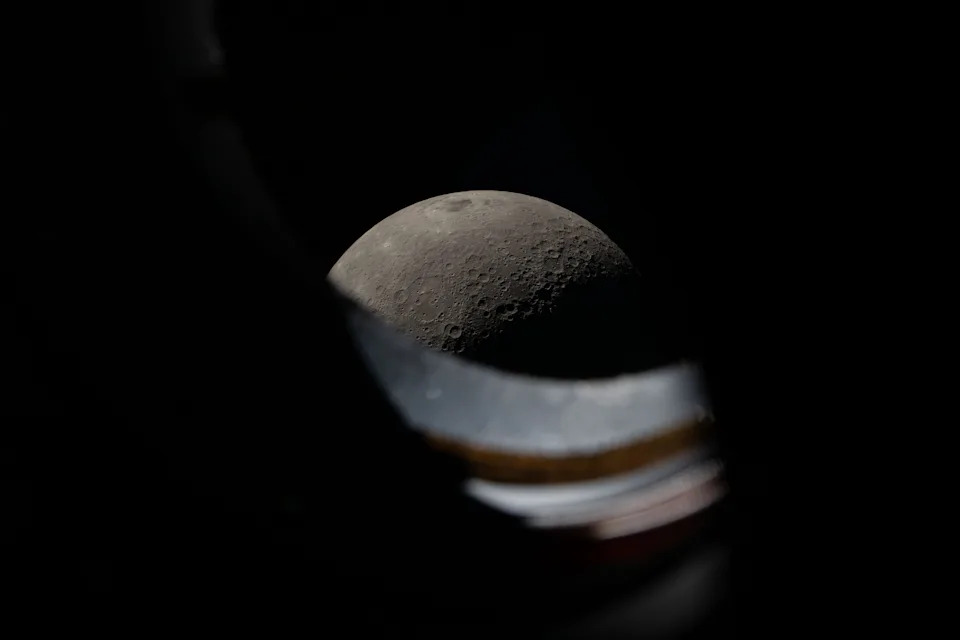
NASA released thousands of new photos taken during the Artemis II mission around the moon. The astronauts selected for the mission thoroughly documented the 10-day voyage, which included an April 6 lunar flyby as they traveled more than a quarter-million miles from Earth.(Provided by NASA)
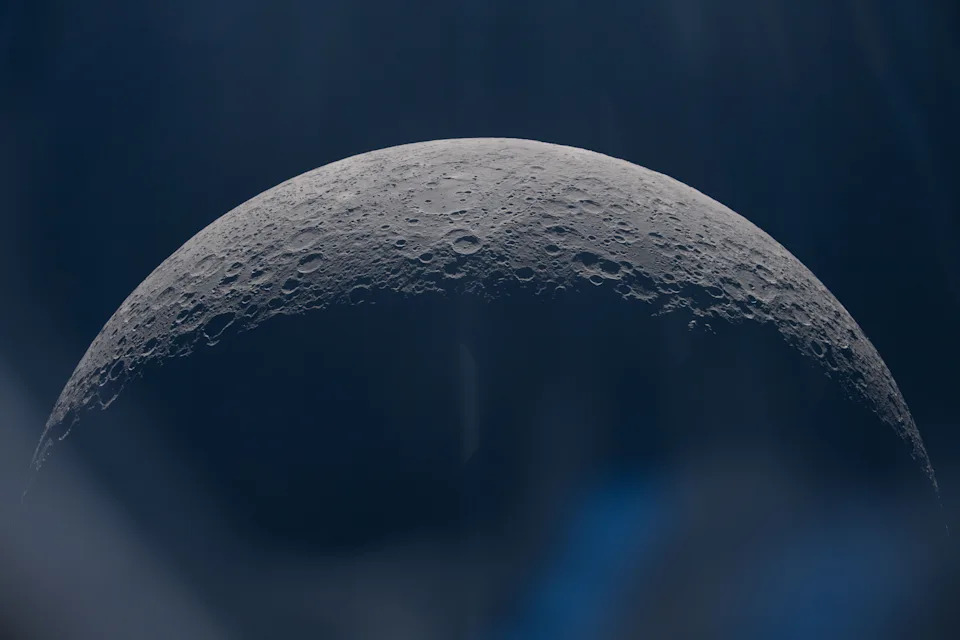
NASA released thousands of new photos taken during the Artemis II mission around the moon. The astronauts selected for the mission thoroughly documented the 10-day voyage, which included an April 6 lunar flyby as they traveled more than a quarter-million miles from Earth.(Provided by NASA)
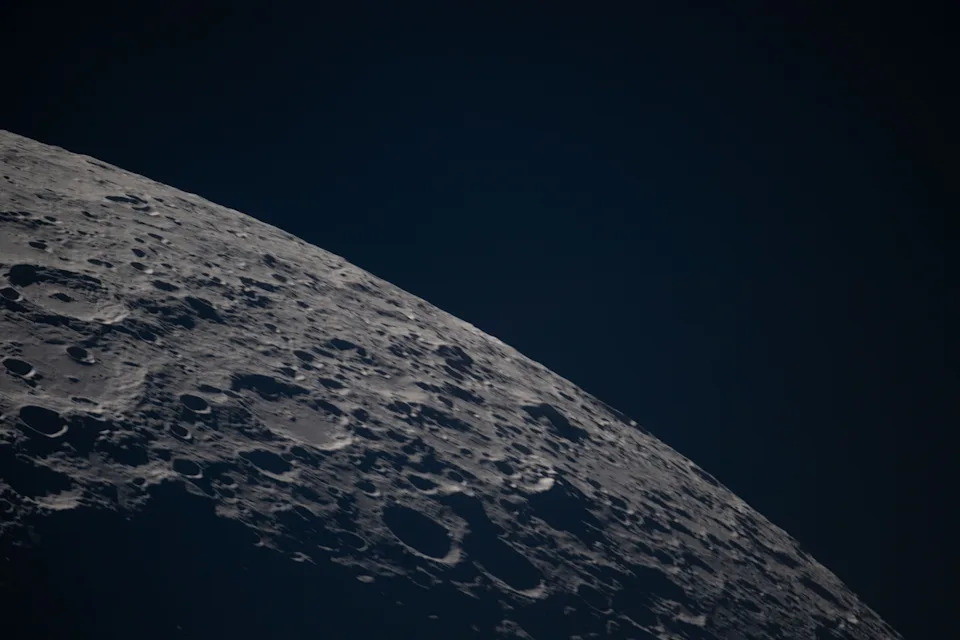
NASA released thousands of new photos taken during the Artemis II mission around the moon. The astronauts selected for the mission thoroughly documented the 10-day voyage, which included an April 6 lunar flyby as they traveled more than a quarter-million miles from Earth.(Provided by NASA)
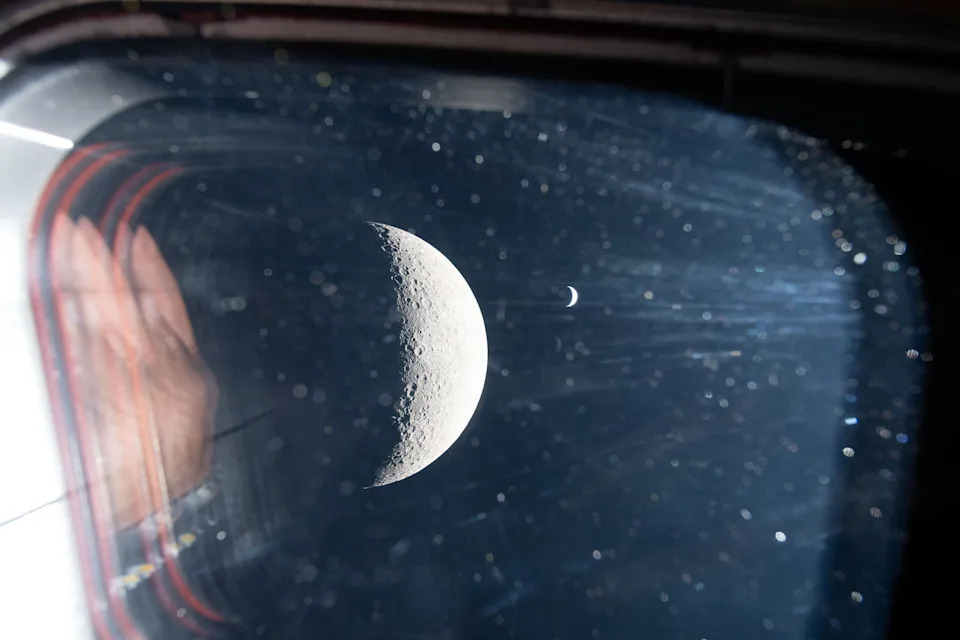
NASA released thousands of new photos taken during the Artemis II mission around the moon. The astronauts selected for the mission thoroughly documented the 10-day voyage, which included an April 6 lunar flyby as they traveled more than a quarter-million miles from Earth.(Provided by NASA)
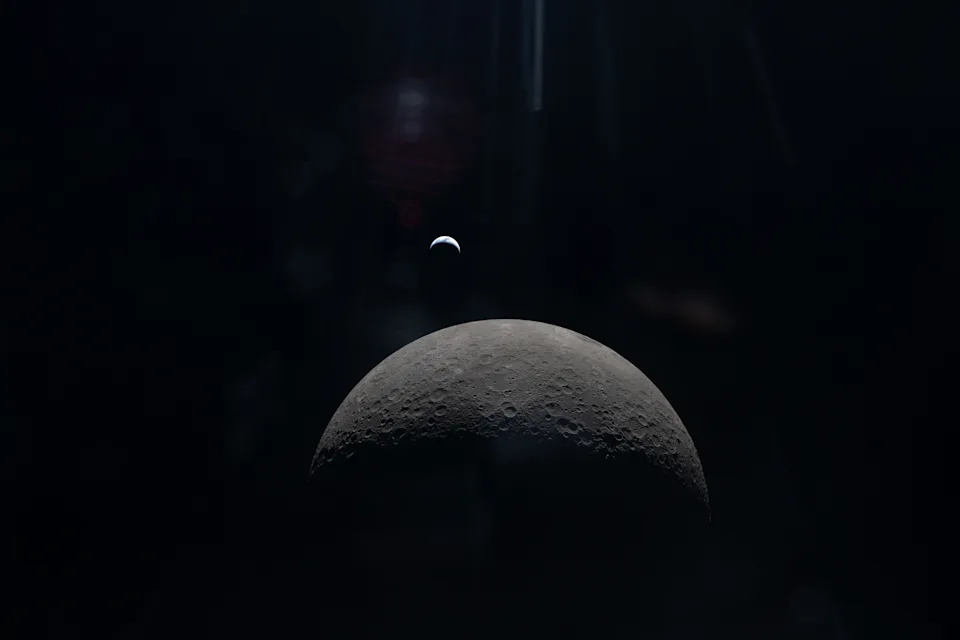
NASA released thousands of new photos taken during the Artemis II mission around the moon. The astronauts selected for the mission thoroughly documented the 10-day voyage, which included an April 6 lunar flyby as they traveled more than a quarter-million miles from Earth.(Provided by NASA)
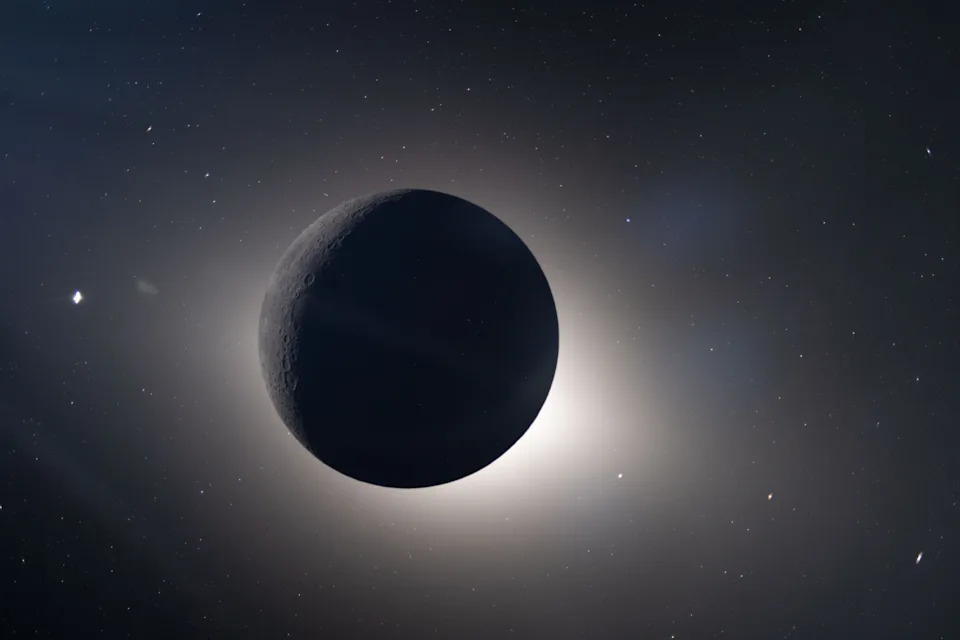
NASA released thousands of new photos taken during the Artemis II mission around the moon. The astronauts selected for the mission thoroughly documented the 10-day voyage, which included an April 6 lunar flyby as they traveled more than a quarter-million miles from Earth.(Provided by NASA)
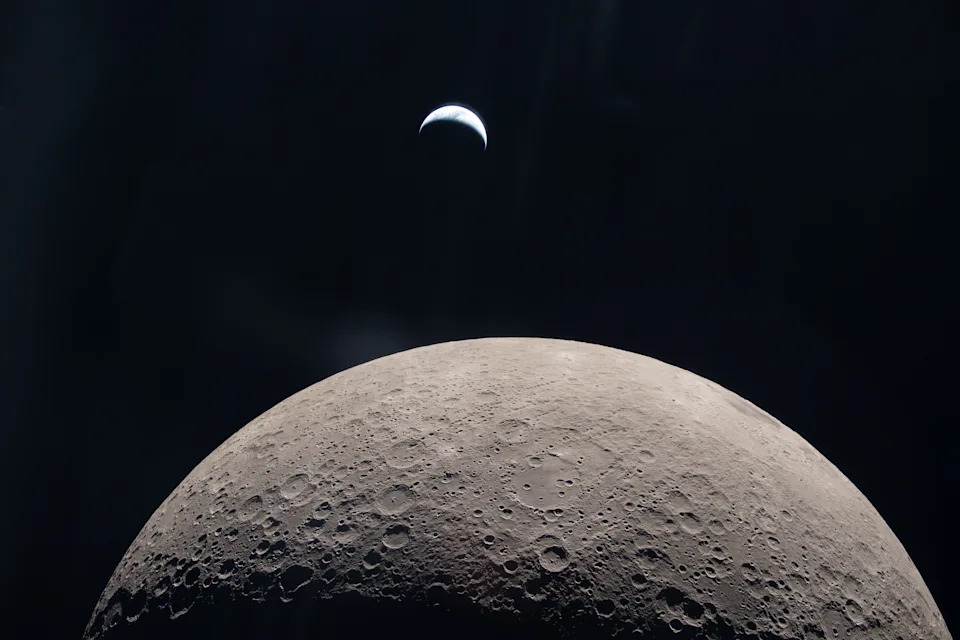
NASA released thousands of new photos taken during the Artemis II mission around the moon. The astronauts selected for the mission thoroughly documented the 10-day voyage, which included an April 6 lunar flyby as they traveled more than a quarter-million miles from Earth.(Provided by NASA)
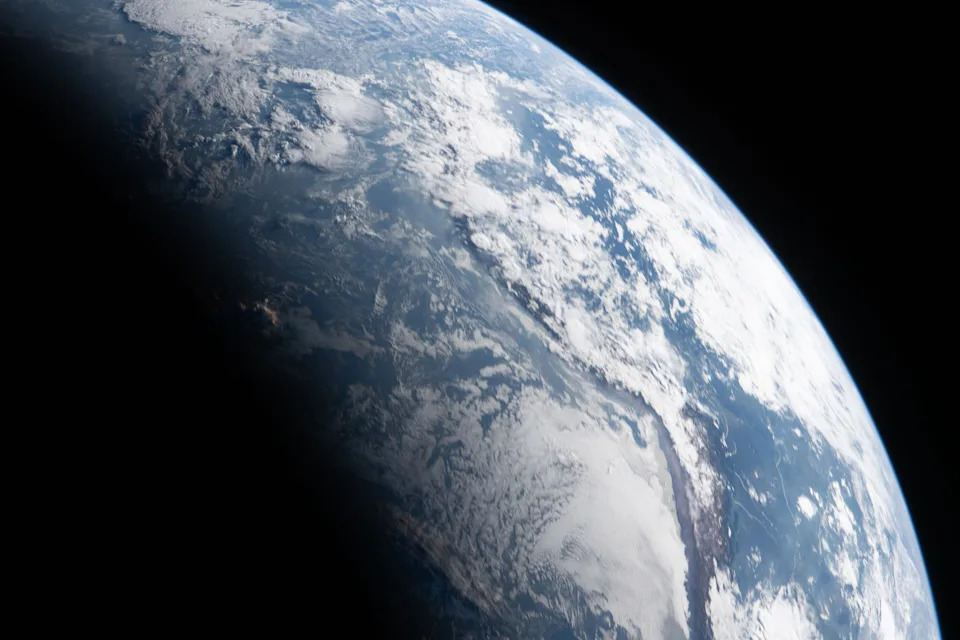
NASA released thousands of new photos taken during the Artemis II mission around the moon. The astronauts selected for the mission thoroughly documented the 10-day voyage, which included an April 6 lunar flyby as they traveled more than a quarter-million miles from Earth.(Provided by NASA)
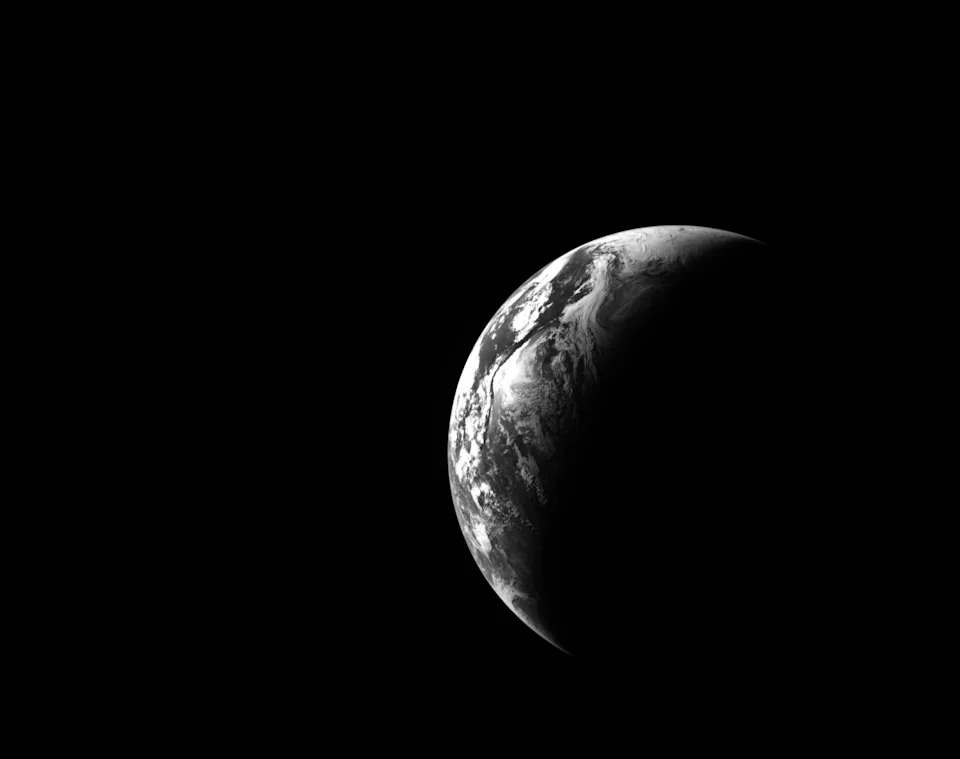
NASA released thousands of new photos taken during the Artemis II mission around the moon. The astronauts selected for the mission thoroughly documented the 10-day voyage, which included an April 6 lunar flyby as they traveled more than a quarter-million miles from Earth.(Provided by NASA)
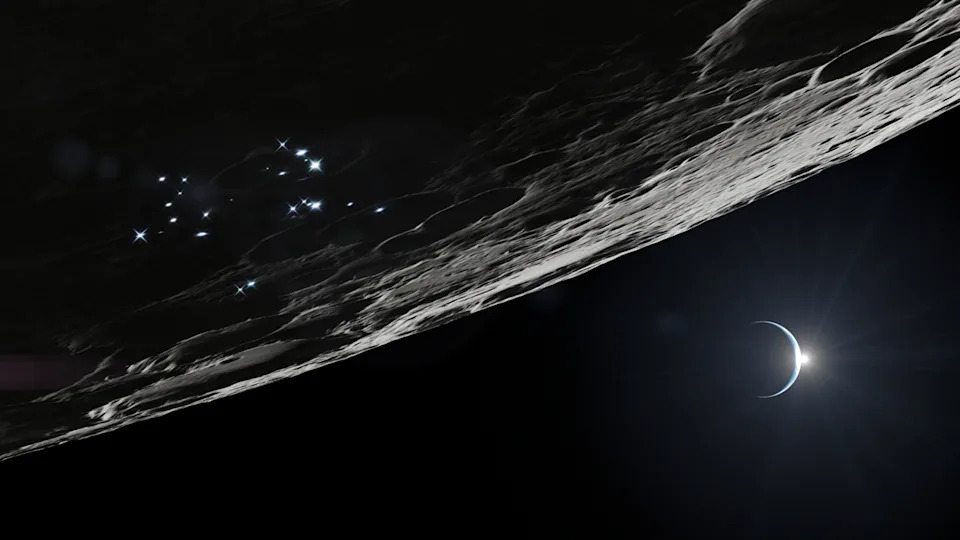
Artist’s rendering of the Moon’s South Pole region. Glowing points of light scattered across the lunar surface represent surface assets supporting sustained human and robotic operations near the South Pole.
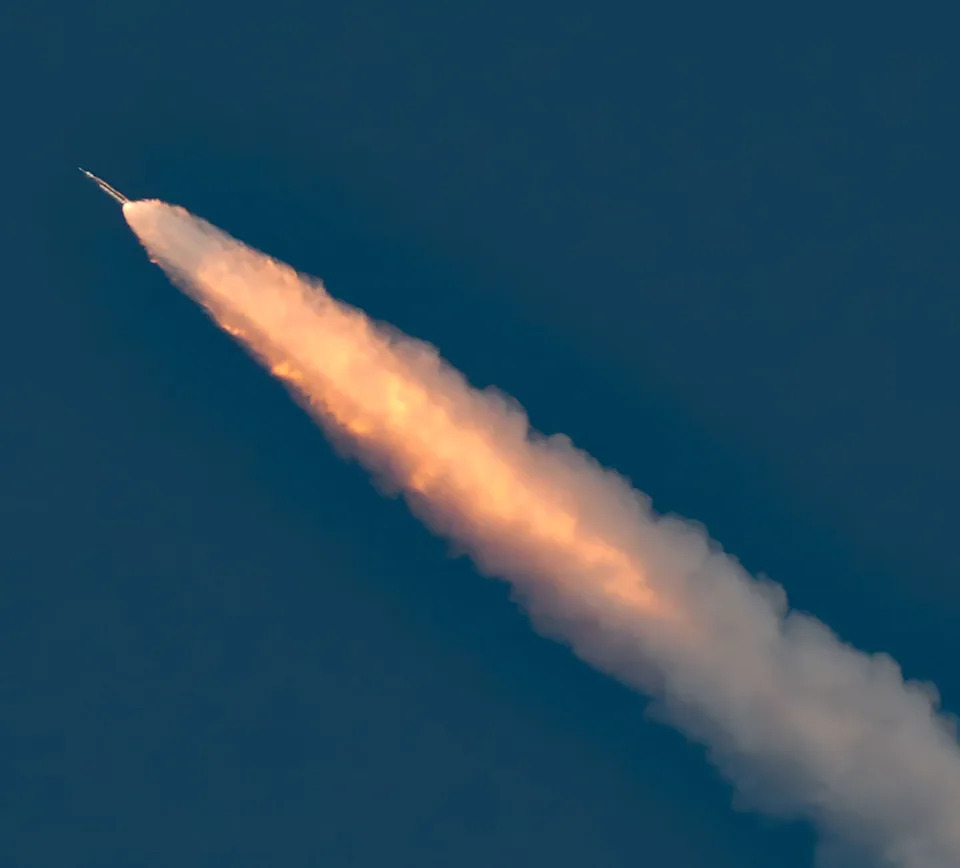
The Artemis II mission launches April 1 from the Kennedy Space Center in Cape Canaveral, Florida. The four-person crew aboard the Orion spacecraft hitched a ride to orbit atop NASA's giant 322-foot Space Launch System rocket. Launching atop 8.8 million pounds of thrust, the SLS is the most powerful rocket NASA ever launched, about 17% more powerful than the iconic Saturn V rocket used during the Apollo era.(Nadia Zomorodian, News-Journal via USA TODAY NETWORK)
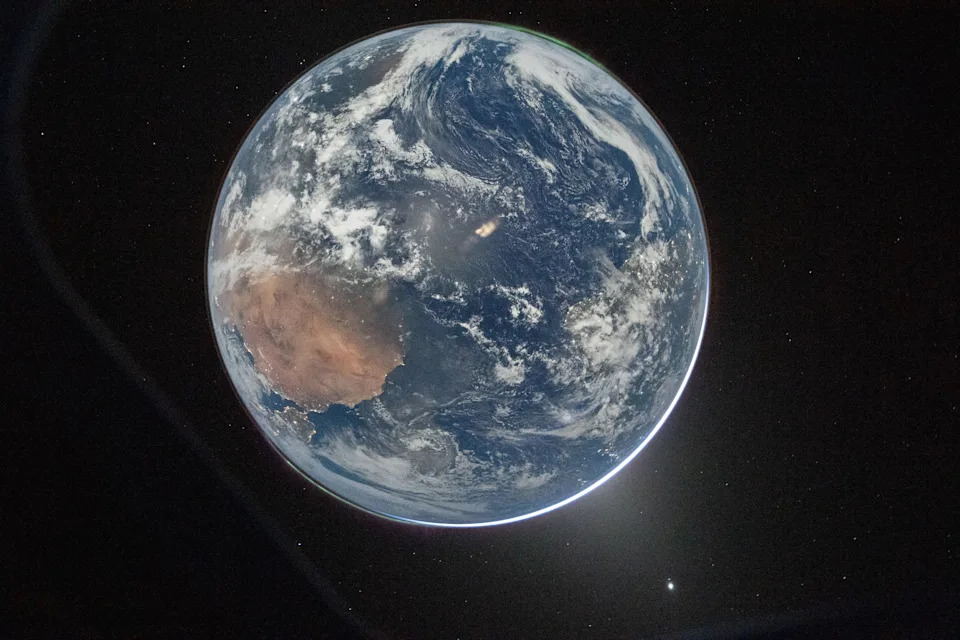
Artemis II Commander Reid Wiseman of NASA took this stunning photograph of Earth from the Orion spacecraft's window on April 2. The image is reminiscent of the iconic "blue marble" image captured during the Apollo 17 mission in 1972.(Reid Wiseman/NASA)
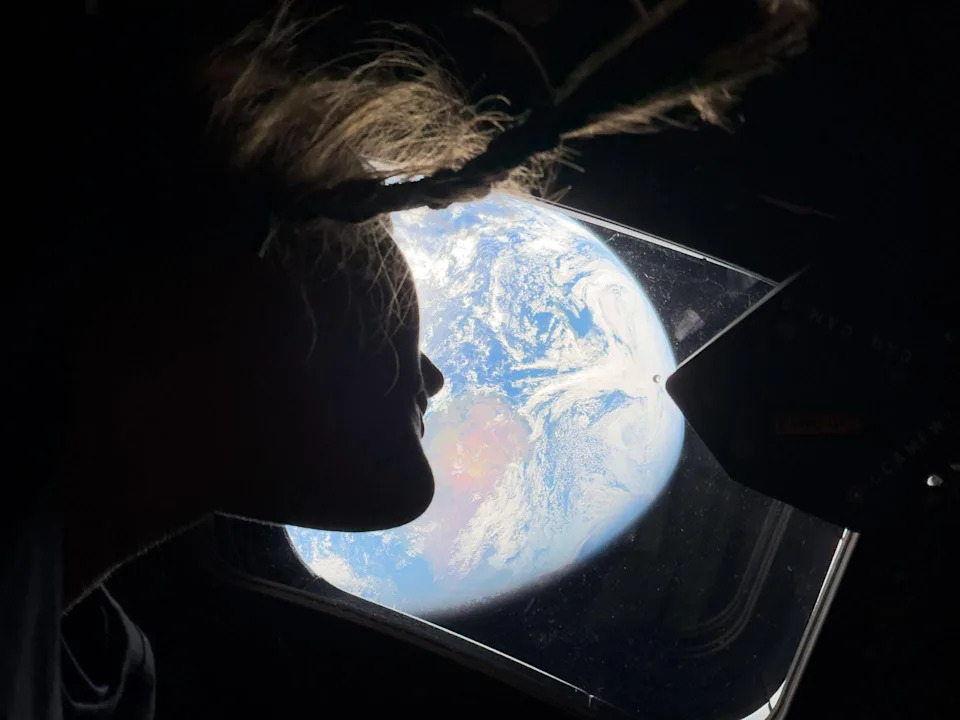
NASA astronaut Christina Koch, a mission specialist on Artemis II, gazes out the windows of the Orion vehicle back at Earth as she and the crew head toward the moon. Koch, who already holds several NASA records from her first spaceflight in 2019 to the International Space Station, became the first woman to fly on a lunar mission.(Provided by NASA)
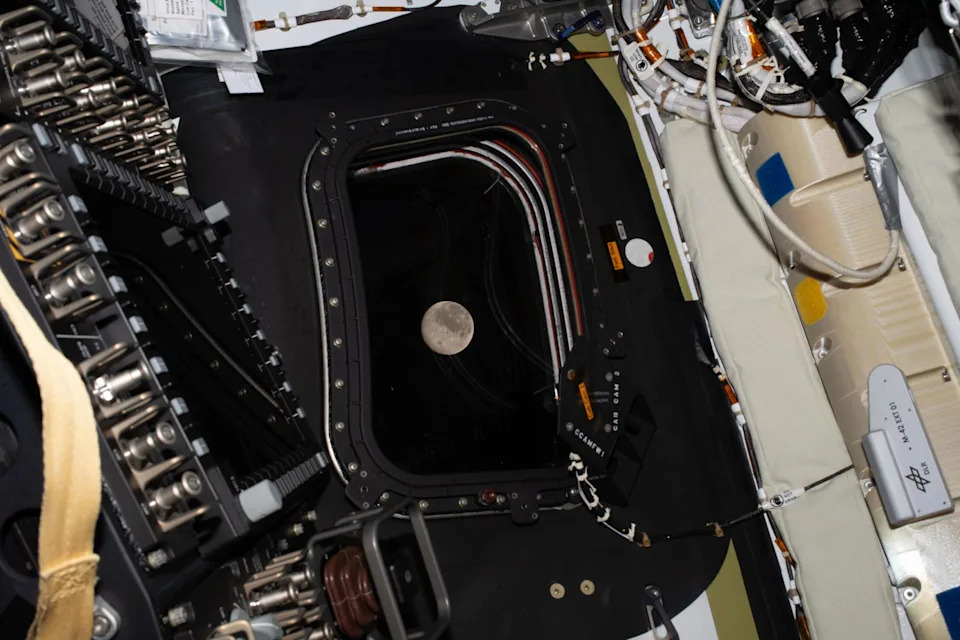
Before going to sleep April 5, the Artemis II crew snapped one more photo of the moon, as it drew close in the window of the Orion spacecraft. Shortly after, the astronauts entered the lunar sphere of influence, where the pull of the moon's gravity became stronger than Earth's.(Provided by NASA)
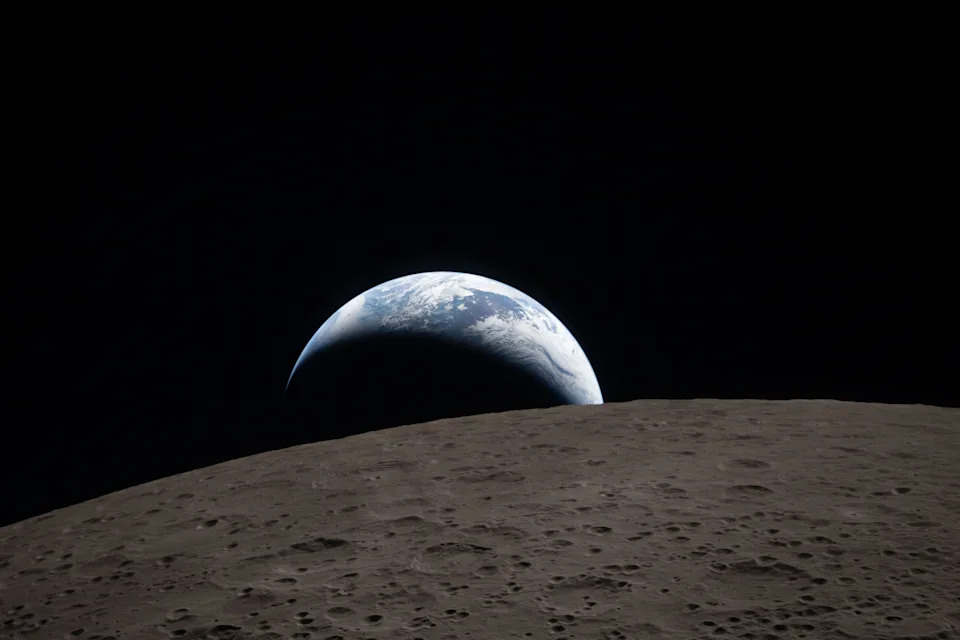
The crew of Artemis II captured a breathtaking image of a celestial event known as an "Earthset," in which the Earth dropped below the lunar horizon. The image is reminiscent of the iconic "Earthrise" photo that NASA astronaut Bill Anders captured in 1968 during the Apollo 8 mission that showed our planet rising on the lunar horizon.(Provided by NASA)
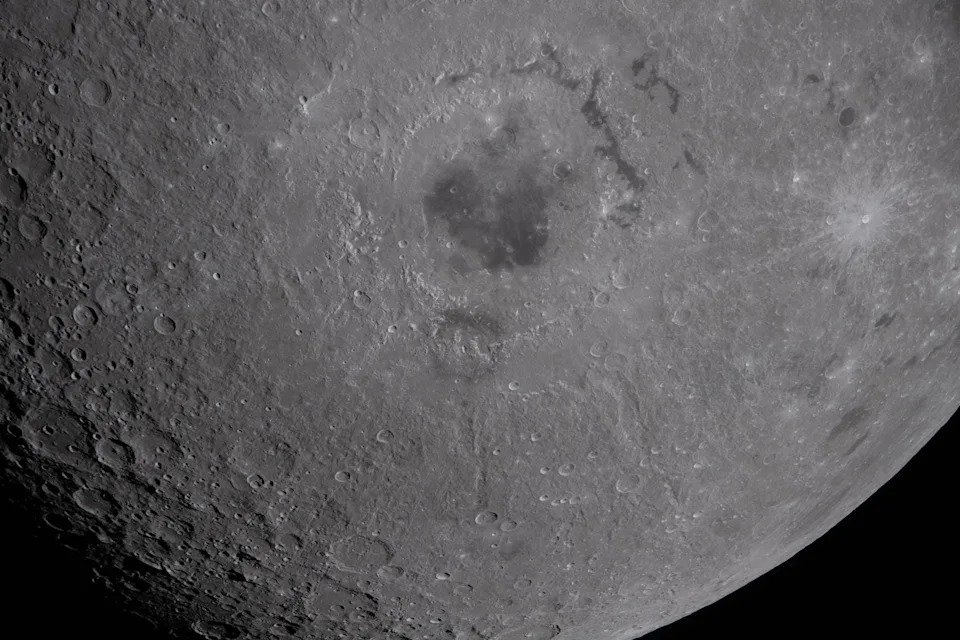
Of the impact craters, ancient lava flows and other lunar features the Artemis II astronauts observed during an April 6 flyby, a crater known as the Orientale basin was perhaps the most prominent. Spanning nearly 600 miles, the 3.8 billion year old crater (seen in the upper center of this photo) had never been seen with the naked eye prior to the mission.(Provided by NASA)
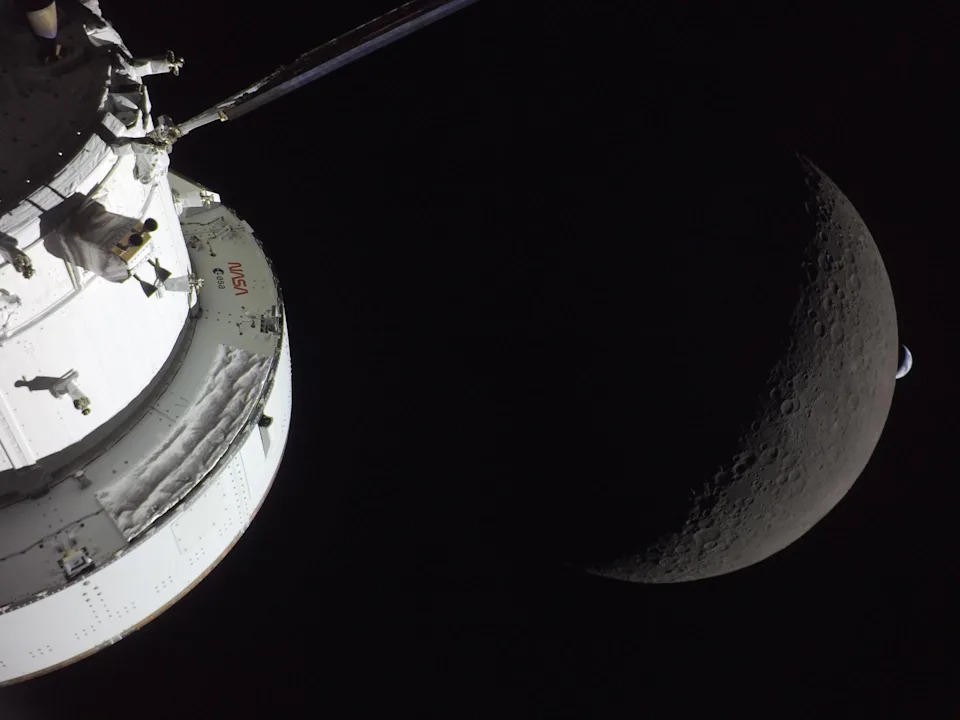
The Orion spacecraft the Artemis II astronauts were aboard is captured in the same frame as both the moon and Earth in this photo captured about four hours into the historic April 6 flyby.(Provided by NASA)
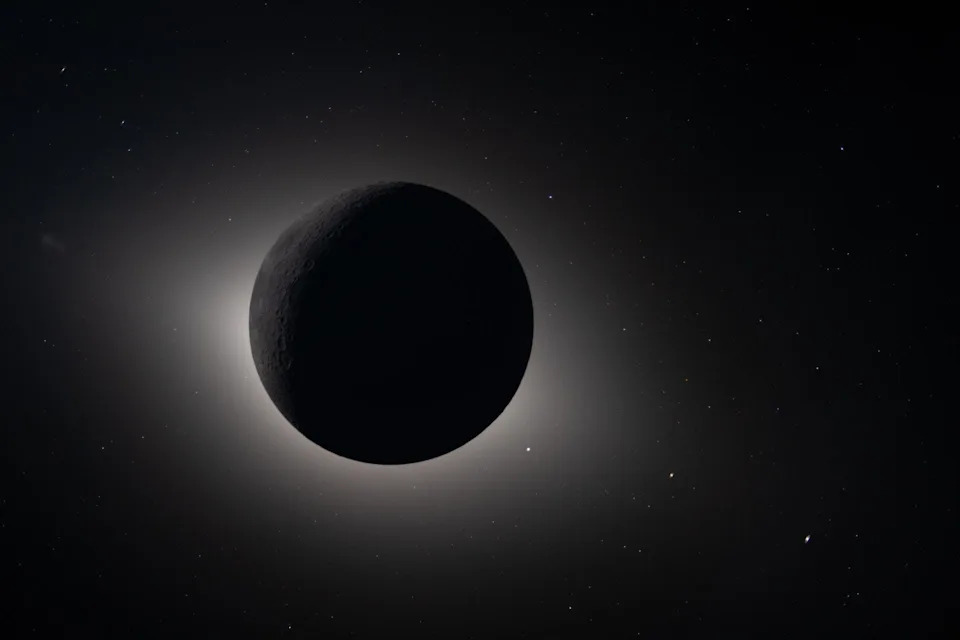
This image shows the moon fully eclipsing the sun from the vantage of the Orion spacecraft, not unlike what millions of people witnessed in April 2024 from Earth. From the crew’s perspective, the moon appeared large enough to completely block the sun, creating nearly 54 minutes of totality and revealing our star's elusive outermost layer, known as the corona.(Provided by NASA)
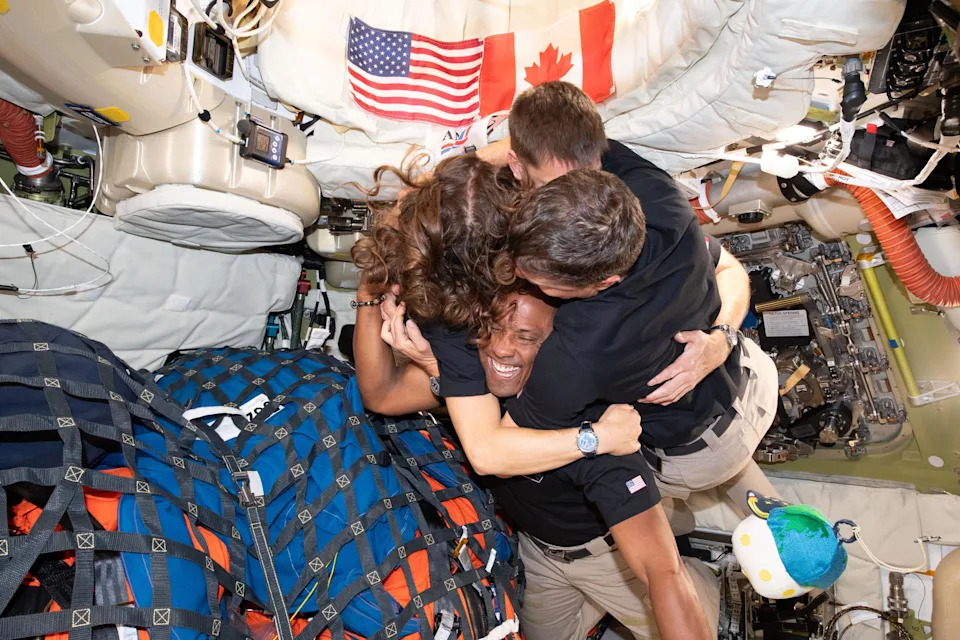
The crew members of Artemis II embrace following the historic lunar flyby April 6, during which the astronauts flew farther from Earth than anyone in human history while seeing sights of the moon's far side never seen in person.(Provided by NASA)
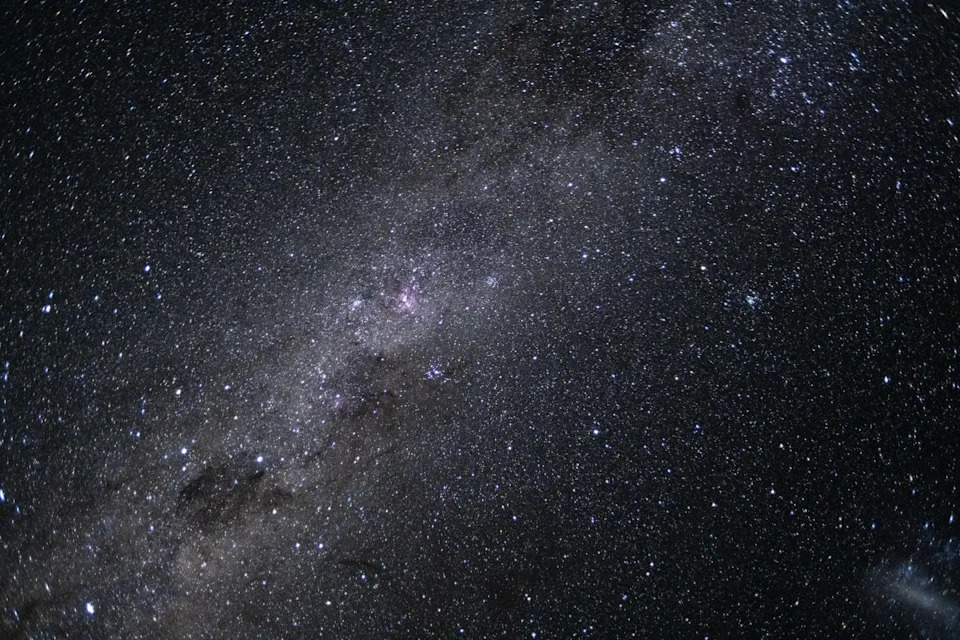
The Artemis II crew captured this breathtaking photo of our galaxy, the Milky Way. Spanning more than 100,000 light-years, Earth is located along one of the galaxy’s spiral arms, about halfway from the center.(Provided by NASA)
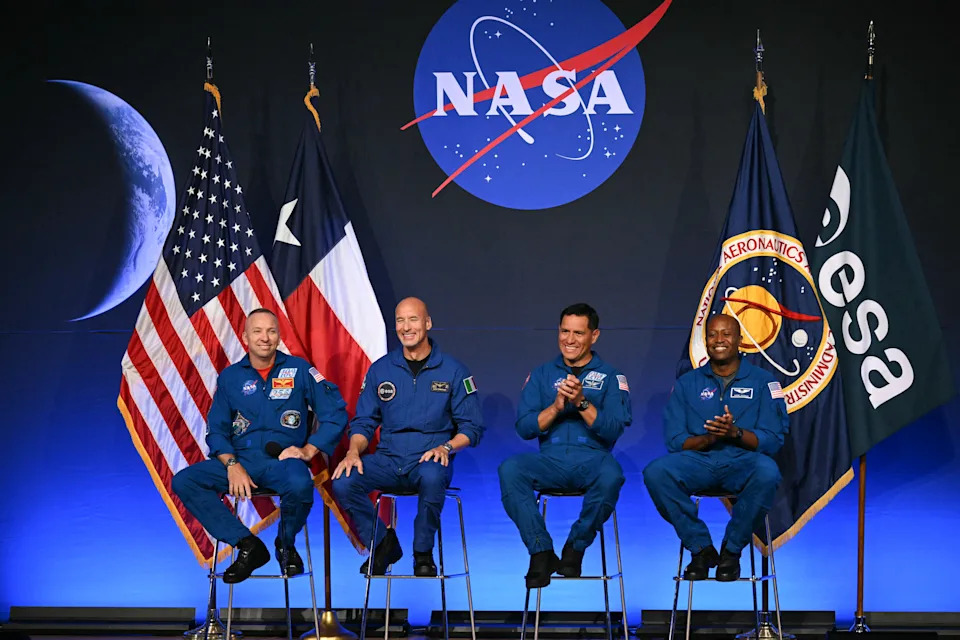
NASAnamed four astronauts for Artemis III at a press conference in Houston on June 9, 2026. The crew is preparing for a 2027 launch.(L-R) NASA astronaut commander Randy Bresnik, ESA (European Space Agency) astronaut pilot Luca Parmitano, NASA astronaut mission specialist Frank Rubio, and NASA astronaut mission specialist Andre Douglas speak during a press conference announcing the crew for the Artemis III mission at NASA's Johnson Space Center in Houston, Texas, on June 9, 2026.(RONALDO SCHEMIDT, AFP via Getty Images)
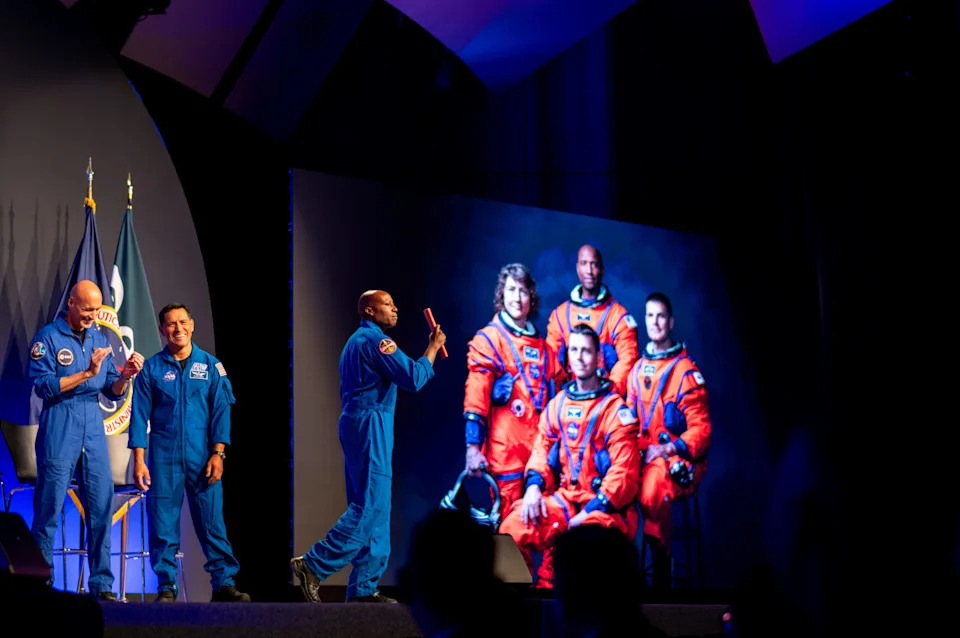
Astronaut Andre Douglas shows a torch received from the Artemis II crew during the conclusion of the Artemis III crew reveal at the NASA Johnson Space Center on June 9, 2026 in Houston, Texas. NASA has selected astronauts Douglas, Frank Rubio, Luca Parmitano from Italy and the European Space Agency, and Randy Bresnik for the upcoming Artemis III mission, scheduled for 2027. The Artemis III mission will stay in low Earth orbit and demonstrate spacecraft docking capabilities. The Artimis IV mission, planned for 2028, will return humans to the lunar surface for the first time since the Apollo 17 mission.(Brandon Bell, Getty Images)
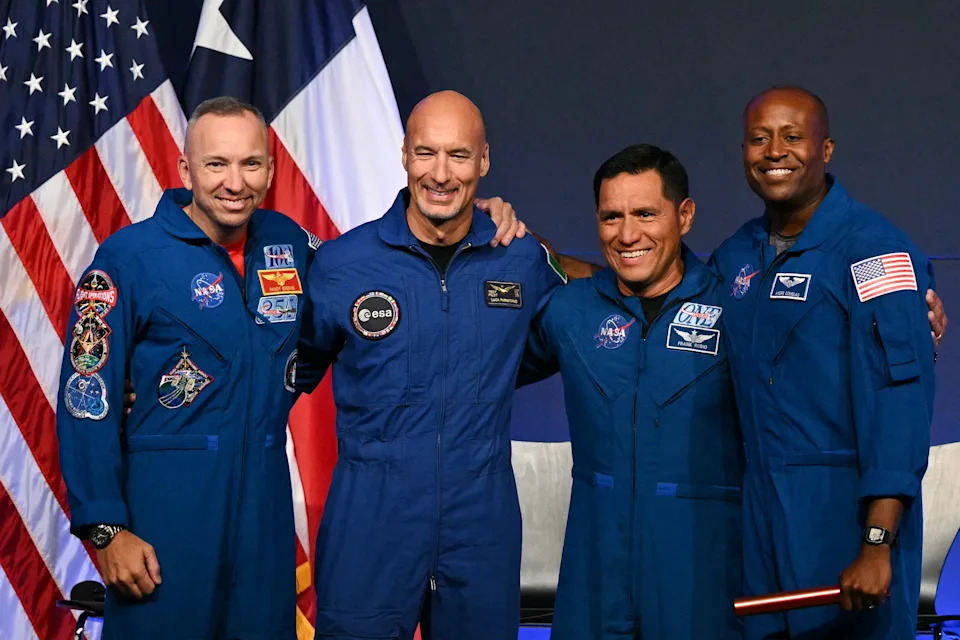
(L/R) NASA astronaut commander Randy Bresnik, ESA (European Space Agency) astronaut pilot Luca Parmitano, NASA astronaut mission specialist Frank Rubio, and NASA astronaut mission specialist Andre Douglas speak during a press conference announcing the crew for the Artemis III mission at NASA's Johnson Space Center in Houston, Texas, on June 9, 2026. The Italian Luca Parmitano will be the pilot of NASA's Artemis 3 voyage, the first European to join one of the program's missions. Parmitano, who will represent the European Space Agency, is one of four men named as crewmembers tasked with carrying out Artemis 3, which is targeting launch in late 2027.(RONALDO SCHEMIDT, AFP via Getty Images)
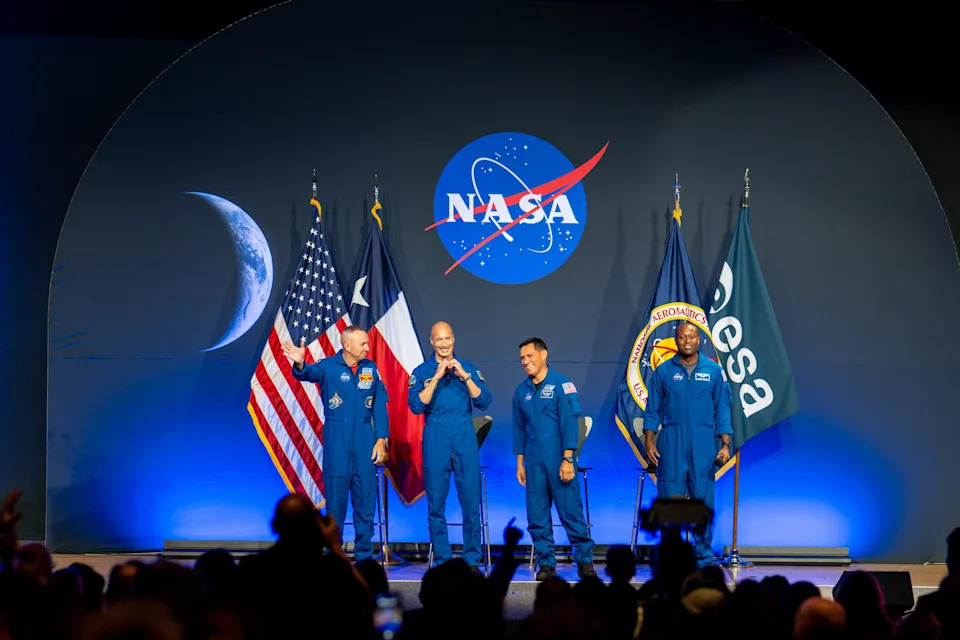
(L-R) Astronauts Randy Bresnik, Luca Parmitano of Italy and the European Space Agency, Frank Rubio and Andre Douglas greet audience members during the Artemis III crew reveal at the NASA Johnson Space Center on June 09, 2026 in Houston, Texas. NASA has selected the astronauts for the upcoming Artemis III mission, scheduled for 2027. The Artemis III mission will stay in low Earth orbit and demonstrate spacecraft docking capabilities. The Artimis IV mission, planned for 2028, will return humans to the lunar surface for the first time since the Apollo 17 mission.(Brandon Bell, Getty Images)
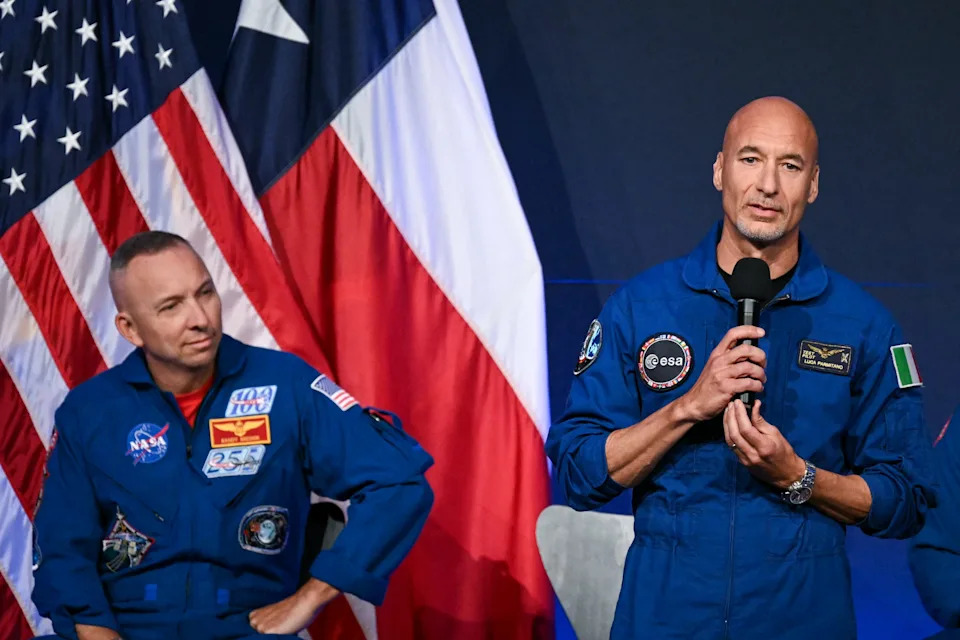
(L/R) NASA astronaut commander Randy Bresnik looks on as ESA (European Space Agency) astronaut pilot Luca Parmitano speaks during a press conference announcing the crew for the Artemis III mission at NASA's Johnson Space Center in Houston, Texas, on June 9, 2026. The Italian Luca Parmitano will be the pilot of NASA's Artemis 3 voyage, the first European to join one of the program's missions. Parmitano, who will represent the European Space Agency, is one of four men named as crewmembers tasked with carrying out Artemis 3, which is targeting launch in late 2027.(RONALDO SCHEMIDT, AFP via Getty Images)
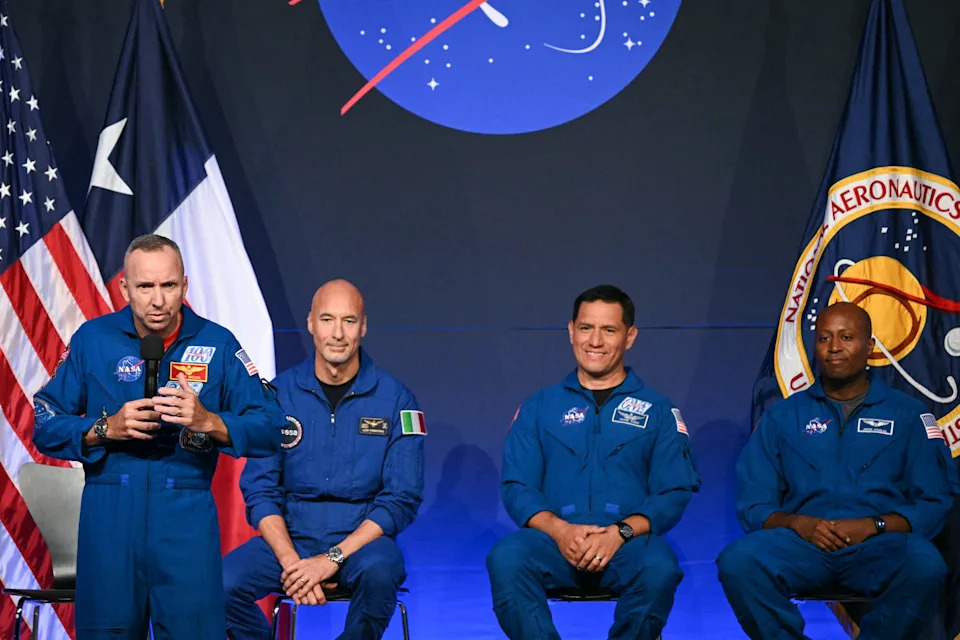
(L/R) NASA astronaut commander Randy Bresnik, ESA (European Space Agency) astronaut pilot Luca Parmitano, NASA astronaut mission specialist Frank Rubio, and NASA astronaut mission specialist Andre Douglas speak during a press conference announcing the crew for the Artemis III mission at NASA's Johnson Space Center in Houston, Texas, on June 9, 2026. The Italian Luca Parmitano will be the pilot of NASA's Artemis 3 voyage, the first European to join one of the program's missions. Parmitano, who will represent the European Space Agency, is one of four men named as crewmembers tasked with carrying out Artemis 3, which is targeting launch in late 2027.(RONALDO SCHEMIDT, AFP via Getty Images)
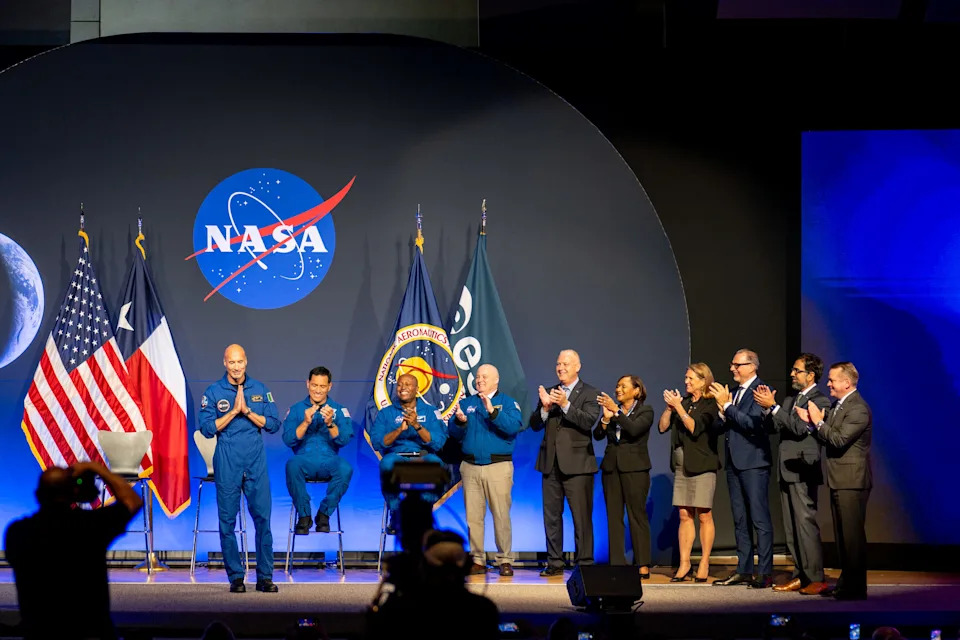
Astronaut Luca Parmitano of Italy and the European Space Agency greets audience members upon arrival on stage during the Artemis III crew reveal at the NASA Johnson Space Center on June 9, 2026 in Houston, Texas. NASA has selected astronauts Andre Douglas, Frank Rubio, Parmitano, and Randy Bresnik for the upcoming Artemis III mission, scheduled for 2027. The Artemis III mission will stay in low Earth orbit and demonstrate spacecraft docking capabilities. The Artimis IV mission, planned for 2028, will return humans to the lunar surface for the first time since the Apollo 17 mission.(Brandon Bell, Getty Images)
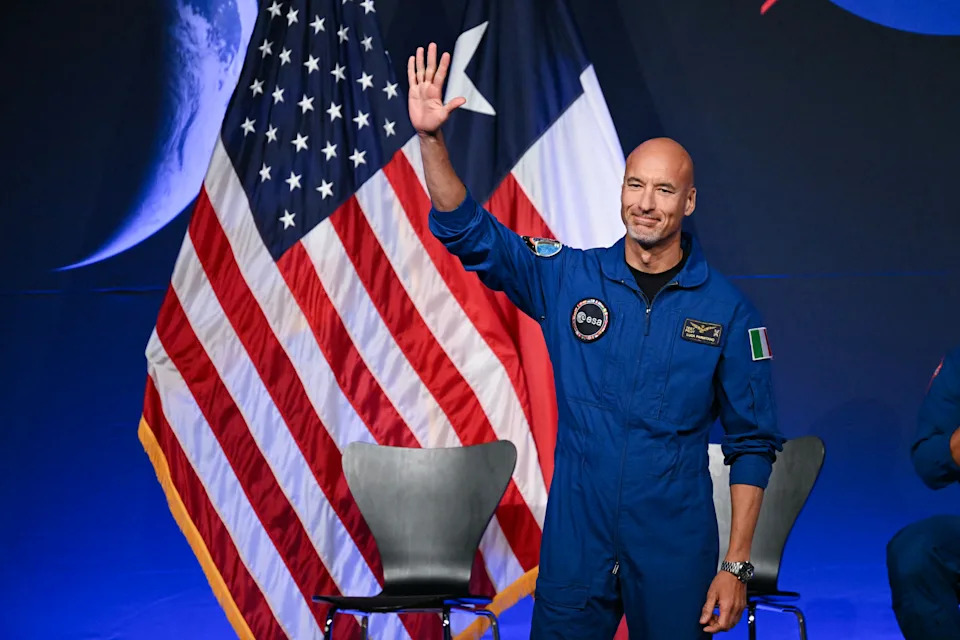
(European Space Agency) astronaut pilot Luca Parmitano gestures during a press conference announcing the crew for the Artemis III mission at NASA's Johnson Space Center in Houston, Texas, on June 9, 2026. The Italian Luca Parmitano will be the pilot of NASA's Artemis 3 voyage, the first European to join one of the program's missions. Parmitano, who will represent the European Space Agency, is one of four men named as crewmembers tasked with carrying out Artemis 3, which is targeting launch in late 2027.(RONALDO SCHEMIDT, AFP via Getty Images)
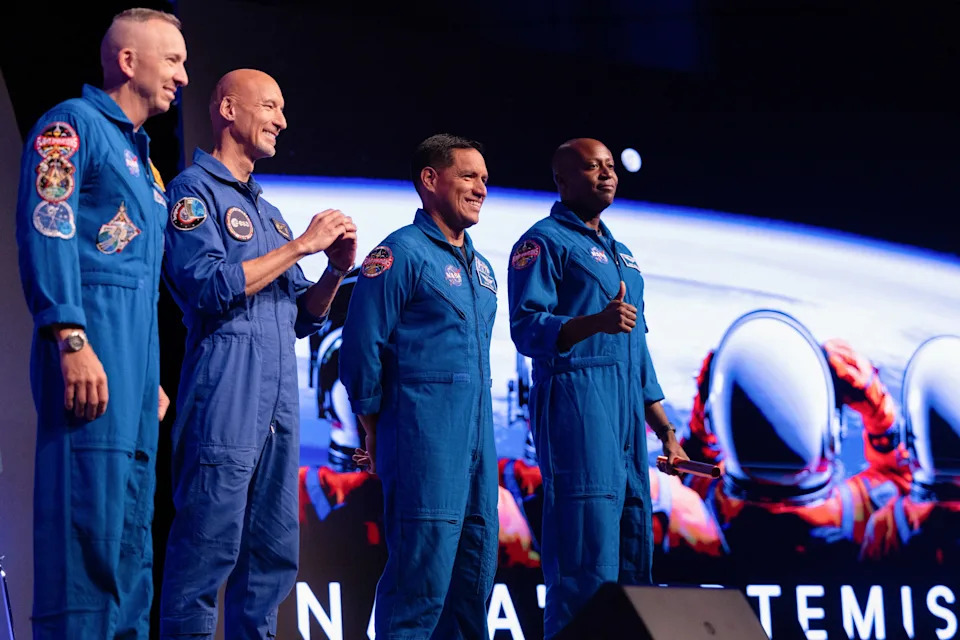
Astronauts Randy Bresnik, Luca Parmitano, Frank Rubio and Andre Douglas are unveiled as the NASA Artemis III mission crew June 9 at an event at NASA Johnson Space Center in Houston, Texas.(Antranik Tavitian/Reuters)
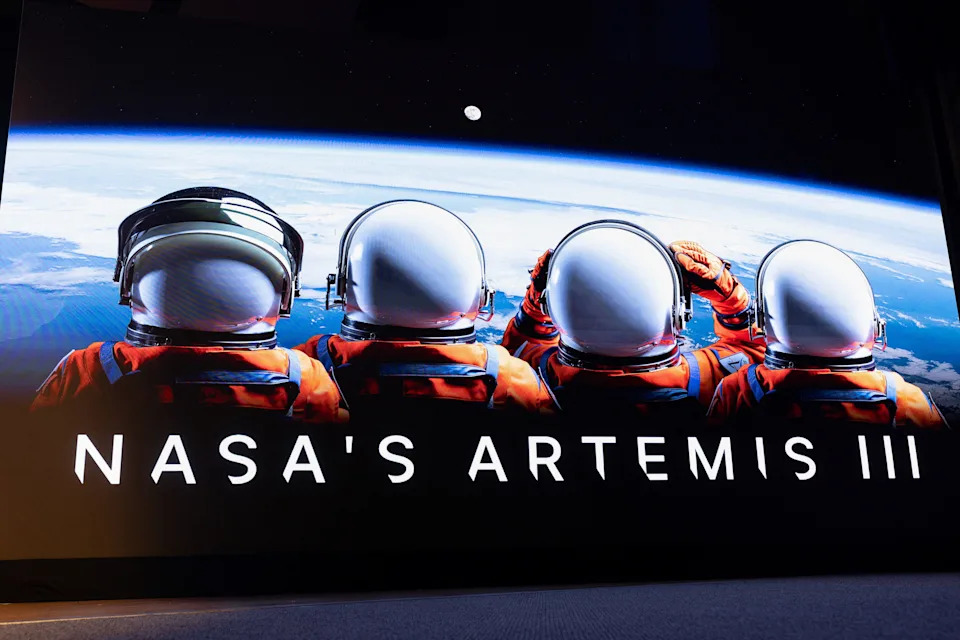
A mission banner displayed during the unveiling for the NASA Artemis III mission.(Antranik Tavitian/Reuters)
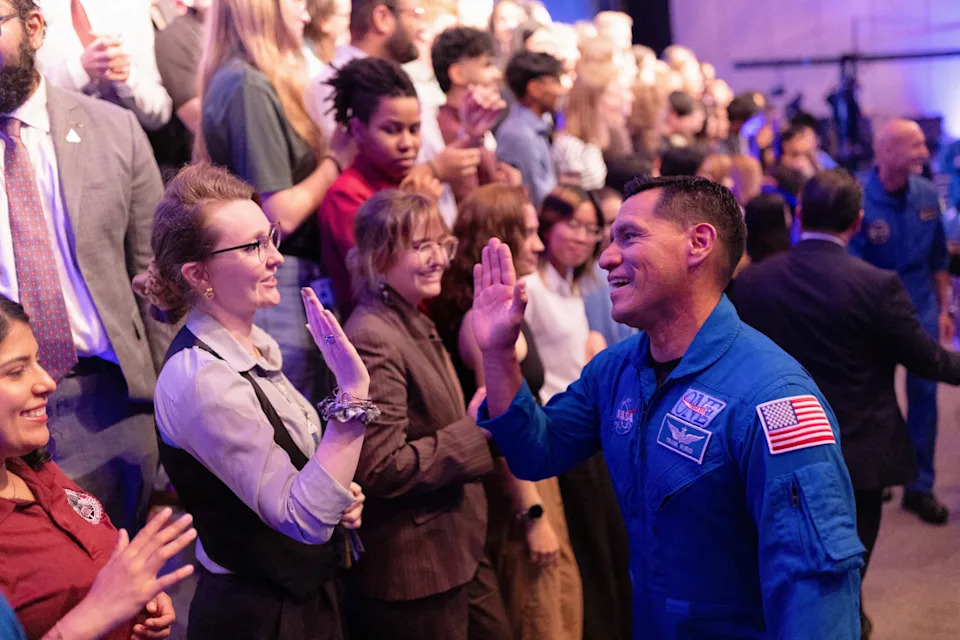
Mission specialist Frank Rubio greets attendees after he was announced as one of four crew members for the Artemis III mission.(Antranik Tavitian/Reuters)
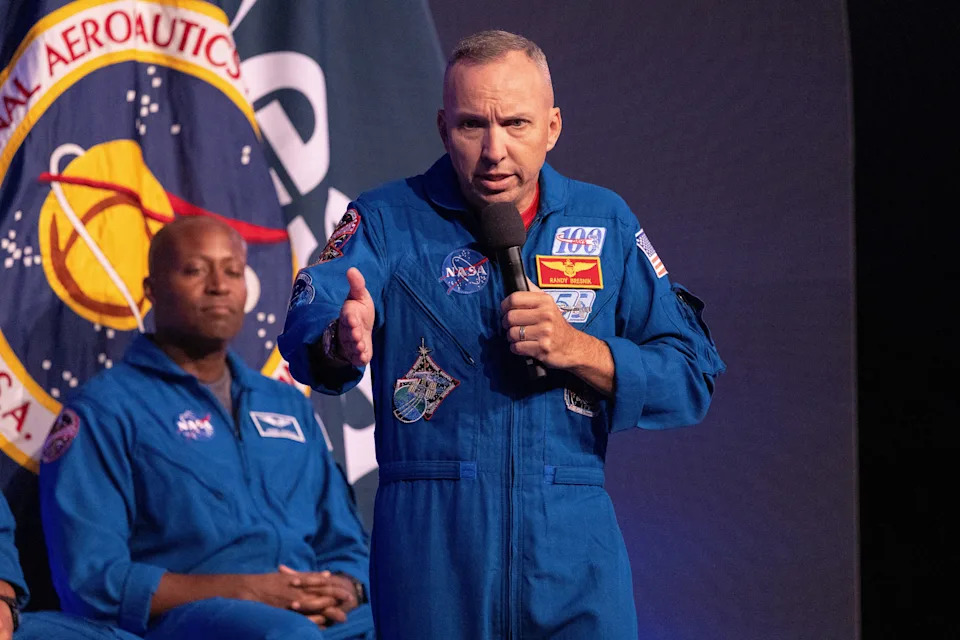
Commander Randy Bresnik speaks June 9 during the unveiling for the NASA Artemis III mission at an event at NASA Johnson Space Center in Houston, Texas.(Antranik Tavitian/Reuters)
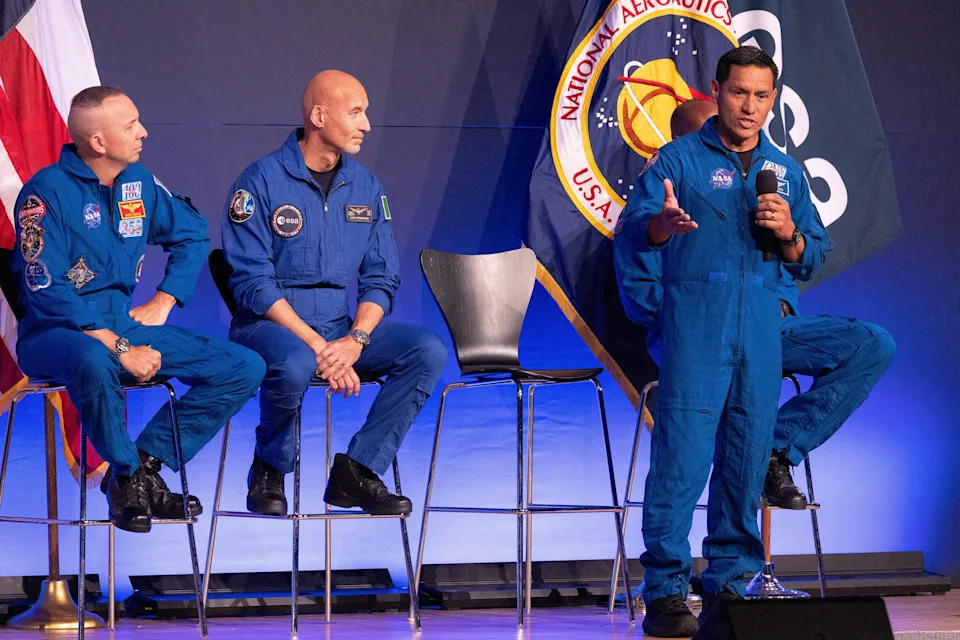
Mission specialist Frank Rubio speaks June 9 after the crew of Artemis III was revealed.(Antranik Tavitian/Reuters)
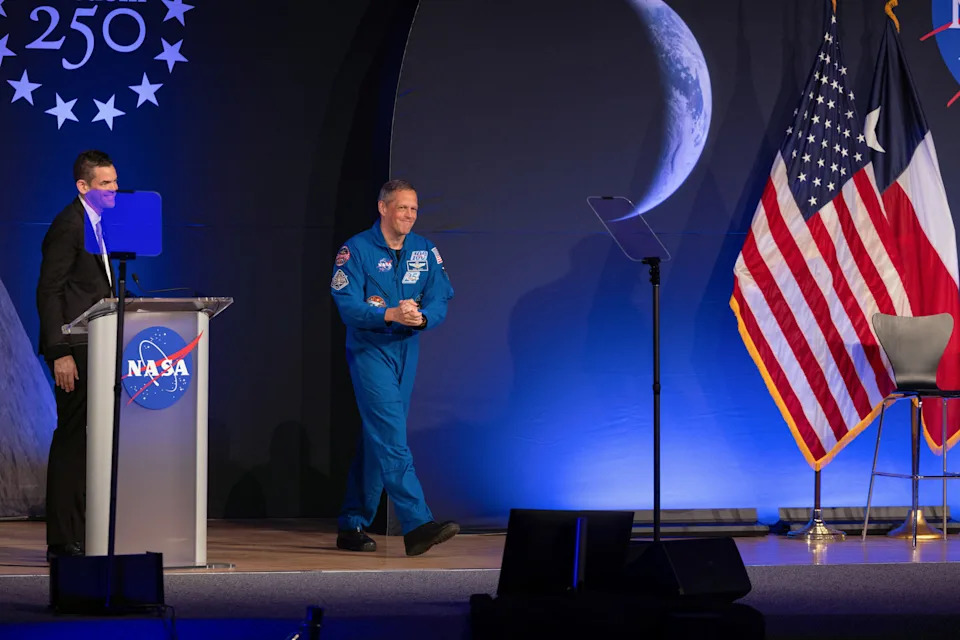
Bob Hines, NASA astronaut, was announced June 9 as a back up crew member for Artemis III. He will train with the rest of the crew and could step in if someone else drops out.(Antranik Tavitian/Reuters)
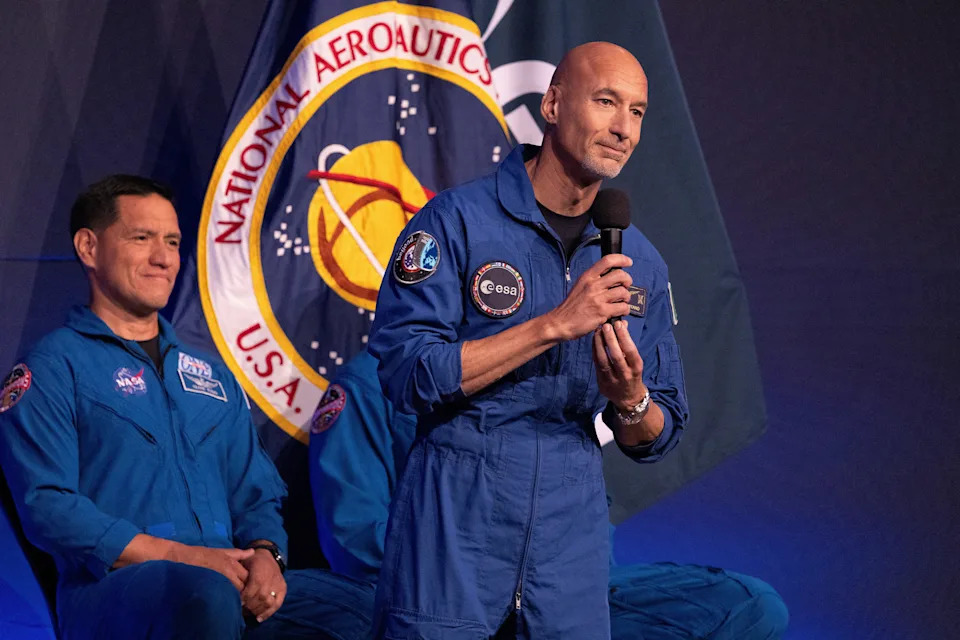
Pilot Luca Parmitano, an Italian astronaut with the European Space Agency, speaks June 9 after he was announced as the first European to go on a NASA moon mission.(Antranik Tavitian/Reuters)
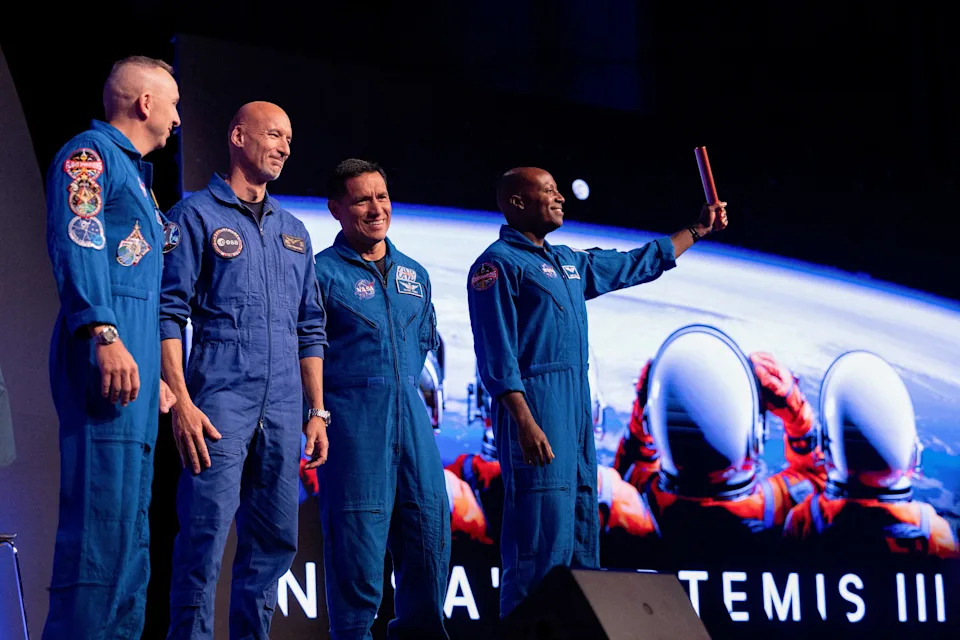
Astronauts Randy Bresnik, Luca Parmitano, Frank Rubio and Andre Douglas are unveiled as the NASA Artemis III mission crew.(Antranik Tavitian/Reuters)
Pomozite nam da budemo bolji.