U 2026. očekuju se ključni svemirski događaji: Artemis 2 će u februaru povesti posadu na desetodnevno kružno putovanje oko Meseca; SpaceX planira testiranje Starship V3 sa ciljem orbitalnog leta i dotankavanja; Crew‑12 šalje astronaute na ISS, dok Boeing priprema bezposadno ispitivanje Starlinera u aprilu. Pored toga, nastaviće se niz robotskih mesečevih misija i aktivnost Blue Origin/Amazon Leo programa.
Šest svemirskih misija i projekata na koje treba obratiti pažnju 2026.
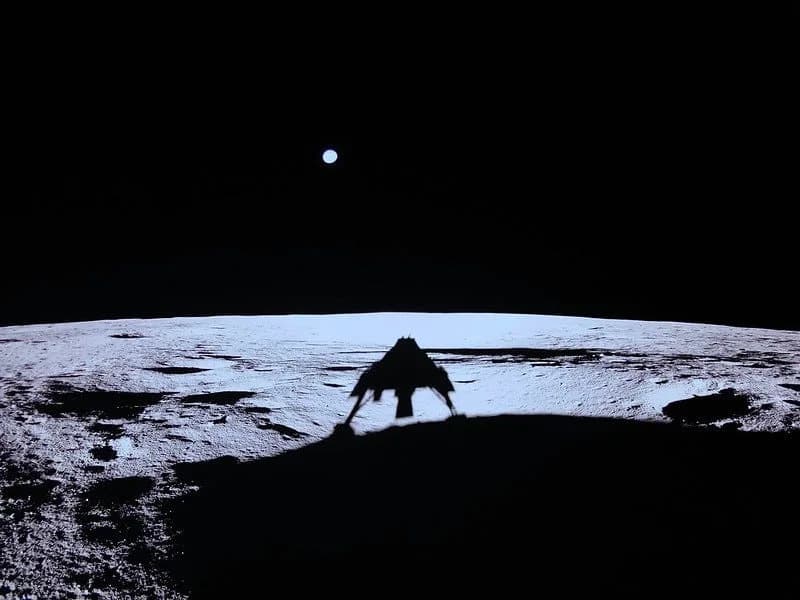
Firefly's Blue Ghost lunar lander captures its shadow on the moon's surface after completing a successful landing March 2 near a volcanic feature on the moon called Mons Latreille. The vehicle became the first of two landers manufactured by a U.S. company to reach the moon is 2025 in crucial missions to lay the groundwork for NASA to return humans to the lunar surface in the years ahead.
Ako vam je 2025. delovala uzbudljivo za svemirske letove i otkrića, 2026. bi mogla biti još važnija. U narednoj godini očekuje se niz posrednih i direktnih proboja — od povratka ljudi u blizinu Meseca do novih verzija megarakete Starship i niza robotskih misija.
Artemis 2 — povratak ljudi blizu Meseca
Već u februaru četvoro astronauta (Reid Wiseman, Victor Glover, Christina Koch i Jeremy Hansen iz Kanadske svemirske agencije) treba da polete u kapsuli Orion na vrhu rakete Space Launch System (SLS). Misija Artemis 2 je desetodnevno kružno putovanje oko Meseca koje će biti prva posada oko Meseca još od Apola, a služi i kao priprema za Artemis 3 i buduće misije koje bi trebalo da omoguće sletanje i dugotrajnije prisustvo ljudi na Mesečevoj površini.
SpaceX Starship V3 — novi korak ka orbiti i dotankavanju
SpaceX je u 2025. izveo nekoliko testova Starshipa, a za 2026. najavljen je dolazak Verzije 3 (V3). Ova verzija cilja da prvi put postigne orbitu i demonstrira dotankavanje u letu, ključnu sposobnost za misije dalje od Zemlje. SpaceX takođe radi na konfiguraciji Starshipa za prevoz astronata ka Mesecu po ugovoru sa NASA-om iz 2021. i nastavlja razvoj prema dugoročnim vizijama poput potpune upotrebe za Mars.
Crew‑12 — još jedna posada za ISS
U okviru komercijalnog programa posada, misija Crew‑12 sa SpaceX‑om planira poletanje već 15. februara. Četiri člana posade — među kojima su dvoje još nenajavljenih NASA astronauta — trebalo bi da stignu na Međunarodnu svemirsku stanicu (ISS), zamene Crew‑11 i ostanu otprilike šest meseci obavljajući naučna istraživanja i održavanje stanice.
Boeing Starliner — bezposadno testiranje u aprilu
Posle problema na probnom letu sa posadom u junu 2024. (u kojem su učestvovali Butch Wilmore i Suni Williams), NASA i Boeing planiraju još jedno testno lansiranje Starlinera — ovaj put bez posade — već u aprilu 2026. Cilj je vratiti pouzdanost kapsule i ponovo uspostaviti sertifikaciju za posade i opsluživanje ISS‑a.
Robotske misije na Mesec
U 2025. su dva američka landera — Fireflyjev Blue Ghost (sleteo 2. marta) i Intuitive Machinesov Athena (sleteo 6. marta, ali se prevrnuo) — stigli na Mesec u razmaku od nekoliko dana. Za 2026. NASA ima ugovore za više robotskih misija sa kompanijama Firefly, Intuitive Machines, Blue Origin i Astrobotic, koje treba da doprinesu naučnim i tehnološkim ciljevima lunarnih programa.
Blue Origin i Amazon Leo
Blue Origin je tokom 2025. izvela nekoliko značajnih lansiranja: New Glenn je poletao dva puta (uključujući lansiranje 13. novembra koje je poslalo NASA orbitere prema Marsu), dok je suborbitalni New Shepard izveo sedam komercijalnih letova, među putnicima i poznatim ličnostima. Amazonov program (ranije Project Kuiper, sada Amazon Leo) postavio je u orbitu oko 180 od planiranih 3.000 satelita za širokopojasnu konstelaciju.
Šta očekivati: 2026. bi mogao da bude prekretnica za povratak ljudi do Meseca, potvrdu tehnoloških rešenja za dotankavanje u orbiti, oporavak programa Starliner i nastavak rasta komercijalnog svemirskog sektora. Pratite datume u februaru i aprilu — moguće su velike vesti.
Autor originalne reportaže: Eric Lagatta, Space Connect (USA TODAY). Tekst prerađen i prilagođen za srpsko govorno područje.
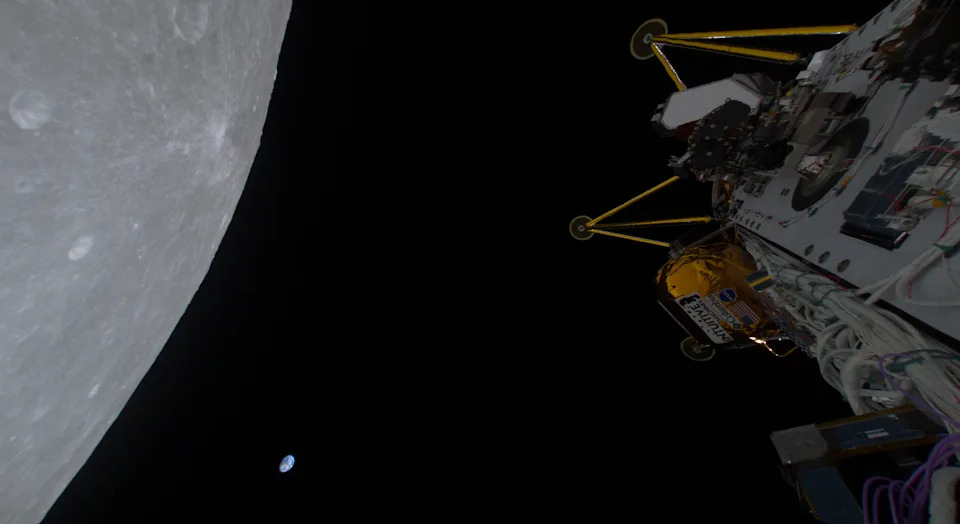
Athena, the lunar lander on Intuitive Machines' IM-2 mission, captured this image of the moon's surface with Earth seen in the distance ahead of a March 6 landing attempt. While the lander was the second U.S. vehicle to reach the moon within a week, it ultimately landed on its side, which hindered much of its mission.
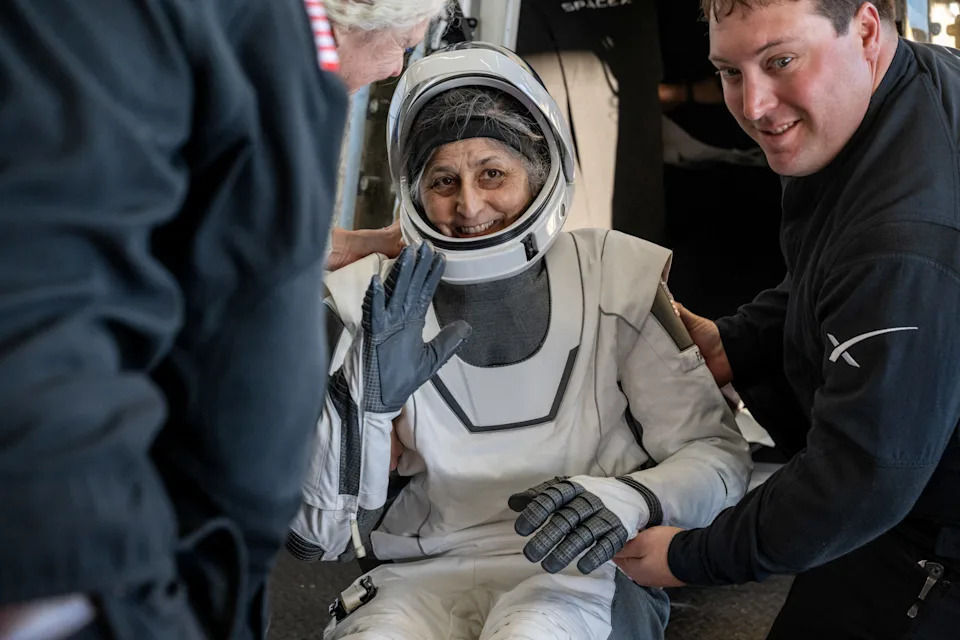
NASA astronaut Suni Williams is helped out of a SpaceX Dragon spacecraft March 18 following a return to Earth after a nine-month stay at the International Space Station. She and NASA astronaut Butch Wilmore crewed the Boeing Starliner, which had launched in June 2024 on a failed test flight that was meant to return them to Earth a few days later.
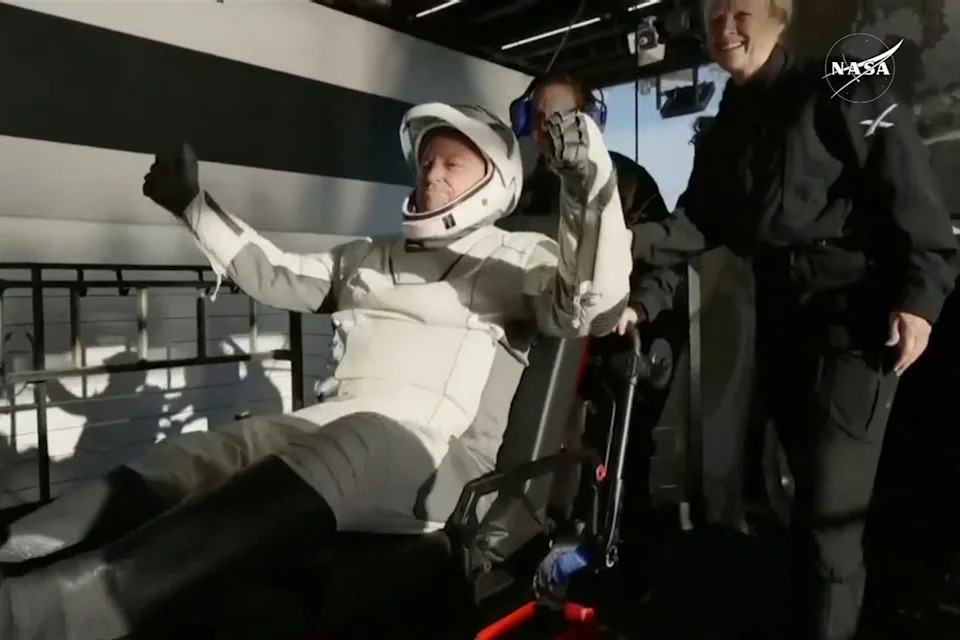
Butch Wilmore reacts after he and Suni Williams and two other astronauts splashed down March 18 in a Crew Dragon space capsule following their return to earth from the International Space Station off the coast of Florida. The astronauts' extended stay at the orbital outpost dominated the news cycle for months.
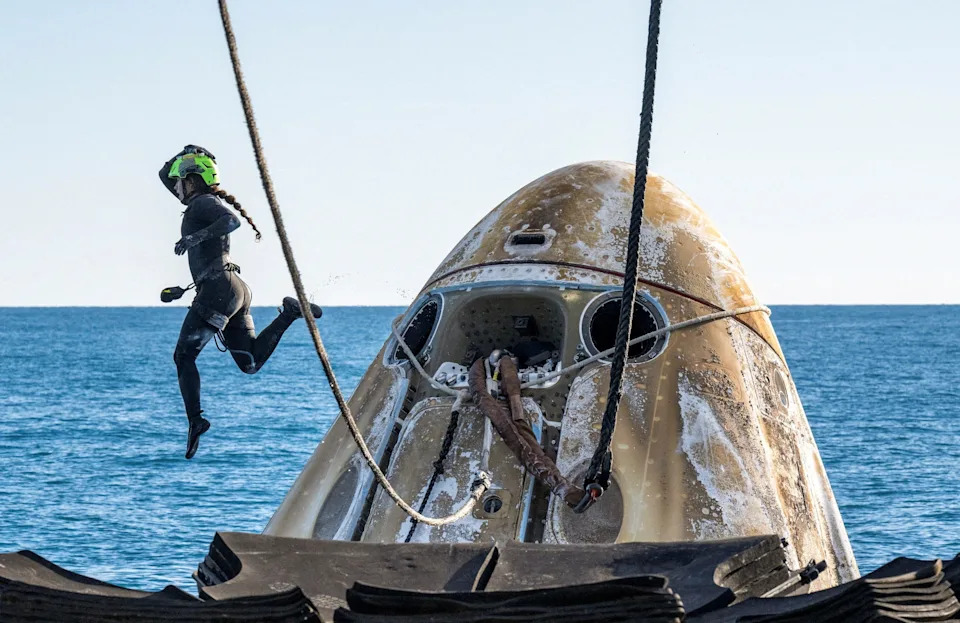
A SpaceX support team member is seen airborne while working to lift the SpaceX Dragon capsule that returned the Starliner astronauts and two others onto a recovery vehicle following its landing off the coast of Florida.

This picture shows the crew of a privately-funded mission known as Fram2, from left to right, mission specialist and medical officer Eric Philips, mission commander Chun Wang, pilot Rabea Rogge and vehicle commander Jannicke Mikkelsen on March 19, 2025 in Hawthorne, California. Launched March 31 from Florida using a SpaceX Dragon capsule, the mission became t first ever human spaceflight over the Earth's polar regions.
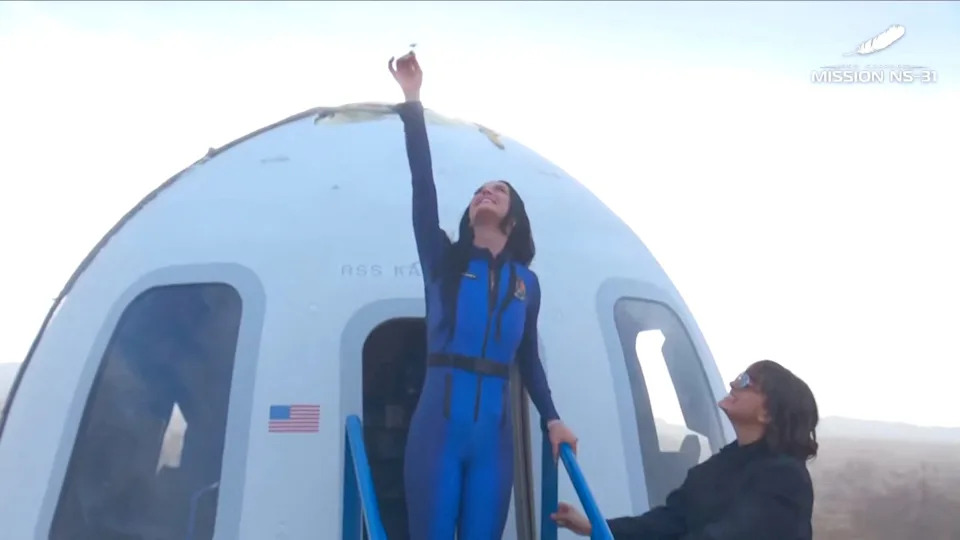
Pop musician Katy Perry emerges April 14 from Blue Origin's New Shepard capsule in West Texas following a brief flight to the edge of space. Perry was part of an all-women crew that also included broadcast journalist Gayle King that took the ride from Blue Origin's facility called Launch Site One. The high-profile launch attracted plenty of headlines and even drew some backlash from those who viewed the mission as a wasteful publicity stunt.
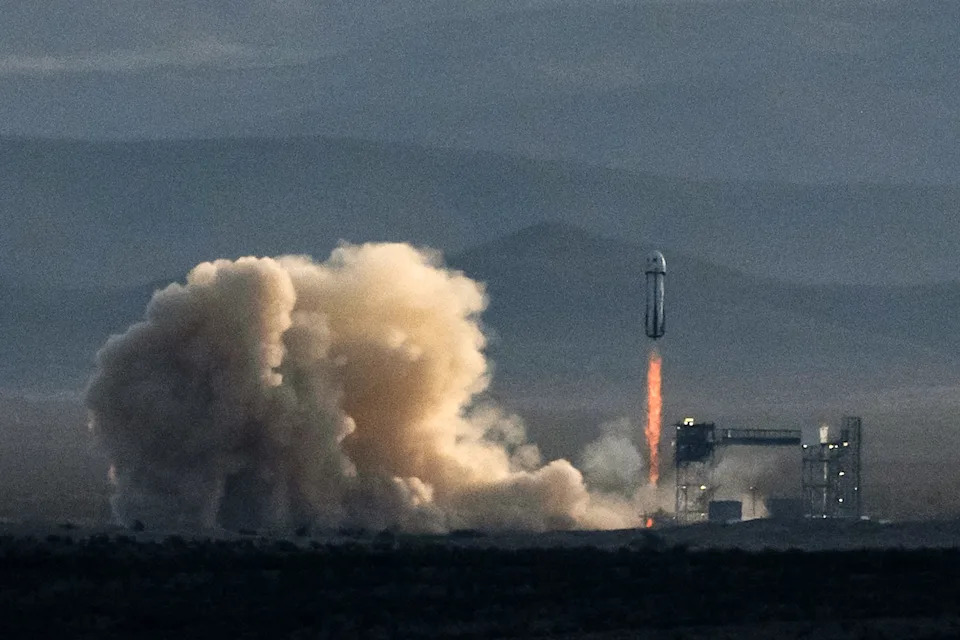
Blue Origin's New Shepard rocket carrying astronauts Aisha Bowe, Amanda Nguyen, Kerianne Flynn, Gayle King, Katy Perry, and Lauren Sanchez lifts off April 14 from Launch Site One near Van Horn, Texas. Blue Origin has since launched five more human spaceflights on the New Shepard in 2025.
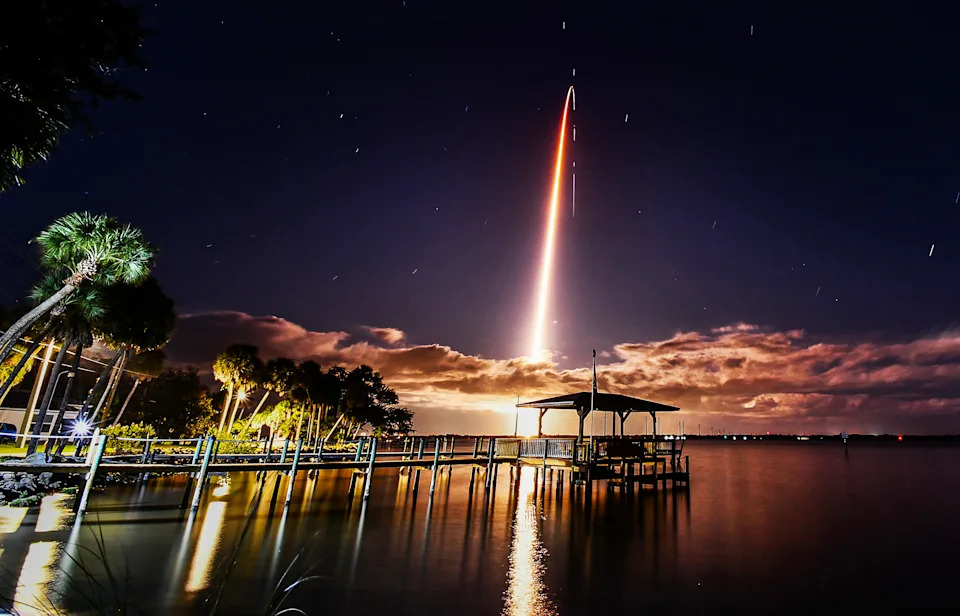
This photo depicts a United Launch Alliance Atlas V rocket carrying the latest batch of Amazon's broadband satellites on Dec. 16 to low-Earth orbit after launching from the Cape Canaveral Space Force Station in Florida. Formerly called Project Kuiper, the venture has since been renamed Amazon Leo. Since its debut April launch, Amazon Leo has deployed 180 of 3,000 satellites planned for its first constellation, which could challenge SpaceX's Starlink.
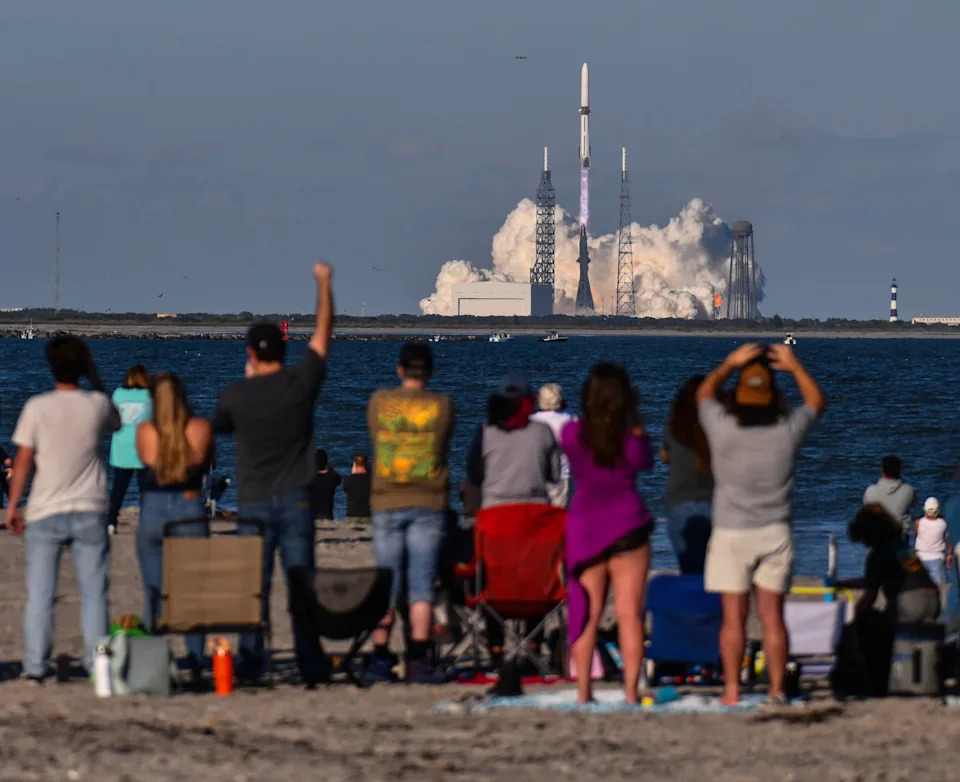
A group of Blue Origin employees with their friends and families gather on the beach in Cape Canaveral for the launch of Blue Origin's second New Glenn rocket in 2025. Following its January debut, the rocket launched for the second time Nov. 13 from Launch Complex 36 at Cape Canaveral Space Force Station, sending NASA's twin ESCAPADE spacecraft on their trek to Mars.
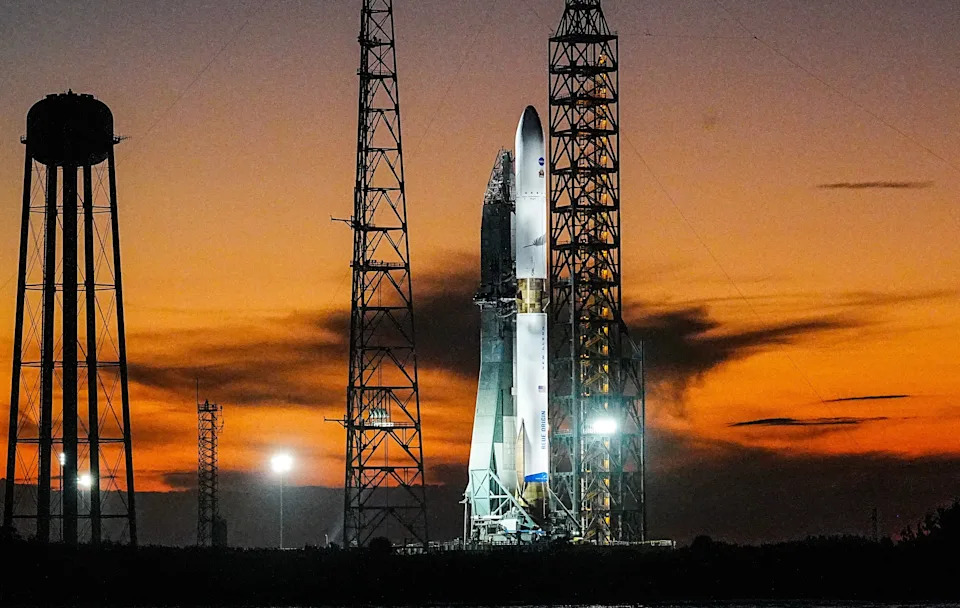
Darkness falls Nov. 9 as a Blue Origin New Glenn rocket is prepped for its second-ever launch from the Cape Canaveral Space Force Station. Blue Origin is developing the towering rocket for heavy-lift missions that could see Jeff Bezos' company compete with Elon Musk and SpaceX.
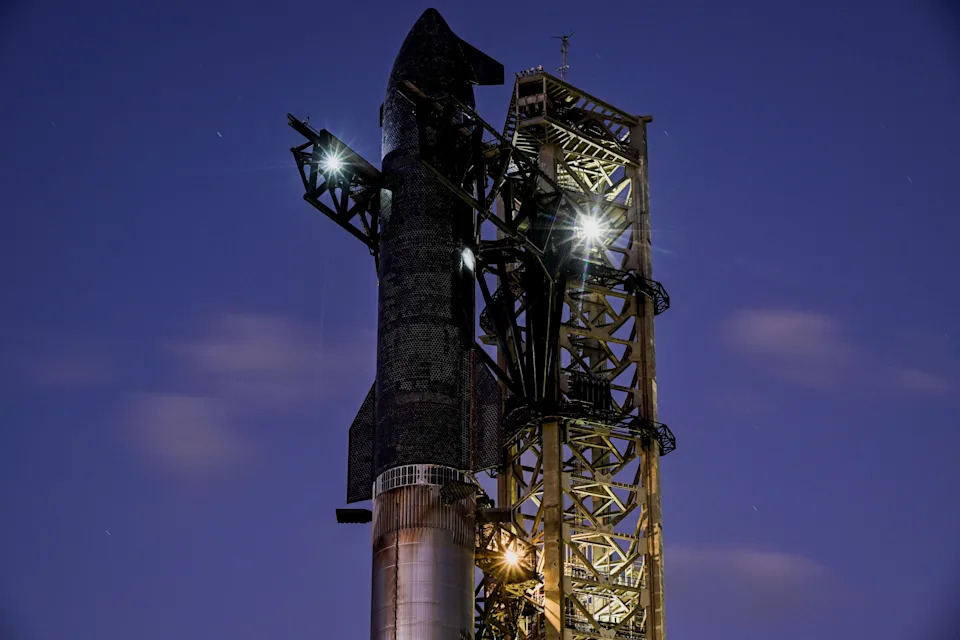
The SpaceX Starship spacecraft sits Oct. 12, 2025 atop the Super Heavy booster before sunrise as preparations continue for its 11th test flight from the company's complex in Starbase, Texas.
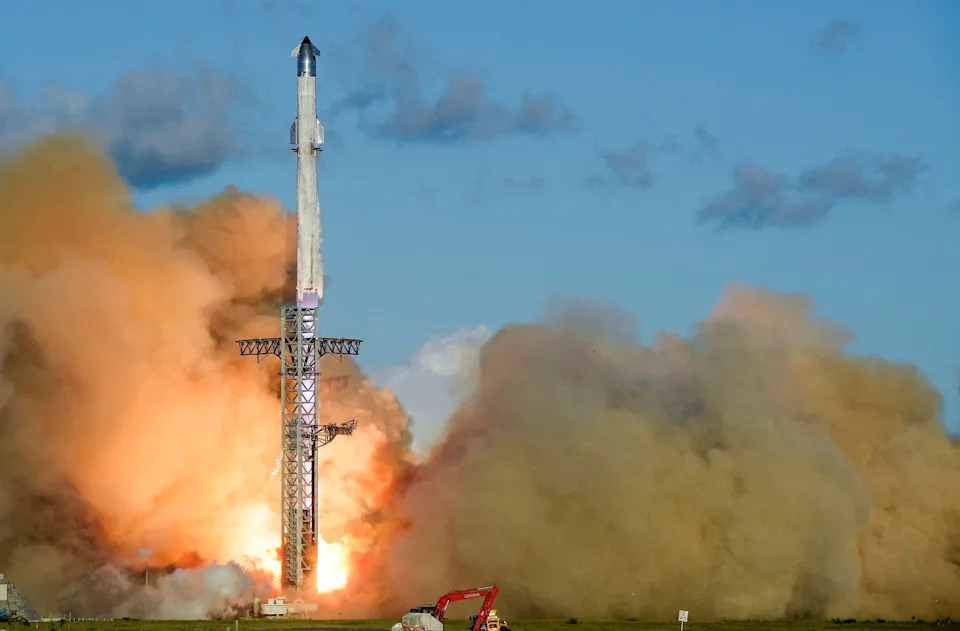
A SpaceX Super Heavy booster carrying the Starship spacecraft lifts off Oct. 13, 2025, on its 11th ever test flight at the company's launch pad in Starbase, Texas. The launch was Starship's fifth of 2025, and second consecutive successful test flight following a year that was early on marked by explosive failures. SpaceX is developing the rocket for future missions that would help NASA astronauts land on the moon and also potentially transport the first humans to Mars.
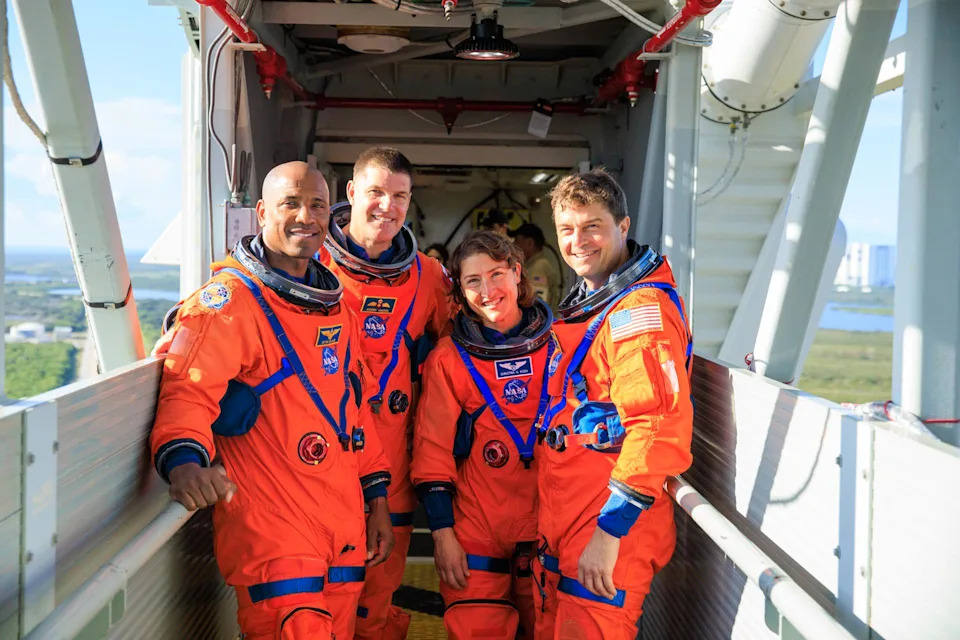
Four astronauts will venture around the Moon on Artemis II, the first crewed mission on NASA's path to establishing a long-term presence at the Moon for science and exploration through Artemis. The 10-day flight will help confirm systems and hardware needed for early human lunar exploration missions.
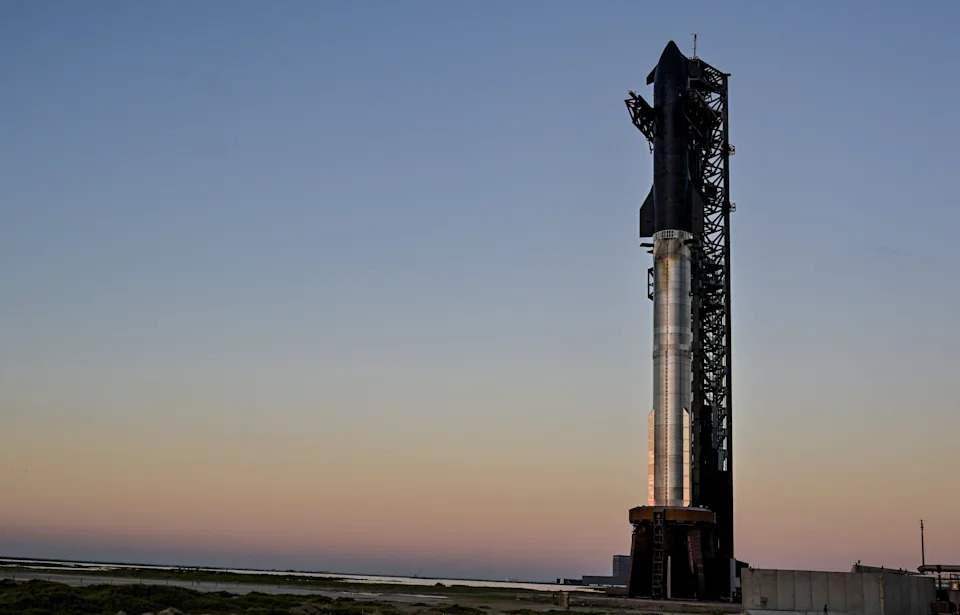
The SpaceX Starship spacecraft sits Oct. 12, 2025 atop the Super Heavy booster before sunrise as preparations continue for its 11th test flight from the company's complex in Starbase, Texas.
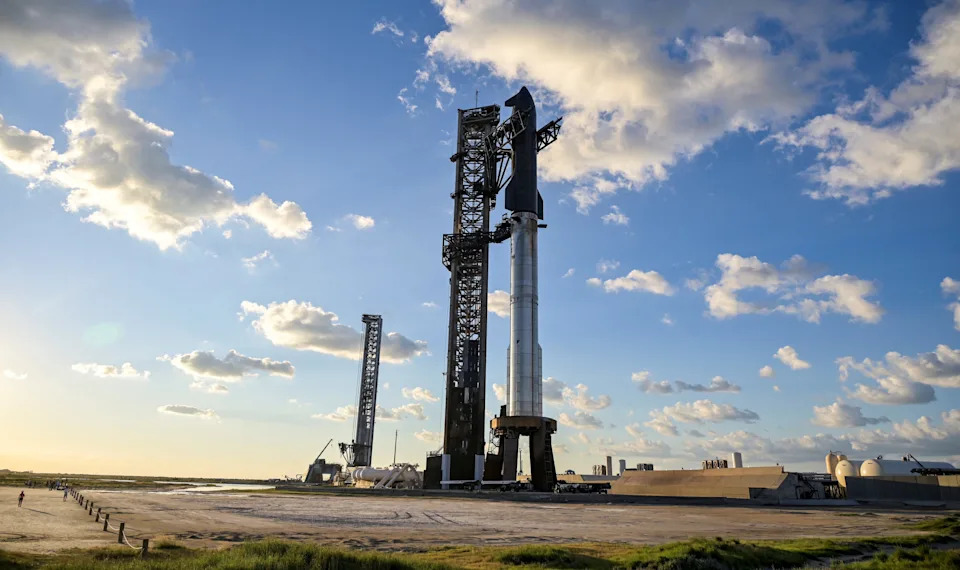
The SpaceX Starship spacecraft is hoisted Oct. 11, 2025 along the launch tower for stacking atop the Super Heavy booster in preparation for its 11th test flight from the company's complex in Starbase, Texas.
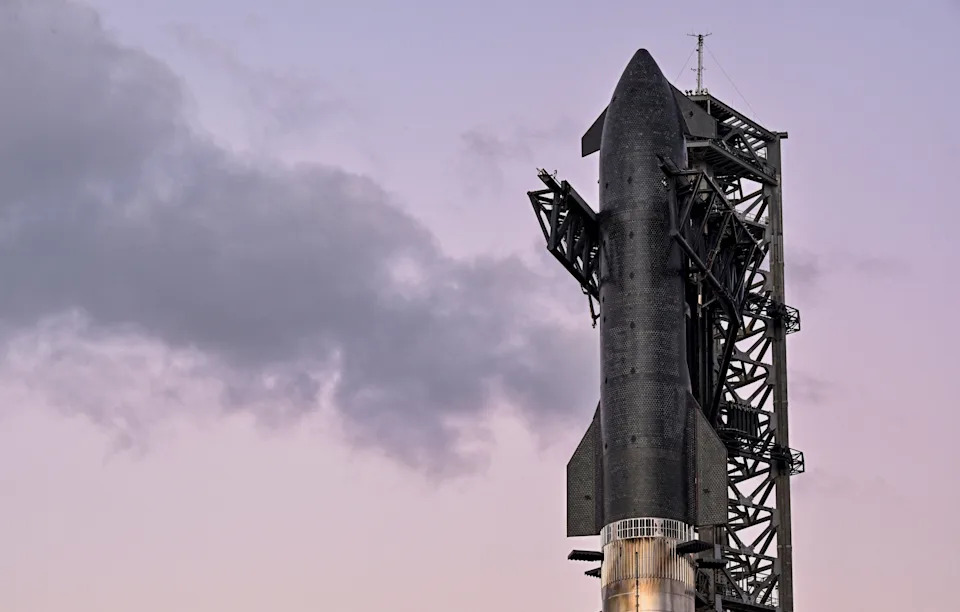
The SpaceX Starship spacecraft sits Oct. 12, 2025 atop the Super Heavy booster before sunrise as preparations continue for its 11th test flight from the company's complex in Starbase, Texas.
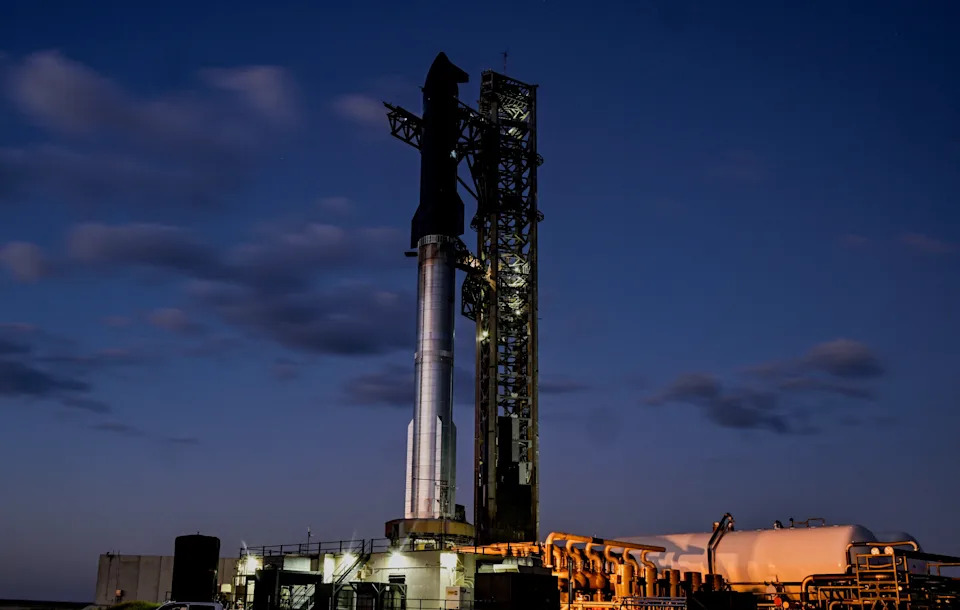
The SpaceX Starship spacecraft sits Oct. 12, 2025 atop the Super Heavy booster before sunrise as preparations continue for its 11th test flight from the company's complex in Starbase, Texas.
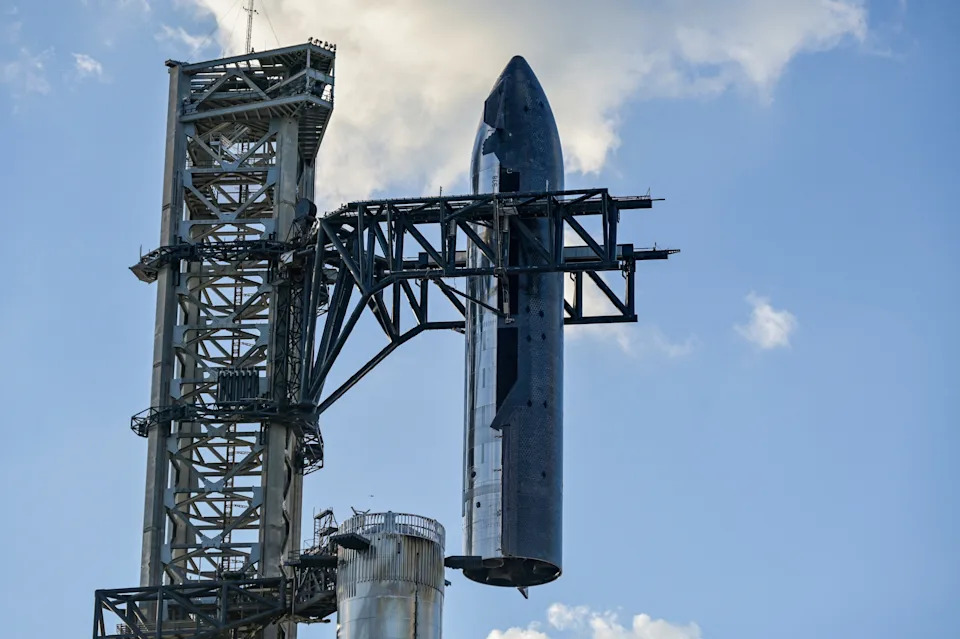
The SpaceX Starship spacecraft is hoisted Oct. 11, 2025 along the launch tower for stacking atop the Super Heavy booster in preparation for its 11th test flight from the company's complex in Starbase, Texas.
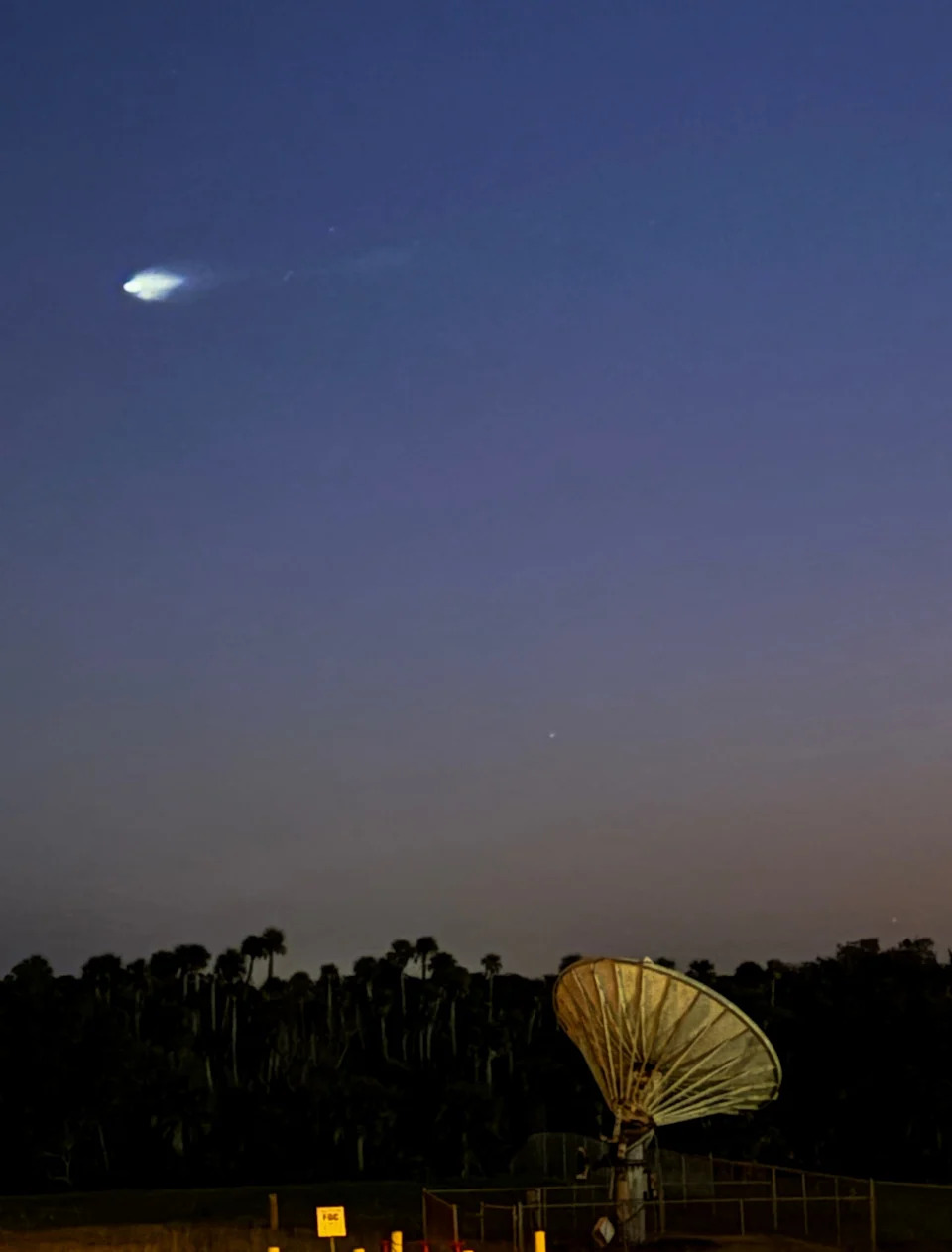
SpaceX’s 11th Starship test flight lights up the skies over Brevard as seen from the Kennedy Space Center October 13, 2025. Craig Bailey, FLORIDA TODAY via USA TODAY NETWORK
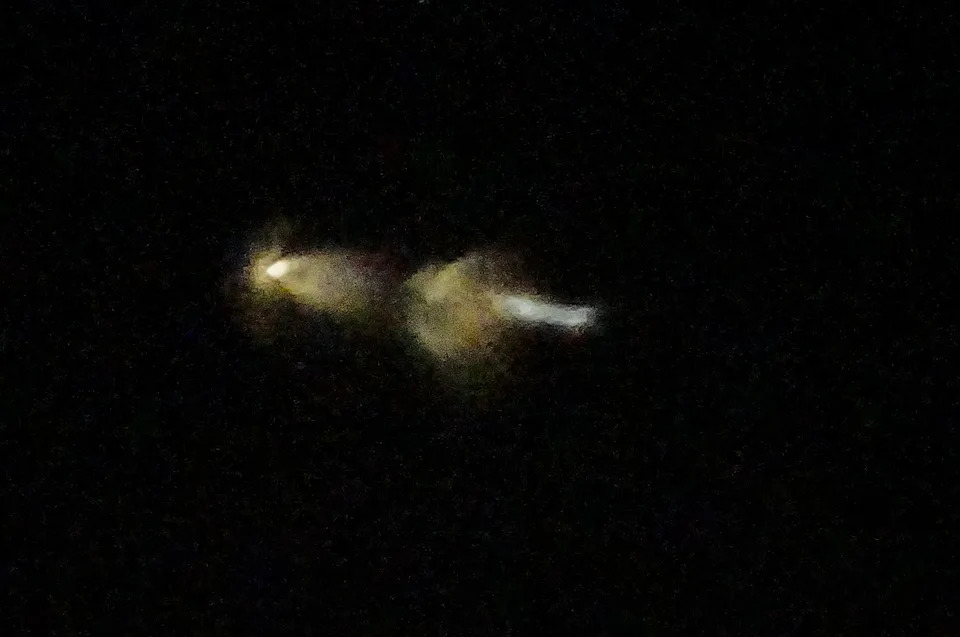
SpaceX’s 11th Starship test flight lights up the skies over Brevard as seen from the Kennedy Space Center October 13, 2025. Craig Bailey, FLORIDA TODAY via USA TODAY NETWORK
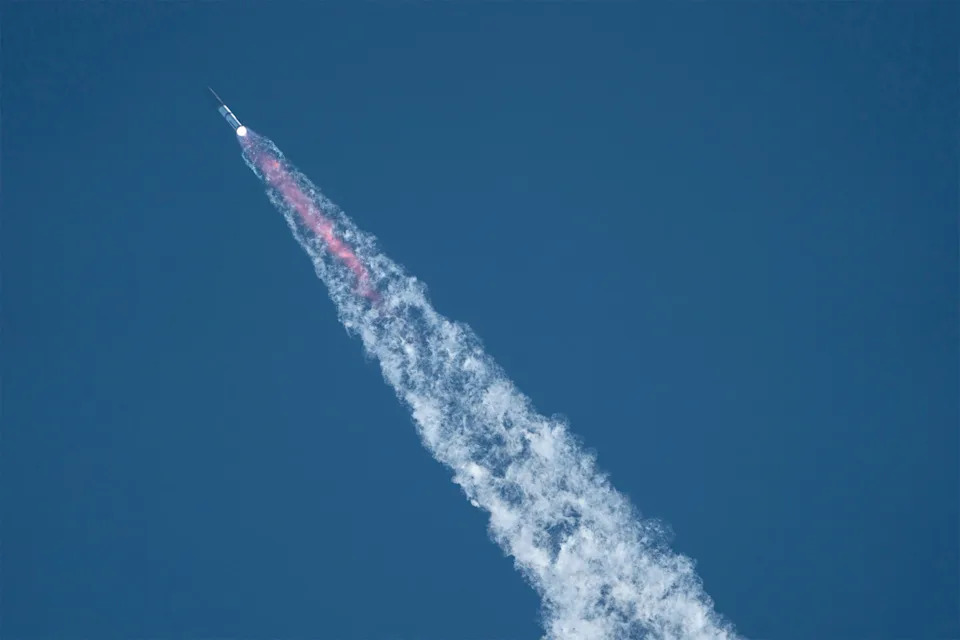
SpaceX's Starship rocket launches Oct. 13 during the 11th test flight, as seen from South Padre Island in Texas.
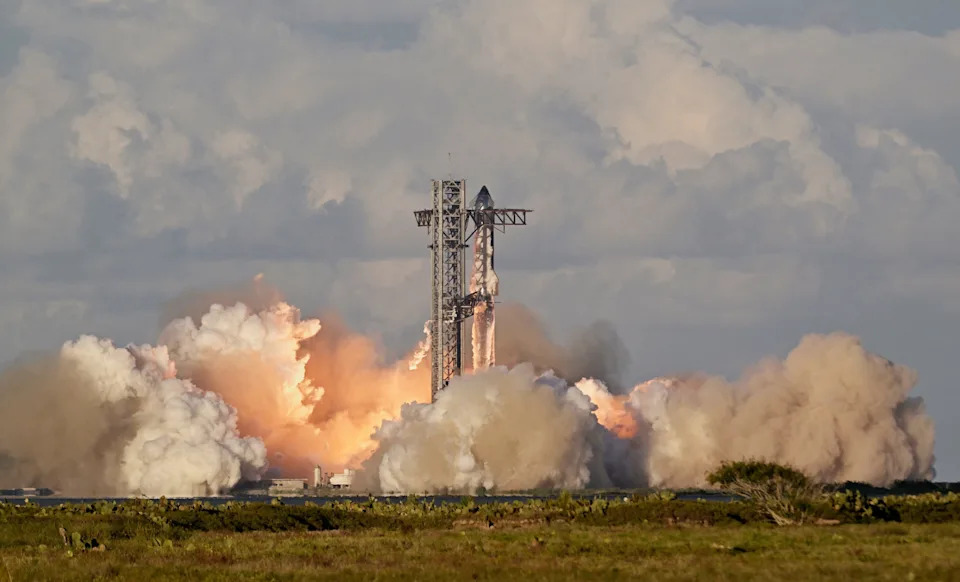
A SpaceX Super Heavy booster carrying the Starship spacecraft lifts off October 13, 2025 on its 11th test flight at the company's launch pad in Starbase, Texas.
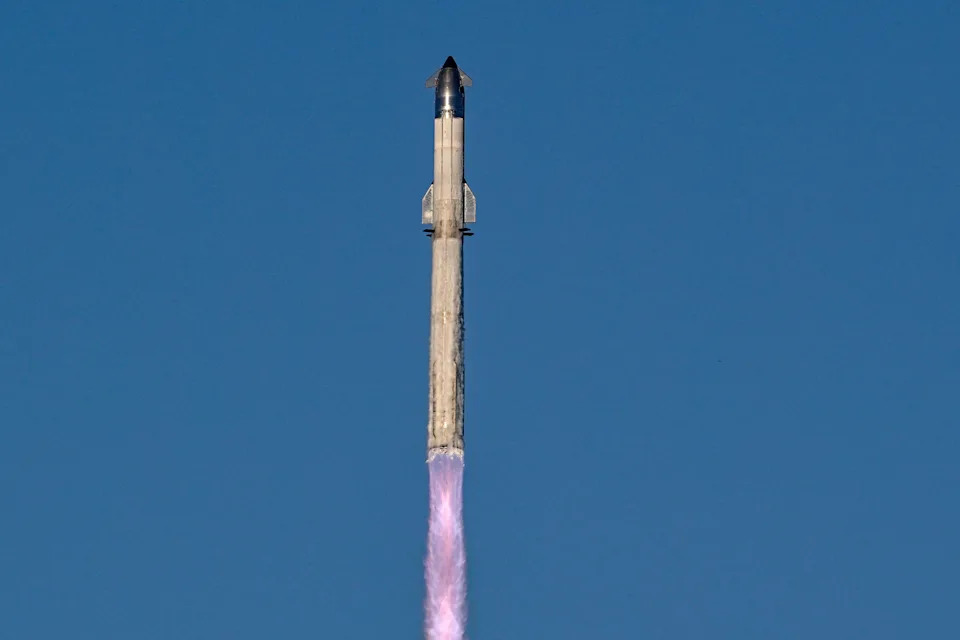
A SpaceX Super Heavy booster carrying the Starship spacecraft lifts off October 13, 2025 on its 11th test flight at the company's launch pad in Starbase, Texas.
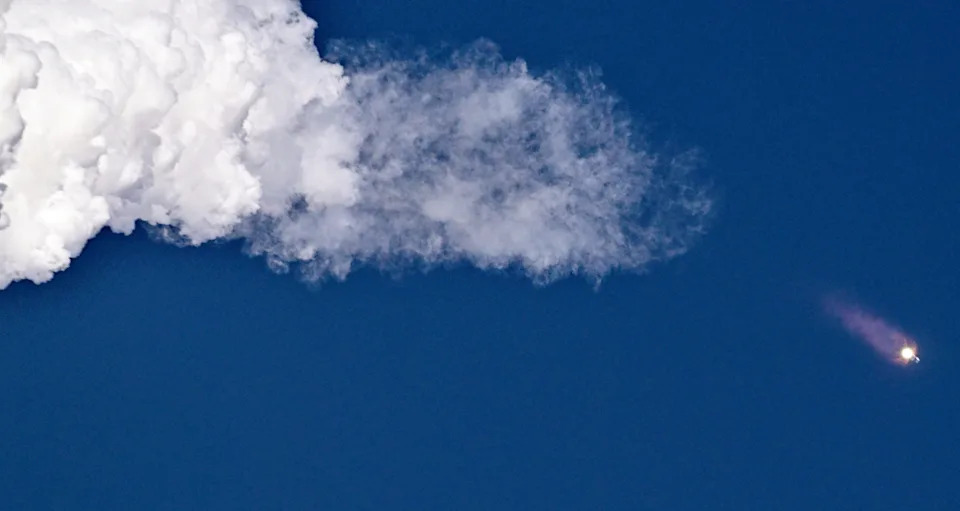
A SpaceX Super Heavy booster carrying the Starship spacecraft lifts off October 13, 2025 on its 11th test flight at the company's launch pad in Starbase, Texas.
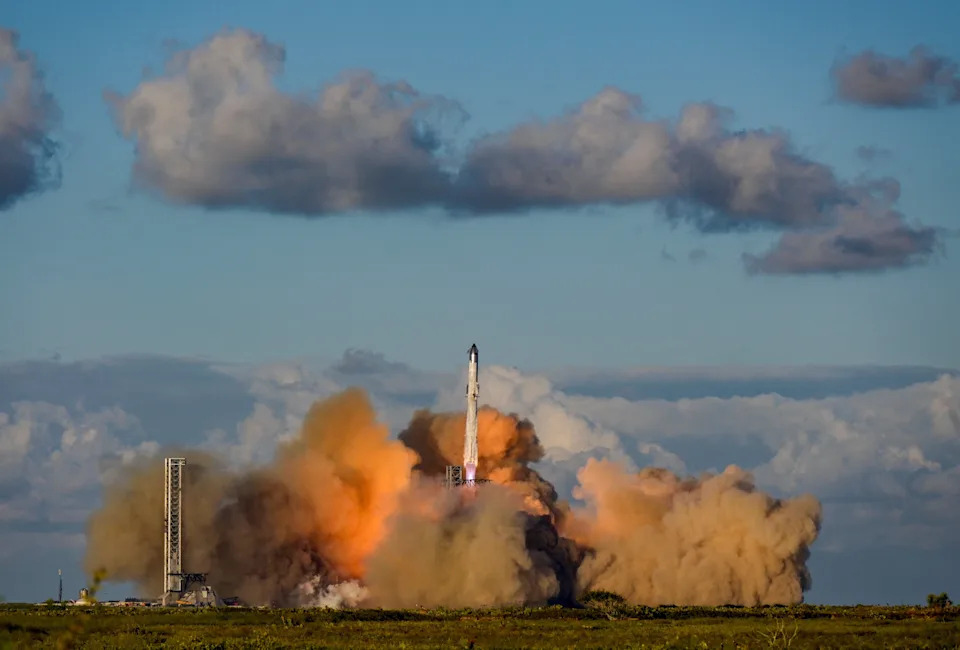
A SpaceX Super Heavy booster carrying the Starship spacecraft lifts off October 13, 2025 on its 11th test flight at the company's launch pad in Starbase, Texas.
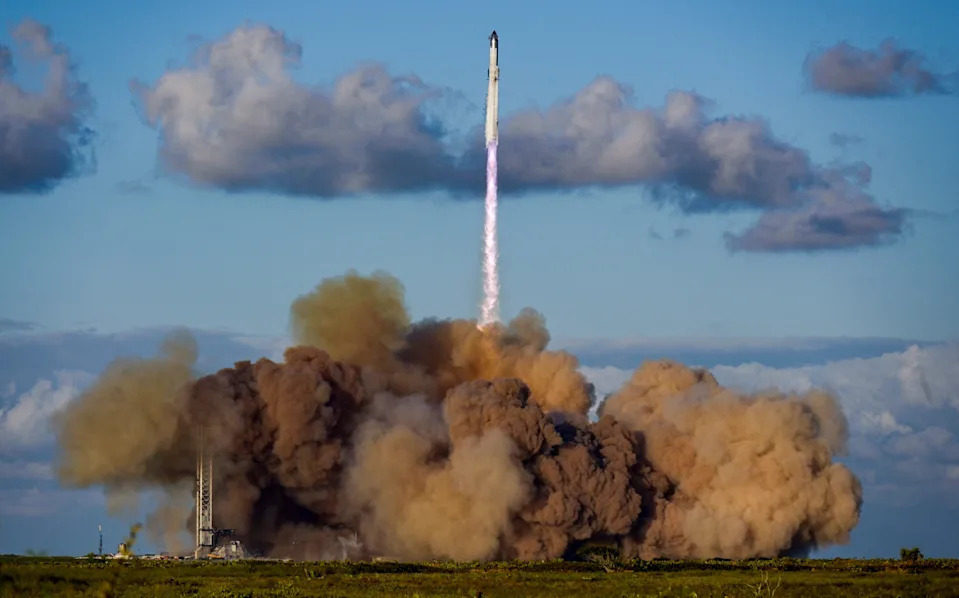
A SpaceX Super Heavy booster carrying the Starship spacecraft lifts off October 13, 2025 on its 11th test flight at the company's launch pad in Starbase, Texas.
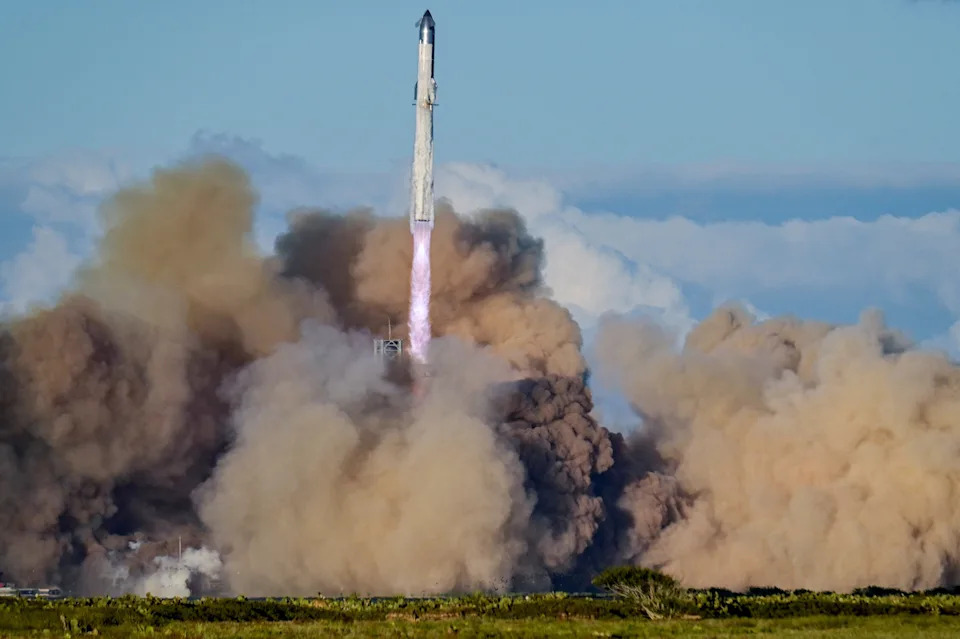
A SpaceX Super Heavy booster carrying the Starship spacecraft lifts off October 13, 2025 on its 11th test flight at the company's launch pad in Starbase, Texas.
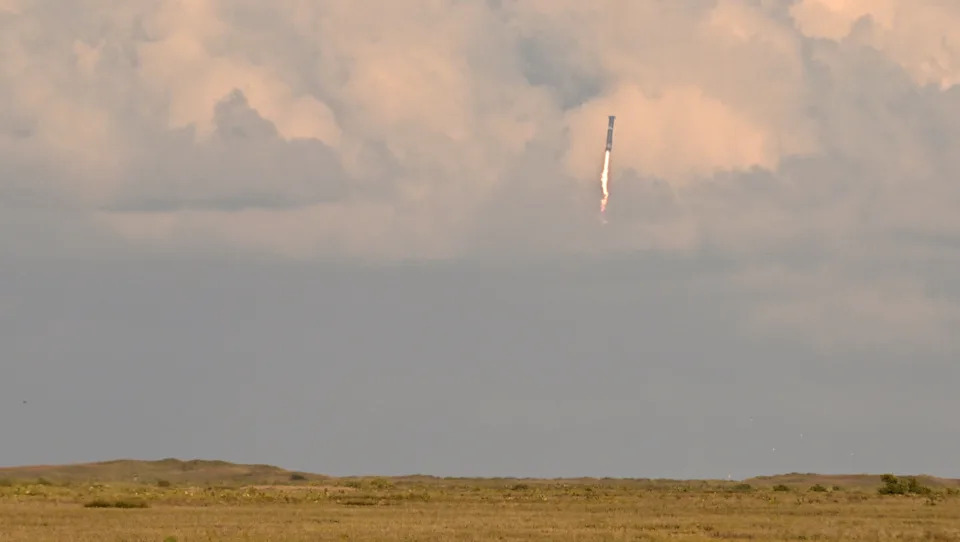
A SpaceX Super Heavy booster splashes down in the Gulf of Mexico, renamed by the U.S. government as the Gulf of America, after launching the SpaceX Starship spacecraft October 13, 2025 on its 11th test flight at the company's launch pad in Starbase, Texas.
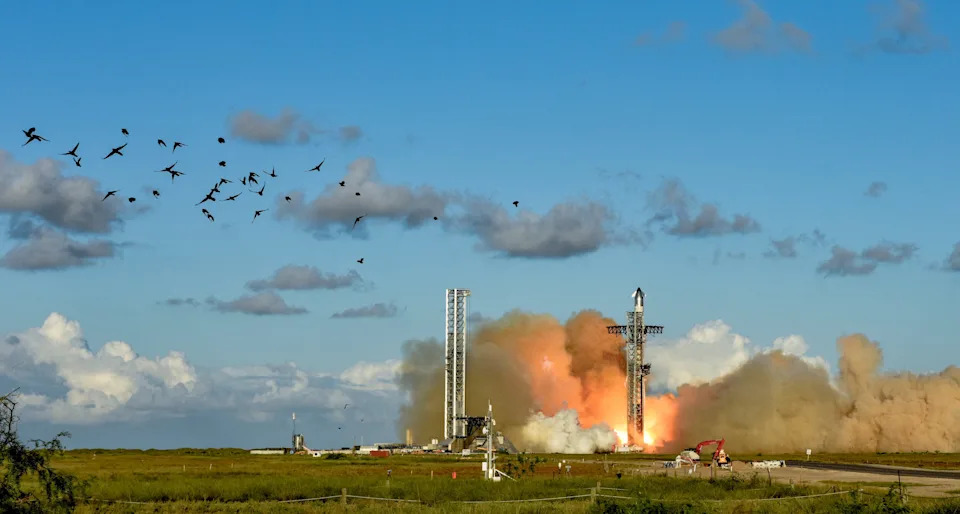
A SpaceX Super Heavy booster carrying the Starship spacecraft lifts off October 13, 2025 on its 11th test flight at the company's launch pad in Starbase, Texas.
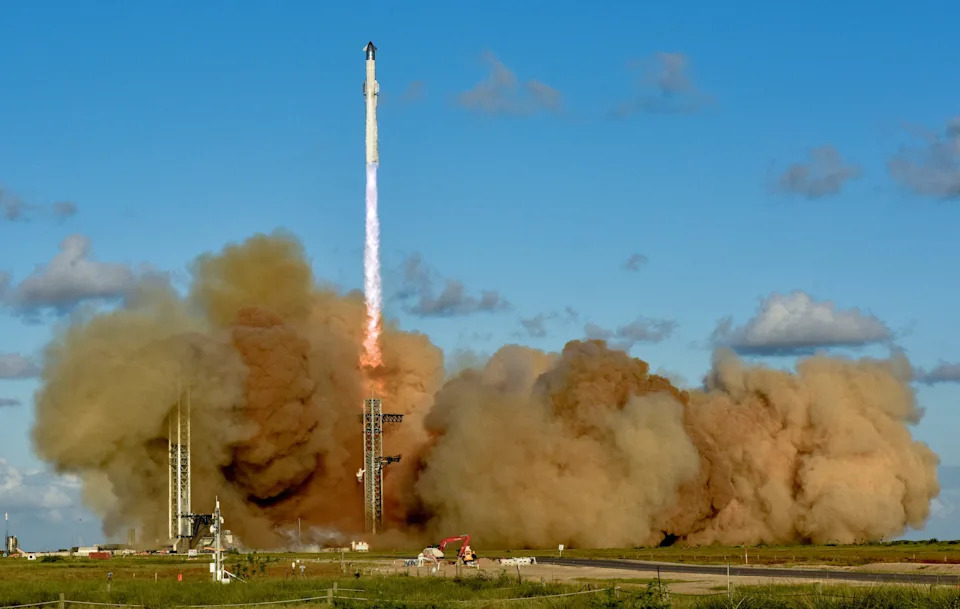
A SpaceX Super Heavy booster carrying the Starship spacecraft lifts off October 13, 2025 on its 11th test flight at the company's launch pad in Starbase, Texas.
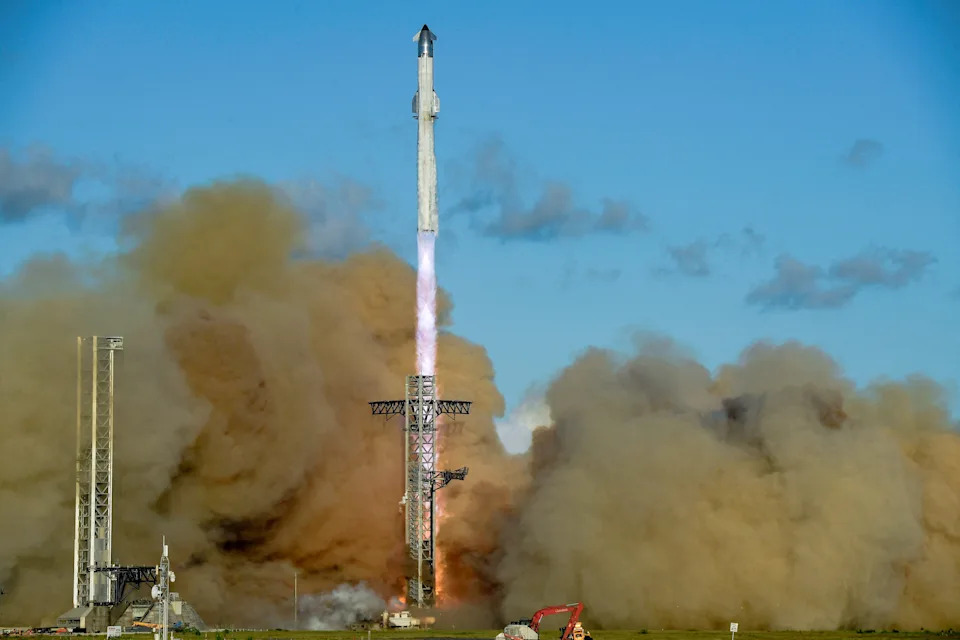
A SpaceX Super Heavy booster carrying the Starship spacecraft lifts off October 13, 2025 on its 11th test flight at the company's launch pad in Starbase, Texas.
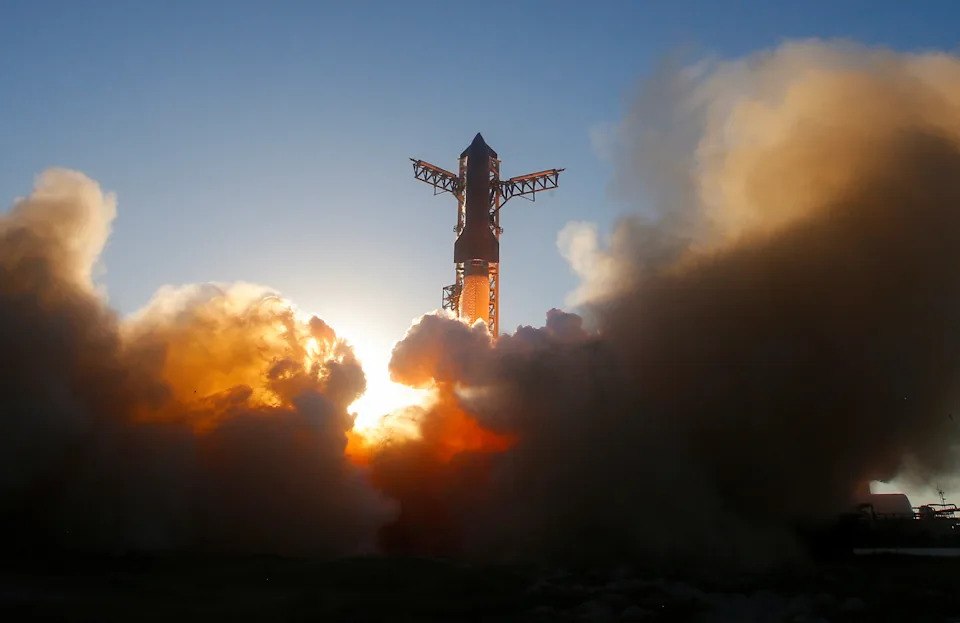
A SpaceX Super Heavy booster carrying the Starship spacecraft lifts off October 13, 2025 on its 11th test flight at the company's launch pad in Starbase, Texas.
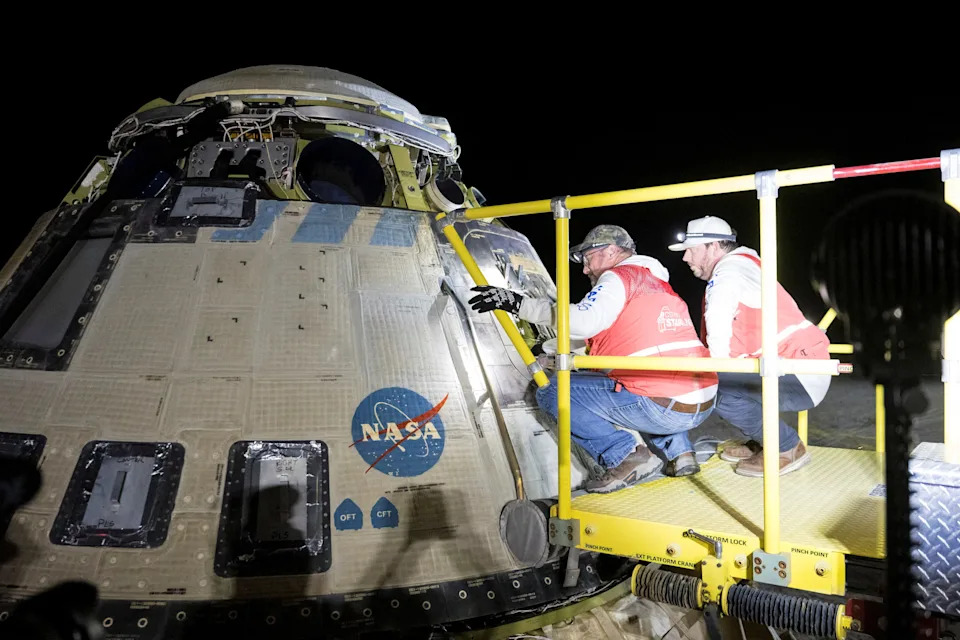
Boeing and NASA teams work around NASA's Boeing Crew Flight Test Starliner spacecraft after it landed Sept. 2024 uncrewed, at White Sands, New Mexico.
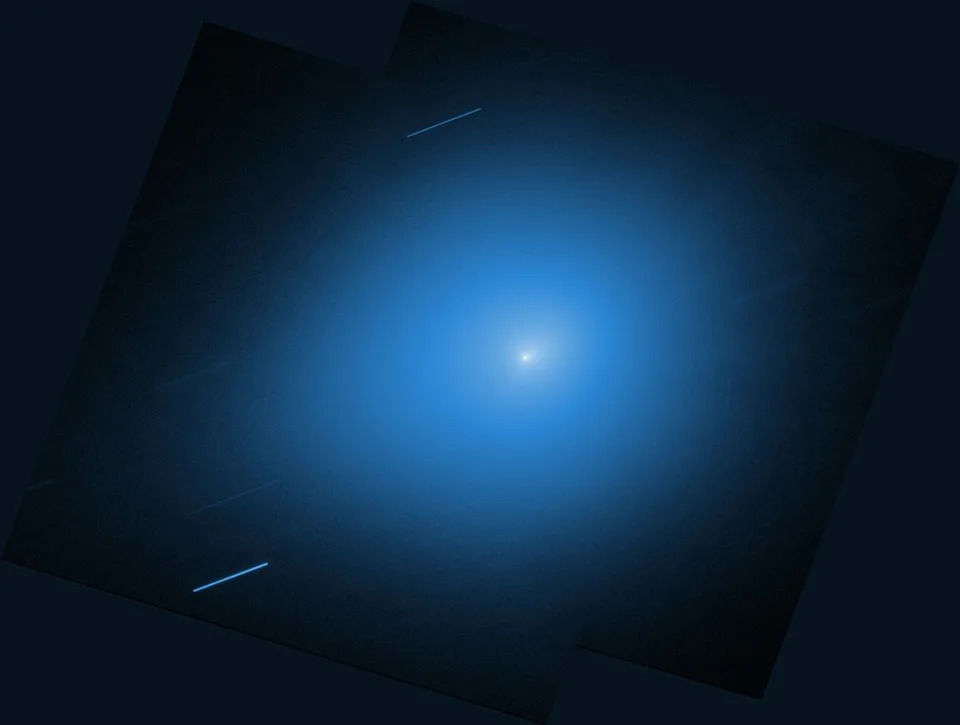
NASA’s Hubble Space Telescope last observed come 3I/ATLAS on Nov. 30, about four months after Hubble's first look at the interstellar comet. 3I/ATLAS became one of the biggest cosmic stories of the year when astronomers deemed it to be the third-ever discovered interstellar object in our solar system originating from an entirely different part of the galaxy.
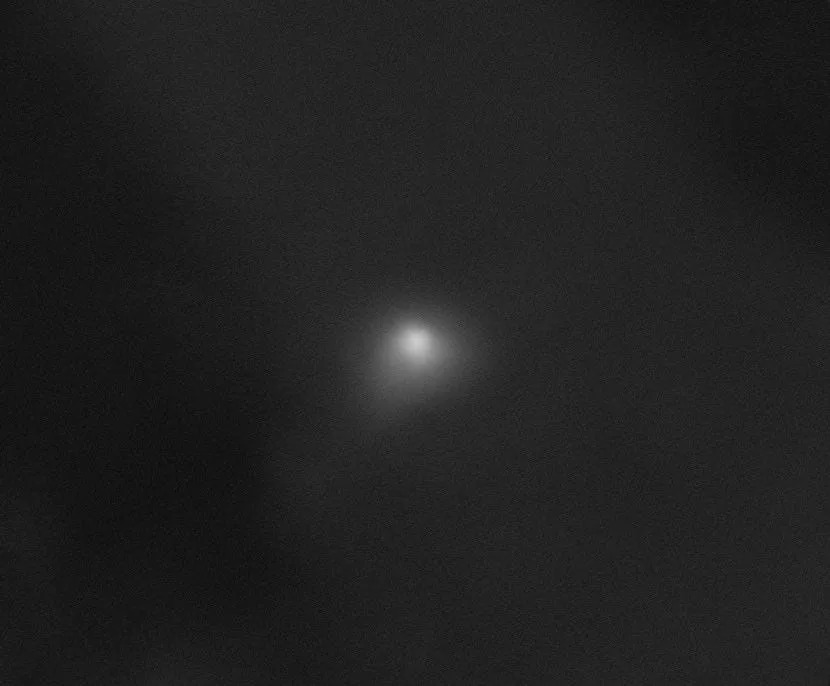
The High Resolution Imaging Science Experiment (HiRISE) camera aboard NASA’s Mars Reconnaissance Orbiter captured this image of interstellar comet 3I/ATLAS on Oct. 2, 2025. At the time it was imaged, the comet was about 19 million miles from the spacecraft. The comet didn't come nearly as close to Earth, when it reached a distance of 170 million miles from our planet on Dec. 19.
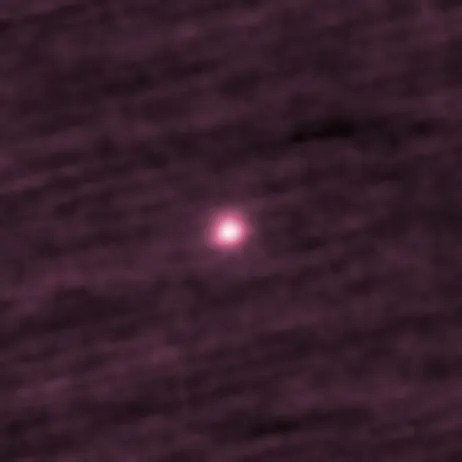
This image shows the 3I/ATLAS interstellar comet as a bright, fuzzy orb in the center. Traveling through our solar system at 130,000 miles per hour, 3I/ATLAS was made visible by using a series of colorized stacked images from Sept. 11-25, using the Heliocentric Imager-1 (H1) instrument, a visible-light imager on the STEREO-A (Solar Terrestrial Relations Observatory) spacecraft. The colorization was applied to differentiate the image from other observing spacecraft images.
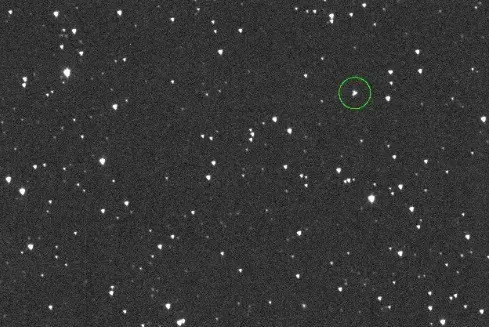
Because it's big enough to be deemed a "city killer," asteroid 2024 YR4 became a source of alarm due to the uncommonly high risk it had of colliding with Earth on Dec. 22, 2032. For a time, it was the only object among more than 37,000 known large space rocks with any chance of hitting Earth anytime soon – with its probability of impact even rising to a record level of 3.1%.That began to change in late February as more precise observations allowed scientists to effectively winnow down the asteroid's odds of impact to a number so low, it might as well be zero.
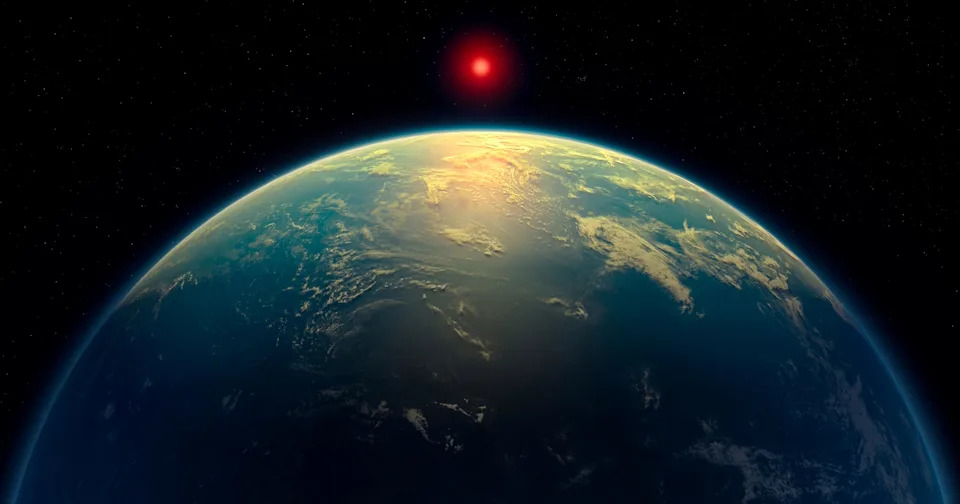
An exoplanet known as K2-18b achieved a degree of fame in April when a team of astronomers claimed to have found in its atmosphere "the strongest evidence yet" that life exists anywhere else besides Earth. Other scientists have since cast doubt on the findings – putting a damper on the notion that humanity finally had proof that we aren't alone in the cosmos.
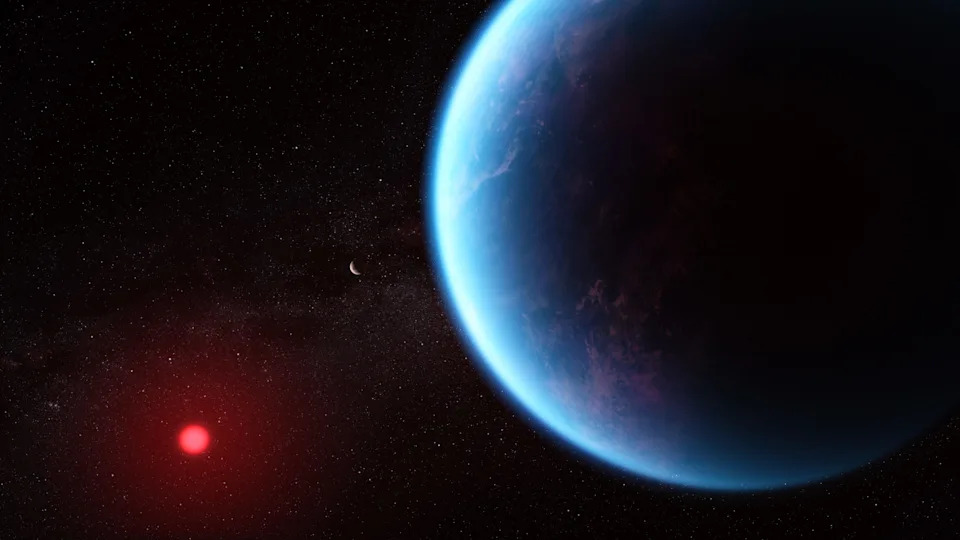
This artist's concept shows what exoplanet K2-18b could look like based on scientific data. NASA's James Webb Space Telescope has observed K2-18b, an exoplanet 8.6 times as massive as Earth, revealing conditions that could support life on the exoplanet.
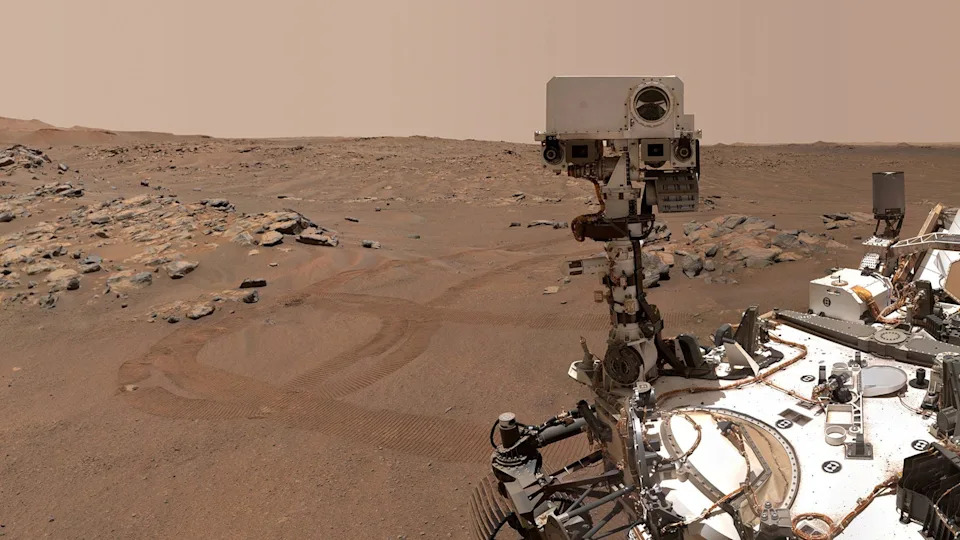
NASA’s Perseverance Mars rover is seen in a "selfie" that it took over on Sept. 10, 2021. Perseverance rover, along with Curiosity, is one of the agency's two car-sized robots exploring the Martian surface for signs that the planet was once habitable. And in September, NASA officials confirmed that one of the rovers’ finds contained a potential biosignature.
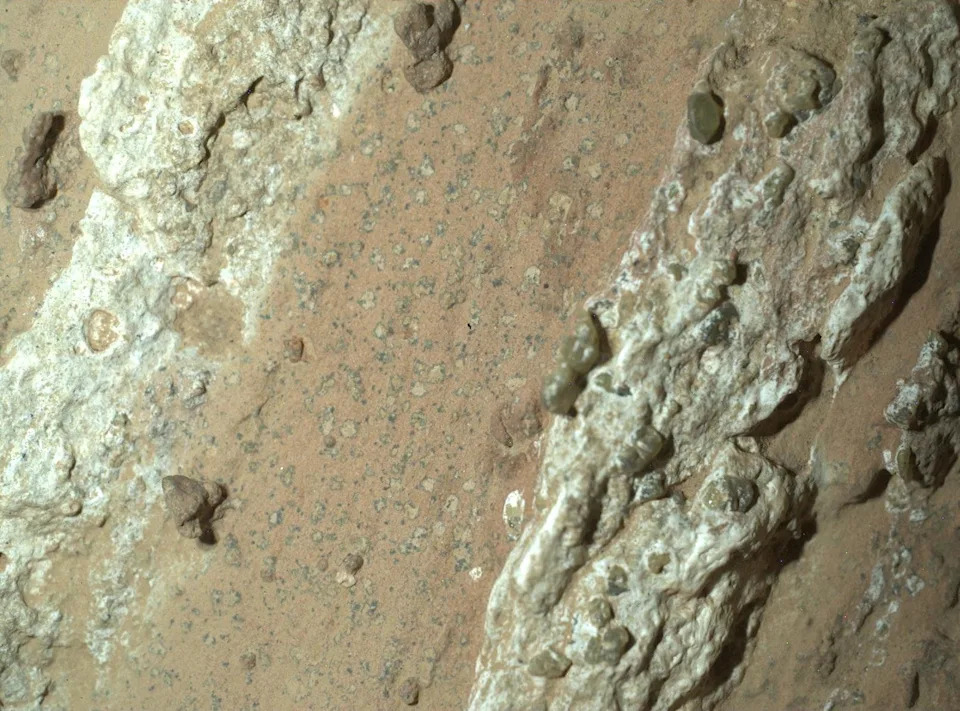
A reddish rock nicknamed "Cheyava Falls", with features resembling leopard spots was discovered by NASA's Perseverance rover in Mars’ Jezero Crater in July 2024, in this handout photograph released on September 10, 2025.

The northern lights, also known as the aurora borealis, light up the night sky Nov. 11 east of Denver, Colorado. A powerful geomagnetic solar storm in November blasted Earth and created the conditions necessary to reveal the auroras much further south in the United States than is typical.

A group of friends take photos of the northern lights Nov. 11 as they appear over Clinton Lake in Lawrence, Kansas. After NOAA's Space Weather Prediction Center issued a "severe" geomagnetic storm watch in November, many people in the Northern Hemisphere, which includes the U.S., had an extraordinary opportunity to gaze upon some breathtaking red and green auroras in their own backyard.
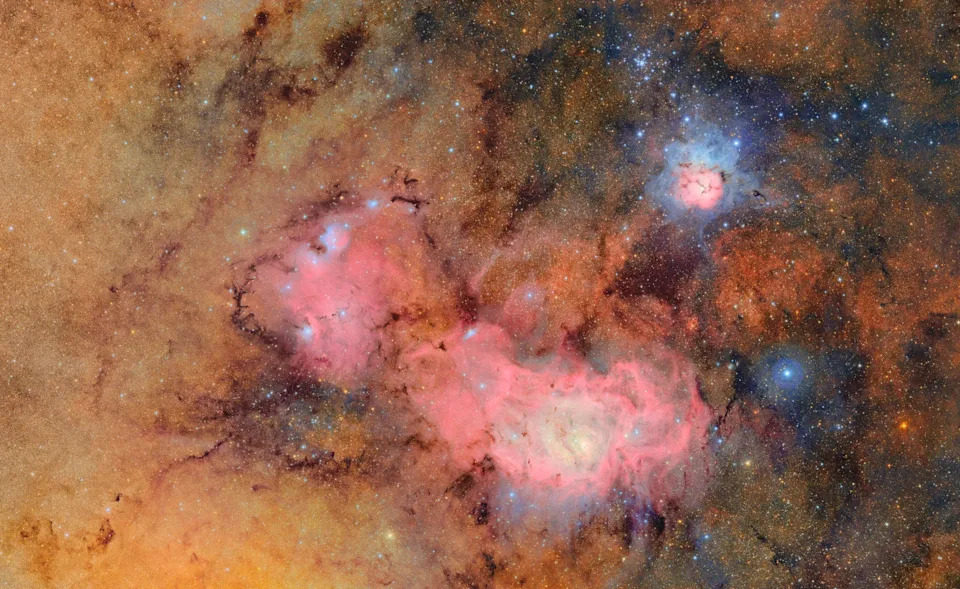
In June, the state-of-the-art Vera C. Rubin ground telescope in Chile unveiled its first stunning images of the cosmos. This particular image combines 678 separate images taken by the observatory in just over seven hours of observing time. Combining many images in this way clearly reveals otherwise faint or invisible details, such as the clouds of gas and dust that comprise the Trifid nebula (top) and the Lagoon nebula, which are several thousand light-years away from Earth.
Pomozite nam da budemo bolji.