Artemis II je prvi ljudski let ka Mesecu od Apola i lansiran je 1. aprila. Posada je 6. aprila proletela iza daleke strane Meseca i snimila detaljne fotografije Orijentale, Vavilov kratera i totalnog pomračenja Sunca. Prema NASA trackeru (AROW), 8. aprila Orion je bio oko 209.100 milja (≈336.600 km) od Zemlje; splashdown je planiran za 10. april u Tihom okeanu blizu San Dijega.
Gde su sada astronauti Artemis II? Praćenje misije, fotografije i plan povratka
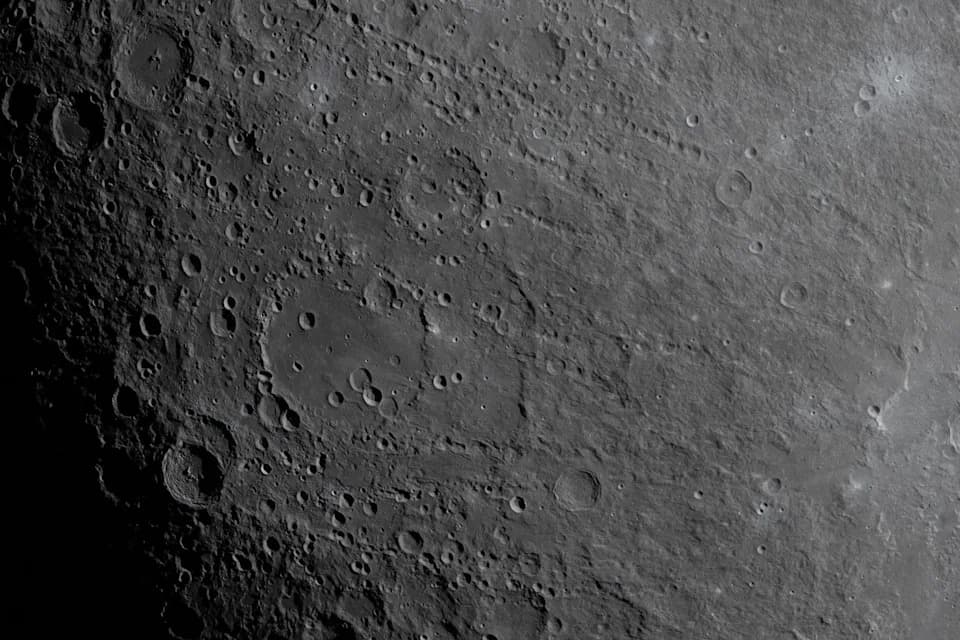
It’s all in the details. Check out these zoomed-in views ofmoon photostaken by the the Artemis II crew to see incredible lunar surface details.
Artemis II posada se približava povratku na Zemlju nakon istorijskog testnog leta — prvog ljudskog leta ka Mesecu od Apola 1972. godine. Lansiranje je izvršeno 1. aprila sa Kejp Kanaverala, a 6. aprila Orion je proletao iza daleke strane Meseca, omogućivši posadi da zabeleži dosad neviđene prizore lunarnih površina.
Šta su snimili tokom preleta
Članovi posade — komandant Reid Wiseman, pilot Victor Glover i specijalisti misije Jeremy Hansen i Christina Koch — napravili su mnoštvo visokorezolutnih fotografija. Među istaknutim prikazima su:
- Orijentale basen sa tamnom mrljom stare lave koja probija mesečevu koru;
- detaljni snimci kratera Vavilov i okolnog Hertzsprung basena;
- prizori duž terminatora gde nisko sunčevo svetlo ističe reljef (krateri Jule, Birkhoff, Stebbins i okolna visoravnja);
- posmatranje totalnog pomračenja Sunca sa Meseca — posada je zabeležila skoro 54 minuta totaliteta i svetleći halo oko Mesečevog diska;
- fotografije „earthrise“ i Zemljinog zalaska preko zakrivljenog ruba Meseca.
Gde su sada i kako da pratite
Prema NASA-inom online trackeru, ujutru 8. aprila Orion je bio približno 209.100 milja (oko 336.600 km) od Zemlje, sa Mesecom oko 74.000 milja (oko 119.100 km) iza. Tokom preleta posada se najbliže približila površini Meseca na oko 4.067 milja (oko 6.545 km).
Lokaciju, brzinu i udaljenost plovila možete pratiti preko zvaničnog Artemis Real-time Orbit Website (AROW) i NASA mobilne aplikacije. Mobilna verzija ima i AR (augmented reality) opciju koja omogućava da pomeranjem telefona vidite položaj Orion u odnosu na Zemlju.
Taktičke i operativne informacije
Servisni modul Orion vozila izveo je kratak paljenje pomoćnih potisnika 7. aprila (oko 15 sekundi) kako bi prilagodio putanju prema Zemlji. Posada je takođe održala izveštaj Misijskom kontrolnom centru nakon uspešnog preleta, tokom kojeg su leteli dalje od Zemlje nego iko u istoriji.
Povratak i sletanje
Orion je planiran za ponovno ulazak u Zemljinu atmosferu u petak, 10. aprila, sa predviđenim splashdown-om oko 20:07 ET u Tihom okeanu, u blizini obale San Dijega, Kalifornija. Pri ponovnom ulasku servisni modul će se odvojiti i izgoreti u atmosferi, otkrivajući toplotni štit posadnog modula koji treba da izdrži temperature reda ~3.000 °F (≈1.650 °C).
Nakon što prođe fazu visokih temperatura, toplotni štit će biti odbačen i padobrani će se otvoriti da usporе kapsulu. Pet narandžastih vazdušnih jastuka oko vrha kapsule trebalo bi da je okrenu u uspravni položaj nakon splas hdown-a; očekuje se da će posada napustiti kapsulu i biti preuzeta od strane američke mornarice u roku od oko dva sata.
Zašto je ovo važno
Artemis II je testna misija koja provera sisteme i operacije sa ljudskom posadom pre narednih misija koje će ciljano dovesti astronaute na površinu Meseca i pripremiti put ka Marsu. Visoke rezolucije fotografije i podaci iz ove misije pružaju dragocene naučne i tehničke informacije za buduće letove.
Brzi podsjetnik: posada: Reid Wiseman (komandant), Victor Glover (pilot), Jeremy Hansen (specijalista misije) i Christina Koch (specijalista misije). AROW tracker je najbolji izvor za praćenje u realnom vremenu.
Izveštavanje i fotografije iz misije pružili su NASA i članovi posade; planovi i vremena su prema objavama NASA tokom trajanja misije.
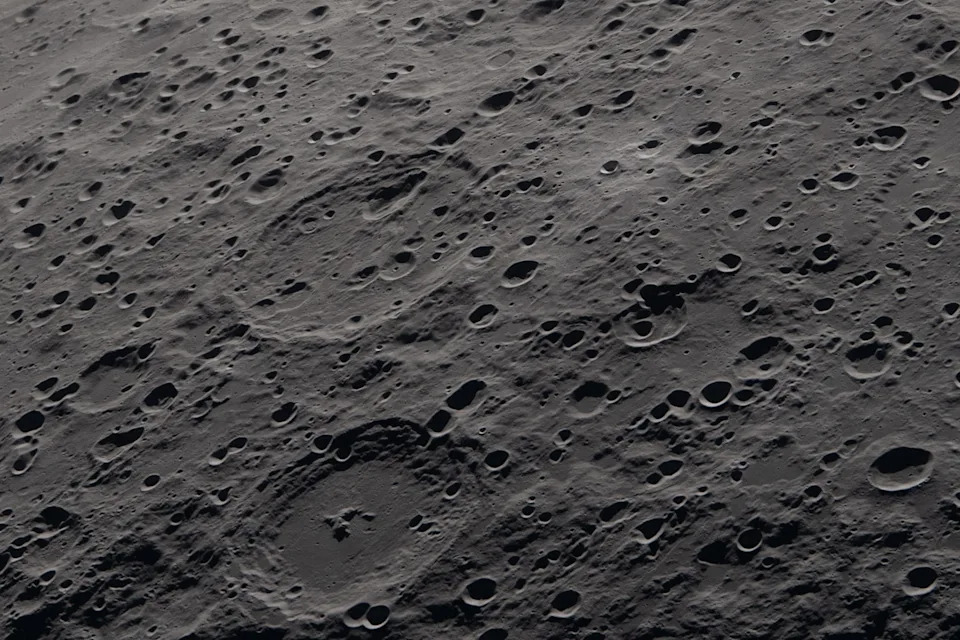
The lunar surface fills the frame in sharp detail, as seen during the Artemis II lunar flyby.
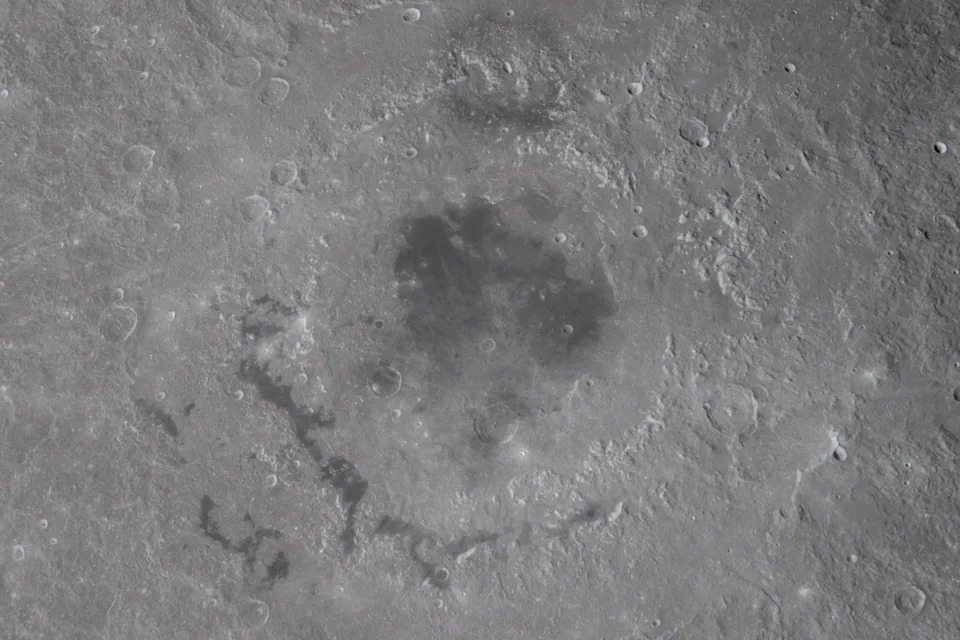
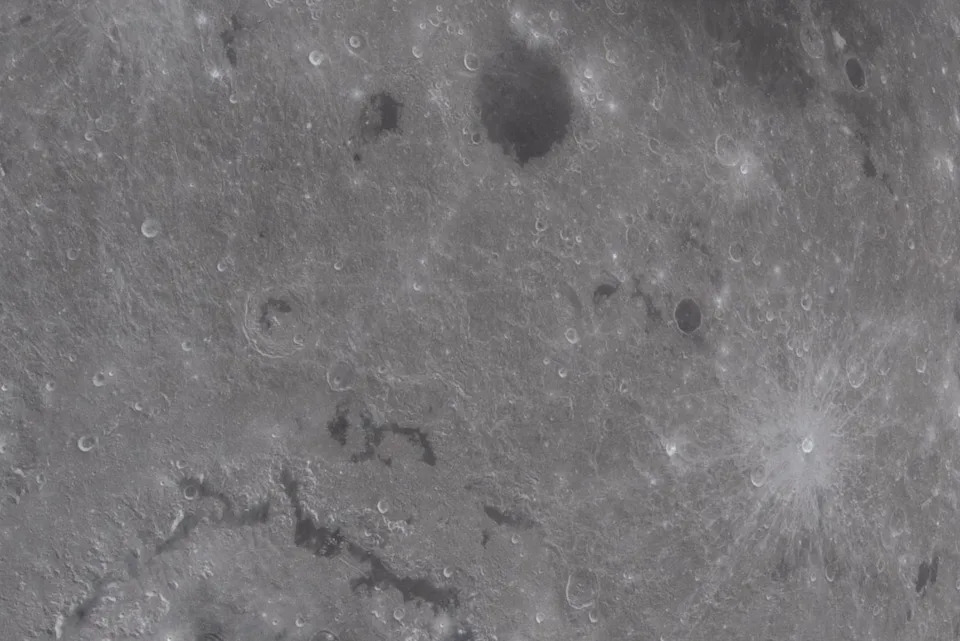
Orientale basin is visible in this close-up, with a black patch of ancient lava in the center that punched through the Moon’s crust in an eruption billions of years ago.
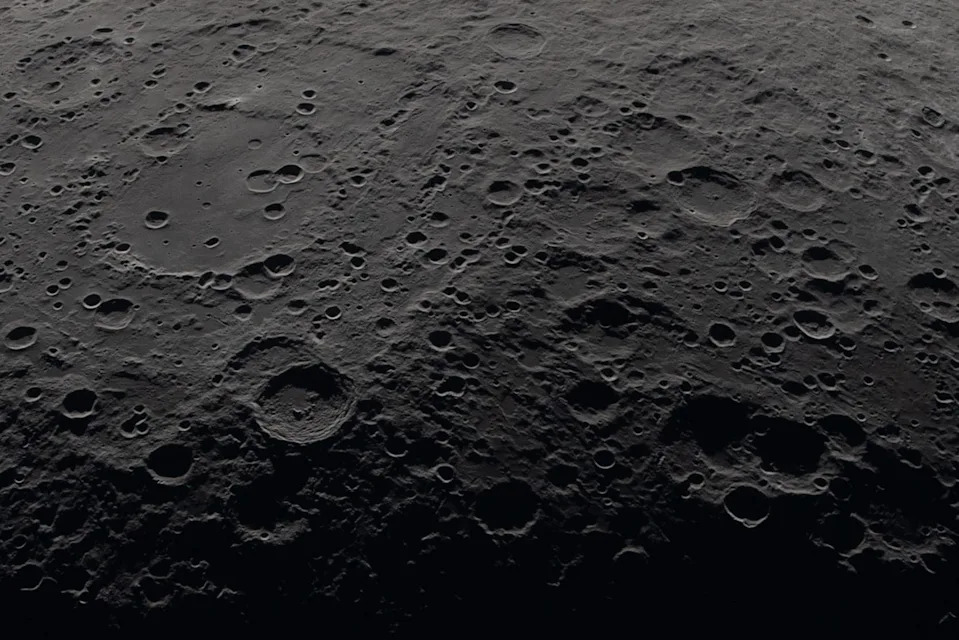
Moon crates are revealed in this detail of a photo captured by the Artemis II crew during their journey around the far side of the Moon on April 6.
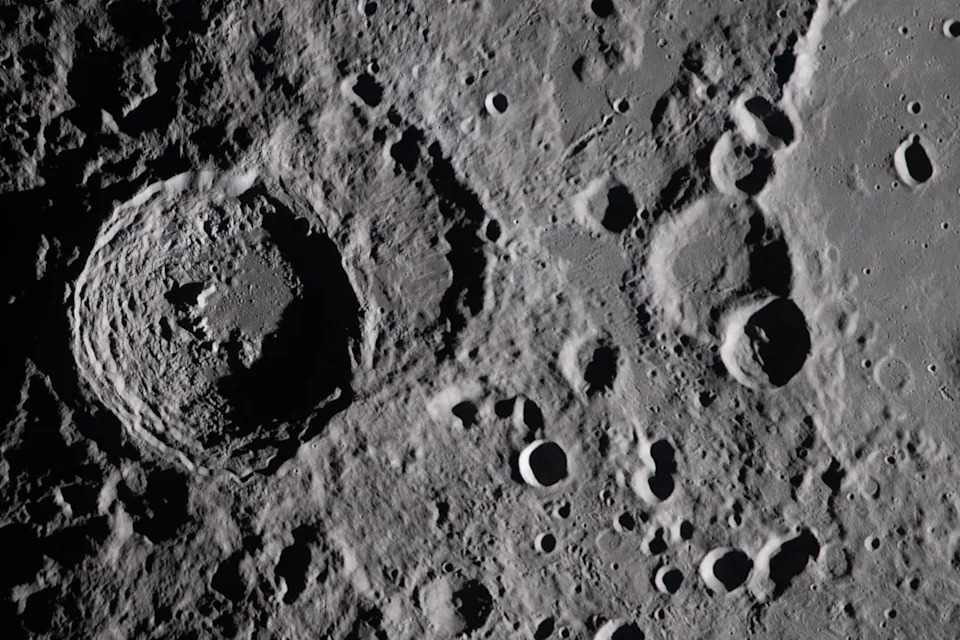
A close-up view shows the Vavilov Crater (left) an impact crater on the rim of the older and larger Hertzsprung basin.
High-end digital cameras provide astronauts with powerful imaging tools that they can use to capture and share detailed views during their mission.
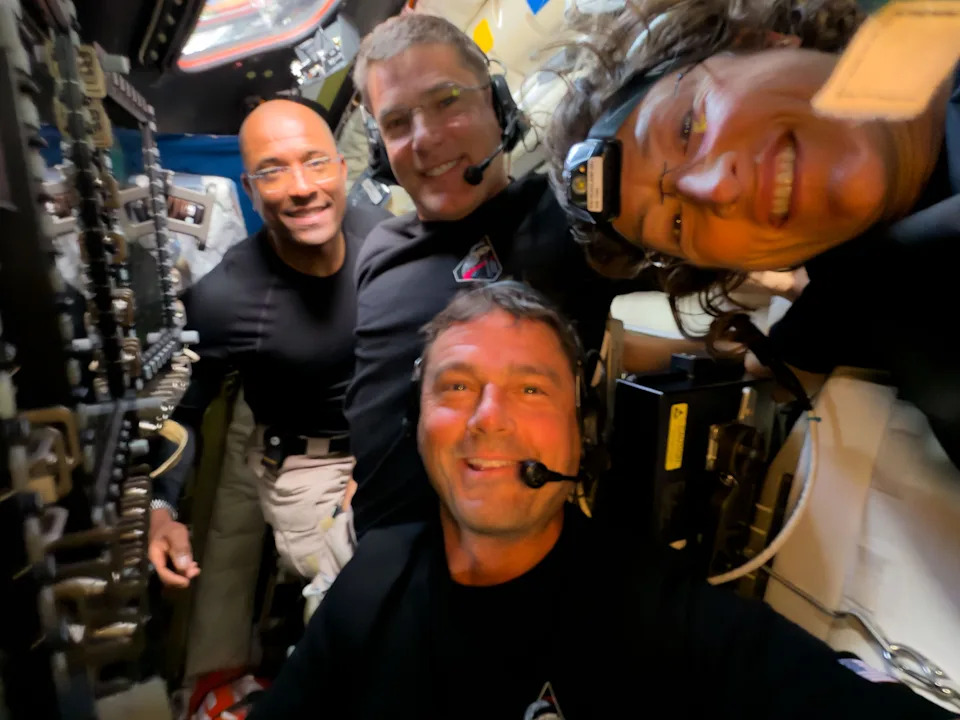
Lunar SelfieMidway through their lunar observation period, the Artemis II crew members, seen here (From left to right: Victor Glover, Jeremy Hansen, Reid Wiseman, and Christina Koch), pause to turn the camera around for a selfie inside the Orion spacecraft.NASA's Artemis II astronautsare among the first government spacefarers to bring personal smartphones to space.
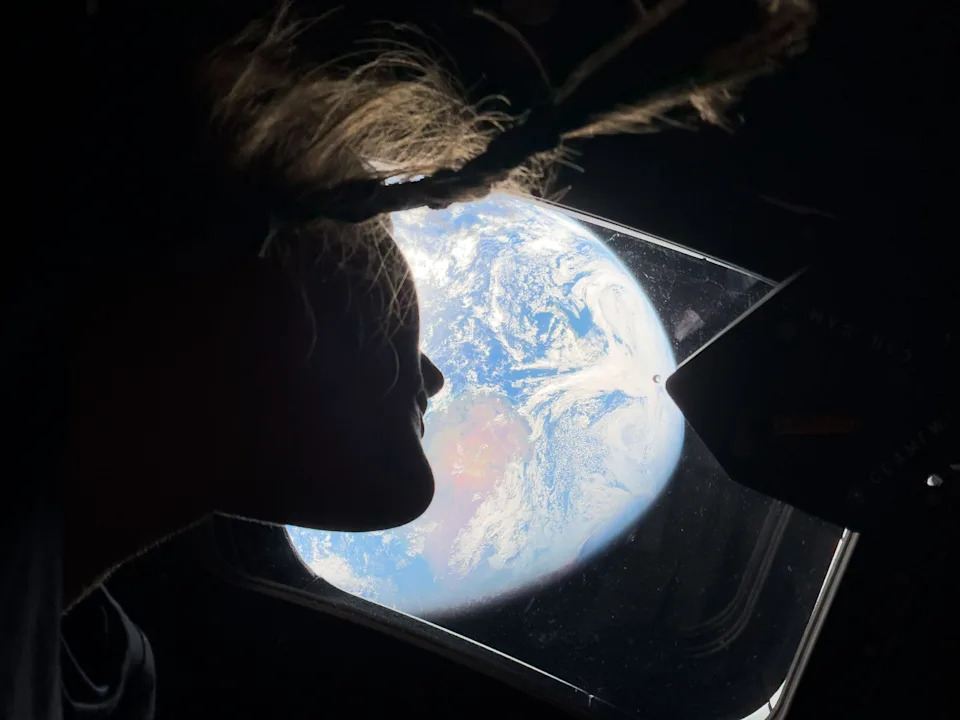
Spaceship EarthNASA astronaut and Artemis II mission specialist Christina Koch peers out of one of the Orion spacecraft's main cabin windows, looking back at Earth, as the crew travels towards the Moon.
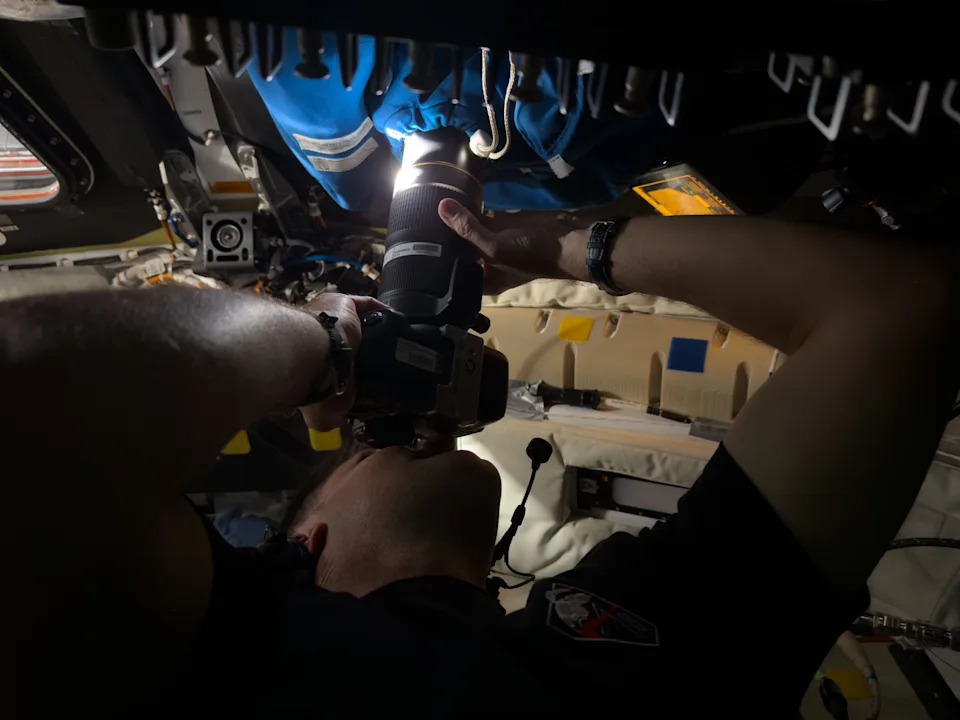
Photographer at WorkAstronaut Jeremy Hansen captures an image through the camera shroud covering window 2 of the Orion spacecraft. The camera shroud, essentially a curtain with a hole for the lens to pass through, is used to prevent light from the cabin from reflecting on the windowpanes.
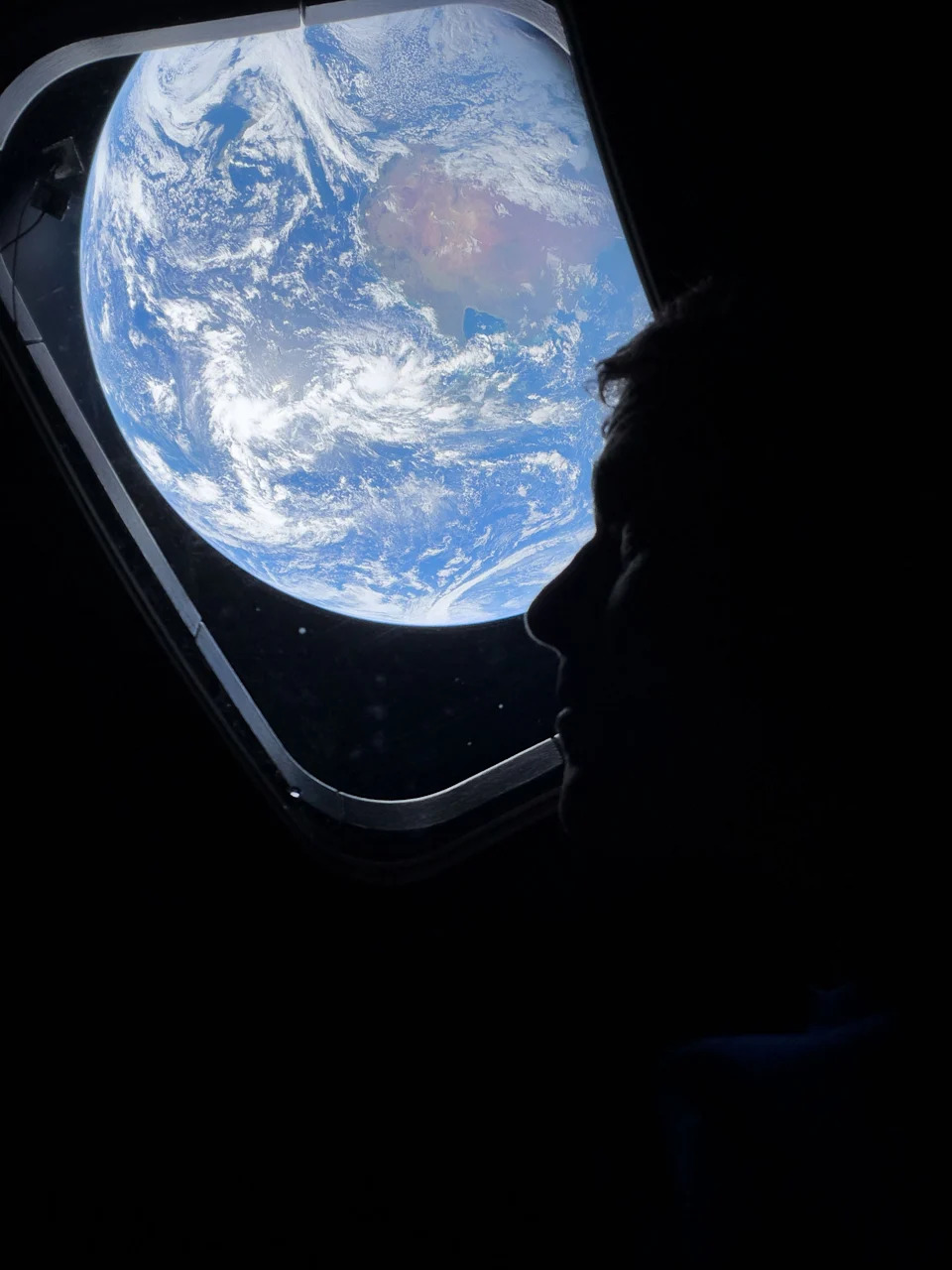
Home, Seen from OrionNASA astronaut and Artemis II Commander Reid Wiseman peers out of one of the Orion spacecraft's main cabin windows, looking back at Earth, as the crew travels towards the Moon.
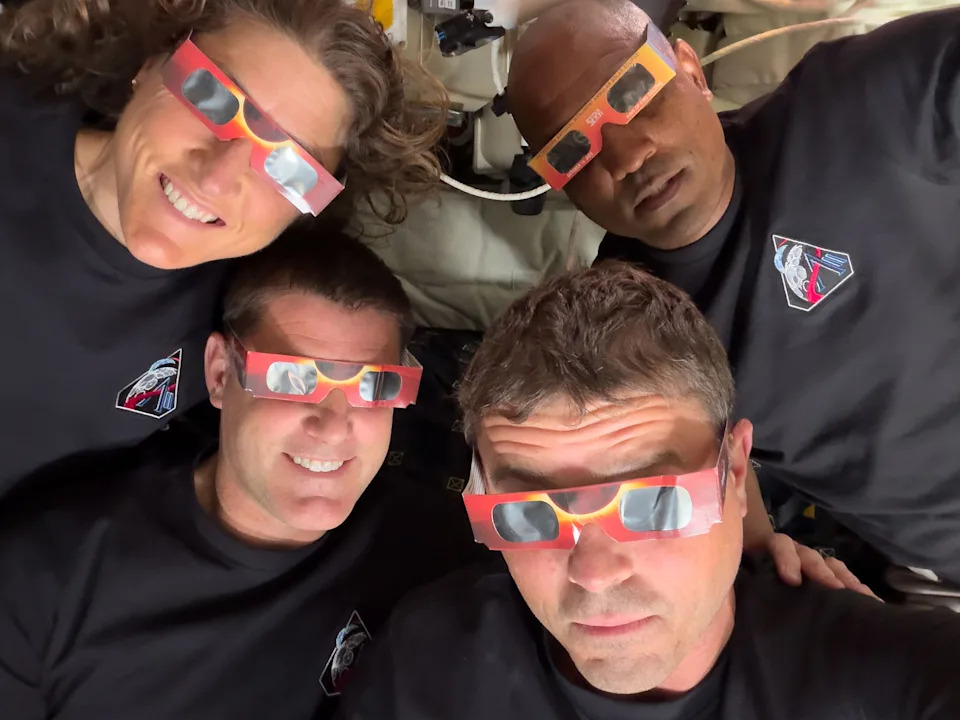
Eclipse SafetyFirst The Artemis II crew – Mission Specialist Christina Koch (top left), Mission Specialist Jeremy Hansen (bottom left), Commander Reid Wiseman (bottom right), and Pilot Victor Glover (top right) – uses eclipse viewers, identical to what NASA produced for the 2023 annular eclipse and 2024 total solar eclipse, to protect their eyes at key moments during the solar eclipse they experienced during their lunar flyby. This was the first use of eclipse glasses at the Moon to safely view a solar eclipse.
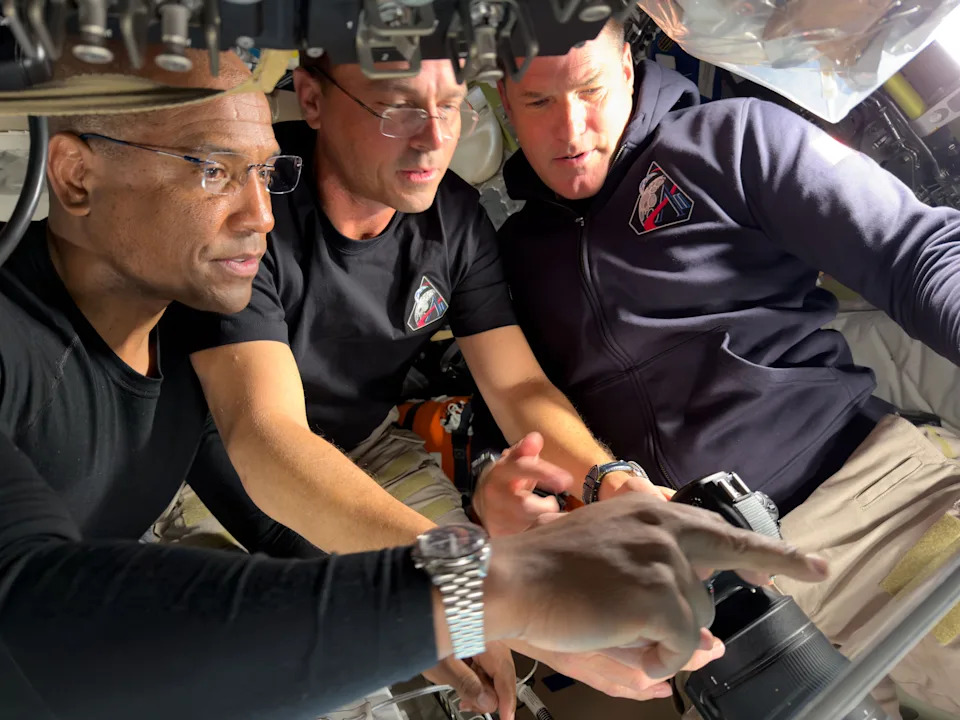
Final Flyby PreparationsArtemis II Pilot Victor Glover (Left), Commander Reid Wiseman (Center), and Mission Specialist Jeremy Hansen (Right) prepare for their journey around the far side of the Moon by configuring their camera equipment shortly before beginning their lunar flyby observations.
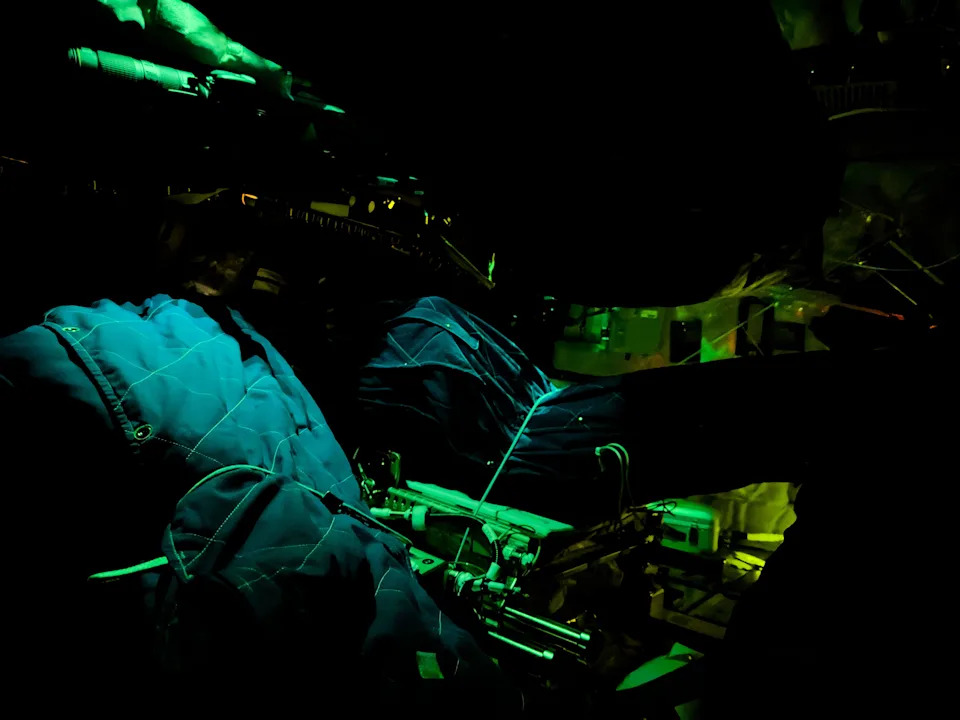
Rest Before Lunar FlybyArtemis II crewmember sleeping bags are illuminated inside the Orion spacecraft on Flight Day 5 of the mission and ahead of the crew's lunar flyby on April 6, 2026.
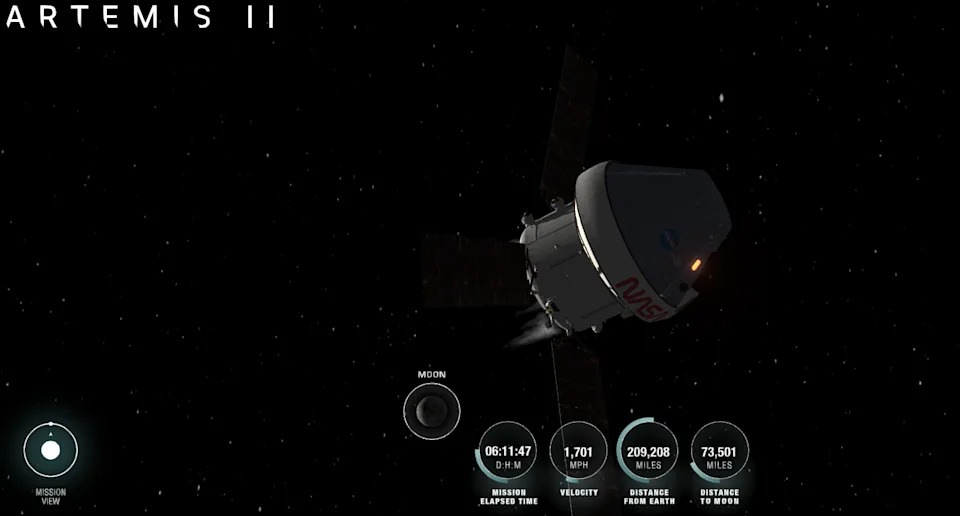
This screengrab from NASA's virtual Artemis II tracker shows a visualization of the Orion capsule, along with updates on how far it is from the moon and Earth as of April 8.
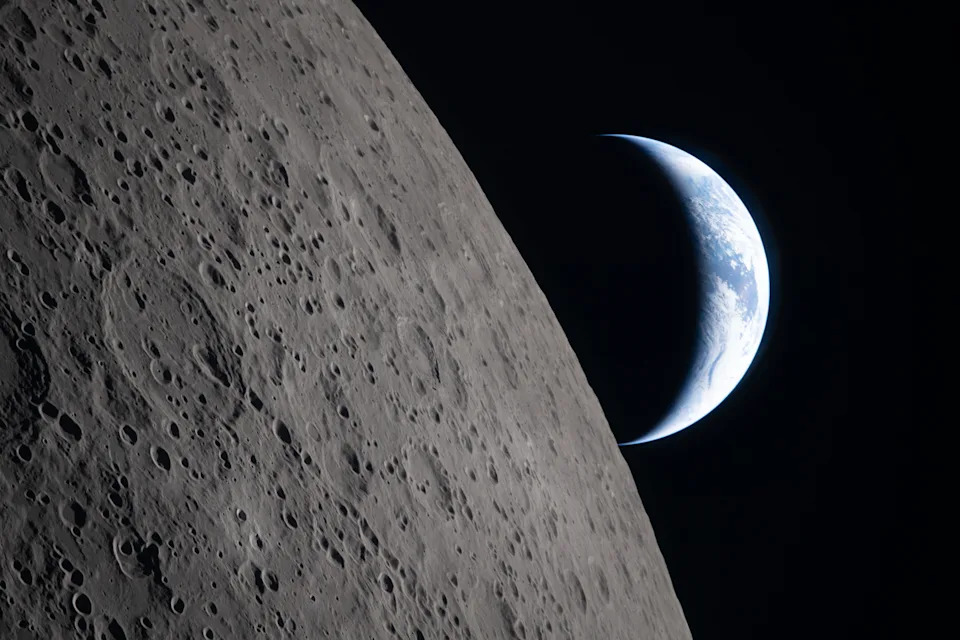
Peeking at the EarthAs the Artemis II crew came close to passing behind the Moon and experiencing a planned loss of signal on April 6, 2026, they captured this image of a crescent Earth setting on the Moon’s limb. The edge of the visible surface of the Moon is called the “lunar limb.”
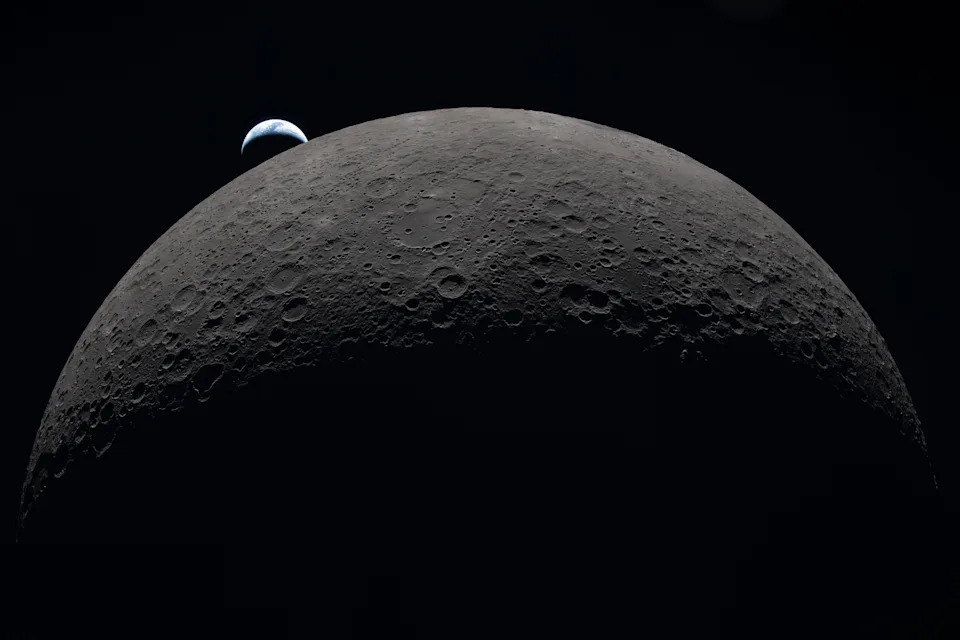
A New View of the MoonEarth sets at 6:41 p.m. EDT, April 6, 2026, over the Moon’s curved limb in this photo captured by the Artemis II crew during their journey around the far side of the Moon.
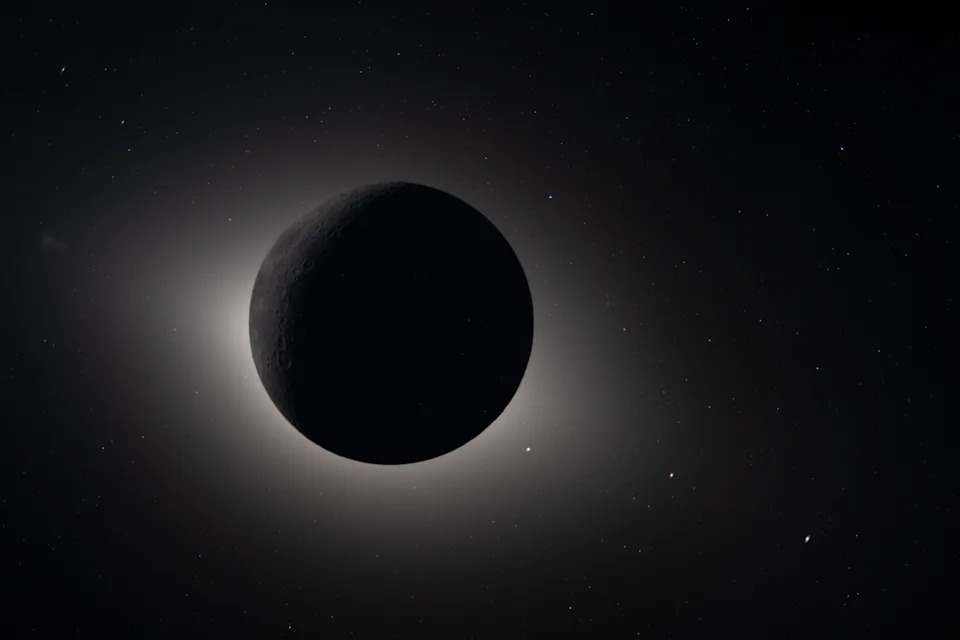
Artemis II in EclipseCaptured by the Artemis II crew during their lunar flyby on April 6, 2026, this image shows the Moon fully eclipsing the Sun. From the crew’s perspective, the Moon appears large enough to completely block the Sun, creating nearly 54 minutes of totality and extending the view far beyond what is possible from Earth. We see a glowing halo around the dark lunar disk.
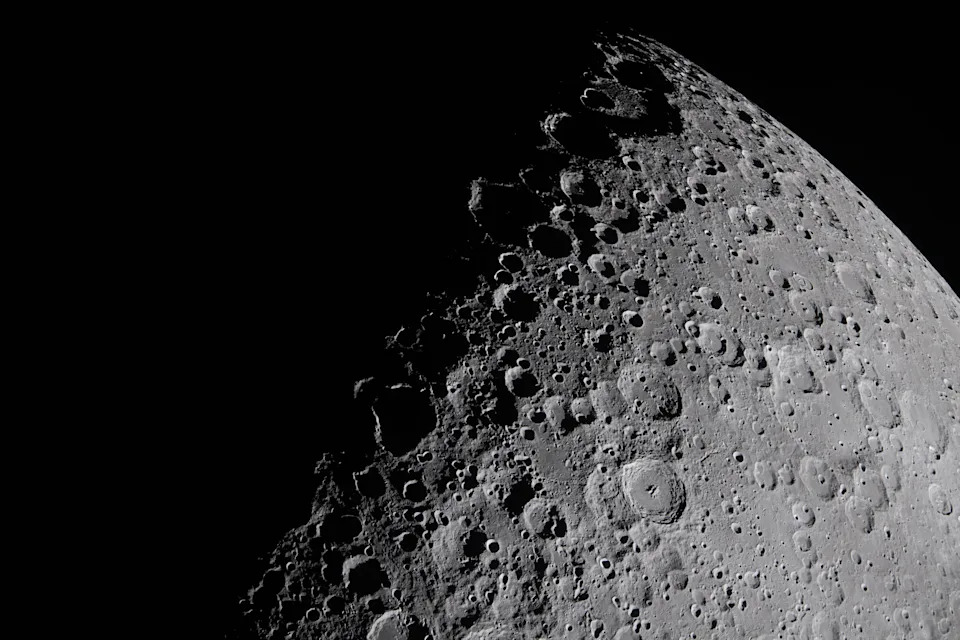
Shadows at the Edge of Lunar DayThe Artemis II crew captures a portion of the Moon coming into view along the terminator – the boundary between lunar day and night – where low-angle sunlight casts long, dramatic shadows across the surface on April 6, 2026. This grazing light accentuates the Moon’s rugged topography, revealing craters, ridges, and basin structures in striking detail. Features along the terminator such as Jule Crater, Birkhoff Crater, Stebbins Crater, and surrounding highlands stand out. From this perspective, the interplay of light and shadow highlights the complexity of the lunar surface in ways not visible under full illumination. The image was captured about three hours into the crew’s lunar observation period, as they flew around the far side of the Moon on the sixth day of the mission.
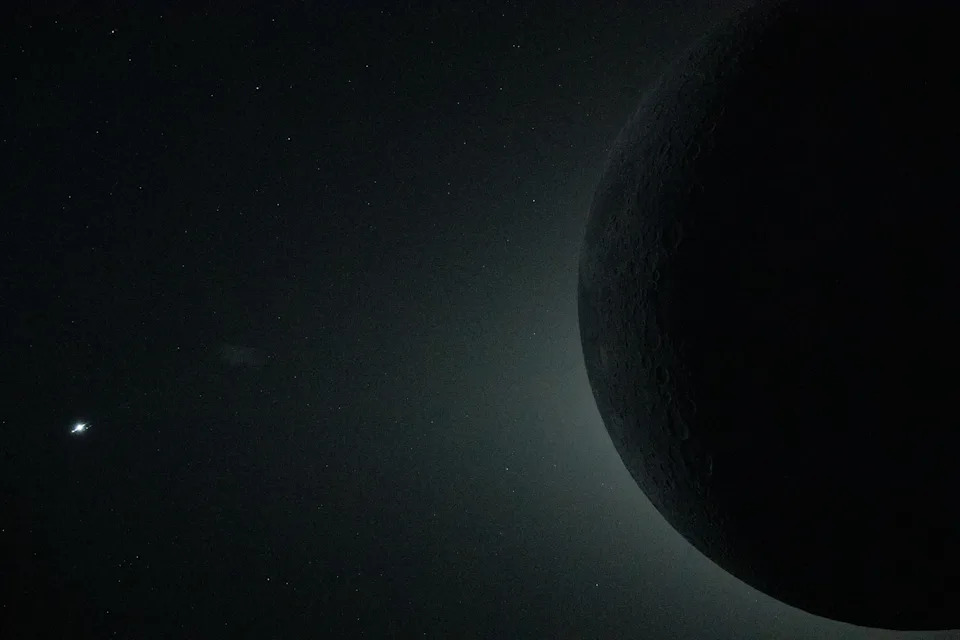
Artemis II Total Solar Eclipse, Partial FrameA close-up view from the Orion spacecraft during the Artemis II crew’s lunar flyby on April 6, 2026, captures a total solar eclipse, with only part of the Moon visible in the frame as it fully obscures the Sun.
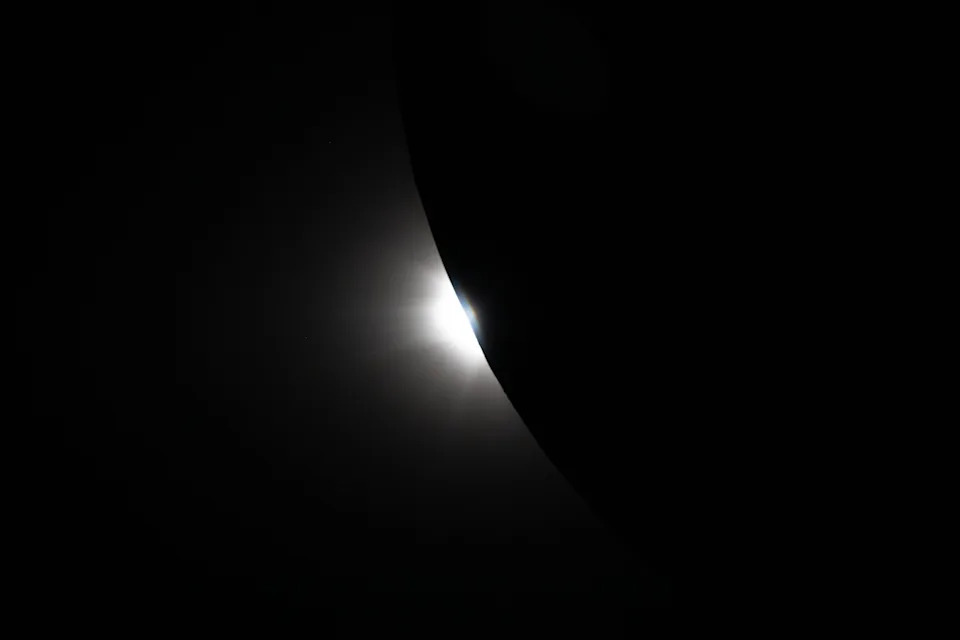
Solar Eclipse Emergence from OrionCaptured from the Orion spacecraft near the end of the Artemis II lunar flyby on April 6, this image shows the Sun beginning to peek out from behind the Moon as the eclipse transitions out of totality.
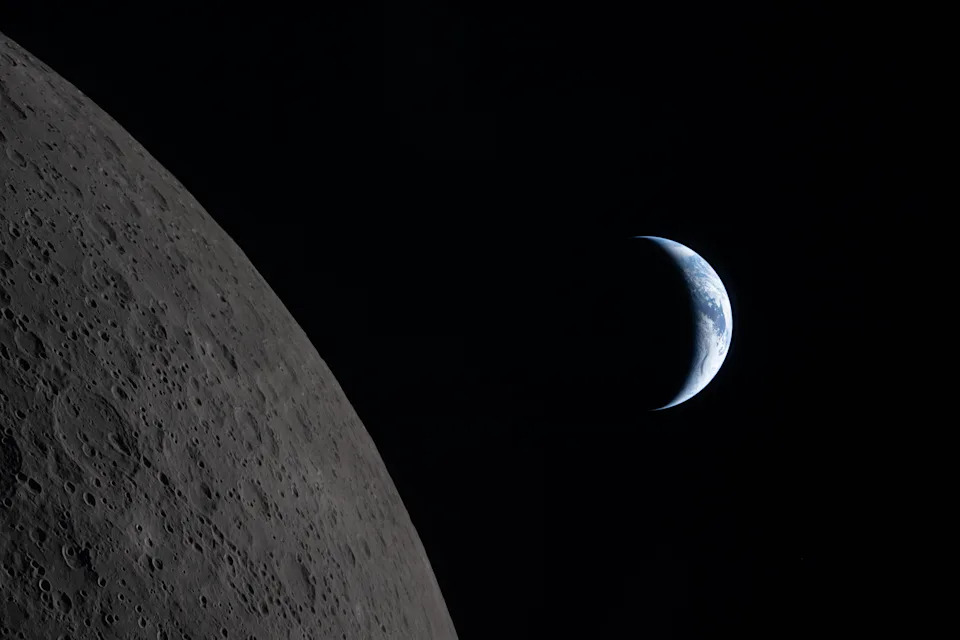
The Edge of Two WorldsEarth draws closer to passing behind the Moon in this image captured by the Artemis II crew during their lunar flyby, about six minutes before Earthset.
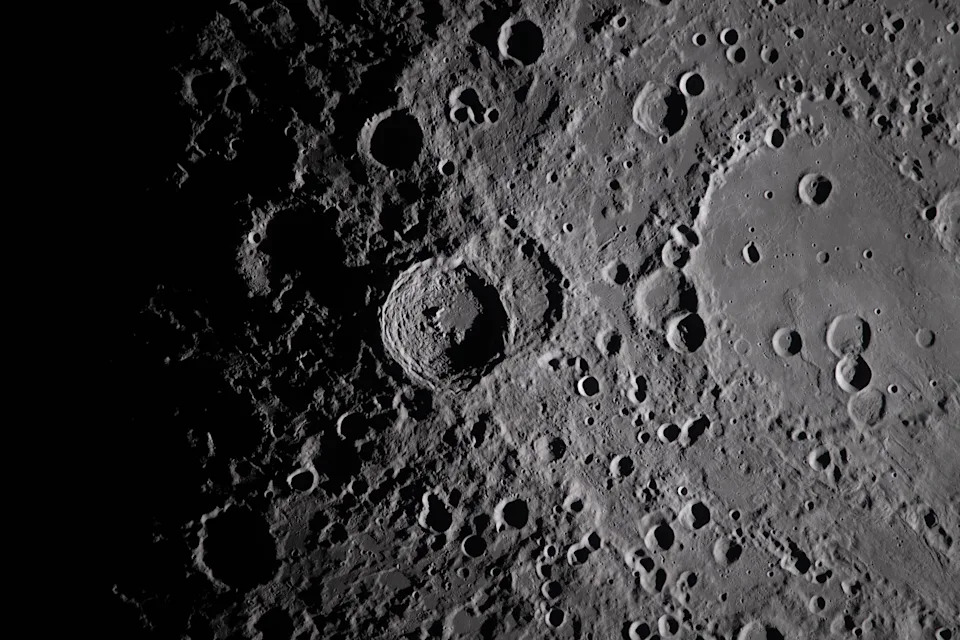
Shadows Across Vavilov CraterA close-up view taken by the Artemis II crew of Vavilov Crater on the rim of the older and larger Hertzsprung basin.
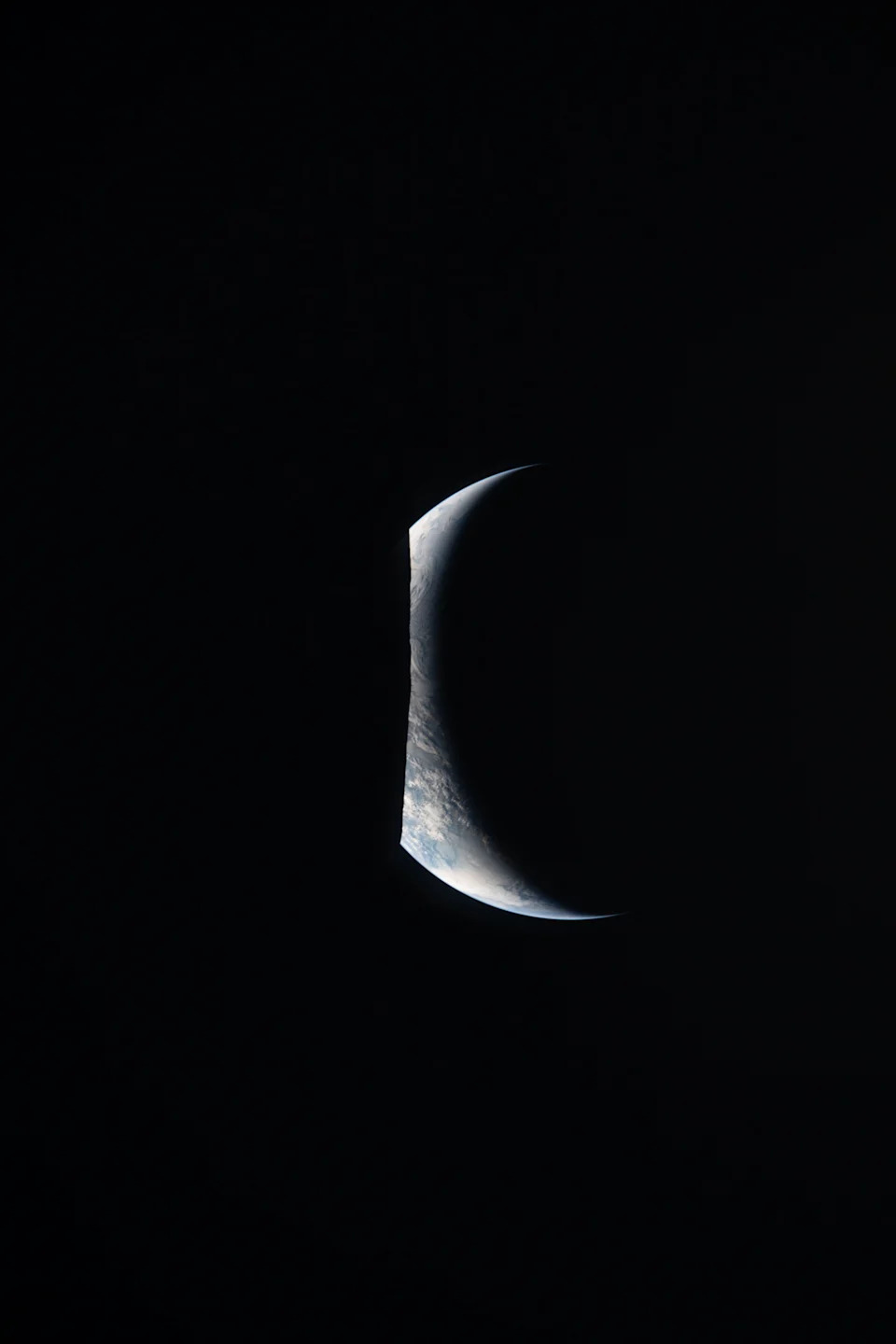
Artemis Era EarthriseEarthrise captured through the Orion spacecraft window at 7:22 p.m. ET during the Artemis II crew’s flyby of the Moon’s far side.
Pomozite nam da budemo bolji.