Manje od nedelju dana nakon povratka sa desetodnevne misije oko Meseca, posada Artemis II — Reid Wiseman, Victor Glover, Christina Koch i Jeremy Hansen — održaće konferenciju za medije 16. aprila u Johnson Space Centeru u Hjustonu. Misija je bila prvi ljudski let u blizini Meseca posle više od 50 godina i poslužila je kao ključni test za planirano sletanje 2028. godine. Konferencija će biti prenošena uživo na NASA-inom YouTube kanalu (14:30 ET / 20:30 CEST).
Artemis II: Posada Odgovara Novinarima Posle Istorijske Misije Oko Meseca
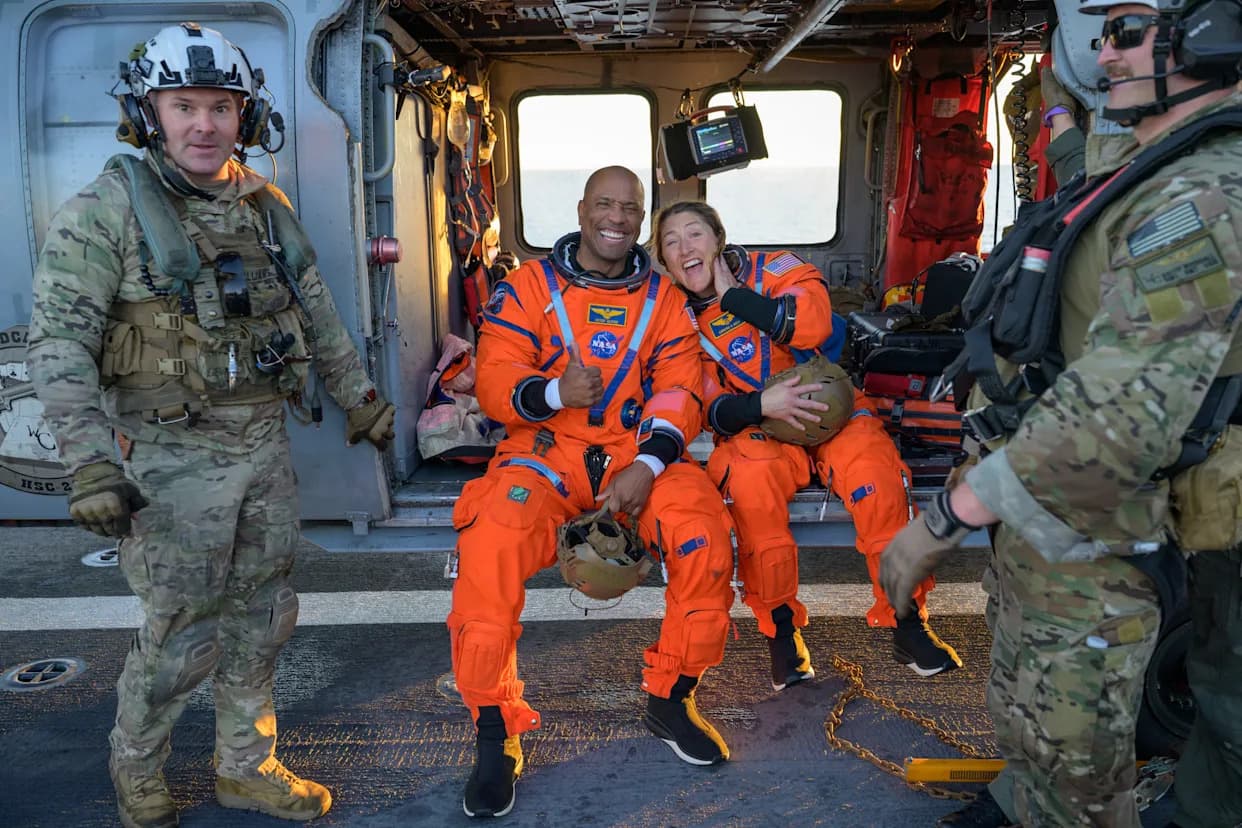
NASA's Artemis II astronauts to talk to media after moon mission
Manje od nedelju dana nakon povratka sa desetodnevne misije oko Meseca, članovi posade Artemis II pojaviće se zajedno pred medijima. Konferencija za novinare zakazana je za 16. april u Johnson Space Centeru u Hjustonu, saopštila je NASA.
Ko će govoriti: komandant Reid Wiseman, pilot Victor Glover, misijski specijalista Christina Koch i astronaut Kanadske svemirske agencije Jeremy Hansen odgovaraće na pitanja novinara.
Kada i gde: Događaj počinje u 14:30 po istočnom vremenu SAD (EDT) — što je 20:30 po srednjoevropskom vremenu (CEST) — u Johnson Space Centeru u Hjustonu. NASA će prenositi konferenciju uživo na svom YouTube kanalu; događaj nije naveden u rasporedu na NASA+.
Zašto je misija važna
Artemis II je bila prva posada u neposrednoj blizini Meseca posle više od 50 godina. Misija je služila kao ključni test leta za buduće sletanje na Mesec, koje je u planu za 2028. godinu, i za dugoročnije ciljeve NASA — uključujući izgradnju baze na južnom polu Meseca.
Posada se ukrcala u svemirski brod Orion 1. aprila, a lansiranje je obezbedila moćna raketa Space Launch System (SLS) sa Kennedy Space Centera na Floridi. Tokom desetodnevne misije Orion je odveo astronaute dalje od Zemlje nego ikada posle misije Apollo 13 iz 1970. godine — više od četvrt miliona milja (oko 400.000 km). Orion je proletao pored Meseca na najbližoj udaljenosti od oko 4.000 milja (~6.400 km), pruživši posadi poglede na delove udaljene strane Meseca koje niko ranije nije video izbliza.
Misija je završena 10. aprila kada je kapsula Orion bezbedno iskrcala posadu u Tihi okean blizu San Dijega. NASA je narednog dana, 11. aprila, priredila kratku ceremoniju dočeka u Hjustonu.
Kako pratiti
Prijenos konferencije biće dostupan besplatno na NASA-inom YouTube kanalu. Za gledaoce u Evropi i Srbiji, početak u 14:30 ET odgovara 20:30 po srednjoevropskom vremenu.
Ukratko: Artemis II potvrđuje tehnologije i procedure potrebne za povratak ljudi na Mesec i za buduće misije koje će širiti istraživanja i eventualnu trajnu ljudsku prisutnost na lunarnoj površini.
Izvor: USA TODAY (prilagođeno i preformulisano za srpsko govorno područje)
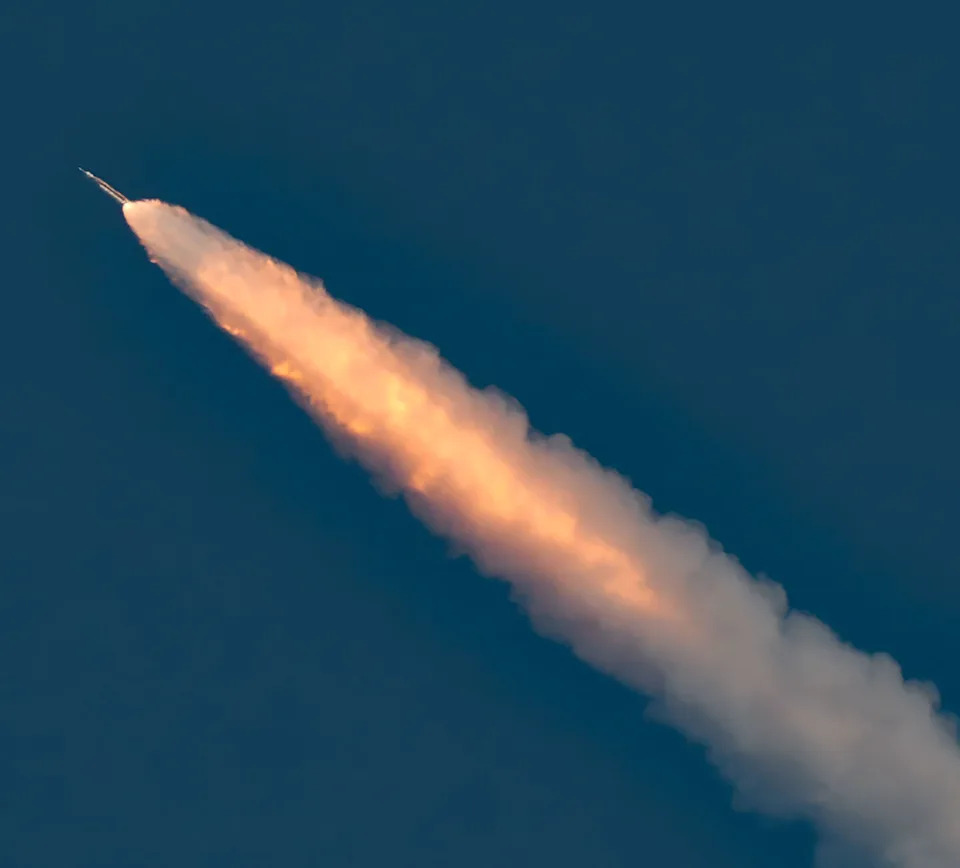
The Artemis II mission launches April 1 from the Kennedy Space Center in Cape Canaveral, Florida. The four-person crew aboard the Orion spacecraft hitched a ride to orbit atop NASA's giant 322-foot Space Launch System rocket. Launching atop 8.8 million pounds of thrust, the SLS is the most powerful rocket NASA ever launched, about 17% more powerful than the iconic Saturn V rocket used during the Apollo era.
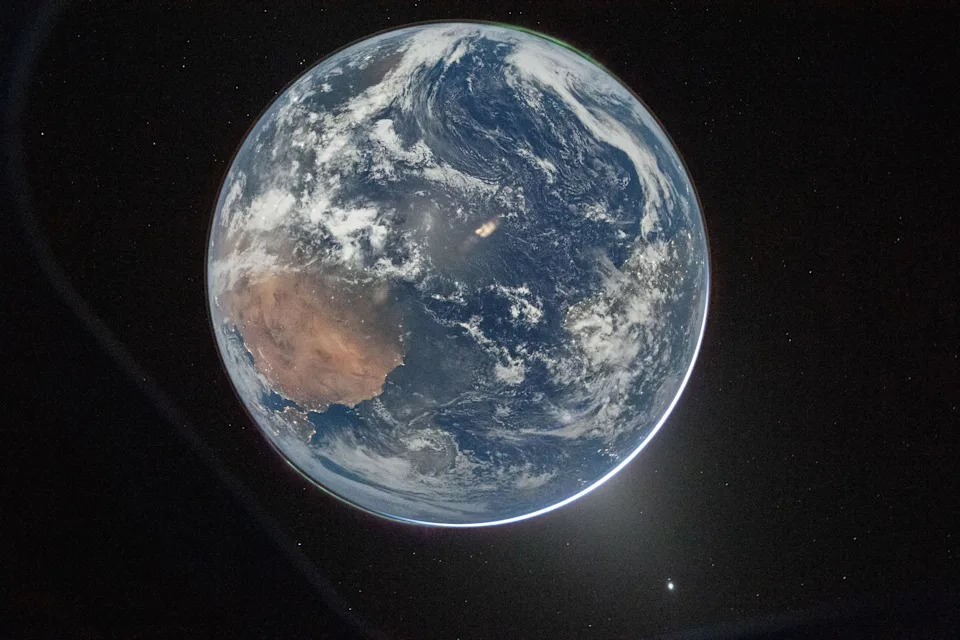
Artemis II Commander Reid Wiseman of NASA took this stunning photograph of Earth from the Orion spacecraft's window on April 2. The image is reminiscent of the iconic "blue marble" image captured during the Apollo 17 mission in 1972.
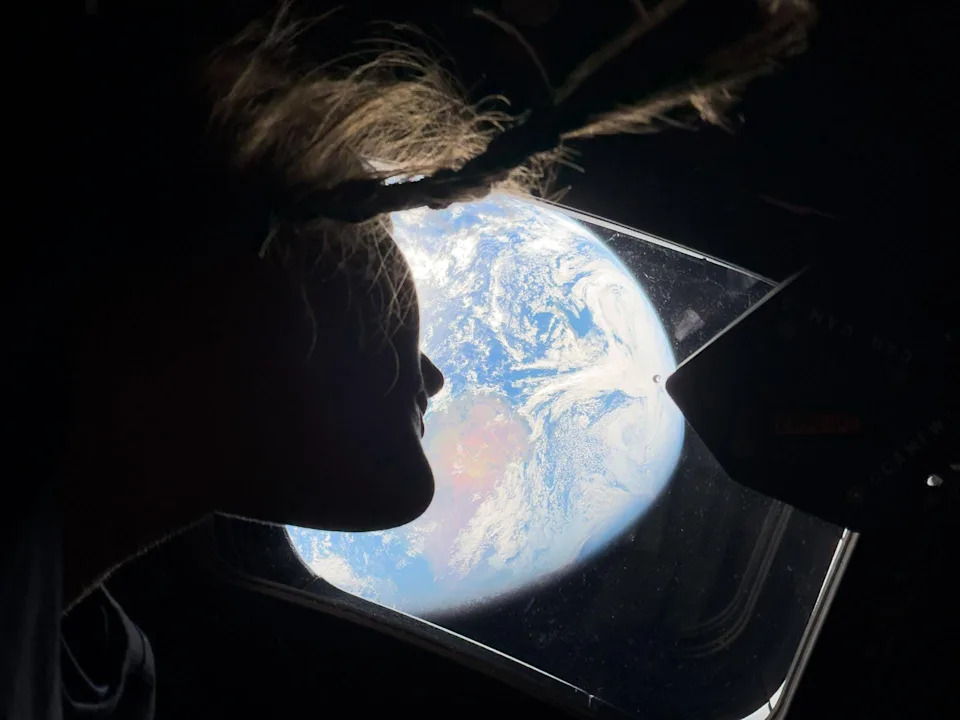
NASA astronaut Christina Koch, a mission specialist on Artemis II, gazes out the windows of the Orion vehicle back at Earth as she and the crew head toward the moon. Koch, who already holds several NASA records from her first spaceflight in 2019 to the International Space Station, became the first woman to fly on a lunar mission.
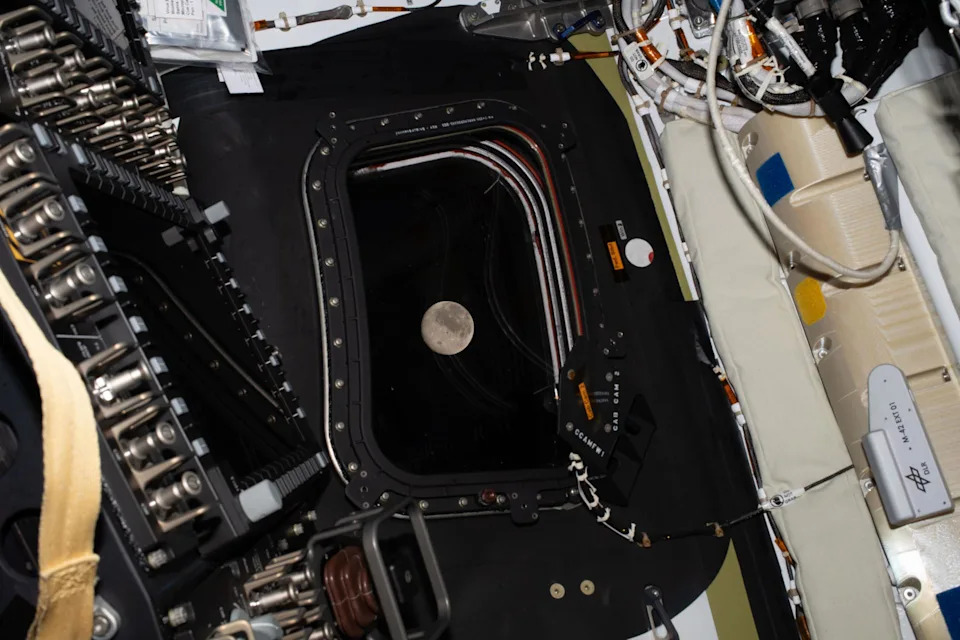
Before going to sleep April 5, the Artemis II crew snapped one more photo of the moon, as it drew close in the window of the Orion spacecraft. Shortly after, the astronauts entered the lunar sphere of influence, where the pull of the moon's gravity became stronger than Earth's.
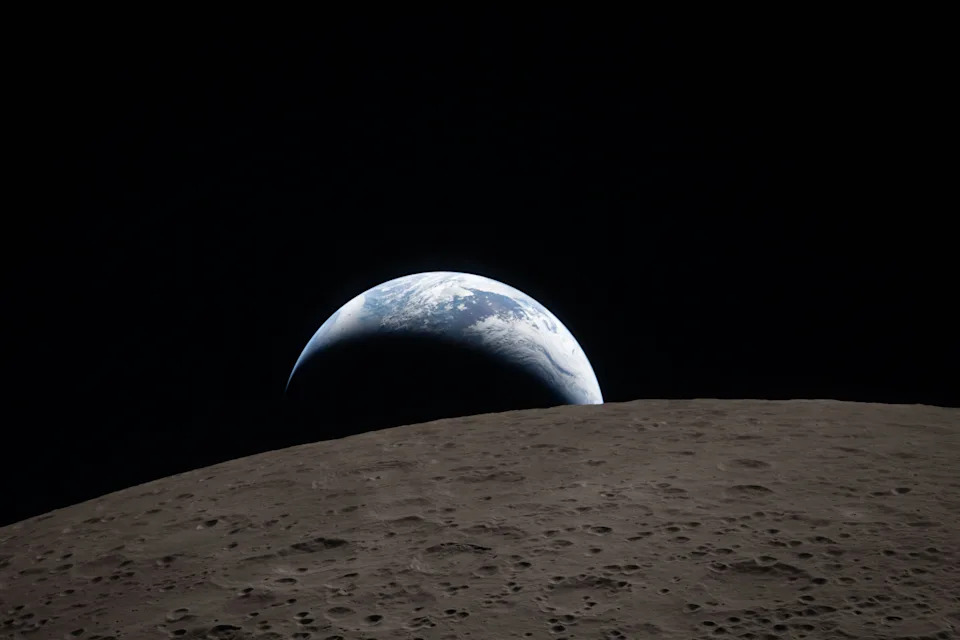
The crew of Artemis II captured a breathtaking image of a celestial event known as an "Earthset," in which the Earth dropped below the lunar horizon. The image is reminiscent of the iconic "Earthrise" photo that NASA astronaut Bill Anders captured in 1968 during the Apollo 8 mission that showed our planet rising on the lunar horizon.
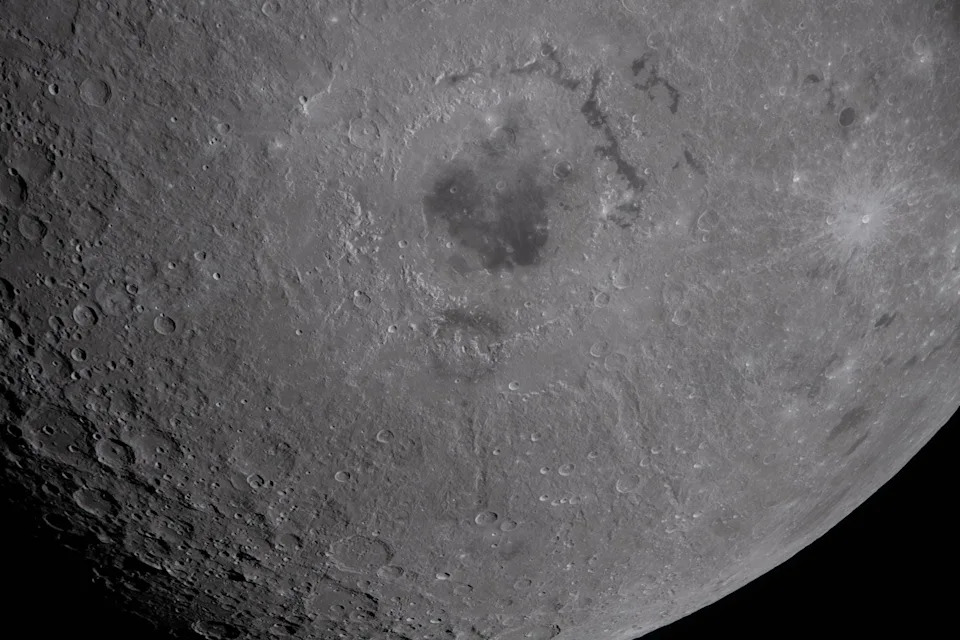
Of the impact craters, ancient lava flows and other lunar features the Artemis II astronauts observed during an April 6 flyby, a crater known as the Orientale basin was perhaps the most prominent. Spanning nearly 600 miles, the 3.8 billion year old crater (seen in the upper center of this photo) had never been seen with the naked eye prior to the mission.
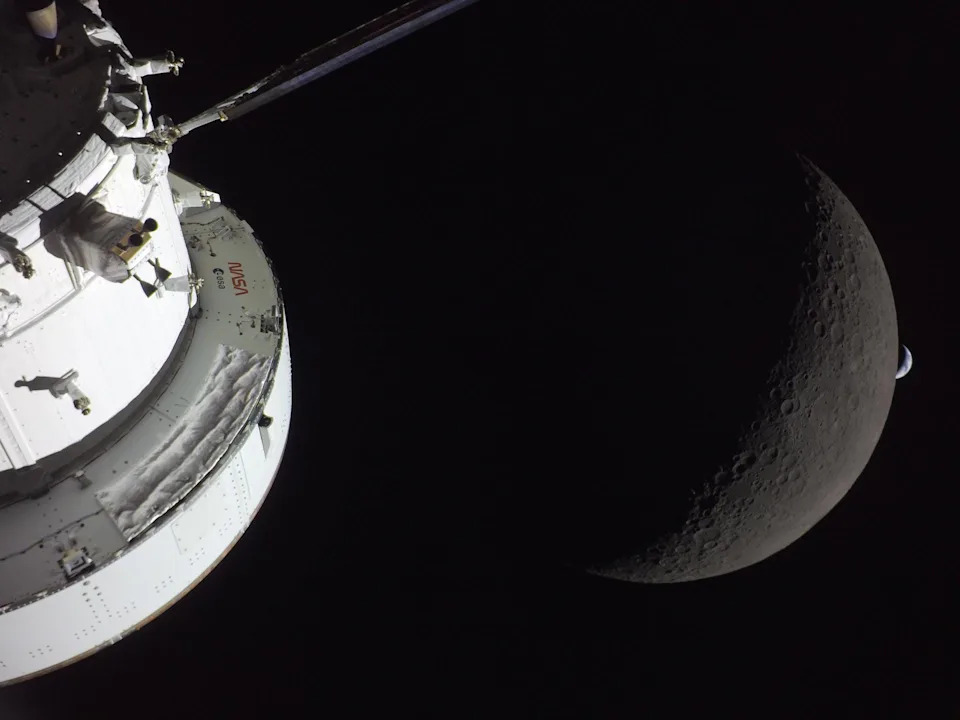
The Orion spacecraft the Artemis II astronauts were aboard is captured in the same frame as both the moon and Earth in this photo captured about four hours into the historic April 6 flyby.
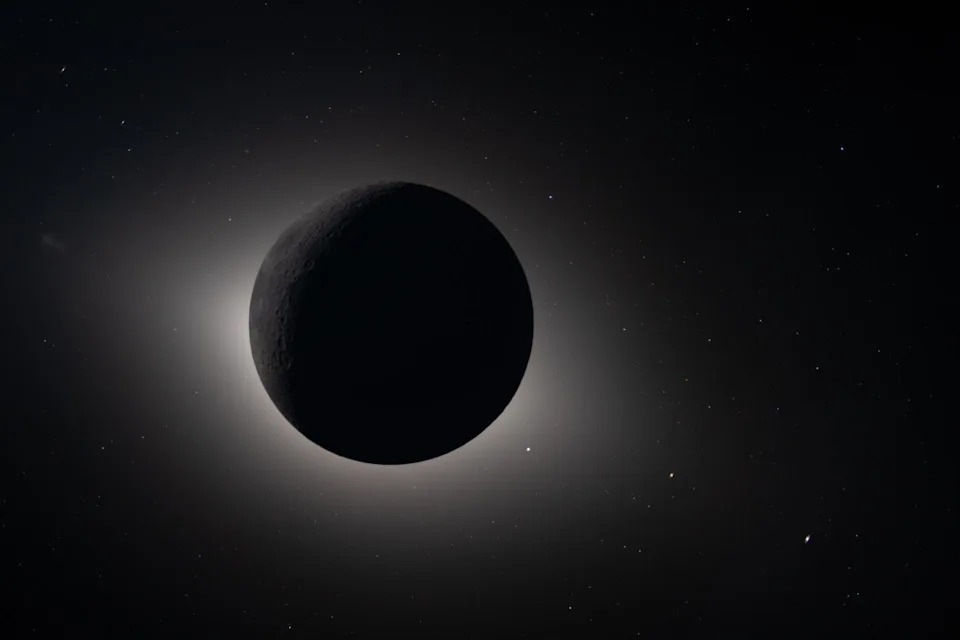
This image shows the moon fully eclipsing the sun from the vantage of the Orion spacecraft, not unlike what millions of people witnessed in April 2024 from Earth. From the crew’s perspective, the moon appeared large enough to completely block the sun, creating nearly 54 minutes of totality and revealing our star's elusive outermost layer, known as the corona.
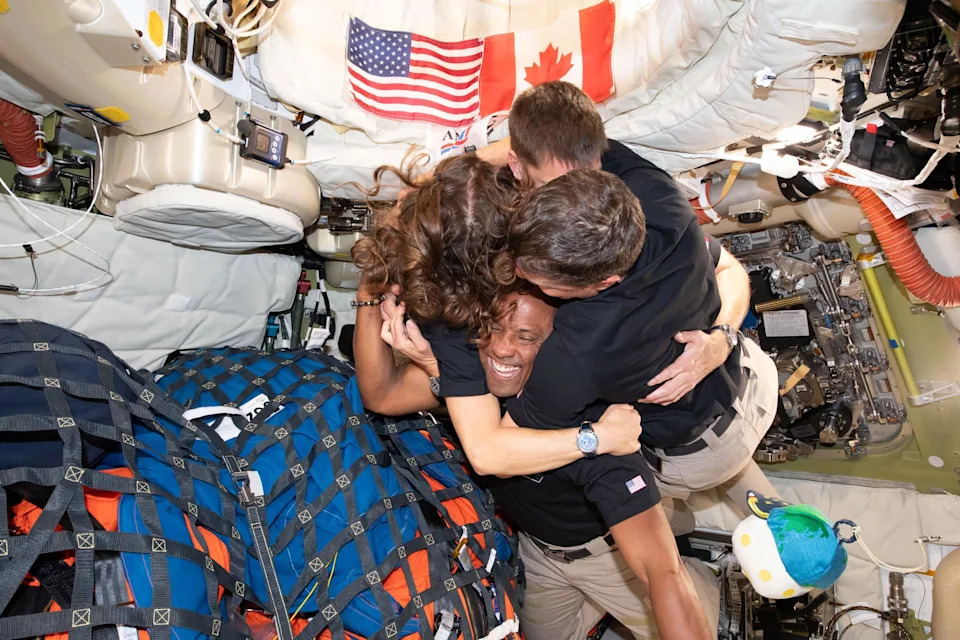
The crew members of Artemis II embrace following the historic lunar flyby April 6, during which the astronauts flew farther from Earth than anyone in human history while seeing sights of the moon's far side never seen in person.
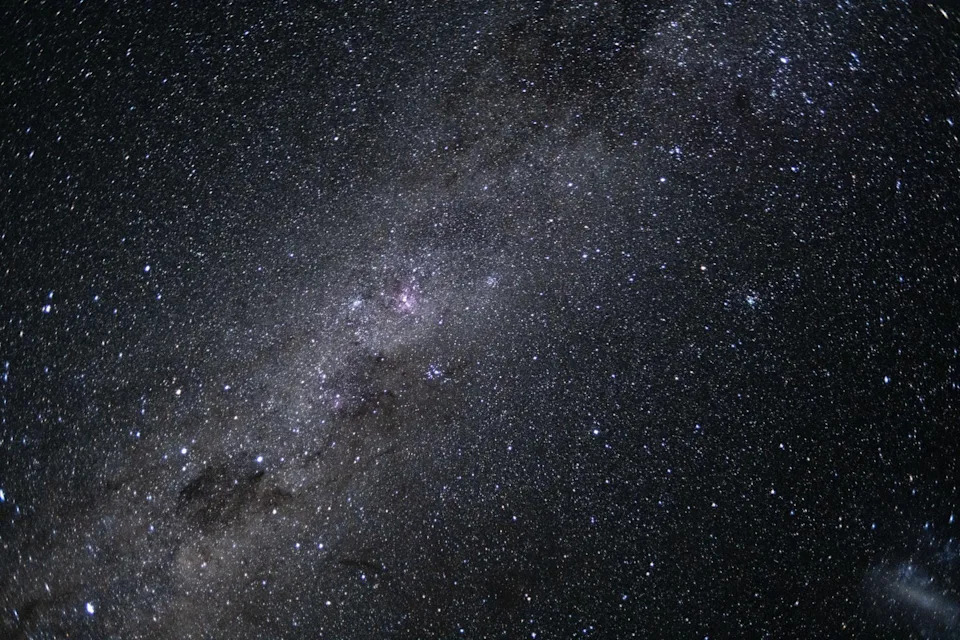
The Artemis II crew captured this breathtaking photo of our galaxy, the Milky Way. Spanning more than 100,000 light-years, Earth is located along one of the galaxy’s spiral arms, about halfway from the center.
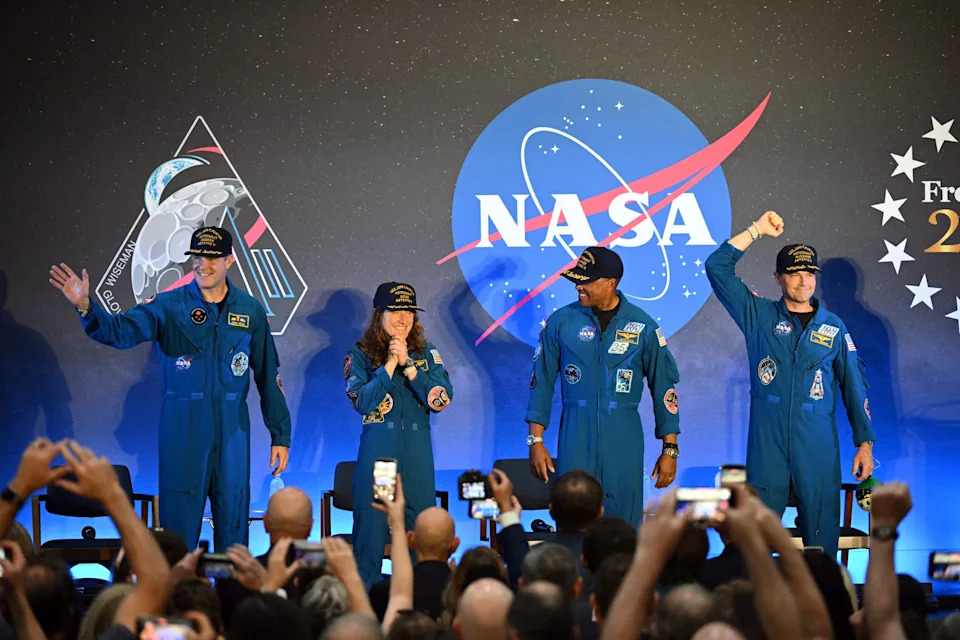
NASA celebrates the safe return of theArtemis II crewin Houston, Texas, on April 11, 2026, during a welcoming ceremony a day after splashdown from their moon mission.(L-R) NASA's Artemis II mission astronauts Canadian Space Agency's Jeremy Hansen, mission specialist Christina Koch, pilot Victor Glover and commander Reid Wiseman greet attendees to their welcoming ceremony at Ellington Field Joint Reserve Base.
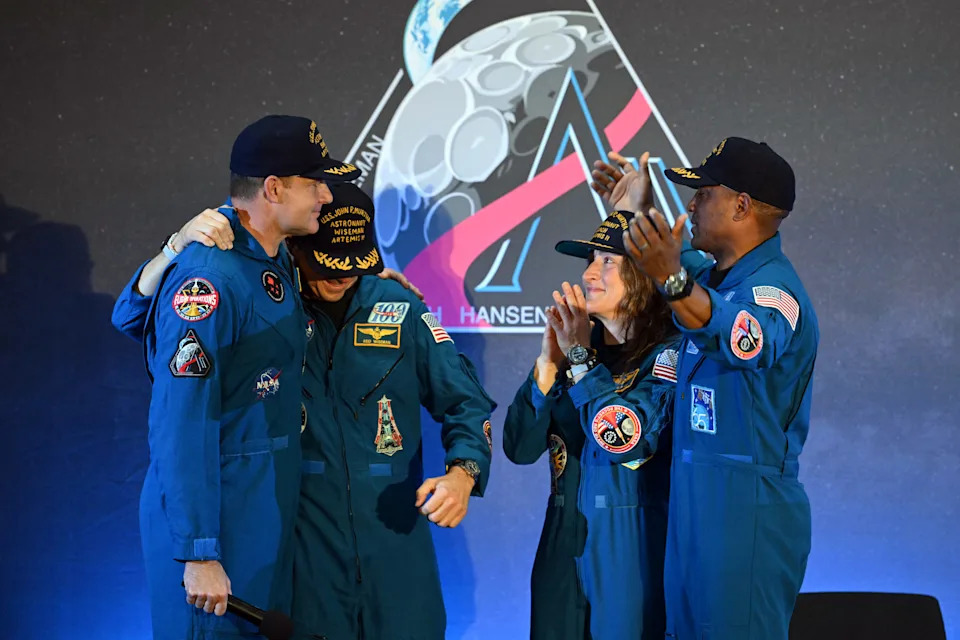
(L-R) NASA's Artemis II mission astronauts Canadian Space Agency's Jeremy Hansen, commander Reid Wiseman, mission specialist Christina Koch and pilot Victor Glover attend a welcoming ceremony at Ellington Field Joint Reserve Base in Houston, Texas, on April 11, 2026. An elated NASA late April 10 was celebrating its successful voyage around the Moon, after four astronauts safely returned to Earth having completed the first lunar flyby in more than 50 years. The NASA spacecraft carrying four astronauts -- three Americans and one Canadian -- splashed down without a hitch off the California coast, capping the US space agency's crewed test mission that returned with spectacular images of the Moon.
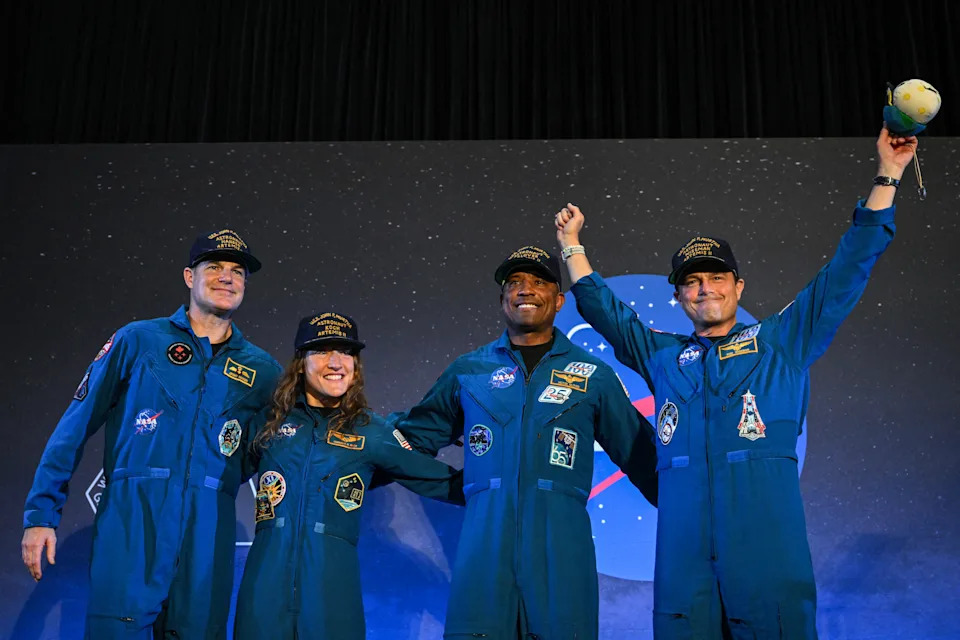
(L-R) NASA's Artemis II mission astronauts Canadian Space Agency's Jeremy Hansen, Christina Koch, Victor Glover and commander Reid Wiseman react during a welcoming ceremony at Ellington Field Joint Reserve Base in Houston, Texas, on April 11, 2026. An elated NASA late April 10 was celebrating its successful voyage around the Moon, after four astronauts safely returned to Earth having completed the first lunar flyby in more than 50 years. The NASA spacecraft carrying four astronauts -- three Americans and one Canadian -- splashed down without a hitch off the California coast, capping the US space agency's crewed test mission that returned with spectacular images of the Moon.
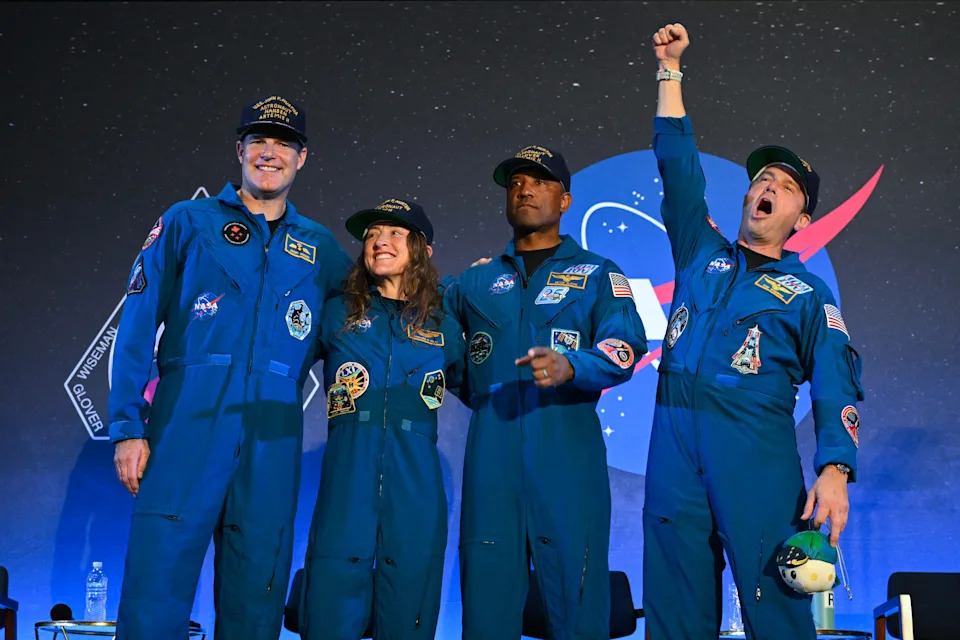
(L-R) NASA's Artemis II mission astronauts Canadian Space Agency's Jeremy Hansen, Christina Koch, Victor Glover and commander Reid Wiseman react during a welcoming ceremony at Ellington Field Joint Reserve Base in Houston, Texas, on April 11, 2026. An elated NASA late April 10 was celebrating its successful voyage around the Moon, after four astronauts safely returned to Earth having completed the first lunar flyby in more than 50 years. The NASA spacecraft carrying four astronauts -- three Americans and one Canadian -- splashed down without a hitch off the California coast, capping the US space agency's crewed test mission that returned with spectacular images of the Moon.
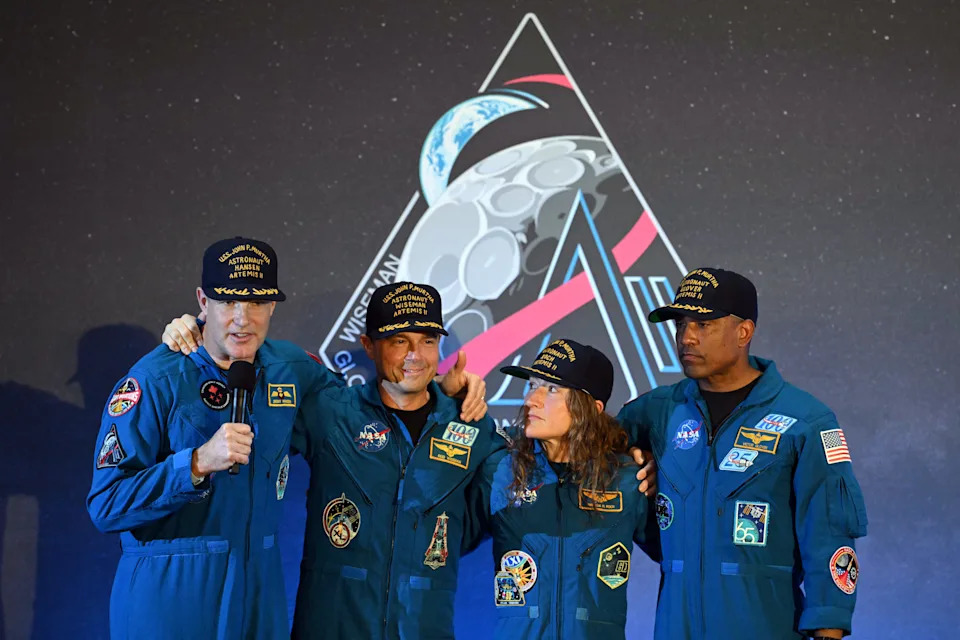
(L-R) NASA's Artemis II mission astronauts Canadian Space Agency's Jeremy Hansen, commander Reid Wiseman, mission specialist Christina Koch and pilot Victor Glover attend a welcoming ceremony at Ellington Field Joint Reserve Base in Houston, Texas, on April 11, 2026. An elated NASA late April 10 was celebrating its successful voyage around the Moon, after four astronauts safely returned to Earth having completed the first lunar flyby in more than 50 years. The NASA spacecraft carrying four astronauts -- three Americans and one Canadian -- splashed down without a hitch off the California coast, capping the US space agency's crewed test mission that returned with spectacular images of the Moon.
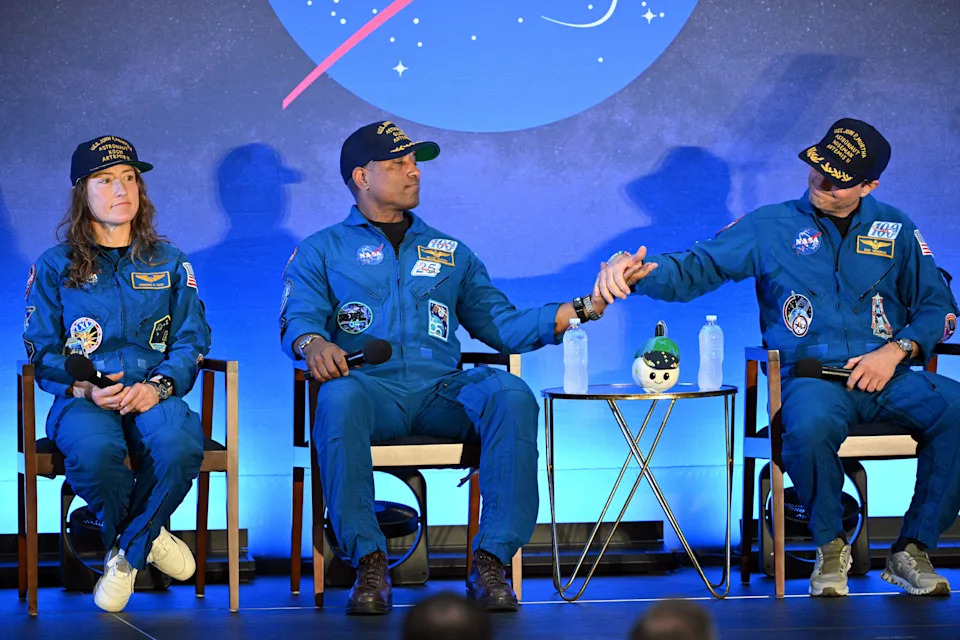
NASA's Artemis II mission commander Reid Wiseman (R) shakes hands with pilot Victor Glover as Christina Koch looks on during a welcoming ceremony at Ellington Field Joint Reserve Base in Houston, Texas, on April 11, 2026. An elated NASA late April 10 was celebrating its successful voyage around the Moon, after four astronauts safely returned to Earth having completed the first lunar flyby in more than 50 years. The NASA spacecraft carrying four astronauts -- three Americans and one Canadian -- splashed down without a hitch off the California coast, capping the US space agency's crewed test mission that returned with spectacular images of the Moon.
Pomozite nam da budemo bolji.