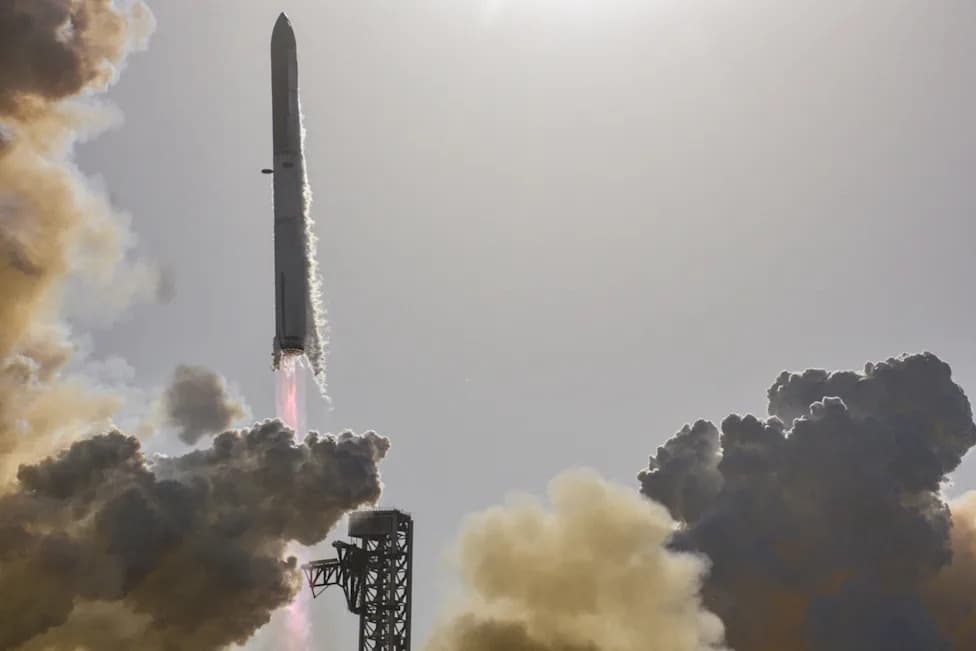
Blue Origin intenzivno testira lunarni lander Blue Moon (Endurance) s ciljem bezposadne misije ka južnom polu Meseca, moguće u 2026. godini. Kompanija sprovodi modalna testiranja, planira probe razdvajanja i wet dress rehearsal, te je lander vraćen na finalne pripreme blizu Kennedy Space Centera. New Glenn je planirani nosač, dok NASA upozorava na rizik od kašnjenja u izveštaju inspektora.
Blue Origin Korak Blizu Lansiranja Lunarog Landera: "Blue Moon" Endurance Cilja Južni Pol Do 2026.
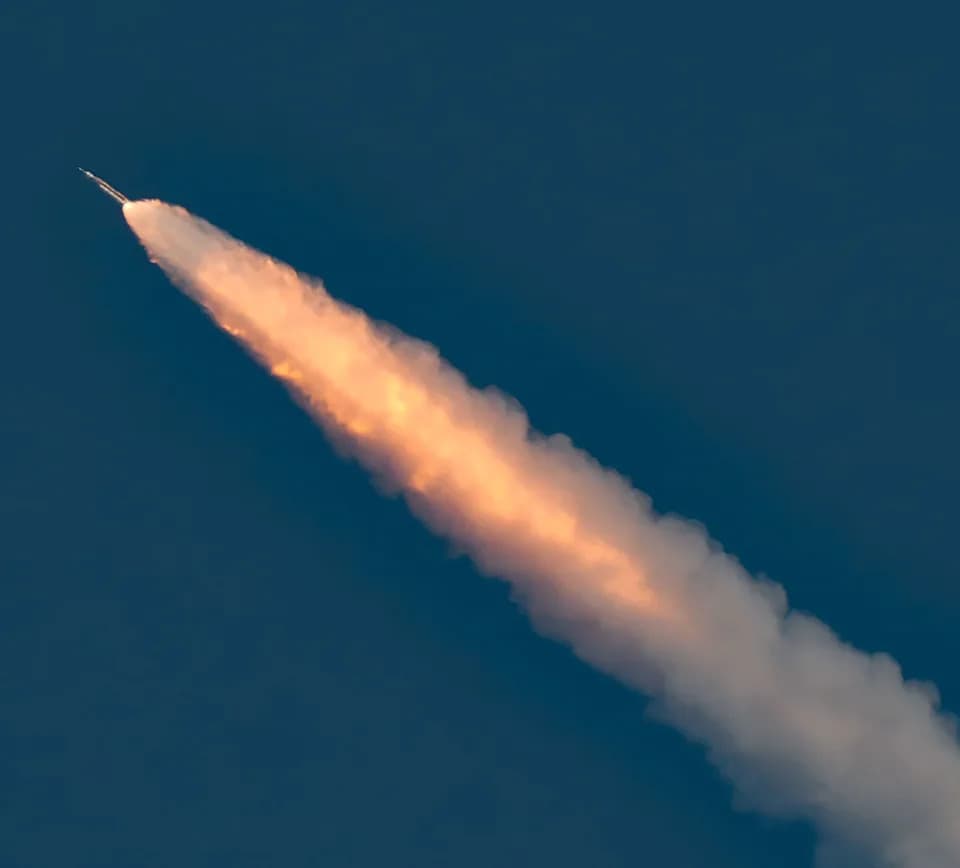
The Artemis II mission launches April 1 from the Kennedy Space Center in Cape Canaveral, Florida. The four-person crew aboard the Orion spacecraft hitched a ride to orbit atop NASA's giant 322-foot Space Launch System rocket. Launching atop 8.8 million pounds of thrust, the SLS is the most powerful rocket NASA ever launched, about 17% more powerful than the iconic Saturn V rocket used during the Apollo era.
Blue Origin se sve više približava spremnosti svog lunarog landera Blue Moon — nadimak Endurance — za bezposadnu misiju ka južnom polu Meseca, potencijalno već tokom 2026. godine.
Aktuelna testiranja
Kompanija je lander podvrgla novoj fazi ispitivanja, uključujući tzv. modalna testiranja kako bi se utvrdilo kako će struktura reagovati na opterećenja tokom lansiranja. Blue Origin je najavio da planira i probe sistema za razdvajanje lansirnog vozila, testove komunikacija, kao i wet dress rehearsal — punjenje kriogenim pogonskim materijalom pre konačne provere.
Letelica se nedavno vratila u Blue Originov objekat u blizini NASA-inog Kennedy Space Centera radi dodatnih priprema, nakon serije testova u Johnson Space Centeru u Houstonu.
Raketni nosač i ranije misije
Blue Origin planira da za lansiranje koristi teški nosač New Glenn, visok oko 320 stopa, koji je zamišljen da ponese lander u orbitu. Kompanija je u poslednje vreme izvodila orbitalne misije za komercijalne satelite; u jednoj od njih došlo je do problema pa su sateliti završili u drugačijoj orbiti od planirane, ali je Blue Origin istovremeno uspeo da povrati prvo stepeno pojačalo, što je važan podvig u domenu ponovne upotrebe raketa.
Koncept misije i širi kontekst
Blue Origin planira da pošalje bezposadnu Mark 1 varijantu landera na istražnu misiju prema južnom polu Meseca, gde bi letelica ostala na površini i prenela naučni teret i opremu. Ovaj poduhvat je deo šireg rasta nebeskih aktivnosti — NASA planira značajno povećanje broja bezposadnih landera kao deo programa Commercial Lunar Payload Services (CLPS).
Istovremeno, Blue Origin i SpaceX se takmiče da do 2027. budu spremni za podršku misiji Artemis III, dok je cilj da ljudska misija na površinu (trenutno planirana kao Artemis IV) bude realizovana 2028. godine. Za uspeh tih misija neophodni su interoperabilni sistemi za dokovanje u orbiti i dokazane sposobnosti pristajanja na Mesec.
Zabrinutosti i rokovi
NASA-in Ured inspektora generalnog izdao je oštar izveštaj u martu koji ukazuje na rizik od kašnjenja kod nekoliko lunarnih sistema, uključujući landere. To je pojačalo pritisak na privatne kompanije da ubrzaju radove i ostanu usklađene sa ambicioznim rokovima agencije.
Ko stoji iza projekta
Blue Origin, privatna svemirska kompanija koju je osnovao Jeff Bezos 2000. godine i koja ima sedište u saveznoj državi Washington, stekla je prepoznatljivost kroz suborbitalne letove letelicom New Shepard. Ti suborbitalni letovi su, međutim, bili pauzirani dok kompanija preusmerava napore na razvoj lunarnih sistema.
Zaključak
Blue Origin je napravio vidljiv napredak u testiranju landera Blue Moon/Endurance, ali predstoji još važnih provera i verifikacija prije bilo kakvog lansiranja. Uspeh sledećih testova i usklađivanje sa NASA-inim rokovima biće ključni za to da li će ova misija stići na planirane datume i kako će doprineti povratku ljudi na Mesec.
Kontakt i izveštavanje: ovaj tekst sumira javno dostupne izjave i izveštaje o programima Blue Origin i NASA-e.
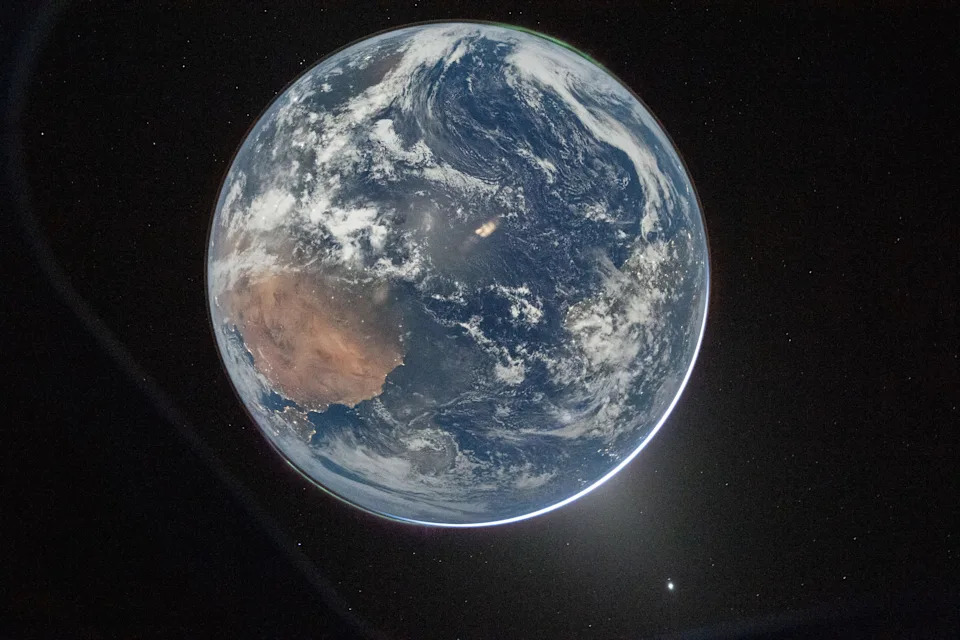
Artemis II Commander Reid Wiseman of NASA took this stunning photograph of Earth from the Orion spacecraft's window on April 2. The image is reminiscent of the iconic "blue marble" image captured during the Apollo 17 mission in 1972.
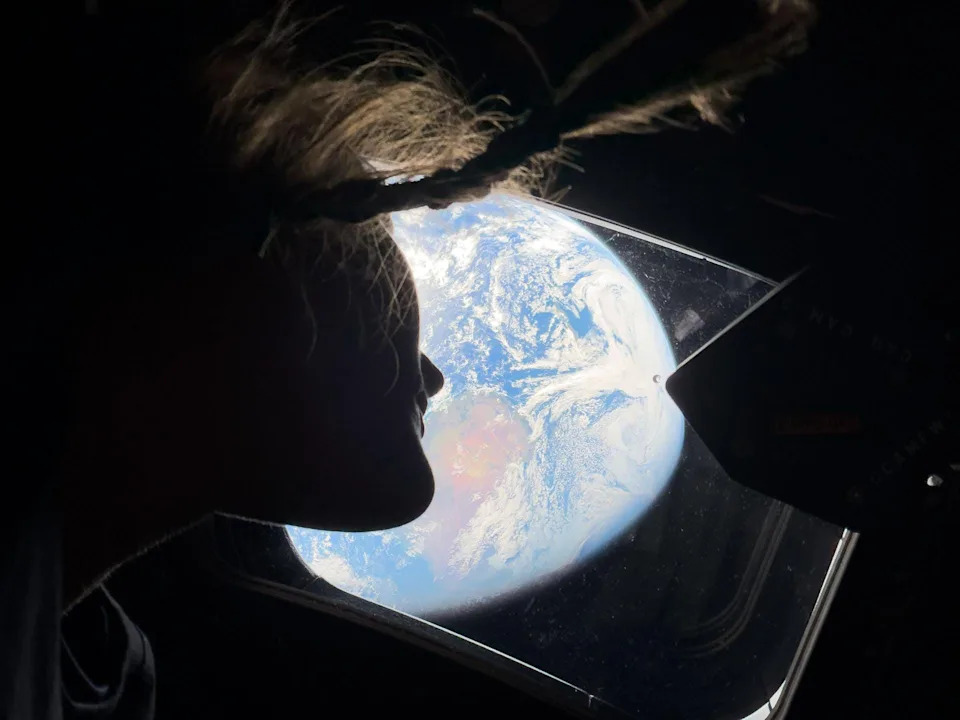
NASA astronaut Christina Koch, a mission specialist on Artemis II, gazes out the windows of the Orion vehicle back at Earth as she and the crew head toward the moon. Koch, who already holds several NASA records from her first spaceflight in 2019 to the International Space Station, became the first woman to fly on a lunar mission.
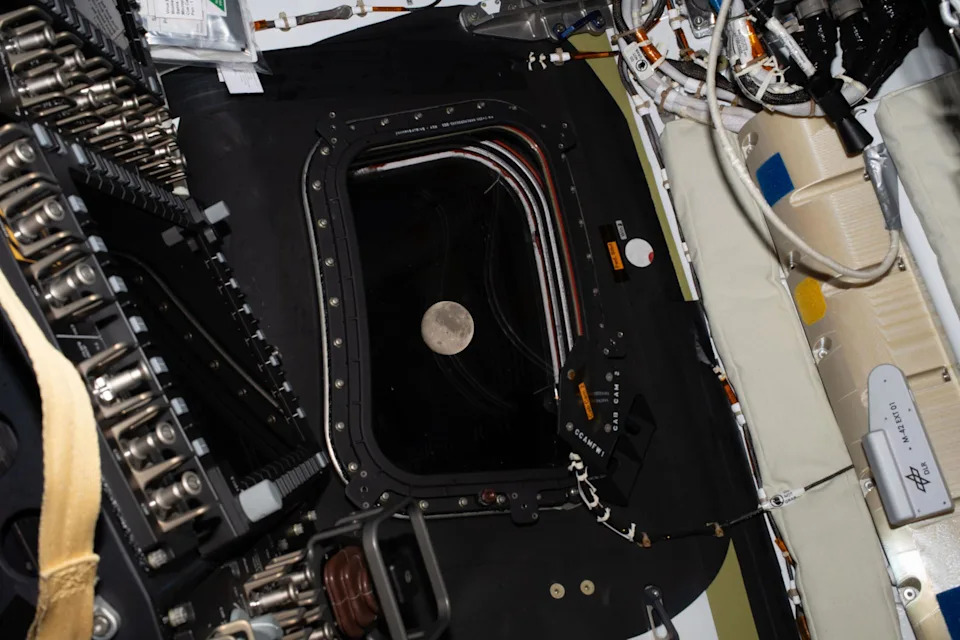
Before going to sleep April 5, the Artemis II crew snapped one more photo of the moon, as it drew close in the window of the Orion spacecraft. Shortly after, the astronauts entered the lunar sphere of influence, where the pull of the moon's gravity became stronger than Earth's.
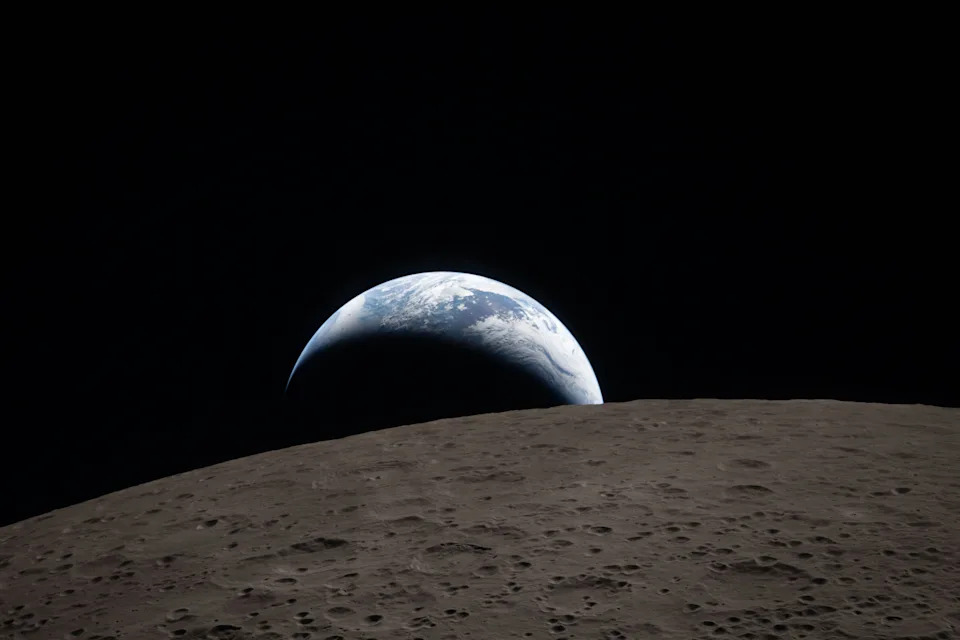
The crew of Artemis II captured a breathtaking image of a celestial event known as an "Earthset," in which the Earth dropped below the lunar horizon. The image is reminiscent of the iconic "Earthrise" photo that NASA astronaut Bill Anders captured in 1968 during the Apollo 8 mission that showed our planet rising on the lunar horizon.
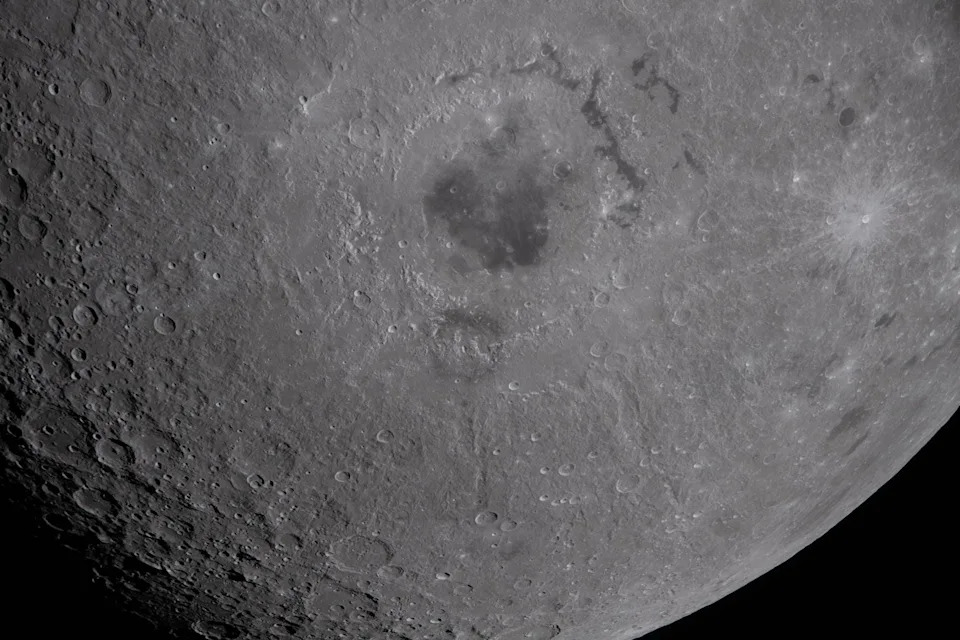
Of the impact craters, ancient lava flows and other lunar features the Artemis II astronauts observed during an April 6 flyby, a crater known as the Orientale basin was perhaps the most prominent. Spanning nearly 600 miles, the 3.8 billion year old crater (seen in the upper center of this photo) had never been seen with the naked eye prior to the mission.
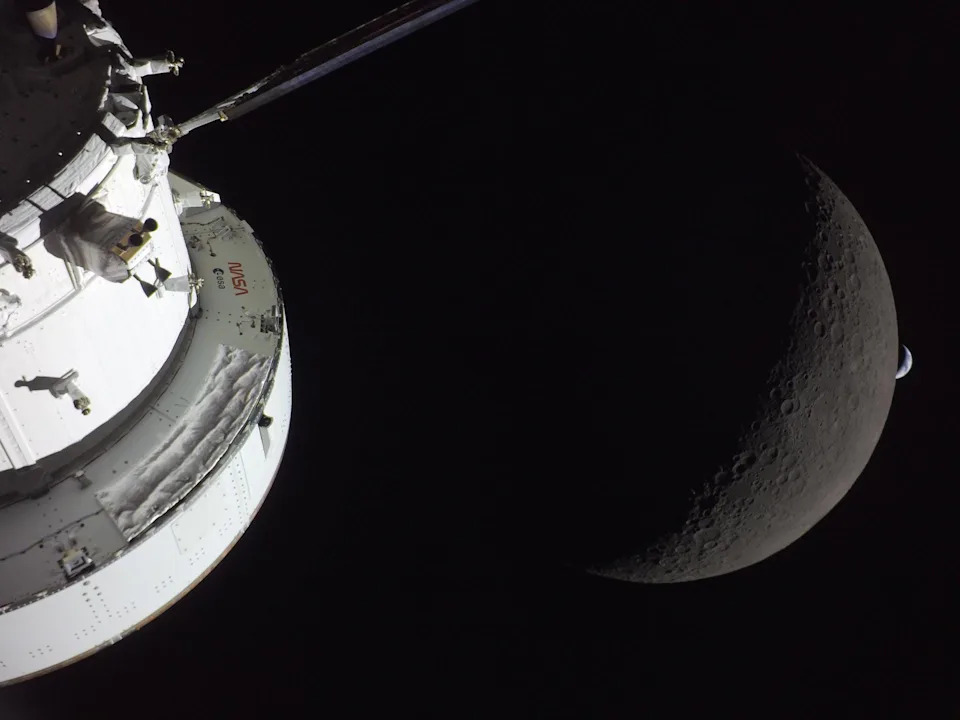
The Orion spacecraft the Artemis II astronauts were aboard is captured in the same frame as both the moon and Earth in this photo captured about four hours into the historic April 6 flyby.
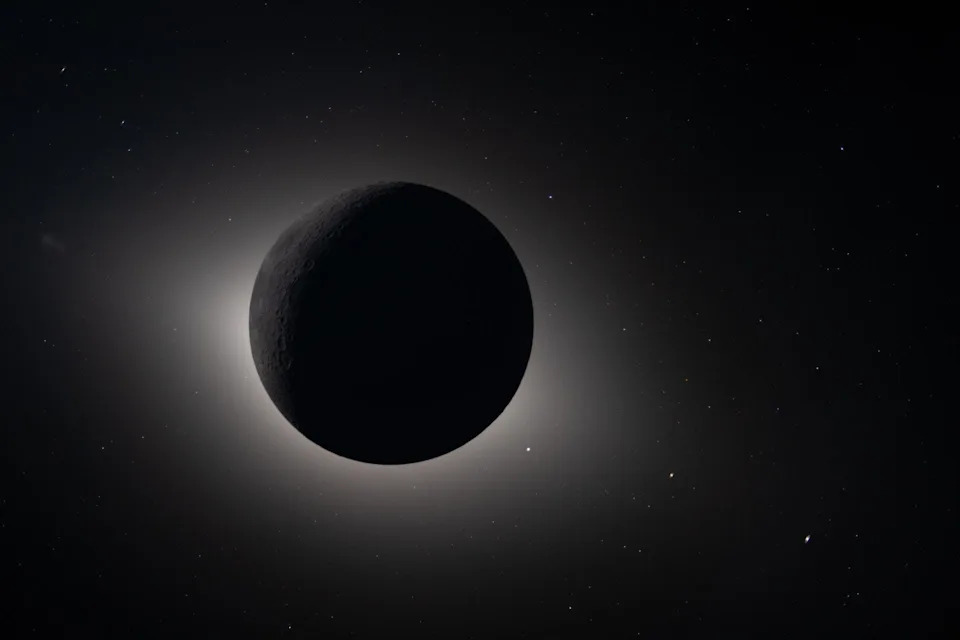
This image shows the moon fully eclipsing the sun from the vantage of the Orion spacecraft, not unlike what millions of people witnessed in April 2024 from Earth. From the crew’s perspective, the moon appeared large enough to completely block the sun, creating nearly 54 minutes of totality and revealing our star's elusive outermost layer, known as the corona.

The crew members of Artemis II embrace following the historic lunar flyby April 6, during which the astronauts flew farther from Earth than anyone in human history while seeing sights of the moon's far side never seen in person.
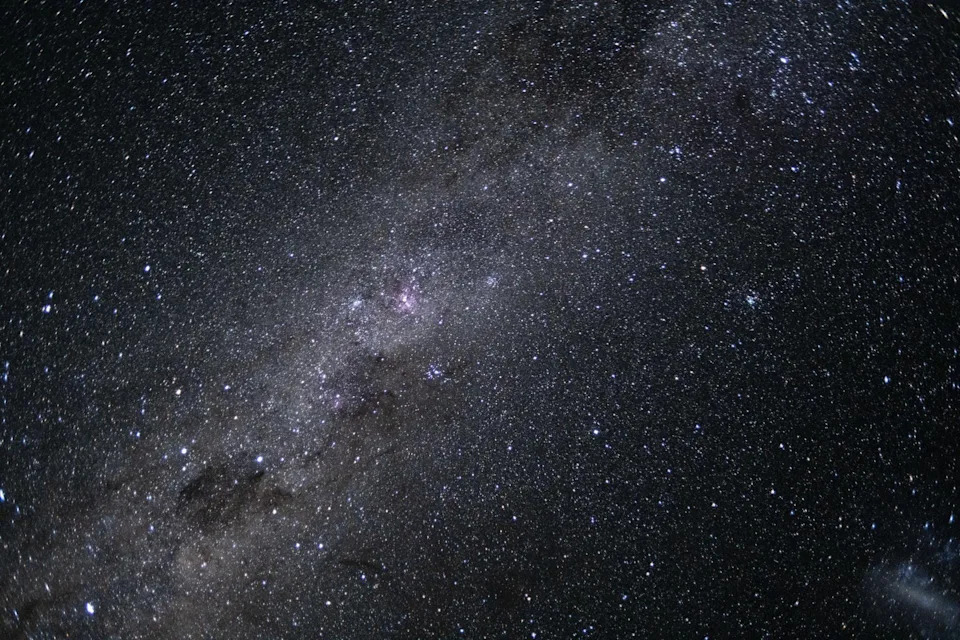
The Artemis II crew captured this breathtaking photo of our galaxy, the Milky Way. Spanning more than 100,000 light-years, Earth is located along one of the galaxy’s spiral arms, about halfway from the center.
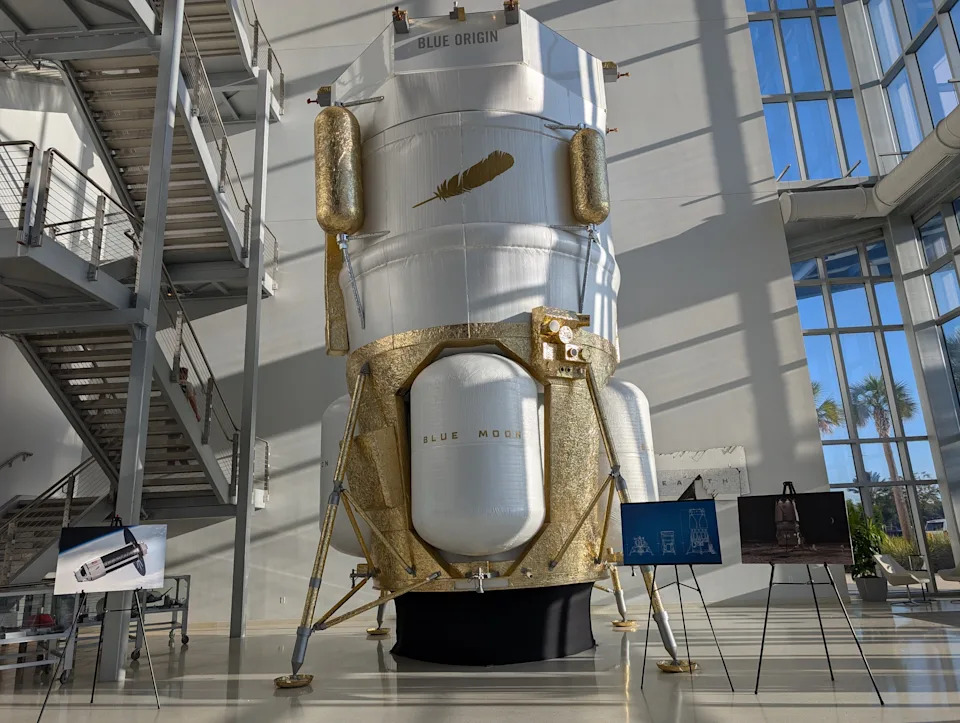
A mockup of Blue Origin's Mark 1 (MK1) lunar lander on display inside the lobby of the company's Florida facility on Merritt Island near the Kennedy Space Center.
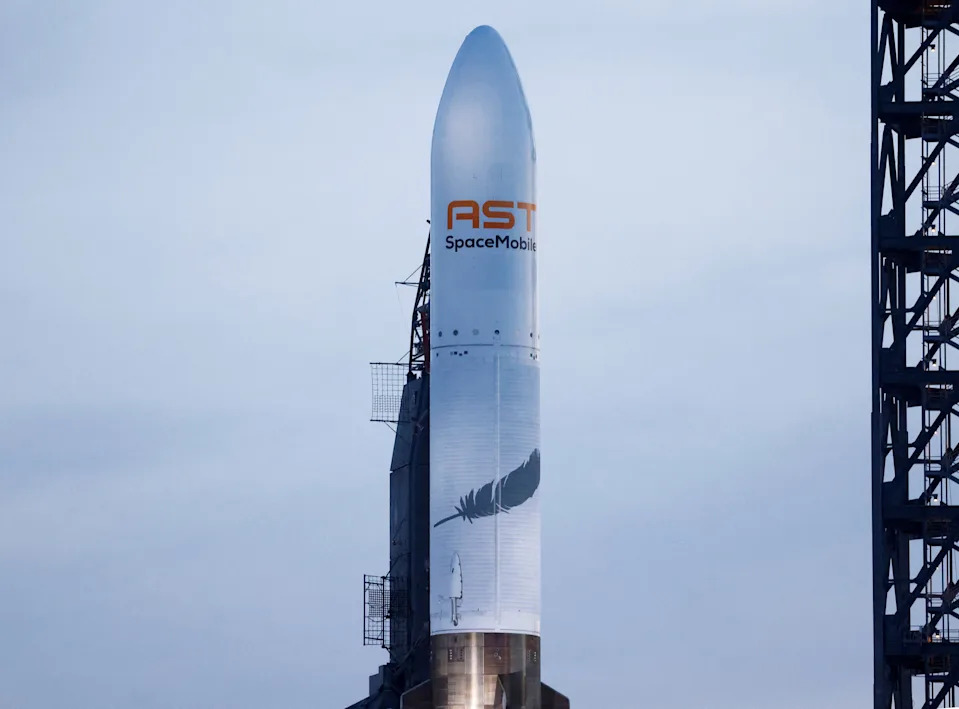
A Blue Origin New Glenn rocket is prepared April 18 for launch at the Cape Canaveral Space Force Station for its third launch. The giant rocket carried the AST SpaceMobile’s BlueBird 7satellite into low Earth orbit.
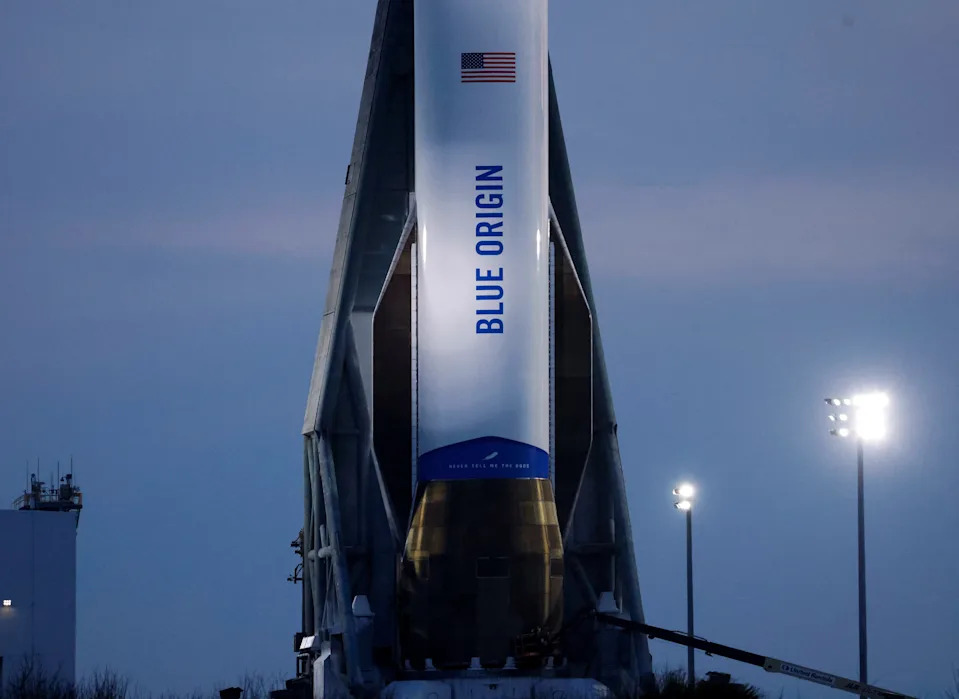
A Blue Origin New Glenn rocket is prepared April 18 for launch at the Cape Canaveral Space Force Station for its third launch ever, and the first reusing a first stage booster. The giant rocket carried the AST SpaceMobile’s BlueBird 7satellite into low Earth orbit.
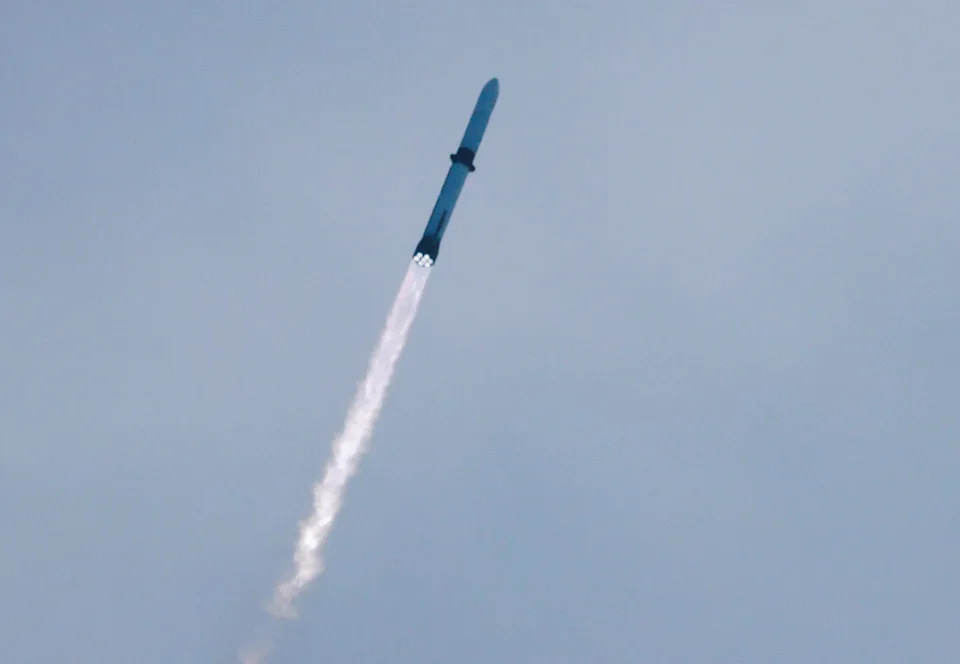
A Blue Origin New Glenn rocket lifts off April 19 from the Cape Canaveral Space Force Station in Florida.
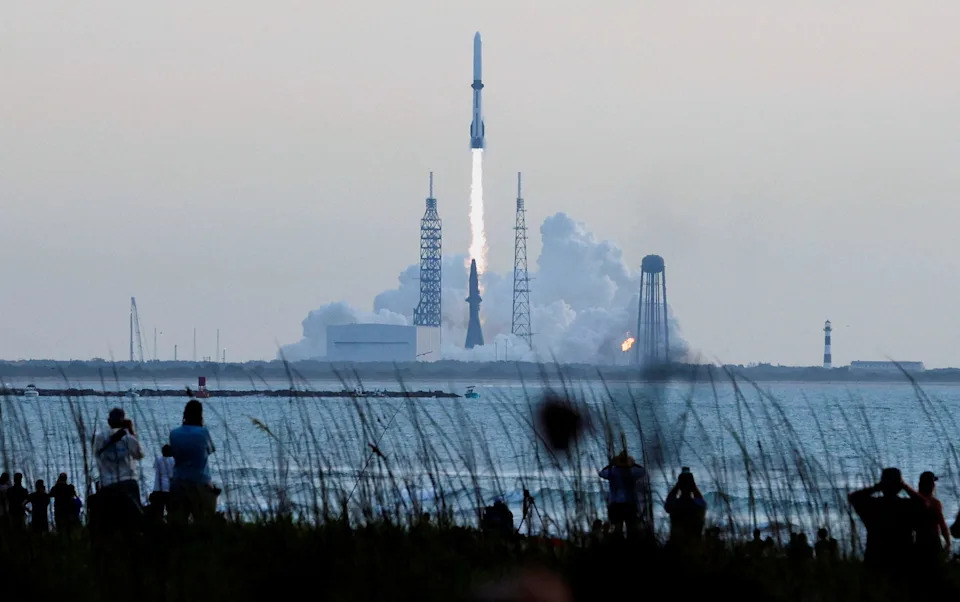
A Blue Origin New Glenn rocket lifts off April 19 from the Cape Canaveral Space Force Station in Florida as spectators look on.
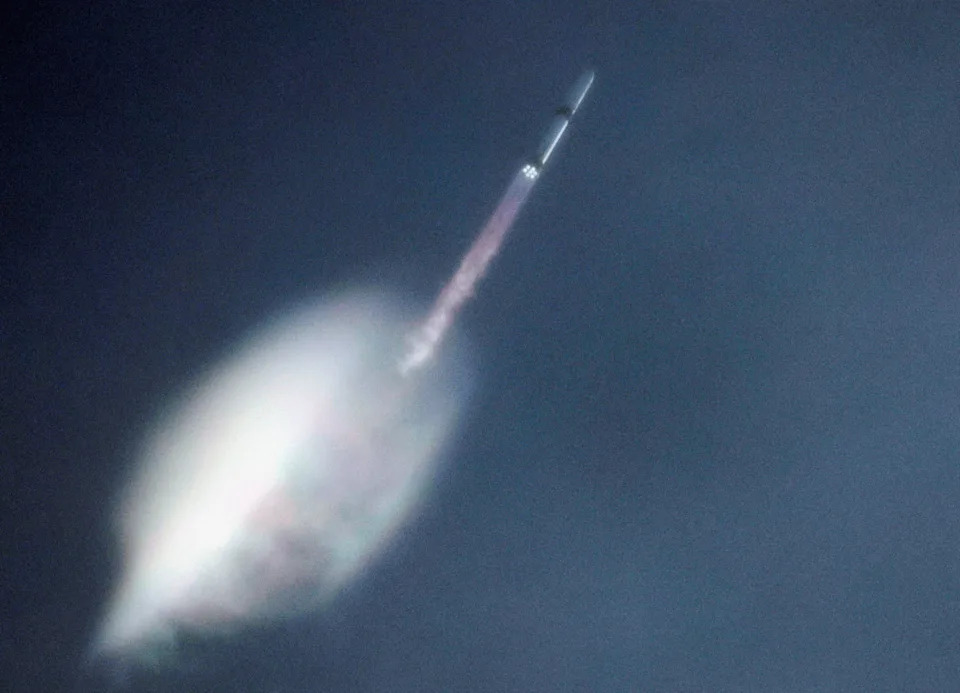
Blue Origin's New Glenn rocket thunders into the sky on its third launch since January 2025. The mission marked the first time that Jeff Bezos' spaceflight company reused a first stage booster, and the second time that same booster landed on a drone ship stationed in the Atlantic Ocean.
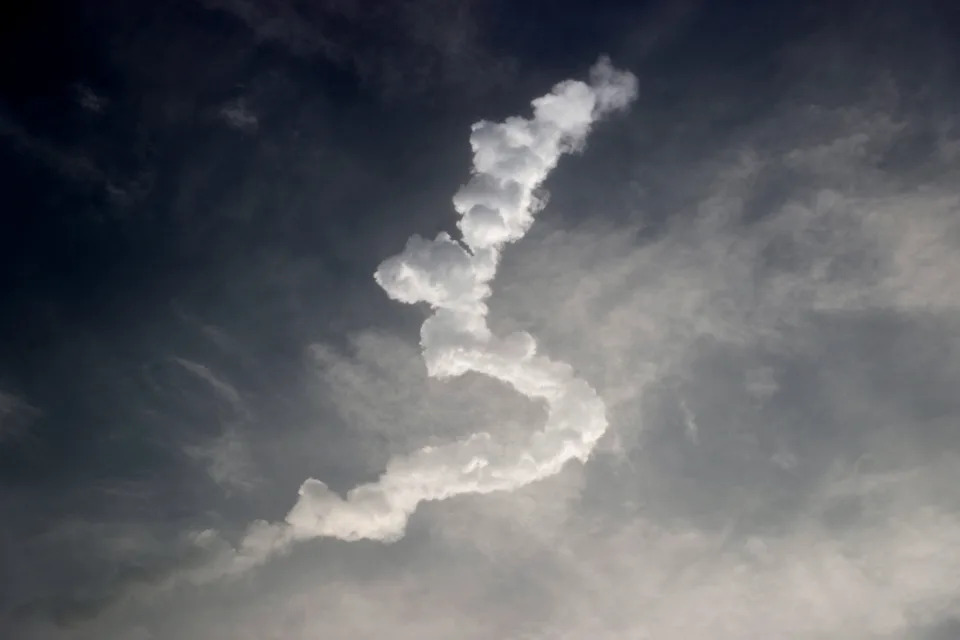
The contrail from a Blue Origin New Glenn rocket after it launched April 19 from the Cape Canaveral Space Force Station.
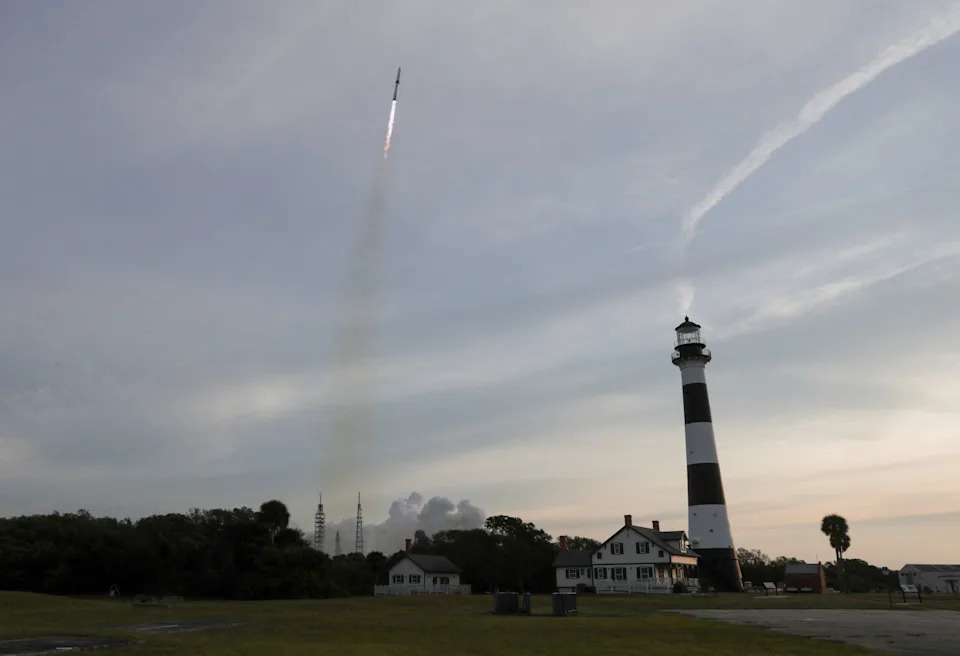
A Blue Origin New Glenn rocket lifts off April 19 from the Cape Canaveral Space Force Station.
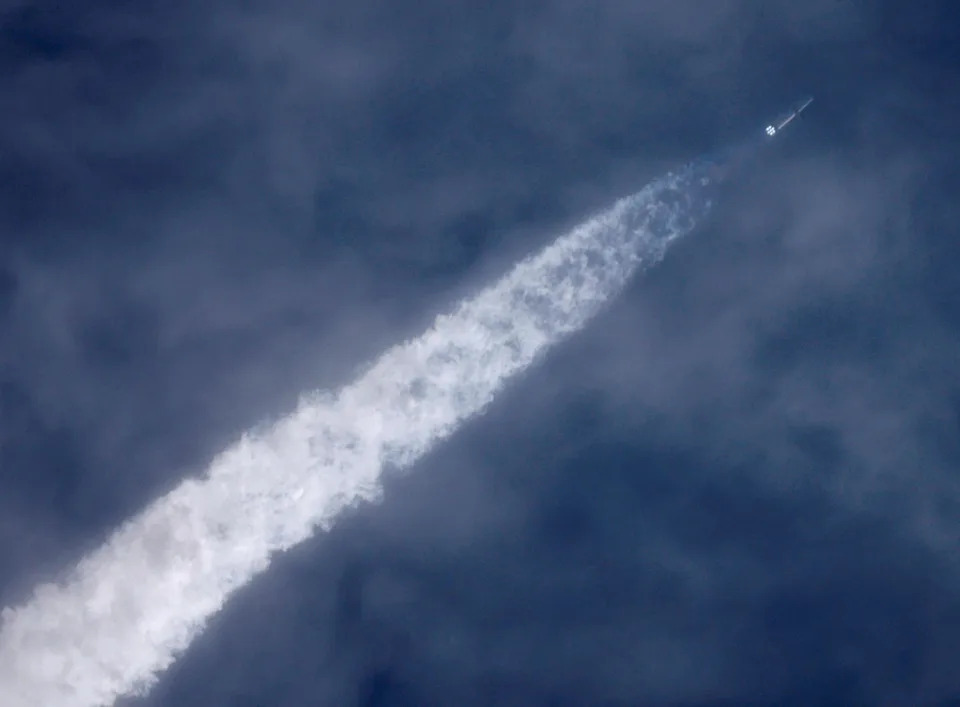
Blue Origin launch its mammoth New Glenn rocket for the third time ever since its January 2025 debut. Shortly after liftoff, the rocket's first stage booster, which was also used on a previous spaceflight in November, landed on a barge in the Atlantic Ocean. It was be transported back to shore and prepared for another launch.
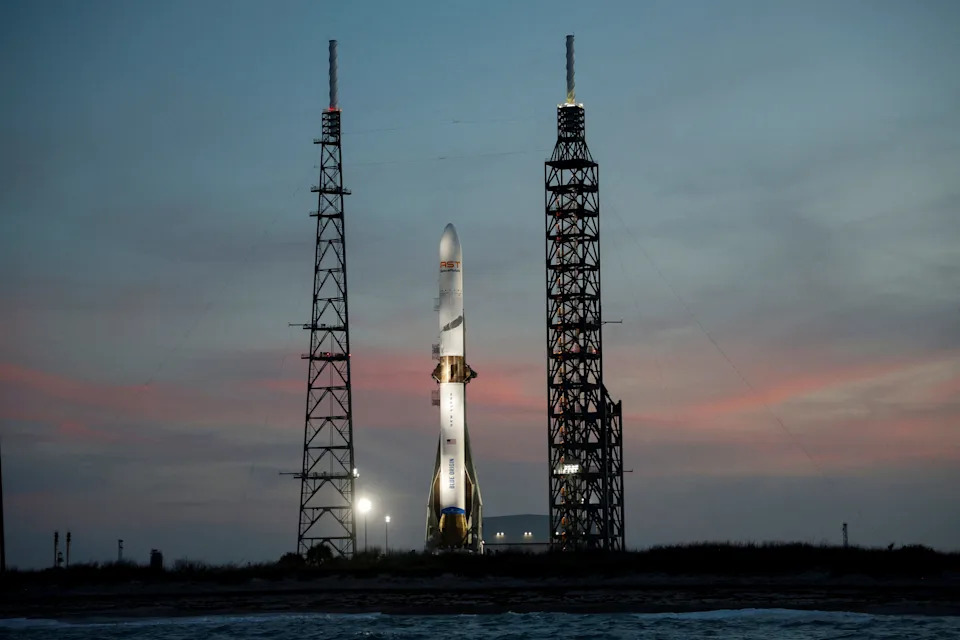
Blue Origin's New Glenn rocket sits at the launch pad April 18 at the Cape Canaveral Space Force Station ahead of its third launch.
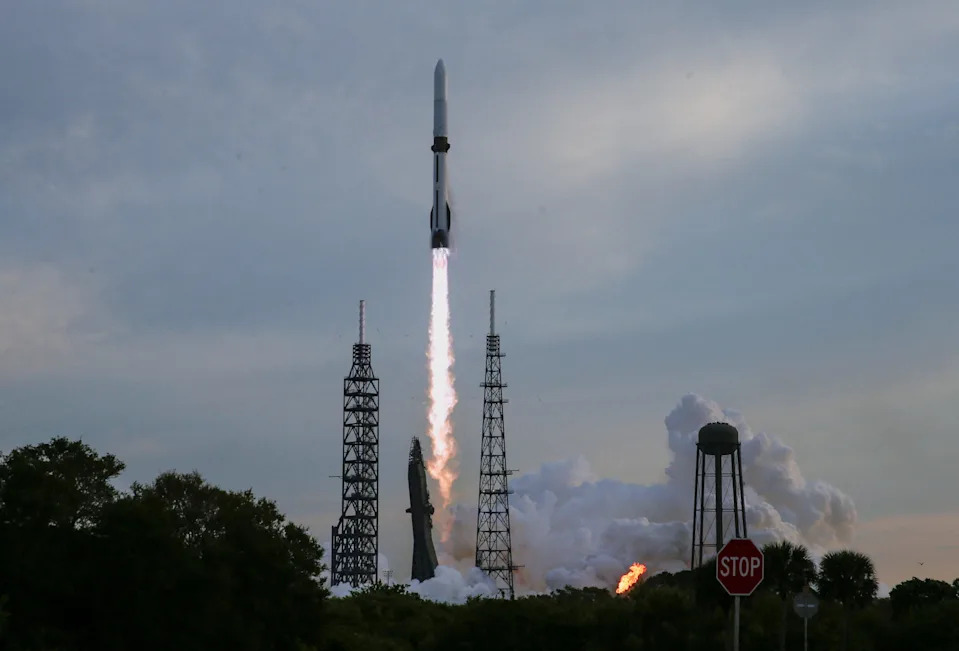
A Blue Origin New Glenn rocket lifts off April 19 from the Cape Canaveral Space Force Station in Cape Canaveral, Florida. It was the third launch of New Glenn, carrying the AST SpaceMobile’s BlueBird 7satellite into low Earth orbit.
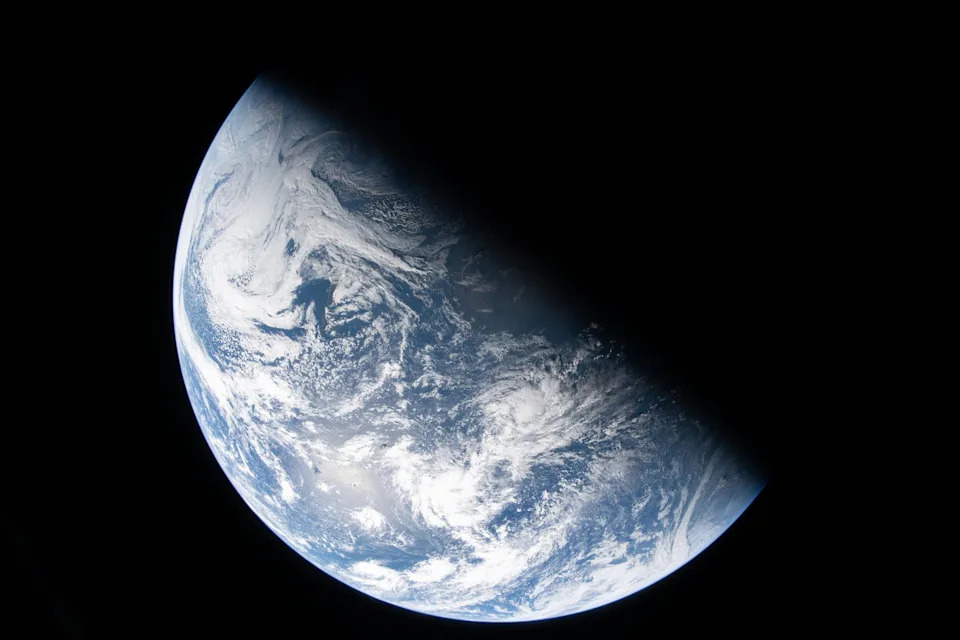
In this new image from the Artemis II crew, NASA explains that what is depicted is the "divide between night and day, known as the terminator, cutting across Earth."
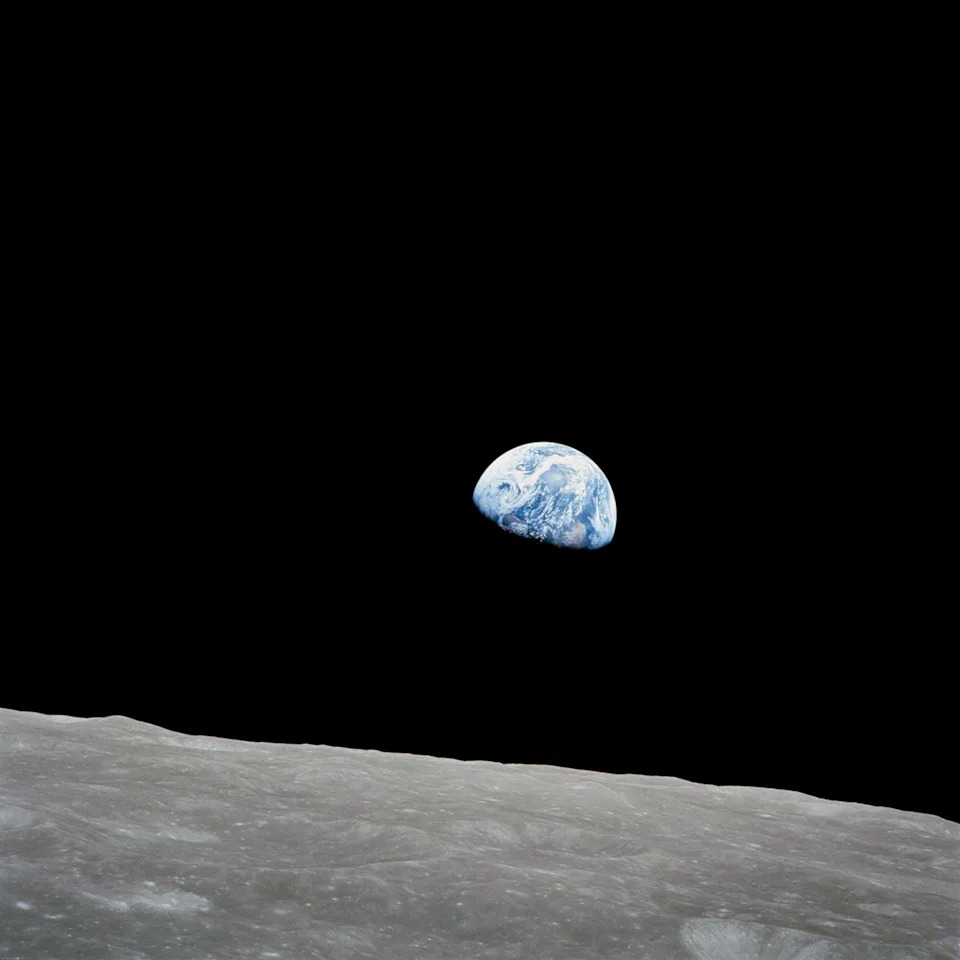
William Anders, a NASA astronaut on the historic Apollo 8 mission around the moon, took the iconic “Earthrise” photo while in lunar orbit on Dec. 24, 1968.
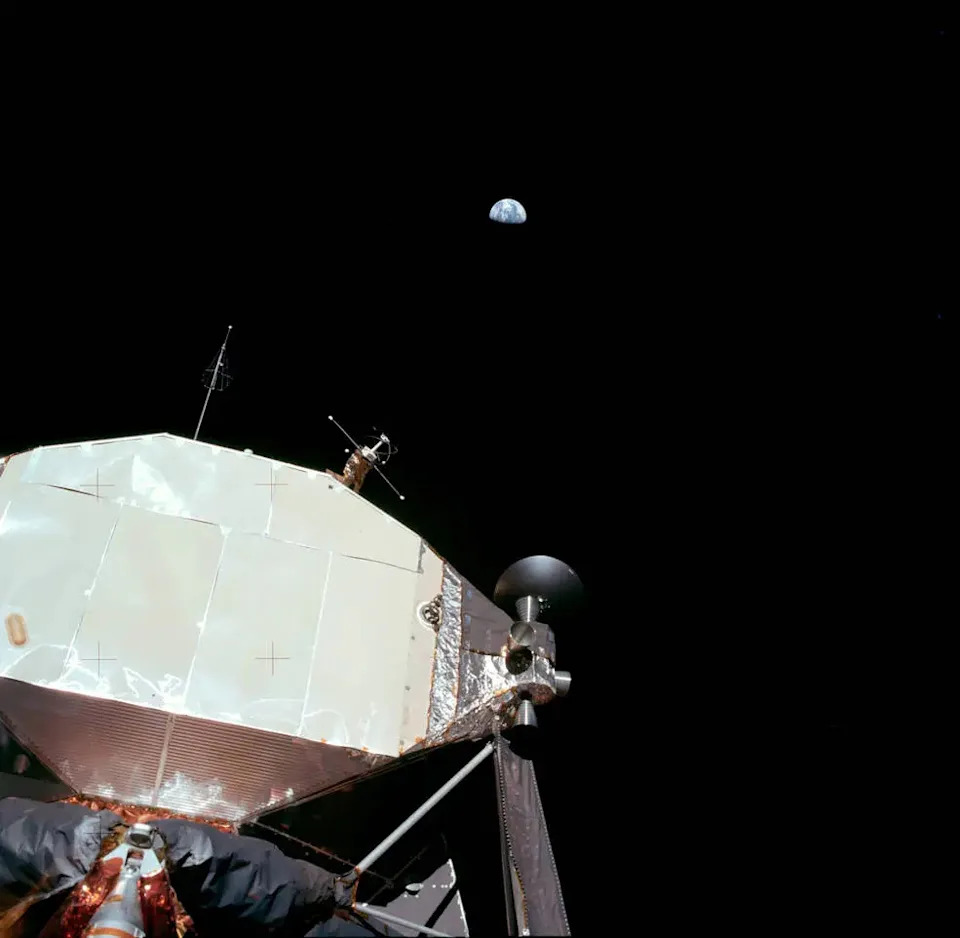
The first photograph of the Earth taken by an astronaut standing on the lunar surface, taken during the Apollo 11 Moon landing in 1969.

One of the most well-known photographs of Earth, the "blue marble" image was taken by the crew of the final Apollo mission (Apollo 17) as the crew made its way to the moon in 1972.
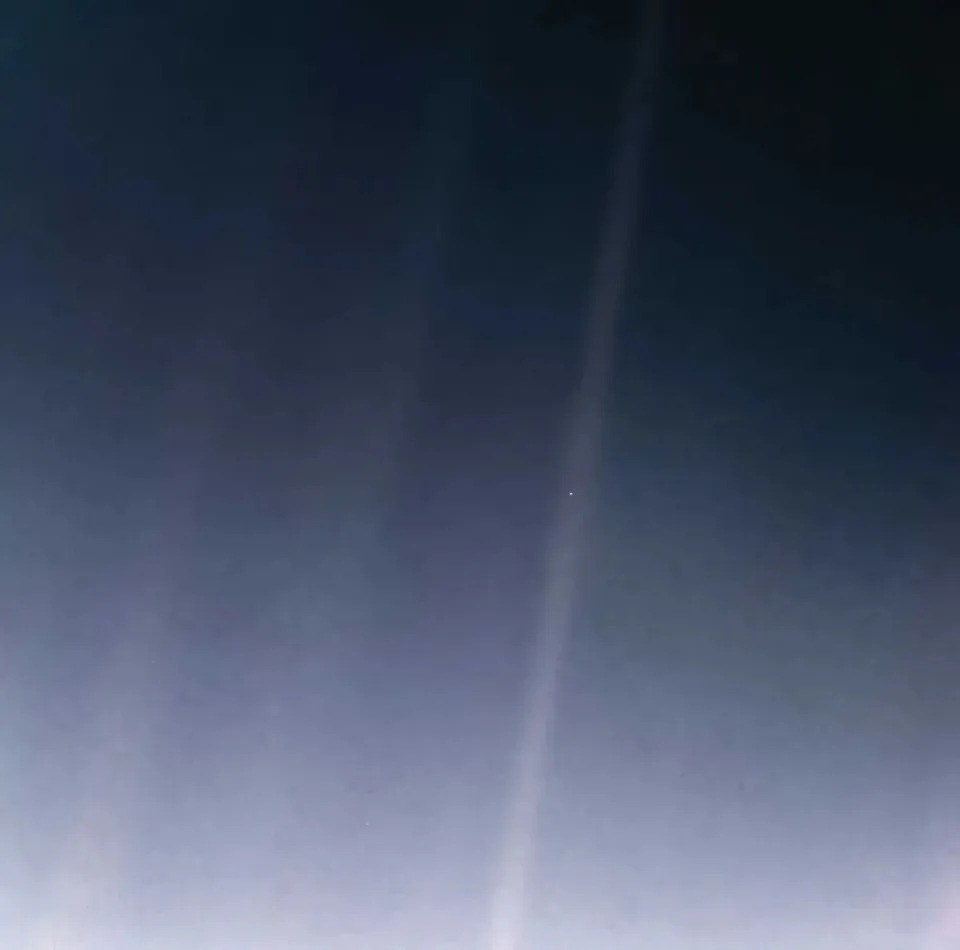
Voyager 1's 1990 photo of Earth, widely referred to as the "pale blue dot," was taken at a distance of 3.7 billion miles from the sun, making it the first photo taken beyond all the planets in our solar system. This image was created in 2020 or the 30th anniversary of the iconic picture using modern image-processing software and techniques to revisit the well-known Voyager view.
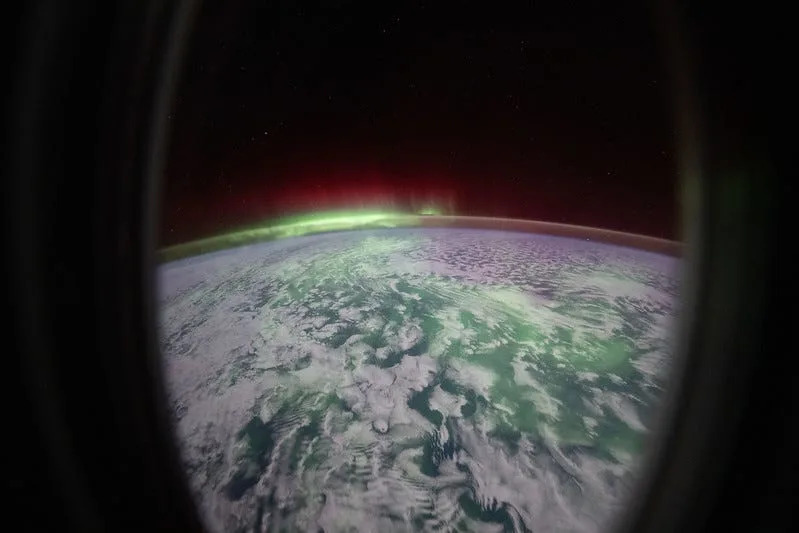
Because the International Space Station orbits so close to Earth's atmosphere (about 250 miles high,) the outpost and the astronauts who have lived aboard it have been the source of plenty of spectacular photos of our planet for 25 years. This recent photo, taken April 6, 2026, shows auroras glowing over the Indian Ocean.
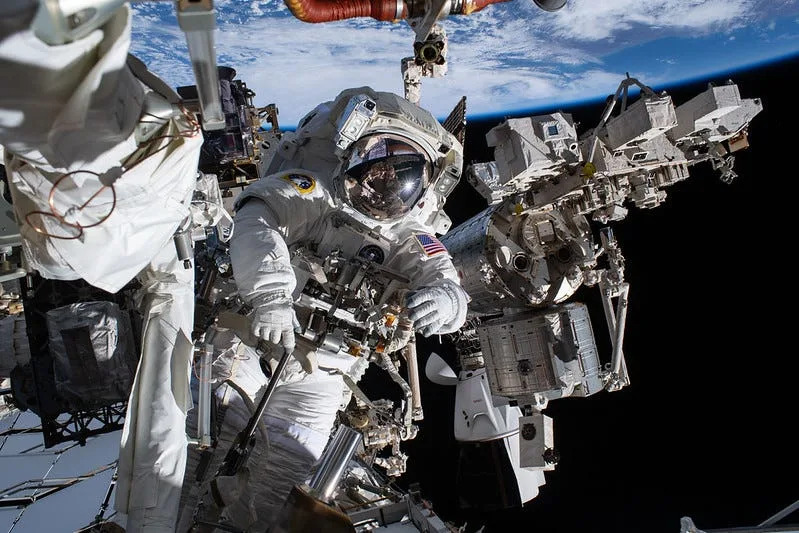
NASA astronaut Chris Williams is pictured outside the International Space Station during a March 18, 2026 spacewalk with Earth in the background.

The devastating Hurricane Milton, a Category 4 storm at the time of this photograph, is pictured Oct. 8, 2024 in the Gulf of Mexico (renamed the Gulf of America) off the coast of Yucatan Peninsula from the International Space Station as it orbited 257 miles above.
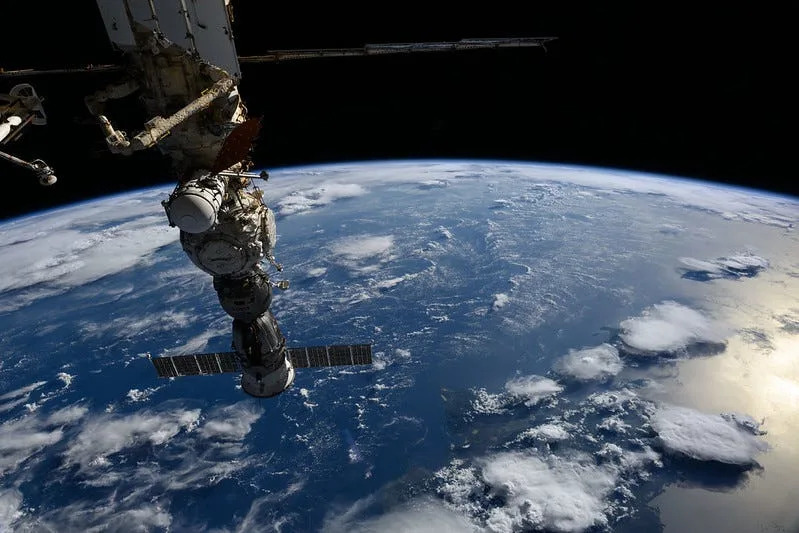
The Soyuz MS-27 crew spacecraft is pictured Sept. 14, 2025 docked to the International Space Station's Prichal module as the orbital outpost soared 257 miles above a gleaming blue Atlantic Ocean, north of the Dominican Republic.
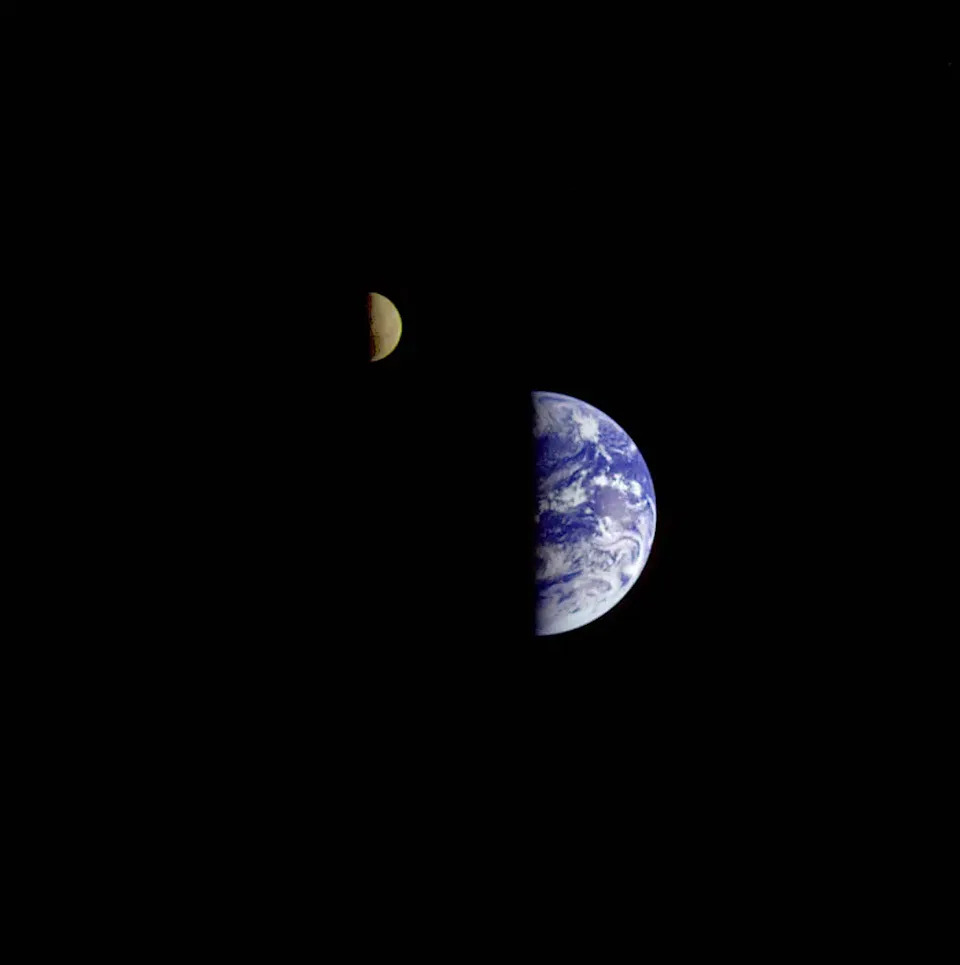
On December 16, 1992, eight days after its encounter with Earth, the Galileo spacecraft looked back from a distance of about 3.9 million miles to capture this remarkable view of the moon in orbit about Earth.
Pomozite nam da budemo bolji.