Letnje meteorske kiše 2026. nastavljaju se u julu, kada Južne Delta Akvaride i alfa Kaprikornidi dostižu vrhunac 30.–31. jula. Glavni spektakl su Perseidi, aktivni 17.7.–24.8. sa vrhuncem 12.–13.8. Najbolje vreme za posmatranje je između ponoći i zore, sa očima prilagođenim na tamu i na lokaciji udaljenoj od svetlosnog zagađenja.
Perseidi Preuzimaju Scenu: Šta Treba Znati o Letnjim Meteorskim Kišama 2026.
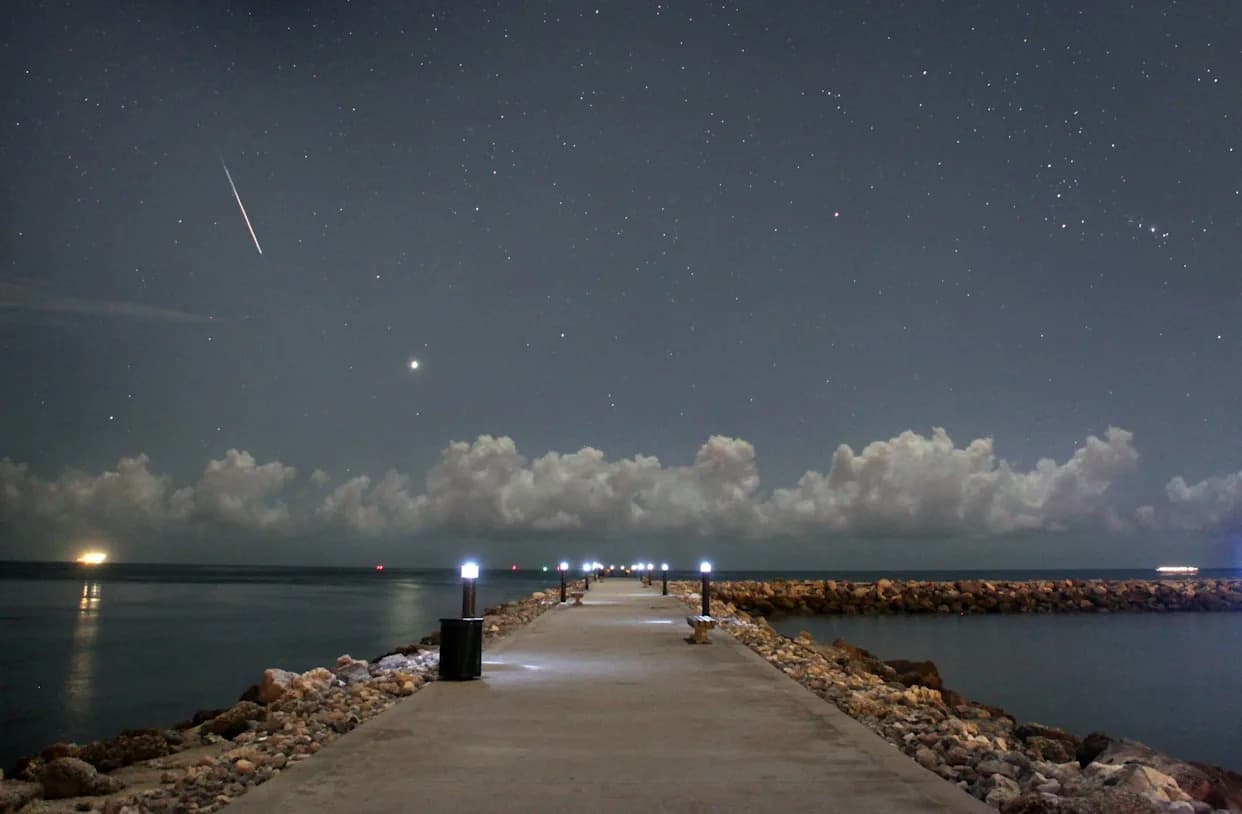
After the Eta Aquarids, summer meteor showers are around the corner
Prvih pet meseci 2026. nagradili su posmatrače neba sa nekoliko upečatljivih meteorskih događaja, a sada se pažnja seli ka letnjem periodu kada nas očekuju nove kiše, uključujući i jedan od najlepših noćnih spektakala — Perseide.
Pregled letnjih meteorskih kiša
Eta Akvaridi (uzrokovane ostacima Halleyjevog kometa) imale su vrhunac 5.–6. maja, bile su aktivne od 19. aprila do 28. maja (prema American Meteor Society) i sada su prošle — ali su podsetnik na ono što nas očekuje kasnije tokom godine.
Jul: Delta Akvaridi i Alfa Kaprikornidi
Tokom leta će se u julu javiti niz meteorskih kiša. Dve od njih — Južne Delta Akvaride i alfa Kaprikornidi — dostići će vrhunac istovremeno, između 30. i 31. jula.
Period aktivnosti:
- Alfa Kaprikornidi: aktivni od 3. jula do 12. avgusta.
- Južne Delta Akvaride: aktivne od 12. jula do 12. avgusta.
Obe kiše su slabijeg intenziteta za posmatrače na Severnoj hemisferi. Južne Delta Akvaride su posebno blede i, ukoliko je Mesec vidljiv, posmatranje će biti veoma otežano (NASA).
Avgust: Vrhunac Perseida
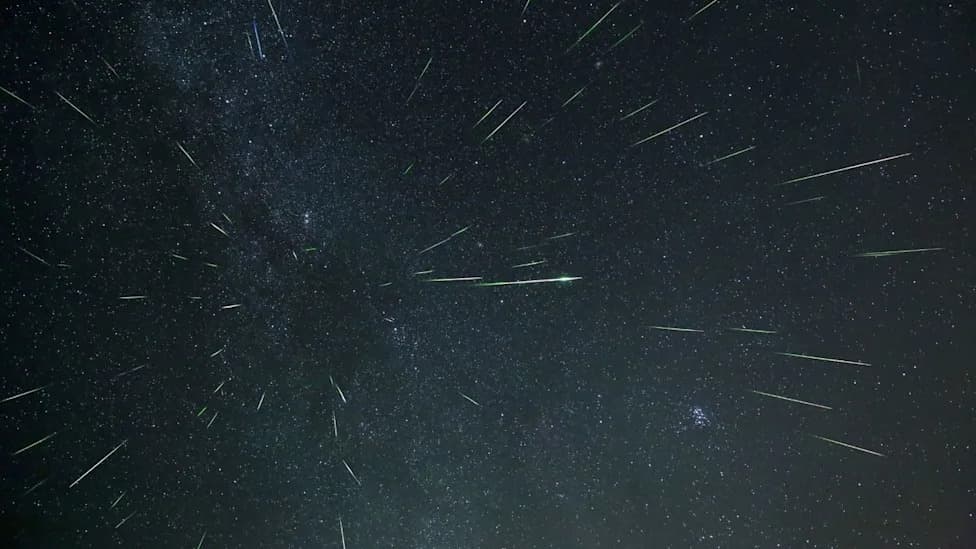
Perseidi, nastali od ostataka komete 109P/Swift-Tuttle, često se smatraju najatraktivnijom letnjom meteorskom kišom. One su poznate po obilju svetlih meteora i povremenim vatrenim kuglama — većim i upečatljivijim pojavama koje ostavljaju duže tragove svetlosti.
U 2026. Perseidi će biti aktivni od 17. jula do 24. avgusta, sa dvonoćnim vrhuncem između 12. i 13. avgusta.
Kako posmatrati meteore: praktični saveti
- Najbolje vreme za posmatranje je između ponoći i zore, kada je nebo najsuptilnije.
- Izaberite mesto što dalje od gradskog svetla i svetlosnog zagađenja.
- Ponesite vreću za spavanje, ćebe ili ležaljku i lezite na leđa kako biste obuhvatili što veći deo neba.
- Dozvolite očima 20–30 minuta da se priviknu na tamu — vidljivost meteora se poboljšava kako se prilagodite.
- Ako je Mesec pun ili skoro pun, slabije meteorske pojave će biti teško vidljive.
- Za lokalne vreme i pravac gledanja koristite sajt Time and Date; za pronalaženje tamnih lokacija DarkSky International vodi listu zaštićenih tamnih mesta (u SAD postoji 173 takve lokacije).
Ostale meteorske kiše u 2026.
Prema American Meteor Society, sledeće glavne meteorske kiše i njihovi datumi su:
- Orionidi: aktivni 2. oktobra–7. novembra; vrhunac 21.–22. oktobra.
- Južni Tauridi: aktivni 20. septembra–20. novembra; vrhunac 4.–5. novembra.
- Severni Tauridi: aktivni 20. oktobra–10. decembra; vrhunac 11.–12. novembra.
- Leonidi: aktivni 6.–30. novembra; vrhunac 16.–17. novembra.
- Geminidi: aktivni 4.–17. decembra; vrhunac 13.–14. decembra.
- Ursidi: aktivni 17.–26. decembra; vrhunac 21.–22. decembra.
- Kvadrantidi: počinju 28. decembra 2026., ali vrhunac je 3. januara 2027.
Autor originalnog teksta: Eric Lagatta, Space Connect reporter za USA TODAY Network. Kontakt: elagatta@usatodayco.com
Ovaj tekst je adaptiran i preveden iz izvornog članka USA TODAY pod naslovom: "Perseids To Steal Show During 2026 Summer Meteor Shower Season".
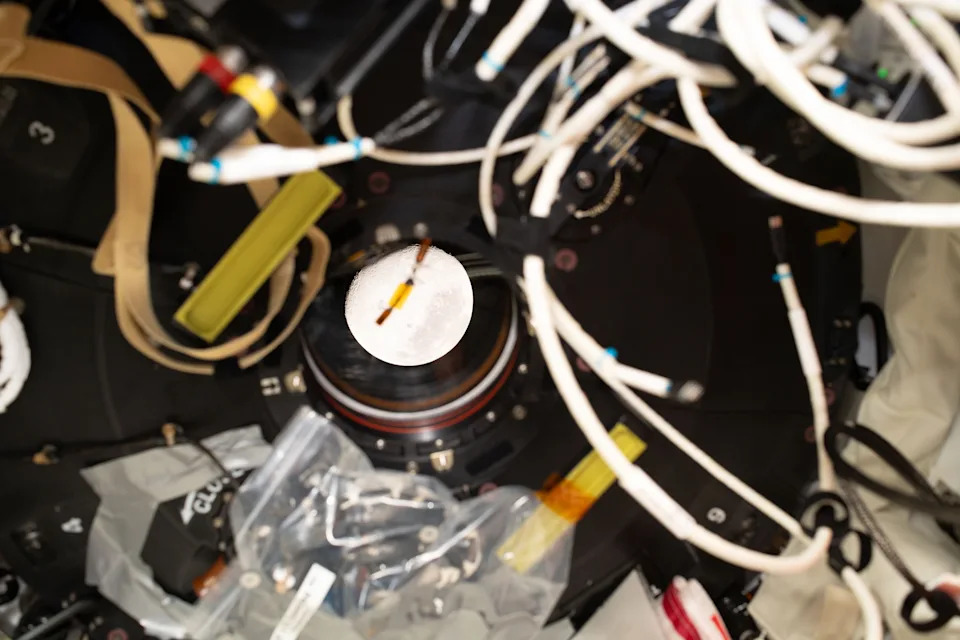
NASA released thousands of new photos taken during the Artemis II mission around the moon. The astronauts selected for the mission thoroughly documented the 10-day voyage, which included an April 6 lunar flyby as they traveled more than a quarter-million miles from Earth.
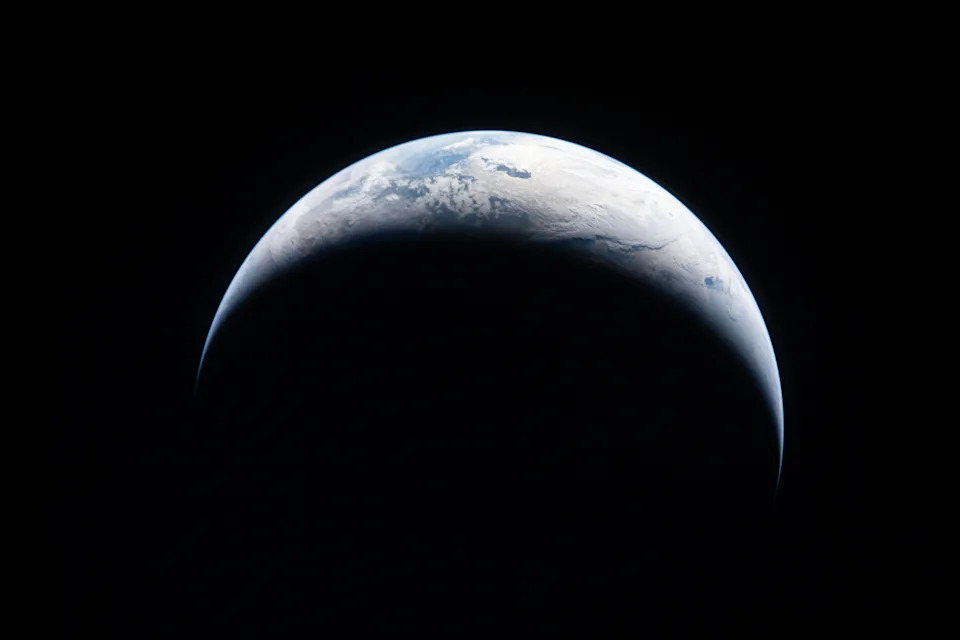
NASA released thousands of new photos taken during the Artemis II mission around the moon. The astronauts selected for the mission thoroughly documented the 10-day voyage, which included an April 6 lunar flyby as they traveled more than a quarter-million miles from Earth.
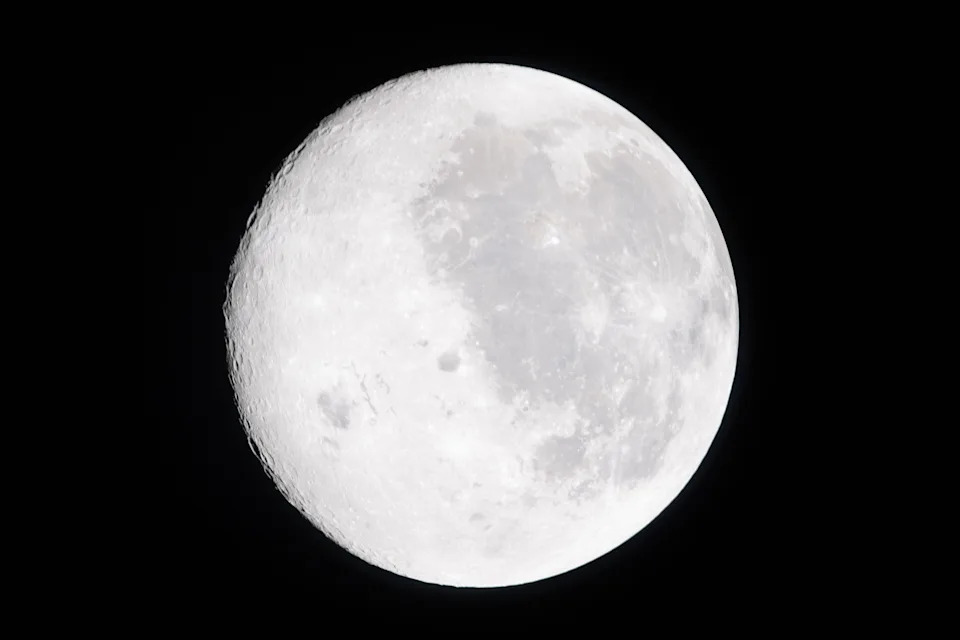
NASA released thousands of new photos taken during the Artemis II mission around the moon. The astronauts selected for the mission thoroughly documented the 10-day voyage, which included an April 6 lunar flyby as they traveled more than a quarter-million miles from Earth.
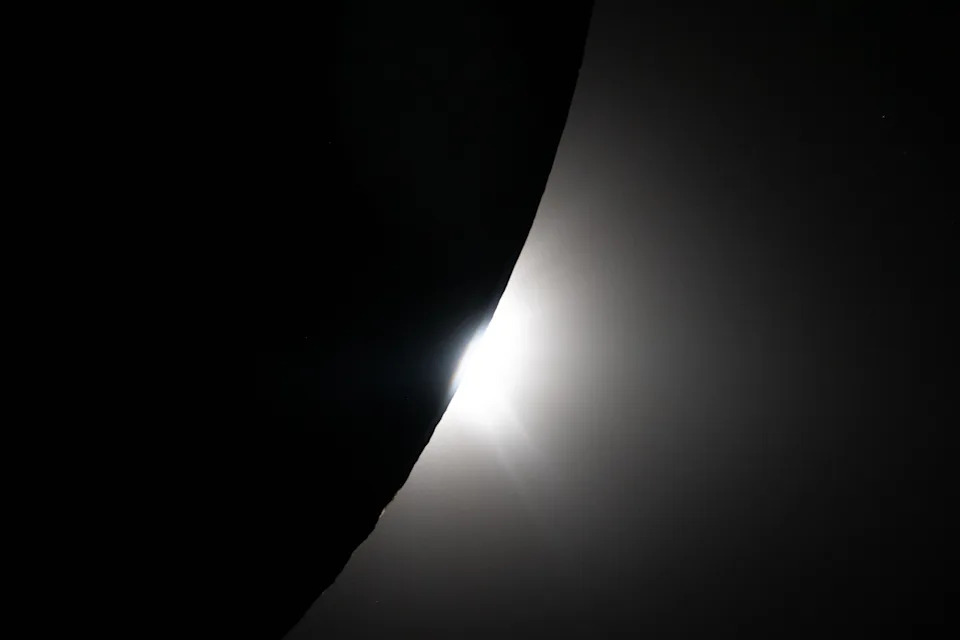
NASA released thousands of new photos taken during the Artemis II mission around the moon. The astronauts selected for the mission thoroughly documented the 10-day voyage, which included an April 6 lunar flyby as they traveled more than a quarter-million miles from Earth.
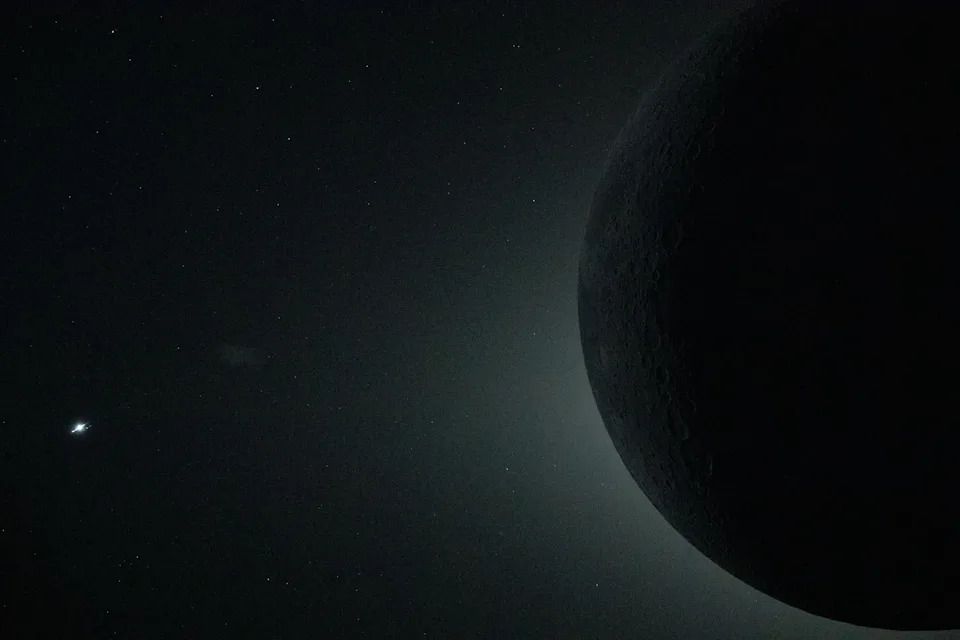
NASA released thousands of new photos taken during the Artemis II mission around the moon. The astronauts selected for the mission thoroughly documented the 10-day voyage, which included an April 6 lunar flyby as they traveled more than a quarter-million miles from Earth.
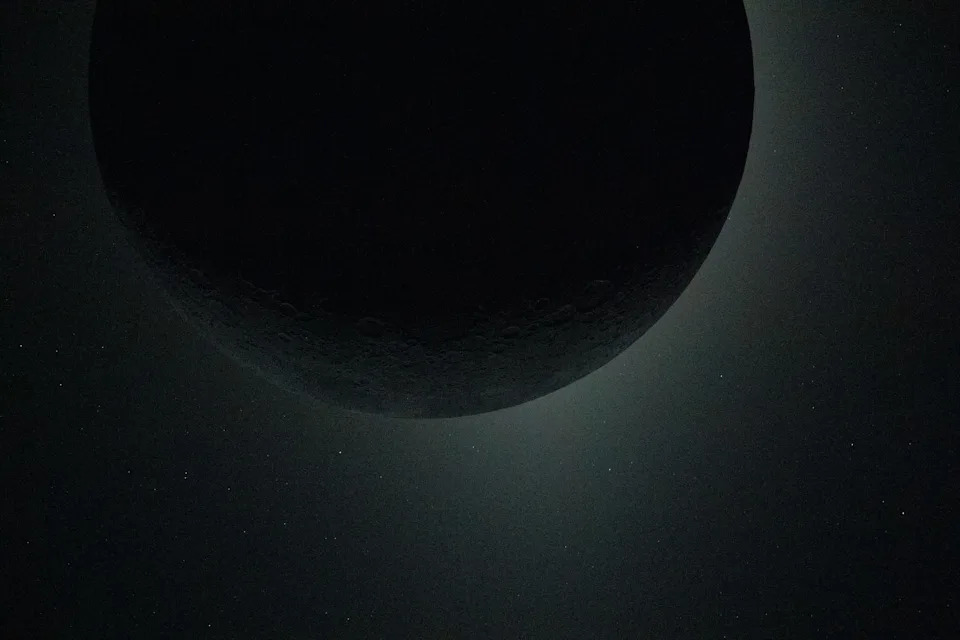
NASA released thousands of new photos taken during the Artemis II mission around the moon. The astronauts selected for the mission thoroughly documented the 10-day voyage, which included an April 6 lunar flyby as they traveled more than a quarter-million miles from Earth.
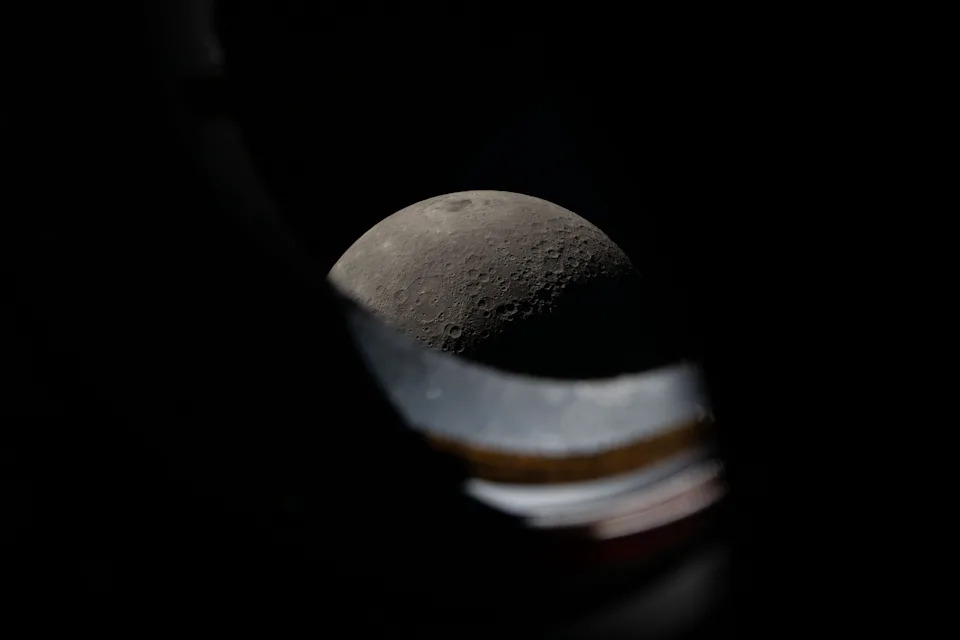
NASA released thousands of new photos taken during the Artemis II mission around the moon. The astronauts selected for the mission thoroughly documented the 10-day voyage, which included an April 6 lunar flyby as they traveled more than a quarter-million miles from Earth.
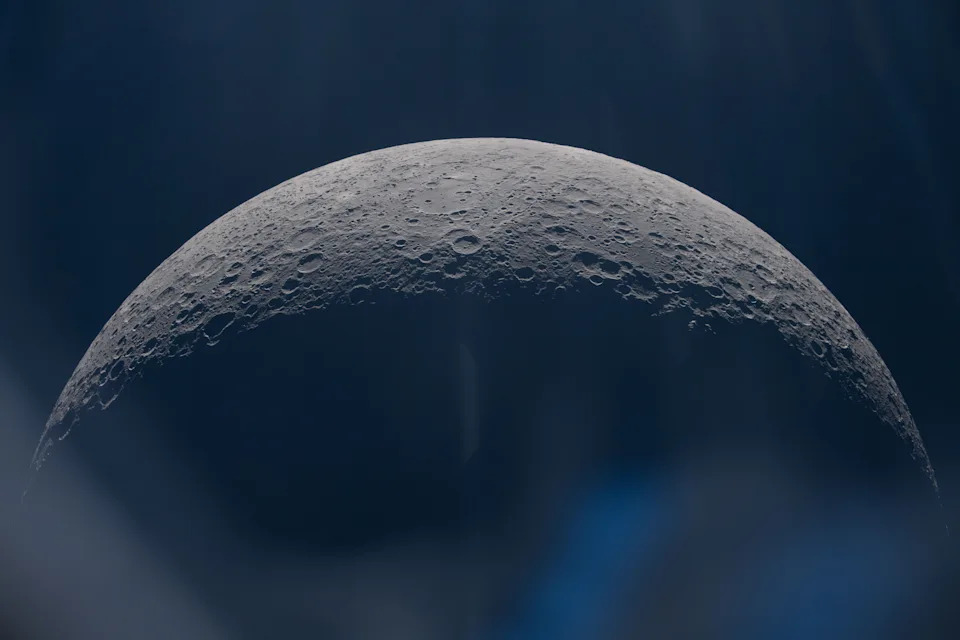
NASA released thousands of new photos taken during the Artemis II mission around the moon. The astronauts selected for the mission thoroughly documented the 10-day voyage, which included an April 6 lunar flyby as they traveled more than a quarter-million miles from Earth.
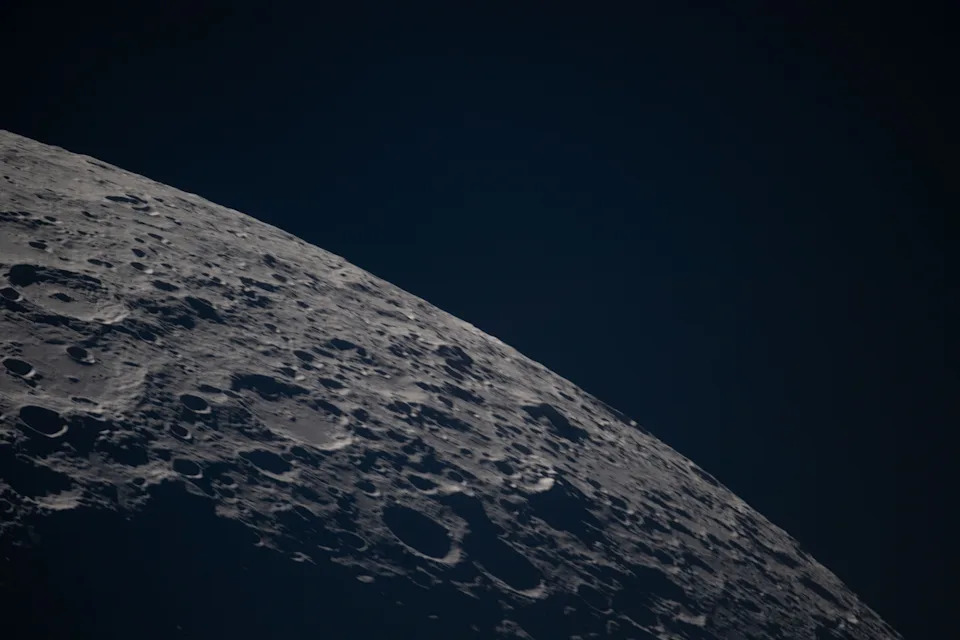
NASA released thousands of new photos taken during the Artemis II mission around the moon. The astronauts selected for the mission thoroughly documented the 10-day voyage, which included an April 6 lunar flyby as they traveled more than a quarter-million miles from Earth.
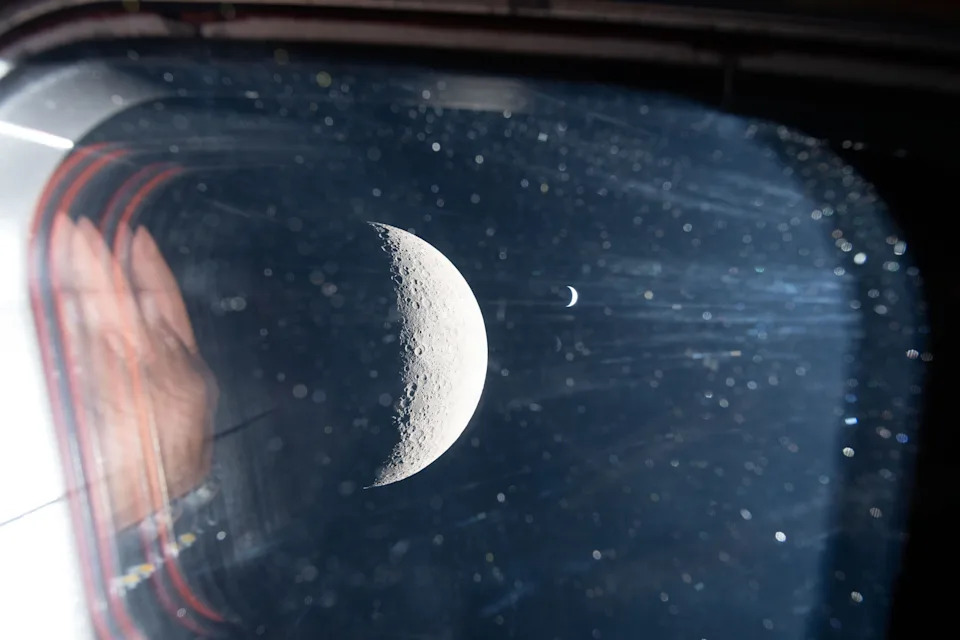
NASA released thousands of new photos taken during the Artemis II mission around the moon. The astronauts selected for the mission thoroughly documented the 10-day voyage, which included an April 6 lunar flyby as they traveled more than a quarter-million miles from Earth.
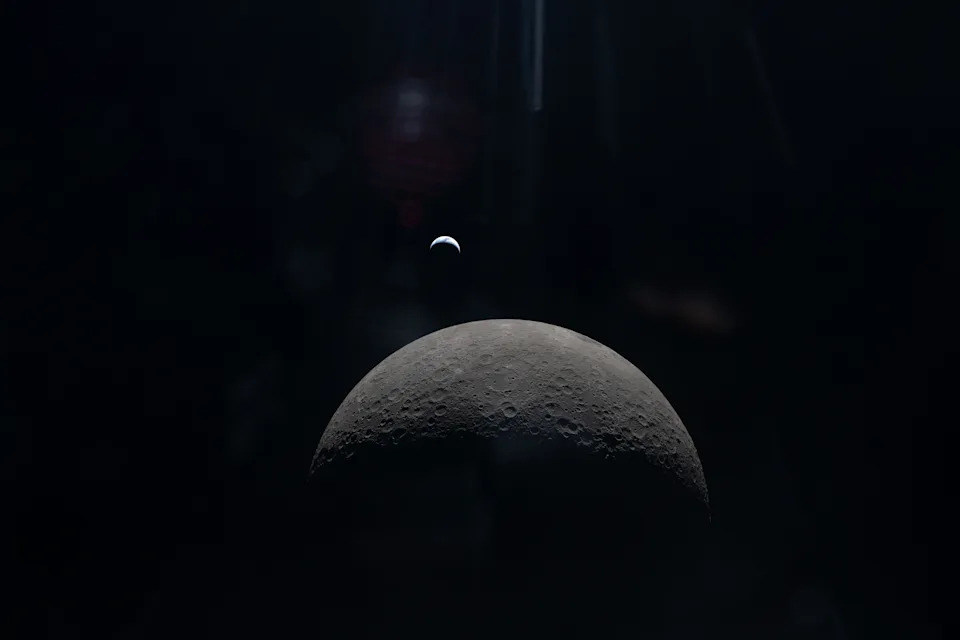
NASA released thousands of new photos taken during the Artemis II mission around the moon. The astronauts selected for the mission thoroughly documented the 10-day voyage, which included an April 6 lunar flyby as they traveled more than a quarter-million miles from Earth.
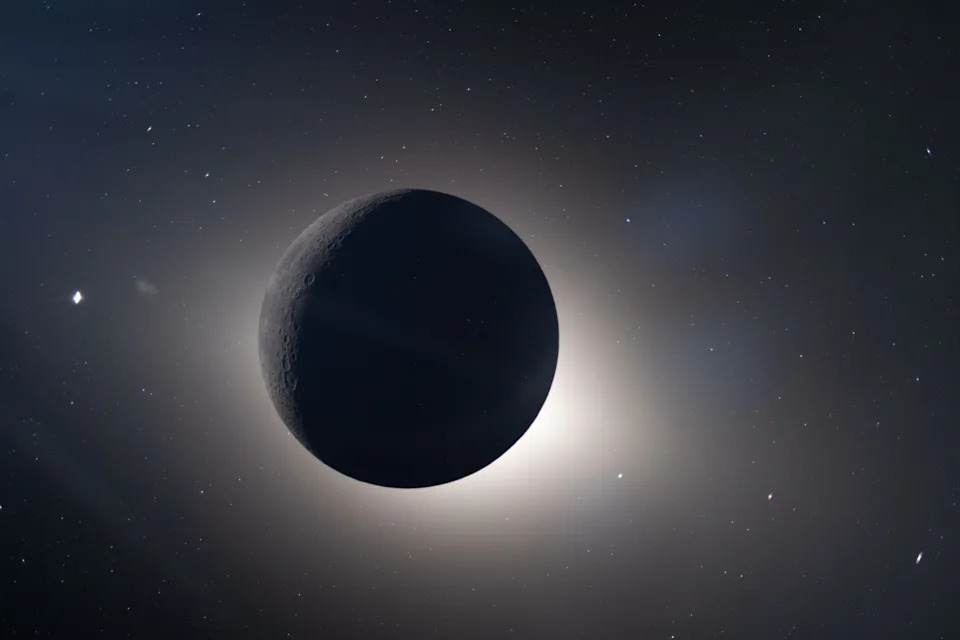
NASA released thousands of new photos taken during the Artemis II mission around the moon. The astronauts selected for the mission thoroughly documented the 10-day voyage, which included an April 6 lunar flyby as they traveled more than a quarter-million miles from Earth.
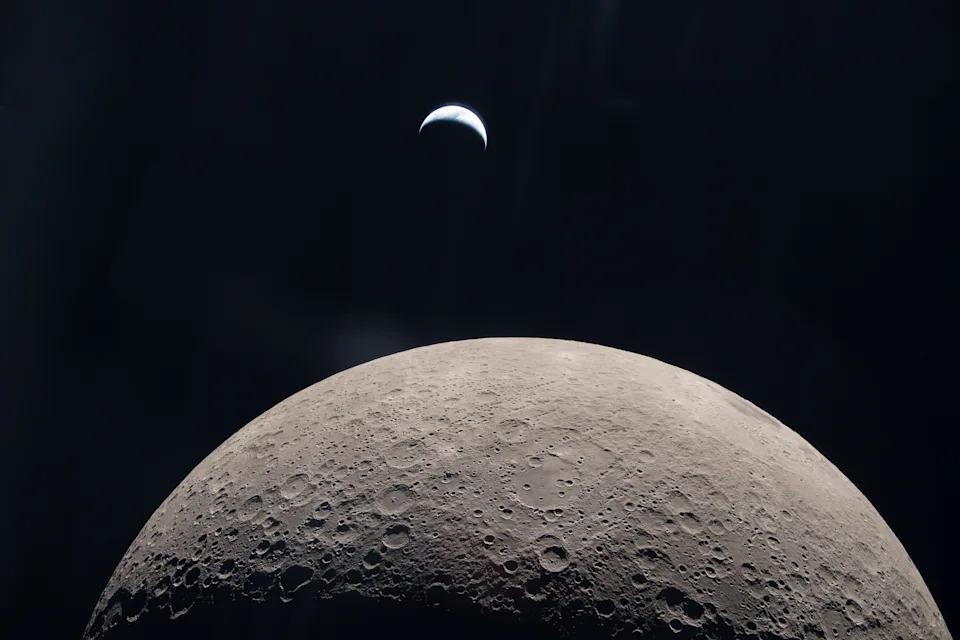
NASA released thousands of new photos taken during the Artemis II mission around the moon. The astronauts selected for the mission thoroughly documented the 10-day voyage, which included an April 6 lunar flyby as they traveled more than a quarter-million miles from Earth.
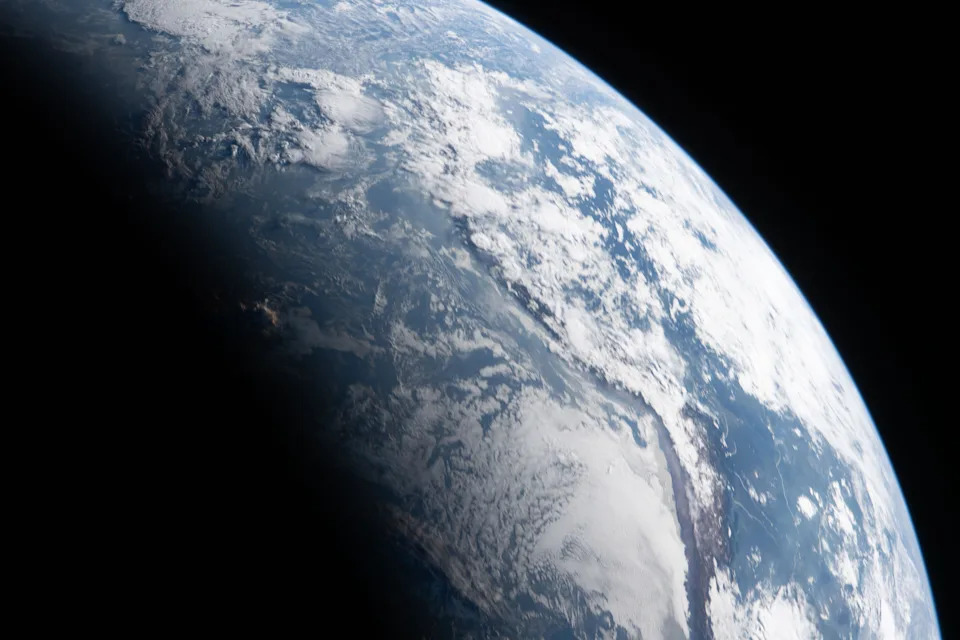
NASA released thousands of new photos taken during the Artemis II mission around the moon. The astronauts selected for the mission thoroughly documented the 10-day voyage, which included an April 6 lunar flyby as they traveled more than a quarter-million miles from Earth.
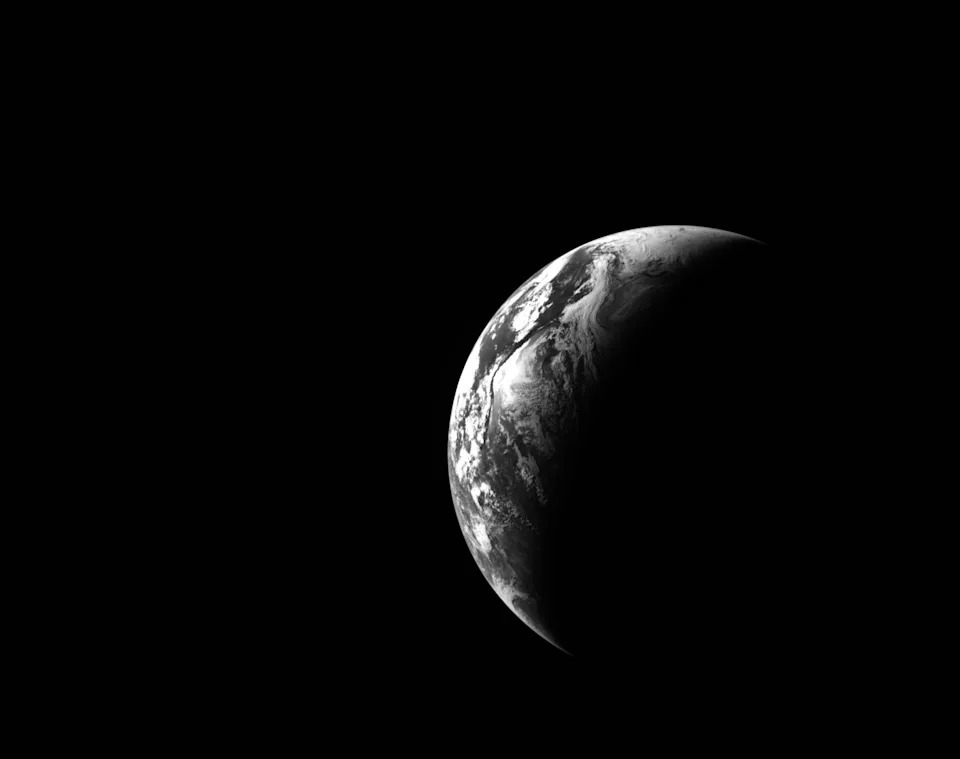
NASA released thousands of new photos taken during the Artemis II mission around the moon. The astronauts selected for the mission thoroughly documented the 10-day voyage, which included an April 6 lunar flyby as they traveled more than a quarter-million miles from Earth.
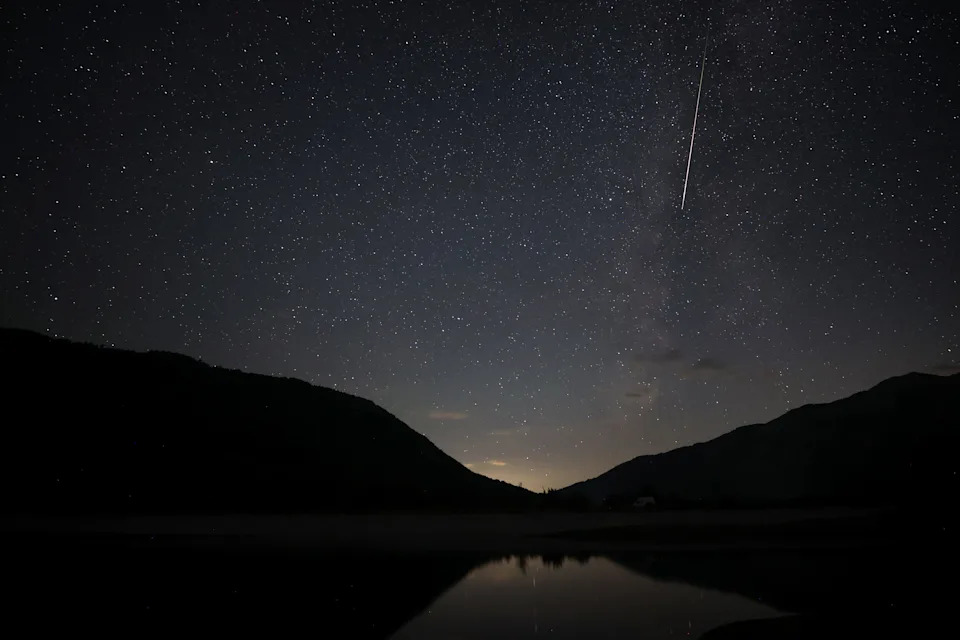
A view of meteor streaks in the night sky Aug. 13, 2023 during the annual Perseid meteor shower at Shebenik National Park, in Fushe Stude, Albania.
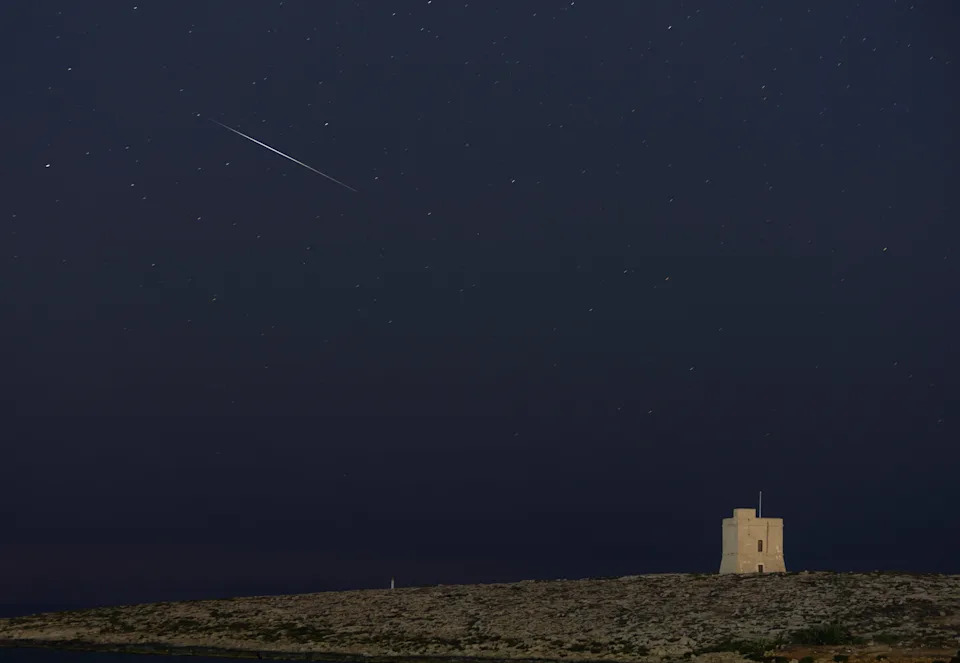
A meteor streaks through the night sky Aug. 12, 2024, during the annual Perseid meteor shower behind St Mark's Tower, a 17th century coastal fortification near the village of Bahar ic-Caghaq, Malta.
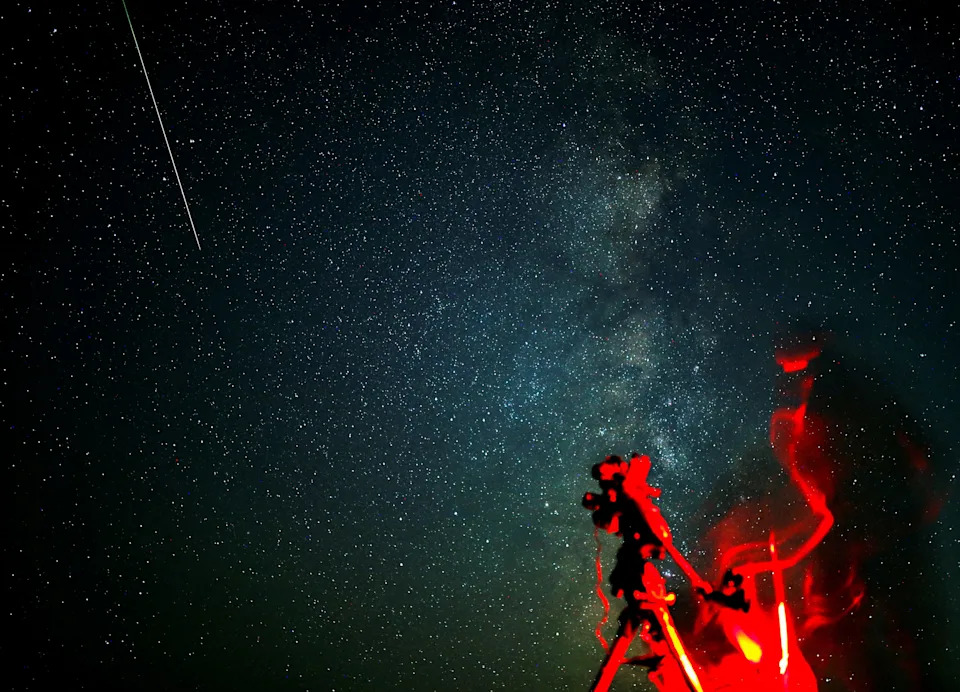
Astronomers observe the northern skies Aug. 12, 2024, during the Perseid meteor shower in Kozjak, North Macedonia.
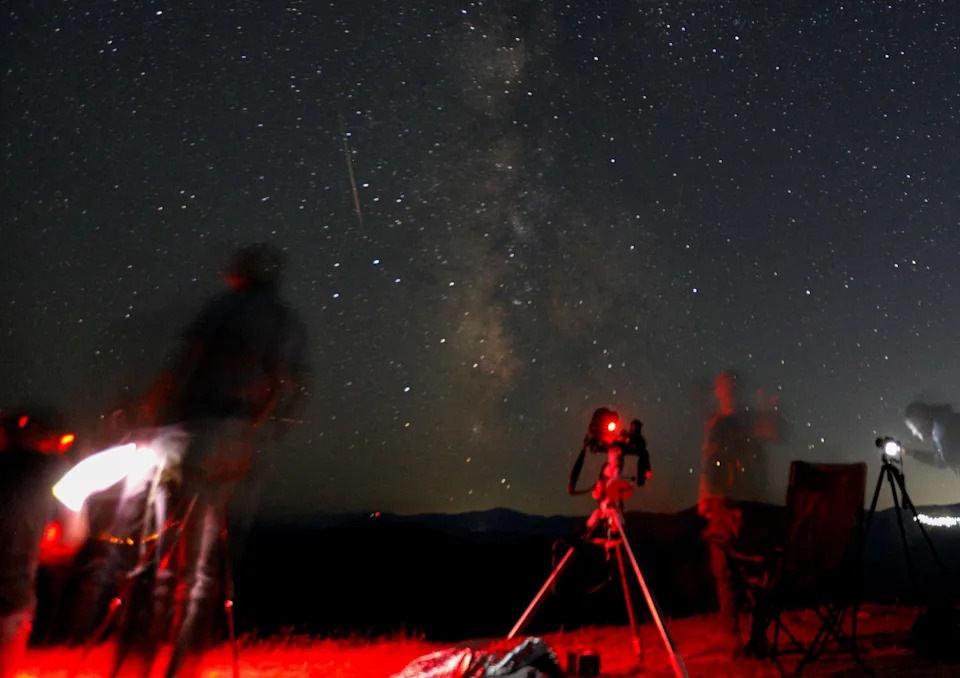
Astronomers observe the northern skies Aug. 12, 2024, during the Perseid meteor shower in Kozjak, North Macedonia.
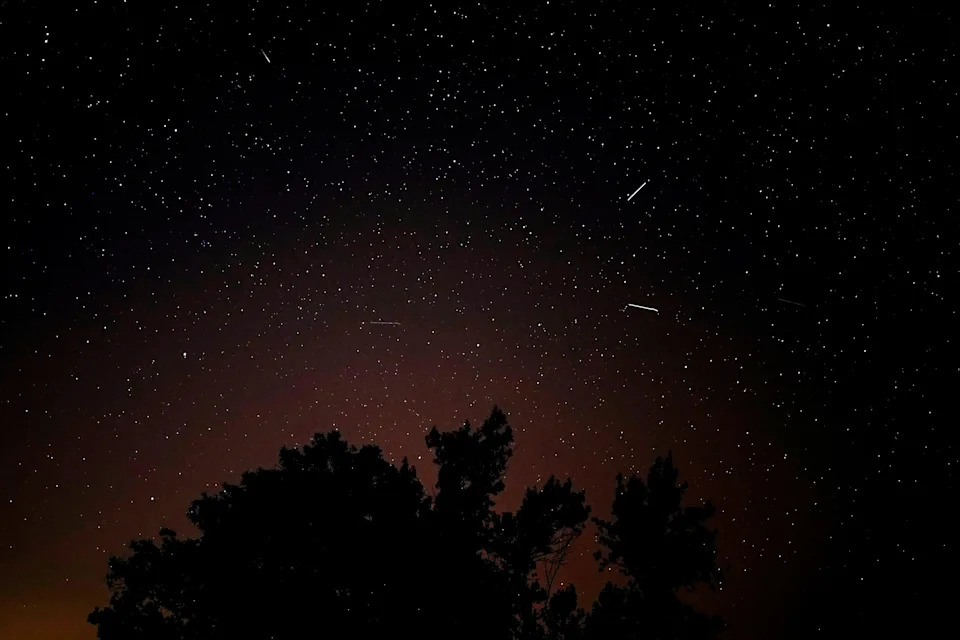
Meteors streak past stars in the night sky Aug. 12, 2024, during the annual Perseid meteor shower above Santo Tome del Puerto, in Segovia, Spain.
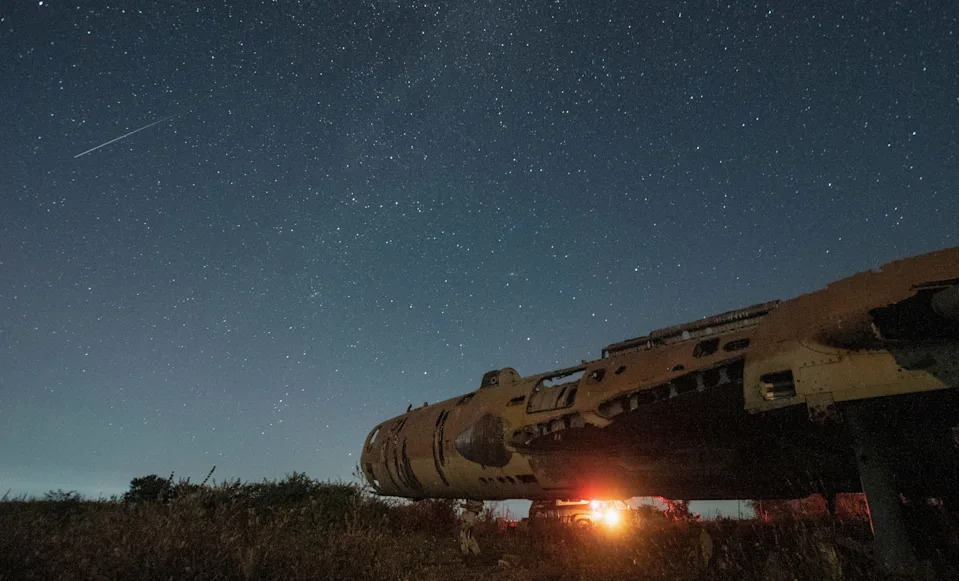
A view from an abandoned military airbase Aug. 12, 2024, shows the night sky during the annual Perseid meteor shower in the region of Kakheti, Georgia.
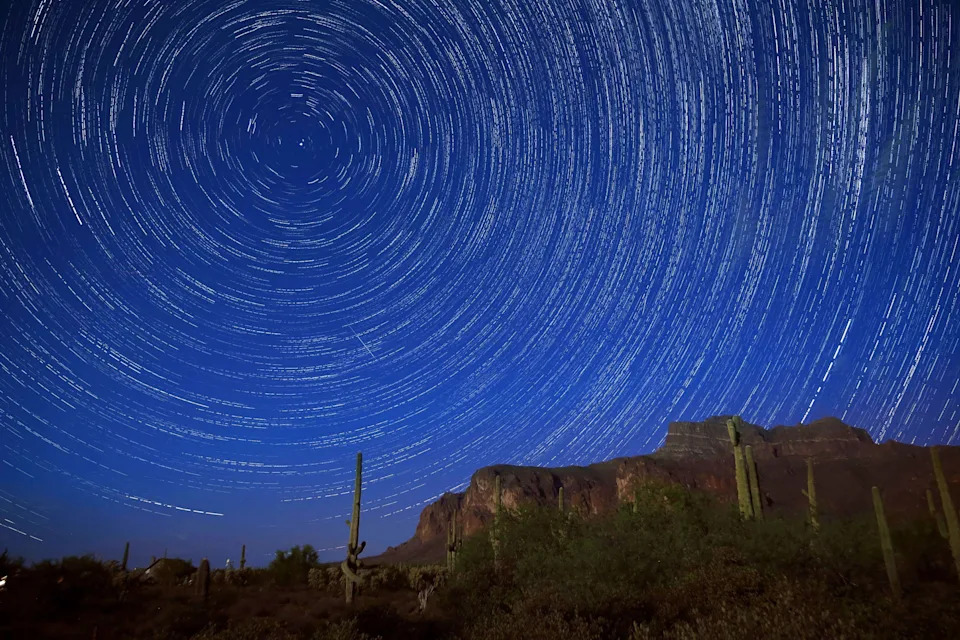
Star trails and a meteor from the Perseid meteor shower can be seen Aug. 14, 2016, beyond the Superstition Mountains in Apache Junction in Arizona.
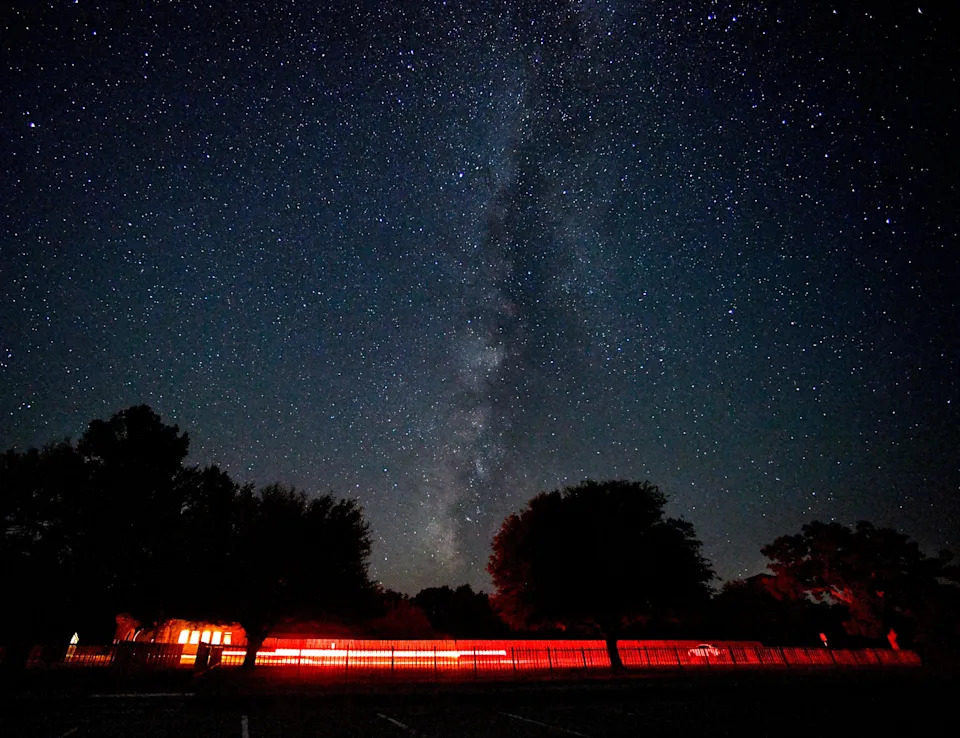
Car lights are blurred beneath the Milky Way on Aug. 13, 2023, in this long exposure at Abilene State Park in Texas during a Perseid meteor shower star party.
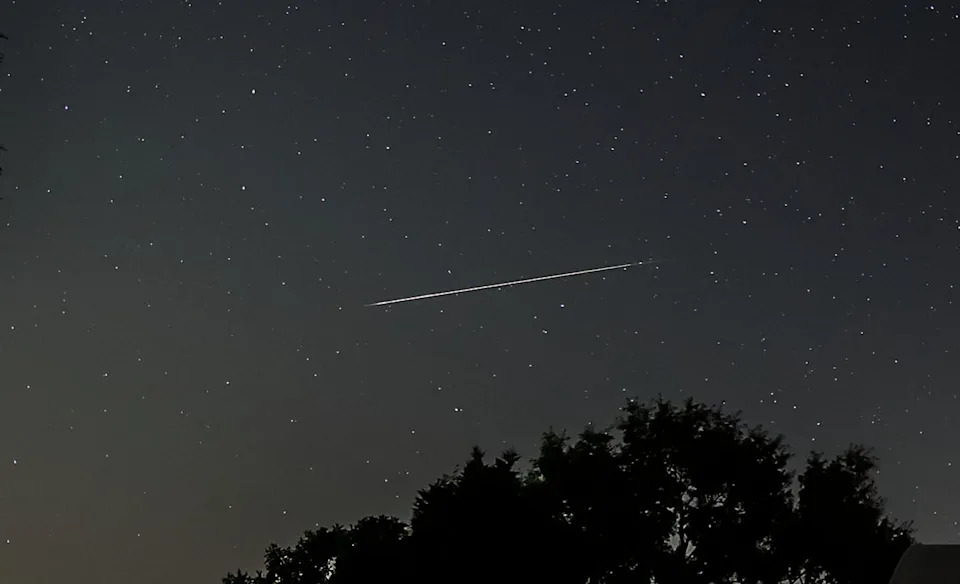
A bright Perseid meteor appears Aug. 21, 2021, in the northern sky during the Perseid meteor shower in North Carolina.
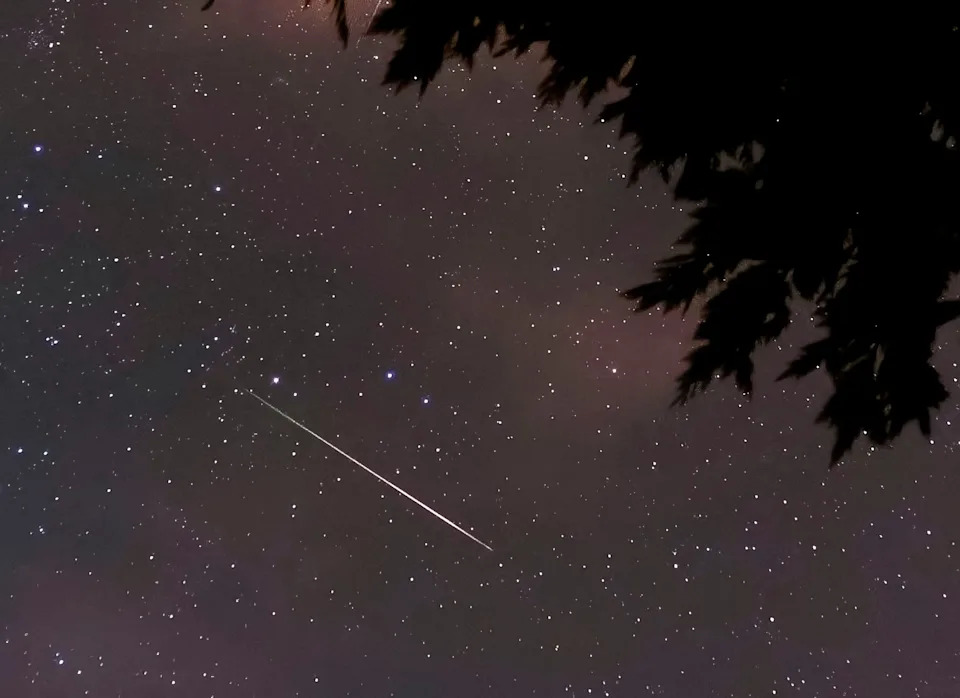
A Perseid meteor seen streaking Aug. 4, 2015, in North Carolina.
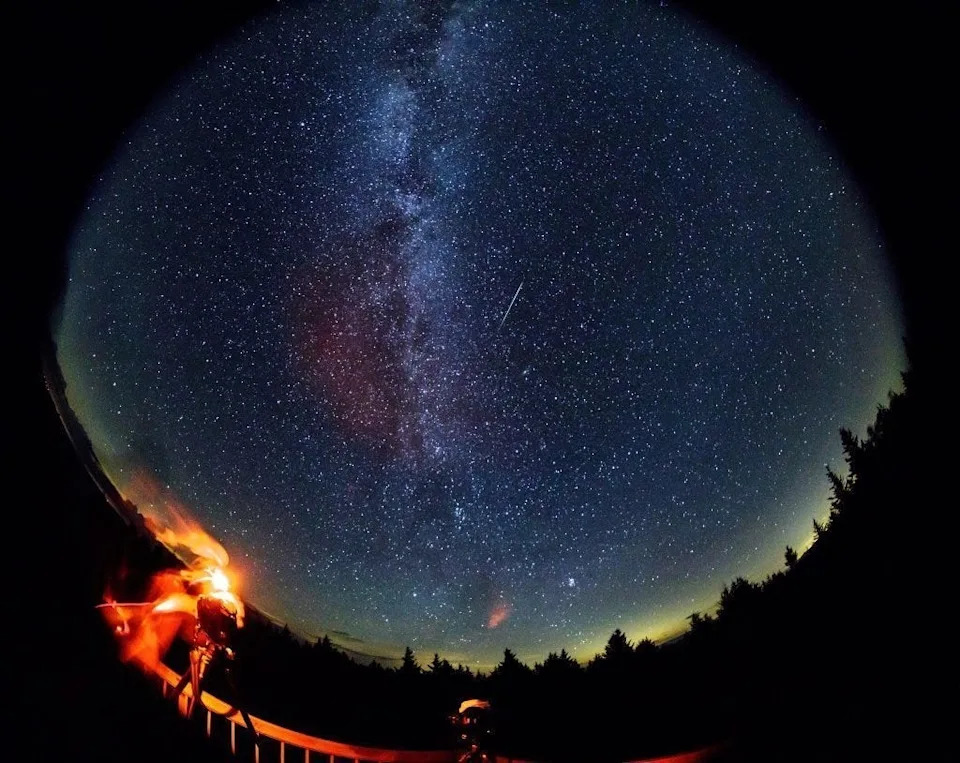
In this 30 second exposure taken with a circular fish-eye lens, a meteor streaks across the sky on Aug. 12, 2016, during the annual Perseid meteor shower in West Virginia.
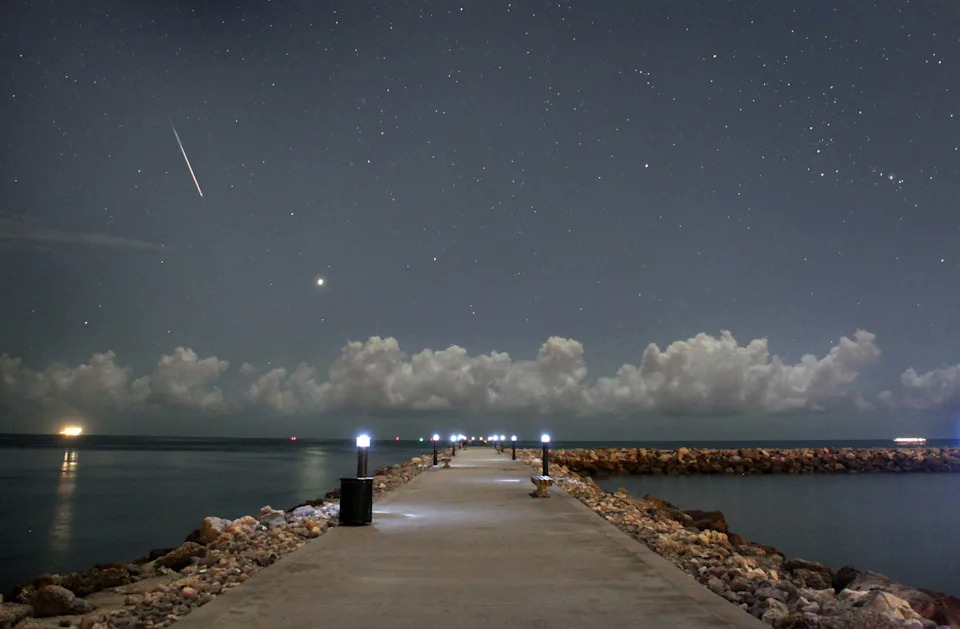
A Perseid meteor, seen at top left, streaks in 2009 through the sky over Florida.
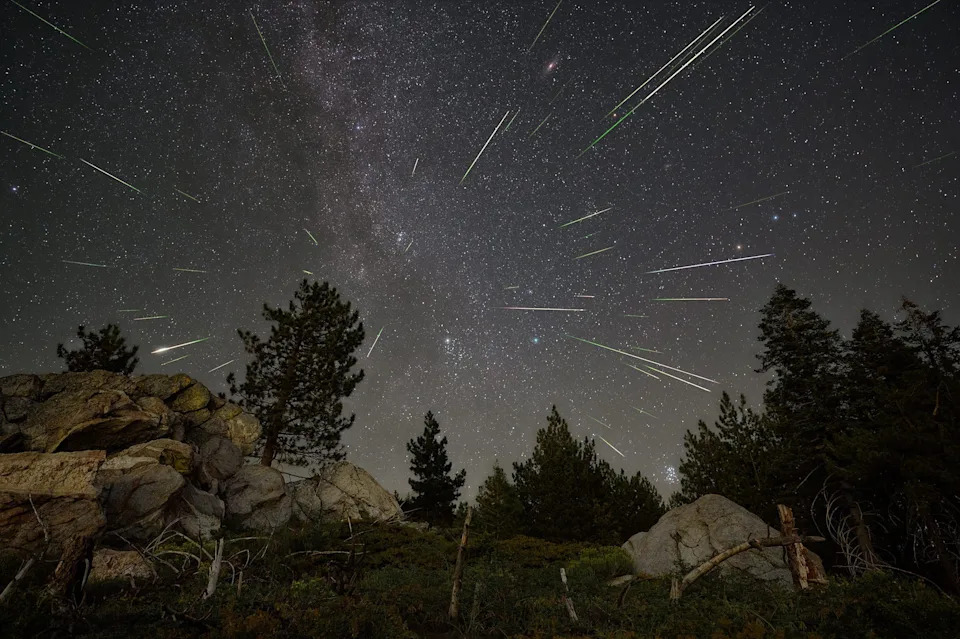
The Perseids are active from July 17 to Aug. 23 and are expected to peak on Aug. 12-13.
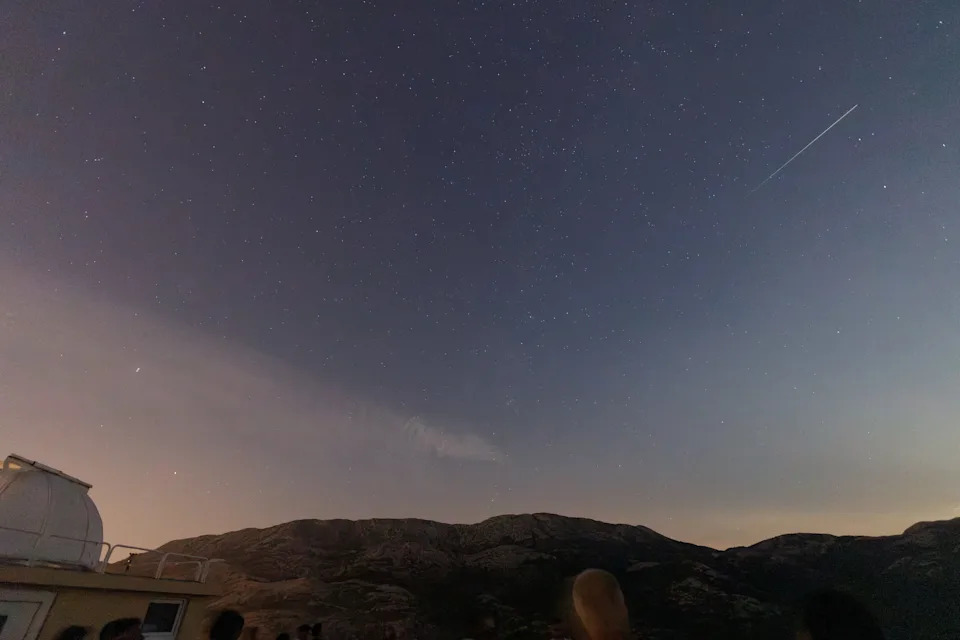
A meteor streaks the night sky during the annual Perseid meteor shower in Split, Croatia August 12, 2025.
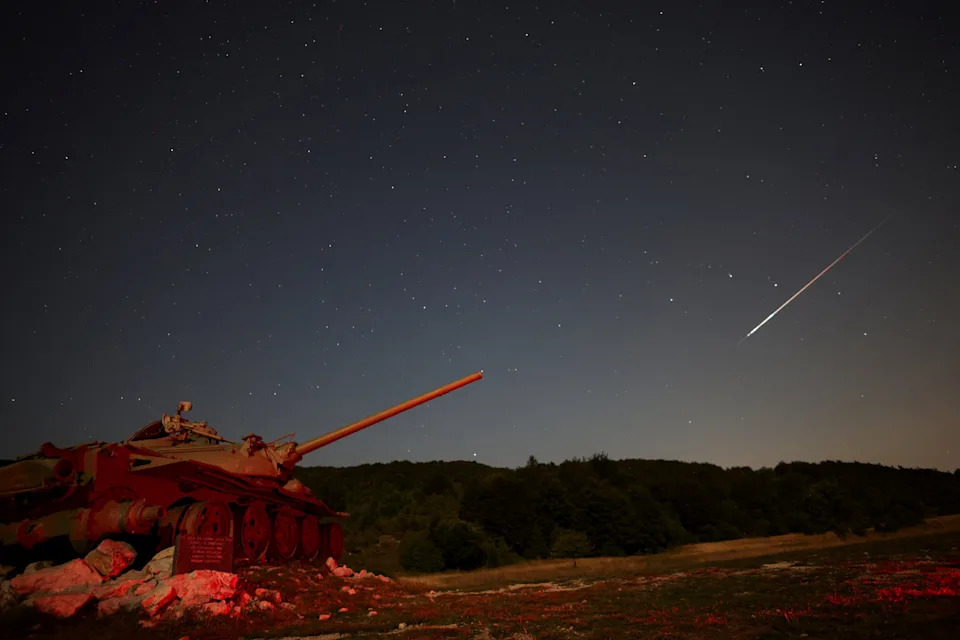
A meteor streaks across the sky during the Perseid meteor shower above a monument commemorating the fighting of the Bosnian War (1992–1995), Proskok, Bosnia and Herzegovina, August 12, 2025.
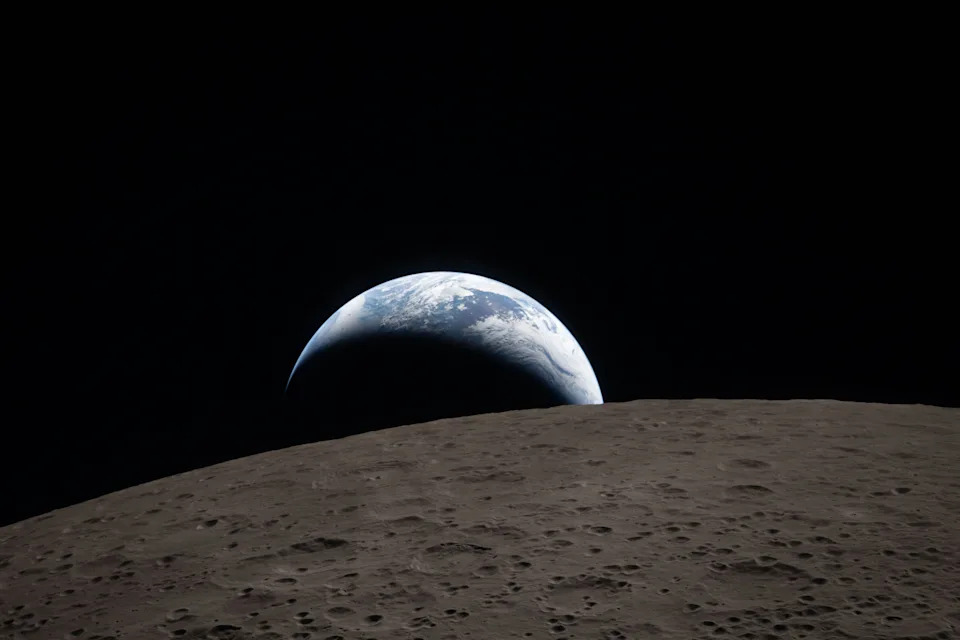
The crew of Artemis II captured a breathtaking image of a celestial event known as an "Earthset," in which the Earth dropped below the lunar horizon. The image is reminiscent of the iconic "Earthrise" photo that NASA astronaut Bill Anders captured in 1968 during the Apollo 8 mission that showed our planet rising on the lunar horizon.
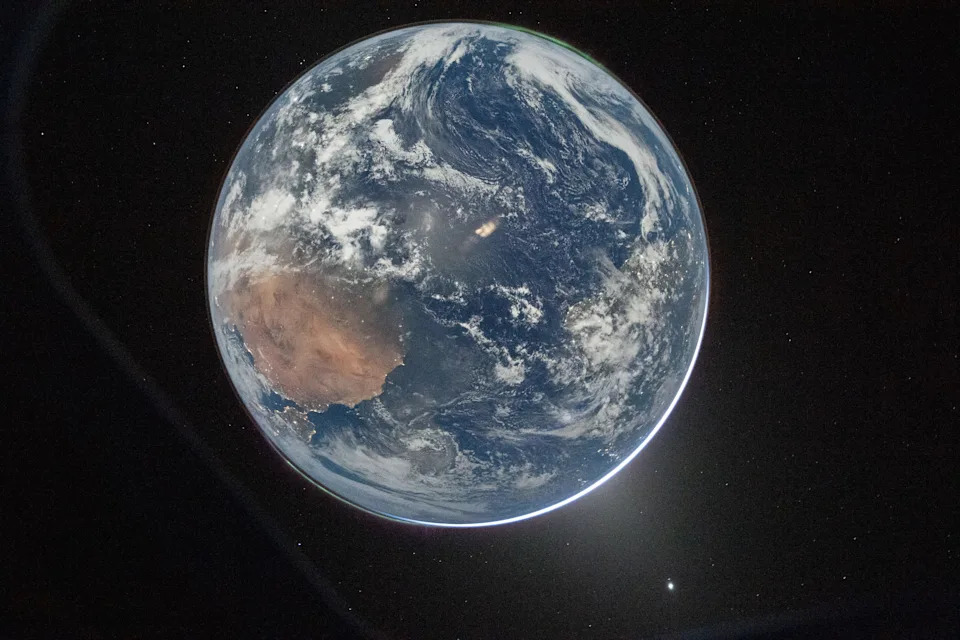
Artemis II Commander Reid Wiseman of NASA took this stunning photograph of Earth from the Orion spacecraft's window on April 2. The image is reminiscent of the iconic "blue marble" image captured during the Apollo 17 mission in 1972.
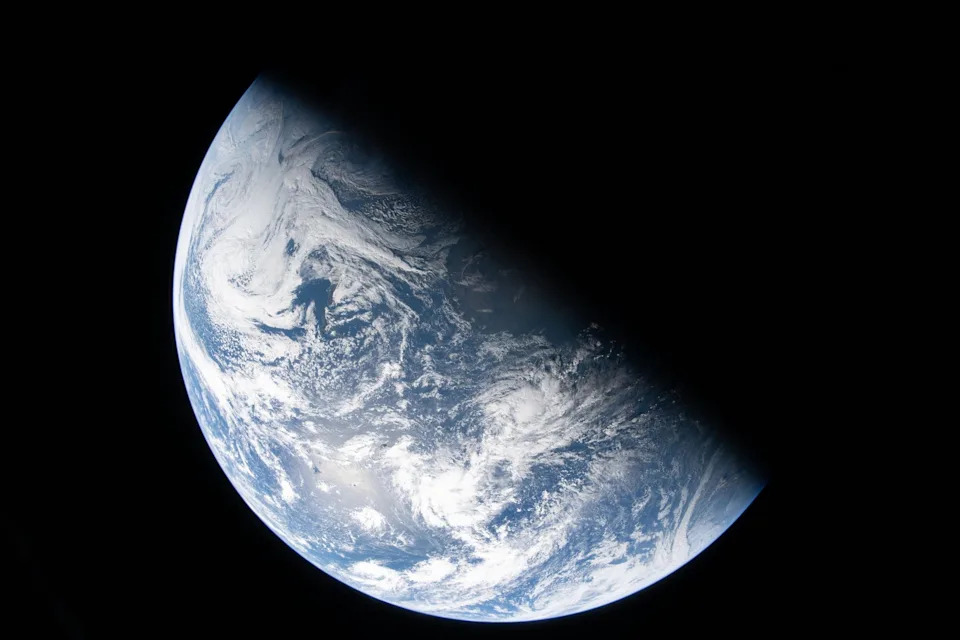
In this new image from the Artemis II crew, NASA explains that what is depicted is the "divide between night and day, known as the terminator, cutting across Earth."
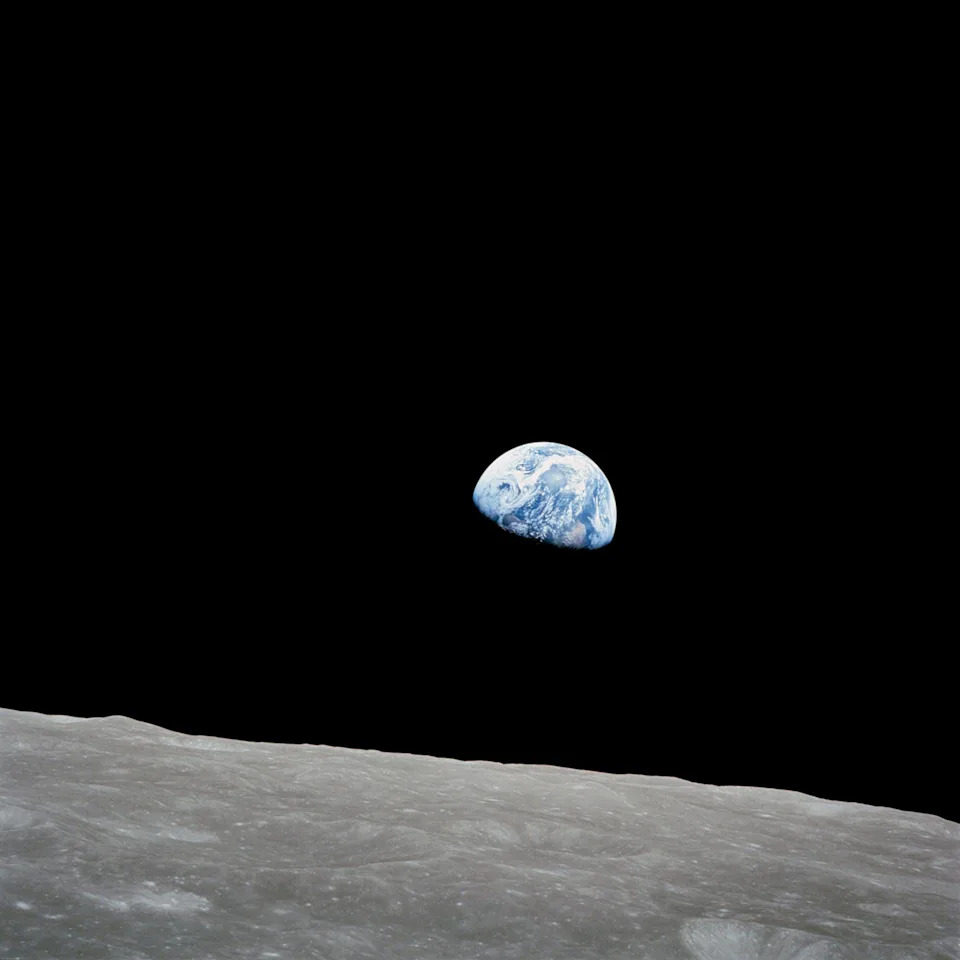
William Anders, a NASA astronaut on the historic Apollo 8 mission around the moon, took the iconic “Earthrise” photo while in lunar orbit on Dec. 24, 1968.
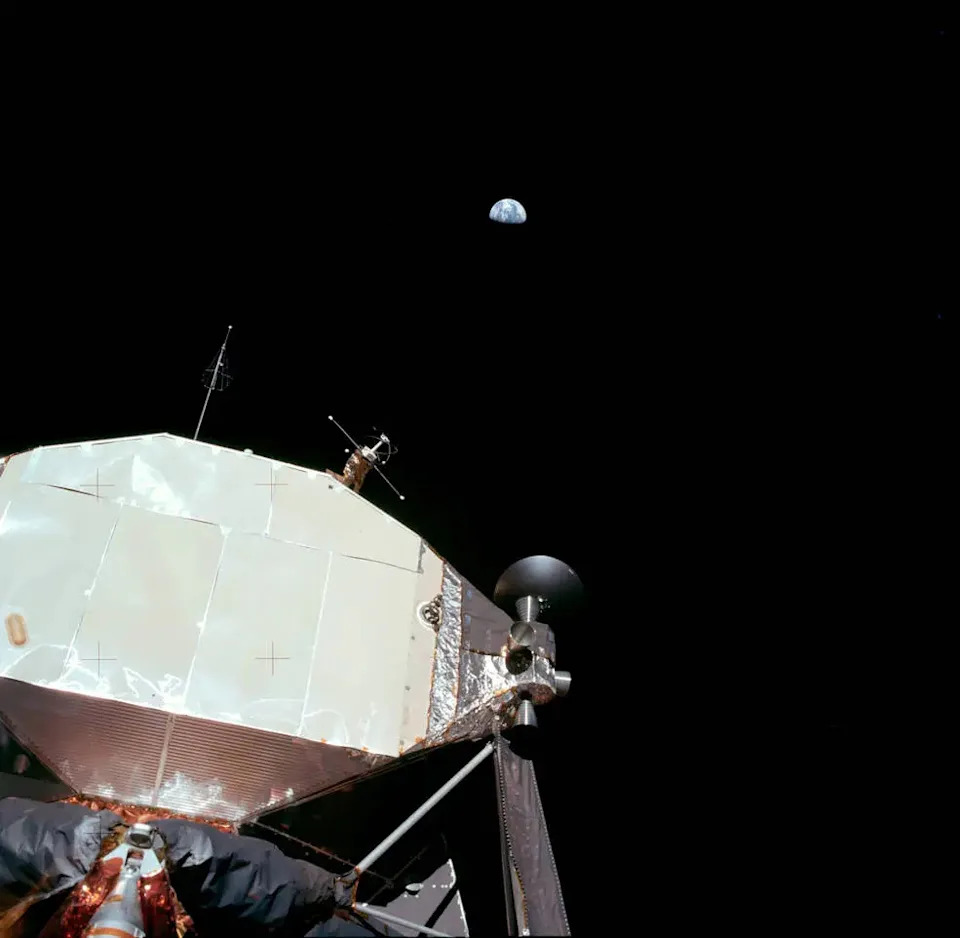
The first photograph of the Earth taken by an astronaut standing on the lunar surface, taken during the Apollo 11 Moon landing in 1969.
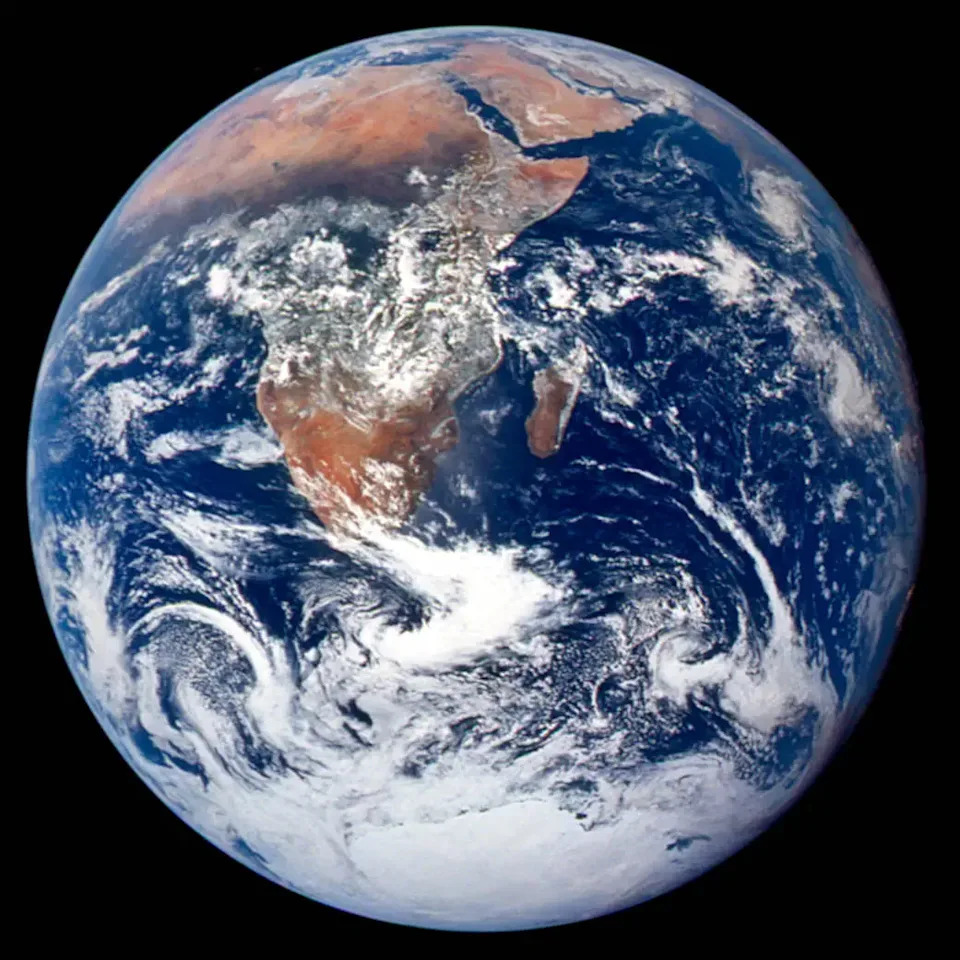
One of the most well-known photographs of Earth, the "blue marble" image was taken by the crew of the final Apollo mission (Apollo 17) as the crew made its way to the moon in 1972.
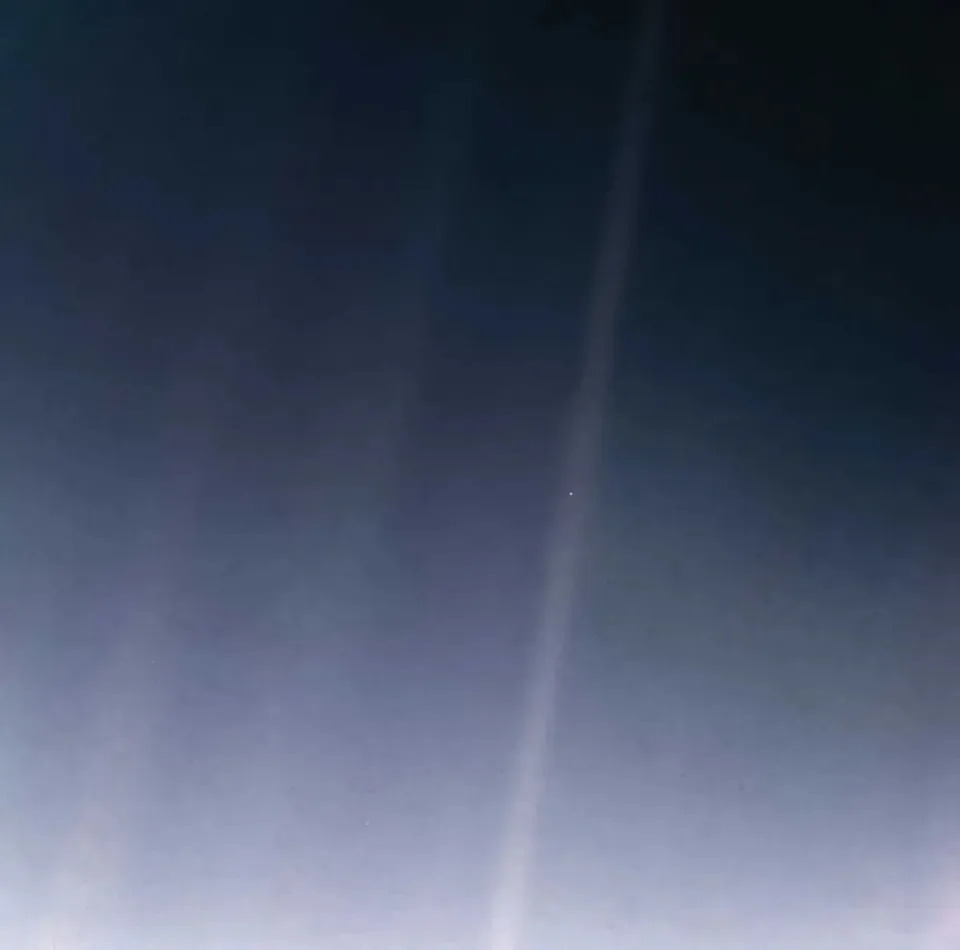
Voyager 1's 1990 photo of Earth, widely referred to as the "pale blue dot," was taken at a distance of 3.7 billion miles from the sun, making it the first photo taken beyond all the planets in our solar system. This image was created in 2020 or the 30th anniversary of the iconic picture using modern image-processing software and techniques to revisit the well-known Voyager view.
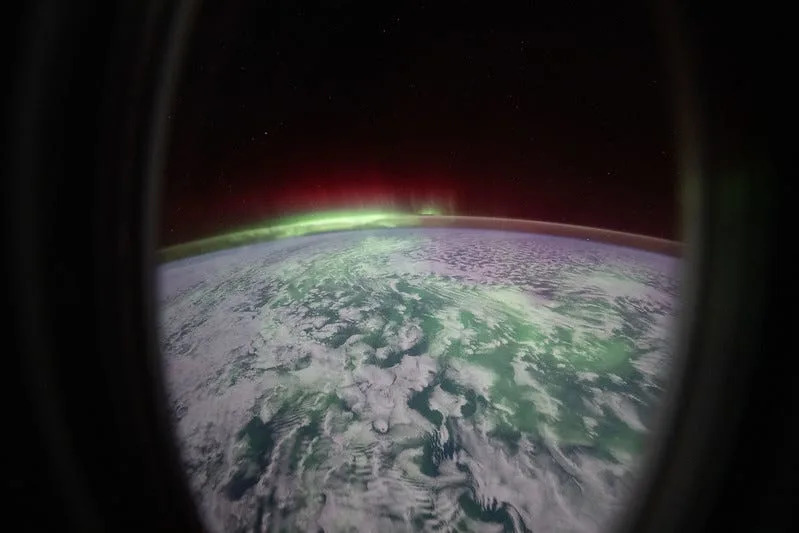
Because the International Space Station orbits so close to Earth's atmosphere (about 250 miles high,) the outpost and the astronauts who have lived aboard it have been the source of plenty of spectacular photos of our planet for 25 years. This recent photo, taken April 6, 2026, shows auroras glowing over the Indian Ocean.
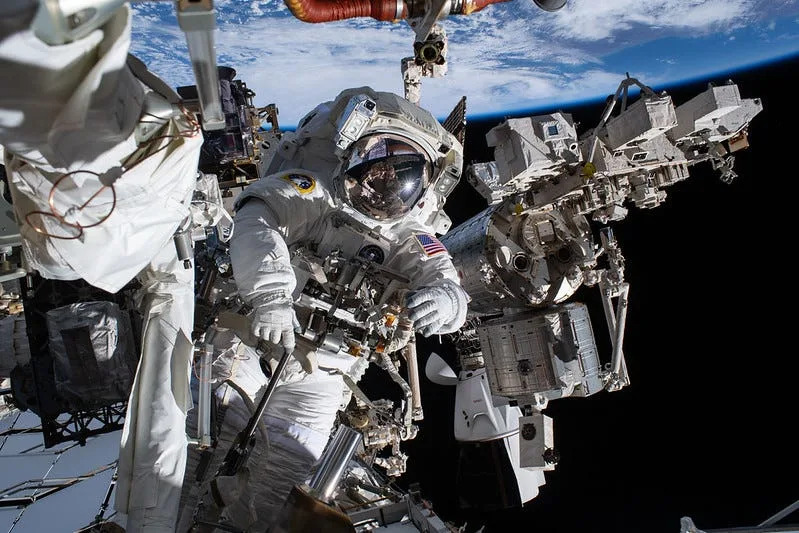
NASA astronaut Chris Williams is pictured outside the International Space Station during a March 18, 2026 spacewalk with Earth in the background.
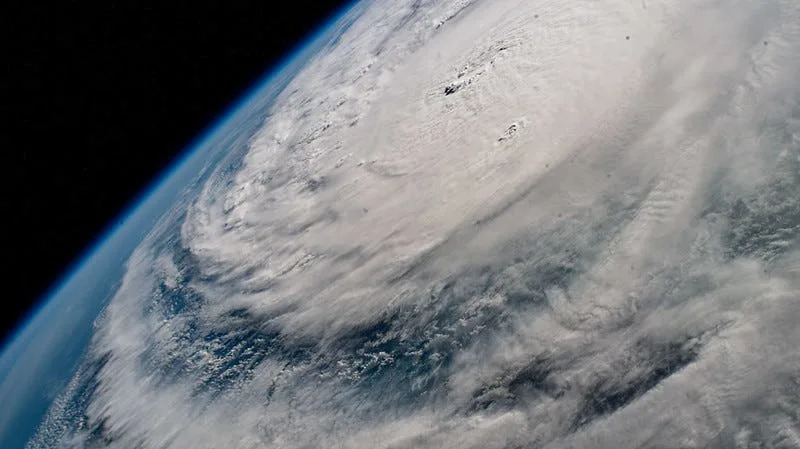
The devastating Hurricane Milton, a Category 4 storm at the time of this photograph, is pictured Oct. 8, 2024 in the Gulf of Mexico (renamed the Gulf of America) off the coast of Yucatan Peninsula from the International Space Station as it orbited 257 miles above.
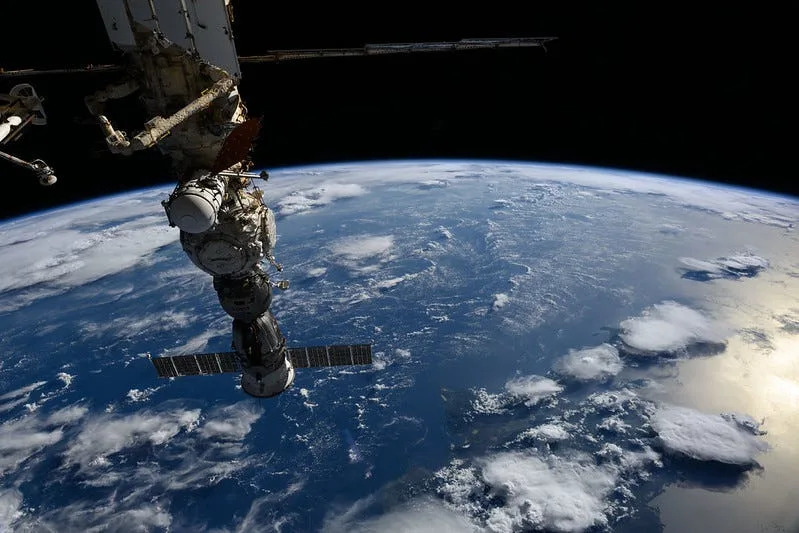
The Soyuz MS-27 crew spacecraft is pictured Sept. 14, 2025 docked to the International Space Station's Prichal module as the orbital outpost soared 257 miles above a gleaming blue Atlantic Ocean, north of the Dominican Republic.
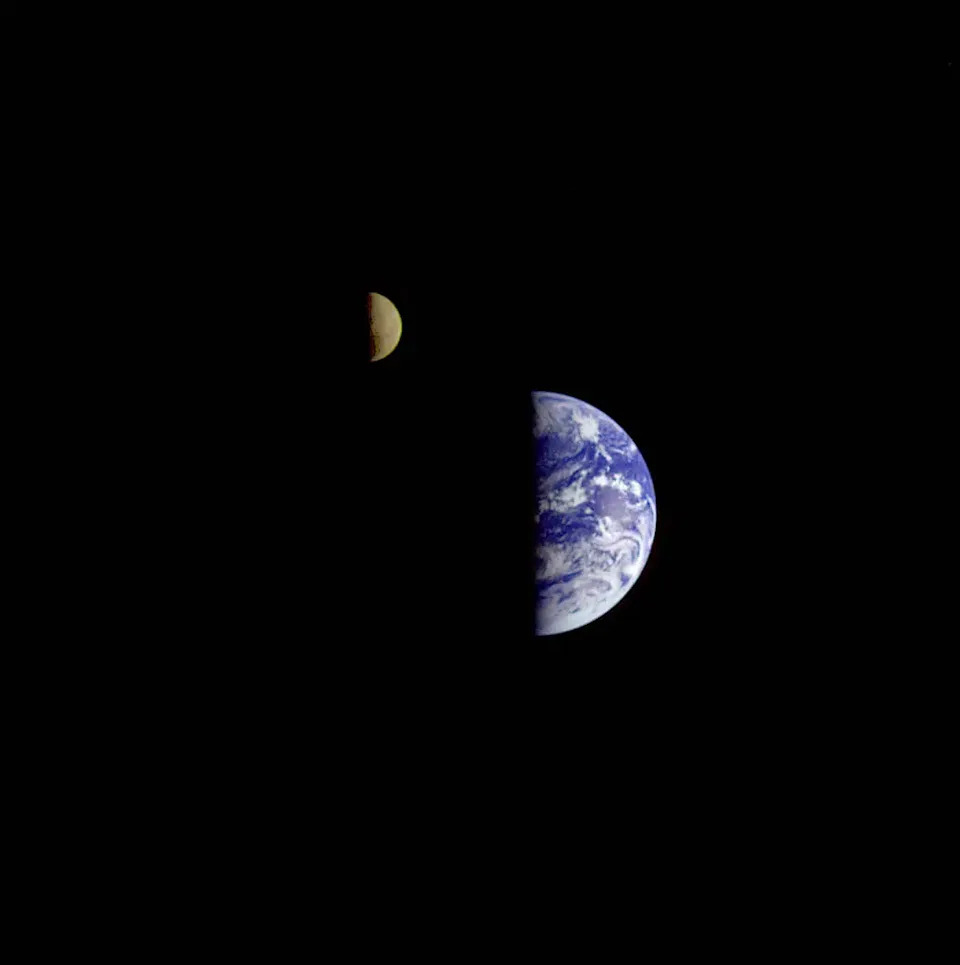
On December 16, 1992, eight days after its encounter with Earth, the Galileo spacecraft looked back from a distance of about 3.9 million miles to capture this remarkable view of the moon in orbit about Earth.
Pomozite nam da budemo bolji.