Grupa naučnika je primenom mašinskog učenja na TESS podatke iz 2018. identifikovala 10.091 potencijalni objekat koji bi mogao biti egzoplaneta. Ako se potvrdi, broj poznatih egzoplaneta (6.286 do maja 2026.) mogao bi se više nego udvostručiti. Otkriće je objavljeno na ArXiv-u i očekuje recenziju, dok će Nancy Grace Roman teleskop iz 2026. pomoći daljoj potrazi, pre svega metodom gravitacionog mikrolensinga.
Otkriveno 10.091 Potencijalnih Egzoplaneta u TESS Podacima — Šta To Znači za Potragu Za Životom?
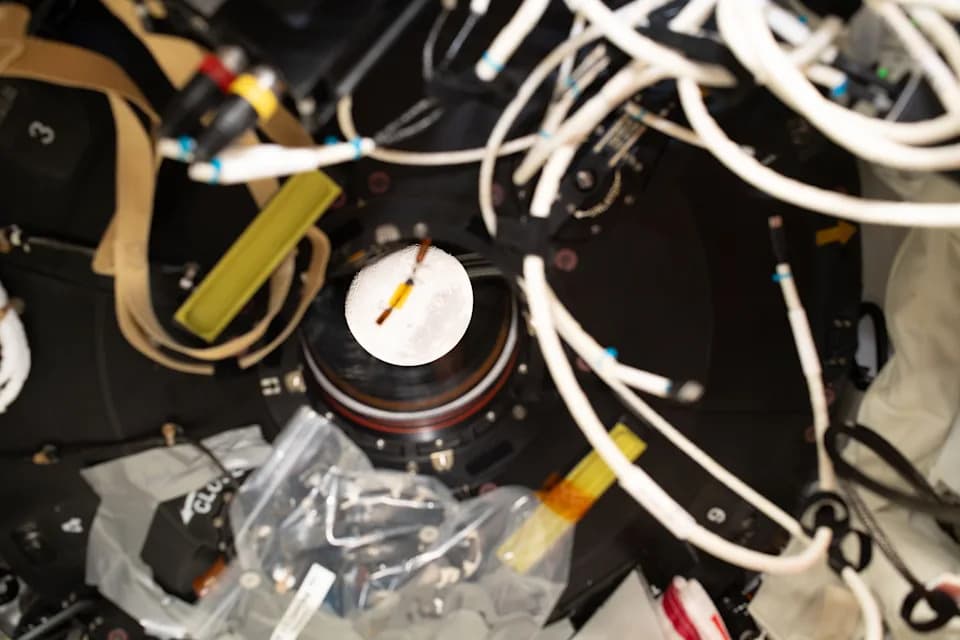
NASA released thousands of new photos taken during the Artemis II mission around the moon. The astronauts selected for the mission thoroughly documented the 10-day voyage, which included an April 6 lunar flyby as they traveled more than a quarter-million miles from Earth.
Naučnici su ispitivanjem starih podataka sa NASA-inog satelita TESS i primenom metoda mašinskog učenja identifikovali 10.091 potencijalni objekat koji bi mogao biti egzoplaneta. Ako se potvrdi, to otkriće bi moglo više nego udvostručiti broj trenutno potvrđenih egzoplaneta i značajno ubrzati potragu za vrstama planeta koje bi mogle podržati život.
Šta su egzoplanete?
Egzoplanete su planete izvan Sunčevog sistema — tj. one koje kruže oko drugih zvezda. Dok većina egzoplaneta orbitira svojim zvezdama, postoje i "lutalice" (rogue planets) koje plutaju slobodno kroz svemir. Prema podacima NASA-inog Exoplanet Science Institute-a, do maja 2026. godine potvrđeno je 6.286 egzoplaneta, dok je gotovo 8.000 kandidata u procesu verifikacije.
Kako su otkrivene nove kandidat planete?
TESS (Transiting Exoplanet Survey Satellite) otkriva egzoplanete beleženjem sitnih opadanja svetlosti zvezda koja nastaju kada planeta prolazi (transituje) ispred svoje zvezde. Iako su ranije analize bile fokusirane na svetlije zvezde, tim istraživača proširio je pretragu i na oko 83 miliona slabijih zvezda iz TESS podataka iz 2018. godine, koristeći algoritme mašinskog učenja. Taj pristup je omogućio izdvajanje 10.091 potencijalnog signala koji liči na tranzit.
Zašto je ovo važno?
- Skok u broju kandidata: Ako većina ovih objekata bude potvrđena, broj poznatih egzoplaneta bi se mogao više nego udvostručiti.
- Nove metode analize: Primena mašinskog učenja pokazuje da ponovna analiza već postojećih podataka može doneti veliki povrat znanja bez novih misija.
- Širi cilj pretrage: Fokus na slabije zvezde povećava šansu da se otkriju manje, tamnije ili udaljenije planete koje su ranije promakle.
Šta sledi — potvrda i dalja ispitivanja
Ovi objekti su za sada kandidati. Potvrda zahteva dodatna posmatranja i analize, uključujući:
- prateća posmatranja tranzita (da se vidi da se signal ponavlja),
- spektralna ispitivanja i merenja radijalne brzine (da se isključe lažni pozitivni signali),
- upotreba budućih instrumenata poput Nancy Grace Roman teleskopa i drugih svemirskih i zemaljskih posmatračkih mreža.
Kontekst i šira potraga za životom
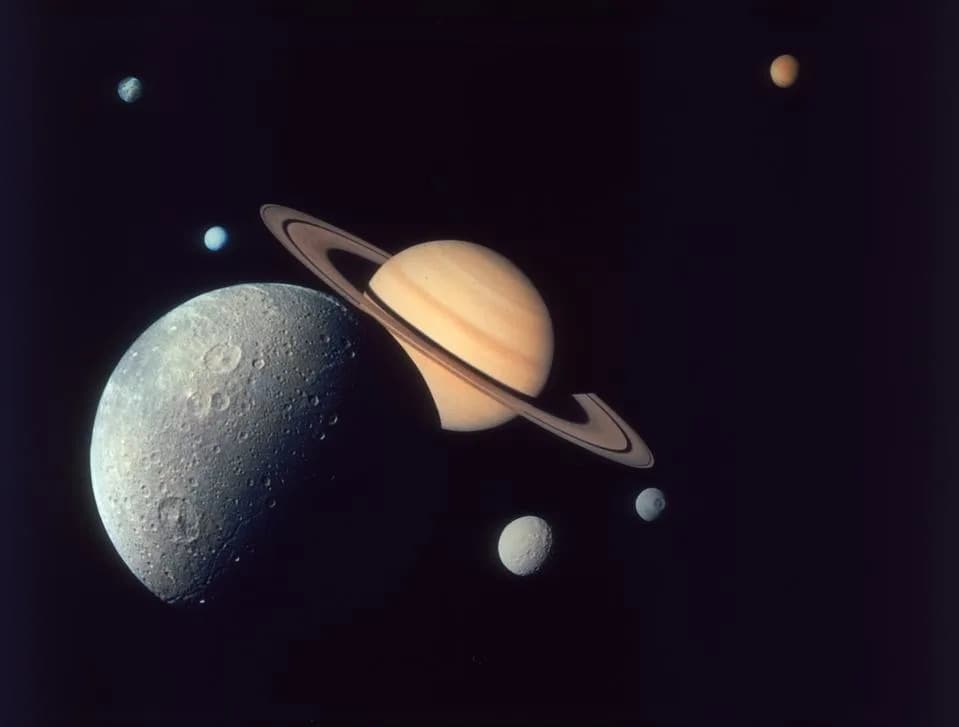
Otkriveni kandidati dolaze u trenutku kada se astronomija intenzivno usmerava na pronalazak planeta sličnih Zemlji i tragova bioloških molekula u atmosferama egzoplaneta. Primera radi, egzoplaneta K2-18b izazvala je 2025. veliku pažnju zbog navoda o mogućim biosignaturama u atmosferi, ali su kasnije analize dovele u pitanje te zaključke. Istovremeno, potraga za životom se nastavlja i unutar našeg Sunčevog sistema — misije usmerene na Jupiterov mesec Europu i Saturnov Enceladus ciljaju otkrivanje vode i uslova koji bi mogli biti podobni za život.
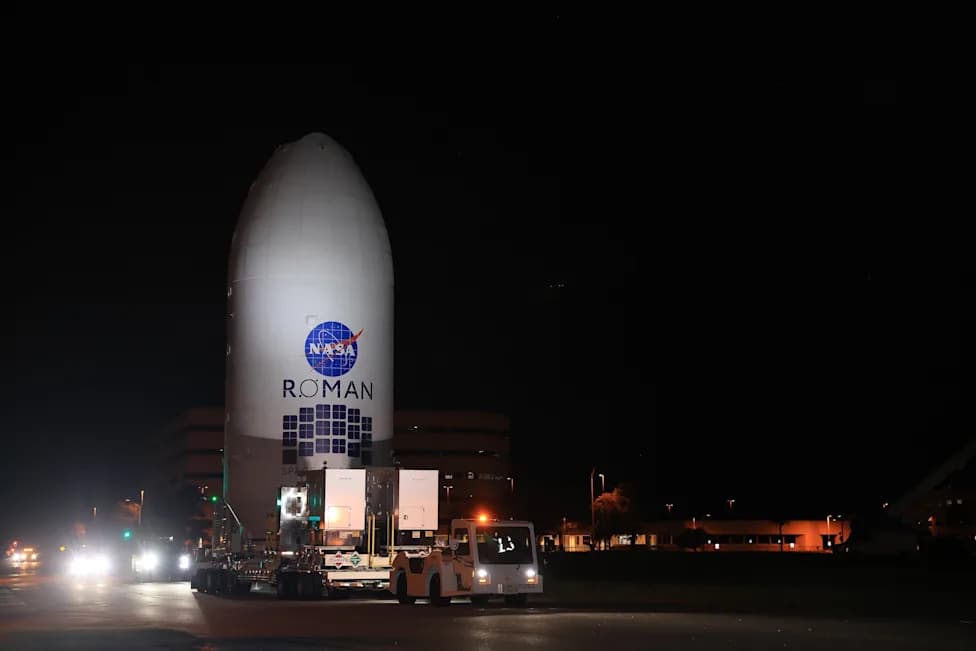
Uloga Nancy Grace Roman teleskopa
NASA planira lansiranje Nancy Grace Roman teleskopa 2026. godine. Roman će, između ostalog, koristiti metodu gravitacionog mikrolensinga da pronađe hiljade novih egzoplaneta koje druge metode teže otkrivaju — posebno udaljene i slabije planete.
Otkriće objavljeno na preprint servisu ArXiv trenutno čeka stručnu recenziju. Dok ne dobijemo verifikovane potvrde, radi se o veoma značajnom, ali preliminarnom rezultatu.
Zaključak: Primena veštačke inteligencije na postojeće TESS podatke otvorila je novi talas mogućih otkrića. Sledeći koraci uključuju potvrdu kandidata i detaljna praćenja koja će pokazati koliko među njima zaista ima novih egzoplaneta vrednih pažnje. Za srpsku i svetsku javnost ovo predstavlja uzbudljiv podsticaj u potrazi za novim svetovima i mogućim tragovima života.
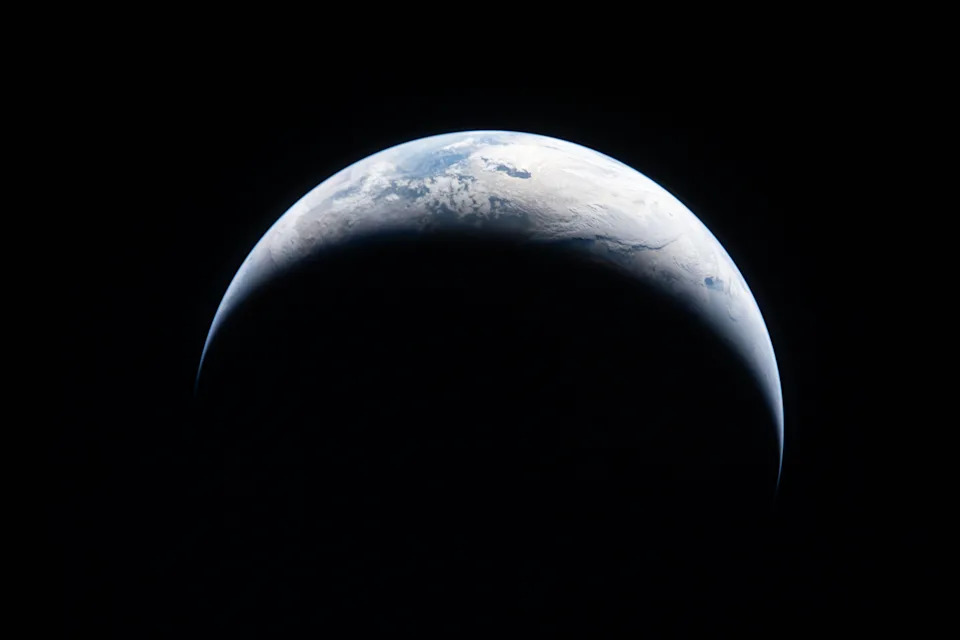
NASA released thousands of new photos taken during the Artemis II mission around the moon. The astronauts selected for the mission thoroughly documented the 10-day voyage, which included an April 6 lunar flyby as they traveled more than a quarter-million miles from Earth.
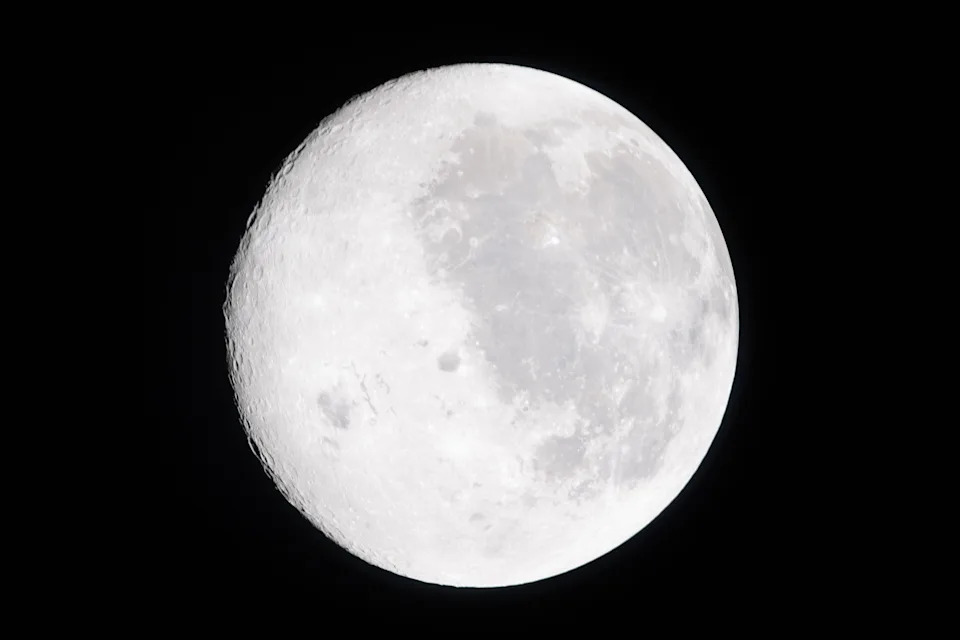
NASA released thousands of new photos taken during the Artemis II mission around the moon. The astronauts selected for the mission thoroughly documented the 10-day voyage, which included an April 6 lunar flyby as they traveled more than a quarter-million miles from Earth.
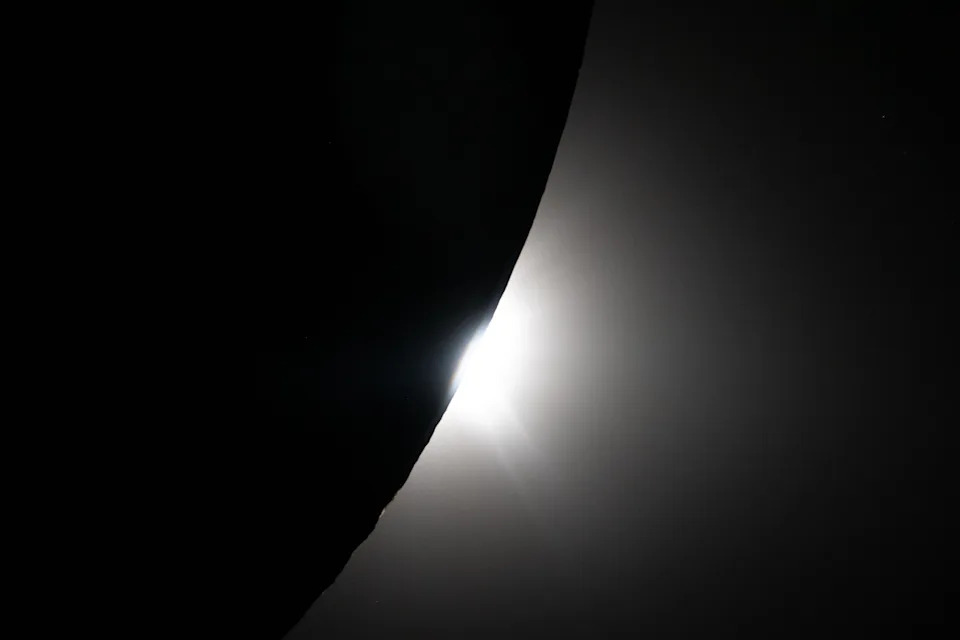
NASA released thousands of new photos taken during the Artemis II mission around the moon. The astronauts selected for the mission thoroughly documented the 10-day voyage, which included an April 6 lunar flyby as they traveled more than a quarter-million miles from Earth.
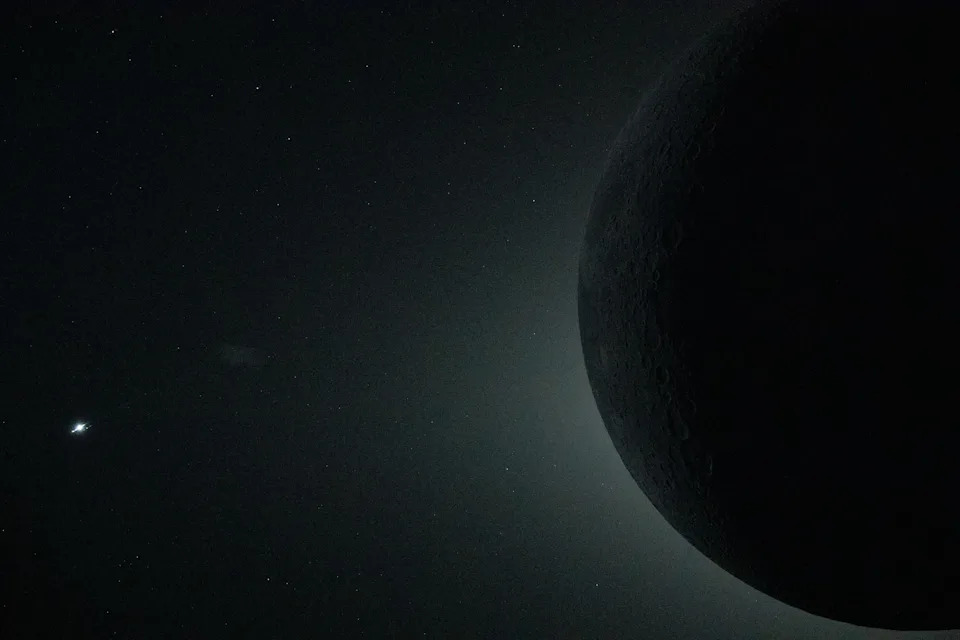
NASA released thousands of new photos taken during the Artemis II mission around the moon. The astronauts selected for the mission thoroughly documented the 10-day voyage, which included an April 6 lunar flyby as they traveled more than a quarter-million miles from Earth.
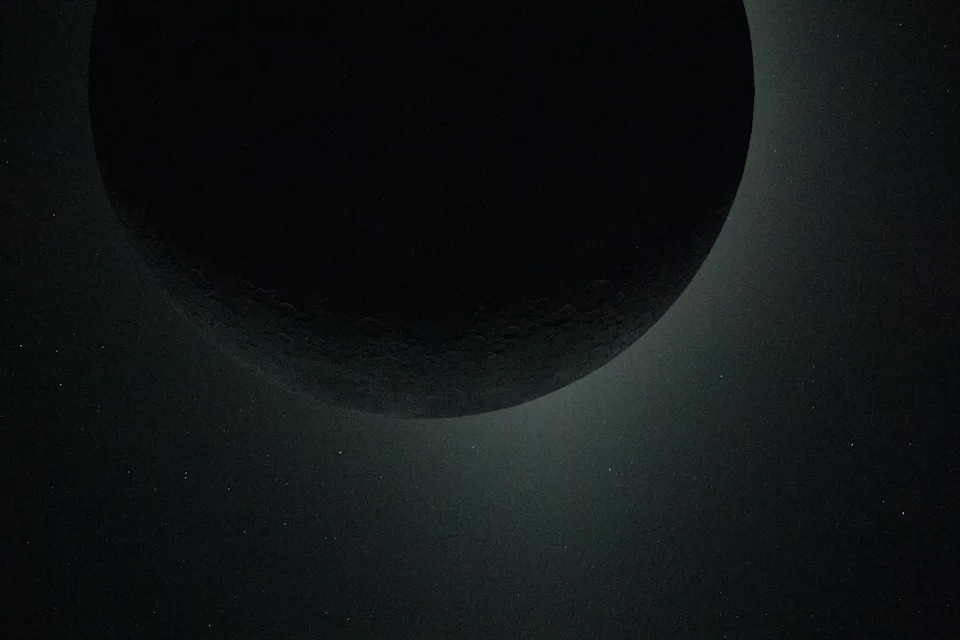
NASA released thousands of new photos taken during the Artemis II mission around the moon. The astronauts selected for the mission thoroughly documented the 10-day voyage, which included an April 6 lunar flyby as they traveled more than a quarter-million miles from Earth.
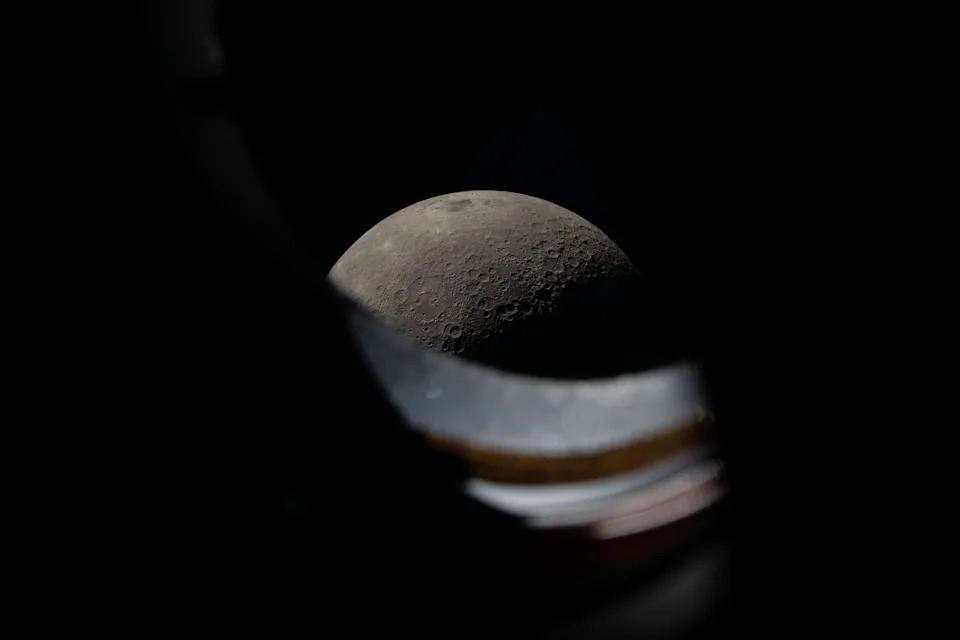
NASA released thousands of new photos taken during the Artemis II mission around the moon. The astronauts selected for the mission thoroughly documented the 10-day voyage, which included an April 6 lunar flyby as they traveled more than a quarter-million miles from Earth.
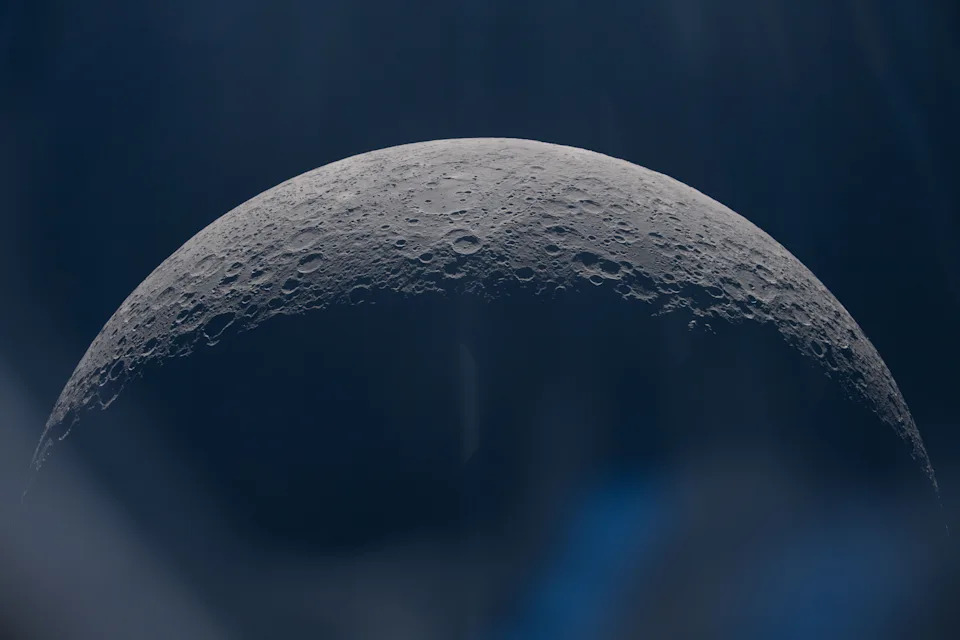
NASA released thousands of new photos taken during the Artemis II mission around the moon. The astronauts selected for the mission thoroughly documented the 10-day voyage, which included an April 6 lunar flyby as they traveled more than a quarter-million miles from Earth.
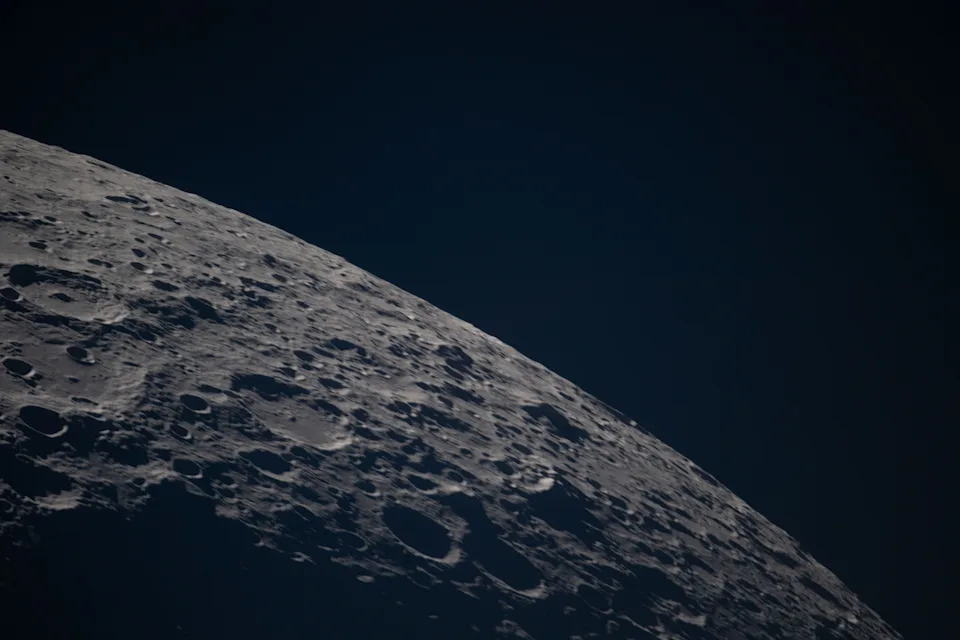
NASA released thousands of new photos taken during the Artemis II mission around the moon. The astronauts selected for the mission thoroughly documented the 10-day voyage, which included an April 6 lunar flyby as they traveled more than a quarter-million miles from Earth.
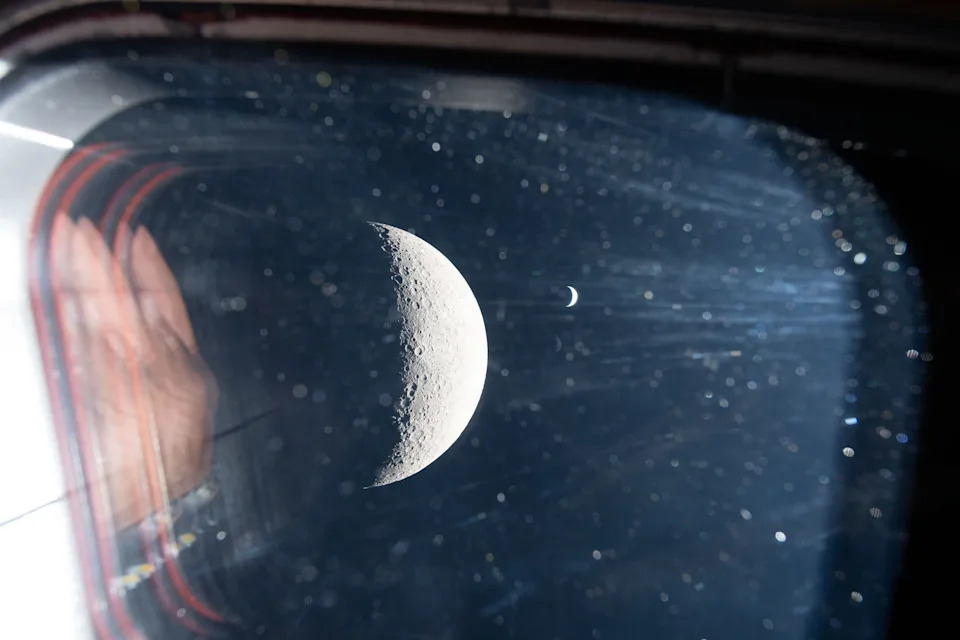
NASA released thousands of new photos taken during the Artemis II mission around the moon. The astronauts selected for the mission thoroughly documented the 10-day voyage, which included an April 6 lunar flyby as they traveled more than a quarter-million miles from Earth.
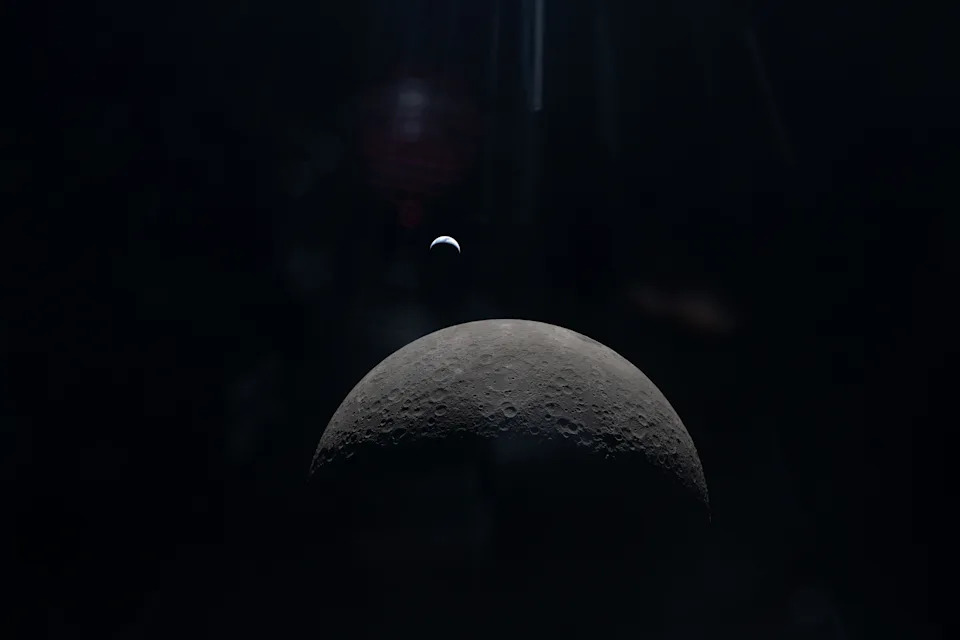
NASA released thousands of new photos taken during the Artemis II mission around the moon. The astronauts selected for the mission thoroughly documented the 10-day voyage, which included an April 6 lunar flyby as they traveled more than a quarter-million miles from Earth.
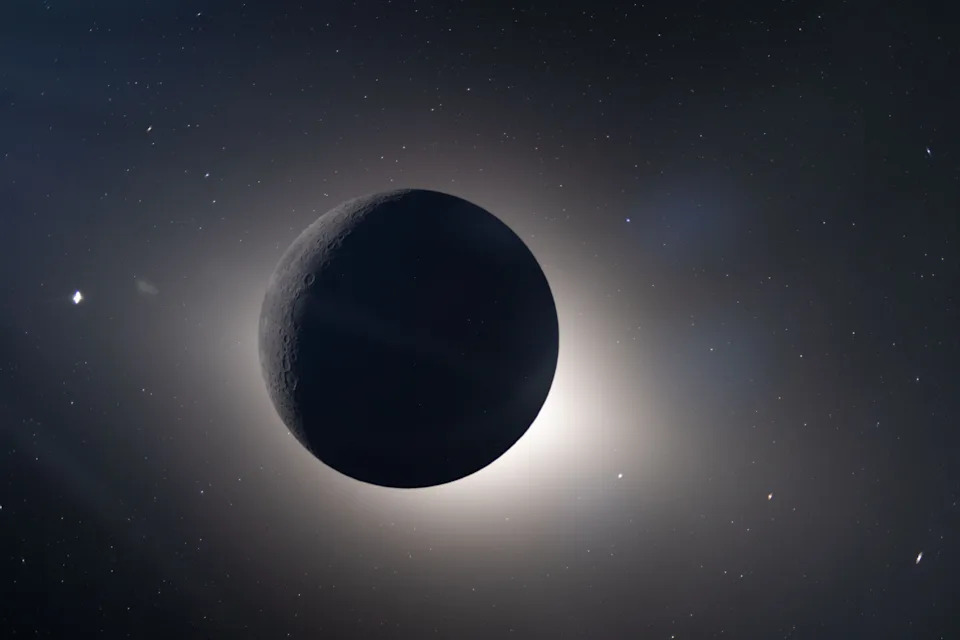
NASA released thousands of new photos taken during the Artemis II mission around the moon. The astronauts selected for the mission thoroughly documented the 10-day voyage, which included an April 6 lunar flyby as they traveled more than a quarter-million miles from Earth.
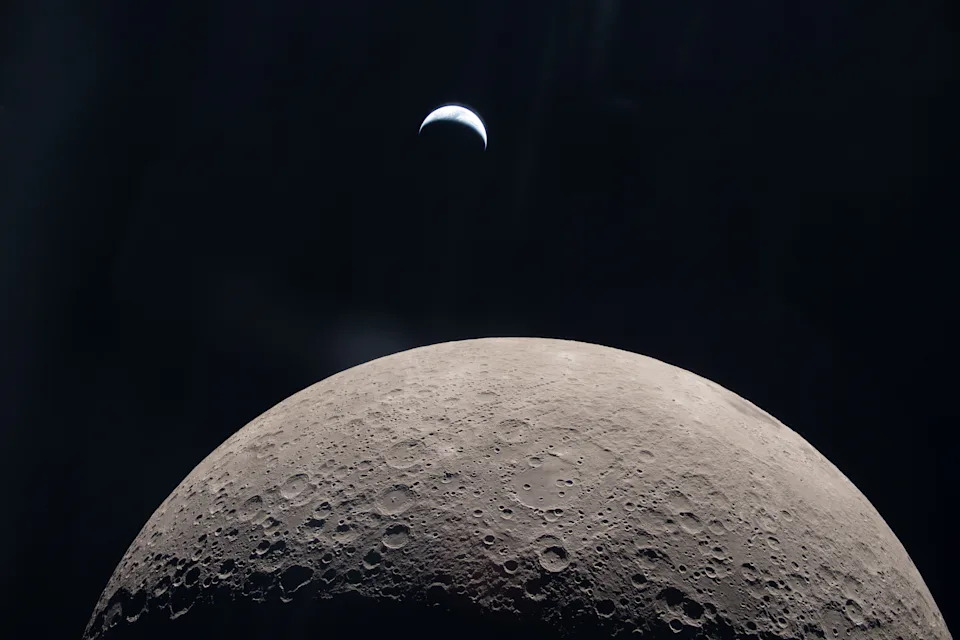
NASA released thousands of new photos taken during the Artemis II mission around the moon. The astronauts selected for the mission thoroughly documented the 10-day voyage, which included an April 6 lunar flyby as they traveled more than a quarter-million miles from Earth.
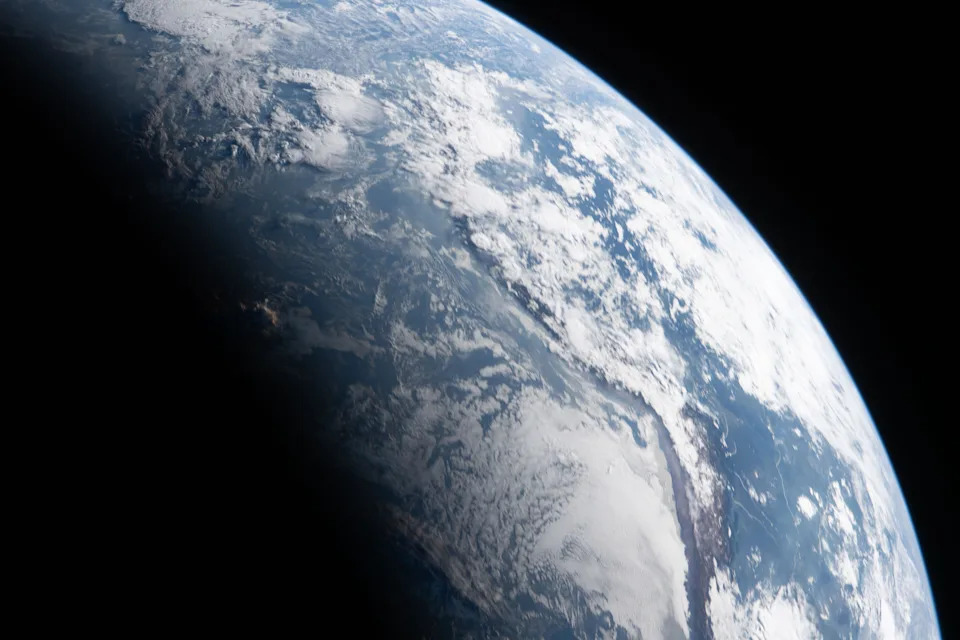
NASA released thousands of new photos taken during the Artemis II mission around the moon. The astronauts selected for the mission thoroughly documented the 10-day voyage, which included an April 6 lunar flyby as they traveled more than a quarter-million miles from Earth.
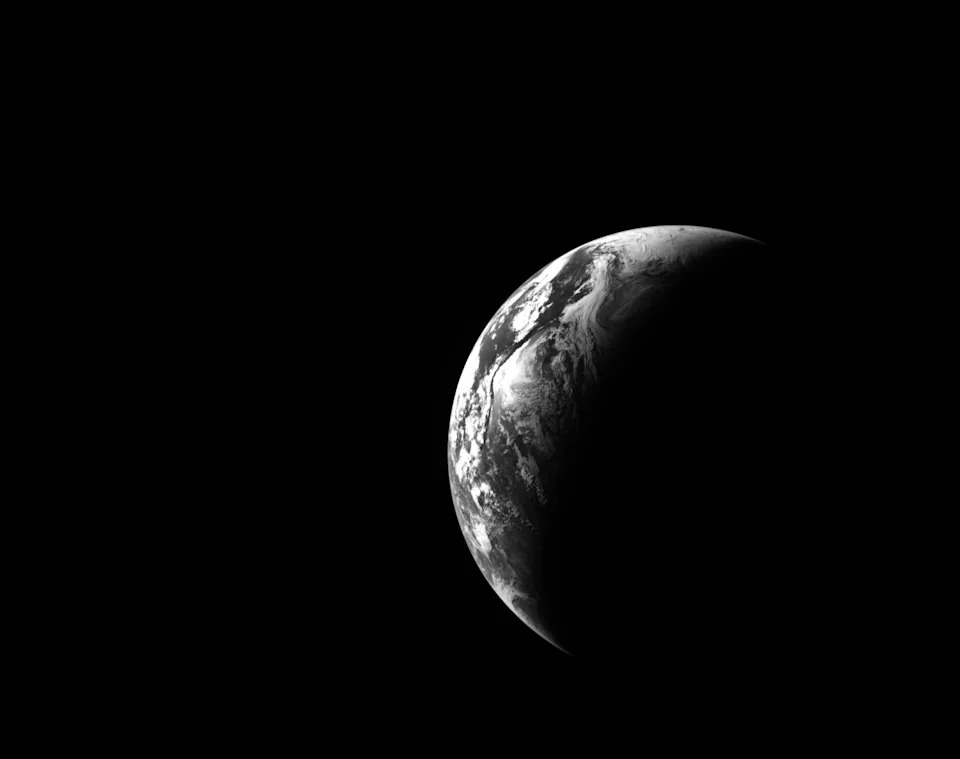
NASA released thousands of new photos taken during the Artemis II mission around the moon. The astronauts selected for the mission thoroughly documented the 10-day voyage, which included an April 6 lunar flyby as they traveled more than a quarter-million miles from Earth.
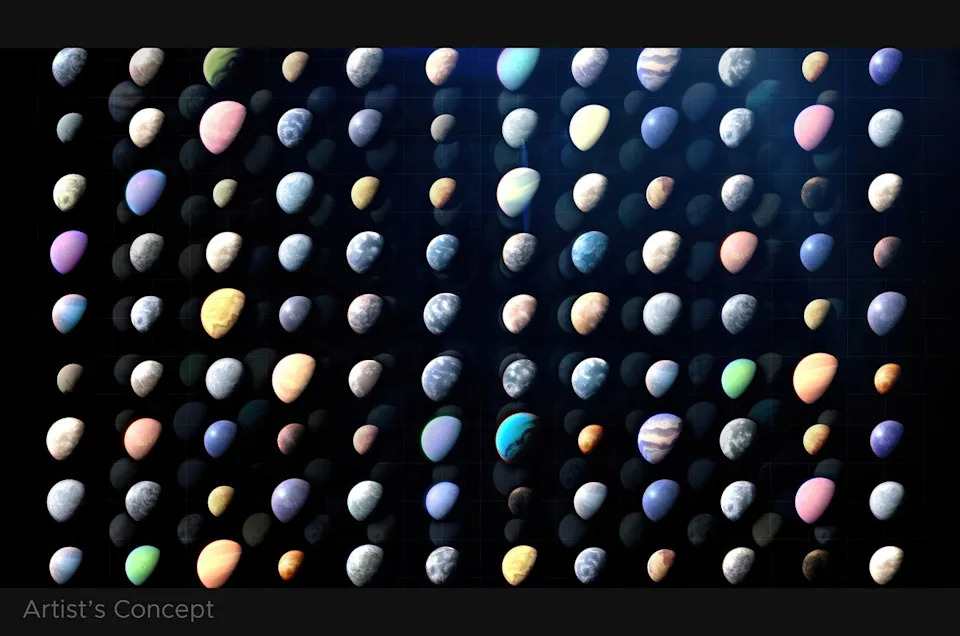
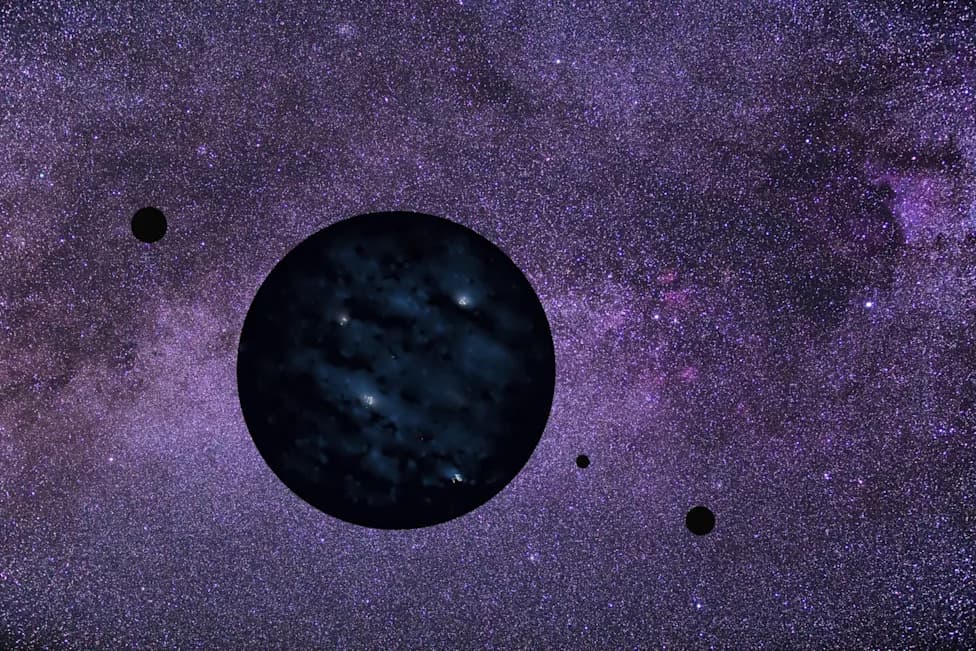
Scientists have found thousands of exoplanets (planets outside our solar system) throughout the galaxy. Most can be studied only indirectly, but scientists know they vary widely, as depicted in this artist’s concept, from small, rocky worlds and gas giants to water-rich planets and those as hot as stars.
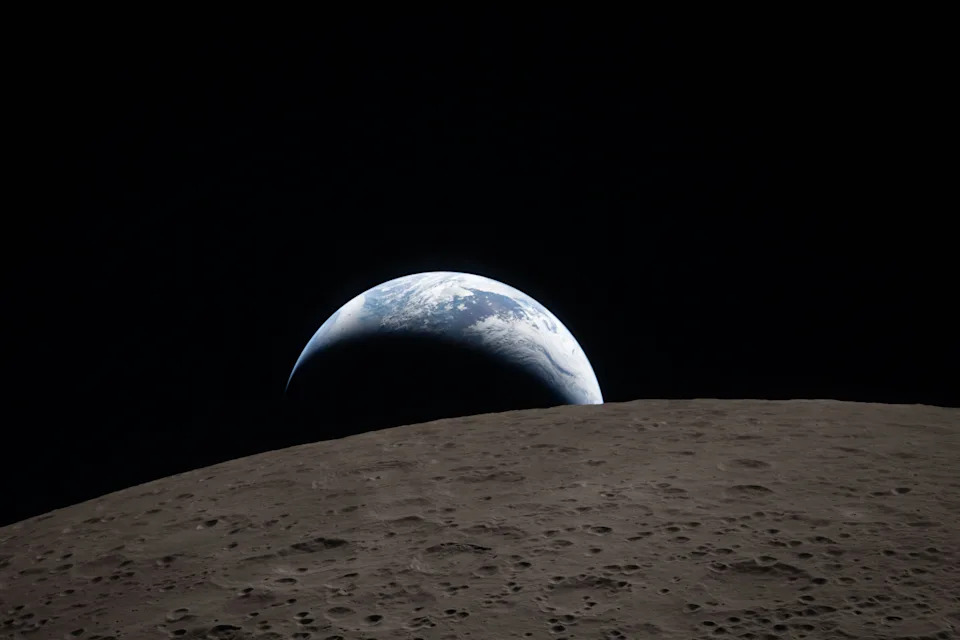
The crew of Artemis II captured a breathtaking image of a celestial event known as an "Earthset," in which the Earth dropped below the lunar horizon. The image is reminiscent of the iconic "Earthrise" photo that NASA astronaut Bill Anders captured in 1968 during the Apollo 8 mission that showed our planet rising on the lunar horizon.
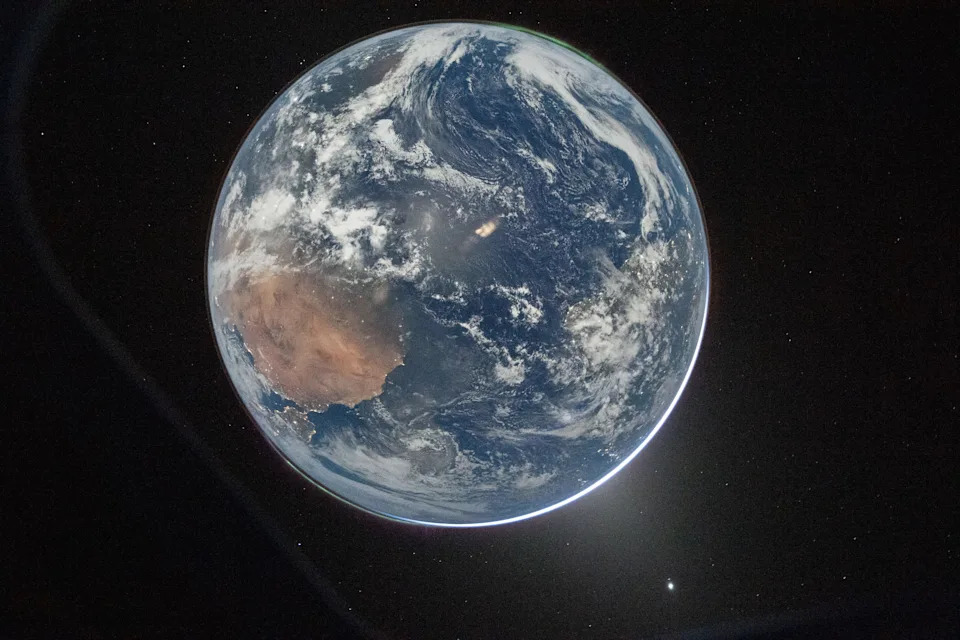
Artemis II Commander Reid Wiseman of NASA took this stunning photograph of Earth from the Orion spacecraft's window on April 2. The image is reminiscent of the iconic "blue marble" image captured during the Apollo 17 mission in 1972.
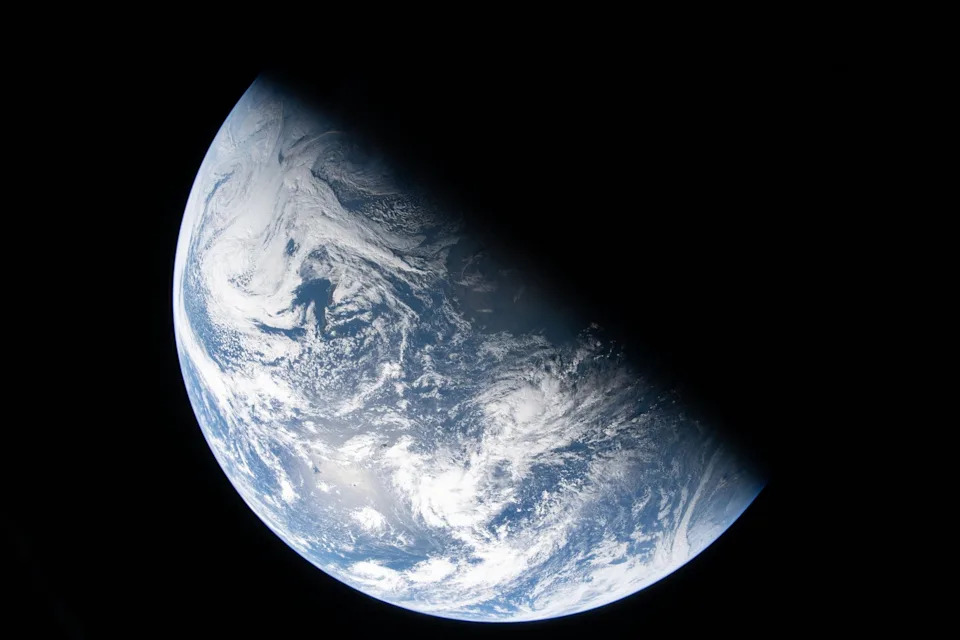
In this new image from the Artemis II crew, NASA explains that what is depicted is the "divide between night and day, known as the terminator, cutting across Earth."
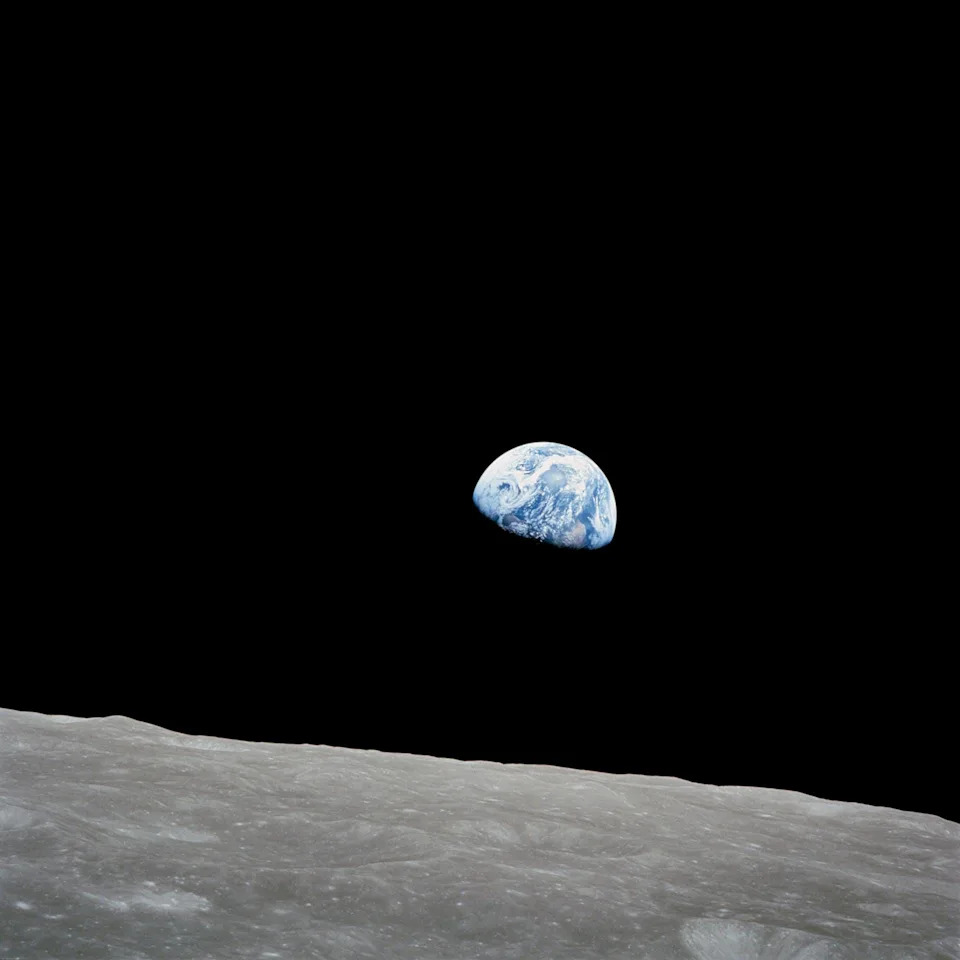
William Anders, a NASA astronaut on the historic Apollo 8 mission around the moon, took the iconic “Earthrise” photo while in lunar orbit on Dec. 24, 1968.
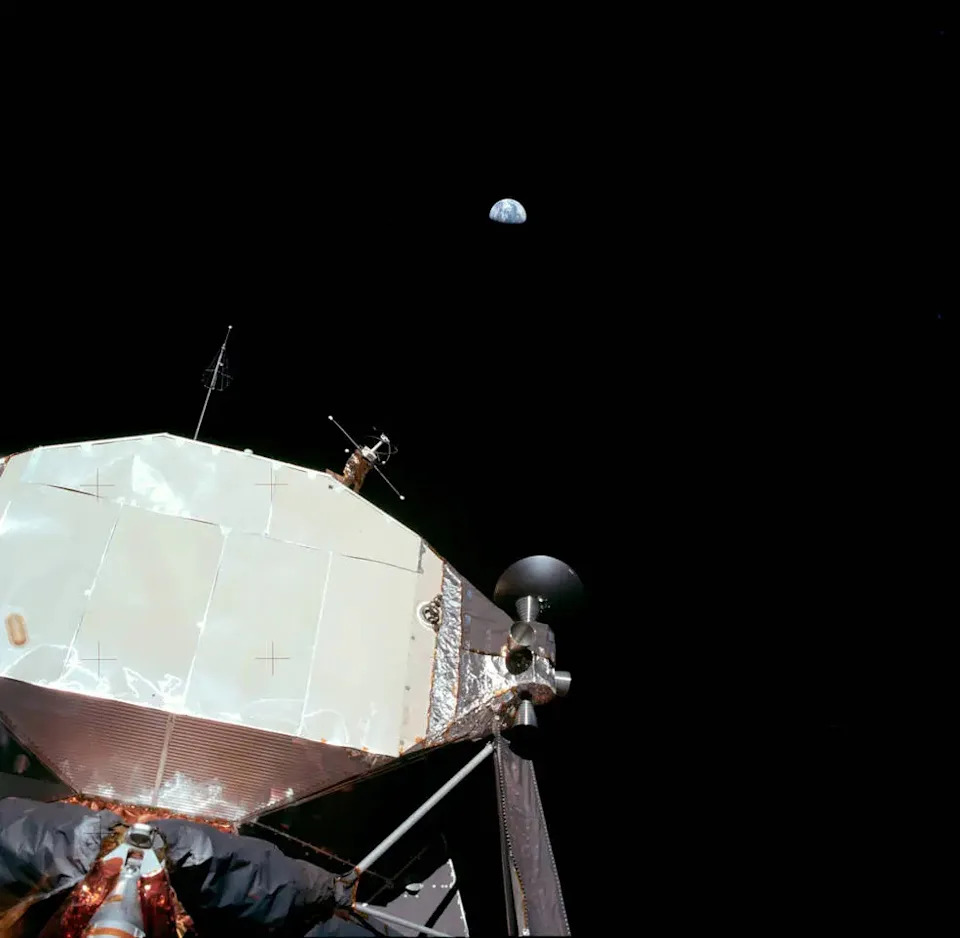
The first photograph of the Earth taken by an astronaut standing on the lunar surface, taken during the Apollo 11 Moon landing in 1969.
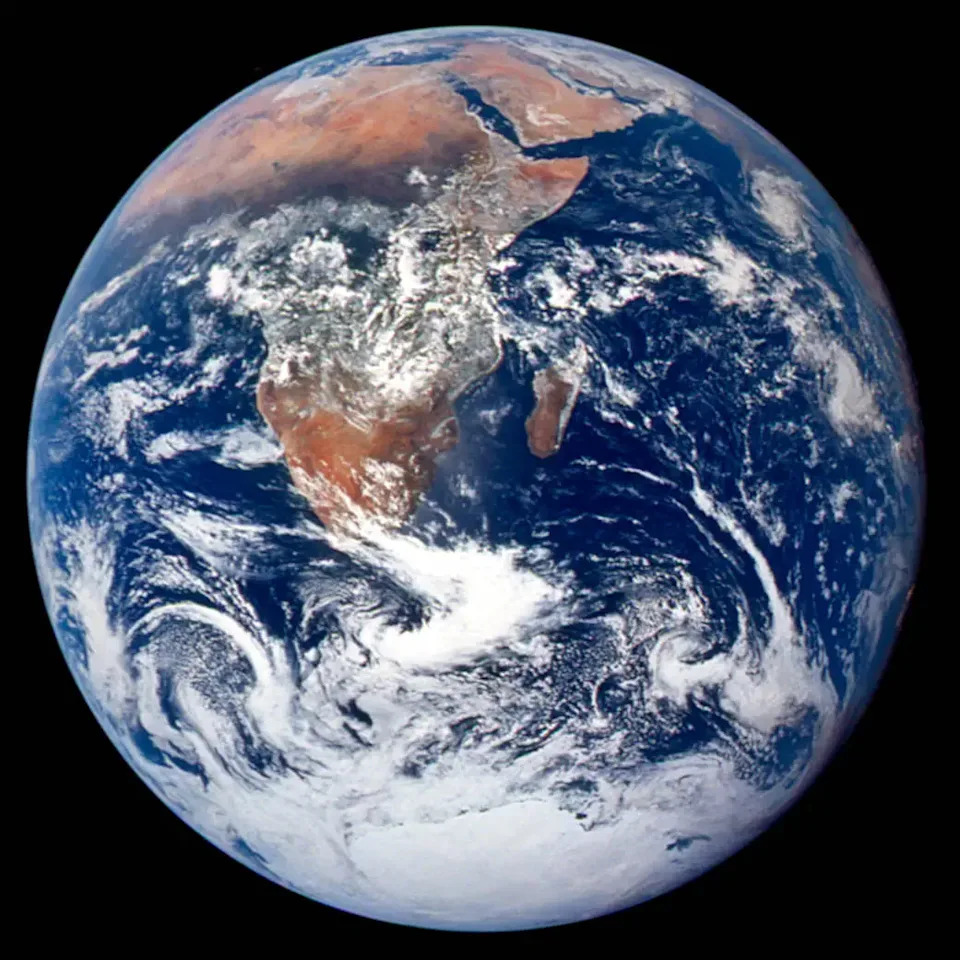
One of the most well-known photographs of Earth, the "blue marble" image was taken by the crew of the final Apollo mission (Apollo 17) as the crew made its way to the moon in 1972.
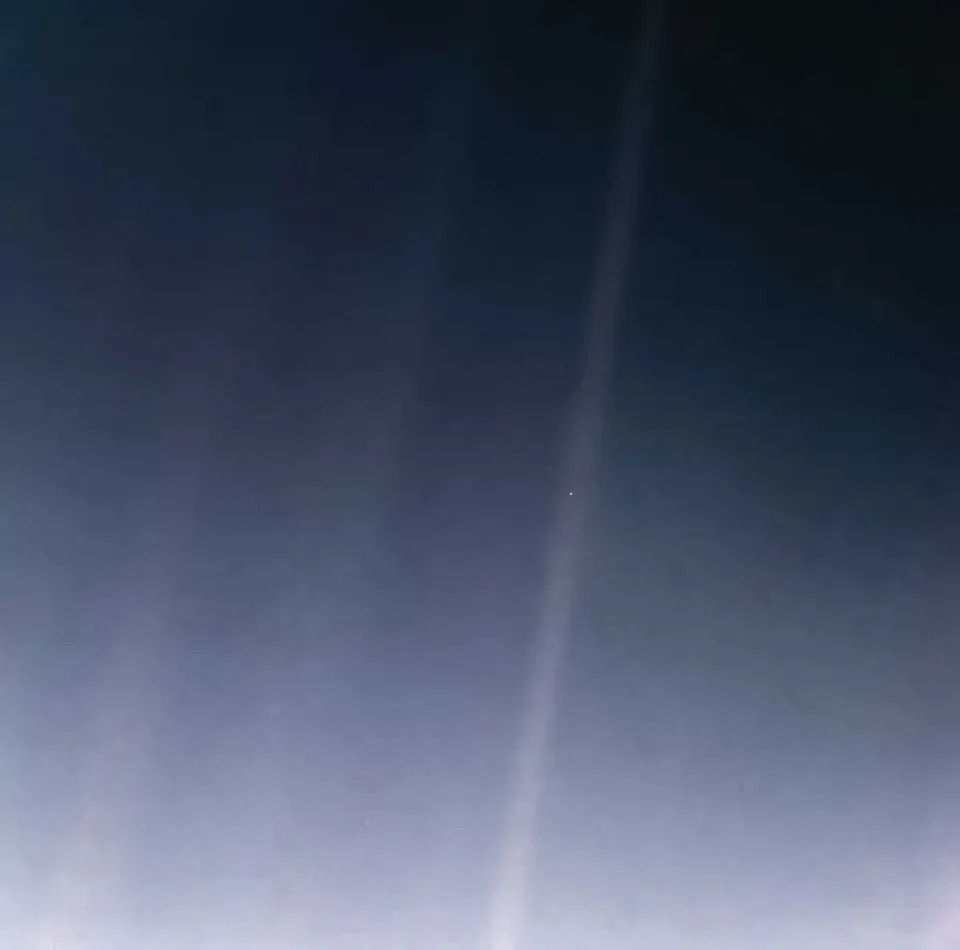
Voyager 1's 1990 photo of Earth, widely referred to as the "pale blue dot," was taken at a distance of 3.7 billion miles from the sun, making it the first photo taken beyond all the planets in our solar system. This image was created in 2020 or the 30th anniversary of the iconic picture using modern image-processing software and techniques to revisit the well-known Voyager view.
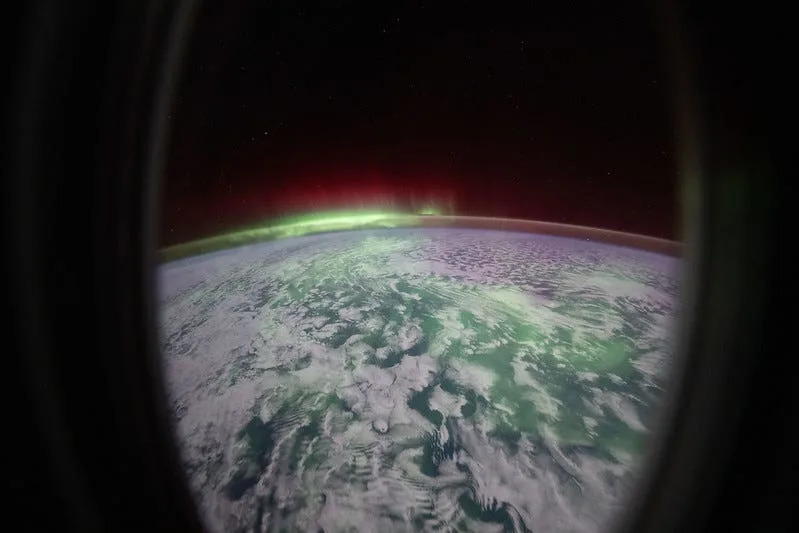
Because the International Space Station orbits so close to Earth's atmosphere (about 250 miles high,) the outpost and the astronauts who have lived aboard it have been the source of plenty of spectacular photos of our planet for 25 years. This recent photo, taken April 6, 2026, shows auroras glowing over the Indian Ocean.
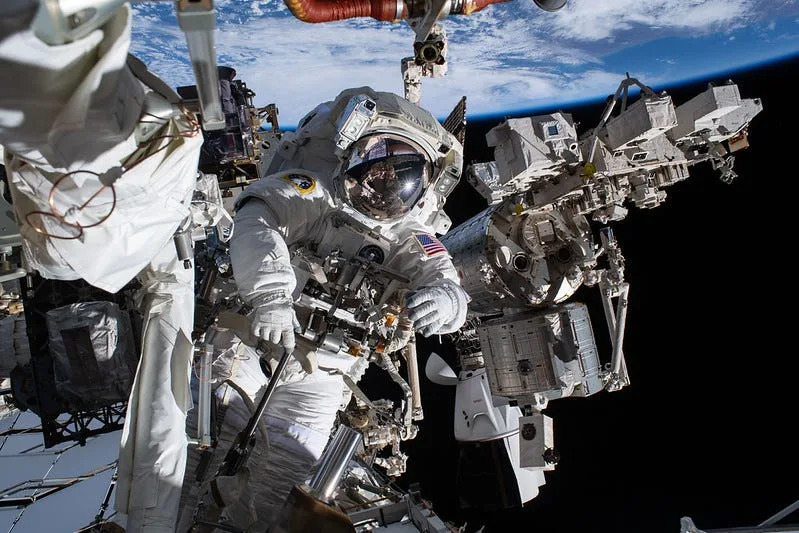
NASA astronaut Chris Williams is pictured outside the International Space Station during a March 18, 2026 spacewalk with Earth in the background.
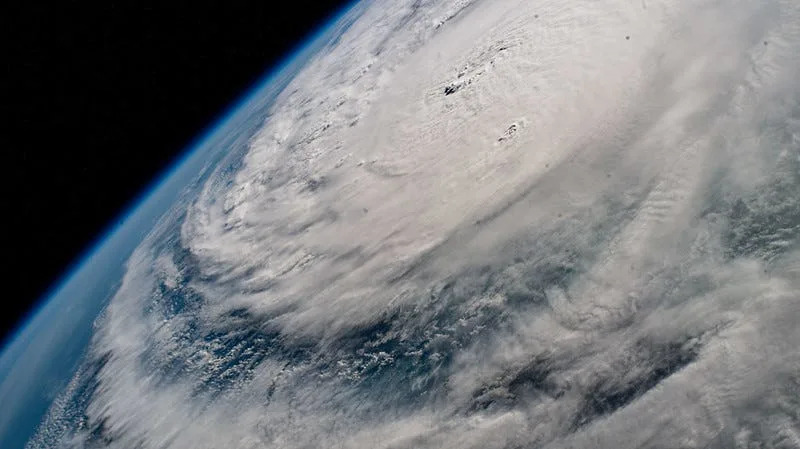
The devastating Hurricane Milton, a Category 4 storm at the time of this photograph, is pictured Oct. 8, 2024 in the Gulf of Mexico (renamed the Gulf of America) off the coast of Yucatan Peninsula from the International Space Station as it orbited 257 miles above.
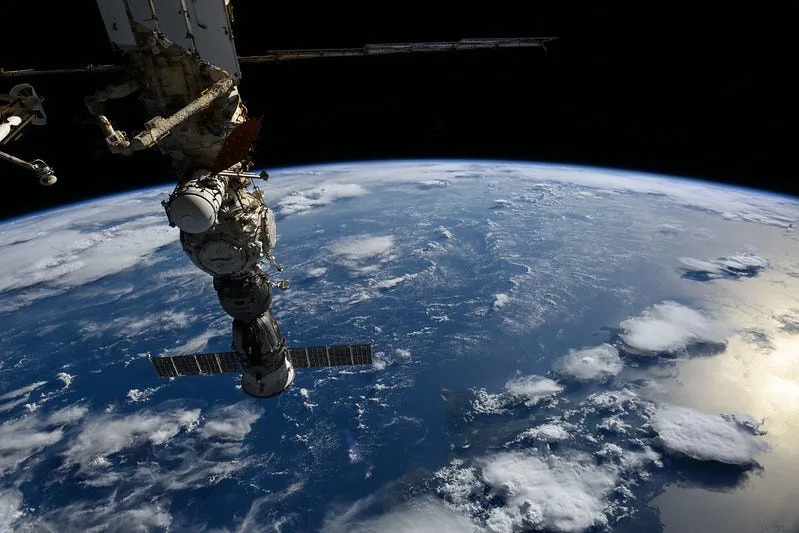
The Soyuz MS-27 crew spacecraft is pictured Sept. 14, 2025 docked to the International Space Station's Prichal module as the orbital outpost soared 257 miles above a gleaming blue Atlantic Ocean, north of the Dominican Republic.
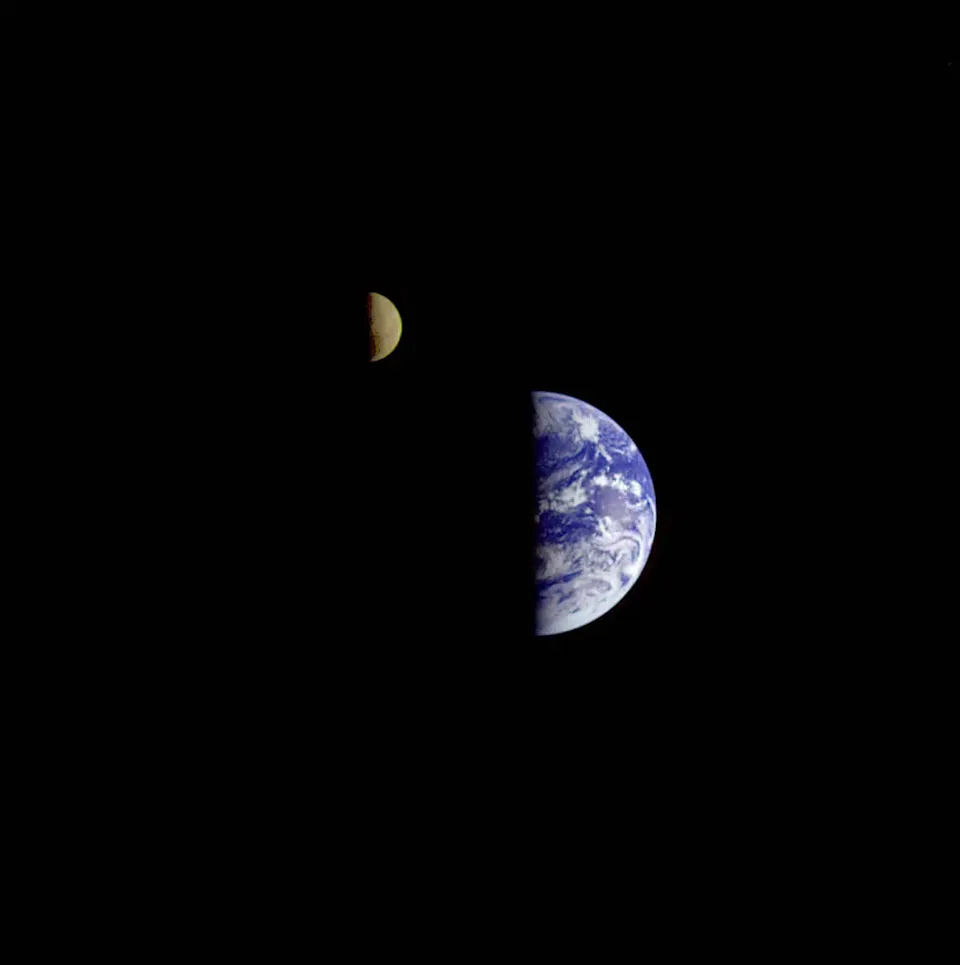
On December 16, 1992, eight days after its encounter with Earth, the Galileo spacecraft looked back from a distance of about 3.9 million miles to capture this remarkable view of the moon in orbit about Earth.
Pomozite nam da budemo bolji.