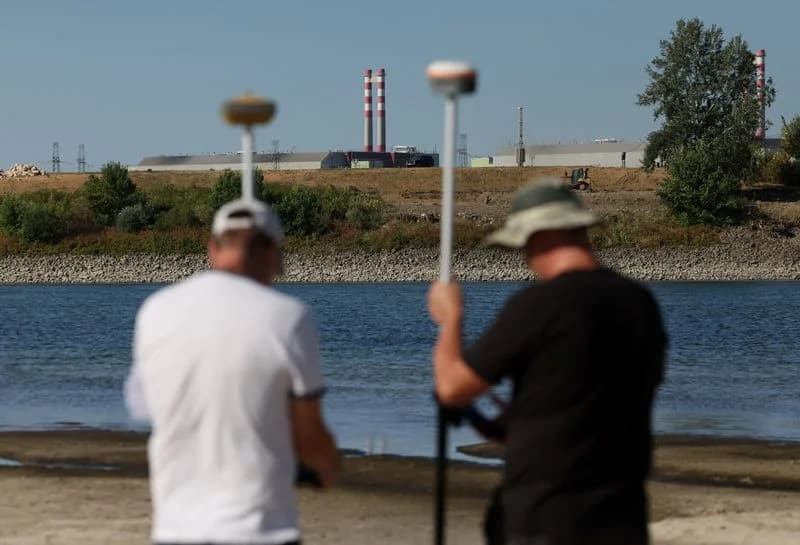
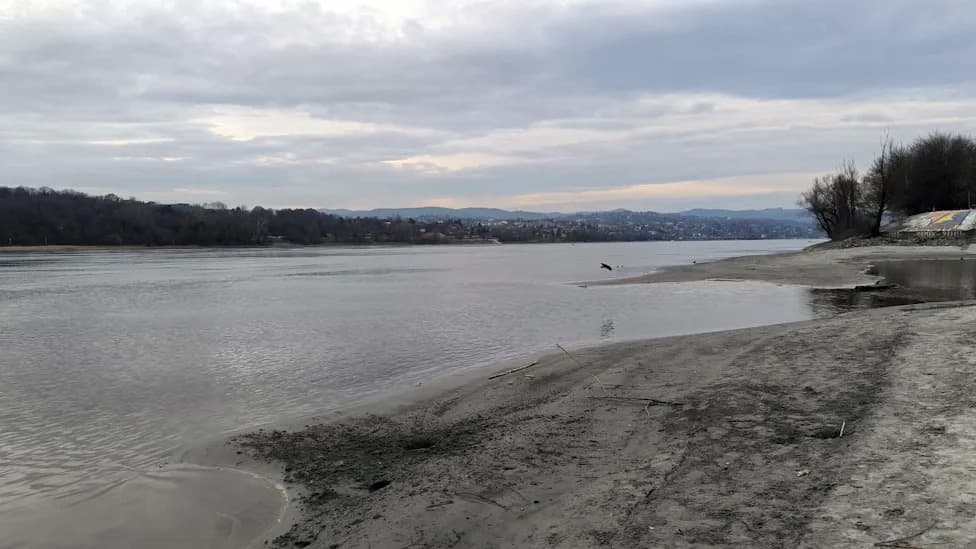
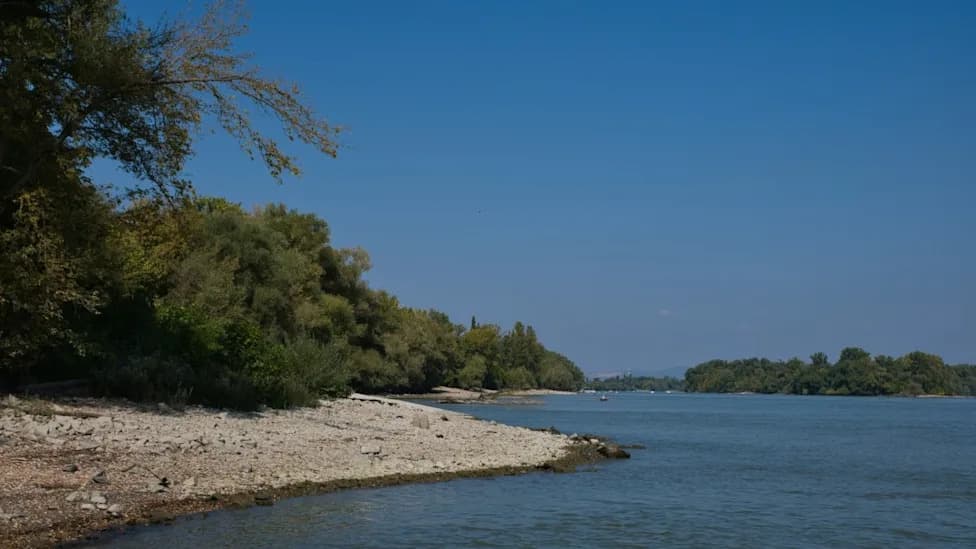
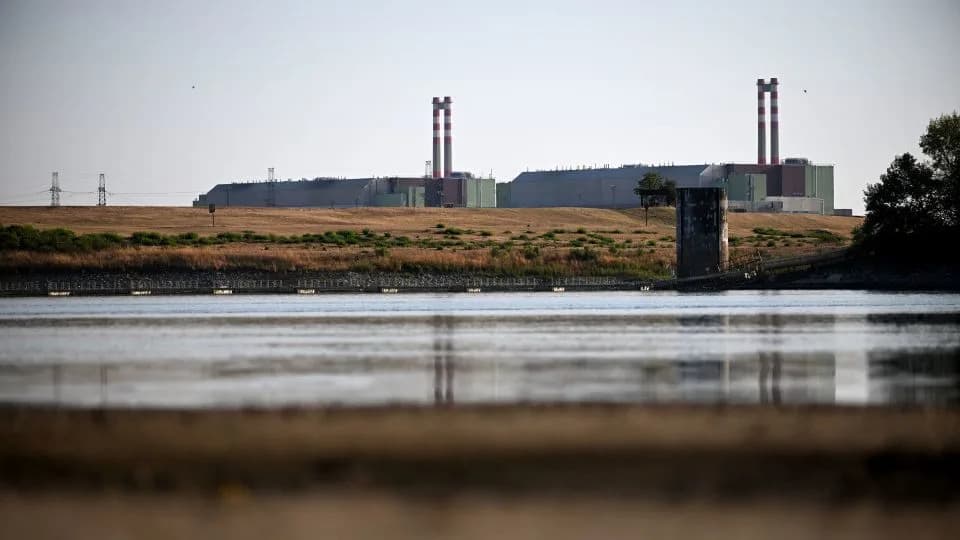
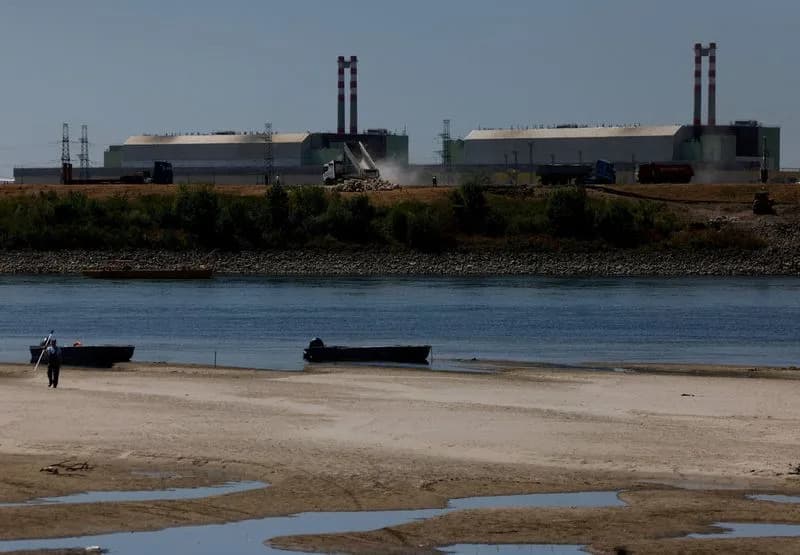
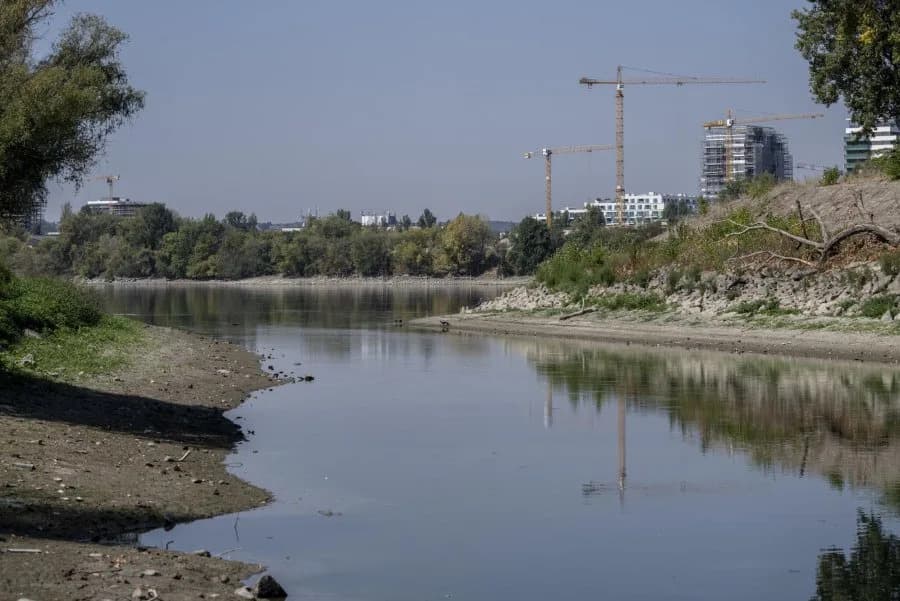
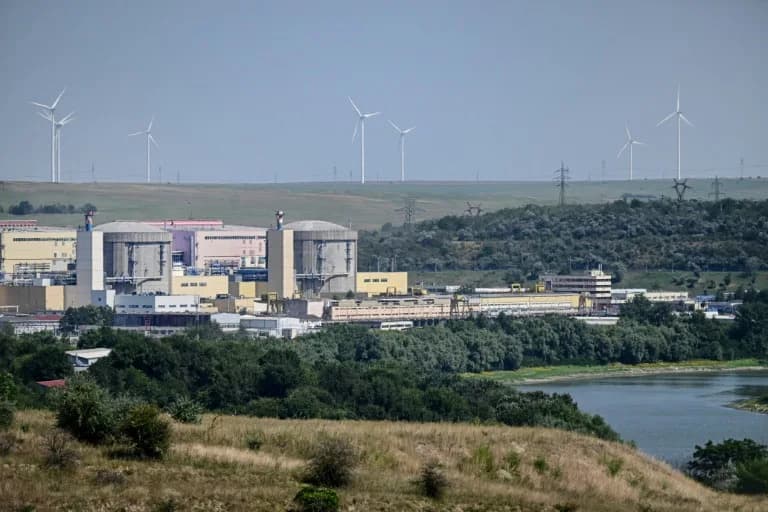
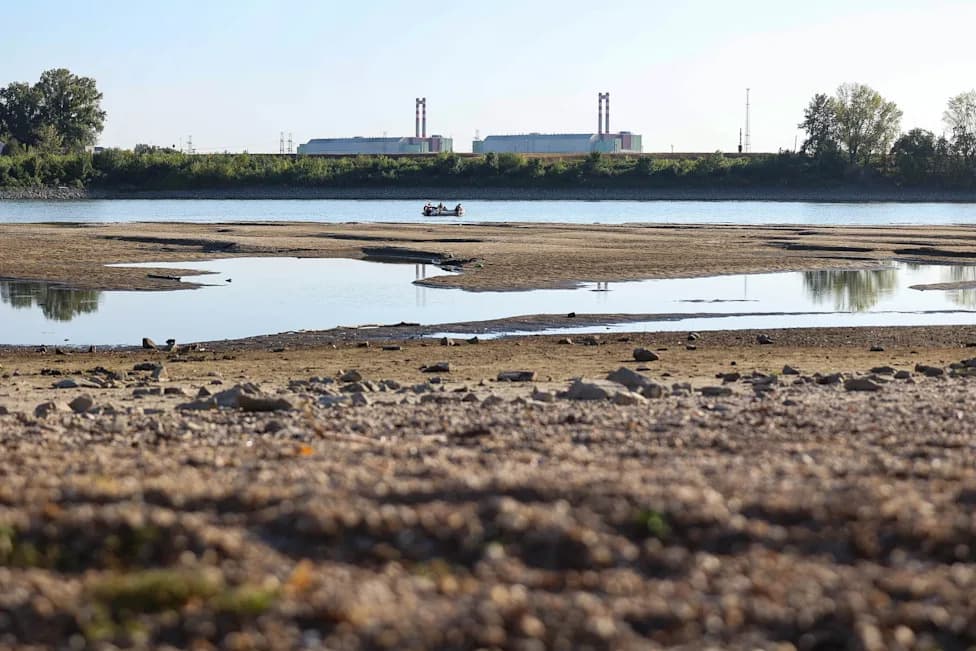
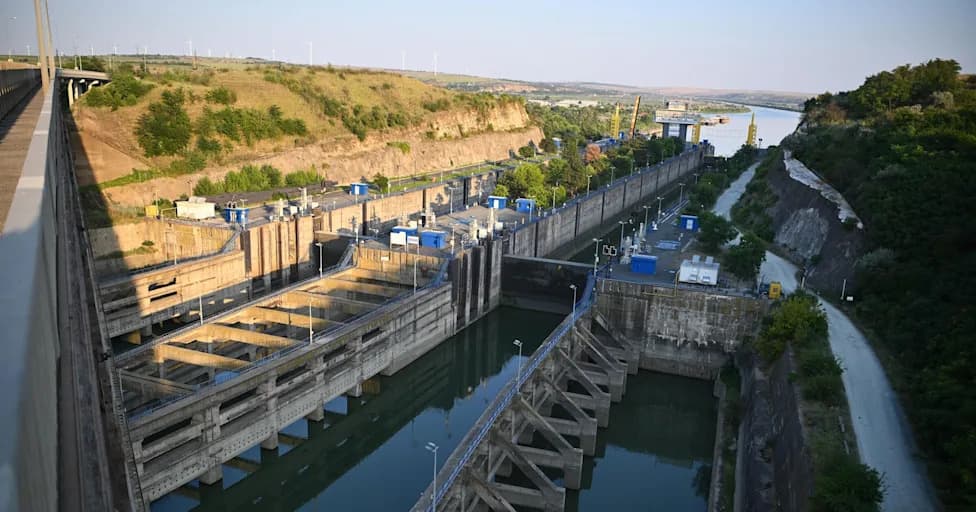
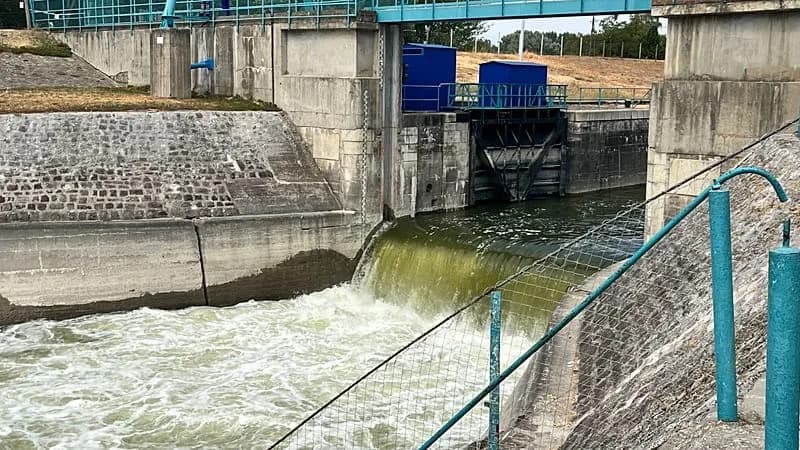
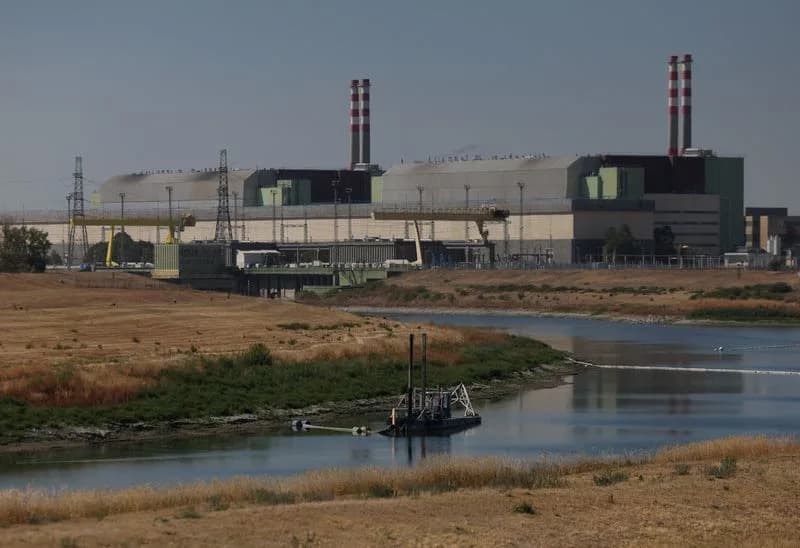
Kozloduj će privremeno smanjiti kapacitet za oko 12% jer rekordno niski vodostaji Dunava ugrožavaju bezbedan rad. Jedinica 5 biće reducirana za približno 120 MW; elektrana pokriva oko 35% bugarskih potreba za strujom. Ovo je prvi put u 52 godine da je proizvođački kapacitet smanjen zbog hidroloških uslova, a nizak vodostaj već utiče i na Mađarsku, Srbiju i Rumuniju.
Kozloduj Smanjuje Kapacitet Za Oko 12% Zbog Rekordno Niskog Vodostaja Dunava
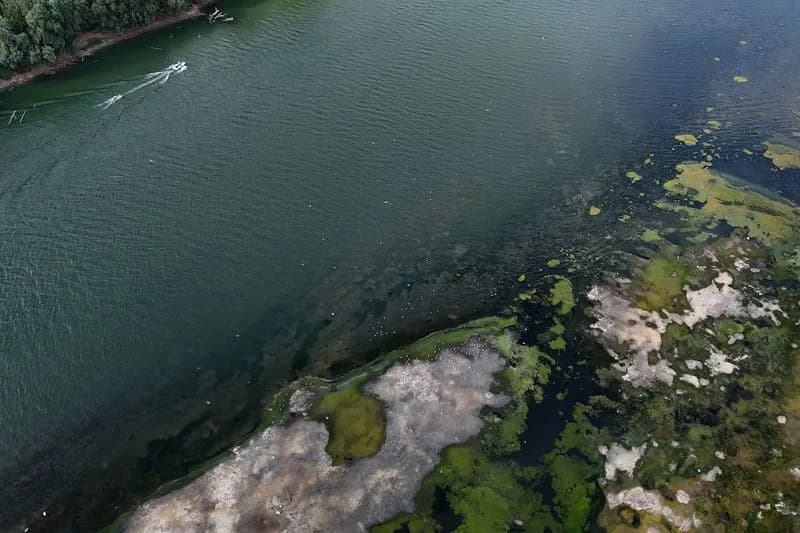
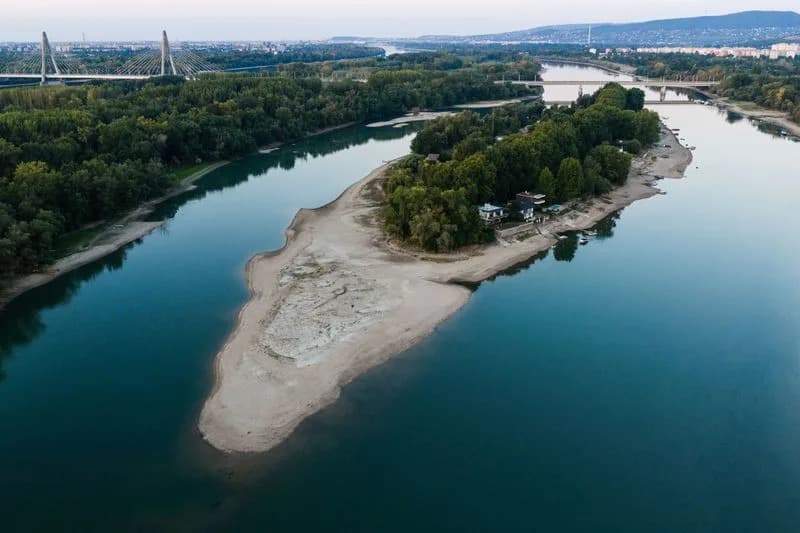
A drone view of a boat sailing near the exposed riverbed of the Danube River at record-low water levels, in Sandrovo, Bulgaria, August 13, 2026. REUTERS/Stoyan Nenov
Sofija, 20. avgust — Jedina bugarska nuklearna elektrana Kozloduj najavila je da će u petak smanjiti proizvođni kapacitet za približno 12% zbog rekordno niskog vodostaja Dunava.
Elektrana, koja pokriva oko 35% potreba Bugarske za električnom energijom, radi sa dve sovjetske jedinice snage po 1.000 MW (jedinice 5 i 6). Iz uprave su saopštili da će snaga na jedinici 5 biti smanjena za oko 120 MW kako bi se obezbedio bezbedan i pouzdan rad postrojenja dok vodostaj reke ostane ispod kritičnih nivoa.
Prema kompaniji, odluka je doneta zbog "neprekidnog, bez presedana i kritičnog pada vodostaja Dunava". To je prvi put u 52 godine rada Kozloduja da je proizvodni kapacitet morao biti redukovan zbog ekstremnih hidroloških uslova, navode iz elektrane.
Rekordno niski vodostaji velikih evropskih reka već su uticali na snabdevanje energijom u regionu: nuklearna proizvodnja u Mađarskoj i hidroenergija u Srbiji znatno su smanjene, dok je rumunska kompanija Nuclearelectrica privremeno zaustavila svoju nuklearnu elektranu zbog istog problema.
U Kozloduju je u julu formiran poseban tim koji je uveo neophodne procedure i mere za rad u uslovima produženog pada nivoa reke, dodaju iz kompanije. Cilj mera je očuvanje bezbednosti pogona i stabilnosti snabdevanja potrošača u Bugarskoj i regionu.
Konsekvence: Smanjena proizvodnja može opteretiti regionalno tržište električne energije i povećati zavisnost od uvoza ili drugih izvora proizvodnje dok se hidrometeorološka situacija ne popravi.
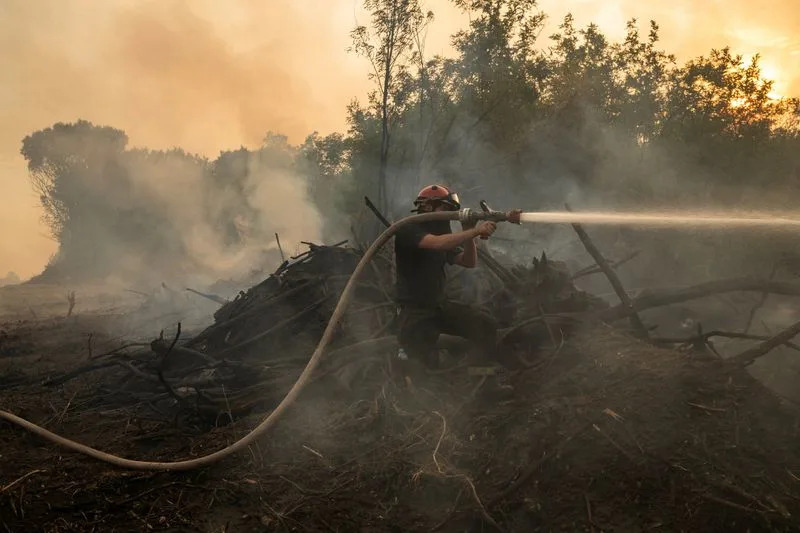
A firefighter battles a wildfire in Deliblatska Pescara, Serbia, August 18, 2026. REUTERS/Marko Djurica TPX IMAGES OF THE DAY
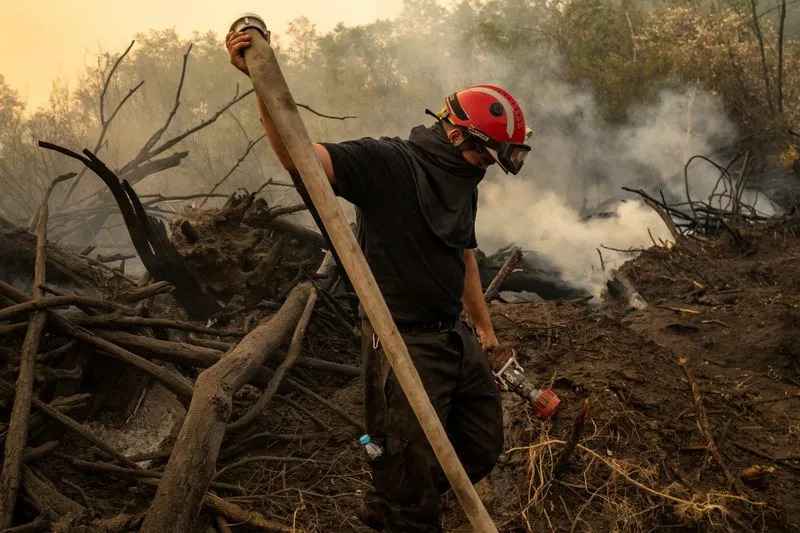
A firefighter battles a wildfire in Deliblatska Pescara, Serbia, August 18, 2026. REUTERS/Marko Djurica TPX IMAGES OF THE DAY
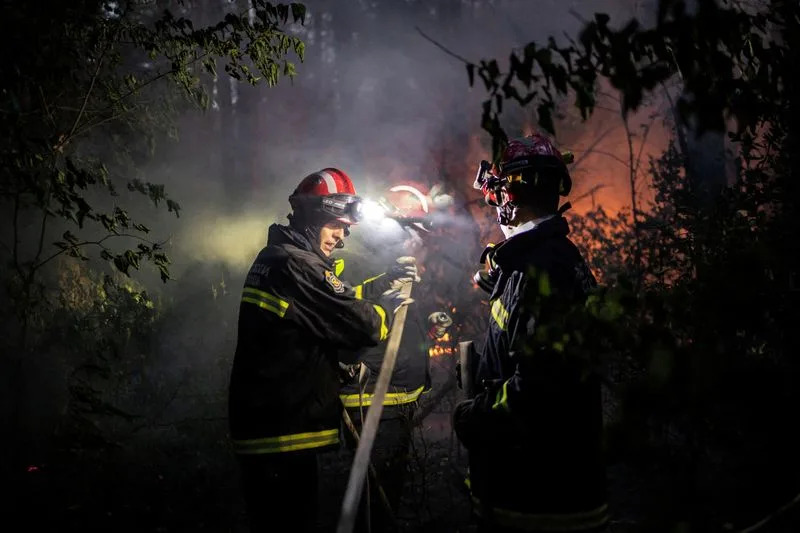
Firefighters battle a wildfire in Deliblatska Pescara, Serbia, August 18, 2026. REUTERS/Marko Djurica TPX IMAGES OF THE DAY
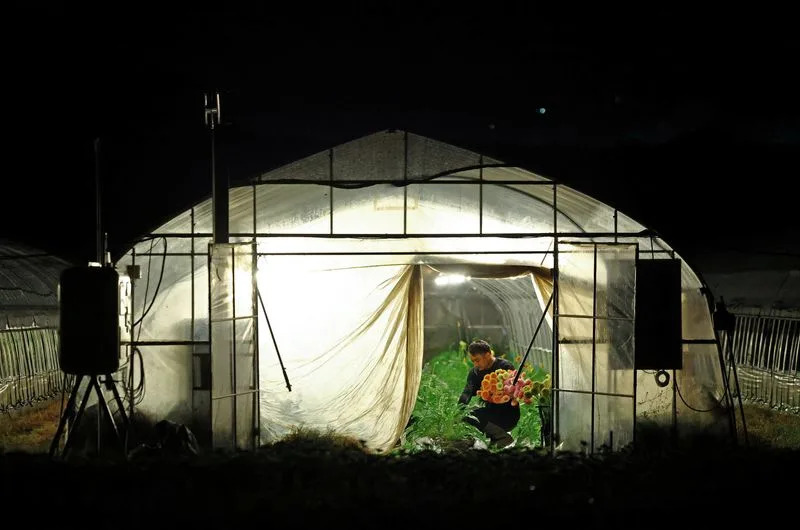
Motoaki Iijima, 36, owner of the Nikko Engei flower farm, harvests gerbera flowers inside an illuminated greenhouse at night in Nikko, Tochigi Prefecture, Japan, August 8, 2026. REUTERS/Issei Kato
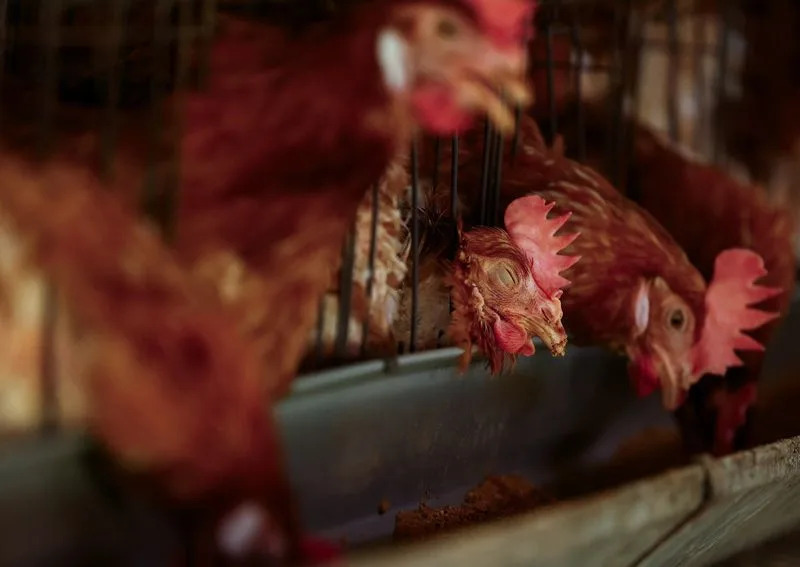
Boris Brown chickens inside cages at the Usuba poultry farm in Mashiko, Tochigi Prefecture, Japan, August 9, 2026. Usuba wakes hens to eat at 2:30 a.m. during the summer before daytime temperatures suppress their appetite. REUTERS/Issei Kato
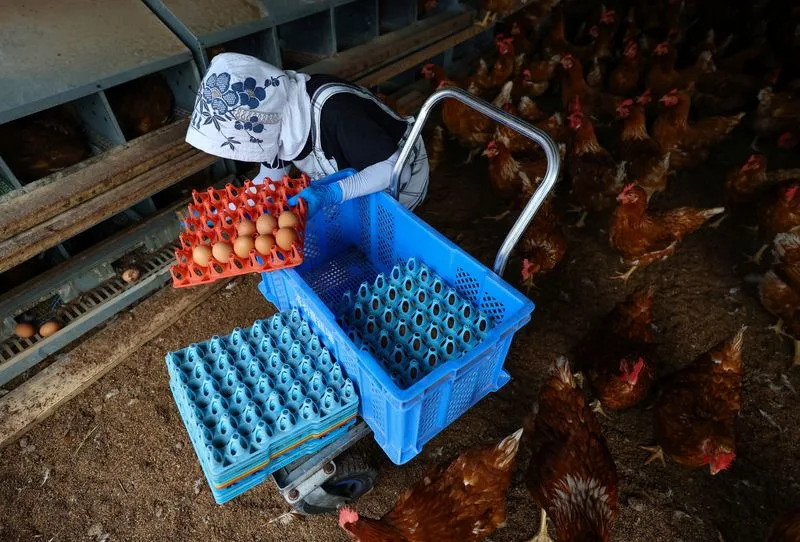
An employee at the Usuba poultry farm collects eggs inside a free-range coop housing Boris Brown chickens in Mashiko, Tochigi Prefecture, Japan, August 10, 2026. REUTERS/Issei Kato
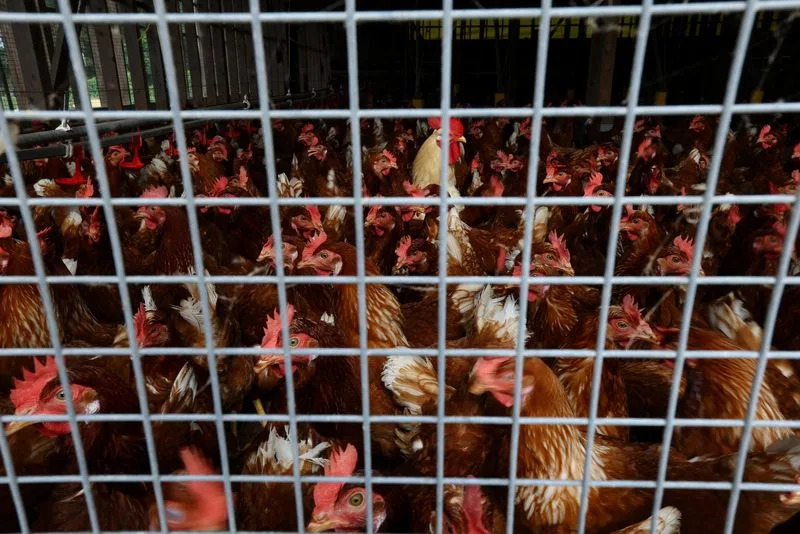
Boris Brown chickens inside a free-range coop at the Usuba poultry farm in Mashiko, Tochigi Prefecture, Japan, August 10, 2026. REUTERS/Issei Kato
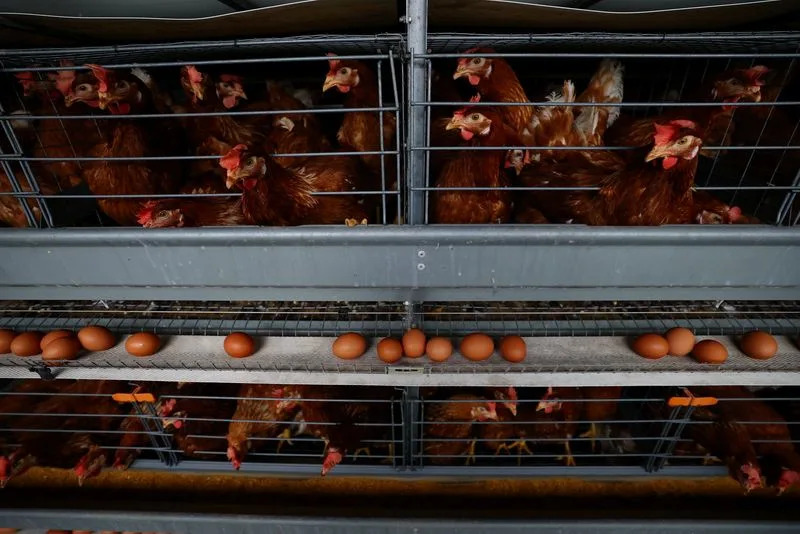
Boris Brown chickens and eggs inside cages at the Usuba poultry farm in Mashiko, Tochigi Prefecture, Japan, August 10, 2026. REUTERS/Issei Kato
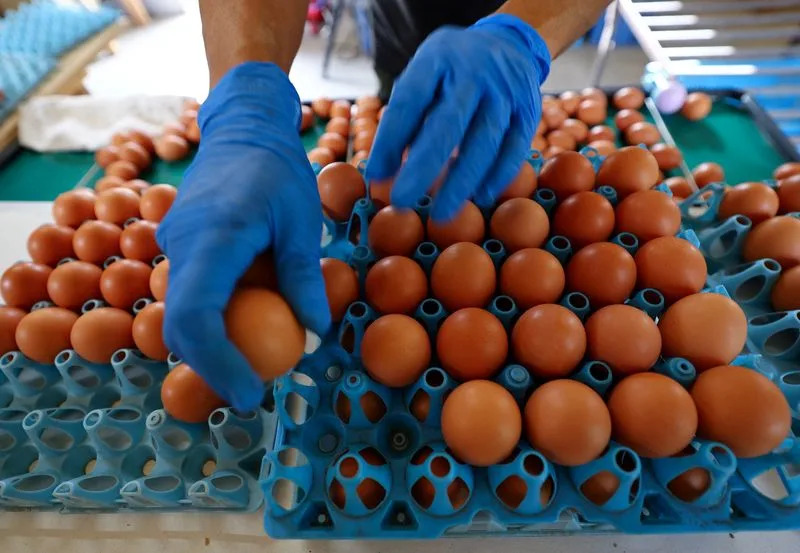
Tetsuya Usuba, 48, owner of the Usuba poultry farm, places eggs laid by Boris Brown chickens into trays in Mashiko, Tochigi Prefecture, Japan, August 10, 2026. REUTERS/Issei Kato
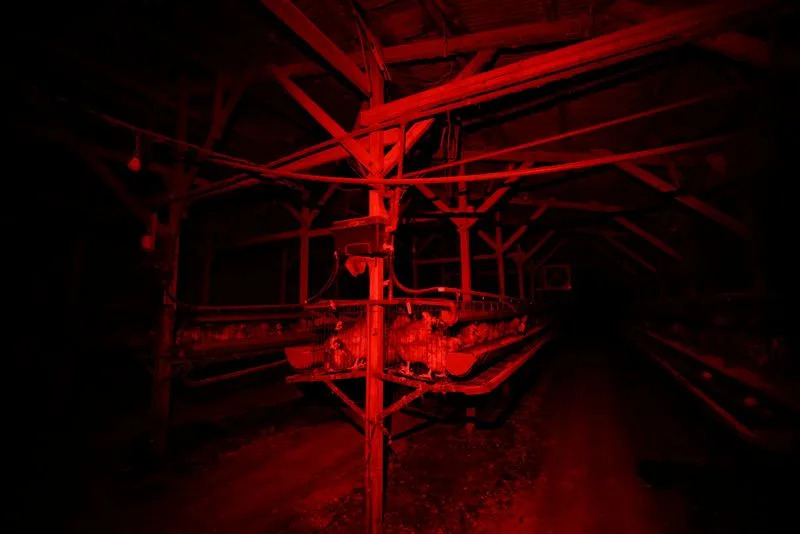
Boris Brown chickens inside cages before barn lights switch on automatically at the Usuba poultry farm in Mashiko, Tochigi Prefecture, Japan, August 10, 2026. REUTERS/Issei Kato
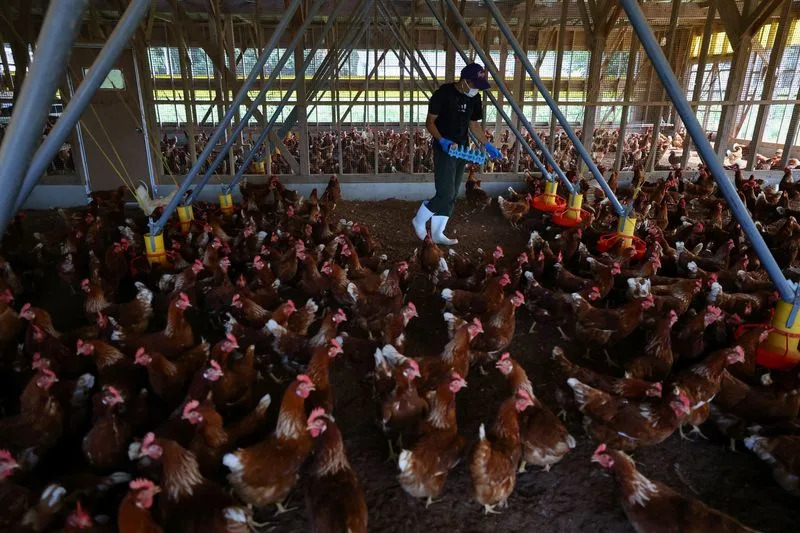
Tetsuya Usuba, 48, owner of the Usuba poultry farm, carries trays of eggs through a free-range coop housing Boris Brown chickens in Mashiko, Tochigi Prefecture, Japan, August 10, 2026. REUTERS/Issei Kato
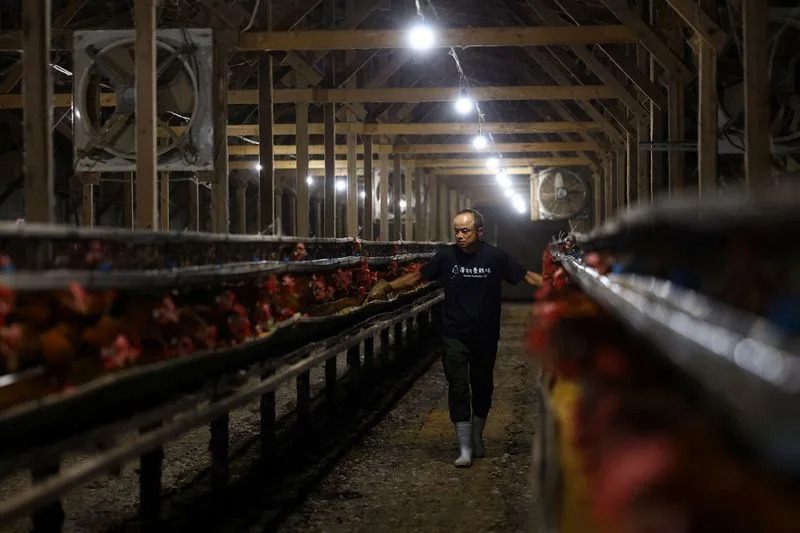
Tetsuya Usuba, 48, walks between cages housing Boris Brown chickens and stirs feed after barn lights switch on automatically at 2:30 a.m. at the Usuba poultry farm in Mashiko, Tochigi Prefecture, Japan, August 10, 2026. REUTERS/Issei Kato
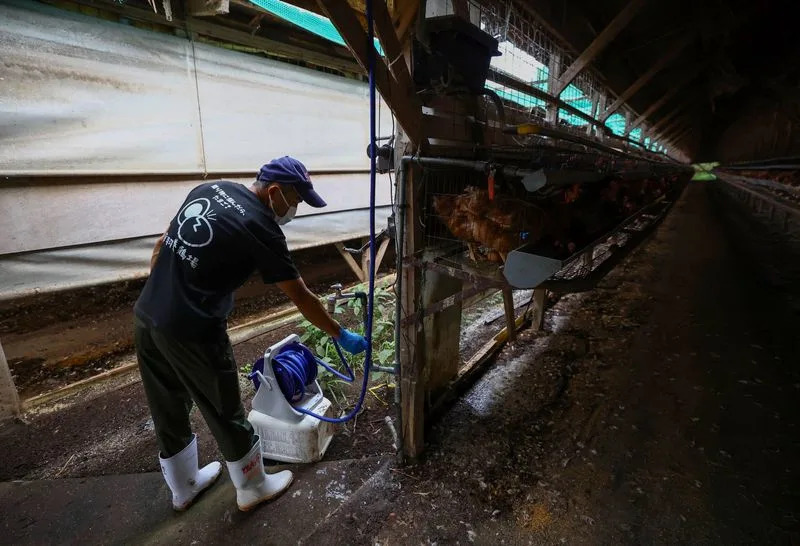
Tetsuya Usuba, 48, operates a system that sprays water onto the roofs of poultry barns to lower temperatures at the Usuba poultry farm in Mashiko, Tochigi Prefecture, Japan, August 10, 2026. REUTERS/Issei Kato
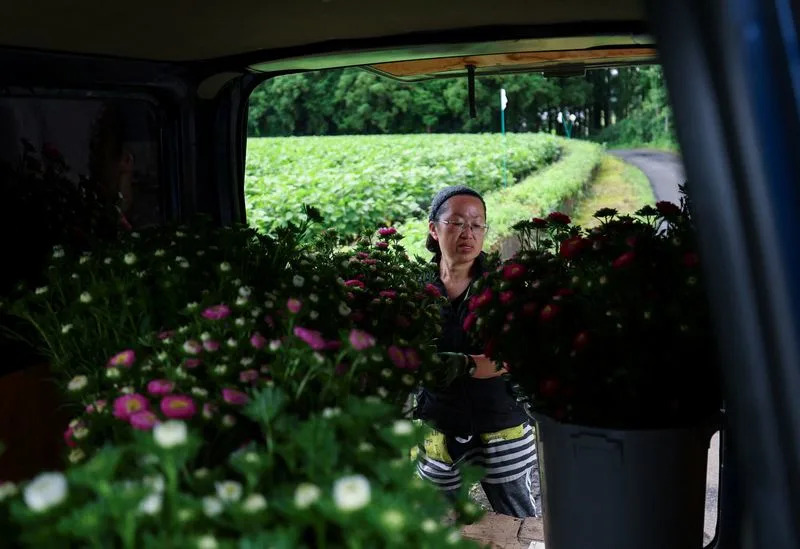
An employee at the Nikko Engei flower farm harvests asters during the early morning in Nikko, Tochigi Prefecture, Japan, August 9, 2026. REUTERS/Issei Kato
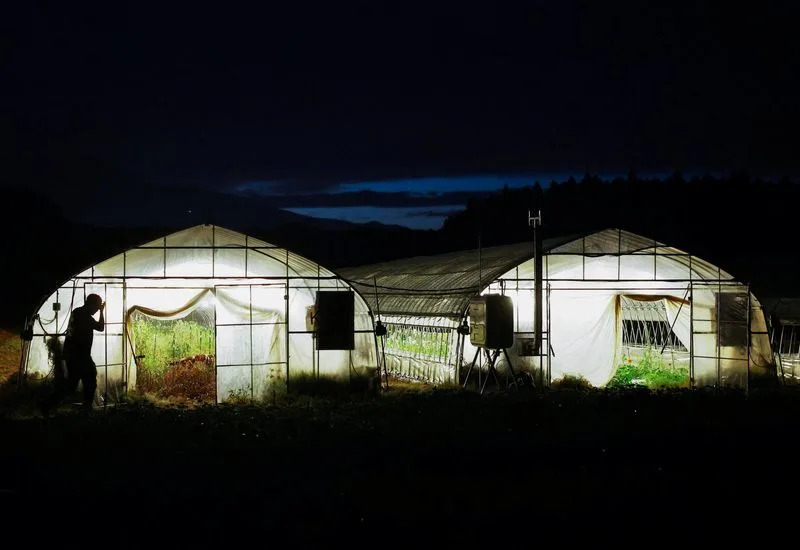
Greenhouses are illuminated as workers harvest gerbera flowers at night at the Nikko Engei flower farm in Nikko, Tochigi Prefecture, Japan, August 8, 2026. Some farmers in Japan are shifting work to cooler hours after sunset as increasingly intense summer heat affects agricultural production. REUTERS/Issei
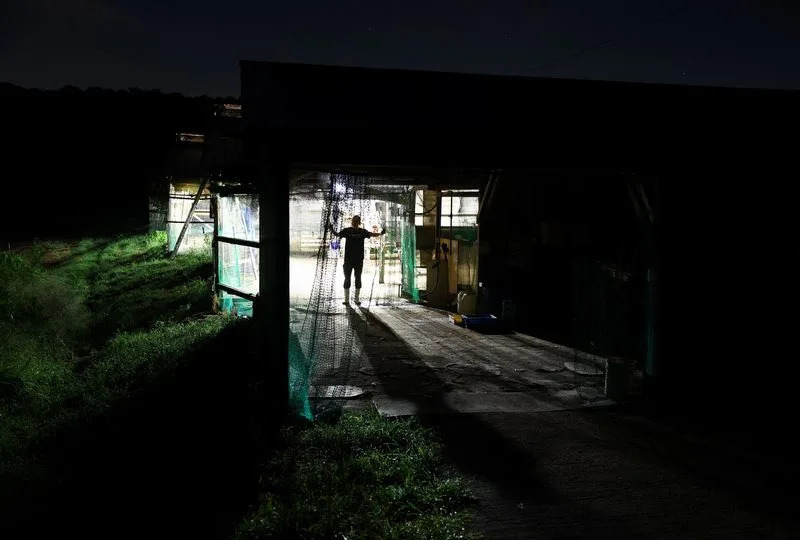
Tetsuya Usuba, 48, works inside a poultry barn after lights switch on automatically at 2:30 a.m. at the Usuba poultry farm in Mashiko, Tochigi Prefecture, Japan, August 10, 2026. Usuba turns on lights before dawn during the summer to encourage hens to eat before daytime heat suppresses their appetite. REUTERS/Issei Kato
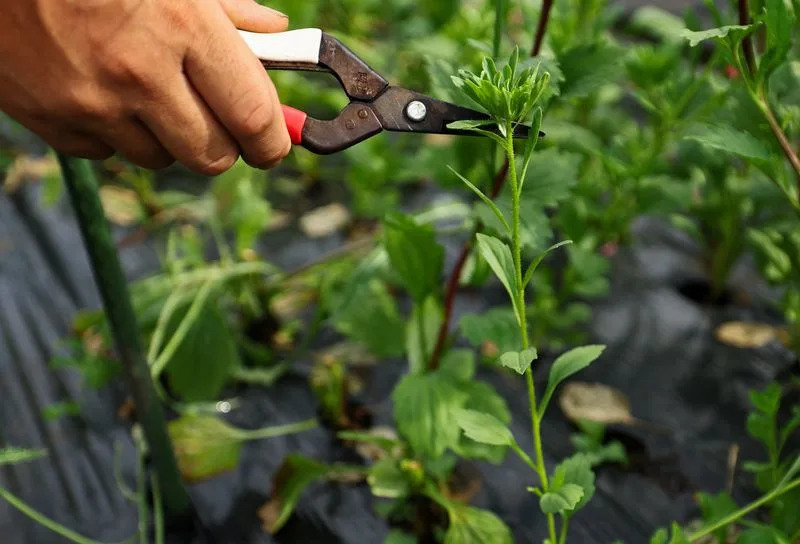
Aster branches showing severely stunted growth due to extreme heat at the Nikko Engei flower farm in Nikko, Tochigi Prefecture, Japan, August 9, 2026. REUTERS/Issei Kato
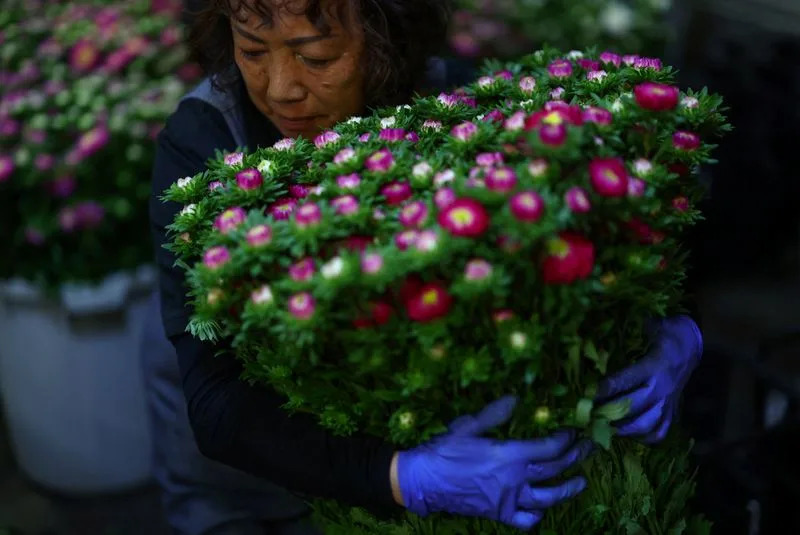
Miyoko Asada, 68, an employee at the Nikko Engei flower farm, prepares harvested asters for shipment in an air-conditioned workspace in Nikko, Tochigi Prefecture, Japan, August 8, 2026. REUTERS/Issei Kato
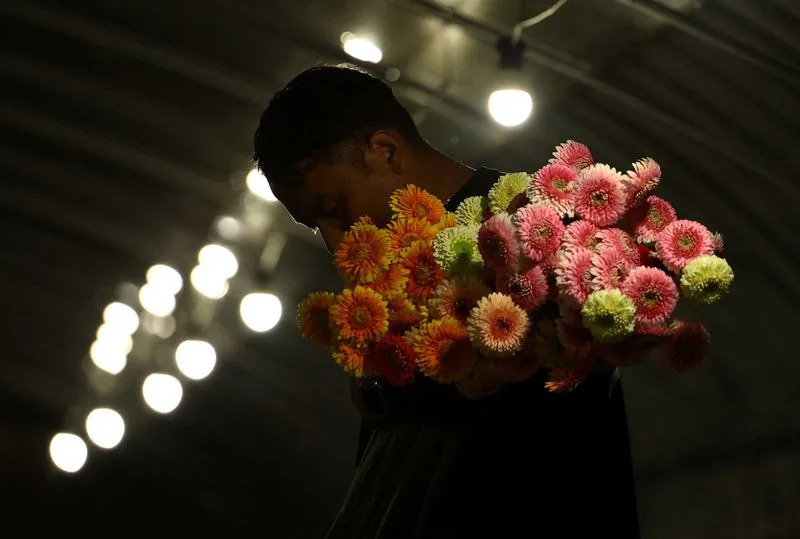
Motoaki Iijima, 36, owner of the Nikko Engei flower farm, harvests gerbera flowers inside an illuminated greenhouse at night in Nikko, Tochigi Prefecture, Japan, August 8, 2026. REUTERS/Issei Kato
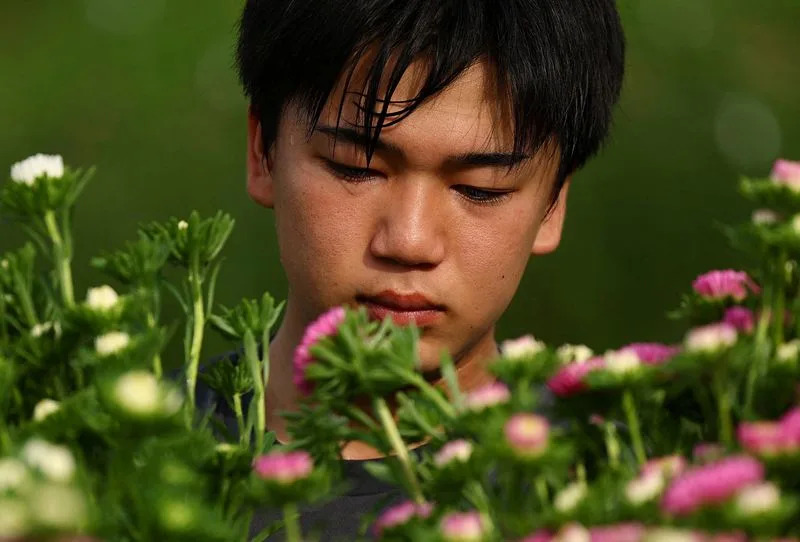
An employee at the Nikko Engei flower farm harvests asters in a field in Nikko, Tochigi Prefecture, Japan, August 9, 2026. REUTERS/Issei Kato
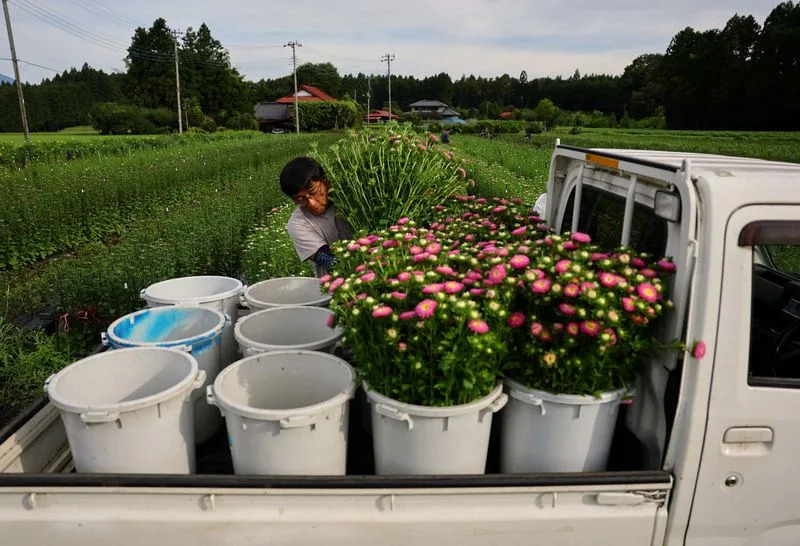
An employee at the Nikko Engei flower farm harvests asters during the early morning in Nikko, Tochigi Prefecture, Japan, August 9, 2026. REUTERS/Issei Kato
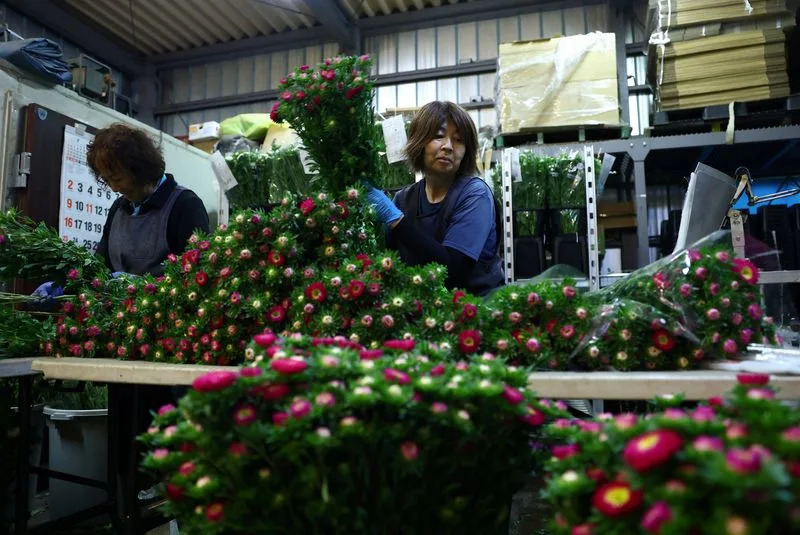
Yumiko Taniguchi, 63, and Miyoko Asada, 68, employees at the Nikko Engei flower farm, prepare asters for shipment in an air-conditioned workspace in Nikko, Tochigi Prefecture, Japan, August 8, 2026. REUTERS/Issei Kato
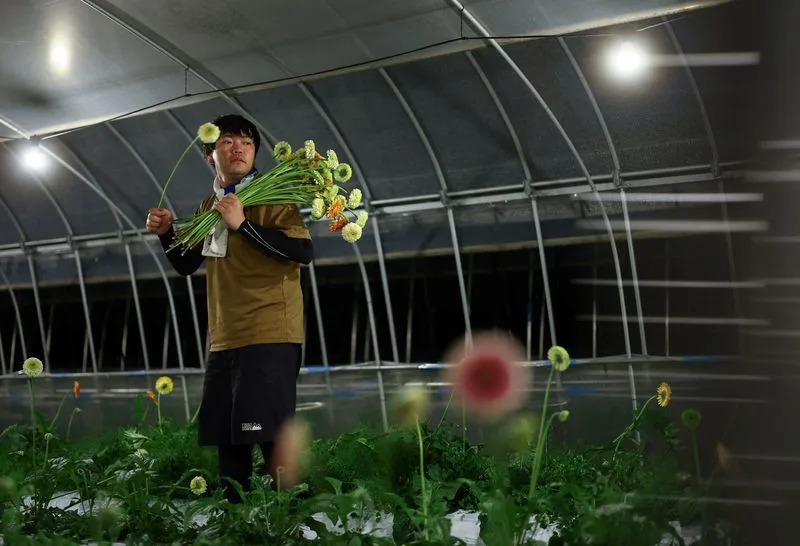
Akira Okada, 33, an employee at the Nikko Engei flower farm, harvests gerbera flowers inside an illuminated greenhouse at night in Nikko, Tochigi Prefecture, Japan, August 8, 2026. REUTERS/Issei Kato
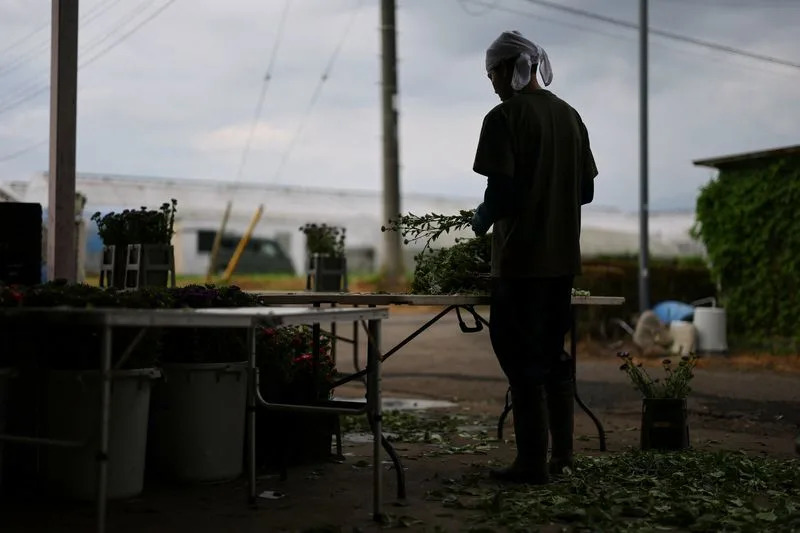
Ryo Hirota, 34, an employee at the Nikko Engei flower farm, prepares harvested asters for shipment in a shaded workspace in Nikko, Tochigi Prefecture, Japan, August 8, 2026. REUTERS/Issei Kato
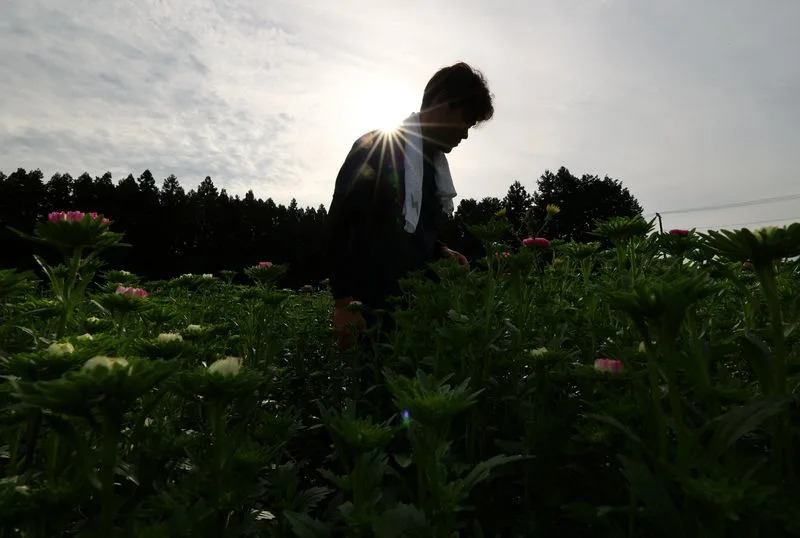
Ryo Hirota, 34, an employee at the Nikko Engei flower farm, harvests asters during the early morning in Nikko, Tochigi Prefecture, Japan, August 9, 2026. REUTERS/Issei Kato
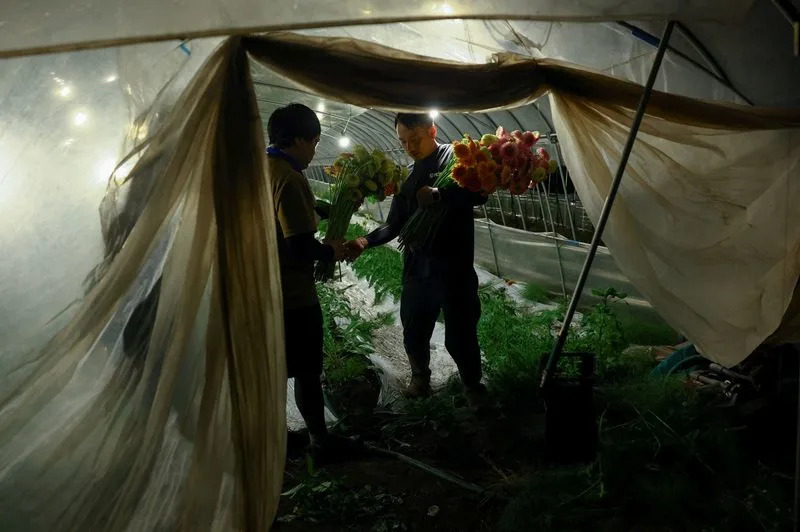
Motoaki Iijima, 36, owner of the Nikko Engei flower farm, and an employee harvest gerbera flowers inside an illuminated greenhouse at night in Nikko, Tochigi Prefecture, Japan, August 8, 2026. REUTERS/Issei Kato
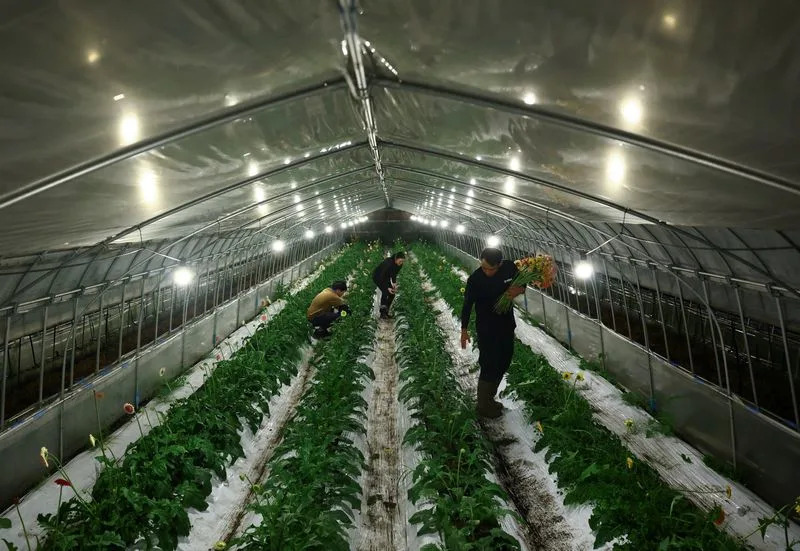
Motoaki Iijima, 36, owner of the Nikko Engei flower farm, and employees harvest gerbera flowers inside an illuminated greenhouse at night in Nikko, Tochigi Prefecture, Japan, August 8, 2026. REUTERS/Issei Kato
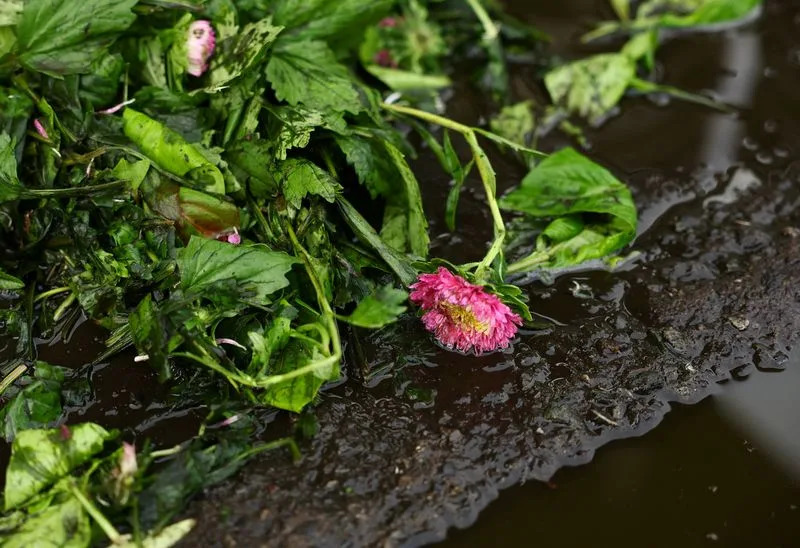
Excess flowers and leaves trimmed from asters during preparation for shipment at the Nikko Engei flower farm in Nikko, Tochigi Prefecture, Japan, August 8, 2026. REUTERS/Issei Kato
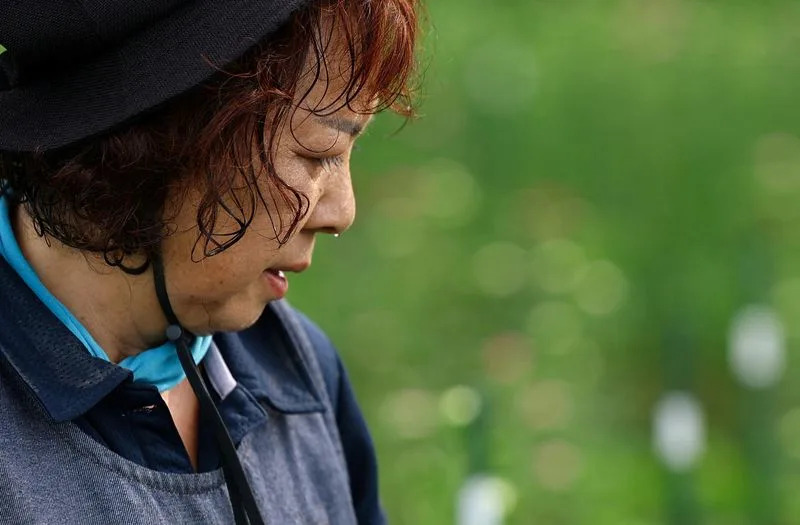
Miyoko Asada, 68, an employee at the Nikko Engei flower farm, harvests asters as sweat drips from her face in a field in Nikko, Tochigi Prefecture, Japan, August 9, 2026. REUTERS/Issei Kato
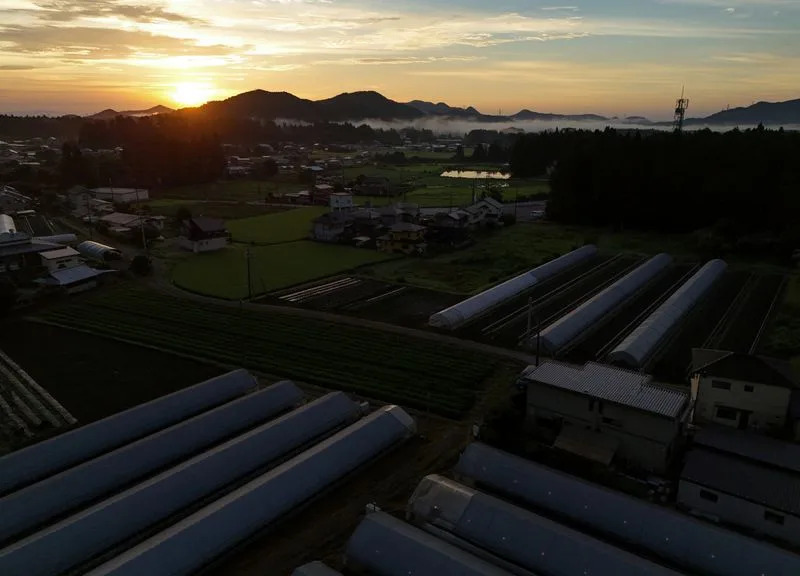
A drone view shows greenhouses and aster fields at sunrise at the Nikko Engei flower farm in Nikko, Tochigi Prefecture, Japan, August 9, 2026. REUTERS/Issei Kato
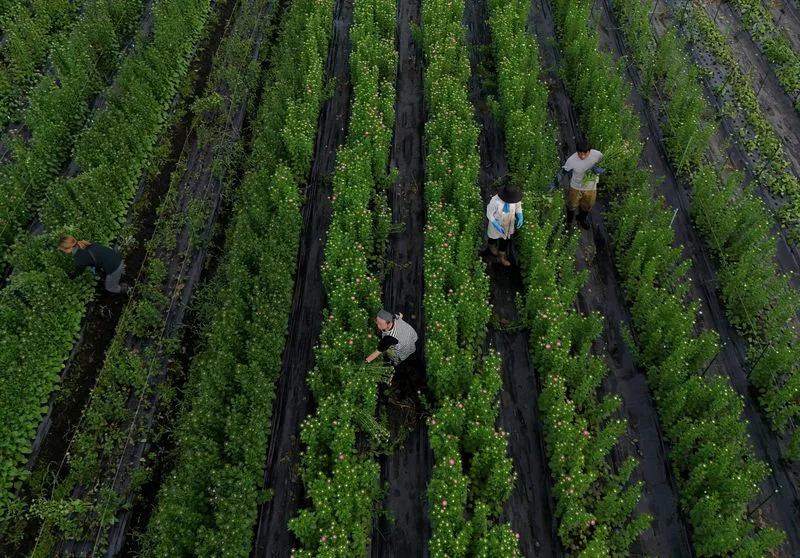
A drone view shows employees at the Nikko Engei flower farm harvesting asters during the early morning in Nikko, Tochigi Prefecture, Japan, August 9, 2026. REUTERS/Issei Kato
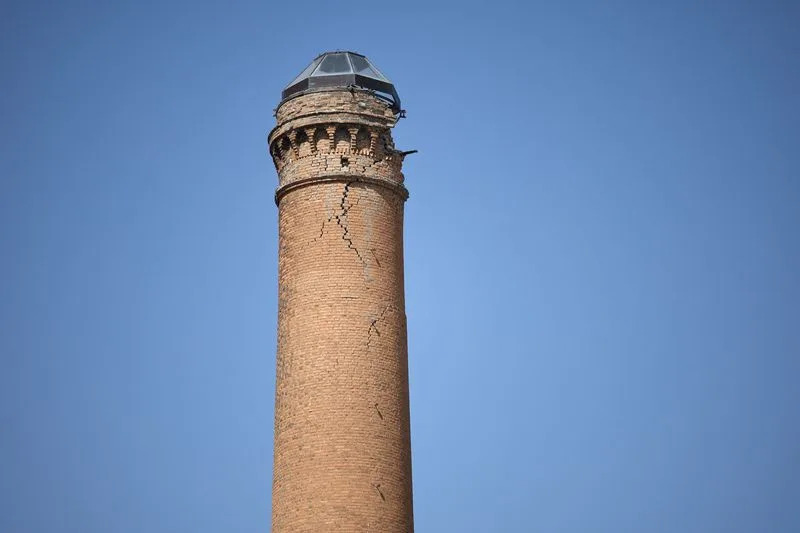
Cracks on a damaged tower in the aftermath of an earthquake that struck southern Spain, in Granada, Spain, August 18, 2026. REUTERS/Fermin Rodriguez
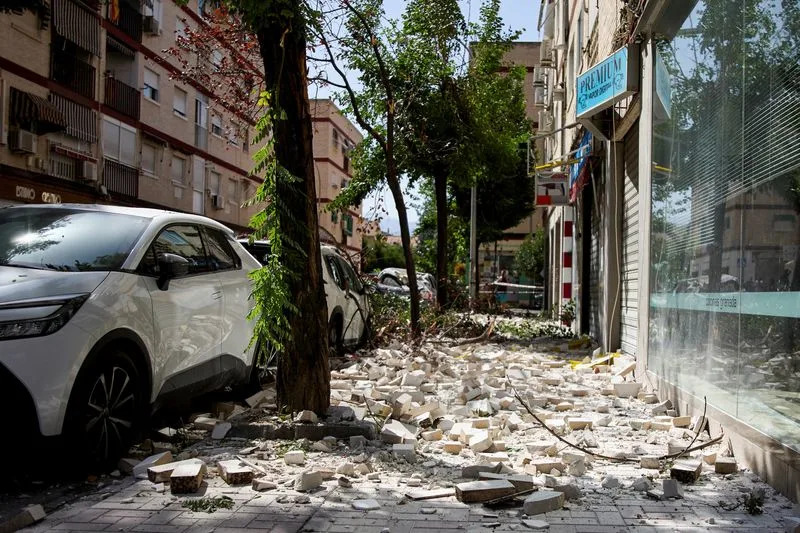
Debris lies scattered on a street in the aftermath of an earthquake that struck southern Spain, in Granada, Spain, August 18, 2026. REUTERS/Fermin Rodriguez
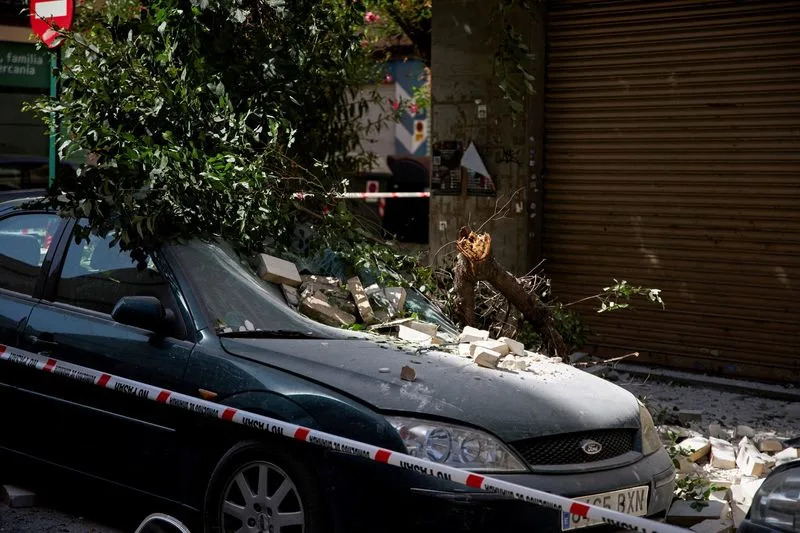
A fallen tree branch lies atop a damaged vehicle on a street in the aftermath of an earthquake that struck southern Spain, in Granada, Spain, August 18, 2026. REUTERS/Fermin Rodriguez
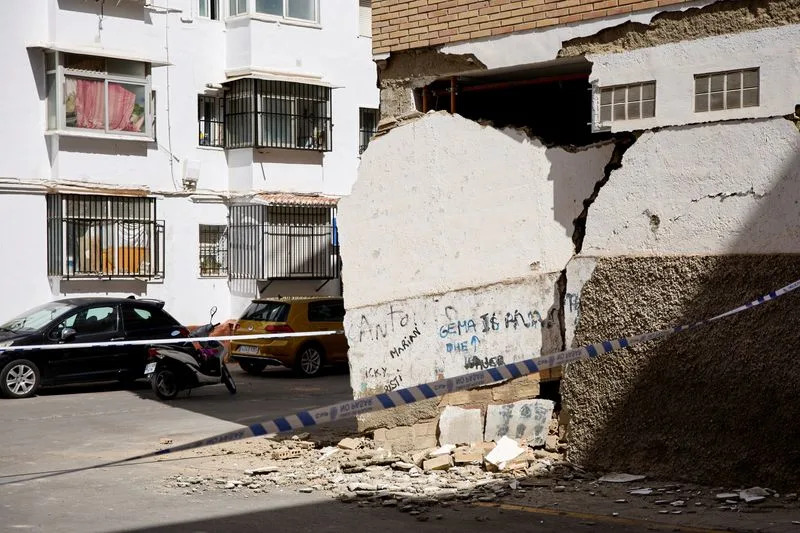
A damaged wall of a building is cordorned off in the aftermath of an earthquake that struck southern Spain, in Granada, Spain, August 18, 2026. REUTERS/Fermin Rodriguez
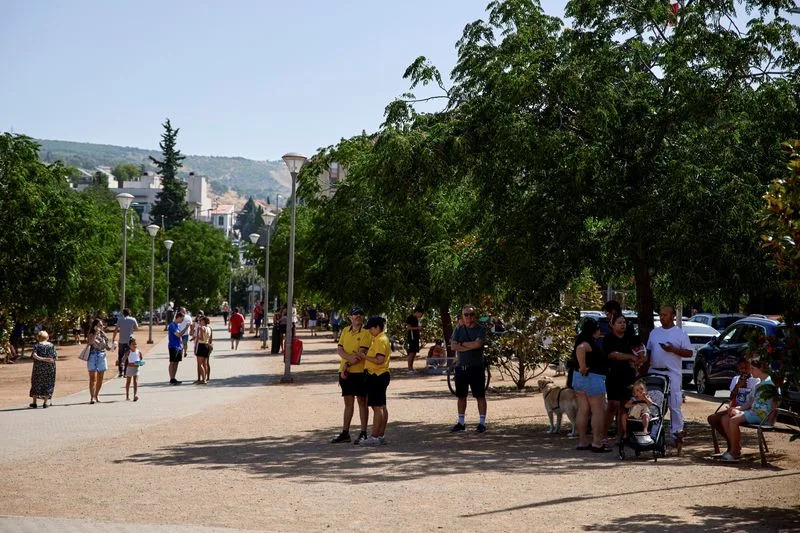
People wait in a park after being evacuated from affected areas in the aftermath of an earthquake that struck southern Spain, in Granada, Spain, August 18, 2026. REUTERS/Fermin Rodriguez
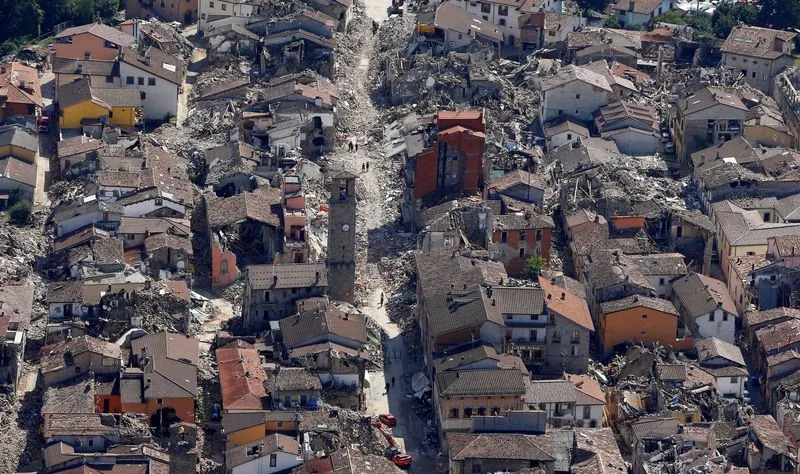
FILE PHOTO: A general view after earthquake that levelled the town in Amatrice, central Italy, September 1, 2016. REUTERS/Stefano Rellandini/File Photo
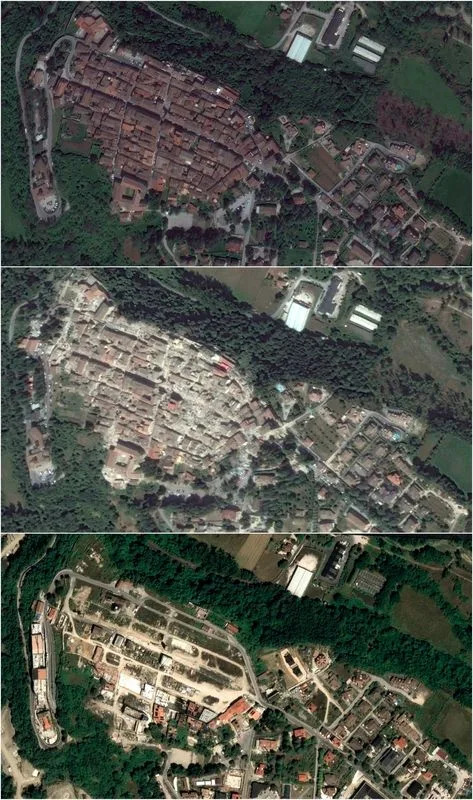
A combination picture shows satellite views of the town of Amatrice, Italy, before the earthquake on May 21, 2016 (top), after the earthquake on August 25, 2016 (middle), and nearly 10 years later on July 18, 2026 (bottom). Google/Vantor and Pleiades © CNES 2026, Distribution Airbus DS/Handout via REUTERS
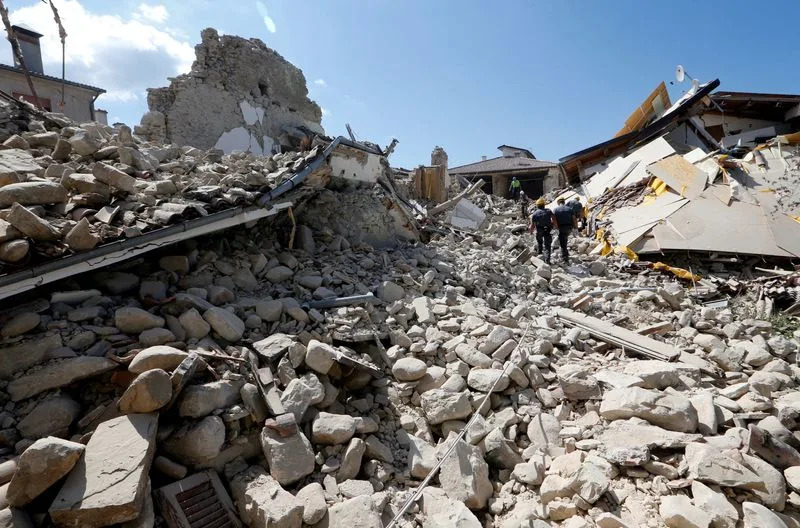
FILE PHOTO: Rescuers work on collapsed buildings following an earthquake in Amatrice, central Italy, August 24, 2016. REUTERS/Ciro De Luca/File Photo
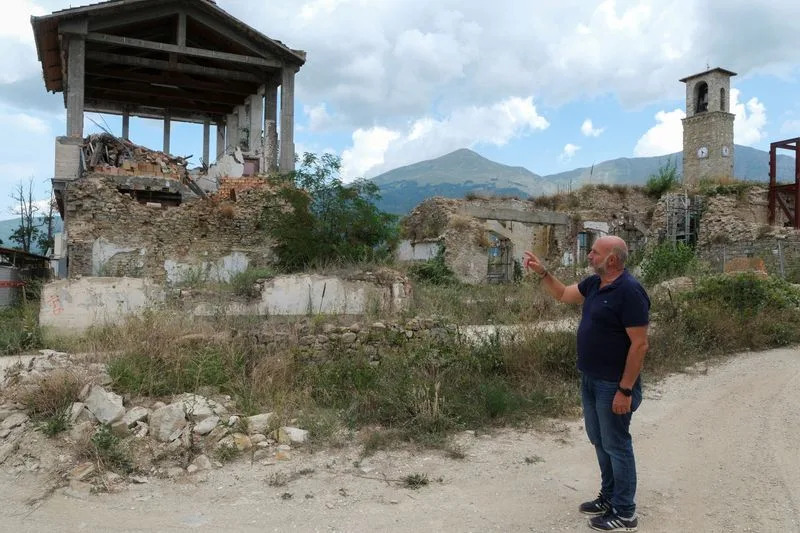
The Mayor of Amatrice, Giorgio Cortellesi, points to a destroyed building in the red zone ten years after an earthquake devastated Amatrice, central Italy, August 8, 2026. REUTERS/Crispian Balmer
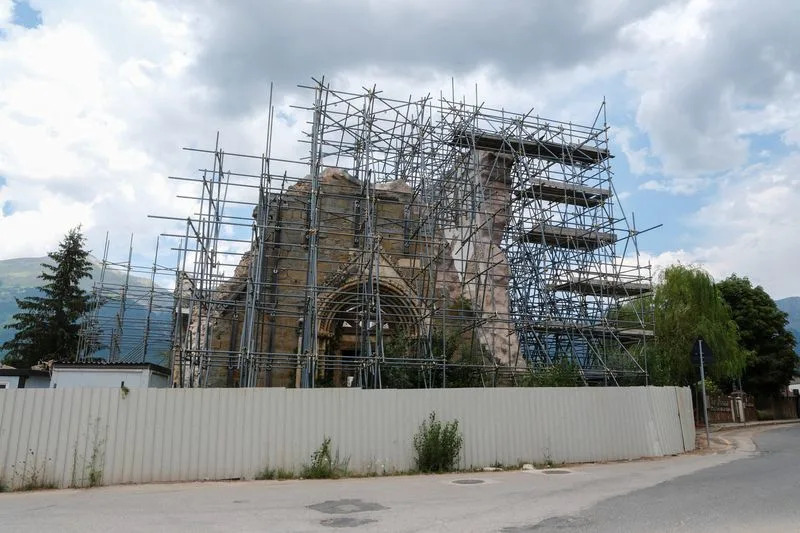
Scaffolding surrounds the church of Sant’Agostino ten years after an earthquake devastated Amatrice, central Italy, August 8, 2026. REUTERS/Crispian Balmer
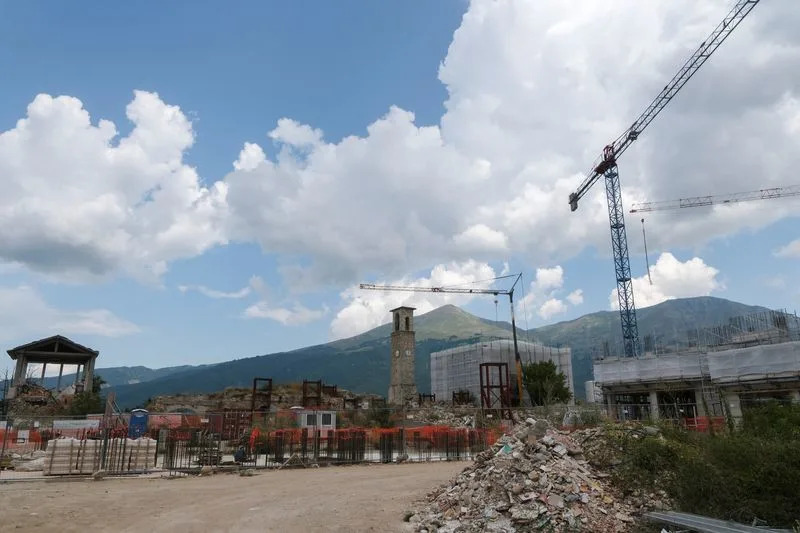
The civic clock tower stands near destroyed buildings and rubble in the red zone ten years after an earthquake devastated Amatrice, central Italy, August 8, 2026. REUTERS/Crispian Balmer
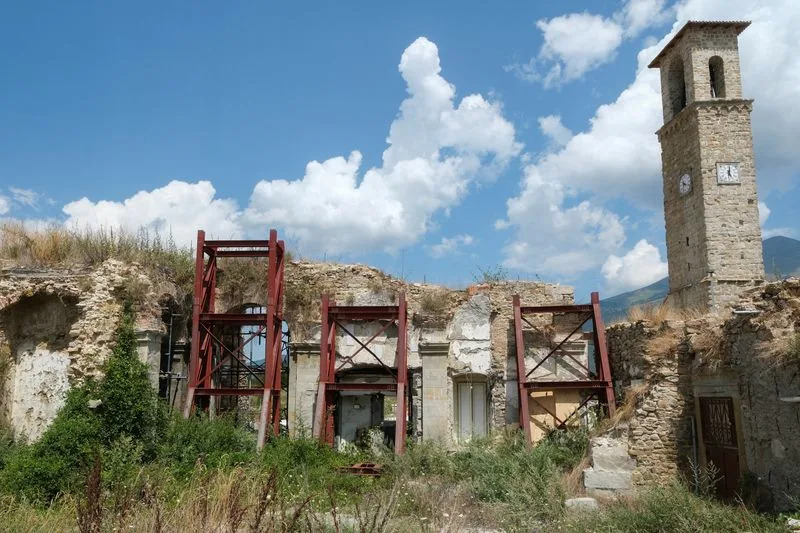
The civic clock tower stands near a destroyed building in the red zone ten years after an earthquake devastated Amatrice, central Italy, August 8, 2026. REUTERS/Crispian Balmer
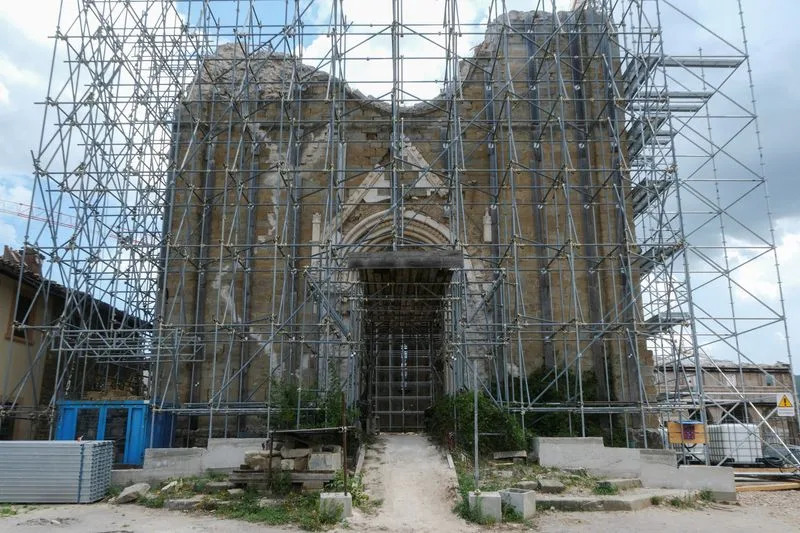
Scaffolding surrounds the church of San Francesco ten years after an earthquake devastated Amatrice, central Italy, August 8, 2026. REUTERS/Crispian Balmer
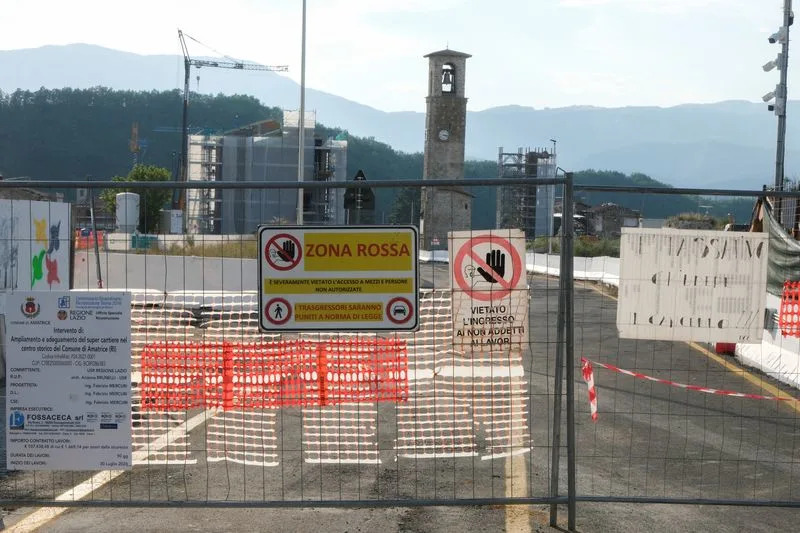
Fences block access to the red zone ten years after an earthquake devastated Amatrice, central Italy, August 8, 2026. REUTERS/Crispian Balmer
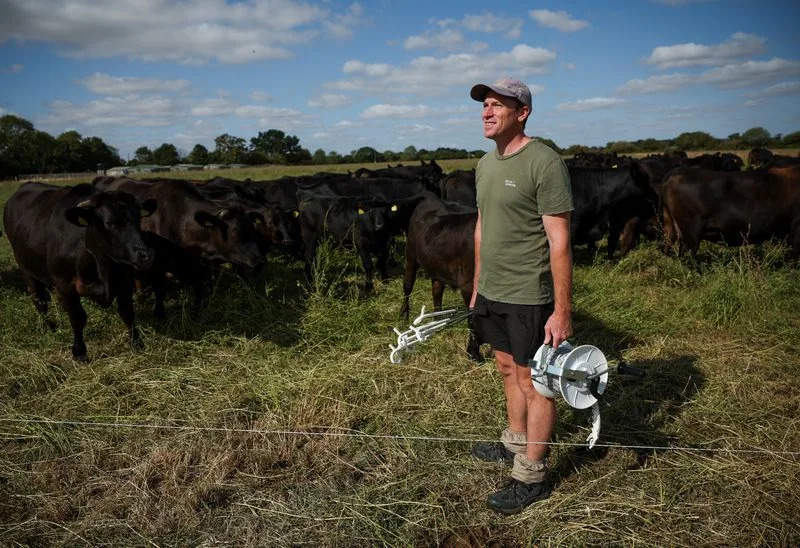
Cattle farmer Sam Squier poses for a photograph with his herd of Aberdeen Angus cows on a green pasture at Humphreys Farm, in Great Waltham, Chelmsford, Britain, August 11, 2026. REUTERS/Isabel Infantes
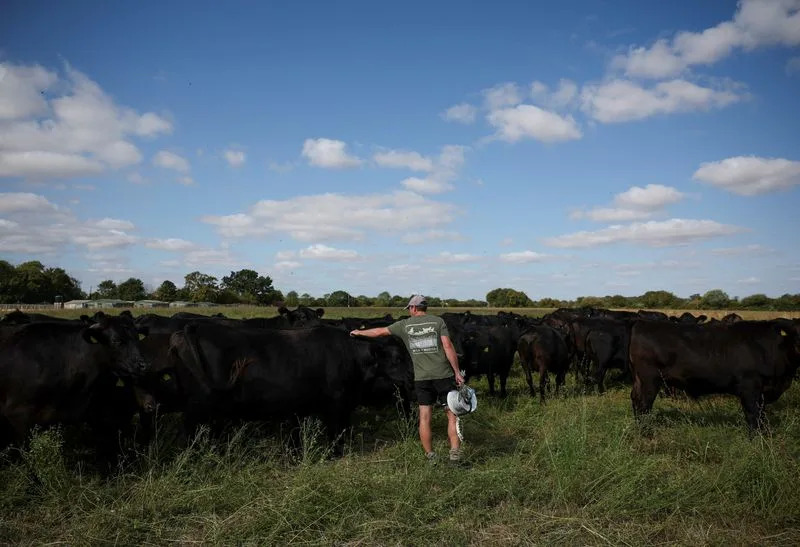
Cattle farmer Sam Squier herds his Aberdeen Angus cows on a green pasture at Humphreys Farm in Great Waltham, Chelmsford, Britain, August 11, 2026. REUTERS/Isabel Infantes
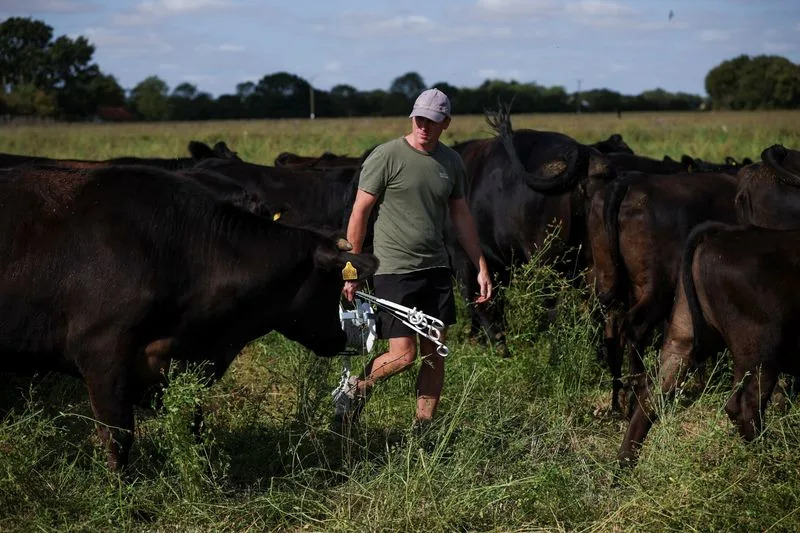
Cattle farmer Sam Squier herds his Aberdeen Angus cows on a green pasture at Humphreys Farm in Great Waltham, Chelmsford, Britain, August 11, 2026. REUTERS/Isabel Infantes
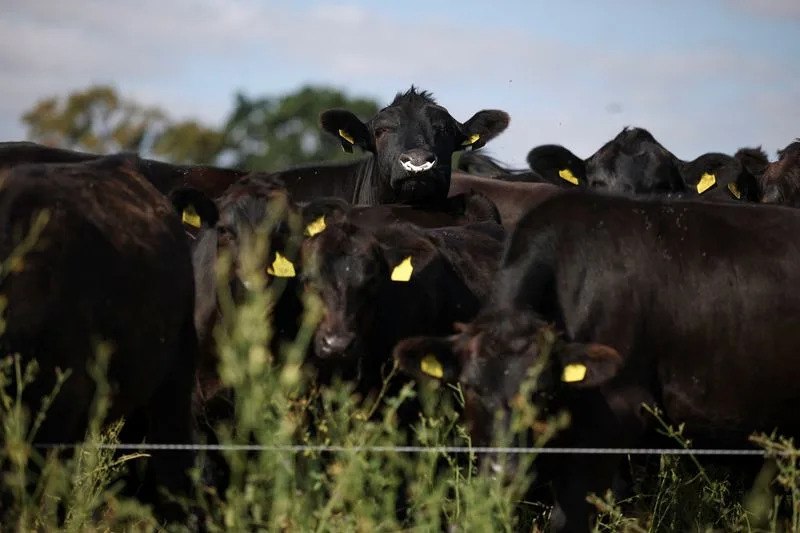
A herd of Aberdeen Angus cows graze on a green pasture at Humphreys Farm in Great Waltham, Chelmsford, Britain, August 11, 2026. REUTERS/Isabel Infantes
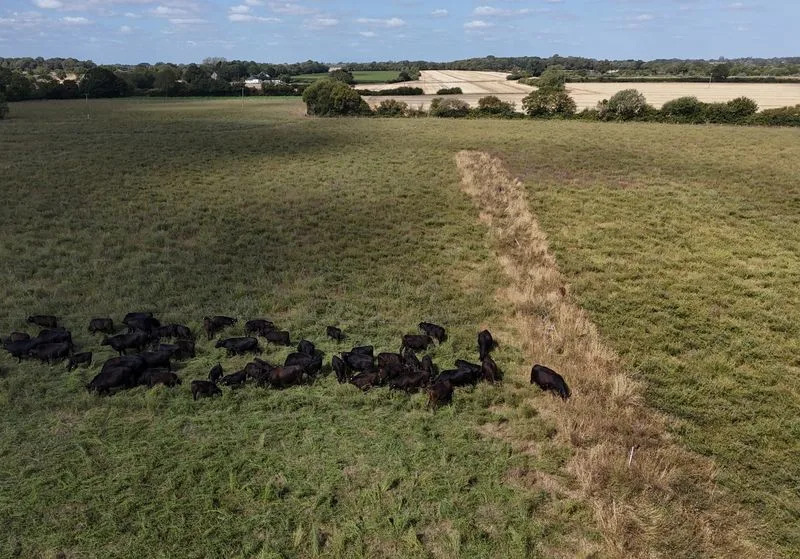
A drone view shows a herd of Aberdeen Angus cows grazing through a green pasture surrounded by yellow scorched fields at Humphreys Farm in Great Waltham, Chelmsford, Britain, August 11, 2026. REUTERS/Isabel Infantes
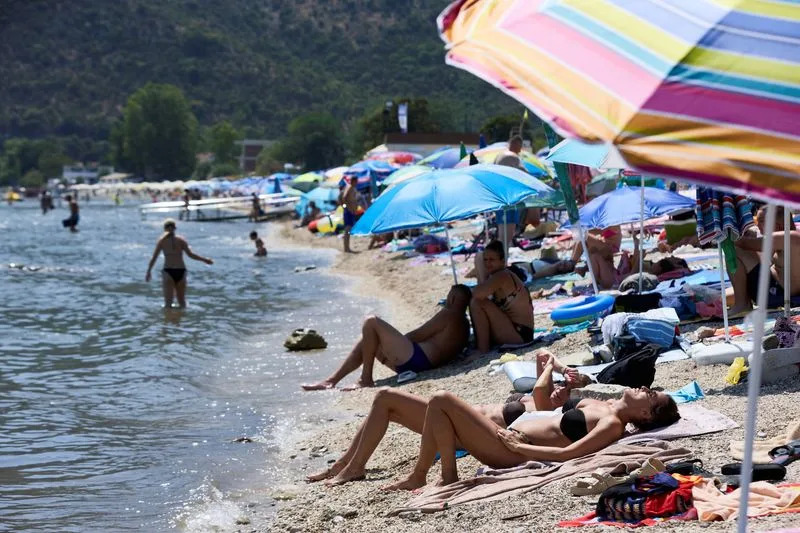
People enjoy at the beach during a heatwave in Herceg Novi, Montenegro, August 4, 2026. REUTERS/Stevo Vasiljevic
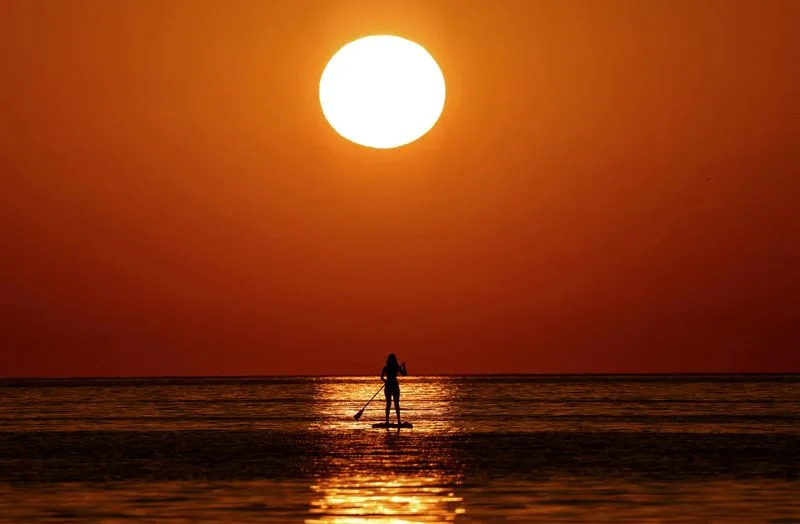
FILE PHOTO: A woman looks at the sunrise as she paddleboards on the Mediterranean Sea, in Barcelona, Spain July 2, 2025. REUTERS/Nacho Doce/File Photo
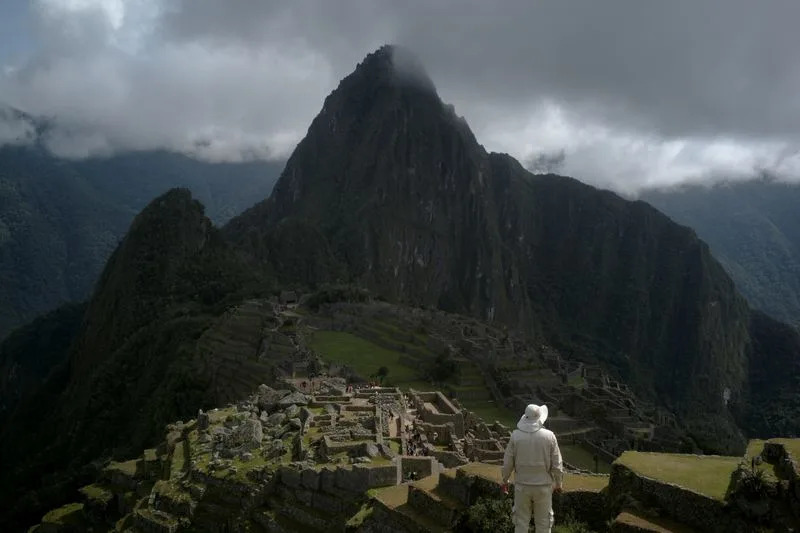
A man stands near the Incan ruins of Machu Picchu outside of Cuzco, Peru April 18, 2022. Picture taken April 18, 2022. REUTERS/Alessandro Cinque/File Photo
Pomozite nam da budemo bolji.