NASA-ina istraživačka letelica X-59 izvela je 25. probni let 21. avgusta 2026.: tokom 72 minuta dostigla je više od 920 mph (oko 1.480 km/h) i visinu oko 49.000 stopa (≈14.935 m). X-59 testira oblikovanje trupa i kontrolu udarnih talasa kako bi zamenio klasični "sonic boom" vrednijim "tihim trzajem". Sledeći korak su preleti iznad naseljenih područja i prikupljanje podataka za regulatore, dok je povezano lansiranje Nancy Grace Roman teleskopa značajan podsetnik na napredak svemirskih misija.
NASA-ina Tiha Supersonična Letelica X-59: Još Jedan Korak Ka Preletima Iznad Gradova
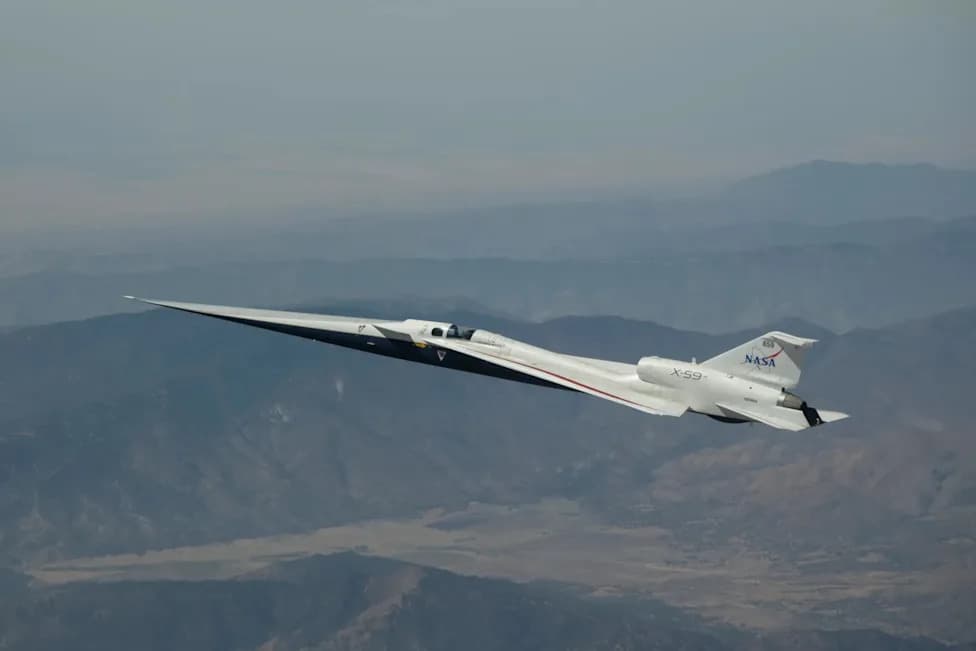
NASA's quiet supersonic jet 1 step closer to flying over US cities
NASA je postigla važan napredak u razvoju X-59, eksperimentalne „tihe“ supersonične letelice koja bi mogla omogućiti komercijalne letove brže od zvuka iznad kopna uz znatno manji nivo buke na zemlji.
25. probni let i ključni podaci
X-59 je 21. avgusta 2026. izvela svoj 25. probni let. Test je trajao 72 minuta, tokom kog je letelica dostigla brzinu veću od 920 mph (preko 1.480 km/h) i visinu od približno 49.000 stopa (oko 14.935 m). Ranije, 5. juna 2026., X-59 je po prvi put prešla brzinu zvuka (Mach 1.077), što je označilo početak faze testiranja pri nadzvučnim brzinama u okviru NASA-ine Quesst misije.
Čemu služi X-59?
Izgrađen od strane Lockheed Martina, X-59 nije projektovan kao putnički avion, već kao istraživačka platforma koja prikuplja podatke o tome kako oblik trupa i upravljanje udarnim talasima mogu smanjiti klasični "sonic boom". Umesto gromoglasnog praska, cilj je postići ono što NASA opisuje kao "tihi trzaj" — zvuk koji je mnogo manje uznemirujući za ljude na tlu.
Metodologija testiranja i sledeće faze
Do sada su probni letovi sprovođeni u prvoj fazi, sa postepenim povećanjem brzine i visine. Krajnji dizajnerski cilj je brzina do 1.218 mph (oko 1.960 km/h) i operativna visina do 60.000 stopa (oko 18.288 m). Trenutni rezultati su delimično maskirani zato što X-59 leti u pratnji NASA-inog F‑15 "chase" aviona, koji sam proizvodi udarne talase i može prikriti zvučne efekte X-59.
U narednoj fazi NASA planira da obavi prelete iznad naseljenih oblasti i da sistematski meri stvarnu percepciju zvuka na tlu koristeći stacionarne i mobilne merniške stanice. Podaci će biti podeljeni sa američkim i međunarodnim regulatorima kako bi se procenila promena pravila koja trenutno ograničavaju nadzvučne komercijalne letove iznad kopna.
Širi kontekst
Nadzvučni let nije nov u kontekstu svemirskih lansiranja, ali konvencionalni putnički avioni obično lete ispod 600 mph. Od 1973. godine komercijalni nadzvučni letovi iznad kopna su u većini slučajeva zabranjeni u SAD zbog buke. Ako X-59 postigne cilj — značajno smanjenje udarnog zvuka — to bi otvorilo put povratku tihih supersoničnih linija za komercijalnu upotrebu.
Povezani događaj: Roman teleskop u orbiti
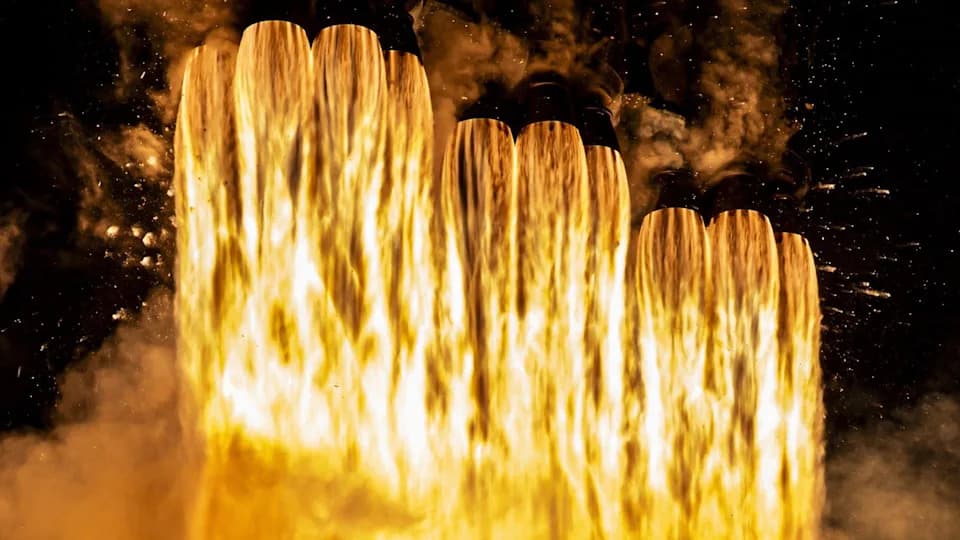
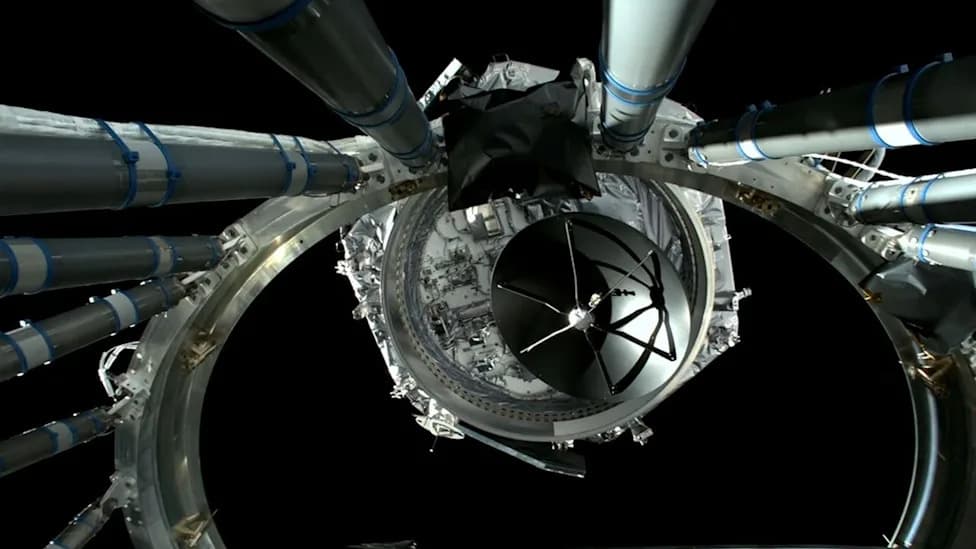
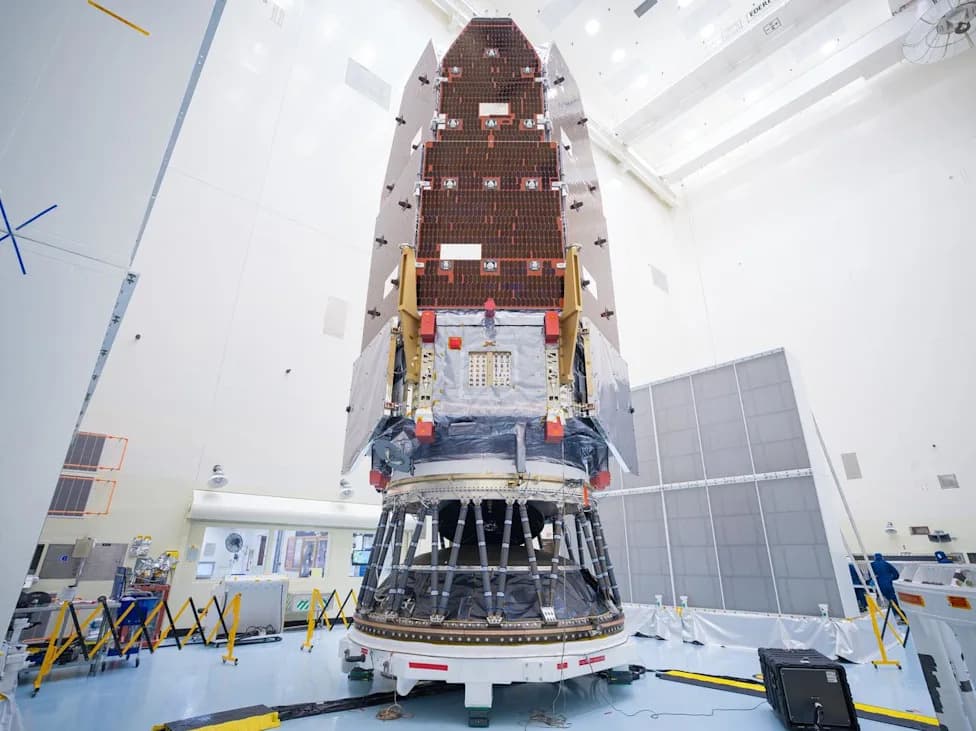
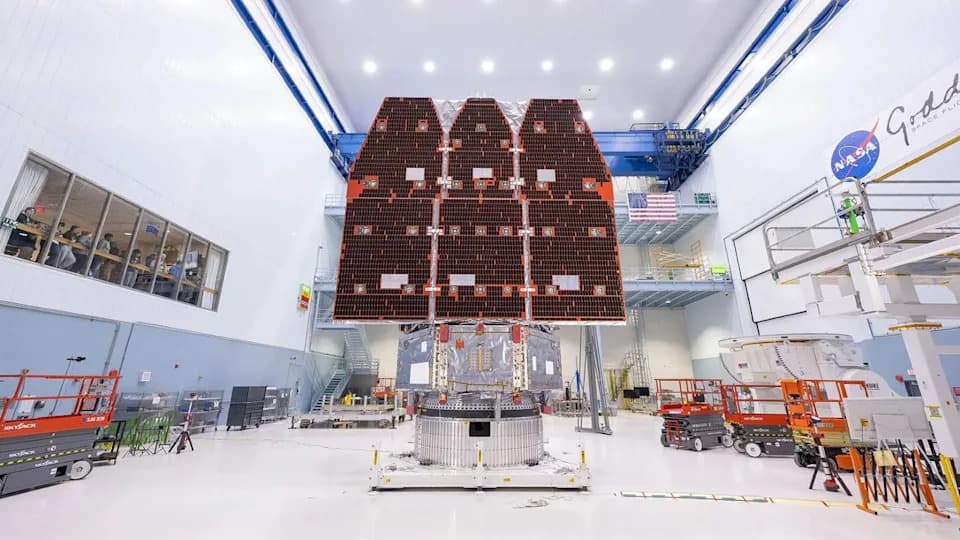
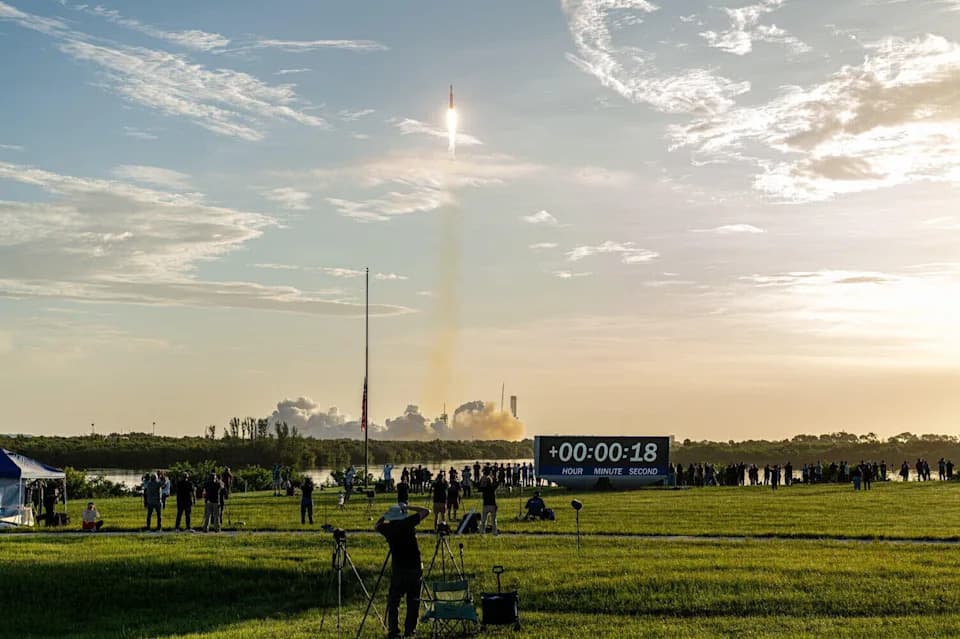
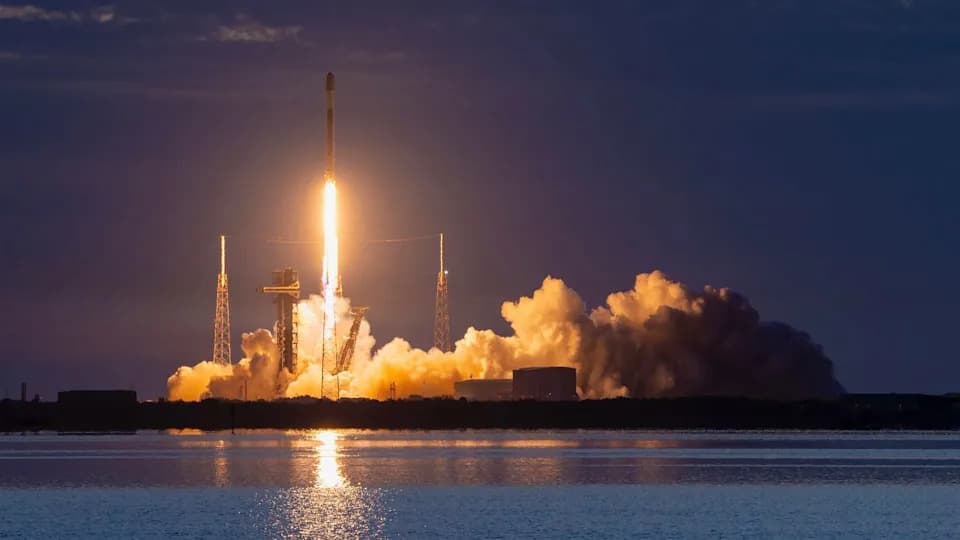
U posebnom, ali povezanom događaju, SpaceX-ov Falcon Heavy je 30. avgusta 2026. lansirao NASA-in Nancy Grace Roman Space Telescope sa Kennedy Space Center-a. Roman teleskop će narednih godina skenirati nebo u većem obimu nego Hubble, tražiti egzoplanete i proučavati tamnu materiju. Tokom lansiranja oba bočna boostera uspešno su sletela na zonu za prizemljenje u Cape Canaveralu, a prizori lansiranja privukli su posmatrače duž obala Floride.
Zaključak: X-59 je i dalje istraživački projekat, ali poslednji testovi potvrđuju da letelica može leteti pri visokim brzinama i velikim visinama. Ključni sledeći koraci su preleti iznad naseljenih mesta i prikupljanje podataka o percepciji buke — što će odlučiti da li i kako tiha supersonika može postati deo buduće komercijalne avijacije.
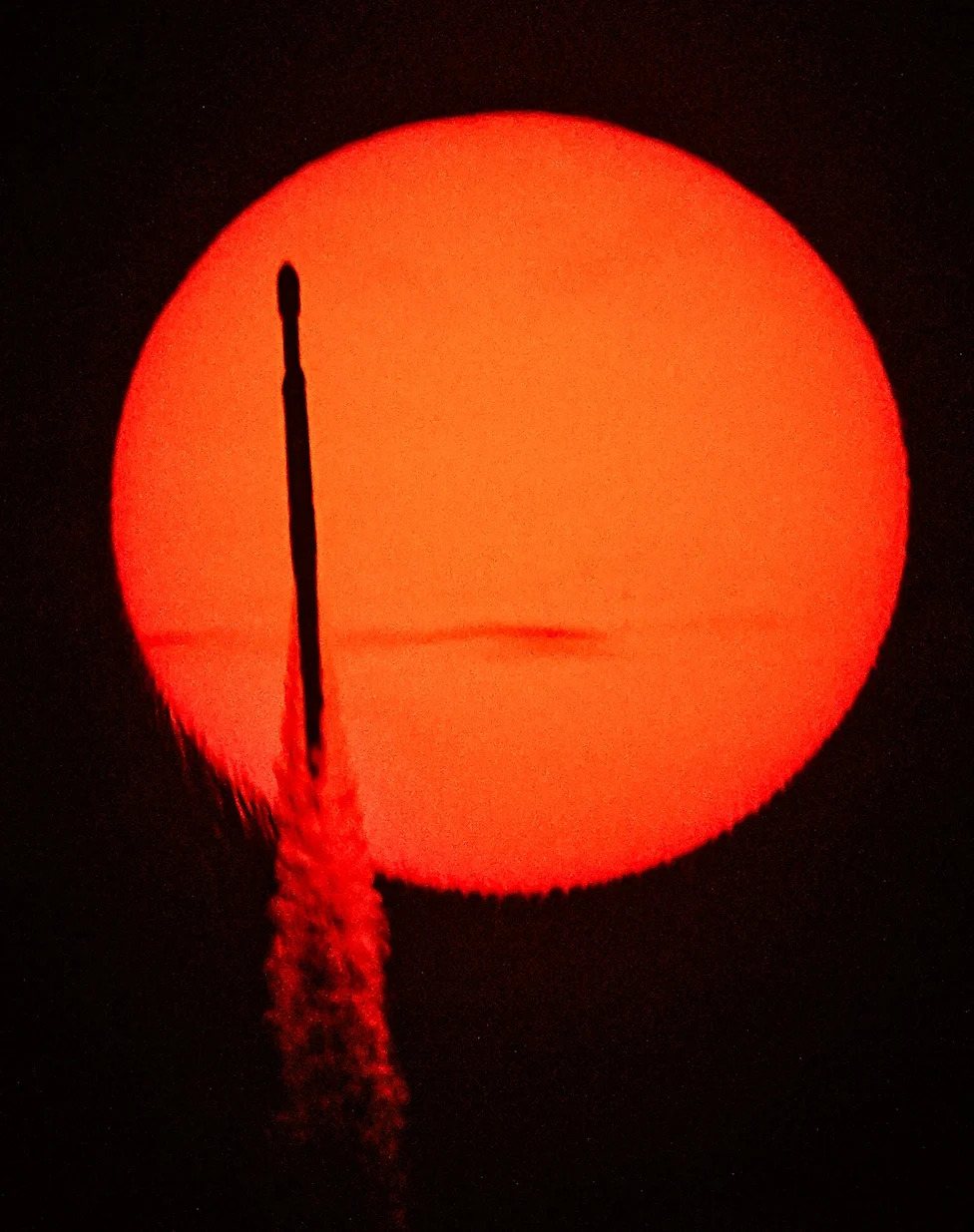
A SpaceX Falcon Heavy rocket passes in front of the sun after liftoff Aug. 30 from the Kennedy Space Center in Florida.The rocket helped propel NASA'sNancy Grace Roman Space Telescopeinto orbit, where it will join icons like the James Webb and Hubble observatories in scanning the cosmos and helping make profound discoveries about the universe.(Craig Bailey, FLORIDA TODAY)
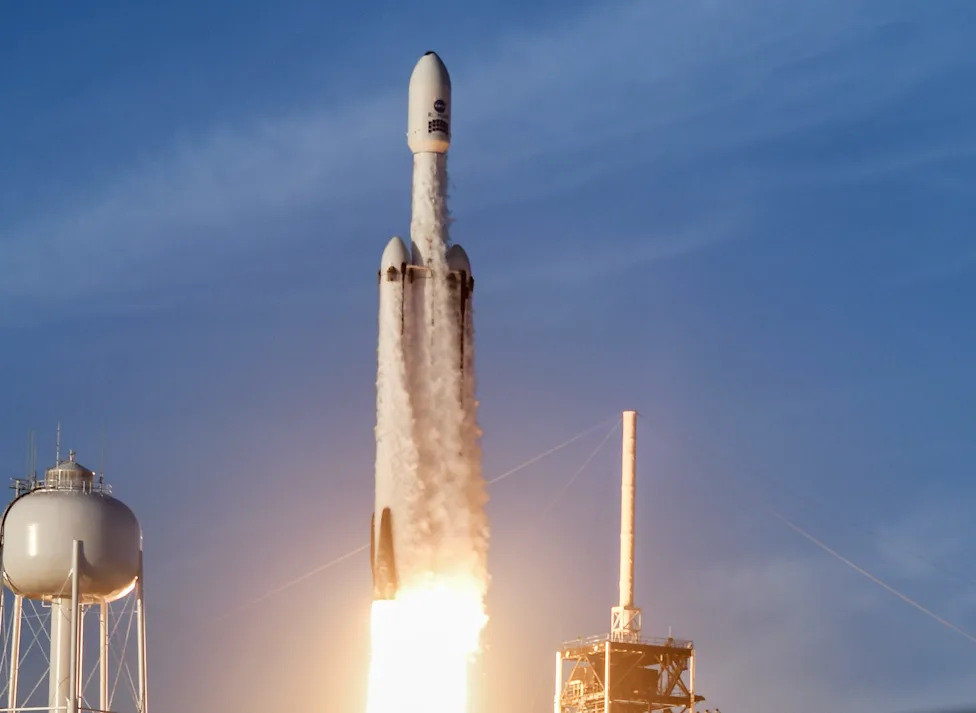
SpaceX's Falcon Heavy rocket launched Aug. 30 at the Kennedy Space Center in Florida to carry the Nancy Grace Roman Space Telescope to orbit.For at least the next five years, NASA's latest observatory willscan even more of the skythan the Hubble Telescope while discovering exoplanets and studying phenomena like dark matter.(Craig Bailey, FLORIDA TODAY)
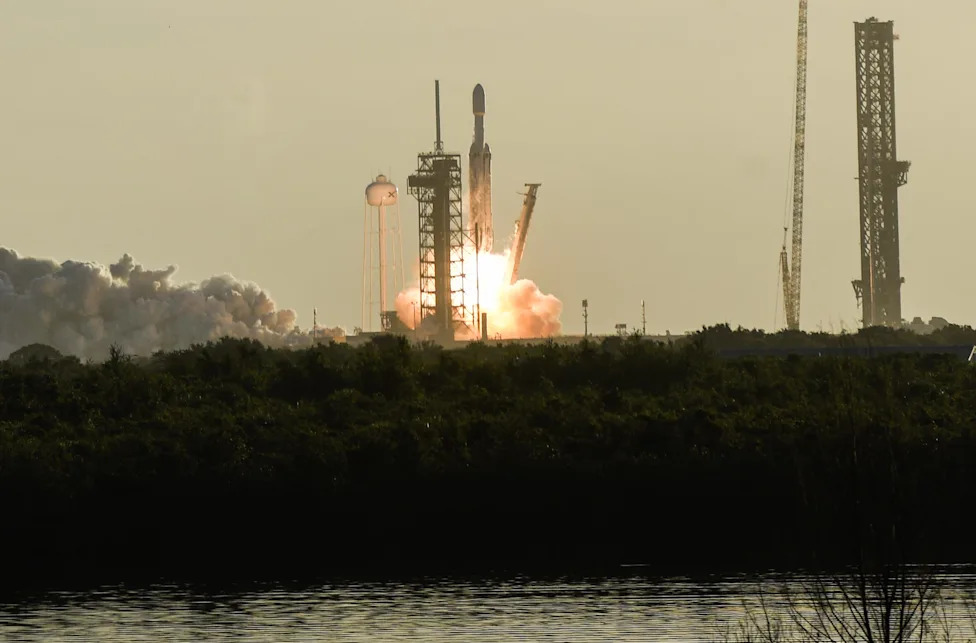
SpaceX's Falcon Heavy rocket lifts off Aug. 30 at the Kennedy Space Center in Florida. The Nancy Grace Roman Space Telescope is the latest payload the powerful rocket has transported to space.In its 13 launches, the Falcon Heavy has also helped propel spacecraft like NASA's Europa Clipper orbiter and the Psyche spacecraft that will explore a metal-rich asteroid into orbit.(Craig Bailey, FLORIDA TODAY)
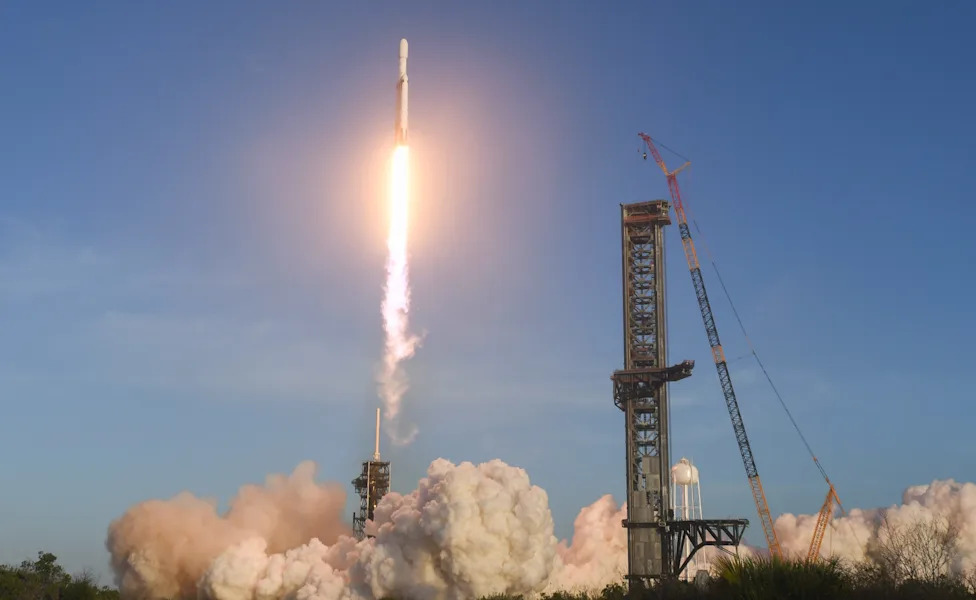
A SpaceX Falcon Heavy rocket lifts off Aug. 30 from Launch Pad 39A at Kennedy Space Center carrying the Nancy Grace Roman space Telescope, named for NASA’s first chief astronomer.(Craig Bailey, FLORIDA TODAY)
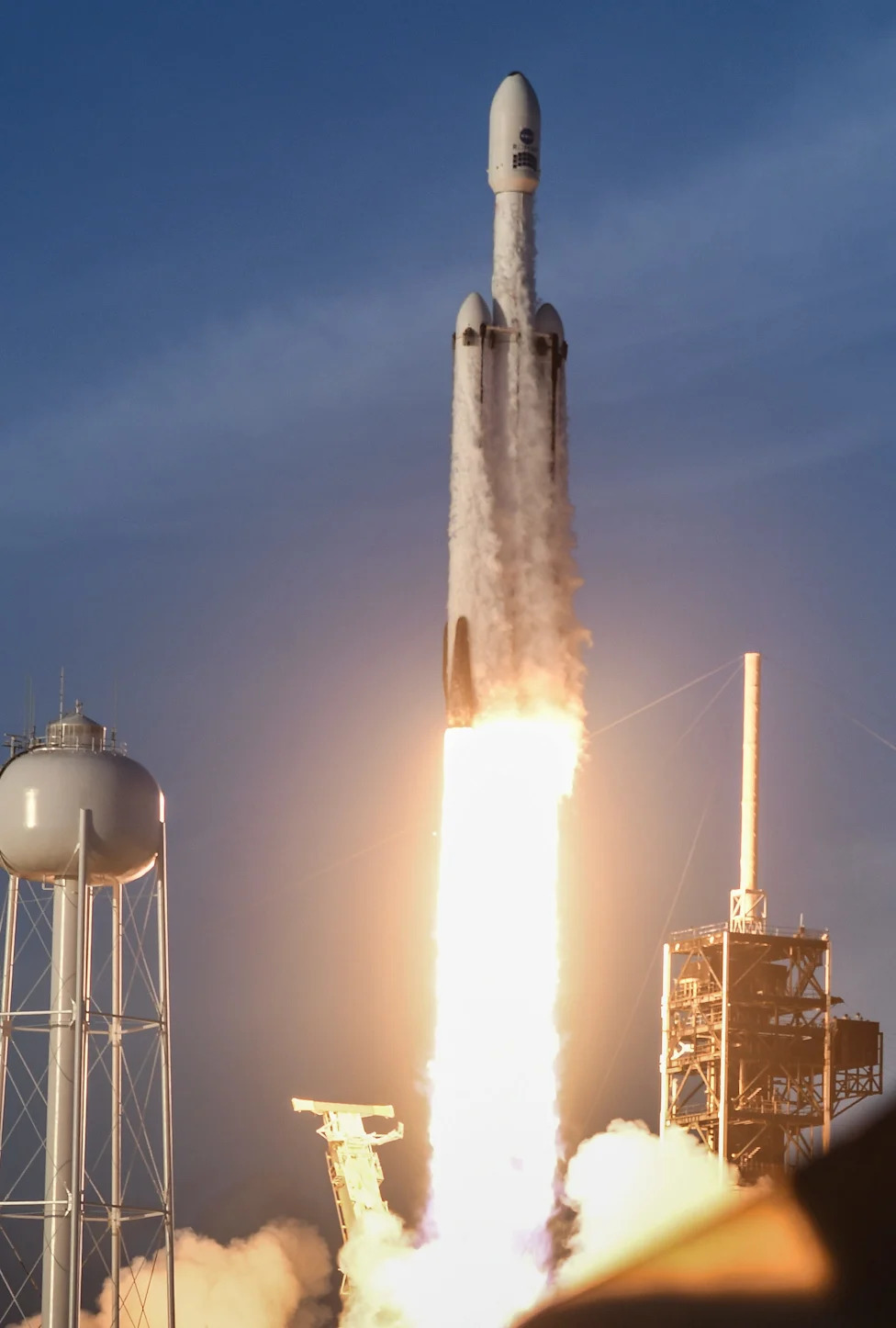
A SpaceX Falcon Heavy rocket lifts off Aug. 30 from Launch Pad 39A at Kennedy Space Center carrying the Nancy Grace Roman space Telescope, named for NASA’s first chief astronomer.(Craig Bailey, FLORIDA TODAY)
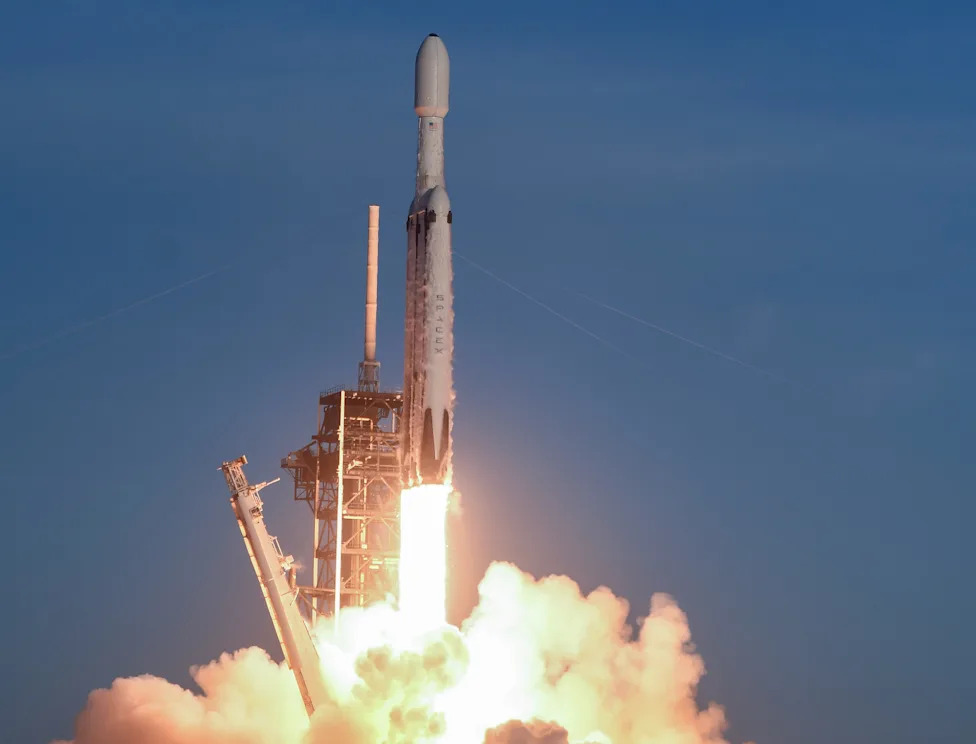
A SpaceX Falcon Heavy rocket lifts off Aug. 30 from Launch Pad 39A at Kennedy Space Center carrying the Nancy Grace Roman space Telescope, named for NASA’s first chief astronomer.(Craig Bailey, FLORIDA TODAY)
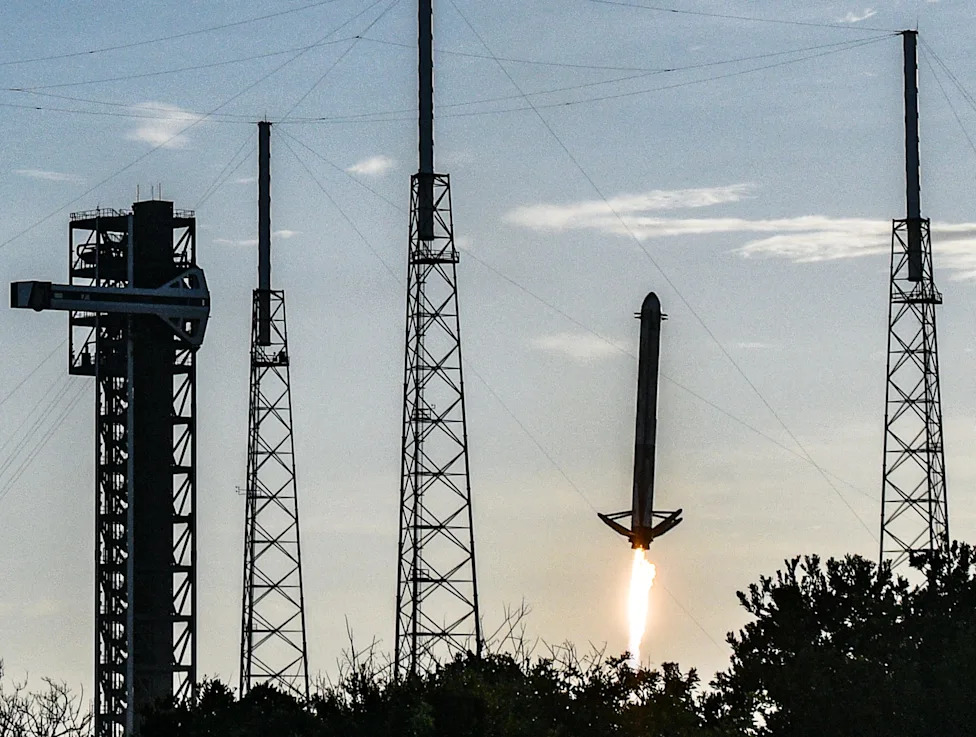
A side booster comes in for landing at LZ-40 at the Cape Canaveral Space Force Station. The booster was part of the SpaceX Falcon Heavy rocket that helped launch the Nancy Grace Roman space Telescope.(Craig Bailey, FLORIDA TODAY)
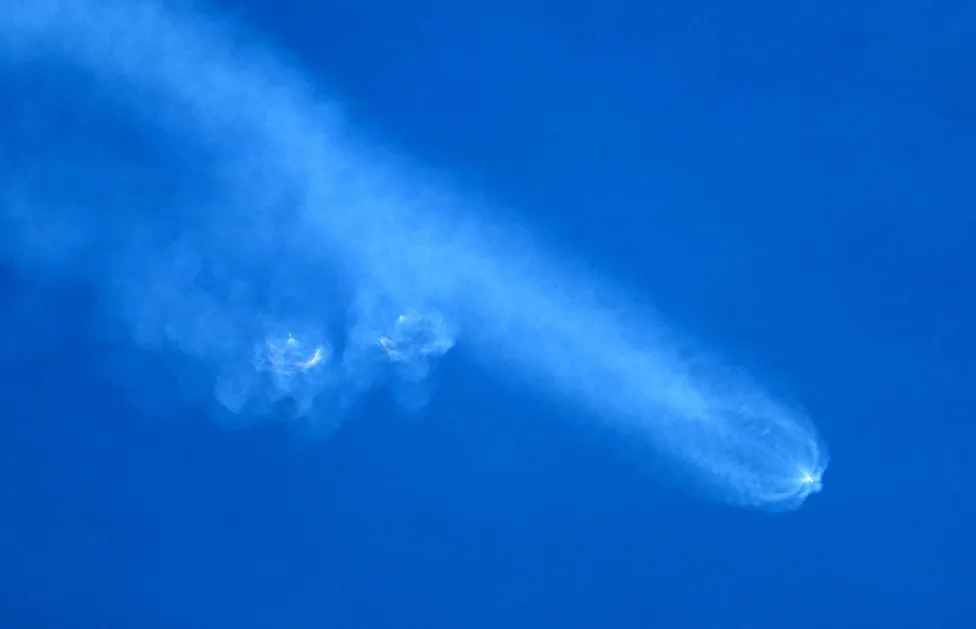
The launch of NASA’s Nancy Grace Roman Space Telescope atop the SpaceX Falcon Heavy from KSC Pad 39A, as seen from Tables Beach across from Patrick Space Force Base.(Tim Shortt, FLORIDA TODAY)
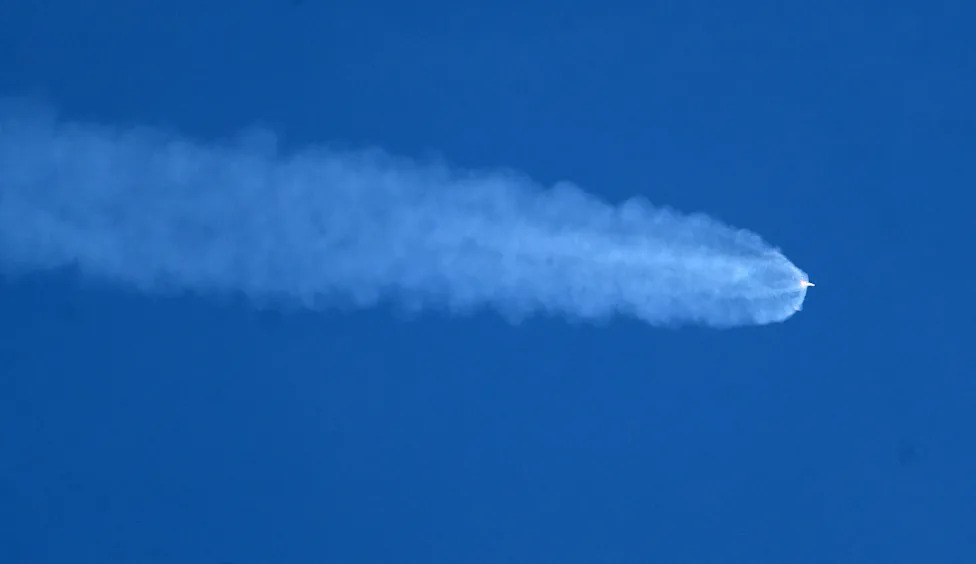
The launch of NASA’s Nancy Grace Roman Space Telescope atop the SpaceX Falcon Heavy from KSC Pad 39A, as seen from Tables Beach across from Patrick Space Force Base.(Tim Shortt, FLORIDA TODAY)
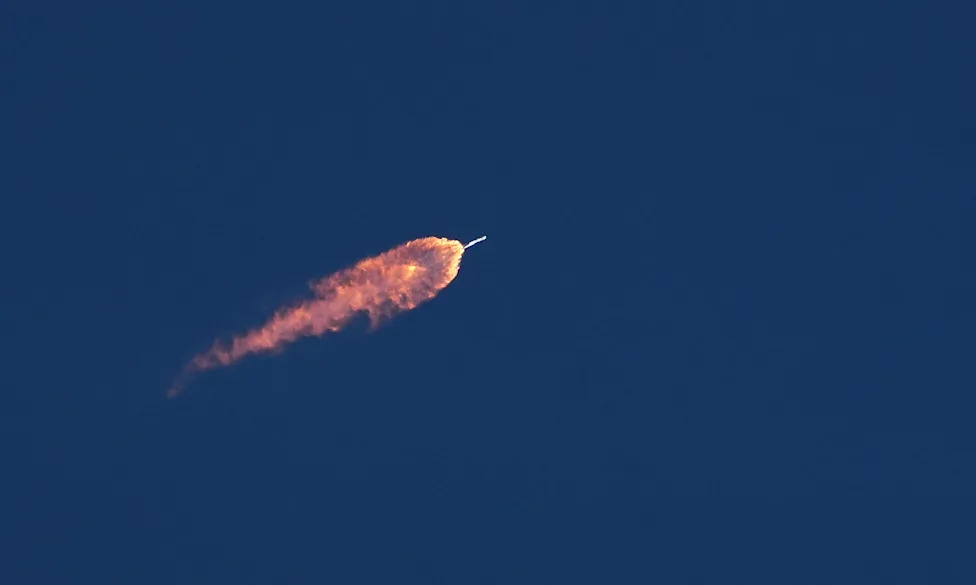
The launch of NASA’s Nancy Grace Roman Space Telescope atop the SpaceX Falcon Heavy from KSC Pad 39A, as seen from Tables Beach across from Patrick Space Force Base.(Tim Shortt, FLORIDA TODAY)
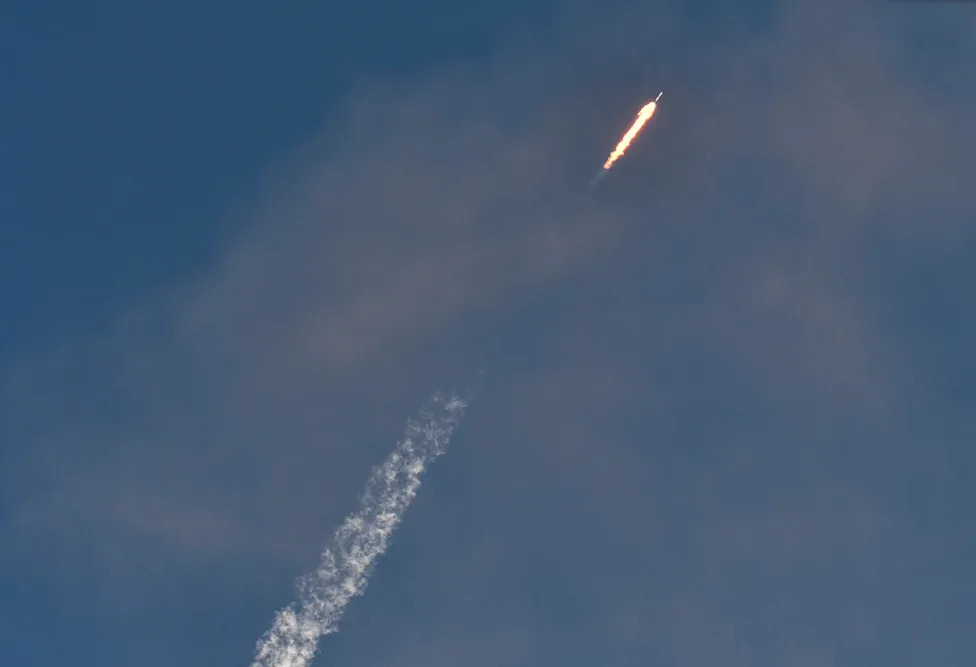
The SpaceX Falcon Heavy rocket carrying NASA's Nancy Grace Roman Space Telescope is seen soaring over Florida after launching right on time at 7:26 a.m. Sunday Aug. 30 from the Kennedy Space Center. Bother of its side boosters landed minutes after liftoff at the Cape Canaveral Space Force Station.(Malcolm Denemark, FLORIDA TODAY)
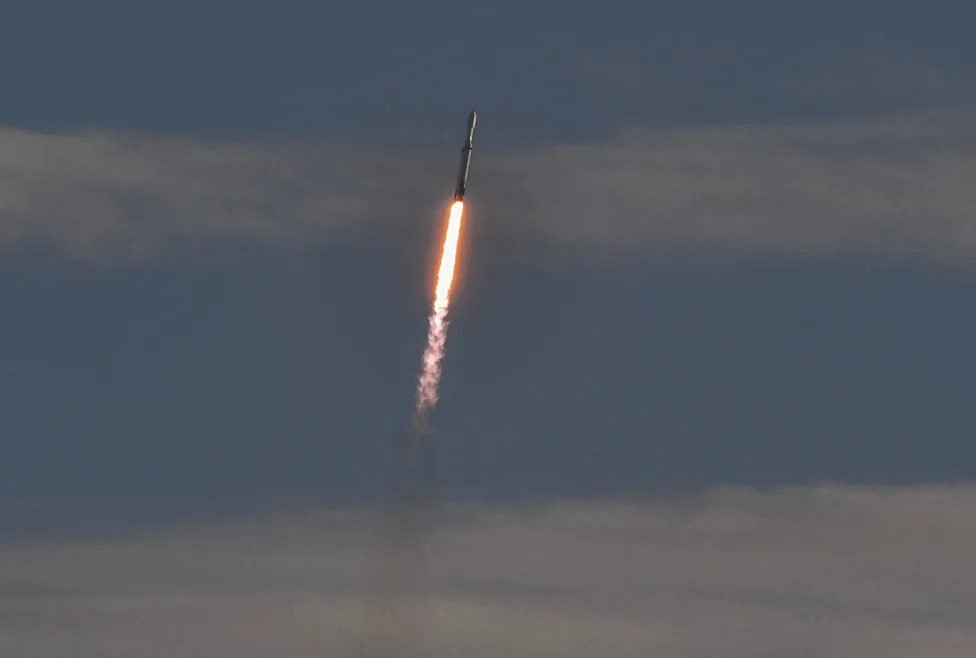
The SpaceX Falcon Heavy rocket carrying NASA's Nancy Grace Roman Space Telescope is seen soaring over Florida after launching right on time at 7:26 a.m. Sunday Aug. 30 from the Kennedy Space Center. Bother of its side boosters landed minutes after liftoff at the Cape Canaveral Space Force Station.(Malcolm Denemark, FLORIDA TODAY)
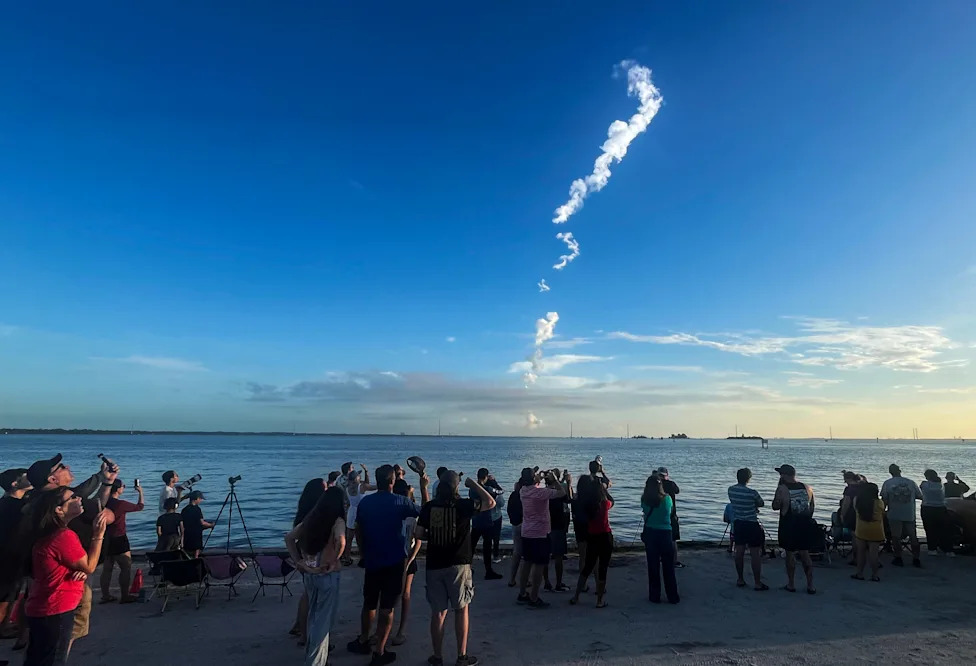
Crowds gather along a Florida beach to watch as a SpaceX Falcon Heavy rocket launches NASA's Nancy Grace Roman Space Telescope.(Malcolm Denemark, FLORIDA TODAY)
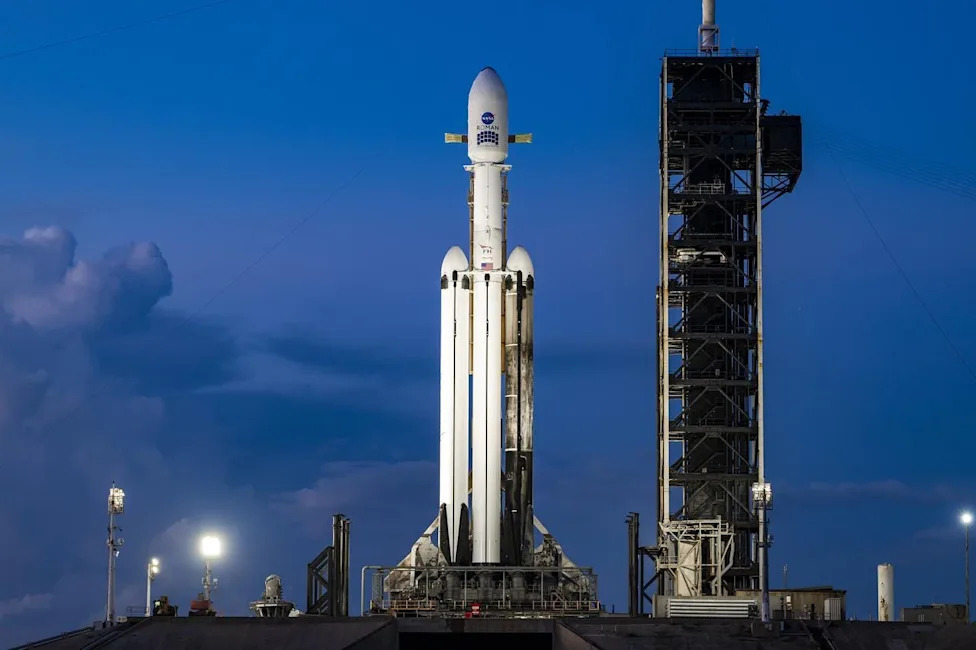
NASA’s Nancy Grace Roman Space Telescope, encapsulated in the SpaceX Falcon Heavy rocket’s fairing, stands vertical Aug. 29 on the pad at Launch Complex 39A at NASA’s Kennedy Space Center on the eve of liftoff.(Provided by NASA, via SpaceX)
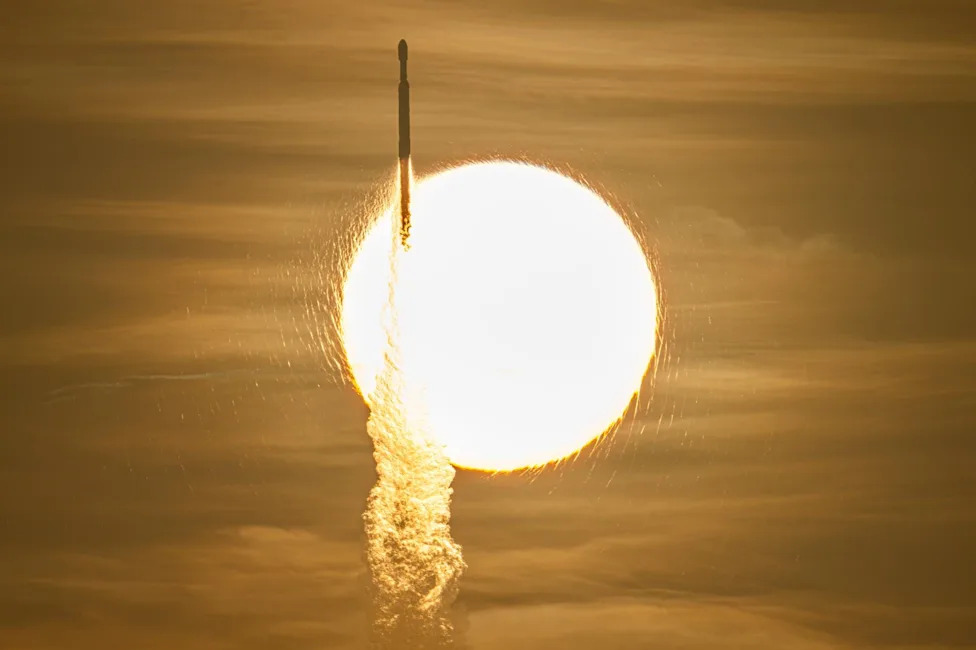
A SpaceX Falcon Heavy rocket with NASA’s Nancy Grace Roman Telescope on board is seen transiting the sun during launch from Launch Complex 39A, Sunday, Aug. 30, 2026, at NASA’s Kennedy Space Center in Florida.(NASA/John Kraus)
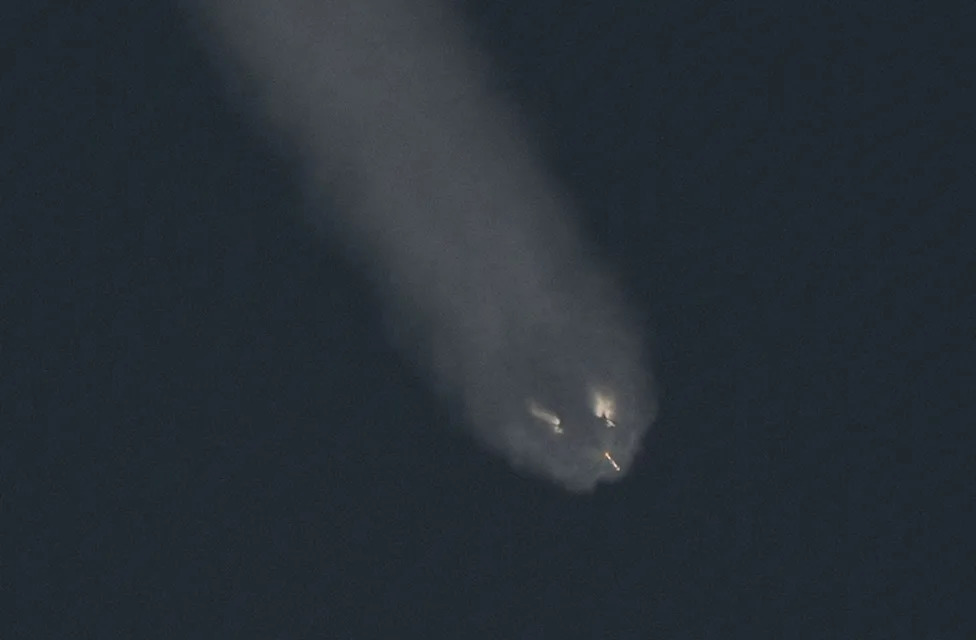
The side boosters of a SpaceX Falcon Heavy rocket are seen as the separate from the center core during the launch of NASA’S Nancy Grace Roman Space Telescope from Launch Complex 39A, Sunday, Aug. 30, 2026, at NASA’s Kennedy Space Center in Florida.(NASA/Joel Kowsky)
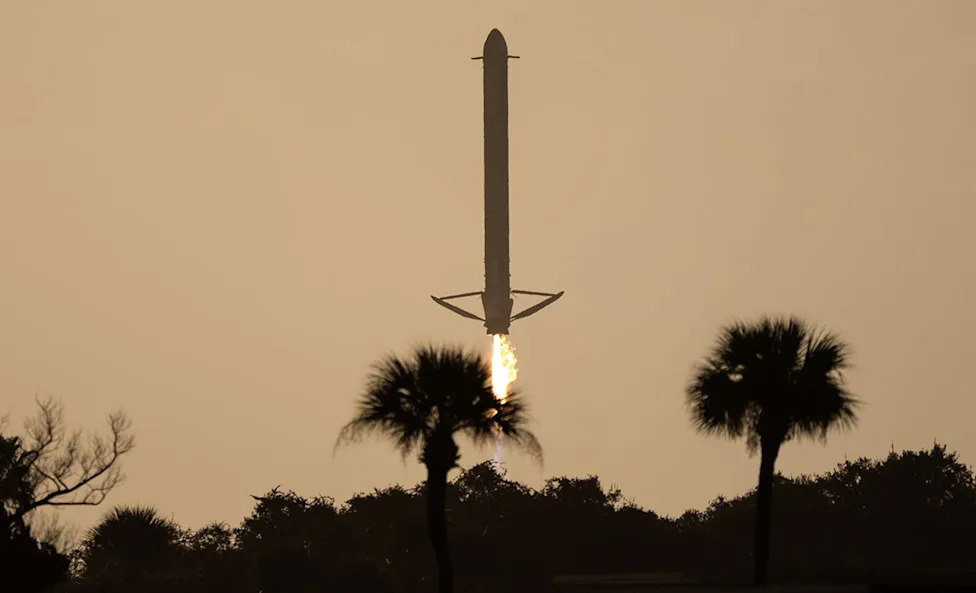
A SpaceX Falcon Heavy side booster is seen as it lands at Landing Zone 2 following the launch of NASA’s Nancy Grace Roman Space Telescope from Launch Complex 39A, Sunday, Aug. 30, 2026, at NASA’s Kennedy Space Center in Florida.(NASA/Joel Kowsky)
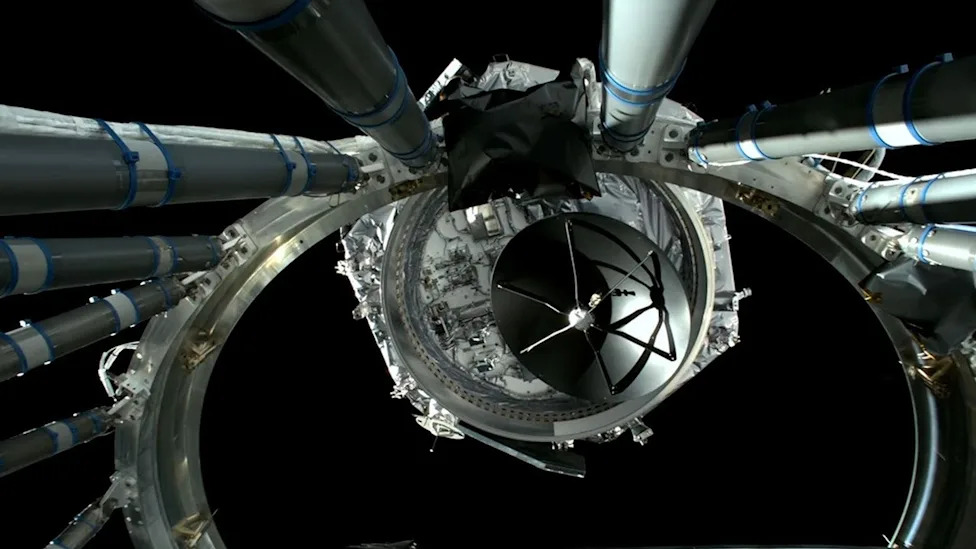
Separation of the Nancy Grace Roman Space Telescope occurs as the payload cleanly detaches from the upper stage of the Falcon Heavy rocket, beginning its solo journey into orbit.(Provided by NASA)
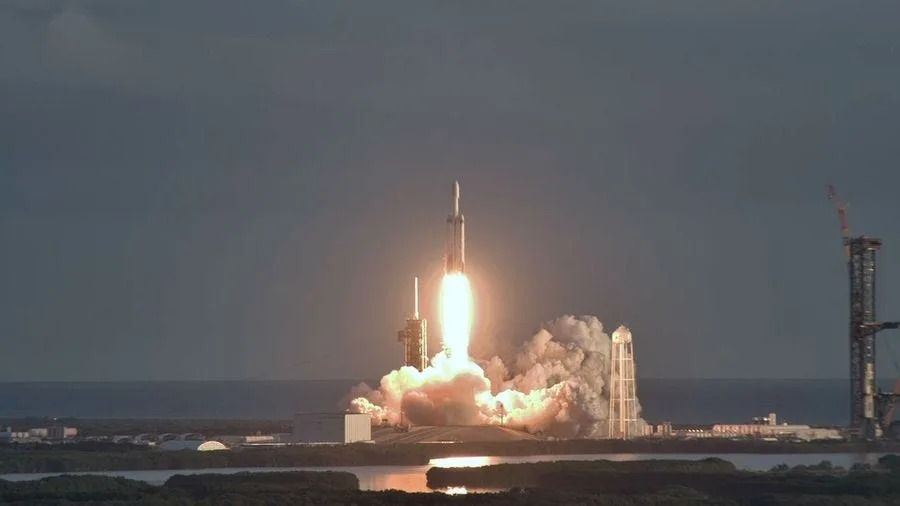
A SpaceX Falcon Heavy rocket with NASA’s Nancy Grace Roman Telescope on board is seen launching Sunday, Aug. 30, 2026, at NASA’s Kennedy Space Center in Florida.(Provided by NASA)
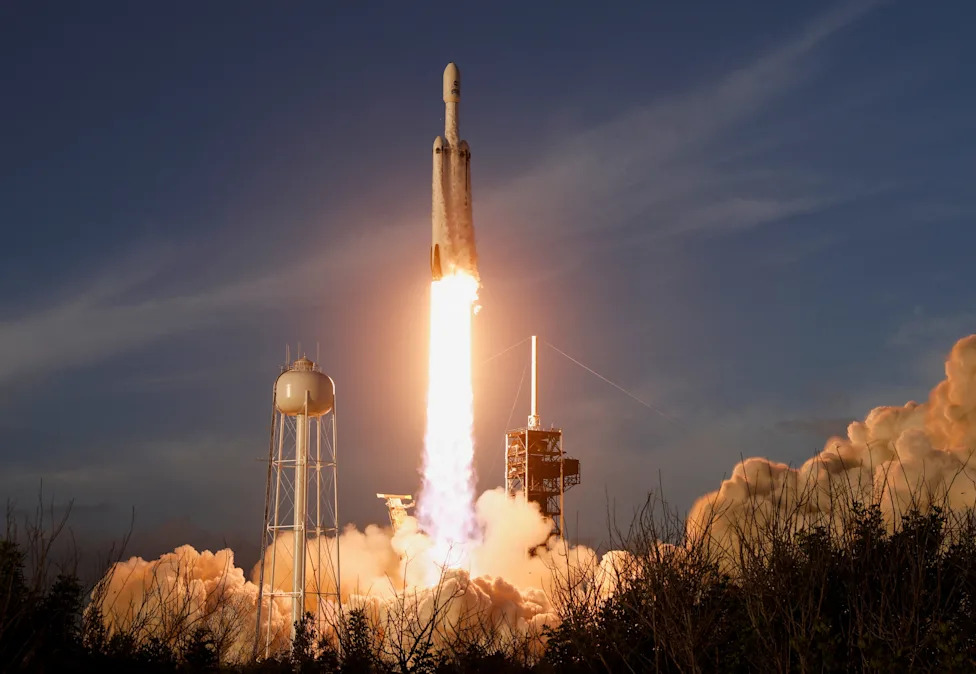
A SpaceX Falcon Heavy rocket lifts off Aug. 30 carrying NASA's Nancy Grace Roman Space Telescope at the Kennedy Space Center in Cape Canaveral, Florida.(Joe Skipper/Reuters)
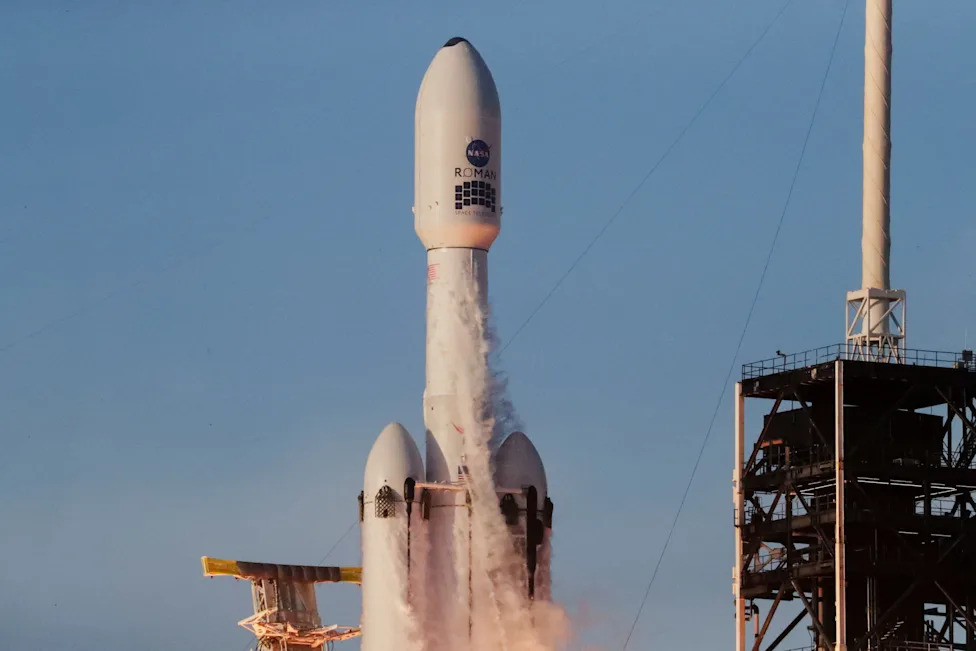
A SpaceX Falcon Heavy rocket lifts off Aug. 30 carrying NASA's Nancy Grace Roman Space Telescope at the Kennedy Space Center in Cape Canaveral, Florida.(Joe Skipper/Reuters)
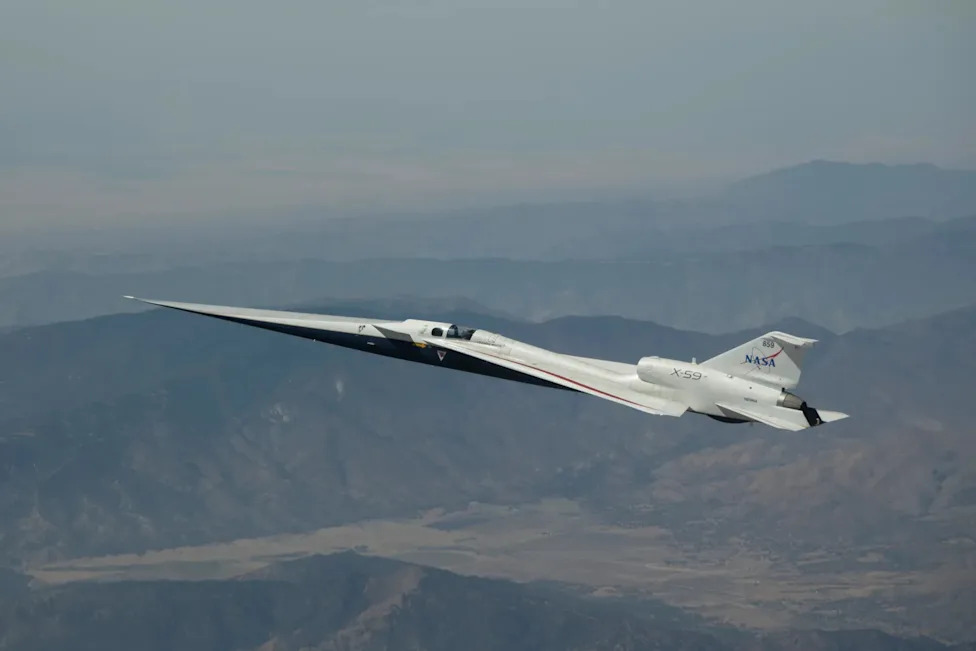
NASA’s X-59 quiet supersonic research aircraft flies above the Mojave Desert in California on Tuesday, Aug. 18, 2026.The aircraft's most recent milestone 25th test flight came a few days later, Aug. 21. Built byaerospace contractor Lockheed Martin, X-59 is designed to not only break the sound barrier by surpassing Mach-1 speeds, but to do it quietly.(NASA/Jim Ross)
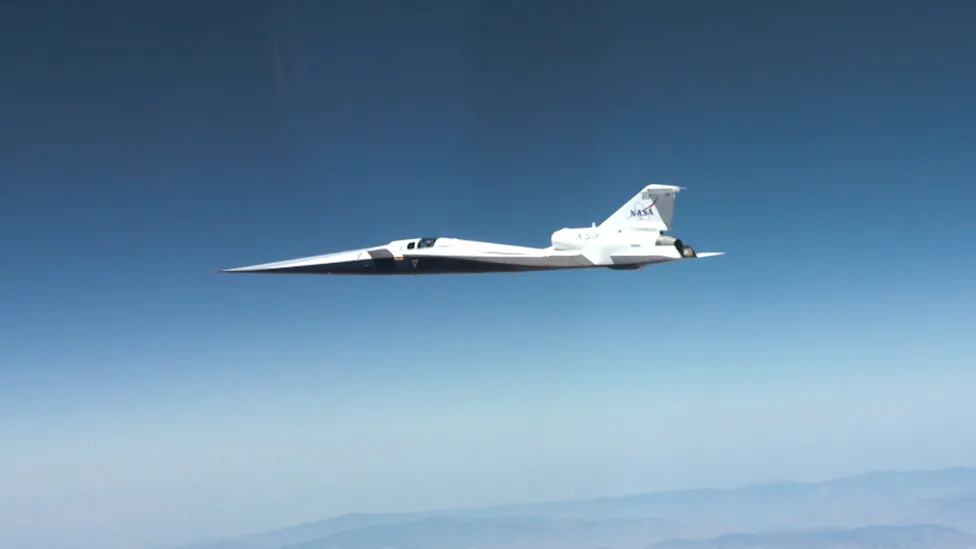
NASA's X-59 supersonic aircraft reaches supersonic speeds for the first time June 5 during a test flight in California.The milestone comes with majorimplications for travelersin the U.S. – and beyond – who dream of not only shorter flights to their destinations, but quieter ones.(NASA/Lori Losey)
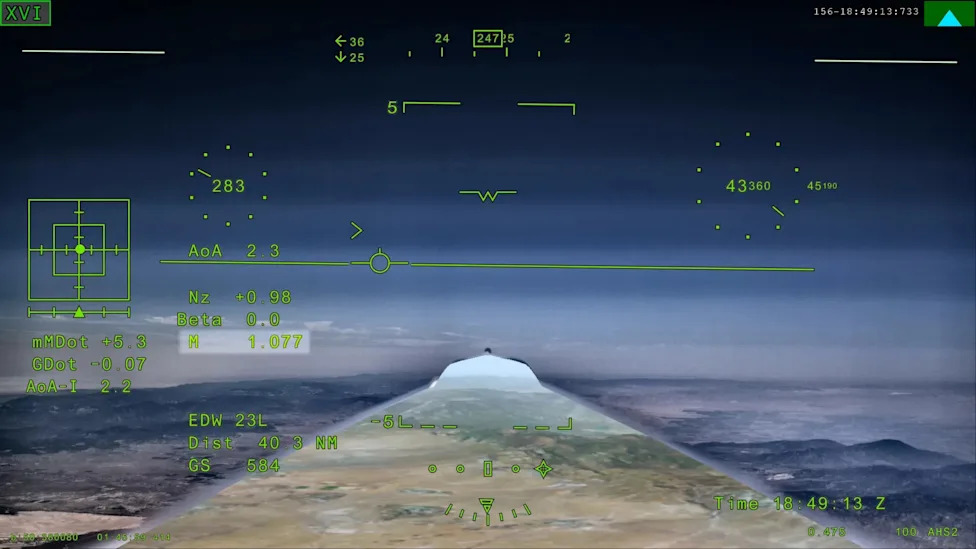
NASA’s X-59 eXternal Vision System shows Mach 1.077 on Friday, June 5, 2026, marking the aircraft’s first time reaching supersonic speed in support of NASA’s Quesst mission. The moment represented a milestone for the aircraft as it transitions to include test flights faster than the speed of sound.(Provided by NASA)
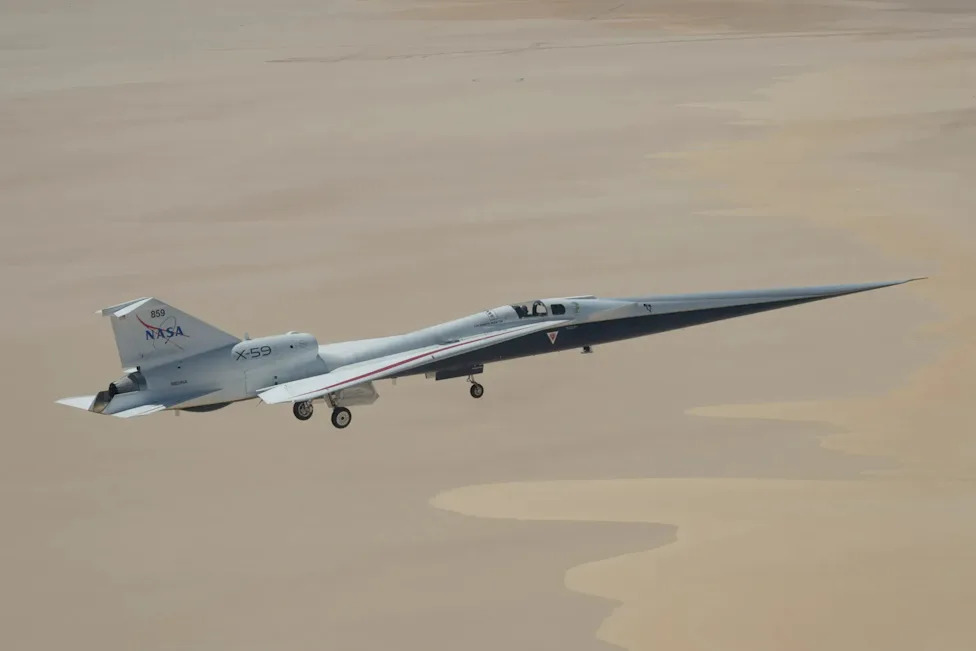
NASA’s X-59 quiet supersonic research aircraft flies over Rogers Dry Lake near NASA’s Armstrong Flight Research Center in Edwards, California, on Tuesday, May 12, 2026.Now that NASA knows the research aircraft can top supersonic speeds, the agency could soon begin flying it over U.S. cities to see if the sound it produces is noticeable to people on the ground.(NASA/Jim Ross)
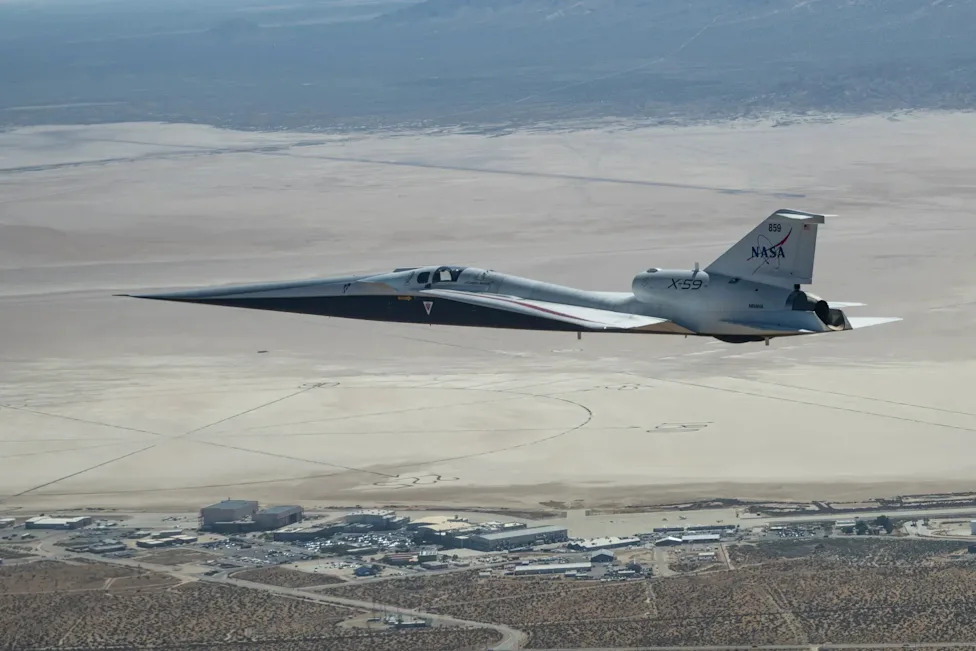
NASA’s X-59 quiet supersonic research aircraft flies above NASA’s Armstrong Flight Research Center in Edwards, California, on April 28, 2026.(NASA/Jim Ross)
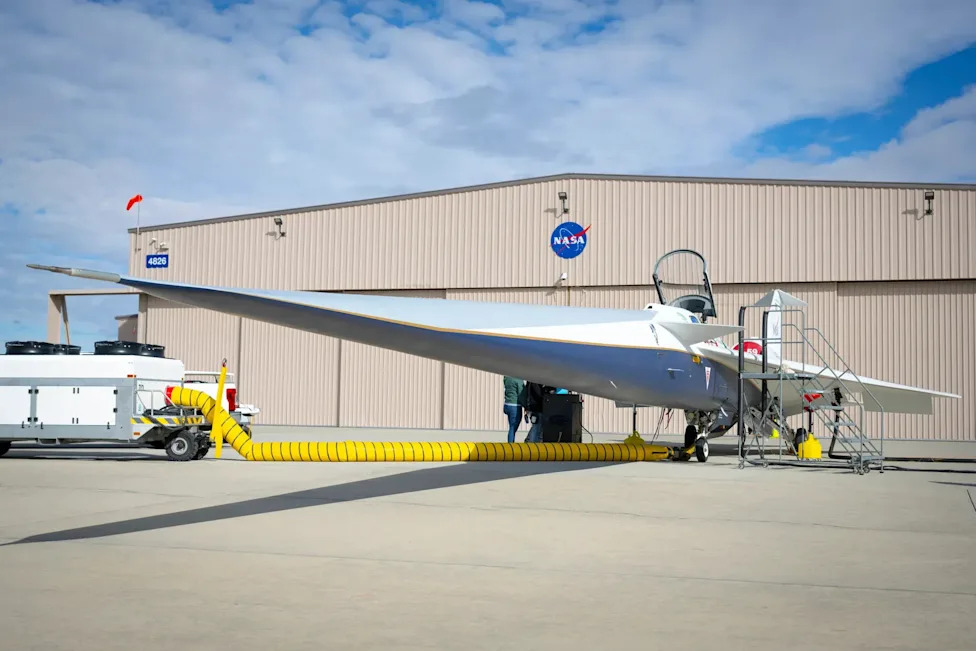
NASA’s X-59 quiet supersonic airplane sits parked in front of its new hangar home at the agency’s Armstrong Flight Research Center in California. The facility originally was constructed in 1968 and for nearly 60 years has hosted a number of research aircraft and programs.(NASA/Christopher LC Clark)
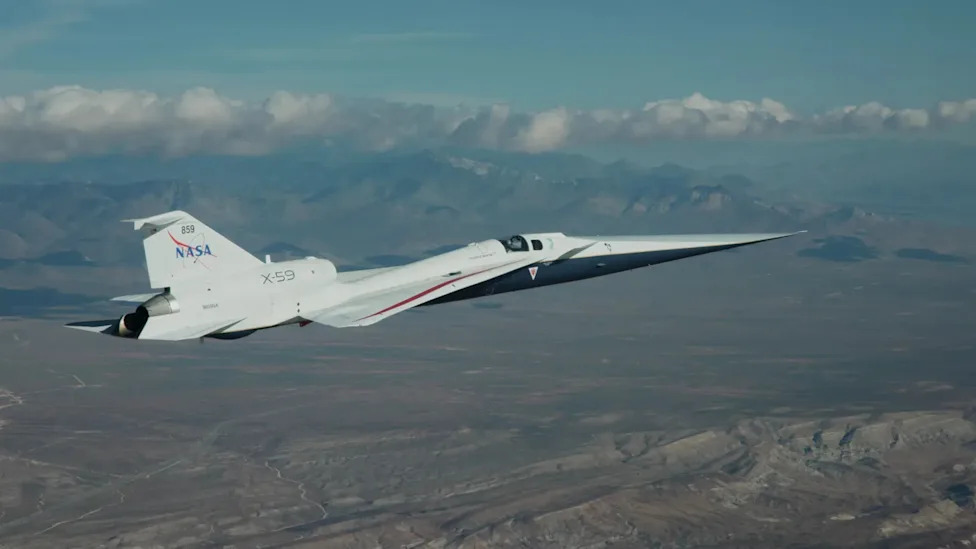
NASA’s X-59 quiet supersonic research aircraft flies over the Mojave Desert in California in this April 14, 2026, image.(Provided by NASA)
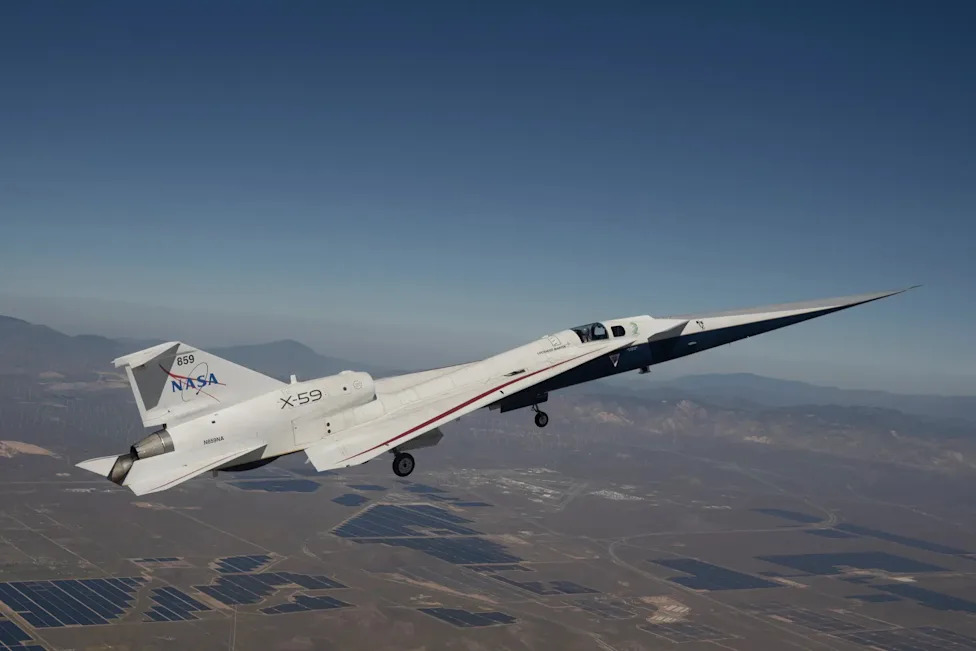
NASA’s quiet supersonic X-59 aircraft flew its second flight on March 20, 2026, near NASA’s Armstrong Flight Research Center in Edwards, California.(NASA/Jim Ross)
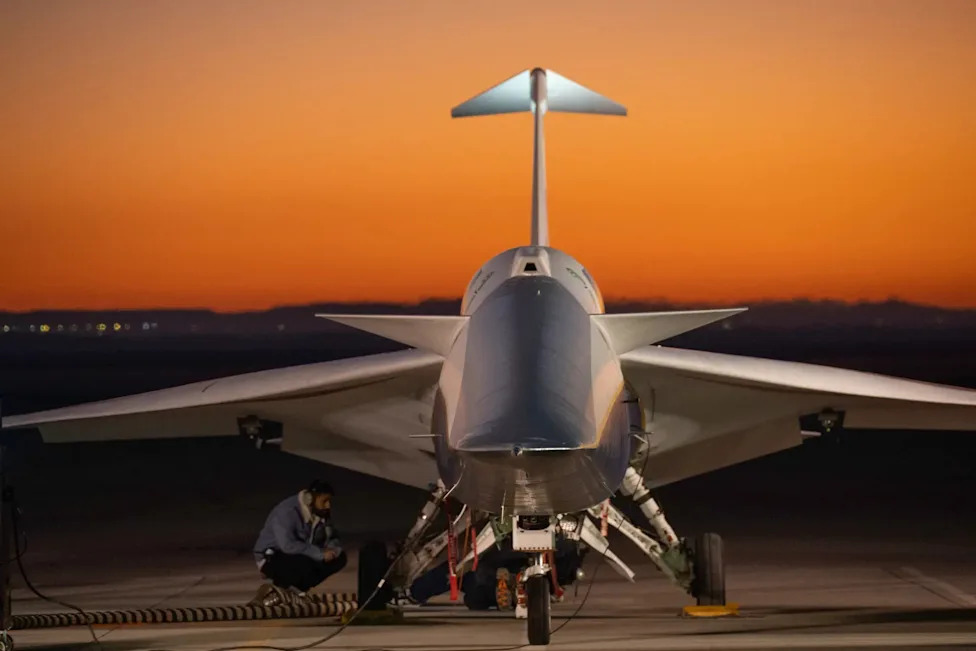
As its team prepared for second flight, NASA’s X-59 quiet supersonic aircraft underwent engine run testing on Thursday, March 12, at NASA’s Armstrong Flight Research Center in Edwards, California.(NASA/Jim Ross)

NASA test pilot Jim “Clue” Less took the X-59 through its engine run test on Thursday, March 12, at NASA’s Armstrong Flight Research Center in Edwards, California. Less will pilot the aircraft for its second flight.(NASA/Jim Ross)
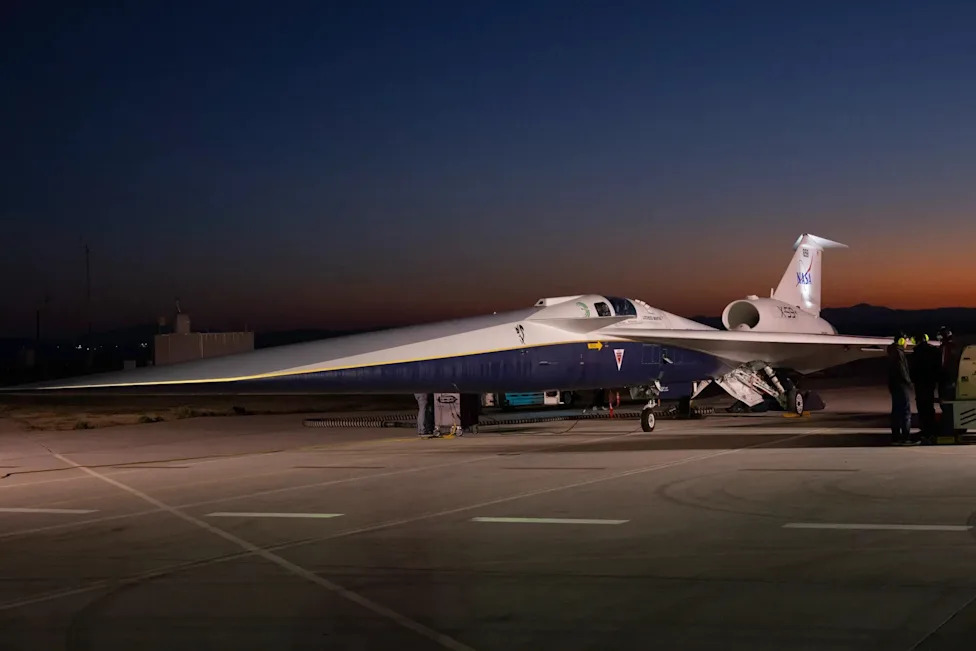
As its team prepared for second flight, NASA’s X-59 quiet supersonic aircraft underwent engine run testing on Thursday, March 12, 2026, at NASA’s Armstrong Flight Research Center in Edwards, California.(Provided by NASA)
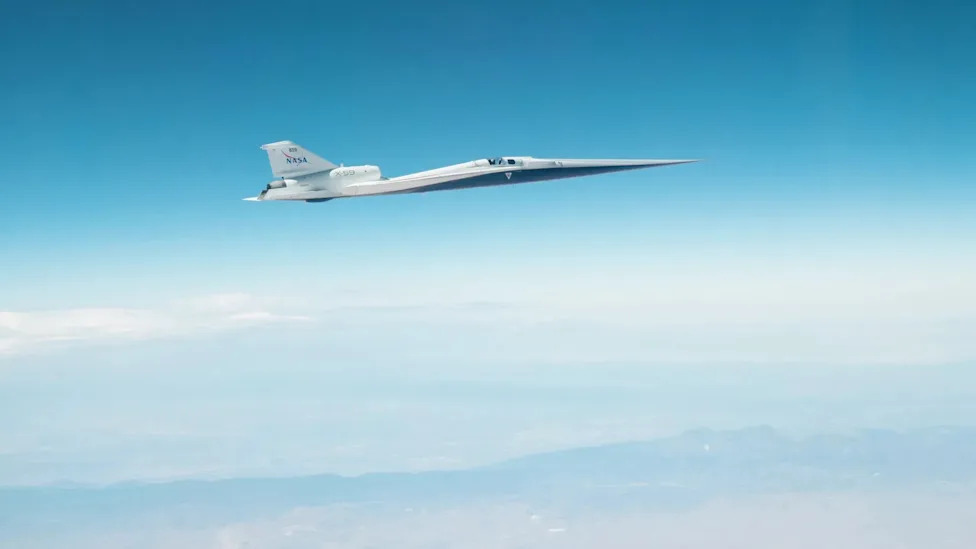
NASA’s X-59 quiet supersonic research aircraft reached its target speed and altitude for future community overflights for the first time during a flight on Friday, June 12, 2026. The milestone marked the first time the aircraft flew at Mach 1.4 and 55,000 feet — conditions it will fly when gathering community response data to its quiet sonic thump.(NASA/Lori Losey)
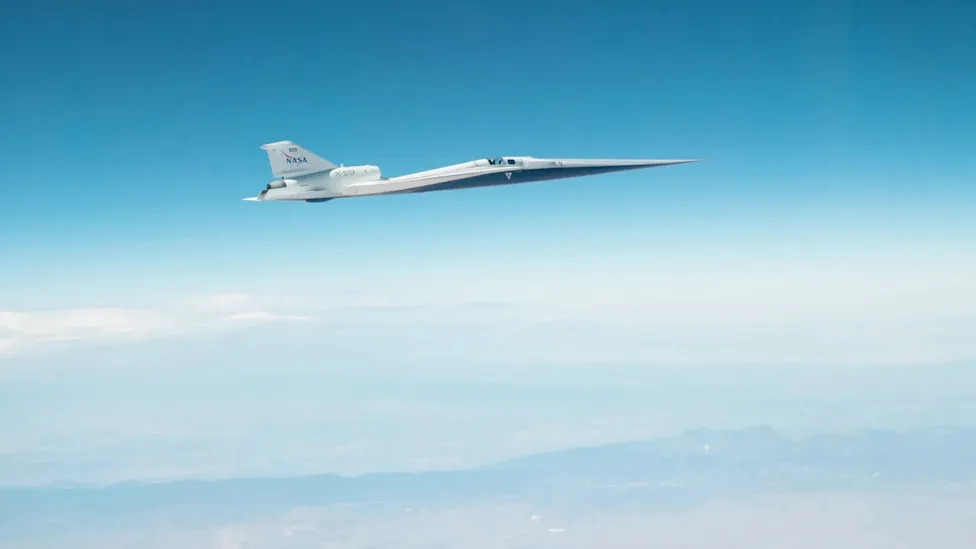
NASA’s X-59 quiet supersonic research aircraft reached its target speed and altitude for future community overflights for the first time during a flight on Friday, June 12, 2026. The milestone marked the first time the aircraft flew at Mach 1.4 and 55,000 feet — conditions it will fly when gathering community response data to its quiet sonic thump.(NASA/Lori Losey)
Pomozite nam da budemo bolji.