Posada Artemis II vratila se na Zemlju nakon desetodnevne misije tokom koje je Orion prišao na oko 4.000 milja iznad Meseca, pruživši ljudima jedinstven pogled na dalju stranu. Astronauti se prilagođavaju životu pod Zemljinom gravitacijom kroz rehabilitaciju i simulacije mesečevih šetnji. NASA priprema Artemis III (planirano 2027) i iznela je novu centralnu fazu SLS-a, ali OIG upozorava da skafanderi i neki landeri kasne, što može odložiti operativne ciljeve.
Artemis II Se Vratio: Astronauti Se Prilagođavaju Zemaljskim Uslovima, NASA Gleda Ka Artemis III
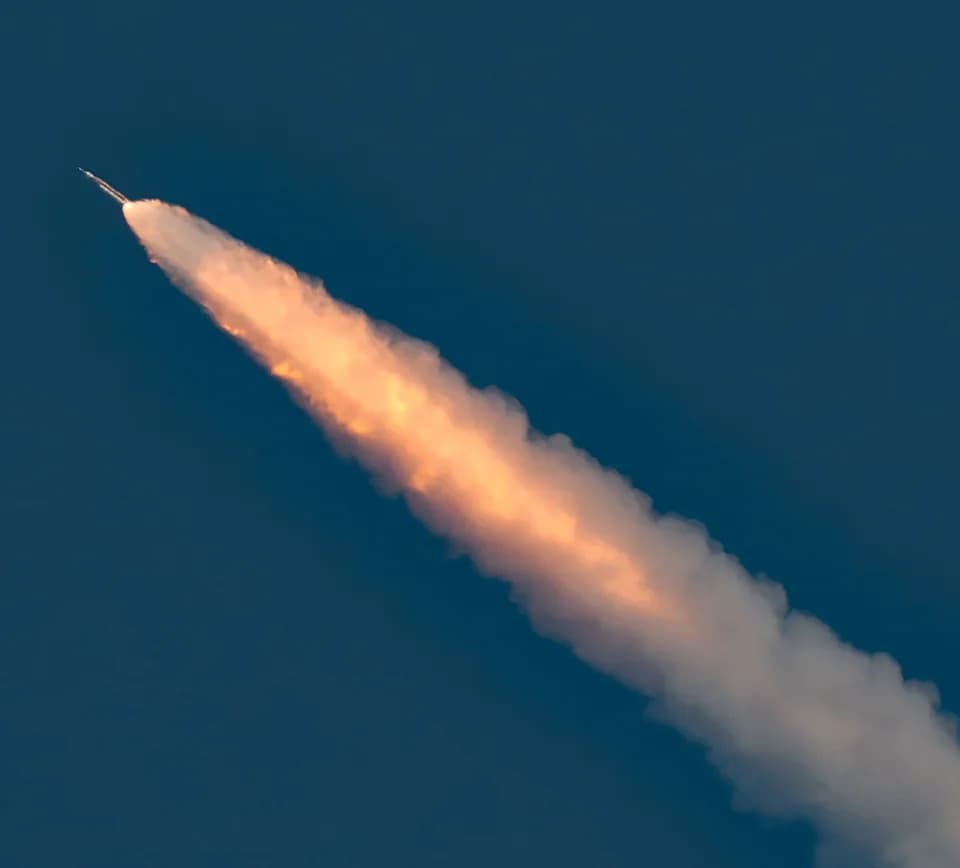
The Artemis II mission launches April 1 from the Kennedy Space Center in Cape Canaveral, Florida. The four-person crew aboard the Orion spacecraft hitched a ride to orbit atop NASA's giant 322-foot Space Launch System rocket. Launching atop 8.8 million pounds of thrust, the SLS is the most powerful rocket NASA ever launched, about 17% more powerful than the iconic Saturn V rocket used during the Apollo era.
Posada misije Artemis II vratila se na Zemlju nakon desetodnevnog leta (1.–10. april) koji je ljude doveo bliže Mesecu nego u prethodnih više od 50 godina. Tokom istorijskog preleta, astronauti su videli delove dalje strane Meseca koje nijedan čovek ranije nije mogao da posmatra iz blizine.
Viralni „earthset“ i prizori sa daleke strane Meseca
Komandant misije Reid Wiseman podelio je 19. aprila snimak „earthset“ — zalazak Zemlje sa lunarnog horizonta — koji je zabeležio 6. aprila mobilnim telefonom. Orion je pri tom prošao na oko 4.000 milja iznad mesečeve površine, što je omogućilo posadi jedinstven pogled na dalju stranu Meseca. U snimku se čuje i oduševljenje posade dok Christina Koch brzo slika prizore objektivom od 400 mm.
Rehabilitacija i povratak u gravitaciju
Nakon splasdhown-a u Tihom okeanu, astronauti su se vratili porodicama, učestvovali u debrifinzima i medijskim nastupima, ali i u programima rehabilitacije. Christina Koch je podelila video vežbi za povratak u Zemljinu gravitaciju, uključujući takozvani tandem hod sa zatvorenim očima koji pomaže proceni vestibularnih promena nakon boravka u mikrogravitaciji.
Simulacije budućih mesečevih šetnji
Jeremy Hansen iz Kanadske svemirske agencije demonstrirao je simulacije šetnje po Mesecu u Johnson Svemirskom centru. Posada sprovodi testove kako bi optimizovala pokrete i procedure za buduće misije na površini Meseca.
Pripreme za Artemis III
NASA već radi na narednoj misiji, Artemis III, koju planira za 2027. Da bi se misija pripremila, 20. aprila iz Michoud Assembly Facility u New Orleansu iznet je sledeći centralni segment (centralna faza) rakete Space Launch System (SLS) — dugačak 212 stopa — koji će uskoro biti prebačen baržom Pegasus ka Kennedy Space Centeru. Mobilni lanser koji se koristio za Artemis II vraćen je u Vehicle Assembly Building radi daljih integracija.
Problemi i kašnjenja: skafanderi i landeri
I pored napretka, NASA se suočava sa izazovima. Kancelarija inspektora generalnog (OIG) izdala je izveštaj 20. aprila koji upozorava da skafanderi potrebni za operacije na lunarnom terenu — koje razvija kompanija Axiom Space po ugovoru sa NASA — možda neće biti spremni na vreme. Dok NASA i Axiom planiraju testiranje skafandera 2027. tokom Artemis III, OIG procenjuje da bi kompletni sistemi mogli biti spremni tek do 2031. godine, što bi predstavljalo značajno kašnjenje u odnosu na planirane misije. Raniji izveštaj iz marta takođe je ukazao na kašnjenja kod lunarnih landera koje razvijaju Blue Origin i SpaceX.
Šta sledi
Artemis II je važna tehnološka i operativna provera pred naredne letove. NASA planira Artemis III za 2027. kao ključnu stepenicu, dok se ambicije sletanja ljudi na Mesec nastavljaju ka narednim misijama. Uspeh programa zavisiće od rešavanja tehničkih izazova, pre svega dostupnosti skafandera i pouzdanih lunarnih landera.
Napomena: Informacije u tekstu bazirane su na izvorima i izveštajima objavljenim u aprilu (uključujući izveštaj OIG-a) i izjavama NASA-e i astronauta.
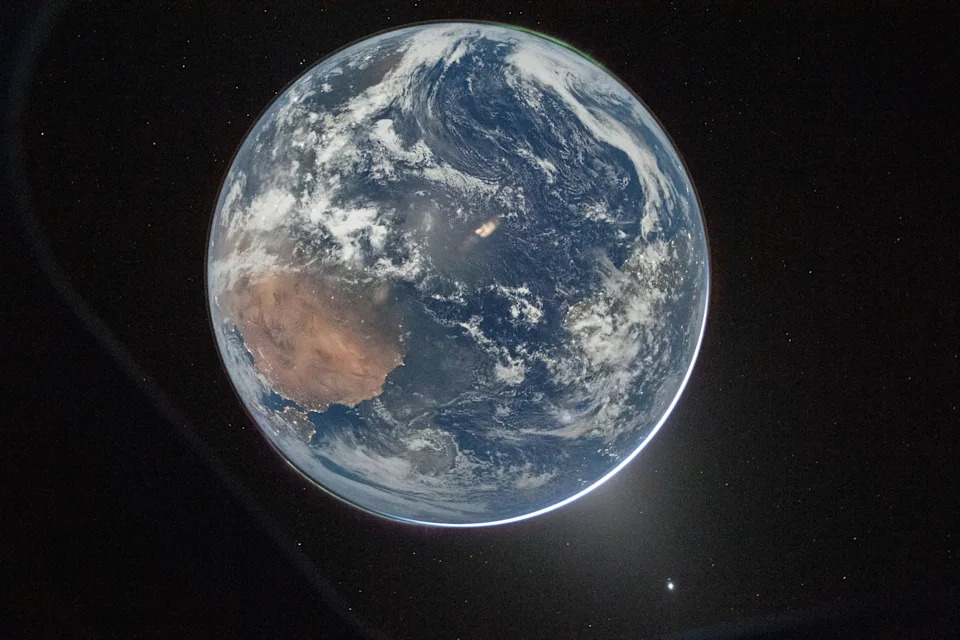
Artemis II Commander Reid Wiseman of NASA took this stunning photograph of Earth from the Orion spacecraft's window on April 2. The image is reminiscent of the iconic "blue marble" image captured during the Apollo 17 mission in 1972.
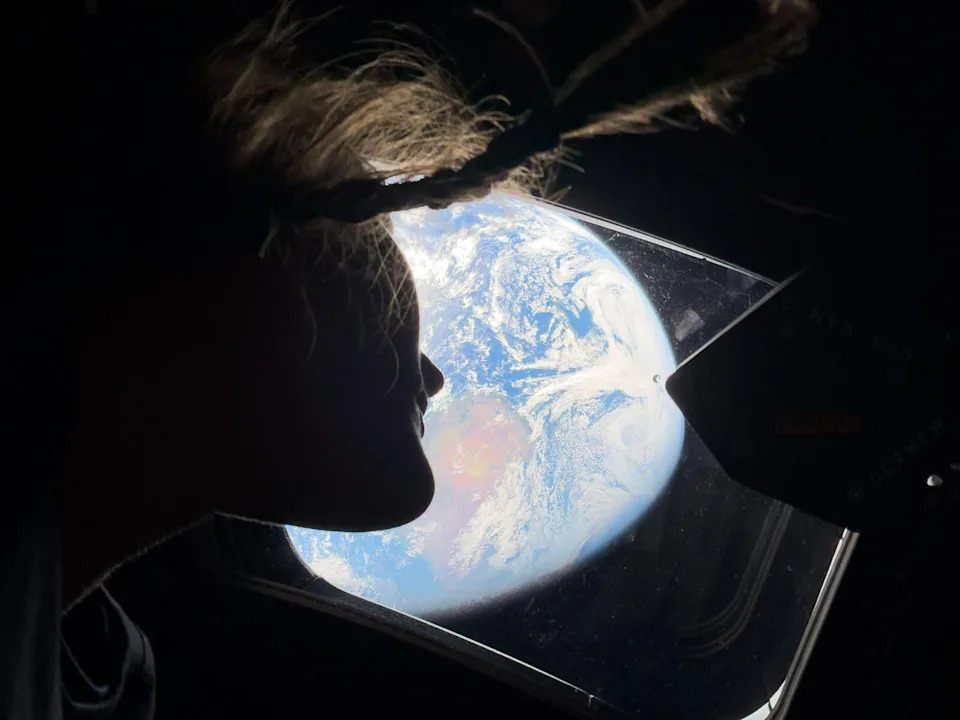
NASA astronaut Christina Koch, a mission specialist on Artemis II, gazes out the windows of the Orion vehicle back at Earth as she and the crew head toward the moon. Koch, who already holds several NASA records from her first spaceflight in 2019 to the International Space Station, became the first woman to fly on a lunar mission.
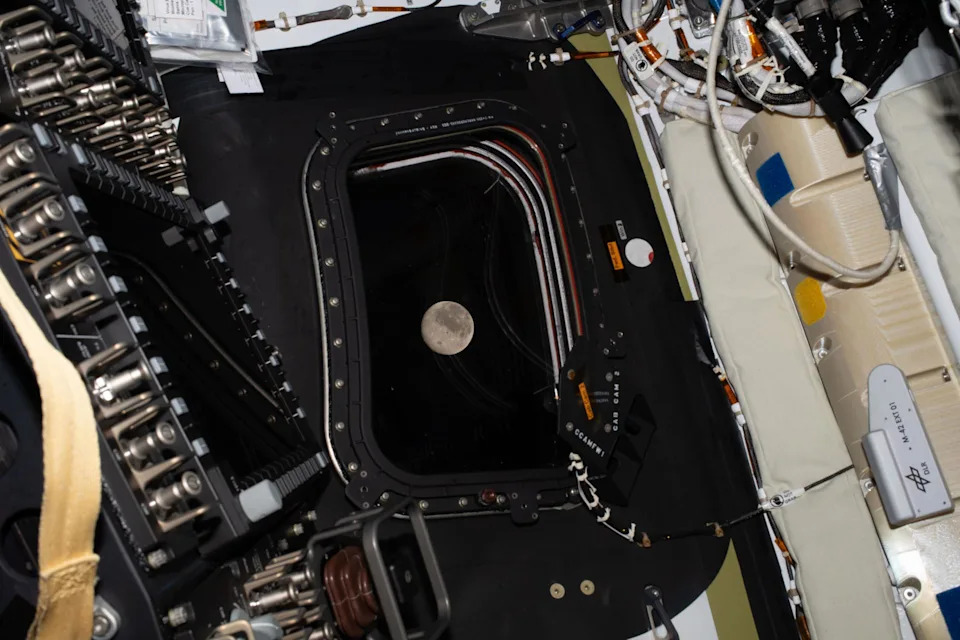
Before going to sleep April 5, the Artemis II crew snapped one more photo of the moon, as it drew close in the window of the Orion spacecraft. Shortly after, the astronauts entered the lunar sphere of influence, where the pull of the moon's gravity became stronger than Earth's.
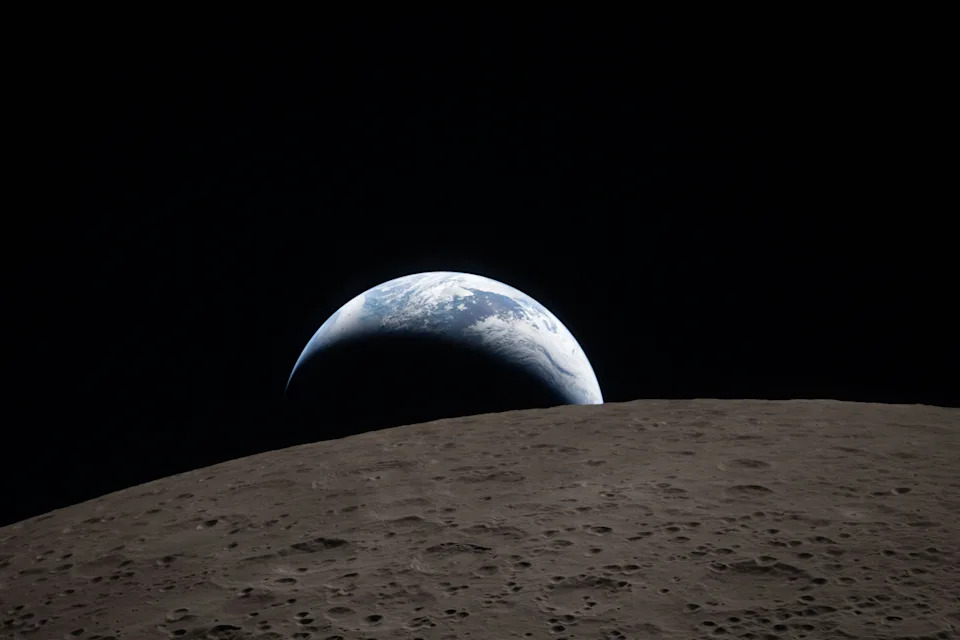
The crew of Artemis II captured a breathtaking image of a celestial event known as an "Earthset," in which the Earth dropped below the lunar horizon. The image is reminiscent of the iconic "Earthrise" photo that NASA astronaut Bill Anders captured in 1968 during the Apollo 8 mission that showed our planet rising on the lunar horizon.
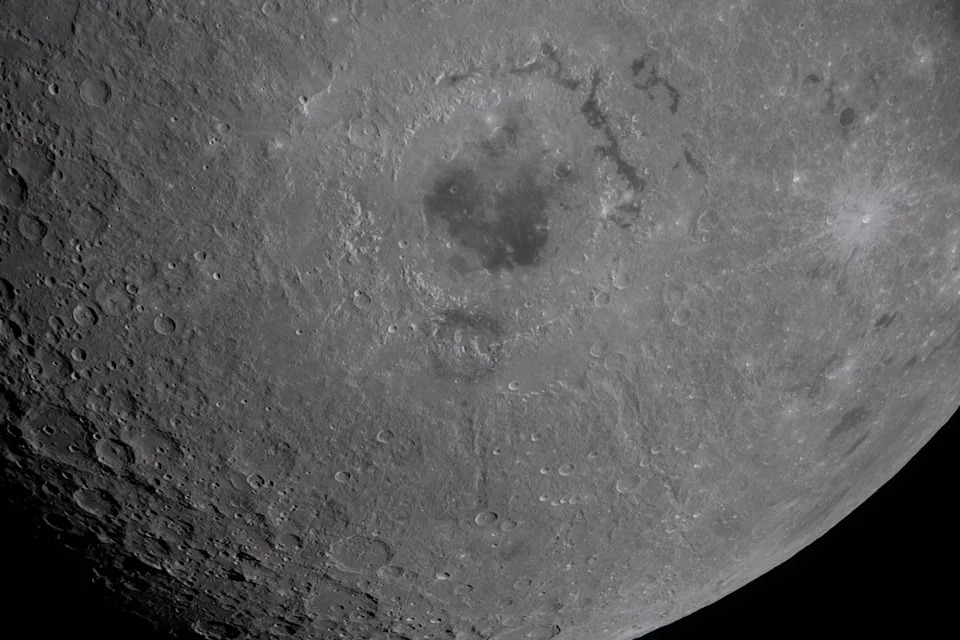
Of the impact craters, ancient lava flows and other lunar features the Artemis II astronauts observed during an April 6 flyby, a crater known as the Orientale basin was perhaps the most prominent. Spanning nearly 600 miles, the 3.8 billion year old crater (seen in the upper center of this photo) had never been seen with the naked eye prior to the mission.
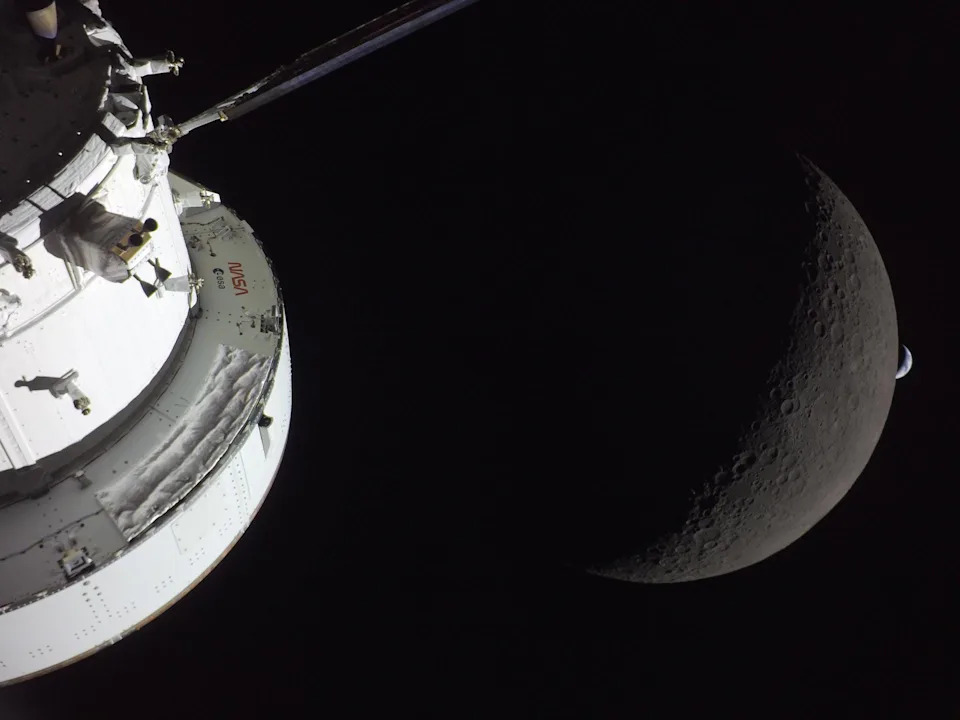
The Orion spacecraft the Artemis II astronauts were aboard is captured in the same frame as both the moon and Earth in this photo captured about four hours into the historic April 6 flyby.
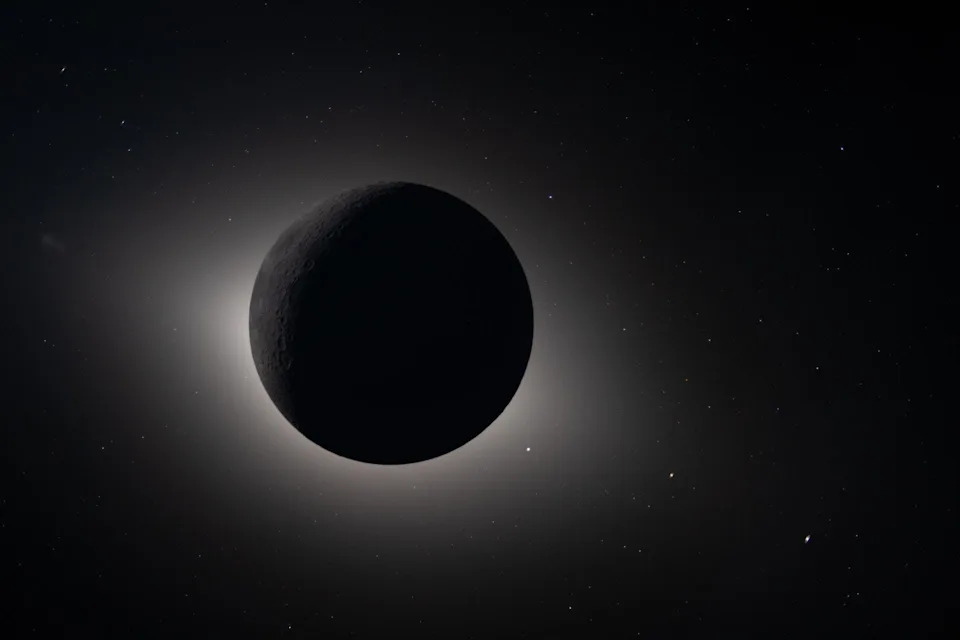
This image shows the moon fully eclipsing the sun from the vantage of the Orion spacecraft, not unlike what millions of people witnessed in April 2024 from Earth. From the crew’s perspective, the moon appeared large enough to completely block the sun, creating nearly 54 minutes of totality and revealing our star's elusive outermost layer, known as the corona.
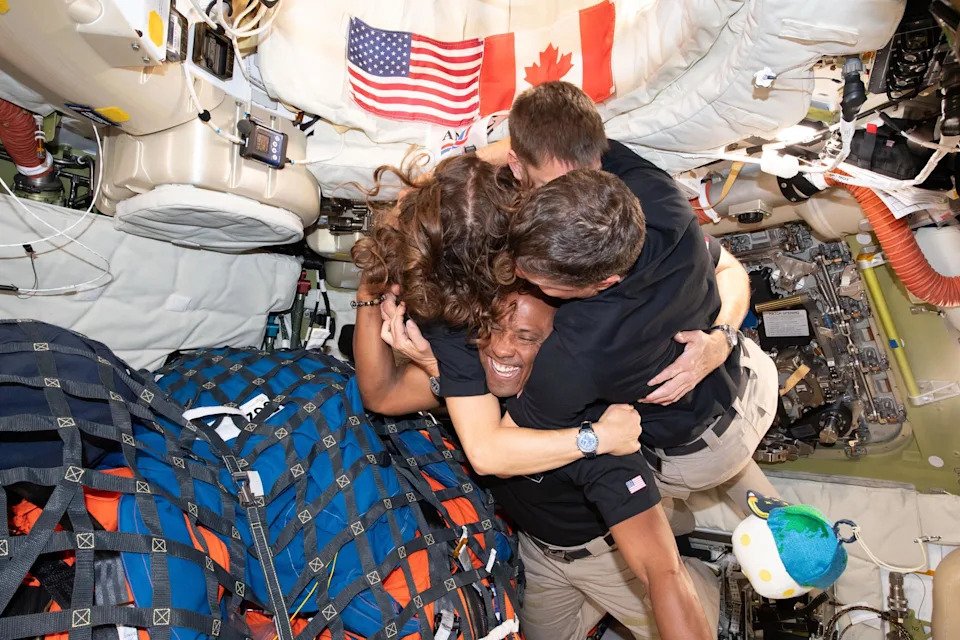
The crew members of Artemis II embrace following the historic lunar flyby April 6, during which the astronauts flew farther from Earth than anyone in human history while seeing sights of the moon's far side never seen in person.
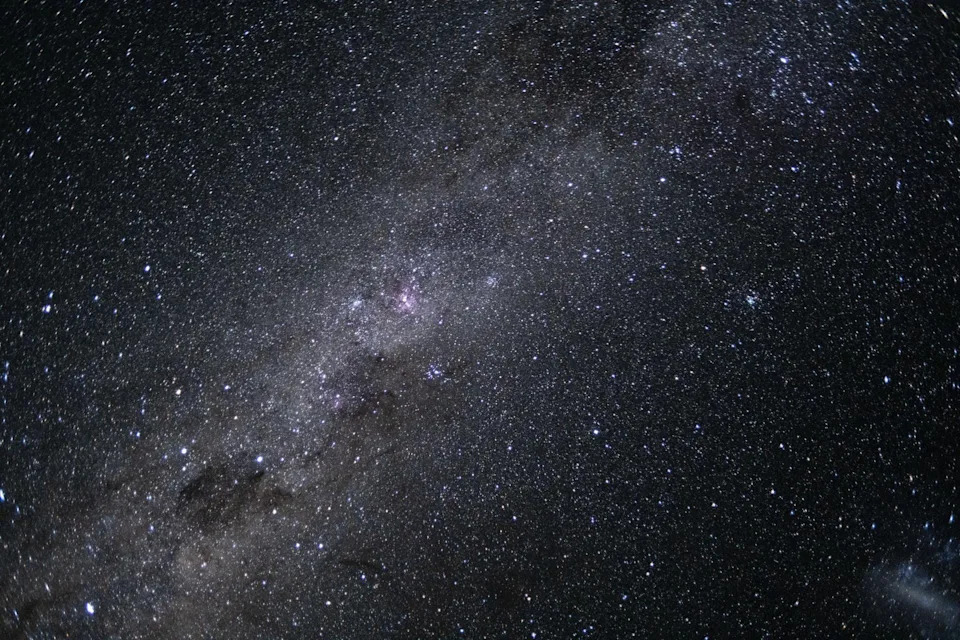
The Artemis II crew captured this breathtaking photo of our galaxy, the Milky Way. Spanning more than 100,000 light-years, Earth is located along one of the galaxy’s spiral arms, about halfway from the center.
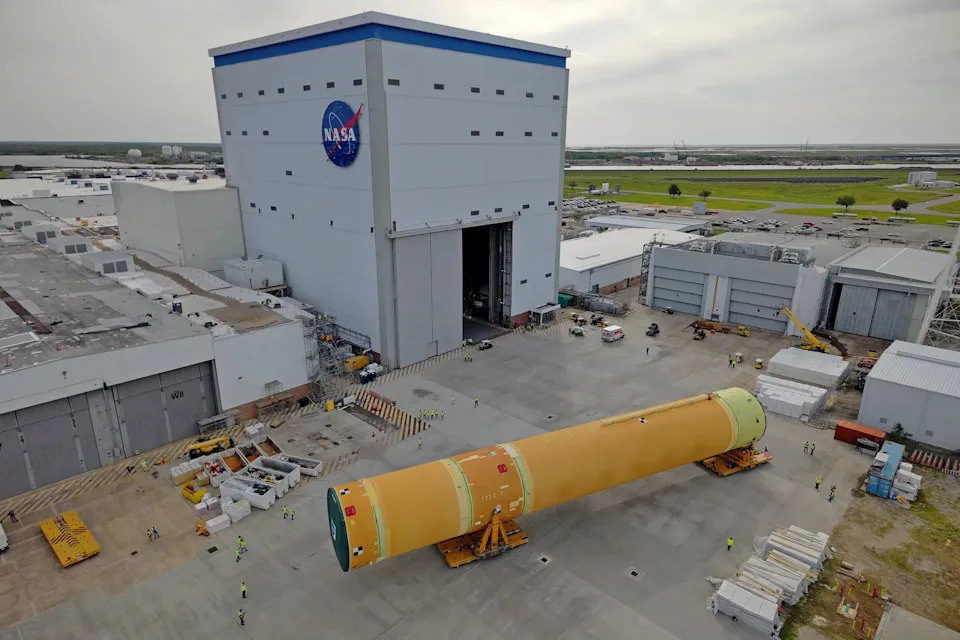
NASA moved the core stage, or the largest section, of the SLS (Space Launch System) rocket that will launch the crewed Artemis III mission in 2027 on April 20 from the agency’s Michoud Assembly Facility to the agency’s Pegasus barge in New Orleans. The hardware will be shipped to the Kennedy Space Center in Florida.
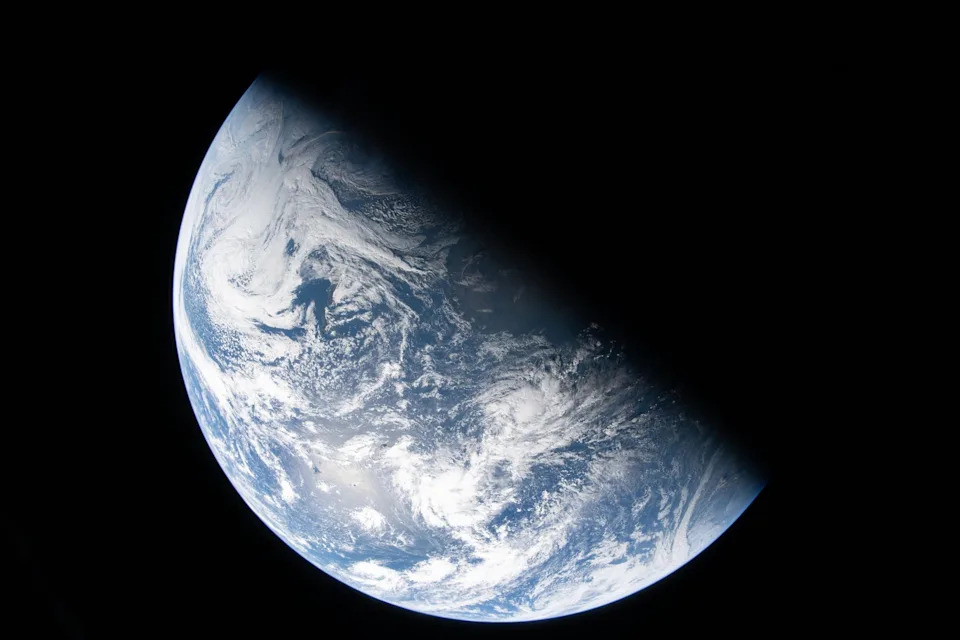
In this new image from the Artemis II crew, NASA explains that what is depicted is the "divide between night and day, known as the terminator, cutting across Earth."
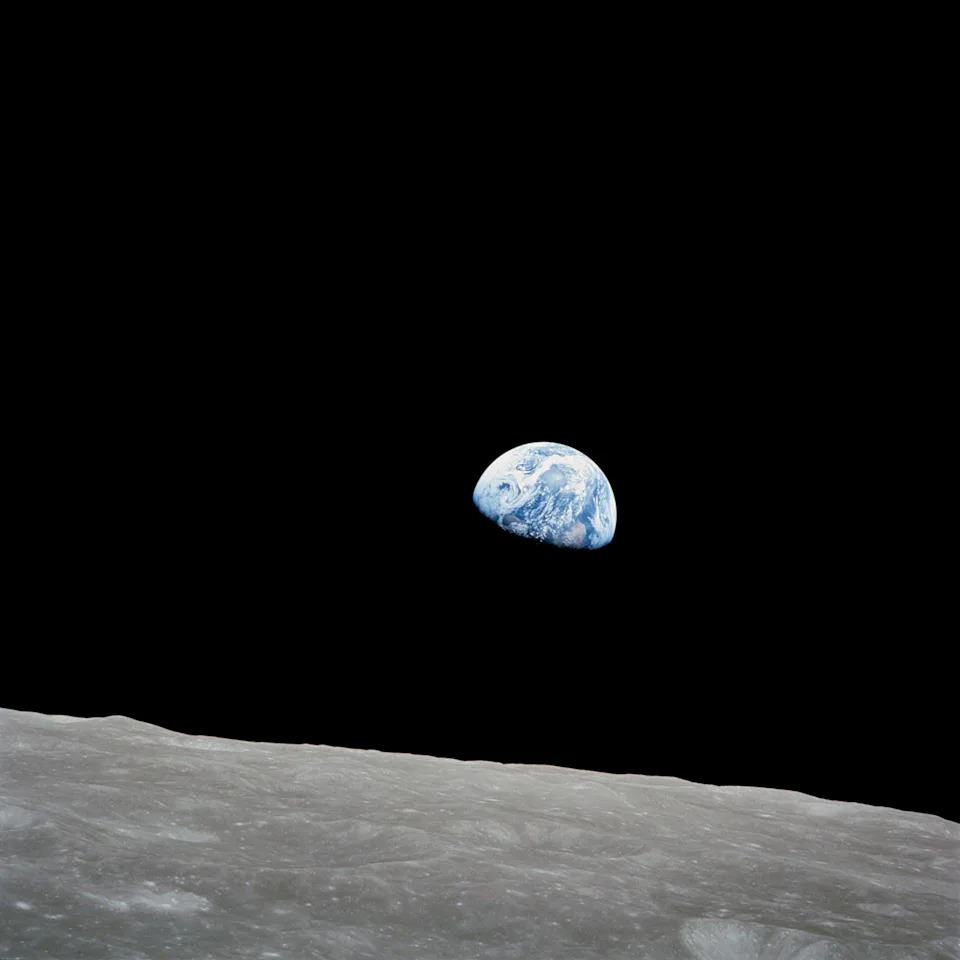
William Anders, a NASA astronaut on the historic Apollo 8 mission around the moon, took the iconic “Earthrise” photo while in lunar orbit on Dec. 24, 1968.
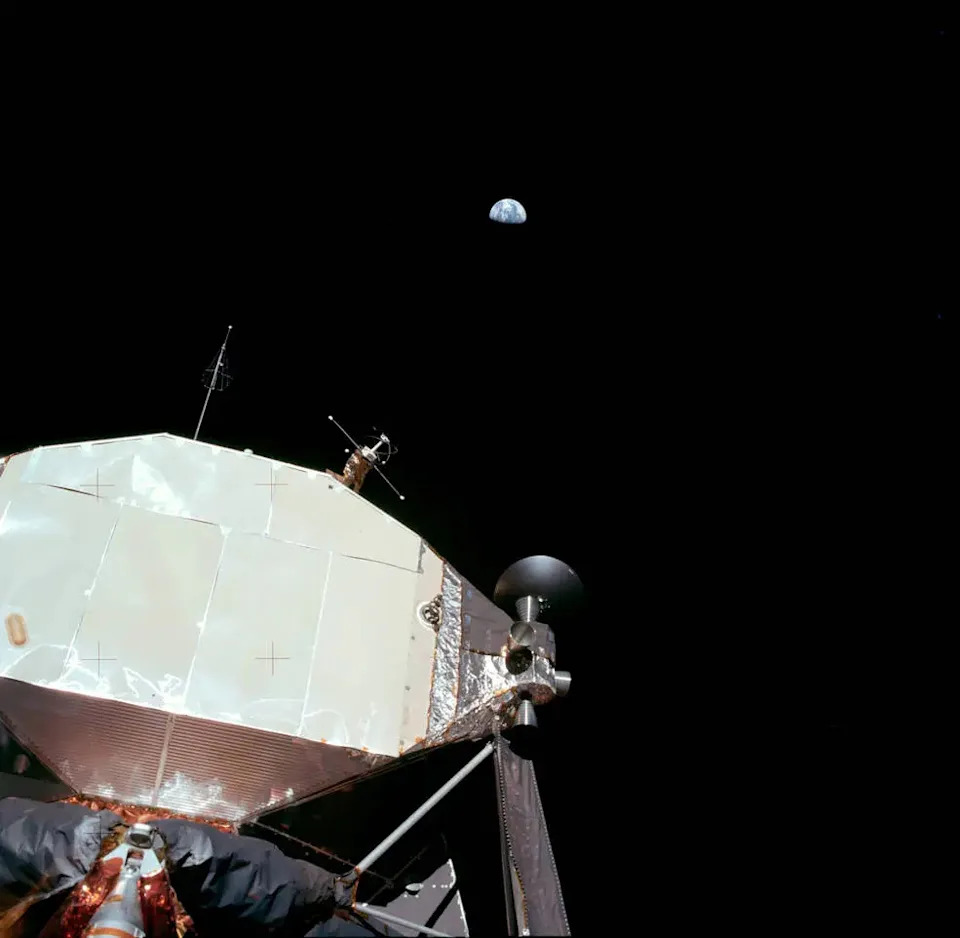
The first photograph of the Earth taken by an astronaut standing on the lunar surface, taken during the Apollo 11 Moon landing in 1969.
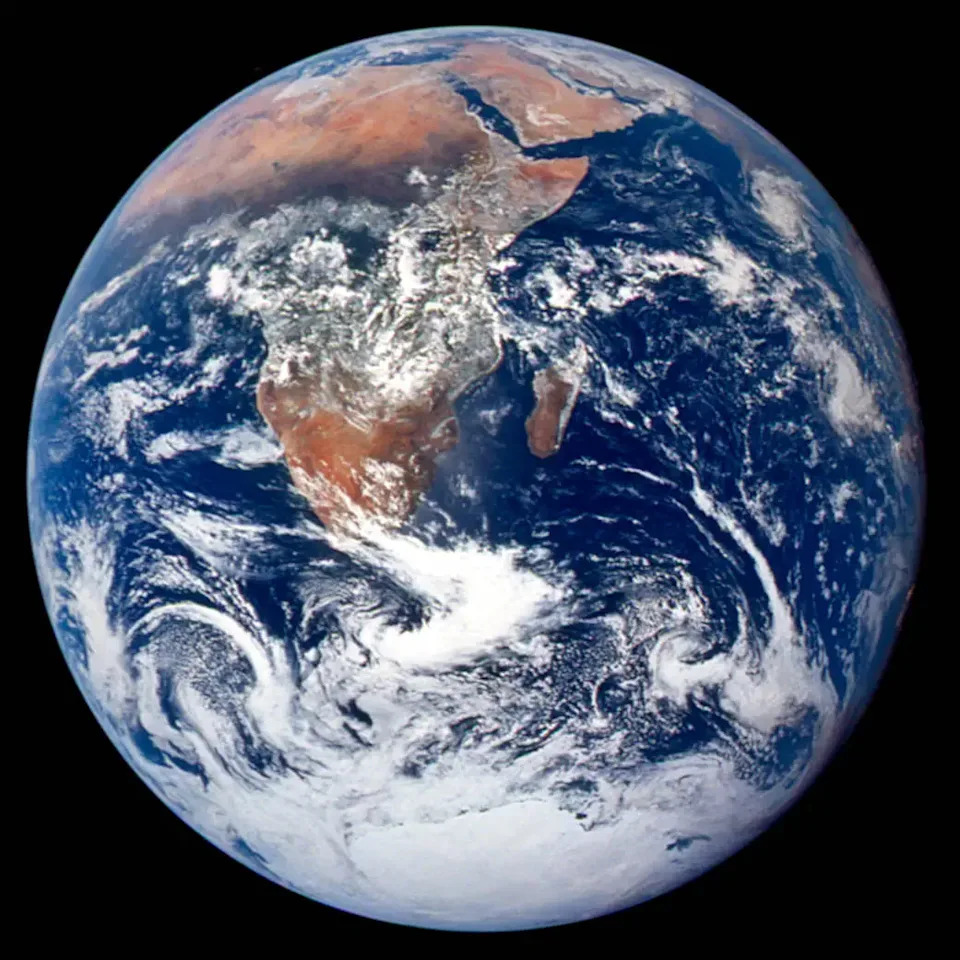
One of the most well-known photographs of Earth, the "blue marble" image was taken by the crew of the final Apollo mission (Apollo 17) as the crew made its way to the moon in 1972.
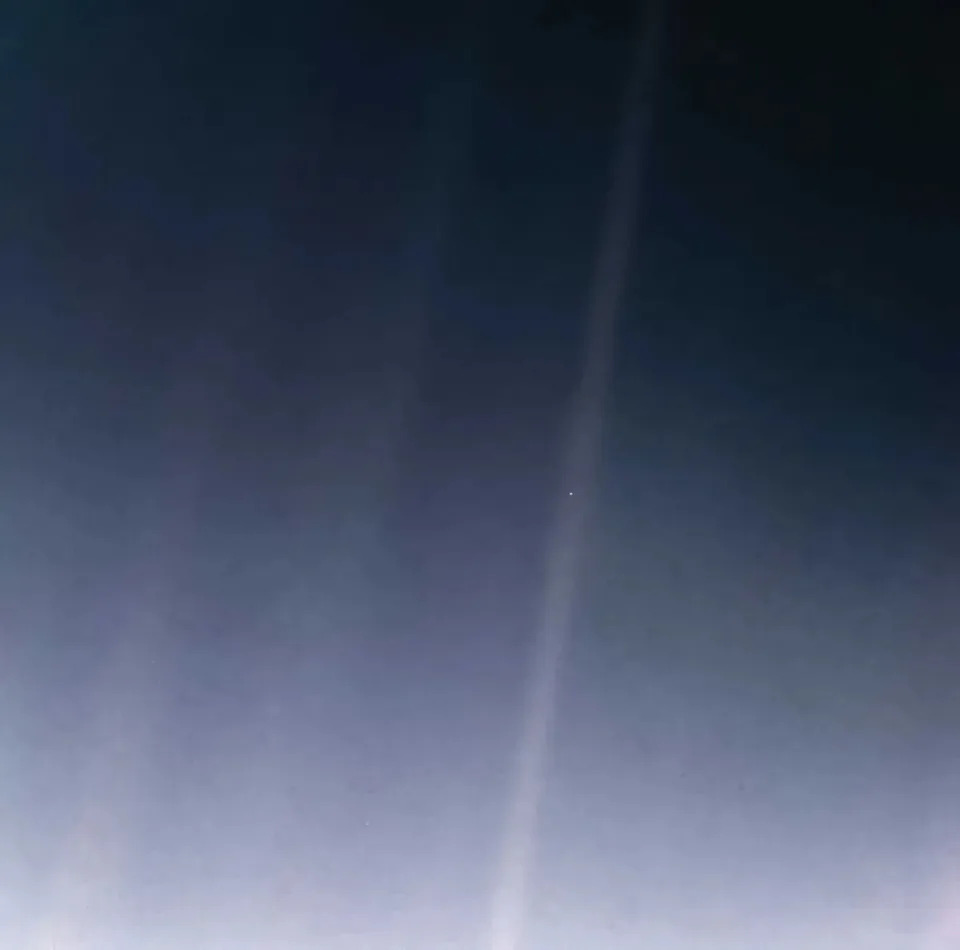
Voyager 1's 1990 photo of Earth, widely referred to as the "pale blue dot," was taken at a distance of 3.7 billion miles from the sun, making it the first photo taken beyond all the planets in our solar system. This image was created in 2020 or the 30th anniversary of the iconic picture using modern image-processing software and techniques to revisit the well-known Voyager view.
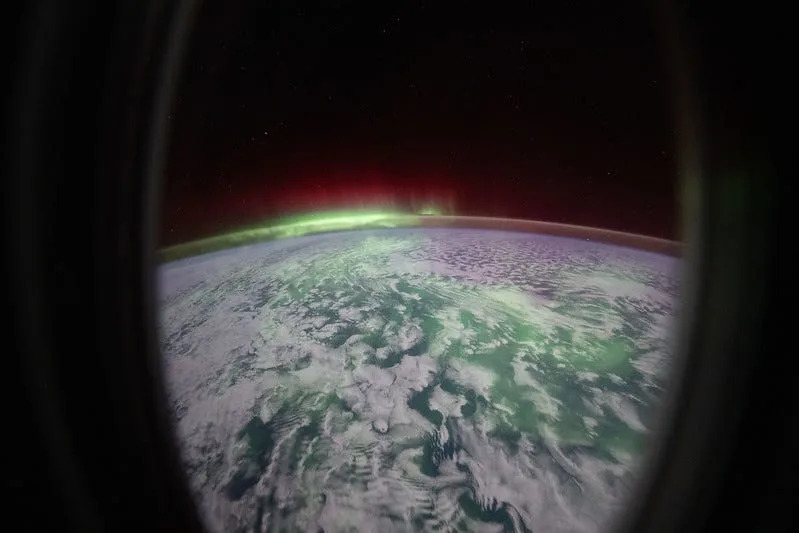
Because the International Space Station orbits so close to Earth's atmosphere (about 250 miles high,) the outpost and the astronauts who have lived aboard it have been the source of plenty of spectacular photos of our planet for 25 years. This recent photo, taken April 6, 2026, shows auroras glowing over the Indian Ocean.
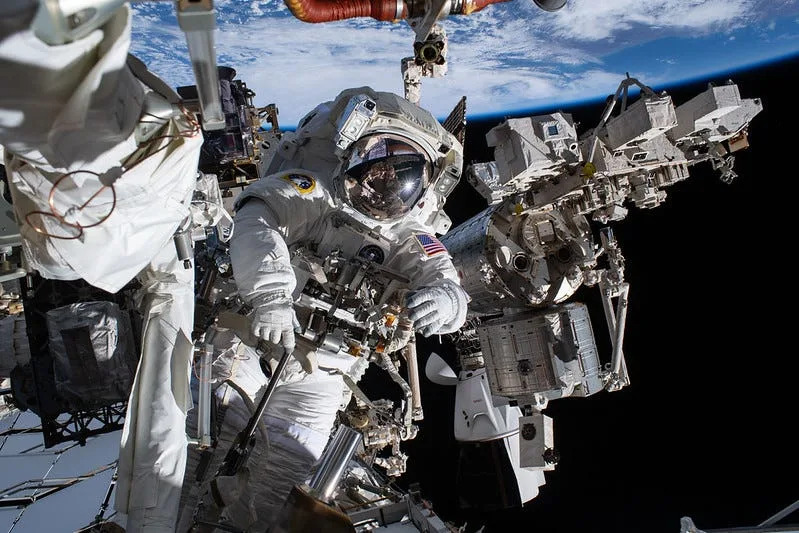
NASA astronaut Chris Williams is pictured outside the International Space Station during a March 18, 2026 spacewalk with Earth in the background.

The devastating Hurricane Milton, a Category 4 storm at the time of this photograph, is pictured Oct. 8, 2024 in the Gulf of Mexico (renamed the Gulf of America) off the coast of Yucatan Peninsula from the International Space Station as it orbited 257 miles above.
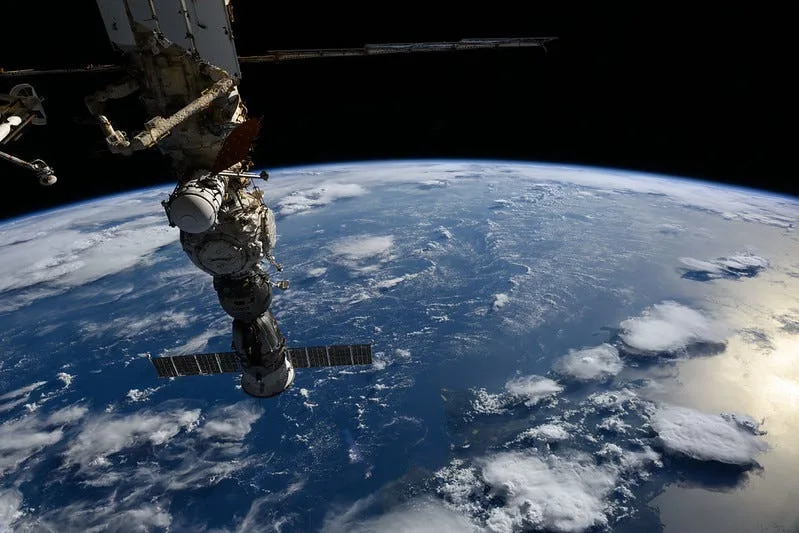
The Soyuz MS-27 crew spacecraft is pictured Sept. 14, 2025 docked to the International Space Station's Prichal module as the orbital outpost soared 257 miles above a gleaming blue Atlantic Ocean, north of the Dominican Republic.
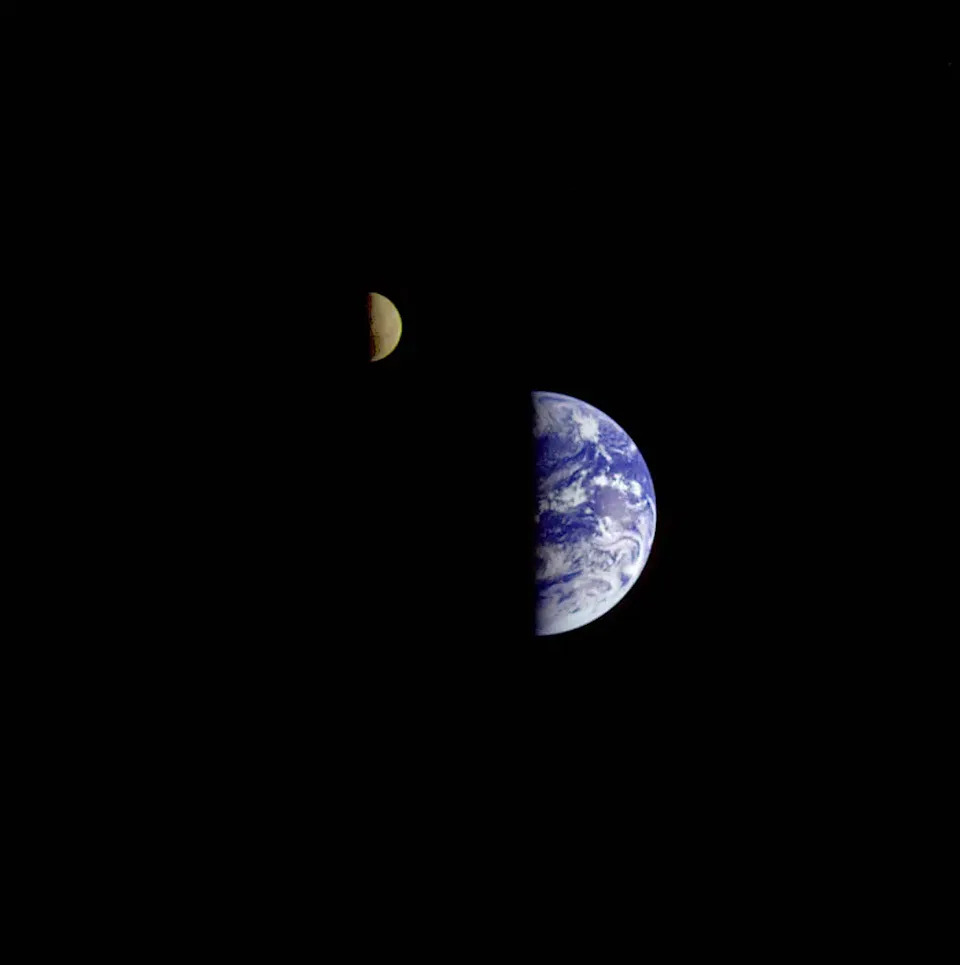
On December 16, 1992, eight days after its encounter with Earth, the Galileo spacecraft looked back from a distance of about 3.9 million miles to capture this remarkable view of the moon in orbit about Earth.
Pomozite nam da budemo bolji.