NASA-in svemirski aparat Psyche danas prolazi blizu Marsa kako bi iskoristio gravitacioni potisak i ubrzao put ka metalnom asteroidu Psyche. Prelet na oko 2.800 milja (≈4.500 km) omogućava i snimanje te prikupljanje podataka, dok manevrom misija štedi gorivo i podešava putanju. Letelica je lansirana u oktobru 2023. i planirano je da stigne do asteroida 2029. godine.
Psyche prolazi pored Marsa — gravitacioni „slingshot“ ubrzava misiju ka metalnom asteroidu
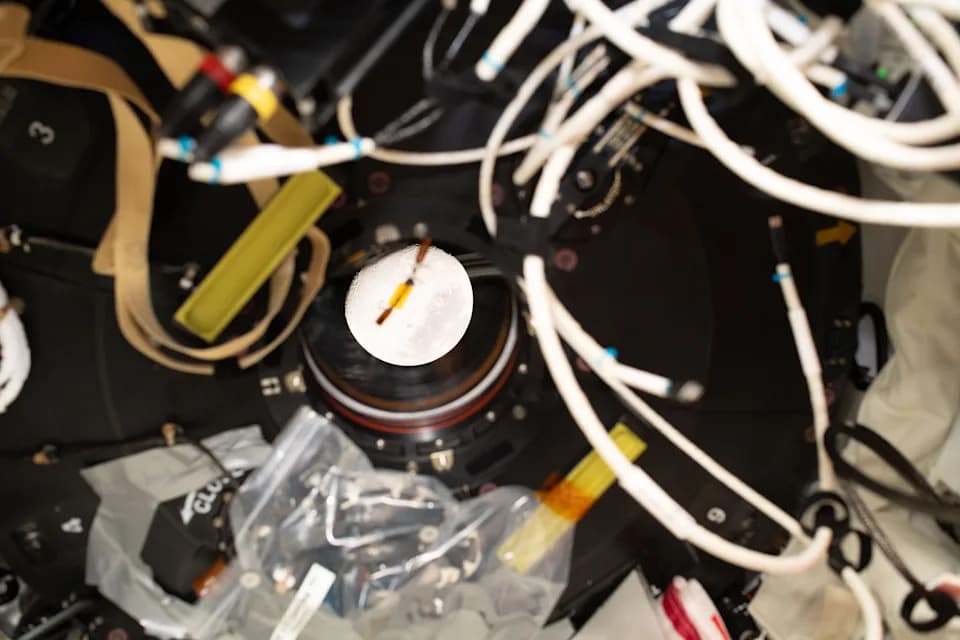
NASA released thousands of new photos taken during the Artemis II mission around the moon. The astronauts selected for the mission thoroughly documented the 10-day voyage, which included an April 6 lunar flyby as they traveled more than a quarter-million miles from Earth.
Letelica NASA-e Psyche, na šestogodišnjem putu ka istoimenom metalnom asteroidu, danas prolazi blizu Marsa kako bi iskoristila gravitacioni potisak i nastavila put ka glavnom asteroidnom pojasu.
Šta se dešava tokom preleta
U preletu zakazanom za 15. maja Psyche će proći na približno 2.800 milja (oko 4.500 km) iznad površine Marsa. Tokom prolaza letelica će prikupljati slike i naučne podatke koje će poslati na Zemlju, ali ključna korist je gravitacioni zamah koji će promeniti putanju i ubrzati misiju.
Zašto je gravitacioni potisak važan
Manevar gravitacione asistencije deluje kao kosmička praćka: Marsova gravitacija „uhvatiće“ deo energije i preusmeriće Psyche na putanju ka glavnom pojasu između Marsa i Jupitera. To štedi gorivo, rasterećuje pogonski sistem i omogućava eventualne korekcije putanje bez velikih potrošnji propelanta.
Tehnički podaci i podrška misiji
Psyche se očekuje na susretnoj brzini od oko 12.333 mph (približno 19.845 km/h). Od lansiranja u oktobru 2023. letelica je prešla otprilike 2,2 milijarde milja (≈ 3,54 milijarde km) na svom putu ka asteroidu.
Misiju prate inženjeri iz NASA-inog Jet Propulsion Laboratory (JPL) u Južnoj Kaliforniji. Praćenje i komunikaciju obavlja mreža velikih antena poznata kao Deep Space Network, a snimanju i navigaciji mogu doprineti i drugi marsovski orbitatori ili roveri.
Kako možete pratiti događaj
NASA nudi interaktivni 3D prikaz događaja u realnom vremenu putem alata „Eyes on the Solar System“, gde zainteresovani mogu videti putanju i poziciju Psyche tokom preleta.
Cilj misije: stići do metalnog asteroida Psyche u glavnom pojasu 2029. godine radi proučavanja sastava koji može otkriti detalje o nastanku planeta i formiranju Zemljinog jezgra.
Izvor: adaptirano iz izveštaja USA TODAY i NASA-e.
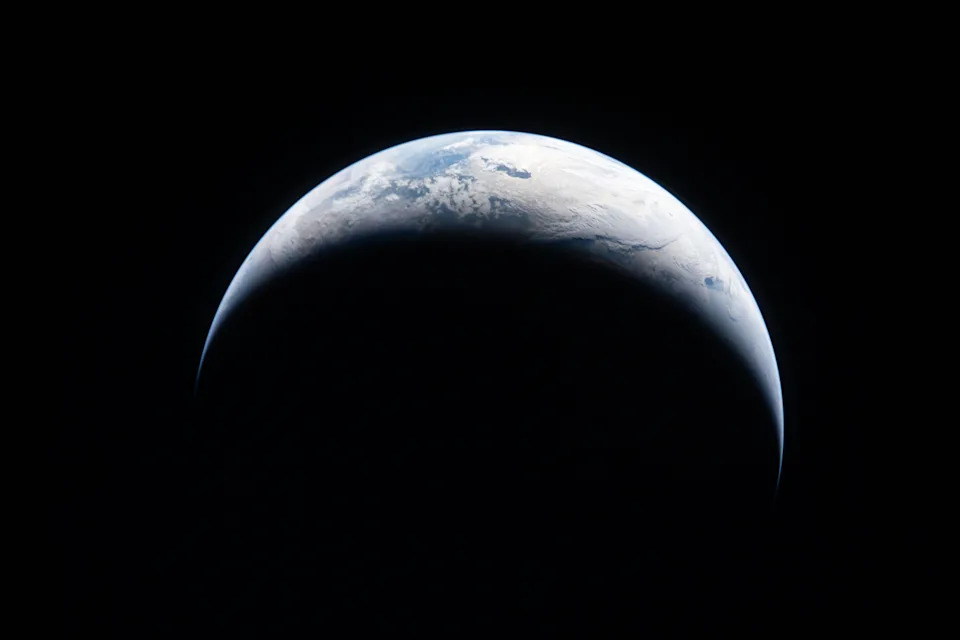
NASA released thousands of new photos taken during the Artemis II mission around the moon. The astronauts selected for the mission thoroughly documented the 10-day voyage, which included an April 6 lunar flyby as they traveled more than a quarter-million miles from Earth.
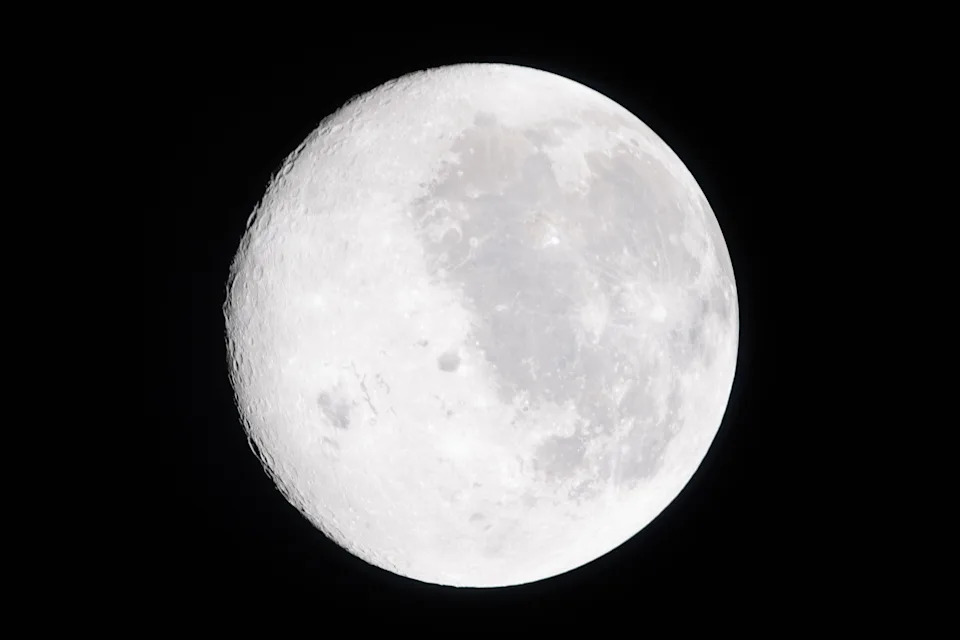
NASA released thousands of new photos taken during the Artemis II mission around the moon. The astronauts selected for the mission thoroughly documented the 10-day voyage, which included an April 6 lunar flyby as they traveled more than a quarter-million miles from Earth.
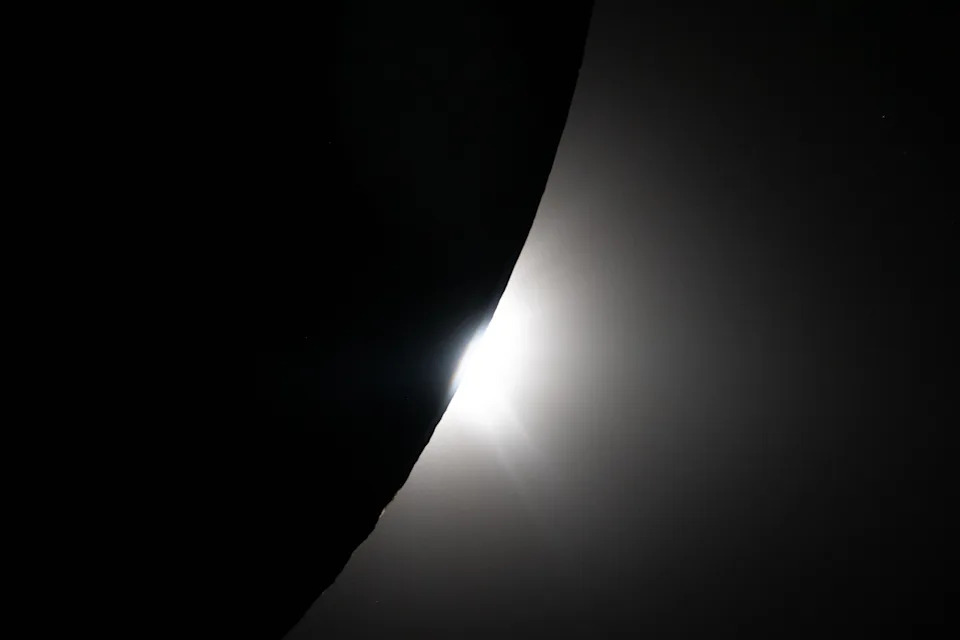
NASA released thousands of new photos taken during the Artemis II mission around the moon. The astronauts selected for the mission thoroughly documented the 10-day voyage, which included an April 6 lunar flyby as they traveled more than a quarter-million miles from Earth.
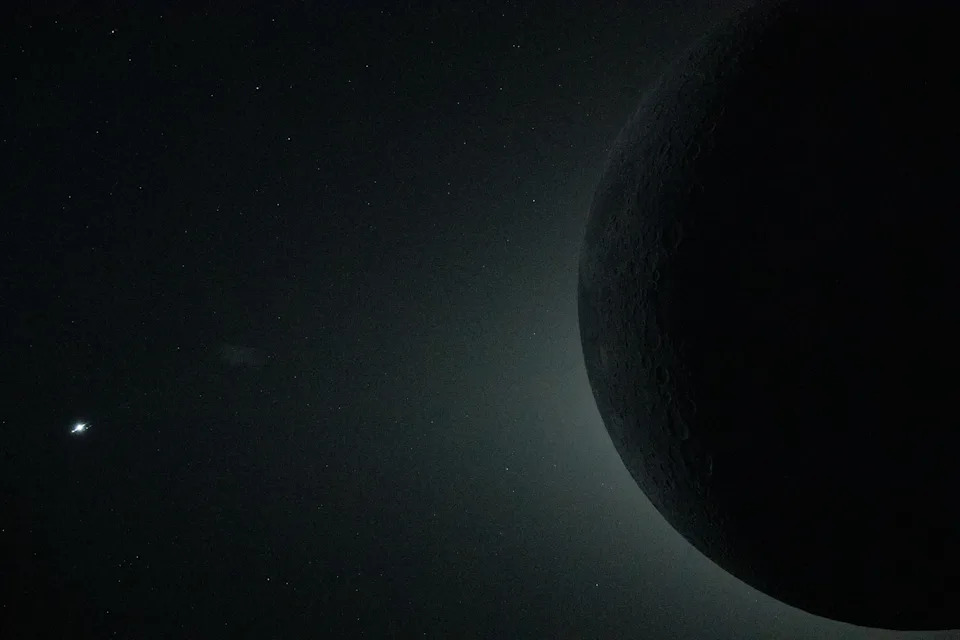
NASA released thousands of new photos taken during the Artemis II mission around the moon. The astronauts selected for the mission thoroughly documented the 10-day voyage, which included an April 6 lunar flyby as they traveled more than a quarter-million miles from Earth.
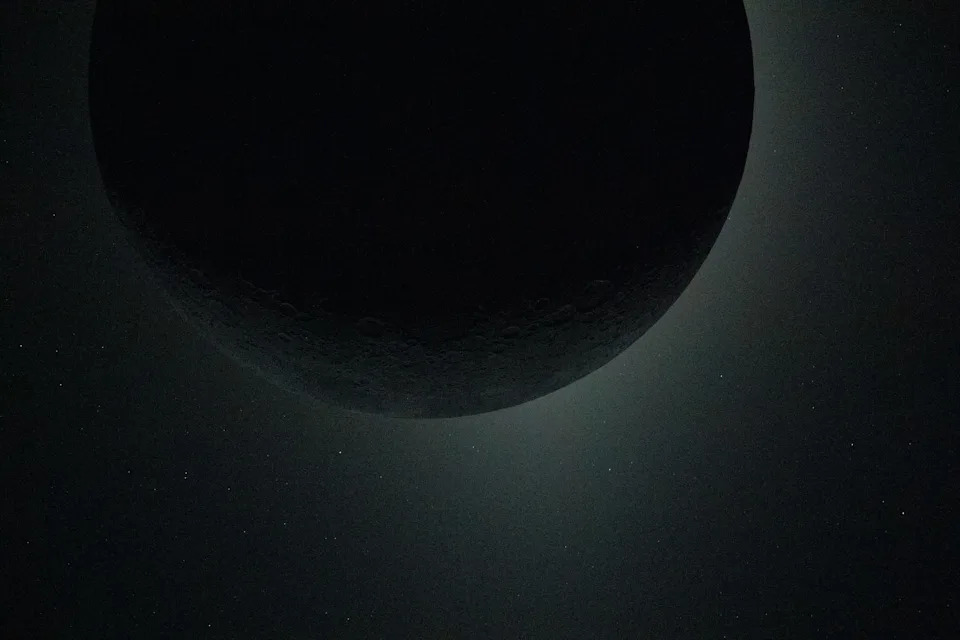
NASA released thousands of new photos taken during the Artemis II mission around the moon. The astronauts selected for the mission thoroughly documented the 10-day voyage, which included an April 6 lunar flyby as they traveled more than a quarter-million miles from Earth.
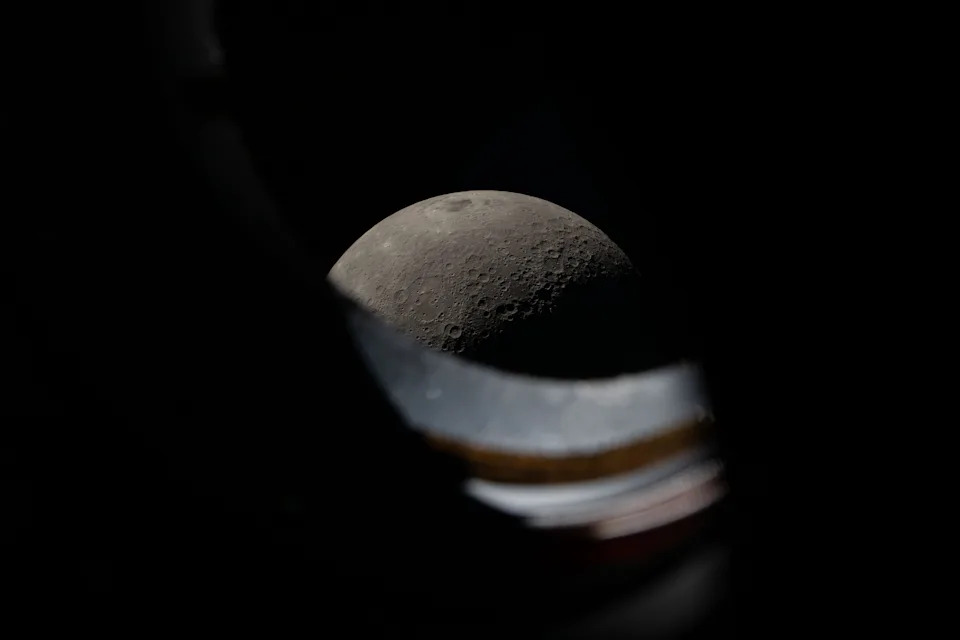
NASA released thousands of new photos taken during the Artemis II mission around the moon. The astronauts selected for the mission thoroughly documented the 10-day voyage, which included an April 6 lunar flyby as they traveled more than a quarter-million miles from Earth.
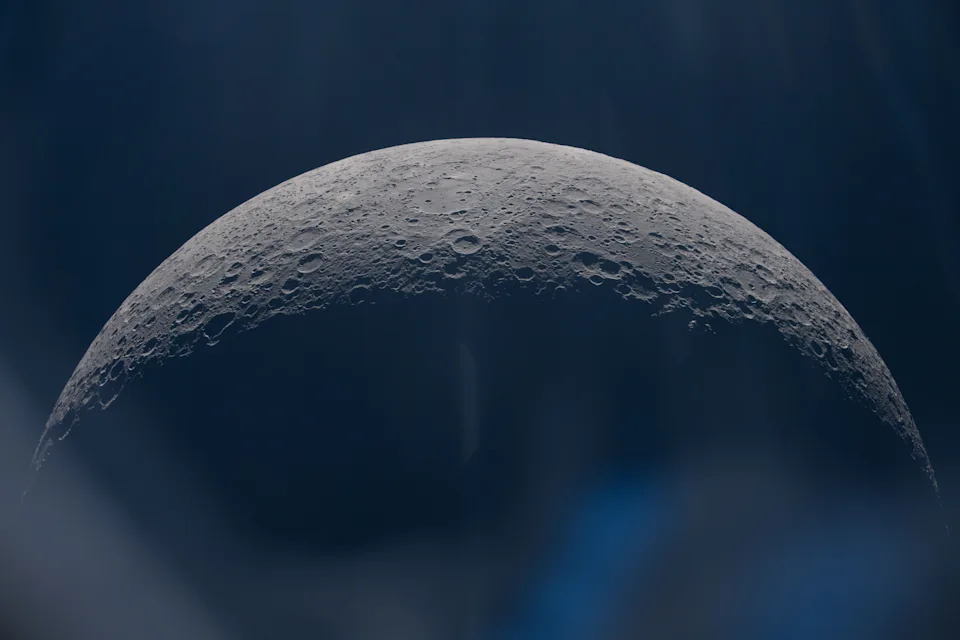
NASA released thousands of new photos taken during the Artemis II mission around the moon. The astronauts selected for the mission thoroughly documented the 10-day voyage, which included an April 6 lunar flyby as they traveled more than a quarter-million miles from Earth.
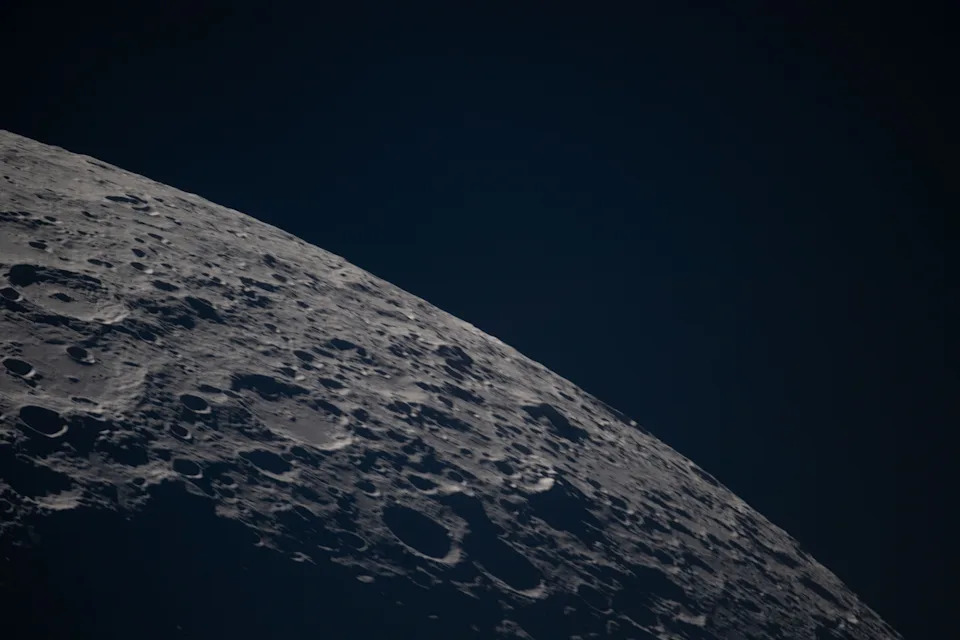
NASA released thousands of new photos taken during the Artemis II mission around the moon. The astronauts selected for the mission thoroughly documented the 10-day voyage, which included an April 6 lunar flyby as they traveled more than a quarter-million miles from Earth.
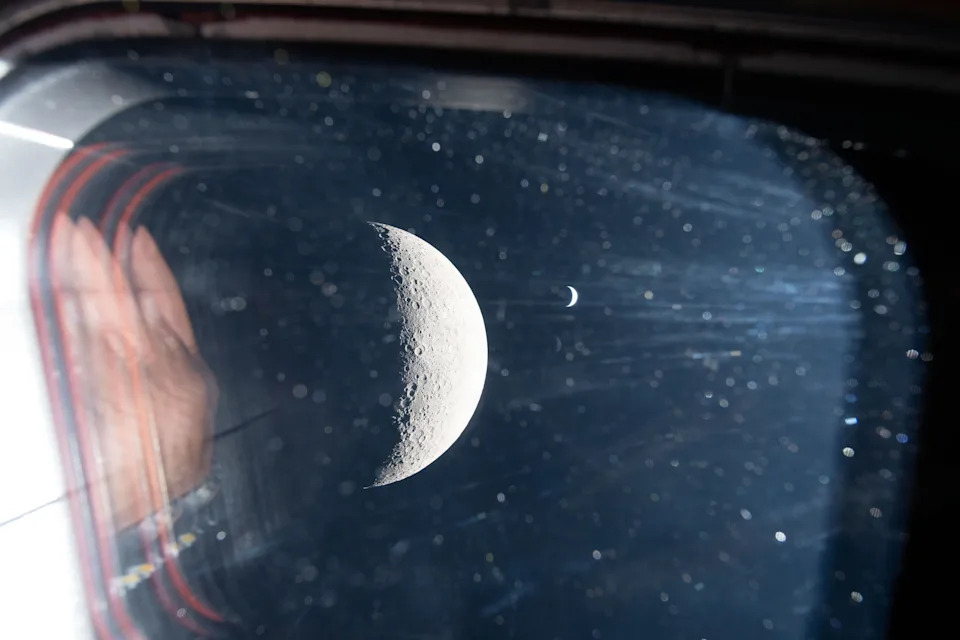
NASA released thousands of new photos taken during the Artemis II mission around the moon. The astronauts selected for the mission thoroughly documented the 10-day voyage, which included an April 6 lunar flyby as they traveled more than a quarter-million miles from Earth.
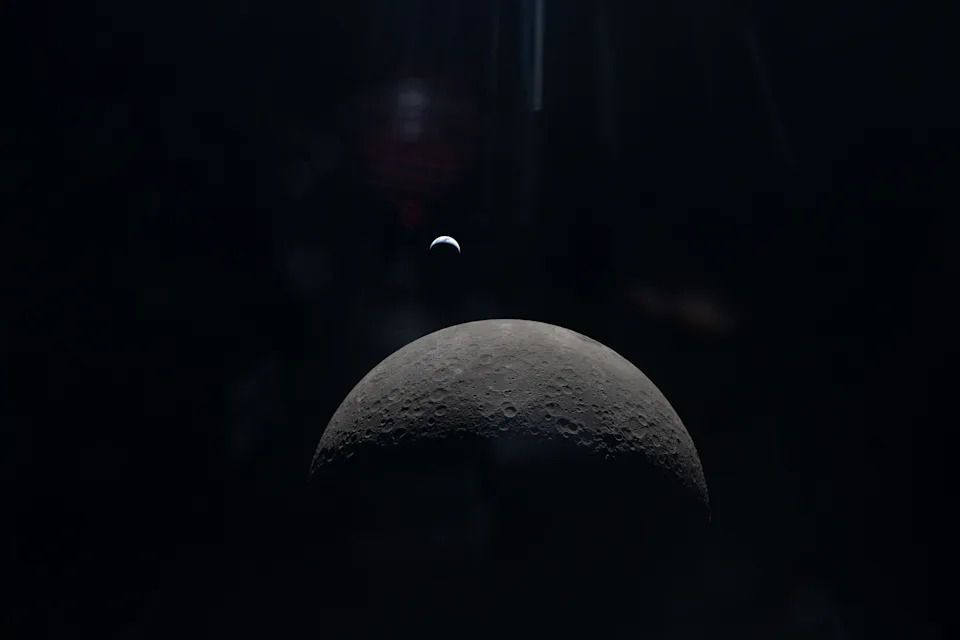
NASA released thousands of new photos taken during the Artemis II mission around the moon. The astronauts selected for the mission thoroughly documented the 10-day voyage, which included an April 6 lunar flyby as they traveled more than a quarter-million miles from Earth.
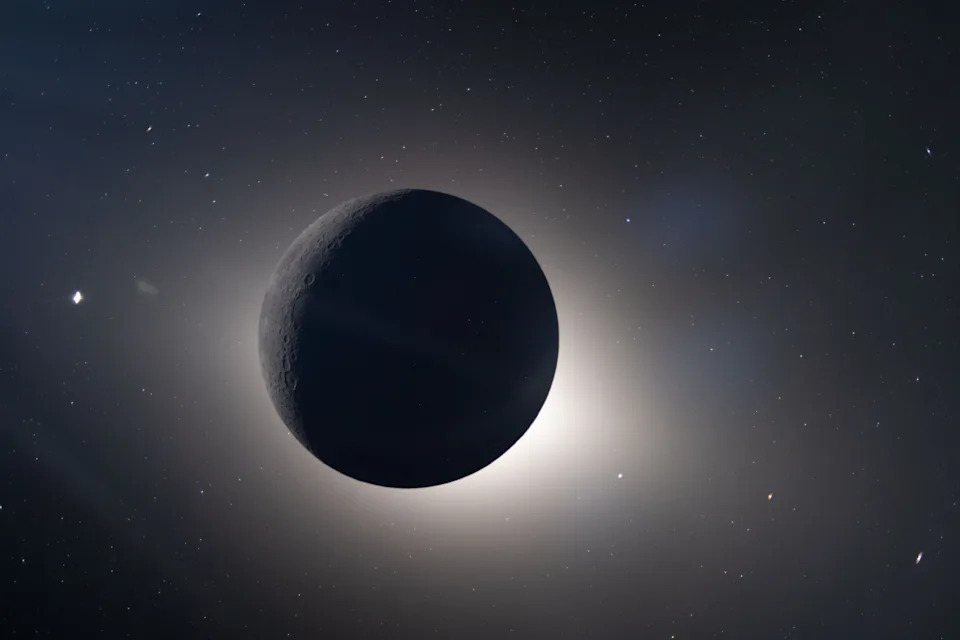
NASA released thousands of new photos taken during the Artemis II mission around the moon. The astronauts selected for the mission thoroughly documented the 10-day voyage, which included an April 6 lunar flyby as they traveled more than a quarter-million miles from Earth.
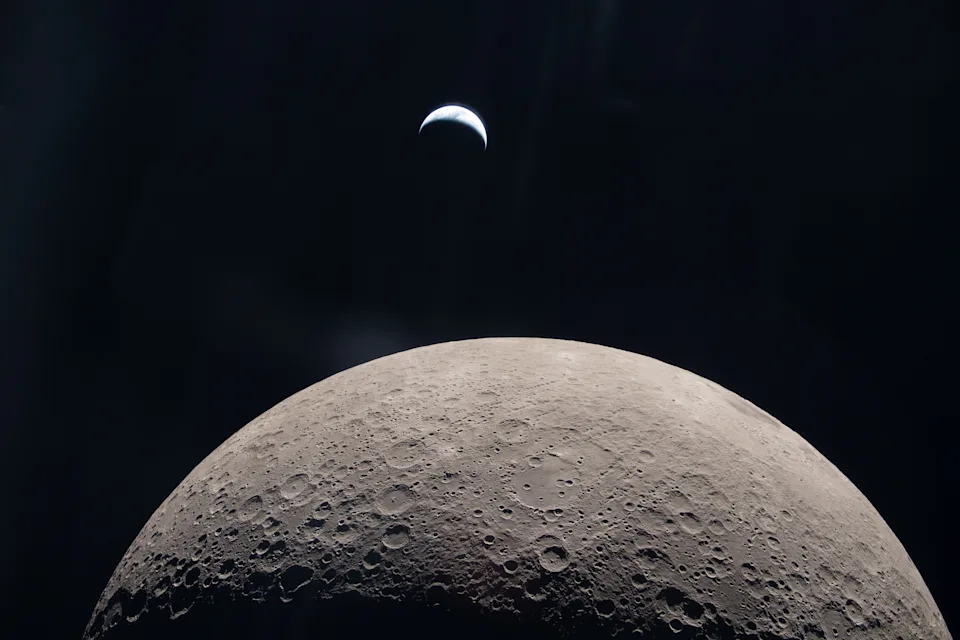
NASA released thousands of new photos taken during the Artemis II mission around the moon. The astronauts selected for the mission thoroughly documented the 10-day voyage, which included an April 6 lunar flyby as they traveled more than a quarter-million miles from Earth.
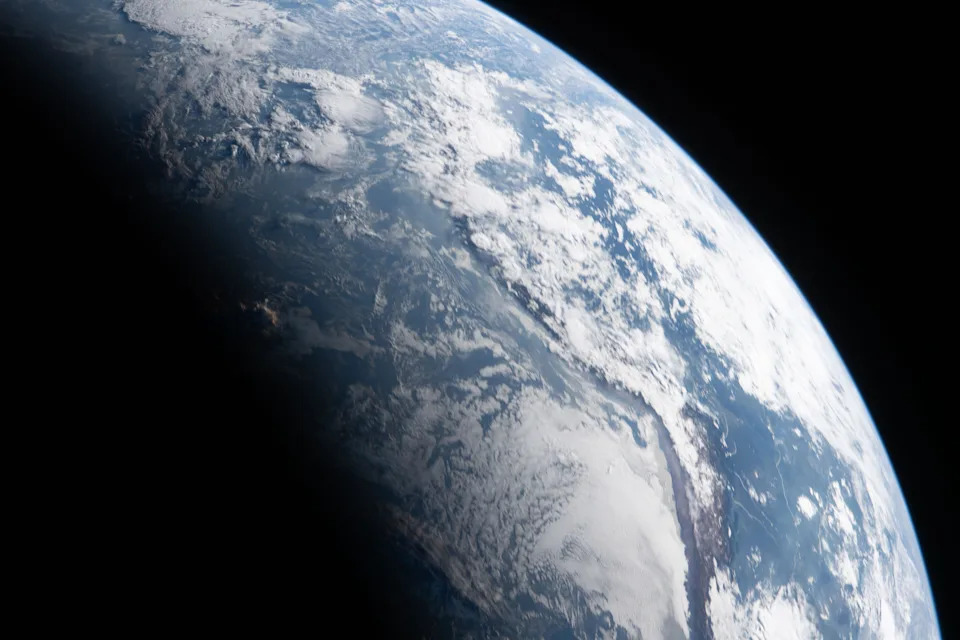
NASA released thousands of new photos taken during the Artemis II mission around the moon. The astronauts selected for the mission thoroughly documented the 10-day voyage, which included an April 6 lunar flyby as they traveled more than a quarter-million miles from Earth.
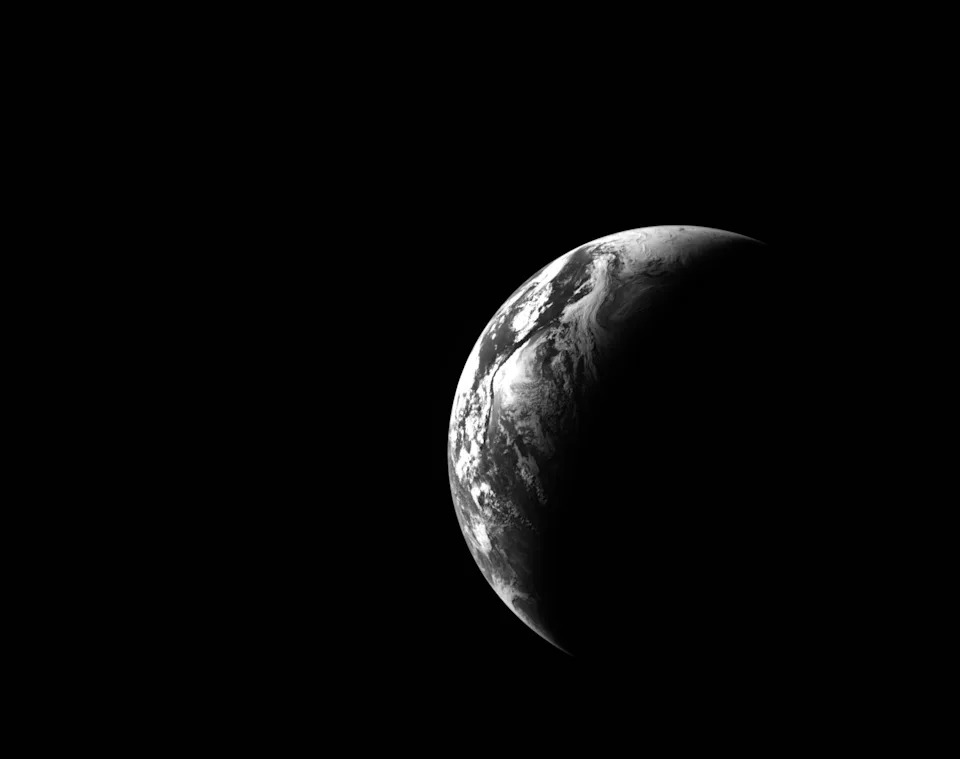
NASA released thousands of new photos taken during the Artemis II mission around the moon. The astronauts selected for the mission thoroughly documented the 10-day voyage, which included an April 6 lunar flyby as they traveled more than a quarter-million miles from Earth.
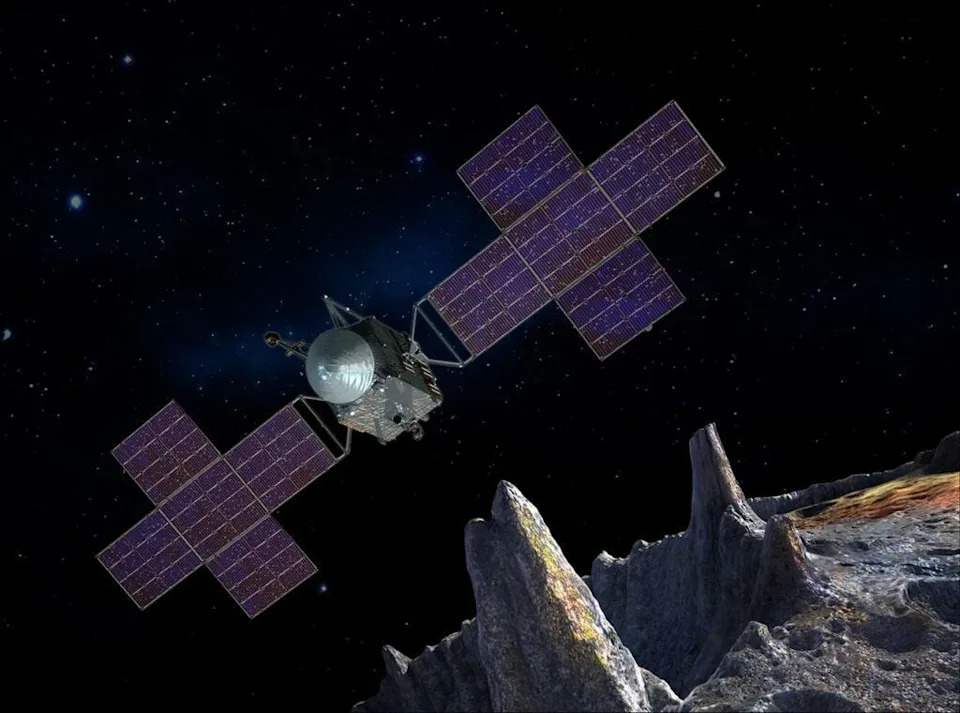
Artist's concept illustration depicting the spacecraft of NASA's Psyche mission near the targeted metal asteroid Psyche.
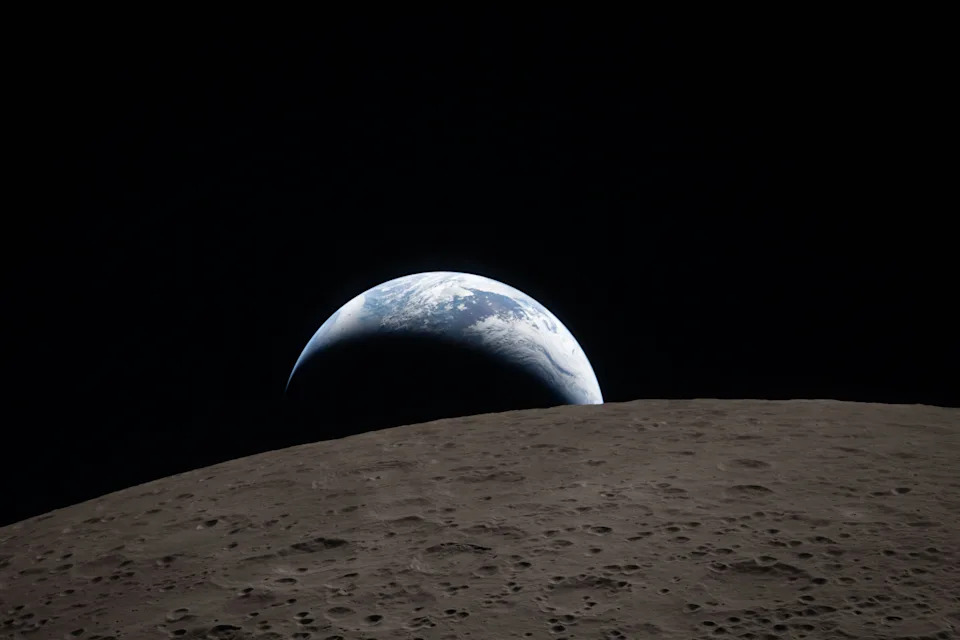
The crew of Artemis II captured a breathtaking image of a celestial event known as an "Earthset," in which the Earth dropped below the lunar horizon. The image is reminiscent of the iconic "Earthrise" photo that NASA astronaut Bill Anders captured in 1968 during the Apollo 8 mission that showed our planet rising on the lunar horizon.
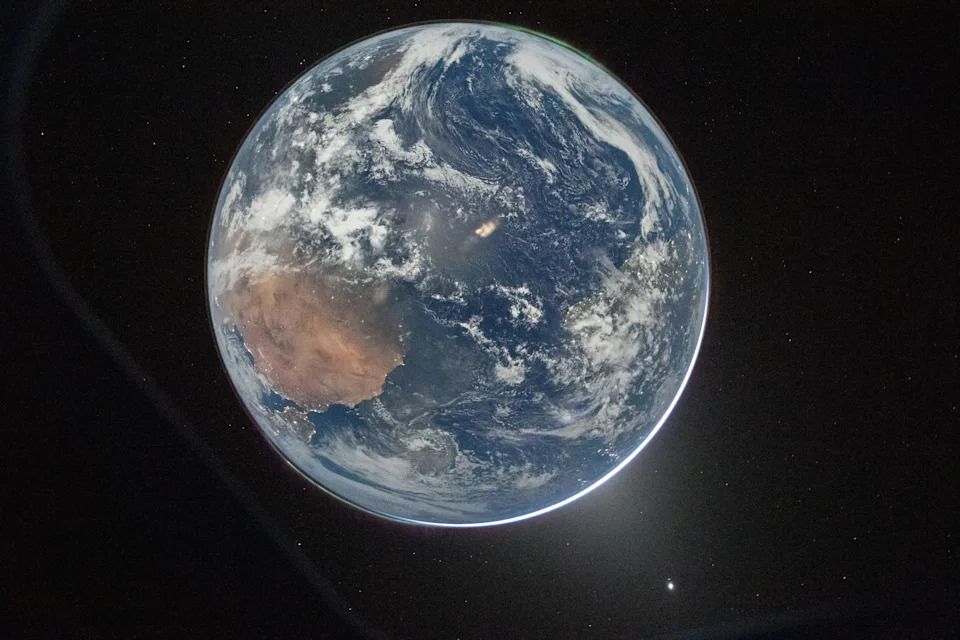
Artemis II Commander Reid Wiseman of NASA took this stunning photograph of Earth from the Orion spacecraft's window on April 2. The image is reminiscent of the iconic "blue marble" image captured during the Apollo 17 mission in 1972.
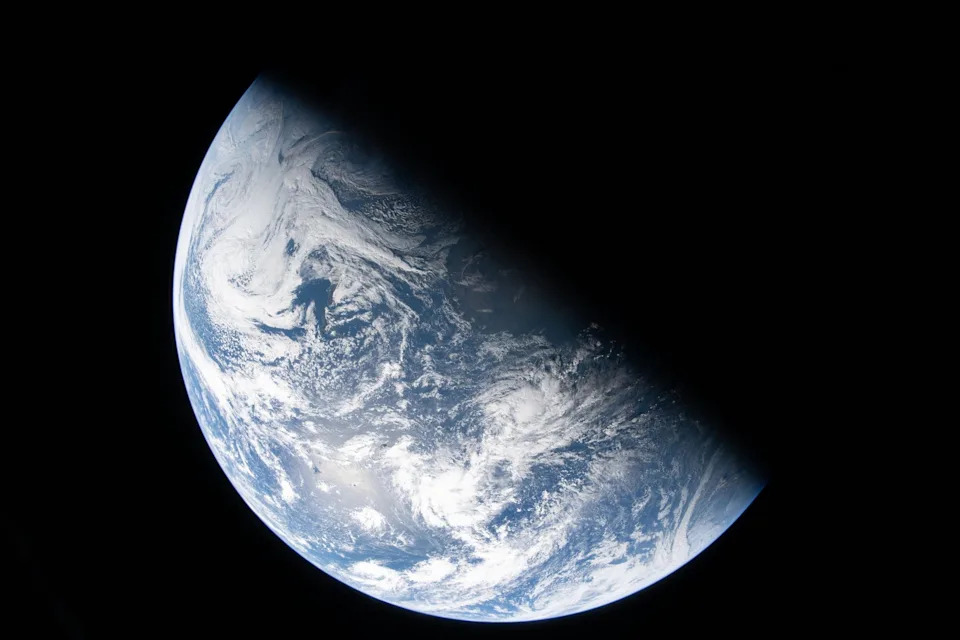
In this new image from the Artemis II crew, NASA explains that what is depicted is the "divide between night and day, known as the terminator, cutting across Earth."
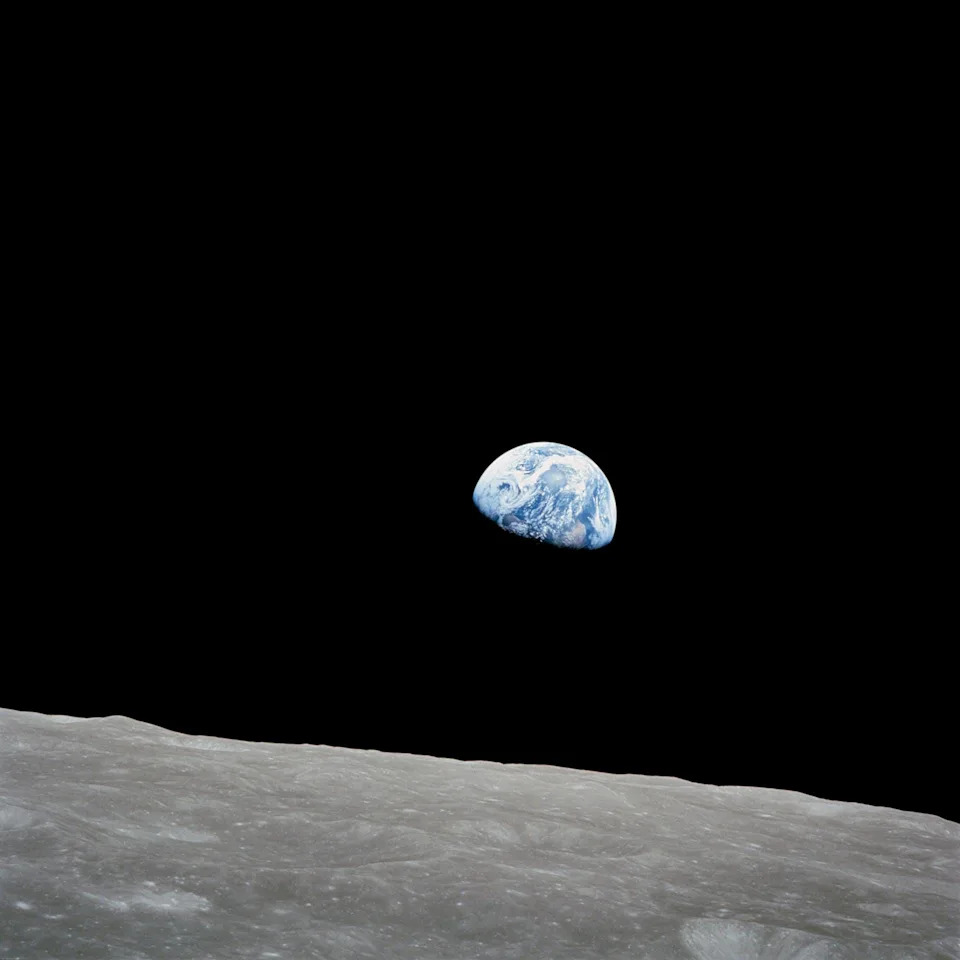
William Anders, a NASA astronaut on the historic Apollo 8 mission around the moon, took the iconic “Earthrise” photo while in lunar orbit on Dec. 24, 1968.
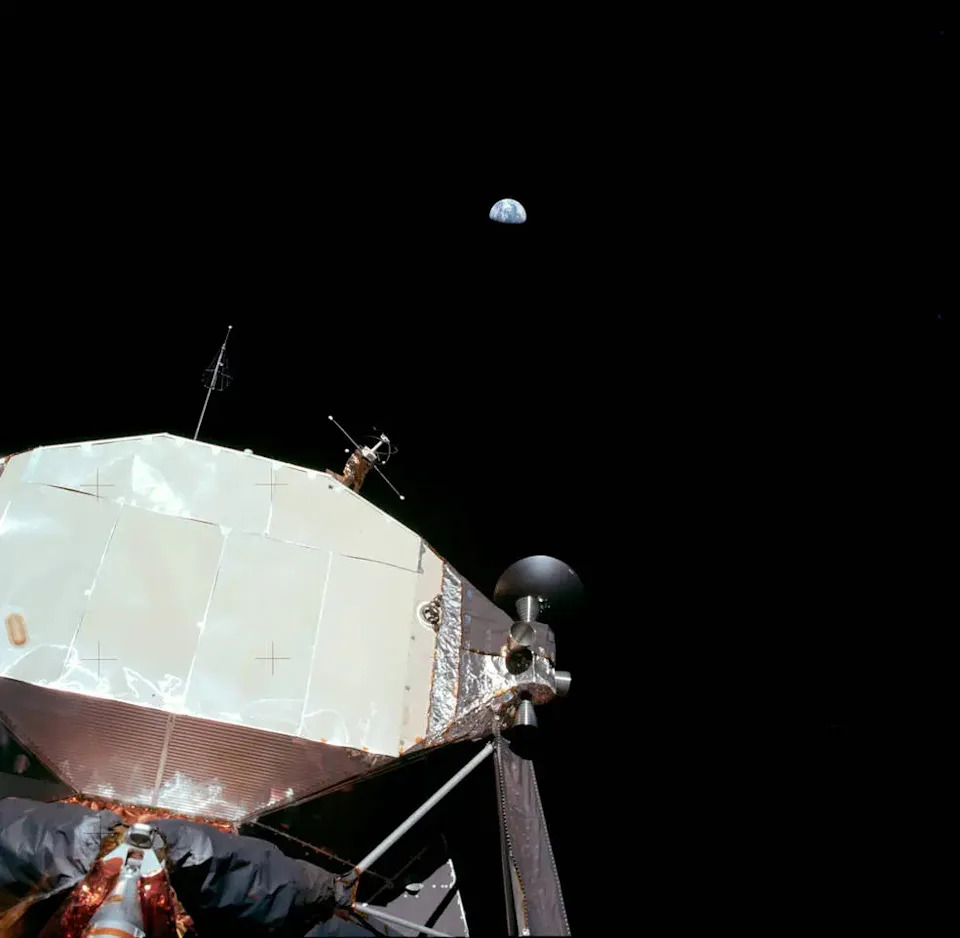
The first photograph of the Earth taken by an astronaut standing on the lunar surface, taken during the Apollo 11 Moon landing in 1969.
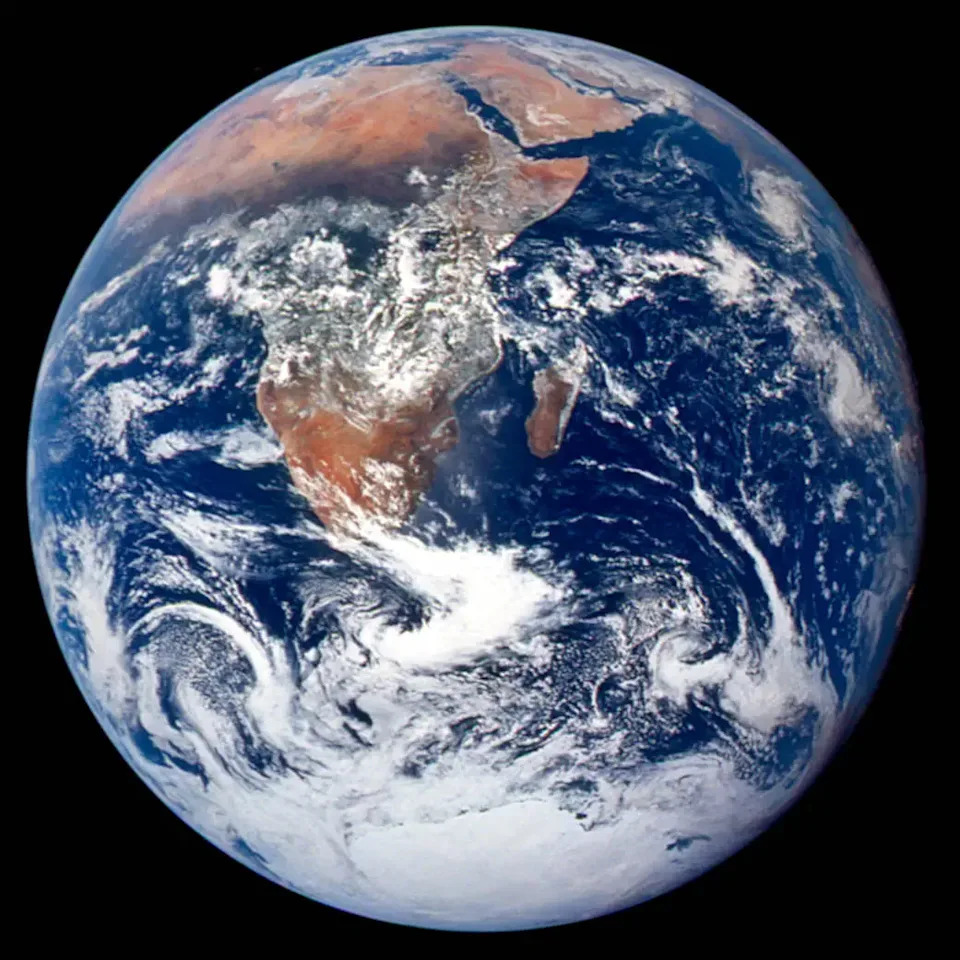
One of the most well-known photographs of Earth, the "blue marble" image was taken by the crew of the final Apollo mission (Apollo 17) as the crew made its way to the moon in 1972.
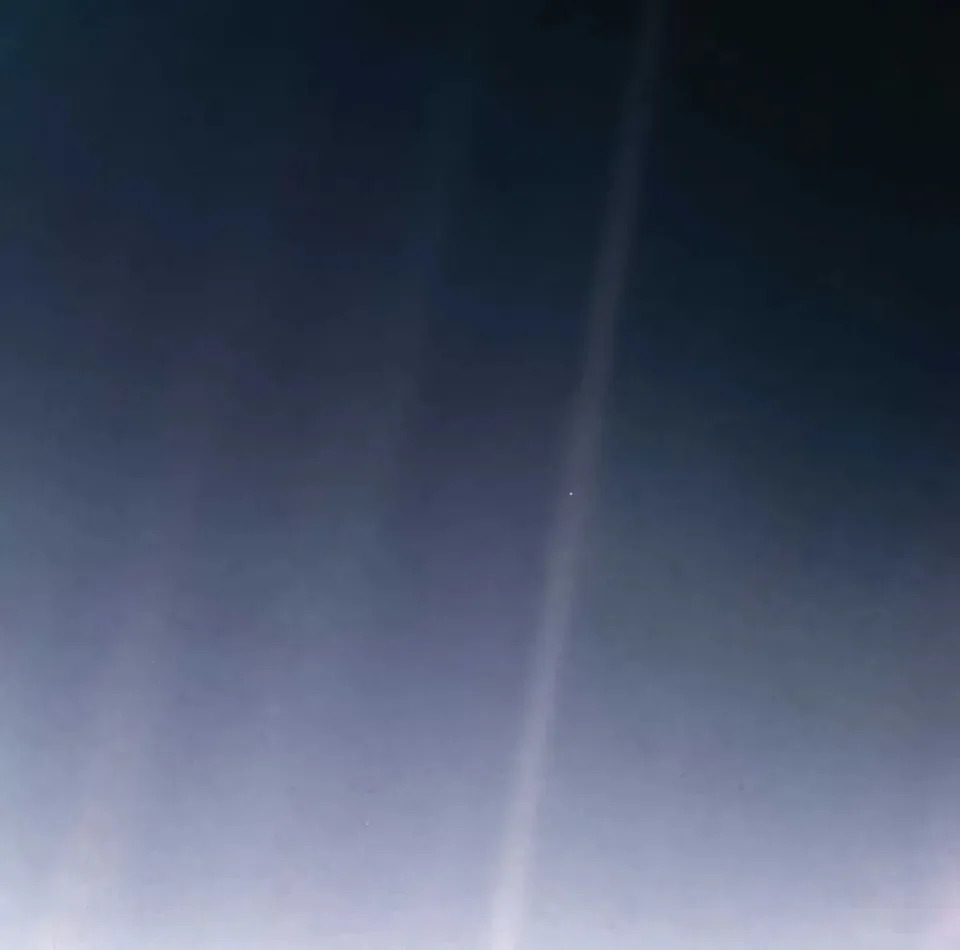
Voyager 1's 1990 photo of Earth, widely referred to as the "pale blue dot," was taken at a distance of 3.7 billion miles from the sun, making it the first photo taken beyond all the planets in our solar system. This image was created in 2020 or the 30th anniversary of the iconic picture using modern image-processing software and techniques to revisit the well-known Voyager view.
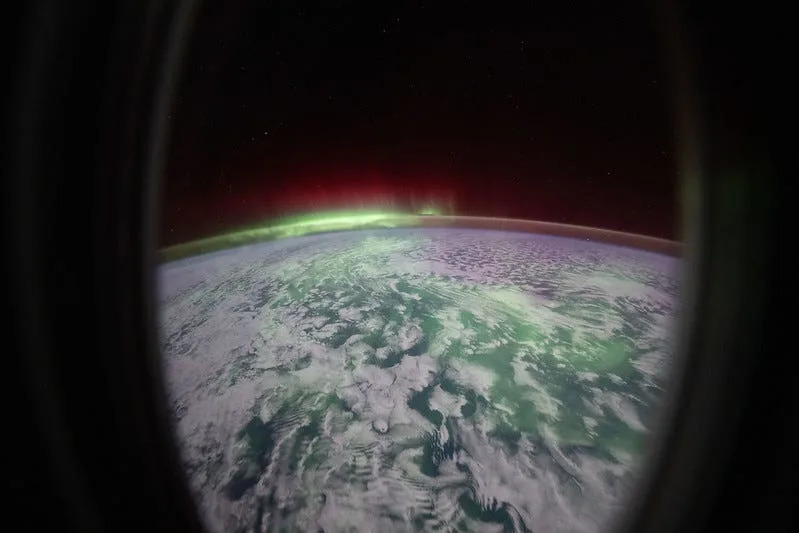
Because the International Space Station orbits so close to Earth's atmosphere (about 250 miles high,) the outpost and the astronauts who have lived aboard it have been the source of plenty of spectacular photos of our planet for 25 years. This recent photo, taken April 6, 2026, shows auroras glowing over the Indian Ocean.
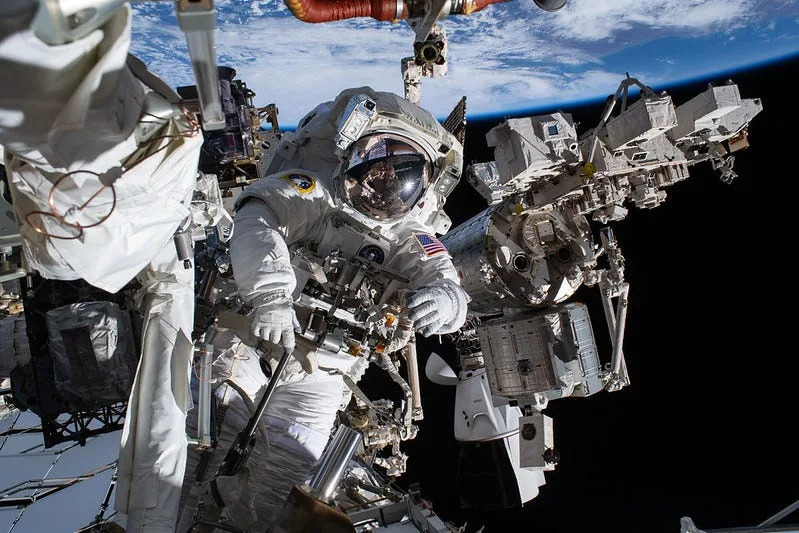
NASA astronaut Chris Williams is pictured outside the International Space Station during a March 18, 2026 spacewalk with Earth in the background.
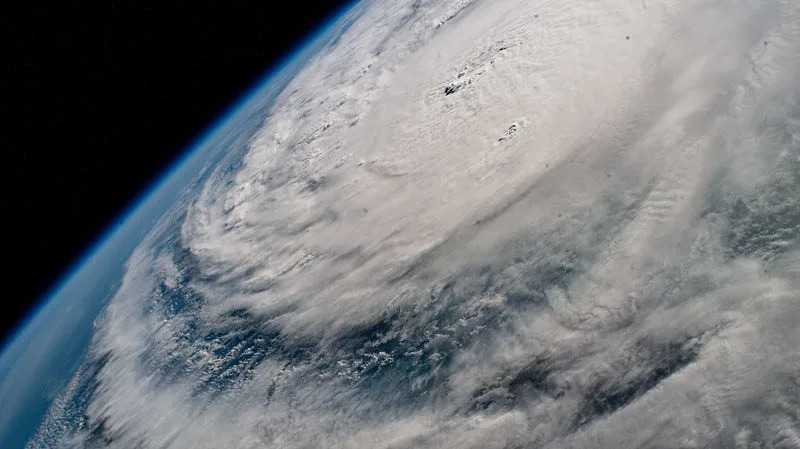
The devastating Hurricane Milton, a Category 4 storm at the time of this photograph, is pictured Oct. 8, 2024 in the Gulf of Mexico (renamed the Gulf of America) off the coast of Yucatan Peninsula from the International Space Station as it orbited 257 miles above.
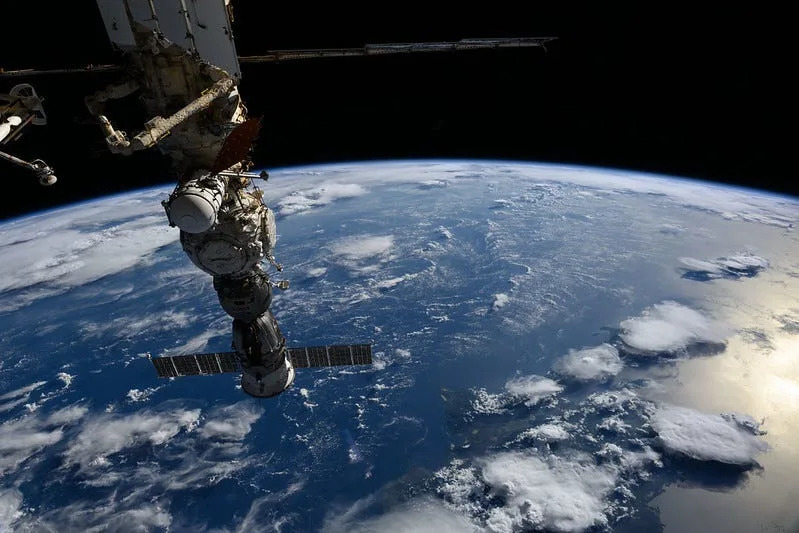
The Soyuz MS-27 crew spacecraft is pictured Sept. 14, 2025 docked to the International Space Station's Prichal module as the orbital outpost soared 257 miles above a gleaming blue Atlantic Ocean, north of the Dominican Republic.
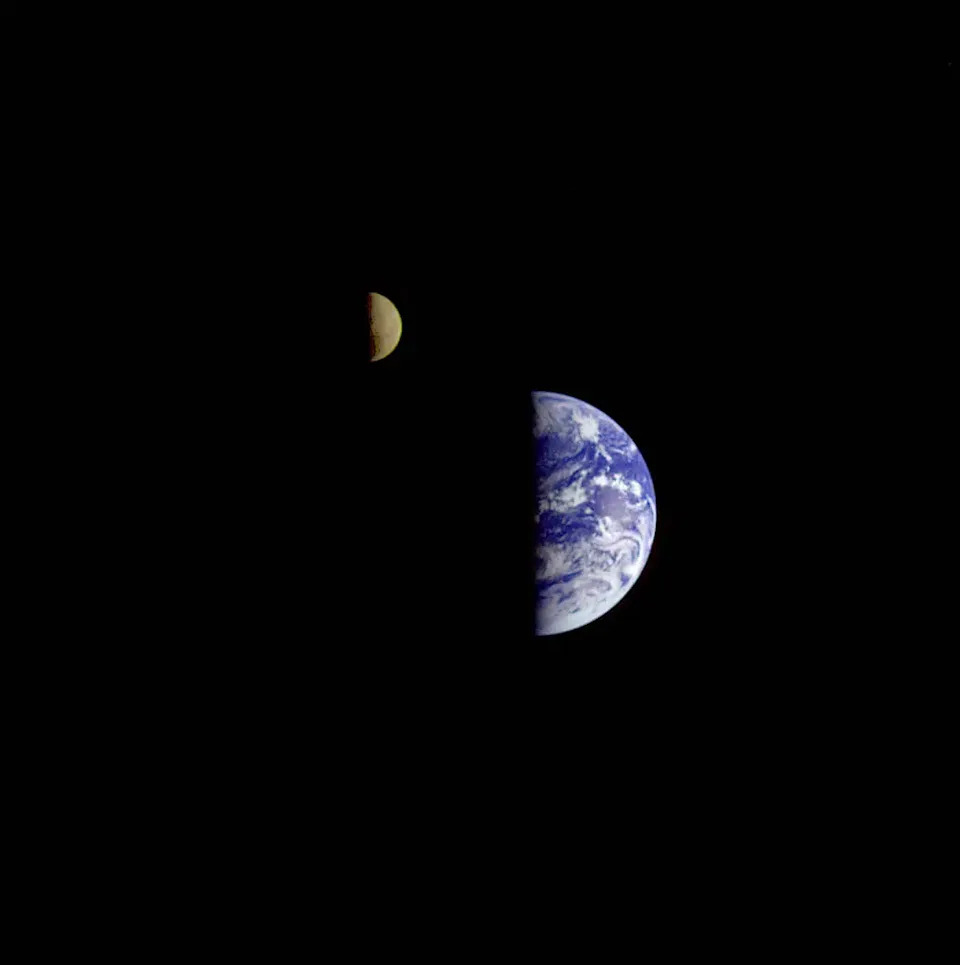
On December 16, 1992, eight days after its encounter with Earth, the Galileo spacecraft looked back from a distance of about 3.9 million miles to capture this remarkable view of the moon in orbit about Earth.
Pomozite nam da budemo bolji.