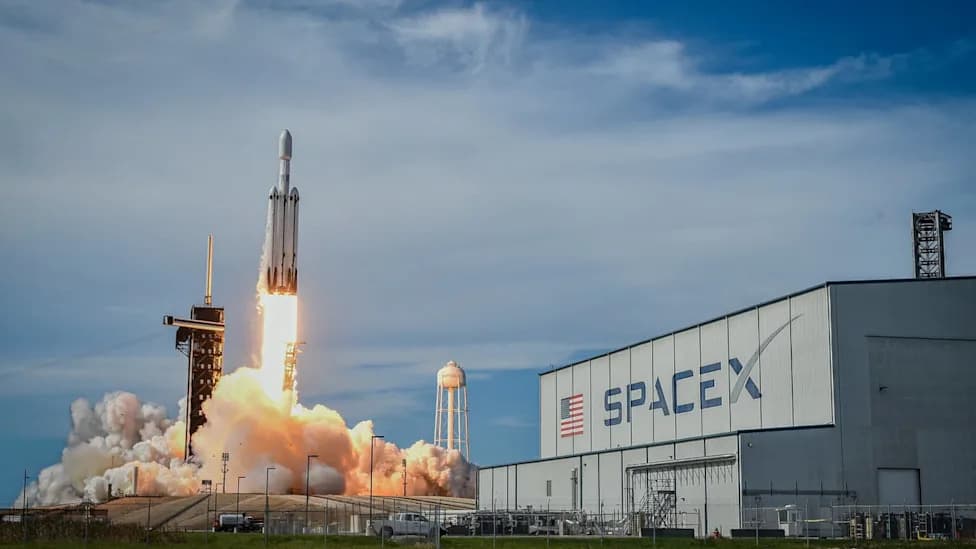
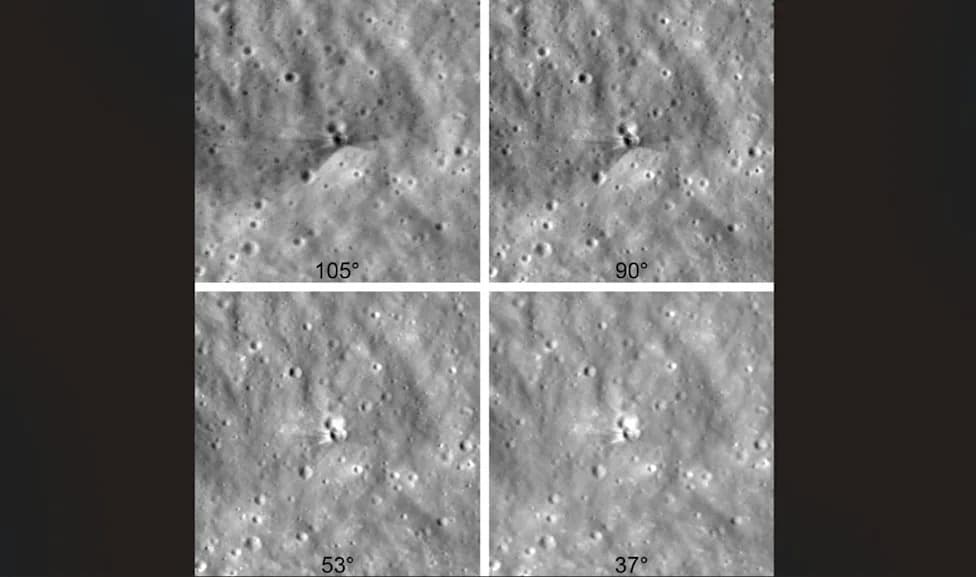
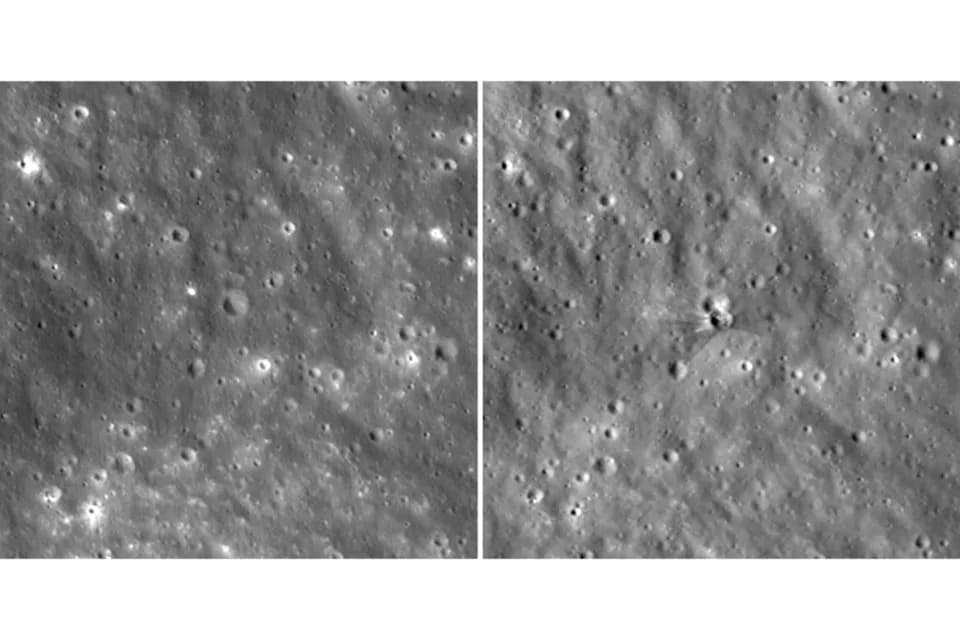
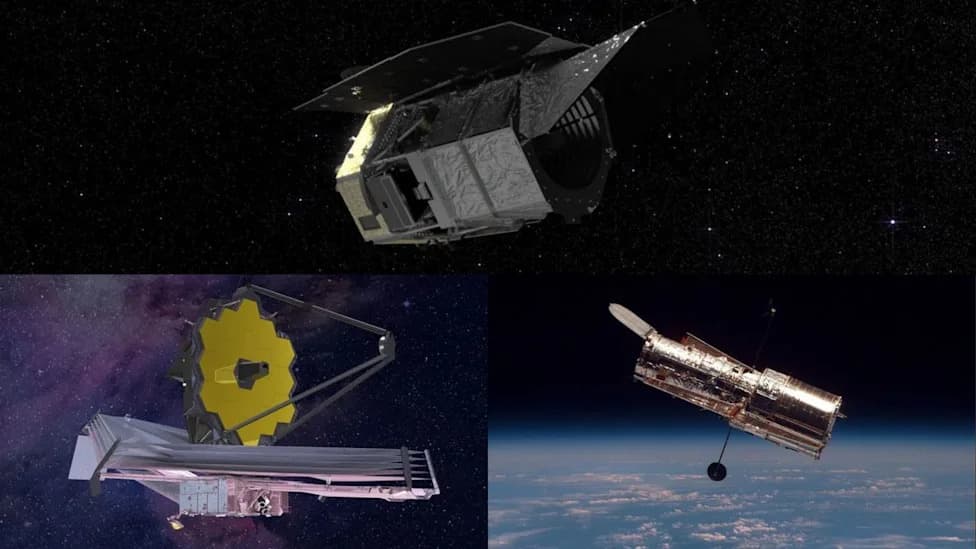
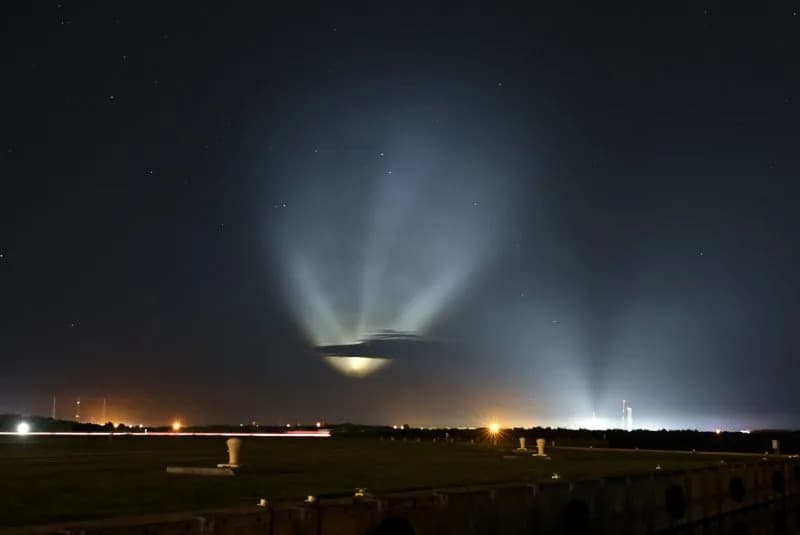
Gornji stupanj Falcon 9 kompanije SpaceX (označen 2025‑010D) očekuje se da će udariti u blisku stranu Meseca 5. avgusta u 02:34 ET. Predviđena brzina udara je oko 2,43 km/s (5.400 mph), a moguće je formiranje kratera prečnika oko 20–30 m. Događaj nije opasan za Zemlju, ali podiže pitanje bezbednog odlaganja svemirskog otpada i predstavlja priliku za naučna posmatranja.
Gornji Stupanj Falcon 9 Pada Na Mesec — Sudar Zakazan Za 5. Avgusta Pri ~5.400 mph (2,43 km/s)
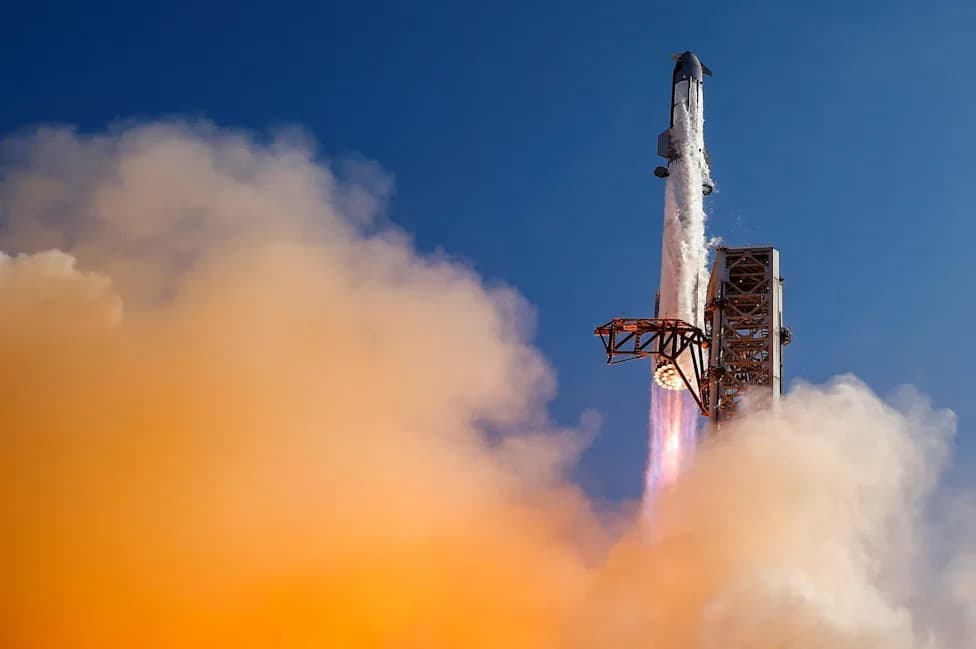
Starship launches July 24 from SpaceX's Starbase company town and headquarters in South Texas. The mission represented the 13th flight test for the 407-foot-tall rocket, the largest in the world, as Elon Musk's company readies it for missions to the moon and Mars.(Steve Nesius/Reuters)
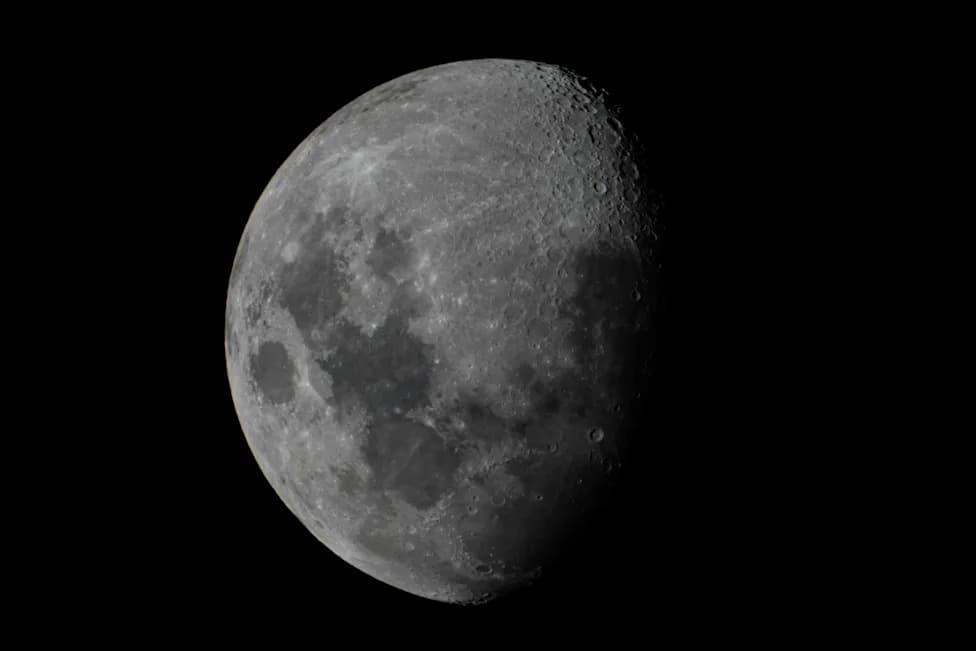
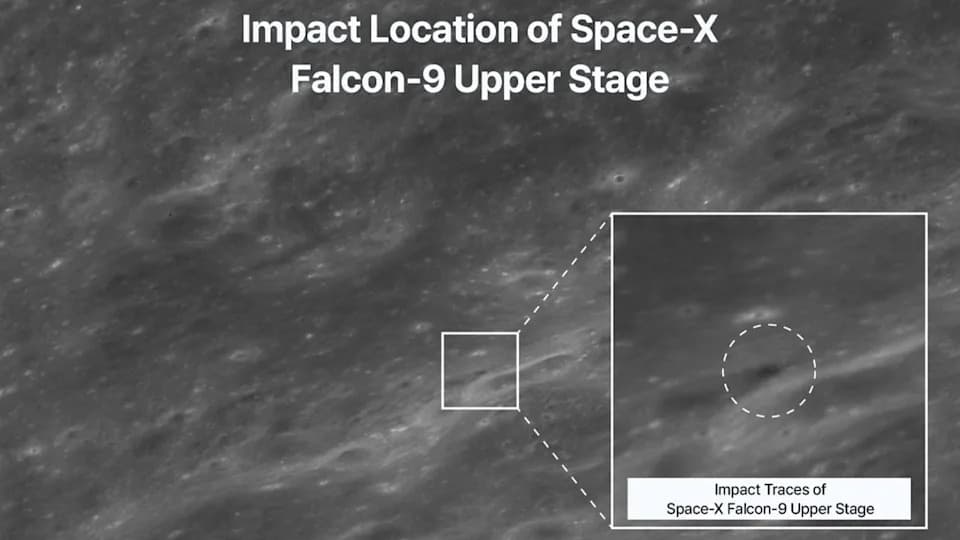
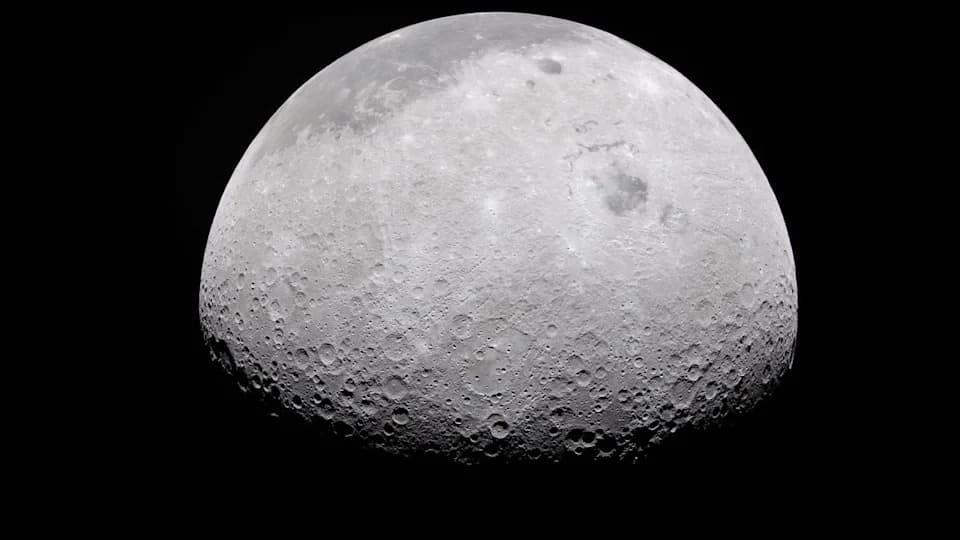
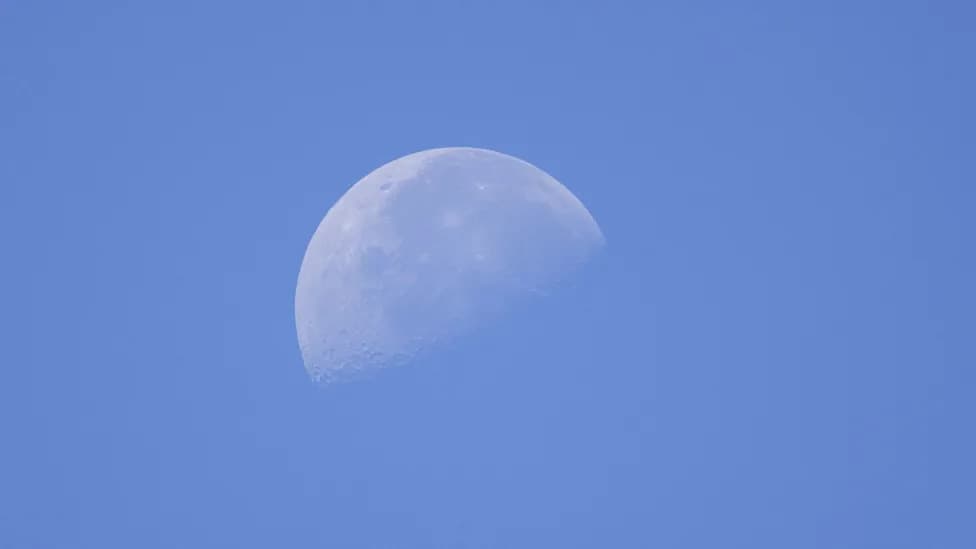
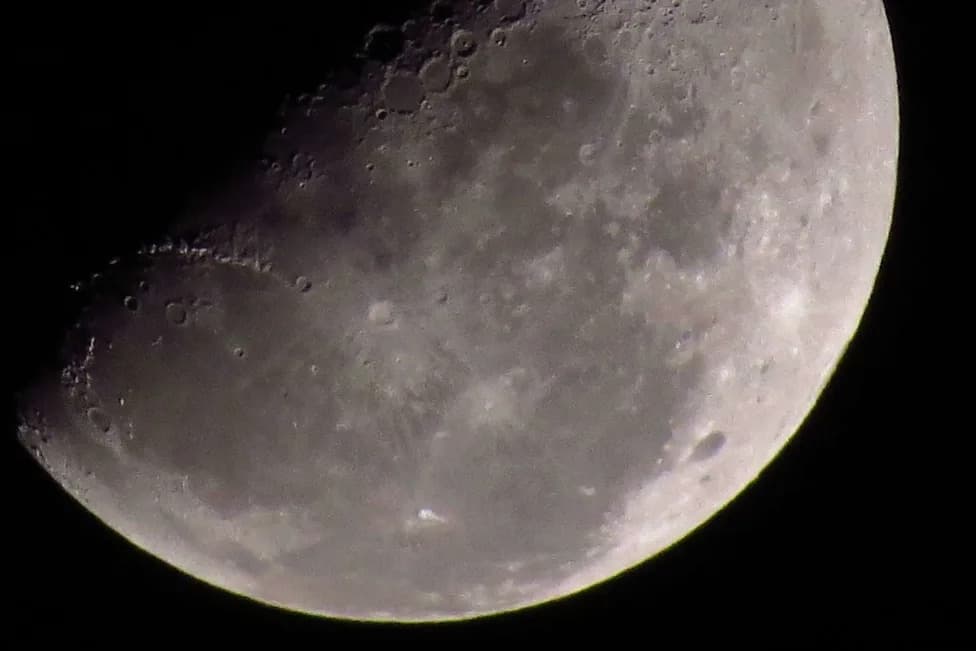
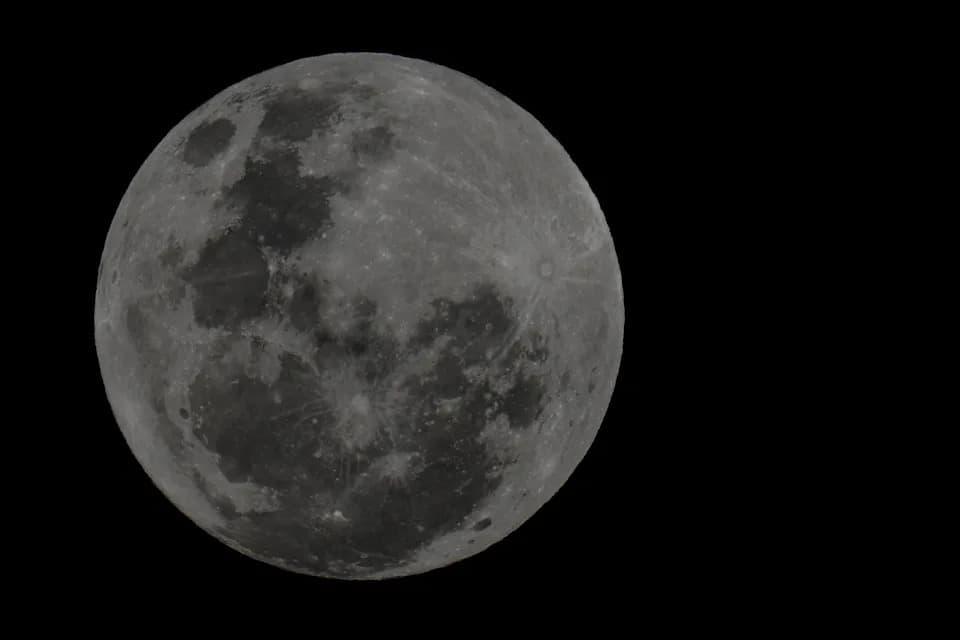
Gornji stupanj Falcon 9 rakete kompanije SpaceX, koji je ostao u visokoj, jako eliptičnoj orbiti oko Zemlje, predviđa se da će udariti u blisku (vidljivu) stranu Meseca 5. avgusta. Prema nezavisnoj analizi astronoma Billa Graya, objekat označen kao 2025‑010D treba da se sudari u blizini kratera Einstein pri brzini od oko 2,43 km/s (približno 5.400 mph).
Šta će se dogoditi?
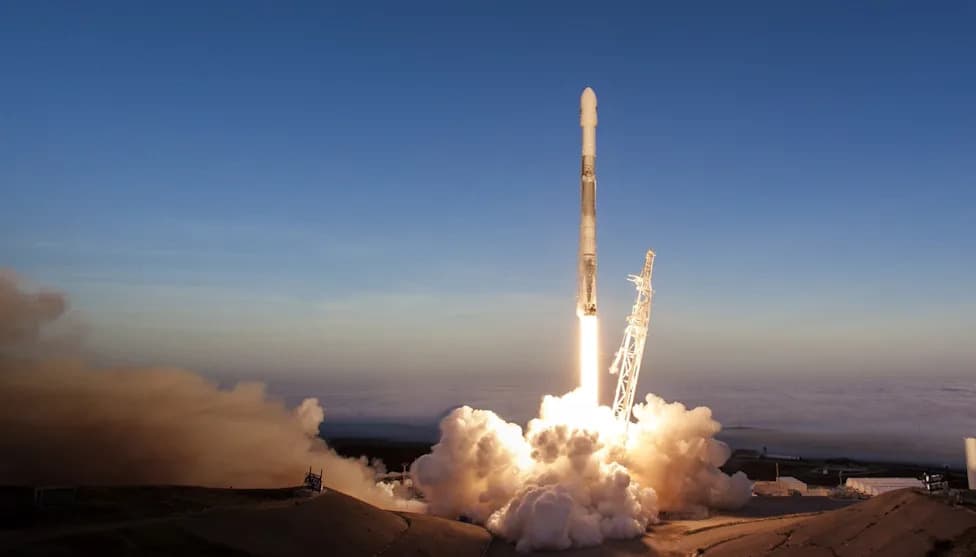
Radi se o gornjem stupnju (drugi stupanj) Falcon 9 rakete, dugom oko 13,7 m (45 stopa) i procenjene mase ~3.992 kg (8.800 funti). Pošto Mesec nema atmosferu, taj deo rakete neće sagoreti već će direktno udariti u površinu — očekuje se stvaranje kratera i podizanje oblaка prašine koji bi mogli biti detektovani snažnim teleskopima i svemirskim instrumentima sa Zemlje.
Zašto je ovo zanimljivo?
Ne samo da je ironično što kompanija koja razvija veći Starship za planirana, kontrolisana sletanja na Mesec ima gornji stupanj svoje najaktivnije rakete koji će se nenamerno obrušiti na lunarni teren, već i zato što incident naglašava pitanje odlaganja svemirskog otpada. Gornji stupanj potiče iz lansiranja iz januara 2025. kada je Falcon 9 poslao komercijalni lander Blue Ghost (Firefly Aerospace) ka Mesecu; lander je sleteo i radio tokom jednog lunarnog dana.
Procene posledica udara
Bill Gray, autor softvera Project Pluto za praćenje objekata blizu Zemlje, izračunao je vreme i mesto sudara. Po njegovoj proceni, udar će se dogoditi oko 02:34 po istočnoameričkom vremenu (ET) 5. avgusta u blizini Einstein kratera. Brzina pri udaru je procenjena na ~2,43 km/s (oko 5.400 mph).
Zbog konstrukcije (gornji stupanj je prilično šuplj) krater neće biti kao onaj od gustog asteroidnog tijela iste mase, ali studija koju je Gray koautor (još neobjavljena u recenziranom časopisu) procenjuje prečnik novog kratera na ~20–30 metara (66–98 stopa).
Može li se to posmatrati sa Zemlje?
Udar će biti prilično slab za posmatranje sa amaterskim teleskopima; međutim, profesionalne opservatorije i svemirske sonde imaju šanse da detektuju prasinski oblak i analiziraju novo nastali krater. Posmatranja mogu pomoći u razumevanju mehanike udara i svojstava površinskog materijala na mestu sudara.
"Ne predstavlja opasnost za bilo koga" i neće značajno promeniti površinu Meseca, napisao je Gray na svom sajtu. Dodao je da događaj "ističe nepažnju u načinu odlaganja ostataka svemirskog hardvera (svemirski otpad)".
Kontekst i istorija
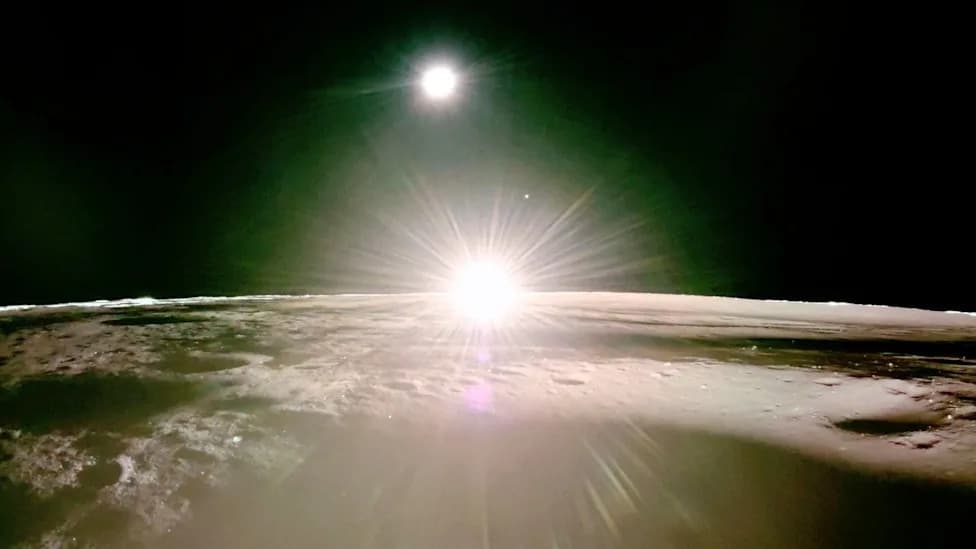
Ovo nije prvi sudar svemirskog objakta sa Mesecom — namerni udari, poput onog NASA-ine misije LCROSS 2009. godine, imali su naučne ciljeve (traženje vodnog leda u trajno zasenčenim kraterima). U ovom slučaju udar je neočekivan i služi kao podsetnik na politiku i praksu uklanjanja ili upravljanja ostacima iz svemirskih misija.
Ko je napisao original? Originalni tekst potpisuje Eric Lagatta za USA TODAY Network; analiza detektora i orbitalnih proračuna potiče od Billa Graya i njegovog Project Pluto softvera.
Šta dalje? Astronomi širom sveta prate predviđeni termin i pripremaju opservacije. Ako želite da pratite događaj, informišite se o najavama profesionalnih opservatorija i svemirskih agencija — amaterska posmatranja verovatno neće registrovati sam trenutak udara.
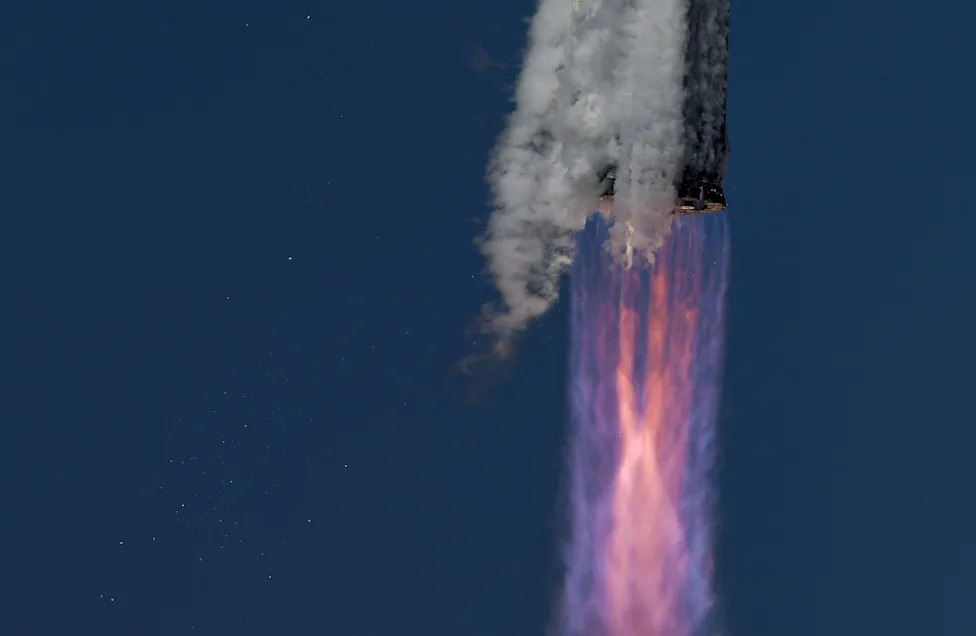
Starship launches July 24 from SpaceX's Starbase company town and headquarters in South Texas. The mission represented the 13th flight test for the 407-foot-tall rocket, the largest in the world, as Elon Musk's company readies it for missions to the moon and Mars.(Steve Nesius/Reuters)
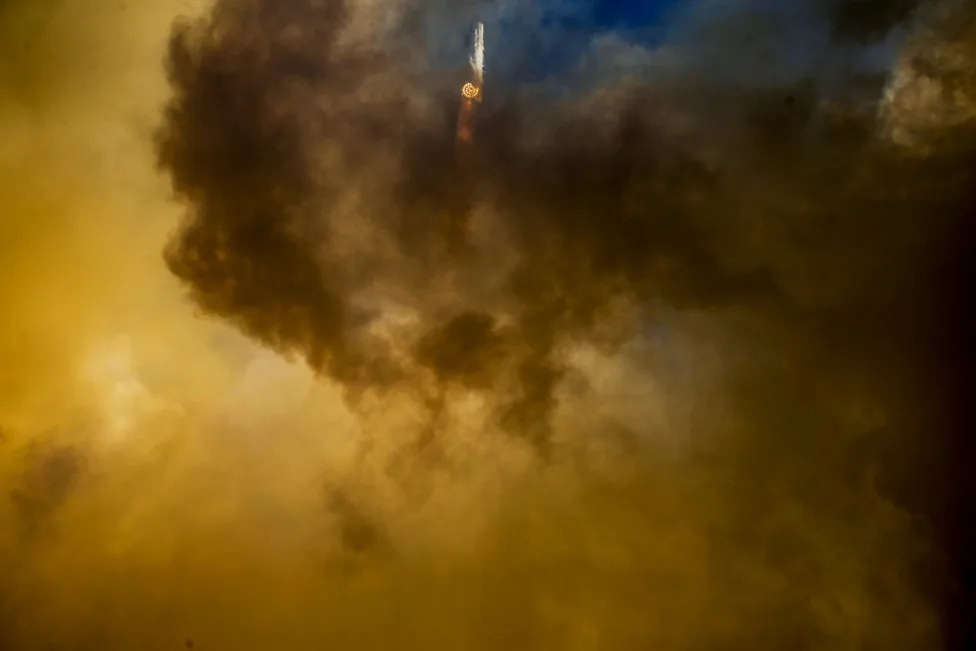
Smoke and dust fill the air as the SpaceX Starship and Super Heavy v3 Booster lift off on its 13th test flight from the SpaceX launch complex in Starbase, Texas, U.S., July 24, 2026.(Steve Nesius/Reuters)
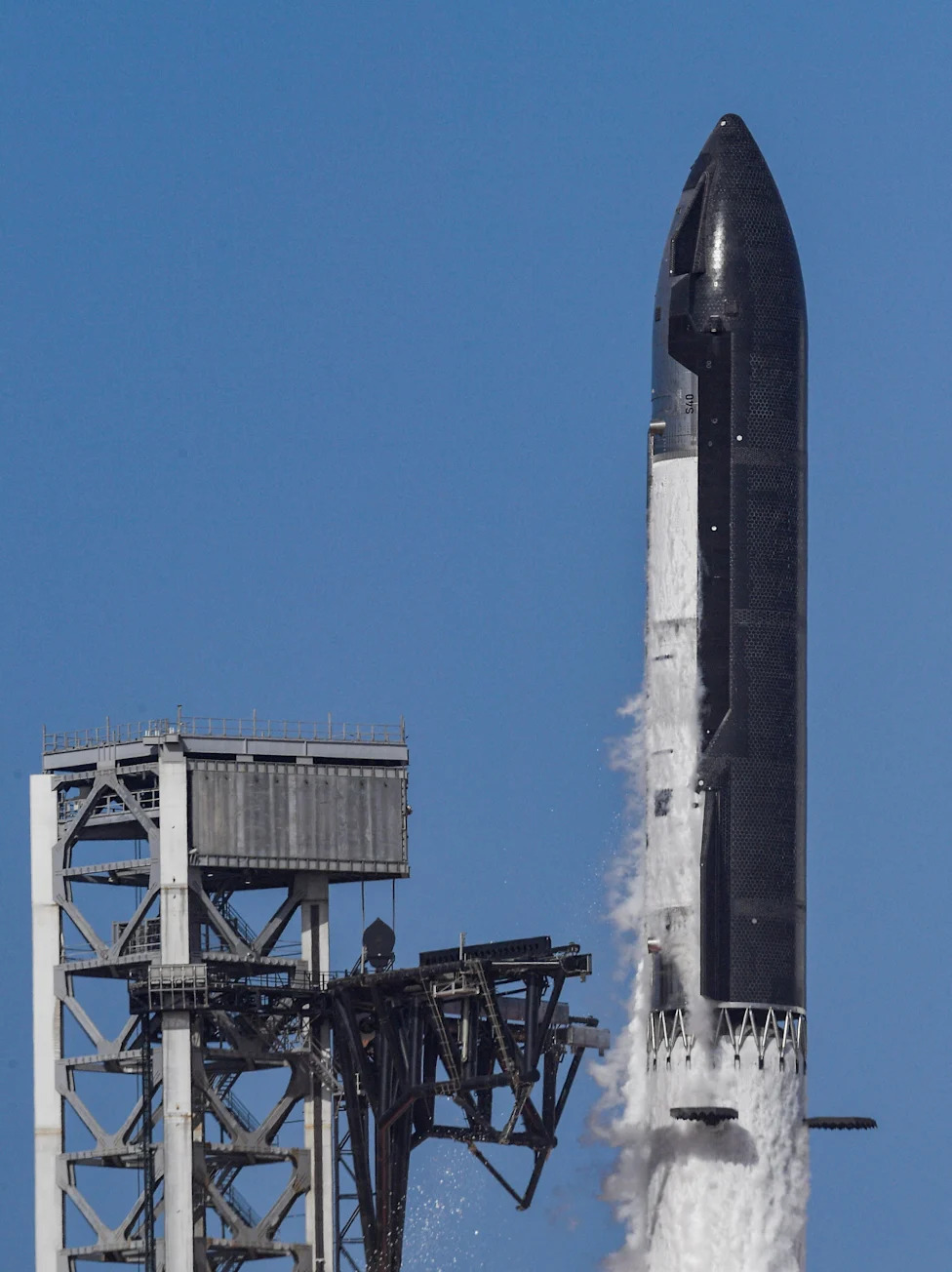
Starship launches July 24 from SpaceX's Starbase company town and headquarters in South Texas. The mission represented the 13th flight test for the 407-foot-tall rocket, the largest in the world, as Elon Musk's company readies it for missions to the moon and Mars.(Steve Nesius/Reuters)
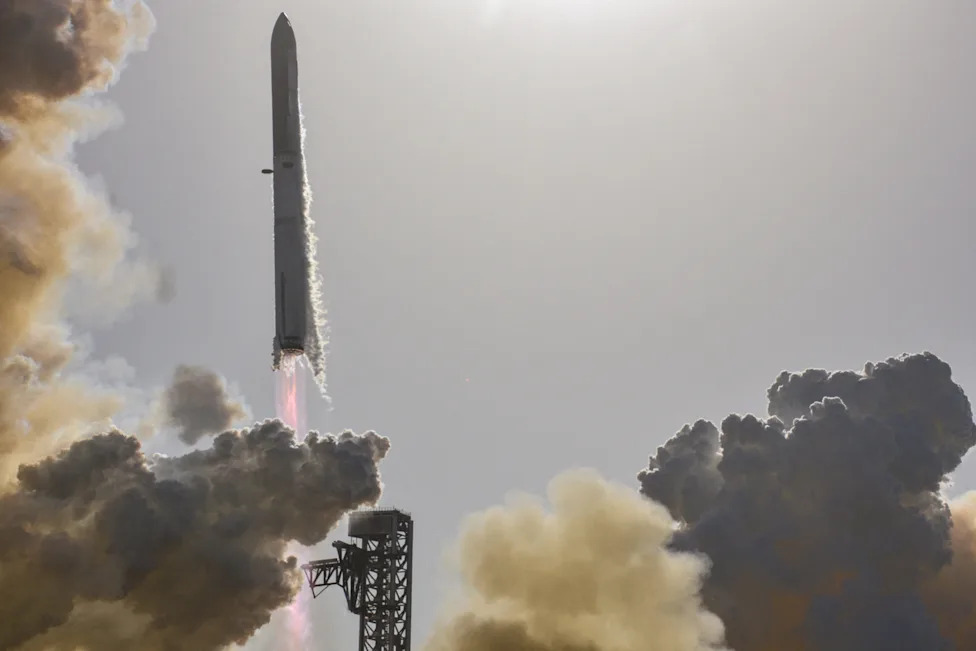
Starship launches July 24 from SpaceX's Starbase company town and headquarters in South Texas. The mission represented the 13th flight test for the 407-foot-tall rocket, the largest in the world, as Elon Musk's company readies it for missions to the moon and Mars.(Steve Nesius/Reuters)
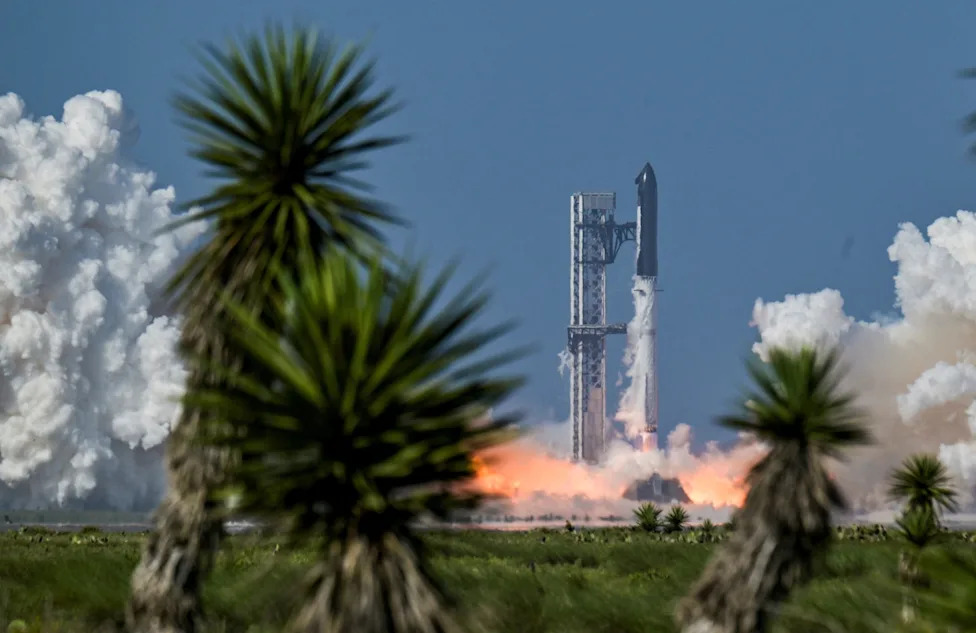
Starship launches July 24 from SpaceX's Starbase company town and headquarters in South Texas. The mission represented the 13th flight test for the 407-foot-tall rocket, the largest in the world, as Elon Musk's company readies it for missions to the moon and Mars.(Steve Nesius/Reuters)
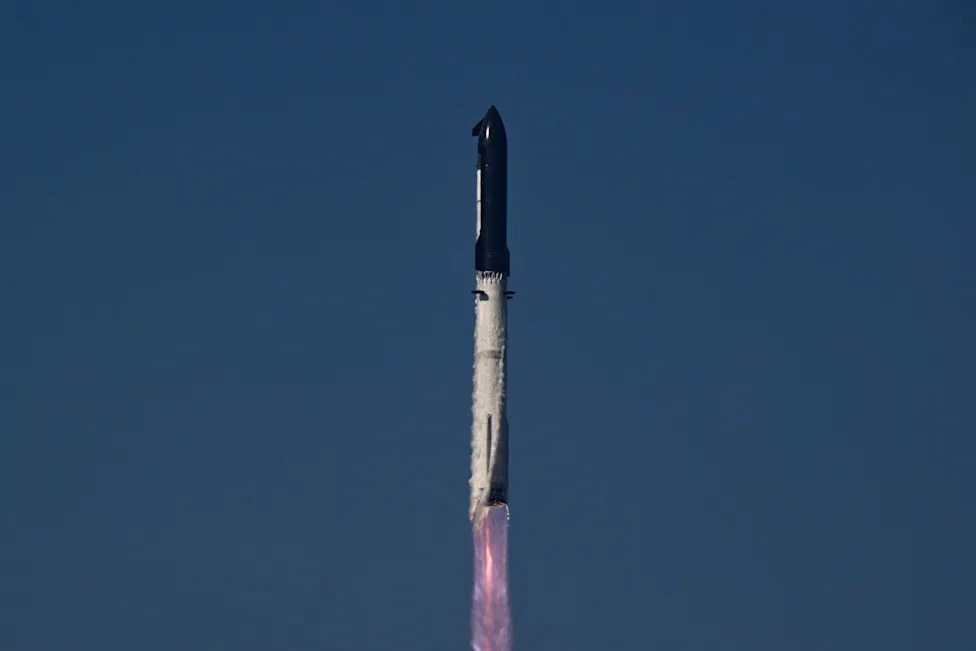
Starship launches July 24 from SpaceX's Starbase company town and headquarters in South Texas. The mission represented the 13th flight test for the 407-foot-tall rocket, the largest in the world, as Elon Musk's company readies it for missions to the moon and Mars.(Steve Nesius/Reuters)
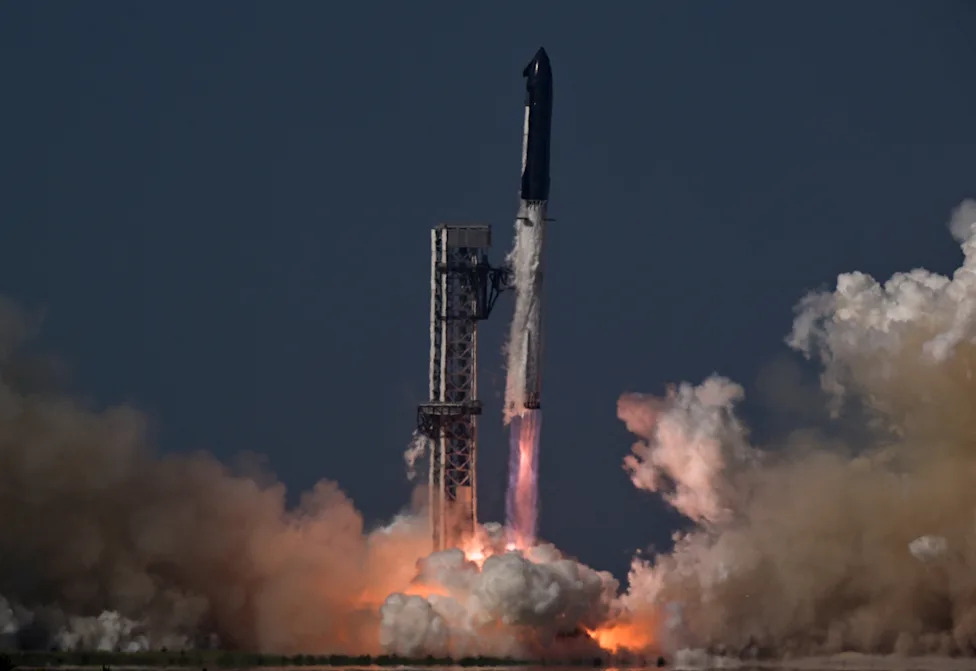
Starship launches July 24 from SpaceX's Starbase company town and headquarters in South Texas. The mission represented the 13th flight test for the 407-foot-tall rocket, the largest in the world, as Elon Musk's company readies it for missions to the moon and Mars.(Steve Nesius/Reuters)
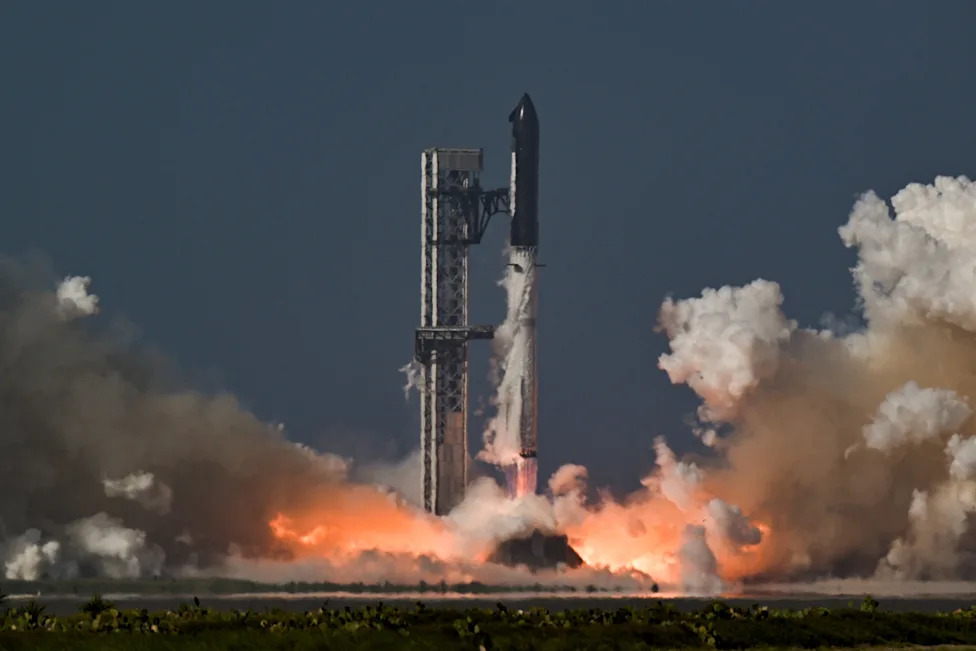
Starship launches July 24 from SpaceX's Starbase company town and headquarters in South Texas. The mission represented the 13th flight test for the 407-foot-tall rocket, the largest in the world, as Elon Musk's company readies it for missions to the moon and Mars.(Steve Nesius/Reuters)
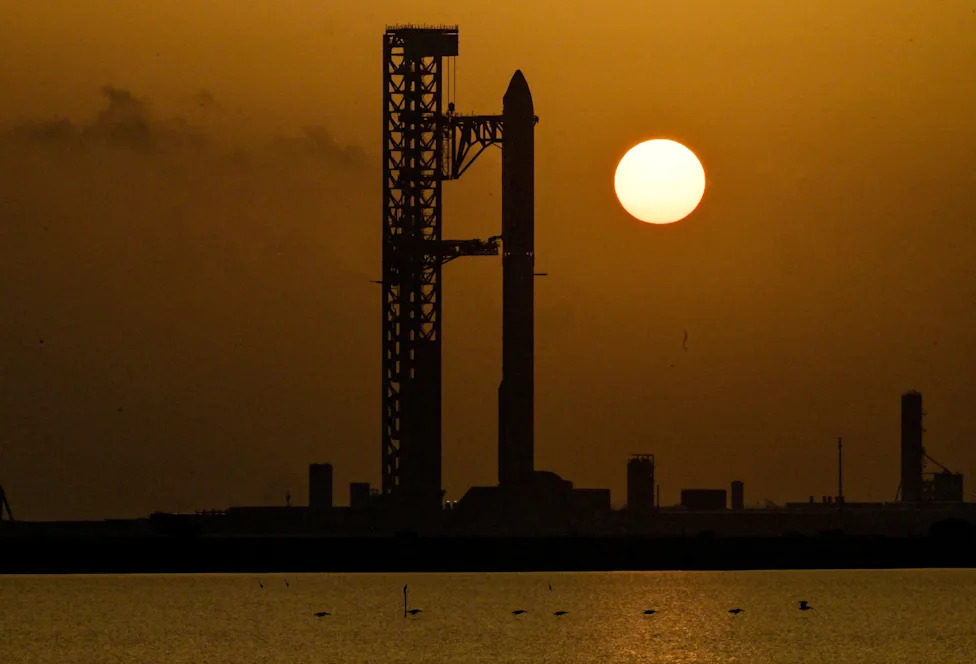
A fully-stacked Starship is vertical on the launch pad July 24 at Starbase in South Texas at sunrise as preparations continue to launch its 13th test flight.(Steve Nesius/Reuters)
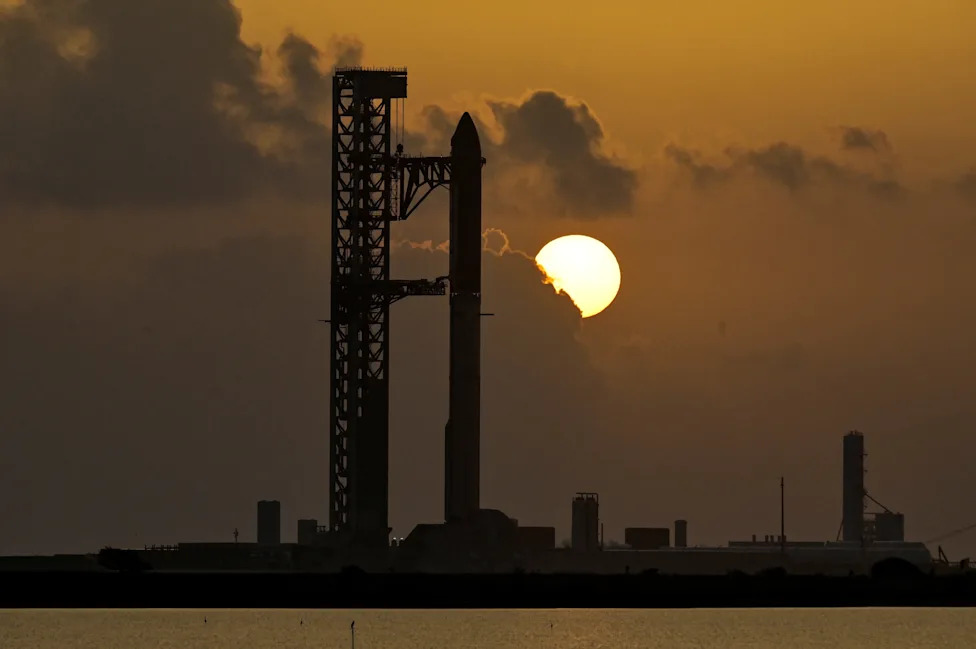
A fully-stacked Starship is vertical on the launch pad July 24 at Starbase in South Texas at sunrise as preparations continue to launch its 13th test flight.(Steve Nesius/Reuters)
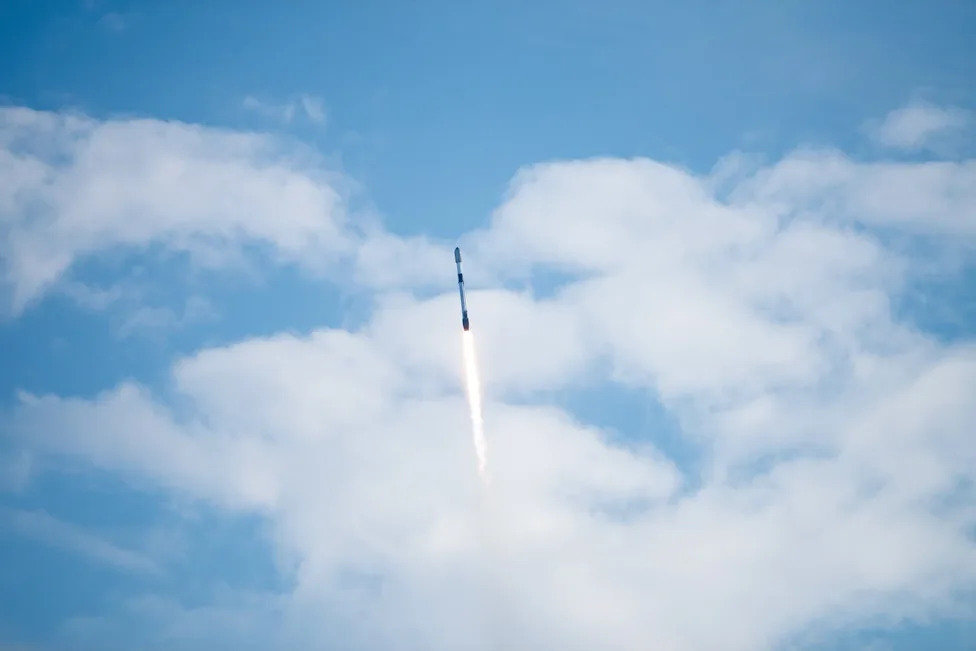
A Falcon 9 rocket launches July 13 on a mission to deliver SpaceX's Starlink satellites to its constellation in low-Earth orbit.(Provided by the Vandenberg Space Force Base)
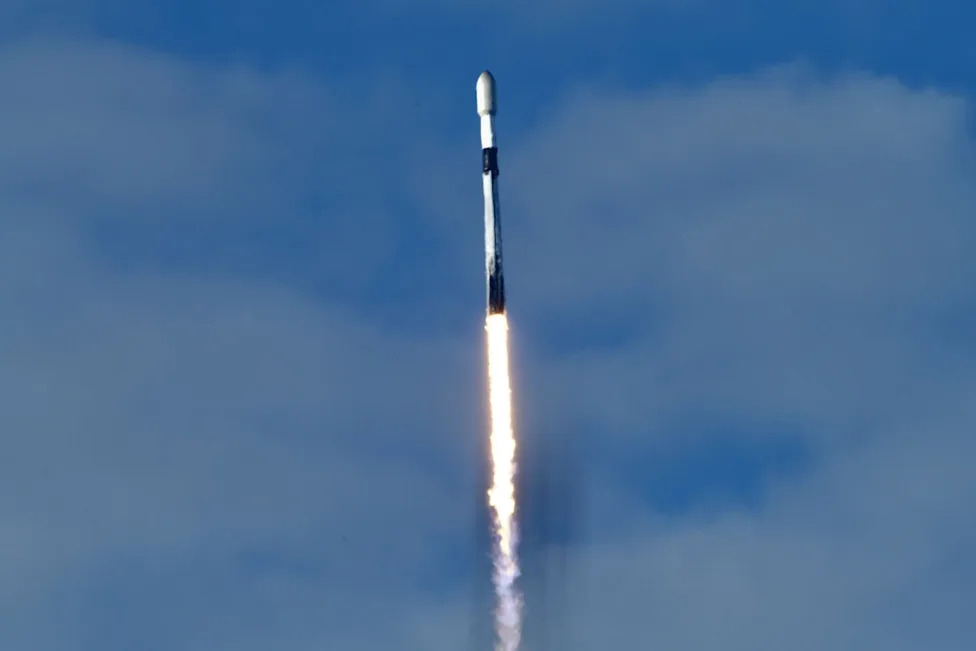
A SpaceX Falcon 9 rocket launches July 21 from the Vandenberg Space Force Base on a Starlink satellite deployment mission. The flight marked the 50th launch of 2026 in California.(Provided by the Vandenberg Space Force Base)
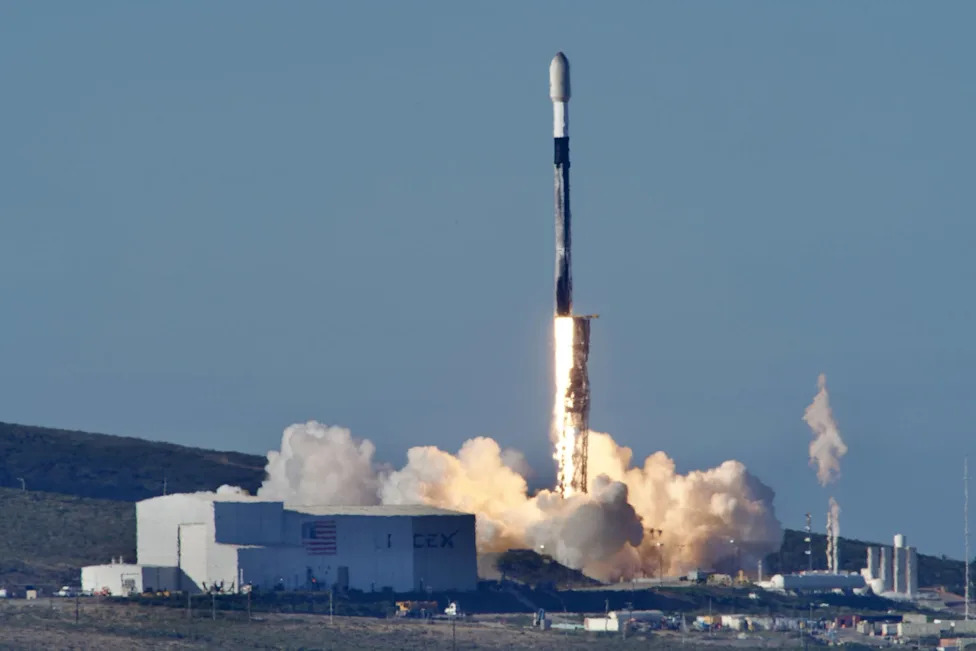
A SpaceX Falcon 9 rocket launches July 21 from the Vandenberg Space Force Base on a Starlink satellite deployment mission. The flight marked the 50th launch of 2026 in California.(Provided by the Vandenberg Space Force Base)
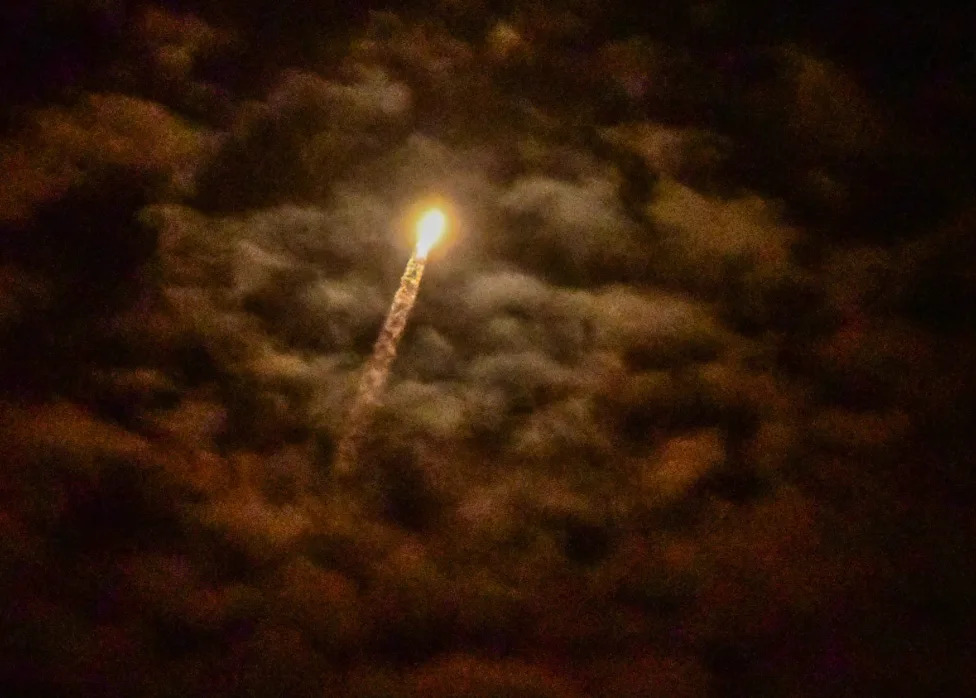
Launch of a SpaceX Falcon 9 rocket carrying 29 Starlink satellites into low-Earth orbit. Launch was at 5:10 a.m. on Tuesday, July 14 from Launch Complex 40 at Cape Canaveral Space Force Station in Florida.(Malcolm Denemark/USA TODAY Network)
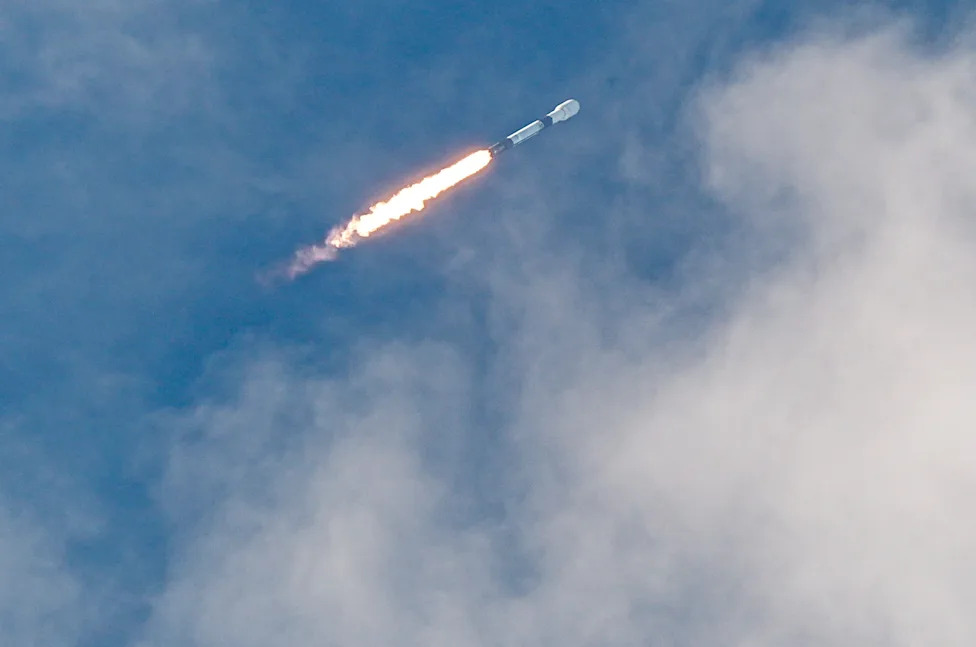
A SpaceX Falcon 9 rocket lifts off from Cape Canaveral Space Force Station July 21, 2026, carrying Northrop Grumman’s MRV-MEP satellite, designed to service other satellites while in orbit.(Craig Bailey/USA TODAY Network)
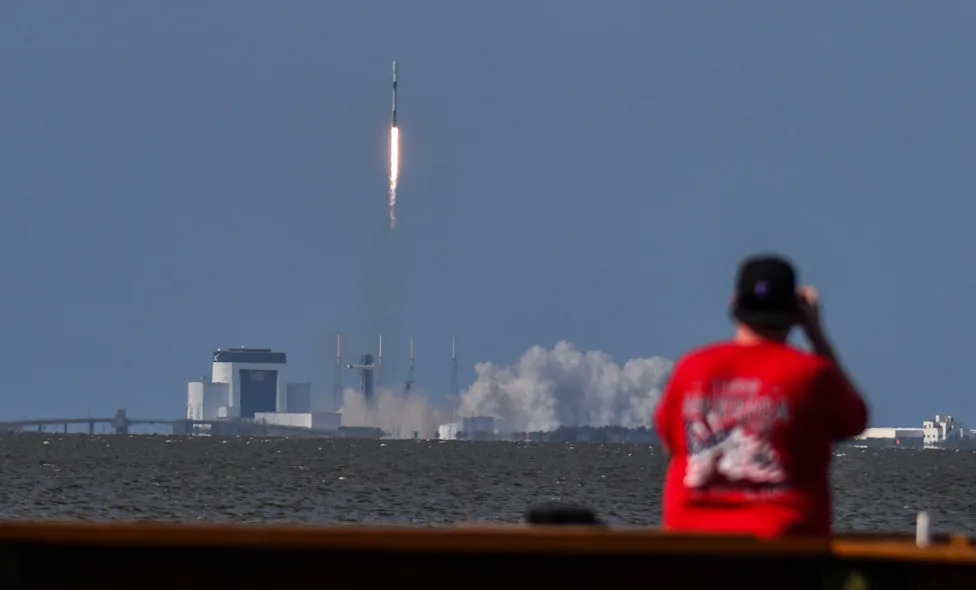
A spectator watches in Florida as a SpaceX Falcon 9 rocket lifts off from the Cape Canaveral Space Force Station.(Malcolm Denemark/USA TODAY Network)
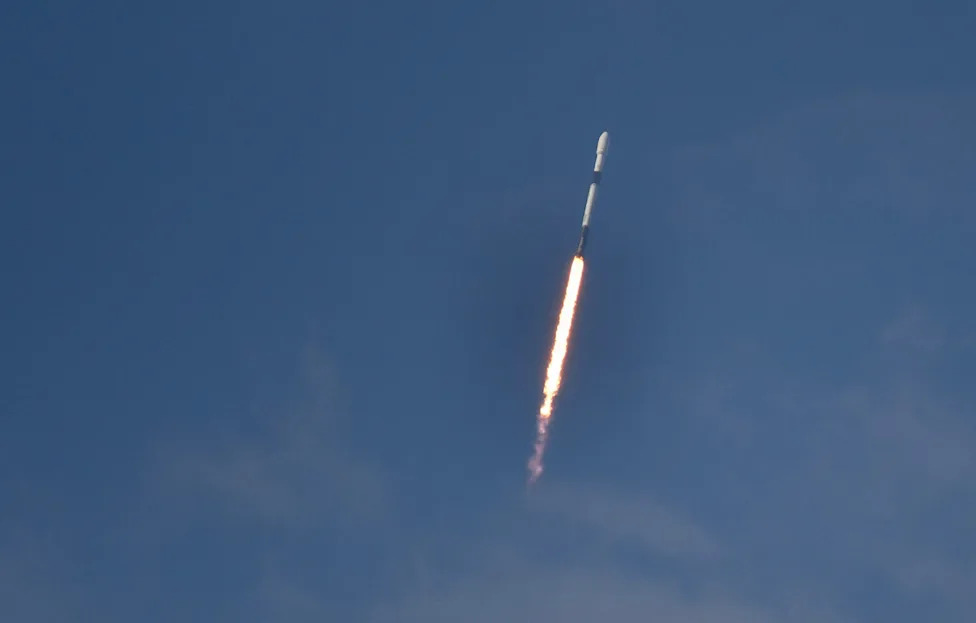
Launch of a SpaceX Falcon 9 rocket with Northrop Grumman's Mission Robotic Vehicle and Mission Extension Pod jetpacks. Launch was at 5:15 p.m. Tuesday, July 21 from Launch Complex 40 at Cape Canaveral Space Force Station in Florida.(Malcolm Denemark/USA TODAY Network)
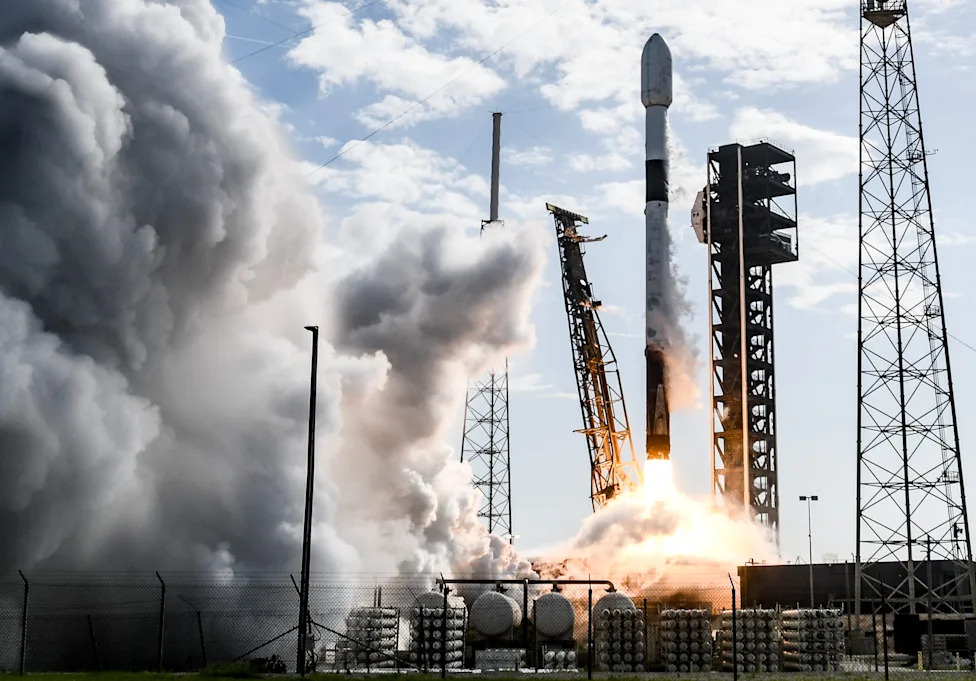
A SpaceX Falcon 9 rocket lifts off July 21 from the Cape Canaveral Space Force Station in Florida carrying Northrop Grumman’s MRV-MEP satellite, designed to service other satellites while in orbit.(Craig Bailey/USA TODAY Network)
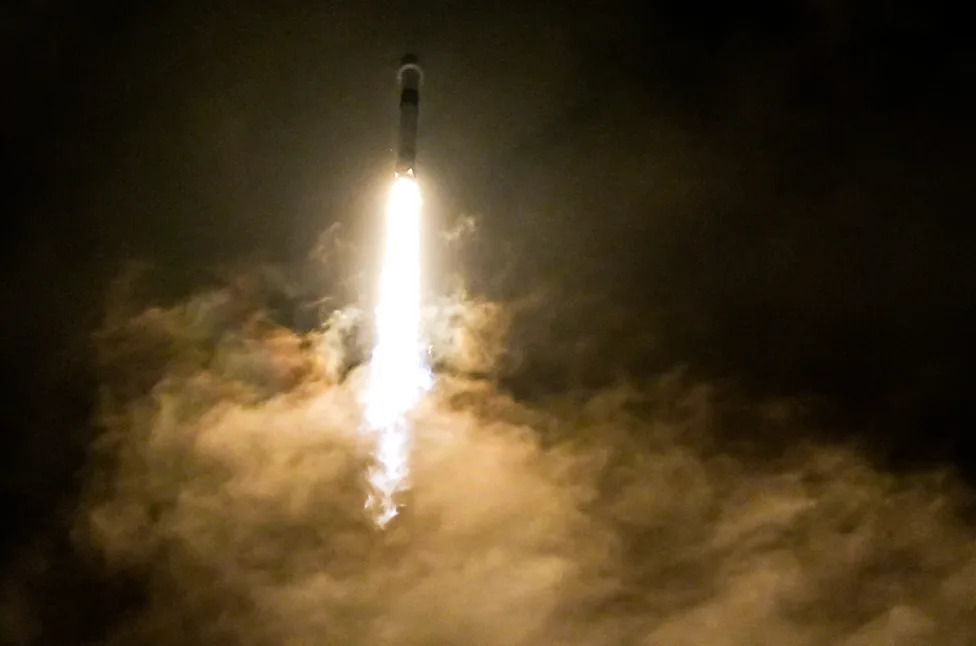
A SpaceX Falcon 9 rocket lifts off July 30 from the Cape Canaveral Space Force Station in Florida.(Craig Bailey/USA TODAY Network)
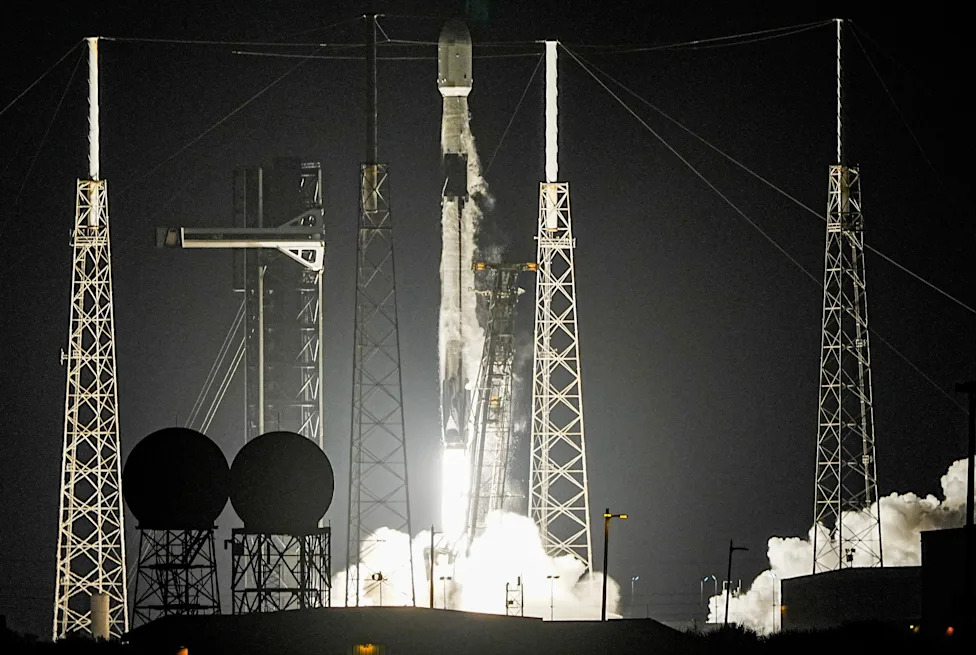
A SpaceX Falcon 9 rocket lifts off July 30 from the Cape Canaveral Space Force Station in Florida.(Craig Bailey/USA TODAY Network)
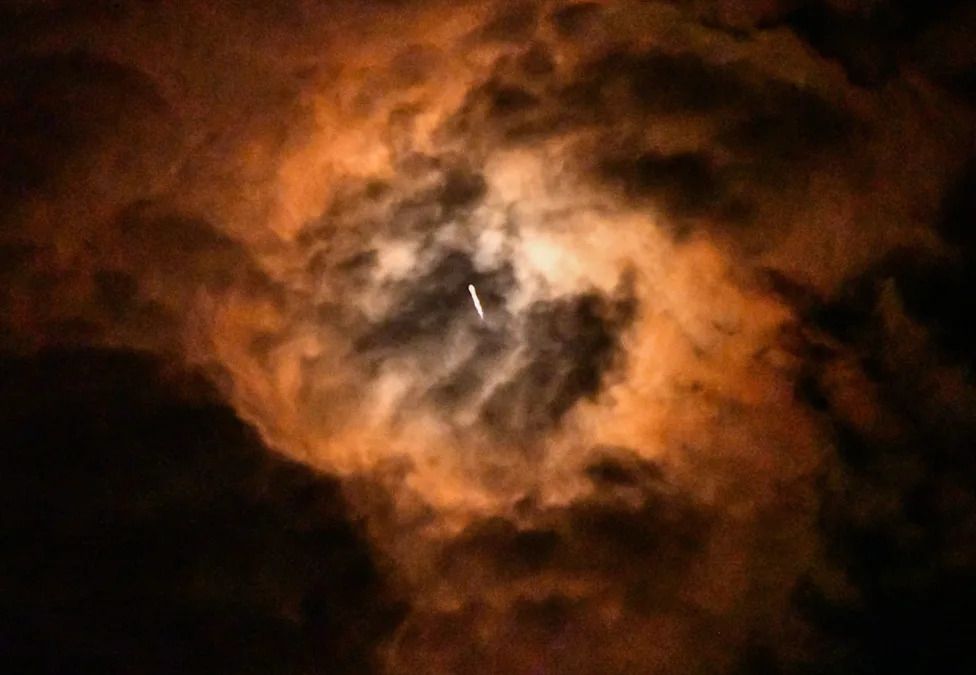
The July 30 launch of a SpaceX Falcon 9 rocket carrying a national security payload designed, built and operated by the National Reconnaissance Organization from the Cape Canaveral Space Force Station in Florida.(Malcolm Denemark/USA TODAY Network)
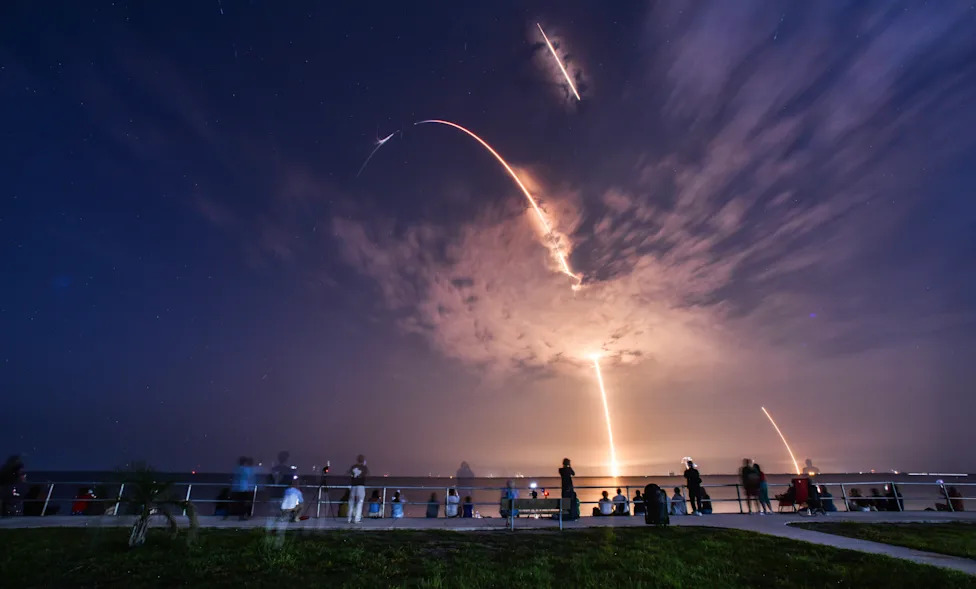
Spectators at Kennedy Point Park in Titusville watch the launch and booster landing of a SpaceX Falcon 9 rocket on July 30 carrying a national security payload designed, built and operated by the National Reconnaissance Organization. Liftoff took place from Launch Complex 40 at Cape Canaveral Space Force Station in Florida.(Malcolm Denemark/USA TODAY Network)
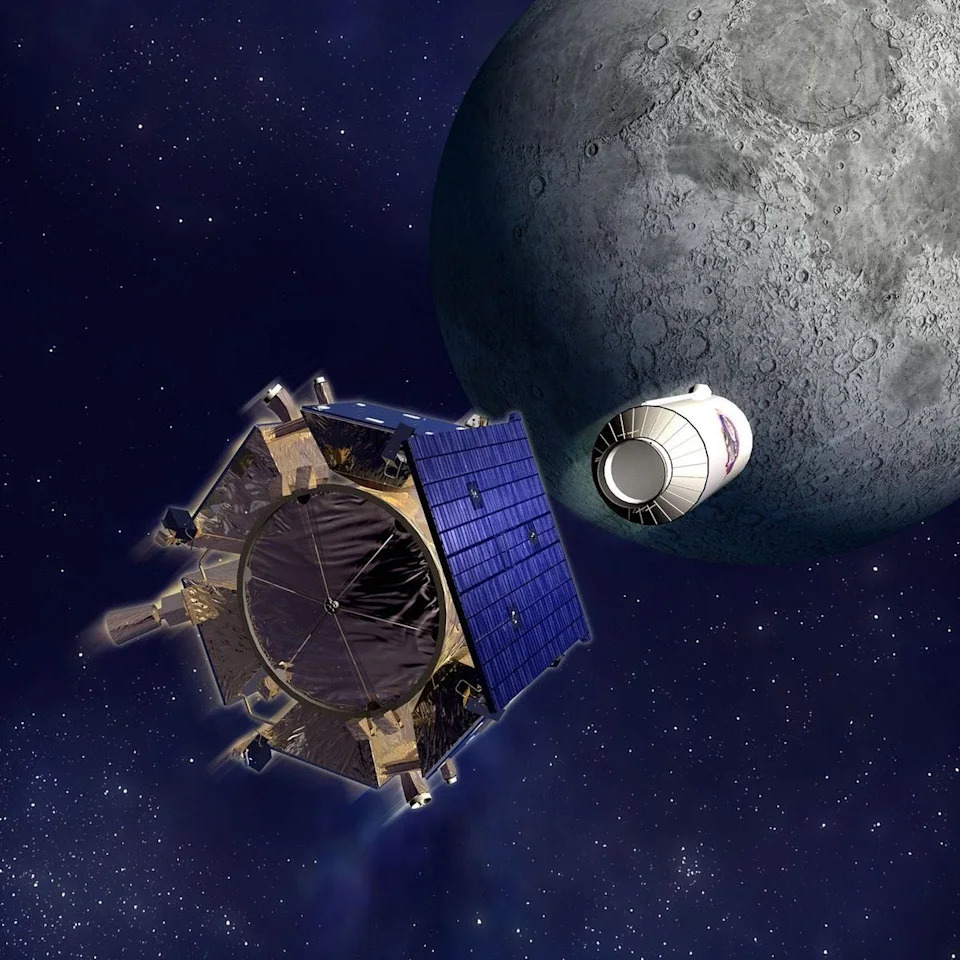
An artist's rendering of the LCROSS spacecraft and Centaur separation at the moon.
Pomozite nam da budemo bolji.