Iran je decenijama projicirao moć preko saveznika od Gaze do Jemena, gradeći ono što je nazivano "prstenom vatre". Vazdušni udari i ratni sukobi od februara 2026. značajno su oštetili logističke veze, komandne strukture i sposobnost ponovnog naoružavanja saveznika poput Hamasa i Hezbollaha. Sirijski most snabdevanja je narušen, iračke milicije su pod pritiskom, a Huti i dalje prete pomorskoj plovidbi, ali ne i regionalnom poretku. Posledica je da se Iran sve više nalazi u defanzivi dok susedne države jačaju međusobnu saradnju.
Kako Rat Sa SAD Menja Iranski "Prsten Vatre": Mreža Uticaja Koja Se Raspada
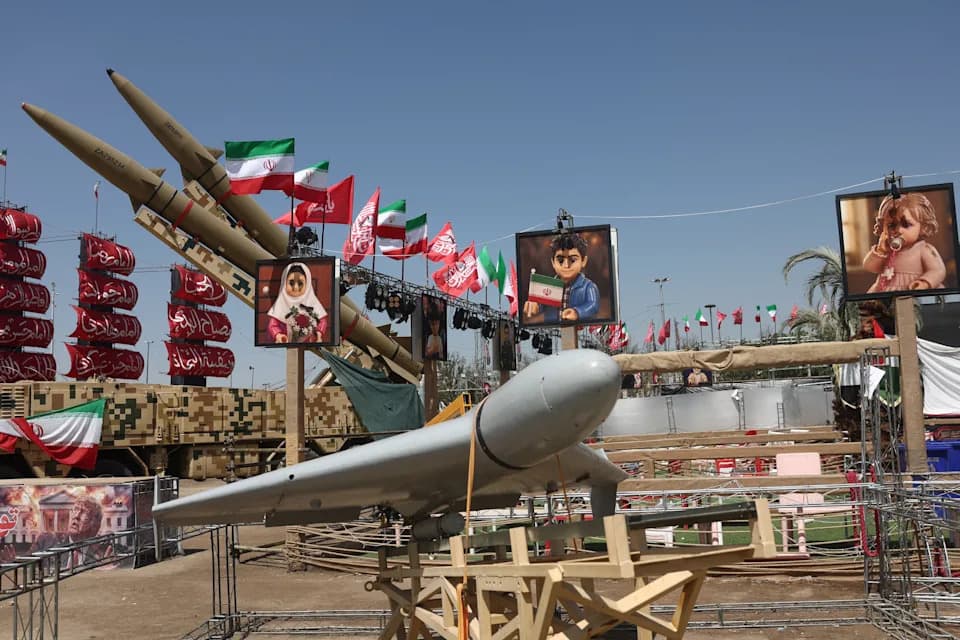
An Iranian drone and an Iranian missile system are displayed in Azadi Square in Tehran, Iran, on July 30, 2026.
Decenijama je Iran gradio razgranatu mrežu saveznika i proxy snaga — od Gaze i Libana do Sirije, Iraka i Jemena — koja mu je omogućavala projekciju moći širom Bliskog istoka bez direktnog izlaganja sopstvene teritorije velikim rizicima.
Umesto da se osloni samo na sopstvene oružane snage, Teheran je izgradio "os otpora" ili kako su to neki nazvali, iranski "prsten vatre": Hamas u Gazi, Hezbollah na severnoj granici Izraela, iranske veze kroz Siriju, iračke milicije i Huti u Jemenu. Ta arhitektura je služeći i kao odvratna sila i kao instrument uticaja.
Kako rat menja regionalnu arhitekturu
Od 28. februara 2026. godine, kada su Sjedinjene Države i Izrael pokrenule vazdušne udare pod nazivom Operation Epic Fury, pa kroz naredne sukobe u regionu, ta mreža je pretrpela značajna oštećenja: ključne komandne strukture i logističke linije su narušene, a mogućnosti regrupisanja i ponovnog naoružavanja ograničene.
Hamas i dalje drži delove Gaze, ali veliki deo njegove vojne infrastrukture i značajan deo rukovodstva su uništeni ili onemogućeni da funkcionišu kao pre. U Libanu, Hezbollah je i dalje opasna organizacija, ali je, prema dostupnim izveštajima, pretrpela gubitke u komandnom sastavu, zaliha oružja i infrastrukture, a unutrašnji pritisci u Libanu dodatno ograničavaju njegov manevarski prostor.
Siriјa predstavlja jedan od najvažnijih strateških gubitaka za Iran. Dugogodišnja saradnja sa režimom i logističke veze koje su spajale Teheran i Hezbollah su značajno poremećene usled promena na terenu i političke rekonstrukcije, što je otežalo pouzdano snabdevanje.
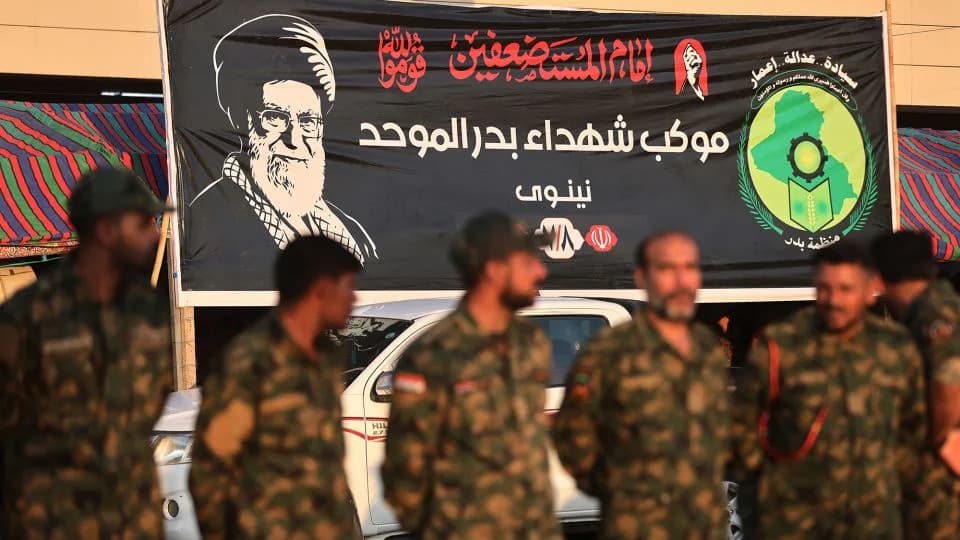
U Iraku iranski uticaj i dalje postoji kroz lokalne milicije, ali njihov položaj je komplкovan porastom iračkog nacionalizma, pritiscima na vladu i zahtevima da naoružane formacije postanu odgovorne iračkoj državi, a ne spoljnim sponzorima.
Huti i dalje prete pomorskoj plovidbi u Crvenom moru i oko Hormuškog moreuza, ali njihova sposobnost da samostalno nametnu regionalni poredak je ograničena — mogu da stvaraju prekide i troškove, ali ne i stabilnost ili upravljanje regionom.
Rezultat je promena strategije: Iran se sve više oslanja na sopstvene teritorijalne i vojno-tehničke kapacitete, umesto da se pretežno služi regionalnim saveznicima i proksijima.
Regionalne posledice i okretanje protiv Irana
Napadi i destabilizacija koje su potekle iz iranskih operacija navele su susedne države da preispitaju ranije politike popuštanja. Zemlje Zaliva — uključujući Bahrein, Kuvajt, Saudijsku Arabiju i UAE — pojačale su vojne i obaveštajne kontakte, razmenjuju informacije i sarađuju u oblasti protivraketne odbrane i pomorske sigurnosti.
To ne znači da je Iran na ivici kolapsa. Njegov raketni program i potencijal za narušavanje pomorskog saobraćaja ostaju značajni, kao i dugoročne zabrinutosti oko nuklearnih ambicija. Međutim, sposobnost da oblikuje region više nije ista kao ranije — Iran prelazi iz dominantne ofanzivne u znatno defanzivniju poziciju.
Posledica ovih promena može biti dugoročna transformacija ravnoteže snaga na Bliskom istoku: ne potpuni kraj "prstena vatre", već njegovo postepeno gubljenje prepoznatljivih kapaciteta i uticaja.
Aviva Klompas je izvršna direktorka i suosnivačica organizacije Boundless, neprofitne organizacije posvećene borbi protiv antisemitizma, i voditeljka podkasta "Boundless Insights". Tekst je originalno objavljen u USA TODAY.
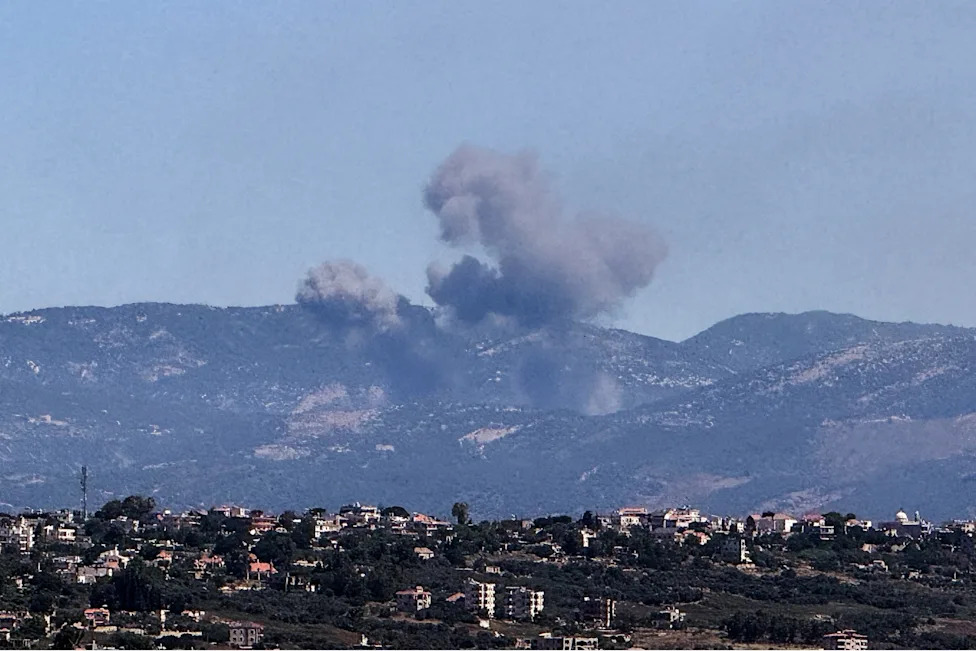
See the trail of devastation and grief left by theIran Warthat began on Feb. 28, 2026, when the United States and Israel launched joint airstrikes, known as Operation Epic Fury, targeting Iranian military and government sites.Pictured here, smoke rises in southern Lebanon following Israeli strike after a senior Israeli official told Reuters on Friday that Israel and Hezbollah were in a ceasefire, as long as Hezbollah does not attack Israel, as seen from the Israeli side of the Israel-Lebanon border, in northern Israel, June 20, 2026.(Avi Ohayon, Reuters)
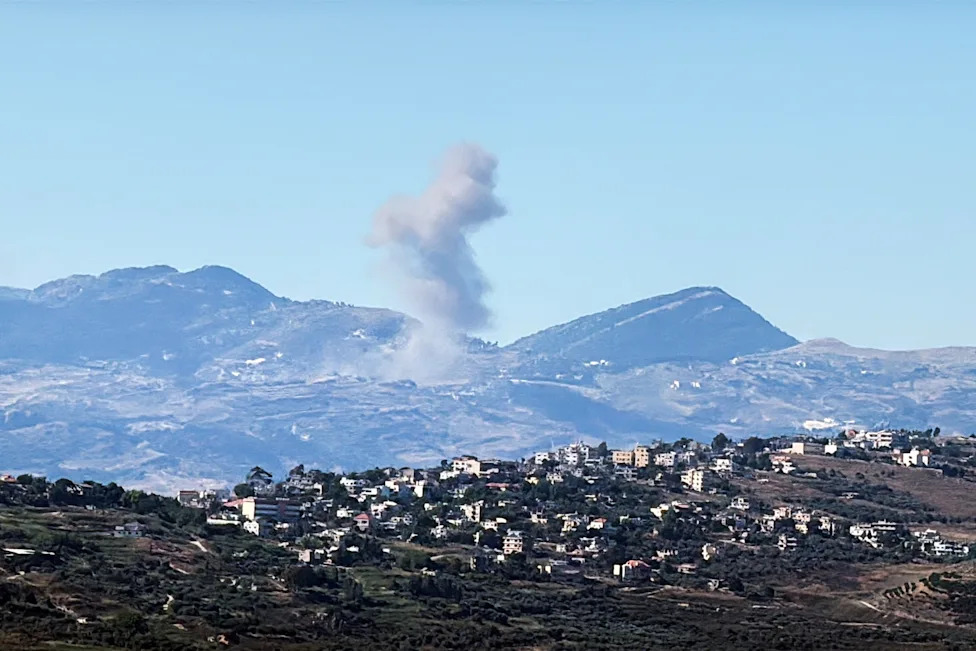
Smoke rises in southern Lebanon following Israeli strike after a senior Israeli official told Reuters on Friday that Israel and Hezbollah were in a ceasefire, as long as Hezbollah does not attack Israel, as seen from the Israeli side of the Israel-Lebanon border, in northern Israel, June 19, 2026.(Avi Ohayon, Reuters)
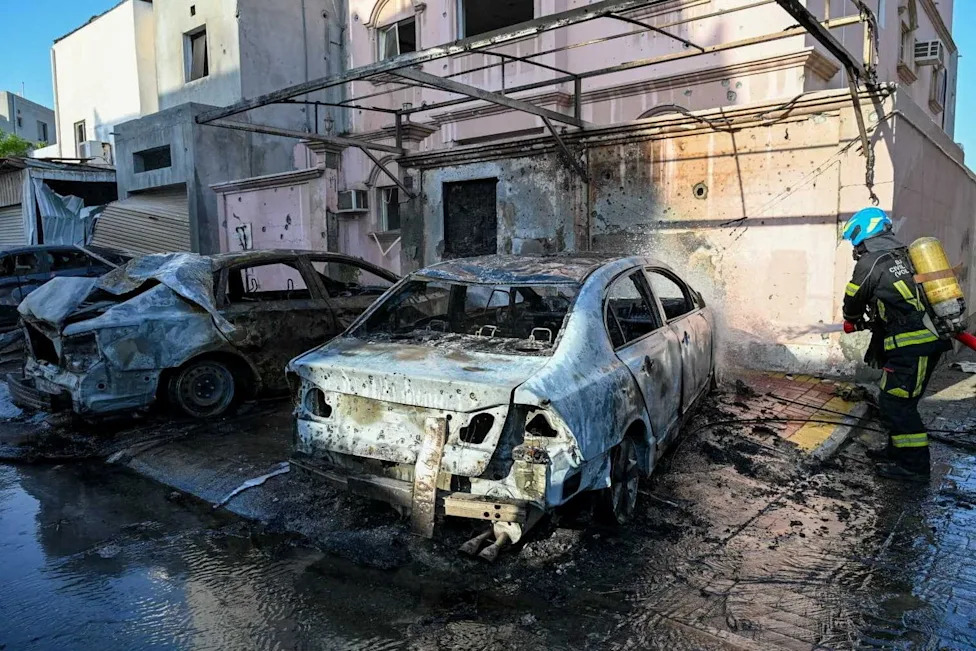
A firefighter works in the aftermath of Iranian drone attacks, according to Bahrain's Interior Ministry, at a location given as Bahrain, in this handout image released on June 11, 2026.(Ministry of Interior of the Kingdom of Bahrain, via Reuters)
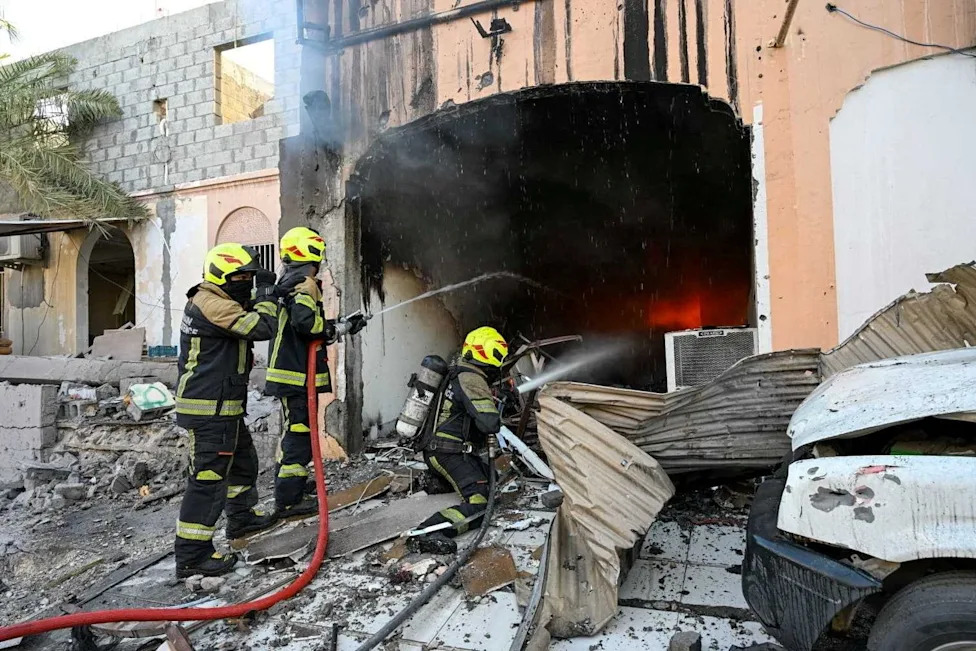
Firefighters work to extinguish fire in the aftermath of Iranian drone attacks, according to Bahrain's Interior Ministry, at a location given as Bahrain, in this handout image released on June 11, 2026.(Ministry of Interior of the Kingdom of Bahrain, via Reuters)
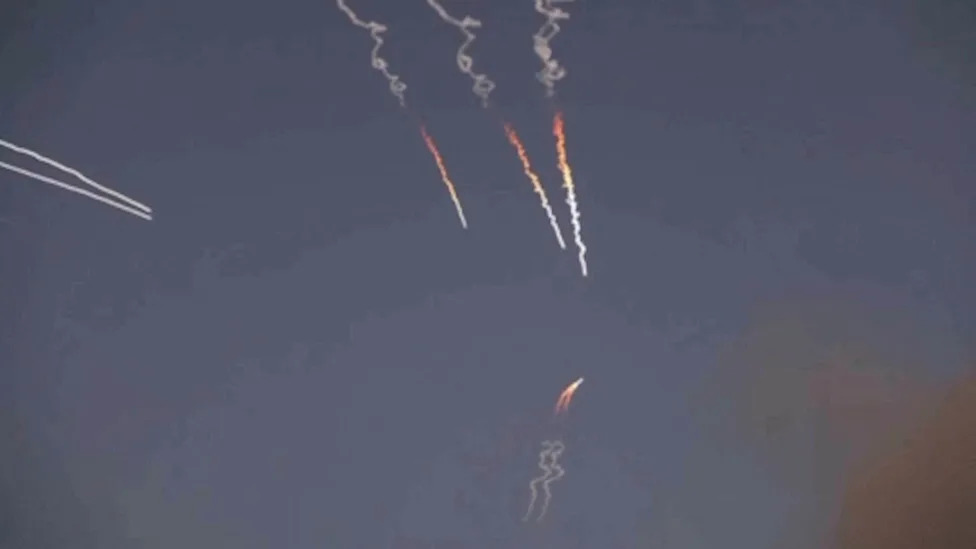
Iranian missiles are launched, as Iran's Revolutionary Guards said they had carried out attacks against a U.S. base in Jordan and 21 other targets in the Gulf on Wednesday in retaliation for American strikes around the Strait of Hormuz, from a location given as Tehran, Iran, released June 10, 2026, in this still image taken from a video.(WANA via Pool, via Reuters)

An Iranian missile is launched, as Iran's Revolutionary Guards said they had carried out attacks against a U.S. base in Jordan and 21 other targets in the Gulf on Wednesday in retaliation for American strikes around the Strait of Hormuz, from a location given as Tehran, Iran, released June 10, 2026, in this still image taken from a video.(WANA via Pool, via Reuters)
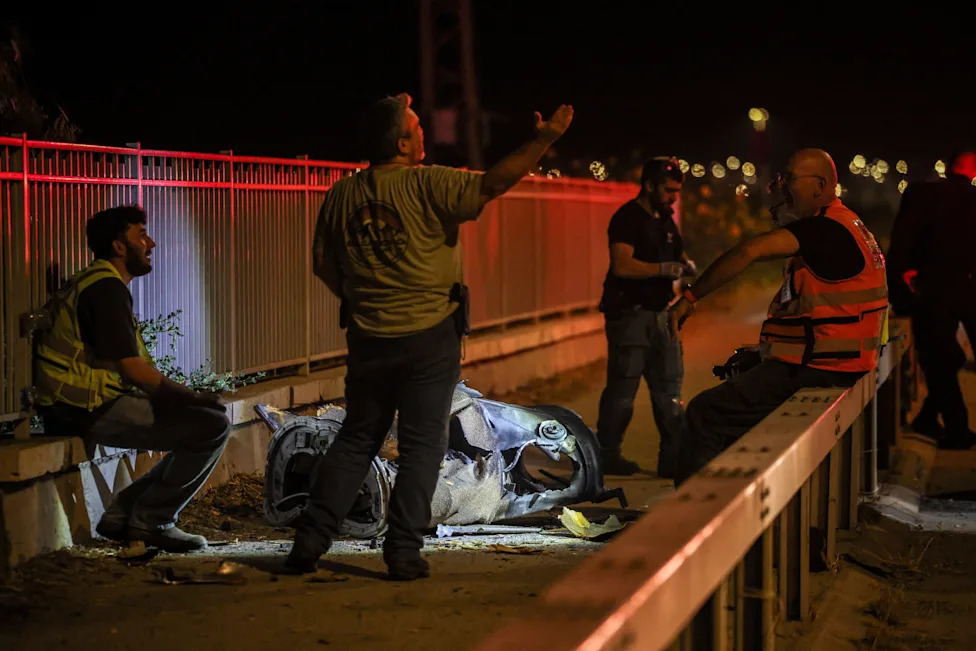
Israeli security and rescue personnel work next to a part of a projectile following a missile attack from Iran towards Israel in northern Israel, June 8, 2026.(Shir Torem, Reuters)
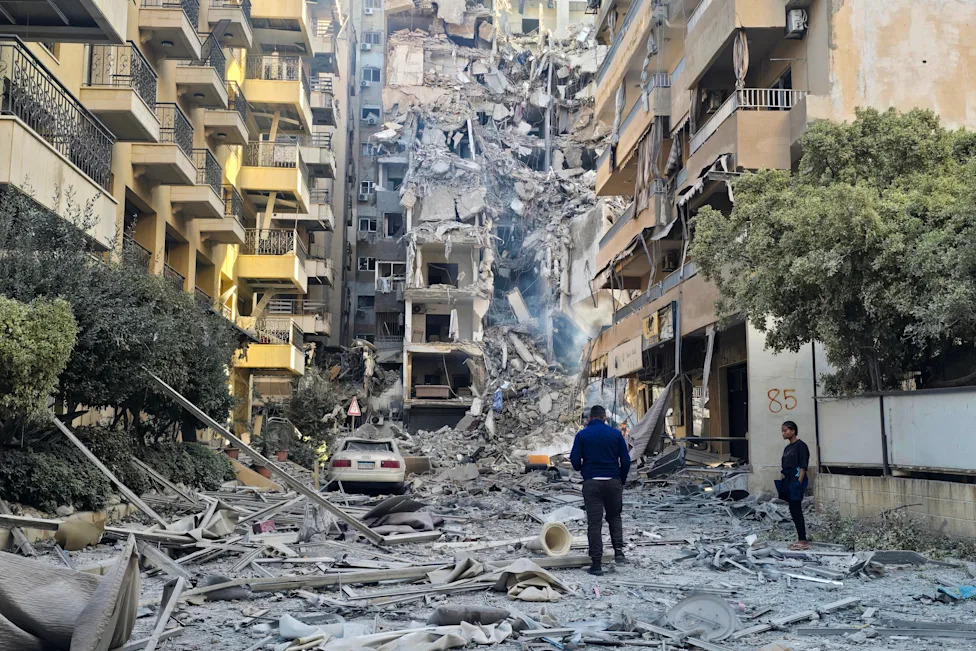
People look at the damages at the site of an Israeli strike in Tyre, southern Lebanon, on May 28, 2026. The Israeli military said on May 28 it had begun new strikes on Hezbollah infrastructure around the southern Lebanese city of Tyre after issuing an evacuation warning to its residents.(KAWNAT HAJU, AFP via Getty Images)
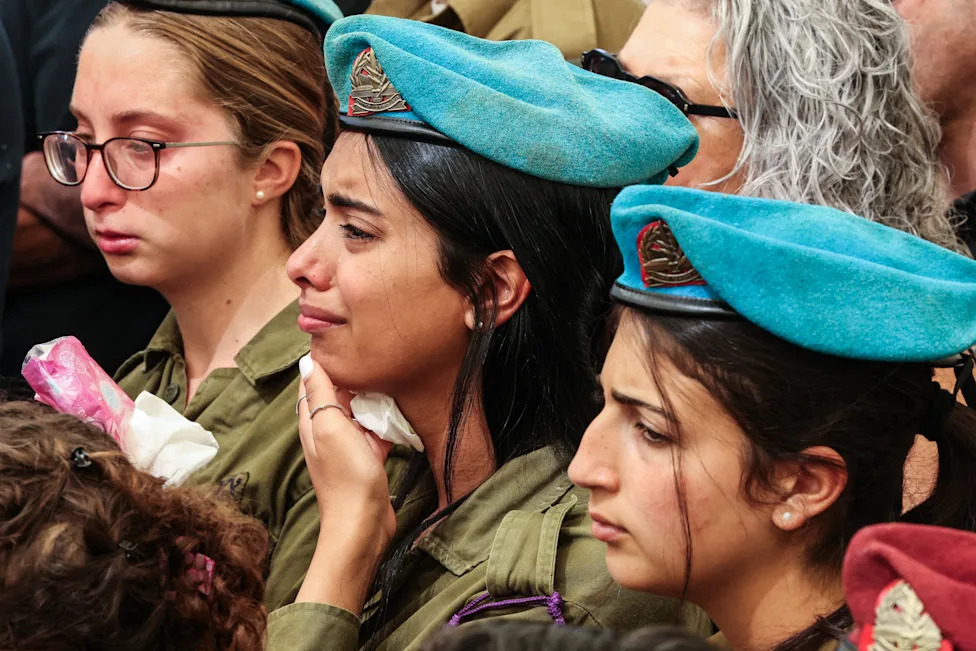
Israeli army comrades attend the funeral of Israeli soldier Sergeant Rotem Yanai, a service conditions NCO soldier in the 435th Battalion, Givati Brigade, who was killed in a drone attack launched from Lebanon onto northern Israel, in Giv'at Ada on May 28, 2026. The Israeli military said on May 28, that a soldier was killed the day before by a Hezbollah drone near the Lebanon border, taking to 24 the number of its troops killed in the war with the Iran-backed group. A military statement named her as 20-year-old Sergeant Rotem Yanai, who "fell during operational activity in northern Israel".(JACK GUEZ, AFP via Getty Images)
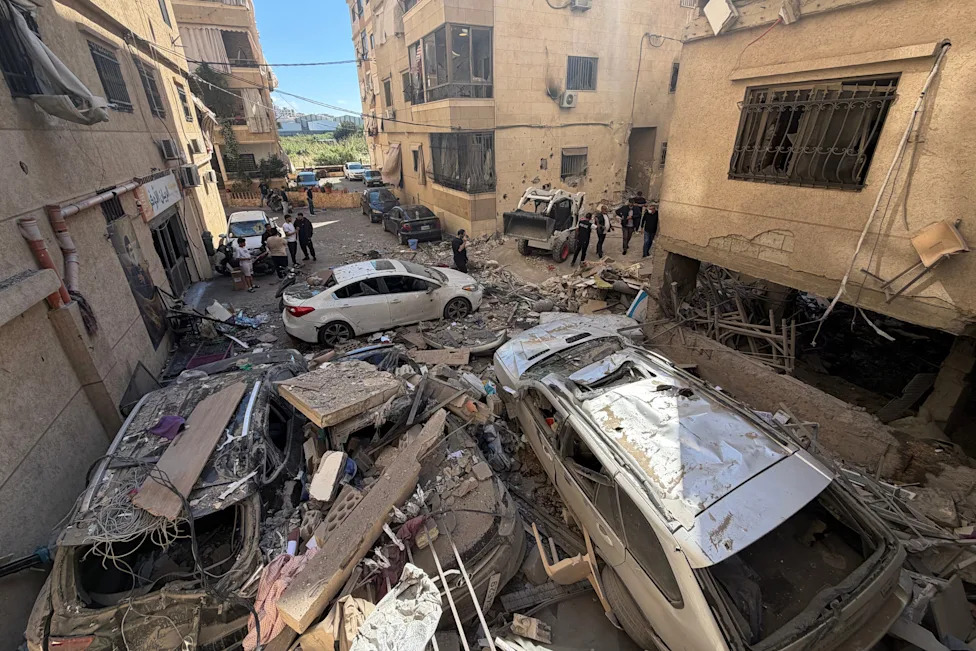
Rescue workers and local residents inspect the damage to a building following an Israeli air strike in the Choueifat area, south of Beirut on the outskirts of the capital's southern suburbs, on May 28, 2026. A Lebanese military source told AFP that an Israeli strike hit an apartment south of Beirut on May 28, shortly after Israel's military said it launched a strike on the capital. The Israeli military said it launched an airstrike on the Lebanese capital Beirut after earlier strikes on the country's south killed at least 12 people, including two children, and wounded 21 others.(IBRAHIM AMRO, AFP via Getty Images)
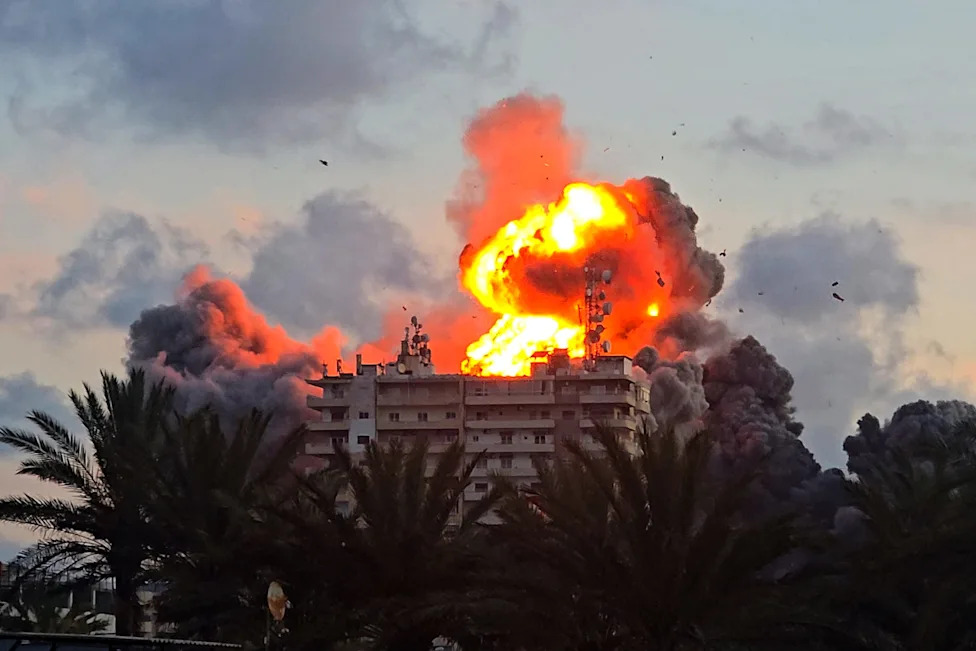
A fireball erupts from a building following an Israeli strike in Tyre, southern Lebanon, on May 28, 2026. The Israeli military said on May 28 it had begun new strikes on Hezbollah infrastructure around the southern Lebanese city of Tyre after issuing an evacuation warning to its residents.(KAWANT HAJU, AFP via Getty Images)
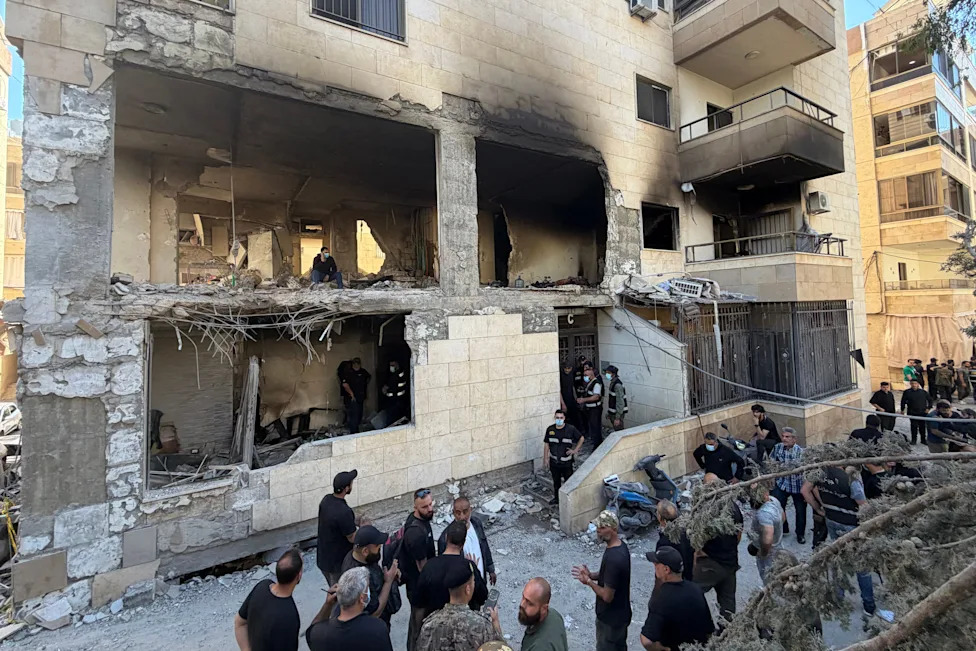
Rescue workers and local residents inspect the damage to a building following an Israeli air strike in the Choueifat area, south of Beirut on the outskirts of the capital's southern suburbs, on May 28, 2026. A Lebanese military source told AFP that an Israeli strike hit an apartment south of Beirut on May 28, shortly after Israel's military said it launched a strike on the capital. The Israeli military said it launched an airstrike on the Lebanese capital Beirut after earlier strikes on the country's south killed at least 12 people, including two children, and wounded 21 others.(IBRAHIM AMRO, AFP via Getty Images)
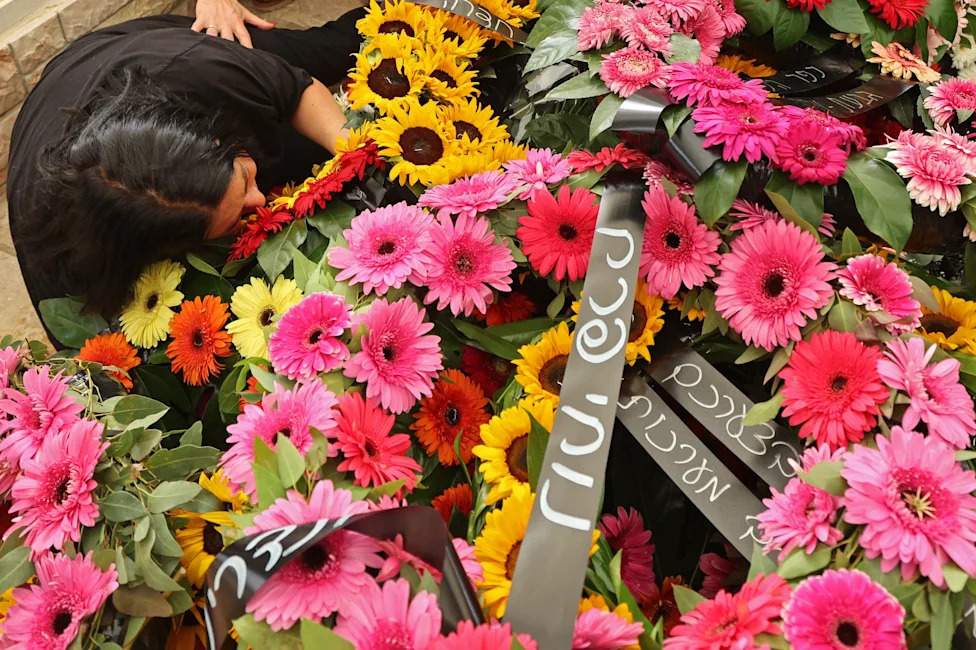
The mother grieves next to the grave of Israeli Sergeant Rotem Yanai, a service conditions NCO in the 435th Battalion of the Givati Brigade, who was killed in a drone attack launched from Lebanon into northern Israel, after her funeral in Givat Ada on May 28, 2026. The Israeli military said on May 28, that a soldier was killed the day before by a Hezbollah drone near the Lebanon border, taking to 24 the number of its troops killed in the war with the Iran-backed group. A military statement named her as 20-year-old Sergeant Rotem Yanai, who "fell during operational activity in northern Israel."(JACK GUEZ, AFP via Getty Images)
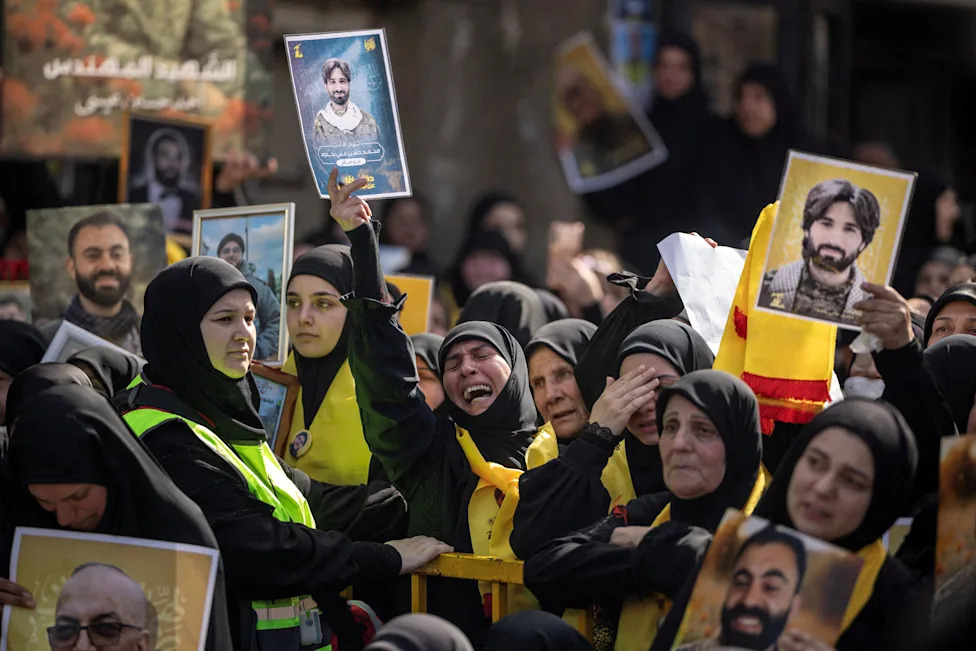
Mourners attend the funeral of people, including Hezbollah members, who were killed during the conflict with Israel before a 10-day ceasefire between Lebanon and Israel went into effect, in Kfar Sir, Lebanon, April 21, 2026.(Marko Djurica, REUTERS)
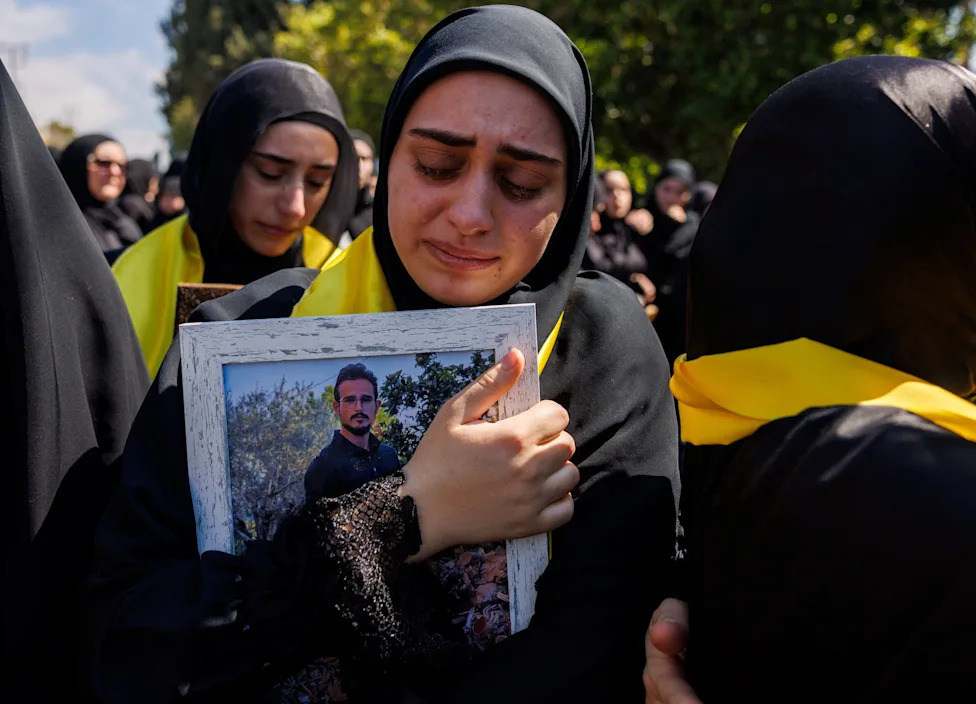
A woman mourns her relative Ali Ballout, a civil defence member killed during the conflict with Israel and exhumed from a temporary grave, during his funeral in his home village, amid a 10-day ceasefire between Lebanon and Israel, in Aitit village, southern Lebanon, April 22, 2026.(Zohra Bensemra, REUTERS)
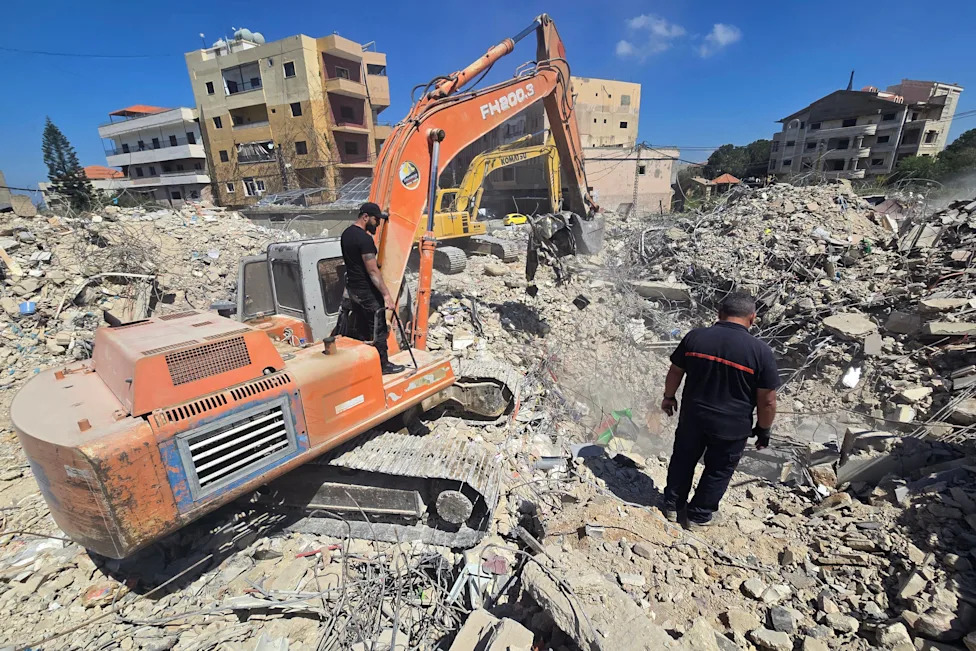
Diggers are used by rescue teams working to remove the rubble from a building previously hit by the Israeli army, in the southern Lebanese village of Hanaouay on April 22, 2026. Israel and Lebanon, which have no diplomatic relations, will hold fresh talks in Washington on April 23, 2026, a State Department official told AFP. Israel conducted huge airstrikes across Lebanon and invaded the south after Hezbollah entered the Middle East war in support of its backer Iran on March 2.(KAWNAT HAJU, AFP via Getty Images)
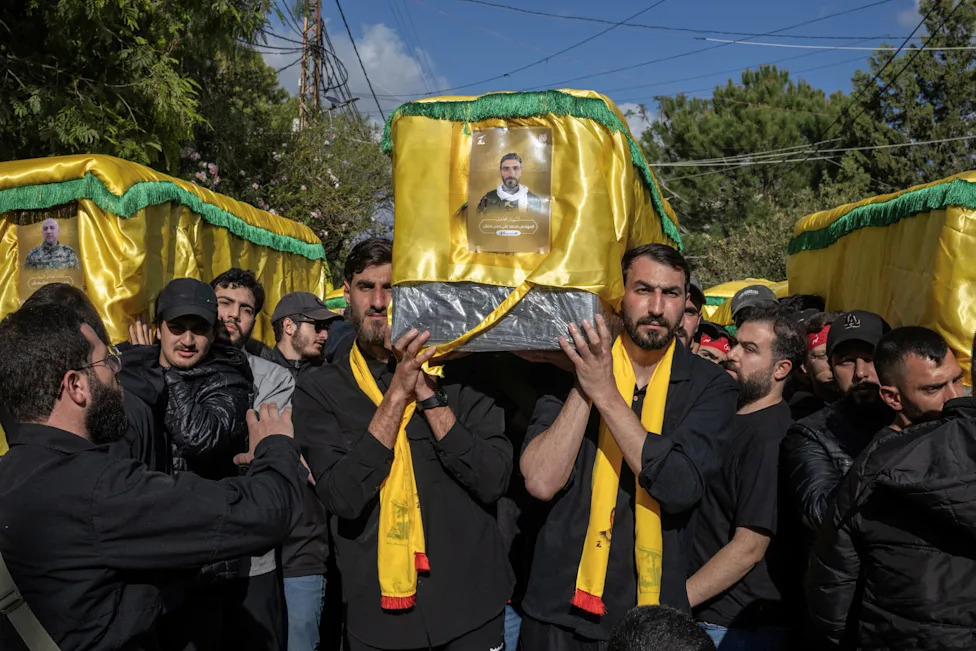
Mourners attend the funeral of people, including Hezbollah members, who were killed during the conflict with Israel before a 10-day ceasefire between Lebanon and Israel went into effect, in Kfar Sir, Lebanon, April 21, 2026.(Marko Djurica, REUTERS)
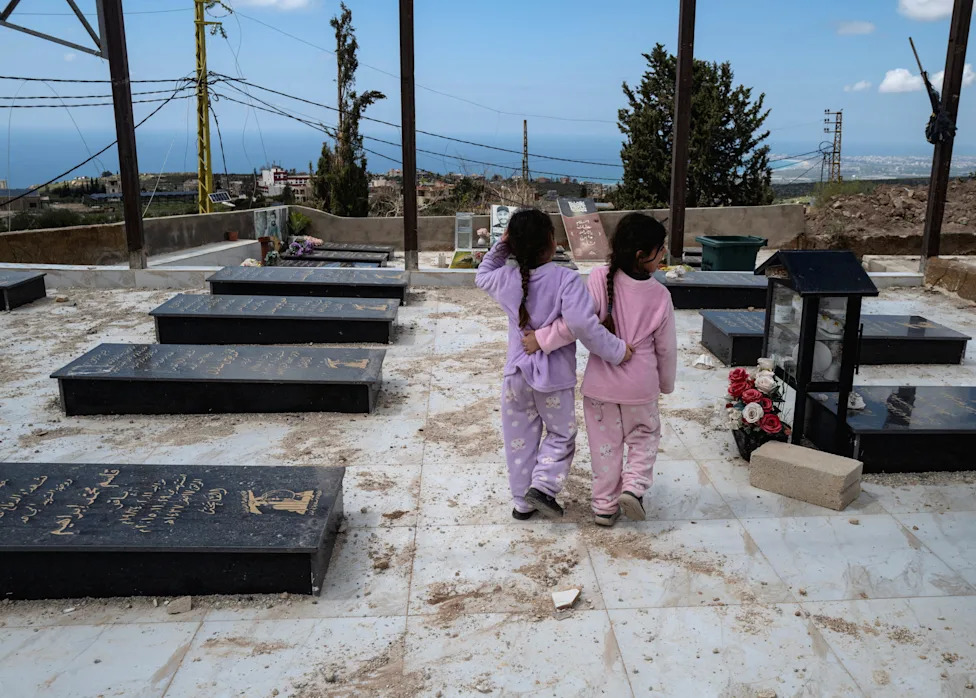
Girls, who were displaced and returned during the 10-day ceasefire, walk near the graves of Hezbollah fighters killed by an Israeli strike as they visit the cemetery where their grandfather is buried, in Majdelzon village, southern Lebanon, April 21, 2026.(Zohra Bensemra, REUTERS)
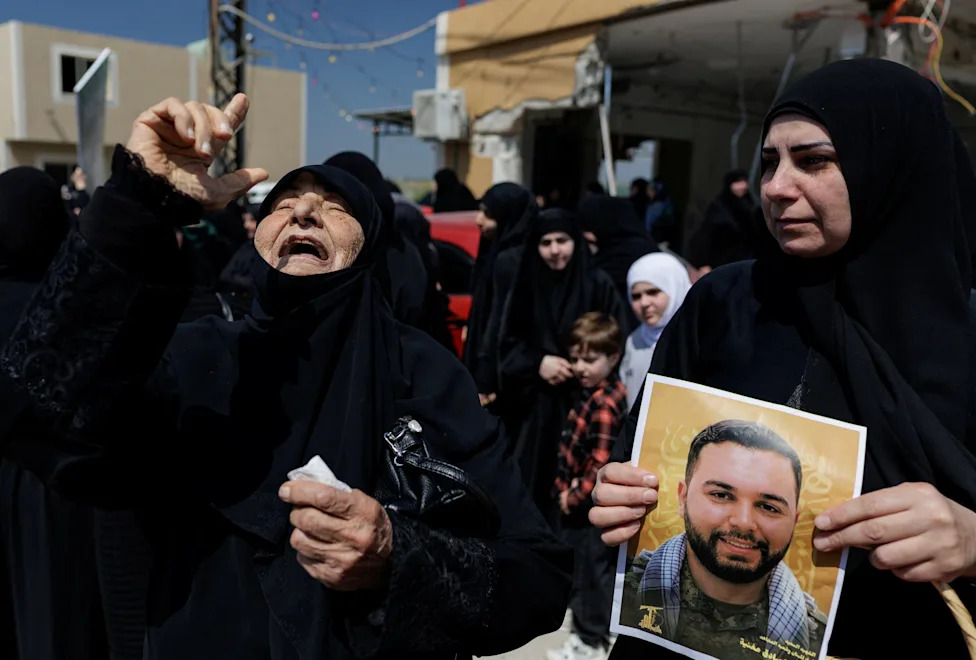
Zahra Abukhalil mourns her husband, Mahmoud Reda Abukhalil, a Hezbollah fighter killed during the conflict with Israel, during his funeral, amid a 10-day ceasefire between Lebanon and Israel, in Aitit, southern Lebanon, April 22, 2026.(Zohra Bensemra, REUTERS)
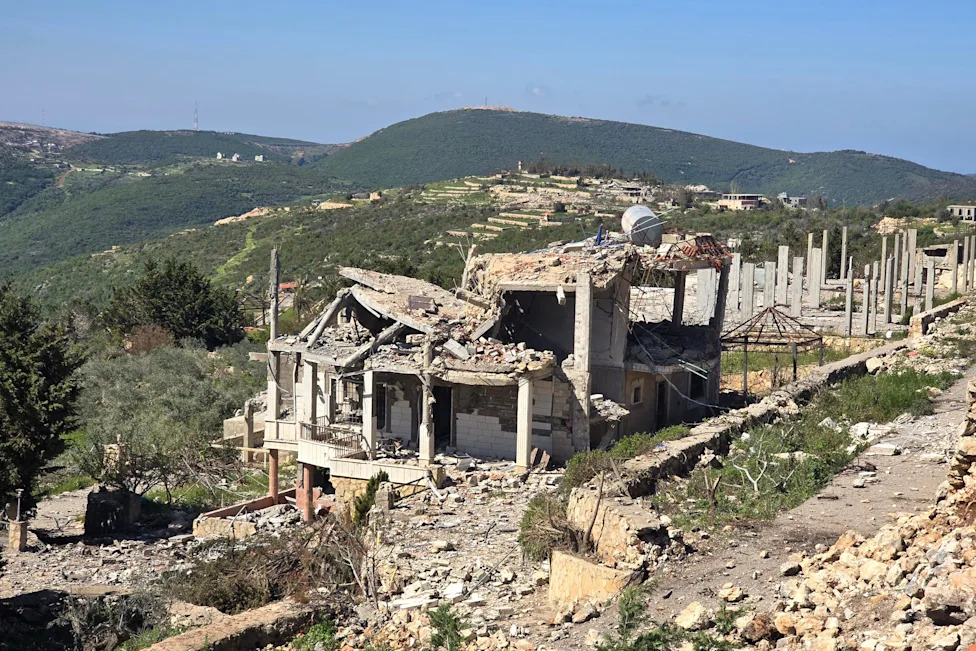
Rubbles and debris are strewn along the road at the site of a home destroyed by the Israeli army in the southern Lebanese village of Beit Lif, in the Bint Jbeil district on April 22, 2026. Israel's foreign minister on April 22, urged Beirut to make joint efforts with Israel to counter the Lebanese armed group Hezbollah, ahead of talks between the countries set to resume in Washington. On February 28, Israel and the United States launched strikes on Iran, killing its supreme leader and triggering a war that spread across the Middle East, with Lebanon's Hezbollah entering the fray on March 2.(KAWNAT HAJU, AFP via Getty Images)
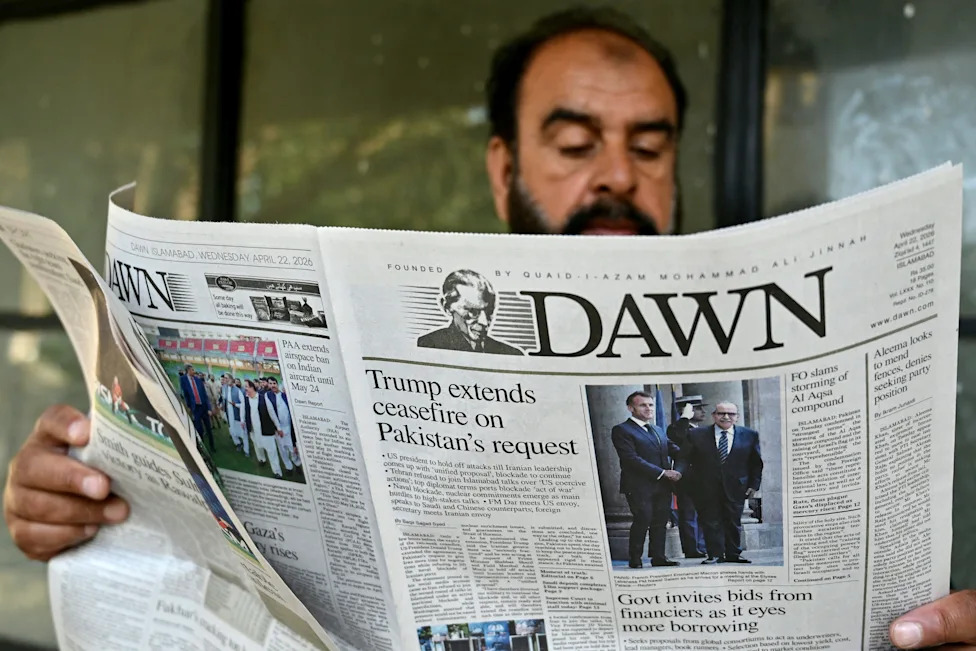
A man reads a newspaper with a front page article referring to anticipated US-Iran peace talks, at a stall in Islamabad on April 22, 2026. Pakistani Prime Minister Shehbaz Sharif thanked US President Donald Trump for extending a ceasefire with Iran and indefinitely pushing back the end of the two week truce, with Tehran silent on the decision early on April 22.(ASIF HASSAN, AFP via Getty Images)
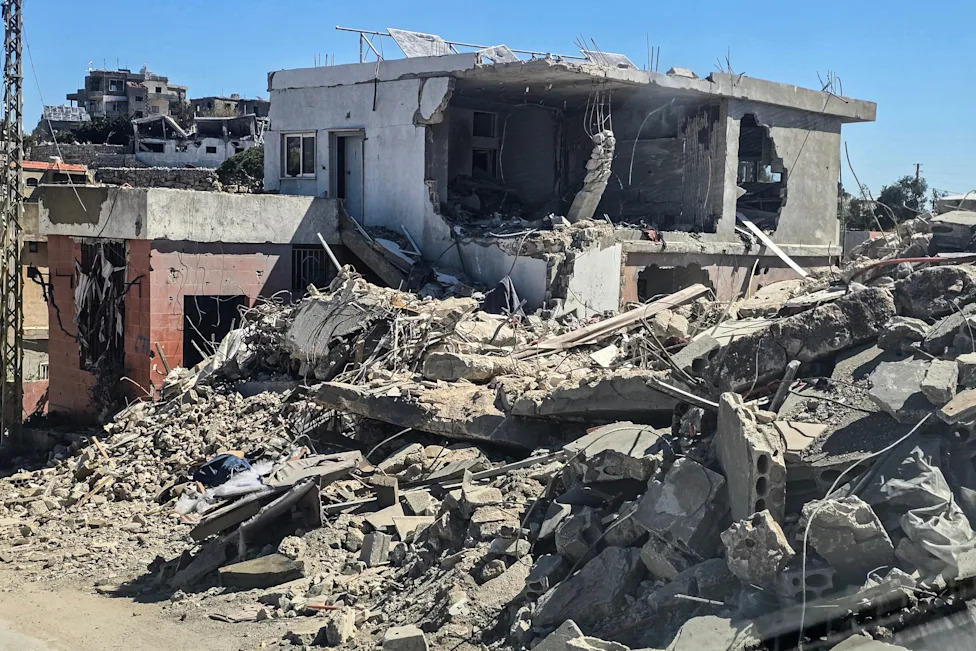
The remains of a home is destroyed by the Israeli army in the southern Lebanese village of Beit Lif, in the Bint Jbeil district on April 22, 2026. Israel's foreign minister on April 22, urged Beirut to make joint efforts with Israel to counter the Lebanese armed group Hezbollah, ahead of talks between the countries set to resume in Washington. On February 28, Israel and the United States launched strikes on Iran, killing its supreme leader and triggering a war that spread across the Middle East, with Lebanon's Hezbollah entering the fray on March 2.(KAWNAT HAJU, AFP via Getty Images)
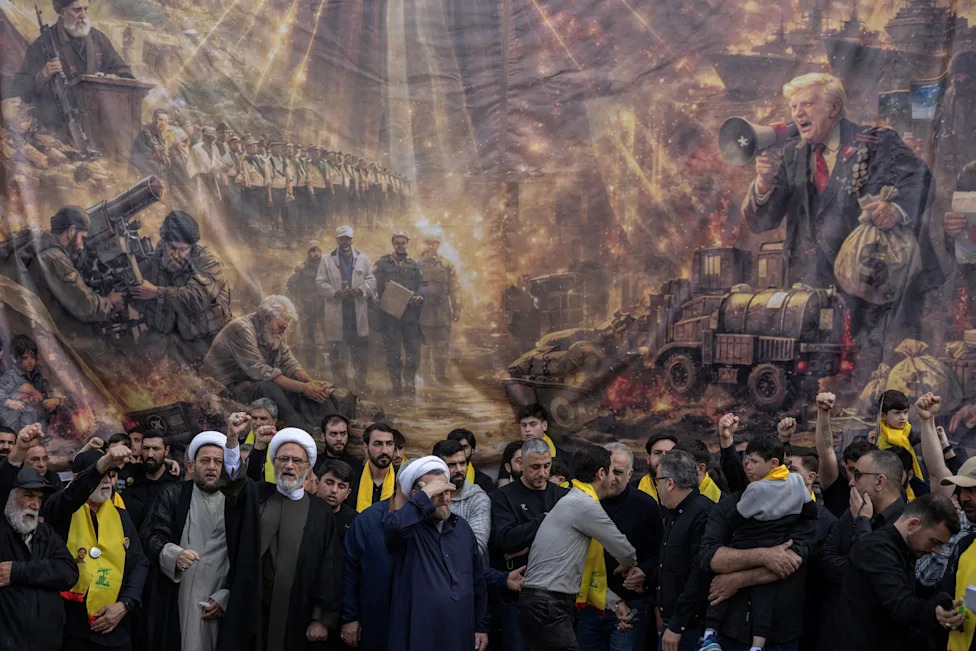
Mourners attend the funeral of people, including Hezbollah members, who were killed during the conflict with Israel before a 10-day ceasefire between Lebanon and Israel went into effect, in Kfar Sir, Lebanon, April 21, 2026.(Marko Djurica, REUTERS)
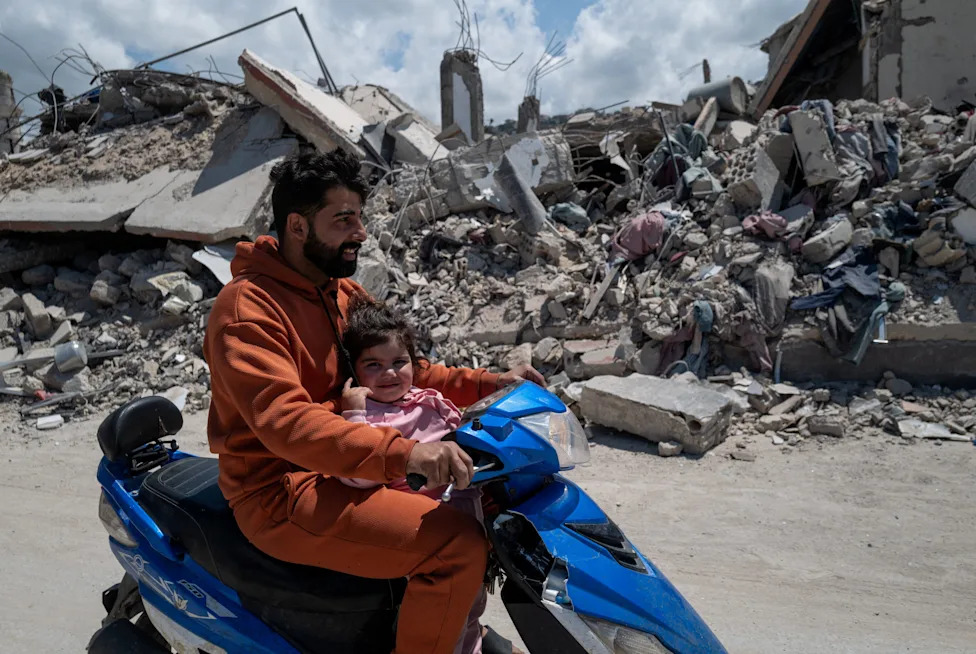
Mhamed, 34, and Taline 2.5 years old, ride a motorcycle past buildings damaged by an Israeli strike in Mansouri village, southern Lebanon, amid a 10-day ceasefire between Lebanon and Israel, April 21, 2026.(Zohra Bensemra, REUTERS)
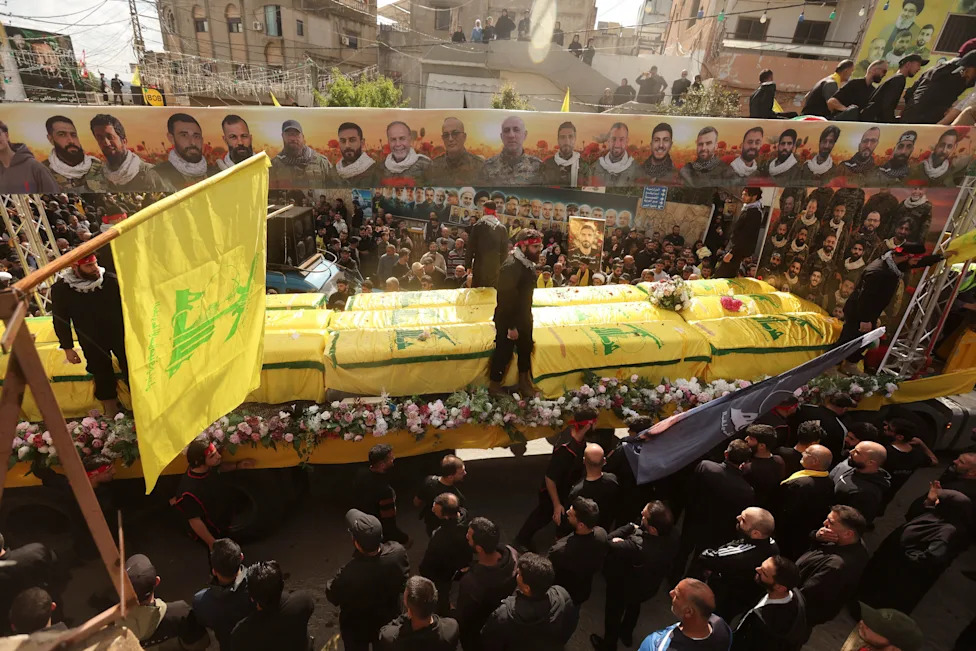
Mourners attend the funeral of people, including Hezbollah members, who were killed during the conflict with Israel before a 10-day ceasefire between Lebanon and Israel went into effect, in Kfar Sir, Lebanon, April 21, 2026.(Aziz Taher, REUTERS)
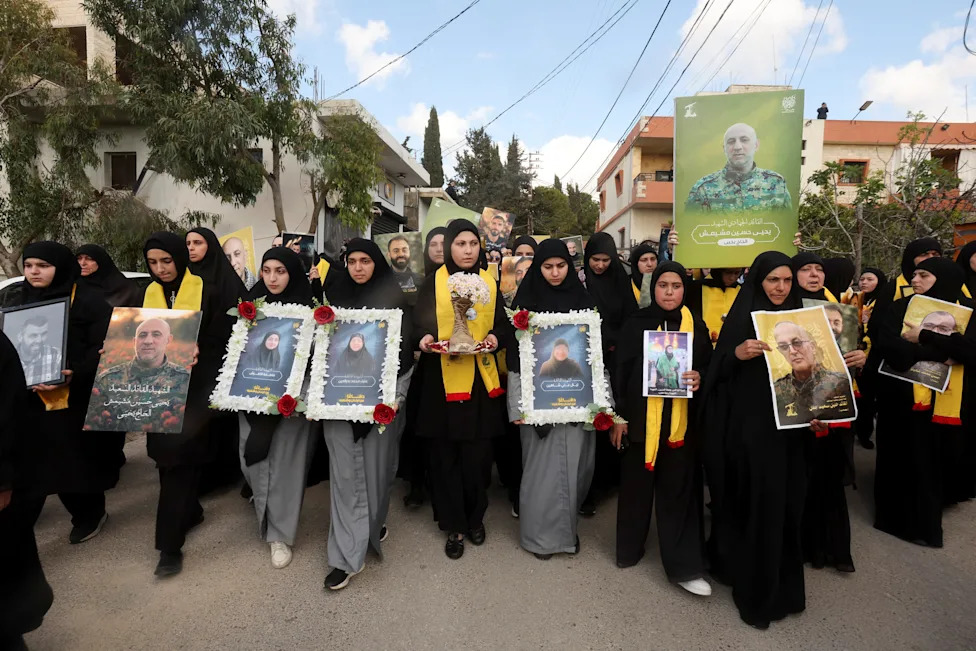
Mourners attend the funeral of people, including Hezbollah members, who were killed during the conflict with Israel before a 10-day ceasefire between Lebanon and Israel went into effect, in Kfar Sir, Lebanon, April 21, 2026.(Aziz Taher, REUTERS)
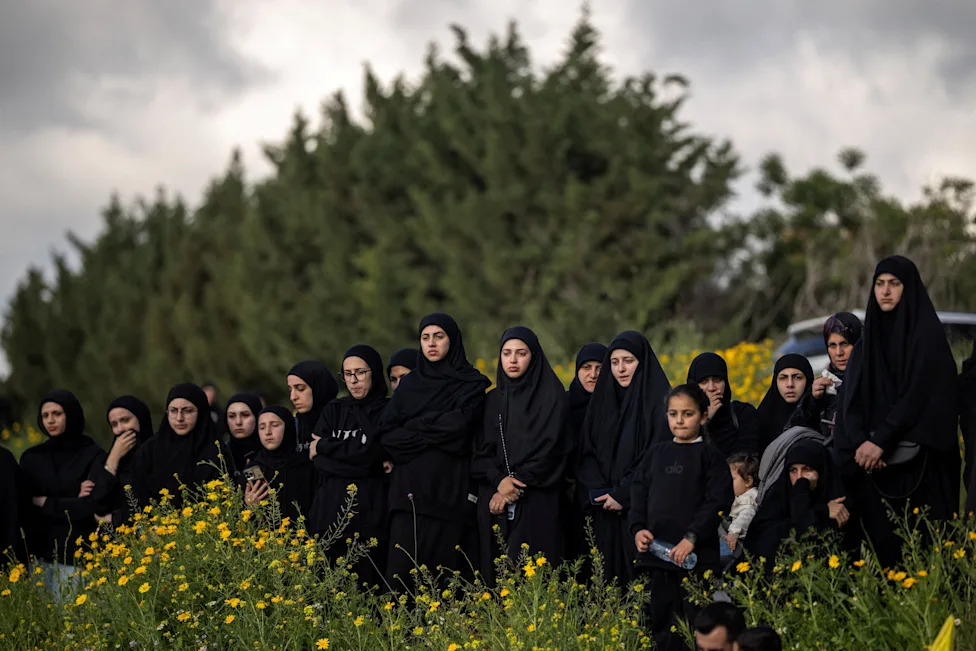
Mourners attend the funeral of people, including Hezbollah members, who were killed during the conflict with Israel before a 10-day ceasefire between Lebanon and Israel went into effect, in Kfar Sir, Lebanon, April 21, 2026.(Marko Djurica, REUTERS)
Pomozite nam da budemo bolji.