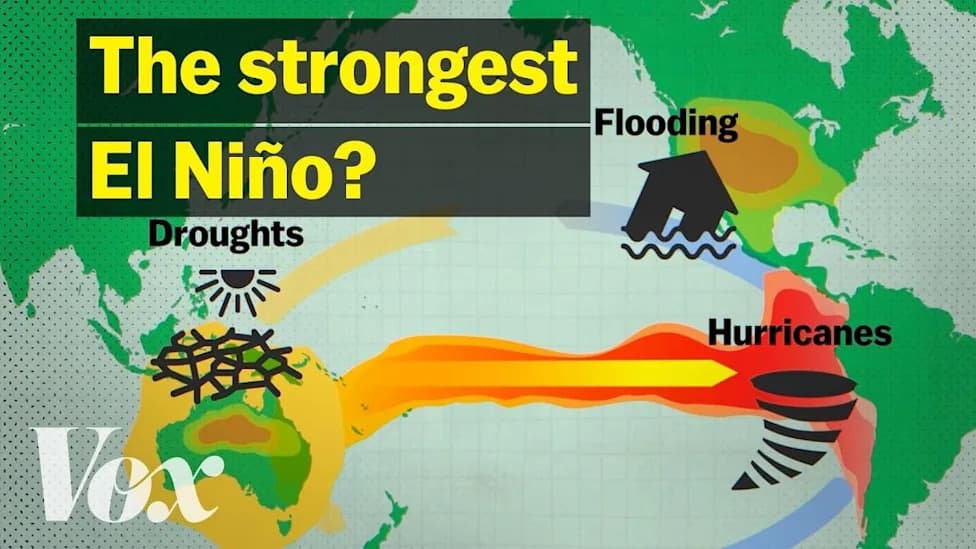
El Niño u istočnom Pacifiku pokazuje znake snažnog pojačanja, a NOAA ga trenutno klasifikuje kao "veoma jak". Iako društvene mreže često koriste termine kao "super" ili "mega", naučnici pozivaju na fokus na stvarne posledice — promene padavina i veće ekstremne vremenske pojave. Ako se predviđanja obistine, 2026–27 bi mogao biti jedan od najsnažnijih El Niño događaja u zabeleženoj istoriji.
El Niño Se Pojačava — Hoće Li 2026–27 Postati "Super" El Niño?
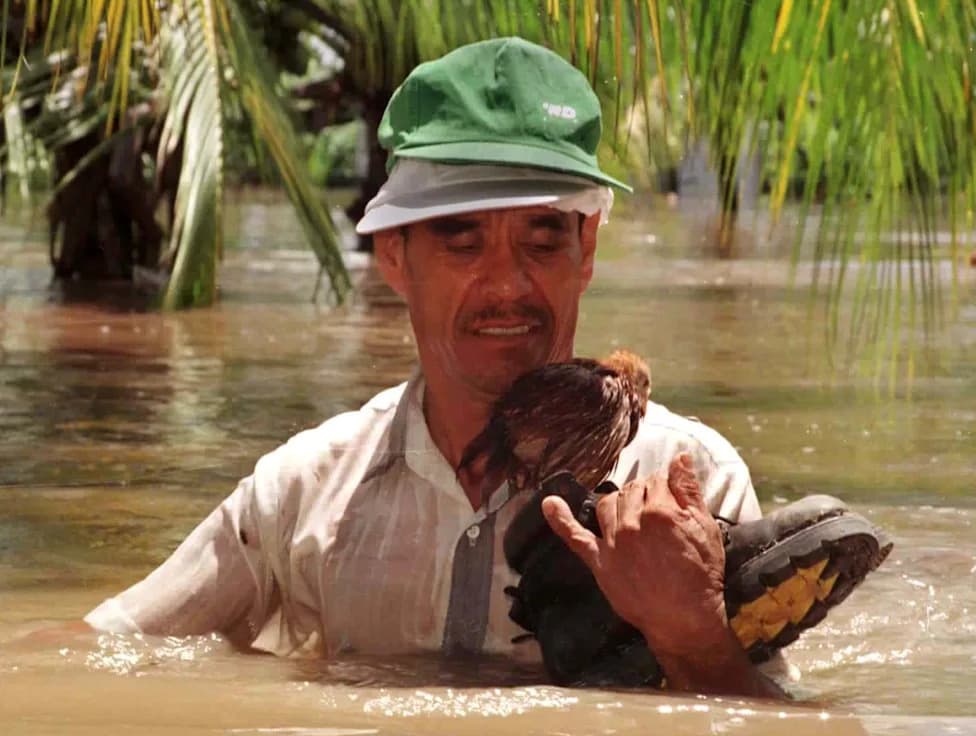
A man carries a small chicken, perched on a shoe, from his flooded home in the village of Gomera, Escuintla, south of Guatemala's capital, on Sept. 30, 1997. Two rivers in the Escuintla area overflowed after heavy rain during El Niño, flooding over 800 homes. Another El Niño is strengthening in the Central and Eastern Pacific in June 2026, and likely to affect weather patterns around the globe in the months ahead. See impacts from previous events in the U.S. and worldwide in the following photos.(Reuters)
U istočnom Pacifiku temperature površine mora brzo rastu, pojavljuje se niz tropskih sistema, a neki posmatrači primećuju i pomeranje ajkula — znakovi koji upućuju da bi aktuelni El Niño mogao postati istorijski jak. Dok u javnosti i na društvenim mrežama kolaju termini kao što su „super“, „mega“ i „čudovište“, naučnici pozivaju na preciznost i fokus na posledice, a ne samo na etikete.
Zvanična klasifikacija i šta ona znači
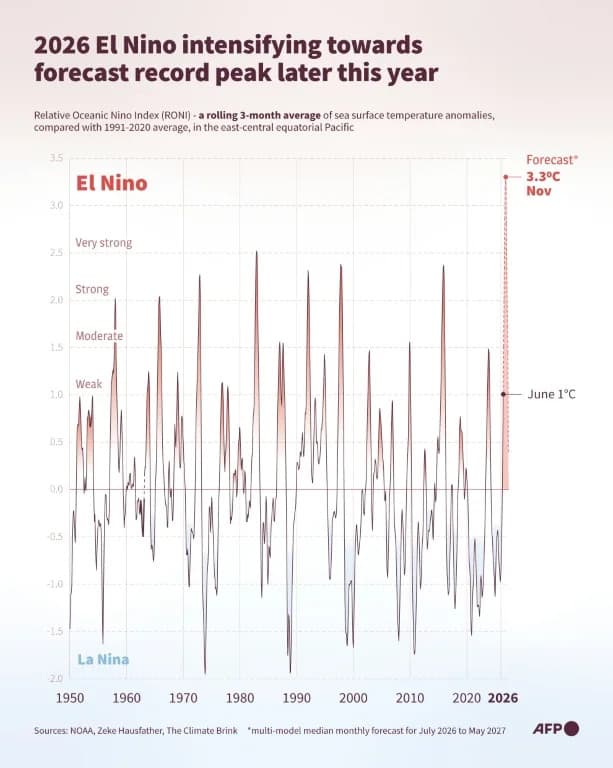
Nacionalna uprava za okeane i atmosferu (NOAA) El Niño klasifikuje na osnovu tro-mesečnog proseka anomalija površinske temperature u Tropskom Pacifiku. Kategorije su: slab, umeren, jak i veoma jak. Trenutno NOAA zvanično ocenjuje događaj kao "veoma jak" — termin koji ima jasnu kvantitativnu osnovu, ali manje retoričkog naboja od reči „super“.
Zašto ljudi traže dramatičnije opise?
Imenovanje i poređenja pomažu javnosti da brzo razume razmere događaja. Intenzivan El Niño iz 2015–2016 često je dobio nadimak "Godzilla" dok se upoređivao sa snažnim El Niñom iz 1997–1998. Slično, društvene mreže i mediji koriste upečatljive pridjeve kako bi privukli pažnju.
Stav naučnika: terminologija naspram uticaja
Mnogi naučnici, među kojima su Emily Becker i Michael Mann, kažu da će, ako trenutni događaj dostigne ili premaši vrhove iz ranijih ekstremnih godina, možda biti teško izbeći termine kao "super". Ipak, stručnjaci kao što je Michael McPhaden napominju da nema potrebe za stvaranjem nove zvanične kategorije — postoje već primeri ekstremnih El Niño događaja (1982–83, 1997–98, 2015–16) koje služe kao uporedni podaci.
Mogući uticaji i zašto je to bitnije od imena
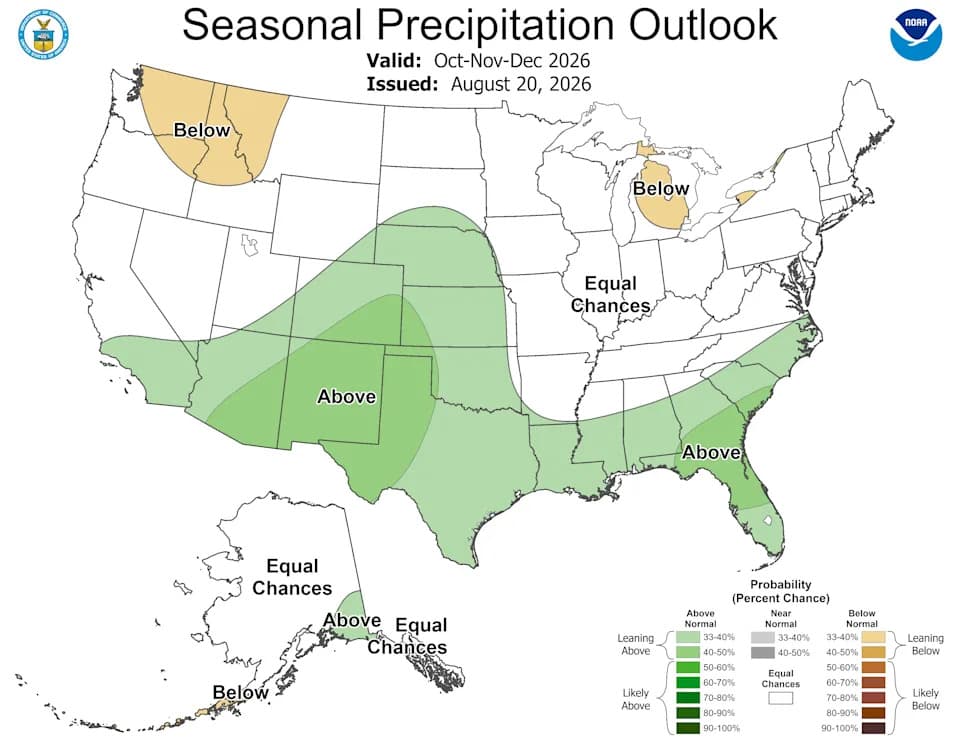
Bez obzira na to kako ga zovemo, važno je razumeti potencijalne posledice: poremećaji obrazaca padavina, pojačane suše u nekim regionima i više ekstremnih vremenskih pojava u drugim. NOAA naglašava da javnost treba da obrati pažnju na lokalne upozorenja i procene rizika, slično kao kod uragana gde sama kategorija ne govori dovoljno o stvarnim uticajima.
Šta očekivati u 2026–27
Ako se predviđanja ostvare, 2026–27 bi mogao biti jedan od najjačih El Niño događaja zabeleženih u istorijskom instrumentalnom zapisu, a moguće je i da ćemo u kratkom periodu videti nekoliko vrlo snažnih El Niño-a — pojava retka u prethodnih 150 godina. To znači veću potrebu za pripremom i međunarodnom koordinacijom u oblasti poljoprivrede, vodosnabdevanja i upravljanja rizicima.
Zaključak: Nazivi poput "super" privlače pažnju, ali stručnost i javna bezbednost zahtevaju precizne, kvantitativne opise i fokus na očekivane posledice.
Autorski prilog originalno objavljen u USA TODAY. Dinah Voyles Pulver (dpulver@usatoday.com).
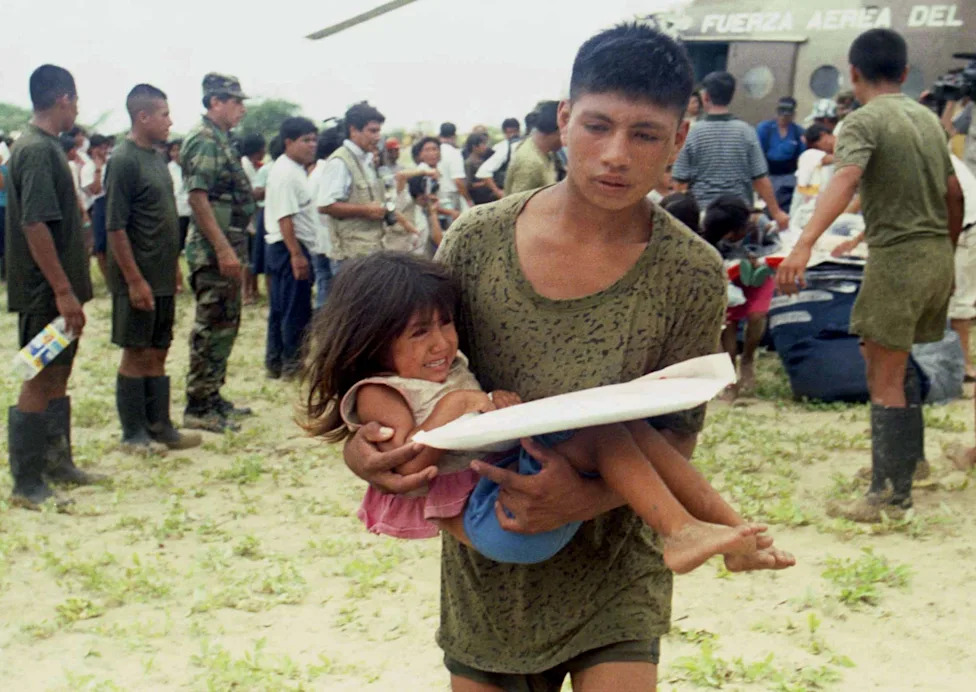
A Peruvian soldier evacuates a child victim of flooding in Piura, north of Lima, Peru, on Jan. 10, 1997, during flooding influenced by El Niño.(Silvia Izquierdo, Reuters)
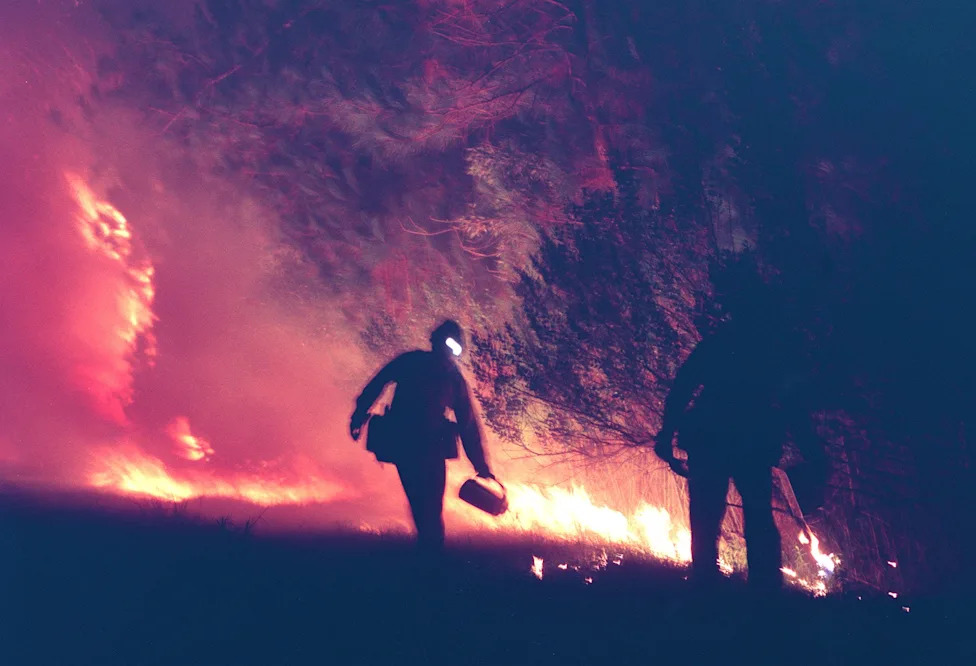
Lorenzo Macias and Darren Davis with the Stanislaus Hot Shots from California start a back fire along Clyde Morris Boulevard in Daytona Beach on July 1, 1998 to stop a large fire burning toward the city. Research later linked the 1998 firestorms in Florida to the exceptional El Niño that suddenly halted and transitioned to a La Niña.(David Tucker, Daytona Beach News-Journal)
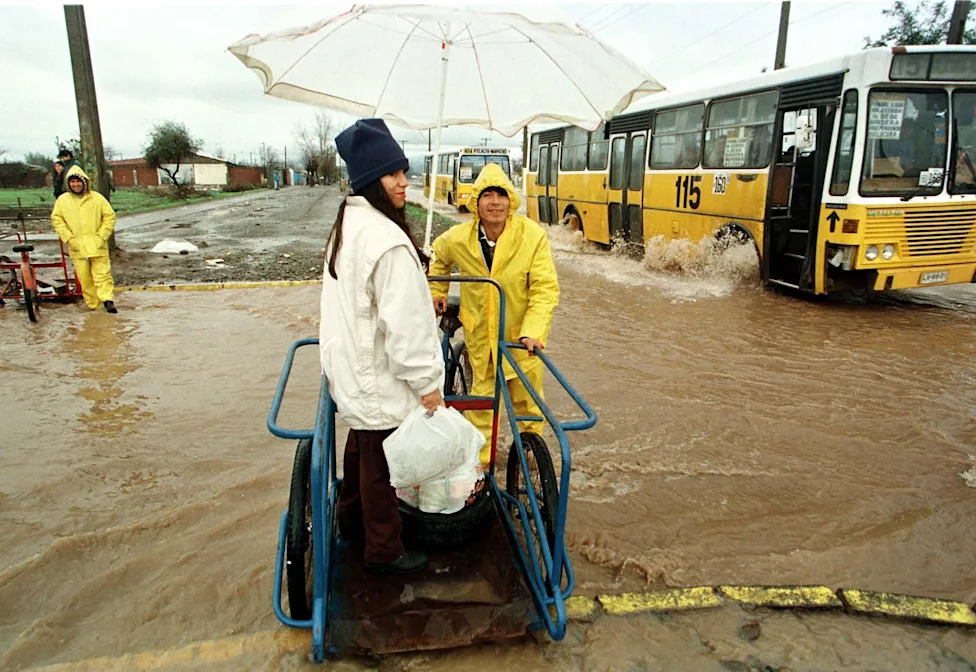
A woman uses a cycle-cart to cross a rain-flooded street in the outskirts of Santiago, June 23, 1997. At least 18 people died and more than 50,000 people nationwide were left homeless after heavy rain, a side effect of El Nino.(Reuters)
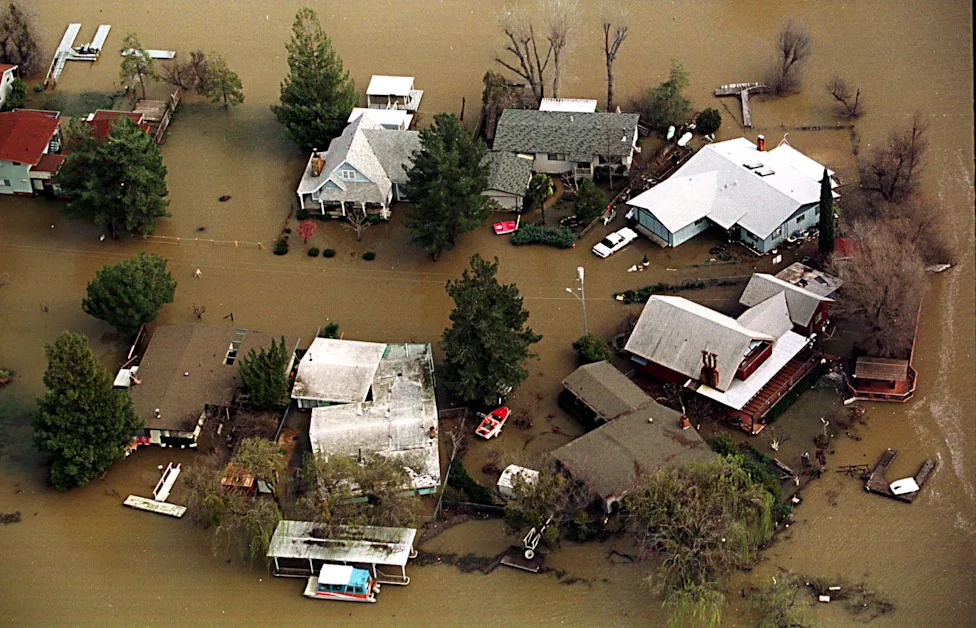
A cul-de-sac of homes is partially submerged in flood waters as Clear Lake continues to rise on February 24, 1998. El Niño influenced rains caused the lake to rise to its highest levels since 1914.(Sean Ramsey)
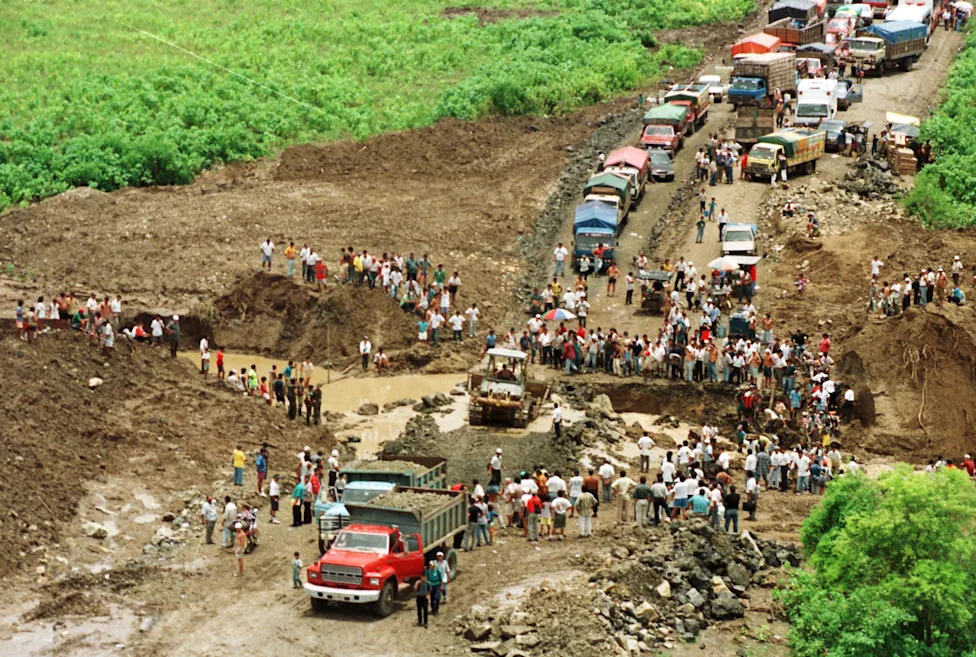
Construction crews try to repair a road destroyed by flooding due to El Niño on May 5, 1998. Authorities reported the country had suffered $1.925 million in damage due to the storms.(Reuters)
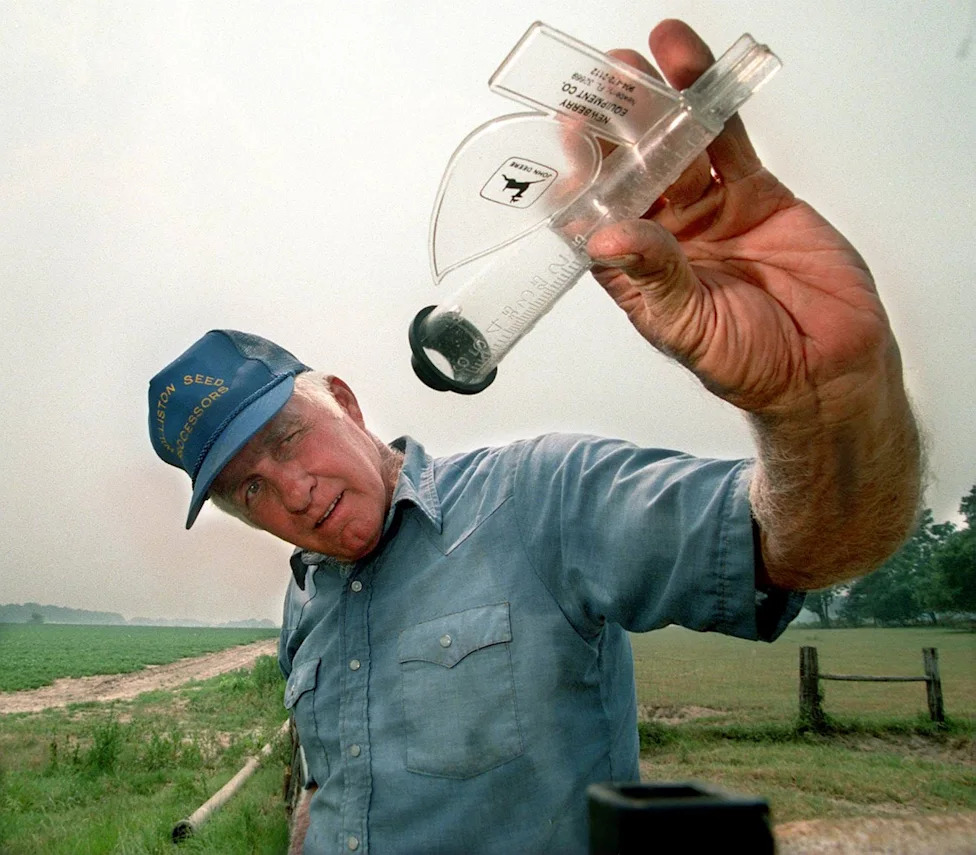
D.A. Lewis checks his rain gauge after irrigating his 40 acres of peanuts in Marion County, Florida on June 23, 1998. "Yup, no rain," Lewis said sarcastically. Lewis only planted half of what he normally plants because of the dry conditions. "I don't call this El Nino, I call it Hell Nino."(Doug Engle, Star-Banner)
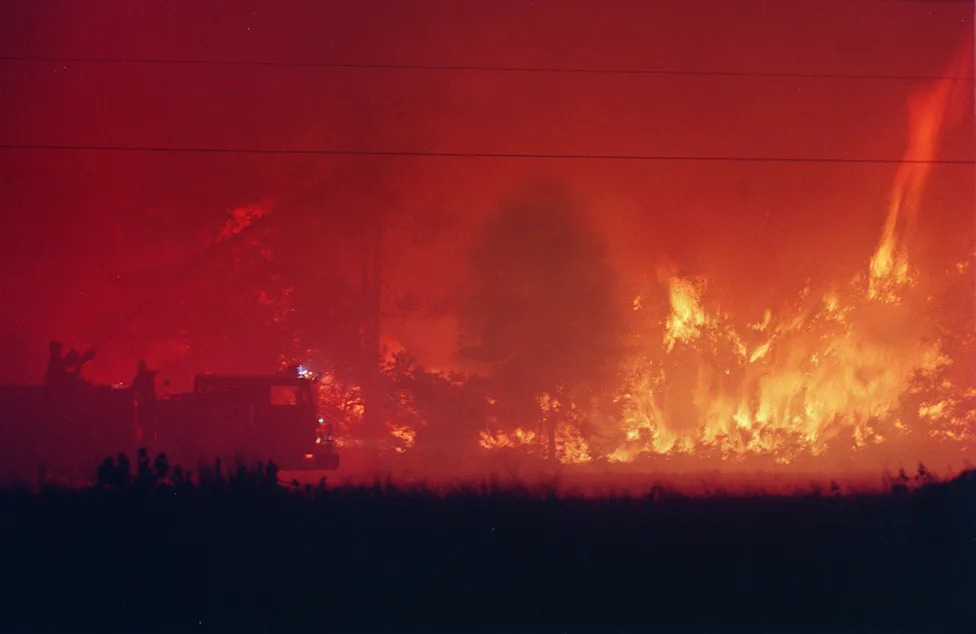
Firefighters direct a water cannon at the head of a wildfire trying to slow its approach toward the evacuated Cedar Highlands subdivision in Daytona Beach, Florida, on the morning of July 2, 1998.(Sam Cranston, Daytona Beach News-Journal)
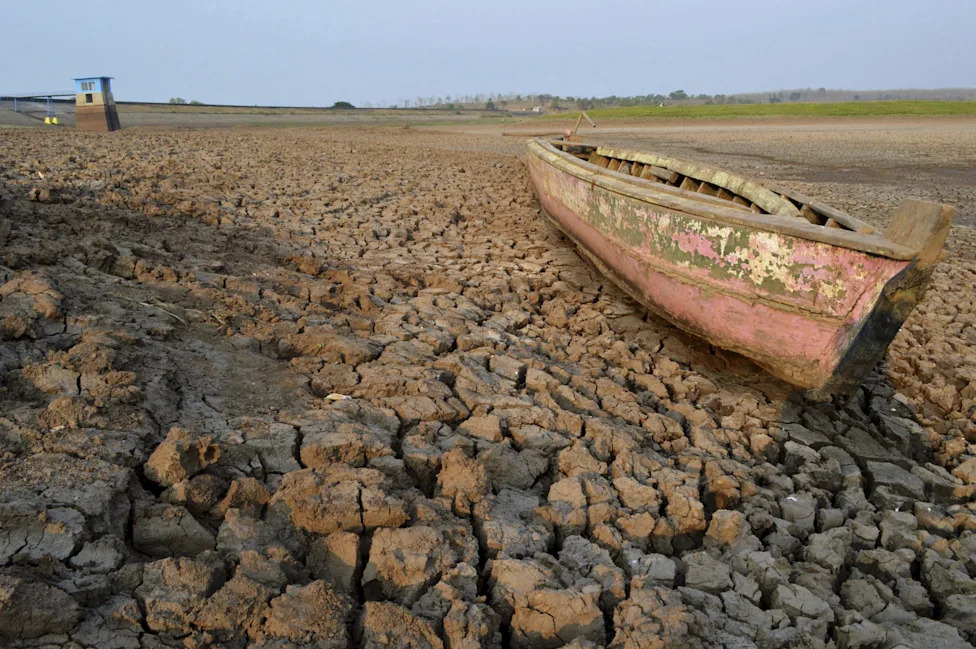
The influence of El Niño was blamed for a drought in Indonesia's East Java province that left this boat stranded on a dry, cracked riverbed of the Dawuhan Dam during drought season in Madiun on Oct. 5, 2015.(Antara Foto, Reuters)
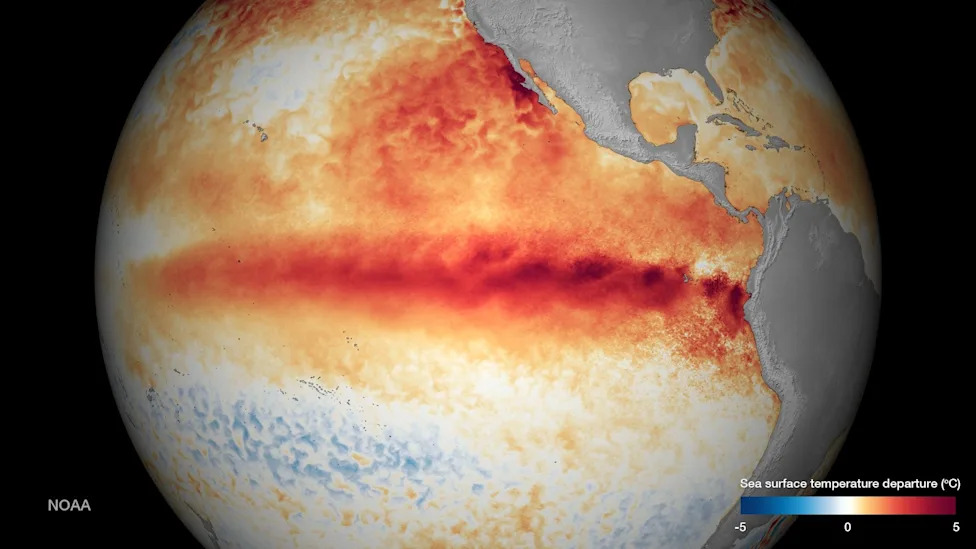
Sea surface temperature departure is seen in an undated NOAA image released Oct. 9, 2015 as El Niño strengthens.(Reuters / NOAA)
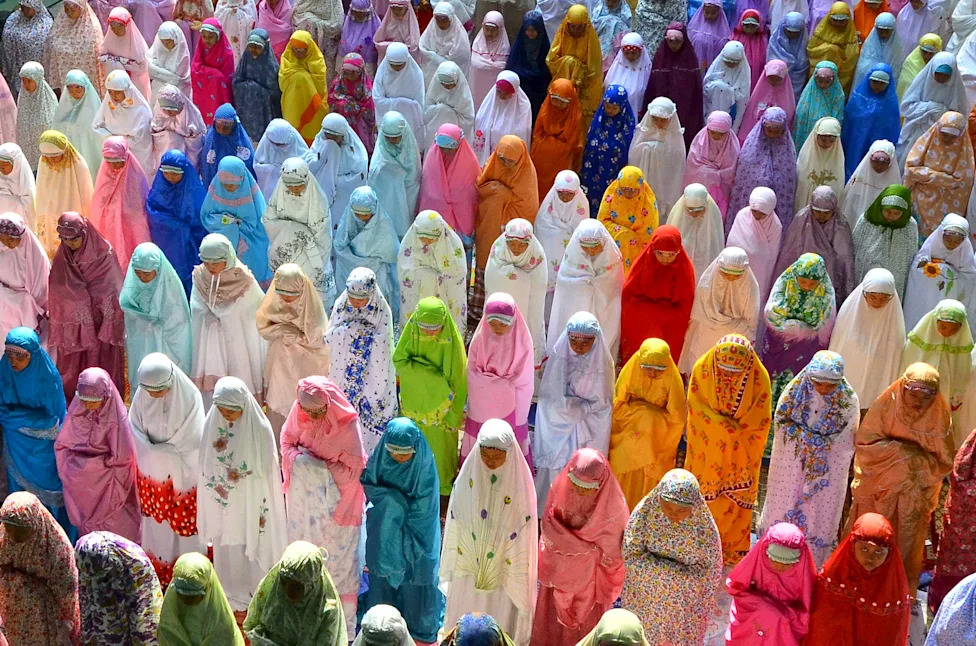
Female students attend a mass prayer session to ask for rain, in Kudus, Indonesia's Central Java province on Oct. 17, 2015.(Yusuf Nugroho, Antara Foto, Reuters)
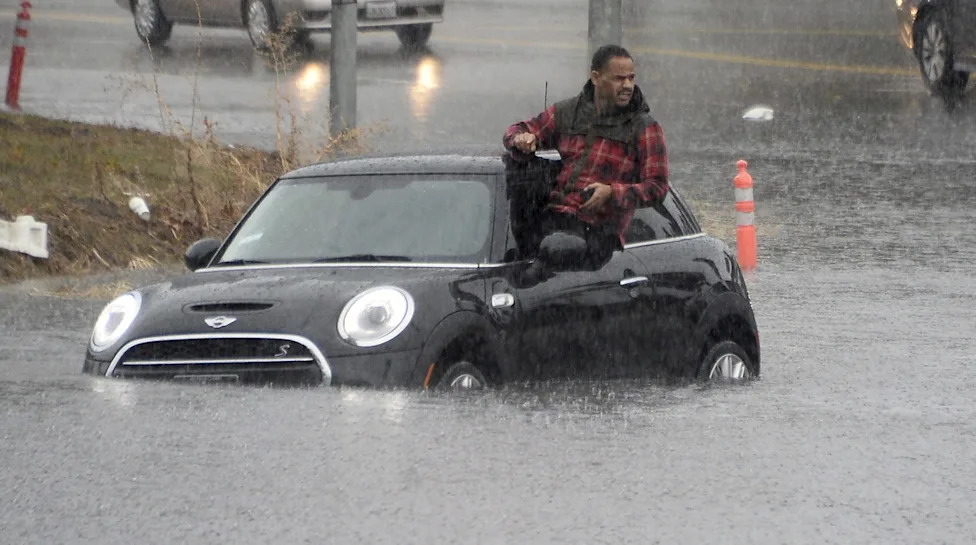
A driver climbs out of a window of his car after driving onto a flooded road in Van Nuys, California, Jan. 5, 2016. An El Nino-strengthened storm brought widespread rain to drought-stricken California, triggering flooding that clogged roadways, and authorities warned residents about possible mud slides.(Gene Blevins, Reuters)
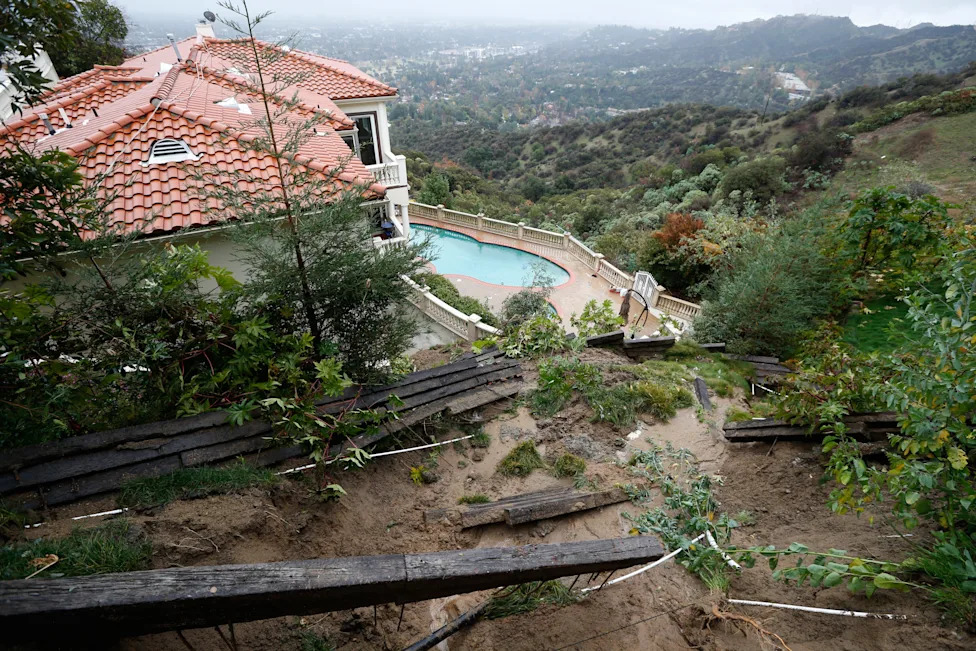
A home with a fence destroyed by a mudslide is seen on Jan. 6, 2016, after an El Nino-strengthened storm brought rain to Pasadena, California.(Lucy Nicholson, Reuters)
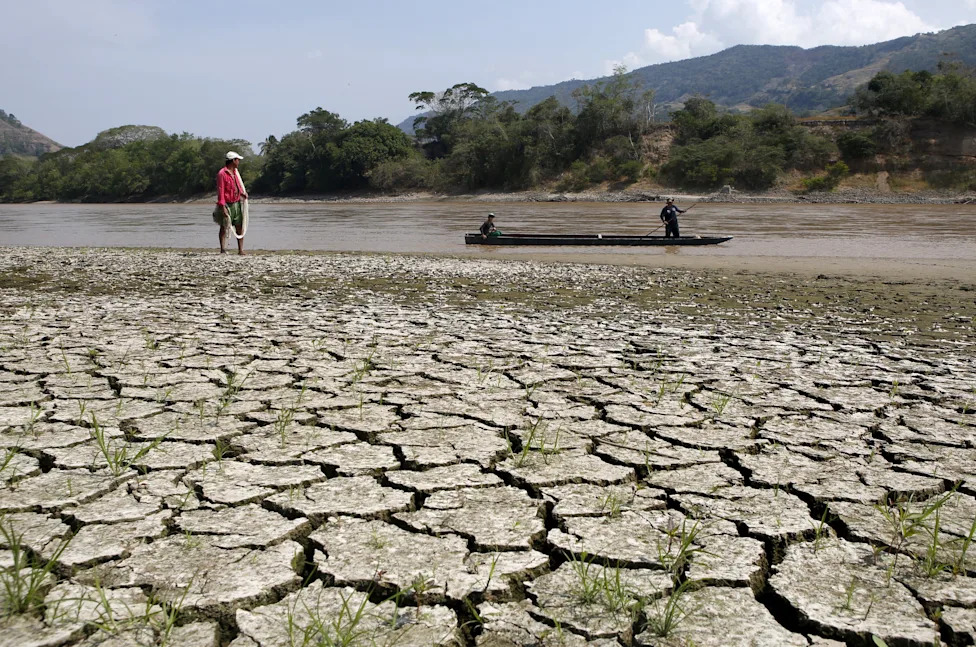
Fisherman Gabriel Barreto stands on the shore of the Magdalena river, the longest and most important river in Colombia, in the city of Honda, Jan. 14, 2016.(John Vizcaino, Reuters)
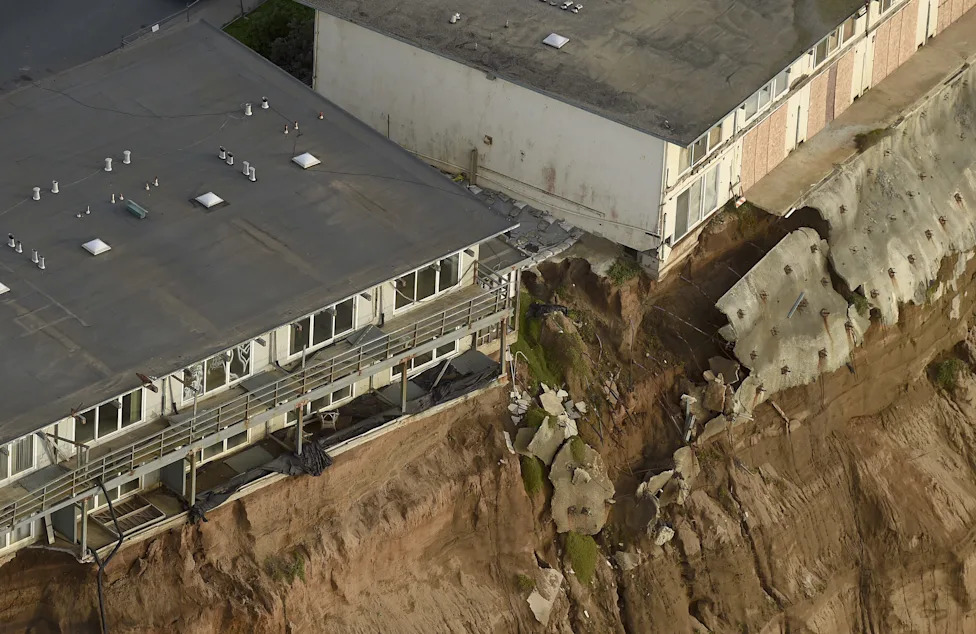
Uninhabitable apartments, in danger of collapsing into the Pacific Ocean, line Esplanade Ave. in Pacifica, California on Jan. 26, 2016.(Noah Berger, Reuters)
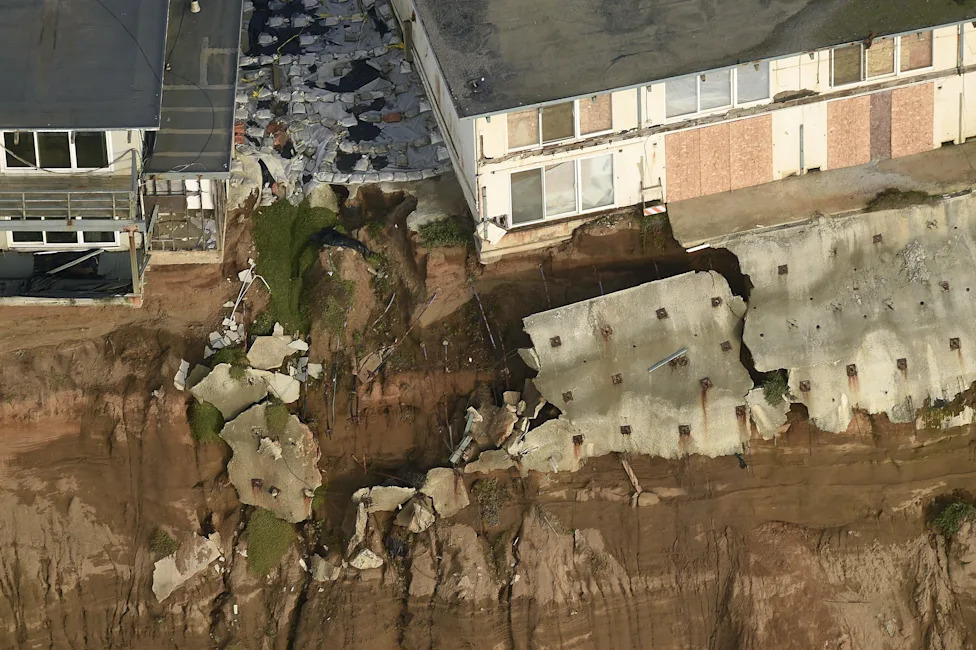
Uninhabitable apartments, in danger of collapsing into the Pacific Ocean, line Esplanade Ave. in Pacifica, California on Jan. 26, 2016.(Noah Berger, Reuters)
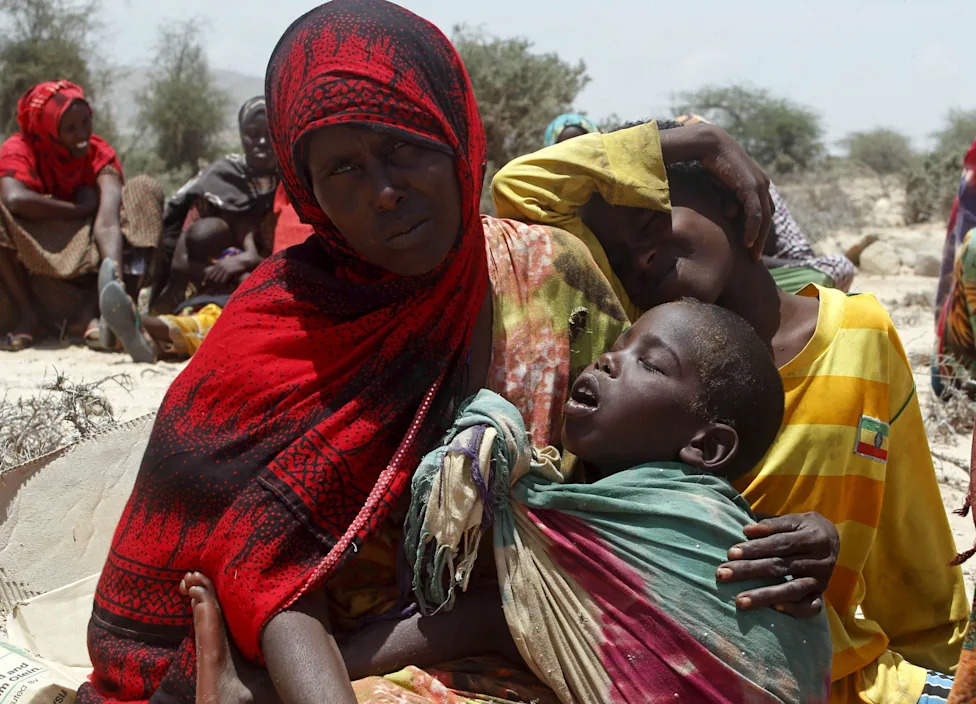
A displaced woman and her children wait for assistance at Habaas town of Awdal region, Somaliland on April 9, 2016. Across the Horn of Africa, millions were hit by the severe El Nino-related drought.(Reuters / Feisal Omar)
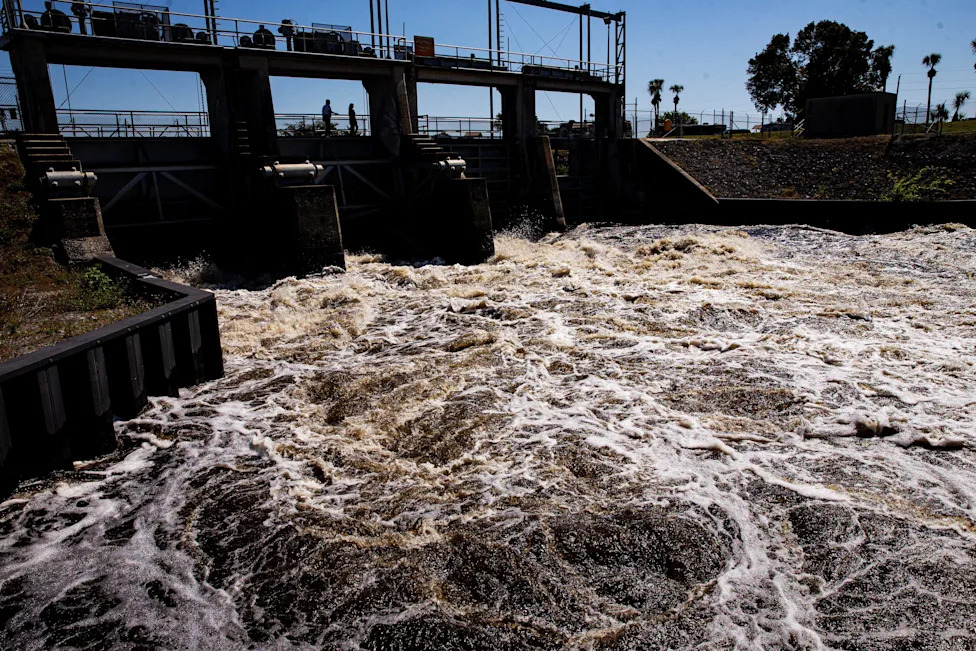
Water rushes through the Ortona Locks on the Caloosahatchee River on Monday, Feb. 26, 2024, as the Army Corp of Engineers releases water from Florida's Lake Okeechobee during continued El Nino conditions.(Andrew West/The News-Press, USA TODAY Network)
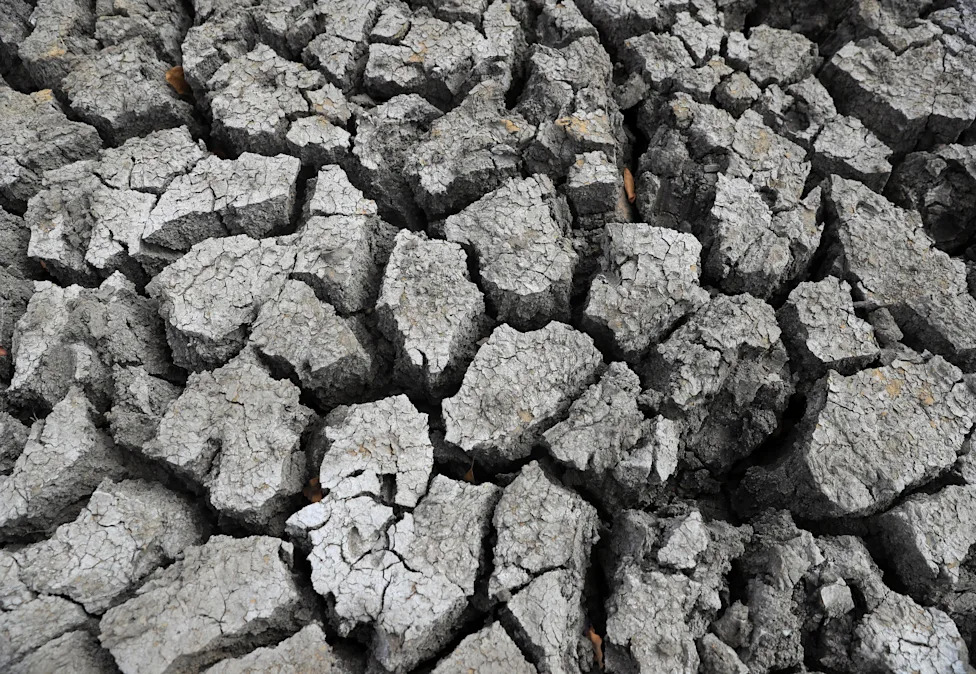
A view of cracked ground at a dam in Mudzi, Zimbabwe on July 2, 2024, during an El Nino-influenced drought, resulting in malnutrition among children under the age of five, pregnant and lactating women, and adolescents.(Philimon Bulawayo, REUTERS)
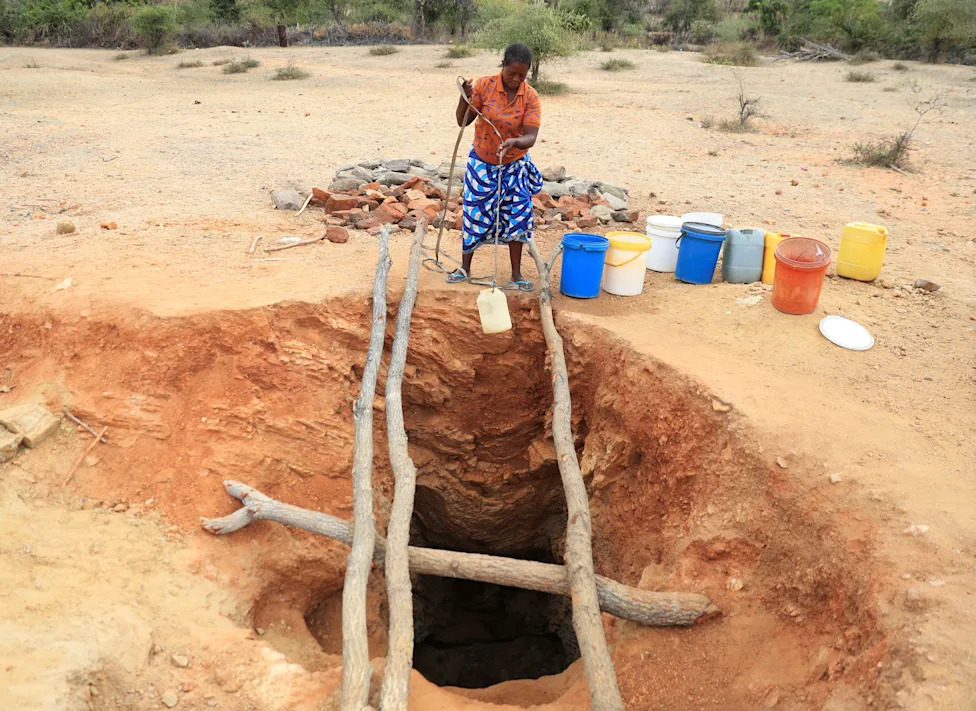
A woman fetches drinking water from an unprotected well on July 2, 2024 in Kotwa, in the Mudzi district of Zimbabwe during an El Nino-influenced drought.(Philimon Bulawayo, REUTERS)
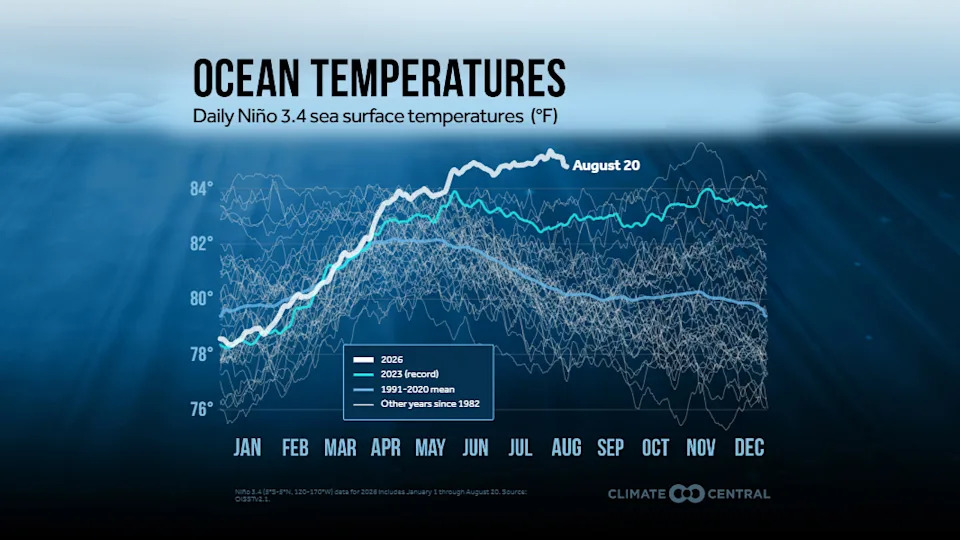
Sea surface temperatures in the El Niño region of the Pacific Ocean briefly hit 85.37 degrees on Aug. 9, just 0.31 degrees below the all-time average temperature record, based on NOAA data presented by the Climate Change Institute at the University of Maine.
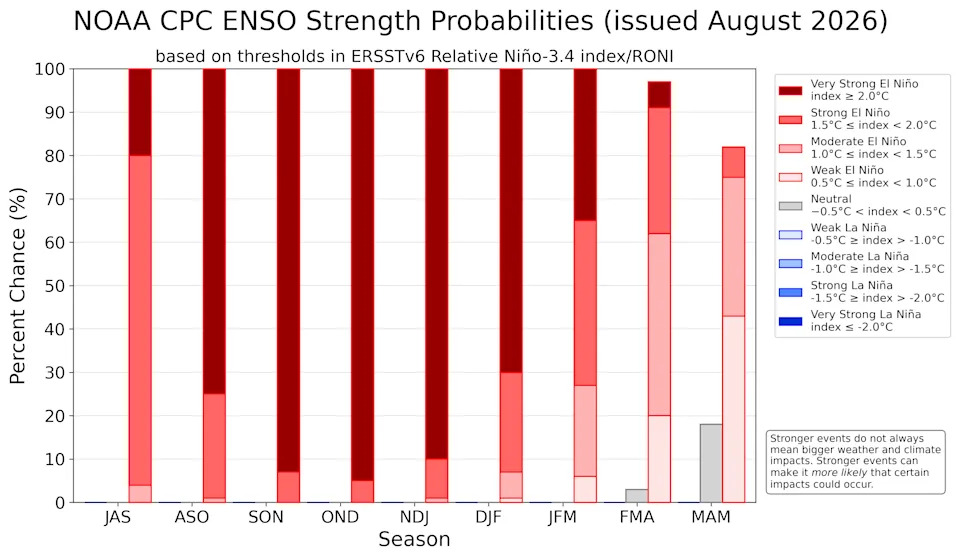
The probabilities for the strength of the developing El Niño, from NOAA's Climate Prediction Center in August 2026.
Pomozite nam da budemo bolji.