NASA je lansirala program NASA Force zajedno sa U.S. Office of Personnel Management kako bi privukla rane i srednje karijerne inženjere i tehnološke stručnjake na jednogodišnje ili dvogodišnje ugovore s mogućim produženjem. Učesnici će raditi na projektima kao što su logistika za daleka svemirska putovanja, operacije lunarnih vozila VIPER, aeronautička istraživanja i kuriranje lunarnih uzoraka. Prijave su bile otvorene od 17. do 21. aprila; zainteresovani treba da prate zvanične NASA kanale za buduće pozive.
NASA pokreće „NASA Force“ — prilika za rane i srednje karijerne inženjere i tehnološke talente
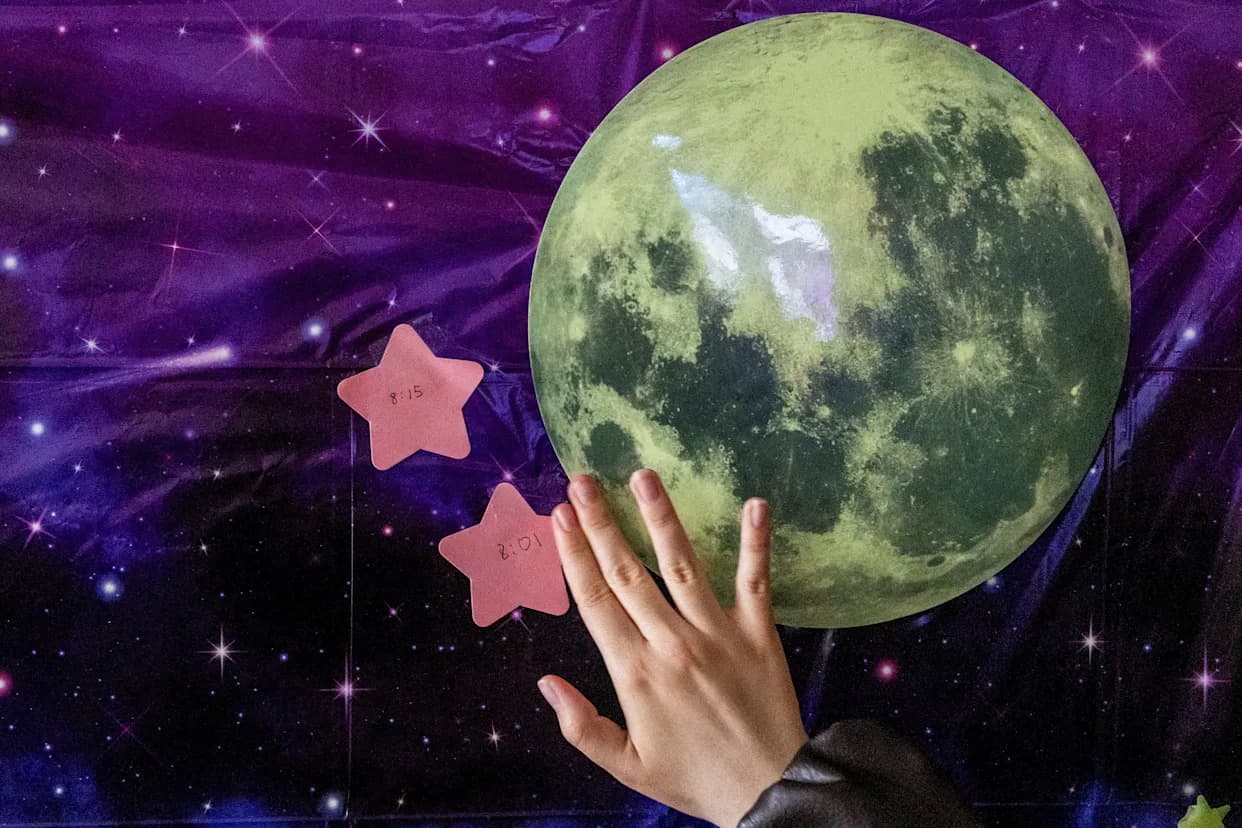
NASA Force unveiled, but what is it? NASA's new hiring initiative
NASA je pokrenula novu inicijativu pod nazivom NASA Force sa ciljem da privuče tehničke stručnjake početnog i srednjeg nivoa karijere na vremenski ograničene pozicije u ključnim misijama i istraživanjima.
Šta je NASA Force?
Program, razvijen u partnerstvu sa U.S. Office of Personnel Management, osmišljen je „da dovede izuzetne tehničke talente u ključne pozicije koje podržavaju NASA-ine prioritete u istraživanju, naprednim tehnologijama i istraživanju svemira“, kako navodi zvanični sajt NASA Force.
Kome je namenjen?
NASA traži rane i srednje karijerne inženjere, tehnološke stručnjake i inovatore da konkurišu za vremenski ograničena zapošljavanja (term appointments) koja traju u proseku 1–2 godine, uz mogućnost produženja.
Na kojim projektima možete raditi?
Prema opisu programa, članovi NASA Force mogu raditi na više oblasti, među kojima su:
- Logistika za daleka svemirska putovanja (deep-space logistics)
- Operacije lunarnih vozila, uključujući rover VIPER
- Unapređenje aeronautičkih istraživanja
- Kuriranje uzoraka s Meseca i astromaterijala
- Razvoj naprednih tehnologija za istraživanja i misije
Rokovi i postupak prijave
NASA Force je počeo prijem kandidata 17. aprila, a poslednji dan za podnošenje prijava bio je 21. april, prema izveštaju Space.com. Zainteresovani bi trebali pratiti zvanični NASA Careers i NASA Force stranice za buduće runde zapošljavanja i detalje o prijavama.
Povezanost sa Artemis II
Inicijativa je objavljena nedelju dana nakon uspešnog završetka misije Artemis II. Posada — Reid Wiseman, Victor Glover, Christina Koch (NASA) i Jeremy Hansen (CSA) — putovala je dalje od bilo koje ljudske posade pre nje, dostigavši najudaljeniju tačku na oko 252.756 milja od Zemlje. Desetodnevna misija završena je 10. aprila splashdown-om u Tihom okeanu nedaleko od San Dijega; ukupna pređena udaljenost misije iznosi oko 694.481 milja.
Za zainteresovane: posetite zvanični sajt NASA Careers i stranicu NASA Force za ažurirane informacije o pozivima za prijavu i kriterijumima selekcije.
Autorka originalnog teksta: Julia Gomez (USA TODAY). Članak je adaptiran i preveden za srpsko govorno područje.
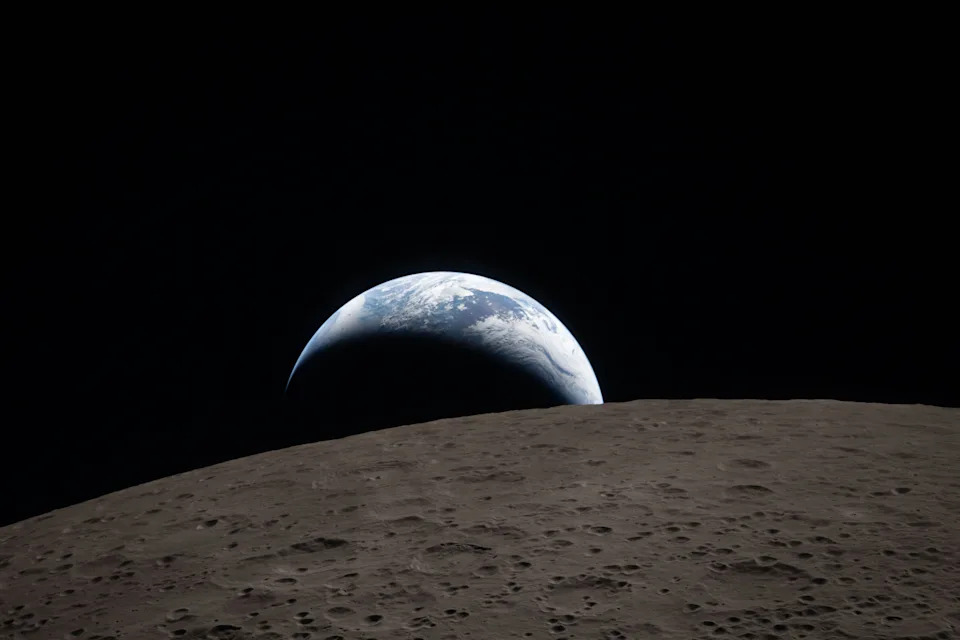
The crew of Artemis II captured a breathtaking image of a celestial event known as an "Earthset," in which the Earth dropped below the lunar horizon. The image is reminiscent of the iconic "Earthrise" photo that NASA astronaut Bill Anders captured in 1968 during the Apollo 8 mission that showed our planet rising on the lunar horizon.
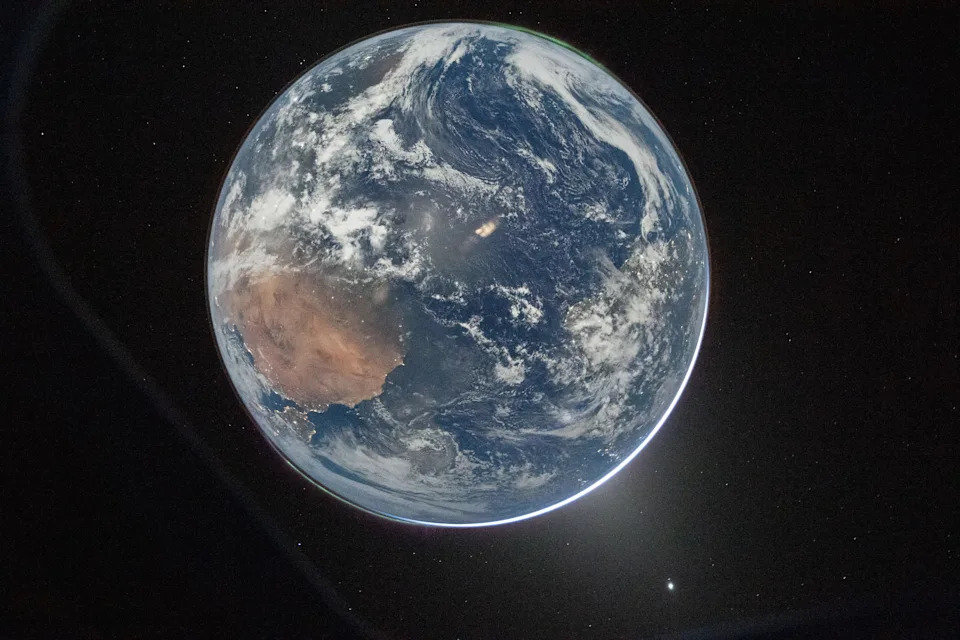
Artemis II Commander Reid Wiseman of NASA took this stunning photograph of Earth from the Orion spacecraft's window on April 2. The image is reminiscent of the iconic "blue marble" image captured during the Apollo 17 mission in 1972.
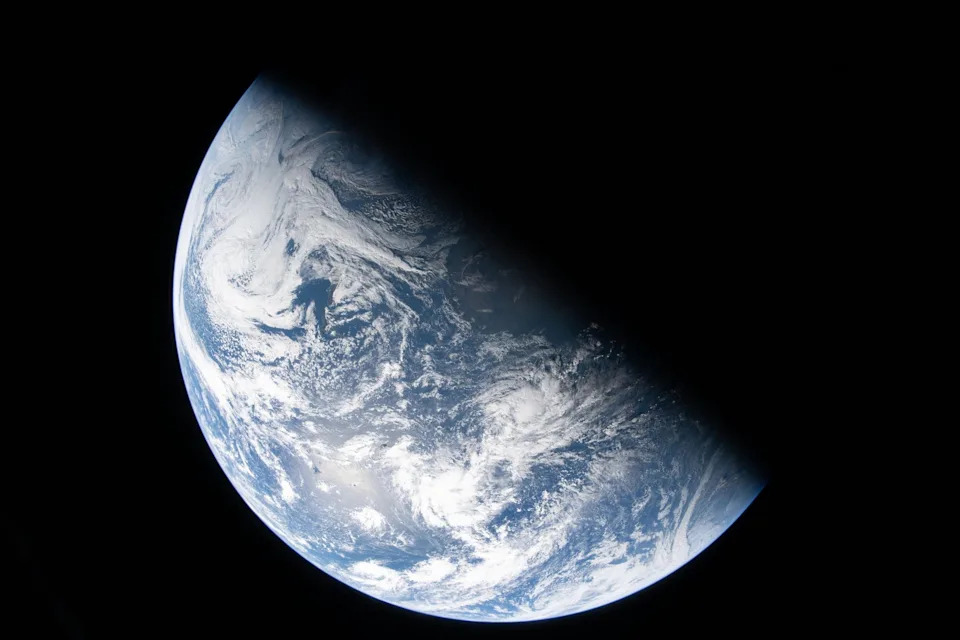
In this new image from the Artemis II crew, NASA explains that what is depicted is the "divide between night and day, known as the terminator, cutting across Earth."
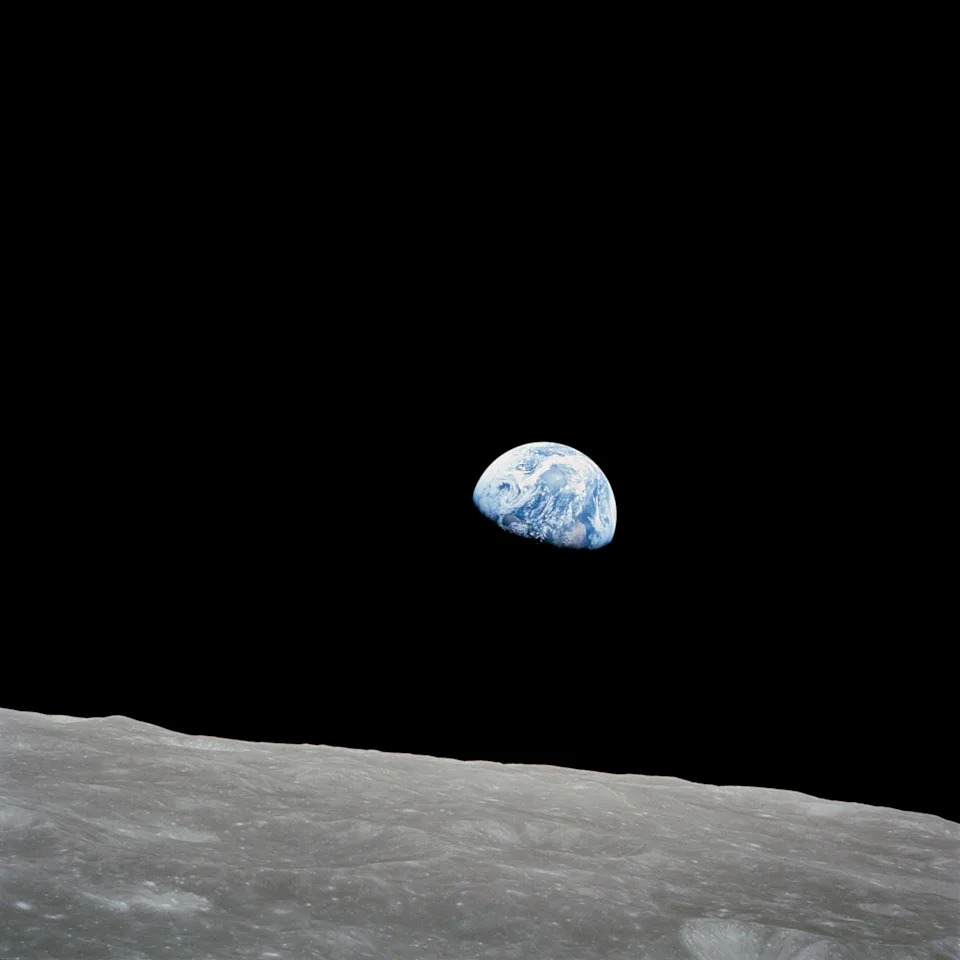
William Anders, a NASA astronaut on the historic Apollo 8 mission around the moon, took the iconic “Earthrise” photo while in lunar orbit on Dec. 24, 1968.
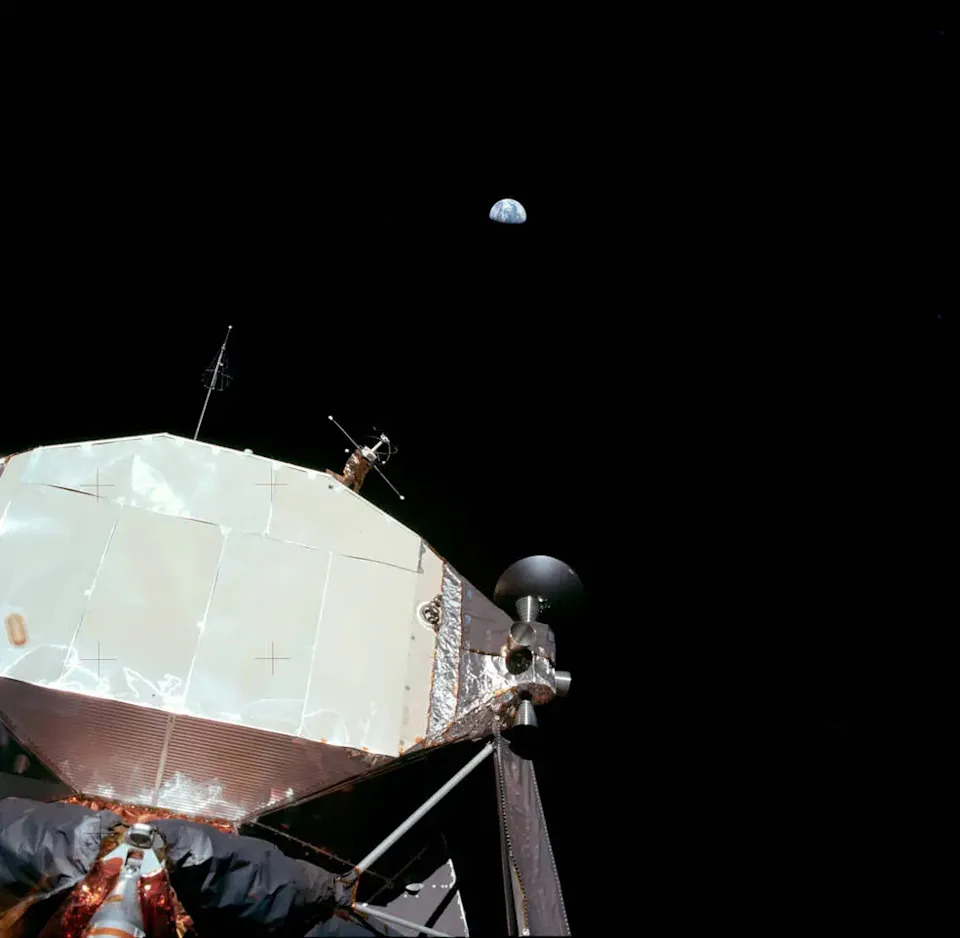
The first photograph of the Earth taken by an astronaut standing on the lunar surface, taken during the Apollo 11 Moon landing in 1969.
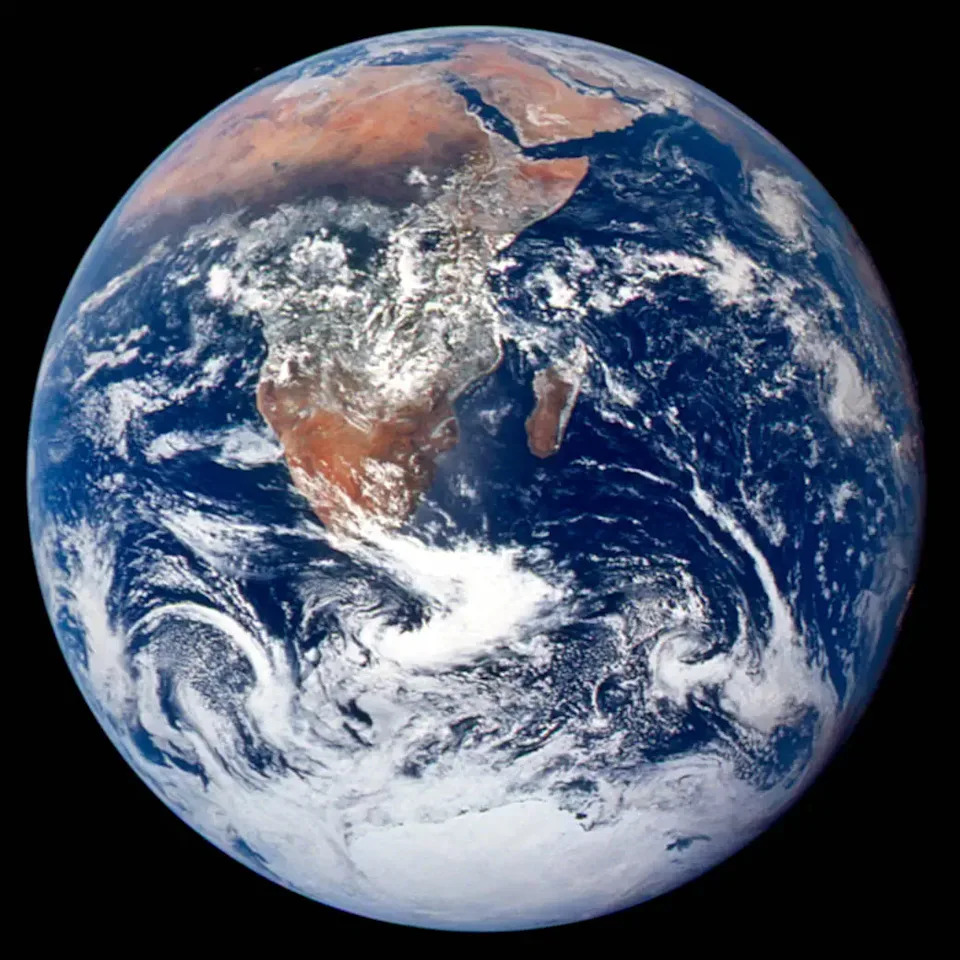
One of the most well-known photographs of Earth, the "blue marble" image was taken by the crew of the final Apollo mission (Apollo 17) as the crew made its way to the moon in 1972.
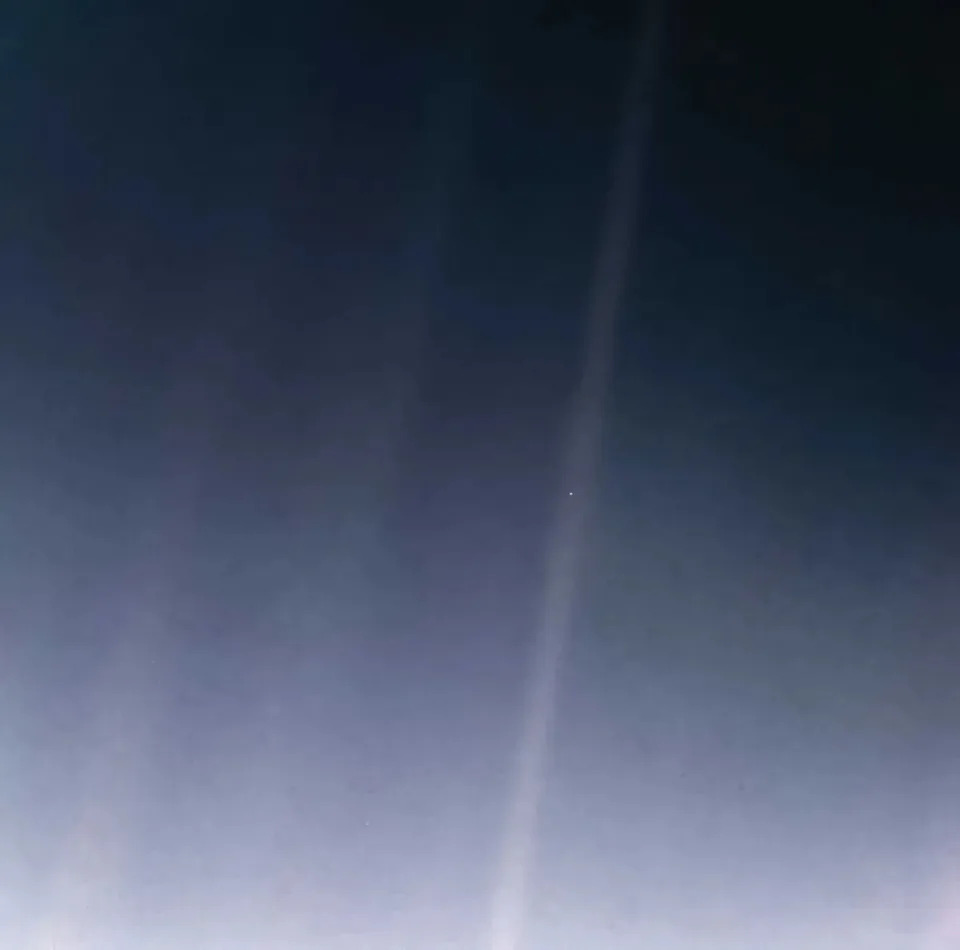
Voyager 1's 1990 photo of Earth, widely referred to as the "pale blue dot," was taken at a distance of 3.7 billion miles from the sun, making it the first photo taken beyond all the planets in our solar system. This image was created in 2020 or the 30th anniversary of the iconic picture using modern image-processing software and techniques to revisit the well-known Voyager view.
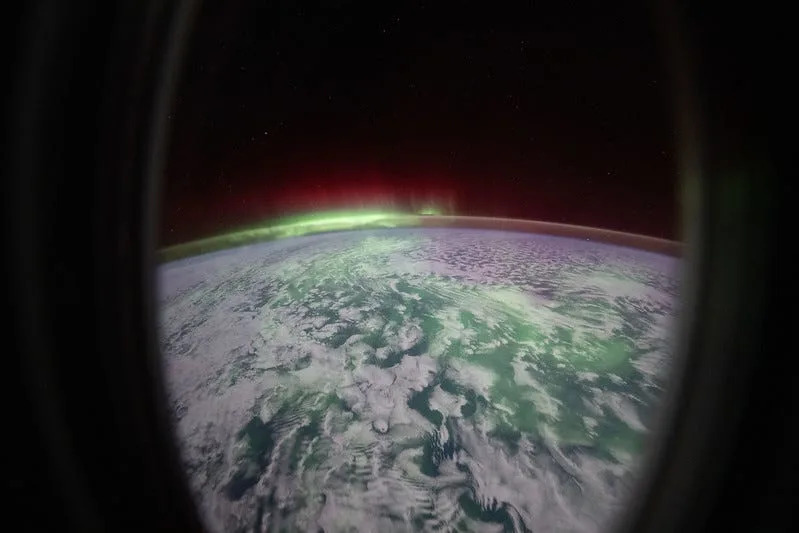
Because the International Space Station orbits so close to Earth's atmosphere (about 250 miles high,) the outpost and the astronauts who have lived aboard it have been the source of plenty of spectacular photos of our planet for 25 years. This recent photo, taken April 6, 2026, shows auroras glowing over the Indian Ocean.
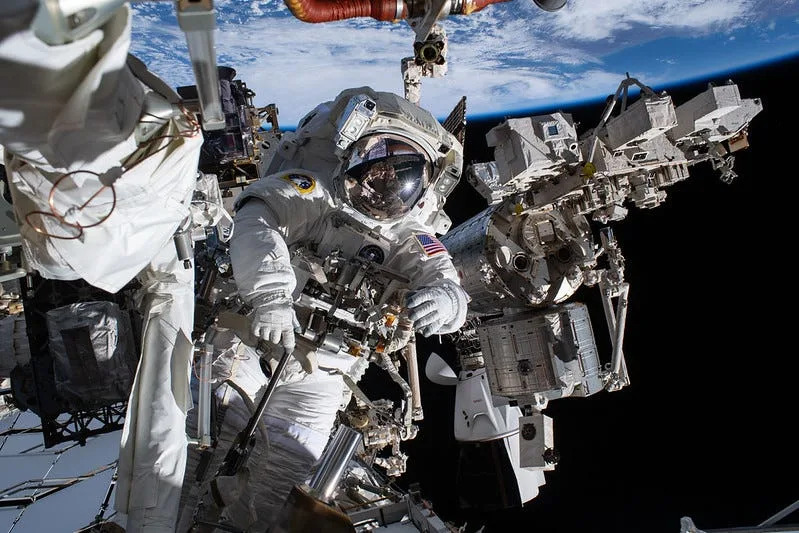
NASA astronaut Chris Williams is pictured outside the International Space Station during a March 18, 2026 spacewalk with Earth in the background.
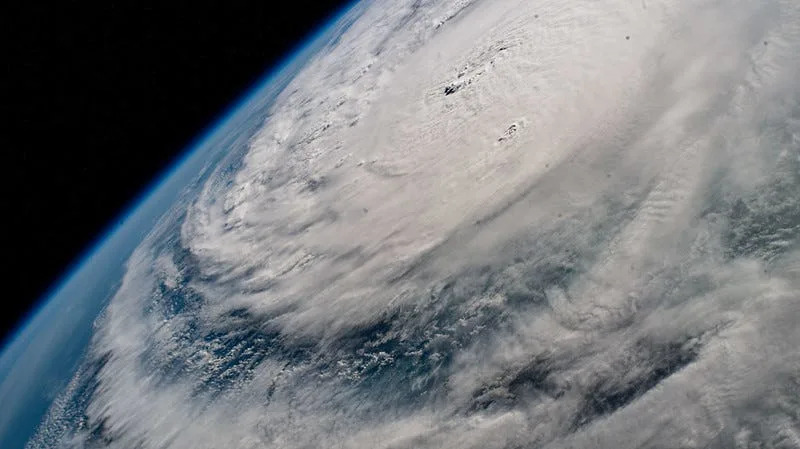
The devastating Hurricane Milton, a Category 4 storm at the time of this photograph, is pictured Oct. 8, 2024 in the Gulf of Mexico (renamed the Gulf of America) off the coast of Yucatan Peninsula from the International Space Station as it orbited 257 miles above.
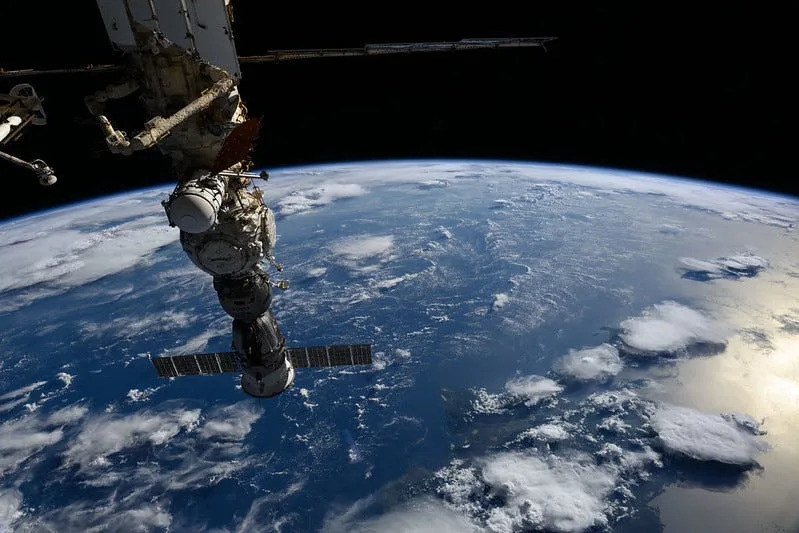
The Soyuz MS-27 crew spacecraft is pictured Sept. 14, 2025 docked to the International Space Station's Prichal module as the orbital outpost soared 257 miles above a gleaming blue Atlantic Ocean, north of the Dominican Republic.
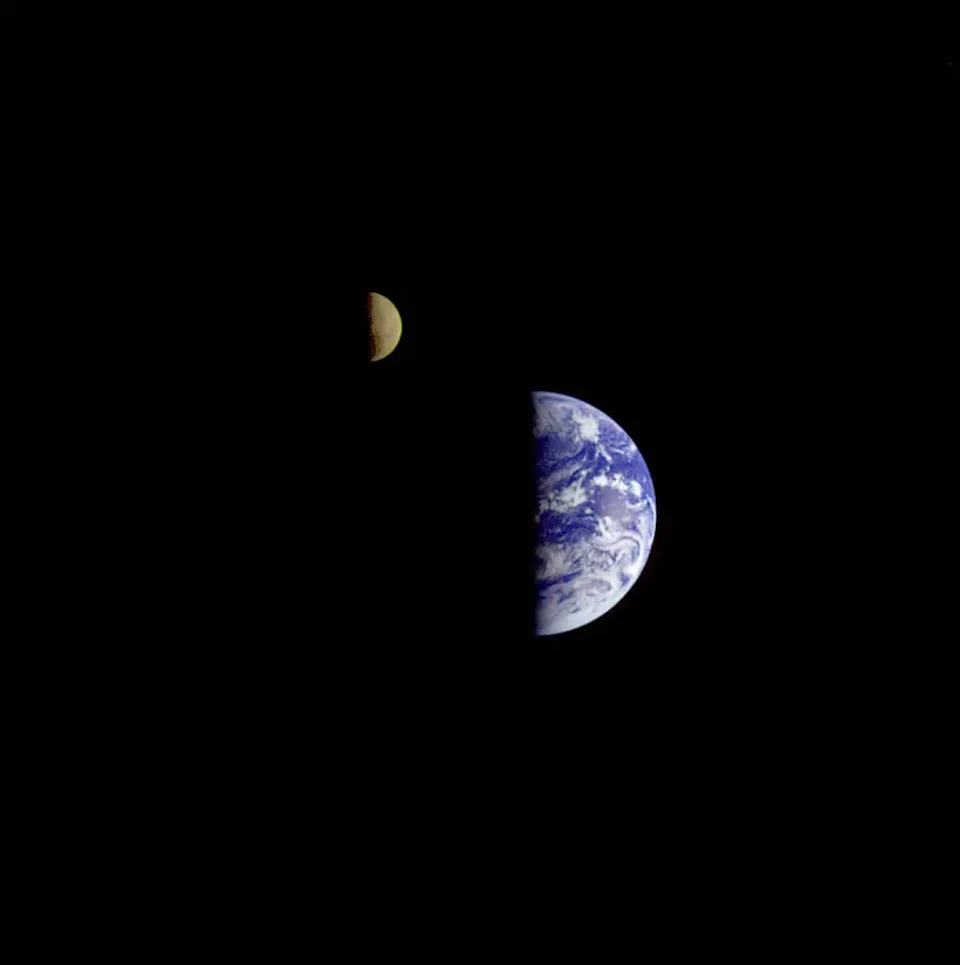
On December 16, 1992, eight days after its encounter with Earth, the Galileo spacecraft looked back from a distance of about 3.9 million miles to capture this remarkable view of the moon in orbit about Earth.
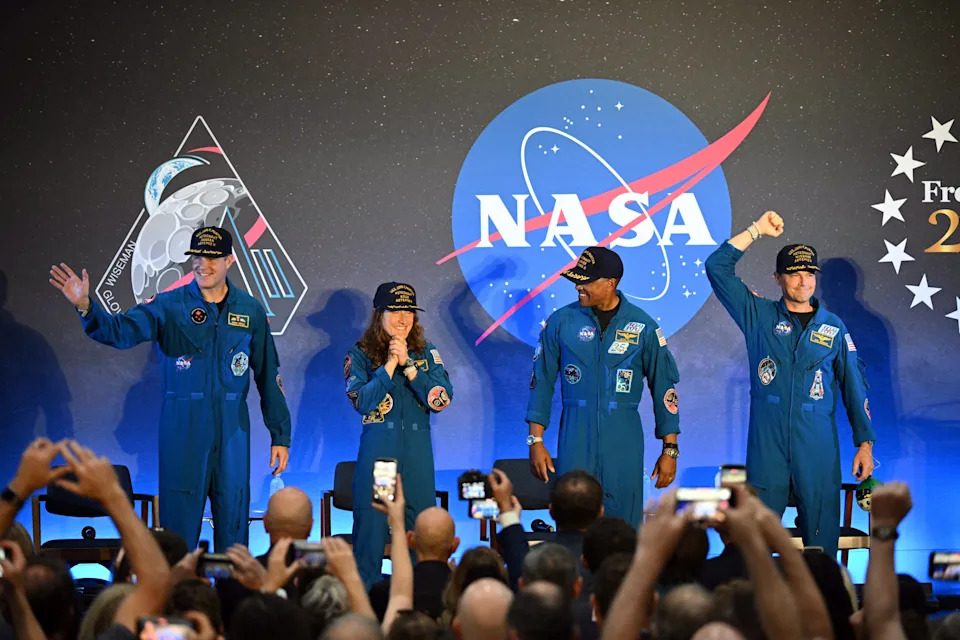
NASA celebrates the safe return of theArtemis II crewin Houston, Texas, on April 11, 2026, during a welcoming ceremony a day after splashdown from their moon mission.(L-R) NASA's Artemis II mission astronauts Canadian Space Agency's Jeremy Hansen, mission specialist Christina Koch, pilot Victor Glover and commander Reid Wiseman greet attendees to their welcoming ceremony at Ellington Field Joint Reserve Base.
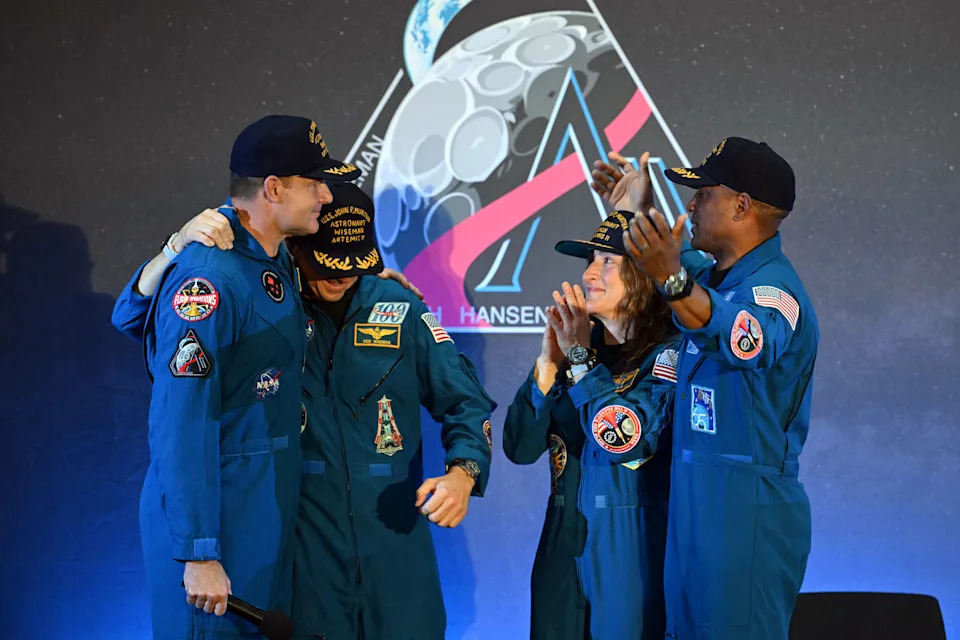
(L-R) NASA's Artemis II mission astronauts Canadian Space Agency's Jeremy Hansen, commander Reid Wiseman, mission specialist Christina Koch and pilot Victor Glover attend a welcoming ceremony at Ellington Field Joint Reserve Base in Houston, Texas, on April 11, 2026. An elated NASA late April 10 was celebrating its successful voyage around the Moon, after four astronauts safely returned to Earth having completed the first lunar flyby in more than 50 years. The NASA spacecraft carrying four astronauts -- three Americans and one Canadian -- splashed down without a hitch off the California coast, capping the US space agency's crewed test mission that returned with spectacular images of the Moon.
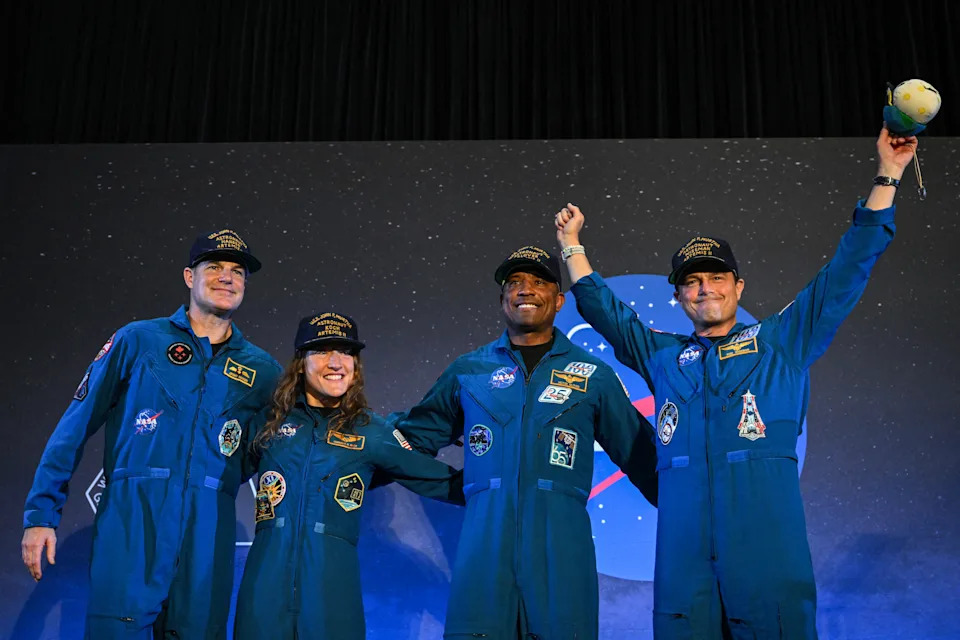
(L-R) NASA's Artemis II mission astronauts Canadian Space Agency's Jeremy Hansen, Christina Koch, Victor Glover and commander Reid Wiseman react during a welcoming ceremony at Ellington Field Joint Reserve Base in Houston, Texas, on April 11, 2026. An elated NASA late April 10 was celebrating its successful voyage around the Moon, after four astronauts safely returned to Earth having completed the first lunar flyby in more than 50 years. The NASA spacecraft carrying four astronauts -- three Americans and one Canadian -- splashed down without a hitch off the California coast, capping the US space agency's crewed test mission that returned with spectacular images of the Moon.
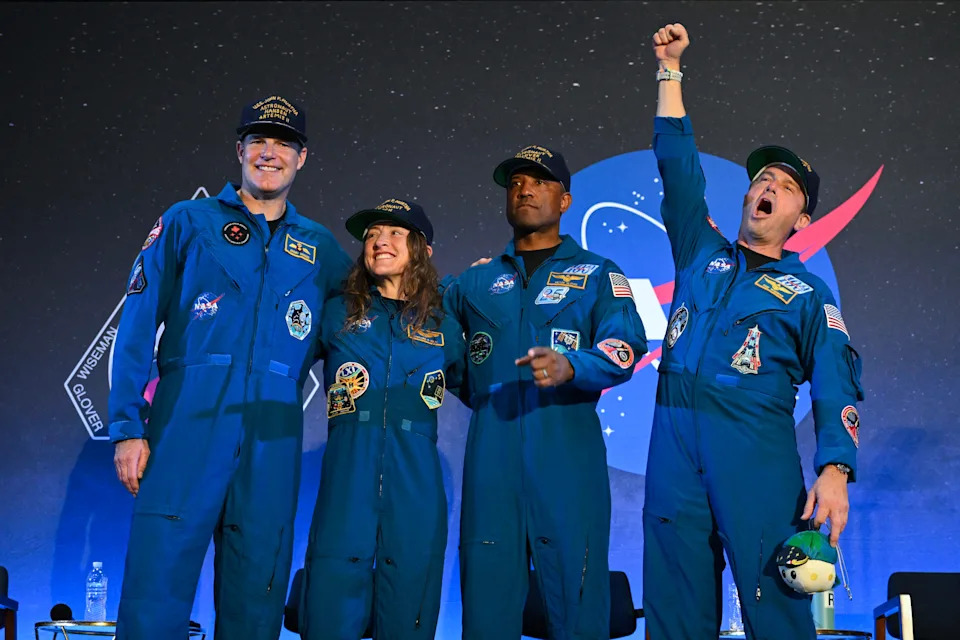
(L-R) NASA's Artemis II mission astronauts Canadian Space Agency's Jeremy Hansen, Christina Koch, Victor Glover and commander Reid Wiseman react during a welcoming ceremony at Ellington Field Joint Reserve Base in Houston, Texas, on April 11, 2026. An elated NASA late April 10 was celebrating its successful voyage around the Moon, after four astronauts safely returned to Earth having completed the first lunar flyby in more than 50 years. The NASA spacecraft carrying four astronauts -- three Americans and one Canadian -- splashed down without a hitch off the California coast, capping the US space agency's crewed test mission that returned with spectacular images of the Moon.
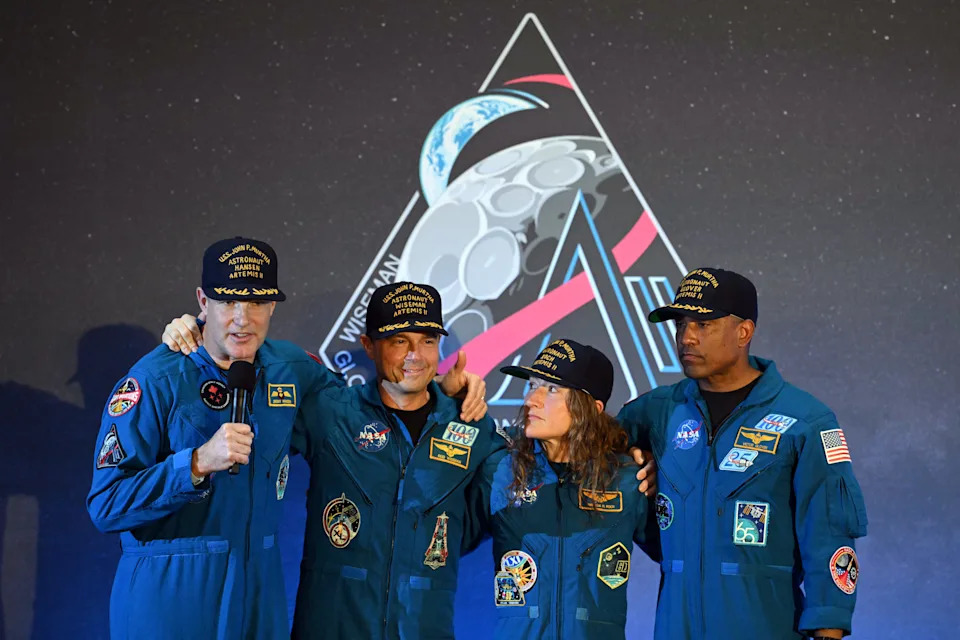
(L-R) NASA's Artemis II mission astronauts Canadian Space Agency's Jeremy Hansen, commander Reid Wiseman, mission specialist Christina Koch and pilot Victor Glover attend a welcoming ceremony at Ellington Field Joint Reserve Base in Houston, Texas, on April 11, 2026. An elated NASA late April 10 was celebrating its successful voyage around the Moon, after four astronauts safely returned to Earth having completed the first lunar flyby in more than 50 years. The NASA spacecraft carrying four astronauts -- three Americans and one Canadian -- splashed down without a hitch off the California coast, capping the US space agency's crewed test mission that returned with spectacular images of the Moon.
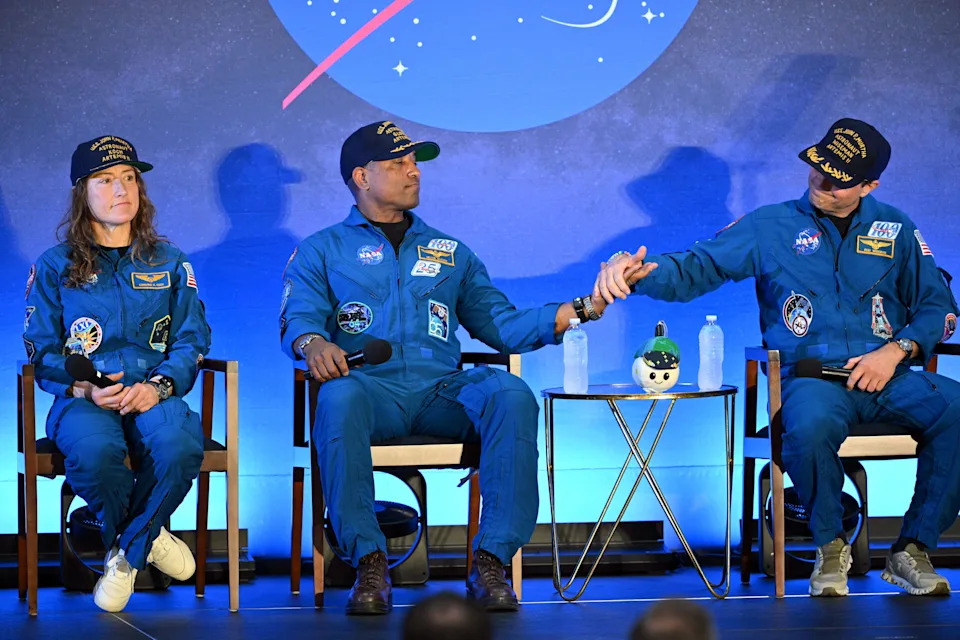
NASA's Artemis II mission commander Reid Wiseman (R) shakes hands with pilot Victor Glover as Christina Koch looks on during a welcoming ceremony at Ellington Field Joint Reserve Base in Houston, Texas, on April 11, 2026. An elated NASA late April 10 was celebrating its successful voyage around the Moon, after four astronauts safely returned to Earth having completed the first lunar flyby in more than 50 years. The NASA spacecraft carrying four astronauts -- three Americans and one Canadian -- splashed down without a hitch off the California coast, capping the US space agency's crewed test mission that returned with spectacular images of the Moon.
Pomozite nam da budemo bolji.