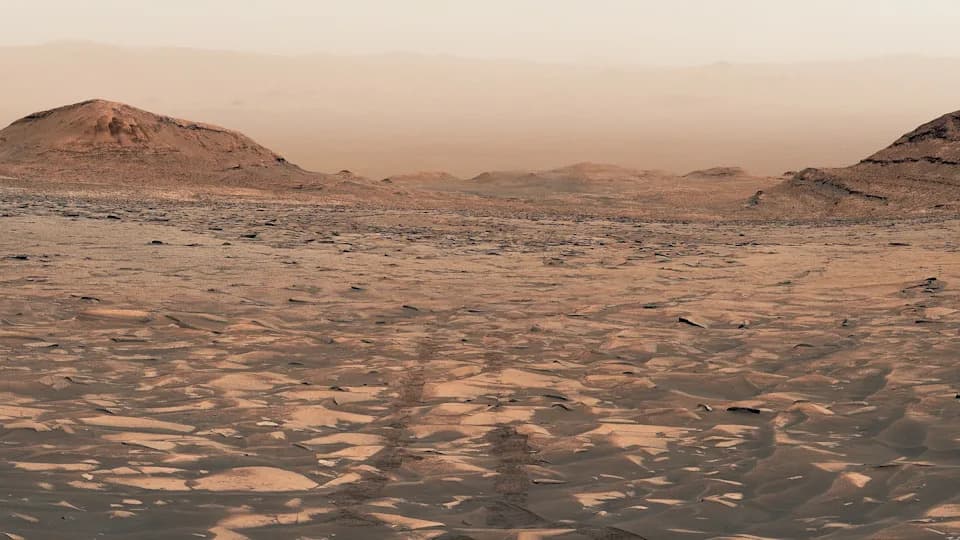
NASA je objavila uporedne panorame Curiosityja i Perseverancea sastavljene od stotina fotografija snimljenih krajem 2025. i početkom 2026. Curiosity (1.031 slika) beleži mlađi teren oko Mount Sharpa i boxwork formacije, dok Perseverance (980 slika) dokumentuje veoma stare stene na rubu Jezero kratera, starog oko 3,9 milijardi godina. Obe misije prikupljaju uzorke i tragaju za dokazima da li je Mars nekada bio pogodan za život.
Dva rovera, dve strane Marsa: NASA objavila uporedne panorame Curiosity i Perseverance
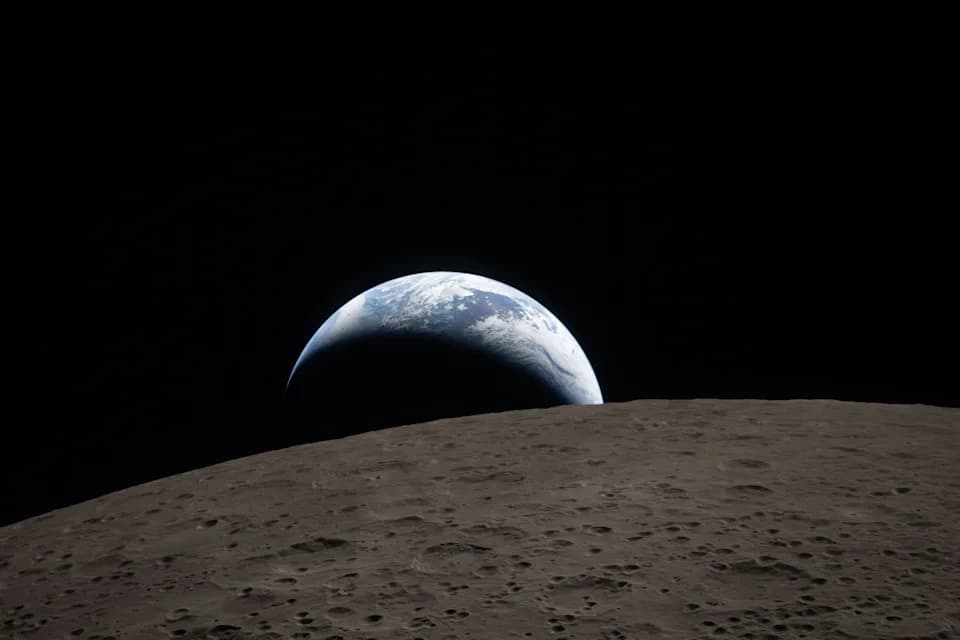
The crew of Artemis II captured a breathtaking image of a celestial event known as an "Earthset," in which the Earth dropped below the lunar horizon. The image is reminiscent of the iconic "Earthrise" photo that NASA astronaut Bill Anders captured in 1968 during the Apollo 8 mission that showed our planet rising on the lunar horizon.
NASA ima dva robota veličine automobila — Curiosity i Perseverance — koji istražuju različite regione Marsa i upravo su snimili impresivne panorame koje otkrivaju kako se površina Crvene planete razlikuje na samo nekoliko hiljada kilometara.
Panorame koje pokazuju razlike
Američka svemirska agencija je 27. aprila 2026. objavila dve velike panorame sastavljene iz stotina fotografija snimljenih krajem 2025. i početkom 2026. Curiosityjeva 360° panorama sastavljena je od 1.031 fotografije snimljenih između 9. novembra i 7. decembra 2025. i prikazuje teren bogat drevnim grebenima poznatim kao boxwork formacije.
Perseveranceeva panorama od 980 snimaka (18. decembar 2025. – 25. januar 2026.) fokusira se na oblast nazvanu „Lac de Charmes“ izvan ruba Jezero kratera i detaljno prikazuje kraterski rub i stare stene oko njega.
Šta traže roveri i zašto je to važno
Perseverance je sletelo u Jezero krater u februaru 2021. nakon 200‑dnevnog leta i oko 300 miliona pređenih milja. Jezero krater, za koji se procenjuje da je nastao pre oko 3,9 milijardi godina, sadrži dokaze da je nekada bio ispunjen vodom — zbog čega ga naučnici smatraju jednom od najboljih lokacija za traganje za ostacima ranog života.
Krajem 2024. Perseverance se popeo na kraterski rub i nastavio istraživanje, prikupljajući uzorke i analizirajući minerale i stenske slojeve. U septembru 2025. NASA je objavila da je tim identifikovao potencijalni biosignatur u jednom uzorku — za sada najbliže što su naučnici došli mogućem dokazu prošlog života na Marsu.
Curiosity je sleteo 2012. u Gale krater i već više od decenije istražuje podnožje Mount Sharpa. Do danas je sakupio 42 uzorka stenskog praha pomoću bušilice na robotskoj ruci i detektovao nova organska jedinjenja koja dodatno ukazuju da su uslovi u prošlosti mogli biti pogodni za život.
Širi značaj otkrića
Uporedne panorame i prikupljeni uzorci pomažu naučnicima da rekonstruišu geološku i klimatsku istoriju Marsa — kako je planeta prelazila iz vlažnog u suvog stanja i koje su bile mogućnosti za nastanjivost u davnim epochama. Ova saznanja takođe doprinose pripremama za buduće misije, uključujući napore da se jednog dana na Mars pošalju ljudi.
Za čitaoce: Panorame nude retku vizuelnu priliku da se istovremeno uporede dva vrlo različita martijska pejzaža — mlađi slojevi oko Mount Sharpa i izuzetno stari kraterski rubovi Jezera.
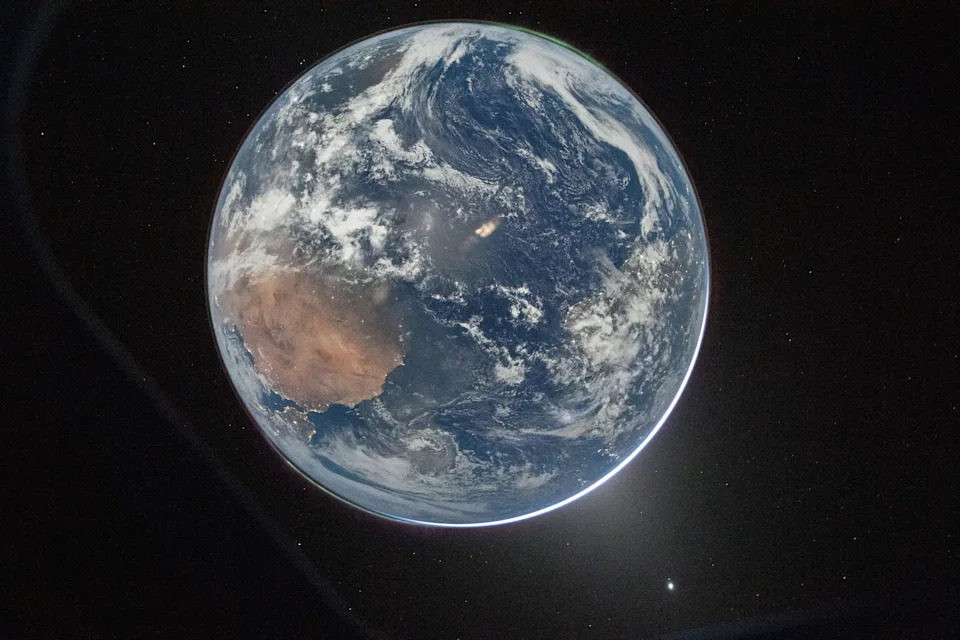
Artemis II Commander Reid Wiseman of NASA took this stunning photograph of Earth from the Orion spacecraft's window on April 2. The image is reminiscent of the iconic "blue marble" image captured during the Apollo 17 mission in 1972.
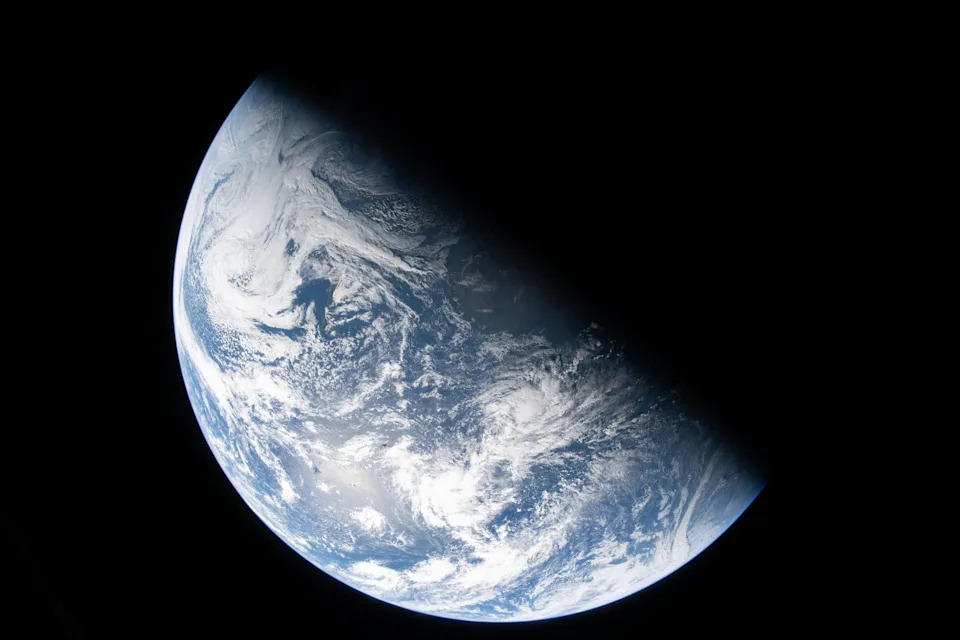
In this new image from the Artemis II crew, NASA explains that what is depicted is the "divide between night and day, known as the terminator, cutting across Earth."
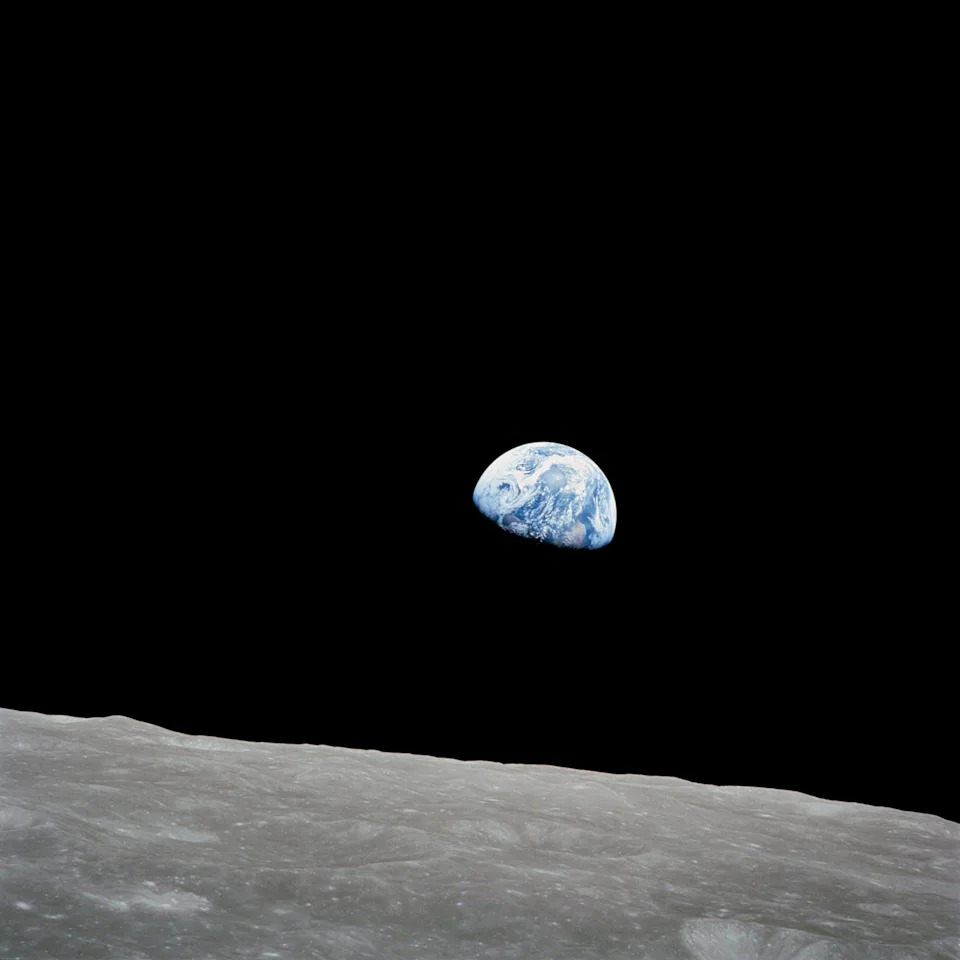
William Anders, a NASA astronaut on the historic Apollo 8 mission around the moon, took the iconic “Earthrise” photo while in lunar orbit on Dec. 24, 1968.
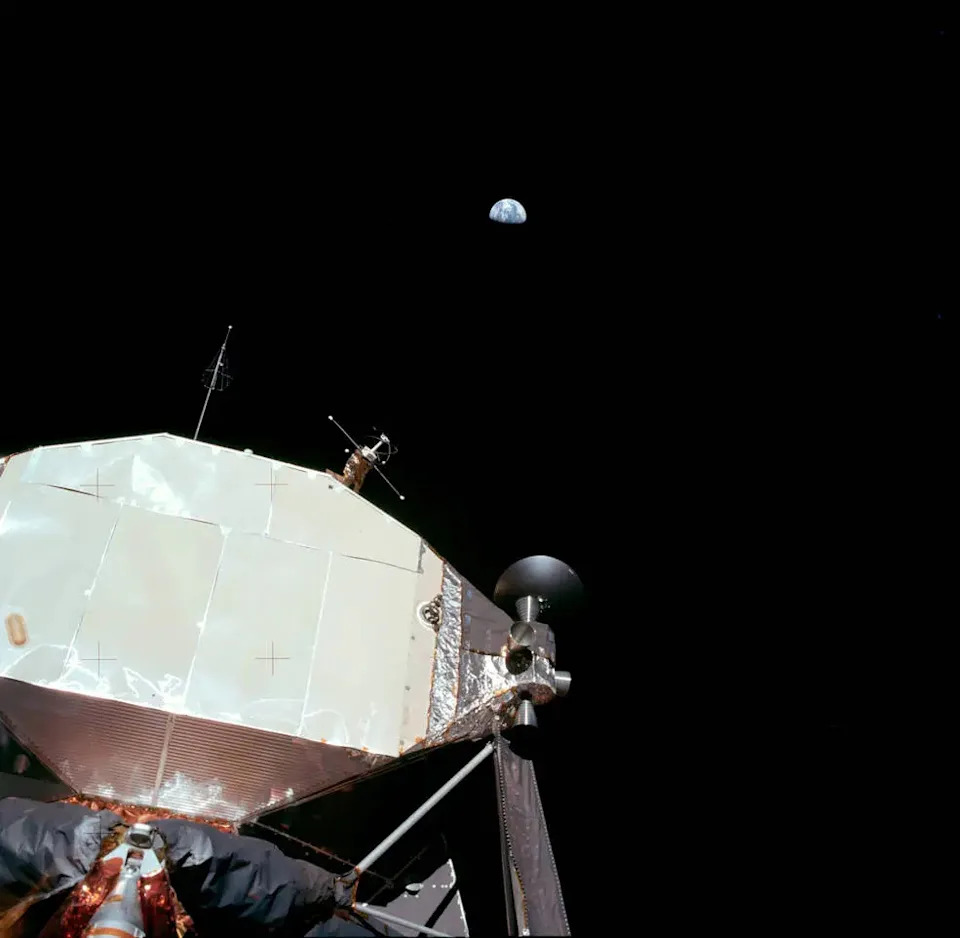
The first photograph of the Earth taken by an astronaut standing on the lunar surface, taken during the Apollo 11 Moon landing in 1969.
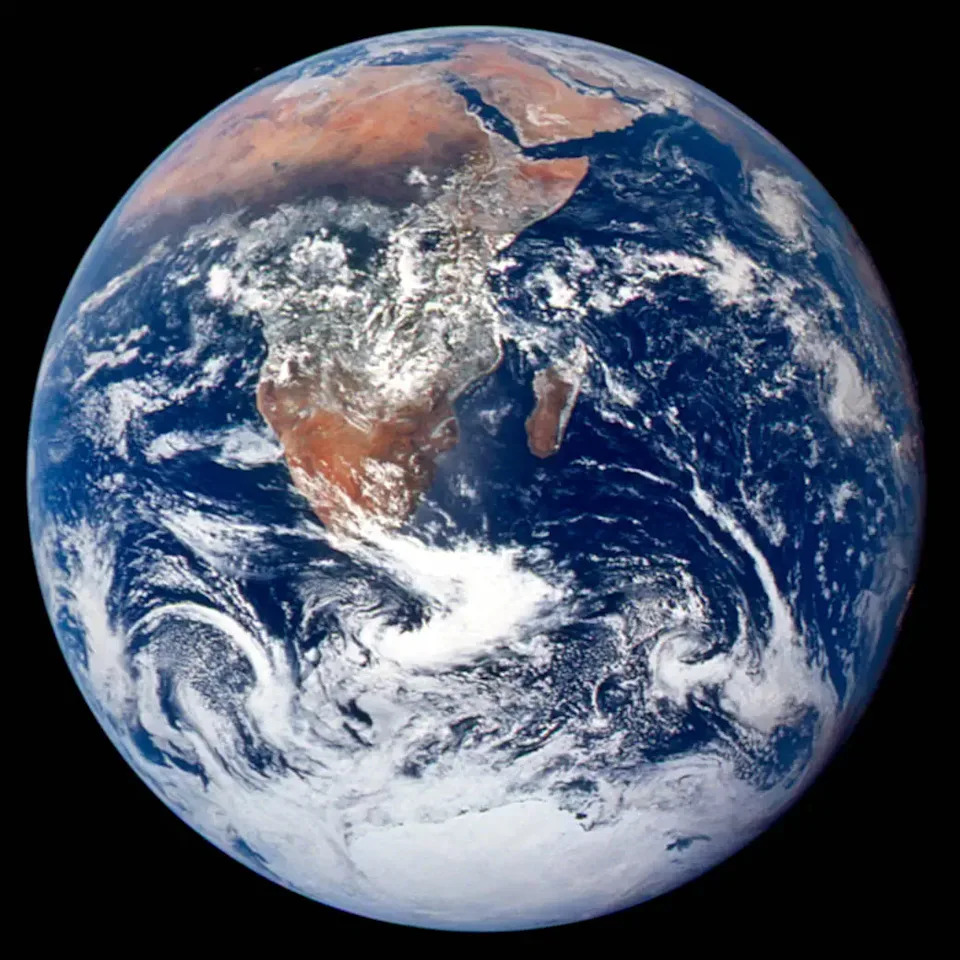
One of the most well-known photographs of Earth, the "blue marble" image was taken by the crew of the final Apollo mission (Apollo 17) as the crew made its way to the moon in 1972.
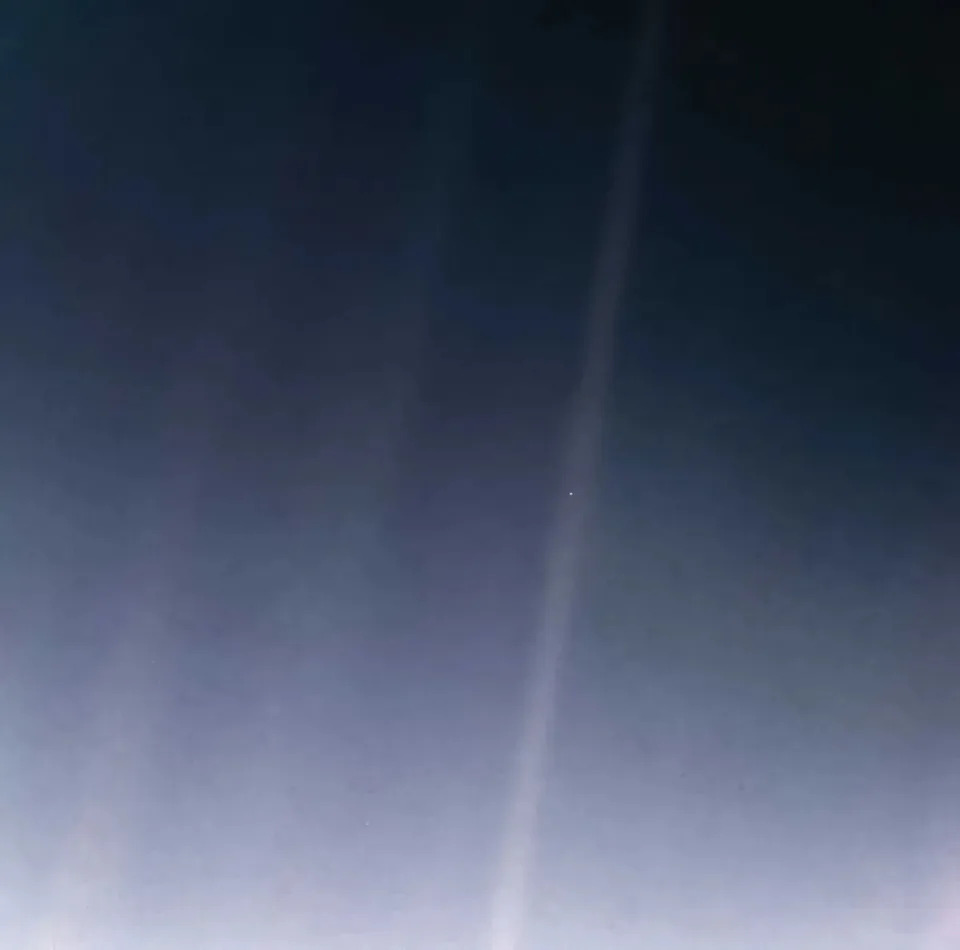
Voyager 1's 1990 photo of Earth, widely referred to as the "pale blue dot," was taken at a distance of 3.7 billion miles from the sun, making it the first photo taken beyond all the planets in our solar system. This image was created in 2020 or the 30th anniversary of the iconic picture using modern image-processing software and techniques to revisit the well-known Voyager view.
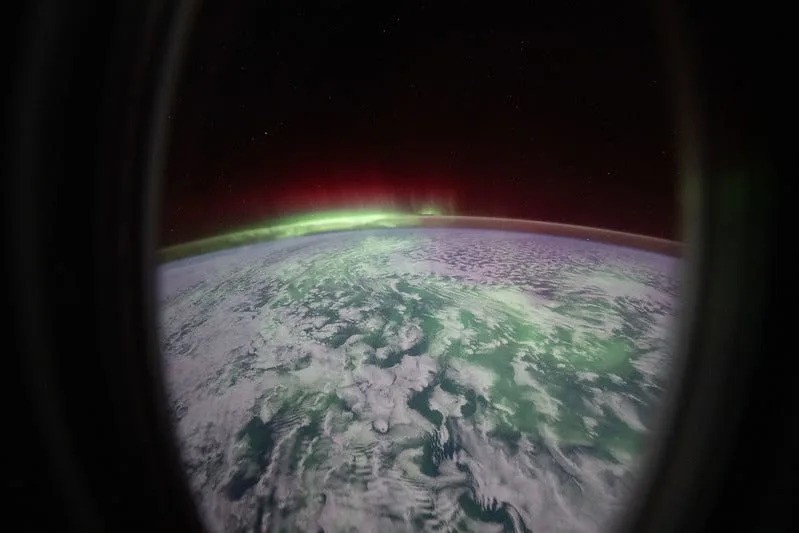
Because the International Space Station orbits so close to Earth's atmosphere (about 250 miles high,) the outpost and the astronauts who have lived aboard it have been the source of plenty of spectacular photos of our planet for 25 years. This recent photo, taken April 6, 2026, shows auroras glowing over the Indian Ocean.
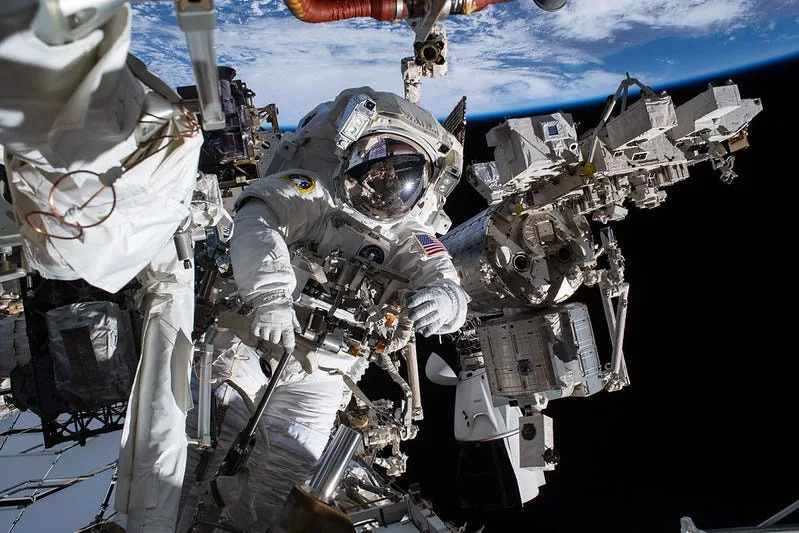
NASA astronaut Chris Williams is pictured outside the International Space Station during a March 18, 2026 spacewalk with Earth in the background.
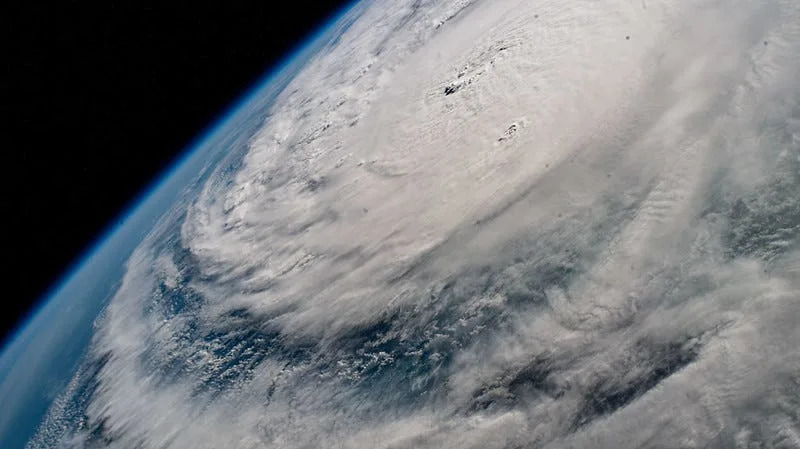
The devastating Hurricane Milton, a Category 4 storm at the time of this photograph, is pictured Oct. 8, 2024 in the Gulf of Mexico (renamed the Gulf of America) off the coast of Yucatan Peninsula from the International Space Station as it orbited 257 miles above.
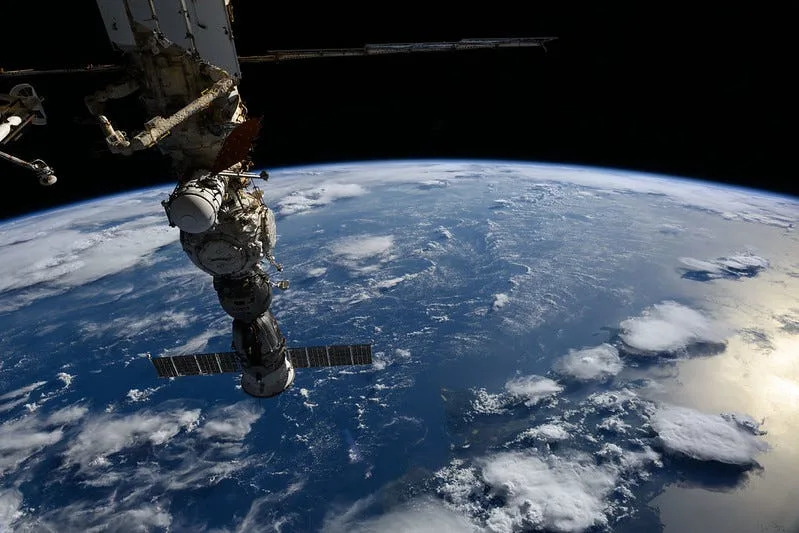
The Soyuz MS-27 crew spacecraft is pictured Sept. 14, 2025 docked to the International Space Station's Prichal module as the orbital outpost soared 257 miles above a gleaming blue Atlantic Ocean, north of the Dominican Republic.
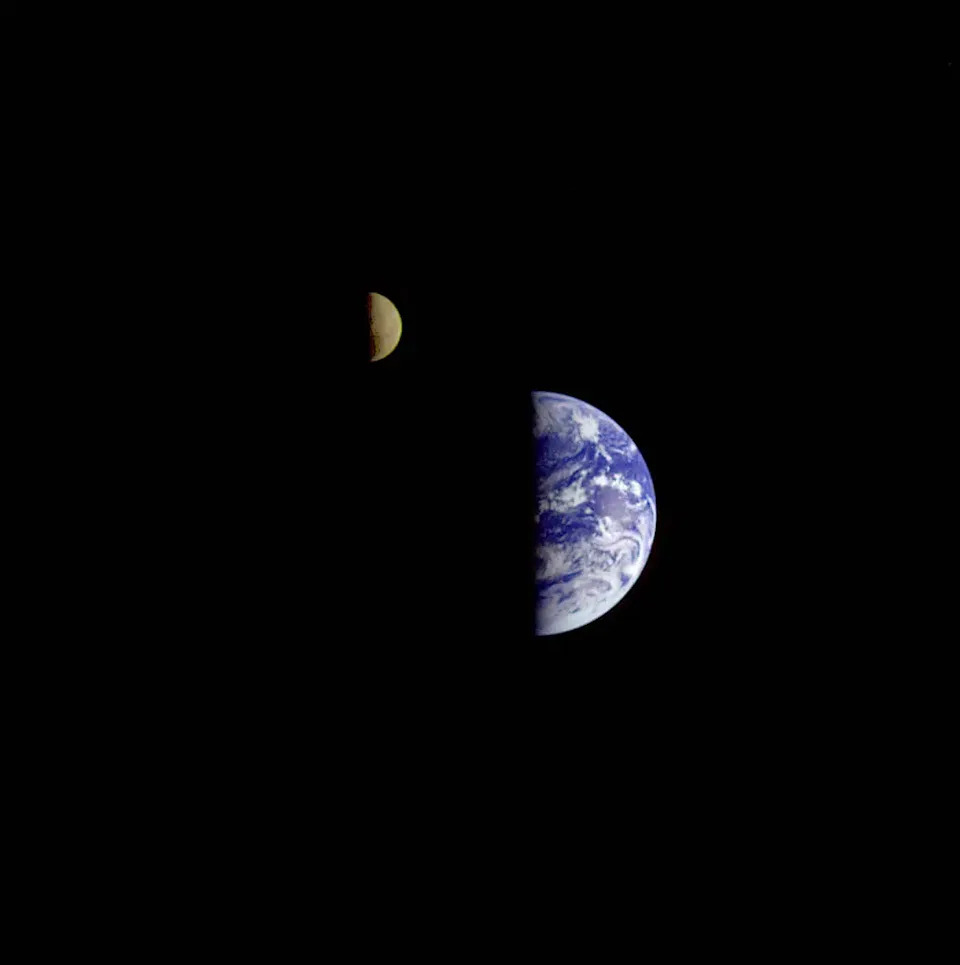
On December 16, 1992, eight days after its encounter with Earth, the Galileo spacecraft looked back from a distance of about 3.9 million miles to capture this remarkable view of the moon in orbit about Earth.
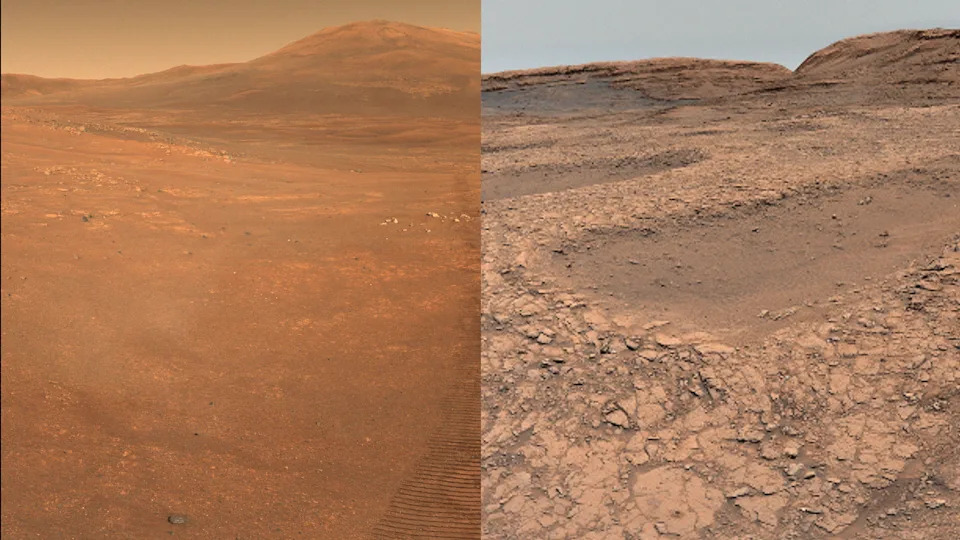
A side-by-side image shows two areas of Mars taken by NASA's two rovers on the planet about 2,300 miles apart. On the left is a panorama taken by the Perseverance rover as it travels on the rim of the Jezero Crater. On the right is an image from the Curiosity rover as it roams the Gale Crater.
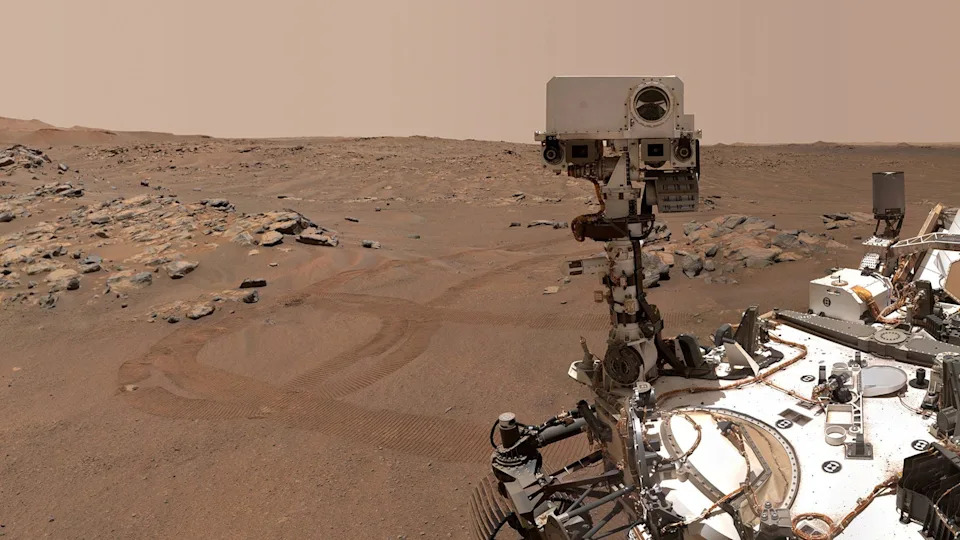
NASA’s Perseverance Mars rover is seen in a "selfie" that it took over on Sept. 10, 2021. Perseverance rover, along with Curiosity, is one of the agency's two car-sized robots exploring the Martian surface for signs that the planet was once habitable. And in September, NASA officials confirmed that one of the rovers’ finds contained a potential biosignature.
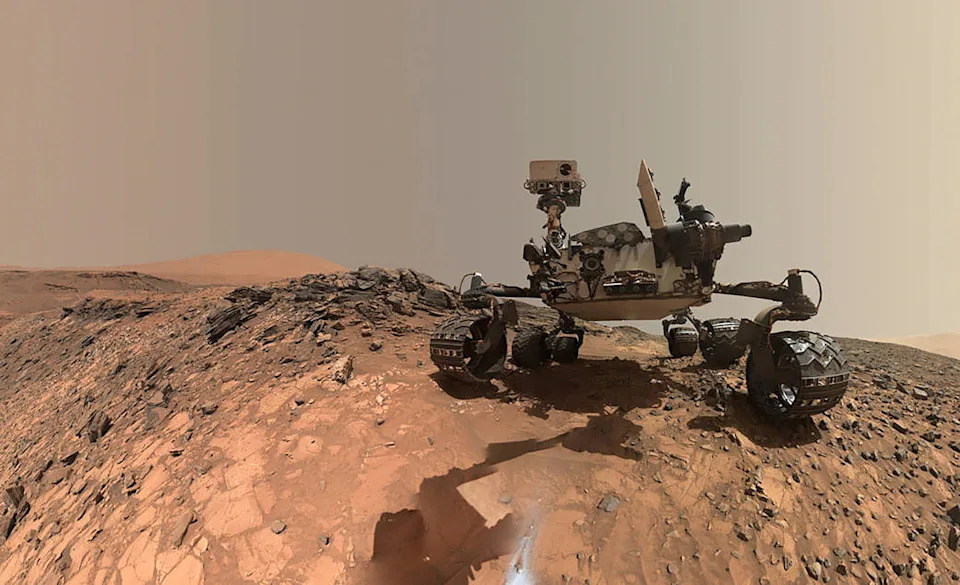
NASA's Curiosity Mars rover is seen at the site from which it reached down to drill into a rock target called 'Buckskin' on lower Mount Sharp in this low-angle self-portrait taken August 5, 2015 and released August 19, 2015. The selfie combines several component images taken by Curiosity's Mars Hand Lens Imager (MAHLI).
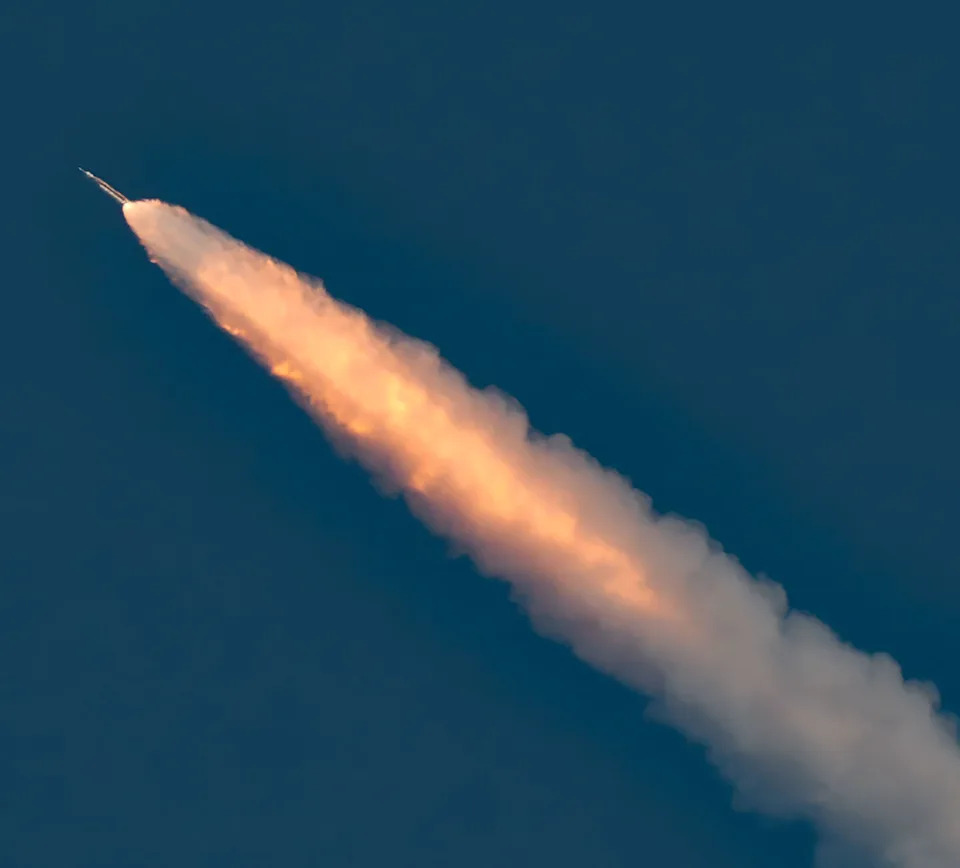
The Artemis II mission launches April 1 from the Kennedy Space Center in Cape Canaveral, Florida. The four-person crew aboard the Orion spacecraft hitched a ride to orbit atop NASA's giant 322-foot Space Launch System rocket. Launching atop 8.8 million pounds of thrust, the SLS is the most powerful rocket NASA ever launched, about 17% more powerful than the iconic Saturn V rocket used during the Apollo era.
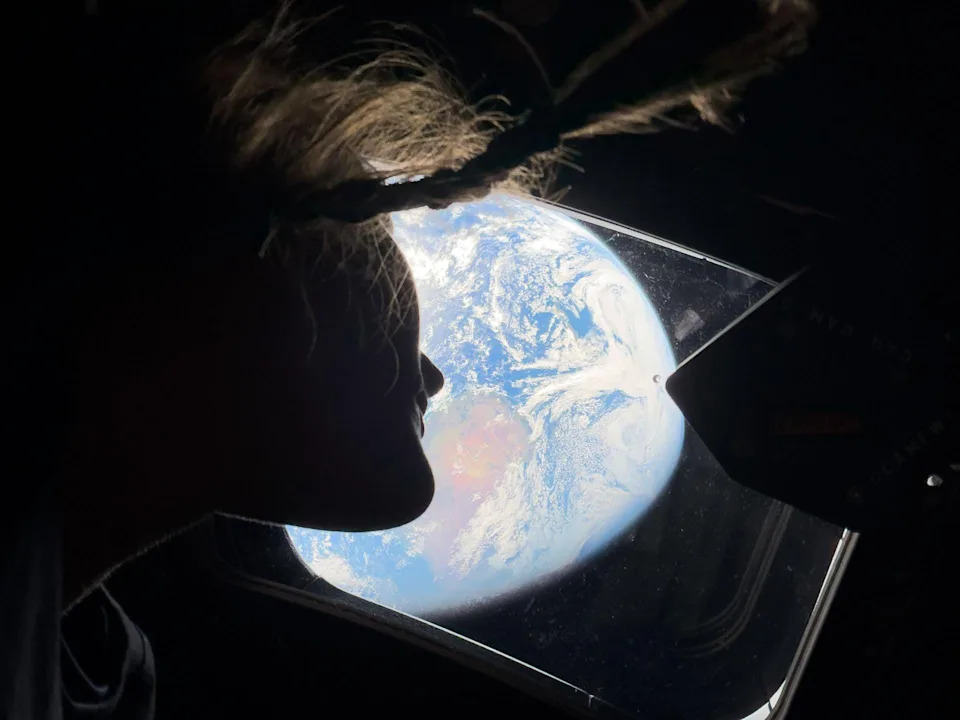
NASA astronaut Christina Koch, a mission specialist on Artemis II, gazes out the windows of the Orion vehicle back at Earth as she and the crew head toward the moon. Koch, who already holds several NASA records from her first spaceflight in 2019 to the International Space Station, became the first woman to fly on a lunar mission.
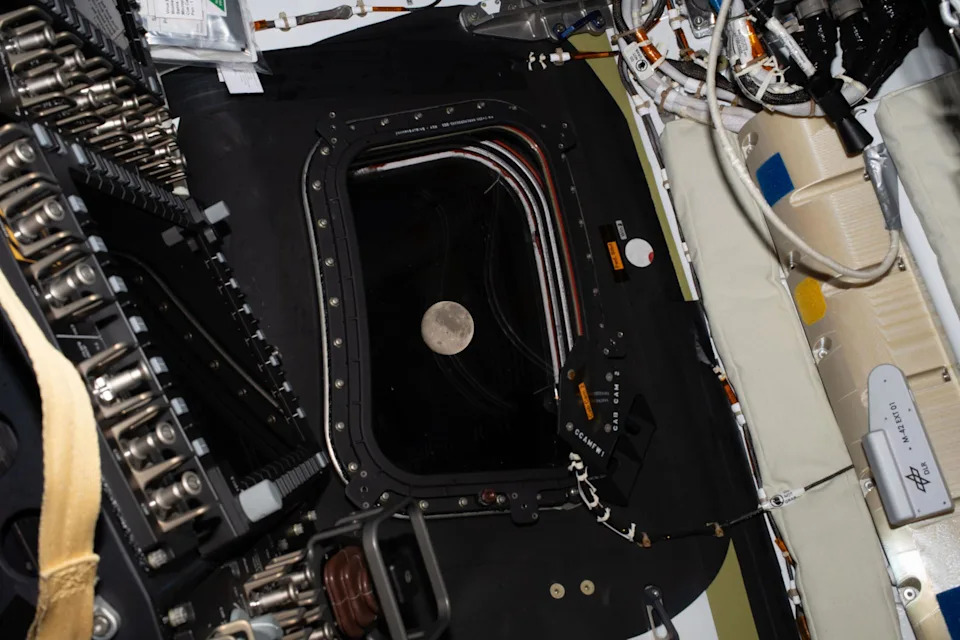
Before going to sleep April 5, the Artemis II crew snapped one more photo of the moon, as it drew close in the window of the Orion spacecraft. Shortly after, the astronauts entered the lunar sphere of influence, where the pull of the moon's gravity became stronger than Earth's.
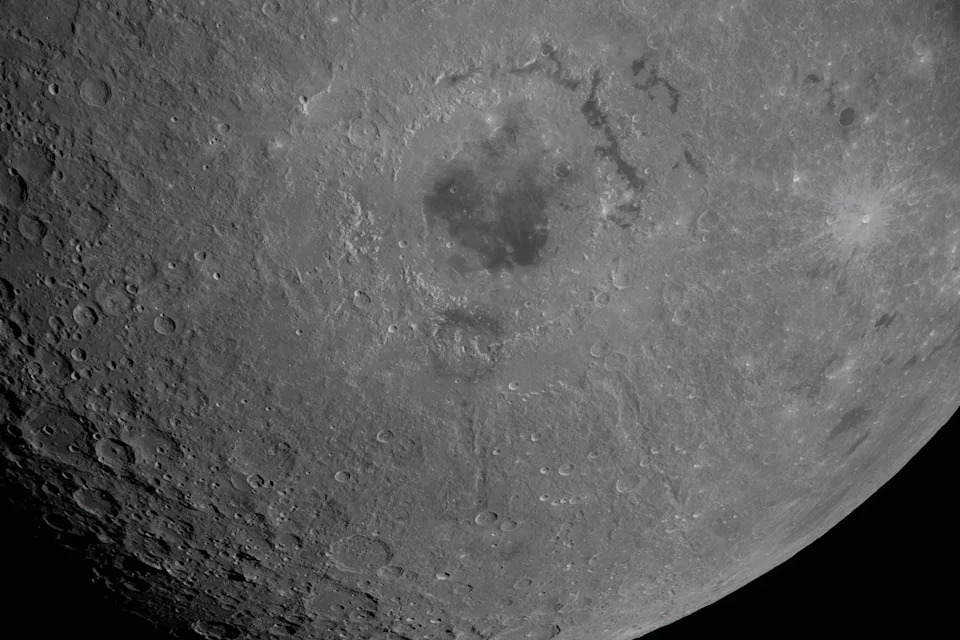
Of the impact craters, ancient lava flows and other lunar features the Artemis II astronauts observed during an April 6 flyby, a crater known as the Orientale basin was perhaps the most prominent. Spanning nearly 600 miles, the 3.8 billion year old crater (seen in the upper center of this photo) had never been seen with the naked eye prior to the mission.
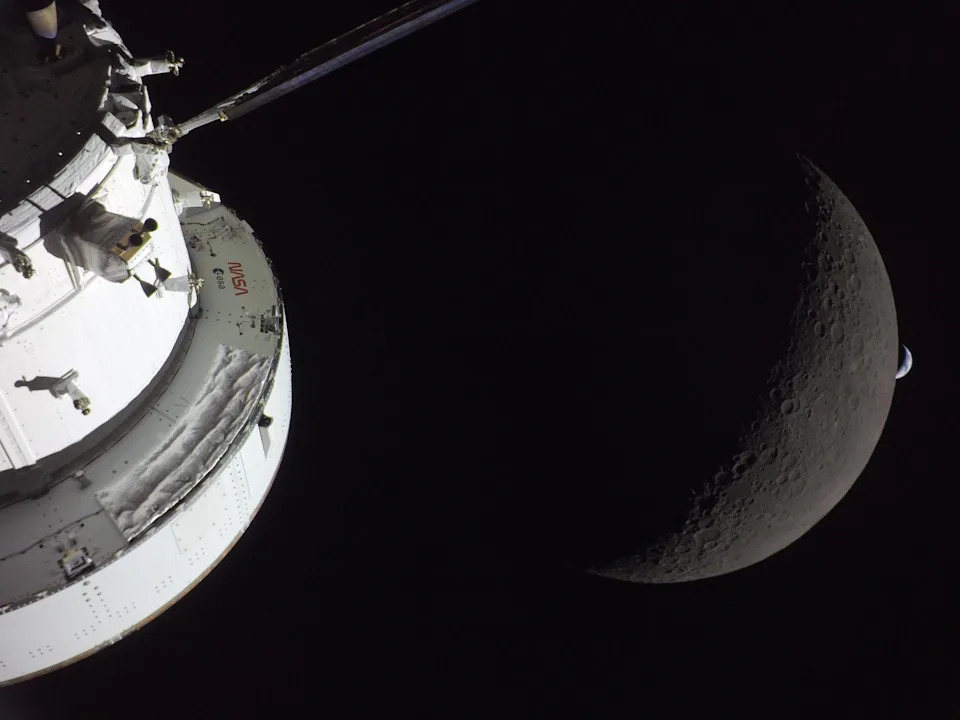
The Orion spacecraft the Artemis II astronauts were aboard is captured in the same frame as both the moon and Earth in this photo captured about four hours into the historic April 6 flyby.
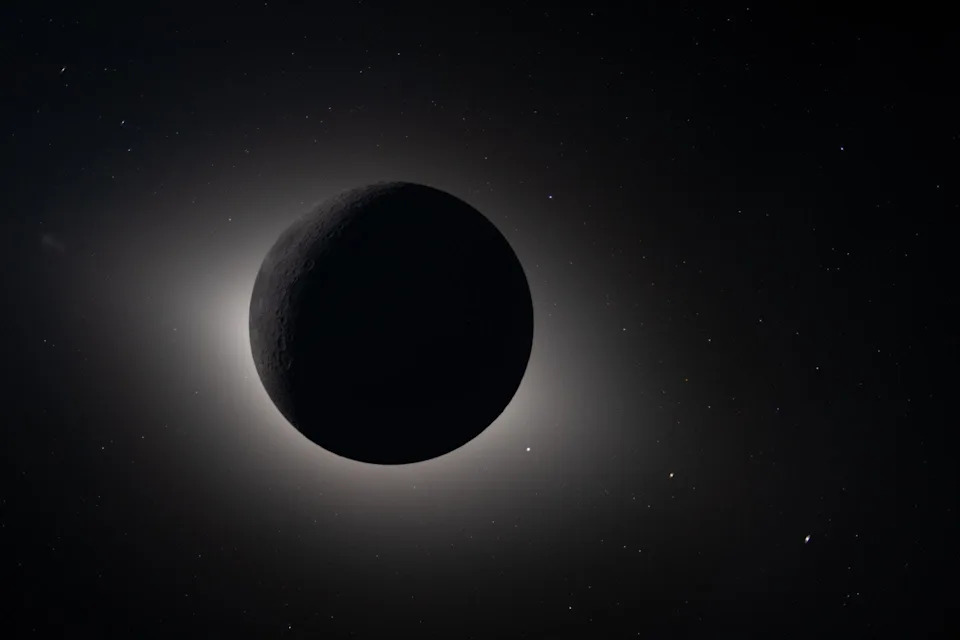
This image shows the moon fully eclipsing the sun from the vantage of the Orion spacecraft, not unlike what millions of people witnessed in April 2024 from Earth. From the crew’s perspective, the moon appeared large enough to completely block the sun, creating nearly 54 minutes of totality and revealing our star's elusive outermost layer, known as the corona.

The crew members of Artemis II embrace following the historic lunar flyby April 6, during which the astronauts flew farther from Earth than anyone in human history while seeing sights of the moon's far side never seen in person.
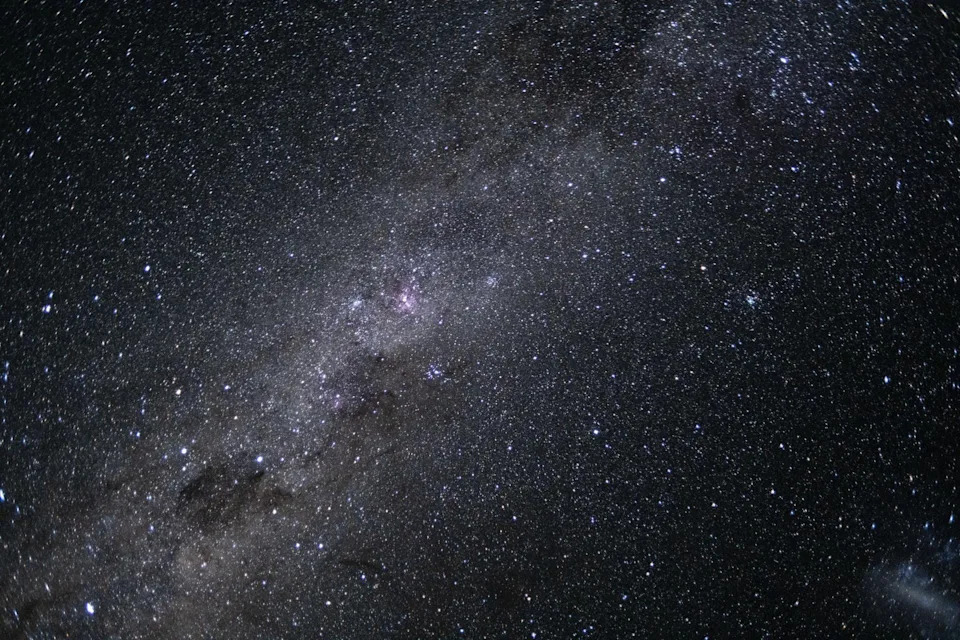
The Artemis II crew captured this breathtaking photo of our galaxy, the Milky Way. Spanning more than 100,000 light-years, Earth is located along one of the galaxy’s spiral arms, about halfway from the center.
Pomozite nam da budemo bolji.