Grupa od oko 15 ranjenih ukrajinskih veterana iz Kijeva našla je psihološko i socijalno olakšanje kroz pozorišni projekat Veterans' Theatre. Među učesnicima su Andrij Onopriienko, koji je izgubio obe oči u Avdijivci 2023, i Jehori Babenko, danas veteran-psiholog. Režiserka Olha Semoshkina prilagodila je uloge fizičkim ograničenjima, a premijera avangardne parodije na Vergilijevu Eneidu izazvala je jake emocije publike.
Ranjenim Ukrajinskim Veteranima Pozorište Donosi Isceljenje i Novi Smisao
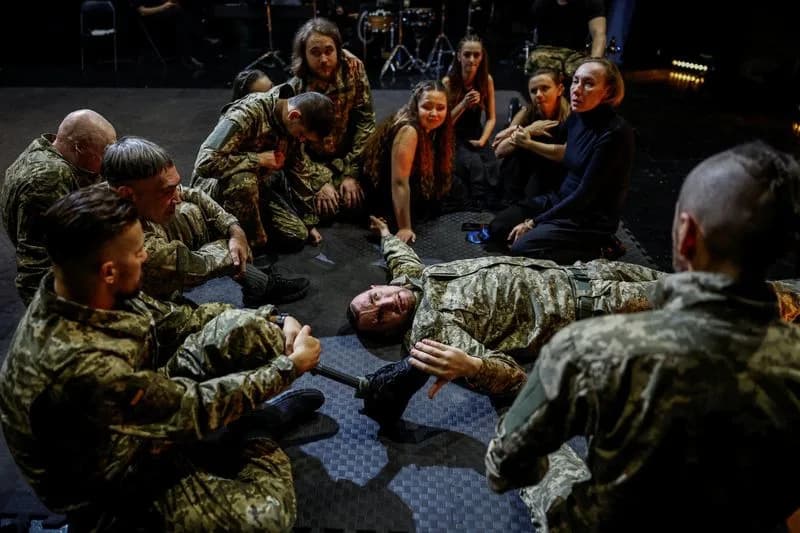
Olha Semoshkina (top right), chief choreographer of the Veterans' Theatre group, talks to the actors before the premiere of an 18th‑century Ukrainian parody of Virgil's "Aeneid", amid Russia's attack on Ukraine, in Kyiv, Ukraine, December 4, 2025. Fellow member and veterans' psychologist Yehor Babenko, 27, said the transformative trauma of serious injury often compels people to seek meaning in something new. He said it was critical for his fellow comrades to understand that life does not simply end after a serious injury. "Sometimes, you understand it’s the opposite - that it just starts getting going." REUTERS/Alina Smutko
KYIV — Grupa ranjenih ukrajinskih veterana iz Kijeva pronalazi psihološko i socijalno olakšanje kroz pozorišnu inicijativu nazvanu Veterans' Theatre. Među njima je Andrij Onopriienko, koji je 2023. izgubio obe oči u Avdijivci, i Jehori Babenko, ranjen u oblasti Mikolajiva, danas i psiholog za veterane.
Gluma kao rehabilitacija
Onopriienko je, uprkos potpunom gubitku vida, naučio svoju ulogu slušanjem i memorisanjem teksta. Kao deo grupe od oko 15 aktera, otkrio je da izvođenje na sceni pruža osećaj svrhe i pripadnosti: "Da, možda nemamo ruku, nogu ili oči — ali ne odustajemo", rekao je.
Tražeći smisao u nečemu novom
Rat koji je sada u petoj godini ostavio je stotine hiljada ranjenih; desetine hiljada su pretrpele amputacije. Mnogi se suočavaju sa izazovom reintegracije u društvo. Za veterane iz ovog ansambla, pozorište postaje prostor za socijalizaciju, fizičku rehabilitaciju i emocionalnu preradu traume.
Jehor Babenko, 27-godišnji bivši vojnik čije su lice i ruke teško oštećeni, posvetio se zahtevnim mesecima proba punim plesa i fizičkih zadataka. Kao psiholog za veterane, primećuje da traumatske povrede često podstiču ljude da probaju nešto novo i otvore se za promene.
Za 57-godišnjeg Romana Trokhymenka, koji je 2024. izgubio desnu nogu, učešće u pozorištu je pomoglo da obnovi samopouzdanje. Režiserka Olha Semoshkina pojedinačno je prilagodila uloge tako da odgovaraju fizičkim mogućnostima svakog učesnika, fokusirajući se na pokret i scensku energiju.
Izloženost i autentičnost na sceni
Glumci ističu da scenski nastup donosi ne samo fizičke izazove već i emotivnu izloženost. Taras Kozub, 53, koji je izgubio levu ruku, svira tradicionalni instrument uz posebno dizajniranu protezu. "Prva stvar koju sam shvatio je da na sceni nikoga ne možeš prevariti. Kao da stojiš tamo go", rekao je.
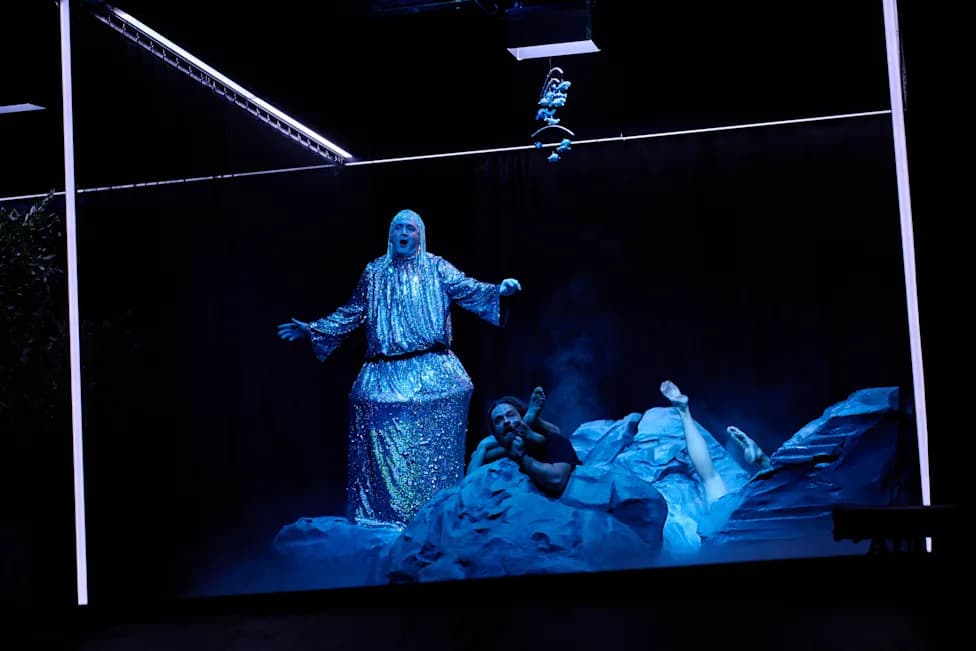
Premijerna izvedba — avangardna adaptacija osamnaestovekovne ukrajinske parodije na Vergilijevu Eneidu — prikazana je pred dirnutom publikom u Kijevu. Veterani su izašli uz jake ovacije, suze i zagrljaje iz publike, potvrdivši koliko umetnost može da zaoštri zajedništvo i vrati smisao života.
"Ponekad shvatiš da je suprotno — da život tek počinje da se pokreće", rekao je Babenko.
Ovaj projekat pokazuje kako kreativan rad i prilagođeni scenski zadaci mogu postati važan deo procesa oporavka za osobe sa teškim ratnim povredama, istovremeno podižući svest o dugoročnim posledicama rata i potrebama solidarnosti u društvu.
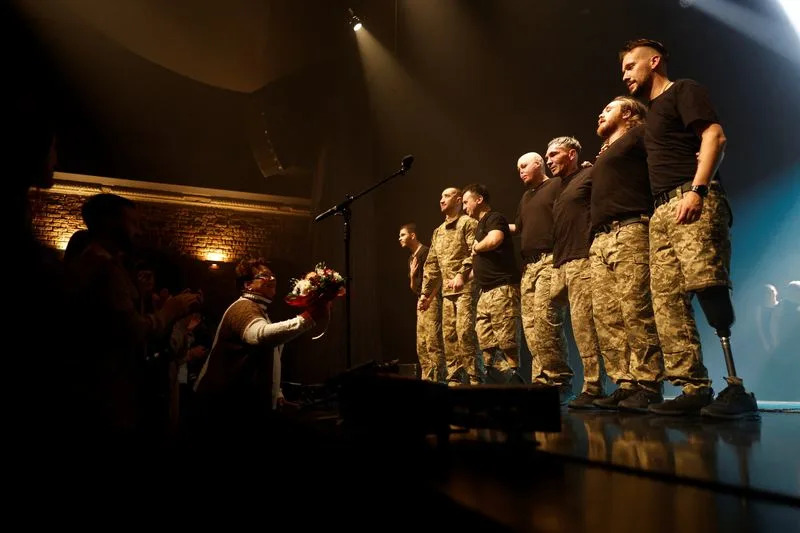
A person gives flowers to the Veterans' Theatre group at the end of the premiere of an 18th‑century Ukrainian parody of Virgil's "Aeneid", amid Russia's attack on Ukraine, in Kyiv, Ukraine, December 4, 2025. Fellow member and veterans’ psychologist Yehor Babenko, 27, said the transformative trauma of serious injury often compels people to seek meaning in something new. He said it was critical for his fellow comrades to understand that life does not simply end after a serious injury. "Sometimes, you understand it’s the opposite - that it just starts getting going." REUTERS/Alina Smutko
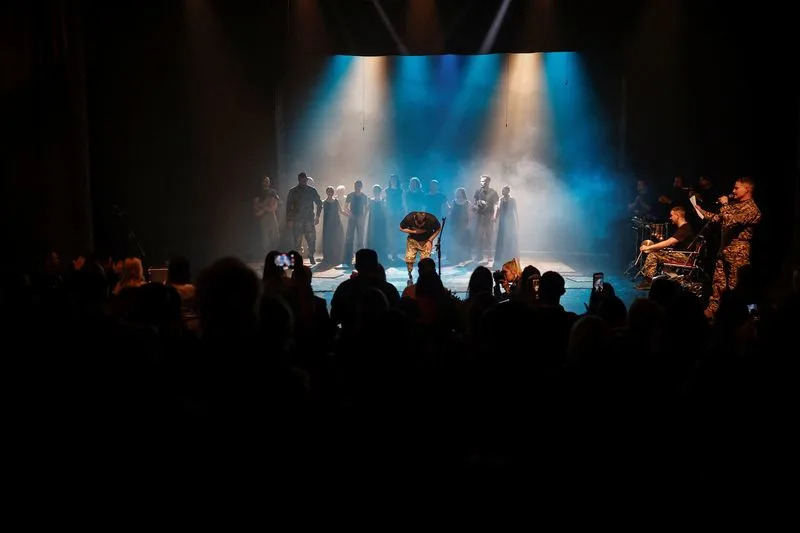
Ukrainian soldier Artem Moroz, 46, bows to the audience after the premiere of an 18th‑century Ukrainian parody of Virgil's "Aeneid", performed by the Veterans' Theatre group amid Russia's attack on Ukraine, in Kyiv, Ukraine, December 4, 2025. Fellow member and veterans’ psychologist Yehor Babenko, 27, said the transformative trauma of serious injury often compels people to seek meaning in something new. He said it was critical for his fellow comrades to understand that life does not simply end after a serious injury. "Sometimes, you understand it’s the opposite - that it just starts getting going." REUTERS/Alina Smutko
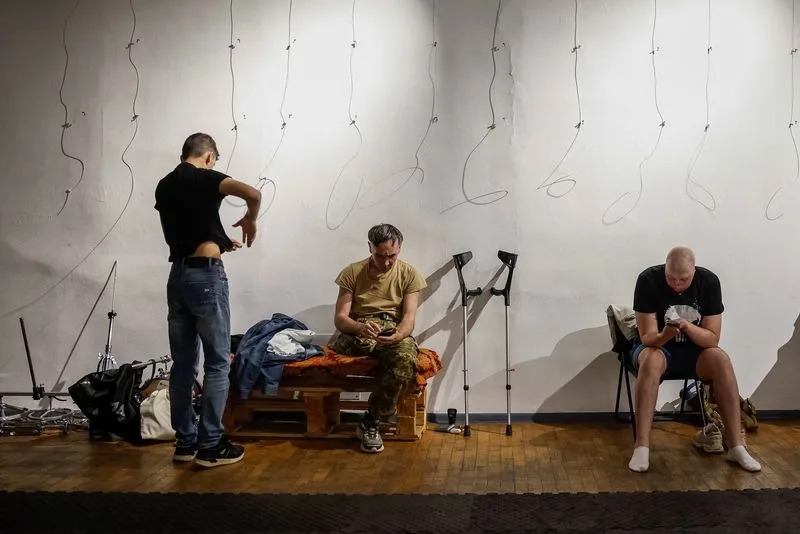
Members of the Veterans' Theatre group prepare to rehearse an 18th‑century Ukrainian parody of Virgil's "Aeneid", amid Russia's attack on Ukraine, in Kyiv, Ukraine, September 7, 2025. Fellow member and veterans' psychologist Yehor Babenko, 27, said the transformative trauma of serious injury often compels people to seek meaning in something new. He said it was critical for his fellow comrades to understand that life does not simply end after a serious injury. "Sometimes, you understand it’s the opposite - that it just starts getting going." REUTERS/Alina Smutko
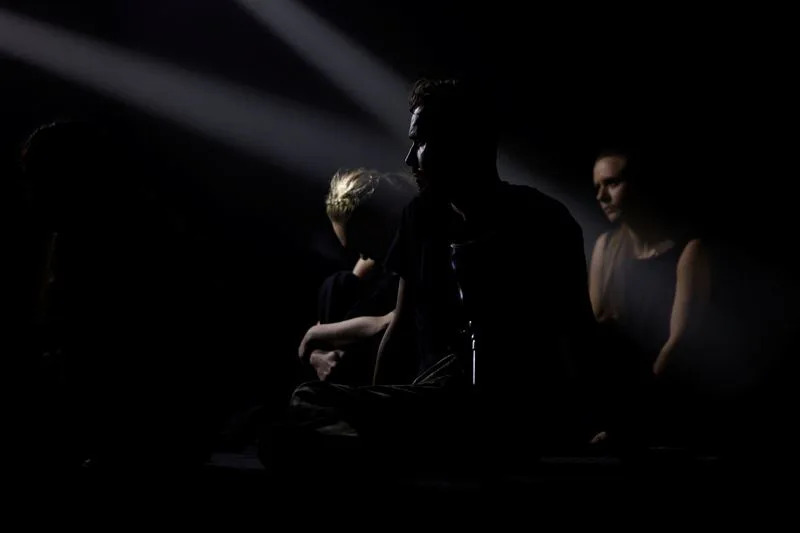
Ivan Voinov (front), 33, and fellow members of the Veterans' Theatre group perform during the premiere of an 18th‑century Ukrainian parody of Virgil's "Aeneid", amid Russia's attack on Ukraine, in Kyiv, Ukraine, December 4, 2025. Fellow member and veterans’ psychologist Yehor Babenko, 27, said the transformative trauma of serious injury often compels people to seek meaning in something new. He said it was critical for his fellow comrades to understand that life does not simply end after a serious injury. "Sometimes, you understand it’s the opposite - that it just starts getting going." REUTERS/Alina Smutko
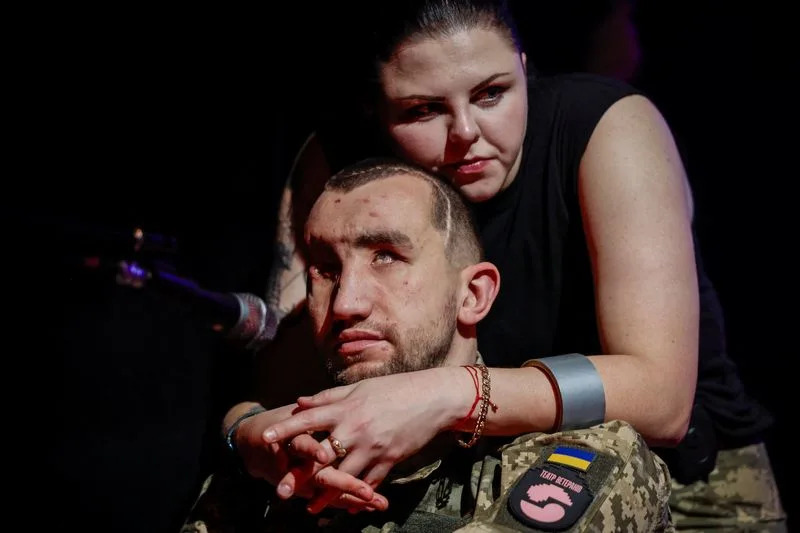
Inna Korolenko, 26, hugs fellow veteran Andrii Onopriienko, 31, who lost both eyes when two Russian anti‑tank rounds struck his position in the eastern city of Avdiivka in 2023, during rehearsal with the Veterans' Theatre for an 18th‑century Ukrainian parody of Virgil's "Aeneid", amid Russia's attack on Ukraine, in Kyiv, Ukraine, December 4, 2025. Like the other veterans in his Kyiv-based group of around 15 actors, Onopriienko has found healing and fulfilment on stage, after a friend told him about a theatre looking for injured veterans and suggested he join. "Yes, we might not have an arm, or legs, or eyes - but we aren't giving up," he said. "It's rehabilitation and socialisation, it's...positive emotions." REUTERS/Alina Smutko
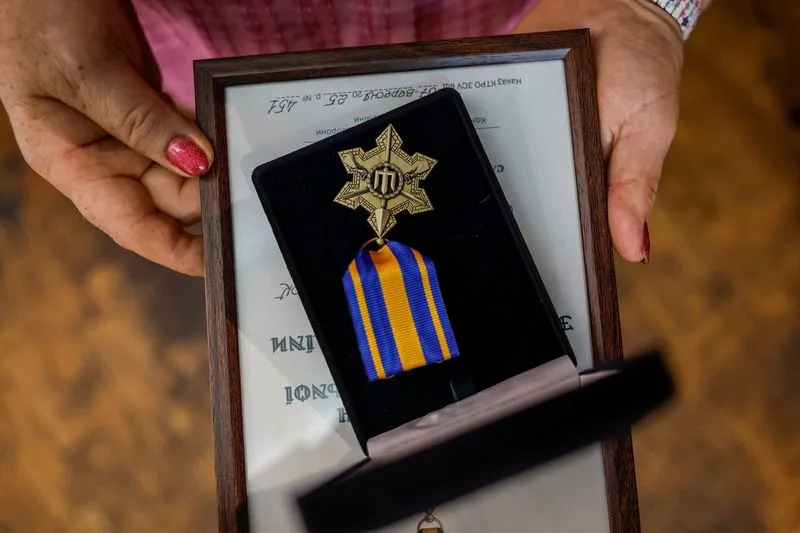
Nataliia Plokhotniuk, 61, a member of the Veterans' Theatre group, holds an awarded medal she got during rehersal for an 18th‑century Ukrainian parody of Virgil's "Aeneid", amid Russia's attack on Ukraine, in Kyiv, Ukraine, September 10, 2025. Fellow member and veterans’ psychologist Yehor Babenko, 27, said the transformative trauma of serious injury often compels people to seek meaning in something new. He said it was critical for his fellow comrades to understand that life does not simply end after a serious injury. "Sometimes, you understand it’s the opposite - that it just starts getting going." REUTERS/Alina Smutko
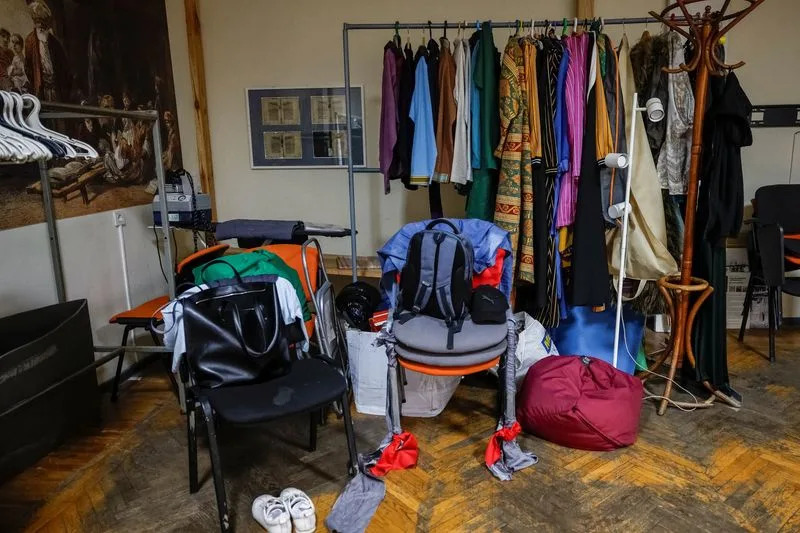
Costumes and items belonging to members of the Veterans' Theatre group are displayed during rehearsal for an 18th‑century Ukrainian parody of Virgil's "Aeneid", amid Russia's attack on Ukraine, in Kyiv, Ukraine, September 10, 2025. Fellow member and veterans' psychologist Yehor Babenko, 27, said the transformative trauma of serious injury often compels people to seek meaning in something new. He said it was critical for his fellow comrades to understand that life does not simply end after a serious injury. "Sometimes, you understand it's the opposite - that it just starts getting going." REUTERS/Alina Smutko
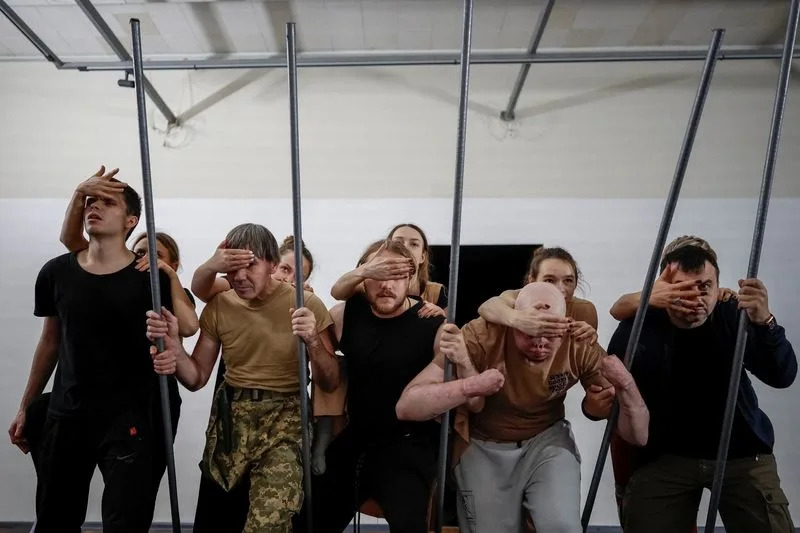
Members of the Veterans' Theatre group rehearse for an 18th‑century Ukrainian parody of Virgil's "Aeneid", amid Russia's attack on Ukraine, in Kyiv, Ukraine, November 12, 2025. Fellow member and veterans’ psychologist Yehor Babenko, 27, said the transformative trauma of serious injury often compels people to seek meaning in something new. He said it was critical for his fellow comrades to understand that life does not simply end after a serious injury. "Sometimes, you understand it’s the opposite - that it just starts getting going." REUTERS/Alina Smutko
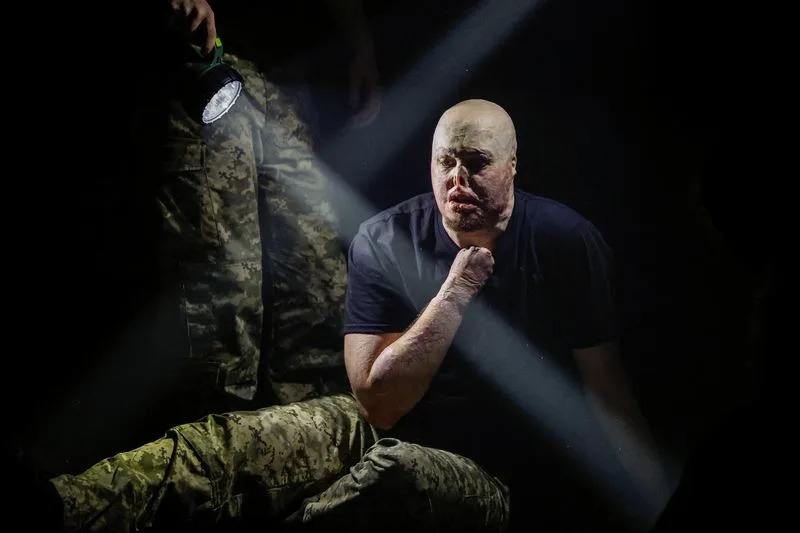
Ukrainian soldier Yehor Babenko, 27, who began working as a veterans' psychologist last year, performs at the premiere of an 18th‑century Ukrainian parody of Virgil's "Aeneid", performed by the Veterans' Theatre group amid Russia's attack on Ukraine, in Kyiv, Ukraine, December 4, 2025. Babenko was wounded in the first year of fighting when Russian forces struck his base in the southern region of Mykolaiv, but that did not stop him from committing to months of taxing rehearsals full of dancing, twirling and tumbling. He said said the transformative trauma of serious injury often compels people to seek meaning in something new. "I know a lot of cases where people opened up or tried things they never dared to try." REUTERS/Alina Smutko
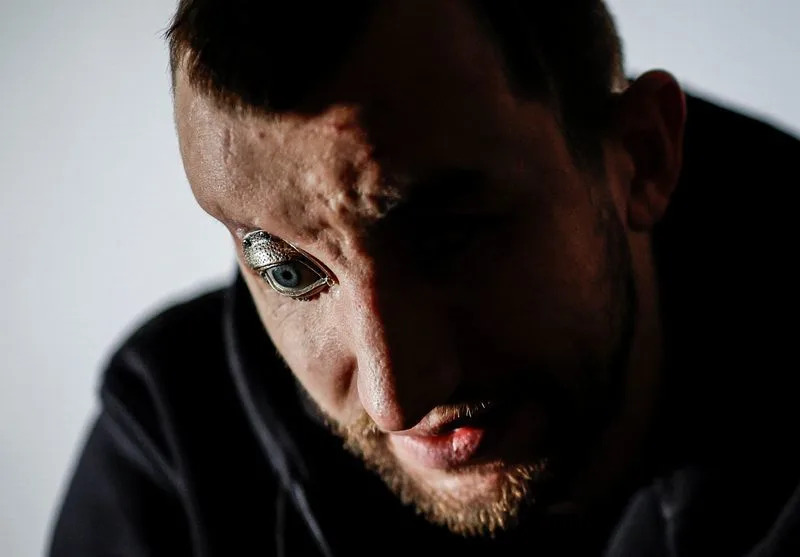
Ukrainian soldier Andrii Onopriienko, 31, who lost both eyes when two Russian anti‑tank rounds struck his position in the eastern city of Avdiivka in 2023, rehearses with the Veterans' Theatre for an 18th‑century Ukrainian parody of Virgil's "Aeneid", amid Russia’s attack on Ukraine, in Kyiv, Ukraine, November 19, 2025. Like the other veterans in his Kyiv-based group of around 15 actors, Onopriienko has found healing and fulfilment on stage, after a friend told him about a theatre looking for injured veterans and suggested he join. "Yes, we might not have an arm, or legs, or eyes - but we aren't giving up," he said. "It's rehabilitation and socialisation, it's...positive emotions." REUTERS/Alina Smutko
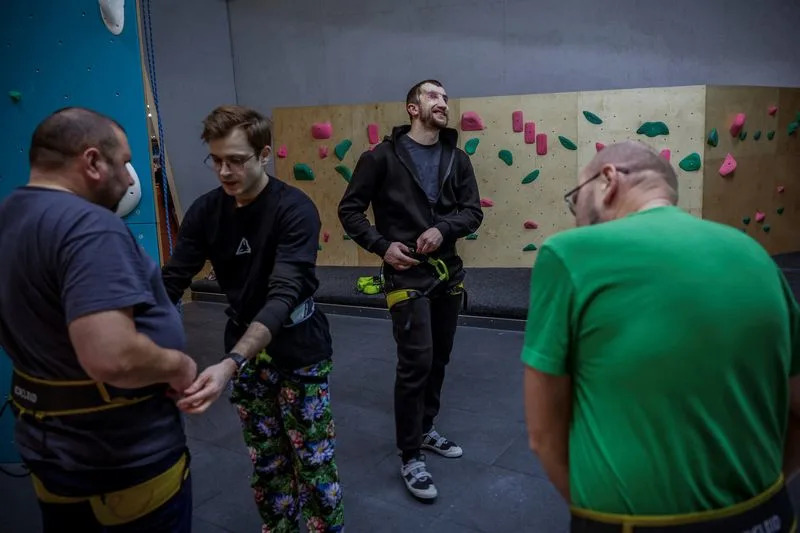
Ukrainian soldier Andrii Onopriienko (center), 31, who lost both eyes in 2023 and is now a member of the Veterans' Theatre group, attends rehabilitation classes with fellow veterans at a climbing wall, amid Russia's attack on Ukraine, in Kyiv, Ukraine, December 2, 2025. Like the other veterans in his Kyiv-based group of around 15 actors, Onopriienko has found healing and fulfilment on stage, after a friend told him about a theatre looking for injured veterans and suggested he join. "Yes, we might not have an arm, or legs, or eyes - but we aren't giving up," he said. "It's rehabilitation and socialisation, it's...positive emotions." REUTERS/Alina Smutko
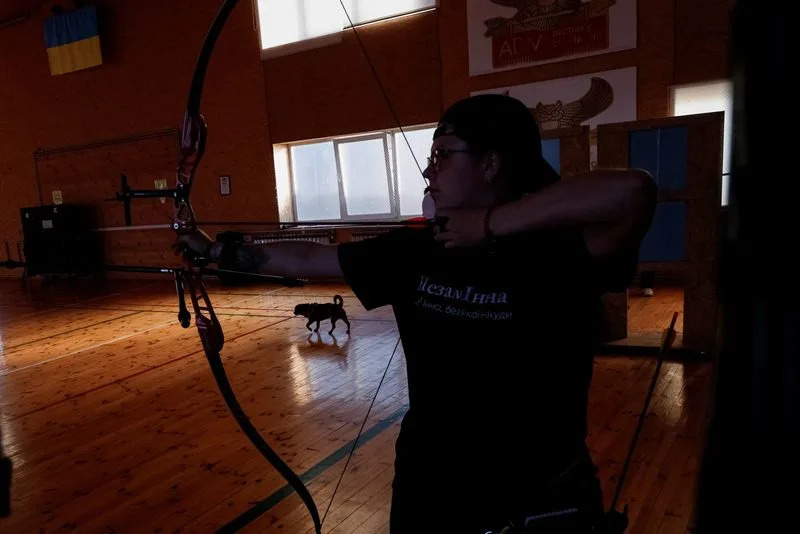
Inna Korolenko, 26, a veteran combat medic, practices ahead of a national archery competition, amid Russia's attack on Ukraine, in Kyiv, Ukraine, September 11, 2025. Fellow member and veterans' psychologist Yehor Babenko, 27, said the transformative trauma of serious injury often compels people to seek meaning in something new. He said it was critical for his fellow comrades to understand that life does not simply end after a serious injury. "Sometimes, you understand it's the opposite - that it just starts getting going." REUTERS/Alina Smutko
Pomozite nam da budemo bolji.